
 ЖИ көмекші


 Қауіпсіз төлем

жүктеу мүмкіндігіне ие боласыз
Бұл материал сайт қолданушысы жариялаған. Материалдың ішінде жазылған барлық ақпаратқа жауапкершілікті жариялаған қолданушы жауап береді. Ұстаз тілегі тек ақпаратты таратуға қолдау көрсетеді. Егер материал сіздің авторлық құқығыңызды бұзған болса немесе басқа да себептермен сайттан өшіру керек деп ойласаңыз осында жазыңыз
 03 Наурыз 2023
 578
578
1 жыл бойы шексіз жүктеңіз
Communications and technologies grade 7
Short Term Plan
|
Unit: 2 Communication and Technology Topic: Brief history of mobile phones (Solutions pre-intermediate) UOE: Passive voice |
School: |
||||||
|
Values: work and creativity |
|||||||
|
Date: |
Teacher’s name: |
||||||
|
Grade: 7 |
Number present: |
absent: |
|||||
|
Learning objectives(s) that this lesson is contributing to |
7.R2 understand independently specific information and detail in short, simple texts on a limited range of general and curricular topics 7.S3 give an opinion at sentence and discourse level on an increasing range of general and curricular topics |
||||||
|
Lesson objectives |
|
||||||
|
Previous learning |
Social networking sites in Kazakhstan |
||||||
|
Cross-Curricular Link |
Innovative Technology |
||||||
|
Use of ICT |
Nearpod, Google Forms |
||||||
|
Intercultural awareness |
Importance of being a global citizen and how to make positive change to the world. |
||||||
|
Kazakh culture |
viewing personal peculiarities through Kazakh culture |
||||||
|
Pastoral Care |
Provide sufficient capacity and resources to meet student’s needs |
||||||
|
Health and Safety |
Short physical exercises in between the activities |
||||||
|
Planned timings |
Planned activities |
Resources |
|||||
|
Start 2 min
6 min
5 min
10-12 min
Break 5 min |
Teacher introduces learning and lesson objectives in simple way.
Lead-in Students follow the forms link and answer to the quiz questions. Pre-reading Teacher asks: -What do people use their mobile phones for? Think as many as you can in 1 minute.
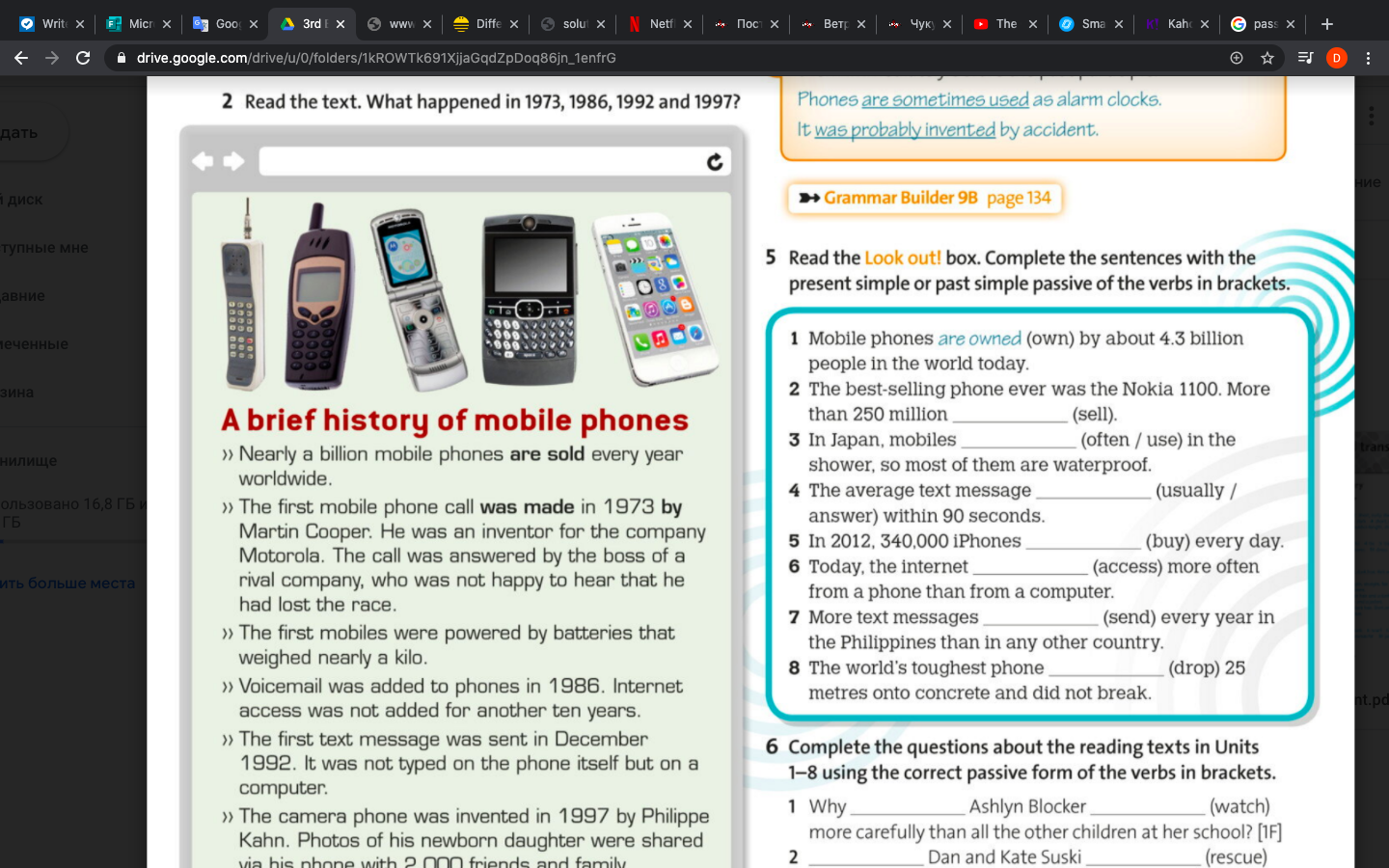
-What do you know about first mobile phones? Reading The students read the text and answer to the question. “A brief history of mobile phones” * Nearly a billion mobile phones are sold every year worldwide. * The first mobile phone call was made in 1973 by Martin Cooper. He was an inventor for the company Motorola. The call was answered by the boss of a rival company, who was not happy to hear that he has lost the race. * The first mobiles were powered by batteries that weighed nearly by kilo. * Voicemail was added to phones in 1986. Internet access was not added for another ten years. * The first text message was sent in December 1992. It was not typed on the phone itself but on a computer. * The camera phone was invented in 1997 by Philippe Kahn. Photos of his newborn daughter were shared via his phone with 2000 friends and family. * In the UK, a mobile phone is stolen every three minutes. * What are phones used for the most? It isn’t texting or calling - it’s checking the time! What happened in 1973, 1986,1992 and 1997?
Teacher asks what tense they used to talk technology changes in the future. Teacher explains the usage of Future Tenses.
Students individually do Ex-26.1-4, ex-27.2-5 (I)
(W) Plenary Teacher asks
Home assignment Ex-28.1-5 the usage of Future Simple |
PPT slides 2-4 PPT slide 5 PPT slide 6 PPT slide 7 |
|||||
|
|
|
|
|||||
|
3-6 min
6 min
6 min
10 min |
Grammar Teacher asks: Read and say what do these words in bold mean?
*Nearly a billion mobile phones are sold every year worldwide. * The first mobile phone call was made in 1973 by Martin Cooper.
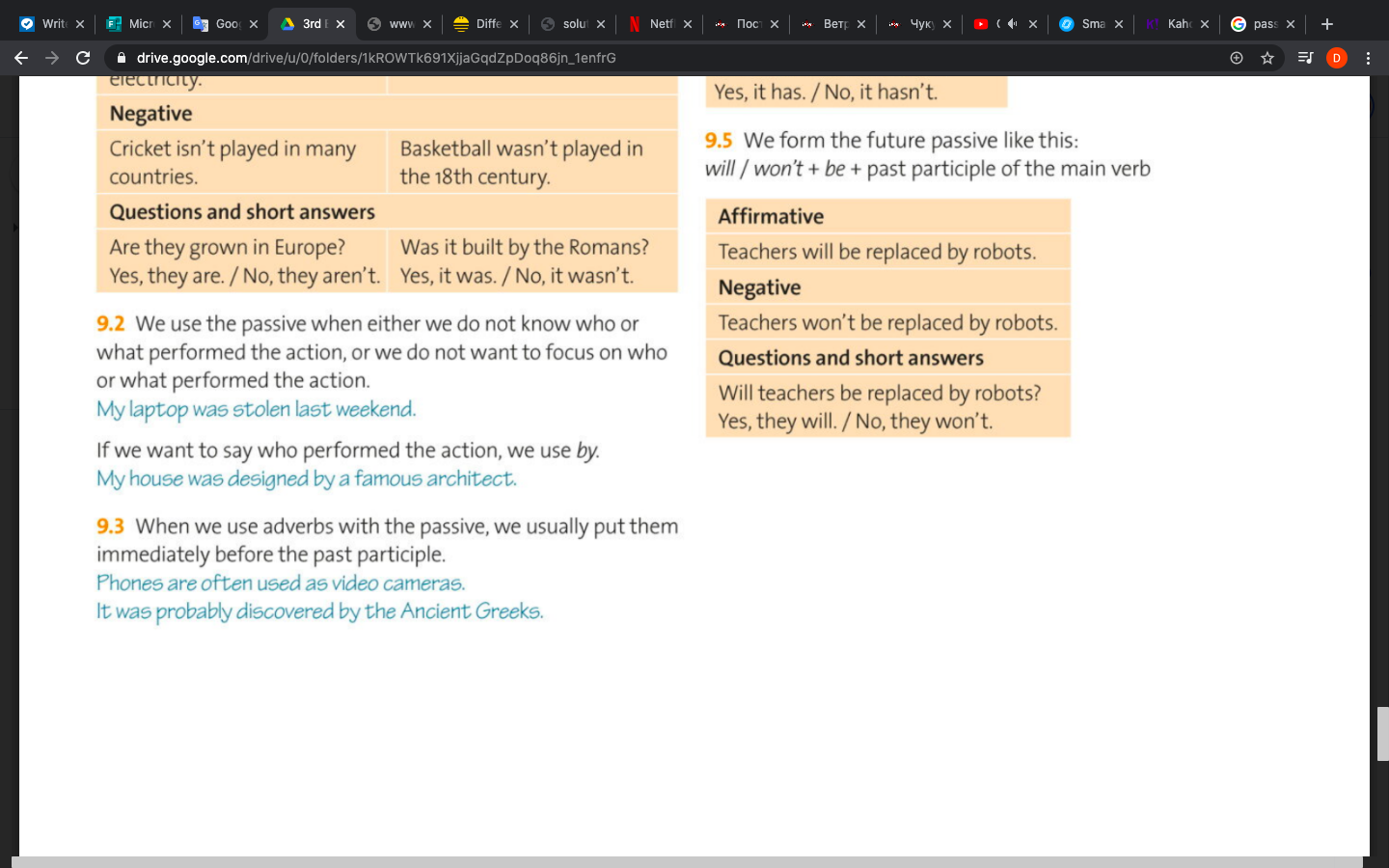
UOE: Passive voice Teacher explains the usage of passive voice (Present simple and past simple).
Passive voice activity Students in individually read the sentences and complete them with the right passive voice form.
Answer keys 2. were sold 3. are often used 4. is usually answered 5. were bought 6. is accessed 7. are sent 8. was dropped |
PPT slide 8
PPT slide 9
PPT slide 10
Traveller page 51 |
|||||
|
3 min |
(W) Plenary Discuss with learners the following questions
|
PPT slide 11 |
|||||
|
Additional information |
|||||||
|
Differentiation – how do you plan to give more support? How do you plan to challenge the more able learners? |
Assessment – how are you planning to check learners’ learning? |
Cross-curricular links Science, Value links |
|||||
|
More support:
More-able learners:
|
|
All of these lesson features reflect the school's values and correlate with the aims of critical and creative thinking, and effective communication set out in the Subject Programme for G7 English. Innovative Technology |
|||||
|
Summary evaluation What two things went really well (consider both teaching and learning)? 1:  Материалды Word форматында жүктеп аласыз
Тарифке кіреді
1 ұстаз жүктеп алған  3 наурыз  578
Бұл материалды қолданушы жариялаған. UstazTilegi материалдың мазмұны мен авторлық құқықтарына жауап бермейді. Авторлық құқық бұзылған жағдайда шағым қалдыра аласыз   "Ұстаз" платформасында тіркелген пәндік олимпиадалар
Аттестацияға жарамды екенін көру үшін "Ұстаз" платформасында "Жарыстар, олимпиадалар тізімінен "Ustaz tilegi" деп іздесеңіз шығады
 Қазақстандағы ең үлкен материалдар базасынан іздеу Сіз үшін 400 000 ұстаздардың еңбегі мен тәжірибесін біріктіріп, ең үлкен материалдар базасын жасадық. Төменде керек материалды іздеп, жүктеп алып сабағыңызға қолдана аласыз Министірлікпен келісілген Аттестацияға жарамды курстар тізімі | |||||||





 Бұл курс Қазақстан Республикасы Оқу-ағарту министрлігімен келісілген










