
 ЖИ көмекші


жүктеу мүмкіндігіне ие боласыз
Бұл материал сайт қолданушысы жариялаған. Материалдың ішінде жазылған барлық ақпаратқа жауапкершілікті жариялаған қолданушы жауап береді. Ұстаз тілегі тек ақпаратты таратуға қолдау көрсетеді. Егер материал сіздің авторлық құқығыңызды бұзған болса немесе басқа да себептермен сайттан өшіру керек деп ойласаңыз осында жазыңыз
 04 Қараша 2025
 61
61
English plus 5 grade lesson plan term 1
Бұйрық No194 (30.07.2024) – «Біртұтас тәрбие» бағдарламасы.
Бұйрық No123 (26.05.2025) – «Адал азамат» жобасы арқылы адалдық пен әділдікке тәрбиелеу. Short term plan
|
Unit 1: Home and away |
lesson 1 |
||
|
School: |
|
||
|
Teacher's name: |
|
||
|
Date: |
|
||
|
Grade: 5 |
Number present: |
absent: |
|
|
Lesson title |
Familiar Words |
||
|
Learning objectives |
5.2.3.1 understand an increasing range of unsupported basic questions on general and curricular topics; 5. 3. 2. 1 Ask simple questions for information within a number of general topics; |
||
|
Lesson objectives (assessment criteria) |
Learners will be able to: - Understand vocabulary for everyday objects. - Ask about the meaning of words |
||
|
Instilling values of the program “Birtutas tarbiye” |
Honesty and fairness Unity and solidarity Diligence and professional competence – respect Justice and Responsibility Independence and Patriotism Perseverance and hard work |
||
|
Stages/ Time |
Teachers actions |
Students actions |
Assessment |
Resources |
|
Beginning 5 min |
Greeting. T tells the class to make groups of 2. Warm up: Books closed. Say to the class: I’m Liza. Choose a student and repeat: I’m Bob. What’s your name? Elicit the response I’m (student’s name) from the student. Write the short exchange on the board. Then move around the class, asking each student their name. Finally ask the students to mingle and ask each other their names. -What’s your name? - I am Bob - What’s your name? - I am Lisa Setting the aim of the lesson.
|
Learners read the given sentences on the board and guess the topic and share with their ideas. Remember and recognize the main vocabulary. |
Teacher evaluate pupils with phrases like: “Good job! Well done!” Formative Assessment
|
Sheets of peppers Pictures of to be
|
|
Middle 12 min |
Ex: 1 P:4 Methods and Techniques: Visual Q&A – Looking at the pictures, ask “What can you see?” Vocabulary work – Elicit and write the words teacher, student, boy, girl, pencil on the board. Pronunciation modelling – Repeat after the teacher, chorally and individually. Listening and matching – Listen to the dialogues and match them to the people in the pictures. Answer sharing – Students share their answers and add to each other’s responses. Value: Diligence – Students listen carefully, try to pronounce and remember new words correctly. This teaches them to complete the task thoroughly and responsibly. |
Students listen and read the dialogues. Then choose the correct words in 1-3 ANSWERS 1 student 2 friends 3 teacher |
Descriptor: -They correctly name the people in the picture (teacher, student, boy, girl). - Can pronounce new words correctly and clearly (carefully repeats pronunciation). - Participates actively in class and strives to complete the task to the end (demonstrates diligence). Total: 3 point |
Student’s book |
|
11 min
|
Ex: 2 P:4 Activity: Role-play the dialogue (Sally, Tom, Rosa) Role assignment – Choose three stronger students to take the roles of Sally, Tom, and Rosa. Teacher modelling – Act out the dialogue with them, taking the teacher’s role yourself. Second listening – Play the recording again so students can hear correct pronunciation and intonation. Group work – Divide students into groups of four (or close to it) and explain the task clearly. Feedback – Praise effort, highlight good pronunciation, and encourage expressive speaking. Value: Diligence – Rehearses carefully, applies feedback, and improves after correction. |
|
Descriptor: Role Performance – Acts out the role clearly, following the dialogue accurately. Pronunciation – Uses correct stress, intonation, and clear articulation. Collaboration – Works well in the group, listens actively, and responds appropriately. Total: 3 point |
Worksheets Stickers |
|
12 min |
Ex: 3 P:4 Activity: Identifying objects and practising vocabulary (pencil + pictures 1–12) Object elicitation – Hold up a pencil and ask: “What’s this in English?” Elicit: “It’s a pencil”. If students struggle, refer them back to the dialogue in Exercise 1. Task explanation – Direct students’ attention to pictures 1–12 in the book. Explain the task and point out the given example and the first picture. Pair work – Students work in pairs to complete the task by naming the items in English. Monitoring – Walk around to check pronunciation, provide hints if needed, and encourage students to self-correct. Feedback – Ask pairs to share some answers with the class, modelling correct pronunciation where necessary. Differentiation: -Ask each other using full questions and answers: “What’s this?” “It’s a ruler.” -Pair lower-level learners with stronger ones to help model pronunciation and sentence structure. Value: Collaboration – Promotes working together to find answers, listening to and supporting a partner. |
Learners ask and answer questions. What are objects 1-12 in English? Use the words in box. What’s this in English? It is a book ANSWERS 1 book 2 pen 3 bag 4 computer 5 car 6 poster 7 table 8 boy 9 teacher 10 bicycle 11 phone 12 girl |
Descriptor: - Correctly names classroom objects in English. - Pronounces words clearly and accurately. - Works cooperatively with a partner to complete the task. Total: 4 point Success Criteria: 1–2 errors → Excellent understanding. 3–4 errors → Good understanding, needs minor revision. 5+ errors → Needs more practice with be forms. |
Pictures |
|
End 5 min |
Reflection: - Quick quiz: Teacher says a definition (It’s an animal that barks → dog). - Praise effort and encourage students to notice familiar words in their daily life. Homework Draw 5 familiar words from home and write 1 sentence for each. Example: This is my mother. She is kind. |
Learners stand in a circle, they are given a ball to throw it to each other and share their opinions about today’s lesson. |
|
|


Бұйрық No194 (30.07.2024) – «Біртұтас тәрбие» бағдарламасы.
Бұйрық No123 (26.05.2025) – «Адал азамат» жобасы арқылы адалдық пен әділдікке тәрбиелеу.
Short term plan
|
Unit 1: Home and away |
lesson 2 |
||
|
School: |
|
||
|
Teacher’s name: |
|
||
|
Date: |
|
||
|
Grade: 5 |
Number present: |
absent: |
|
|
Lesson title |
Language Focus: to be (singular). |
||
|
Learning objectives |
5.5.3.1 write with support factual descriptions at text level which describe people, places and objects; 5.6.6.1 use basic personal and demonstrative pronouns and quantitative pronouns some, any, something, nothing anything on a limited range of familiar general and curricular topics; |
||
|
Lesson objectives (assessment criteria) |
Learners will be able to: - Learn and use singular subject pronouns. - Learn and practise the verb be in the singular affirmative. - Learn phrases to greet, introduce and say goodbye to people. |
||
|
Instilling values of the program “Birtutas tarbiye” |
Honesty and fairness Unity and solidarity Diligence and professional competence – respect Justice and Responsibility Independence and Patriotism Perseverance and hard work |
||
|
Stages/ Time |
Teachers actions |
Students actions |
Assessment |
Resources |
|
Beginning 5 min
|
Greeting. T tells the class to make groups of 2. Warm up: Greeting the class and setting the mood Tell students the objectives in simple English Briefly discuss the importance of polite communication "Today we’ll learn how to say hello, introduce people, and say goodbye politely." Language Focus: Vocabulary: - Hello, Hi, Good morning, Good afternoon, Goodbye - This is my friend... - Nice to meet you - See you later / soon / tomorro |
Learners read the given sentences on the board and guess the topic and share with their ideas. Remember and recognize the main vocabulary. |
Teacher evaluate pupils with phrases like: “Good job! Well done!” Formative Assessment
|
- Flashcards with greetings -Dialogue scripts / Audio recording -Pictures of people greeting each other Worksheets or mini cards Board/Marker |
|
Middle 7 min |
Ex: 1 P: 5 Activity: Describing pictures (boy, girl, alien) Observation and elicitation – Show the four pictures and ask: “What can you see?” Elicit: “A boy, a girl, and an alien.” New vocabulary – Write alien on the board, model pronunciation, and have the class repeat it chorally and individually. Pair or individual work – In a stronger class: Students work in pairs to describe each picture using full sentences. In a mixed-ability class: Apply differentiation strategies below. Monitoring and feedback – Circulate to support vocabulary use, grammar, and pronunciation. Invite some pairs to share their sentences. Value: Diligence – Students carefully observe each picture, use the correct vocabulary, and construct accurate sentences. |
Learners uses the word bank or prior knowledge appropriately to complete the task
|
Descriptor: - Correctly identifies the boy, girl, and alien in the pictures. - Pronounces alien and other key words accurately. - Uses the word bank or prior knowledge appropriately to complete the task. Total: 2 point |
|
|
8 min |
Ex: 2 P: 5 Activity: Introducing the verb be (affirmative forms) Table focus – Direct students’ attention to the left-hand column of the table in their books. Pronunciation modelling – Read each form of the verb be aloud (I am, you are, he is, she is, it is, we are, they are), asking students to repeat chorally and individually. Board work – Write I am and He is on the board. Repetition practice – Have students repeat after you several times, first together, then individually. Mini-drill – Call on individual students to say I am… / He is… with their own short examples (e.g., I am a student. He is a boy.). Differentiation: Students recognize, repeat, and begin to use basic forms of the verb "be" (e.g., I am, He is, She is). For Weaker Students: Give visual aids or flashcards (e.g., pictures labelled “I”, “he”, “she”) to support understanding Value: Collaboration – Encouraging students to listen to each other and help correct mistakes politely. |
Students look at the table and complete the shorts forms with words in the dialogue ANSWERS 1 I’m 2 She’s 3 It’s |
Descriptor: - Repeats each form of the verb be accurately after the teacher. - Pronounces I am and He is clearly and correctly. - Can give at least one correct example sentence for I am and He is. Total: 2 point
|
Worksheets |
|
10 min |
Ex: 3 P: 5 Activity: Gap-fill using the verb be Task introduction – Explain that students will complete sentences using the correct form of the verb be. Example – Write the first sentence on the board with a blank, read it aloud, and elicit why am is the correct answer (because the subject is I). Practice – Students complete the rest of the task on their own Differentiation: Do the first sentence together as a group, eliciting the rule. Then, allow students to finish individually while the teacher circulates to give support. Value: Diligence – Students check each sentence carefully before writing the answer, avoiding careless mistakes. |
Learners choose the correct words ANSWERS 1 am 2 It’s 3 is 4 ’re 5 ’s 6 She’s |
Descriptor: - Correctly identifies the subject in each sentence. - Chooses the correct form of the verb be for each subject. - Writes answers with correct spelling. Total: 3 point
|
Pictures |
|
10 min |
Ex: 4 P: 5 Activity: Complete the sentences using the words in the box Task setup – Explain that students will fill in each blank with a word from the box. One-use rule – Emphasise that each word can be used only once. Strategy tip – Advise students to start with the blanks they know well before attempting the more difficult ones. Individual work – Students complete the sentences on their own. Check together – Review answers as a class, clarifying any challenging items. Differentiation: For Weaker Students: Model the first one or two items together as a class Value: Self-management – Encourages independent problem-solving before asking for help. |
Learners work individually and complete the sentences with words in the box. ANSWERS 1 It’s 2 is 3 you 4 is 5 I’m 6 What’s |
Descriptor: - Completes the sentences accurately, using each item in the box only once. - Starts with the easier items and applies logical thinking to the harder ones. Total: 3 point Success Criteria: 1–2 errors → Excellent understanding. 3–4 errors → Good understanding, needs minor revision. 5+ errors → Needs more practice with be forms. |
|
|
End 5 min |
Reflection: - Quick quiz: Teacher says subject, students complete with correct verb (I…? → am; He…? → is). - Praise and encourage: Now you can say who you are and ask about others! Homework Write 6 sentences using to be (singular): 2 affirmative (I am happy. She is kind.) 2 negative (I am not sad. He isn’t tall.) 2 questions (Am I late? Is she your teacher?) |
Learners stand in a circle, they are given a ball to throw it to each other and share their opinions about today’s lesson. |
A ball |
|

Бұйрық No194 (30.07.2024) – «Біртұтас тәрбие» бағдарламасы.
Бұйрық No123 (26.05.2025) – «Адал азамат» жобасы арқылы адалдық пен әділдікке тәрбиелеу.
Short term plan
|
Unit 1: Home and away |
lesson 3 |
||
|
School: |
|
||
|
Teacher name: |
|
||
|
Date: |
|
||
|
Grade: 5 |
Number present: |
absent: |
|
|
Lesson title |
Countries |
||
|
Learning objectives |
5.2.3.1 understand an increasing range of unsupported basic questions on general and curricular topics; 5. 3. 2. 1 Ask simple questions for information within a number of general topics; |
||
|
Lesson objectives (assessment criteria) |
Learners will be able to: -Learn the names of countries and their capital cities. -Understand people talking about where they come from. |
||
|
Instilling values of the program “Birtutas tarbiye” |
Honesty and fairness Unity and solidarity Diligence and professional competence – respect Justice and Responsibility Independence and Patriotism Perseverance and hard work |
||
|
Stages/ Time |
Teachers actions |
Students actions |
Assessment |
Resources |
|
Beginning 5 min |
Greeting. T tells the class to make groups of 2. Warm up: -Greeting and quick review: "Where are you from?" -Ask: “Do you know these flags?” – show 3–4 flags and guess the country. -Objective: "Today we will learn how to talk about countries and places." Setting the aim of the lesson. Language Focus: Vocabulary: - Countries: Kazakhstan, Japan, France, Brazil, Egypt, etc. - Cities: Astana, Paris, Tokyo, London, etc. - Place types: city, capital, country, mountain, sea, desert, etc. Structures: "Kazakhstan is in Central Asia." "Paris is a beautiful city in France." "It is hot in Egypt." "There are many mountains in Switzerland. |
Learners read the given sentences on the board and guess the topic and share with their ideas. Remember and recognize the main vocabulary. |
Teacher controles the process, gives feedback and asks additional questions if it’s nessasery. Teacher evaluate pupils with phrases like: “Good job! Well done!” Formative Assessment
|
World map / globe Flashcards (flags, countries, landmarks) PPT slides with visuals Worksheet: Match countries with landmarks Colored pencils (for a mini poster task) |
|
Middle 12 min |
Ex: 1 P: 6 Activity: Identifying countries from flags through listening Prediction – Ask if anyone knows the countries. Elicit and accept all reasonable ideas. Listening task – Explain that students will listen to a recording and match speakers to the correct flags. Play recording – Students complete the task as they listen. Support for weaker students – Pause after the first speaker, identify the correct answer together, and then continue with the rest of the recording. Differentiation: Students listen for specific information and make personal choices based on what they hear and see in the photos. Value: Global awareness Encourages respect for different countries and cultures through recognition of flags. |
Learners read and listen. Match 1-6 with pictures A-F ANSWERS 1 F 2 D 3 A 4 C 5 B 6 E |
Descriptor: - Correctly matches speakers to the corresponding flags. - Listens attentively to identify key information. - Uses both visual clues (flags) and listening input to answer. Total: 3 point
|
Student’s book |
|
12 min |
Ex: 2 P: 6 Activity: Countries and Cities – Yerzhan context Recall from previous exercise – Remind students about Yerzhan. Elicit answers – Ask: Where is Yerzhan from? (Yerzhan is from Astana.) Follow-up question – Ask: What’s Astana? (Astana is the capital of Kazakhstan.) Board work – Write the full sentence: Astana is the capital of Kazakhstan. Pair work – Students work in pairs to match countries with their cities, completing the task within 30–60 seconds to make it competitive. Feedback – Check answers together and correct pronunciation where necessary. Differentiation: - Provide a word bank with countries and cities, possibly with pictures of landmarks or flags to support recognition. Value: Cultural literacy – Builds awareness of global geography starting from their own country. |
Learners match the countries to the capitals. Write sentences. Then listen and check your answers. ANSWERS 1 Prague 2 Brasilia 3 Astana 4 Moscow 5 Washington DC 6 Ankara 7 London 8 Tokyo |
Descriptor: - Correctly matches countries with their cities. - Responds accurately to teacher’s questions about Yerzhan and Astana. - Works cooperatively with a partner. Total: 3 point
|
|
|
11 min |
Ex: 3 P: 6 Activity: Countries & Capitals – Pair and Group Work Pair task – Ask students to work in pairs to identify the capital cities of those countries. Competition element – Make it a race: the first pair to correctly find all capitals wins. Extension – Students work in small groups (3–4 per group) to brainstorm additional countries and their capitals. Language focus – Encourage students to use English during the task (“What’s the capital of…?” / “It’s…”). Time limit – Allow 4–5 minutes for the group brainstorming. Feedback – Elicit answers from each group, write new examples on the board, and correct pronunciation if necessary. Differentiation: - Provide a printed list or flashcards with country names to help them recall; allow them to focus on well-known capitals first. Value: Cultural awareness – Promotes interest in geography beyond their own country. |
Learners think of more countries and capitals ANSWERS Student’s own answer 1 The capital city of France is Paris. 2 The capital city of Japan is Tokyo. 3 The capital city of Kazakhstan is Astana. 4 The capital city of the United Kingdom is London. 5 The capital city of Italy is Rome. 6 The capital city of China is Beijing. 7 The capital city of the USA is Washington, D.C. 8 The capital city of Brazil is Brasília. 9 The capital city of Egypt is Cairo. 10 The capital city of Canada is Ottawa |
Descriptor: - Correctly matches countries with their capitals. - Participates actively in pair and group work. Total: 4 point
Success Criteria: 1–2 errors → Excellent understanding. 3–4 errors → Good understanding, needs minor revision. 5+ errors → Needs more practice with be forms. |
Pictures |
|
End 5 min |
REFLECTION. - Quick oral quiz: Teacher says “He is from Brazil.” → Students respond: Brazil! - Praise effort and highlight useful phrases. Homework Draw your favorite country’s flag and write 3 sentences: This is Japan. It is in Asia. They speak Japanese. |
Ss use their stickers to show their knowledge according to the lesson |
Poster |
|
Бұйрық No194 (30.07.2024) – «Біртұтас тәрбие» бағдарламасы.
Бұйрық No123 (26.05.2025) – «Адал азамат» жобасы арқылы адалдық пен әділдікке тәрбиелеу.
Short term plan
|
Unit 1: Home and away |
lesson 4 |
||
|
School: |
|
||
|
Teacher name: |
|
||
|
Date: |
|
||
|
Grade: 5 |
Number present: |
absent: |
|
|
Lesson title |
Subject pronouns; be: singular and plural |
||
|
Learning objectives |
5. 2. 6. 1, supporting the definition of meaning from the context of a short conversation, as well as a number of general and reading topics; 5.3.1.1 provide basic information about themselves and others at sentence level on an increasing range of general topics; |
||
|
Lesson objectives (assessment criteria) |
Learners will be able to: - Learn and use subject pronouns. - Learn and practise the verb be in singular and plural. |
||
|
Instilling values of the program “Birtutas tarbiye” |
Honesty and fairness Unity and solidarity Diligence and professional competence – respect Justice and Responsibility Independence and Patriotism Perseverance and hard work |
||
|
Stages/ Time |
Teachers actions |
Students actions |
Assessment |
Resources |
|
Beginning 5 min |
Greeting. T tells the class to make groups of 2. Warm up: Greet the class and ask basic questions: “Where are you from?” “How old are you?” Show flags and ask: “Where is this flag from?” State lesson objectives: "Today we will learn how to ask about age and where people are from." Setting the aim of the lesson. Language Focus: Vocabulary: -Numbers 1–100 -Countries/nationalities (Kazakhstan, Italy, France, Japan...) -Words: age, years old, from, he/she Structures: - How old are you? – I’m 10 years old. - How old is he/she? – He’s 11. She’s 12. - Where are you from? – I’m from Kazakhstan. - Where is he/she from? – He’s from Italy. She’s from the UK. |
Learners read the given sentences on the board and guess the topic and share with their ideas. Remember and recognize the main vocabulary. |
Teacher evaluate pupils with phrases like: “Good job! Well done!” Formative Assessment
|
Flashcards (numbers, countries, flags) Dialogue strips/cards Worksheets World map or globe Picture prompts (photos of children with flags)
|
|
Middle 11 min |
Ex: 1 P: 7 Activity: Observing Pictures A–D – Identifying Plural Forms Visual prompt – Show students pictures A–D. Elicitation – Ask: What can you see in each picture? Guide students to notice that there is more than one child in each image. Language focus – Highlight the use of plural nouns (children, boys, girls). Pronunciation check – Have students repeat the plural forms after you, focusing on correct endings. Pair work – Students describe each picture to a partner using plural forms (There are two girls…, There are three boys…). Differentiation: - Use a word bank with picture cues (boy, girl, children, play, run, etc.). Value: Respect – Listen carefully to classmates’ descriptions and respond politely. |
Students listen and repeat the words. How do they say we, you and they in L1 ANSWERS |
Descriptor: - Identifies that there is more than one child in each picture. - Uses plural forms correctly in speech. Total: 3 point |
Student’s book |
|
12 min |
Ex: 2 P: 7 Activity: Reviewing Singular & Plural Forms of be Warm-up review – Focus students on the left-hand column of the table (singular subject pronouns: I, you, he, she, it) and the *singular forms of the verb be (am, are, is). Concept check – Ask: What does singular mean? (One person/thing). Elicit examples from students. Introduce plural – Ask: What does plural mean? (More than one person/thing). Write examples (we, you, they) on the board. Short forms practice – Write and drill (we’re, you’re, they’re). Explain the task – Students complete the exercise by matching or filling in verb forms for each subject pronoun. Feedback – Check answers as a class, modelling correct pronunciation. Differentiation: - Provide a partially filled table and visual pronoun prompts (pictures of people/groups). Value: Diligence – Carefully copy and pronounce each form. |
Learners complete the table with plural forms in the text. ANSWERS 1 ’re 2 ’re |
Descriptor: - Recalls meaning of singular and plural. - Correctly matches subject pronouns with be forms. - Pronounces both full and short forms clearly. Total: 3 point
|
Worksheets |
|
12 min |
Ex: 3 P: 7 Activity: Using Subject Pronouns for Reference Set the context – Explain: We use subject pronouns (I, you, he, she, it, we, they) to talk about someone or something we have already mentioned, or when it is clear who/what we are talking about. Example: This is London. It is the capital of England. (“It” refers to London.) Model – Write the example on the board. Underline the pronoun (It) and the noun it replaces (London). Stronger class – Students complete the activity individually, replacing nouns with correct subject pronouns. Weaker class – Go through the first example together. Highlight the noun and identify the correct pronoun as a group. Then, let students try the rest on their own. Pair check – Students compare answers in pairs. Differentiation: - Provide a pronoun reference chart and simple visual cues for each noun. Value: Cooperation – Work with a partner to check answers. |
Students replace the words in blue with words in the box. ANSWERS 1 She 2 We 3 They 4 He 5 You |
Descriptor: - Correctly identifies which noun the pronoun refers to. - Selects the appropriate subject pronoun (I, you, he, she, it, we, they). - Applies the rule consistently in all given examples. Total: 4 point Success Criteria: 1–2 errors → Excellent understanding. 3–4 errors → Good understanding, needs minor revision. 5+ errors → Needs more practice with be forms. |
Pictures Worksheet |
|
End 5 min |
Reflection - Quick oral quiz: Teacher says pronoun → students answer with correct to be form (e.g., Teacher: He…? → Students: He is). - Praise and correct gently. Homework Complete a worksheet: Fill in the blanks with the correct pronoun + to be. Write 5 sentences (3 affirmative, 1 negative, 1 question). |
Ss use their stickers to show their knowledge according to the lesson |
Poster |
|
Бұйрық No194 (30.07.2024) – «Біртұтас тәрбие» бағдарламасы.
Бұйрық No123 (26.05.2025) – «Адал азамат» жобасы арқылы адалдық пен әділдікке тәрбиелеу.
Short term plan
|
Unit 1: Home and away |
lesson 5 |
||
|
School: |
|
||
|
Teacher name: |
|
||
|
Date: |
|
||
|
Grade: 5 |
Number present: |
absent: |
|
|
Lesson title |
Subject pronouns; be: singular and plural |
||
|
Learning objectives |
5. 2. 6. 1, supporting the definition of meaning from the context of a short conversation, as well as a number of general and reading topics; 5.4.1.1 understand the main points in a limited range of short simple texts on general and curricular topics; 5. 5. 3. 1 write specific details with the support of the teacher, describing people, places and objects at the text level; |
||
|
Lesson objectives (assessment criteria) |
Learners will be able to: - Learn and practise basic phrases to describe cities. - Talk about people’s ages and where they come from. |
||
|
Instilling values of the program “Birtutas tarbiye” |
Honesty and fairness Unity and solidarity Diligence and professional competence – respect Justice and Responsibility Independence and Patriotism Perseverance and hard work |
||
|
Stages/ Time |
Teachers actions |
Students actions |
Assessment |
Resources |
|
Beginning 5 min |
Greeting. T tells the class to make groups of 2. Warm up: Ask a student to repeat then go around the rest of the class. Write the sentences on the board for a weaker class Dias and Duman go to the swimming pool. They like swimming. Setting the aim of the lesson. |
Learners read the given sentences on the board and guess the topic and share with their ideas. |
Teacher evaluate pupils with phrases like: “Good job! Well done!”
|
Sheets of peppers Pictures of to be
|
|
Middle 10 min |
Ex: 4 P: 7 Activity: Testing & Practising the Verb Be Books closed – Tell students to close their books so they focus on listening and speaking. Quick oral test – - Say: I → elicit: I am / I’m - Say: You → elicit: You are / You’re -Continue with He, She, It, We, They. -Vary the order to keep them alert. Individual practice – Students open books and complete the written activity, filling in the correct form of be. Pair check – Students compare answers with a partner. Class feedback – Elicit answers from volunteers and write them on the board. Confirm correctness and address common mistakes. Differentiation: -Provide a pronoun–verb be chart on the board for reference during the activity. Value: Respect for the elderly, respect for the younger. |
Learners match parts of sentences. complete the activity individually and check their answers in pairs ANSWERS 1 d 2 c 3 e 4 b 5 a |
Descriptor: - Completes written activities using correct verb forms independently -Accurately produces oral forms of the verb “be” with all subject pronouns (e.g., I am/I’m, You are/You’re) Total: 3 point |
Student’s book |
|
10 min |
Ex: 5 P: 7 Activity: Verb Be – Long Form to Short Form Focus: Correct use of be in long and short forms, vocabulary reinforcement. Introduction Briefly review the long forms of be (I am, You are, He is, She is, It is, We are, They are). Write one example on the board: She is my sister. → explain why it’s long form. Independent Work In a stronger class, give the sentences and ask students to complete them individually using the correct long form of be. Emphasise: Use the long form first. Class Feedback Check answers together. Highlight any new or tricky vocabulary from the sentences. Elicit pronunciation differences between long and short forms. Differentiation: -Provide a be forms chart for reference. -Do the first one together as a class. -Let them work in pairs before doing it individually. Value: Helping Others: Fast finishers can quietly assist a classmate who is struggling. |
Learners complete the sentences with the correct form of to be ANSWERS 1 are 2 are 3 is / ’s 4 are 5 is / ’s 6 am / ’m 7 are / ’re |
Descriptor: - Correctly uses the long form of the verb be with appropriate subject pronouns (e.g., I am, He is) - Complete the first sentence with the teacher and then continue alone or in pairs Total: 3 point |
Worksheets Student’s book |
|
7 min |
Ex: 6 P: 7 Activity: Dialogue Practice – School Setting Lead-in Show the photo and ask: Where are they? → Elicit: They are in a school. Ask one or two quick questions about what the people might be doing. Listening & Reading Play the audio while students follow along in their books. Model and drill any difficult words, especially the ones in blue. Personalisation Ask students to replace the blue words with their own ideas (names, school objects, places, etc.). Give a few examples on the board so they understand how to make substitutions. Pair Practice Students practise their new dialogues in pairs. Circulate, listening for pronunciation issues and helping where needed. Value: Collaboration: Working in pairs promotes teamwork and mutual support. |
Learners read the dialogue and choose the correct answer. |
Descriptor: - Identifies the setting of the dialogue (a school) correctly - Reads and listens to the dialogue with attention to tone and pronunciation Total: 2 point |
Pictures Worksheet |
|
8 min |
Ex: 7 P: 7 Pair Work (4–5 min) Students work in pairs to complete the activity. Encourage discussion in English where possible. Language Support (weaker classes) Allow students to first think of equivalent phrases in their own language to support comprehension. Monitor to ensure they then return to using English for the activity. Class Feedback (3–4 min) Check answers together as a class. Invite pairs to explain their reasoning for each answer. Clarify any common mistakes or misunderstandings. Differentiation: - Provide example sentences or a short word list for weaker students to reduce cognitive load. Value: Respect: Listening to each other’s ideas and explanations fosters a supportive environment. |
Learners complete the key phrases with words from ex 6 ANSWERS 1 name 2 old 3 Where |
Descriptor: - Works collaboratively with a partner to complete the task - Identifies and understands the meaning of common English phrases Total: 2 point Success Criteria: 1–2 errors → Excellent understanding. 3–4 errors → Good understanding, needs minor revision. 5+ errors → Needs more practice with be forms. |
|
|
End 5 min |
Reflection - Quick oral quiz: Teacher says pronoun → students answer with correct to be form (e.g., Teacher: He…? → Students: He is). - Praise and correct gently. Homework Complete a worksheet: Fill in the blanks with the correct pronoun + to be. Write 5 sentences (3 affirmative, 1 negative, 1 question). |
Ss use their stickers to show their knowledge according to the lesson |
Poster |
|
Бұйрық No194 (30.07.2024) – «Біртұтас тәрбие» бағдарламасы.
Бұйрық No123 (26.05.2025) – «Адал азамат» жобасы арқылы адалдық пен әділдікке тәрбиелеу.
Short term plan
|
Unit 1: Home and away |
lesson 6 |
||
|
School: |
|
||
|
Teacher’s name: |
|
||
|
Date: |
|
||
|
Grade: 5 |
Number present: |
absent: |
|
|
Lesson title |
Numbers 1 -20. |
||
|
Learning objectives |
5. 2. 7. 1 Identify ingenuity of the speaker in a simple conversation with the help of the teacher in a number of general and educational topics 5. 3. 2. 1 Ask simple questions for information within a number of general topics; |
||
|
Lesson objectives (assessment criteria) |
Learners will be able to: - Learn and practise numbers 1–20. - Practise talking about people’s ages. |
||
|
Instilling values of the program “Birtutas tarbiye” |
Honesty and fairness Unity and solidarity Diligence and professional competence – respect Justice and Responsibility Independence and Patriotism Perseverance and hard work |
||
|
Stages/ Time |
Teachers actions |
Students actions |
Assessment |
Resources |
|
Beginning 5 min |
Greeting. T tells the class to make groups of 2. Warm up: Say hello and play a quick game: “Stand up if your age is an
even number!” Tell students: “Today we will practice numbers in English!” Language Focus: Vocabulary: - Numbers 1–100 - Useful phrases: "What number is it?", "How old are you?", "What is your phone number?" Structures: "I am ten years old." "My phone number is..." "There are twenty students in the class." |
Learners read the given sentences on the board and guess the topic and share with their ideas. Remember and recognize the main vocabulary. |
Teacher evaluate pupils with phrases like: “Good job! Well done!” Formative Assessment
|
Flashcards (numbers 1–100) Number bingo sheets Dice or number cards Audio recordings (optional) Whiteboard and markers |
|
Middle 10 min |
Ex: 1 P: 8 Listening and Repetition Practice Play the recording of numbers 1–20, pausing after each number. Students point to the correct number in their books. Ask students to repeat the number before proceeding. Focus on clear pronunciation, correcting gently when needed. Whole-Class Practice Write numbers 1–20 on the board. Practise pronunciation chorally and individually. Active Participation Drill Students stand up. Starting from one side of the classroom, each student says the next number in sequence (1–20). Continue in rounds until fluency and accuracy improve. Value: Be accountable for your actions and perform your duties honestly. |
Learners listen and repeat point the numbers.
|
Descriptor: - Listens attentively to the audio and points to the correct number on the page - Identifies and reads numbers 1–20 from the board Total: 3 point |
Student’s book |
|
10 min |
Ex: 2 P: 8 Photo Discussion Show the first photo to the class. Ask: How old is he? Encourage students to respond with: I think he’s… + their guess. Pair Work Divide students into pairs. Students discuss and record their guesses for each person’s age. Listening and Checking Play the recording so students can compare their guesses to the real ages. Encourage them to notice and discuss differences. Feedback Discussion Ask: Were you surprised by any answers? Why? Link this to how careful observation leads to more accurate judgments. Differentiation: - Provide sentence starters (I think he’s…, Maybe he’s…), use fewer photos, and allow them to write guesses before speaking. Value: Diligence: Students practise careful observation, listening closely to details in the recording, and checking their answers thoroughly. |
Learners work in pairs. How old are the people and the animals in the picture? Play guess the age. ANSWERS 1 He’s 5. 2 They’re 9. 3 She’s 15. 4 She’s 18. 5 He’s 16. 6 He’s 3 months. 7 She’s 1. 8 He’s 2. 9 He’s 20. 10 They’re 13. 11 They’re 4 weeks. 12 She’s 12. |
Descriptor: - Can state an age using single words (e.g., twelve). - Can guess someone’s age using the structure I think he’s/she’s… with some accuracy. - Can confidently guess and compare ages, respond in full sentences Total: 3 point |
|
|
8 min |
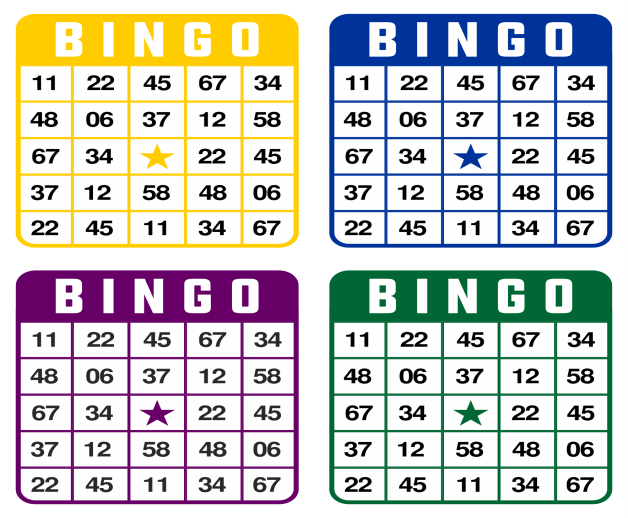
Ex: 3 P: 8 Introduction Show students the picture of a bingo card. Ask if they know the game or have seen anyone play it. Write Bingo on the board. Preparation Students draw a 3×3 grid in their exercise books. They fill each box with a number between 1 and 20 (no repeats). Teacher circulates to ensure they’ve filled the grid correctly. Playing the Game Teacher reads numbers between 1 and 20 at random. If a student hears a number on their bingo card, they cross it out. The first student to cross out all numbers and shout Bingo! wins. Wrap-Up Play a second round if time allows, encouraging faster recognition and pronunciation. Differentiation: - Read numbers more slowly and repeat each number once. -Provide a number chart for visual reference. Value: Teacher’s value link: “In real life, being accurate and following instructions carefully is as important as winning Bingo today — in work, these skills help you succeed.” |
Learners play Bingo. Follow your teacher’s instruction.
|
Descriptor: - Can recognise and cross out numbers between 1–20 when read aloud. -Can recognise numbers quickly, respond by crossing them out accurately, and shout Bingo! at the right time. Total: 2 point |
|
|
7 min |
Ex: 4 P: 8 Introduction Write Talent Show on the board. Say the names of some famous talent shows students might recognise. Elicit: What is a talent show? → A show where people demonstrate skills like singing, dancing, acting, etc. Setting the Scene Divide students into groups of 3–4. Tell them they are the judging panel for today’s show. Show or read the example speech bubble: Our score for number one is ten out of twenty. Explain the use of our since they are working as a team. Listening & Judging Play the recording of each singer. Pause after each performance so groups can discuss and agree on a score out of 20. Encourage respectful discussion within each group. Differentiation: - Provide them with number cards (1–20) to choose from instead of saying numbers aloud. -Give sentence starters: We think the singer was… / Our score is… Value: Teacher’s value link: “Good professionals don’t just make quick judgments — they listen carefully, discuss respectfully, and back up their decisions with reasons, just like real judges in a talent show.” |
Learners listen to five people sing in a TV talent show. Give scores out of twenty for each person |
Descriptor: - Can give a score using numbers and basic language (Our score is 12 out of 20). - Can discuss scores in a group and agree on a final decision using simple English. Total: 2 point Success Criteria: 1–2 errors → Excellent understanding. 3–4 errors → Good understanding, needs minor revision. 5+ errors → Needs more practice with be forms. |
|
|
End 5 min |
Reflection Quick fire: Teacher shows numbers randomly → students shout them out. Class counts together from 1–20 (for fluency). Homework Write numbers 1–20 in words (practice spelling). Draw 5 things and write sentences (I have 7 pencils. There are 10 apples.). |
Ss use their stickers to show their knowledge according to the lesson |
Poster |
|

Бұйрық No194 (30.07.2024) – «Біртұтас тәрбие» бағдарламасы.
Бұйрық No123 (26.05.2025) – «Адал азамат» жобасы арқылы адалдық пен әділдікке тәрбиелеу.
Short term plan
|
Unit 1: Home and away |
lesson 7 |
||
|
School: |
|
||
|
Teacher name: |
|
||
|
Date: |
|
||
|
Grade: 5 |
Number present: |
absent: |
|
|
Lesson title |
Language Focus: there is/ there are/ some/ a lot of |
||
|
Learning objectives |
5. 2. 6. 1, supporting the definition of meaning from the context of a short conversation, as well as a number of general and reading topics; 5.3.7.1 use appropriate subject-specific vocabulary and syntax to talk about a limited range of general topics |
||
|
Lesson objectives (assessment criteria) |
Learners will be able to: - Use and practise there is, there are, some and a lot of. - Learn and practise using numbers when counting things. - Learn and practise describing the number of things in different places. |
||
|
Instilling values of the program “Birtutas tarbiye” |
Honesty and fairness Unity and solidarity Diligence and professional competence – respect Justice and Responsibility Independence and Patriotism Perseverance and hard work |
||
|
Stages/ Time |
Teachers actions |
Students actions |
Assessment |
Resources |
|
Beginning 5 min |
Greeting. T tells the class to make groups of 2. Warm up: Greet students and play a quick game: “Touch something blue” Ask: “What do you see in our
classroom?” Setting the aim of the lesson. Vocabulary: Chair, table, board, window, door, pencil, bag, ruler, book, pen, computer, shelf Grammar Focus: -There is / There are
“There is a book on
the table.” |
Learners read the given sentences on the board and guess the topic and share with their ideas. Remember and recognize the main vocabulary. |
Teacher evaluate pupils with phrases like: “Good job! Well done!” Formative Assessment
|
Flashcards of classroom items Worksheets Real classroom objects Board and markers Picture of a classroom (for describing) |
|
Middle 10 min |
Ex: 1 P: 9 Introduction Direct students’ attention to the illustration in the book. Clearly explain the instructions for the activity. Check comprehension by asking one or two students to repeat what they have to do. Individual Work Students complete the activity on their own, focusing carefully on the details in the illustration. Peer Check Students compare their answers with a partner to confirm or correct their work. Extension for Fast Finishers Ask early finishers to create the same activity based on their own classroom (drawing and labelling, or writing a short description). Differentiation: - Provide a word bank or list of key classroom items to match with the illustration. Value: Diligence: Students practise careful observation and accurate completion of a task, showing persistence in getting details right. |
Learners complete the picture 1-5 with numbers. Then compare your answers with your partner. ANSWERS 1 7 2 1 3 9 4 3 5 22 |
Descriptor: - complete the task based on the illustration accurately. - discuss and compare answers politely and clearly in pairs. - Explain and model the task clearly using the illustration. Total: 3 point |
Student’s book |
|
8 min |
Ex: 2 P: 9 Pre-listening Tell students they will listen to a girl named Tara talking about her school. Ask them to just listen, not write or answer anything during the first play. First Listening Play the recording of Tara. Encourage students to focus on the general idea rather than details. Post-listening Discussion Ask: Do you like Tara’s school? Why or why not? Elicit answers from several students, encouraging them to give short reasons. Transition Tell students they will do the task in the next stage with closer attention to details. Differentiation: -Provide sentence starters (I like/don’t like her school because…). -Play the audio more slowly or repeat the last part if needed. Value: Teacher’s value link: “In real life, listening carefully before making a judgment helps us make better decisions — just like you did when deciding if you liked Tara’s school.” |
Learners listen to Tara talk about her class. Choose the correct words. ANSWERS 1 a 2 There are 3 There are nine 4 There are 5 a 6 a lot of |
Descriptor: - listen attentively to the full recording.. - show general understanding of what Tara says (even if not in detail). Total: 2 point |
Worksheets Student’s book |
|
7 min |
Ex: 3 P: 9 Introduction Go through the grammar rules with the class, focusing on the singular and plural forms of the verb be (e.g., is / are). Highlight that the singular form is followed by either a or one. Give clear example sentences on the board: -This is a cat. -There is one chair in the room. -They are chairs. Guided Practice Read the example sentences aloud and underline be + a/one or plural nouns. Elicit from students why we use a in one sentence and one in another. Independent Practice Students complete short exercises filling in the correct form of be and choosing a or one. Differentiation: -Complete fill-in-the-blank sentences using “is”/“are” and “a”/“one”. - Translate a few example sentences with help from the teacher or partner. Value: Teacher’s value link: “In many jobs, accuracy matters — just like here, where using the right form of be and the correct article changes the meaning of the sentence.” |
Learners look at the rules. Use of the verb be in the singular and plural form |
Descriptor: - Present grammar rules clearly using the board and examples. - Support weaker students with guided practice and visuals Total: 2 point |
|
|
10 min
|
Ex: 4 P: 9 Task Introduction Direct students’ attention to the circles in their books. Explain the instructions clearly. In a weaker class, work through the first example together on the board to model the process. Individual Work Students complete the rest of the activity on their own, focusing carefully on accuracy. Peer Check Students compare answers in pairs, correcting any mistakes. Class Feedback Go through the answers together as a class. Invite students to explain how they got their answers. Differentiation: - Do the first item together as a class or in small guided groups. - Provide sentence frames or partially completed answers to scaffold. Value: Professional Competence: They develop accuracy, attention to detail, and the ability to review and verify work — skills essential in professional tasks. |
Learners make six sentences with words from the circles. ANSWERS 1 There are a lot of cars in New York. 2 There’s a teacher in this class. 3 There are some books in my bag. 4 There are some / a lot of girls in this class. 5 There are a lot of phones in Japan. 6 There’s a dog on page 33. |
Descriptor: - Can complete the activity with teacher guidance and identify correct answers with some support. - Can complete most of the activity independently and make self-corrections after peer checking. Total: 3 point Success Criteria: 1–2 errors → Excellent understanding. 3–4 errors → Good understanding, needs minor revision. 5+ errors → Needs more practice with be forms. |
|
|
End 5 min |
Feedback - Quick oral quiz: Teacher asks Is there a board in the classroom? → Students: Yes, there is! - Chant together: There is ONE teacher, there are a LOT OF students! Homework Write 5 sentences about your kitchen/bedroom/classroom using there is/there are + some/a lot of. Optional: Take a picture of your room and label it with sentences. |
Ss use their stickers to show their knowledge according to the lesson |
Poster |
|
Бұйрық No194 (30.07.2024) – «Біртұтас тәрбие» бағдарламасы.
Бұйрық No123 (26.05.2025) – «Адал азамат» жобасы арқылы адалдық пен әділдікке тәрбиелеу.
Short term plan
|
Unit 1: Home and away |
lesson 8 |
||
|
School: |
|
||
|
Teacher’s name: |
|
||
|
Date: |
|
||
|
Grade: 5 |
Number present: |
absent: |
|
|
Lesson title |
Review Unit 1. |
||
|
Learning objectives |
5. 5. 3. 1. write down accurate information with the support of the teacher, describing people, places and objects at the level of text; 5. 6. 1. 1 appropriate use of appropriate countable and uncountable nouns, including common phrases describing time and location, on a number of familiar general and educational topics; |
||
|
Lesson objectives (assessment criteria) |
Learners will be able to: - Identifying the basic keywords of classroom instructions - Match the countries to the capitals - Match the words with numbers |
||
|
Instilling values of the program “Birtutas tarbiye” |
Honesty and fairness Unity and solidarity Diligence and professional competence – respect Justice and Responsibility Independence and Patriotism Perseverance and hard work |
||
|
Stages/ Time |
Teachers actions |
Students actions |
Assessment |
Resources |
|
Beginning 5 min |
Greeting. T tells the class to make groups of 2. Warm up: Books closed. Revise numbers 1–20 from the previous lesson by doing some basic addition with the class. Write 2 + 5 = ? on the board. Say: Two plus five equals and elicit the correct response Setting the aim of the lesson. Hello. What’s your name? I’m Jack. And you? My name’s Edita. Where are you from? I’m from Manchester in England. And how old are you? I’m eleven |
Learners read the given sentences on the board and guess the topic and share with their ideas. Remember and recognize the main vocabulary. |
Teacher evaluate pupils with phrases like: “Good job! Well done!” Formative Assessment
|
|
|
Middle 12 min |
Ex: 1 P: 10 Task Introduction Ask students to look at pictures 1–8 in their books. Draw their attention to the example provided. Highlight the first picture and model the correct response. Pair Work Students work in pairs to complete the task, naming each picture in English. Encourage them to help each other with pronunciation and spelling. Class Check Point to each picture in turn and ask: What’s this in English? Elicit answers from different students, confirming the correct response. Differentiation: Learners will be supported by teacher and by helpers from his class. Value: Teacher’s value link: “In many jobs, being able to name things clearly and accurately is vital — today you’re practising that skill just like professionals do.” |
Learners match words with pictures. ANSWERS 1 b 2 a 3 c 4 h 5 e 6 d 7 f 8 g |
Descriptor: - Can name a few familiar objects in English with support. - Can name most of the pictures in English and pronounce them understandably. - Can name all pictures accurately, pronounce them clearly, and help peers with corrections. Total: 4 point |
Student’s book |
|
13 min |
Ex: 2 P: 10 Task Introduction Ask students to look at numbers 1–7 in their books. Explain the instructions clearly, referring to the example if there is one. Pair Work Students work in pairs to complete the task, saying or writing the correct answers. Encourage them to check each other’s work before telling you their answers. Class Check Point to each number and ask a student: What’s this in English? Elicit the correct answer, ensuring clear pronunciation. Differentiation: - Provide a number chart in English. -Practise pronunciation chorally before pair work. Value: Teacher’s value link: “In work and life, numbers must be correct — today you’re practising giving numbers clearly, just like professionals do.” |
Learners match the words to the numbers ANSWERS 1 c 2 e 3 f 4 g 5 d 6 b 7 a |
Descriptor: - Can say some numbers correctly with teacher help - Can say all numbers 1–7 in English with mostly correct pronunciation. - Can say all numbers clearly and confidently, helping peers when needed. Total: 3 point |
Worksheets Student’s book |
|
10 min |
Ex: 3 P: 10 Task Introduction Tell students they will see scrambled letters that form the names of countries. Explain they must reorder the letters to write the correct country names. Pair Work Students work in pairs to solve each anagram, discussing and checking each other’s guesses. Class Check Invite pairs to share answers. Write the correct country names on the board, checking spelling and pronunciation. Differentiation: - Give them the first letter or the number of letters in the country. -Allow them to use a map or list of country names for reference. Value: Diligence: Students must concentrate carefully on letter order, spelling, and checking their answers. |
Learners reorder the letters and write the countries ANSWERS 1 Brazil 2 Japan 3 Great Britain 4 Russia 5 Turkey 6 The USA |
Descriptor: - Can solve some anagrams with teacher hints and partner support.. - Can solve most anagrams independently in pairs and spell countries correctly. - Can solve all anagrams quickly, spell accurately, and pronounce each country name clearly. Total: 3 point Success Criteria: 1–2 errors → Excellent understanding. 3–4 errors → Good understanding, needs minor revision. 5+ errors → Needs more practice with be forms. |
|
|
End 5 min |
REFLECTION What have I learnt? What new words have I learnt? What are my problems? Homework Write a short paragraph: About Me. Include your name, age, country, and 3 sentences about your room using there is/there are. Saying goodbye |
Ss use their stickers to show their knowledge according to the lesson |
Poster Success Ladder |
|
Бұйрық No194 (30.07.2024) – «Біртұтас тәрбие» бағдарламасы.
Бұйрық No123 (26.05.2025) – «Адал азамат» жобасы арқылы адалдық пен әділдікке тәрбиелеу.
Short term plan
|
Unit 1: Home and away |
lesson 9 |
||
|
School: |
|
||
|
Teacher name: |
|
||
|
Date: |
|
||
|
Grade: 5 |
Number present: |
absent: |
|
|
Lesson title |
Review Unit 1. Summative assessment for the unit “Home and away |
||
|
Learning objectives |
5. 5. 3. 1 write specific details with the support of the teacher, describing people, places and objects at the text level; 5. 6. 1. 1 appropriate use of appropriate countable and uncountable nouns, including common phrases describing time and location, on a number |
||
|
Learning objectives (assessment criteria) |
Learners will be able to: - Use and practise the verb be in singular and plural. - Use subject pronouns - Use and practise there is, there are, some and a lot of. |
||
|
Instilling values of the program “Birtutas tarbiye” |
Honesty and fairness Unity and solidarity Diligence and professional competence – respect Justice and Responsibility Independence and Patriotism Perseverance and hard work |
||
|
Stages/ Time |
Teachers actions |
Students actions |
Assessment |
Resources |
|
Beginning 5 min |
Greeting. (Whale class, Individually) T tells the class to make groups of 2. Warm up: Books closed. Revise numbers 1–20 from the previous lesson by doing some basic addition with the class. Write 2 + 5 = ? on the board. Say: Two plus five equals and elicit the correct response Setting the aim of the lesson. Hello. What’s your name? I’m Jack. And you? My name’s Edita. Where are you from? I’m from Manchester in England. And how old are you? I’m eleven |
Learners read the given sentences on the board and guess the topic and share with their ideas. Remember and recognize the main vocabulary. |
Teacher evaluate pupils with phrases like: “Good job! Well done!” Formative Assessment
|
Sheets of peppers Pictures of to be |
|
Middle 5 min |
Ex: 4 P: 10 Task Introduction Tell students they will complete sentences using the correct form of the verb to be (am, is, are). Remind them about subject–verb agreement (I → am, he/she/it → is, we/you/they → are). Pair Work Students work in pairs to complete all sentences, checking each other’s choices. Encourage them to read the completed sentences aloud for pronunciation practice. Class Check Invite different pairs to read their answers aloud. Write the correct answers on the board and underline the form of to be in each sentence. Differentiation: - Provide a reference table showing subject pronouns with the correct form of to be. -Do the first two sentences together as a model. Value: Diligence: Students must pay attention to grammar rules and check for accuracy in each sentence. |
Learners Complete the sentences with the correct form of to be. ANSWERS 1 ’m / am 2 ’re / are 3 ’re / are 4 are 5 ’s / is 6 ’s / is 7 ’re / are |
Descriptor: - Can use am/is/are correctly in most sentences without help. - Can consistently choose the correct form of to be and explain why it is correct. Total: 4 point |
Student’s book |
|
5 min |
Ex: 5 P: 10 Task Introduction Tell students they will complete sentences using the correct words from the box provided in their books. Remind them to read the whole sentence carefully before choosing a word. Pair Work Students work in pairs to complete all sentences, discussing which word fits best in each blank. Encourage them to check spelling and grammar as they go. Class Check Invite pairs to read sentences aloud with the correct words. Write the answers on the board, highlighting correct usage and pronunciation. Differentiation: - Reduce the number of words in the box. - Give a short example sentence for each word before they start. Value: Diligence: Students must read carefully, think about meaning, and check answers for accuracy. |
Learners complete the sentences with the words in the box ANSWERS 1 you 2 She 3 I 4 It 5 We 6 They |
Descriptor: - Can choose some correct words from the box with teacher or partner support. - Can complete most sentences correctly using clues from the sentence. Total: 3 point |
Worksheets Student’s book |
|
5 min
20 min |
Ex: 6 P: 10 Task Introduction Tell students they will read sentences and choose the correct answer from two or more options. Remind them to read the whole sentence before deciding. Pair Work Students work in pairs, reading each sentence aloud and deciding together which answer fits best. Encourage them to explain why their choice is correct. Monitoring Move around the room, listening to discussions and helping with vocabulary or grammar doubts. Give prompts if they seem unsure: “Does this word match the tense?” or “Does it make sense here?” Differentiation: - Give only two options instead of multiple. - Provide a short example sentence for each option before starting. Value: Teacher’s value link: “In work and life, sometimes two choices look correct — but only one is right for the situation. This activity trains your brain to make the best choice.” Summative assessment for the unit “Home and away |
Learners choose the correct answers ANSWERS 1 a lot of 2 a 3 are 4 a lot of 5 a lot of 6 are |
Descriptor: - Can choose some correct answers with teacher or partner support. - Can choose most correct answers using meaning or grammar clues. Total: 3 point Success Criteria: 1–2 errors → Excellent understanding. 3–4 errors → Good understanding, needs minor revision. 5+ errors → Needs more practice with be forms. |
|
|
End 5 min |
REFLECTION What have I learnt? What new words have I learnt? What are my problems? Saying goodbye |
Ss use their stickers to show their knowledge according to the lesson |
Poster |
|
Бұйрық No194 (30.07.2024) – «Біртұтас тәрбие» бағдарламасы.
Бұйрық No123 (26.05.2025) – «Адал азамат» жобасы арқылы адалдық пен әділдікке тәрбиелеу.
Short term plan
|
Unit 1: Home and away lesson 10 |
|
||
|
School: |
|
||
|
Teacher name: |
|
||
|
Date: |
|
||
|
Grade: 5 |
Number present: |
absent: |
|
|
Lesson title |
Reading for pleasure |
||
|
Learning objectives |
5. 2. 3. 1 unaided understanding of simple questions of general and study topics; 5.3.4.1 respond with limited flexibility at sentence level to unexpected comments on an increasing range of general and curricular topics; |
||
|
Lesson objectives (assessment criteria) |
Learners will be able to: - Identify details in a text with little support - Talk about aliens |
||
|
Instilling values of the program “Birtutas tarbiye” |
Honesty and fairness Unity and solidarity Diligence and professional competence – respect Justice and Responsibility Independence and Patriotism Perseverance and hard work |
||
|
Stages/ Time |
Teachers actions |
Students actions |
Assessment |
Resources |
|
Beginning 5 min |
Greeting. T tells the class to make groups of 2. Warm up: Books closed. Write the word alien on the board. Ask if anybody remembers this word from the unit. Elicit that an alien is a strange creature, usually from a different planet. What do you see in this picture? Do you know about aliens? Do aliens live in another planet? Setting the aim of the lesson. |
Learners read the given sentences on the board and guess the topic and share with their ideas. Remember and recognize the main vocabulary. |
Teacher evaluate pupils with phrases like: “Good job! Well done!” Formative Assessment
|
|
|
Middle 11 min |
Ex: 1 P: 11 Task Introduction Show the comic strip and point to one example item. Model the target structure: There’s a cat under the table. Elicit another example from students. Pair Work Students work in pairs to locate items 1–6 in the comic strip. Each time they find an item, they make a sentence using There is / There’s. Feedback Ask each pair to share one or two of their sentences. As a class, confirm locations and correct grammar where needed. Value: Teacher’s value link: “In real life, paying attention to small details helps you avoid mistakes and communicate clearly. That’s the same skill we’re practising here.” |
Learners find these things in the comic and say where they are. |
Descriptor: - identify all 6 target items in the comic strip. - correctly use There is / There’s when describing the items. Total: 3 point |
Student’s book |
|
13 min
|
Ex: 2 P: 11 Task Introduction Point to the questions in the book. Read the first question aloud and check understanding of any new words. Class Grouping Weaker class: Students work in pairs, discussing and answering together. Stronger class: Students answer individually first, then compare in pairs. Feedback Elicit answers from different pairs or individuals. Write key vocabulary or correct answers on the board. Differentiation: - Work in pairs or small groups to answer the questions together. - Read the questions aloud together for pronunciation and understanding. Value: Respect: Students listen to their partners’ ideas without interrupting. |
Learners listen and read the story ANSWERS 1 Bob’s new invention is the Alien Detector. 2 There is a dog in the car. 3 No, the animal is not an alien. 4 Betty is Bob’s sister |
Descriptor: - understand and respond to all questions appropriately. - complete questions independently with accurate grammar and vocabulary Total: 4 point |
Worksheets Student’s book |
|
11 min |
Ex: 3 P: 11 Introduction Direct students to words 1–4 in the comic strip and have them highlight them. In pairs, students guess the meanings based on context. Listening & Pronunciation Play the recording. Pause after each word for choral repetition, then individual repetition. Correct pronunciation if needed. Translation Students translate the sentences with the target words into their own language. Weaker class: Do this as a whole class, ensuring accuracy. Feedback Confirm the correct meanings and pronunciations with the class. Optionally, ask students to create their own sentences with the new words. Value: Diligence: Careful attention to detail in finding, pronouncing, and translating the words correctly. |
Learners listen and repeat. Find and highlight the words. |
Descriptor: - correctly locate and highlight the target words in the comic. - repeat the words with accurate or improved pronunciation. Total: 3 point Success Criteria: 1–2 errors → Excellent understanding. 3–4 errors → Good understanding, needs minor revision. 5+ errors → Needs more practice with be forms. |
|
|
End 5 min |
Feedback what they learned - what remained unclear for them - what they need to continue working on Saying goodbye |
Ss use their stickers to show their knowledge according to the lesson |
Poster |
|
Бұйрық No194 (30.07.2024) – «Біртұтас тәрбие» бағдарламасы.
Бұйрық No123 (26.05.2025) – «Адал азамат» жобасы арқылы адалдық пен әділдікке тәрбиелеу. Short term plan
|
Unit 4 Living things |
lesson 11 |
||
|
School: |
|
||
|
Teacher name: |
|
||
|
Date: |
|
||
|
Grade: 5 |
Number present: |
absent: |
|
|
Lesson title |
Families |
||
|
Learning objectives |
5.2.3.1 understand an increasing range of unsupported basic questions on general and curricular topics; 5. 3. 1. 1 provide basic information about oneself and others at the sentence level within a number of general topics; |
||
|
Lesson objectives (assessment criteria) |
Learners will be able to: - Learn how to talk about members of the family. - Learn and practise the possessive -s. - Practise talking about families. |
||
|
Instilling values of the program “Birtutas tarbiye” |
Honesty and fairness Unity and solidarity Diligence and professional competence – respect Justice and Responsibility Independence and Patriotism Perseverance and hard work |
||
|
Stages/ Time |
Teachers actions |
Students actions |
Assessment |
Resources |
|
Beginning 5 min |
Greeting. T tells the class to make groups of 2. Warm up: Books closed. To get the students thinking about the theme of family, ask them to think about the last family party or special occasion they attended and to tell their partners about it. T asks students to think about topic that going to conduct. T: What do you think about today’s theme? What’s your grandmother’s name? How old is she? Where’s she from? Setting the aim of the lesson. |
Learners read the given sentences on the board and guess the topic and share with their ideas. Remember and recognize the main vocabulary. |
Teacher evaluate pupils with phrases like: “Good job! Well done!” Formative Assessment
|
Family tree worksheet Flashcards (family/friends vocabulary) Pictures or drawings Colored pencils |
|
Middle 10 min |
Ex: 1 P: 40 Introduction Direct students’ attention to the family photo on page 41. Give them 1–2 minutes to observe quietly. Elicitation Ask: How many girls are there? How many boys? How many women? How many men? Elicit and confirm answers: two girls, two boys, three women, three men. Language Focus Write the numbers and nouns on the board for visual support. Optionally, drill plural forms (girl/girls, man/men). Extension (optional) Ask students to describe what each family member is wearing or doing. Differentiation: -Provide a list of family member vocabulary for reference. -Point to each person as you ask the question. Value: Respect for Family: Recognizing and appreciating the presence of all family members |
Learners look at the family puzzle. Listen and write the names of family. ANSWERS: 1 Sophie 2 Mark 3 Paul 4 Sarah 5 Becky 6 Matt 7 Emily |
Descriptor: - identify the number of girls, boys, women, and men in the photo. - use context clues and prepositions to match names to people. Total: 3 point |
Student’s book |
|
10 min |
Ex: 2 P: 40 Warm-up Show the table and ask students to read the words silently. Elicit: What does male mean? What does female mean? Give examples (e.g., “boy” → male, “girl” → female). Concept Clarification Explain that some family words have male/female pairs (e.g., brother ↔ sister, uncle ↔ aunt). Use gestures or visuals to make it clear. Practice Point to brother and ask: What is the female form? (→ sister). Continue for other examples in the table. Check Understanding Ask students to work in pairs and match the remaining words in the table to their male/female pairs. Check as a class. Differentiation: -Pre-teach key family vocabulary with pictures or flashcards (e.g., mother, father, brother, sister). -Work with a partner to complete the table. Value: Teacher’s value link: “No matter if they are male or female, every family member is important and deserves our respect.” |
Students match words with opposite gender ANSWERS Male: Brother Grandfather Father Uncle Female: Grandmother Mother Sister Aunt |
Descriptor: - understand and can define male and female. - identify opposite-gender family vocabulary using visual and written context. Total: 3 point |
Worksheets Student’s book |
|
7 min |
Ex: 3 P: 40 Observation Show students the photos. In stronger classes: Students discuss in pairs what they see. In weaker classes: Teacher leads a whole-class discussion. Elicitation Ask: Who are these people? What animals can you see? Elicit that the photos show: -Barack Obama and his family (President of the USA, 2009–2017) -Prince Charles (son of Queen Elizabeth II of the UK) -A snake -Rabbits -Serena Williams (world-famous tennis champion) Background Talk Have a short discussion about these people: What do you know about them? Encourage students to share any facts they already know. Task Students complete the assigned activity in pairs (e.g., matching names to photos, categorising people/animals). Feedback Check answers as a class, inviting pairs to share their responses. Differentiation: - Give name cards to match with photos. - Provide sentence starters: This is…, He is…, It is a…. Value: Global Awareness: Learning about well-known people from different parts of the world promotes cultural understanding. |
Learners look at the photos and discuss them together in pairs. Match the photos to the sentences. ANSWERS 1 Prince Charles 2The Obama sisters 3 snake 4 rabbits 5 Serena Williams тәуелсіздік және отаншылдық айы; |
Descriptor: - participate actively in pair or group discussion. - identify people and animals in the photos. Total: 2 point |
|
|
8 min |
Ex: 4 P: 40 Preparation Direct students’ attention to the examples from the text on page 33. Read the examples aloud together. Task Instructions Stronger classes: Ask students to work in pairs or individually to use the examples to complete the grammar rules in their books. Weaker classes: Complete the first rule together as a class, then allow students to finish the rest with teacher guidance. Checking Elicit the completed rules from students and write them on the board. Ask students to provide their own example sentences for each rule. Differentiation: -Complete the grammar rules together as a class, step by step. Value: Teacher’s value link: “When you discover rules yourself, you understand them better and remember them longer.” |
Learners complete the rules with singular and plural ANSWERS 1 singular 2 plural |
Descriptor: - identify and complete the missing parts of grammar rules. -use examples from the text as evidence to support their answers. Total: 2 point Success Criteria: 1–2 errors → Excellent understanding. 3–4 errors → Good understanding, needs minor revision. 5+ errors → Needs more practice with be forms. |
|
|
End 5 min |
Feedback - Family word game: Teacher says mother → students say father. Teacher says aunt → students say uncle. - End with chant: Mother, father, sister, brother – we all love each other! Homework Write a short paragraph: My Family. Draw your family and label each member in English. |
Ss use their stickers to show their knowledge according to the lesson |
Poster |
|
Бұйрық No194 (30.07.2024) – «Біртұтас тәрбие» бағдарламасы.
Бұйрық No123 (26.05.2025) – «Адал азамат» жобасы арқылы адалдық пен әділдікке тәрбиелеу.
Short term plan
|
Unit 4 Living things |
lesson 12 |
||
|
School: |
|
||
|
Teacher name: |
|
||
|
Date: |
|
||
|
Grade: 5 |
Number present: |
absent: |
|
|
Lesson title |
An article about a festival for twins. |
||
|
Learning objectives |
5. 4. 1. 1 understand the main idea of some simple short texts on general and educational topics; 5.5.2.1 write with support a sequence of short sentences in a paragraph on a limited range of familiar general topics; |
||
|
Lesson objectives (assessment criteria) |
Learners will be able to: - Understand an article about a festival for twins. - Learn and use new basic time expressions. - Practise speaking about family similarities |
||
|
Instilling values of the program “Birtutas tarbiye” |
Honesty and fairness Unity and solidarity Diligence and professional competence – respect Justice and Responsibility Independence and Patriotism Perseverance and hard work |
||
|
Stages/ Time |
Teachers actions |
Students actions |
Assessment |
Resources |
|
Beginning 5 min |
Greeting. T tells the class to make groups of 2. Warm up: Books closed. Ask the students if they can remember who the famous people were in the photos on page 32. Elicit that they were the Obama family, Prince Charles and Serena Williams. T asks students to think about topic that going to conduct. T: What do you think about today’s theme? Who has got twins at the family? How old are they? Are they similar in character? Setting the aim of the lesson. |
Learners read the given sentences on the board and guess the topic and share with their ideas. |
Teacher evaluate pupils with phrases like: “Good job! Well done!” Formative Assessment |
|
|
Middle 12 min |
Ex: 1 P: 42 Observation and Questioning Show the pictures of the twins. Ask: Do they look similar? Elicit “Yes, they do.” Follow up: Do you think they have similar personalities? Encourage students to share opinions. Class Discussion Invite several students to explain why they think twins might have similar or different personalities. Support vocabulary like similar, different, personality, character. Extension Optionally, have students discuss similarities and differences among their own siblings or friends in pairs. Differentiation: -Pre-teach 2–3 key words from the text (e.g., similar, different, personality) Value: Respect: Understanding that even people who look alike can have unique personalities. |
Learners read the text and say. Who are the girls in the photos? ANSWERS: The girls in the photo are twin sisters Lauren and Amy Shaw |
Descriptor: - share ideas about personality similarities using familiar vocabulary. - listen for general meaning and can state whether the twins are similar or different in personality. Total: 3 point |
Student’s book |
|
13 min
|
Ex: 2 P: 42 Task Introduction Draw students’ attention to the questions. Read the first question aloud and clarify any vocabulary if needed. Instruct students to complete the activity individually, encouraging focus and independent thinking. Work Time Allow enough time for students to answer thoughtfully. Circulate quietly to monitor progress and offer minimal guidance only if absolutely necessary. Review After completion, have a brief class discussion where students can share answers voluntarily. Differentiation -Teacher reads questions aloud, explains new vocabulary clearly, and models answers for the first few questions. Value: Independence: Promotes self-reliance and confidence in tackling tasks without immediate help. |
learners read the text again and answer the questions ANSWERS 1 The festival is in a small town in Ohio called Twinsburg. 2 This year there are 4,000 people at the festival. 3 Amy and Lauren are from Chicago. 4 They are with their father. 5 It’s interesting because there are different activities every day |
Descriptor: - understand and correctly answer comprehension questions.- demonstrate understanding of new vocabulary words. Total: 4 point |
Worksheets Student’s book |
|
10 min |
Ex: 3 P: 42 Introduction to Time Expressions Refer students to the time expressions highlighted in blue. Read them aloud together and check understanding by asking simple questions (e.g., What does “every day” mean?). Pair Work – Finding Words Students work in pairs to locate the time expressions in the text. Encourage discussion about the context in which each phrase appears. Individual Work – Sentence Completion Students complete the sentences individually using the time expressions. Peer Review Students compare and discuss their completed sentences with a partner. Monitoring and Support Circulate, checking vocabulary and ideas, offering help as needed. Class Sharing Ask a few students to read their sentences aloud to the class, focusing on correct use and pronunciation of time expressions. Differentiation: -Read through the time expressions together, then let students work in pairs to locate them in the text. Value: Patriotism: Fosters pride in one’s country by honoring its history, culture, and achievements, while promoting unity, respect, and a sense of belonging among all people. |
Learners find the phrases in blue in the text and complete the sentences. |
Descriptor: - identify time expressions in the text. - complete sentences using appropriate time expressions. Total: 3 point Success Criteria: 1–2 errors → Excellent understanding. 3–4 errors → Good understanding, needs minor revision. 5+ errors → Needs more practice with be forms. |
|
|
End 5 min |
REFLECTION - Quick quiz: Teacher says a fact, students say True/False. - Example: The festival is in New York. (False). Homework Research another unusual festival (Lantern Festival, Tomato Festival, Camel Festival, etc.) and prepare 5 sentences to share in next class. |
Ss use their stickers to show their knowledge according to the lesson |
Poster |
|
Бұйрық No194 (30.07.2024) – «Біртұтас тәрбие» бағдарламасы.
Бұйрық No123 (26.05.2025) – «Адал азамат» жобасы арқылы адалдық пен әділдікке тәрбиелеу.
Short term plan
|
Unit 4 Living things lesson 13 |
School: |
||
|
|
|
||
|
|
|
||
|
Date: |
Teacher name: |
||
|
Grade: 5 |
Number present: |
absent: |
|
|
Lesson title |
Language Focus: have got |
||
|
Learning objectives |
5. 4. 2. 1 understanding of special information in simple, short texts within a number of general and educational topics with the help of a teacher; 5. 5. 2. 1 consistent lyricization of sentences in paragraphs on some general and reading topics with the support of the teacher; |
||
|
Lesson objectives (assessment criteria) |
Learners will be able to: - Learn and practise the affirmative form of have got. - use and practise using possessive adjectives. |
||
|
Instilling values of the program “Birtutas tarbiye” |
Honesty and fairness Unity and solidarity Diligence and professional competence – respect Justice and Responsibility Independence and Patriotism Perseverance and hard work |
||
|
Stages/ Time |
Teachers actions |
Students actions |
Assessment |
Resources |
|
Beginning 5 min |
Greeting. T tells the class to make groups of 2. Warm up: Divide students into pairs and allow them 1 minute to tell each other three things about their families. After 1 minute, ask each student to tell the class one or two things about their partner’s family, e.g. Francisco’s brother is a student at university. T asks students to think about topic that going to conduct. T: What do you think about today’s theme? Have you got a grandfather? Have you got a sister? Has she got a brother? Setting the aim of the lesson. |
Learners read the given sentences on the board and guess the topic and share with their ideas. Remember and recognize the main vocabulary. |
Teacher evaluate pupils with phrases like: “Good job! Well done!” Formative Assessment
|
Sheets of peppers Pictures of to be
|
|
Middle 10 min |
Ex: 1 P: 43 Focus
Attention: Pair
Work: Class
Feedback: Elicit Key
Points: Differentiation: -Do the first sentence together as a class, modelling how to find the information in the text. Value: Ask students: “How can we, as citizens, show unity and patriotism for our country, just like twins who support each other?” |
Learners complete the sentences with forms of have got ANSWERS: 1 ’ve got 2 ’s got 3 ’ve got 4 have got |
Descriptor: - identify visual similarities between the girls. - find the relevant information in the text on page 34. Total: 3 point |
Student’s book |
|
7 min |
Ex: 2 P: 43 Individual Reading: Give students time to silently read the rules carefully. Guided Completion: Ask students to complete the rules by referring back to the sentences in exercise 1. Encourage them to match information from exercise 1 with the gaps or prompts in the rules. Pair Check: After completing individually, have students compare answers in pairs to discuss and correct their work. Class Feedback: Discuss the completed rules as a class to clarify any confusion. Differentiation: -Work in pairs to complete the rules. - Teacher reads through the example sentences with the class, highlighting relevant parts. Value: Discuss how rules help protect freedoms and keep the country united, especially during Independence and Patriotism Month. |
learners choose the correct answers ANSWERS 1 have 2 has 3 ’ve got 4 ’s got |
Descriptor: - complete the grammar rules using information from the example sentences. - explain or give examples of the rules in context. Total: 2 point |
Student’s book |
|
10 min |
Ex: 3 P: 43 Task Explanation: Clearly explain the instructions for the task to the whole class. Stronger Class: Encourage students to work independently on the task without assistance. Weaker Class: Model the first example together with the whole class to ensure understanding. After the example, have students complete the rest of the task in pairs, providing peer support. Differentiation: Do the first sentence together as a class. Complete the rest of the task in pairs to allow peer support. Value: Ask students: “How can we, as citizens, show unity and patriotism for our country, just like twins who support each other?” |
Learners write sentences. Include the correct form of have got. ANSWERS : 1 I’ve got an uncle in the USA. 2 One of my cousins has got a dog. 3 We’ve got English classes every day. 4 My grandparents have got a Ferrari. 5 Daulet’s sister’s got a new bicycle. 6 My friend and I have got identical clothes. |
Descriptor: - complete the sentences using have got / has got - write original sentences using the correct structure. Total: 3 point |
|
|
8 min |
Ex: 4 P: 43 Introduction & Focus Direct students’ attention to the left-hand column of the table (subject pronouns). Highlight that these represent the person or thing doing the action or owning something. Guided Example Look together at the first possessive adjective ("my") in the right-hand column. Explain meaning and
function: Pair Work Practice Students work in pairs to complete the rest of the table with the correct possessive adjectives from the box. Class Check & Feedback Compare answers as a class, correcting and explaining where necessary. Encourage peer correction and short example sentences for each pronoun/adjective pair. Value: Link examples to national pride and personal belonging: -E.g., “We are Kazakhstanis. Our flag is blue and gold.” -E.g., “This is my country. It is our responsibility to protect it.” |
Learners complete the rest of the table with the possessive adjectives from the box ANSWERS : 1 Your 2 Her 3 Our 4 Their |
Descriptor: - match each subject pronoun with its corresponding possessive adjective. - use at least one possessive adjective correctly in a sentence. Total: 2 point Success Criteria: 1–2 errors → Excellent understanding. 3–4 errors → Good understanding, needs minor revision. 5+ errors → Needs more practice with be forms. |
|
|
End 5 min |
REFLECTION - Quick oral quiz: Teacher asks Have you got a pen? → Students answer quickly. - Praise effort and highlight correct usage. Homework Write 5 sentences about your family/pets/objects using have got/has got: I have got two sisters. My brother has got a football. |
Ss use their stickers to show their knowledge according to the lesson |
Poster |
|
Бұйрық No194 (30.07.2024) – «Біртұтас тәрбие» бағдарламасы.
Бұйрық No123 (26.05.2025) – «Адал азамат» жобасы арқылы адалдық пен әділдікке тәрбиелеу. Short term plan
|
Unit 4 Living things |
lesson 14 |
||
|
School: |
|
||
|
Teacher name: |
|
||
|
Date: |
|
||
|
Grade: 5 |
Number present: |
absent: |
|
|
Lesson title |
Describe people and families |
||
|
Learning objectives |
5.2.4.1 understand the main points of supported extended talk on a range of general and curricular topics; 5. 3. 1. 1 provide basic information about oneself and others at the sentence level within a number of general topics; 5. 6. 3. 1 Use of adjectives, including dependent adjectives, simple adjectives and binary adjectives (relative lyric and selective) for comparison in describing things in general and subjects of reading; |
||
|
Learning objectives (assessment criteria) |
Learners will be able to: - Learn adjectives to describe people. - Practise describing people and families. |
||
|
Instilling values of the program “Birtutas tarbiye” |
Honesty and fairness Unity and solidarity Diligence and professional competence – respect Justice and Responsibility Independence and Patriotism Perseverance and hard work |
||
|
Stages/ Time |
Teachers actions |
Students actions |
Assessment |
Resources |
|
Beginning 5 min |
Greeting. T tells the class to make groups of 2. Warm up: Books closed. Ask students to work in pairs and to describe their families using have got. Allow them about 1–2 minutes for this. Get some feedback from the class by asking a few students to describe their partner’s family using have got, e.g. Martin’s got one brother and two sisters. |
Learners read the given sentences on the board and guess the topic and share with their ideas. Remember and recognize the main vocabulary. |
Teacher evaluate pupils with phrases like: “Good job! Well done!” Formative Assessment
|
|
|
Middle 10 min |
Ex: 1 P: 44 Introduction Draw students’ attention to the words in the box on the page. Explain: “You will use these words to complete the exercises. Make sure you understand each word first.” If necessary, quickly elicit or review meanings before starting. Reference to Workbook Direct students to pages 79–80 of the Workbook and explain which exercises they will complete. Individual Task Students work individually to complete the Workbook activities using the words from the box. Teacher circulates, offering clarification or examples when needed. Peer Check Students compare their answers in pairs, discussing any differences. Differentiation -Pre-teach and discuss the meanings of all words in the box before starting the task. Value: Explain how twins, being alike and connected, can represent unity and loyalty—qualities important in a patriotic community |
Learners check the meaning of the adjectives which four words describe appearance ANSWERS: Appearance: fair, dark, short, tall Opposites: horrible / nice, young / old, friendly / unfriendly, fair / dark, short / tall, noisy / quiet |
Descriptor: - match or use the vocabulary words accurately in context. - compare and discuss answers in pairs. Total: 3 point |
Student’s book |
|
10 min |
Ex: 2 P: 44 Class Observation: Show the photos to the whole class and ask students to look carefully at each person. Question and Pair Discussion: Ask, “Which person do you like the most?” Give students a moment to think, then encourage them to discuss their choice in pairs, explaining why they like that person. Class Feedback: Invite some students to share their answers and reasons with the whole class. Encourage use of descriptive language and simple explanations. Differentiation - Provide sentence frames: "I like ___ because he/she is ___." - Allow use of word banks with personality/appearance adjectives. Value: Discuss how showing respect for others strengthens community bonds, just like the values celebrated during Independence and Patriotism Month. |
learners choose two adjectives for each of the people ANSWERS 2 old and nice 3 friendly and dark 4 tall and fair 5 young and noisy 6 quiet and good-looking |
Descriptor: - choose and identify a person from the photo set. - compare and discuss their ideas respectfully with a partner. Total: 3 point |
Student’s book |
|
7 min |
Ex: 3 P: 44 Word Introduction: Write the word Interview clearly on the board. Ask the class if anyone knows what it means. Encourage students to share any ideas or guesses they have about the word. Explanation: Provide a simple definition: “An interview is when one person asks questions and another person answers them.” Connection to Experience: Ask if students have ever seen a TV interview or a person being interviewed. Elicit feedback by asking them to describe what they saw and heard in those interviews. Differentiation - Allow students to use written prompts or sentence starters when answering (e.g., My favourite programme is…). Value: Emphasize how sharing and listening respectfully during interviews reflects values of communication and understanding that strengthen a patriotic community. |
Learners look at the information about the TV programme and answer to the question ANSWERS : Students’ own answers |
Descriptor: - demonstrate understanding of what an interview is. - ask and answer questions using relevant vocabulary. Total: 2 point |
|
|
8 min |
Ex: 4 P: 44 Play Recording: Play the audio recording for the whole class. Students listen carefully and tick the questions they hear being asked. Support for Weaker Class: Pause the recording after each question or short section to allow students time to write or tick the questions. Pair Check: After listening, have students compare their answers in pairs, discussing any differences. Differentiation - Pre-teach key vocabulary and question forms before playing the audio Value: Explain that listening carefully is important in real life, such as when learning about a country’s history or heroes during Independence Month. |
Learners listen to the programme and tick the questions they hear. ANSWERS : 2, 4, 5, 6, 8 |
Descriptor: - identify and tick correct questions based on the audio. - compare and justify their answers with a partner. Total: 2 point Success Criteria: 1–2 errors → Excellent understanding. 3–4 errors → Good understanding, needs minor revision. 5+ errors → Needs more practice with be forms. |
|
|
End 5 min |
REFLECTION - Quick oral review: Teacher asks: Who is in your family? - Students answer using complete sentences. - Praise effort and highlight correct use of adjectives and vocabulary. Homework Write a short paragraph: My Family. Include: Names of family members One adjective for each member One sentence about what they like or do |
Ss use their stickers to show their knowledge according to the lesson |
Poster |
|
Бұйрық No194 (30.07.2024) – «Біртұтас тәрбие» бағдарламасы.
Бұйрық No123 (26.05.2025) – «Адал азамат» жобасы арқылы адалдық пен әділдікке тәрбиелеу. Short term plan
|
Unit 4 Living things |
lesson 15 |
||
|
School: |
|
||
|
Teacher name: |
|
||
|
Date: |
|
||
|
Grade: 5 |
Number present: |
absent: |
|
|
Lesson title |
Have got: affirmative, negative, questions and short answers. |
||
|
Learning objectives |
5. 5. 3. 1 write specific details with the support of the teacher, describing people, places and objects at the text level; 5.6.9.1 use simple present and simple past regular and irregular forms to describe routines, habits and states on a limited range of familiar general and curricular topics; |
||
|
Lesson objectives (assessment criteria) |
Learners will be able to: - Learn how to use have got in the affirmative, negative, questions and short answers. - Learn and practise asking questions about people’s appearance and possessions. - Learn and practise answering questions about people’s appearance and possessions |
||
|
Instilling values of the program “Birtutas tarbiye” |
Honesty and fairness Unity and solidarity Diligence and professional competence – respect Justice and Responsibility Independence and Patriotism Perseverance and hard work |
||
|
Stages/ Time |
Teachers actions |
Students actions |
Assessment |
Resources |
|
Beginning 5 min |
Greeting. T tells the class to make groups of 2. Warm up: -Ask each pair to tell the rest of the class their description of their chosen student. The rest of the class have to guess who it is. T asks students to think about topic that going to conduct. T: What do you think about today’s theme? Setting the aim of the lesson. |
Learners read the given sentences on the board and guess the topic and share with their ideas. Remember and recognize the main vocabulary. |
Teacher evaluate pupils with phrases like: “Good job! Well done!” Formative Assessment
|
|
|
Middle 10 min |
Ex: 1 P: 45 Stronger Class: Instruct students to complete the task individually, encouraging independence. Weaker Class: Have students work in pairs to complete the task together, promoting peer support. Class Check: Review answers as a whole class. Highlight the grammar point: We do not use the short forms ‘s or ‘ve in short answers (e.g., “Yes, she is” not “Yes, she’s”). However, short forms can be used in negative short answers (e.g., “No, she hasn’t,” “No, they haven’t”). Differentiation - Work in pairs to complete the table, supporting each other. - Teacher or assistant reads out parts of the listening text more slowly. Value: Emphasize attention to detail as part of responsibility and pride in language skills during Independence and Patriotism Month. |
Learners complete the columns with examples from the TV programme. ANSWERS: Affirmative: They’ve got twelve children; Charles has got his own room. Negative: The boy hasn’t got fair hair; They haven’t got different rooms. Question: Have they got any pets?; Has Mr Lewis got a job? Short answer: Yes, he has; No, they haven’t. |
Descriptor: - accurately extract and record information from the listening. - correctly apply short answer forms in positive and negative sentences. Total: 3 point |
Student’s book |
|
8 min |
Ex: 2 P: 45 Refer to Sentences: Show students the example sentences related to the task. Clearly explain what they need to do (e.g., complete, answer, match). Stronger Class: Students complete the activity individually, promoting independent work. Weaker Class: Work through the first example together as a class to ensure understanding. Then students continue the task in pairs or individually with support. Differentiation -Complete the first sentence together as a class with teacher guidance. - Allow students to work in pairs to support each other. Value: Encourage students to take pride in completing tasks carefully and thoroughly as part of their growth as responsible learners. |
Learners make the sentences negative. Use the words in the box. ANSWERS 1 My brother hasn’t got a car. 2 Mrs Hubert hasn’t got a dog. 3 I haven’t got a big family. 4 My parents haven’t got a big house. 5 You haven’t got a big bedroom. 6 My friends and I haven’t got bicycles. |
Descriptor: - complete sentences correctly using hasn’t / haven’t got. - demonstrate understanding of negative contractions. Total: 2 point |
Student’s book |
|
7 min |
Ex: 3 P: 45 Introduction Refer students to the sentences on the page. Say: “Read through these sentences quickly. Don’t translate every word — just look for clues to see if they are affirmative, negative, or questions.” Scanning for Structure Remind them: Affirmative = tells us something is true. Negative = tells us something is not true (look for not, don’t, can’t, etc.). Questions = ask for information (look for question marks, do, does, is, etc.). Quick Count Ask: “How many sentences are affirmative? How many are negative? How many are questions?” Have students give quick answers without reading word-for-word. Class Feedback Check the counts together as a class and clarify any sentences students misclassified. Differentiation -Teacher reads sentences aloud to support comprehension. - Work in pairs to classify sentences. Value: Use example sentences that reflect national pride, unity, and responsibility: -Affirmative: “We are proud of our country.” -Negative: “We never forget our history.” -Question: “Do you celebrate Independence Day with your family?” |
Learners choose the correct words ANSWERS : 1 hasn’t 2 Have you got 3 have 4 Has 5 haven’t 6 has she got |
Descriptor: - correctly classify sentences by type. - collaborate effectively to check answers. Total: 2 point |
|
|
10 min |
Ex: 4 P: 45 Introduction Write Spot the Difference on the board. Say: “We are going to play a game. You will have two almost identical pictures, but there are small changes. Your job is to find all the differences.” Demonstrate by showing one quick example (e.g., “In picture A, the flag is on the left. In picture B, the flag is on the right.”). Individual Work Students look at the two pictures and work individually to find as many differences as they can. Tell them there are eight differences in total. Stopping Point Stop the activity when the first student finds all eight. Have them point out the differences to the rest of the class without yet making full sentences. Pair Work – Sentence Formation Students now work in pairs to make full sentences describing each difference. Example: “In picture A, there is a flag on the building. In picture B, there is no flag.” Teacher Support Circulate, offering vocabulary help and checking sentence accuracy. Differentiation - Work in pairs or small groups from the start to support idea sharing. - Provide a sentence frame, e.g., In picture A, there is a..., but in picture B, there is a.. Value: Use pictures related to national symbols, traditions, or celebrations (e.g., two Independence Day parades with small changes). |
Learners look at the two pictures of a family and find eight differences. ANSWERS : In picture A, the girl has got fair hair and she hasn’t got a mobile phone. In picture B, she hasn’t got fair hair and she’s got a mobile phone. In picture A, the boy’s got a friendly dog and a bag. In picture B, the boy’s got an unfriendly dog and he hasn’t got a bag. In picture A, the boy hasn’t got a cap on his head. In picture B, the boy’s got a cap on his head. In picture A, the baby’s got a teddy bear. In picture B, the baby’s got a bottle. |
Descriptor: - identify all differences. - use relevant vocabulary accurately. Total: 3 point Success Criteria: 1–2 errors → Excellent understanding. 3–4 errors → Good understanding, needs minor revision. 5+ errors → Needs more practice with be forms |
|
|
End 5 min |
REFLECTION - uick oral quiz: Teacher asks a question (Has he got a bike?) → Students answer quickly. - Praise correct sentences and clarify common mistakes. Homework Write a short paragraph about your family or things you have got: Use at least 2 affirmative, 2 negative sentences, and 1 question + short answer. |
Ss use their stickers to show their knowledge according to the lesson |
Poster |
|
Бұйрық No194 (30.07.2024) – «Біртұтас тәрбие» бағдарламасы.
Бұйрық No123 (26.05.2025) – «Адал азамат» жобасы арқылы адалдық пен әділдікке тәрбиелеу.
Short term plan
|
Unit 4 Living things |
lesson 16 |
||
|
School: |
|
||
|
Teacher name: |
|
||
|
Date: |
|
||
|
Grade: 5 |
Number present: |
absent: |
|
|
Lesson title |
Describe people in a photo |
||
|
Learning objectives |
5. 2. 1.1 Understanding general and reading topics in a long conversation with the support of basic thoughts; 5.3.7.1 use appropriate subject-specific vocabulary and syntax to talk about a limited range of general topics |
||
|
Lesson objectives (assessment criteria) |
Learners will be able to: - Practise describing people in photos. - Apply and practise phrases for describing people |
||
|
Instilling values of the program “Birtutas tarbiye” |
Honesty and fairness Unity and solidarity Diligence and professional competence – respect Justice and Responsibility Independence and Patriotism Perseverance and hard work |
||
|
Stages/ Time |
Teachers actions |
Students actions |
Assessment |
Resources |
|
Beginning 5 min |
Greeting. T tells the class to make groups of 2. Warm up: Books closed. Ask students to work in pairs to tell each other about their favourite photos at home or on their computers. Get feedback from a few pairs by asking a few students to describe their partner’s photos. T asks students to think about topic that going to conduct. T: What do you think about today’s theme? Setting the aim of the lesson. |
Learners read the given sentences on the board and guess the topic and share with their ideas. Remember and recognize the main vocabulary. |
Teacher evaluate pupils with phrases like: “Good job! Well done!” Formative Assessment
|
|
|
Middle 7 min |
Ex: 1 P: 46 Introduction Direct students’ attention to the photo. Say: “Let’s look at this photo together. What can you see?” Expanding the Discussion Ask follow-up questions: “What are they doing?” “Where do you think they are?” “What might they be talking about?” Vocabulary Support Provide new or useful words for clothing, colours, expressions, and activities shown in the photo. Class Sharing Allow several students to share their ideas aloud. Differentiation -Ask open-ended questions to promote description and interpretation (e.g., What do you think is happening?) Value: Use the discussion to bring out cultural pride: “What could these students be celebrating?” “Why is it important for young people to take part in national events?” |
Learners look at the photo. What has Sally got on her computer? ANSWERS: She has got some photos of her cousins. |
Descriptor: - accurately describe details from the photo. - use appropriate vocabulary related to people and actions. Total: 2 point |
Student’s book |
|
10 min |
Ex: 2 P: 46 Task Explanation Say: “You will listen to a dialogue. Your task is to understand who the people are and use adjectives to describe them.” Point out the list of adjectives students can use, and quickly review meanings if necessary. Class-Level Adaptation Stronger class: Ask students to cover the dialogue text before listening so they focus on listening skills only. Weaker class: Ask students to follow the dialogue in their books while listening to help with understanding. Pair Discussion Students work in pairs to compare their notes and agree on descriptions. Class Feedback Elicit answers from the class and write them on the board, grouping them by character. Differentiation -Allow students to read along with the dialogue during the first listen. Value: Use a dialogue related to national events or traditions — for example, describing people at an Independence Day celebration. |
Learners listen to the dialogue. Which people in the photo are Leo and Livia? ANSWERS: A Vicky B Livia C Leo D Jake |
Descriptor: - listen to the dialogue. - use the adjectives to describe Total: 3 point |
Student’s book |
|
7 min |
Ex: 3 P: 46 Pair Work Setup Divide students into pairs. Assign roles: one student plays Tom, the other Sally. Practice Round Students practise reading the dialogue aloud in pairs, focusing on pronunciation, intonation, and clarity. Teacher circulates to monitor, correcting pronunciation and helping with tricky phrases. Listening Support If students forget parts of the dialogue or lose fluency, play the recording again for reference. Class Feedback Invite a few pairs to perform for the class. Give feedback on accuracy, fluency, and expression. Differentiation - Allow students to read directly from the script. -Pair weaker students with supportive partners or stronger peers. Value: Adapt the dialogue so Tom and Sally are talking about a national event, cultural tradition, or Independence Day celebration. |
Learners work pairs to practise the dialogue, allocating each student in a pair the role of Tom and Sally. |
Descriptor: - speak clearly with correct pronunciation and intonation. - take turns and listen actively to their partner. Total: 2 point |
|
|
10 min |
Ex: 4 P: 46 Introduction Refer students to the phrases in the box. Read through each phrase clearly and naturally. Ask students to repeat after you, focusing on intonation and stress. Encourage them to copy not just the words but the rhythm and tone of your voice. Task Execution Students complete the related exercise (e.g., filling gaps, matching phrases, or identifying them in a dialogue). Pair Check Students compare their answers in pairs, discussing any differences. Listening Check Play the recording so students can confirm or correct their answers. Differentiation -Practice repeating phrases in small groups or pairs after the teacher’s model. Value: Use or adapt the phrases in the box so they connect to national pride, traditions, and celebrations. Examples: “I’m proud of our history”, “Let’s celebrate together”, “This is our tradition”. |
Learners study the key phrases. Identify the phrases. ANSWERS : Tom: That’s a nice photo; Which one is Vicky? She looks nice. Sally: She’s the one with fair hair. |
Descriptor: - repeat the phrases with correct stress and intonation. - complete the task using the target language. Total: 3 point Success Criteria: 1–2 errors → Excellent understanding. 3–4 errors → Good understanding, needs minor revision. 5+ errors → Needs more practice with be forms. |
|
|
End 5 min |
Reflection - Quick oral quiz: Teacher asks questions about the photo: Who has got black hair? Who is wearing a red T-shirt? - Students answer using full sentences. Homework Bring a family or group photo and write 5 sentences describing the people in it. Include: Age or appearance (He is tall.) Hair and eye color (She has got blue eyes.) |
Ss use their stickers to show their knowledge according to the lesson |
Poster Success Ladder |
|
Бұйрық No194 (30.07.2024) – «Біртұтас тәрбие» бағдарламасы.
Бұйрық No123 (26.05.2025) – «Адал азамат» жобасы арқылы адалдық пен әділдікке тәрбиелеу. Short term plan
|
Unit 4 Living things |
lesson 17 |
||
|
Name of school
|
|
||
|
Teacher name: |
|
||
|
Date: |
|
||
|
Grade: 5 |
Number present: |
absent: |
|
|
Lesson title |
Describing people for a blog |
||
|
Learning objectives |
5. 4. 5. 1 identify the main idea from the context of short texts within the framework of some familiar general and reading topics 5. 5. 3. 1. write down accurate information with the support of the teacher, describing people, places and objects at the level of text; |
||
|
Learning objectives (assessment criteria) |
Learners will be able to: - Learn the structure of a simple blog. - Learn and practise how to use and, but, and or. - Practise writing a blog about people |
||
|
Instilling values of the program “Birtutas tarbiye” |
Honesty and fairness Unity and solidarity Diligence and professional competence – respect Justice and Responsibility Independence and Patriotism Perseverance and hard work |
||
|
Stages/ Time |
Teachers actions |
Students actions |
Assessment |
Resources |
|
Beginning 5 min |
Greeting. T tells the class to make groups of 2. Warm up: Books closed. Divide students into pairs. Ask them to tell each other how often they use the internet and what they use it for. After about 1 minute, stop the students and get some feedback from each pair by asking a student to describe their partner’s use of the internet. T: What do you think about today’s theme? Setting the aim of the lesson. |
Learners read the given sentences on the board and guess the topic and share with their ideas. |
Teacher controles the process, gives feedback and asks additional questions if it’s nessasery. Teacher evaluate pupils with phrases like: “Good job! Well done!” |
|
|
Middle 10 min |
Ex: 1 P: 47 Focus on Model Text: Show students the model text and ask, “Where might you see this kind of text?” Elicit answers such as “on the internet” or “on a website.” Explain the Term: Explain that this is a blog — like an online diary or journal where people write about their life and experiences. Highlight that blogs let people share their thoughts, stories, and feelings with others anywhere in the world. Differentiation -Allow students to work in pairs and use highlighting or underlining to find clues. Value: Emphasize that sharing personal stories helps build understanding and pride in one’s heritage, supporting patriotic values. |
Learners read the model text and write their names ANSWERS: 1 grandmother 2 mother 3 sister (Becky) 4 uncle 5 cousin (Alex) |
Descriptor: - understand the purpose and structure of a blog. - match people to descriptions using contextual clues Total: 3 point |
Student’s book |
|
7 min |
Ex: 2 P: 47 Task Introduction Direct students’ attention to the incomplete sentences on the page. Explain: “You need to complete these sentences by choosing the correct conjunction: and, but, or or.” Text Exploration Ask students to find and underline examples of the conjunctions and, but, and or in the provided text. Discuss briefly how each conjunction is used in the text (e.g., and adds information, but shows contrast, or gives options). Completion Task Students complete the sentences individually or in pairs using the correct conjunctions. Review & Feedback Check answers as a class, discussing why each conjunction fits the sentence. Differentiation - Pre-teach meanings of and, but, or with visuals or native language support. Value: Use example sentences that reflect unity and diversity in the nation, highlighting how different groups come together: “Our country is big and diverse.” “We have different traditions, but we share the same pride.” “You can celebrate Independence Day with family or friends.” |
Learners complete the sentences with and, but and or. Then look at the model text and check. ANSWERS: 1 and 2 but 3 or There is a comma (,) before but. |
Descriptor: - identify the meaning and usage of and, but, and or in sentences. - complete all sentences with the appropriate conjunctions. Total: 2 point |
Student’s book |
|
10 min
|
Ex: 3 P: 47 Task Explanation Refer students to the sentences on the page. Explain clearly: “You need to complete these sentences. Look carefully and think about what fits best.” Modeling for Weaker Classes For a weaker class, do the first sentence together as an example. Show how to think through the sentence and choose the right words or structure. Pair Work Ask students to work in pairs to complete the rest of the sentences together. Encourage discussion and support between partners. Class Feedback Review the answers as a class, asking volunteers to explain their choices. Provide corrections and praise as needed. conjunctions to reinforce meaning. Value: Encourage students to think about how language helps express pride and unity during important national moments |
Learners complete the sentences with but, and, or. ANSWERS: 1 and 2 but 3 or 4 but 5 and 6 and |
Descriptor: - use and, but, or or correctly based on sentence meaning. - participate in pair work to compare answers. Total: 3 point Success Criteria: 1–2 errors → Excellent understanding. 3–4 errors → Good understanding, needs minor revision. 5+ errors → Needs more practice with be forms. |
|
|
8 min
|
Task. IV Ex: 4 P: 47 Draw students’ attention to the key phrases. Read through them with the class and check for understanding. Tell students to think about the students in their classroom and to make six sentences using each of the phrases. Check answers as a class. |
Learners study the key phrases and write six sentences about the position of people in your class. |
Descriptor: - Uses each key phrase accurately in a complete sentence - Sentences refer meaningfully to classmates Total: 2 point |
|
|
End 5 min |
Reflection - Class gives positive feedback: I like how you described … or My favourite detail is … Teacher summarizes key language points. Homework Write another blog paragraph about a different person. Include at least 3 adjectives for appearance, 2 adjectives for personality, and one opinion sentence. Optional: illustrate with a drawing or photo (real or imaginary). |
Ss use their stickers to show their knowledge according to the lesson |
Poster |
|
Бұйрық No194 (30.07.2024) – «Біртұтас тәрбие» бағдарламасы.
Бұйрық No123 (26.05.2025) – «Адал азамат» жобасы арқылы адалдық пен әділдікке тәрбиелеу.
Short term plan
|
Unit 4 Living things |
lesson 18 |
||
|
School: |
|
||
|
Teacher name: |
|
||
|
Date: |
|
||
|
Grade: 5 |
Number present: |
absent: |
|
|
Lesson title |
My Country. Living things. |
||
|
Learning objectives |
5.2.3.1 understand an increasing range of unsupported basic questions on general and curricular topics; 5. 3. 1. provide basic information about himself and others at the sentence level within a number of general topics; |
||
|
Lesson objectives (assessment criteria) |
Learners will be able to: - Learn vocabulary for talking about animals. - Do a quiz about animals in Kazakhstan. - Learn how to use comparative and superlative adjectives. |
||
|
Instilling values of the program “Birtutas tarbiye” |
Honesty and fairness Unity and solidarity Diligence and professional competence – respect Justice and Responsibility Independence and Patriotism Perseverance and hard work |
||
|
Stages/ Time |
Teachers actions |
Students actions |
Assessment |
Resources |
|
Beginning 5 min |
Greeting. T tells the class to make groups of 2. Warm up: Allow students about 1 minute to brainstorm the names of as many animals as they can. Elicit ideas, then write mountain, forest, river, desert, steppe and lake on the board. Ask students to put the animals they brainstormed in the correct category. Tell students they are going to do a quiz about animals in Kazakhstan T: What do you think about today’s theme? |
Learners read the given sentences on the board and guess the topic and share with their ideas. Remember and recognize the main vocabulary. |
Teacher evaluate pupils with phrases like: “Good job! Well done!” Formative Assessment
|
|
|
Middle 8 min |
Ex: 1 P: 48 Drawing Activity Invite individual students to draw pictures of different animals on the board or paper. If possible, show photos of animals using the internet or prepared images to help students visualize. Other students try to guess the animal based on the drawing or photo. Quiz in Pairs After the guessing game, organize students into pairs. Students complete an animals quiz together, testing their knowledge of animal names, characteristics, or habitats. Differentiation - Allow students to choose from 2–3 word options when guessing. - Let them work in pairs or small groups when drawing or doing the quiz. Value: Include animals that are national symbols or part of the country’s natural heritage (e.g., the snow leopard for Kazakhstan). |
Learners check the meaning of the words. ANSWERS: Student’s own answers |
Descriptor: - Matches pictures with correct vocabulary words -Collaborates effectively with a partner to complete the quiz Total: 2 point |
Student’s book
|
|
10 min |
Ex: 2 P: 48 Warm-Up Question Ask students: “Have you seen any of the animals mentioned in the quiz?” Encourage them to share their experiences or stories briefly. Class Sharing Allow several students to share their ideas aloud. Write interesting facts or ideas on the board to acknowledge their contributions. Teacher Input Add some additional facts about the animals, especially focusing on those important to the country’s natural heritage or culture. Differentiation Play the recording in short segments, pausing after each to allow students to confirm answers Value: Discuss the importance of protecting native wildlife as part of caring for the country. |
Learners listen and check your answers ANSWERS: 1 b 2 a 3 c 4 c 5 a 6 c 7 b 8 c 9 a |
Descriptor: - Demonstrates attentive listening - Uses appropriate vocabulary related to animals Total: 3 point |
Student’s book |
|
10 min |
Ex: 3 P: 48 Focus on the Table and Quiz Draw students’ attention to the table and the words in blue in the quiz. Explain: “You will complete the table by filling in the comparative (-er) and superlative (-est) forms of the adjectives.” Pair Work Students complete the table individually or in pairs. Encourage them to check their answers with their partners. Class Check & Explanation of Spelling Rules Check answers as a class. Highlight spelling patterns, especially for bigger/biggest and heavier/heaviest. Explain or elicit: For adjectives ending in a single vowel + consonant (big, hot, sad), we double the final consonant before adding -er or -est. For adjectives ending in -y (heavy, happy, ugly), we change the y to i before adding -er or -est. Differentiation -Use a word bank with adjectives and their forms. - Work in pairs or small groups to complete the table together. Value: Use adjectives related to national symbols or landmarks for examples, e.g., “Kazakhstan’s mountains are higher than many others,” or “The national flag is the most important symbol.” |
Learners complete the table with the words in blue in the quiz. Identify the rules. ANSWERS : 1 bigger 2 the biggest 3 smaller 4 heavier 5 the most popular 6 the most beautiful 7 more dangerous |
Descriptor: - Accurate formation of comparatives and superlatives - Correct spelling applying the rules Total: 3 point |
|
|
7 min |
Ex: 4 P: 48 Task Explanation Clearly explain the task instructions to the students. Emphasize that they should work individually to complete the activity. Independent Work Allow students sufficient time to complete the task on their own. Class Feedback After completion, check answers together as a class. Invite volunteers to share their answers and reasoning. Provide clarification or corrections as needed. Differentiation - Give clear examples before starting the task. - Allow additional time if needed. Value: Design the task content or examples to reflect national pride, culture, or history. |
Learners choose the correct words ANSWERS : 1 faster 2 the smallest 3 more intelligent 4 than 5 the |
Descriptor: - do the task individually - choose the correct words Total: 2 point Success Criteria: 1–2 errors → Excellent understanding. 3–4 errors → Good understanding, needs minor revision. 5+ errors → Needs more practice with be forms. |
|
|
End 5 min |
Reflection: - Quick quiz: Teacher asks: Name one animal that lives in our mountains. - Review key vocabulary and sentence structures. Homework Draw a poster of your country showing: Capital, mountains, rivers, and at least three living things. Write 3–5 sentences describing your country and its living things. |
Ss use their stickers to show their knowledge according to the lesson |
Poster |
|
Бұйрық No194 (30.07.2024) – «Біртұтас тәрбие» бағдарламасы.
Бұйрық No123 (26.05.2025) – «Адал азамат» жобасы арқылы адалдық пен әділдікке тәрбиелеу.
Short term plan
|
Unit 4 Living things |
lesson 19 |
||
|
School: |
|
||
|
Teacher name: |
|
||
|
Date: |
|
||
|
Grade: 5 |
Number present: |
absent: |
|
|
Lesson title |
Communication. Asking friends for things and describing where they are |
||
|
Learning objectives |
5. 2. 3. 1 helpless understanding of simple questions of general and reading topics 5. 3. 1. 1 provide basic information about himself and others at the sentence level within a number of general topics; |
||
|
Lesson objectives (assessment criteria) |
Learners will be able to: - Learn phrases for borrowing and asking where things are. - Understand a conversation between students. - Practise asking for things and saying where they are. |
||
|
Instilling values of the program “Birtutas tarbiye” |
Honesty and fairness Unity and solidarity Diligence and professional competence – respect Justice and Responsibility Independence and Patriotism Perseverance and hard work |
||
|
Stages/ Time |
Teachers actions |
Students actions |
Assessment |
Resources |
|
Beginning 5 min |
Greeting. T tells the class to make groups of 2. Warm up: Books closed. Draw students’ attention to your desk (ask them to stand up and look at it if necessary). Ask them what they can see on it, e.g. There’s a dictionary. There’s a book. There are some pens. Put any new vocabulary on the board and model for pronunciation. T: What do you think about today’s theme? |
Learners read the given sentences on the board and guess the topic and share with their ideas. Remember and recognize the main vocabulary. |
Teacher evaluate pupils with phrases like: “Good job! Well done!” Formative Assessment
|
|
|
Middle 10 min |
Ex: 1 P: 49 Illustration Observation Show students the illustration and ask: “What is this?” Elicit the answer: “It’s a classroom.” Encourage students to describe what they see briefly (e.g., desks, board, students). Vocabulary Introduction Draw attention to the words in the box related to the illustration. Explain that these are important words they will use to complete the task. Quickly check understanding of the vocabulary through examples or translation if needed. Task Explanation Explain the task clearly, linking the vocabulary to the illustration. For example: “You will use these words to describe things in the classroom or complete sentences about it.” Differentiation -Pre-teach or revise the vocabulary in the word box using visuals or realia (e.g., pointing to classroom objects). Value: Discuss how education plays a vital role in building a knowledgeable and patriotic generation. |
Learners match classroom objects with the words in the box ANSWERS: 1 calendar 2 scissors 3 ruler 4 dictionary 5 glue stick 6 Sellotape |
Descriptor: - complete the activity individually by labelling or identifying items -check their answers in pairs Total: 3 point |
Student’s book |
|
7 min |
Ex: 2 P: 49 Task Explanation Explain the task clearly: “You will complete the sentences using information from the illustration.” Point out the incomplete sentences students need to fill in. Individual Work Students work individually to complete the sentences, referring to the illustration for clues. Class Feedback Review answers as a class, clarifying any doubts or difficulties. Differentiation -Allow students to work in pairs or small groups to complete the task collaboratively. Value: Encourage students to think about how their learning contributes to their country’s future and pride. |
Learners complete the sentences. Listen and check. ANSWERS: 1 ruler 2 calculator 3 scissors 4 Sellotape |
Descriptor: - identify visual details from the illustration. - complete the missing words or phrases in the sentences. Total: 2 point |
Student’s book |
|
10 min |
Ex: 3 P: 49 Task Explanation Draw students’ attention to the question: “Who has got a calculator?” Explain: “You will hear three people — Tom, Helen, and Lucy — talking about different objects. Your job is to listen carefully and decide who has the calculator.” Pre-Listening Preparation Encourage students to predict what they might hear or what clues will help them identify the owner of the calculator. Remind them to listen for keywords related to objects and possession. Pair/Group Discussion Students discuss their answers in pairs or small groups, comparing their choices and reasons. Class Feedback Check answers as a class and discuss any tricky parts of the listening. Differentiation - Pre-teach key vocabulary: calculator, pencil case, desk, bag - Provide a picture of a classroom or desks labeled with students' names to support visual recognition. Value: Emphasize the role of tools like calculators in supporting students’ success and, by extension, the country’s progress. |
Learners listen to a conversation. Answer the question. ANSWERS : Lucy’s got a calculator. |
Descriptor: - listen attentively to identify details about three speakers (Tom, Helen, and Lucy). - compare and confirm answers with a partner. Total: 3 point |
|
|
8 min |
Ex: 4 P: 49 Task Explanation Explain the task: “You will listen to a recording. Your job is to listen carefully and complete the task using the key phrases.” Listening Play the recording once. Pair Checking Students check their answers in pairs, discussing any differences. Class Feedback Check answers as a class. Clarify any confusing parts or vocabulary. Differentiation -Pre-teach key phrases with visuals or examples (e.g., act out “Can I borrow your pen?”). - Use the script for guided reading before or after listening. Value: Use examples related to school or community resources, emphasizing cooperation as part of patriotic spirit. |
Learners study the key phrases. Then listen to the conversation again. Number the phrases in the order you hear. ANSWERS : 1 Have you got a / some … ? 2 I think he / she’s got one / some. 3 Can I borrow it? 4 Yes, go ahead. 5 Where is it? 6 It’s / They’re in / on … |
Descriptor: - identify the phrases used in the recording - use the key phrases appropriately in context when prompted Total: 2 point Success Criteria: 1–2 errors → Excellent understanding. 3–4 errors → Good understanding, needs minor revision. 5+ errors → Needs more practice with be forms. |
|
|
End 5 min |
REFLECTION. - Quick oral quiz: Teacher points to objects: Where is the book? Who can ask for the pencil politely? - Praise correct usage and highlight polite expressions. Homework Draw a simple picture of your desk or bedroom. Write 5 sentences describing where things are: The book is on the table. The bag is under the chair. Optional: Write a mini-dialogue asking for and giving things. |
Ss use their stickers to show their knowledge according to the lesson |
Poster |
|
Бұйрық No194 (30.07.2024) – «Біртұтас тәрбие» бағдарламасы.
Бұйрық No123 (26.05.2025) – «Адал азамат» жобасы арқылы адалдық пен әділдікке тәрбиелеу.
Short term plan
|
Unit 4 Living things |
lesson 20 |
||
|
School |
|
||
|
Teacher name: |
|
||
|
Date: |
|
||
|
Grade: 5 |
Number present: |
absent: |
|
|
Lesson title |
My Family. Project |
||
|
Learning objectives |
5. 4. 2. 1 understanding of special information in simple, short texts within a number of general and educational topics with the help of a teacher; 5. 5. 2. 1 consistent lyricization of sentences in paragraphs on some general and reading topics with the support of the teacher; |
||
|
lesson objectives (assessment criteria) |
Learners will be able to: - Learn how to read a family tree. - Make a family profile. |
||
|
Instilling values of the program “Birtutas tarbiye” |
Honesty and fairness Unity and solidarity Diligence and professional competence – respect Justice and Responsibility Independence and Patriotism Perseverance and hard work |
||
|
Stages/ Time |
Teachers actions |
Students actions |
Assessment |
Resources |
|
Beginning 5 min |
Greeting. T tells the class to make groups of 2. Warm up: Books closed. Write family on the board and tell students they have 1 minute to brainstorm different members of a family. Put the different family members on the board as students shout them out. This is my grandfather. He is my father’s father. He is 85 years old. His name is Askhat. T: What do you think about today’s theme? |
Learners read the given sentences on the board and guess the topic and share with their ideas. Remember and recognize the main vocabulary. |
Teacher evaluate pupils with phrases like: “Good job! Well done!” Formative Assessment
|
|
|
Middle 12 min |
Ex: 1 P: 50 Observation Task Show students the family tree with photos. Ask: “How many people can you see in the photos?” Elicit the answer: “Six people.” Follow-Up Discussion Encourage students to describe who the people might be (e.g., grandparents, parents, children). Discuss relationships briefly using simple family vocabulary. Differentiation Teacher models reading and interpreting the family tree with the whole class. - Allow students to point and name family members to build confidence before writing. Value: Use the family tree to discuss the importance of family heritage and roots in building national identity. |
Learners complete sentences about Akbota’s family tree ANSWERS: 2 Assel 3 Mikhail 4 Nuraly and Alen 5 Talgat |
Descriptor: - observe the family tree and identify the number of people - complete the sentences independently, applying their knowledge Total: 3 point |
Student’s book |
|
13 min |
Ex: 2 P: 50 Task Explanation Clearly explain the task instructions to the whole class. Make sure students understand what they need to do. Individual Work (Stronger Class) In a stronger class, encourage students to complete the activity individually first. Pair Check After individual work, students check their answers in pairs, discussing any discrepancies or uncertainties. Differentiation - Complete the task individually to promote independent reading and comprehension. Value: Design or adapt activities to include themes of national pride, history, or cultural traditions. |
Learners read the text and write true or false. ANSWERS: 1 False: Emily’s grandmother Olga is Russian. 2 True 3 True 4 False: Her uncle isn’t married. 5 False: Mikhail isn’t a pop star. |
Descriptor: - complete the activity, fostering autonomy and confidence Total: 4 point |
Student’s book |
|
10 min |
Ex: 3 P: 50 Task Introduction Explain that students will draw their own family tree. Emphasize focusing on immediate family members only, to keep it simple (about 10–12 people max). Materials Provided Give each student an A4 sheet of paper and markers or colored pencils for drawing. Individual Work Students work individually to draw their family trees clearly and neatly. Encourage them to include names and relationships so others can understand their trees easily. Sharing (Optional) If time allows, invite students to share their family trees with a partner or small group to practice speaking and listening. Differentiation -Allow them to complete the task in pairs or with support (e.g., from a partner or teacher). - Use word banks for family vocabulary and adjectives. Value: Use the activity as a way to foster respect for generations past and present who have helped build the nation. |
Learners make a poster of their family. ANSWERS : Student’s own answer |
Descriptor: - Completes the full task according to the checklist and includes all required elements. - Uses visuals (drawings or photos), color, and layout creatively to enhance understanding. Total: 3 point Success Criteria: 1–2 errors → Excellent understanding. 3–4 errors → Good understanding, needs minor revision. 5+ errors → Needs more practice with be forms. |
|
|
End 5 min |
Reflection Homework / Extension Write a short paragraph about a special day spent with your family. Optional: Interview a family member and include a fun fact in the project. |
Ss use their stickers to show their knowledge according to the lesson |
Poster Success Ladder |
|
Бұйрық No194 (30.07.2024) – «Біртұтас тәрбие» бағдарламасы.
Бұйрық No123 (26.05.2025) – «Адал азамат» жобасы арқылы адалдық пен әділдікке тәрбиелеу.
Short term plan
|
Unit 4 Living things |
lesson 21
|
||
|
School: |
|
||
|
Teacher name: |
|
||
|
Date: |
Teacher name:
|
||
|
Grade: 5 |
Number present: |
absent: |
|
|
Lesson title |
Vocabulary puzzles: Family. Adjectives Summative assessment for the unit “Living things” |
||
|
Learning objectives |
5. 4. 2. 1 understand specific information in simple, short texts on a number of general and educational topics with little help from the teacher; 5. 5. 8. 1 Correctly write words that are commonly used on some common topics |
||
|
Lesson objectives (assessment criteria) |
Learners will be able to: - Learn how to read a family tree. - Do vocabulary puzzles. |
||
|
Instilling values of the program “Birtutas tarbiye” |
Honesty and fairness Unity and solidarity Diligence and professional competence – respect Justice and Responsibility Independence and Patriotism Perseverance and hard work |
||
|
Stages/ Time |
Teachers actions |
Students actions |
Assessment |
Resources |
|
Beginning 5 min |
Greeting. T tells the class to make groups of 2. Warm up: Put the different family members on the board as students shout them out. T: What do you think about today’s theme? |
Learners read the given sentences on the board and guess the topic and share with their ideas. Remember and recognize the main vocabulary. |
Teacher evaluate pupils with phrases like: “Good job! Well done!” Formative Assessment |
|
|
Middle 12 min |
Ex: 1 P: 51 Assess Familiarity Confirm that students are already familiar with family tree vocabulary. Individual Puzzle Completion Ask students to complete the vocabulary puzzles individually. Encourage them to use what they already know without immediate help. Class Review Check answers together as a class. Discuss any difficult or unfamiliar words to reinforce understanding. Differentiation - Provide a word bank or picture clues to assist puzzle completion. -Pair them with a stronger student for peer support if needed. Value: Discuss how understanding family relationships helps appreciate the diversity and unity within the country. |
Learners use the code to write family words ANSWERS: son niece cousin uncle |
Descriptor: - complete the vocabulary puzzles - use the code Total: 3 point |
Student’s book |
|
13 min |
Ex: 2 P: 51 Draw Attention Direct students’ focus to the sentences on the page or board. Read Together Read the sentences aloud as a class, encouraging students to repeat after you. Use clear pronunciation and intonation. Check Understanding Pause after each sentence or group of sentences to ask comprehension questions. Encourage students to explain the meaning in their own words or translate if necessary. Differentiation - Read sentences more slowly and provide translations or synonyms. Value: Discuss how the ideas in the sentences connect to the students’ feelings about their country and heritage. |
Learners find five more family words in the puzzle ANSWERS: 1 daughter 2 mother 3 sister 4 brother 5 aunt |
Descriptor: - find five more family words Total: 4 point |
Student’s book |
|
10 min |
Ex: 3 P: 51 Task Explanation Explain the task clearly: “Look at the incomplete sentences and use the illustration to help you complete them.” Draw students’ attention to the incomplete sentences and the illustration provided. Individual Work Students complete the sentences individually, using the illustration as a visual clue. Pair Checking After finishing, students check their answers in pairs, discussing any differences or uncertainties. Class Review Review answers as a class to ensure understanding and clarify any mistake Differentiation -Provide sentence starters or vocabulary lists related to the illustration. Value: Use an illustration depicting national symbols, cultural events, or community life. Summative assessment for the unit “Living things” |
Learners unscramble the letters to make adjectives. ANSWERS : Old, tall, short, small, nice |
Descriptor: - can use visual information from an illustration to accurately complete written sentences - can collaborate with a peer to check and discuss answers. Total: 3 point Success Criteria: 1–2 errors → Excellent understanding. 3–4 errors → Good understanding, needs minor revision. 5+ errors → Needs more practice with be forms. |
|
|
End 5 min |
Reflection: Review key vocabulary by asking: Who can name three adjectives to describe their father? Can you say a sentence about your sister using one adjective? Praise effort and correct common mistakes. Homework Draw a family tree and write 1–2 sentences for each family member using adjectives: My mother is kind and clever. My brother is tall and funny. |
Learners stand in a circle, they are given a ball to throw it to each other and share their opinions about today’s lesson. |
Poster Success Ladder |
|
Бұйрық No194 (30.07.2024) – «Біртұтас тәрбие» бағдарламасы.
Бұйрық No123 (26.05.2025) – «Адал азамат» жобасы арқылы адалдық пен әділдікке тәрбиелеу.
Short term plan
|
Unit 4 Living things |
lesson 22 |
||
|
School: |
|
||
|
Teacher name: |
|
||
|
Date: |
|
||
|
Grade: 5 |
Number present: |
absent: |
|
|
Lesson title |
Review. Unit 4 |
||
|
Learning objectives |
5. 5. 3. 1. write down accurate information with the support of the teacher, describing people, places and objects at the level of text; 5. 6. 3. 1 use of adjectives, including dependent adjectives, when describing things in general and educational topics, use of simple one-syllable and two-syllable adjectives (comparative and selective) for comparison; |
||
|
Lesson objectives (assessment criteria) |
Learners will be able to: - Learn how to talk about members of the family. - Learn and practise the possessive -s. - Practise describing people and families |
||
|
Instilling values of the program “Birtutas tarbiye” |
Honesty and fairness Unity and solidarity Diligence and professional competence – respect Justice and Responsibility Independence and Patriotism Perseverance and hard work |
||
|
Stages/ Time |
Teachers actions |
Students actions |
Assessment |
Resources |
|
Beginning 5 min |
Greeting. T tells the class to make groups of 2. Warm up: Divide students into pairs and allow them 1 minute to tell each other three things about their families. After 1 minute, ask each student to tell the class one or two things about their partner’s family, e.g. Francisco’s brother is a student at university. T: What do you think about today’s theme? My father’s sister is my aunt . My doughter’s brother is my son. My grandmother’s pink dress. |
Learners read the given sentences on the board and guess the topic and share with their ideas. Remember and recognize the main vocabulary. |
Teacher evaluate pupils with phrases like: “Good job! Well done!” Formative Assessment
|
|
|
Middle 10 min |
Ex: 1 P: 52 Activity Completion Students complete the family relationship activity individually or in pairs as planned. Class Discussion Round off the activity by asking the class questions such as: “Who is who’s grandmother?” “Who is your grandfather?” Encourage students to respond with full sentences, for example: “My grandmother is Sophie.” Pronunciation Focus Pay special attention to the pronunciation of the possessive –s. Model correct pronunciation and have students repeat. Value: Use family relationships to discuss the importance of family as the foundation of society and culture. |
Learners complete the sentences with the words in the box. ANSWERS: 1 grandmother 2 cousin 3 aunt 4 daughter 5 uncle 6 sister 7 grandfather 8 grandson |
Descriptor: - can accurately identify and describe family relationships using possessive forms. - can pronounce the possessive –s correctly in spoken sentences. Total: 3 point |
Student’s book |
|
7 min |
Ex: 2 P: 52 Introduce the Task Draw students’ attention to the words provided. Explain: “Each word is the opposite of one of the adjectives listed below.” Individual or Pair Work Students work to match each adjective with its opposite. After matching, allow students to compare their answers in pairs, discussing any differences. Class Review Check answers together as a class, clarifying any misunderstandings. Differentiation: - Pair stronger students with weaker ones for peer support during the comparison stage. Value: Encourage reflection on how opposites relate to values like unity, strength, and pride in the nation. |
Learners match the pairs of opposite adjectives. ANSWERS : 1 c 2 a 3 e 4 f 5 d 6 b |
Descriptor: - match each adjective to its opposite individually. - compare their answers in pairs and discuss any differences. Total: 2 point |
Student’s book |
|
10 min |
Ex: 3 P: 52 Task Explanation Refer students to the sentences on the page. Explain the task clearly: “Complete the sentences individually.” Modeling (Weaker Classes) For weaker classes, do the first sentence together as an example, demonstrating how to complete it correctly. Individual Work Students complete the rest of the sentences on their own. Class Feedback Review answers as a class to ensure understanding and correct any mistakes. Differentiation: - Do the first sentence together as a class example to model the structure (e.g., “___ you ever been to London?” → “Have you ever been to London?”). Value: Use sentences that incorporate themes of national pride, cultural identity, or historical facts. |
Learners write sentences with have got, has got or haven’t, hasn’t got ANSWERS : 1 I haven’t got a pet. 2 My cousins have got dark hair. 3 My brother and I haven’t got a computer. 4 Steve’s got a new bicycle. 5 Lydia hasn’t got a cat and a dog. 6 My grandmother hasn’t got a car. |
Descriptor: - complete each question using have or has - match the pairs of opposite adjectives Total: 3 point |
|
|
8 min |
Ex: 4 P: 52 Task Explanation Refer students to the sentences on the page. Explain: “Complete the sentences by choosing the correct possessive adjectives (my, your, his, her, its, our, their).” Individual Work Students complete the activity individually, applying their knowledge of possessive adjectives. Class Review After completion, check answers as a class and clarify any doubts. Differentiation: - Provide a list of possessive adjectives as a reference. Value: Encourage students to talk about their own families or important national figures using possessive adjectives. |
Learners complete the sentences with the correct possessive adjectives. ANSWERS : 1 her 2 their 3 Its 4 my 5 your 6 our |
Descriptor: - complete the sentences Total: 2 point Success Criteria: 1–2 errors → Excellent understanding. 3–4 errors → Good understanding, needs minor revision. 5+ errors → Needs more practice with be forms. |
|
|
End 5 min |
Reflection: Let’s stand in a circle, give a ball to throw it to each other and share your opinions about today’s lesson |
Learners stand in a circle, they are given a ball to throw it to each other and share their opinions about today’s lesson. |
Poster |
|
Бұйрық No194 (30.07.2024) – «Біртұтас тәрбие» бағдарламасы.
Бұйрық No123 (26.05.2025) – «Адал азамат» жобасы арқылы адалдық пен әділдікке тәрбиелеу.
Short term plan
|
Unit 4 Living things |
lesson 23 |
||
|
School: |
|
||
|
Teacher name: |
|
||
|
Date: |
|
||
|
Grade: 5 |
Number present: |
absent: |
|
|
Lesson title |
Summative control work for the 1st term |
||
|
Learning objectives |
5. 2. 6. 1 identify a range of general and learning topics with support for meaning from a short conversational context 5.3.3.1 Give an opinion at sentence level on a limited range of general and curricular topics. 5. 4. 1. 1 understand the main idea of some simple short texts on general and educational topics; 5.5.2.1 Write with support a sequence of short sentences in a paragraph on a limited range of familiar general topics. |
||
|
Lesson objectives (assessment criteria) |
5. 4. 2. 1 understand specific information in simple, short texts on a number of general and educational topics with little help from the teacher; 5. 5. 7. Use the format with a bit of support in some written genres in 1 familiar general and a number of topics, corresponding to the level of text; |
||
|
Instilling values of the program “Birtutas tarbiye” |
Honesty and fairness Unity and solidarity Diligence and professional competence – respect Justice and Responsibility Independence and Patriotism Perseverance and hard work |
||
Бұйрық No194 (30.07.2024) – «Біртұтас тәрбие» бағдарламасы.
Бұйрық No123 (26.05.2025) – «Адал азамат» жобасы арқылы адалдық пен әділдікке тәрбиелеу. Short term plan
|
Unit 4 Living things |
lesson 24 |
||
|
School: |
|
||
|
Teacher name: |
|
||
|
Date: |
|
||
|
Grade: 5 |
Number present: |
absent: |
|
|
Lesson title |
Reading for pleasure. |
||
|
Learning objectives |
5.2.4.1 understand the main points of supported extended talk on a range of general and curricular topics; 5.3.6.1 communicate meaning clearly at sentence level during, pair, group and whole class exchanges; |
||
|
Lesson objectives (assessment criteria) |
Learners will be able to: - Identify details in a text with little support - Talk about street party |
||
|
Instilling values of the program “Birtutas tarbiye” |
Honesty and fairness Unity and solidarity Diligence and professional competence – respect Justice and Responsibility Independence and Patriotism |
||
|
Stages/ Time |
Teachers actions |
Students actions |
Assessment |
Resources |
|
Beginning 5 min |
Greeting. T tells the class to make groups of 2. Warm up: Books closed. Write music on the board. Ask the class if they listen to music and get some brief feedback. Ask students to brainstorm other words associated with music and to shout them out. Put their ideas on the board, but try to elicit dancing and singing. If the students don’t suggest these, you could mime them. T: What do you think about today’s theme? |
Learners read the given sentences on the board and guess the topic and share with their ideas. Remember and recognize the main vocabulary. |
Teacher evaluate pupils with phrases like: “Good job! Well done!” Formative Assessment
|
|
|
Middle 12 min |
Ex: 1 P: 53 Focus on Pictures Draw students’ attention to the pictures displayed. Ask them to work in pairs and discuss the pictures for 1–2 minutes. Guided Discussion Prompts Encourage students to answer questions such as: “What can you see in the photos?” “Can you describe the people in the photos?” Class Feedback After pair discussions, invite several pairs to share their observations with the whole class. Encourage use of descriptive vocabulary and complete sentences. Differentiation -Provide sentence starters or vocabulary lists related to the photos. -Allow extra processing time before sharing. Value: Choose photos depicting cultural events, traditional clothing, or community activities from their country. |
Learners match phrases with pictures. ANSWERS: a 2 b 4 c 1 d 3 e 5 |
Descriptor: - can observe and describe visual information clearly in spoken form. - can engage in pair discussions and contribute to class feedback. Total: 4 point |
Student’s book |
|
13 min |
Ex: 2 P: 53 Introduction to the Song Focus students’ attention on the song lyrics. Tell them to quickly look through the song, ignoring any new vocabulary for now. Phrase Insertion Task Explain that their task is to insert the given phrases into the correct places in the song. Encourage students to use context and intuition to decide where phrases fit. Language Note Point out that in informal English and songs, it’s common to drop the –g at the end of -ing words (e.g., runnin’ instead of running). Play or sing a short part of the song to highlight this feature. Follow-up Activities After the phrase insertion, discuss meanings or new vocabulary as needed. Optionally, listen to the full song or sing along to practice pronunciation and rhythm. Differentiation - Provide a glossary or simple explanations for new vocabulary. - Play the song multiple times for better comprehension. Value: Discuss how music can express patriotism and bring people together. |
Learners complete the song with the phrase ANSWERS: 1 d 2 a 3 e 4 c 5 b |
Descriptor: - can use context clues to correctly place missing phrases in a song - becomes aware of informal pronunciation features in spoken and sung English. Total: 3 point |
Student’s book |
|
10 min |
Ex: 3 P: 53 Title Introduction Read through the list of titles aloud with the class. Check for understanding by briefly explaining any unfamiliar words or concepts. Individual Decision Ask students to choose a title they find most interesting or relevant. Pair Discussion Students compare their chosen titles in pairs, sharing reasons for their choices. Encourage them to use full sentences and listen actively. Class Sharing (Optional) Invite a few pairs to share their discussions with the whole class. Differentiation - Provide simpler explanations or synonyms for difficult words. -Allow them to work in small groups if needed. Value: Include titles related to national history, heroes, or cultural traditions. |
Learners choose a title for the song. ANSWERS: C |
Descriptor: - can understand and interpret different titles related to a theme. - can express personal opinions and compare ideas in pairs. Total: 3 point Success Criteria: 1–2 errors → Excellent understanding. 3–4 errors → Good understanding, needs minor revision. 5+ errors → Needs more practice with be forms. |
|
|
End 5 min |
Reflection: Let’s stand in a circle, give a ball to throw it to each other and share your opinions about today’s lesson |
Learners stand in a circle, they are given a ball to throw it to each other and share their opinions about today’s lesson. |
Poster |
|

 Жүктеу


 Жүктеу
шағым қалдыра аласыз


 Бұл курс Қазақстан Республикасы Оқу-ағарту министрлігімен келісілген










