
 ЖИ көмекші


жүктеу мүмкіндігіне ие боласыз
Бұл материал сайт қолданушысы жариялаған. Материалдың ішінде жазылған барлық ақпаратқа жауапкершілікті жариялаған қолданушы жауап береді. Ұстаз тілегі тек ақпаратты таратуға қолдау көрсетеді. Егер материал сіздің авторлық құқығыңызды бұзған болса немесе басқа да себептермен сайттан өшіру керек деп ойласаңыз осында жазыңыз
 04 Қараша 2025
 90
90
English plus 5 grade Lesson plans of term 2
Short term plan
|
Unit 5: Values |
lesson 25 |
||
|
School: |
|
||
|
Teacher name: |
|
||
|
Date: |
|
||
|
Grade: 5 |
Number present: |
absent: |
|
|
Lesson title |
Celebrations and special days |
||
|
Learning objectives |
5. 2. 2.1 Understand simple questions about the provision of information about 1 identity; 5. 3. 4. 1 respond in sentences with some flexibility to unexpected comments on a variety of general and educational topics; |
||
|
Lesson objectives (assessment criteria) |
Learners will be able to: - Pupils will be able to name and talk about different celebrations and special days. - Pupils will practice speaking about traditions and activities connected with celebrations. - Pupils will develop listening and reading comprehension through short texts/dialogues about celebrations. |
||
|
Instilling values of the program “Adal Azamat” |
Respect for cultural traditions and national holidays. |
||
|
Stages/ Time |
Teachers actions |
Students actions |
Assessment |
Resources |
|
Beginning 5 min |
Greeting. T tells the class to make groups of 2. Warm up: - Teacher shows pictures of fireworks, cake, people dancing. Ask: What day is this? What do people celebrate? - Brainstorm words: holiday, birthday, party, New Year, Nauryz…
- Introduce vocabulary: celebration, special day, holiday, party, gift, food, fireworks, traditions. - Show flashcards with holidays (Birthday, New Year, Nauryz, Independence Day, Christmas). - Teacher models simple sentences: On New Year, we eat special food. On birthdays, we get presents. |
Learners read the given sentences on the board and guess the topic and share with their ideas. Remember and recognize the main vocabulary. |
Teacher controles the process, gives feedback and asks additional questions if it’s nessasery. Teacher evaluate pupils with phrases like: “Good job! Well done!” Formative Assessment
|
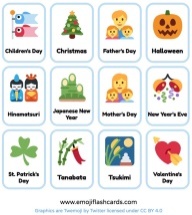
Flashcards special days
|
|
Middle 10 min |
Ex: 1 P:54 Focus students’ attention on the quiz on page 55. Allow students a couple of minutes to look at the different celebrations and ask them to decide which one they think looks like most fun. Get some feedback from one or two students. Values Link — Adal Azamat Respect for cultural diversity: Teacher Talk Example: “As Adal Azamat (honest and fair citizens), we respect other people’s cultures and traditions. When we choose our favourite celebration, we give our honest opinion and listen politely to our classmates.” |
Students complete Celebrations Quiz with words ANSWERS 1 dance 2 wear 3 sing 4 decorate 5 cook 6 celebrate |
Descriptor: - names the celebration they think looks fun - gives at least one reason for their choice - speaks clearly so others can understand Total: 3 point
|
Student’s book
|
|
10 min |
Ex: 2 P:54 Divide students into pairs and ask them to do the quiz on page 43. Encourage them to guess the answers if they do not know. When students have finished, check answers and get feedback by asking for a show of hands for answer a or answer b in each case Values Link — Adal Azamat Cooperation and teamwork: Teacher Talk Example: “As Adal Azamat (honest and fair citizens), let’s work together fairly, listen to our partner’s ideas, and be honest about what we know and what we guess.” |
Learners work in pairs. Do the Celebrations Quiz. ANSWERS 1 a 2 a 3 a 4 a 5 b 6 a 7 a 8 b 9 b |
Descriptor: - listens to their partner’s ideas -shares their own ideas politely - makes decisions together fairly Total: 3 point
|
Stickers
|
|
8 min |
Ex: 3 P:54 Explain the task and go through the example together to make sure students know what they have to do, pointing out that only one of the nouns in each case makes sense with the verb. In a stronger class, ask students to do the activity individually before checking their answers in pairs. In a weaker class, check their understanding of the vocabulary and ask them to do the task in pairs. Values Link — Adal Azamat Responsibility for learning: Teacher Talk Example: “As Adal Azamat (honest and fair learners), we take responsibility for trying the task on our own, and we listen to our partners with respect when checking answers.” Task for Less Motivated Learners Goal: Help students engage through support, choice, and collaboration. Show a few verbs and nouns on the board. Model one correct pair (e.g. read a book), and one incorrect pair (e.g. read a banana ?).
Ask: “Which one
makes sense?” and get students to raise
hands. |
Learners choose the correct combinations of the verbs and nouns. ANSWERS 1 Christmas 2 pizzas 3 shoes 4 decorate 5 dance 6 get
|
Descriptor: - chooses nouns that make sense with the verb - works quietly and responsibly (if individual) - shares and listens politely (if pair work) Total: 2 point
|
Pictures |
|
7 min |
Ex: 4 P:54 Focus students on the Key phrases for celebrations. Explain that when we talk about celebrations, we have to use a preposition them and draw their attention to the example. Ask students to find the celebrations in the quiz and to complete the phrases. They check answers in pairs. Check answers as a class Values Link — Adal Azamat Respect and appreciation of cultural traditions Teacher Talk Example: “As Adal Azamat (honest and respectful citizens), we value different celebrations, respect each other’s ideas, and work together fairly when checking answers.” |
Learners choose the correct combinations of the verbs and nouns. ANSWERS 1 for 2 at 3 at |
Descriptor: -completes celebration phrases with correct prepositions - listens to their partner’s ideas respectfully -accepts correct answers honestly, even if different from their own Total: 2 point |
|
|
End 5 min |
Reflection Quick oral quiz: Teacher asks “When do we celebrate…?” “What do we do on…?” Self-assessment: Pupils show thumbs up/down if they can talk about celebrations. Homework: Write 5–6 sentences about your favorite celebration and draw a picture. |
Learners stand in a circle, they are given a ball to throw it to each other and share their opinions about today’s lesson. |
Poster |
|



Short term plan
|
Unit 5: Values |
lesson 26 |
||
|
School: |
|
||
|
Teacher name: |
|
||
|
Date: |
|
||
|
Grade: 5 |
Number present: |
absent: |
|
|
Lesson title |
International Festivals |
||
|
Learning objectives |
5. 4. 1. 1 understanding the basic idea of some simple short texts on general and reading topics; 5.5.4.1 write with support a sequence of extended sentences in a paragraph to give basic personal information; |
||
|
Lesson objectives (assessment criteria) |
Learners will be able to: - Understand texts about festivals in different countries. - Learn and practise vocabulary for talking about festivals. |
||
|
Instilling values of the program “Adal Azamat” |
Cultural awareness, respect for different traditions. |
||
|
Stages/ Time |
Teachers actions |
Students actions |
Assessment |
Resources |
|
Beginning 5 min |
Greeting. T tells the class to make groups of 2. Warm up: - Show a picture of fireworks, lanterns, pumpkins. Ask: What do you see? What festival could it be? - Brainstorm “festivals we know” → write names on the board. Presentation Introduce vocabulary: festival, celebrate, food, costume, fireworks, lantern, gift, lights, parade. Show pictures and give short explanations: Halloween (USA/UK): people wear costumes, children go trick-or-treating. Chinese New Year (China): dragons, lanterns, red color, fireworks. Diwali (India): festival of lights, lamps, sweets. Christmas (many countries): decorated trees, presents, family dinner. Model sentences: On Halloween, people wear costumes. On Diwali, people light lamps. |
Learners read the given sentences on the board and guess the topic and share with their ideas. Remember and recognize the main vocabulary.
|
Teacher controles the process, gives feedback and asks additional questions if it’s nessasery. Teacher evaluate pupils with phrases like: “Good job! Well done!” Formative Assessment
|
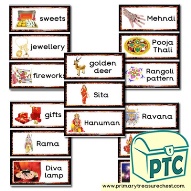
International Festivals flascards
|
|
Middle 10 min |
Ex: 1 P: 56 Focus on the three people on page 44. Ask the students which of these people they would like to meet and get some feedback, e.g. I would like to meet Clara. She looks friendly. Explain the task. Focus students on the text and play the recording. Tell them to ignore any unknown words for now Values Link — Adal Azamat Honest and kind communication Teacher Talk Example: “As Adal Azamat (honest and respectful citizens), we speak kindly about others, respect different personalities, and listen carefully before we decide who we would like to meet.” |
Learners repeat the words ANSWERS 1 go 2 celebrate 3 make 4 jump 5 decorate |
Descriptor: - gives a positive and respectful reason for their choice - listens carefully to the recording - accepts and respects classmates’ different opinions Total: 3 point
|
Student’s book
|
|
10 min |
Ex: 2 P: 56 Draw students’ attention to the statements. In a stronger class, ask the students to complete the activity individually before checking their answers in pairs. Encourage them to guess the meaning of any new vocabulary from the context. Values Link — Adal Azamat Honesty about what they know and don’t know Teacher Talk Example: “As Adal Azamat (honest and responsible learners), we try first on our own and don’t give up when words are new. Then we listen to our partner’s ideas respectfully when checking.” |
Students read the text again and write true or false ANSWERS 1 True 2 False: He eats grapes at twelve o’clock on New Year’s Eve. 3 True 4 False: Heidi and her friends jump over the fire. 5 False: She sings songs during the days before Christmas. 6 False: Her father cooks the meal at Christmas. |
Descriptor: - attempts to understand new words from context - completes the activity independently (if stronger class) - shares and listens respectfully when checking in pairs Total: 3 point |
|
|
8 min |
Ex: 3 P: 56 Refer students to the pictures of food in A–E. Ask the class if they can identify any of them before they do the activity. Explain the task. In a weaker class, ask students to find the words in the texts to help them work out the meanings from context Task for Less Motivated Learners Pair Check and Speaking Extension (After Reading) Students check answers with a partner using simple frames: “This is ___. It’s in picture ___.” Give a bonus challenge: choose their favourite food from A–E and say, “I like ___ because ___.” Values Link — Adal Azamat Curiosity and responsibility for learning Teacher Talk Example: “As Adal Azamat (honest and responsible learners), we try to learn new words carefully, respect our classmates’ ideas, and admit when we don’t know something yet.” |
Learners choose the correct words ANSWERS 1 E 2 D 3 A 4 B 5 C Speaking Descriptor: “Can name familiar foods and give a short personal opinion.” |
Descriptor: - identifies known foods confidently - uses text clues to guess unknown food words - shows effort and interest in learning new vocabulary Total: 2 point
|
Pictures |
|
7 min |
Ex: 4 P: 56 Read the questions with the class and check for understanding. Divide students into pairs or small groups of three or four, whichever you think will work best. Explain that they should not only answer the questions in their small groups, but that they should also try to develop their answers with reasons or examples. Circulate and monitor without interrupting the students unless they are struggling for new vocabulary. Make a note of any errors you would like to address afterwards. When students have finished, get some feedback from each group. Values Link — Adal Azamat Honesty and responsibility in sharing ideas Teacher Talk Example: “As Adal Azamat (honest and fair citizens), we listen carefully, take turns, and respect each other’s ideas during our discussion. We speak kindly and support our group.” |
Learners ask and answer the questions ANSWERS Student’s own answer |
Descriptor: -gives an answer and includes a reason or example -listens actively to other group members -takes turns and speaks politely Total: 2 point |
|
|
End 5 min |
Reflection Quick quiz: Teacher asks Which festival has pumpkins? Which festival has lanterns? Pupils share one new thing they learned today. Homework Draw a picture of an international festival you like and write 4–5 sentences about it. |
Learners stand in a circle, they are given a ball to throw it to each other and share their opinions about today’s lesson. |
Poster |
|


Short term plan
|
Unit 5: Values |
lesson 27 |
||
|
School: |
|
||
|
Teacher name: |
|
||
|
Date: |
|
||
|
Grade: 5 |
Number present: |
absent: |
|
|
Lesson title |
Language Focus: Present Simple (affirmative) |
||
|
Learning objectives |
5.5.3.1 write with support factual descriptions at text level which describe people, places and objects; 5.6.9.1 use simple present and simple past regular and irregular forms to describe routines, habits and states on a limited range of familiar general and curricular topics |
||
|
Lesson objectives (assessment criteria) |
Learners will be able to: -Learn and practise using the present simple in the affirmative. -Use the present simple to describe what people do. |
||
|
Instilling values of the program “Adal Azamat” |
Respect for family traditions and togetherness. |
||
|
Stages/ Time |
Teachers actions |
Students actions |
Assessment |
Resources |
|
Beginning 5 min |
Greeting. T tells the class to make groups of 2. Warm up: - Teacher shows a picture of a birthday cake or family dinner. Ask: What is happening here? Do you celebrate this at home? - Brainstorm: birthday, New Year, Nauryz, family dinner, wedding, holiday. Presentation Teach/review vocabulary: birthday, cake, guests, presents, cook, visit, decorate, family, friends, holiday, celebrate. Teacher models: In my home, we celebrate birthdays. We eat cake and give presents. |
Learners read the given sentences on the board and guess the topic and share with their ideas. Remember and recognize the main vocabulary. |
Teacher controles the process, gives feedback and asks additional questions if it’s nessasery. Teacher evaluate pupils with phrases like: “Good job! Well done!” Formative Assessment |
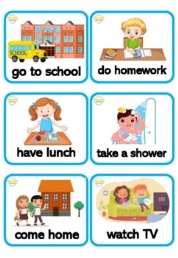
Present simple flascards
|
|
Middle 8 min |
Ex: 1 P: 57 Draw students’ attention to the examples and to the verbs. Allow them a couple of minutes to read through them. Tell students to identify which of the sentences have a subject in the third person singular. Elicit that Fernando, My dad, Heidi and Clara are all in the third person singular Values Link — Adal Azamat Responsibility and focus when learning Honesty about what they know and don’t know Teacher Talk Example: “As Adal Azamat (honest and responsible learners), we focus carefully, try our best to understand grammar, and respect our classmates’ answers when we check together.” |
Learners look at the verbs in examples. ANSWERS The verbs for he, she and it are different in the present simple because they end in -s. |
Descriptor: - correctly identifies third person singular subjects -pays attention and works carefully -accepts correct answers honestly, even if different from their own Total: 2 point
|
Student’s book
|
|
10 min |
Ex: 2 P: 57 Allow students some time to read the sentences. Ask them to underline the subject in each case to help them focus on whether they need to add -s or not. Task (for less motivated learners) Model Together Write two example sentences on the board (one with a third person singular subject and one without). Underline the subject together as a class. Ask: “Do we add -s to the verb or not?” Values Link — Adal Azamat Emphasise responsibility and accuracy — explain that being an Adal Azamat means doing tasks carefully and correctly, even with small details like grammar rules. |
Learners choose the correct words. ANSWERS 1 make 2 eats 3 wear 4 plays 5 dance |
Descriptor: - underlines the subject in each sentence correctly. -- identifies if the subject is in the third person singular. - adds -s to verbs correctly when the subject is in the third person singular. Total: 3 point
|
Worksheets
|
|
10 min |
Ex: 3 P: 57 Explain that students need to follow the lines from the different people to find out what their activities are in order to make the sentences. Do the first one together as an example. Students do the activity in pairs. Monitor, helping where necessary and reminding students to add -s to the verb when using the third person singular. Check answers as a class. Values Link — Adal Azamat Remind students that being an Adal Azamat means: Working cooperatively and respectfully with a partner. Sharing correct information honestly. Taking responsibility to apply grammar rules carefully (like adding -s for third person singular). |
Learners think of more countries and capitals ANSWERS 1 Curtis sings in a band. 2 Dee and Susan make cakes. 3 Patrick eats hot dogs. 4 Dee and Patrick play an instrument. 5 Altynay and Boris dance salsa |
Descriptor: -match the countries to the capitals - follows the lines and correctly identifies each person’s activity. adds -s to the verb when the subject is in the third person singular. Point 3 |
Pictures |
|
7 min |
Ex: 4 P: 57 Focus students on the vocabulary in the box and check for understanding. Ask them to work individually. They should write five sentences about different people in the class using the verb forms in the box. Refer them to the example as a model. When they have finished, ask students to find the people they have written about. They should read their sentences to the relevant students, who will then tell them Yes, that’s true or No, that isn’t true. Circulate, listening to make sure students are using the verbs correctly. Values Link — Adal Azamat Emphasise respect, honesty, and responsibility. Remind students that being an Adal Azamat means: Speaking truthfully and checking facts respectfully. |
Learners make sentences about people in your class using verbs in the box. ANSWERS Student’s own answer |
Descriptor: - writes five sentences about different classmates using correct verb forms. - reads sentences politely and listens respectfully to others - uses third person singular -s correctly when needed. Total: 2 point
|
|
|
End 5 min |
Reflection Teacher asks: Who can name one special day in your home? What do you do? Pupils share one new word they learned. Homework Make a mini-poster: “My Special Day at Home” with drawings and 5 sentences. |
Learners stand in a circle, they are given a ball to throw it to each other and share their opinions about today’s lesson. |
Poster |
|
Short term plan
|
Unit 5: Values |
lesson 28 |
||
|
School: |
|
||
|
Teacher name: |
|
||
|
Date: |
|
||
|
Grade: 5 |
Number present: |
absent: |
|
|
Lesson title |
The months and seasons |
||
|
Learning objectives |
5. 2. 6. 1 to determine a number of general and educational topics with the support of meaning from the context of a short conversation; 5. 3. 4. 1 respond in sentences with some flexibility to unexpected comments on a variety of general and educational topics; |
||
|
Lesson objectives (assessment criteria) |
Learners will be able to: - Name all 12 months and 4 seasons. - Say which season/month they like and why. - Match months with seasons correctly. |
||
|
Instilling values of the program “Adal Azamat” |
Appreciation of nature, traditions, and special days in different months/seasons. |
||
|
Stages/ Time |
Teachers actions |
Students actions |
Assessment |
Resources |
|
Beginning 5 min |
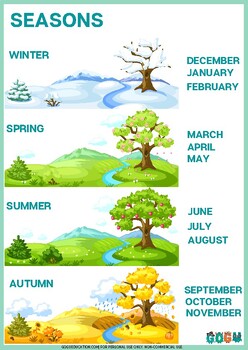
Greeting. T tells the class to make groups of 2. Warm up: - Sing/chant a simple months song (or quick drill: “January, February…”). - Teacher asks: What month is it now? What season is it? Presentation Teach/revise 12 months (use flashcards/calendar). Pupils repeat. Introduce 4 seasons with pictures: Spring, Summer, Autumn (Fall), Winter. Model sentences: March, April, May → Spring. June, July, August → Summer. |
Learners read the given sentences on the board and guess the topic and share with their ideas.
Remember and recognize the main vocabulary. |
Teacher controles the process, gives feedback and asks additional questions if it’s nessasery. Teacher evaluate pupils with phrases like: “Good job! Well done!”
|
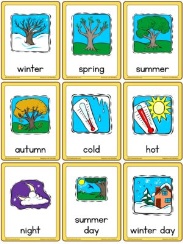
The months and seasons flashcards
|
|
Middle 7 min |
Ex: 1 P: 58 Write the following words on the board: lambs, snow, leaves, sunshine. Draw students’ attention to the photos of the seasons at the bottom of the page. Ask them to match each of the words with one of the photos. Explain the task. Values Link — Adal Azamat Respect for nature and environment – Adal azamat fosters being responsible and fair citizens. Discuss how each season is important for people, animals, and the planet. Teacher Talk Example: “An adal azamat takes care of nature in every season. How can we be responsible in each season?” |
Students match the words with the photos in the Month Quiz. ANSWERS autumn (leaves), winter (snow), spring (lambs), summer (sunshine), |
Descriptor: - match familiar words to visual prompts (photos of seasons) - express simple ideas about responsible behaviour related to each season Total: 2 point |
White boards |
|
10 min |
Ex: 2 P: 58 Ask the class what the incomplete words are and elicit that they are the months of the year. Tell stronger students to try to complete them before listening to the recording. Write the correct spelling of the months on the board for students. Drill the class on pronunciation of the months. Task for Less Motivated Learners Matching Game Give students cards or slips of paper with: incomplete month names (e.g. _Jan__ry, Feb__ary) and pictures representing each month (snow for January, hearts for February, etc.) Students walk around the class and match the incomplete words to the correct pictures. Values Link — Adal Azamat Talk briefly about how knowing the months helps us plan, remember birthdays, holidays, and national events, which shows respect and care for others. Teacher Talk Example: “An adal azamat uses time wisely and remembers important days for their family, school, and country.” |
Learners complete the table with plural forms in the text. ANSWERS 2 February 3 March 4 April 5 May 6 June 7 July 8 August 9 September 10 October 11 November 12 December |
Descriptor: - identify and correctly spell the months of the year - pronounce the months accurately - show awareness of the importance of time and dates in being a responsible person Total: 3 point |
White boards
|
|
10 min |
Ex: 3 P: 58 Draw students’ attention to the questions in the quiz. In a stronger class, ask students to go ahead and answer the questions. In a weaker class, read the questions together with the students and check for understanding. Values Link — Adal Azamat Promote respectful participation and honesty when answering quiz questions. Teacher Talk Example: “An adal azamat answers honestly and respects other people’s opinions.” |
Students replace the words in blue with words in the box. ANSWERS 1 August 5 Students’ own answers 2 21st June 6 Students’ own answers 3 1st January 7 Students’ own answers 4 September (2017) 8 Students’ own answers |
Descriptor: - understand and answer simple quiz questions - work cooperatively and respectfully in pairs or groups - demonstrate honesty and supportive behaviour during classroom activities Total: 3 point |
Pictures
pupils are evaluated by collecting apples |
|
8 min |
Ex: 4 P: 58 Students compare their answers in pairs. Play the recording straight through for students to check their answers. Check answers as a class. Values Link — Adal Azamat Emphasize fairness, honesty, and responsibility — an adal azamat listens carefully, accepts corrections, and admits mistakes. Teacher Talk Example: “An adal azamat listens carefully and works fairly with others.” |
Students listen to an interview with Lady Tara Toffingham ANSWERS: 1 Switzerland 2 Rio de Janeiro 3 London 2 Rio de Janeiro 4 New York and Boston |
Descriptor: - listen to a recording and check their own answers - cooperate with a partner respectfully during comparison Total: 2 point |
|
|
End 5 min |
Reflection Quick oral quiz: Teacher points to a month card → pupils say season. Pupils say one new thing they learned. Homework Write 5–6 sentences: My favorite season is … because … My birthday is in … We usually … in this season. |
Learners stand in a circle, they are given a ball to throw it to each other and share their opinions about today’s lesson. |
Poster |
|


Short term plan
|
Unit 5: Values |
lesson 29 |
||
|
School: |
|
||
|
Teacher name: |
|
||
|
Date: |
|
||
|
Grade: 5 |
Number present: |
absent: |
|
|
Lesson title |
Present Simple (negative) |
||
|
Learning objectives |
5.5.3.1 write with support factual descriptions at text level which describe people, places and objects; 5.6.9.1 use simple present and simple past regular and irregular forms to describe routines, habits and states on a limited range of familiar general and curricular topics |
||
|
Lesson objectives (assessment criteria) |
Learners will be able to: - Learn how to form and use the negative form of the present simple. - Practise talking about activities at different times of the year. |
||
|
Instilling values of the program “Adal Azamat” |
Respect for nature, family traditions, and cultural holidays. |
||
|
Stages/ Time |
Teachers actions |
Students actions |
Assessment |
Resources |
|
Beginning 5 min |
Greeting. T tells the class to make groups of 2. Warm up: - Teacher shows a seasonal wheel or four pictures (spring flowers, summer beach, autumn leaves, winter snow). - Ask: What season is it? What do you see? Presentation Revise/teach the 4 seasons: Spring, Summer, Autumn, Winter. Introduce months in each season. Teach key activities: swim, ski, play outside, visit family, celebrate holidays. Model sentences: In spring, the weather is warm. We celebrate Nauryz. In summer, we go on holiday. |
Learners read the given sentences on the board and guess the topic and share with their ideas. Remember and recognize the main vocabulary. |
Teacher controles the process, gives feedback and asks additional questions if it’s nessasery. Teacher evaluate pupils with phrases like: “Good job! Well done!” Formative Assessment |
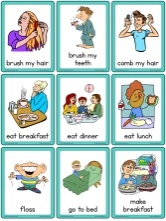
flashcards
|
|
Middle 7 min |
Ex: 1 P: 59 Write the following sentence on the board: I travel in the summer. Point out that the verb travel is in the present simple affirmative. Values Link — Adal Azamat Emphasize responsibility and respect for culture and traditions when talking about travel. |
Learners look at the table and complete the rules. ANSWERS don’t, doesn’t |
Descriptor: - use the present simple affirmative correctly in short sentences - express simple routines or activities in the present Total: 2 point |
Student’s book |
|
10 min |
Ex: 2 P: 59 Refer students to the sentences and explain the task. They complete the activity individually. In a weaker class, do the first one together as an example. Students check answers in pairs. Check answers as a class. Ask fast finishers to make three more negative sentences using don’t / doesn’t of their own. Task for Less Motivated Learners Colour Coding Sentences Give students a worksheet or cards with several positive and negative sentences mixed (some correct, some incorrect). Ask them to highlight or circle the negative ones in one colour and positive ones in another. This builds understanding visually before they produce language. Values Link — Adal Azamat Highlight honesty and fairness: an adal azamat speaks truthfully about what they do or don’t do. |
Learners choose the correct words ANSWERS 1 don’t 2 doesn’t 3 doesn’t 4 don’t 5 doesn’t
|
Descriptor: - form negative present simple sentences correctly using don’t / doesn’t - work respectfully in pairs, checking and discussing answers Total: 3 point |
Student’s book
|
|
8 min |
Ex: 3 P: 59 Refer students to the sentences. Tell them to look through them quickly and ask them if they are affirmative or negative. Elicit that they are all affirmative. Values Link — Adal Azamat Emphasize that an adal azamat often takes positive actions (helps, respects, cares) and speaks truthfully. |
Learners make negative sentences ANSWERS: 1 doesn’t. 2 don’t. 3 don’t. 4 doesn’t. 5 don’t. 6 doesn’t. |
Descriptor: - identify affirmative sentences correctly - understand the meaning of affirmative vs. negative Total: 2 point |
Pictures |
|
10 min |
Ex: 4 P: 59 Draw students’ attention to the incomplete sentences and ask them to read through them quickly.
Values Link — Adal Azamat Encourage respectful behaviour — staying focused, listening quietly, and letting others read without interruption. |
Learners complete the sentences with the correct Present Simple negative form of the verbs in the box ANSWERS 1 don’t give 2 don’t celebrate 3 doesn’t eat 4 don’t eat 5 don’t play 6 don’t make 7 don’t celebrate |
Descriptor: - skim through incomplete sentences to get the general meaning - demonstrate focus and cooperation during reading tasks Total: 3 point |
|
|
End 5 min |
Reflection Quick quiz: Teacher asks “What season is July? What do we do in winter?” Pupils say one new word or phrase they learned. |
Learners stand in a circle, they are given a ball to throw it to each other and share their opinions about today’s lesson. |
Poster Success Ladder |
|
Short term plan
|
Unit 5: Values |
lesson 30 |
||
|
School: |
|
||
|
Teacher name: |
|
||
|
Date: |
|
||
|
Grade: 5 |
Number present: |
absent: |
|
|
Lesson title |
Making suggestions |
||
|
Learning objectives |
5.4.2.1 understand with little support specific information and detail in short, simple texts on a limited range of general and curricular topics; 5. 5. 7. Use the format with a bit of support in some written genres in 1 familiar general and a number of topics, corresponding to the level of text; |
||
|
Lesson objectives (assessment criteria) |
Learners will be able to: - Learn and practise phrases for making suggestions. - Practise making suggestions about activities. - Complete an incomplete dialogue using words from the box. |
||
|
Instilling values of the program “Adal Azamat” |
Teamwork, cooperation, and respect for others’ opinions |
||
|
Stages/ Time |
Teachers actions |
Students actions |
Assessment |
Resources |
|
Beginning 5 min |
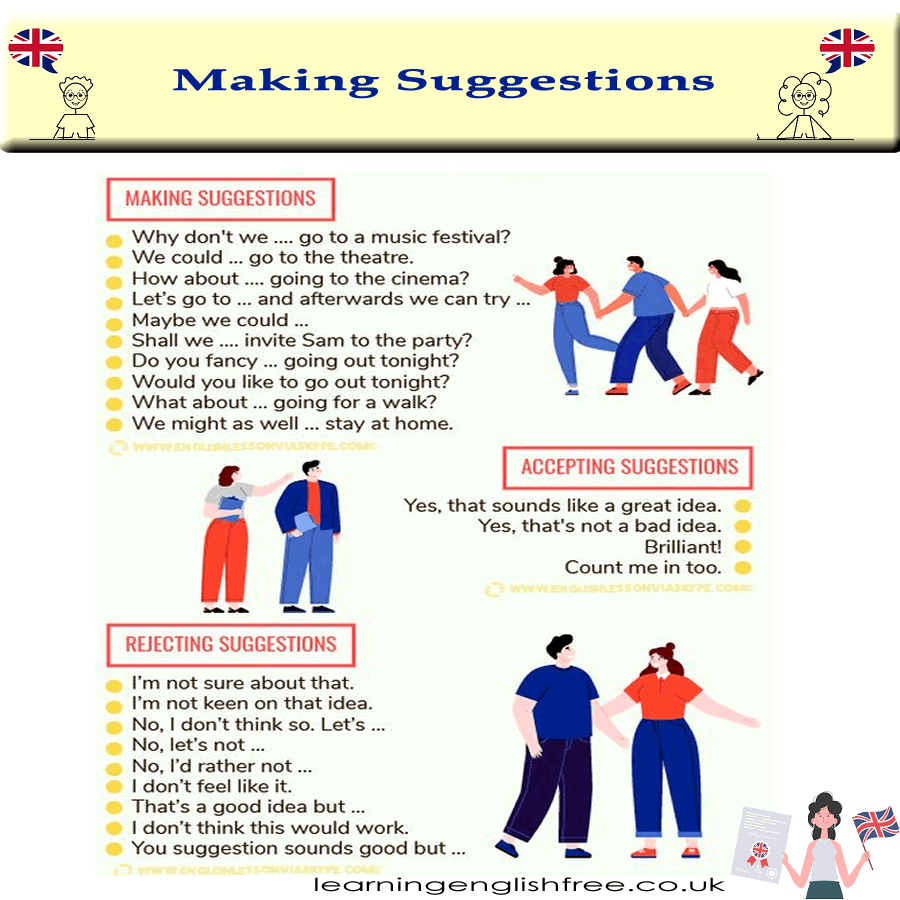
Greeting. T tells the class to make groups of 2. Warm up: Teacher shows a picture (e.g., children with a ball). Ask: What are they doing? Do you want to play football? How can we invite a friend? Elicit: Let’s play football. Presentation Introduce useful phrases: Making suggestions: Let’s…, Why don’t we…, How about…? Responses: That’s a good idea! / Yes, let’s. / Sorry, I can’t. Write examples on the board. Teacher models short dialogues with a pupil. |
Learners read the given sentences on the board and guess the topic and share with their ideas. Remember and recognize the main vocabulary.
|
Teacher controles the process, gives feedback and asks additional questions if it’s nessasery. Teacher evaluate pupils with phrases like: “Good job! Well done!” Formative Assessment
|
Sheets of peppers Pictures of to be
|
|
Middle 7 min |
Ex: 1 P: 60 Focus on the photo and ask students to discuss it in pairs. They answer the questions. Check answers as a class. Values Link — Adal Azamat Emphasize that an adal azamat shows respect for other people’s feelings and opinions. |
Learners listen and repeat point the numbers. ANSWERS: They are at school. The two girls in front |
Descriptor: - talk about a photo using simple descriptive language - listen to their partner and respond politely Total: 2 point |
Student’s book |
|
10 min |
Ex: 2 P: 60 Draw students’ attention to the incomplete dialogue and the words in the box. Explain the task. In a stronger class, ask students to try to complete the gaps before they listen Task for Less Motivated Learners. - Matching warm-up Give learners cut-out word cards and gap sentences from the dialogue. They match words to the correct gaps before listening. - Listening support Play the audio twice: First time: listen and follow the dialogue in their books. Second time: pause after each gap for them to write the word. - Peer check Learners compare answers in pairs using the word cards to support memory. Values Link — Adal Azamat Honesty and responsibility — Remind them to complete their own work first and support each other respectfully when checking answers. |
Learners listen and complete the dialogue ANSWERS a what’s b We’ve c July d make |
Descriptor: - select appropriate words from the box to complete the dialogue meaningfully - listen carefully and check if the chosen words are correct Total: 3 point |
|
|
10 min |
Ex: 3 P: 60 Explain the task. Ask stronger students to order the phrases individually before checking their answers in pairs. In a weaker class, ask students to do the task in pairs. Students check their answers in the dialogue. Point out that these phrases are useful when we are making suggestions. Model each one for the class and ask them to repeat. Encourage them to copy your intonation as much as they can. Values Link — Adal Azamat - Respect – listening to each other’s ideas politely - Cooperation – working together to arrange phrases in correct order - Responsibility – trying their best and helping their partner if they can |
Learners cover the dialogue and order the key phrases ANSWERS Why don’t you come along? But I don’t play an instrument. That doesn’t matter. Why not come and dance? OK. Why not! |
Descriptor: - use simple phrases to make suggestions clearly - work with a partner respectfully, taking turns to speak and listen Total: 3 point |
|
|
8 min |
Ex: 4 P: 60 Elicit the meaning of problem and solution from the class. Explain that when offering a solution to a problem, we can use these phrases for making suggestions. Refer students to the two lists and explain the task. Check their answers. Values Link — Adal Azamat - Respect & empathy – listening carefully to others’ problems - Responsibility – offering helpful and positive suggestions - Cooperation – working together to match problems with suitable solutions |
Learners match problem with solutions ANSWERS: 1 f 2 b 3 a 4 c 5 d 6 e |
Descriptor: - understand simple problem statements and suggest appropriate solutions - listen to classmates’ problems respectfully and respond politely Total: 2 point |
|
|
End 5 min |
Reflection Quick quiz: Teacher says a phrase → pupils decide if it is a suggestion or a response. Pupils share which phrase they liked using most today. Homework Write a short dialogue (4–6 lines) with a friend, making and responding to suggestions. |
Learners stand in a circle, they are given a ball to throw it to each other and share their opinions about today’s lesson. |
Poster |
|
Short term plan
|
Unit 5:Values |
lesson 31 |
||
|
School: |
|
||
|
Teacher name: |
|
||
|
Date: |
|
||
|
Grade: 5 |
Number present: |
absent: |
|
|
Lesson title |
A composition about a special occasion |
||
|
Lesson objectives |
5. 4. 6. 1 identify the author's opinion or point of view in short texts on some general and educational topics; 5. 5. 3. 1 write specific details with the support of the teacher, describing people, places and objects at the text level; |
||
|
Learning objectives (assessment criteria) |
Learners will be able to: - Learn how to write a simple composition. - Learn and practise how to use because. - Practise writing about special occasions |
||
|
Instilling values of the program “Adal Azamat” |
Respect for family traditions, sharing memorable experiences. |
||
|
Stages/ Time |
Teachers actions |
Students actions |
Assessment |
Resources |
|
Beginning 5 min |
Greeting. T tells the class to make groups of 2. Warm up: Teacher shows a picture of a birthday party. Ask: What do you see? What special day is this? What do people do? Elicit ideas about “special occasions.” Presentation Teacher presents a sample composition (6–7 sentences) about a birthday. Example structure: Beginning: Last month I celebrated my birthday. Middle: My family made a cake. My friends gave me presents. We played games. Ending: It was a very happy day. Highlight: past tense verbs (celebrated, played, ate), time expressions (first, then, finally). |
Learners read the given sentences on the board and guess the topic and share with their ideas. Remember and recognize the main vocabulary. |
Teacher controles the process, gives feedback and asks additional questions if it’s nessasery. Teacher evaluate pupils with phrases like: “Good job! Well done!” Formative Assessment |
|
|
Middle 10 min |
Ex: 1 P: 61 Draw students’ attention to the pictures and discuss them with the class. Ask them what they can see and elicit that there are a lot of people in colourful clothes Values Link — Adal Azamat Respect and appreciation of cultural diversity |
Learners read the model text and answer the question. ANSWERS 1 Every: because it is the first word in the sentence; Brighton: because it is the name of a place; Brighton Carnival: because it is the name of a festival. 2 The carnival is in July. 3 Yes, the writer is in a samba band. |
Descriptor: - uses simple sentences to describe pictures. - shows respectful attitude to cultural differences. Total: 3 point |
Student’s book
|
|
7 min |
Ex: 2 P: 61 Refer students to the sentence and ask them what the word because does. Elicit that it links a reason with a result. Ask students to complete the rule. Check answers as a class. Values Link — Adal Azamat Being thoughtful and responsible in giving reasons for actions |
Learners look at this sentences from the model text and choose the correct word in the rule ANSWERS before |
Descriptor: - uses “because” correctly in sentences. - gives clear reasons linked to positive behaviour. Total: 2 point |
Student’s book |
|
10 min |
Ex: 3 P: 61 Refer students to the sentences and explain the task. In a weaker class, do the first one as an example for the students and ask them to continue the activity in pairs. Students check answers in pairs. Check answers as a class. Ask fast finishers to make three new sentences of their own using because. Task for Less Motivated Learners. Model the first example together Write on the board: “I like apples because they are sweet.” ? Underline: action → I like apples reason → they are sweet Say it aloud together as a class. Values Link — Adal Azamat Encouraging responsibility and honesty by explaining the reasons behind actions |
Learners match sentences with reason using because ANSWERS: 1 b: We go to Switzerland every year because we like skiing. 2 e: I wear warm clothes because it is very cold. 3 d: I don’t like crocodiles because they are dangerous. 4 c: They close the roads because people dance in the street. 5 a: My grandmother doesn’t dance because she’s very old |
Descriptor: - correctly uses “because” to link actions and reasons. - gives meaningful reasons that reflect honesty, responsibility, or respect. Total: 3 point |
|
|
8 min |
Ex: 4 P: 9 Go through the Writing guide with the class. Firstly, explain the task and what the students have to do. If they cannot think of a festival or celebration that they know about, encourage them to invent one. Values Link — Adal Azamat Encourages creativity, cultural pride, and respect for others’ traditions |
Learners make six sentences with words from the circles. ANSWERS Students’ own answers |
Descriptor: - writes 4–5 sentences about a festival. - organises ideas logically. - shows respect for culture and includes positive values. Total: 2 point |
|
|
End 5 min |
Reflection Pupils underline 3 past tense verbs in their writing. Teacher asks: What did you learn today about writing? |
Learners stand in a circle, they are given a ball to throw it to each other and share their opinions about today’s lesson. |
Poster Success Ladder |
|
Short term plan
|
Unit 5: Values |
lesson 32 |
||
|
School: |
|
||
|
Teacher name: |
|
||
|
Date: |
|
||
|
Grade: 5 |
Number present: |
absent: |
|
|
Lesson title |
My Country. Holidays |
||
|
Learning objectives |
5. 4. 2. 1 understanding of special information in simple, short texts within a number of general and educational topics with the help of a teacher; 5. 5. 4. 1 writing long sentences with the support of a teacher in the paragraph size to provide personal information; |
||
|
Lesson objectives (assessment criteria) |
Learners will be able to: - Read a text about special days in Kazakhstan. - Learn prepositions of place and direction. - Learn and practise using adverbs of manner. |
||
|
Instilling values of the program “Adal Azamat” |
Respect for national traditions and culture. |
||
|
Stages/ Time |
Teachers actions |
Students actions |
Assessment |
Resources |
|
Beginning 5 min |
Greeting. T tells the class to make groups of 2. Warm up: - Teacher shows a picture of Nauryz celebration. Ask: What holiday is it? When do we celebrate it? - Brainstorm: Which holidays do we celebrate in Kazakhstan? (Write answers on board). Presentation Introduce/revise holidays with pictures: Nauryz (March 22): traditional food, visiting relatives, games. Victory Day (May 9): parades, flowers, concerts. Constitution Day (August 30): official ceremonies. Independence Day (December 16): concerts, fireworks, flags. Model sentences: On Independence Day, we celebrate freedom. On Nauryz, people wear national clothes. |
Learners read the given sentences on the board and guess the topic and share with their ideas. Remember and recognize the main vocabulary. |
Teacher controles the process, gives feedback and asks additional questions if it’s nessasery. Teacher evaluate pupils with phrases like: “Good job! Well done!” Formative Assessment |
|
|
Middle 10 min |
Ex: 1 P: 62 Use two books and a pen to demonstrate the meaning of the prepositions, e.g. put the pen behind one of the books and ask Where is the pen? (It’s behind the book.), then place it between the two books and ask again (It’s between the books.), then hold it above one of the books. In pairs, students look at the photo and complete the description with five of the prepositions in the box. Adal Azamat – honesty, cooperation, responsibility: Pupils show honesty in giving correct answers. Pupils cooperate when working in pairs. Pupils respect each other’s answers and ideas. |
Learners check the meaning of these words ANSWERS 1 Next to 2 Behind 3 under 4 between 5 in front of The people in the photo are celebrating Nauryz. |
Descriptor: - correctly use at least 5 prepositions of place in sentences. - ask and answer Where is…? questions. - works honestly and respectfully with partner (Adal Azamat values). Total: 3 point |
Student’s book
|
|
8 min |
Ex: 2 P: 62 Ask students to do the task individually, then play the recording for them to listen and check their answers Value Link (Adal Azamat) Honesty: Pupils first try on their own before listening → they don’t copy from others. Responsibility: Pupils are responsible for their own answers. |
Learners read the special days calendar and write the names of the holidays. ANSWERS 1 New Year’s Day 2 Nauryz 3 Capital Day |
Descriptor: - attempts the task independently before listening. - checks answers honestly against the recording. Total: 2 point |
Worksheets Student’s book |
|
7 min |
Ex: 3 P: 62 Explain the difference between adjectives and adverbs. Elicit that adjectives modify nouns (She is a careful driver. – the adjective careful modifies the noun driver) while adverbs modify verbs (He drives carefully. – the adverbs carefully modifies the verb drives). Task for Less Motivated Learners Model with clear examples (visual support) Draw or show two pictures on the board: - A careful driver → “She is a careful driver.” (adjective → describes the noun driver) - He drives carefully → “He drives carefully.” (adverb → describes the verb drives) Underline the adjective and
adverb. Value Link (Adal Azamat) Honesty: Pupils try to give their own examples honestly (without copying). Responsibility: Pupils are responsible for using the correct form (careful vs. carefully). |
Learners look at the words in blue in the text. Then choose the correct words in the rules. ANSWERS 1 how 2 –ly |
Descriptor: - identify an adjective (modifies noun) and an adverb (modifies verb). - give at least one correct example of each. - works responsibly and respectfully Total: 2 point |
|
|
10 min |
Ex: 4 P: 62 Explain the task and ask students to do it individually. alue Link (Adal Azamat) Honesty: Pupils complete the task on their own without copying. Responsibility: Pupils take responsibility for their answers. Respect: Pupils work quietly and respect classmates’ concentration. |
Learners complete the sentences with adverbs formed from the adjectives in brackets ANSWERS 1 beautifully 2 quietly 3 carefully 4 quickly 5 slowly |
Descriptor: - follow instructions and complete the task individually. - shows responsibility by trying their best. Total: 3 point |
|
|
End 5 min |
Reflection Quick oral quiz: Teacher asks “When do we celebrate Nauryz? What do we do on Victory Day?” Pupils say which holiday they like most and why Homework Write a short paragraph (6–8 sentences) about My Favorite Holiday in Kazakhstan. Add a drawing or decoration. |
Learners stand in a circle, they are given a ball to throw it to each other and share their opinions about today’s lesson. |
Poster |
|

Short term plan
|
Unit 5: Values |
lesson 33 |
||
|
School: |
|
||
|
Teacher name: |
|
||
|
Date: |
|
||
|
Grade: 5 |
Number present: |
absent: |
|
|
Lesson title |
Asking about dates |
||
|
Learning objectives |
5. 2. 2.1 Understand simple questions about the provision of information about 1 identity; 5.3.4.1 respond with limited flexibility at sentence level to unexpected comments on an increasing range of general and curricular topics; |
||
|
Lesson objectives (assessment criteria) |
Learners will be able to: -Understand a conversation that uses dates to say when something is happening -Recognise the meaning of a story and extended talk with some support -Provide a point of view in connected sentences |
||
|
Instilling values of the program “Adal Azamat” |
Responsibility: Pupils try to use full sentences, not just one word. Respect: Pupils listen politely to each other’s answers. |
||
|
Stages/ Time |
Teachers actions |
Students actions |
Assessment |
Resources |
|
Beginning 5 min |
Greeting. T tells the class to make groups of 2. Warm up: Teacher shows a calendar and asks: What’s the date today? Quick drill: Pupils say some months and dates they know. Presentation Teach/review ordinal numbers (1st, 2nd, 3rd, 4th, 5th …). Model Q&A: When is Nauryz? – It’s on the 22nd of March. When is your birthday? – It’s on the 10th of June. Write model on the board. Pupils repeat. |
Learners read the given sentences on the board and guess the topic and share with their ideas. Remember and recognize the main vocabulary. |
Teacher controles the process, gives feedback and asks additional questions if it’s nessasery. Teacher evaluate pupils with phrases like: “Good job! Well done!” Formative Assessment |
|
|
Middle 10 min |
Ex: 1 P: 63 Focus students’ attention on the numbers in the box and explain that we call them ordinal numbers. This means that they tell us the order that things are in. Point out that we use ordinal numbers to say dates. Task for Less Motivated Learners Warm-up: Number Race Write 1–10 on the board. Say: “Who can come and write the ordinal numbers next to them?” Let a few volunteers come to the board and add 1st, 2nd, 3rd, etc. Give small praise (stickers, claps) for effort, not just correctness. Value link (Adal Azamat): Developing accuracy, responsibility, and respect for important dates and events |
Learners match the words in the box with the ordinal numbers ANSWERS 1 twenty-eighth 2 eleventh y 3 sixth 4 third 5 fourteenth 6 thirtieth |
Descriptor: - says ordinal numbers correctly - uses ordinal numbers accurately when saying dates - shows respect for important events/dates Total: 3 point |
Student’s book |
|
10 min |
Ex: 2 P: 63 Students work in pairs to practise the dates. Play the recording for them to check their answers. Value link (Adal Azamat): Promotes respect for cultural and national events by learning their correct dates |
Learners study the key phrases and say dates ANSWERS 1 the second of June 2 the twenty-sixth of August 3 the fifteenth of January 4 the first of March 5 the twenty-second of October 6 the thirty-first of May |
Descriptor: - reads and says dates using ordinal numbers correctly. - listens and checks answers accurately. - shows respect for cultural and national dates. Total: 3 point |
Worksheets
|
|
8 min |
Ex: 3 P: 63 Explain the task and draw students’ attention to the two sentences. Play the recording. Pause after each conversation to allow students time to choose their answers. Students check their answers in pairs. Check answers as a class. Value link (Adal Azamat): Encourages careful listening, respect for others when they speak, and responsibility in completing tasks accurately |
Learners listen to two conversations, choose the correct words. ANSWERS Conversation 1 is about a maths exam. Conversation 2 is about a football match. |
Descriptor: - listens carefully to the conversations. - chooses the correct sentence to match what they hear. - shows respect for classmates’ ideas when checking answers. Total: 2 point |
|
|
7 min |
Ex: 4 P: 63 Refer students to the incomplete sentences and explain the task. Play the recording. Students check their answers in pairs. Play the recording a second time for them to check their answers. Check answers as a class. Values Link – Adal azamat emind students: “Be fair and honest — check your answers together without copying. Respect your partner’s opinion and help them if they don’t understand.” |
Learners listen again and complete the sentences. ANSWERS 1 2th June 2 Wednesday 3 17th March 4 Saturday |
Descriptor: - completes sentences correctly - participates actively and fairly in pair work - demonstrates honesty and responsibility in checking answers Total: 2 point |
|
|
End 5 min |
Reflection Quick oral quiz: Teacher asks When is New Year? When is Victory Day? Pupils reflect: Now I can ask and answer about dates. |
Learners stand in a circle, they are given a ball to throw it to each other and share their opinions about today’s lesson. |
Poster |
|
Short term plan
|
Unit 5: Values |
lesson 34 |
||
|
School: |
|
||
|
Teacher name: |
|
||
|
Date: |
|
||
|
Grade: 5 |
Number present: |
absent: |
|
|
Lesson title |
Project: Values |
||
|
Learning objectives |
5. 4. 2. 1 understanding of special information in simple, short texts within a number of general and educational topics with the help of a teacher; 5. 5. 1. 1 Planning, writing, editing, and verifying text-level work on some general and reading topics; |
||
|
Lesson objectives (assessment criteria) |
Learners will be able to: - Name at least 3–4 important values. - Give simple examples of how to show these values in daily life. - Work together to create and present a short group project. |
||
|
Instilling values of the program “Adal Azamat” |
Honesty: Pupils give real examples from their lives. Respect: Pupils listen to and accept their classmates’ ideas. Responsibility & Cooperation: Pupils work responsibly in groups to complete the project. |
||
|
Stages/ Time |
Teachers actions |
Students actions |
Assessment |
Resources |
|
Beginning 5 min |
Greeting. T tells the class to make groups of 2. Warm up: Teacher shows pictures (friends helping each other, a child telling the truth, people cleaning the park). Ask: What is important here? What values do you see? → Elicit words: honesty, respect, kindness. Presentation Introduce/revise vocabulary: honesty, kindness, respect, responsibility, friendship, cooperation. Teacher gives examples: Honesty: Always tell the truth. Kindness: Help your friends. Respect: Listen to others. |
Learners read the given sentences on the board and guess the topic and share with their ideas. Remember and recognize the main vocabulary. |
Teacher controles the process, gives feedback and asks additional questions if it’s nessasery. Teacher evaluate pupils with phrases like: “Good job! Well done!” Formative Assessment |
|
|
Middle 10 min |
Ex: 1 P: 64 Draw students’ attention to the dictionary definition of the word values and read through it with the class. Check understanding by asking students to give examples of values. Help out with vocabulary where necessary. In pairs, students discuss different values and decide which three values are the most important ones for them. Value link (Adal Azamat): Promotes self-awareness, honesty, and responsibility by reflecting on what values matter most. |
Learners read the dictionary definition. What do you think are the three most important things in life. ANSWERS Students own answers |
Descriptor: - identifies examples of values. - explains why certain values are important. - works respectfully in pairs, showing honesty and fairness in discussion. Total: 3 point |
Student’s book |
|
12 min |
Ex: 2 P: 64 Draw students’ attention to the quotes and read through them together with the class. Check understanding. Divide students into pairs and ask them to discuss the quotes to decide which ones they agree with. Encourage them to give reasons for their opinions. Task for Less Motivated Learners Pair Work (Scaffolded) Students share their choice with a partner using the frame: “I agree with quote __ because …” Encourage short, simple answers. Value link (Adal Azamat): Encourages respectful dialogue, critical thinking, and fairness in listening to others’ opinions. |
Learners read the quotes. Which ones do you agree with? Why? ANSWERS: Students own answers |
Descriptor: -understands the meaning of quotes. -expresses agreement/disagreement with reasons. -listens to and respects partner’s opinion (shows fairness and honesty). Total: 3 point |
Worksheets Student’s book
|
|
13 min |
Ex: 3 P: 64 Refer students to the poster. In a weaker class, you could read the text together with the students. Ask students what the poster is about and elicit the answer. (It is about a special holiday to celebrate friendship.) Give students a few minutes to read through the questions. Encourage them to underline the parts of the text which give them their answers. Value link (Adal Azamat): Encourages friendship, respect, and cooperation when learning together. |
Learners read the poster and answer the question. ANSWERS: 1 It’s on 21st June. 2 Because the weather is good. 3 They send him or her a card. 4 There are competitions for friendship posters, friendship cakes, friendship bracelets, friendship badges and best friendship photos. 5 Because they can spend the day with their friends and because they can make new friends on that day, too |
Descriptor: - reads and understands the poster. - identifies main idea and supporting details. - underlines relevant information and explains answers. - shows respect and cooperation when discussing with classmates. Total: 4 point |
|
|
End 5 min |
Reflection - Teacher asks: What values did we learn today? How can we show them? - Pupils reflect on which value they use most in their own life. |
Learners stand in a circle, they are given a ball to throw it to each other and share their opinions about today’s lesson. |
Poster |
|
Short term plan
|
Unit 5 Values |
lesson 35 |
||
|
School: |
|
||
|
Teacher name: |
|
||
|
Date: |
|
||
|
Grade: 5 |
Number present: |
absent: |
|
|
Lesson title |
Celebrations and special days |
||
|
Learning objectives |
5. 4. 1. 1 understanding the basic idea of some simple short texts on general and reading topics; 5. 5. 8. 1 Correctly write words that are commonly used on some common topics |
||
|
Lesson objectives (assessment criteria) |
Learners will be able to: - Name at least 5 celebrations/special days (e.g., New Year, Nauryz, Independence Day, birthdays, Victory Day). - Say when these days are celebrated (Nauryz is on the 22nd of March). - Talk about their favourite celebration and what people do on that day. |
||
|
Instilling values of the program “Adal Azamat” |
- Respect & Tolerance: Respect different traditions and holidays. - Honesty: Share true information about their celebrations. - Cooperation: Work together in pairs/groups when doing activities. |
||
|
Stages/ Time |
Teachers actions |
Students actions |
Assessment |
Resources |
|
Beginning 5 min |
Greeting. T tells the class to make groups of 2. Warm up: Show pictures of different celebrations (birthday, New Year, Nauryz). Ask: What do you see? What celebration is it? Quick discussion: What is your favourite special day? Presentation Teach/revise vocabulary: New Year, Nauryz, birthday, Independence Day, Victory Day, wedding. Model question & answer: When is Nauryz? → It’s on the 22nd of March. What do people do on New Year? → They decorate a tree and give gifts. Pupils repeat sentences. |
Learners read the given sentences on the board and guess the topic and share with their ideas. |
Teacher controles the process, gives feedback and asks additional questions if it’s nessasery. Teacher evaluate pupils with phrases like: “Good job! Well done!” Formative Assessment |
|
|
Middle 13 min |
Ex: 1 P: 65 Students can research some words on the snail to include on their posters. Values Link (Adal Azamat) Respect for knowledge and learning – students take responsibility to find out new words themselves. |
Learners find nine words in the snail ANSWERS: Have Make Cook Dance Play Decorate Celebrate Get Sing wear |
Descriptor: - research and identify at least 2–3 new words about the snail and correctly include them in their poster. - shows responsibility by completing their part of the group task and sharing findings with classmates. Total: 4 point |
Student’s book
|
|
12 min |
Ex: 2 P: 65 Students can research some words month and seasons on the puzzle to include on their posters. Task for Less Motivated Learners Give students a puzzle worksheet where the months and seasons are already partly unscrambled (e.g., Feb_uar_ → February, Wi_t_r → Winter). Values Link (Adal Azamat) Respect for knowledge and effort – by finding new words about months and seasons, students show that they value learning. |
Students match words with opposite gender ANSWERS March November May Spring Summer |
Descriptor: - research and identify at least 2–3 new words about months and seasons - correctly include these words in a poster with their group. Total: 3 point |
Worksheets Student’s book
|
|
10 min |
Ex: 3 P: 65 Students can research some unscramble words month and seasons on the puzzle to include on their posters. Values Link (Adal Azamat) Diligence and honesty – students try to solve the puzzle on their own or with peers without giving up. |
Learners unscramble month and seasons. Then write seasons. ANSWERS Autumn Winter Spring |
Descriptor: - unscramble at least 3–4 words related to months and seasons from the puzzle. - correctly place these words on the poster. Total: 3 point |
|
|
End 5 min |
Reflection - Pupils say: Today I learned… - Teacher checks if pupils can name celebrations and give dates. |
Learners stand in a circle, they are given a ball to throw it to each other and share their opinions about today’s lesson. |
Poster Success Ladder |
|
Short term plan
|
Unit 5 Values |
lesson 36 |
||
|
School: |
|
||
|
Teacher name: |
|
||
|
Date: |
|
||
|
Grade: 5 |
Number present: |
absent: |
|
|
Lesson title |
Review of Unit |
||
|
Learning objectives |
5. 4. 3. 1 Understanding evidence details within some familiar general and educational topics; 5. 5. 8. 1 Correctly write words that are commonly used on some common topics |
||
|
Lesson objectives (assessment criteria) |
Learners will be able to: - Recall and use key vocabulary from the unit. - Apply grammar structures learned in the unit in short tasks. - Demonstrate understanding through group, pair, and individual activities. |
||
|
Instilling values of the program “Adal Azamat” |
Responsibility: Pupils take responsibility for reviewing their knowledge. Honesty: Pupils do the review tasks without copying. Respect & Cooperation: Pupils work respectfully in groups and pairs. |
||
|
Stages/ Time |
Teachers actions |
Students actions |
Assessment |
Resources |
|
Beginning 5 min |
Greeting. T tells the class to make groups of 2. Warm up: Books closed. Ask the students if they can remember who the famous people were in the photos on page 32. Elicit that they were the Obama family, Prince Charles and Serena Williams. T asks students to think about topic that going to conduct. T: What do you think about today’s theme? Who has got twins at the family? How old are they? Are they similar in character? Setting the aim of the lesson. |
Learners read the given sentences on the board and guess the topic and share with their ideas. |
Teacher controles the process, gives feedback and asks additional questions if it’s nessasery. Teacher evaluate pupils with phrases like: “Good job! Well done!” Formative Assessment |
|
|
Middle 10 min |
Ex: 1 P: 66 Focus students’ attention on the unit review. Allow students a couple of minutes to look at the different celebrations and ask them to decide which one they think looks like most fun. Get some feedback from one or two students. Draw students’ attention to the words in yellow. In a stronger class, ask them to try to use the context of the celebrations to guess their meanings and to complete the phrases in exercise 1 with the correct verb. Task for Less Motivated Learners Celebrations choice Show students pictures of the celebrations (from the unit review). Instead of open discussion, give them a choice card with simple prompts: - Fun - Food - Music Ask: “Which celebration do you think has the best food / music / fun?” They just circle or point to one, then share: “I think ___ is fun.” Values to Link with Adal Azamat Respect for culture and traditions – appreciating different celebrations from around the world. |
Learners match the verbs in the box with phrases ANSWERS: 1 decorate 2 play 3 have 4 celebrate 5 dance 6 wear 7 sing |
Descriptor: - identify and share which celebration looks most fun, giving a simple reason. - use the context of the celebrations to guess the meanings of words. Total: 3 point |
|
|
8 min |
Ex: 2 P: 66 Ask the class what the incomplete words are and elicit that they are the months of the year. Tell stronger students to try to complete them before listening to the recording. Write the correct spelling of the months on the board for students. Drill the class on pronunciation of the months. Values to Link with Adal Azamat Perseverance – trying to complete the words before listening. Respect for knowledge – paying attention to correct spelling and pronunciation. |
Learners choose the correct words. ANSWERS: 1 March 2 spring 3 May 4 on 5 March 6 autumn 7 Novemb |
Descriptor: - recognize that the incomplete words are months of the year. - choose and write the correct spelling from the board. Total: 2 point |
Worksheets
|
|
7 min |
Ex: 3 P: 66 Refer students to the sentences and explain the task. They complete the activity individually. In a weaker class, do the first one together as an example. Students check answers in pairs. Check answers as a class. Values to Link with Adal Azamat Respect and fairness – working individually first, then checking answers respectfully in pairs. Collaboration – supporting a partner without dominating or criticizing. |
Learners choose the correct form of the verbs ANSWERS: 1 celebrate 2 has 3 visit 4 give 5 makes 6 wear 7 dance 8 visits |
Descriptor: - complete the sentences individually, with or without teacher support. - check answers in pairs respectfully. - choose the correct form of the verbs Total: 2 point |
|
|
10 min |
Ex: 4 P: 66 Refer students to the sentences. Tell them to look through them quickly and ask them if they are affirmative. Elicit that they are all affirmative. Explain the task. Students complete the task individually, and check answers in pairs. Check answers as a class. Values to Link with Adal Azamat Critical thinking – identifying the type of sentence (affirmative). Respect and collaboration – checking answers with a partner politely. |
Learners write affirmative sentences. Use the present simple ANSWERS: 1 My father cooks turkey. 2 I play an instrument in a band. 3 We live in a small village. 4 My parents have a party every year. 5 You ski in January. 6 She walks to school every day. 7 My dog plays football with me. |
Descriptor: - recognize that all sentences are affirmative. - complete the task individually with accuracy. - check and compare answers in pairs respectfully. Total: 3 point |
|
|
End 5 min |
Reflection Pupils complete “3-2-1”: 3 things I learned in this unit. 2 things I can do well. 1 thing I need to practice more. |
Learners stand in a circle, they are given a ball to throw it to each other and share their opinions about today’s lesson. |
Poster |
|
Short term plan
|
Unit 5 Values |
lesson 37 |
||
|
School: |
|
||
|
Teacher name: |
|
||
|
Date: |
|
||
|
Grade: 5 |
Number present: |
absent: |
|
|
Lesson title |
Reading for pleasure Summative assessment for the unit ”Values” |
||
|
Learning objectives |
5. 2. 8. Understanding general and reading topics with support for a number of long conversations, including stories 5.3.3.1 give an opinion at sentence level on a limited range of general and curricular topics; |
||
|
Lesson objectives (assessment criteria) |
Learners will be able to: - Learn and practise the months and the seasons. - Practise talking about activities at different times of the year. |
||
|
Instilling values of the program “Adal Azamat” |
Collaboration – supporting a partner when answering in pairs. Honesty – giving their own answers sincerely, not just copying. Responsibility – following along in the book carefully and staying focused. |
||
|
Stages/ Time |
Teachers actions |
Students actions |
Assessment |
Resources |
|
Beginning 5 min |
Greeting. T tells the class to make groups of 2. Warm up: -Divide students into pairs and allow them 1 minute to tell each other three things about their families. -After 1 minute, ask each student to tell the class one or two things about their partner’s family, e.g. Francisco’s brother is a student at university. Setting the aim of the lesson. |
Learners read the given sentences on the board and guess the topic and share with their ideas. |
Teacher controles the process, gives feedback and asks additional questions if it’s nessasery. Teacher evaluate pupils with phrases like: “Good job! Well done!” Formative Assessment |
|
|
Middle 5 min |
Ex: 1 P: 67 Ask students if they know any of the words and to point them out in the comic story if they do. Encourage them to use a dictionary to find the meaning of other words in the comic. They do the task individually. In a weaker class, ask students to do the task in pairs Values to Link with Adal Azamat Respect for knowledge – showing curiosity and effort to learn new words. Perseverance – trying to find meanings using context or a dictionary instead of giving up. |
Learners find these things in the comic and say where are they? ANSWERS: windsurfer: picture 1; starfish: picture 1; seagull: picture 7; ball: picture 3; boat: picture 2; frisbee: picture 5 |
Descriptor: - identify familiar words in the comic. - use a dictionary (or context) to find meanings of new words. - complete the vocabulary task individually or in pairs with support. Total: 2 point |
Student’s book
|
|
5 min |
Ex: 2 P: 67 Play the recording and instruct students to follow it in their books. Draw their attention to the questions. In a stronger class, ask students to go ahead and answer the questions individually. In a weaker class, ask students to do the task in pairs Values to Link with Adal Azamat Respect – listening quietly and attentively to the recording. Collaboration – helping each other understand in pair work. |
Learners listen and read the story. Then answer the question ANSWERS: 1 They are on the beach. 2 The Super Survival Jacket. 3 She presses the green button first. 4 She pressed the red button next. |
Descriptor: - follows the recording in their book attentively. - answers the comprehension questions - checks answers respectfully with a partner or in class feedback. Total: 2 point |
Student’s book |
|
5 min
20 min |
Ex: 3 P: 67 Ask students to find the expressions in the comic story. In a stronger class, ask students to try to work out the meaning of the expressions from the context of the story and to translate them by themselves before checking. Values to Link with Adal Azamat Curiosity and perseverance – trying to work out the meaning of expressions from context before asking for help. Summative assessment for the unit ”Values” |
Learners listen and repeat. Then translate. ANSWERS: Students’ own translations |
Descriptor: - locate expressions in the comic story - attempt to work out their meaning from context. - translate expressions into their own language (with or without support). Total: 2 point |
|
|
End 5 min |
FEEDBACK Learners provide feedback on what they have learned at the lesson. Ex: Home task: |
Learners stand in a circle, they are given a ball to throw it to each other and share their opinions about today’s lesson. |
Poster Success Ladder |
|
Short term plan
|
Unit 6 The world of professions |
lesson 38 |
||
|
School: |
|
||
|
Teacher name: |
|
||
|
Date: |
|
||
|
Grade: 5 |
Number present: |
absent: |
|
|
Lesson title |
Vocabulary: verbs learning |
||
|
Learning objectives |
5. 2. 5. 1 supporting understanding of much of the special information and sections in a short conversation on various learning topics; 5. 3. 3. 1 express an opinion in a sentence within the framework of a number of general and educational topics; |
||
|
Lesson objectives (assessment criteria) |
Learners will be able to: - Learn and practise verbs to talk about learning. - Learn and practise adverbs of frequency. - Practise talking about studying and learning. |
||
|
Instilling values of the program “Adal Azamat” |
Responsibility: Pupils use the verbs to talk about their own learning habits. Respect: Pupils listen and respond politely in pair/group work. Honesty: Pupils share true examples about how they study. |
||
|
Stages/ Time |
Teachers actions |
Students actions |
Assessment |
Resources |
|
Beginning 5 min |
Greeting. T tells the class to make groups of 2. Warm up: Action game: Teacher does an action (reads, writes, listens) → pupils guess the verb: You are reading! Presentation Show flashcards of verbs and model pronunciation: read, write, listen, ask, answer, learn, repeat, study. Pupils repeat. Teacher writes verbs on the board. Teacher models simple sentences: I read books. We listen to the teacher. |
Learners read the given sentences on the board and guess the topic and share with their ideas. |
Teacher controles the process, gives feedback and asks additional questions if it’s nessasery. Teacher evaluate pupils with phrases like: “Good job! Well done!” Formative Assessment |
|
|
Middle 7 min |
Ex: 1 P: 68 Focus students’ attention on the questionnaire on page 69 and ask them to look at the pictures. Allow them 1–2 minutes to look and skim through the text. Then ask which of the students in the pictures they think works hardest and which of them works the least. Values to Link with Adal Azamat Fairness & honesty – giving their opinion about who works hardest/least without mocking or judging. |
Learners look at the questionnaire on page 69. What are the phrases in your language. ANSWERS: Students own answers |
Descriptor: - talk about my studying habits. Total: 2 point |
Student’s book |
|
10 min |
Ex: 2 P: 68 Draw students’ attention to the table and explain the task. Students work individually to complete the table with the phrases from the questionnaire, according to their own opinions Values to Link with Adal Azamat Respect – valuing classmates’ different opinions when comparing answers. Responsibility – completing the table thoughtfully and honestly. Honesty – expressing their own true opinions, not copying others. |
learners complete the columns with phrases from the questionnaire. For example: I think it is fun to study. I don’t think it is fun to study but I think it is important. ANSWERS: Students own answers |
Descriptor: - identify and describe which student in the pictures works hardest and which works the least. - justify their opinion with a short reason Total: 3 point |
Student’s book
|
|
8 min |
Ex: 3 P: 68 Refer students to page 53 and explain that they are going to listen to two students, Jana and Piotr, doing the questionnaire. Explain the task. Play the recording. In a weaker class, you could pause after each question to allow students to choose their answers. Values to Link with Adal Azamat Respect – listening quietly and attentively to the recording. |
Learners look again at the questionnaire on page 69 and listen to a conversation between Piotr and Jana. ANSWERS: Questions 1, 2, 3 and 4 |
Descriptor: - follow the recording about Jana and Piotr. - select the correct answers to the questionnaire - compare and check answers with a partner respectfully. Total: 2 point |
|
|
10 min |
Ex: 4 P: 68 In a stronger class, ask students to carry out the task before you play the recording again to check their answers. In a weaker class, allow them time to read the statements before playing the recording again. Pause after each answer to allow students time to decide true or false. Students check answers in pairs. Check answers as a class. Task for Less Motivated Learners Simplify the
task: Values to Link with Adal Azamat Honesty – giving answers based on what they hear, not copying. |
Learners listen again and write true or false ANSWERS : 1 False: Jana sometimes does her homework. 2 False: Piotr sometimes watches DVDS and listens to music. 3 False: Jana never revises before a test. 4 True. |
Descriptor: - read and understand the given statements before listening. - identify whether the statements are true or false while listening to the recording. Total: 3 point |
|
|
End 5 min |
Reflection Pupils share their favourite verb for learning and explain why. Teacher asks: Today I learned these verbs: … |
Learners stand in a circle, they are given a ball to throw it to each other and share their opinions about today’s lesson. |
Poster |
|

Short term plan
|
Unit 6 The world of professions |
lesson 39 |
||
|
School: |
|
||
|
Teacher name: |
|
||
|
Date: |
|
||
|
Grade: 5 |
Number present: |
absent: |
|
|
Lesson title |
A day at school |
||
|
Learning objectives |
5. 4. 6. 1 identify the author's opinion or point of view in short texts on some general and educational topics; 5.5.3.1 write with support factual descriptions at text level which describe people, places and objects; |
||
|
Lesson objectives (assessment criteria) |
Learners will be able to: - Learn and practise verbs talking about school subjects. - Understand an article about school. |
||
|
Instilling values of the program “Adal Azamat” |
Respect: Pupils listen carefully when classmates present their school day. Honesty: Pupils give true information about their own timetable and activities. |
||
|
Stages/ Time |
Teachers actions |
Students actions |
Assessment |
Resources |
|
Beginning 5 min |
Greeting. T tells the class to make groups of 2. Warm up: Quick question: What lessons do you have today? Brainstorm school activities on the board (write, read, play, study). Presentation Teacher shows flashcards of school subjects (Math, English, Science, Art, PE, History). Pupils repeat. Teacher shows a sample timetable. Example: On Monday I have English and Math. Model sentences: I start school at 8 o’clock. I read books in the library. |
Learners read the given sentences on the board and guess the topic and share with their ideas. |
Teacher controles the process, gives feedback and asks additional questions if it’s nessasery. Teacher evaluate pupils with phrases like: “Good job! Well done!” Formative Assessment |
|
|
Middle 8 min |
Ex: 1 P: 70 Refer students to page 82 of the Workbook and ask them to look through the school subjects. Check for understanding, and ask students to translate the subjects into their own language. Values Link (Adal Azamat) Respect for knowledge: Every subject is important and contributes to becoming a well-rounded person. |
Learners look at the school subjects and discuss. ANSWERS: Students own answers |
Descriptor: - identify school subjects in English. - translate subjects into their own language with support. - show respect by helping peers and valuing each subject. Total: 2 point |
Student’s book
|
|
10 min |
Ex: 2 P: 70 Draw students’ attention to the photo and ask them what they can see. Elicit that there are students in a classroom, and that one of the students looks older. Explain the task. Focus students on the text and play the recording. Values Link (Adal Azamat) Respect for diversity: Students may be different in age, background, or ability, but all deserve respect. |
Learners read and listen to the text. Which subjects are difficult for Paul. ANSWERS: ICT and French are difficult for Paul. |
Descriptor: - describe details from a photo. - listen and follow a text with support - shows respect for classmates of different ages or backgrounds. Total: 3 point |
Student’s book
|
|
10 min |
Ex: 3 P: 70 Refer students to the sentences 1–5. Explain the task. In a weaker class, ask students to underline the parts of the text that helped them find their answers. Students check answers in pairs. Check answers as a class. Ask fast finishers to correct the false sentences. Task for Less Motivated Learners Ask students to listen/read the text again. Instead of underlining, give them a highlighted word/phrase from the text as a clue. Students circle True or False for each sentence. Example: The teacher is new. (True / False) – clue: "He is an older student, not a teacher" Values Link (Adal Azamat) Honesty: Students learn to carefully check answers against the text and not guess. |
Learners read the text again and write true or false for each sentense ANSWERS: 1 False: Paul is Matt’s father. 2 False: Mrs Murphy teaches maths. 3 True 4 True 5 False: The French teacher doesn’t speak English in class. |
Descriptor: - identify true/false sentences with reference to the text. - underline and explain the evidence in the text. Total: 3 point |
|
|
7 min |
Ex: 4 P: 70 Read the questions with the class and check for understanding. You might want to revise school subjects by eliciting from the class all the names of the subjects that they know in English and writing them on the board. Values Link (Adal Azamat) Respect for knowledge: School subjects are different, but all are important for being a responsible and knowledgeable citizen. |
Learners ask and answer the questions ANSWERS : Students’ own answers
|
Descriptor: - understand and respond to questions about school subjects. - name school subjects in English. - give a simple personal opinion about a subject. Total: 3 point |
|
|
End 5 min |
Reflection Pupils share their favourite school subject and say why. Teacher checks: Now you can talk about your school day. |
Learners stand in a circle, they are given a ball to throw it to each other and share their opinions about today’s lesson. |
Poster |
|
Short term plan
|
Unit 6 The world of professions |
lesson 40 |
||
|
School: |
|
||
|
Teacher name: |
|
||
|
Date: |
|
||
|
Grade: 5 |
Number present: |
absent: |
|
|
Lesson title |
A Language Focus: Object Pronouns/ Present Simple. |
||
|
Learning objectives |
5.5.7.1 use with some support appropriate layout at text level for a limited range of written genres on familiar general topics and some curricular topics; 5.6.9.1 use simple present and simple past regular and irregular forms to describe routines, habits and states on a limited range of familiar general and curricular topics |
||
|
Lesson objectives (assessment criteria) |
Learners will be able to: - Learn and practise object pronouns. - Use the present simple to talk about school. - Understand and write a school report. |
||
|
Instilling values of the program “Adal Azamat” |
Responsibility: Pupils reflect on their own learning and progress. Honesty: Pupils talk truthfully about their school results. Respect: Pupils respect their classmates’ achievements. |
||
|
Stages/ Time |
Teachers actions |
Students actions |
Assessment |
Resources |
|
Beginning 5 min |
Greeting. T tells the class to make groups of 2. Warm up: Teacher asks: Do you get marks/grades at school? Which subjects are easy or difficult for you? Presentation Teacher shows a sample school report: English: A – Excellent progress Math: B – Good progress Science: C – Needs to work harder Teach/revise words: excellent, good, needs improvement, progress. |
Learners read the given sentences on the board and guess the topic and share with their ideas. |
Teacher controles the process, gives feedback and asks additional questions if it’s nessasery. Teacher evaluate pupils with phrases like: “Good job! Well done!” Formative Assessment |
|
|
Middle 8 min |
Ex: 1 P: 71 Draw students’ attention to the table and highlight the subject pronouns in the left-hand column. Explain that the words in the right-hand column are object pronouns. In other words, they are the object of the verb. Look at the sentences 1–4 with the students as an example of how object pronouns work. Values Link (Adal Azamat) Respect (Құрмет): Emphasize how we use correct pronouns to show respect when talking about others. Just like in real life, being accurate in speech shows care for people’s identity and role. |
Learners complete the table. Use the words in blue. ANSWERS: 1 Me 2 Her 3 It 4 Us |
Descriptor: - identifies and correctly uses subject and object pronouns in given sentences. - demonstrates responsibility and respect in choosing the correct pronouns Total: 2 point |
Student’s book |
|
10 min |
Ex: 2 P: 71 Draw students’ attention to the sentences and explain the task. Point out that they should underline the object in each sentence before choosing the pronoun to help them. In a weaker class, ask students to complete the activity in pairs. Values Link (Adal Azamat) Honesty and responsibility: Students are encouraged to complete the task truthfully by underlining only the correct objects and not guessing carelessly. |
Learners choose the correct object pronoun ANSWERS: 1 them 2 him 3 it 4 them 5 her 6 us 7 me |
Descriptor: -identify and underline the object in each sentence. -use the correct object pronoun to complete the sentences accurately. Total: 3 point |
Student’s book
|
|
10 min |
Ex: 3 P: 71 Focus students on the example sentence and explain the task. Monitor students as they work, helping with ideas as necessary. Ask students to compare their sentences in pairs. Check answers by getting some feedback from each pair. Task for Less Motivated Learners. Matching Support: Give students a list of sentence beginnings (e.g., I like … / She plays … / They have …) and a list of sentence endings (e.g., football, apples, the piano). Ask them to match beginnings and endings to make complete sentences. Values Link (Adal Azamat) Honesty and fairness: Students share their real work without copying and give truthful feedback. |
Learners complete the sentences. Start each sentence with your ideas and finish with an object pronoun. ANSWERS: Students’ own answers |
Descriptor: - make sentences following the example correctly. - compare their sentences in pairs and provide feedback. Total: 3 point |
|
|
7 min |
Ex: 4 P: 71 Ask students to tell you what is different about the third person singular form of the verb. Elicit that it is the only example of a form change in the present simple and that we usually add -s to the base form of the verb. Refer students to the spelling rules and explain the task. Values Link (Adal Azamat) Honesty: Learners complete the task individually first, showing their true understanding. |
Learners read the spelling rules. Then write the third person form of the verbs. ANSWERS : 1 plays 2 finishes 3 copies 4 watches 5 likes 6 carries. |
Descriptor: - identify the difference in the third person singular form of the verb. - apply the correct -s / -es spelling rules when completing the task. Total: 2 point |
|
|
End 5 min |
Reflection - Pupils complete sentence: I am proud of… I want to improve in… - Teacher praises effort and reminds pupils that progress comes with responsibility. |
Learners stand in a circle, they are given a ball to throw it to each other and share their opinions about today’s lesson. |
Poster |
|
Short term plan
|
Unit 6 The world of professions |
lesson 41 |
||
|
School: |
|
||
|
Teacher name: |
|
||
|
Date: |
|
||
|
Grade: 5 |
Number present: |
absent: |
|
|
Lesson title |
Langugages and communication. |
||
|
Learning objectives |
5. 2. 6. 1 to determine a number of general and educational topics with the support of meaning from the context of a short conversation; 5.3.4.1 respond with limited flexibility at sentence level to unexpected comments on an increasing range of general and curricular topics; |
||
|
Lesson objectives (assessment criteria) |
Learners will be able to: - Learn and practise vocabulary to talk about languages. - Understand a programme about a chimpanzee. - Practise talking about language |
||
|
Instilling values of the program “Adal Azamat” |
Respect & Tolerance: Respect other people’s languages and cultures. Responsibility: Pupils think about the importance of learning languages. Honesty: Pupils share their real experiences of communication. |
||
|
Stages/ Time |
Teachers actions |
Students actions |
Assessment |
Resources |
|
Beginning 5 min |
Greeting. T tells the class to make groups of 2. Warm up: Ask: What languages do you speak? What language do you learn at school? Show flags (Kazakhstan, UK, Russia, China) → pupils guess the languages. Presentation Teach/revise vocabulary: English, Kazakh, Russian, Chinese, phone, letter, email, internet, speak, write, read. Teacher models sentences: I speak Kazakh and Russian. I learn English at school. I talk to my friends on the phone. |
Learners read the given sentences on the board and guess the topic and share with their ideas. |
Teacher controles the process, gives feedback and asks additional questions if it’s nessasery. Teacher evaluate pupils with phrases like: “Good job! Well done!” Formative Assessment |
|
|
Middle 10 min |
Ex: 1 P: 72 Draw students’ attention to the table and to the words in blue. Explain the task. In a stronger class, ask students to do the task individually. In a weaker class, ask students to work together in pairs. Ask students if they know the names of any other languages in English and put their suggestions on the board. Task for Less Motivated Learners Matching
Activity Supported
Practice I can speak ______. My friend speaks
______. Values Link (Adal Azamat) Respect and tolerance: By naming different languages, learners show respect for cultural diversity. Cooperation: Pair work encourages helping and supporting each other. |
Learners look at the Languages Quiz and complete column with the words in blue in pairs. ANSWERS: Languages: Spanish, English, German, Turkish, French, Russian Other words: letters, alphabet, symbol, word |
Descriptor: - identify and use the words in blue correctly from the table. - complete the task individually - name and suggest other languages in English. Total: 3 point |
Student’s book |
|
4 min |
Ex: 2 P: 72 Divide students into pairs to do the quiz. In a weaker class, go through the questions with the students to check for understanding. Point out that students can guess the answers if they don’t know what they are. Get some feedback from the class for each answer. Play the recording for them to check their answers. Values Link (Adal Azamat) Cooperation: Learners support each other in pairs and discuss their ideas. Honesty: Learners give their own answers or guesses without copying. |
Learners do the quiz in pairs then listen and check their answers. ANSWERS: 1 a 2 b 3 c 4 c 5 a |
Descriptor: - work in pairs to answer quiz questions. - make guesses when unsure, showing effort and participation. - check their answers by listening to the recording and provide feedback as a class. Total: 2 point |
Student’s book |
|
8 min |
Ex: 3 P: 72 Draw students’ attention to the photo and ask them what they see. Elicit that there is a woman and a chimpanzee. They are looking at a book with pictures in it. Read the sentences with the students and check for understanding. Explain the task and play the recording. Students check the answer in pairs. Check as a class. Values Link (Adal Azamat) Respect and tolerance: Learners show respect for nature, animals, and different perspectives in discussion. |
Learners look at the picture and listen to a programme about Kanzi the chimpanzee. ANSWERS: b |
Descriptor: - describe what they see in the photo. - listen to the recording and understand the sentences. - check answers in pairs and confirm as a class. Total: 2 point |
|
|
10 min |
Ex: 4 P: 72 Focus students on the questions and on the words. Students do the task and check their answers in pairs then as a class. Get some feedback from the class about Kanzi. Are they surprised? Do they think this story is true? Values Link (Adal Azamat) Honesty: Learners express their own opinions truthfully about whether they are surprised or believe the story. |
Learners look at the questions and choose answers from the box. Then listen and check ANSWERS: 1 Kanzi lives in the USA. 2 No, they don’t. They work in a university. 3 No, she doesn’t. 4 She communicates with symbols. 5 She understands about 200 symbols. |
Descriptor: - answer the questions using the given words. - check their answers in pairs and as a class. - share their opinions and feelings about Kanzi’s story. Total: 3 point |
|
|
End 5 min |
Reflection - Pupils share: Why is it important to learn languages? - Teacher emphasizes respect for different languages and cultures. |
Learners stand in a circle, they are given a ball to throw it to each other and share their opinions about today’s lesson. |
Poster Success Ladder |
|
Short term plan
|
Unit 6 The world of professions |
lesson 42 |
||
|
School: |
|
||
|
Teacher name: |
|
||
|
Date: |
|
||
|
Grade: 5 |
Number present: |
absent: |
|
|
Lesson title |
Present Simple: question forms. |
||
|
Learning objectives |
5.2.5.1 understand most specific information and detail of short, supported talk on a wide range of familiar topics; 5.3.3.1 give an opinion at sentence level on a limited range of general and curricular topics; |
||
|
Lesson objectives (assessment criteria) |
Learners will be able to: - Learn how to use question forms in the present simple. - Practise asking and answering questions about studying. |
||
|
Instilling values of the program “Adal Azamat” |
Responsibility: Pupils reflect on their learning responsibility. Honesty: Pupils answer truthfully about their habits. Respect: Pupils listen respectfully to others’ answers. |
||
|
Stages/ Time |
Teachers actions |
Students actions |
Assessment |
Resources |
|
Beginning 5 min |
Greeting. T tells the class to make groups of 2. Warm up: Teacher asks: Do you like studying? How do you study English? Quick brainstorm: Pupils name ways of studying (teacher writes on the board). Presentation Introduce study habit verbs: read, write, revise, do homework, use a dictionary, ask questions, listen carefully, study every day. Teacher models sentences: I do my homework every day. She uses a dictionary. We read books in English. |
Learners read the given sentences on the board and guess the topic and share with their ideas. |
Teacher controles the process, gives feedback and asks additional questions if it’s nessasery. Teacher evaluate pupils with phrases like: “Good job! Well done!” Formative Assessment |
|
|
Middle 7 min |
Ex: 1 P: 73 Focus students on the table and point out the questions and the answers. Explain the task. Play the recording, pausing in the relevant places if necessary to allow students time to note their answers. Check answers as a class. Ask the class if they would like to learn Chinese or not. Values Link (Adal Azamat) Honesty: Learners give their own true opinion about whether they would like to learn Chinese. |
Learners listen to a conversation between Tina, Jake and their father. Match question with answers. ANSWERS: 1 b 2 d 3 a 4 e 5 c |
Descriptor: - listen to the recording and note answers correctly. - check answers together as a class. - share their opinion about learning Chinese. Total: 2 point |
Student’s book
|
|
10 min |
Ex: 2 P: 73 Refer students to the table and explain the task. Complete the table with the words in the box. Then check your answers in ex 1. Task for Less Motivated Learners Color coding Pair check Values Link (Adal Azamat) Honesty: Learners try to fill in the table themselves before checking answers. Responsibility: Learners carefully compare their work with exercise 1 and correct mistakes. |
Learners complete the table with the words in the box. Then check your answers in ex 1. ANSWERS: 1 Does 2 do 3 does 4 don’t 5 doesn’t |
Descriptor: - complete the table correctly using the words in the box. - check and correct their answers by referring to exercise 1. Total: 3 point |
|
|
10 min |
Ex: 3 P: 73 Explain the task. Students complete the task individually, though in a weaker class you could ask them to do the activity in pairs. Divide students into pairs and ask them to ask and answer the questions. Point out that they should use short answer forms in their answers. Monitor, checking that they are using the forms correctly Values Link (Adal Azamat) Respect: Learners listen carefully to their partner’s questions and answers. Honesty: Learners give truthful answers when practicing short forms. Cooperation: Learners support each other in pairs and help correct mistakes politely. |
Learners complete the question and write your answers. ANSWERS: 1 Do your friends listen to music? 2 Does this book teach grammar? 3 Do monkeys usually speak English? 4 Do you understand Italian? 5 Does your teacher watch DVDs in English? 6 Does Kanzi live in Japan? 7 Do you ever look at websites in English? 8 Do your parents speak a foreign language? |
Descriptor: - complete the task individually (or in pairs in a weaker class). - ask and answer questions in pairs using correct short answer forms - use the target language accurately while interacting. Total: 3 point |
|
|
8 min |
Ex: 4 P: 73 Draw students’ attention to the verbs in the box and explain the task. Elicit some examples of possible questions from stronger students, e.g. Do you speak English / Chinese?, Do you live in the school?, etc. When students are ready with their questions, ask them to work in pairs to ask and answer them. Monitor, checking they are forming their questions correctly and that they are using the correct form of the present simple in their answers. Values Link (Adal Azamat) Responsibility: Learners use the correct form of the present simple in both questions and answers. |
Learners invent more “Do you…” questions using verbs from the box. Then ask and answer the questions. ANSWERS : Student’s own answer |
Descriptor: - form questions correctly using verbs from the box. - ask and answer questions in pairs using the present simple accurately. Total: 2 point |
|
|
End 5 min |
Reflection - Pupils say: One good study habit I have is… One habit I want to improve is… - Teacher highlights the value of responsibility in studying. Homework
Write 5 sentences about
good study habits you
want to follow. |
Learners stand in a circle, they are given a ball to throw it to each other and share their opinions about today’s lesson. |
Poster |
|
Short term plan
|
Unit 6 The world of professions |
lesson 43 |
||
|
School: |
|
||
|
Teacher name: |
|
||
|
Date: |
|
||
|
Grade: 5 |
Number present: |
absent: |
|
|
Lesson title |
Asking questions in class |
||
|
Learning objectives |
5. 2. 6. 1 to determine a number of general and educational topics with the support of meaning from the context of a short conversation; 5. 3. 7. 1 using subject-specific vocabulary and syntax within a range of general topics |
||
|
Lesson objectives (assessment criteria) |
Learners will be able to: - Learn and practise phrases for asking questions. - Practise asking about the meaning and spelling of words. |
||
|
Instilling values of the program “Adal Azamat” |
Respect: Pupils listen carefully to classmates’ questions. Responsibility: Pupils ask questions politely and appropriately. Honesty: Pupils give truthful answers. |
||
|
Stages/ Time |
Teachers actions |
Students actions |
Assessment |
Resources |
|
Beginning 5 min |
Greeting. T tells the class to make groups of 2. Warm up: Teacher asks pupils some simple questions: What’s your name? How are you? What day is it today? Pupils answer → teacher writes question words (what, how) on the board. Presentation Introduce/review question words with examples: What is your favourite subject? Where is your book? When is your birthday? Who is your teacher? Why are you happy? How are you today? Pupils repeat questions aloud. |
Learners read the given sentences on the board and guess the topic and share with their ideas. |
Teacher controles the process, gives feedback and asks additional questions if it’s nessasery. Teacher evaluate pupils with phrases like: “Good job! Well done!” Formative Assessment |
|
|
Middle 7 min |
Ex: 1 P: 74 Focus on the photo and ask students to discuss it in pairs. Discuss the photo briefly as a class to check the answer Values Link (Adal Azamat) Respect: Learners listen carefully to their partner’s ideas and respect different viewpoints. |
Learners look at the photo. Where are Rosa and Tom? ANSWERS: They are in class at school. |
Descriptor: - describe and discuss the photo in pairs. - share their ideas and check the answer together as a class. Total: 2 point |
Student’s book |
|
8 min |
Ex: 2 P: 74 Draw students’ attention to the incomplete dialogue and the words in the box. Explain the task. Play the recording. Students complete the dialogue. Check answers as a class. Values Link (Adal Azamat) Cooperation: Learners respect classmates’ answers during class checking and discuss politely if answers differ. |
Learners complete the dialogue with the words in the box. ANSWERS: 1 can 2 understand 3 How |
Descriptor: - listen to the recording carefully - complete the dialogue using words from the box. - check and confirm their answers as a class. Total: 2 point |
Student’s book |
|
10 min |
Ex: 3 P: 74 Draw students’ attention to the key phrases and explain the task. Play the recording and ask student to repeat. Divide students into pairs and allocate each student the role of Tom or Rosa. Ask them to practise the dialogue in pairs. Values Link (Adal Azamat) Respect: Learners listen carefully to their partner and take turns in their roles. |
Learners listen to the key phrases. Answer the question. Practice the dialogue. ANSWERS : Yes, I can. I think it’s ‘lesen’. It’s ‘lesen’. It’s L-E-S-E-N. |
Descriptor: - listen to and repeat the key phrases from the recording accurately. - practise the dialogue in pairs, taking assigned roles Total: 3 point |
|
|
10 min |
Ex: 4 P: 74 Draw students’ attention to the questions. Ask them to underline the verbs and to tell you how these questions are different from those on page 57. Elicit that these questions use can instead of do. Point out that we use can to ask about ability and to make requests. Values Link (Adal Azamat) Honesty: Learners attempt to identify verbs themselves before checking answers. Responsibility: Learners pay attention to grammar rules and apply them carefully. |
Learners match question with answers. ANSWERS : 1 B 2 A Question 2 is a request. Example from dialogue: … can you say that again? |
Descriptor: - identify and underline the verbs in the questions. - recognize that these questions use can instead of do. Total: 3 point |
|
|
End 5 min |
Reflection - Pupils share: Today I learned to ask… - Teacher highlights that asking questions shows responsibility and helps learning. Homework
Write 5 questions
you would like to ask your teacher or classmates. |
Learners stand in a circle, they are given a ball to throw it to each other and share their opinions about today’s lesson. |
Poster |
|
Short term plan
|
Unit 6 The world of professions |
lesson 44 |
||
|
School: |
|
||
|
Teacher name: |
|
||
|
Date: |
|
||
|
Grade: 5 |
Number present: |
absent: |
|
|
Lesson title |
Writing a report. |
||
|
Learning objectives |
5. 4. 5. 1 identify the main idea from the context of short texts within the framework of some familiar general and educational topics; 5. 5. 3. 1 write specific details with the support of the teacher, describing people, places and objects at the text level; |
||
|
lesson objectives (assessment criteria) |
Learners will be able to: - Figure out the content of a short text with some support - Write topic related vocabulary accurately |
||
|
Instilling values of the program “Adal Azamat” |
Responsibility: Pupils complete their writing task carefully. Honesty: Pupils write true information in their reports. Respect: Pupils listen to classmates when sharing reports. |
||
|
Stages/ Time |
Teachers actions |
Students actions |
Assessment |
Resources |
|
Beginning 5 min |
Greeting. T tells the class to make groups of 2. Warm up: Teacher asks: What do you know about reports? When do people write reports? Brainstorm ideas (school, news, trips, projects). Presentation Show a sample report (e.g., A Class Trip to the Zoo). Title: A Class Trip to the Zoo Introduction: Last Saturday, our class went to the zoo. Main points: We saw lions, tigers, and monkeys. We ate lunch together. We took many photos. Conclusion: It was a very interesting day. Teacher highlights structure (intro – main points – conclusion). |
Learners read the given sentences on the board and guess the topic and share with their ideas. Remember and recognize the main vocabulary. |
Teacher controles the process, gives feedback and asks additional questions if it’s nessasery. Teacher evaluate pupils with phrases like: “Good job! Well done!” Formative Assessment |
|
|
Middle 13 min |
Ex: 1 P: 75 Draw students’ attention to the questionnaire and the report and ask them to look through them quickly to see how they are connected to each other. Elicit that the report contains the answers to the questions in the questionnaire. Explain the task. Students complete it individually and check their answers in Values Link (Adal Azamat) Honesty: Learners attempt the task on their own before checking answers. |
Learners look at the questionnaire and read the report. What are Mehmet’s answers to questions. ANSWERS: 1 I go to school in Antalya, Turkey. 2 My native language is Turkish. 3 I speak some German and English. 4 I study three hours at school and two hours at home. 5 I like listening, learning vocabulary and watching DVDs. 6 I don’t like speaking and acting. 7 I sometimes watch DVDs in English. 8 I never listen to English music. 9 I think my English is OK. 10 I want to improve my speaking, pronunciation and writing |
Descriptor: - identify the connection between the questionnaire and the report. - complete the task individually, matching questions with the corresponding answers in the report. Total: 4 point |
Student’s book |
|
10 min |
Ex: 2 P:7 5 Refer students to the key phrases and explain that they have to complete them about themselves, replacing the words in blue as necessary. Circulate, helping where necessary Values Link (Adal Azamat) Cooperation: If answers are checked in pairs or as a class, learners discuss politely and respect others’ reasoning. |
Learners study the key phrases and write them with your information. Change the words in green if necessary. ANSWERS: Student’s own answer. |
Descriptor: - complete the key phrases by replacing the words in blue with information about themselves. - use correct grammar and vocabulary while completing the task. Total: 3 point |
Student’s book |
|
12 min |
Ex: 3 P: 75 Remind students that they have already looked at the rules for using capital letters on page 19 in Unit 1 of the Student’s Book. Ask them if they can remember any of the rules and get some feedback from the class. Explain the task. In a stronger class, ask students to complete the rules by themselves before checking answers in pairs. In a weaker class, go through the rules with the students and complete them as a class, encouraging students to identify examples in the text as you go through them. Check answers as a class. Task for Less Motivated Learners. Guided
prompts The first letter of a _______ is capitalized. Names of _______ begin with a capital letter. Visual
support Pair
checking Values Link (Adal Azamat) Responsibility: Learners focus on matching questions and answers accurately. |
Learners complete the rules. Then find the examples in the text and in the questionnaire. ANSWERS : 1 names 2 languages 3 pauses 4 lists 5 sentence 6 question |
Descriptor: - recall and identify rules for using capital letters from previous learning. - check answers and identify examples in the text as a class. Total: 3 point |
|
|
End 5 min |
Reflection - Pupils share: One thing I learned today about writing a report is… - Teacher emphasizes the value of responsibility in presenting information clearly. Homework Write a report (5–6 sentences) about “My Favourite Day at School” or “A Place I Visited.” |
What worked well for you in today’s class? What could we have done differently to make today’s class better for you? What are you wondering about after today’s lesson? What did you find difficult about today’s lesson? |
Poster Success Ladder |
|
Short term plan
|
Unit 6 The world of professions |
lesson 45
|
||
|
School: |
|
||
|
Teacher name: |
|
||
|
Date: |
|
||
|
Grade: 5 |
Number present: |
absent: |
|
|
Lesson title |
Creative work: I can talk about famous Kazakh artists Summative assessment for the unit “The world of work” |
||
|
Learning objectives |
5. 4. 4. 1 reading some short texts in fiction and non-fiction with little help from the teacher; 5.5.9.1 punctuate written work at text level on a limited range of familiar general with some accuracy |
||
|
Lesson objectives (assessment criteria) |
Learners will be able to: - Read a text about famous artists from Kazakhstan. -Talk about famous people from Kazakhstan. - Learn and practise using the past simple, regular and irregular verbs. - Learn about clauses with when, before and after |
||
|
Instilling values of the program “Adal Azamat” |
Respect: Pupils respect Kazakhstan’s culture and heritage. Responsibility: Pupils complete creative work carefully. Patriotism: Pupils show pride in Kazakh art and artists. |
||
|
Stages/ Time |
Teachers actions |
Students actions |
Assessment |
Resources |
|
Beginning 5 min |
Greeting. T tells the class to make groups of 2. Warm up: Books closed. Divide students into pairs and ask them to tell each other about their favourite writer, composer and painter. Encourage them to give reasons for their choice |
Learners read the given sentences on the board and guess the topic and share with their ideas. |
Teacher controles the process, gives feedback and asks additional questions if it’s nessasery. Teacher evaluate pupils with phrases like: “Good job! Well done!” Formative Assessment |
|
|
Middle 5 min |
Ex: 1 P: 76 Draw students’ attention to the photos. Elicit the names of the people. Encourage students to share any other information they know about them. Values Link (Adal Azamat) Respect: Learners listen carefully to others’ contributions and value different ideas. |
Learners look at the photo. Who are these people? ANSWERS: 1 Mukhtar Auezov 2 Gaziza Zhubanova 3 Abilkhan Kasteyev |
Descriptor: - identify and name the people in the photos. - share any additional information they know about the people. Total: 2 point |
Student’s book |
|
5 min |
Ex: 2 P: 76 Give students time to read through the sentences. In a weaker class, pre-teach the following words and phrases: poetry, play (noun), novel, based on, in his honour. Play the recording and ask students to follow the text as they listen. Allow students Values Link (Adal Azamat) Honesty: Learners share accurate information based on what they know. |
Learners read and listen to the texts. Complete the sentences with the names of the people ANSWERS: 1 Gaziza Zhubanova 2 Gaziza Zhubanova, Akhmet Zhubanova 3 Abilkhan Kasteyev 4 Abilkhan Kasteyev 5 Mukhtar Auezov |
Descriptor: - read through the sentences - understand the meaning of key words and phrases. Total: 2 point |
Student’s book |
|
5 min
20 min |
Ex: 3 P: 76 Write the present and past forms of the verbs on the board, then focus students on rules 1–4. Ask them to refer to the verbs on the board while completing the rules. Check answers and point out that there is no rule for forming the past simple tense of irregular verbs. Students have to check them in a dictionary and memorize them. In a stronger class, you could dictate some more regular verbs to the class and ask students to write their past simple forms, e.g. like – liked, finish – finished, arrive – arrived, watch – watched, stay – stayed, walk walked, use – used, etc Task for Less Motivated Learners Limited choice
support like → _______ watch → _______ use → _______ Values Link (Adal Azamat) Cooperation: Learners engage politely in discussion and encourage classmates to participate. Summative assessment for the unit “The world of work” |
Learners find the past simple forms of the verbs in the text. Then choose the correct words in the rules. ANSWERS : be – was / were, love – loved, can – could, start – started, teach – taught, work – worked, translate – translated, go – went, return – returned, become – became, write – wrote, live – lived, paint – painted, die – died, rename – renamed 1 was 2 the same 3 -ed 4 write |
Descriptor: - find the past simple - choose the correct words Total: 2 point |
|
|
End 5 min |
Reflection - Pupils share: Today I learned that… - Teacher highlights the value of patriotism and respect for Kazakh culture. Homework Write 5–6 sentences about your favourite Kazakh artist. Add a picture or drawing if possible. |
Learners stand in a circle, they are given a ball to throw it to each other and share their opinions about today’s lesson. |
Poster Success Ladder |
|
Short term plan
|
Unit 6 The world of professions |
lesson 46 |
||
|
School: |
|
||
|
Teacher name: |
|
||
|
Date: |
|
||
|
Grade: 5 |
Number present: |
absent: |
|
|
Lesson title |
Asking about Timetable |
||
|
Learning objectives |
5. 2. 7. 1 identifying the speaker's thoughts in a simple conversation with the help of a teacher on a number of general and educational topics 5. 3. 2. 1 asking simple questions to obtain information on a number of general topics; |
||
|
Lesson objectives (assessment criteria) |
Learners will be able to: - Learn phrases to talk about school information. - Understand a conversation about school timetables. - Practise talking about school timetables. |
||
|
Instilling values of the program “Adal Azamat” |
Responsibility: Pupils learn to use their timetable to be prepared. Respect: Pupils listen attentively to classmates. Honesty: Pupils give true information about their lessons. |
||
Short term plan
|
Unit 6 The world of professions |
Lesson 47 |
||
|
School |
|
||
|
Teacher name: |
|
||
|
Date: |
|
||
|
Grade: 5 |
Number present: |
absent: |
|
|
Lesson title |
Summative control work for the 2nd term |
||
|
Learning objectives |
5.2.8.1 Understand supported narratives, including some extended talk, on an increasing range of general and curricular topics 5. 3. 7. 1 using subject-specific vocabulary and syntax within a range of general topics 5.4.2.1 Understand with little support specific information and detail in short, simple texts on a limited range of general and curricular topics. 5.5.5.1 Link without support sentences using basic coordinating connectors |
||
|
Lesson objectives |
Learners will be able to: Learners listen to the recording twice and complete the sentences with suitable words from the box. Learners read the text on topic Learners write a short letter using appropriate grammar structures |
||
|
Instilling values of the program “Adal Azamat” |
Respect: Pupils listen attentively to classmates. Honesty: Pupils give true information about their lessons. |
||
|
Plan |
|||
Short term plan
|
Unit 6 The world of professions |
lesson 48 |
||
|
School: |
|
||
|
Teacher name: |
|
||
|
Date: |
|
||
|
Grade: 5 |
Number present: |
absent: |
|
|
Lesson title |
Projects: countries, people and jobs |
||
|
Learning objectives |
5. 4. 5. 1 identify the main idea from the context of short texts within the framework of some familiar general and educational topics; 5. 5. 3. 1. write down accurate information with the support of the teacher describing people, places and objects at the text level; |
||
|
Lesson objectives (assessment criteria) |
Learners will be able to: - Learn some facts about New Zealand. - Make a poster about a country |
||
|
Instilling values of the program “Adal Azamat” |
Respect & Tolerance: Pupils respect other cultures and people. Responsibility: Pupils work carefully on their project. Honesty: Pupils present real facts about countries and jobs. |
||
|
Stages/ Time |
Teachers actions |
Students actions |
Assessment |
Resources |
|
Beginning 5 min |
Greeting. T tells the class to make groups of 2. Warm up: Teacher shows a world map: Which countries do you know? Pupils brainstorm: Kazakhstan, Russia, China, USA, UK, etc. Presentation Teach/review vocabulary: Countries: Kazakhstan, USA, UK, China, Russia. Nationalities: Kazakh, American, British, Chinese, Russian. Jobs: teacher, doctor, farmer, artist, engineer. Model sentences: People in Kazakhstan are Kazakh. Many people work as farmers. In the UK, people are British. Many people work as teachers, doctors, and shop assistants. |
Learners read the given sentences on the board and guess the topic and share with their ideas. Remember and recognize the main vocabulary. |
Teacher controles the process, gives feedback and asks additional questions if it’s nessasery. Teacher evaluate pupils with phrases like: “Good job! Well done!” Formative Assessment |
|
|
Middle 13 min |
Ex: 1 P: 78 Refer students to the map of New Zealand and to the questions. Read through the questions with the class and check for understanding. Ask students to try to answer the questions without looking at the texts yet (they may have touched on some of the answers during the warm-up, but that isn’t a problem). Refer the to the headings and to the photographs for ideas. Values Link (Adal Azamat) Responsibility: Learners take ownership of their answers and attempt the task before checking sources. |
Learners look at the map and answer the question ANSWERS: 1 New Zealand is south-east of Australia. 2 Wellington is the capital city. 3 Auckland is another big city. It is the largest city in New Zealand. 4 It is famous for the All Blacks, the national rugby team. 5 Sir Edmund Hillary and Peter Jackson. |
Descriptor: - use the map, headings, and photographs - demonstrate comprehension by connecting visual clues Total: 4 point |
Student’s book
|
|
12 min |
Ex: 2 P: 78 Draw students’ attention to the texts and instruct them to read through them to find the answers to the questions in exercise 1. Ask students in a stronger class to do the activity individually, while students in a weaker class can do the activity in pairs. Encourage them to underline the parts of the texts which give them their answers Values Link (Adal Azamat) Honesty: Learners provide answers based on their own knowledge and reasoning. |
Learners read the text on the poster and check your answer ANSWERS: Students own answer |
Descriptor: -read the texts carefully to find answers to the questions -underline parts of the text that support their answers Total: 3 point |
Student’s book |
|
10 min |
Ex: 3 P: 78 Divide students into pairs or small groups of three, whichever you think will work best. Read through the instructions for making a poster with them and check that they understand what they have to do. You could either ask students to draw a map of their country or you could just photocopy one for them. If you do give them one, make sure that it is an ‘empty’ map, i.e. it shouldn’t contain cities or natural features. Values Link (Adal Azamat) Curiosity and respect: Learners show interest in the topic and respect classmates’ ideas during discussion. |
Learners make a poster about your country. ANSWERS: Students own answer |
Descriptor: -work in pairs or small groups to create a poster using a map. -follow instructions carefully and demonstrate understanding of the task. Total: 3 point |
|
|
End 5 min |
Reflection - Pupils share: I learned about … country. I respect … people. - Teacher emphasizes respect and tolerance for all cultures. Homework Write a short report (5–6
sentences) about your own country and popular jobs.
Example: |
What worked well for you in today’s class? What could we have done differently to make today’s class better for you? What are you wondering about after today’s lesson? What did you find difficult about today’s lesson? |
Poster Success Ladder |
|

 Жүктеу


 Жүктеу
шағым қалдыра аласыз


 Бұл курс Қазақстан Республикасы Оқу-ағарту министрлігімен келісілген










