ЖИ көмекші


жүктеу мүмкіндігіне ие боласыз
Бұл материал сайт қолданушысы жариялаған. Материалдың ішінде жазылған барлық ақпаратқа жауапкершілікті жариялаған қолданушы жауап береді. Ұстаз тілегі тек ақпаратты таратуға қолдау көрсетеді. Егер материал сіздің авторлық құқығыңызды бұзған болса немесе басқа да себептермен сайттан өшіру керек деп ойласаңыз осында жазыңыз
 04 Қараша 2025
 86
86
English plus term 2 6grade
Short term plan
|
Unit 1: Local place |
lesson 25 |
||
|
School: |
|
||
|
Teacher name: |
|
||
|
Date: |
|
||
|
Grade: 6 |
Number present: |
absent: |
|
|
Lesson title |
Animals. |
||
|
Learning objectives |
6. 2. 5. 1 Supportive understanding of specific information and sections in a long conversation on general and academic topics 6. 3. 2. 1 ask simple questions to get information on general topics |
||
|
Lesson objectives (assessment criteria) |
Learners will be able to: - Learn vocabulary for animals. - Learn key phrases for speculating about what you see and hear. - Practise identifying animals. |
||
|
Instilling values of the program “Adal Azamat” |
Honesty – Learners give their own answers sincerely, without fear of making mistakes. Responsibility – They use the key phrases carefully and try to speak in English, showing effort. |
||
|
Stages/ Time |
Teachers actions |
Students actions |
Assessment |
Resources |
|
Beginning 5 min |
Greeting. T tells the class to make groups of 2. Warm up: Show pictures of animals. Ask: What’s this? / Do you like this animal? Quick brainstorm: students list as many animals as they can in 1 minute. Presentation Introduce vocabulary: wild animals (lion, elephant, tiger, bear), domestic animals (cat, dog, cow, horse), and endangered animals (panda, snow leopard, eagle). Teach adjectives: big, small, fast, slow, dangerous, friendly, beautiful. Write examples: A lion is big and dangerous. A rabbit is small and fast. |
Learners read the given sentences on the board and guess the topic and share with their ideas. |
Teacher controles the process, gives feedback and asks additional questions if it’s nessasery. Teacher evaluate pupils with phrases like: “Good job! Well done!” Formative Assessment |
Flashcards or pictures of animals Board/markers Worksheets (matching, gap-fill, short writing task) Audio/video clip (optional) |
|
Middle 10 min |
Ex: 1 P:32 In a weaker class, allow students to match the animals with the photos in pairs. Elicit the answer to the question, but do not check answers to the matching task at this stage. Task for Less Motivated Learners - Give students a shorter list of animals (e.g., 4 instead of 8). - Provide clear picture clues (big, colorful photos). - Ask them to circle or draw a line to match animals with photos, instead of writing. - Let them work in pairs, so they feel supported. - After eliciting the answer to the guiding question, praise their effort (not just accuracy). Value Link (Adal Azamat): Honesty and responsibility – Students are encouraged to do the task sincerely, without copying or rushing, showing fairness in group work. |
Students match the animals in the box with photos ANSWERS: Photo 14 is not an eye. It’s a butterfly wing. |
Descriptor: - identifies animals correctly by matching names with pictures. - works in pairs, showing respect and cooperation. - gives an answer to the teacher’s question honestly and responsibly. Total: 3 point |
Student’s book |
|
10 min |
Ex: 2 P:32 Read through the key phrases with the class. Explain that some of them relate to the senses of sight and hearing, and some can be used to make general guesses. Students can work in pairs to put each phrase in the correct category. When you have checked students’ answers, model the pronunciation and check understanding Value Link (Adal Azamat): Respect and collaboration – Students cooperate in pairs, listen to each other, and value one another’s contributions. |
Learners look at the key phrases. Answer the question. ANSWERS Things we see: It looks like a / an … ; It doesn’t look like a / an … Things we hear: It sounds like a / an … ; It doesn’t sound like a / an … Things we see and hear: Maybe it’s a / an … ; I’m sure it’s a / an … |
Descriptor: - categorises phrases correctly into “sight,” “hearing,” or “general guesses.” - works in pairs respectfully, sharing and listening to each other’s ideas. Total: 3 point |
|
|
8 min |
Ex: 3 P:32 Demonstrate how to use the key phrases in context. Ask students to look at the first picture in the quiz. Say an incorrect sentence, e.g. It looks like an elephant. Elicit that the animal is a whale, and see if students can form an answer with the key phrases, e.g. I’m sure it’s a whale. Value Link (Adal Azamat): Responsibility – Learners practise using the correct key phrases, showing effort to apply new knowledge.
|
Learners compare their answers in exercise 1 using the key phrases ANSWERS: 1 whale 2 spider 3 owl 4 shark 5 human 6 snake 7 fly 8 seal 9 falcon 10 parrot 11 frog 12 elephant 13 chameleon 14 butterfly 15 crocodile 16 bear |
Descriptor: - uses key phrases correctly in context - identifies the correct animal from the picture. - shows respect and honesty when giving or correcting answers. Total: 2 point |
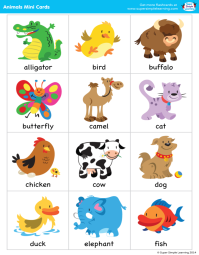
Animals flashcards
|
|
7 min |
Ex: 4 P:32 Explain to students that they are going to hear some animal sounds and they must discuss what animals they think they are hearing, using the key phrases. Play the CD, pausing after each animal sound. Ask some students to say what they think each animal might be, using the key phrases. Value Link (Adal Azamat): Respect and cooperation – Students listen to each other’s ideas and accept different guesses politely. |
Learners listen and identify the animals. Use the key phrases. ANSWERS: 1 an owl 2 a fly 3 a frog 4 a falcon 5 a seal 6 a whale 7 a bear 8 a snake |
Descriptor: - identifies animal sounds and suggests answers using the correct key phrases. - works respectfully in pairs/groups, listening and responding to classmates. Total: 2 point |
|
|
End 5 min |
FEEDBACK - Teacher gives feedback. - Quick quiz: “Name 3 wild animals / 2 domestic animals / 1 endangered animal.” Draw your favorite animal and write 5 sentences about it. |
- Observation during activities (participation, correct use of vocabulary). - Short written description. - Oral answers in pair/group work. |
Poster |
|

Short term plan
|
Unit 3 Local place |
lesson 26 |
||
|
School: |
|
||
|
Teacher name: |
|
||
|
Date: |
|
||
|
Grade: 6 |
Number present: |
absent: |
|
|
Lesson title |
Reading: The red list |
||
|
Learning objectives |
6. 4. 2. 1 understand special information in simple, short texts within a number of general and educational topics without the help of a teacher 6.5.3.1 write with some support about personal feelings and opinions on a limited range of familiar general and curricular topics; |
||
|
Lesson objectives (assessment criteria) |
Learners will be able to: - Read about animals in danger. - Read for general meaning and specific information. - Talk about animals |
||
|
Instilling values of the program “Adal Azamat” |
|
||
|
Stages/ Time |
Teachers actions |
Students actions |
Assessment |
Resources |
|
Beginning 5 min |
Greeting. T tells the class to make groups of 2. Warm up: Show pictures of endangered animals. Ask: Do you know this animal? Is it common or rare? Why do some animals disappear? Introduce the word “endangered” and explain briefly what The Red List is. Pre-reading Pre-teach key vocabulary: endangered, species, protect, habitat, hunt, Red List. Prediction task: Show the title “The Red List”. Ask: What do you think the text is about? |
Learners read the given sentences on the board and guess the topic and share with their ideas. |
Teacher controles the process, gives feedback and asks additional questions if it’s nessasery. Teacher evaluate pupils with phrases like: “Good job! Well done!” Formative Assessment |
Reading text about The Red List (adapted for Grade 6 level). Pictures of endangered animals (e.g., snow leopard, panda, tiger, eagle). Worksheets with comprehension tasks. Board/markers. |
|
Middle 35 min |
Ex: 1 P: 34 Refer students to the title of the article and the question. Students discuss their answers in pairs. In a stronger class, ask students to make a note of as many statistics as they can to support their answer complete the sentences with the correct form of the verbs in brackets Value Link (Adal Azamat): Diligence – Stronger students show persistence by supporting answers with facts/statistics. |
Learners read and listen to the text ANSWERS A person is more dangerous than a shark or a chair. |
Descriptor: - discusses the guiding question in pairs, showing respect for partner’s opinion. - completes sentences with the correct verb form, demonstrating responsibility in grammar use. Total: 2 point |
Student’s book https://g.co/gemini/share/ee6ad3735141 |
|
|
Ex: 2 P: 34 Explain that students should now read the text again more carefully to find the specific information. In a weaker class, check key vocabulary, e.g. extinct, before students read. Ask students to complete the answers individually, then compare their ideas with a partner. Value Link (Adal Azamat): Honesty – Students share their own ideas and avoid copying without thinking. |
Learners read the text again and choose the correct answers ANSWERS: 1 a 2 c 3 c 4 c 5 a |
Descriptor: - reads the text carefully to find specific information. - understands and uses key vocabulary (e.g., extinct) with teacher support. Total: 2 point |
|
|
|
Ex: 3 P: 34 Students check the meaning of the blue words and identify which are verbs (attack and save). Check understanding of the words and phrases, for example by asking students to use them in sentences. Task for Less Motivated Learners - Teacher shows pictures or flashcards for attack (e.g., a lion attacking) and save (e.g., a lifeguard saving someone). - Ask students: “Which word is this? Attack or save?” (They choose by pointing or circling). - Give them sentence starters to make it easier: The lion can … (attack) The firefighter can … (save) - Students complete the sentences orally or by filling in the missing word. Value Link (Adal Azamat): Responsibility – They complete grammar tasks carefully, applying rules to form verbs correctly. |
Learners use the words to complete the sentences. ANSWERS: 1 attack 4 accidents 2 approximately 5 actions 3 save 6 pollution |
Descriptor: - identifies correctly which blue words are verbs (e.g., attack, save). - shows understanding of meaning by explaining or giving examples. Total: 2 point |
Pictures |
|
|
Ex: 4 P: 34 In a weaker class, you could ask students to do this exercise in pairs. Value Link (Adal Azamat): Respect – Pairs listen to each other’s ideas politely and value different opinions. |
Learners choose the correct words ANSWERS 1 Her 2 She’s 3 We’re 4 Our 5 He’s 6 His 7 my 8 They’re |
Descriptor: - completes the exercise in pairs, showing cooperation and respect. - work in pairs to complete the exercise, supporting each other. Total: 2 point |
|
|
End 5 min |
FEEDBACK - Review key points: What is the Red List? Why is it important? - Teacher feedback. Homework: Choose one endangered animal, find information about it, and prepare 5 sentences to present in the next lesson. |
- Comprehension task answers. - Participation in discussion. - Short written task. |
Poster |
|
Short term plan
|
Unit 3 Local place |
lesson 27 |
||
|
School: |
|
||
|
Teacher name: |
|
||
|
Date: |
|
||
|
Grade: 6 |
Number present: |
absent: |
|
|
Lesson title |
Talk about things happening now. |
||
|
Learning objectives |
6. 5. 2. 1 to write down past experiences or real events, actions on some familiar general and educational topics with the support of the teacher; 6.6.10.1 use present continuous forms with present and future meaning on a limited range of familiar general and curricular topics |
||
|
Lesson objectives (assessment criteria) |
Learners will be able to: - Learn the affirmative and negative forms of the present continuous. - Use the present continuous to describe things that are happening now |
||
|
Instilling values of the program “Adal Azamat” |
|
||
|
Stages/ Time |
Teachers actions |
Students actions |
Assessment |
Resources |
|
Beginning 5 min |
Greeting. T tells the class to make groups of 2. Warm up: Write the structure on the
board: I am reading. She is playing. They are watching TV. Show examples with pictures: The boy is eating an apple. The girls are dancing.
Practice Gap-fill exercise: She ___ (play) football now. → She is playing football now. They ___ (not / read) a book. → They are not reading a book. Yes/No questions: Is she playing the piano? – Yes, she is. / No, she isn’t. |
Learners read the given sentences on the board and guess the topic and share with their ideas. |
Teacher controles the process, gives feedback and asks additional questions if it’s nessasery. Teacher evaluate pupils with phrases like: “Good job! Well done!” Formative Assessment |
Board/markers Flashcards or pictures showing people doing activities (running, eating, reading, etc.) Short video clip (optional) Worksheets with gap-fill, matching, and sentence-building activities |
|
Middle 7 min |
Ex: 1 P: 35 When students have found the sentences, draw attention to the form Value Link (Adal Azamat): Responsibility – They pay close attention to the grammar form and try to apply it correctly in later exercises. |
Learners complete the sentences from the text on page 34. Then choose the correct words in rules a-c. ANSWERS: 1 are 2 aren’t 3 is |
Descriptor: - Identifies the target sentences correctly in the text. - complete the sentences - choose the correct words Total: 2 point |
Student’s book |
|
8 min |
Ex: 2 P: 35 Remind students that they should look for the present continuous forms, not the verbs as they appear here. Read the verbs and check understanding, then allow students time to read the spelling rules carefully. Students can work individually to write the verbs, then check their answers in pairs. Value Link (Adal Azamat): Honesty – Students try to form the verbs on their own before checking with a partner. |
Learners find the present continuous form of verbs 1-6 in the text on page 34. Then read the spelling rules and match the verbs to spelling rules 1-3. Which verb doesn't match any rule? ANSWERS 1 becoming 2 dying 3 hunting 4 changing 5 running 6 reading Rule 1 hunt, read Rule 2 become, change Rule 3 run die doesn’t match any rule |
Descriptor: - writes verbs correctly in the present continuous form, following spelling rules. - match the verbs to spelling rules - works individually with honesty before checking with a partner. Total: 2 point |
|
|
10 min |
Ex: 3 P: 35 Tell students they are going to listen to seven recordings, and that they should identify what is happening. Tell students to read the options in columns A and B before they listen, to give them an idea of the context and what they might hear Value Link (Adal Azamat): Respect – They listen quietly, allowing classmates to concentrate. |
Learners listen to the sounds. Match the things in A with the actions in B. Then write sentences describing the actions using the present continuous. ANSWERS: 1 Two dogs are running in the park. 2 A parrot is speaking English. 3 A man is attacking a mosquito. 4 A whale is singing to its partner. 5 Children are making a cake. 6 A girl is practising the piano. 7 A lion is having a meal. |
Descriptor: - reads and understands the options in columns A and B before listening. - identifies correctly what is happening in each recording. Total: 3 point |
|
|
10 min |
Ex: 4 P: 35 Allow students time to study the picture carefully and read the prompts. Explain that they should write the negative sentence first, then an affirmative sentence using the word in brackets. Task for Less Motivated Learners Look at the picture. Write two sentences. Prompt: (banana) ❌ Negative: The boy is not eating a banana. ✅ Affirmative: The boy is eating an apple. Value Link (Adal Azamat): Diligence – Careful noticing of details shows perseverance and effort in learning. |
Learners work in pairs. Read the prompts and look at the picture. Make affirmative and negative sentences using the present continuous ANSWERS: 1 A child isn’t feeding some bears. She is feeding some ducks. 2 A falcon isn’t sleeping. It is hunting. 3 Two people aren’t watching a chameleon. They are watching the falcon. 4 Three people aren’t swimming. They are running. |
Descriptor: - writes a negative sentence and an affirmative sentence correctly using the given word. - make affirmative and negative sentences - works individually with honesty, then compares in pairs respectfully. Total: 3 point |
Pictures |
|
End 5 min |
FEEDBACK Quick quiz: Teacher mimes actions, students say: You are jumping / You are talking. Review key rule: We use Present Continuous for things happening now. Homework Draw a picture of your family at home. Write 5 sentences describing what each person is doing (My mother is cooking. My father is reading.). |
- Correct use of Present Continuous in speaking and writing tasks. - Participation in picture description and pair work. |
Poster |
|

Short term plan
|
Unit 3 Local place |
lesson 28 |
||
|
School: |
|
||
|
Teacher name: |
|
||
|
Date: |
|
||
|
Grade: 6 |
Number present: |
absent: |
|
|
Lesson title |
Animal behaviour |
||
|
Learning objectives |
6. 2. 2. 1 to understand more complex questions about the presentation of personal information with the support of the teacher; 6. 3. 7. 1 use subject-specific vocabulary and syntax within a number of general and educational topics; |
||
|
Lesson objectives (assessment criteria) |
Learners will be able to: - Learn verbs for animal behaviour. - Listen to an interview about animals. - Listen for general meaning and specific details. |
||
|
Instilling values of the program “Adal Azamat” |
|
||
|
Stages/ Time |
Teachers actions |
Students actions |
Assessment |
Resources |
|
Beginning 5 min |
Greeting. T tells the class to make groups of 2. Warm up: Show a picture of a lion, a bee, a bird. Ask: What is it doing? (Possible answers: hunting, making honey, flying away). Brainstorm: What do animals usually do? (eat, sleep, run, play, hunt). Presentation Introduce vocabulary: hunt, hibernate, migrate, sleep, protect, communicate. Give examples in sentences: Bears hibernate in winter. Birds migrate to warm countries. Bees communicate by dancing. |
Learners read the given sentences on the board and guess the topic and share with their ideas. |
Teacher controles the process, gives feedback and asks additional questions if it’s nessasery. Teacher evaluate pupils with phrases like: “Good job! Well done!” Formative Assessment |
Flashcards or pictures of animals (lion, bear, bird, bee, dog, etc.) Short reading text about animal behaviours Worksheets (matching, true/false, sentence building) Board/markers |
|
Middle 10 min |
Ex: 1 P: 36 Refer students to the bold verbs. Tell them to use the Wordlist or their dictionaries to check the meaning of any verbs they do not know. Refer students to the photos and ask them to choose the correct verbs. Value Link (Adal Azamat): Responsibility – Students take ownership of learning by using dictionaries or the Wordlist instead of waiting for answers. |
Learners check the meaning of the verbs in bold. Then look at photos 1–6 and choose the correct verbs. ANSWERS: 1 feeding 3 catching 5 hunting 2 building 4 protecting 6 chasing |
Descriptor: - uses the Wordlist or dictionary independently to find verb meanings. - choose the correct verbs - matches the correct verb with the appropriate photo. Total: 3 point |
Student’s book
|
|
10 min |
Ex: 2 P: 36 Look at the example answer and remind students that we do not use the definite article, the, when we are talking about things in general. Students complete the sentences with the animals Task for Less Motivated Learners Matching & Fill-in Task: Give students a word box with 5–6 animal names (e.g., lions, cats, dogs, elephants, birds). Provide incomplete sentences with a clear example already done. Example: (Example) Cats are friendly pets. ______ are very big and strong. ______ can fly in the sky. ______ are people’s best friends.
______ live in Africa. (Students choose the right animals from the box.) Value Link (Adal Azamat): Honesty – They check meanings sincerely without guessing or copying. |
Learners complete the sentences with names of animals. Compare your answers with a partner ANSWERS: 1 Snakes 4 Sharks 2 Bears 5 Humans 3 Chameleons 6 Whales. |
Descriptor: - completes sentences correctly with animal names. - uses grammar rules properly (no the when talking about animals in general). Total: 3 point |
|
|
7 min |
Ex: 3 P: 36 Explain that students are going to listen to an interview. While they listen for the first time they should look at the photos and identify the ones the speaker is talking about. Value Link (Adal Azamat): Respect – They listen to and accept partners’ choices politely during comparison. |
Students listen to an interview with Mike. Which of the photos does Mike speak about? ANSWERS: He speaks about photos 1, 3, 4 and 6 |
Descriptor: - listen to an interview - identify the ones the speaker is talking about - identifies correctly which photos the speaker mentions in the interview. Total: 2 point |
Pictures |
|
8 min |
Ex: 4 P: 36 Before you play the CD a second time, ask students to read through the gapped text. Tell students they should try to complete as much information as they can from memory, before they listen again. Value Link (Adal Azamat): Diligence – Careful use of reference tools shows persistence in learning. |
Learners try to complete the text. Then listen again and check your answers. ANSWERS 1 two 2 fly 3 25 4 two 5 fish 6 travels |
Descriptor: - reads the gapped text carefully before the second listening. - completes as much information as possible from memory after the first listening. Total: 2 point |
Animals flashcards
|
|
End 5 min |
FEEDBACK - Quick quiz: Teacher asks Which animal hibernates? Which animals migrate? - Review: Today we learned about animal behaviours: migrate, hibernate, hunt, communicate. Homework Choose one animal. Find out one interesting behaviour (e.g., dolphins talk with sounds, elephants never forget). Write 5 sentences about it. |
- Participation in matching and speaking activities. - Correct answers in reading comprehension. - Short written description of an animal’s behaviour. |
Poster |
|

Short term plan
|
Unit 3 Local place |
lesson 29
|
||
|
School: |
|
||
|
Teacher name: |
|
||
|
Date: |
|
||
|
Grade: 6 |
Number present: |
absent: |
|
|
Lesson title |
What are they doing now? |
||
|
Learning objectives |
6. 5. 2. 1 to write down past experiences or real events, actions on some familiar general and educational topics with the support of the teacher; 6.6.10.1 use present continuous forms with present and future meaning on a limited range of familiar general and curricular topics |
||
|
Lesson objectives (assessment criteria) |
Learners will be able to: - Learn the question forms of the present continuous. - Write questions and answers using the present continuous. - Identify the difference between the present continuous and the present simple |
||
|
Instilling values of the program “Adal Azamat” |
Independence and Patriotism Unity and Solidarity Justice and Responsibility |
||
|
Stages/ Time |
Teachers actions |
Students actions |
Assessment |
Resources |
|
Beginning 5 min |
Greeting. T tells the class to make groups of 2. Warm up: Teacher mimes an action (e.g., reading a book). Ask: What am I doing? Students guess: You are reading a book. Write on the board: am/is/are + verb+ing Presentation Show a picture of one person: She is playing the piano. Show a picture of two people: They are playing football. Write examples on the board (affirmative, negative, questions): He is running. She is not (isn’t) sleeping. What are they doing? They are dancing. |
Learners read the given sentences on the board and guess the topic and share with their ideas. |
Teacher controles the process, gives feedback and asks additional questions if it’s nessasery. Teacher evaluate pupils with phrases like: “Good job! Well done!” Formative Assessment |
Pictures or flashcards showing people doing different actions (running, playing, eating, reading, dancing). Worksheets with gap-fill and matching activities. Board/markers. |
|
Middle 7 min |
Ex: 1 P: 37 In a weaker class, you could play the CD again Value Link (Adal Azamat): Collaboration – Checking and comparing answers with classmates politely.
|
Learners complete the questions from the listening on page 36. Can you remember the answers? ANSWERS: 1 is 2 Is 3 Is |
Descriptor: - listens attentively during the second playback. - shows diligence by improving or correcting previous answers. Total: 2 point |
Student’s book |
|
8 min |
Ex: 2 P: 37 Check understanding by asking and answering some present continuous questions as a class. Task for Less Motivated Learners Task: Present Continuous – “Yes/No Hands Up” Game Teacher asks simple questions about what’s happening right now: Am I speaking? Are you writing? Is she sitting? Are they talking? Students answer by: Raising one hand for Yes Crossing arms for No After the quick response, invite a few students to say the full answer: Yes, you are. / No, we aren’t. Value Link (Adal Azamat): Honesty – Giving correct answers (not joking answers) when practicing. |
Learners match the questions in exercise 1 with answers a-c. Then complete the rules. ANSWERS: 1 c 2 a 3 b Rules: 1 is 2 aren’t |
Descriptor: - match the questions - correctly forms and answers questions in the present continuous tense. Total: 2 point |
Worksheets Student’s book |
|
10 min |
Ex: 3 P: 37 In a weaker class do another example with the whole class, and then ask and answer. Value Link (Adal Azamat): Respect – Listen carefully and don’t interrupt others when they answer. |
Learners write questions for the answers using the words in brackets. ANSWERS: 1 Where are those seals swimming to? 2 Why are they doing that? 3 What is that seal doing? 4 Who is watching the seals in that small boat? 5 Why are they watching the seals? 6 Where is that scientist going? |
Descriptor: - participates in the whole-class example actively. - use the words in brackets Total: 3 point |
|
|
10 min |
Ex: 4 P: 37 In a weaker class, get students to form the questions first, then find the answers as a class. Value Link (Adal Azamat): Diligence – Trying to make accurate questions before moving to answers. |
Learners ask and answer questions about the information in exercise 3. ANSWERS 1 What is Emi watching? She is watching the seals. 2 Are the seals sitting on the rocks? No they aren’t, they are swimming to the beach. 3 Why are the seals swimming to the beach? Because there are sharks near. 4 Why is the seal attacking the shark? She’s protecting her baby. 5 Who is counting the seals? The scientists. 6 Where is the scientist going? I don’t know. |
Descriptor: - forms present continuous questions correctly with class support. - answers questions using the correct short form (Yes, they are / No, she isn’t). Total: 3 point |
|
|
End 5 min |
FEEDBACK - Quick round: Teacher asks What are you doing now? (Students answer: I am listening. I am sitting.) - Review rule: We use Present Continuous for things happening now. Homework Draw a picture of your family at home. Write 5 sentences about what they are doing now. |
Participation in speaking activities. Correct use of Present Continuous in gap-fill and picture description. |
Poster Success Ladder |
|
Short term plan
|
Unit 3 Local place |
lesson 30 |
||
|
School: |
|
||
|
Teacher name: |
|
||
|
Date: |
|
||
|
Grade: 6 |
Number present: |
absent: |
|
|
Lesson title |
Phoning a friend. |
||
|
Learning objectives |
6. 2. 11.1 Comprehension with support of unlimited instructions in class 1; 6. 3. 3. 1 to express one's opinion in sentences with elements of reasoning within the framework of various general and educational topics; |
||
|
Lesson objectives (assessment criteria) |
Learners will be able to: - Learn key phrases for talking on the phone. - Listen to a conversation on the phone. - Practise a telephone conversation about what is happening now. - Learn how to improve pronunciation. |
||
|
Instilling values of the program “Adal Azamat” |
Independence and Patriotism Unity and Solidarity Justice and Responsibility |
||
|
Stages/ Time |
Teachers actions |
Students actions |
Assessment |
Resources |
|
Beginning 5 min |
Greeting. T tells the class to make groups of 2. Warm up: Ask: How do you usually greet a friend on the phone? Brainstorm phrases students already know (Hello! Hi! How are you?). Teacher writes: “Hello – Can I speak to – Just a moment – Thank you – Goodbye.” Presentation Present a short model dialogue on the board: A: Hello, this is Ali. Can I speak to
Aida? Highlight polite phrases: Hello, Can I speak to…, This is…, How are you?, Goodbye. |
Learners read the given sentences on the board and guess the topic and share with their ideas. |
Teacher controles the process, gives feedback and asks additional questions if it’s nessasery. Teacher evaluate pupils with phrases like: “Good job! Well done!” Formative Assessment |
Board/markers Dialogue cards (short sample phone conversations) Worksheets (gap-fill dialogues, matching phrases) Phones (real or toy) for role-play (optional) |
|
Middle 7 min |
Ex: 1 P: 38 Remind students that they should use any photos they are given to help them think about the context before they read or listen. Ask students to identify Tina and say where she is, but do not check their answers at this stage. Value Link (Adal Azamat): Respect – Listening carefully when others share their ideas. |
Learners look at the photo. Where is Tina? ANSWERS: Student’s own answer |
Descriptor: - uses photos to make predictions about context. - Identifies the character (Tina) and guesses her location. Total: 2 point |
Student’s book |
|
8 min |
Ex: 2 P: 38 Students can follow the dialogues in their books as they listen. Remind them that the information they should listen for on this first hearing is where Tina is, and what she is doing Value Link (Adal Azamat): Responsibility – Focusing on the task (location + action) instead of trying to write everything. |
Learners listen to the dialogue and check the answers ANSWERS: Tina is at the Brighton aquarium. She is looking at sharks. |
Descriptor: - follows the dialogue in the book during listening. - check the answers Total: 2 point |
Worksheets |
|
10 min |
Ex: 3 P: 38 Explain that the blue words in the dialogue are responses to the key phrases. In a weaker class, match the first one together. Students match the phrases in pairs. To check answers, ask one student to read out a numbered phrase, and another student to give the appropriate answer from the blue phrases. Task for Less Motivated Learners Match the Phrase with the Blue Response Preparation Provide students with a short list of 3–4 key phrases and the same number of blue responses. Example: How are you? What are you doing? Where are you? Blue
Responses Value Link (Adal Azamat): Diligence – Match phrases carefully to find the most accurate response. |
Learners match the key phrases with the responses in blue in the dialogue. Then listen again and practise the dialogue. ANSWERS: 1 Yeah, it’s really interesting. 2 Sure. 3 Hi, there. 4 OK, great! 5 I’m at the Brighton aquarium. 6 Fine, thanks |
Descriptor: - matches key phrases with correct blue responses. - participates actively in pair work. - listen again and practise Total: 3 point |
Student’s book |
|
10 min |
Ex: 5 P: 38 Ask students to look at the mini-dialogue, but not to worry about the blue words at this stage. Clarify that they may need to put more than one word in each gap. In a stronger class, check answers by asking a confident pair of students to read the completed dialogue to the class. Ask the rest of the class to say whether their answers are correct. Value Link (Adal Azamat): Collaboration – Working together as a class to confirm the correct version. |
Learners complete the mini-dialogue with the key phrases. Listen and check. Then practise the mini-dialogue. ANSWERS 1 It’s 2 What are you doing 3 Are you having 4 if you want 5 Give me |
Descriptor: - completes the gaps in the dialogue with the correct number of words. - practise the mini-dialogue - participates respectfully by listening to the pair reading aloud. Total: 3 point |
Student’s book |
|
End 5 min |
FEEDBACK - Ask: What useful phrases do we use when phoning a friend? - Review and write on the board: Hello, This is…, Can I speak to…, How are you?, Goodbye. Homework Write a short telephone conversation (6–8 lines) between two friends making a plan. |
Participation in dialogue practice. Correct use of polite expressions. Fluency and pronunciation in role-play. |
Poster |
|
Short term plan
|
Unit 3 Local place |
lesson 31 |
||
|
School: |
|
||
|
Teacher name: |
|
||
|
Date: |
|
||
|
Grade: 6 |
Number present: |
absent: |
|
|
Lesson title |
A description of a wildlife photo. |
||
|
Learning objectives |
6. 4. 4. 1 independent reading of some short simple texts in fiction and non-fiction literature; 6. 5. 6. 1 logically combine sentences into paragraphs with little support using basic connectives on various familiar topics; |
||
|
Lesson objectives (assessment criteria) |
Learners will be able to: - Study a model article about an animal. - Learn about because. - Write an article about an animal |
||
|
Instilling values of the program “Adal Azaamat” |
Independence and Patriotism Unity and Solidarity Justice and Responsibility |
||
|
Stages/ Time |
Teachers actions |
Students actions |
Assessment |
Resources |
|
Beginning 5 min |
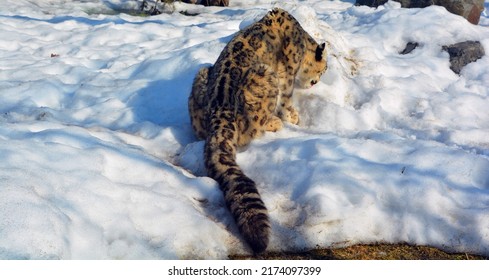
Greeting. T tells the class to make groups of 2. Warm up: Ask students if they ever read about animals. Ask them where you can read about animals. Elicit some answers, for example in an encyclopedia, on the internet or in a magazine. Setting the aim of the lesson. The snow leopard is
a large cat native to the mountain ranges of Central and South
Asia. It is listed as endangered on the IUCN Red List of Threatened
Species |
Learners read the given sentences on the board and guess the topic and share with their ideas. Remember and recognize the main vocabulary. |
Teacher controles the process, gives feedback and asks additional questions if it’s nessasery. Teacher evaluate pupils with phrases like: “Good job! Well done!” Formative Assessment |
Wildlife photos (printed or on projector) – e.g., lions hunting, birds flying, elephants drinking water. Worksheets with guiding questions. Board/markers. |
|
Middle 12 min |
Ex: 1 P: 39 Refer to the model text and make sure that students understand that it is divided into three paragraphs. In a weaker class, ask them to find the answers in pairs Value Link (Adal Azamat): Respect – Listening to each other’s ideas when working in pairs. |
Learners read the model text and answer the questions. ANSWERS: 1 Paragraph 2 describes the life and habitat of the orca. Paragraph 3 describes a problem. 2 Yes, they do. 3 Fish, squid, seals and turtles. 4 Every two or three years. 5 They are becoming extinct because there is pollution in the sea, and they also die in fishing nets. |
Descriptor: - identifies that the text is divided into three paragraphs. -read the model text -answer the questions. Total: 3 point |
Student’s book |
|
13 min |
Ex: 2 P: 39 Elicit the first pair of sentences and how they can be joined using because. In a weaker class, discuss the function of because. What does the second sentence tell us? (The reason for the first statement.) Task for Less Motivated Learners Matching Group A (Statements): I stayed at home. She is happy. They are tired. Group B
(Reasons): Value Link (Adal Azamat): Diligence – Paying attention to how “because” changes the meaning. |
Learners match sentences with using because ANSWERS: 1 c Orcas are in danger because there is pollution in the sea. 2 e They’re hunting because they’re hungry. 3 a I don’t swim because I don’t like the water., 4 f She’s having a good time because she’s at the aquarium. 5 b He’s running because he’s late. 6 d They’re hiding because they’re scared. |
Descriptor: - joins two simple sentences correctly using because. - explains that the second sentence gives the reason for the first. Total: 4 point |
Worksheets Student’s book |
|
10 min |
Ex: 3 P: 39 Check understanding of the key phrases, then ask students to match them to the paragraphs in the model text. Value Link (Adal Azamat): Collaboration – Discussing answers politely in pairs or groups if needed. |
Learners match the key phrases a-e with paragraphs 1-3 in exercise 1 ANSWERS: a paragraph 2 b paragraph 2 c paragraph 1 d paragraph 3 e paragraph 1 |
Descriptor: - correctly matches phrases to the right paragraphs in the model text. - shows understanding of the meaning of the key phrases. Total: 2 point |
|
|
End 5 min |
FEEDBACK - Review key phrases: In this photo I can see…, They are…, It looks… - Quick oral quiz: Teacher shows a new photo, students give 2 quick sentences. Homework Find a wildlife photo (from a book, magazine, or internet). Write 5–6 sentences to describe it. Be ready to present it next lesson. |
Accuracy of Present Continuous use. Vocabulary choice (animal names, adjectives). Clarity in oral and written description. |
Poster |
|
Short term plan
|
Unit 3 Local place |
lesson 32 |
||
|
School: |
|
||
|
Teacher name: |
|
||
|
Date: |
|
||
|
Grade: 6 |
Number present: |
absent: |
|
|
Lesson title |
My country: National parks. |
||
|
Learning objectives |
6. 4. 5. 1 identify the main idea from the context within some familiar general and reading topics, including long texts; 6.5.8.1 spell most high-frequency vocabulary accurately for a limited range of familiar general topics and some curricular topics |
||
|
Lesson objectives (assessment criteria) |
Learners will be able to: - Learn about the flora and fauna in one of Kazakhstan’s national parks - Identify numbers in a text - Learn and revise prepositions of place |
||
|
Instilling values of the program “Adal Azamat” |
Independence and Patriotism Unity and Solidarity Justice and Responsibility |
||
|
Stages/ Time |
Teachers actions |
Students actions |
Assessment |
Resources |
|
Beginning 5 min |
Greeting. T tells the class to make groups of 2. Warm up: Ask: Do you know any national parks in our country? Have you ever been to one? Show pictures of famous national parks. Students guess the country. Presentation Teach key vocabulary: forest, mountain, lake, river, animals, hiking, camping, protect, nature. Example sentences: Burabay National Park has beautiful lakes and forests. People go hiking and camping there.
|
Learners read the given sentences on the board and guess the topic and share with their ideas. Remember and recognize the main vocabulary. |
Teacher controles the process, gives feedback and asks additional questions if it’s nessasery. Teacher evaluate pupils with phrases like: “Good job! Well done!” Formative Assessment
|
Pictures of national parks (local + international examples). A short adapted reading text about one national park (e.g., Burabay National Park, Kazakhstan) Worksheets with comprehension questions and vocabulary tasks. Board/markers. |
|
Middle 13 min |
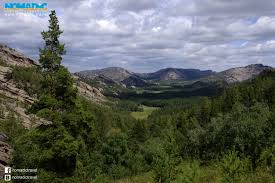
Ex: 1/2 P: 40 Focus students’ attention on the text. If you have access to the internet, you can bring up a map of the Park’s location. Ask students what sort of landscape they think the park has (mountains, desert, steppe, etc.). Tell them to read the questions first, then read the text. Students answer the questions individually, before checking in pairs Values Link – Adal Azamat Respect for Nature and National Heritage: By reading about the park and discussing its landscape, students learn to value Kazakhstan’s natural beauty and protect the environment. |
Learners look at the photo and describe what can they see? ANSWERS: 1 The name of the park is Altyn-Emel. 2 It is in the south-east of Kazakhstan, between the Aktau Mountains and the River Ili. 3 The landscape is dry, there are mountains and sand dunes. 4 You can find fish, 260 species of vertebrates, birds, including four types of eagle, Przewalski’s horses and eagle owls. 5 You can see singing sand dunes and rocks with very old paintings on them. 6 There are imperial eagles, eagle owls, Przewalski’s horse and 11 species on Kazakhstan’s red list and Turanga trees |
Descriptor: - identifies the main information from the text with some support. - answers comprehension questions using details from the text. - works with a partner to compare and confirm answers. Total: 4 point |
Student’s book
|
|
12 min |
Ex: 3 P: 40 Draw students’ attention to the table. Ask students’ which language the words flora and fauna come from. (Latin) explain that these are the scientific terms for animals and plants. Flora and Fauna were Roman gods of plants and animals respectively. Students complete the table in pairs. Check the answers with the class and ask what other animals are mentioned. (reptiles, amphibians and mammals) Task for Less Motivated Learners Matching
Task Word
list: Task: Write the words in the correct column. Values Link – Adal Azamat Respect for nature: By categorizing flora and fauna, students learn to value the natural world. |
Learners put the words in blue from the text in the correct column. ANSWERS Animals (fauna) 1 fish 3 vertebrates 4 imperial eagles 6 golden eagles 7 eagle owls 8 Przewalski’s horse Plants (flora) 2 willows 3 honeysuckles 5 turanga trees |
Descriptor: - identifies flora and fauna correctly and categorizes them in the table. - complete the table in pairs - works cooperatively in pairs to complete the task. Total: 3 point |
|
|
10 min |
Ex: 4 P: 40 With books closed ask students if they can remember any of the numbers in the text. Accept all answers. Focus students’ attention on the questions and tell them to look for the answers in the text. Students work individually, then check their answers in pairs. Go through the answers with the class. Make sure they say the answers correctly, especially 260 (two hundred and sixty). Point out that we only use and after hundreds not thousands, so 2650 is two thousand, six hundred and fifty NOT two thousand and six hundred and fifty Values Link – Adal Azamat Accuracy and honesty: Saying numbers correctly shows responsibility in learning. |
Learners read the text again. Find the numbers in the text. ANSWERS 1 4,600km2 2 1,800 3 11 4 500m 5 3,000 6 26 7 13 |
Descriptor: - recalls some numbers from memory without book support. - finds and writes correct numerical information from the text. Total: 3 point |
|
|
End 5 min |
FEEDBACK Quick quiz: Teacher asks: Name one national park and one activity you can do there. Review importance: National parks protect nature and animals. Homework Write 6–7 sentences about a national park in your country. Include: Where it is What you can see What people can do there Why it is important |
Participation in reading and speaking tasks. Correct answers to comprehension questions. Short group presentations. |
Poster Success Ladder |
|


Short term plan
|
Unit 3 Local place |
lesson 33 |
||
|
School: |
|
||
|
Teacher name: |
|
||
|
Date: |
|
||
|
Grade: 6 |
Number present: |
absent: |
|
|
Lesson title |
CLIL. Natural science: Animals. |
||
|
Learning objectives |
6. 4. 1. 1 to understand the main idea of simple short texts on general and educational topics; 6.5.6.1 link, with minimal support, sentences into coherent paragraphs using basic connectors |
||
|
Lesson objectives (assessment criteria) |
Learners will be able to: - Learn vocabulary for talking about animals. - Identify the main ideas in extended talk with some support - Provide a point of view in conversations and discussions |
||
|
Instilling values of the program “Adal Azamat” |
Independence and Patriotism Unity and Solidarity Justice and Responsibility |
||
|
Stages/ Time |
Teachers actions |
Students actions |
Assessment |
Resources |
|
Beginning 5 min |
Greeting. T tells the class to make groups of 2. Warm up: Show 3–4 animal pictures (lion, eagle, snake, shark). Ask: What animals do you see? Where do they live? Lead into: Today we will learn how scientists classify animals. Presentation Teach 5 animal groups: mammals, birds, reptiles, fish, insects. Give examples + simple features: Mammals → have hair/fur, drink milk (lion, whale). Birds → have feathers, lay eggs, can fly (eagle, parrot). Reptiles → have scales, lay eggs (snake, lizard). Fish → live in water, have gills (shark, salmon). Insects → six legs, small body (ant, bee). Write model sentences: A lion is a mammal. It has fur and sharp teeth. An eagle is a bird. It has wings and feathers. |
Learners read the given sentences on the board and guess the topic and share with their ideas. Remember and recognize the main vocabulary. |
Teacher controles the process, gives feedback and asks additional questions if it’s nessasery. Teacher evaluate pupils with phrases like: “Good job! Well done!” Formative Assessment
|
Flashcards/pictures of different animals. A chart of animal groups (mammals, birds, reptiles, fish, insects). Worksheets with classification and description tasks. Board/markers. |
|
Middle 10 min |
Ex: 1 P: 41 Students check the meaning of the words in their dictionaries. Point out that some of the words, for example scales, have more than one meaning, and students should find the meaning to do with animals. Task for Less Motivated Learners Choose the Correct
Meaning Example: Scales Feathers Values Link – Adal Azamat Honesty in learning: Choosing the correct meaning shows carefulness and responsibility. |
Learners check the meaning of the words in the box and complete the text with five of the words ANSWERS: 1 fins 4 legs 2 lungs 5 hair 3 feathers |
Descriptor: - can explain the meaning in own words or in a simple sentence. - complete the text - uses a dictionary to find the correct animal-related meaning of words. Total: 3 point |
Student’s book |
|
13 min |
Ex: 2 P: 41 Read through the questions with the class and check understanding. Ask students to work individually and read the text again in more detail. Values Link – Adal Azamat Independence: Working individually encourages self-reliance. |
Learners read and listen to the text. Check your answers in exercise 1. Then answer the questions ANSWERS: 1 Fish. 2 Fish and reptiles. 3 Mammals. 4 They haven’t got four legs. 5 Amphibians. 6 Mammals |
Descriptor: - reads the text in detail to locate specific information. - answers comprehension questions individually with growing accuracy. Total: 4 point |
|
|
12 min |
Ex: 3 P: 41 Allow time for students to read the chart and look up the animal words in their dictionaries. In a weaker class, put students in pairs to classify the animals. In a stronger class, ask students to work individually at first, then compare ideas in pairs. In their pairs, ask students to write the names of three more animals and use the chart to classify them. Values Link – Adal Azamat Respect for nature: Recognizing the diversity of animals helps students value the environment. |
Learners answer the question. Use the chart to classify them. ANSWERS A chameleon is a reptile. A shark is a fish. A bear is a mammal. An owl is a bird. |
Descriptor: - uses a chart and dictionary to classify animals correctly. - adds three additional animals and places them in the correct categories. Total: 3 point |
|
|
End 5 min |
FEEDBACK - Quick class quiz: Teacher shows an animal picture, students say its group. - Review: Today we learned about animal groups and their features. Homework Draw your favourite animal. Write 5 sentences about it: What group it belongs to. What it looks like. Where it lives. What it eats. |
Correct classification of animals. Use of Present Simple in speaking/writing. Participation in pair and group work. |
Poster |
|

Short term plan
|
Unit 3 Local place |
lesson 34 |
||
|
School: |
|
||
|
Teacher name: |
|
||
|
Date: |
|
||
|
Grade: 6 |
Number present: |
absent: |
|
|
Lesson title |
Review 3 |
||
|
Learning objectives |
6. 5. 6. 1 logically combine sentences into paragraphs with little support using basic connectives on various familiar topics; 6.6.10.1 use present continuous forms with present and future meaning on a limited range of familiar general and curricular topics |
||
|
Lesson objectives (assessment criteria) |
Learners will be able to: - Learn verbs for animal behaviour. - Write about an animal and describe its behaviour. |
||
|
Instilling values of the program “Birtutas tarbiye” |
Independence and Patriotism Unity and Solidarity Justice and Responsibility |
||
|
Stages/ Time |
Teachers actions |
Students actions |
Assessment |
Resources |
|
Beginning 5 min |
Greeting. T tells the class to make groups of 2. Warm up: Quick review game: Word Storm – in groups, students write as many Unit 3 words as they can in 2 minutes. Teacher checks and awards points. Vocabulary review Matching task: Match words with pictures or definitions. Guessing game: One student describes a word, others guess (It is an animal, it has stripes… – Tiger). |
Learners read the given sentences on the board and guess the topic and share with their ideas. Remember and recognize the main vocabulary. |
Teacher controles the process, gives feedback and asks additional questions if it’s nessasery. Teacher evaluate pupils with phrases like: “Good job! Well done!” Formative Assessment |
Unit 3 textbook exercises Teacher-made review worksheet (mixed tasks) Flashcards/pictures (for review games) Board/markers |
|
Middle 7 min |
Ex: 1 P: 42 Refer students to the bold verbs. Tell them to use the Wordlist or their dictionaries to check the meaning of any verbs they do not know. Values Link – Adal Azamat Collaboration: Pair-checking develops cooperation and mutual support. |
Learners choose the correct words ANSWERS: Kill Eat Hide Dig Protect Catch Fly climb |
Descriptor: - choose the correct words - completes the exercise individually with effort. - checks and compares answers with a partner. Total: 2 point |
Student’s book |
|
8 min |
Ex: 2 P: 42 Students complete the exercise individually before checking their answer in pairs. Values Link – Adal Azamat Cooperation: Pair-checking encourages teamwork and mutual support. |
Learners complete the text with words in the box. ANSWERS: Extinct Pollution Climate Live Habitat Hunt swim |
Descriptor: - attempts to complete the exercise individually with effort. -complete the text -use words in the box. Total: 2 point |
|
|
10 min |
Ex: 3 P: 42 Remind students that they should look for the present continuous forms, not the verbs as they appear here. Read the verbs and check understanding, then allow students time to read the spelling rules carefully Values Link – Adal Azamat Persistence: Checking spelling rules teaches students not to give up when language seems tricky. |
Learners write sentences using the correct form of the present continuous. ANSWERS: 1 He’s catching fish for dinner. 2 We’re studying the climate. 3 Those crocodiles aren’t sleeping. 4 I’m watching a TV programme about polar bears. 5 They aren’t doing their homework. 6 She’s writing a book about whales. 7 You aren’t listening to me. |
Descriptor: - identifies verbs in present continuous form correctly. - use the correct form - reads rules attentively and uses them to form correct examples. Total: 3 point |
|
|
10 min |
Ex: 4 P: 14 Read the task with the class and ask students to look closely at the picture. Students complete the dialogue, using the words in the instructions. Values Link – Adal Azamat Confidence: Reading aloud helps students speak clearly and respectfully in front of others. |
Learners write questions and short answers. Use the present continuous ANSWERS: 1 Is the climate changing? Yes, it is. 2 Are tigers becoming extinct? Yes, they are. 3 Are you talking to Billy? No, I’m not. 4 Is that female bear protecting her baby? Yes, she is. 5 Are we learning new vocabulary? Yes, we are. 6 Are your friends running in the park now? No, they aren’t. 7 Is Jack looking for his book? No, he isn’t. |
Descriptor: - uses the given words to complete the dialogue correctly. - refers to the picture for context to ensure accuracy. Total: 3 point |
|
|
End 5 min |
FEEDBACK - Class quiz (Kahoot/board game style) – 5 quick questions from the unit. - Reflection: Students say one thing they learned well and one thing they need to practice more. Homework Workbook review exercises OR prepare for Unit 3 test. |
Accuracy in vocabulary/grammar tasks. Participation in pair/group speaking. Short writing piece. |
Poster Success Ladder |
|
Short term plan
|
Unit 3 Local place |
lesson 35 |
||
|
School: |
|
||
|
Teacher name: |
|
||
|
Date: |
|
||
|
Grade: 6 |
Number present: |
absent: |
|
|
Lesson title |
Skills Round – up Summative Assessment for the unit Our Countryside |
||
|
Learning objectives |
6. 2. 6. 1 identify meaning with support from context in long conversations on most general and academic topics 6. 3. 3. 1 to express one's opinion in sentences with elements of reasoning within the framework of various general and educational topics; |
||
|
Lesson objectives (assessment criteria) |
Learners will be able to: - Listen to an interview about animals. - Listen for general meaning and specific details. - Write about an animal and describe its behaviour. |
||
|
Instilling values of the program “Birtutas tarbiye” |
Independence and Patriotism Unity and Solidarity Justice and Responsibility |
||
|
Stages/ Time |
Teachers actions |
Students actions |
Assessment |
Resources |
|
Beginning 5 min |
Greeting. T tells the class to make groups of 2. Warm up: Quick review game: Hot Seat – one student sits with back to the board, others describe a unit word, student guesses. Reading Task Students read a short text (adapted from the unit theme). Answer comprehension questions (True/False, multiple choice, WH-questions). |
Learners read the given sentences on the board and guess the topic and share with their ideas. |
Teacher controles the process, gives feedback and asks additional questions if it’s nessasery. Teacher evaluate pupils with phrases like: “Good job! Well done!” Formative Assessment |
Worksheets with mixed-skill activities. Flashcards/pictures for speaking prompts. Board/markers. |
|
Middle 5 min |
Ex: 1 P: 43 Remind students of the importance of looking at photos before they listen to a text. Students identify the animals and say where they can be found. Values Link – Adal Azamat Respect for nature: Recognizing animals and their habitats helps students understand the importance of protecting the environment. |
Learners look at the animals in the photos. Where can you see these animals? ANSWERS: From left to right, shark, dolphin, whale, crocodile, and they can all be found in water |
Descriptor: - name animals in photos correctly. - say where animals are found (habitat). - prepare for listening by observing pictures first. Total: 4 point |
Student’s book |
|
5 min |
Ex: 2 P: 43 Explain that students are going to listen to somebody talking about the photos. The first time they hear the CD, they should identify which ones are Jon’s. Values Link – Adal Azamat Responsibility – Each student is responsible for focusing and trying their best to identify Jon’s photos, even if they are unsure. |
Students listen to a dialogue. Which are Jone’s two photo? ANSWERS: The second and fourth photos. |
Descriptor: - listen to a dialogue - identify which ones are Jon’s. Total: 3 point |
|
|
5 min
20 min |
Ex: 3 P: 43 Play the CD again for students to find the specific information to answer the questions. Values Link – Adal Azamat Diligence and perseverance – Students learn to listen more than once and pay attention to detail, showing effort and persistence. Summative Assessment for the unit Our Countryside |
Learners listen again and complete the sentences ANSWERS: 1 photos 2 swimming 3 dolphins and whales 4 more dangerous 5 India, Bangladesh 6 extinct 7 French 8 mobile phone |
Descriptor: - listen again - complete the sentences Total: 3 point |
|
|
End 5 min |
FEEDBACK Learners provide feedback on what they have learned at the lesson. Ex: Home task: |
What worked well for you in today’s class? What could we have done differently to make today’s class better for you? What are you wondering about after today’s lesson? What did you find difficult about today’s lesson? |
Poster Success Ladder |
|
Short term plan
|
Unit 4 Drama and comedy |
lesson 36 |
||
|
School: |
|
||
|
Teacher name: |
|
||
|
Date: |
|
||
|
Grade: 6 |
Number present: |
absent: |
|
|
Lesson title |
Films and theatre |
||
|
Learning objectives |
6. 2. 5. 1 understand with support most of the specific information and sections in a long conversation on general and academic topics; 6. 3. 7. 1 use subject-specific vocabulary and syntax within a number of general and educational topics; |
||
|
Lesson objectives (assessment criteria) |
Learners will be able to: -Learn irregular verbs about acting in the present and past simple. - Learn how to compare answers. - Learn and use collocations about acting. |
||
|
Instilling values of the program “Adal Azamat” |
Independence and Patriotism Unity and Solidarity Justice and Responsibility |
||
|
Stages/ Time |
Teachers actions |
Students actions |
Assessment |
Resources |
||||||||||
|
Beginning 5 min |
Greeting. T tells the class to make groups of 2. Warm up: Show posters of popular films. Ask: Do you like this film? What type of film is it? Brainstorm: Types of films/theatre plays students already know. Presentation Teach new vocabulary: comedy, action, adventure, cartoon, musical, drama, actor, stage, tickets, audience. Model sentences: I like action films. They are exciting. Theatre has actors and an audience.
|
Learners read the given sentences on the board and guess the topic and share with their ideas. Remember and recognize the main vocabulary. |
Teacher controles the process, gives feedback and asks additional questions if it’s nessasery. Teacher evaluate pupils with phrases like: “Good job! Well done!” Formative Assessment
|
Pictures/posters of films and theatre plays. Flashcards with film/theatre vocabulary (comedy, action, drama, cartoon, actor, stage, audience, tickets, etc.). Short text about a film or play. Board/markers. |
||||||||||
|
Middle 13 min |
Ex: 1 P: 44 Read through the list of verbs with the class and make sure students understand them all. Students find the past forms in the game. In a weaker class or if you are short of time, allow them to work in pairs and find four each. Task for less motivated learner Past Forms in Pairs Students work in pairs. Each pair finds four past tense forms from a simplified list or game board. Example:
Values link (Adal Azamat): Responsibility for learning – Students take responsibility for understanding verbs and correctly identifying past forms. |
Learners check the meaning of verbs 1-8. Match these verbs with their past forms in blue in the The Acting Game quiz ANSWERS: 1 broke 2 scored 3 ran 4 took part 5 won 6 played 7 beat 8 lost |
Descriptor: -check the meaning of verbs -match the verbs - identify the correct past forms of given verbs Total: 3 point |
|
||||||||||
|
12 min |
Ex: 2 P: 44 Explain that these key phrases can all be used to compare ideas. Allow students time to read through the phrases, and encourage them to guess the answers. Values link (Adal Azamat): Critical thinking and fairness – Comparing ideas helps students analyze information objectively and respect different points of view. |
Learners complete the key phrases with the words in the box. Then listen and check. Practise saying the phrases ANSWERS: 1 answer 2 sure 3 agree 4 don’t 5 right 6 think |
Descriptor: - complete the key phrases - use words in the box - identify and use key phrases to compare ideas Total: 3 point |
|
||||||||||
|
8 min |
Ex: 3 P: 44 Read the rules with the class. Put students into teams of three or four. Allow students time to read the first question and discuss their answers. Play the CD, pausing after the first answer. Check whether any teams have lost a life. Continue allowing students time to discuss each question, then play the answers through, pausing to see if any teams have lost a life. See which teams are still left at the end of the game. They are the winners. Values link (Adal Azamat): Teamwork and cooperation – Working together teaches students to respect, listen, and support each other. |
Learners read the rules on page 45. Then play the game in teams. Use the key phrases to compare your answers. Then listen and check. ANSWERS 1 b 2 c 3 a 4 c 5 a 6 a 7 b 8 b 9 b |
Descriptor: - listen carefully to the recording - compare your answers - discuss in groups, and give answers with support from teammates. Total: 2 point |
|
||||||||||
|
7 min |
Ex: 4 P: 44 Demonstrate how certain words from each group go together to make collocations. Point out that there are only seven phrases in group B, so the words here can match with more than one verb. Students check their answers in the game. Remind them that the game uses the past simple forms, so they will be different. Values link (Adal Azamat): Collaboration – Working with partners or teams in the game encourages respect and mutual support. |
Learners match the verbs in A with the phrases in B to make collocations. Check your answers in the The Acting Game quiz. ANSWERS act in a play |
Descriptor: - match verbs and phrases to form correct collocations. - adjust verbs to past simple forms where required. Total: 2 point |
|
||||||||||
|
End 5 min |
FEEDBACK - Quick quiz: Teacher says a film type, students shout an example (Comedy → Home Alone). - Review useful phrases: I like… / It is… / It was exciting, boring, funny… Homework Write a short paragraph (5–6 sentences) about your favourite film or theatre play. Include: The title The type What happens in it Why you like it |
Vocabulary use in matching and speaking tasks. Comprehension question answers. Short review presentation.
|
Poster |
|||||||||||

Short term plan
|
Unit 4 Drama and comedy |
lesson 37 |
||
|
School: |
|
||
|
Teacher name: |
|
||
|
Date: |
|
||
|
Grade: 6 |
Number present: |
absent: |
|
|
Lesson title |
Reading: Video Games on! |
||
|
Learning objectives |
6. 4. 2. 1 understand special information in simple, short texts within a number of general and educational topics without the help of a teacher; 6.5.2.1 write with some support about real and imaginary past events, activities and experiences on a limited range of familiar general topics and some curricular topics; |
||
|
Lesson objectives (assessment criteria) |
Learners will be able to: - Read about video games. - Read for specific information. - Ask and answer questions about games. |
||
|
Instilling values of the program “Birtutas tarbiye” |
Independence and Patriotism Unity and Solidarity Justice and Responsibility |
||
|
Stages/ Time |
Teachers actions |
Students actions |
Assessment |
Resources |
|||||||||||||||
|
Beginning 5 min |
Greeting. T tells the class to make groups of 2. Warm up: Ask students to look at the pictures on page 70 and the title of the text. Ask what they think the text is about. Elicit or teach the word video game and write it on the board Setting the aim of the lesson.
|
Learners read the given sentences on the board and guess the topic and share with their ideas. Remember and recognize the main vocabulary. |
Teacher controles the process, gives feedback and asks additional questions if it’s nessasery. Teacher evaluate pupils with phrases like: “Good job! Well done!” Formative Assessment |
Text: “Video Games On!” (adapted short passage). Worksheet with comprehension and vocabulary tasks. Board/markers. |
|||||||||||||||
|
Middle 8 min |
Ex: 1 P: 46 Students look at the pictures. If they recognize the games, ask them to describe some details about the games. Picture 1 is a SIMS game, picture 2 is a Mario game. Values Link – Adal Azamat Respect for knowledge and culture: Listening and sharing about familiar games shows curiosity and respect for others’ interests. |
Learners discuss the video games in the photo ANSWERS: Students own answers |
Descriptor: - identify the game in the picture. - describe basic details about the game (characters, actions, objects). Total: 2 point |
Student’s book |
|||||||||||||||
|
10 min |
Ex: 2 P: 46 When students have matched the correct sentences, ask them to identify the extra sentence. Values Link – Adal Azamat Critical thinking and responsibility: Students carefully analyze the sentences to determine the correct matches. |
Learners read the text and complete the sentences ANSWERS: 1 d 2 b 3 e 4 a C is the extra sentence. |
Descriptor: - match sentences correctly to the pictures or prompts. - identify the extra sentence that does not fit. Total: 3 point |
|
|||||||||||||||
|
10 min |
Ex: 3 P: 46 Ask students to read the verbs and find the nouns in the text, and work out the meanings. Ask questions like What does a designer do? to elicit sentences using the verbs (He / She designs things). In a stronger class, elicit some sentences using the new words. Task for less motivated learner Matching Verbs and Nouns Give students
a short list of
verbs and corresponding nouns in a
table or with pictures.
Values Link – Adal Azamat Collaboration: Discussing answers and examples with classmates promotes mutual support. |
Learners find the nouns for these verbs in the article. Then complete the sentences. ANSWERS: 1 designers 2 creator 3 entertainment 4 choice 5 player 6 imagination 7 memory |
Descriptor: - identify verbs and the corresponding nouns in a text. - use verbs to make sentences describing actions - explain meanings of new words using context or dictionaries. Total: 3 point |
|
|||||||||||||||
|
7 min |
Ex: 4 P: 46 In a weaker class, allow students to write their answers before speaking. Students ask and answer the questions in pairs or groups. Ask some students to tell the class about their partners: Maria doesn’t play video games because she thinks they are boring. Values Link – Adal Azamat Respect and listening: Students listen carefully to their partners’ answers. |
Learners ask answer and questions. ANSWERS: Student’s own answer |
Descriptor: - ask and answer questions in pairs or groups using full sentences. - explain reasons using “because.” Total: 2 point |
|
|||||||||||||||
|
End 5 min |
FEEDBACK - Class discussion: Are video games good or bad? Why? - Review of key vocabulary. Homework Write a mini-review of a video game you know (8–10 sentences). |
Comprehension answers. Participation in speaking discussion. Short written description of a video game.
|
Poster |
||||||||||||||||



Short term plan
|
Unit 4 Drama and comedy |
lesson 38 |
||
|
School: |
|
||
|
Teacher name: |
|
||
|
Date: |
|
||
|
Grade: 6 |
Number present: |
absent: |
|
|
Lesson title |
Talk about actions in the past |
||
|
Learning objectives |
6. 5. 3. 1 write about personal feelings and opinions on some familiar general and academic topics with the support of the teacher; 6. 6. 9. 1 correct use of active and some passive forms of simple present and past tenses on many familiar general and academic topics; |
||
|
Lesson objectives (assessment criteria) |
Learners will be able to: - Learn the difference between regular and irregular verbs in the past simple. -Practise using the Irregular verbs list. |
||
|
Instilling values of the program “Birtutas tarbiye” |
Independence and Patriotism Unity and Solidarity Justice and Responsibility |
||
|
Stages/ Time |
Teachers actions |
Students actions |
Assessment |
Resources |
|
Beginning 5 min |
Greeting. Warm up sk: What did you do yesterday? (Elicit simple answers: I played football, I watched TV.) Write on the board: play → played, go → went. Show difference between regular/irregular. Presentation Teach/review Past Simple structure: Positive: I played football yesterday. Negative: I didn’t play football yesterday. Question: Did you play football yesterday? Yes, I did / No, I didn’t. Use flashcards and a timeline for examples. |
Learners read the given sentences on the board and guess the topic and share with their ideas. |
Teacher controles the process, gives feedback and asks additional questions if it’s nessasery. Teacher evaluate pupils with phrases like: “Good job! Well done!” Formative Assessment |
Verb flashcards (go, play, eat, watch, visit, etc.). Timeline (today–yesterday–last week). Short text/story in Past Simple. Worksheet with exercises. Board/markers. |
|
Middle 10 min |
Ex: 1 P: 47 Refer students to the sentences and ask the question to the whole class Values Link – Adal Azamat Fairness and honesty: Students answer based on their own understanding. |
Learners look at the forms of play and make in the sentences. Which verb is regular? How do you know? ANSWERS: 1 Play is regular because the past simple affirmative form is made by adding -ed. |
Descriptor: - look at the forms of play -answer the question - respond to a question about a sentence correctly. Total: 3 point |
Student’s book |
|
10 min |
Ex: 2 P: 47 Remind students to look at the sentences in exercise 2 as well as the main text. Refer students to the Irregular verbs list in their Workbooks to check their answers Values Link – Adal Azamat Diligence: Combining information from the text and workbook encourages thoroughness and persistence. |
Learners find the past simple forms of these verbs in the article on page 46. Complete the table. ANSWERS: Regular verbs: designed, preferred, created Irregular verbs: sold, bought, became, thought, built, took |
Descriptor: - uses both context from sentences and the main text to find answers. - refers to the irregular verbs list to check and correct answers. Total: 3 point |
Student’s book |
|
7 min |
Ex: 3 P: 47 Read the task and example with the class, then refer students to the Irregular verbs list in their Workbooks. Point out the phonetic transcriptions, and tell students they should use these to help them pronounce unfamiliar past forms. Tell students they have three minutes to study the list, then they will test each other. In a weaker class, give them a little longer. Students test each other by taking it in turns to close their book while their partner asks them one of the verbs. Values Link – Adal Azamat Collaboration: Testing each other encourages teamwork and mutual support. |
Learners study the irregular verbs list on page 112 in your Workbook and test your partner. ANSWERS: Student’s own answer |
Descriptor: - pronounce irregular past forms correctly using phonetic transcriptions. - recall past forms from memory in a peer test. Total: 2 point |
|
|
8 min |
Ex: 4 P: 47 Read the example with the class. Point out that students must write two sentences for each answer, one negative and one affirmative. Students write their sentences individually, then compare with a partner Task for less motivated learner Look at the Example Show the example sentence(s) clearly on the board. Explain: “For each answer, you need to write two sentences: one negative and one affirmative.” Example: Prompt: play football Negative: I don’t play football. Affirmative: I play football. Values Link – Adal Azamat Respect for learning: Comparing with a partner shows consideration for others’ work and ideas. |
Learners make affirmative and negative sentences. Use the prompts and your own ideas. Then compare your answers with a partner. ANSWERS: 1 I didn’t have a sandwich for lunch. 2 I didn’t meet my friend in town. 3 We didn’t go to a café. 4 I didn’t read a book in bed. 5 We didn’t eat at home on Friday. 6 I didn’t write a letter to a friend. |
Descriptor: - write one negative and one affirmative sentence for each prompt correctly. - compare sentences with a partner and discuss differences or corrections. Total: 2 point |
|
|
End 5 min |
FEEDBACK Quick game: Past tense chain story – first student says one sentence in the past (Yesterday I woke up late.), next continues (Then I ate breakfast…). Review: What verbs did we learn today? Homework Write a short paragraph (8–10 sentences) about “What I did last weekend” |
Accuracy in gap-fill exercises. Participation in speaking tasks. Short written sentences. |
Poster |
|

Short term plan
|
Unit 4 Drama and comedy |
lesson 39 |
||
|
School: |
|
||
|
Teacher name: |
|
||
|
Date: |
|
||
|
Grade: 6 |
Number present: |
absent: |
|
|
Lesson title |
Describe people’s appearance |
||
|
Learning objectives |
6. 2. 5. 1 understand with support most of the specific information and sections in a long conversation on general and academic topics; 6. 3. 7. 1 use subject-specific vocabulary and syntax within a number of general and educational topics; |
||
|
Lesson objectives (assessment criteria) |
Learners will be able to: - Learn adjectives to describe people. - Practise describing people. - Listen to an interview about a crime and some suspects. |
||
|
Instilling values of the program “Adal Azamat” |
Independence and Patriotism Unity and Solidarity Justice and Responsibility |
||
|
Stages/ Time |
Teachers actions |
Students actions |
Assessment |
Resources |
|
Beginning 5 min |
Greeting. T tells the class to make groups of 2. Warm up: Show two pictures of famous people. Ask: What do they look like? (Elicit: tall, long hair, glasses). Brainstorm words students already know. Presentation Teach/review vocabulary: Height/Build: tall, short, slim, strong. Hair: long, short, straight, curly, blonde, brown, black. Eyes: blue, green, brown. Clothes & accessories: wearing jeans, wearing a hat, glasses. Model: She has long curly hair. He is tall. She is wearing a red dress. |
Learners read the given sentences on the board and guess the topic and share with their ideas. Remember and recognize the main vocabulary.
|
Teacher controles the process, gives feedback and asks additional questions if it’s nessasery. Teacher evaluate pupils with phrases like: “Good job! Well done!” Formative Assessment
|
Flashcards/pictures of different people. Adjective word cards. Worksheet (matching, fill-in, short writing). Board/markers. |
|
Middle 10 min |
Ex: 1 P: 48 Refer students to the illustrations and ask: What is an avatar? Elicit some ideas. In a weaker class, accept answers in their own language. Ask students if any of them use an avatar. Refer students to the missing words. Ask students to work in pairs and complete the guide. Task for less motivated learner. Pair Work
(supportive) One student reads a sentence with a blank. The partner chooses the word from the word bank. Example: My avatar has ______ eyes. (blue) My avatar is wearing ______. (a T-shirt) Values Link – Adal Azamat Respect for others’ ideas: Listening to classmates’ answers shows consideration for different opinions. |
Learners complete 1-5 in the character guide with the words in the box. ANSWERS: 1 slim 2 dark 3 curly 4 blue 5 moustache |
Descriptor: - explain what an avatar is, using illustrations and prior knowledge. - complete a guided activity with missing words in pairs. Total: 3 point |
flashcards
|
|
8 min |
Ex: 2 P: 48 Refer students to the pictures and the descriptions. Students complete the descriptions individually. Values Link – Adal Azamat Diligence: Paying attention to details in the pictures and text shows careful effort. |
Learners complete the descriptions with words in exercise 1 in pairs ANSWERS: 1 blue, short 2 tall, long 3 short, glasses 4 fat, moustache |
Descriptor: - complete descriptions accurately using visual and textual cues. - works independently and demonstrates careful attention to detail. Total: 2 point |
Student’s book
|
|
7 min |
Ex: 3 P: 48 Allow students time to read the introduction. Play the CD and ask: Who did the waitress see in the cafe? Values Link – Adal Azamat Responsibility: Students focus on listening carefully to complete the task accurately. |
Learners read the text about the TV programme Last Coffee at the Corner Café. Then listen to the interview. ANSWERS: The waitress saw three different people in the café. |
Descriptor: - listen for specific information in a spoken text. - answer comprehension questions based on what they hear. Total: 2 point |
|
|
10 min |
Ex: 4 P: 48 Allow students time to read the questions, then play the CD again. After checking, elicit ideas from the class about who the murderer was. Values Link – Adal Azamat Critical thinking and fairness: Students analyze clues carefully before forming an opinion. |
Learners listen again and answer the questions. Who was the murderer? ANSWERS: 1 No, she didn’t. 2 She sat by the window. 3 No, she left at ten past eight. 4 He talked to Koji. 5 Yes, she was with the man with a beard. 6 She bought a coffee for Koji. 7 No, there wasn’t a man with long black hair. 8 No, he didn’t. |
Descriptor: - read the questions - listen again and answer - discuss ideas and provide evidence to support their answer. Total: 3 point |
|
|
End 5 min |
FEEDBACK - Quick quiz: Teacher says a description, students point to the correct picture. - Review useful phrases: He/She is… / He/She has… / He/She is wearing… Homework Draw or bring a photo of a person you like and write 6–8 sentences describing their appearance. |
Participation in speaking activities. Accuracy in description sentences. Written description task. |
Poster Success Ladder |
|
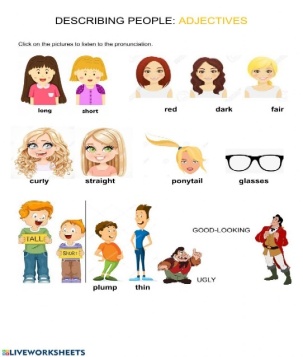
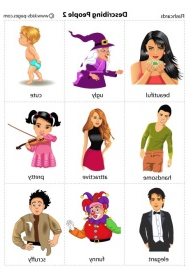
Short term plan
|
Unit 4 Drama and comedy |
lesson 40 |
||
|
School: |
|
||
|
Teacher name: |
|
||
|
Date: |
|
||
|
Grade: 6 |
Number present: |
absent: |
|
|
Lesson title |
Talk about last weekend |
||
|
Learning objectives |
6. 5. 5. 1 use of arguments supported by examples and justification in some familiar general and academic topics; 6. 6. 9. 1 correct use of active and some passive forms of simple present and past tenses on many familiar general and academic topics; |
||
|
Lesson objectives (assessment criteria) |
Learners will be able to: - Learn question forms of the past simple. - Practise asking questions in the past simple. |
||
|
Instilling values of the program “Adal Azamat” |
Independence and Patriotism Unity and Solidarity Justice and Responsibility |
||
|
Stages/ Time |
Teachers actions |
Students actions |
Assessment |
Resources |
|
Beginning 5 min |
Greeting. T tells the class to make groups of 2. Warm up: Ask: “What day is it today?” → “What day was yesterday?” → “What day was two days ago?” Elicit: “the weekend”. Lead-in Show pictures of weekend activities. Ask: “What do you usually do at the weekend?” Students brainstorm in pairs. Presentation Write model sentences on the board: I played football last weekend. She visited her grandmother. They watched TV. Highlight past tense verbs (regular + irregular). Introduce question form: What did you do last weekend? Did you play football? → Yes, I did. / No, I didn’t. |
Learners read the given sentences on the board and guess the topic and share with their ideas. Remember and recognize the main vocabulary. |
Teacher controles the process, gives feedback and asks additional questions if it’s nessasery. Teacher evaluate pupils with phrases like: “Good job! Well done!” Formative Assessment |
Pictures/flashcards of weekend activities (playing football, visiting grandma, watching TV, reading, shopping, etc.) Worksheet (gap-fill, questions, timeline) Whiteboard/markers |
|
Middle 7 min |
Ex: 1 P: 49 Students refer back to exercise 4 on page 72 and complete the questions. Check answers by asking students to read out the completed questions. Values Link – Adal Azamat Diligence and responsibility: Students carefully review their work before sharing. |
Learners complete the question from exercise 4 on page 48 ANSWERS: 1 speak 2 did 3 Did 4 hav |
Descriptor: - complete questions using correct grammar. - read aloud completed questions with correct pronunciation and intonation. Total: 2 point |
Student’s book |
|
10 min |
Ex: 2 P: 49 Remind students to use the pronouns to help them choose the answers. Check answers with the class. In a stronger class, ask which answer is in a different form to the others (d) and why this is. (It answers a wh- question, not a yes/no type.) Values Link – Adal Azamat Critical thinking: Students analyze not only the correct answer but also why one answer is different. |
Learners answer the question. Match them with the answers a-d. Then complete the rules. ANSWERS : 1 a 2 d 3 c 4 b Rules 1 did 2 No 3 didn’t |
Descriptor: - match them with the answers - complete the rules - choose the correct answer using pronouns as clues. Total: 3 point |
Student’s book |
|
10 min |
Ex: 3 P: 49 Read the task with the class. In a weaker class, model the example exchange. In a stronger class, ask students to read this out, then to think of another example using the prompts. Allow students time to write the questions individually, then go round and listen as they ask and answer in pairs. Task for less motivated learner. Model
Together Prompt: yesterday / play football Question: Did you play football yesterday? Answer: Yes, I did. / No, I didn’t. Say the dialogue with one student so everyone sees how it works. Values Link – Adal Azamat Responsibility: Students form grammatically correct questions before asking. |
Learners write questions in the past simple. Then ask and answer with your partner. ANSWERS: 1 Did you read a book in bed? 2 Did you buy clothes last weekend? 3 Did you come to school on the bus this morning? 4 Did you go to bed early? 5 Did you have a lot of homework last night? 6 Did you eat chocolate yesterday? 7 Did you use a computer at school? 8 Did you phone a friend? |
Descriptor: - write questions in the past - form questions using the given prompts. - participate in pair work by asking and answering questions respectfully. Total: 3 point |
|
|
8 min |
Ex: 4 P: 49 Look at the words in the box with the class. Elicit that they are question words, and that they are used in questions to find out specific information. Explain that students will need to read the answer carefully to work out which question word is needed, and transform the verb in the question into the correct form to complete the answer Values Link – Adal Azamat Confidence: Sharing their own questions aloud, even if they make mistakes. |
Learners complete the questions and answers in the dialogue. Use the question words in the box and the past tense of the verbs in brackets. ANSWERS: 1 What time 2 came 3 Where 4 sat 5 Who 6 talked 7 What 8 drank 9 When 10 died |
Descriptor: -identify the correct question word based on the answer. - complete the questions - use words in the box Total: 2 point |
|
|
End 5 min |
FEEDBACK - Quick round: Each student shares one thing they did. - Teacher praises use of past tense. Homework Write 5–6 sentences about “My Last Weekend” using the Past Simple. |
Monitor pair and group speaking. Check written gap-fill activity. Evaluate ability to ask/answer questions in the past. |
Poster |
|
Short term plan
|
Unit 4 Drama and comedy |
lesson 41 |
||
|
School:
|
|
||
|
Teacher name: |
|
||
|
Date: |
|
||
|
Grade: 6 |
Number present: |
absent: |
|
|
Lesson title |
Talk about past events p50 |
||
|
Learning objectives |
6. 2. 1.1 Comprehension with support of unlimited instructions in class 1; 6. 3. 7. 1 use subject-specific vocabulary and syntax within a number of general and educational topics; |
||
|
Lesson objectives (assessment criteria) |
Learners will be able to: - Listen to a conversation about past events. - Listen and identify intonation to show interest or boredom |
||
|
Instilling values of the program “Birtutas tarbiye” |
Independence and Patriotism Unity and Solidarity Justice and Responsibility |
||
|
Stages/ Time |
Teachers actions |
Students actions |
Assessment |
Resources |
|
Beginning 5 min |
Greeting. (Whole class, Individually) T tells the class to make groups of 2. Warm up: Ask: “What day is it today? What day was it yesterday?” Brainstorm: “What did you do yesterday?” Lead-in (5 min) Show pictures of activities (e.g., football, cinema, park). Elicit responses in the Past Simple: “I watched TV. I went to the park.” Presentation Draw timeline (past–present–future). Highlight past events. Write model sentences from the textbook (p.50). I visited my grandmother last Saturday. We played football after school. They went to the cinema. Highlight regular (-ed) and irregular verbs (go–went, see–saw, etc.). Introduce questions/short answers: What did you do yesterday? Did you play football? → Yes, I did. / No, I didn’t. |
Learners read the given sentences on the board and guess the topic and share with their ideas. Remember and recognize the main vocabulary. |
Teacher controles the process, gives feedback and asks additional questions if it’s nessasery. Teacher evaluate pupils with phrases like: “Good job! Well done!” Formative Assessment |
Textbook (page 50) Whiteboard/markers Flashcards/pictures of common activities (traveling, playing sports, visiting relatives, studying, etc.) Worksheet (gap-fill + speaking prompts) |
|
Middle 10 min |
Ex: 1 P: 50 Ask students: What did you do last weekend? Elicit some answers. Ask: Did you enjoy it? Elicit some opinions, e.g. it was fun, it was boring. Values Link – Adal Azamat Respect: Listening carefully to a partner’s weekend story without interrupting. |
Learners think about last weekend. What did you do? Did you have a good weekend? ANSWERS: Student’s own answer |
Descriptor: - answer questions about past activities using past simple. - express an opinion about their experience (fun, boring, etc.). Total: 3 point |
Student’s book |
|
7 min |
Ex: 2 P: 50 Tell students to read the dialogue carefully and look at the sentences on both sides of the gap before choosing the answer Values Link – Adal Azamat Cooperation: Comparing answers in pairs and helping each other. |
Learners complete the dialogue with sentences a-d. Then listen and check. ANSWERS: 1 d 2 b 3 a 4 c |
Descriptor: - complete the dialogue - listen and check Total: 2 point |
|
|
10 min |
Ex: 3 P: 50 Make sure that students understand what intonation is. If necessary, write a sentence on the board (for example: I watched TV last night.) and say it with different kinds of intonation, sounding interested or bored. Play the CD. Students decide whether the speakers are interested or bored. Values Link – Adal Azamat Curiosity: Paying attention to how words are spoken, not only what is said. |
Learners listen to the intonation. Is the speaker interested or bored? Listen and repeat the sentences. ANSWERS: 1 bored 2 interested 3 bored 4 interested 5 bored 6 interested |
Descriptor: - recognize different types of intonation (interested vs. bored). - listen to the intonation. - answer the question Total: 3 point |
|
|
8 min |
Ex: 4 P: 50 Students complete the table according to their own interests and then add their own ideas of interesting and boring activities. Students can compare their answers in pairs. Once they have done this, ask for ideas from the class. In a weaker class, you could write the table on the board and complete it as a class activity. Task for less motivated learner. Look and
Choose Say each word aloud. Students choose whether each activity is interesting or boring. Values Link – Adal Azamat Collaboration: Comparing answers in pairs and contributing to the whole-class table. |
Learners complete the table with the activities in the box. Then add your own ideas. ANSWERS: Student’s own answer |
Descriptor: - classify activities into “interesting” and “boring.” - compare and discuss opinions in pairs. Total: 2 point |
|
|
End 5 min |
FEEDBACK - Quick review game: Teacher says a verb in base form (e.g., go) → students say past form (went) and make a sentence. - Praise good use of verbs and sentences. Homework Write a short paragraph (5–6 sentences) “A Past Event in My Life”. |
- Observe pair/group speaking for correct use of Past Simple. - Check written exercises from textbook/worksheet. |
Poster |
|
Short term plan
|
Unit 4 Drama and comedy |
lesson 42 |
||
|
School: |
|
||
|
Teacher name: |
|
||
|
Date: |
|
||
|
Grade: 6 |
Number present: |
absent: |
|
|
Lesson title |
A profile |
||
|
Learning objectives |
6. 4. 2. 1 understand special information in simple, short texts within a number of general and educational topics without the help of a teacher; 6. 5. 2. 1 to write down past experiences or real events, actions on some familiar general and educational topics with the support of the teacher; |
||
|
Lesson objectives |
Learners will be able to: - Study a model text. - Learn key phrases for writing about a famous person. - Learn about also. |
||
|
Instilling values of the program “Birtutas tarbiye” |
Independence and Patriotism Unity and Solidarity Justice and Responsibility |
||
|
Stages/ Time |
Teachers actions |
Students actions |
Assessment |
Resources |
|
Beginning 5 min |
Greeting. Write a few names on the board, then ask: What do you know about this person? Elicit some sentences using the present tense (e.g. she’s a singer) and the past simple (e.g. she started singing when she was ten).
The one who believed in himself when no one else did. The world famous people Indian actor Shahrukh Khan was so broke, he had to sleep on streets and sell tea in a cinema to make ends meet. Today he is one of the most Famous People on the planet! |
Learners read the given sentences on the board and guess the topic and share with their ideas. Remember and recognize the main vocabulary. |
Teacher controles the process, gives feedback and asks additional questions if it’s nessasery. Teacher evaluate pupils with phrases like: “Good job! Well done!” Formative Assessment
|
|
|
Middle 13 min |
Ex: 1 P: 51 Read the questions with the students. Ask them how their answer to question 1 can help them answer the others. Values Link (Adal Azamat) Honesty (Адалдық): Students should give truthful answers, not copy others. |
Learners read the text and answer the questions ANSWERS: 1 Paragraph 2 is about his career in general, paragraph 3 is about the things he won and paragraph 3 is about personal details. 2 In Madeira, Portugal 3 1 metre 85 centimetres. 4 He played for Sporting in Portugal. 5 In 2007 |
Descriptor: - identifies the link between questions - explains reasoning clearly - demonstrates honesty in responses Total: 4 point |
Student’s book
|
|
12 min |
Ex: 2 P: 51 In a weaker class, ask students to identify the paragraph topics by referring them to question 1 in exercise 1. Values Link (Adal Azamat) Responsibility (Жауапкершілік): Students take responsibility for reading carefully and finding the topic themselves.
|
Learners study the key phrases. Match the phrases with the three paragraphs in the model texts. ANSWERS: 1 paragraph 1 5 paragraph 1 2 paragraph 2 6 paragraph 2 3 paragraph 3 7 paragraph 3 4 paragraph 1 |
Descriptor: - identifies the main topic of each paragraph with teacher support. - uses Question 1 from Exercise 1 to guide their thinking. Total: 3 point |
Student’s book Plickers
|
|
10 min |
Ex: 3 P: 51 Students read the rules and choose the correct answers. Check answers with the class Values Link (Adal Azamat) Respect (Құрмет): Students listen carefully to each other’s answers during checking. |
Learners read the rule and the examples. Then choose the correct position for also in sentences. ANSWERS: 1 also lost 2 He’s also 3 also went 4 was also |
Descriptor: -reads rules and chooses the correct answers. -shares answers honestly with the class. -demonstrates respect while listening to peers’ responses. Total: 3 point |
|
|
End 5 min |
FEEDBACK Learners provide feedback on what they have learned at the lesson. Ex: Home task: |
Observe pair/group speaking for correct use of Past Simple. Check written exercises from textbook/worksheet. |
Poster |
|


Short term plan
|
Unit 4 Drama and comedy |
lesson 43 |
||
|
School: |
|
||
|
Teacher name: |
|
||
|
Date: |
|
||
|
Grade: 6 |
Number present: |
absent: |
|
|
Lesson title |
My country: Kazakh films. |
||
|
Learning objectives |
6.4.3.1 understand the detail of an argument on a limited range of familiar general and curricular topics, including some extended texts 6. 5. 2. 1 to write down past experiences or real events, actions on some familiar general and educational topics with the support of the teacher; |
||
|
Lesson objectives (assessment criteria) |
Learners will be able to: - To read and understand a text about an important figure in films and theatre in Kazakhstan. - To learn and practise verb patterns verb + -ing and verb + to infinitive |
||
|
Instilling values of the program “Birtutas tarbiye” |
Independence and Patriotism Unity and Solidarity Justice and Responsibility |
||
|
Stages/ Time |
Teachers actions |
Students actions |
Assessment |
Resources |
|
Beginning 5 min |
Greeting. T tells the class to make groups of 2. Warm up: Ask: “Do you like watching films?” → “What is your favorite film?” Show pictures of Kazakh films → students guess names. Lead-in Brainstorm: What words do we need to talk about films? (director, actor, story, action, comedy, history, etc.) Teacher writes film-related words on the board. Presentation Read a short text (adapted for
level): Highlight new words (historical film, action film, story, hero, actress). Check comprehension with quick questions. |
Learners read the given sentences on the board and guess the topic and share with their ideas. Remember and recognize the main vocabulary. |
Teacher controles the process, gives feedback and asks additional questions if it’s nessasery. Teacher evaluate pupils with phrases like: “Good job! Well done!” Formative Assessment |
Short text about Kazakh films (e.g., Nomad, The Road to Mother, Tomiris, Kөkserek). Pictures/posters of films. Worksheet with vocabulary and speaking prompts. Whiteboard/markers. |
|
Middle 7 min |
Ex: 1 P: 52 Ask a few confident students if they like going to the cinema or theatre, and why. What the last film or play they saw was and who the actors were. Finally, ask them if they liked it or not. When you have modelled the conversation put students in pairs and ask them to ask and answer the questions themselves Values Link (Adal Azamat) Friendship & Communication (Достық, Қарым-қатынас): Students practise positive interaction and show interest in their partner’s ideas. |
Learners work in pairs. Ask and answer the questions. ANSWERS: Students own answers |
Descriptor: -asks and answers questions about cinema/theatre experiences. -expresses opinions (like/dislike) with reasons. Total: 2 point |
Student’s book |
|
10 min |
Ex: 2 P: 52 Focus students’ attention on the name in the title of the text. Ask them what they know about Asanaly Ashimov. Students read and listen to the text and answer the questions individually, before checking them in pairs. Go through the answers with the class. Values Link (Adal Azamat) Respect for culture and heritage (Мәдени мұраға құрмет): Learning about Asanaly Ashimov encourages students to value national art, cinema, and theatre. |
Learners read and listen to the text and write true or false. ANSWERS: 1 False. He grew up in a village. 2 False. He made his first film while he was still a student. 3 True 4 False. Kyz-Zhibek was extremely popular. 5 True |
Descriptor: - Identifies key information about Asanaly Ashimov from the text. - Answers comprehension questions individually. - checks and discusses answers with a partner respectfully. Total: 3 point |
Plickers |
|
8 min |
Ex: 3 P: 52 Ask students if they like acting. Then ask if they like to go to the cinema. Elicit the verb patterns that you are using and write them on the board. Point out that there are two patterns for the one verb. Draw students’ attention to the words in blue in the text and the sentences in exercise 3. Students work through the exercise individually, deciding which form follows the verbs and whether you can use both or only one. Students check their answers in pairs. Values Link (Adal Azamat) Confidence & self-expression (Өзін-өзі таныту): Talking about hobbies and cinema builds confidence in sharing personal opinions. |
Learners work in pairs. Compare your sentences. ANSWERS: 1 acting / to act 2 to go 3 to watch 4 working / to work 5 waiting / to wait 6 acting 7 to buy 8 eating |
Descriptor: - identifies correct verb + pattern combinations in sentences. - distinguishes between verbs that allow two patterns and verbs that only allow one. Total: 2 point |
|
|
10 min |
Ex: 4 P: 52 Students look at the rules and complete them using the answers to exercise 3 to help them. Values Link (Adal Azamat) Accuracy and honesty (Дәлдік пен әділдік): Completing grammar rules carefully reflects the value of being precise and truthful in communication. |
Learners look at the information. What time do you think Sharif always gets up? ANSWERS : We use to + infinitive with verbs such as decide, hope, need and want. We use -ing with verbs such as enjoy, fancy. We use to + infinitive and -ing with verbs such as like, work, can’t stand. |
Descriptor: - uses answers from exercise 3 to complete the grammar rules correctly. - identifies which verbs can be followed by to + verb, verb-ing, or both. Total: 3 point |
|
|
End 5 min |
FEEDBACK - Class vote: “Which Kazakh film would you recommend to a friend from another country?” - Teacher gives feedback and praise. Homework Write a short review (6–8 sentences) of a Kazakh film you have watched. Mention: Name of film Type of film Main characters Your opinion |
Participation in pair/group work. Correct use of film vocabulary. Oral presentation quality. |
Poster |
|
Short term plan
|
Unit 4 Drama and comedy |
lesson 44 |
||
|
School: |
|
||
|
Teacher name: |
|
||
|
Date: |
|
||
|
Grade: 6 |
Number present: |
absent: |
|
|
Lesson title |
CLIL: Technology |
||
|
Learning objectives |
6. 4. 2. 1 understand special information in simple, short texts within a number of general and educational topics without the help of a teacher; 6. 5. 2. 1 to write down past experiences or real events, actions on some familiar general and educational topics with the support of the teacher |
||
|
Lesson objectives (assessment criteria) |
Learners will be able to: - Learn vocabulary for talking about the internet. - Read a text about the internet. - Learn how to recognize which country website addresses come from. |
||
|
Instilling values of the program “Birtutas tarbiye” |
Independence and Patriotism Unity and Solidarity Justice and Responsibility |
||
|
Stages/ Time |
Teachers actions |
Students actions |
Assessment |
Resources |
||||||||
|
Beginning 5 min |
Greeting. T tells the class to make groups of 2. Warm up:
2. Lead-in (5 min)
|
Learners read the given sentences on the board and guess the topic and share with their ideas. Remember and recognize the main vocabulary. |
Teacher controles the process, gives feedback and asks additional questions if it’s nessasery. Teacher evaluate pupils with phrases like: “Good job! Well done!” Formative Assessment |
Pictures of different technologies (computers, robots, smartphones, satellites, etc.) Short text/reading passage about technology Worksheet (matching, gap-fill, discussion prompts) White board /markers |
||||||||
|
Middle 10 min |
Ex: 1 P: 53 Refer students to the introduction only. Ask them to read it through, then discuss the activities in blue with the class Values Link (Adal Azamat) Collaboration (Ынтымақтастық): Discussing as a class promotes working together and valuing each person’s idea. |
Learners read the introduction on the text. Which of the things in blue do you do on the internet? ANSWERS: Students own answers |
Descriptor: - reads and identifies activities in the introduction. - shares a personal opinion about one or more activities. Total: 3 point |
Student’s book |
||||||||
|
12 min |
Ex: 2 P: 53 Read the question with the class to check students understand what information they should listen for. Play the CD once while students listen and read the text for general information. Check the answer with the class. If
students find this difficult, explain that the internet is a
network of computers around the world that share information, and
the World Wide Web is all the information that is stored on the
internet, as websites Knowledge (Білімге құштарлық): Understanding new information and digital concepts. |
Learners read and listen to the text. What invention was very important for the development of the internet. ANSWERS: The World Wide Web, invented by Tim Berners-Lee. |
Descriptor: -identifies the general difference between "internet" and "World Wide Web". -listens for main ideas in the recording. Total: 3 point |
Student’s book |
||||||||
|
13 min |
Ex: 3 P: 53 Allow students time to read the questions first. Students read the whole text again more carefully and answer the questions. Task for Less Motivated Learners Provide a table with questions and space for short answers (scaffolding). Example:
This way they focus on filling in key words instead of writing full sentences at first. Values Link (Adal Azamat) Diligence (Еңбекқорлық): Careful, attentive reading to find the right information. |
Learners read the text again and answer the questions ANSWERS: 1 It was called ARPANET. 2 Universities used it 3 He sent the first email message. 4 He worked in Geneva, and it represented Switzerland. 5 There were millions of websites and it wasn’t easy to find information. |
Descriptor: - reads the text carefully to locate specific information. - answers comprehension questions with relevant details. Total: 4 point
|
|
||||||||
|
End 5 min |
FEEDBACK - Quick quiz: Teacher says a definition, students guess the word (e.g., “It is a machine that can do things like a human” → robot). - Teacher praises active participation. Homework Write a short paragraph (6–8 sentences): “Technology in My Life” – what you use most, why it is important, and its advantages/disadvantages.
|
Observe participation in group/pair work. Check vocabulary understanding through quiz and worksheet. Evaluate ability to express opinions clearly.
|
Poster |
|||||||||
Short term plan
|
Unit 4 Drama and comedy |
lesson 45 |
||
|
School: |
|
||
|
Teacher name: |
|
||
|
Date: |
|
||
|
Grade: 6 |
Number present: |
absent: |
|
|
Lesson title |
Review unit 4 Summative assessment for the unit Drama and comedy |
||
|
Learning objectives |
6. 4. 2. 1 understand special information in simple, short texts within a number of general and educational topics without the help of a teacher; 6. 5. 3. 1 write about personal feelings and opinions on some familiar general and academic topics with the support of the teacher; |
||
|
Lesson objectives (assessment criteria) |
Learners will be able to: -use irregular verbs about acting in the present and past simple. - adjectives to describe people |
||
|
Instilling values of the program “Birtutas tarbiye” |
Independence and Patriotism Unity and Solidarity Justice and Responsibility |
||
|
Stages/ Time |
Teachers actions |
Students actions |
Assessment |
Resources |
|
Beginning 5 min |
Greeting. T tells the class to make groups of 2. Warm up: With books closed, ask students: Who writes reports? Do you write reports? When do you write reports? Refer students to the title of the model report and ask students what they know about Canada. T: What do you think about today’s theme? |
Learners read the given sentences on the board and guess the topic and share with their ideas. Remember and recognize the main vocabulary. |
Teacher controles the process, gives feedback and asks additional questions if it’s nessasery. Teacher evaluate pupils with phrases like: “Good job! Well done!” Formative Assessment |
|
|
Middle 5 min |
Ex: 1 P: 54 Allow students time to review the text and complete the list with words in the box. Check students’ answers on the board. Ask various students to use the table to make sentences, as in the example. Values Link (Adal Azamat) Truthfulness (Шыншылдық): Using accurate information from the text. |
Learners complete the list with words in the box ANSWERS: 1 tall 2 brown 3 blonde 4 bought 5 race 6 lose 7 cycling 8 volleybal |
Descriptor: - completes the list with appropriate words from the box. - forms correct sentences using the completed table. Total: 4 point |
Flshcards |
|
5 min |
Ex: 2 P: 54 Ask students to read the dialogue and complete the task. In a weaker class, go through the text as a class to find further examples of each rule. In a stronger class, students can do this individually then share ideas around the class. Task for Less Motivated Learners Provide a guided worksheet where they only need to underline or highlight examples instead of writing them. Example: Underline the present continuous verbs in the dialogue. Then, they copy one example into a rule box: Rule: We use am/is/are + verb-ing to talk about actions happening now. Values Link (Adal Azamat) Diligence (Еңбекқорлық): Carefully searching in the text for examples. |
Learners read the dialogue. Complete the dialogue with the words in the box. ANSWERS: 1 tall 2 dark 3 competitions 4 race 5 record 6 athletics 7 play 8 team 9 score |
Descriptor: - read the dialogue. -use words in the box - identifies examples of grammar rules from the text. Total: 3 point |
Student’s book
|
|
5 min
20 min |
Ex: 3 P: 54 Explain the task and read out the example sentence. Give students time to complete the sentences with the past form of the verbs in brackets. Values Link (Adal Azamat) Responsibility (Жауапкершілік): Students complete their own sentences carefully. Summative assessment for the unit Drama and comedy |
Learners complete the sentences with the past form of the verbs in brackets ANSWERS : 1 ate 2 took 3 met 4 had 5 went 6 bought |
Descriptor: - complete the sentences -use verbs in brackets - Reads answers aloud with correct verb form. Total: 3 point |
|
|
End 5 min |
FEEDBACK Learners provide feedback on what they have learned at the lesson. Ex: Home task: |
Observe participation in group/pair work. Check vocabulary understanding through quiz and worksheet. Evaluate ability to express opinions clearly. |
Poster |
|
Short term plan
|
Unit 4 Drama and comedy |
lesson 46 |
||
|
School: |
|
||
|
Teacher name: |
|
||
|
Date: |
|
||
|
Grade: 6 |
Number present: |
absent: |
|
|
Lesson title |
Review unit 4 |
||
|
Learning objectives |
6.4.3.1 understand the detail of an argument on a limited range of familiar general and curricular topics, including some extended texts 6. 5. 3. 1 write about personal feelings and opinions on some familiar general and academic topics with the support of the teacher; |
||
|
Lesson objectives (assessment criteria) |
Learners will be able to: -use irregular verbs about acting in the present and past simple. - adjectives to describe people |
||
|
Instilling values of the program “Birtutas tarbiye” |
Independence and Patriotism Unity and Solidarity Justice and Responsibility |
||
|
Stages/ Time |
Teachers actions |
Students actions |
Assessment |
Resources |
|
Beginning 5 min |
Greeting. T tells the class to make groups of 2. Warm up: With books closed, ask students: Who writes reports? Do you write reports? When do you write reports? Refer students to the title of the model report and ask students what they know about Canada. T: What do you think about today’s theme? |
Learners read the given sentences on the board and guess the topic and share with their ideas. Remember and recognize the main vocabulary. |
Teacher controles the process, gives feedback and asks additional questions if it’s nessasery. Teacher evaluate pupils with phrases like: “Good job! Well done!” Formative Assessment |
|
|
Middle 10 min |
Ex: 4 P: 54 Allow students time to write questions and short answers about you in the past simple. Check students’ answers on the board. Ask various students to use the table to make sentences, as in the example. Values Link (Adal Azamat) Honesty (Шыншылдық): Use the correct forms without guessing. |
Learners write questions and short answers about you in the past simple ANSWERS: 1 Did you meet a friend last night? 2 Did you go to town on Saturday? 3 Did you make a pizza last night? 4 Did you write an email yesterday? 5 Did you have coffee at breakfast? 6 Did you see a film on TV? |
Descriptor: - write questions about youself -use past simple Total: 3 point |
Student’s book
|
|
10 min |
Ex: 5 P: 54 Ask students to write questions in the past simple. Then match questions with answers. Check students’ answers in pairs. Values Link (Adal Azamat) Collaboration (Ынтымақтастық): Compare answers respectfully in pairs after finishing.
|
Learners write questions in the past simple. Then match questions with answers ANSWERS: 1 Did he meet his friends last weekend? a 2 Where did they go last night? f 3 When did she buy a computer? c 4 What did you have for dinner? d 5 Did they win the match last week? e 6 Did you go home early last night? b |
Descriptor: - write questions - match questions with answers Total: 3 point |
Student’s book |
|
7 min |
Ex: 6 P: 54 Explain the task and read out the example sentence. Give students time to choose the correct responses to the sentences. Values Link (Adal Azamat) Diligence (Еңбекқорлық): Carefully searching in the text for examples. |
Learners choose the correct responses to the sentences ANSWERS : 1 c 2 b 3 a 4 c 5 a |
Descriptor: - choose the correct responses -complete the sentences Total: 2 point |
|
|
8 min |
Ex: 7 P: 54 Ask student listen to a conversation and complete the sentences. Elicit that the question form is at the end of a statement Values Link (Adal Azamat) Knowledge-seeking (Білімге құштарлық): Expanding vocabulary by using new words correctly. |
Learners listen to a conversation and complete the sentences. ANSWERS : 1 ice-hockey 2 lost 3 party 4 shopping 5 park 6 watched 7 boring 8 video games |
Descriptor: - choose the correct responses Total: 2 point |
|
|
End 5 min |
FEEDBACK Learners provide feedback on what they have learned at the lesson. Ex: Home task: |
Participation in pair/group work. Correct use of film vocabulary. Oral presentation quality. |
Poster Success Ladder |
|
Short term plan
|
Unit 4 Drama and comedy |
Lesson 47 |
||
|
Teacher name: |
|
||
|
Date: |
|
||
|
Grade: 6 |
Number present: |
absent: |
|
|
Lesson title |
Summative assessment for the 2 term |
||
|
Learning objectives |
6.2.6.1 (6.L6) Deduce meaning from context in supported extended talk on a range of general and curricular topics 6.4.3.1 (6.R3) Understand the detail of an argument on a limited range of familiar general and curricular topics, including some extended texts 6.5.8.1 (6.W8) Spell most high-frequency vocabulary accurately for a limited range of familiar general topics and some curricular topics 6.3.7.1 (6.S7) Use appropriate subject-specific vocabulary and syntax to talk about a limited range of general topics, and some curricular topics |
||
|
Lesson objectives |
Learners will be able to: -Gap filling tasks is a task in which words/numbers are removed from a text and replaced with spaces. Learners have to fill each space with the missing word/number or a suitable word. |
||
|
Instilling values of the program “Birtutas tarbiye” |
Independence and Patriotism Unity and Solidarity Justice and Responsibility |
||
|
Plan |
|||
|
Stages / Time |
Teachers actions |
Students actions |
Assessment criteria |
Resources |
|
Beginning of the lesson Warming-up 5 min |
Organization moment 1.Greeting. Ask about the weather. Warm-up summative assessment for the 2 term Listening Task.1 Listen to the conversation between Harry and Elizabeth twice. Transcript for listening task can be found after the mark scheme. Teacher reads the transcript. Mark sentences as True or False. 1 A horror movie is scary. True False 2 Harry likes movies about love. True False 3 Harry really hates action and adventure movies True False Fill in the gaps with ONE word. 4 Musicals do not sound too ___________________ for Harry. |
The wish flower” method helps to start the lesson with good wishes to each other. The aim: To develop Ss speaking skills and create friendly atmosphere Efficiency: By telling the wishes they show their appreciations . Students listen to the conversation and write true or false ANSWERS: 1 true 2 false 3 false 4 exciting 5 killer |
At the organization moment T tries to award active Ss. «The praise» method is used to evaluate Ss with phrases like: “Good job! Well done!” Formative Assessment
Good job! |
|
|
Middle of the lesson Presentation part. 35 min |
5 I heard it's pretty exciting because nobody can guess who the ______________________ is. Reading Task. Read the text about Alex’s hometown. My town – Newquay Newquay is a small town on the Atlantic coast in the south of England. It has got great beaches and is the best place to surf in the United Kingdom. There are lots of surf schools where you can learn how to surf. I go surfing with my friends every weekend. Circle the 3 things Alex writes about. A Rainy weather in Newquay B Water activities in Newquay, C Interesting history of Newquay D Water attraction to visit in Newquay E Tasty meals in Newquay F Location of Newquay in England Complete the sentences below follow the sentence structure: 4 Alex likes Newquay because he can go … 5 While coasteering you should always take a special instructor with you because it involves… Writing Task. Choose ONE of the topics below. Follow the tips for writing Topic 1. Our countryside Think about your home place (home town or village) and write some information about it. Topic 2. Drama and comedy Think about your genre preferences and write some information about your experience. Speaking Task. Choose one of the cards and prepare an individual talk. Provide own experience on topics, using appropriate subject-specific vocabulary. You have 1 minute to prepare and 1-2 minutes to talk |
Students read the text about Alex’s hometown and circle the 3 things Alex writes about ANSWERS: B) Water activities in Newquay D) Water attraction to visit in Newquay F) Location of Newquay in England Students choose ONE of the topics below. Follow the tips for writing ANSWERS: Students own answers Students choose one of the cards and prepare an individual talk. ANSWERS: Students own answers |
Descriptor: - listen to the conversation and write true or false Descriptor: - read the text about Alex’s hometown and circle the 3 things Alex writes about |
|
|
End of the lesson 5 min |
Home task: Ex: 1 P: 47 WB |
|
Poster Success
|
|

Short term plan
|
Unit 4 Drama and comedy |
lesson 48 |
||
|
School: |
|
||
|
Teacher name: |
|
||
|
Date: |
|
||
|
Grade: 6 |
Number present: |
absent: |
|
|
Lesson title |
Creativity and skills |
||
|
Learning objectives |
6. 3. 7. 1 use subject-specific vocabulary and syntax within a number of general and educational topics; 6. 4. 2. 1 understand special information in simple, short texts within a number of general and educational topics without the help of a teacher; |
||
|
Lesson objectives (assessment criteria) |
Learners will be able to: - Play the trump card game and guess the identity of famous people. - Follow the steps in a project checklist. - Create a trump card with clues about famous people. |
||
|
Instilling values of the program “Birtutas tarbiye” |
Independence and Patriotism Unity and Solidarity Justice and Responsibility |
||
|
Stages/ Time |
Teachers actions |
Students actions |
Assessment |
Resources |
|
Beginning 5 min |
Greeting. T tells the class to make groups of 2. Warm up: With books closed, tell students you are going to give them clues about a famous person, and they must guess the identity of the person. Give these clues for David Beckham in order, pausing after each one for students to guess the answer: He’s a sportsman. He’s a football player. He’s English. He’s got a famous wife Lead - in
|
Learners read the given sentences on the board and guess the topic and share with their ideas. Remember and recognize the main vocabulary. |
Teacher controles the process, gives feedback and asks additional questions if it’s nessasery. Teacher evaluate pupils with phrases like: “Good job! Well done!” Formative Assessment
|
|
|
Middle 13 min |
Ex: 1 P: 55 Read the rules with the class and check understanding. Ask students to play the game with a partner. They should each choose one of the cards and ask the questions on it. At this stage, it does not matter if they see each other’s cards, the important thing is that they learn the process of the game. Check answers with the class and ask a few students how many points they scored. Values Link (Adal Azamat) Fairness (Әділдік): Students take turns and follow the rules of the game. |
Learners read the rules and the trump card game with a partner. ANSWERS: Students’ own answers. The people are Tobey Maguire and Christopher Columbus |
Descriptor: - reads and understands the rules. -asks and answers questions using the game cards. Total: 4 point |
Student’s book |
|
12 min |
Ex: 2 P: 55 Tell students that they are now going to make their own trump cards. Go through the points in the project checklist. Check students understand each of these. Values Link (Adal Azamat) Responsibility (Жауапкершілік): Follow the checklist step by step. |
Learners make a trump card and follow the steps ANSWERS: Students’ own answers. |
Descriptor: - reads and understands the project checklist. - creates a trump card with the required information. Total: 3 point |
Student’s book |
|
10 min |
Ex: 3 P: 55 When all the cards are completed, set aside time in class to do further work with them. Put students into groups of six to play the game. Ask them to exchange trump card clues and guess the famous person. Tell them to note down their score. When students have finished, ask them to change partners and repeat the process four or five times, noting down their score each time. Ask students to add up their scores. The student with the highest score is the winner Support for Less Motivated or Weaker Learners Provide sentence starters: This person is from … He/She is good at … He/She acted in … Allow them to show their card picture as a hint if stuck. Pair them with more confident learners to model. Values Link (Adal Azamat) Honesty (Адалдық): Keep score truthfully and congratulate the winner. |
Learners complete the key phrases from the dialogue. ANSWERS: Student’s own answer |
Descriptor: - find the key phrases - completed the phrases Total: 3 point |
|
|
End 5 min |
FEEDBACK Students vote: “The most creative new character” / “Best alternative ending.” Teacher gives feedback on creativity and language use. Homework Write a short review (8–10 sentences) of Avatar: What is it about? Who are the characters? What did you like/dislike? Your opinion and recommendation. |
Monitor group/individual participation. Check correct use of vocabulary in presentations. Evaluate creativity in task outcomes. |
Poster |
|


 Жүктеу


 Жүктеу
шағым қалдыра аласыз


 Бұл курс Қазақстан Республикасы Оқу-ағарту министрлігімен келісілген