
 ЖИ көмекші


 Қауіпсіз төлем

жүктеу мүмкіндігіне ие боласыз
Бұл материал сайт қолданушысы жариялаған. Материалдың ішінде жазылған барлық ақпаратқа жауапкершілікті жариялаған қолданушы жауап береді. Ұстаз тілегі тек ақпаратты таратуға қолдау көрсетеді. Егер материал сіздің авторлық құқығыңызды бұзған болса немесе басқа да себептермен сайттан өшіру керек деп ойласаңыз осында жазыңыз
 23 Ақпан 2026
 41
41
1 жыл бойы шексіз жүктеңіз
Environmental problems
|
|
|
|
LESSON PLAN
|
Discipline |
«Foreign language» (Social and Humanitarian Direction) |
|||||||||||||||||||||
|
Module/unit |
Controversial Issues |
|||||||||||||||||||||
|
Theme of the lesson |
Vocabulary. Environmental problems |
|||||||||||||||||||||
|
Teacher |
__________ |
Date: |
||||||||||||||||||||
|
General information |
Course 1 Groups |
|||||||||||||||||||||
|
Type of the lesson |
Assimilation of new knowledge, combined lesson |
|||||||||||||||||||||
|
Lesson objectives |
- Organize the main points in unsupported extended talk on a wide range of general and curricular topics, including talk on a limited range of unfamiliar topics; -Express specific information in unsupported extended talk on a wide range of general and curricular topics, including talk on a limited range of unfamiliar topics |
|||||||||||||||||||||
|
Assessment Criteria |
-Forms and presents clear information to others: -Highlights and structures specific information and main points |
|||||||||||||||||||||
|
Resources |
Text,cards,pictures,whatman, Aspect 10 |
|||||||||||||||||||||
|
PROGRESS OF THE LESSON |
||||||||||||||||||||||
|
Stages of the lesson |
Planned lesson activities |
Resources |
||||||||||||||||||||
|
Start of the lesson (call stage)
|
Organization moment. Goal: creating a collaborative environment. 1.Greeting. T give them different shapes and ask them to divide into 3groups. I-circle II -square III–triangle In differentiation part t «Flexible pace learning» method was used to give students a choice in order to make them interested in learning process. -«The wish flower» method helps to start the lesson with good wishes to each other The aim To develop students speaking skills and create friendly atmosphere. Updating of prior knowledge Answers to homework questions View book trailers Introduce students to the
topic and objectives of the
lesson. |
|
||||||||||||||||||||
|
Mid-lesson (Comprehension stage)
|
Learning new material Pre-text work: Technique “Brainstorming”
What do you think the term ‘ Environmental problems ’ means?
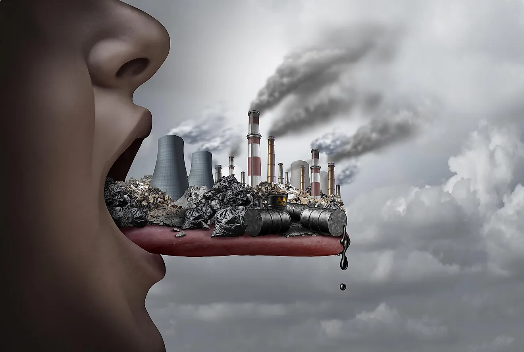
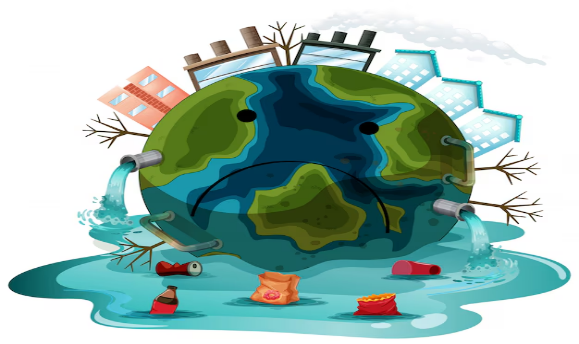
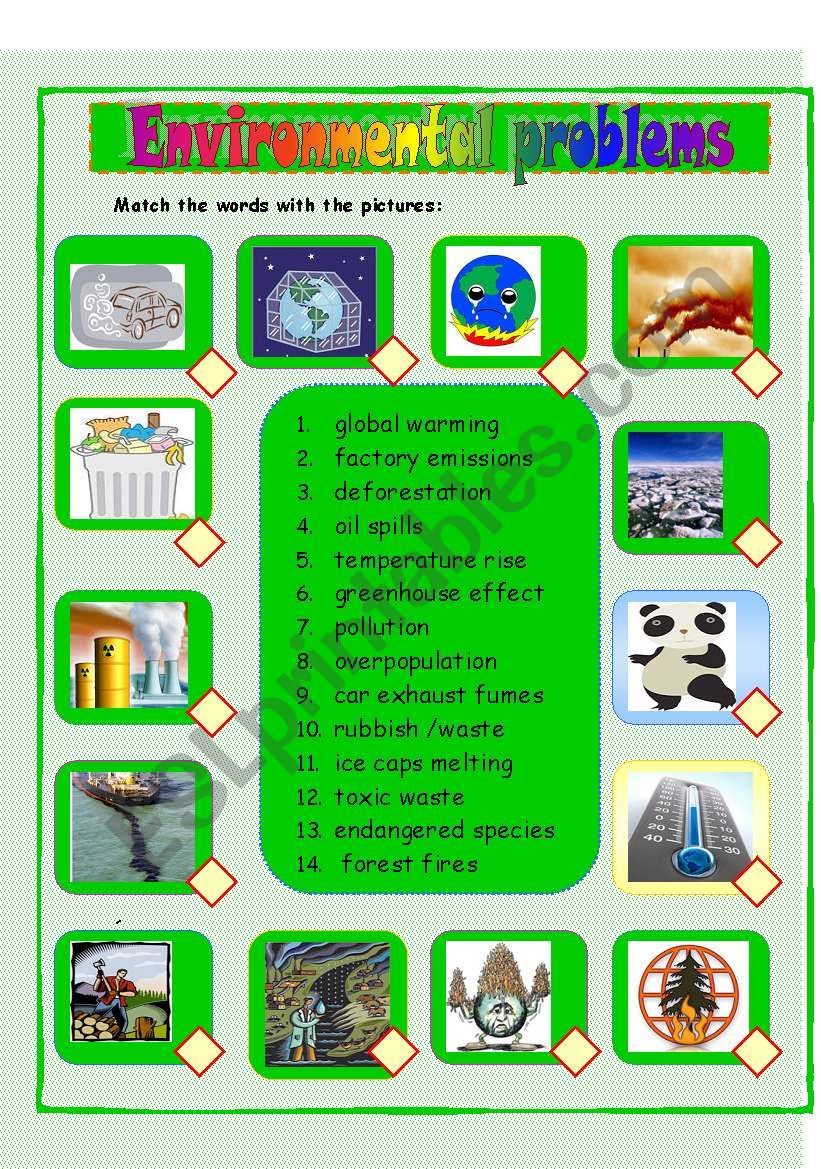
Suggested Answer Key I think the term ‘gender equality' means women and men doing the same things at work. Strategy “Forecast by title” Look at the picture.How is it related to the text? Ask Ss to look at the picture and elicit Ss’ guesses as to how it relates to the text. Suggested Answer Key I think the picture is related to the Environmental problems Exercise 1: Vocabulary Matching Match the environmental problem to its correct description.
Answers:
Exercise 3: True or False Decide if the following statements are true or false based on common environmental knowledge.
Answers:
Exercise 4: Fill in the Blanks Complete the sentences using the words below:
Answers:
Exercise 5: Short Answer Questions Provide brief answers to the following questions.
Answers:
Fill in the Blanks
Differentiation: «Flash» method is used to identify the quickest Ss. Tasks for low-achievers Filling the worksheets for achievers. Low-achievers will be given some verbs and they have to match them with the key sentences. Functional Literacy: Vocabulary and Word Recognition Listening and Comprehension Scaffolding strategy: graphic organizer |
Cards
Aspect 10
Text Appendix 1
Aspect 10
Aspect 10
Aspect 10
Aspect 10
Cards |
||||||||||||||||||||
|
End of the lesson
|
Teacher Observation Card
Reflection “Continue the Thought” Technique Today I realized that___________ I wanted ___________________ I will try_______________________ Each group is heard.
Homework: Write about environmental problems. Conditionals. P 22-25 |
|
||||||||||||||||||||

Appendix 1
Major environmental problems facing the world today are largely driven by human activities and include the climate crisis, various forms of pollution, biodiversity loss, and the depletion of natural resources. These issues are often interconnected and have significant impacts on both human well-being and ecosystem sustainability.
Key environmental problems include:
Climate Change and Global Warming
The burning of fossil fuels and deforestation have significantly increased greenhouse gas emissions, leading to a rise in global temperatures known as global warming.
-
Effects: This causes melting polar ice caps, rising sea levels, ocean acidification, and more frequent and severe extreme weather events like droughts, floods, heat waves, and wildfires.
Pollution
The introduction of harmful substances into the environment poses a major threat.
-
Air Pollution: Caused by vehicle emissions, industrial processes, and the burning of fossil fuels, resulting in respiratory problems, heart disease, and acid rain.
-
Water Pollution: Contamination of water bodies by industrial waste, sewage, and agricultural runoff, which endangers aquatic life and makes drinking water unsafe.
-
Plastic Pollution: Escalating plastic waste in oceans and landfills harms marine life and can introduce microplastics into the food chain.
-
Soil Degradation/Pollution: The buildup of toxic chemicals, pesticides, and industrial waste in the ground reduces soil fertility and can contaminate food crops.
Biodiversity Loss and Habitat Destruction
Human activities, such as agricultural expansion, urban sprawl, and logging, are destroying natural habitats and driving species to extinction at an unprecedented rate.
-
Effects: This disruption of ecosystems puts food and water supplies at risk, compromises natural processes like pollination and carbon sequestration, and threatens the balance of life on Earth.
Resource Depletion and Waste Management
Overpopulation and excessive consumption are straining the Earth's finite resources, such as fresh water, minerals, and fossil fuels.
-
Effects: This leads to shortages and the generation of massive amounts of waste, including hazardous and electronic waste, which are difficult to manage and pose health risks.
Other Significant Issues
-
Overpopulation: Strains scarce resources and exacerbates other problems like pollution and deforestation.
-
Ocean Health Decline: Oceans face threats from acidification and pollution, which harm marine life and global food security.
-
Food Waste: A third of all food produced is wasted, contributing significantly to global greenhouse gas emissions.
Addressing these complex challenges requires a combination of technological innovation, changes in individual behavior, and effective environmental policies and international cooperation.









 Бұл курс Қазақстан Республикасы Оқу-ағарту министрлігімен келісілген










