
 ЖИ көмекші


жүктеу мүмкіндігіне ие боласыз
Бұл материал сайт қолданушысы жариялаған. Материалдың ішінде жазылған барлық ақпаратқа жауапкершілікті жариялаған қолданушы жауап береді. Ұстаз тілегі тек ақпаратты таратуға қолдау көрсетеді. Егер материал сіздің авторлық құқығыңызды бұзған болса немесе басқа да себептермен сайттан өшіру керек деп ойласаңыз осында жазыңыз
 09 Сәуір 2024
 257
257
Excel 3 Unit 7 Water , water evrywhere Theme: A beach story
Short term plan:
|
Unit7:Water, water everywhere |
|||
|
Teacher name: |
|
||
|
Date: |
|
||
|
Grade: 3 |
Number present: |
absent: |
|
|
Lesson title |
A beach story |
||
|
Learning objectives |
3.1.5.1 distinguish between phonemically distinct words; 3.4.7.1 spell a growing number of familiar high-frequency words accurately during guided writing activities; 3.5.10.1 use common present continuous forms, including short answers and contractions, to talk about what is happening now |
||
|
Lesson objectives |
- To listen to and read a story about the characters doing water sports; to practise talking about actions; to learn how to pronounce the sound /w/. |
||
|
Value links |
Respect each other |
||
|
Plan |
|||
|
Stages / Time |
Teachers actions |
Students actions |
Assessment criteria |
Resources |
|
Beginning of the lesson Warming-up 3 min. Pre-learning «Brainstorming» method 7 min. |
Organization moment : 1.Greeting. Ask about the weather. The teacher sets the lesson objectives, letting students know what to anticipate from the lesson. Warming up Where are you from? How old are you? What color is it? How many students are there in class? What day of the week today? Lead – In: -What do you see in the picture? -Have you ever gone to the beach?
|
The aim: To develop pupils speaking skills and create friendly atmosphere Efficiency: By wishing each other they feel better and feel the support of others Learners remember previous lesson vocabulary Learners answer the questions |
The teacher to assess learners for their ability. “Good job! Well done!” Formative Assessment Good job! Assessment criteria listen to and read a story about the characters Descriptor: - answer the question Total: 1 point |
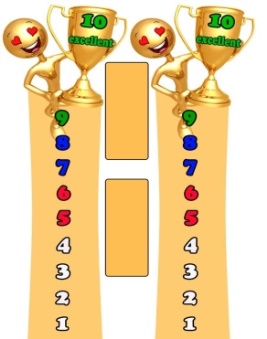
Picture |
|
Middle of the lesson Presentation part. 30 min |
Ex:10 P:98 Go through the pictures of the story and set the scene by asking the pupils questions about what they can see in the pictures. Play the CD. The pupils listen and follow the story in their books. Ex: 11 P: 99 Allow the pupils some time to read the story silently and complete the activity. Check the pupils’ answers Ex: 12 P: 99 Explain the activity. Allow the pupils some time to complete the activity. Check the pupils’ answers. Ex: 14 P: 99 Refer the pupils to the picture and the dialogue. Play the CD. The pupils listen and follow along. Pause the CD for the pupils to repeat, chorally and/or individually. The pupils, in pairs, act out similar dialogues about themselves. Go around the classroom providing any necessary help. Ask some pairs to come to the front of the classroom and act out the dialogue. If you wish, write the following on the board so the pupils can refer to it while they are completing the activity Ex: 15 P: 99 Refer the pupils to the pictures. Point to the picture of walrus and say: w /w/ – walrus. The pupils repeat, chorally and/or individually. Check their pronunciation. Repeat the procedure for water. Point to the picture of whiskers and say: w /w/ - whiskers. The pupils repeat, chorally and/or individually. Focus the pupils’ attention on the letters wh. Repeat the procedure for white Conclusion during the lesson some tasks differentiated by outcomes of the students and by their abilities. |
• Pupils listen and read. ANSWERS Teacher: (pointing to Lilly and Liam in picture 1) Who are they? Class: Lilly and Liam! Teacher: What are they doing? Class: They are sailing! etc • Pupils read the story and say True or False. ANSWERS 1 True 2 False 3 False 4 True • Pupils read the story again. Who says ... ANSWERS 1 Nanny Rose 2 Daisy Differentiation: «Verbal support» method is used to help Ss use new words in the sentences. • Pupils talking point. Listen and read. Make a new dialogue with your friend. ANSWERS Ulan: Hey! What are you doing? Assel: Look at me! I’m water skiing! Ulan Well done! • Pupils listen, point and repeat. ANSWERS what, well, wet |
Descriptor: - pronounce words correctly - give correct answers Total: 2 point
Descriptor: - read the story - complete the activity Total: 2 point Descriptor: - read the story - complete the activity Total: 2 point Descriptor: - listen and read - make a new dialogue Total: 2 point Descriptor: - point to the picture - repeat, chorally and/or individually Total: 1 point |
Students book |
|
End of the lesson 5 min |
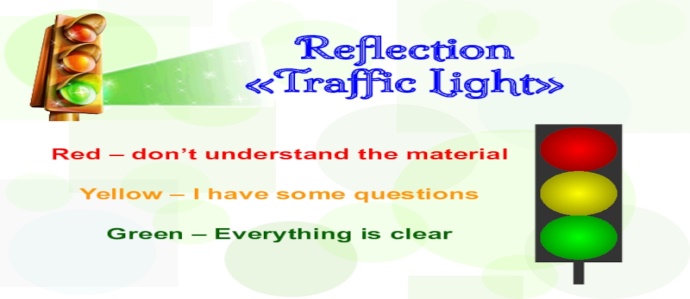
FEEDBACK Traffic light method is used to find out was the lesson clear or not. Use the stickers. |
|
|
|


 Жүктеу


 Жүктеу
шағым қалдыра аласыз

 Бұл курс Қазақстан Республикасы Оқу-ағарту министрлігімен келісілген










