Тексерілді: ДОІЖО: Ж. Мамадалиева
|
Unit of a long term plan: Unit 6 The natural world |
School №18: named after Abay |
||
|
Date:12.02.2025 |
Teacher`s name:G. Dauylova |
||
|
Grade: 8 «б» |
Number present: |
absent: |
|
|
Lesson title |
Expressing doubt |
||
|
Learning objectives |
8.1.6.1 organise and present information clearly to others 8.3.7.1 use appropriate subject-specific vocabulary and syntax to talk about a range of general topics, and some curricular topics |
||
|
Lesson objectives |
Learners will be able to: • Listen to a dialogue in which people express opinions and doubts. • Learn key phrases for expressing opinions and doubts. |
||
|
Plan |
|||
|
Stages / Time |
Teachers’ actions |
Students’ actions |
Assessment criteria |
Resources |
|
Beginning of the lesson 5 min |
Organization moment 1.Greeting. Ask about the weather. The teacher sets the lesson objectives, letting students know what to anticipate from the lesson. The teacher divide into two group. Ask homework The teacher explains the new theme from the picture
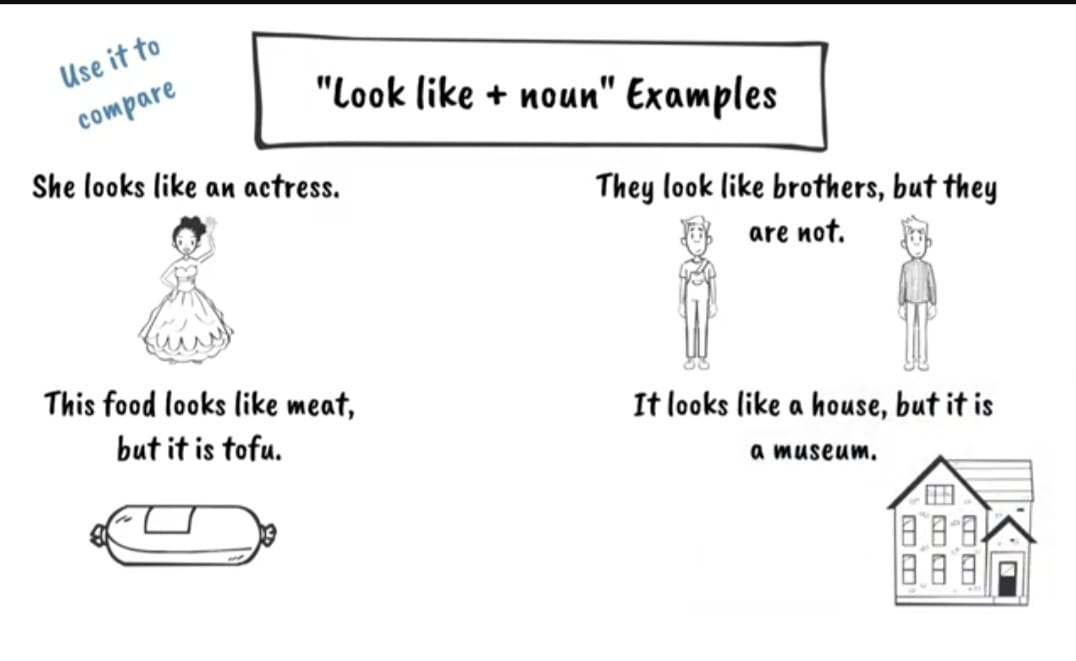
Ask students when they might express doubts. Again, elicit some ideas, but do not accept or reject any at this stage. |
The aim: To develop pupils speaking skills and create friendly atmosphere Efficiency: By telling the wishes they show their appreciations . Students of the class are listed. Students' attention is drawn to the lesson. Students analyze the given pictures in pairs. Determines the topic and purpose of the lesson |
At the organization moment teacher tries to award active pupils.: “Good job! Well done!” Formative Assessment Good job! |
Pictures Student’s book |
|
Middle of the lesson Presentation part. 35 min |
Ex: 1 P: 74 • Ask the class whether or not they like the painting in the photo. Ask students to give reasons for their opinions. • You could ask the class to vote on whether they like the painting or not. Differentiation: «Verbal support» method is used to help Students use new words in the text. Ex: 2 P:74 • Students read, listen and answer the question
Ex: 3 P:74 • After listening to the key phrases, ask students to find them in the dialogue. In a weaker class, students can translate them into their own language. In a stronger class, ask students to explain what the phrases mean and use them in example sentences. • Students practise the dialogue in pairs
Ex: 3 P:74 • Refer students to the words in blue in the dialogue in exercise 2. Elicit translations of the phrases in L1. • Check the meanings with the class before students complete the mini-dialogue. Remind them to think about whether they need to transform the verb look in the third person. |
Students look at the photo. What kind of art is the painting? ANSWERS: The painting is an example of abstract art. Students’ own answers. Students listen to the dialogue. Why does Lucy dislike the painting? ANSWERS: Lucy dislikes the picture because she thinks the face is a bit mad, as if a child painted it. Students study the key phrases then listen and check. ANSWERS: Lucy says all the phrases. Students look at the words in blue in the dialogue in exercise 1. ANSWERS: look = see here look like = resemble looks = appears to be looks as if = seems as though 1 Look 2 looks 3 looks like 4 looks like |
Assessment criteria - Learn how to change sentences from active to passive.
Descriptor: - study the sentences in the tables. How do we form past passive sentences? Complete the rules. Assessment criteria: - Practise changing sentences from active to passive
Descriptor: - complete the passive sentences with the verbs in brackets. |

Cards Worksheets |

|
End of the lesson 5 min |
FEEDBACK Learners provide feedback on what they have learned at the lesson. Home task: Ex: 3 P: 74. Students choose the correct words |
|
Students use their stickers to show their knowledge according to the lesson. |
Poster
|
жүктеу мүмкіндігіне ие боласыз
Бұл материал сайт қолданушысы жариялаған. Материалдың ішінде жазылған барлық ақпаратқа жауапкершілікті жариялаған қолданушы жауап береді. Ұстаз тілегі тек ақпаратты таратуға қолдау көрсетеді. Егер материал сіздің авторлық құқығыңызды бұзған болса немесе басқа да себептермен сайттан өшіру керек деп ойласаңыз осында жазыңыз
Expressing doubt
Expressing doubt
Тексерілді: ДОІЖО: Ж. Мамадалиева
|
Unit of a long term plan: Unit 6 The natural world |
School №18: named after Abay |
||
|
Date:12.02.2025 |
Teacher`s name:G. Dauylova |
||
|
Grade: 8 «б» |
Number present: |
absent: |
|
|
Lesson title |
Expressing doubt |
||
|
Learning objectives |
8.1.6.1 organise and present information clearly to others 8.3.7.1 use appropriate subject-specific vocabulary and syntax to talk about a range of general topics, and some curricular topics |
||
|
Lesson objectives |
Learners will be able to: • Listen to a dialogue in which people express opinions and doubts. • Learn key phrases for expressing opinions and doubts. |
||
|
Plan |
|||
|
Stages / Time |
Teachers’ actions |
Students’ actions |
Assessment criteria |
Resources |
|
Beginning of the lesson 5 min |
Organization moment 1.Greeting. Ask about the weather. The teacher sets the lesson objectives, letting students know what to anticipate from the lesson. The teacher divide into two group. Ask homework The teacher explains the new theme from the picture
Ask students when they might express doubts. Again, elicit some ideas, but do not accept or reject any at this stage. |
The aim: To develop pupils speaking skills and create friendly atmosphere Efficiency: By telling the wishes they show their appreciations . Students of the class are listed. Students' attention is drawn to the lesson. Students analyze the given pictures in pairs. Determines the topic and purpose of the lesson |
At the organization moment teacher tries to award active pupils.: “Good job! Well done!” Formative Assessment Good job! |
Pictures Student’s book |
|
Middle of the lesson Presentation part. 35 min |
Ex: 1 P: 74 • Ask the class whether or not they like the painting in the photo. Ask students to give reasons for their opinions. • You could ask the class to vote on whether they like the painting or not. Differentiation: «Verbal support» method is used to help Students use new words in the text. Ex: 2 P:74 • Students read, listen and answer the question
Ex: 3 P:74 • After listening to the key phrases, ask students to find them in the dialogue. In a weaker class, students can translate them into their own language. In a stronger class, ask students to explain what the phrases mean and use them in example sentences. • Students practise the dialogue in pairs
Ex: 3 P:74 • Refer students to the words in blue in the dialogue in exercise 2. Elicit translations of the phrases in L1. • Check the meanings with the class before students complete the mini-dialogue. Remind them to think about whether they need to transform the verb look in the third person. |
Students look at the photo. What kind of art is the painting? ANSWERS: The painting is an example of abstract art. Students’ own answers. Students listen to the dialogue. Why does Lucy dislike the painting? ANSWERS: Lucy dislikes the picture because she thinks the face is a bit mad, as if a child painted it. Students study the key phrases then listen and check. ANSWERS: Lucy says all the phrases. Students look at the words in blue in the dialogue in exercise 1. ANSWERS: look = see here look like = resemble looks = appears to be looks as if = seems as though 1 Look 2 looks 3 looks like 4 looks like |
Assessment criteria - Learn how to change sentences from active to passive.
Descriptor: - study the sentences in the tables. How do we form past passive sentences? Complete the rules. Assessment criteria: - Practise changing sentences from active to passive
Descriptor: - complete the passive sentences with the verbs in brackets. |
Cards Worksheets |
|
End of the lesson 5 min |
FEEDBACK Learners provide feedback on what they have learned at the lesson. Home task: Ex: 3 P: 74. Students choose the correct words |
|
Students use their stickers to show their knowledge according to the lesson. |
Poster
|
шағым қалдыра аласыз