Short term plan: term 1
|
Unit 1: Science and scientific phenomenon |
lesson 5 |
||
|
Teacher name: |
|
||
|
Date: |
|
||
|
Grade: 10 |
Number present: |
absent: |
|
|
Lesson title |
Interesting facts about genetics. DNA: Grammar Past modals of speculations |
||
|
Learning objectives |
10.6.14.1 - use a variety of prepositional phrases before nouns and adjectives; use a number of dependent prepositions following nouns and adjectives and a variety of prepositions following verbs on a wide range of familiar general and curricular topics 10.3.4.1 - evaluate and comment on the views of others in a growing variety of talk contexts on a growing range of general and curricular topics; |
||
|
Lesson objectives |
Learners will be able to:
|
||
|
Value links |
Generosity – This may be a core value of yours if you cherish people who will give their time and resources to people in need. You may consider yourself to be a generous person if you find joy and meaning in giving to others. |
||
|
Plan |
|||
|
Stages / Time |
Teachers’ actions |
Students’ actions |
Assessment criteria |
Resources |
|
Start
5 min Main part 30 min |
Organization moment 1.Greeting. Ask about the weather. The teacher sets the lesson objectives, letting students know what to anticipate from the lesson. Warm-up Creating a positive psychological environment Lead – In
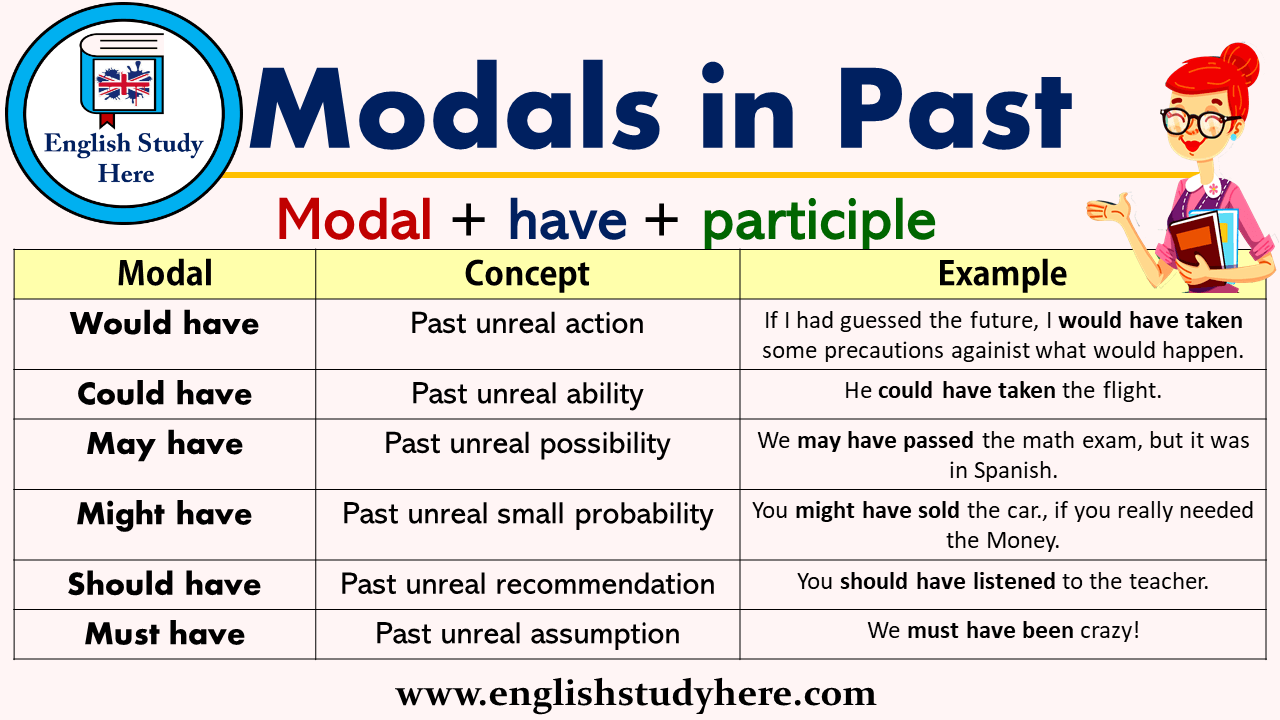
The modals of speculation “must have,” “may have,” “might have,” “could have,” and “couldn’t have” are used to express different degrees of possibility or probability about something that happened in the past. |
Students' attention is drawn to the lesson. Students discuss the pictures in pairs. Determines the topic and aim of the lesson Students say different words from the picture Students look at the table and repeat grammar reference |
Formative Assessment

Good job! Assessment criteria - use modals in the past of speculation and deduction |
Pictures Student’s book |
|
8 min |
Ex:5 P:11 Explain the task and ask students to read the theory. Refer students to the Grammar Reference section at the back of their books for more details Elicit an example from the text and what it expresses. Ex: 6 P:11 Explain the task and give students time to complete it. Ex: 7 P:11 Ask students to read the questions and answer choices. Ask students to complete the task by choosing the correct answers according to what they hear. Ex: 8 P:11 Ask students to work in pairs and talk about what information the most interesting in the text. Monitor the activity around the class. Then ask some pairs to report back to the class. Conclusion during the lesson some tasks differentiated by outcomes of the students and by their abilities. |
Students read the theory. Find an example in the text. Answers: Jack and his team must have been amazed because it suggested that DNA lasts a lot longer than originally believed Students use the prompts and the verbs in brackets to complete the sentences with the past modals. Answers: 1 may/might / could have had 2 must have stolen 3 can’t have had 4 must have gone Students listen to Jack and Amy talking about a lecture on DNA and choose the correct answer. Answers: 1 A 2 B 3 C 4 B Students answer the question. What information in the text did you find the most interesting Answers: What I found most interesting is that they have found dinosaur DNA. I am also fascinated by the fact that birds are the distant relatives of dinosaurs and that they can be used to possibly bring dinosaurs back to life in one way or another. |
Descriptor: - read the theory. Total: 1 point Descriptor: - use the prompts and the verbs in brackets Total: 1 point Descriptor: - listen to Jack and Amy talking about a lecture on DNA Total: 1 point Descriptor: - answer the question. Total: 1 point Differentiation – how do you plan to give more support? How do you plan to challenge fast finishers? |

Cards Worksheets |

|
End 2 min |
FEEDBACK Learners provide feedback on what they have learned at the lesson. |
|
Students evaluate each other and encourage classmate with phrases like: Well done! Brilliant! Good job! I like it! |
Poster
|
жүктеу мүмкіндігіне ие боласыз
Бұл материал сайт қолданушысы жариялаған. Материалдың ішінде жазылған барлық ақпаратқа жауапкершілікті жариялаған қолданушы жауап береді. Ұстаз тілегі тек ақпаратты таратуға қолдау көрсетеді. Егер материал сіздің авторлық құқығыңызды бұзған болса немесе басқа да себептермен сайттан өшіру керек деп ойласаңыз осында жазыңыз
Grammar Past modals of speculations.
Short term plan: term 1
|
Unit 1: Science and scientific phenomenon |
lesson 5 |
||
|
Teacher name: |
|
||
|
Date: |
|
||
|
Grade: 10 |
Number present: |
absent: |
|
|
Lesson title |
Interesting facts about genetics. DNA: Grammar Past modals of speculations |
||
|
Learning objectives |
10.6.14.1 - use a variety of prepositional phrases before nouns and adjectives; use a number of dependent prepositions following nouns and adjectives and a variety of prepositions following verbs on a wide range of familiar general and curricular topics 10.3.4.1 - evaluate and comment on the views of others in a growing variety of talk contexts on a growing range of general and curricular topics; |
||
|
Lesson objectives |
Learners will be able to:
|
||
|
Value links |
Generosity – This may be a core value of yours if you cherish people who will give their time and resources to people in need. You may consider yourself to be a generous person if you find joy and meaning in giving to others. |
||
|
Plan |
|||
|
Stages / Time |
Teachers’ actions |
Students’ actions |
Assessment criteria |
Resources |
|
Start
5 min Main part 30 min |
Organization moment 1.Greeting. Ask about the weather. The teacher sets the lesson objectives, letting students know what to anticipate from the lesson. Warm-up Creating a positive psychological environment Lead – In
The modals of speculation “must have,” “may have,” “might have,” “could have,” and “couldn’t have” are used to express different degrees of possibility or probability about something that happened in the past. |
Students' attention is drawn to the lesson. Students discuss the pictures in pairs. Determines the topic and aim of the lesson Students say different words from the picture Students look at the table and repeat grammar reference |
Formative Assessment
Good job! Assessment criteria - use modals in the past of speculation and deduction |
Pictures Student’s book |
|
8 min |
Ex:5 P:11 Explain the task and ask students to read the theory. Refer students to the Grammar Reference section at the back of their books for more details Elicit an example from the text and what it expresses. Ex: 6 P:11 Explain the task and give students time to complete it. Ex: 7 P:11 Ask students to read the questions and answer choices. Ask students to complete the task by choosing the correct answers according to what they hear. Ex: 8 P:11 Ask students to work in pairs and talk about what information the most interesting in the text. Monitor the activity around the class. Then ask some pairs to report back to the class. Conclusion during the lesson some tasks differentiated by outcomes of the students and by their abilities. |
Students read the theory. Find an example in the text. Answers: Jack and his team must have been amazed because it suggested that DNA lasts a lot longer than originally believed Students use the prompts and the verbs in brackets to complete the sentences with the past modals. Answers: 1 may/might / could have had 2 must have stolen 3 can’t have had 4 must have gone Students listen to Jack and Amy talking about a lecture on DNA and choose the correct answer. Answers: 1 A 2 B 3 C 4 B Students answer the question. What information in the text did you find the most interesting Answers: What I found most interesting is that they have found dinosaur DNA. I am also fascinated by the fact that birds are the distant relatives of dinosaurs and that they can be used to possibly bring dinosaurs back to life in one way or another. |
Descriptor: - read the theory. Total: 1 point Descriptor: - use the prompts and the verbs in brackets Total: 1 point Descriptor: - listen to Jack and Amy talking about a lecture on DNA Total: 1 point Descriptor: - answer the question. Total: 1 point Differentiation – how do you plan to give more support? How do you plan to challenge fast finishers? |
Cards Worksheets |
|
End 2 min |
FEEDBACK Learners provide feedback on what they have learned at the lesson. |
|
Students evaluate each other and encourage classmate with phrases like: Well done! Brilliant! Good job! I like it! |
Poster
|
шағым қалдыра аласыз