Short term plan
|
Long term plan unit: Traditions and folklore |
School: №103 |
||||
|
Date: |
Teacher name:Kulbabaeva Saule |
||||
|
Grade:1 |
Number present: |
Absent: |
|||
|
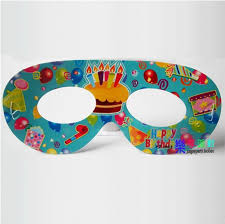
Theme of the lesson: Hats and masks |
|||||
|
Learning objectives (s) that this lesson is contributing to |
|
||||
|
Lesson objectives |
All learners will be able to: learn the topical vocabulary using there is/are; Most learners will be able to : name things in classroom using there is /there are Some learners will be able to : make up sentences using there is /there are |
||||
|
Assessment criteria |
name familiar words and expressions clearly make up sentences correctly using there is/ there are with support |
||||
|
Value links |
“The Patriotic act ‘ Mangilik Yel” 2nd value : National unity , peace and harmony in our society/ |
||||
|
Cross curricular links |
Arts |
||||
|
Previous learning |
Spring time in Kazakhstan |
||||
|
Plan |
|||||
|
Time |
Planned activities |
Resources |
|||
|
3 min 2 min. 5 min |
Greeting : Teacher: -Hello! How are you ? Children: -Hi ! We are fine! Organization moment: Meets learners, asks the date, day, month, season etc. Teacher divided learners into two groups by giving them the pictures of different hats and masks Check up the home task. . Teacher introduce with new words: magic words Vocabulary : hat , mask, tiger mask, clown mask . |
Pictures of hat and mask Pictures. |
|||
|
5 min 5 min 10 min |
Teacher explains differences between there is\ there are Group work : 1-group find singular form : mask, hat , 2-group finds plural form masks, hats Craft work The pupils work in groups. Each group is given papers and scissors. To work together to produce a hat or mask. They can draw and colour things like eyes, nose, ears, hair, mouth. It is adviseable to have a model so that the pupils use it as a point of reference. |
|
|||
|
End 5 min 10 min |
Game Yes\ No Spring – Yes/ No Winter- No/ Yes Green Yes/No White- No/Yes Cold- Yes/No Warm-Yes/No Mask Hat
Pupil will pronounce mask and hat and use there is\ there are structure ; |
|
|||
|
Additional information |
|||||
|
Differentiation – how do you plan to give more support? How do you plan to challenge the more able learners? |
Assessment – how are you planning to check learners’ learning? |
Health and safety check |
|||
|
For weaker pupils: more support can be given during elicitation , instructions and questioning phases of the lesson by nominating pupils to answer questions relating to more high frequency vocabulary to build self confidence through participation. |
Through redirecting of questioning in feedback actives |
Art |
|||
|
Reflection Were the lesson objectives/learning objectives realistic? Did the learners achieve the LO? If not, why? Did my planned differentiation work well? Did I stick to timings? What changes did I make from my plan and why? |
|
||||
|
Summary evaluation What two things went really well (consider both teaching and learning)? 1: 2: What two things would have improved the lesson (consider both teaching and learning)? 1: 2: What have I learned from this lesson about the class or achievements/ difficulties of individuals that will inform my next lesson? |
|||||
жүктеу мүмкіндігіне ие боласыз
Бұл материал сайт қолданушысы жариялаған. Материалдың ішінде жазылған барлық ақпаратқа жауапкершілікті жариялаған қолданушы жауап береді. Ұстаз тілегі тек ақпаратты таратуға қолдау көрсетеді. Егер материал сіздің авторлық құқығыңызды бұзған болса немесе басқа да себептермен сайттан өшіру керек деп ойласаңыз осында жазыңыз
Hats and masks
Hats and masks
Short term plan
|
Long term plan unit: Traditions and folklore |
School: №103 |
||||
|
Date: |
Teacher name:Kulbabaeva Saule |
||||
|
Grade:1 |
Number present: |
Absent: |
|||
|
Theme of the lesson: Hats and masks |
|||||
|
Learning objectives (s) that this lesson is contributing to |
|
||||
|
Lesson objectives |
All learners will be able to: learn the topical vocabulary using there is/are; Most learners will be able to : name things in classroom using there is /there are Some learners will be able to : make up sentences using there is /there are |
||||
|
Assessment criteria |
name familiar words and expressions clearly make up sentences correctly using there is/ there are with support |
||||
|
Value links |
“The Patriotic act ‘ Mangilik Yel” 2nd value : National unity , peace and harmony in our society/ |
||||
|
Cross curricular links |
Arts |
||||
|
Previous learning |
Spring time in Kazakhstan |
||||
|
Plan |
|||||
|
Time |
Planned activities |
Resources |
|||
|
3 min 2 min. 5 min |
Greeting : Teacher: -Hello! How are you ? Children: -Hi ! We are fine! Organization moment: Meets learners, asks the date, day, month, season etc. Teacher divided learners into two groups by giving them the pictures of different hats and masks Check up the home task. . Teacher introduce with new words: magic words Vocabulary : hat , mask, tiger mask, clown mask . |
Pictures of hat and mask Pictures. |
|||
|
5 min 5 min 10 min |
Teacher explains differences between there is\ there are Group work : 1-group find singular form : mask, hat , 2-group finds plural form masks, hats Craft work The pupils work in groups. Each group is given papers and scissors. To work together to produce a hat or mask. They can draw and colour things like eyes, nose, ears, hair, mouth. It is adviseable to have a model so that the pupils use it as a point of reference. |
|
|||
|
End 5 min 10 min |
Game Yes\ No Spring – Yes/ No Winter- No/ Yes Green Yes/No White- No/Yes Cold- Yes/No Warm-Yes/No Mask Hat
Pupil will pronounce mask and hat and use there is\ there are structure ; |
|
|||
|
Additional information |
|||||
|
Differentiation – how do you plan to give more support? How do you plan to challenge the more able learners? |
Assessment – how are you planning to check learners’ learning? |
Health and safety check |
|||
|
For weaker pupils: more support can be given during elicitation , instructions and questioning phases of the lesson by nominating pupils to answer questions relating to more high frequency vocabulary to build self confidence through participation. |
Through redirecting of questioning in feedback actives |
Art |
|||
|
Reflection Were the lesson objectives/learning objectives realistic? Did the learners achieve the LO? If not, why? Did my planned differentiation work well? Did I stick to timings? What changes did I make from my plan and why? |
|
||||
|
Summary evaluation What two things went really well (consider both teaching and learning)? 1: 2: What two things would have improved the lesson (consider both teaching and learning)? 1: 2: What have I learned from this lesson about the class or achievements/ difficulties of individuals that will inform my next lesson? |
|||||
шағым қалдыра аласыз