
 ЖИ көмекші


 Қауіпсіз төлем

жүктеу мүмкіндігіне ие боласыз
Бұл материал сайт қолданушысы жариялаған. Материалдың ішінде жазылған барлық ақпаратқа жауапкершілікті жариялаған қолданушы жауап береді. Ұстаз тілегі тек ақпаратты таратуға қолдау көрсетеді. Егер материал сіздің авторлық құқығыңызды бұзған болса немесе басқа да себептермен сайттан өшіру керек деп ойласаңыз осында жазыңыз
 23 Қаңтар 2019
 818
818
1 жыл бойы шексіз жүктеңіз
I can 1-сынып
|
Long term plan unit: About myself |
School: №103 |
||||
|
Date: |
Teacher name: Kulbabaeva S |
||||
|
Grade: 2 |
Number present: |
Absent: |
|||
|
Theme of the lesson: I can… |
|||||
|
Learning objectives (s) that this lesson is contributing to |
2.S4 respond to basic supported questions about people, objects and classroom routines 2.UE13 use can / can’t to describe ability use can to make requests 2.L1 recognise short basic instructions for a limited range of classroom routines spoken slowly and distinctly |
||||
|
Lesson objectives |
All learners will be able to: understand the given instructions and say the ability using can / can’t with lots of support; Most learners will be able to: understand the given instructions and say the ability using can / can’t with some support; Some learners will be able to: understand the given instructions and say the ability using can / can’t independently; |
||||
|
Assessment criteria |
- Answer basic supported questions about people, objects and classroom routines; - Describe ability using can / can’t; - Follow short basic instructions for a limited range of classroom routines spoken slowly and distinctly |
||||
|
Value links |
“Mangilik Yel” Patriotic Act: 3rd value: A secular society with high spirituality |
||||
|
Cross curricular links |
Kazakh, Russian |
||||
|
ICT skills |
White board to show a power point presentation Videos and pictures |
||||
|
Previous learning |
|
||||
|
Plan |
|||||
|
Time |
Planned activities |
Resources |
|||
|
1 min.
6 min. 5 min. 3 min. 5 min. 5 min. 5 min. 5 min.
|
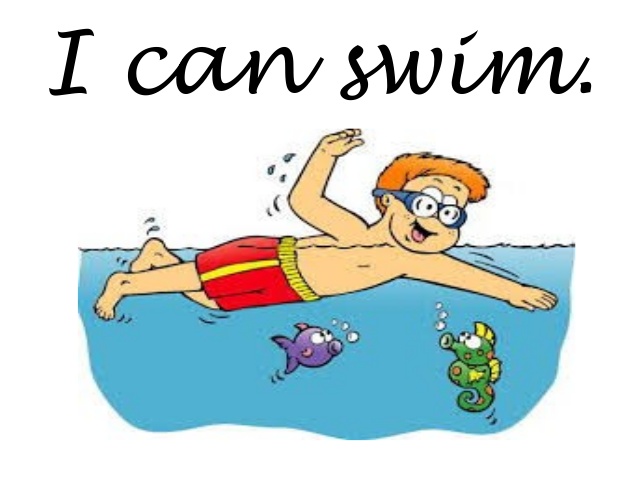
Greeting. The teacher will greet the whole class. - Good - morning, good – morning. Eliciting. The teacher will elicit learner’s answers about the learner’s ability to do something by: - Can you jump? - Can you swim? - Can you sing a song? The teacher will further use eliciting by asking: - What else can you do? Possible answers of the learners: I can dance ….
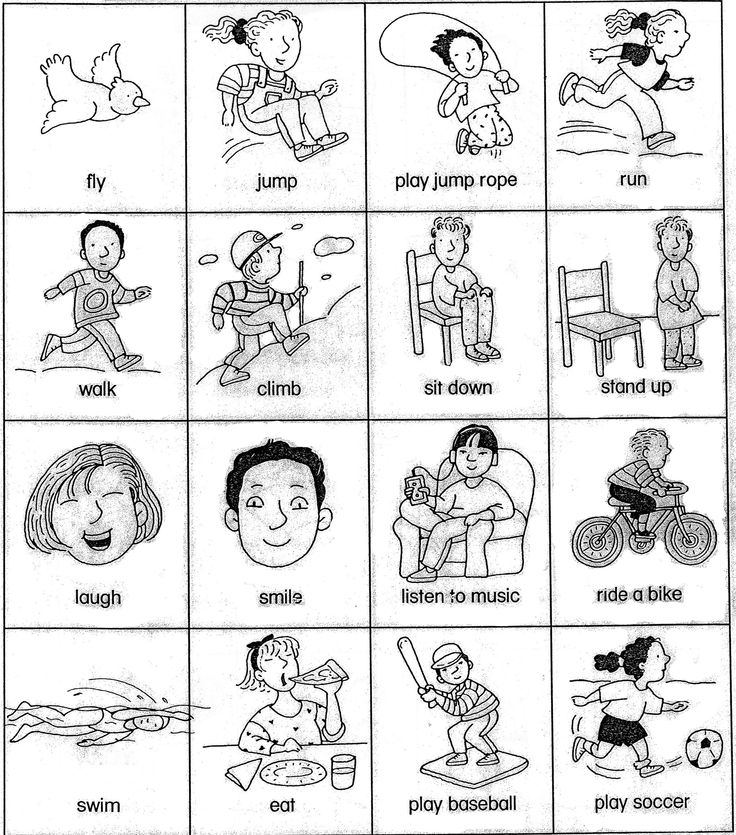
TPR. The teacher will demonstrate the simple way of learning these words using TPR activities using the flashcards given above. Practice. Picture gaming. The teacher will draw the attention of learners using the character from a famous fairy-tale. - Children, look at this picture. Who is this? - This is Kolobok. Kolobok can run and jump. - Who is this? - This is Karlson. He can fly. - Who is this? - This is Golden fish. Golden fish can swim. - Who is this? - This is cat Tom. Tom can fish. Song activity. The teacher will involve learners in a song activity using can/can’t. That introduces a bunch of animals, action verbs, and the phrases, “Can you…?” and “Yes, I can. No, I cannot”. Listening quiz. The teacher will ask questions to learners to develop their cognitive worldview using pictures of animals. What can they do? Can pigs fly? Can birds fly? Can kangaroos jump? Can crocodiles climb tree? Can elephants run? Can dogs swim? I can/can not see. Grammar rule. Teacher: Watch and listen to a video presentation and tick on the worksheet what you can do and put a cross what you can’t do. Answer the questions: What can you do? What can’t you do?
Practice. Teacher asks pupils to look through the grammar presentation. Then pupils ask and respond to the questions. 1. Learners ask each other in pairs about what they can do e.g. Can you swim? - Yes, I can. Can you climb a tree? - No, I can’t 2. Teacher then asks questions around the class about what learners’ partners can do e.g. Aigul, can Bolat ride a bike? - No, he can’t ride a bike. Teacher varies questions by asking confirming questions e.g. Is that true Bolat? Can you ride a bike? - No, I can’t. 3.Learners take turns to give instructions to their partners Can you say 1-10 in English? Can you name three colours? |
Flaschards Flaschards Pictures Video ‘I can’ |
|||
|
Additional information |
|||||
|
Differentiation – how do you plan to give more support? How do you plan to challenge the more able learners? |
Assessment – how are you planning to check learners’ learning? |
Health and safety check |
|||
|
More support will be given to weaker learners by giving them a modified worksheets in some tasks with greater support |
The teacher will use formative assessment strategies using positive body language. |
Teacher will encourage learners about healthy life-styles. |
|||
|
Reflection Were the lesson objectives/learning objectives realistic? Did the learners achieve the LO? If not, why? Did my planned differentiation work well? Did I stick to timings? What changes did I make from my plan and why? |
|
||||
|
Summary evaluation What two things went really well (consider both teaching and learning)? 1: 2: What two things would have improved the lesson (consider both teaching and learning)? 1: 2: What have I learned from this lesson about the class or achievements/ difficulties of individuals that will inform my next lesson? |
|||||











 Бұл курс Қазақстан Республикасы Оқу-ағарту министрлігімен келісілген










