Short-term lesson plans
|
partition |
|
|
|
Full name of the teacher |
|
|
|
Date: |
|
|
|
Class: |
Number of participants: |
Number of absences |
|
Lesson topic |
Introduction to Travel English |
|
|
Learning objectives in accordance with the curriculum |
Lesson objective: By the end of the lesson, students will be able to confidently use basic phrases and expressions in English for communication in various travel situations. They will improve their communication skills and understand key grammar structures applicable to travel |
|
Course of the lesson
|
Lesson Steps/Time |
Actions of the teacher |
Student Actions |
Evaluation |
Resources |
|
Beginning of the lesson |
Greeting students, bringing students together, attracting students' attention to classes. |
Greeting teachers |
|
Multicolored balls |
|
|
Introduction to the topic and objectives of the lesson, overview of a new topic |
Writes down the topic of the lesson in a notebook, gets acquainted with the goals of the lesson. |
|
|
|
|
Creating a psychological climate |
"Helloeyes" - Now I will say hello to each of you. But I say hello not with words, but silently with my eyes. At the same time, try to show with your eyes what mood you have today. |
|
|
|
Mid-lesson |
Creates a focused |
Performs tasks suggested |
|
|
|
|
learning environment |
by the teacher |
||
|
|
focused on |
|
||
|
|
understanding a new |
|
||
|
|
topic |
|

Situational Texts for Travel:
At the Airport:
-
Check-in Desk:
-
Passenger: "Good morning! I’d like to check in for my flight to New York."
-
Agent: "Good morning! May I see your passport and ticket, please?"
-
Passenger: "Here they are."
-
Agent: "Thank you. Do you have any luggage to check in?"
-
Passenger: "Yes, I have one suitcase."
-
-
Security Check:
-
Security Officer: "Please place your bag on the conveyor belt and step through the metal detector."
-
Passenger: "Sure. Do I need to take off my shoes?"
-
Security Officer: "Yes, please."
-
-
At the Boarding Gate:
-
Announcer: "Flight 345 to New York is now boarding at gate 22."
-
Passenger: "Excuse me, is this the gate for the New York flight?"
-
Agent: "Yes, it is. May I see your boarding pass?"
-
On the Plane:
-
Finding Your Seat:
-
Passenger: "Excuse me, I believe this is my seat."
-
Other Passenger: "Oh, sorry! Let me move my bag."
-
-
In-Flight Service:
-
Flight Attendant: "Would you like something to drink?"
-
Passenger: "Yes, I’d like a coffee, please."
-
Flight Attendant: "Certainly. Cream and sugar?"
-
|
At the Hotel:
Practical Exercises:
Grammar Exercises:
|
||||
|
End of lesson |
Organization of self- assessment of students Organization of feedback |
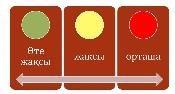
Self-evaluation "Six Hats" Description: a reflective technique that contributes to the organization of reflection in the classroom. Forms: the ability to comprehend their experience; the ability to give a personal assessment of events, phenomena, |
|
Assessment sheets |
|
|
|
facts; value attitude to the world around us and yourself. Students can be divided into groups and offered to purchase one of the hats. Hat holders need to evaluate events, facts, and performance based on color. Example. A white hat symbolizes specific judgments without an emotional tinge. The yellow hat is a positive judgment. Black – reflects problems and difficulties. Red – emotional judgments without explanation. Green – creative judgments, proposals. Blue is a generalization of what has been said, a philosophical view. |
|
|
жүктеу мүмкіндігіне ие боласыз
Бұл материал сайт қолданушысы жариялаған. Материалдың ішінде жазылған барлық ақпаратқа жауапкершілікті жариялаған қолданушы жауап береді. Ұстаз тілегі тек ақпаратты таратуға қолдау көрсетеді. Егер материал сіздің авторлық құқығыңызды бұзған болса немесе басқа да себептермен сайттан өшіру керек деп ойласаңыз осында жазыңыз
Introduction to travel English
Short-term lesson plans
|
partition |
|
|
|
Full name of the teacher |
|
|
|
Date: |
|
|
|
Class: |
Number of participants: |
Number of absences |
|
Lesson topic |
Introduction to Travel English |
|
|
Learning objectives in accordance with the curriculum |
Lesson objective: By the end of the lesson, students will be able to confidently use basic phrases and expressions in English for communication in various travel situations. They will improve their communication skills and understand key grammar structures applicable to travel |
|
Course of the lesson
|
Lesson Steps/Time |
Actions of the teacher |
Student Actions |
Evaluation |
Resources |
|
Beginning of the lesson |
Greeting students, bringing students together, attracting students' attention to classes. |
Greeting teachers |
|
Multicolored balls |
|
|
Introduction to the topic and objectives of the lesson, overview of a new topic |
Writes down the topic of the lesson in a notebook, gets acquainted with the goals of the lesson. |
|
|
|
|
Creating a psychological climate |
"Helloeyes" - Now I will say hello to each of you. But I say hello not with words, but silently with my eyes. At the same time, try to show with your eyes what mood you have today. |
|
|
|
Mid-lesson |
Creates a focused |
Performs tasks suggested |
|
|
|
|
learning environment |
by the teacher |
||
|
|
focused on |
|
||
|
|
understanding a new |
|
||
|
|
topic |
|

Situational Texts for Travel:
At the Airport:
-
Check-in Desk:
-
Passenger: "Good morning! I’d like to check in for my flight to New York."
-
Agent: "Good morning! May I see your passport and ticket, please?"
-
Passenger: "Here they are."
-
Agent: "Thank you. Do you have any luggage to check in?"
-
Passenger: "Yes, I have one suitcase."
-
-
Security Check:
-
Security Officer: "Please place your bag on the conveyor belt and step through the metal detector."
-
Passenger: "Sure. Do I need to take off my shoes?"
-
Security Officer: "Yes, please."
-
-
At the Boarding Gate:
-
Announcer: "Flight 345 to New York is now boarding at gate 22."
-
Passenger: "Excuse me, is this the gate for the New York flight?"
-
Agent: "Yes, it is. May I see your boarding pass?"
-
On the Plane:
-
Finding Your Seat:
-
Passenger: "Excuse me, I believe this is my seat."
-
Other Passenger: "Oh, sorry! Let me move my bag."
-
-
In-Flight Service:
-
Flight Attendant: "Would you like something to drink?"
-
Passenger: "Yes, I’d like a coffee, please."
-
Flight Attendant: "Certainly. Cream and sugar?"
-
|
At the Hotel:
Practical Exercises:
Grammar Exercises:
|
||||
|
End of lesson |
Organization of self- assessment of students Organization of feedback |
Self-evaluation "Six Hats" Description: a reflective technique that contributes to the organization of reflection in the classroom. Forms: the ability to comprehend their experience; the ability to give a personal assessment of events, phenomena, |
|
Assessment sheets |
|
|
|
facts; value attitude to the world around us and yourself. Students can be divided into groups and offered to purchase one of the hats. Hat holders need to evaluate events, facts, and performance based on color. Example. A white hat symbolizes specific judgments without an emotional tinge. The yellow hat is a positive judgment. Black – reflects problems and difficulties. Red – emotional judgments without explanation. Green – creative judgments, proposals. Blue is a generalization of what has been said, a philosophical view. |
|
|
шағым қалдыра аласыз