
 ЖИ көмекші


жүктеу мүмкіндігіне ие боласыз
Бұл материал сайт қолданушысы жариялаған. Материалдың ішінде жазылған барлық ақпаратқа жауапкершілікті жариялаған қолданушы жауап береді. Ұстаз тілегі тек ақпаратты таратуға қолдау көрсетеді. Егер материал сіздің авторлық құқығыңызды бұзған болса немесе басқа да себептермен сайттан өшіру керек деп ойласаңыз осында жазыңыз
 21 Ақпан 2025
 67
67
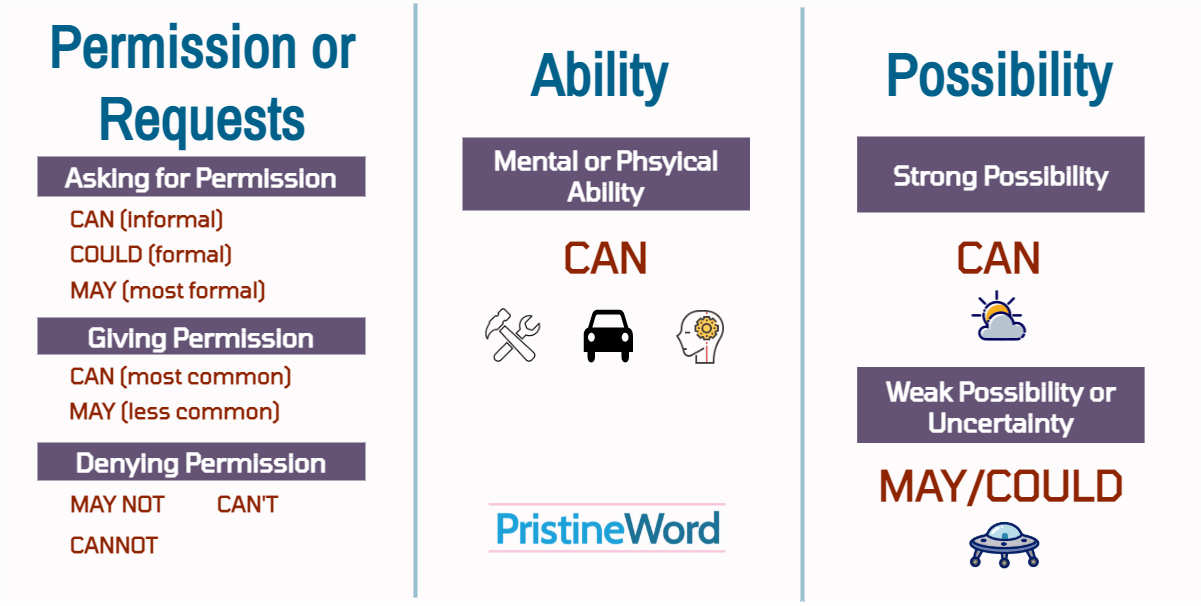
Language Focus. Can for ability and permission.
|
Unit 5: Our health |
lesson 51 |
||
|
School: |
|
||
|
Teacher name: |
|
||
|
Date: |
|
||
|
Grade: 6 |
Number present: |
absent: |
|
|
Lesson title |
Language Focus. Can for ability and permission. |
||
|
Learning objectives |
6. 3. 7. 1 use subject-specific vocabulary and syntax within a number of general and educational topics; 6. 5. 8. 1 correctly write some common and frequently used words in educational topics; 6. 6. 13. 1 use modal forms on many familiar general and academic topics, including mustn't (prohibition), need (necessity), should (recommendation); |
||
|
Lesson objectives (assessment criteria) |
Learners will be able to: - Learn the form and use of can for ability and permission. - Write sentences about your abilities using can. - Learn how to request, give and refuse permission. - Practise a dialogue in which you ask for permission. . |
||
|
Value links |
"Law and Order" Ensuring the protection and safety of society understand the importance of law and order as |
||
|
Stages/ Time |
Teachers actions |
Students actions |
Assessment |
Resources |
|
Beginning 5 min |
Greeting. (Whole class, Individually) T tells the class to make groups of 2. Warm up: Ask individual students questions using can, for example: Can you swim? Can you play the guitar? Ask students to find examples of can in the text on page 50. Discuss the examples with the class and elicit that we use can to talk about abilities or permission
|
Learners read the given sentences on the board and guess the topic and share with their ideas. |
Teacher controles the process, gives feedback and asks additional questions if it’s nessasery. Teacher evaluate pupils with phrases like: “Good job! Well done!” |
|
|
Middle 35 min |
Task. I (Wh, I) (pair dicsussion) Ex: 1 P:59 Ask students to read the sentences carefully, then answer the questions. Make sure that students understand the meaning, for example by asking them to translate the sentences into their own language |
Students look at the sentence and answer the question ANSWERS: 1 a and d 3 can’t 2 b, c and e 4 No, we don’t. |
Descriptor: - look at the sentence - answer the question Total: 2 point |
Student’s book |
|
|
Task. II (Wh, I) (Task for location) Ex: 2 P:59 Students identify the use of can in the sentences individually. In a weaker class, check understanding by doing the first item together as an example. Ask students to compare their answers in pairs before you check with the class |
Learners look at the sentences and write P (permission) or A (ability) ANSWERS: 1 A 2 P 3 A 4 P 5 P 6 A |
Descriptor: - look at the sentences - write P (permission) or A (ability) Total: 2 point |
|
|
|
Task. III (Task for understanding) Ex: 3 P:59 Read the example with the class and elicit one or two more examples of sentences using can for ability. Go through the ideas in the box and check understanding. In a stronger class ask students to write more sentences, using their own ideas. Students write their sentences individually. In a weaker class, check students’ answers at this point before they go on to ask and answer. Differentiation: A less motivated student completes the sentences with support |
Learners write sentences about your ability. Use the ideas in the box. Then ask and answer with a partner. ANSWERS: Students’ own answers |
- write sentences about your ability - use the ideas in the box Total: 2 point |
|
|
|
Task. IV (Task for understanding) Ex: 4 P:59 Read the example with the class and elicit one or two more examples. Elicit or explain that these sentences all cover permission, rather than ability. Students write their sentences individually then compare their answers in pairs. |
Learners write about things you can or can't do at your school. Use the phrases below and your own ideas. ANSWERS: Students’ own answers |
Descriptor: - write about things - use the phrases Total: 2 point |
|
|
|
Task. V Ex: 5 P:59 Look at the photo with the students and ask for ideas about what students think is happening (a boy is asking his mum for permission to do something). Students study the key phrases, then read the dialogue. Tell them not to worry about the blue words or the gaps at this stage. |
Learners look at the key phrases. Complete the dialogue. Then listen and check. ANSWERS: 1 you can’t 2 Why not 3 Is it OK 4 can I 5 you can |
- look at the key phrases - complete the dialogue Total: 2 point |
|
|
End 5 min |
FEEDBACK Learners provide feedback on what they have learned at the lesson. Ex: P: Home task: Write the days |
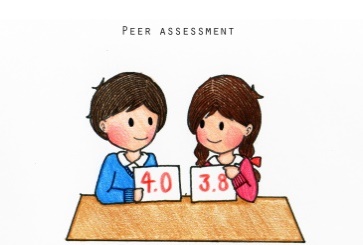
What worked well for you in today’s class? What could we have done differently to make today’s class better for you? What are you wondering about after today’s lesson? What did you find difficult about today’s lesson? |
Poster Success Ladder |
|


 Жүктеу


 Жүктеу
шағым қалдыра аласыз

 Бұл курс Қазақстан Республикасы Оқу-ағарту министрлігімен келісілген










