ЖИ көмекші


 Қауіпсіз төлем

жүктеу мүмкіндігіне ие боласыз
Бұл материал сайт қолданушысы жариялаған. Материалдың ішінде жазылған барлық ақпаратқа жауапкершілікті жариялаған қолданушы жауап береді. Ұстаз тілегі тек ақпаратты таратуға қолдау көрсетеді. Егер материал сіздің авторлық құқығыңызды бұзған болса немесе басқа да себептермен сайттан өшіру керек деп ойласаңыз осында жазыңыз
 22 Желтоқсан 2017
 7235
7235
1 жыл бойы шексіз жүктеңіз
Lesson Short Plan for 7 grade "Healthy Habits"
Short term plan
|
Long term plan unit: Unit 8 Healthy Habits |
School – gymnasium: №20 named after Titov, Shymkent |
|||||||||||||
|
Date: 10.04.2018 |
Teacher name: Chernysheva L.A. |
|||||||||||||
|
Grade: 7 |
Number present: |
Absent: |
||||||||||||
|
Theme of the lesson: Discussing healthy habits and healthy living and learning about the food pyramid |
||||||||||||||
|
Learning objectives (s) that this lesson is contributing to |
7.C1 use speaking and listening skills to solve problems creatively and cooperatively in groups. 7.UE13 use modal forms including mustn’t (prohibition), need (necessity), should (for advice) on a range of familiar general and curricular topics. |
|||||||||||||
|
Lesson objectives |
All learners will be able to: use speaking and listening skills to solve problems in groups with support Use some modal forms including can, must and have to. Most learners will be able to: use speaking and listening skills to solve problems creatively and cooperatively in groups with little support Use most modal forms including can, must, have to, need. Some learners will be able to: use speaking and listening skills to solve problems creatively and cooperatively in groups Use all modal forms in sentences. |
|||||||||||||
|
Assessment criteria |
Apply appropriate forms of modal verbs through speaking and listening skills |
|||||||||||||
|
Value links |
National unity, peace, harmony in our society. |
|||||||||||||
|
Cross curricular links |
Biology |
|||||||||||||
|
ICT skills |
Interactive board |
|||||||||||||
|
Previous learning |
Unit Revision “Natural Disasters” |
|||||||||||||
|
Plan |
||||||||||||||
|
Time |
Planned activities |
Resources |
||||||||||||
|
Beginning 1-2 min 3-4 min |
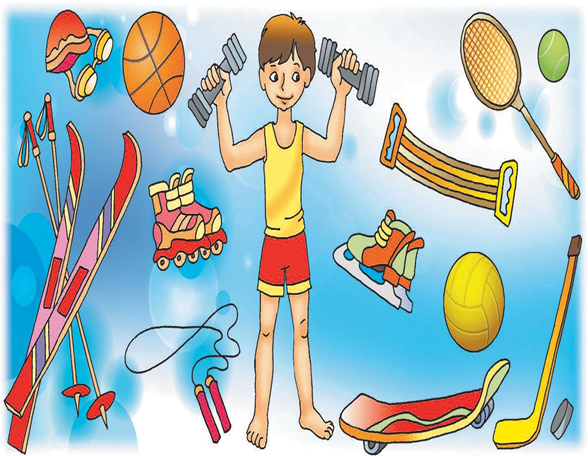
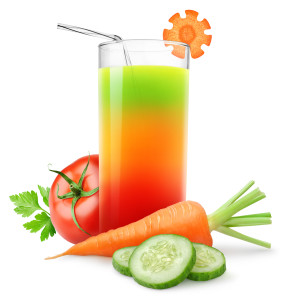
- Greeting (date, weather, season, month, day of the week, feeling) - Warming up (teacher elicits previously learned tongue twisters) - Checking absence - Homework checking - Phonetic drill. Let’s remember some English proverbs: Health is above wealth. Habit is a second nature. Students pronounce the proverbs in chorus, then in turn. - Challenge Look at the pictures! What do you see?
What can make people fat? What can make people strong? What do you think you would look like if you never got any exercise? Who knows what does “couch potato” mean?
That’s right, it is “Healthy Habits”. During today’s lesson we should learn how to live in a healthy style. Teacher introduces students to lesson objectives and descriptors: Descriptors: A learner …
|
Blackboard, chalk Presentation in Power Point, interactive board |
||||||||||||
|
Middle 5-7 min 8-10 min 11-15 min 16-20 min 21-27 min 28-35 min |
1.Group division Students divide into 3 groups by choosing key word cards: Team “Healthy Food”: (fruit, vegetables, grain bread, juice, yoghurt) Team “Healthy Activity”: (swim, climb, run, jump, walk) Team “Healthy Lifestyle”: (diet, sleeping enough, no smoking, no drugs, no alcohol) 2.Activating the vocabulary of the lesson Students discuss in groups and create presentation for key words on their cards using their words, sounds or motions. It is allowed to change the cards inside one group, but each student represents only one word. The other groups should guess what word it is. 3. Good Habits or Bad Habits? Students are given Worksheet #1 where they should classify Healthy and Unhealthy habits into 2 columns.
1. You
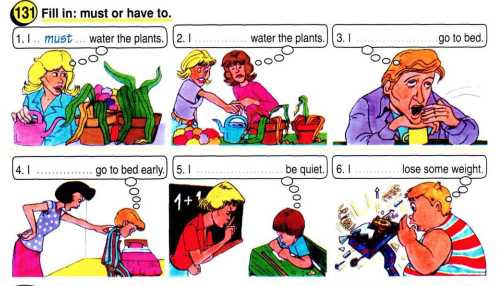
should walk regularly. After 5 minutes students exchange their Worksheets and check the answers using Answer Key given on Active board in the way of peer correction. Teacher provides feedback. 4. Practice using Modal verbs. Teacher asks students to remember modal verbs and she draws attention of students to using modal verbs “must”, “should”, “have to”, “need” and others. Students complete differentiated tasks individually. Exercise 1:
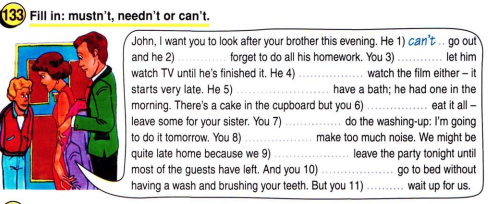
Exercise 2:
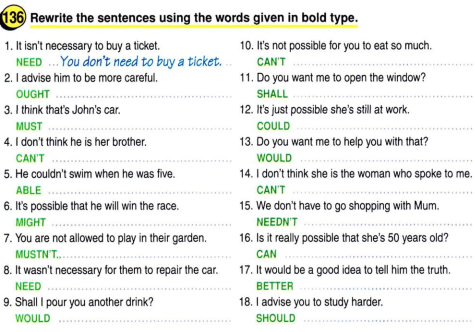
Exercise 3:
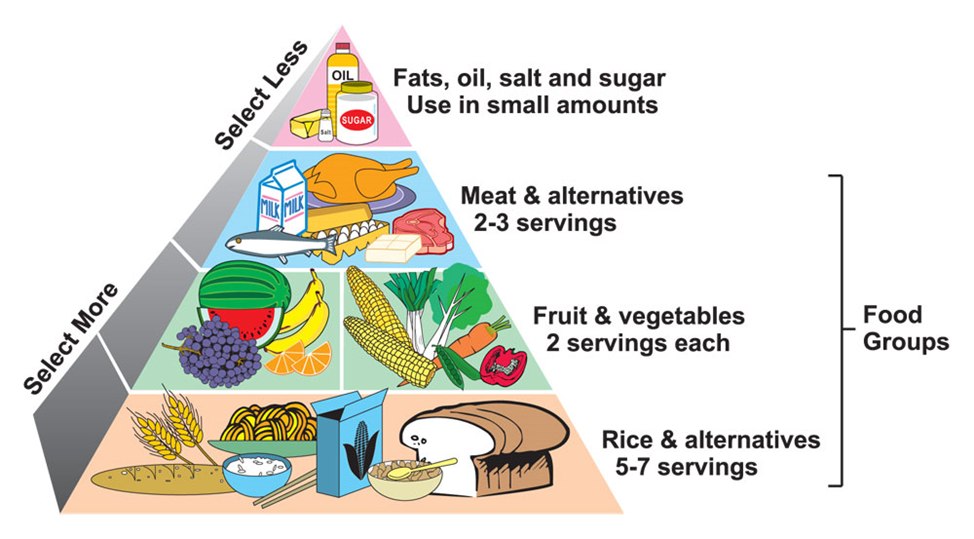
Teacher monitors their activity and provides scaffold if needed. After completing the task students are given Answer Keys for self-correction. 5. Making a collage “Food pyramid”. A teacher represents the structure, content and purpose of a Food pyramid for healthy living. Then learners analyze it in groups and design their own Food pyramid. They cut out pictures from grocery store advertisement magazines and glue them making collage. The number of items, accuracy, presentation are taken into consideration.
6. Create instructions for Healthy Living on the poster. Students analyze and create 10 or more instructions to perform activities related to maintaining of healthy lifestyle on their posters. Speakers represent their posters. The number of instructions and accuracy are taken into consideration. Teacher provides whole class feedback about pyramids and posters. |
Key word cards: fruit, vegetables, grain bread, juice, yoghurt, swim, climb, run, jump, walk, sleeping enough, diet, no smoking, no drugs, no alcohol Students’ gestures, explanations Worksheet #1, List of habits, Answer Key Grammar cards Exercises 1,2,3 Answer Keys 1,2,3 Posters, grocery store advertisement magazines, scissors, glue Poster, markers |
||||||||||||
|
End 36-40 min |
Giving homework. Workbook Reflection: cinquain. Each group of learners is asked to create a cinquain associated with the name of their group. E.g.
Learners do Selfassessment according to descriptors: learners put “+” or “--“ in front of the descriptor.
Saying goodbye Dismissal |
Workbook Worksheet #3
Worksheet #4
|
||||||||||||
|
Additional information |
||||||||||||||
|
Differentiation – how do you plan to give more support? How do you plan to challenge the more able learners? |
Assessment – how are you planning to check learners’ learning? |
Health and safety check |
||||||||||||
|
More support: -for guessing the theme of the lesson is given by scaffolding questions about proverbs. What is above wealth according to the English proverb? (Health) What is our second nature? (Habit) Now use these two words to make one expression. -during group division activity by questions: Do you eat it? (Food) Do you do it when you are active? (Activity) Do some people live in this way? (Lifestyle) -for demonstrating key words learners are permitted to exchange their cards. So, someone can give definitions, the others show with gestures. -for choosing Good and Bad habits draw attention of the learners to the Verb: Should we follow this verb?- Yes(Good Habit)\No(Bad Habit). -for practicing grammar learners are given support by task (differentiated Exercises 1,2,3) -during making Food pyramid learners are shown a picture on Active Board from time to time. -for making poster “Healthy Living” to remind learners the list of Healthy\Unhealthy habits.
More able learners: - for choosing Good and Bad habits are asked to make some their own examples of Healthy\Unhealthy habits. - for practicing grammar might be asked to do all exercises. - make presentations of collage and poster |
Learners are introduced to Descriptors in the beginning of the lesson. They assess themselves at the end. In order to motivate learners after each their answer a teacher assesses them in oral form: -Nice of you! -Try again! -Well done! |
Learners use their gestures and motions to explain the key words. Presentation of the lesson in Power point on Active Board
|
||||||||||||
|
Reflection Were the lesson objectives/learning objectives realistic? Did the learners achieve the LO? If not, why? Did my planned differentiation work well? Did I stick to timings? What changes did I make from my plan and why?
|
|
|||||||||||||
|
Summary evaluation What two things went really well (consider both teaching and learning)?
1:
2: What two things would have improved the lesson (consider both teaching and learning)?
1:
2:
What have I learned from this lesson about the class or achievements/ difficulties of individuals that will inform my next lesson?
|
||||||||||||||








 Бұл курс Қазақстан Республикасы Оқу-ағарту министрлігімен келісілген