
 ЖИ көмекші


 Қауіпсіз төлем

жүктеу мүмкіндігіне ие боласыз
Бұл материал сайт қолданушысы жариялаған. Материалдың ішінде жазылған барлық ақпаратқа жауапкершілікті жариялаған қолданушы жауап береді. Ұстаз тілегі тек ақпаратты таратуға қолдау көрсетеді. Егер материал сіздің авторлық құқығыңызды бұзған болса немесе басқа да себептермен сайттан өшіру керек деп ойласаңыз осында жазыңыз
 02 Желтоқсан 2025
 134
134
1 жыл бойы шексіз жүктеңіз
LP Aspect 10 grade term 2
Short term plan
|
Unit 1: Legend or Truth? |
lesson 1 |
||
|
Name od School: |
|
||
|
Teacher name: |
|
||
|
Date: |
|||
|
Grade: 10 |
Number present: |
absent: |
|
|
Lesson title |
A shark attack survivor |
||
|
Learning objectives |
10.3.7.1 - use appropriate subject-specific vocabulary and syntax to talk about a range of general and curricular topics; 10.5.2.1 - use a growing range of vocabulary, which is appropriate to topic and genre, and which is spelt accurately; |
||
|
Lesson objectives (assessment criteria) |
Learners will be able to: - Read and understand a real-life survival story (skimming & scanning). - Identify main ideas and supporting details in a text. - Expand vocabulary related to accidents, survival, and the sea. - Discuss survival situations and express opinions using target language |
||
|
Instilling values of the program “Birtutas tarbiye” |
Independence and Patriotism Unity and Solidarity Justice and Responsibility |
||
|
Stages/ Time |
Teachers actions |
Students actions |
Assessment |
Resources |
|
Beginning 5 min |
Greeting. T tells the class to make groups of 2. Warm up: Show pictures of sharks and ask: What do you know about sharks? Do you believe shark attacks are common or rare? Write students’ guesses on the board (Legend or Truth?).
Teach/Revise key vocabulary: attack, survivor, wound, rescue, escape, struggle, lifeguard. Prediction task: Ask students to guess what might happen in a shark attack story. |
Learners read the given sentences on the board and guess the topic and share with their ideas. Remember and recognize the main vocabulary. |
Teacher evaluate pupils with phrases like: “Good job! Well done!” Formative Assessment
|
Text: A Shark Attack Survivor (adapted article or reading passage) Projector/board, handouts, pictures of sharks/survival situations Audio (optional – short news clip or survivor interview) |
|
Middle 10 min |
Ex:1 P:5 Preparation & Focus Direct Ss’ attention to the text and the list of vocabulary words. Briefly explain the task: Ss must use the provided words to complete the gaps in the text. Individual Work (Cognitive Development) Give Ss time to carefully read the sentences and choose the correct words. Encourage them to think about the meaning of the story and use logical reasoning, not just guessing. Pair/Group Check (Collaboration) Ask Ss to compare answers in pairs or small groups. This promotes peer learning, cooperation, and respect for different viewpoints. Value Link (Birtutas Tarbiye) Emphasize values such as helping others, bravery, and responsibility in difficult situations (as shown in the survivor’s story). |
Students compare survival stories. Play the Video. Elicit Ss’ answers at the end. Answers: 1 bit 2 learnt 3 attacked 4 survived 5 lost 6 took 7 fell 8 cut Descriptor: - gaps are completed correctly - sentences make sense and show clear understanding |
Excellent (3) - Sentences make sense and show clear understanding of context. Good (2) - Sentences mostly make sense, but a few are unclear. |
Student’s book |
|
12 min |
Ex:2 P:5 Elicitation (Active Participation) Ask different Ss around the class to share their answers or retell parts of the survivor stories. Encourage a variety of responses so that every student has a chance to contribute. Comparison (Critical Thinking & Communication) In pairs or groups, Ss compare the stories of the people in the text (e.g., How were their experiences similar? How were they different?). Highlight key details (e.g., survival strategies, emotions, outcomes). Whole-class Discussion (Collaboration) Collect ideas from several groups and write similarities/differences on the board. Ask guiding questions: Who showed bravery? What helped them survive? What lesson can we learn from their story? Value Link (Birtutas Tarbiye) Draw students’ attention to moral aspects of the stories: courage, perseverance, helping others in danger. |
Students compare the stories of the people in the text. Suggested Answer Key All the stories are about people surviving difficult events. All the people except for Abylay Abilmansur were taking part in sporting activities when something happened to them. Three of the stories are about problems caused by something natural: a sandstorm, a shark or a falling rock. Abylay Abilmansur's story is different because his life was in danger because of other people. Both Bethany Hamilton and Aron Ralston lost one of their arms but managed to sun/ive. Bethany and Aron also had to help themselves out of danger, but Mauro Prosperi had help from a family of nomads. |
Excellent (4) - Clearly explains similarities and differences with examples. Good (2) - Mentions similarities or differences but not both, or explanations are simple. Descriptor: - identifies key details from both stories - explains similarities and differences - gives original, thoughtful ideas different from others. |
Worksheets |
|
13 min |
Ex: 3 P:5 Elicitation of Opinions (Speaking Practice) Ask Ss around the class to share their personal opinions about the stories. Guiding question: “Which story do you think is the most inspiring? Why?” Encourage a variety of answers, making sure weaker or quieter Ss also get a chance to contribute. Pair/Group Work (Collaboration) Ss discuss their opinions in small groups, justifying their choices. Remind them to listen respectfully to different viewpoints. Whole-class Discussion (Critical Thinking) Collect some responses from each group. Compare reasons given by different Ss (e.g., bravery, survival skills, never giving up, helping others). Value Link (Birtutas Tarbiye) Highlight that inspiring stories are not just about surviving danger, but also about values such as: Bravery (facing fear) Perseverance (not giving up) Helping others (solidarity and humanity) |
Students discuss about story. Which story do you think is the most inspiring? Why? Suggested Answer Key I think the story of Bethany Hamilton is the most inspiring because we learn that after the shark attack she continued to surf and win competitions so she didn't let her accident stop her from living a full life. Descriptor: - Gives a clear, well-explained opinion - Shares original, thoughtful ideas |
Excellent (3) - Gives a clear, well-explained opinion with reasons. Good (2) - Gives an opinion with a simple reason. |
Student’s book |
|
End 5 min |
Reflection: - Students complete a short “Fact or Exaggeration?” activity – decide which details in the text sound realistic and which could be dramatized. - Exit ticket: Write 2 new words learned today + 1 thing you found interesting. Homework Write a short paragraph: “If I survived a dangerous situation, my story would be…” Use at least 5 vocabulary words from the lesson. |
Ss use their stickers to show their knowledge according to the lesson |
Poster |
|


Short term plan
|
Unit 1: Legend or Truth? |
lesson 2 |
||
|
Name od School: Alatau |
|
||
|
Teacher name: Khonturaeva G |
|
||
|
Date:09.09.2025 |
|||
|
Grade: 10 V |
Number present: |
absent: |
|
|
Lesson title |
Legend or truth. The wildest dreams |
||
|
Learning objectives |
10.2.2.1 - understand specific information in unsupported extended talk on a wide range of general and curricular topics, including talk on a limited range of unfamiliar topics; 10.4.1.1 - understand main points in extended texts on a wide range of familiar and some general and curricular topics; |
||
|
Lesson objectives (assessment criteria) |
Learners will be able to: - Read and understand a text about “wildest dreams” (legends vs. reality). - Distinguish between fact, imagination, and exaggeration. - Practice expressing personal dreams and ambitions using target language. - Develop values of creativity, self-expression, and respect for others’ opinions. |
||
|
Instilling values of the program “Birtutas tarbiye” |
Independence and Patriotism Unity and Solidarity Justice and Responsibility |
||
|
Stages/ Time |
Teachers actions |
Students actions |
Assessment |
Resources |
|
Beginning 5 min |
Greeting. T tells the class to make groups of 2. Warm up: - Ask: “What is the wildest dream you’ve ever had – in life or in sleep?” - Collect a few funny, serious, or surprising answers. - Write “Legend or Truth?” on the board and explain: sometimes dreams sound like legends, but sometimes they can come true.
- Pre-teach key vocabulary: imagination, ambition, impossible, achieve, legend, reality. - Prediction task: Show the title The Wildest Dreams – ask Ss: What do you think the story will be about? |
Learners read the given sentences on the board and guess the topic and share with their ideas. Remember and recognize the main vocabulary. Mountaineer Rustam Nabiyev started climbing Mount Manaslu in Nepal. Nabiyev conquers a mountain with a height of more than 8 thousand meters on one hand: he lost his legs as a result of an emergency while serving in the army. The climber himself admitted that the route is very dangerous, but he knows what he is going for. |
Teacher evaluate pupils with phrases like: “Good job! Well done!” Formative Assessment
|
Text: The Wildest Dreams (adapted passage with both legend-like and realistic elements). Projector/board, worksheet with gap-fill and discussion questions. Pictures of famous explorers, inventors, dreamers. |
|
Middle 10 min |
Ex:1 P:6 Teacher’s Role Read out the questions from the textbook/worksheet clearly and slowly. Pause after each question to let students think. Student Participation Elicit students’ guesses orally (accept a variety of answers, even if not correct). Encourage students to justify their guesses briefly (e.g., “I think it is about … because …”). Classroom Interaction Write some of the guesses on the board. Compare different answers (showing there can be multiple ideas). Value Link (Birtutas Tarbiye) Emphasize respect for different opinions. Highlight that predicting before reading helps develop curiosity, creativity, and critical thinking. |
Students introduce the topic of a text Suggested Answer Key Sir Edmund Hillary was a mountaineer from New Zealand. In 7953, Hillary was the first man to reach the summit of Mount Everest, with Tenzing Norgay. Descriptor: - makes guesses for several questions - gives original and thoughtful guesses. - listens carefully and reacts respectfully |
Excellent (3) - Actively makes guesses for several questions. Good (2) - Makes at least one guess. |
Student’s book |
|
8 min |
Ex:2 P:6 Teacher’s Role Refer students to the Word List at the back of their books. Instruct them to find the given target words and check their meanings. Student Activity Students work individually to look up the meanings. They underline or note the words in their notebooks. Classroom Interaction After a few minutes, ask for volunteers to read out the meanings in their own words. Clarify pronunciation and usage if needed. Value Link (Birtutas Tarbiye) Encourage independent learning skills (students learn to use resources by themselves). Foster responsibility and self-confidence when using dictionaries/word lists. Promote respect when listening to classmates’ answers. |
Students complete the sentences. Using these words Answers: 1 set 2 spotted 3 fought 4 conquer 5 discovered 6 returned 7 failed 8 solved Descriptor: - finds and writes all meanings correctly. - uses the Word List independently - use new words in own sentence correctly. |
Excellent (2) - Finds and writes all meanings correctly Good (1) - Finds most meanings correctly (1–2 errors). |
Worksheets |
|
7 min |
Ex: 3 P:6 Teacher’s Role Read out the given sentences one by one. Give students time to listen carefully and then read through the text silently. Student Activity Students decide whether each sentence is True or False based on the text. If false, they underline the part of the text that proves it and correct the sentence. Classroom Interaction Call on various students to share their answers with the class. Encourage them to explain why the sentence is false and provide the correct version. Write a few corrected sentences on the board for everyone to see. Value Link (Birtutas Tarbiye) Develop honesty and accuracy by checking information carefully. Encourage students to respect different opinions and politely correct mistakes. Promote responsibility in learning by supporting answers with evidence from the text. |
Students read for specific information and listen to and read the text to find out. Answers: 1T 2T 3F 4F 5F 6T 7F 8T Descriptor: - Identifies all true/false sentences correctly - refers to the text to justify answers. - shares corrections clearly and confidently |
Excellent (2) - Identifies all true/false sentences correctly and corrects false ones accurately. Good (1) - Identifies most correctly (1–2 errors). |
Student’s book |
|
10 min |
Ex: 4 P:6 Teacher Input Read the Study Skills box aloud. Ask Ss to read the questions silently. Identifying Key Words Give Ss time to underline key words in each question. Elicit answers: “Which words are most important here?” Finding Synonyms Ask Ss to suggest synonyms for the key words. Write a few on the board. Highlight: “Finding synonyms helps us understand questions better.” Reading & Answering Ss read the text carefully. Decide the correct answers from the options. First individually, then compare in pairs/groups. Class Feedback Elicit answers from different Ss. Ask: “Which key words helped you choose this answer?” Value Reflection (Birutás Tarbiye) Discuss: “Why is it important to be responsible and careful when answering questions?” |
Students read for specific information. Read the text again. For each question choose the best answer. Answers: B (whole text) D (t 11-14) A (I 31-33) C (whole text) Descriptor: - correctly underlines key words. -suggests clear and correct synonyms. - chooses all correct answers using text evidence. |
Excellent (3) - Correctly underlines all key words Good (2) - Underlines most key words. |
|
|
End 5 min |
Reflection: - Quick activity: Ss write down one “wildest dream” they have for their future. - Volunteers share. Class guesses: Legend or Truth? - Exit ticket: Each student writes one new word learned + one inspiring idea from the lesson. Homework Write a short paragraph: “My wildest dream and how I could achieve it.” Use at least 5 new vocabulary words from the lesson. |
Ss use their stickers to show their knowledge according to the lesson |
Poster |
|

Short term plan
|
Unit 1: Legend or Truth? |
lesson 3 |
||
|
Name od School: |
|
||
|
Teacher name: |
|
||
|
Date: |
|||
|
Grade: 10 |
Number present: |
absent: |
|
|
Lesson title |
Extreme weather |
||
|
Learning objectives |
10.5.2.1 - use a growing range of vocabulary, which is appropriate to topic and genre, and which is spelt accurately; 10.6.14.1 - use a variety of prepositional phrases before nouns and adjectives use a number of dependent prepositions following nouns and adjectives and a variety of prepositions following verbs on a wide range of familiar general and curricular topics; |
||
|
Lesson objectives (assessment criteria) |
Learners will be able to: - Read and understand a text about extreme weather events. - Identify key facts and details from the text (skimming & scanning). - Expand vocabulary related to weather and natural disasters. - Express opinions and share experiences about extreme weather situations. |
||
|
Instilling values of the program “Birtutas tarbiye” |
Independence and Patriotism Unity and Solidarity Justice and Responsibility |
||
|
Stages/ Time |
Teachers actions |
Students actions |
Assessment |
Resources |
|
Beginning 5 min |
Greeting. T tells the class to make groups of 2. Warm up: - Show images of extreme weather (floods, hurricanes, blizzards). - Ask: “Which of these have you seen or experienced?” - Brainstorm: What extreme weather events happen in Kazakhstan / the world?
Introduce key vocabulary: storm, hurricane, tornado, flood, drought, heatwave, blizzard, lightning, destruction. Quick matching task (word → definition/picture). Prediction: “What dangers do you think people face during extreme weather?” |
Learners read the given sentences on the board and guess the topic and share with their ideas. Remember and recognize the main vocabulary. |
Teacher evaluate pupils with phrases like: “Good job! Well done!” Formative Assessment
|
Text: short article/story about extreme weather (e.g., hurricane, flood, blizzard, heatwave). Pictures/videos of extreme weather events. Worksheets: vocabulary tasks, True/False statements, discussion questions. |
|
Middle 10 min |
Ex:1 P:8 Task Explanation Tell Ss: “You will read the sentences and choose the correct word from the options.” Value focus: responsibility (working carefully), honesty (choosing answers fairly), cooperation (respectful checking). Individual Work Ss complete the task on their own. Remind them to read carefully and think before choosing. Pair/Group Checking Ss compare their answers with a partner or group. Encourage respectful discussion: “Why do you think this is the correct word?” Class Feedback Check answers together. Ask different Ss to explain why the chosen word is correct. Value Reflection Ask: “Why is it important to be responsible when choosing answers?” Conclude: “We practise honesty and respect when we check our answers fairly.” |
Students choose the correct word Answers: 1 made 2 achieved 3 numb 4 surrounded 5 goal
Descriptor: - chooses correct words. - explains why the chosen word is correct. - completes task on time. |
Excellent (3) -Chooses all correct words. Good (2) - Chooses most correct words (1–2 errors). |
Student’s book |
|
8 min |
Ex:2 P:8 Task Explanation Explain: “Look at the incomplete headlines. Use the correct words from the text to complete them.” Individual Work Ss complete the headlines on their own. Encourage them to think about which word best fits the meaning. Pair/Group Checking Ss compare their headlines in pairs or groups. Ask: “Why did you choose this word?” Value Reflection Ask: “Which headline is the most interesting? Why?” Emphasize: “By using new words, we show responsibility for learning. By listening to others’ answers, we show respect and cooperation.” |
Students complete the headlines Answers: A mystery B body C documentary D summit E feat Descriptor: -completes headlines with correct words. - uses vocabulary in an original and interesting way. |
Excellent (2) - All headlines completed with correct words. Good (1) -Most headlines correct (1–2 errors). |
Worksheets |
|
7 min |
Ex: 3 P:8 Task Instructions Explain: “Read the sentences and choose the correct preposition from the options given.” Individual Work Ss complete the task on their own. Remind them to think about meaning, not just guessing. Pair/Group Checking Ss compare their answers in pairs or small groups. Ask: “Why did you choose this preposition?” Class Feedback Check answers together on the board. Invite Ss to explain their choices. Value Reflection Ask: “Why is it important to be responsible when choosing the correct words?” Conclude: “By practising prepositions carefully, we show responsibility and respect for learning.” |
Students choose the correct preposition. Answers: 1 on 2 for 3 in 4 at 5 from Descriptor: - chooses correct prepositions. - explains why the preposition is correct. - completes the task on time. |
Excellent (2) - Chooses all correct prepositions. Good (1) - Chooses most correctly (1–2 errors). |
Student’s book |
|
10 min |
Ex: 4 P:8 Task Instructions (2 min) Explain: “Look at the pictures and write the correct word under each one. Use the word list to help you.” Individual Work (5–7 min) Ss complete the labelling task on their own. Pair/Group Checking (3–4 min) Ss compare answers with a partner or group. Ask: “Which word matches this picture? Why?” Class Feedback (5 min) Check answers together. Invite different Ss to come to the board and write the correct labels. Value Reflection (2–3 min) Ask: “How did labelling pictures help you learn new words?” Conclude: “When we use words correctly, we show responsibility. When we listen to others’ answers, we show respect and cooperation.” |
Students label the pictures Answers: 1 thunderstorm 2 blizzard 3 hurricane 4 drought 5 flood 6 tornado 7 heat wave 8 dust storm
Descriptor: - Llabels pictures correctly. - uses the correct spelling of words. -completes all labelling on time. |
Excellent (3) - Labels all pictures correctly. Good (2) - Labels most pictures correctly (1–2 errors). |
|
|
End 5 min |
Reflection: - Quick quiz: Teacher says a definition → Ss say the weather word (e.g., “Very little rain for a long time” → drought). - Exit ticket: Write 2 new words + 1 tip for staying safe in extreme weather. Homework Write a short report: “Extreme weather in my country – causes and effects” (8–10 sentences). Use at least 5 vocabulary words from today’s lesson. |
Ss use their stickers to show their knowledge according to the lesson |
Poster |
|

Short term plan
|
Unit 1: Legend or Truth? |
lesson 4 |
||
|
Name od School:Alatau |
|
||
|
Teacher name:Khonturaeva G |
|
||
|
Date:08.09.2025 |
|||
|
Grade: 10V |
Number present: |
absent: |
|
|
Lesson title |
Prepositions of movement |
||
|
Learning objectives |
10.5.2.1 - use a growing range of vocabulary, which is appropriate to topic and genre, and which is spelt accurately; 10.6.15.1 - use infinitive forms after an increased number of verbs and adjectives use gerund forms after a variety of verbs and prepositions use a variety of prepositional and phrasal verb on a wide range of familiar general and curricular topics; |
||
|
Lesson objectives (assessment criteria) |
Learners will be able to: - Recognize and use common prepositions of movement in context. - Differentiate between prepositions of place and prepositions of movement. - Use prepositions of movement to describe pictures, actions, and real-life situations. - Develop collaboration and respect through pair/group activities |
||
|
Instilling values of the program “Birtutas tarbiye” |
Independence and Patriotism Unity and Solidarity Justice and Responsibility |
||
|
Stages/ Time |
Teachers actions |
Students actions |
Assessment |
Resources |
|
Beginning 5 min |
Greeting. T tells the class to make groups of 2. Warm up: -Show a picture of a person walking into a room. Ask: “What is happening? Is the person in the room or moving?” - Elicit: Movement → introduce today’s topic: Prepositions of Movement. Presentation Write examples on the board with visuals: She is going into the house. He is jumping over the fence. They are walking through the park. Explain difference: Prepositions of place = where something is (in, on, at). Prepositions of movement = direction / where it is going (into, onto, towards). Drill pronunciation chorally and individually. |
Learners read the given sentences on the board and guess the topic and share with their ideas. Remember and recognize the main vocabulary. |
Teacher evaluate pupils with phrases like: “Good job! Well done!” Formative Assessment
|
Flashcards / pictures (people running into a building, jumping over a fence, walking through a park, etc.). with gap-fill, matching, and sentence-building tasks. Board/markers or projector. |
|
Middle 10 min |
Ex:6 P:9 Presentation Show the pictures (e.g., run across the road, jump over the fence, walk into the room). Write examples on the board and underline the verb + preposition. Say: “These are verbs with prepositions of movement. They tell us how and where something moves.” Value focus: accuracy in expression, responsibility in learning, cooperation in checking answers. Task Instructions Explain: “Look at the pictures and use the words from the list in the correct form to complete the sentences.” Individual Work Ss complete the gaps individually. Encourage them to look carefully at the picture clues. Pair Checking Ss compare their sentences with a partner. Ask: “Which preposition did you use? Why does it fit?” Class Feedback Elicit answers from different Ss. Write the correct verb + preposition on the board. Highlight common errors (e.g., run in ❌ vs run into ✅). Value Reflection Ask: “Why is it important to use the right preposition? What happens if we choose the wrong one?” |
Students complete the sentences with the verbs in the list in the correct form Answers: 1.sailing 2. swimming 3. fell 4. circled 5. ran 6. threw, pulled
Descriptor: - chooses correct verb + preposition - uses the correct form of the verb - completes all sentences. |
Excellent (3) - Chooses correct verb + preposition in all sentences. Good (2) - Most correct (1–2 errors). |
Student’s book |
|
10 min |
Ex:7 P:9 Presentation Write examples on the board: make a decision, make friends, do homework, do exercise. Explain: “Collocations are two or more words that often go together. If we use the wrong word, it sounds unnatural.” Value focus: responsibility in learning, accuracy, and developing systematic habits. Task Instructions Explain: “Complete the task by deciding whether each collocation goes with make or do.” Example: ___ your bed → do your bed (correct: make your bed). Individual Work Ss complete the exercise on their own. Dictionary Check Ss check their answers in dictionaries. Teacher monitors and supports weaker Ss. Notebook Activity Ask Ss to add collocations to their “Collocations Section” in their notebooks in alphabetical order. Example: under C → make a choice; under H → do homework. Class Feedback & Reflection Elicit correct answers. Ask: “Why is it important to use collocations correctly?” Conclude: “Being careful with collocations shows responsibility in communication. Writing them neatly in order shows discipline and respect for learning.” |
Students complete the gaps. Choose five collocations and make sentences Answers: 1.do 2. Make 3.make 4. do 5.do 6.make 7.make 8.do 9.make 10.do Descriptor: - chooses make/do for collocations. - uses dictionary independently and effectively. - writes collocations neatly and alphabetically. |
Excellent (3) - Correctly chooses make/do for all collocations. Good (2) - Mostly correct (1–2 errors). |
Worksheets |
|
7 min |
Ex: 8 P:9 Presentation (5 min) Write examples on the board: say/tell, borrow/lend, bring/take, fun/funny. Briefly explain the difference with simple examples. Say → He said hello. Tell → She told me a story. Value focus: clarity in communication, responsibility in using words correctly. Task Instructions (2 min) Explain: “Read each sentence carefully and choose the correct word from the options.” Example: He (borrowed / lent) me his book → lent. Individual Work (5–7 min) Ss complete the task individually. Peer Check (3–4 min) Ss compare their answers with a partner and discuss any differences. Class Feedback (5 min) Elicit answers from different students. Highlight common mistakes and explain again with examples. Value Reflection (2–3 min) Ask: “Why is it important to use the right word?” Conclude: “Using the right word shows responsibility, respect for the listener, and makes our communication clear.” |
Students choose the correct form Answers: 1 saw 2 see 3 looking 4 watched Descriptor: - chooses the correct form in sentences. - explains the difference between words confidently. - completes sentences. |
Excellent (2) - Chooses the correct form in all sentences. Good (1) - Mostly correct (1–2 errors). |
Student’s book |
|
8 min |
Ex: 9 P:9 Presentation Write common phrasal verbs on the board: give up (stop doing something) give in (accept you can’t win / surrender) give away (donate, reveal) give back (return something) Provide simple examples in sentences: She gave up smoking. He gave in after a long argument. Value focus: perseverance, responsibility, generosity. Task Instructions Explain: “Complete the sentences using the correct phrasal verb with give.” Example: I can’t solve this problem, I (give ___). → give up. Individual Work Ss complete the exercise individually. Pair/Group Check Ss compare answers with a partner/group and discuss differences. Value Reflection Ask: “Which phrasal verb reminds us about not giving up in life? Which shows generosity?” Conclude: “Using language well can teach us values — don’t give up, give back to others, give away to help those in need.” |
Students fill in the correct particle Answers: 1 up 2 out 3 looking 4 watched
Descriptor: - uses correct phrasal verbs in sentences. - chooses phrasal verbs that fit the meaning of the sentence. - completes tasks. |
Excellent (2) - Uses correct phrasal verbs in all sentences. Good (1) - 1–2 errors. |
|
|
End 5 min |
Reflection: - Quick oral quiz: Teacher says a sentence with a missing preposition → Ss shout the answer. - Exit ticket: Each student writes 2 sentences with prepositions of movement. Homework Write a short paragraph (6–7 sentences): “My way to school” using at least 5 prepositions of movement. Example: “I walk out of my house, go across the road, walk through the park, and up the stairs.” |
Ss use their stickers to show their knowledge according to the lesson |
Poster |
|
Short term plan
|
Unit 1: Legend or Truth? |
lesson 5 |
||
|
Name od School: |
|
||
|
Teacher name: |
|
||
|
Date: |
|||
|
Grade: 10 |
Number present: |
absent: |
|
|
Lesson title |
Use of English. Past tenses |
||
|
Learning objectives |
10.5.2.1 - use a growing range of vocabulary, which is appropriate to topic and genre, and which is spelt accurately; 10.6.9.1 use appropriately a wide variety of active and passive simple present and past forms and past perfect simple forms in narrative and reported speech on a wide range of familiar general and curricular topics |
||
|
Lesson objectives (assessment criteria) |
Learners will be able to: - Recognize and correctly use past tenses (Past Simple, Past Continuous, Past Perfect). - Compare usage of the different past tenses in context. - Practice forming sentences and short narratives using past tenses. - Develop critical thinking and responsibility through peer-checking and storytelling. |
||
|
Instilling values of the program “Birtutas tarbiye” |
Independence and Patriotism Unity and Solidarity Justice and Responsibility |
||
|
Stages/ Time |
Teachers actions |
Students actions |
Assessment |
Resources |
|
Beginning 5 min |
Greeting. T tells the class to make groups of 2. Warm up: - Write 3 sentences on the board (one in each past tense). Ask Ss: “What’s the difference?” - Elicit: finished action, ongoing action, earlier past action → introduce lesson focus. Presentation Use timeline diagrams to explain: Past Simple: yesterday, last week, in 2005, ago Past Continuous: was/were + -ing, background actions Past Perfect: had + past participle, action before another past action Give examples from real life (teacher’s story): Yesterday, I was cooking when my friend called. But she had already eaten dinner. |
Learners read the given sentences on the board and guess the topic and share with their ideas. Remember and recognize the main vocabulary. |
Teacher evaluate pupils with phrases like: “Good job! Well done!” Formative Assessment
|
Timeline diagram (to visualize differences). Worksheet with gap-fill, error correction, and sequencing tasks. Short story text with missing verbs. |
|
Middle 10 min |
Ex:1 P:10 Lead-in Direct Ss’ attention to the text. Ask: “Which words are in bold? What do you notice about them?” Eliciting Elicit the bold verb forms from Ss (e.g., went, is going, has gone, will go). Write them on the board. Ask Ss: “Which tense do you think this is?” Task Give Ss time to match the verb forms with their uses (e.g., Past Simple → finished action in the past). Feedback Check Ss’ answers as a class. Clarify any confusing points with examples. Reference Refer Ss to the Grammar Reference section in their books. Encourage them to revise regularly and use grammar examples in their own sentences. Value Link (Birutás Tarbiye) Stress responsibility in learning (checking reference, revising). Highlight respect for rules (grammar rules are like social rules—both help communication and cooperation). |
Students read the text. Identify the tenses. Then match the verbs in bold to their uses. Answers: 1 past simple -B 2 past continuous - D 3 past simple - F 4 past perfect - C 5 past continuous - G 6 past perfect continuous - A 7 past perfect - E
Descriptor: -identifies all verb forms in bold. -matches all verb forms with correct uses. -explain/produce examples of each verb form. |
Excellent (3) - Correctly identifies all verb forms in bold. Good (2) - Most correct (1–2 errors). |
Student’s book |
|
10 min |
Ex:2 P:10 Presentation / Reminder Quickly revise the difference: Past Simple → finished actions (e.g., I visited my grandma yesterday.) Past Continuous → ongoing actions in the past, often interrupted (e.g., I was watching TV when she called.). Write two examples on the board with time markers (yesterday, while, when). Explain Task Tell Ss: “Complete the sentences. Put the verbs in brackets into the Past Simple or Past Continuous.” Individual Work Students work individually to fill in the blanks. Encourage them to underline time markers (when, while, yesterday, at 7 o’clock) to help decide the tense. Pair Check Ss compare answers with a partner. Ask: “Why did you choose that form?” Value Link (Birutás Tarbiye) Emphasize accuracy, patience, and responsibility (checking rules before answering). Show that past stories teach us respect for history and others’ experiences. |
Students put the verbs in brackets into the past simple or the past continuous. Answers: 1 were you doing, was watching, was reading 2 was looking, saw, Did anyone get 3 did they get, lost, started 4 was leaving, caught, Were the passengers Descriptor: - verbs correctly in Past Simple or Past Continuous. - identifies and applies rules with when/while. |
Excellent (3) - All verbs correctly in Past Simple or Past Continuous. Good (2) - Mostly correct (1–2 errors). |
Worksheets |
|
7 min |
Ex: 3 P:10 Presentation / Reminder Write examples on the board: Past Perfect: She had finished her homework before dinner. (completed action before another past action). Past Perfect Continuous: She had been studying for two hours before dinner. (ongoing action up to another past time). Highlight signal words: before, after, by the time, for, since. Explain the Task Tell Ss: “Complete the sentences. Put the verbs in brackets into the Past Perfect or the Past Perfect Continuous.” Individual Work Students fill in the blanks individually. Encourage them to underline signal words. Pair/Group Check Ss compare answers in pairs. Ask: “Why did you choose Past Perfect / Past Perfect Continuous?” Class Feedback Elicit correct answers. Discuss common mistakes and how to avoid them. Value Link (Birutás Tarbiye) Stress perseverance and hard work (like continuous actions in the past). Link to responsibility and respect for time (understanding sequences of actions teaches us to value order and patience). |
Students put the verbs in brackets into past perfect or the past perfect continuous Answers: 1 had you been waiting 2 had drunk 3 had been walking 4 had survived 5 hadn’t you checked 6 had been searching Descriptor: - verbs correct in Past Perfect / Past Perfect Continuous. - applies before, after, for, since. - completes sentences. |
Excellent (2) - All verbs correct in Past Perfect / Past Perfect Continuous. Good (1) - Mostly correct (1–2 errors). |
Student’s book |
|
8 min |
Ex: 4 P:10 Warm-up / Reminder Write 4 example sentences on the board (one for each past tense). Past Simple: She visited her grandmother yesterday. Past Continuous: She was visiting her grandmother when I called. Past Perfect: She had visited her grandmother before she went shopping. Past Perfect Continuous: She had been visiting her grandmother for two hours when it started raining. Briefly elicit when each tense is used. Explain the Task Tell Ss: “Read the sentences carefully. Underline the correct form of the verb.” Example on the
board: Individual Work Students complete sentences by underlining the correct verb form. Encourage them to notice time markers (yesterday, while, when, before, for, since, by the time). Pair Check Ss compare answers in pairs. Ask: “Why did you choose this tense?” Class Feedback Elicit answers from different Ss. Write correct forms on the board. Clarify common mistakes (e.g., mixing Past Simple with Past Perfect). Value Link (Birutás Tarbiye) Highlight responsibility and discipline (carefully checking rules). Emphasize respect and patience (listening to classmates’ reasoning). Stress perseverance (learning from mistakes and trying again). |
Students underline the correct item Answers: 1 went/bought 2 read 3 were driving/broke 4 did you start 5 realised/had lost/stopped
Descriptor: - chooses correct tenses. - uses signal words correctly. - completes tasks. |
Excellent (2) - Chooses all correct tenses. Good (1) - 1–2 errors. |
|
|
End 5 min |
Reflection: - Quick oral quiz: Teacher says an incomplete sentence → Ss complete in correct tense. When I (arrive) at school, the lesson already (start). - Exit ticket: Each student writes one Past Simple, one Past Continuous, and one Past Perfect sentence. Homework Write a short story (8–10 sentences): “A day I will never forget”. Use all three past tenses (underline examples). |
Ss use their stickers to show their knowledge according to the lesson |
Poster |
|
Short term plan
|
Unit 1: Legend or Truth? |
lesson 6 |
||
|
Name od School: |
|
||
|
Teacher name: |
|
||
|
Date: |
|||
|
Grade: 10 |
Number present: |
absent: |
|
|
Lesson title |
Present perfect and present perfect continuous |
||
|
Learning objectives |
10.5.2.1 - use a growing range of vocabulary, which is appropriate to topic and genre, and which is spelt accurately; 10.6.9.1 use appropriately a wide variety of active and passive simple present and past forms and past perfect simple forms in narrative and reported speech on a wide range of familiar general and curricular topics |
||
|
Lesson objectives (assessment criteria) |
Learners will be able to: - Recognize the difference between Present Perfect and Present Perfect Continuous. - Use both tenses correctly in sentences and short dialogues. - Apply the tenses in real-life contexts (talking about experiences, actions, and results). - Develop values of accuracy, respect, and collaboration through pair/group tasks. |
||
|
Instilling values of the program “Birtutas tarbiye” |
Independence and Patriotism Unity and Solidarity Justice and Responsibility |
||
|
Stages/ Time |
Teachers actions |
Students actions |
Assessment |
Resources |
|
Beginning 5 min |
Greeting. T tells the class to make groups of 2. Warm up: - Teacher acts out being tired. Says: “I have been running!” - Then says: “I have run 5 km today.” - Ask Ss: What’s the difference? → Introduce lesson focus. Presentation Explain and compare: Present Perfect = completed action with a result (I’ve written 3 emails today). Present Perfect Continuous = activity in progress / duration (I’ve been writing emails for 2 hours). Show timeline examples for clarity. Highlight signal words: Present Perfect → already, just, ever, never, yet, so far, how many. Present Perfect Continuous → for, since, all day, how long. |
Learners read the given sentences on the board and guess the topic and share with their ideas. Remember and recognize the main vocabulary. |
Teacher evaluate pupils with phrases like: “Good job! Well done!” Formative Assessment
|
Timeline diagrams. Sentences with gaps. Role-play cards with situations. Board/markers or projector. |
|
Middle 8 min |
Ex:5 P:11 Warm-up Write two sentences on the board: She has finished her homework. (Present Perfect → result of a completed action) She has been studying for two hours. (Present Perfect Continuous → ongoing action with duration) Elicit differences in meaning: result vs. duration. Read the Theory Box Read aloud the rules from the Theory box. Emphasize time markers: for, since, already, yet, just, recently, how long. Explain the Task Tell Ss: “Read the text carefully. Underline all verbs in Present Perfect and Present Perfect Continuous.” Individual Work Students go through the text and underline relevant verb forms. Encourage them to note signal words. Pair / Group Check Ss compare their underlined verbs with a partner. Ask them: “Why is this Present Perfect? Why is this Present Perfect Continuous?” Class Feedback Elicit answers from different Ss. Highlight tricky cases (e.g., lately, recently → often Continuous; already, just → Perfect). Value Link (Birutás Tarbiye) Stress carefulness and responsibility (looking closely for details in the text). Highlight respect for rules (grammar rules are like laws—following them creates order). |
Students read the theory. Find examples of the these tenses in the story of the Black Climber Answers: Present Perfect: has lived on Present Perfect Continuous: have been telling
Descriptor: - identifies Present Perfect/Continuous forms correctly. - explains why each form is used - underlines forms in the text. |
Excellent (2) - Identifies all Present Perfect/Continuous forms correctly. Good (1) - Most correct (1–2 errors). |
Student’s book |
|
7 min |
Ex:6 P:11 Introduction Write on the board: I have read five books this month. (Present Perfect → result, completed actions) I have been reading all morning. (Present Perfect Continuous → duration, ongoing activity) Elicit differences: completed result vs. ongoing action / duration. Explain the Task Tell Ss: “Read the sentences and put the verbs into the Present Perfect or Present Perfect Continuous.” Remind them to look at time markers (for, since, already, yet, just, how long, recently). Individual Work Ss complete the task individually in their notebooks. Pair Check Ss compare answers with a partner. Ask: “Why did you choose this tense?” Class Feedback Elicit answers, write them on the board. Clarify tricky examples. Value Link (Birutás Tarbiye) Responsibility: Choosing the correct tense shows careful work. Respect for rules: Grammar has structure like rules in society. |
Students read the sentences and choose the correct item Answers: 1.have been looking 4 has lit 2.has been hiking 3. have travelled 4. has lit 5. have been waiting Descriptor: - uses for, since, already, yet, etc. - completes items. |
Excellent (2) - Correctly uses for, since, already, yet, etc. Good (1) - Mostly correct (1–2 errors). |
Worksheets |
|
10 min |
Ex: 7 P:11 Warm-up On the board, write: I visited my grandmother yesterday. (Past Simple) I was visiting my grandmother when you called. (Past Continuous) I had visited my grandmother before I went shopping. (Past Perfect) I have visited my grandmother many times. (Present Perfect) I have been visiting my grandmother since morning. (Present Perfect Continuous) Elicit differences (time reference: finished past vs. unfinished past → now). Explain the Task Tell Ss: “Read the text carefully. Complete the gaps with the correct form of the verbs in brackets.” Remind them to look at time markers (yesterday, last year, when, while, already, for, since, just, by the time). Individual Work Ss complete the text with correct verb forms. Pair Check Ss compare answers in pairs and explain their choices. Value Link (Birutás Tarbiye) Respect: Listening to each other’s explanations without interrupting. |
Students in pairs ask and answer questions based on the text in ex. 7 Answers: 1has been working 2hasn’t seen 3suggested 4was shining 5was blowing 6had been fishing 7appeared 8lit 9had forgotten 10tried 11was shouting 12noticed 13saw 14threw 15climbed 16haven’t gone
Descriptor: - chooses tenses according to time markers and meaning. - completes gaps. |
Excellent (3) - Chooses tenses according to time markers and meaning. Good (2) - Mostly correct (1–2 errors). |
Student’s book |
|
10 min |
Ex: 8 P:11 Introduction (2–3 min) Briefly revise past tenses with examples on the board: Past Simple → finished action (She visited Almaty last year.) Past Continuous → action in progress (She was visiting Almaty when…) Past Perfect → earlier past action (She had visited Almaty before she moved.) Explain the Task (2 min) Tell Ss: “Read the text and complete the gaps with the correct past tense form of the verbs in brackets.” Read out the given example sentence aloud to model the task. Pair Work (8–10 min) Ss work in pairs to complete the task. Encourage them to explain their choices to each other (Why Past Simple? Why Past Continuous?). Teacher Monitoring (throughout) Walk around, listen to discussions. Note common errors for later correction. Feedback & Consolidation (5–7 min) Ask different pairs to share their answers with the class. Write correct answers on the board. Clarify confusing cases (e.g., Past Continuous vs. Past Simple). Value Link (Birutás Tarbiye) Cooperation: Working in pairs supports teamwork. Respect: Listening to partners and valuing different answers. Responsibility: Applying rules carefully and checking before sharing. |
Students work in pairs. Ask and answer the questions. Answers: A: What was the weather like when they left? B: The sun was shining and a warm breeze was blowing. A: How long had they been fishing before dark clouds appeared above them? B: They had been fishing for a few hours. A: Why didn't they know about the thunderstorm? B: Ulan had forgotten to check the forecast. A: Why didn't they row back to shore? B: The waves were too strong. A: What happened while Aidar was shouting for help? B: While Aidar was shouting for help, Ulan noticed a lighthouse nearby. A: What did the lighthouse keeper do when he saw them? B: He threw down a rope as they came near. |
Excellent (3) - Works actively and equally in pair. Good (2) - Works, but uneven effort. Descriptor: - works actively and equally in pair. - correctly chooses tenses based on meaning - listens politely, encourages partner |
|
|
End 5 min |
Reflection: - Quick quiz: Teacher reads a sentence → Ss say which tense it is. - Exit ticket: Each student writes 1 Present Perfect sentence and 1 Present Perfect Continuous sentence about their life. Homework Write a short paragraph (6–8 sentences): “What I have done this week and what I have been doing recently.” Use both tenses (underline the verbs). |
Ss use their stickers to show their knowledge according to the lesson |
Poster |
|
Short term plan
|
Unit 1: Legend or Truth? |
lesson 7 |
||
|
Name od School: |
|
||
|
Teacher name: |
|
||
|
Date: |
|||
|
Grade: 10 |
Number present: |
absent: |
|
|
Lesson title |
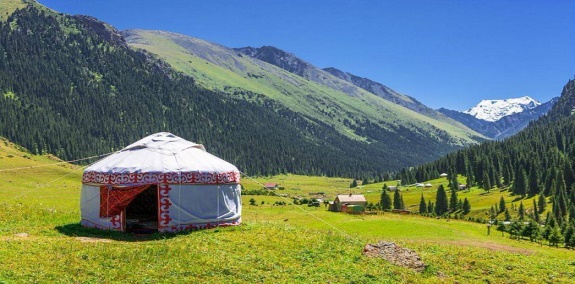
Home is where the yurt is… |
||
|
Learning objectives |
10.2.2.1 - understand specific information in unsupported extended talk on a wide range of general and curricular topics, including talk on a limited range of unfamiliar topics; 10.4.7.1 - recognise patterns of development in lengthy texts [inter-paragraph level] on a range of general and curricular topics; |
||
|
Lesson objectives (assessment criteria) |
Learners will be able to: - Read and understand a cultural text about yurts and nomadic traditions. - Identify main ideas and supporting details in the text. - Learn and use vocabulary related to traditional homes and culture. - Compare traditional Kazakh yurts with modern houses |
||
|
Instilling values of the program “Birtutas tarbiye” |
Independence and Patriotism Unity and Solidarity Justice and Responsibility |
||
|
Stages/ Time |
Teachers actions |
Students actions |
Assessment |
Resources |
|
Beginning 5 min |
Greeting. T tells the class to make groups of 2. Warm up: - Show a picture of a yurt. Ask: What is this? Have you ever been inside one? Why do you think it is important for Kazakh culture? - Brainstorm: What makes a home “a home”?
Pre-reading Pre-teach key vocabulary: yurt, felt, nomad, portable, circular, tradition, heritage. Prediction: Ask Ss to guess what the text will tell us about yurts. |
Learners read the given sentences on the board and guess the topic and share with their ideas. Remember and recognize the main vocabulary. |
Teacher evaluate pupils with phrases like: “Good job! Well done!” Formative Assessment
|
Text: Home is where the yurt is… (reading passage about yurts and nomadic life). Pictures of yurts, Kazakh traditional lifestyle, modern homes. Worksheets: gap-fill, true/false, discussion prompts. |
|
Middle 8 min |
Ex:1a P:12 Lead-in Question Write the question on the board: “What do you know about yurts?” Read it out aloud. Eliciting Ideas Ask students to raise their hands and share what they already know. Possible prompts if Ss are quiet: Have you seen a yurt before? Where? Who usually lives in yurts? Why do you think yurts are important in Kazakh culture? Class Sharing Summarise Ss’ answers on the board (e.g., portable home, round, traditional, used for celebrations). Encourage Ss to add vocabulary they already know. Transition to Text Say: “Now let’s read the text to find out more about yurts and check if our ideas are correct.” Value Link (Birutás Tarbiye) Respect for traditions: Emphasise yurts as a symbol of Kazakh culture and family unity. |
Students tell the class. What do you know about yurts? Answers: Yurts look like big, circular tents. They are traditional homes in Kazakhstan
Descriptor: - shares ideas about yurts. - gives relevant cultural/linguistic info. - uses cultural/English terms correctly. |
Excellent (2) - Actively shares ideas about yurts. Good (1) - Shares some ideas. |
Student’s book |
|
7 min |
Ex:1b P:12 Pre-Reading Prediction Show the title / picture / first sentence of the text. Ask: “What do you think this text will be about?” Elicit ideas from several students and write key predictions on the board. Silent Reading for Gist Tell Ss: “Now read the text quickly. Don’t worry about every word—just check if your predictions were correct.” Give 3–5 minutes for fast reading. Checking Predictions Ask: “Were your predictions correct?” Discuss as a class which ideas matched the text and which were different. Highlight the main idea of the text. Value Link (Birutás Tarbiye) Curiosity and Critical Thinking: Predicting develops an open and questioning mind. |
Students read the title and the first paragraph. What do you think the text will be about? Answers: I think the text will be about yurts and the legends behind their history and origins. Descriptor: - gives clear, logical ideas - identifies main idea correctly. - clearly explains whether prediction was correct. |
Excellent (2) - Gives clear, logical ideas based on title/picture. Good (1) - Gives some ideas, partly logical. |
Worksheets |
|
10 min |
Ex: 2 P:12 Preparation Write or read out the new words from the list. Make sure Ss copy them into their notebooks. Dictionary Search Tell Ss: “Now, use your dictionaries (or the Word list) to find the meanings of these words.” Encourage them to also check part of speech and pronunciation if given. Eliciting & Sharing Ask different Ss to share the meanings they found. Encourage Ss to give examples in their own sentences. Write 2–3 good examples on the board. Value Link (Birutás Tarbiye) Responsibility for Learning: Using dictionaries builds independence. |
Students check the meaning of these words in your digital dictionary. Answers: nomad (n): a person who moves from place to place with no permanent home steppe (n): a large area of grassland spacious (adj): having lots of space beetle (n): a small insect with wings grasshopper (n): an insect which makes a high-pitched noise
|
Excellent (3) - Finds meanings quickly and correctly. Good (2) - Finds most meanings with some help. Descriptor: - finds meanings quickly and correctly. - gives clear, correct definitions - uses new words correctly in a sentence. |
Student’s book |
|
10 min |
Ex: 3 P:12 Task Instructions Tell Ss: “Now read the text carefully. Pay attention to the words before and after each gap. Choose the correct sentence that fits best.” Remind them: “When finished, read the whole text again to check if it makes sense.” Individual Work Ss read the text and complete the gaps with appropriate sentences. Checking & Discussion Elicit answers from different Ss around the class. Ask: “Why do you think this sentence fits here?” Encourage Ss to justify using cohesion clues (pronouns, connectors, topic links). Value Link (Birutás Tarbiye) Critical Thinking: Ss learn to analyze logical connections in text. Responsibility: Reading carefully and checking for meaning. |
Students read the text and fill in the gaps with a correct sentence one sentence is extra. Answers: 1E 2C 3A 4D 5B Descriptor: - chooses all sentences correctly, - uses cohesive devices - reads final text and confirms it makes sense. |
Excellent (3) - Chooses all sentences correctly, text is logical. Good (2) - Chooses most sentences correctly. |
|
|
End 5 min |
Reflection: - Quick activity: Each student says one thing they learned about yurts today. - Exit ticket: Write one similarity and one difference between yurts and modern houses. Homework Write a short paragraph (6–8 sentences): “My ideal home – modern or traditional?” Use at least 5 vocabulary words from the lesson |
Ss use their stickers to show their knowledge according to the lesson |
Poster |
|
Short term plan
|
Unit 1: Legend or Truth? |
lesson 8 |
||
|
Name od School: |
|
||
|
Teacher name: |
|
||
|
Date: |
|||
|
Grade: 10 |
Number present: |
absent: |
|
|
Lesson title |
Writing an article. Amazing rescue |
||
|
Learning objectives |
10.4.1.1 - understand main points in extended texts on a wide range of unfamiliar general and curricular topics; 10.5.2.1 - use a growing range of vocabulary, which is appropriate to topic and genre, and which is spelt accurately |
||
|
Lesson objectives (assessment criteria) |
Learners will be able to: - Understand the structure and features of an article. - Plan and write an article about an amazing rescue. - Use appropriate past tenses (Past Simple, Past Continuous, Past Perfect) when describing events. |
||
|
Instilling values of the program “Birtutas tarbiye” |
Independence and Patriotism Unity and Solidarity Justice and Responsibility |
||
|
Stages/ Time |
Teachers actions |
Students actions |
Assessment |
Resources |
|
Beginning 5 min |
Greeting. T tells the class to make groups of 2. Warm up: - Ask: “What amazing rescues have you heard about – in real life, books, or films?” - Brainstorm short examples (e.g., firefighters, lifeguards, mountain rescues). - Write some ideas on the board.
Pre-writing Show a sample article (about a rescue story). Highlight features: Catchy headline (“Teen Saves Child from River”). Short introduction with who/what/when/where. Main body: sequence of events, quotes, details. Conclusion: final result / hero’s feelings. Discuss style: informative, clear, not too long. |
Learners read the given sentences on the board and guess the topic and share with their ideas. Remember and recognize the main vocabulary. |
Teacher evaluate pupils with phrases like: “Good job! Well done!” Formative Assessment
|
Sample article about a real rescue (short reading). Article outline template (headline, intro, body, conclusion). Board/markers or projector. |
|
Middle 7 min |
Ex:1 P:14 Task Instructions Ask Ss to read the rubric silently. Then ask them to underline the important words (e.g., write, short story, help, 80–100 words). In pairs, Ss answer guiding questions: What type of task is it? What do we need to write about? How many words should we write? Is there a tense/grammar/vocabulary focus? Feedback (5 min) Elicit answers from several Ss around the class. Highlight that underlining keywords helps avoid mistakes like writing the wrong text type or wrong length. Value Link (Birutás Tarbiye) Responsibility → Learning to read instructions carefully before starting work. Critical Thinking → Identifying key requirements. |
Students read the rubric. Use the underlined words to answer the questions Answers: 1 I am going to write an article. 2 My teacher is going to read it. 3 It is going to be about an amazing rescue. 4 I should write 120-180 words. Descriptor: - underlines all key words correctly. - explains clearly what the rubric requires. - gives correct and complete answers. |
Excellent (2) - Underlines all key words correctly. Good (1) - Misses 1–2 key words. |
Student’s book |
|
10 min |
Ex:2 P:14 Pre-reading Tell Ss: “We will read a model article. Your job is to find the order of events and then make a short summary.” Pre-teach or revise sequencing words: first, then, after that, finally, in the end. While-reading (7–8 min) Ss read the model article silently. Ss look at the list of events given and number them in the correct order. Post-reading (8–10 min) Check answers as a class. Ask Ss to retell the article in their own words using sequencing words. In pairs, Ss prepare a short oral summary (4–5 sentences). Feedback (5 min) Invite several Ss or pairs to present their summaries. Highlight good use of sequencing words and logical flow. Value Link (Birutás Tarbiye) Respect → Listening to classmates’ summaries attentively. |
Students read the model. Put the events in the order they happened. Then give the class a summary of the article Answers: First, Peter and Richard set out on a hike. Then, they stopped for a break. Next, Peter smelt something in the air. After that, they saw flames and were soon surrounded by Tire. They jumped in a pond. Suddenly, they heard a helicopter. Finally, they were pulled to safety by the rescue worker in the helicopter |
Excellent (3) - Uses a variety correctly (first, then, after that, finally). Good (2) - Uses some sequencing words with minor errors. Descriptor: - uses a variety correctly - completes task carefully and on time. - ыhares summary clearly and confidently. |
Worksheets |
|
8 min |
Ex: 3 P:14 Presentation Read the theory box aloud together with Ss. Highlight key elements: time, place, characters, situation. Ask Ss: “Why do you think it’s important to set the scene at the beginning?” → elicit ideas. Practice Refer Ss to Ex. 2. Ask: “How did the writer set the scene in this example?” Elicit answers such as: The writer told us the place (at the beach), the time (last summer), and the people involved (my family). Follow-up Task In pairs, Ss write 2–3 sentences setting a new scene (different place/time/characters). Invite a few Ss to read aloud and discuss if their setting is clear and interesting. Value Link (Birutás Tarbiye) Creativity → Thinking of original settings. |
Students practise setting the scene. How does the writer set the scene in the model in ex.2 Answers: The writer sets the scene by telling us who the people were and how they felt, where they were and when the story took place. The writer also tells us what the weather was like Descriptor: - includes time, place, characters, and situation - listens and responds positively to peers. - completes task on time and carefully. |
Excellent (2) - Includes time, place, characters, and situation clearly. Good (1) - Includes most elements (missing 1). |
Student’s book |
|
10 min |
Ex: 4 P:14 Presentation Read out the Study Skills box with Ss. Highlight: adjectives = describing words (shape, size, colour, feelings, etc.). Practice Ask Ss to find and underline adjectives in the text. Allow pair-checking. Feedback Elicit answers from Ss around the class. Write examples of adjectives from the text on the board (e.g. beautiful, old, crowded, shiny). Discuss how these words affect the picture in the reader’s mind. Extension (optional) Ask Ss to replace one neutral word in the text with a more descriptive adjective (e.g. house → cosy house). Value Link (Birtutas Tarbiye) Creativity → Choosing rich adjectives to make language vivid. |
Students find the adjectives the writer has used in the model. Answers: day beautiful summer sky clear blue flames bright pond small smoke thick noise loud rope long Descriptor: - identifies adjectives in text. - explains how adjectives make text vivid. - uses adjectives creatively in own sentences. |
Excellent (3) - Correctly identifies all/most adjectives in text. Good (2) - Identifies some adjectives, few mistakes. |
|
|
End 5 min |
Reflection: - Quick activity: Each student says one thing they learned about today’s lesson Homework Finalize the article in neat form for submission. Optional: Add a picture or drawing to illustrate the rescue. |
Ss use their stickers to show their knowledge according to the lesson |
Poster |
|

Short term plan
|
Unit 1: Legend or Truth? |
lesson 9 |
||
|
Name od School: |
|
||
|
Teacher name: |
|
||
|
Date: |
|||
|
Grade: 10 |
Number present: |
absent: |
|
|
Lesson title |
Writing an article. Conjunctions |
||
|
Learning objectives |
10.5.7.1 - use independently appropriate layout at text level on a range of general and curricular topics 10.6.16.1 use a wide variety of conjunctions on a wide range of familiar general and curricular topics |
||
|
Lesson objectives (assessment criteria) |
Learners will be able to: - Identify and use conjunctions (and, but, so, because, although, however, therefore, etc.) in writing. - Plan and write a short article that includes conjunctions to link ideas. - Improve coherence and fluency in writing through correct use of connectors. Develop respect for accuracy and clarity in communication. |
||
|
Instilling values of the program “Birtutas tarbiye” |
Independence and Patriotism Unity and Solidarity Justice and Responsibility |
||
|
Stages/ Time |
Teachers actions |
Students actions |
Assessment |
Resources |
|
Beginning 5 min |
Greeting. T tells the class to make groups of 2. Warm up: Write on the board two short sentences: “It was raining. We went outside.” Ask Ss: Can we join these two sentences? (Elicit: “It was raining, but we went outside.”) Highlight the importance of conjunctions in making writing smoother and more interesting. Presentation Show a short sample article (e.g., “A School Event”). Highlight the conjunctions: and, but, so, because, although, however. Briefly explain types of conjunctions: Coordinating: and, but, or, so. Subordinating: because, although, if, when, since. Correlative: either…or, not only…but also. Provide examples on the board. |
Learners read the given sentences on the board and guess the topic and share with their ideas. Remember and recognize the main vocabulary. |
Teacher evaluate pupils with phrases like: “Good job! Well done!” Formative Assessment
|
Sample short article with conjunctions highlighted. Conjunctions list (handout/board). Writing template for article (headline, intro, body, conclusion). |
|
Middle 10 min |
Ex:6 P:15 Introduction Write two examples on the board: ❌ He speaks English well always. ✅ He always speaks English well. Ask Ss which one “sounds right” and why. Briefly remind Ss that adverbs have rules of position: Frequency (always, often, never) → before the main verb / after to be. Manner (slowly, carefully) → after the verb / object. Place (here, at school) → after manner. Time (yesterday, now, tomorrow) → usually at the end. Task Explain the task: “Put the words in the correct order to make sentences.” Give Ss time to work individually, then compare in pairs. Feedback Check Ss’ answers as a class. Write a few sentences on the board and underline the adverbs in order (Manner → Place → Time). Value Link (Birtutas Tarbiye) Respect for rules → Understanding and applying grammar rules correctly. |
Students put the words in the correct order to write sentences in your notebook. Answers: 1 He climbed up the steep mountain more slowly than the others. 2 The accident happened extremely quickly. 3 After a short while, the weather began to grow stormy. / The weather began to grow stormy after a short while. 4 The rescue team were searching busily in the woods all day. 5 Everyone climbed fast, but John climbed the fastest. |
Excellent (3) - Puts adverbs in correct order in all/most sentences. Good (2) - Minor mistakes, mostly correct Descriptor: - puts adverbs in correct order - explains adverb placement clearly with examples. - gives correct and complete answers. - creates own sentences using multiple adverbs correctly. |
Student’s book |
|
8 min |
Ex:7 P:15 Introduction Write a few simple sentences on the board: I like tea. I like coffee. He didn’t study. He failed the test. Ask Ss: “Can we join these sentences together?” → Elicit and, but, because. Presentation Read the theory box and examples aloud from the book. Highlight types of conjunctions with extra examples: Coordinating (and, but, or, so) Subordinating (because, although, when, if, since, while) Task Ask Ss to go through the text and underline the conjunctions. Then, in pairs, identify whether they are coordinating or subordinating. Value Link (Birtutas Tarbiye) Respect for communication → Understanding how words connect improves clear, respectful communication. |
Students underline the conjunctions used in the article Answers: Peter and Richard...; ... shining and there...; ... around and saw...; ... deep, but it was ...; ... rope and the boys... Descriptor: - finds conjunctions in the text - correctly classifies conjunctions - creates original, grammatically correct sentences |
Excellent (2) - Finds all/most conjunctions in the text correctly. Good (1) - Finds some correctly, a few missed. |
Worksheets |
|
10 min |
Ex: 8 P:15 Introduction Write the word rubric on the board. Ask Ss: “What is a rubric? Where do we see it?” Explain: A rubric is the set of instructions or guidelines for writing tasks. Task Ask Ss to read the rubric carefully. Tell them to underline the key words (e.g., who, where, when, what happened, how). Guide Ss to answer: What kind of text do we need to write? Who is the audience? What tense should we use? Grammar Link Explain: Articles about past events are usually written in past tenses (Past Simple, Past Continuous, Past Perfect). Show 2 short examples on the board: “We visited the museum yesterday.” “While we were visiting the museum, it started to rain.” Value Link (Birtutas Tarbiye) Critical Thinking → Learning to find and underline key words develops logical and analytical skills. |
Students read the rubric, underline the key words and answer the questions Answers: article, Tourists lost at sea, 120-180 words 1 I am going to write an article and my teacher is going to read it. 2 I must begin my article with the title ‘Tourists lost at sea.' 3 I am going to use past tense. Descriptor: - underlines important words in the rubric. - explains clearly what to write, who for, and which tense to use. - correctly links rubrics about events to past tenses. |
Excellent (3) - Underlines all important words in the rubric. Good (2) - Underlines some important words. |
Student’s book |
|
7 min |
Ex: 9 P:15 Pre-listening Show the pictures to the class. Ask: “What do you think the story is about?” → Elicit quick predictions (gist). First Listening Play the recording without interruptions. Tell Ss: “Just listen and get the main idea. Don’t worry if you don’t understand every word.” Second Listening Play the recording again. Ask Ss to number the pictures in the order the events happened. Pair Check Ss compare their answers with a partner. Encourage them to justify their choices: “Why do you think this comes first/next?” Feedback Check answers as a class. Replay short parts if needed to confirm sequence. |
Students listen to Steve talking to his friend. Put the pictures in the correct order Answers: 1D 2В ЗА 4С Descriptor: - understands and explains the main idea - explains reasoning clearly, listens to partner’s ideas -shows full attention during listening |
Excellent (2) - Understands and explains the main idea clearly. Good (1) - Identifies the general idea with minor mistakes. |
|
|
End 5 min |
Reflection: - Quick activity: Each student says one thing they learned about today’s lesson Homework Revise and rewrite the article neatly, adding at least 2 more conjunctions. Optional: Find a newspaper/magazine article and highlight all conjunctions used. |
Ss use their stickers to show their knowledge according to the lesson |
Poster |
|
Short term plan
|
Unit 1: Legend or Truth? |
lesson 10 |
||
|
Name od School: Alatau |
|
||
|
Teacher name: Khonturaeva G |
|
||
|
Date:30.09.2025 |
|||
|
Grade: 10V\ |
Number present: |
absent: |
|
|
Lesson title |
CLIL Literature. The Sea –wolf |
||
|
Learning objectives |
10.2.2.1 - understand specific information in unsupported extended talk on a wide range of general and curricular topics, including talk on a limited range of unfamiliar topics; 10.4.1.1 - understand main points in extended texts on a wide range of unfamiliar general and curricular topics; |
||
|
Lesson objectives (assessment criteria) |
Learners will be able to: - Understand the main themes, characters, and setting of The Sea-Wolf. - Analyze the conflict between individual will, morality, and survival. - Connect literature to real-life contexts (sailing, sea survival, leadership). - Develop skills of reading comprehension, discussion, and critical thinking |
||
|
Instilling values of the program “Birtutas tarbiye” |
Independence and Patriotism Unity and Solidarity Justice and Responsibility |
||
|
Stages/ Time |
Teachers actions |
Students actions |
Assessment |
Resources |
|
Beginning 5 min |
Greeting. T tells the class to make groups of 2. Warm up: - Ask: “What do you know about survival at sea? What qualities does a good captain need?” - Brainstorm ideas (courage, intelligence, discipline, etc.).
Pre-reading Introduce Jack London briefly (life, adventure stories). Show the cover/title The Sea-Wolf and ask Ss to predict: What kind of story will this be? Adventure? Survival? Mystery? |
Learners read the given sentences on the board and guess the topic and share with their ideas. Remember and recognize the main vocabulary. |
Teacher evaluate pupils with phrases like: “Good job! Well done!” Formative Assessment
|
Short excerpt from The Sea-Wolf (adapted for Grade 10 level). Vocabulary list (nautical terms, character adjectives). Map of Pacific Ocean (to link to geography). |
|
Middle 8 min |
Ex:1 P:16 Pre-reading / Pre-listening Show Ss the picture and ask
guiding Qs: Read the introduction aloud (or ask a student to read). Ask Ss: “What do you think will happen next?” Elicit 2–3 predictions from around the class. Listening/Reading for Gist Play the recording while Ss follow the text silently. Tell Ss: “Don’t worry about every word. Just check if your prediction was correct.” Class Discussion Ask: “Was your guess correct?” / “What actually happened in the story?” Encourage Ss to compare their predictions with the text. Feedback & Reflection Highlight that predictions are a useful reading strategy. Praise students who gave creative or logical guesses. Value Link (Birtutas Tarbiye) Curiosity & Imagination → Encouraging creative predictions. |
Students look at the picture read the introduction. What do you think will happen Answers: I think Humphrey and Maud get into a small boat and leave the ship. |
Excellent (3) - Puts adverbs in correct order in all/most sentences. Good (2) - Minor mistakes, mostly correct Descriptor: - puts adverbs in correct order - explains adverb placement clearly with examples. - gives correct and complete answers. - creates own sentences using multiple adverbs correctly. |
Student’s book |
|
7 min |
Ex:2 P:16 Pre-reading Direct Ss’ attention to the “Check these words” box. Read out the words, elicit or explain meanings, or let Ss use dictionaries. Ask a few quick CCQs (concept checking questions) to ensure understanding. While-reading Give Ss the extract and the T/F statements. Instruct: “Read carefully. Underline the part of the text that helps you decide if it’s true or false.” Allow Ss time to complete individually. Checking answers Elicit answers from Ss around the class (T or F). Ask them to justify: “Which sentence in the text shows this?” Confirm and correct misconceptions together Value Link (Birtutas Tarbiye) Honesty → Identifying whether statements are true or false reflects honesty in dealing with facts. |
Students read the extract and decide if the statement are T(true) or F (false) Answers: 1F 2T 3F 4T Descriptor: - identifies T/F statements - uses dictionary/word box effectively - explains answers clearly, citing phrases |
Excellent (2) - Correctly identifies all or almost all T/F statements with textual evidence. Good (1) - Identifies most T/F statements correctly, with minor errors. |
Worksheets |
|
10 min |
Ex: 3 P:16 Pre-task Tell Ss: “You will listen and read a text at the same time. Then, you will answer some questions about it.” Pre-teach / check meanings of 2–3 key words from the text if necessary. While-task Play the recording while Ss follow along silently in their books/texts. Play again if necessary. Ss answer the specific questions individually (focus on names, numbers, facts, reasons, etc.). Encourage underlining keywords in the text to support answers. Post-task Check answers together. Elicit supporting evidence from the text or recording (e.g., “Where did you hear/read that?”). Ask Ss to compare their answers in pairs before whole-class feedback. Value Link (Birtutas Tarbiye) Active Listening & Attention → Respecting the speaker and focusing carefully. Critical Thinking → Locating and confirming information in two sources (listening + reading). |
Students look at the underlined phrases. Explain what the body language means Answers: 1 He was a prosperous merchant and a writer. 2 He was a character in Defoe's novel of the same name. He survived a shipwreck and lived on a desert island. 3 He faced an earthquake, pirates and cannibals. 4 In the end, a ship rescues Crusoe and Friday and they sail back to England |
Excellent (3) - Accurately identifies all/most answers while listening. Good (2) - Identifies most answers, with some errors. Descriptor: - identifies all/most answers while listening - uses text effectively to confirm answers - explains answers with clear evidence |
Student’s book |
|
10 min |
Ex: 4 P:16 Pre-task Explain: “Today, you will research famous characters in literature from Kazakhstan and share your findings in a short presentation.” Elicit a few examples together (e.g., Kozy Korpesh and Bayan Sulu, Aldar Kose, Asan Kaigy, Koblandy Batyr). Write guiding headings on the board: Who is the character? Which book/story/epic are they from? What qualities do they have? Why are they important? What values can we learn from them? Research & Note-taking Ss work individually/pairs/groups. Use books, textbooks, or approved online resources. Encourage note-taking (not full sentences). Feedback (5 min) Peer and teacher feedback on content and delivery. alue Link (Birtutas Tarbiye) Patriotism → Appreciating and respecting Kazakh literature and heritage. Respect → Listening politely to classmates’ presentations. |
Students develop research and public speaking skills Answers: Students own answer Descriptor: - finds detailed, accurate, relevant information. - speaks clearly, makes eye contact, confident delivery. - uses appropriate vocabulary and mostly correct grammar. |
Excellent (3) - Finds detailed, accurate, relevant information. Good (2) - Finds some relevant information, minor gaps. |
|
|
End 5 min |
Reflection: - Quick activity: Each student says one thing they learned about today’s lesson Homework - Write a short paragraph: “If you were in Humphrey’s place, how would you survive at sea?” (Use at least 5 new vocabulary words). - Optional: Research real sea rescue stories and compare them to The Sea-Wolf. |
Ss use their stickers to show their knowledge according to the lesson |
Poster |
|
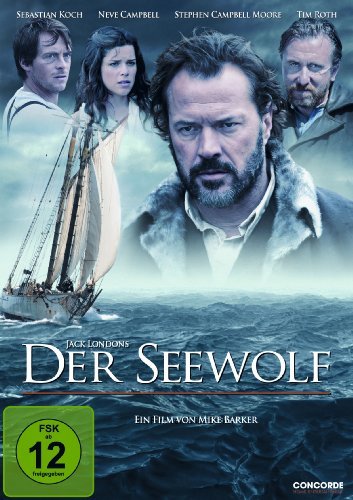
Short term plan
|
Unit 1: Legend or Truth? |
lesson 11 |
||
|
Name od School: |
|
||
|
Teacher name: |
|
||
|
Date: |
|||
|
Grade: 10 |
Number present: |
absent: |
|
|
Lesson title |
Progress check. The soul of Kazakhstan Summative assessment for the unit “Legend or Truth” |
||
|
Learning objectives |
10.2.2.1 - understand specific information in unsupported extended talk on a wide range of general and curricular topics, including talk on a limited range of unfamiliar topics; 10.3.5.1 - interact with peers to make hypotheses about a wide range of general and curricular topics ; 10.4.2.1 - understand specific information and detail in extended texts on a range of familiar general and curricular topics, and some unfamiliar topics; |
||
|
Lesson objectives (assessment criteria) |
Learners will be able to: - Recall and apply knowledge about Kazakh culture, traditions, and values. - Demonstrate listening, reading, speaking, and writing skills through integrated activities. - Reflect on cultural identity and national values. - Assess their own and peers’ progress in understanding the theme |
||
|
Instilling values of the program “Birtutas tarbiye” |
Independence and Patriotism Unity and Solidarity Justice and Responsibility |
||
|
Stages/ Time |
Teachers actions |
Students actions |
Assessment |
Resources |
|
Beginning 5 min |
Greeting. T tells the class to make groups of 2. Warm up: - Teacher asks: “What words come to your mind when you hear ‘The Soul of Kazakhstan’?” - Brainstorm on the board (students say: traditions, music, nature, hospitality, history).
Vocabulary & Quick Quiz Pair-work: Match cultural words with meanings (e.g., yurt, dombyra, eagle hunting, Nauryz). Quick quiz: 5 multiple-choice questions on Kazakh culture. |
Learners read the given sentences on the board and guess the topic and share with their ideas. Remember and recognize the main vocabulary. |
Teacher evaluate pupils with phrases like: “Good job! Well done!” Formative Assessment
|
Short text or audio about Kazakhstan (e.g., Mausoleum of Khoja Ahmed Yasawi, yurt, dombra, Nauryz). Quiz handouts or PowerPoint. Assessment checklist (self & peer evaluation). |
|
Middle 8 min |
Ex:1 P:17 Pre-task Explain: “You will read the text carefully and answer multiple choice questions.” Ask students to read the questions first and underline the key words (who, what, where, when, why, how). Remind them that key words will help them locate the correct information quickly. While-task Students read the text silently. Answer the multiple choice questions individually. Teacher circulates, guiding weaker students if needed. Post-task Check answers together as a class. Clarify any misunderstandings by referring back to the text. Extension Play the video related to the text. Elicit students’ comments, opinions, or comparisons (e.g., “Was the video similar to the text? Did you learn something new?”). Value Link (Birtutas Tarbiye) Critical thinking → Identifying key words and searching for accurate information |
Students read the text. For each question, choose the best answer Answers: 1D 2C 3A 4B 5D Descriptor: - underlines all relevant key words. - gives thoughtful comments, connects video to text - gives correct and complete answers. - joins in class discussion. |
Excellent (5) - Correctly underlines all relevant key words. Good (4) - Underlines some key words. |
Student’s book |
|
7 min
20 min |
Ex:2 P:17 Pre-listening Write statements 1–8 on the board / ask students to read them from their books. Clarify any difficult words. Tell students: “Listen carefully. Decide if each statement is True or False.” While-listening Play the recording once. Students mark T/F individually. Play the recording a second time so students can check/confirm. Post-listening Check answers together as a class. Ask volunteers to justify their answers by quoting the part of the recording that helped them decide. Summative assessment for the unit “Legend or Truth” |
Students listen to a conversation and decide in the statements are T (true) or F (false). Answers: 1F 2T 3T 4F 5T 6T 7F 8F Descriptor: - correctly interprets all 8 statements. - identifies T/F correctly for 7–8 statements. |
Excellent (5) - Correctly identifies all or almost all T/F statements with textual evidence. Good (3) - Identifies most T/F statements correctly, with minor errors. |
Worksheets |
|
End 5 min |
Reflection: - Quick activity: Each student says one thing they learned about today’s lesson Homework - Write a short article (100–120 words): “Why I am proud of the culture of Kazakhstan.” - Prepare to share in the next class. |
Ss use their stickers to show their knowledge according to the lesson |
Poster |
|

Short term plan
|
Unit 2: Controversial Issues |
lesson 12 |
||
|
Name od School:Alatau |
|
||
|
Teacher name:Khonturaeva G |
|
||
|
Date:02.10.2025 |
|||
|
Grade: 10V |
Number present: |
absent: |
|
|
Lesson title |
Controversial Issues |
||
|
Learning objectives |
10.2.1.1 - understand the main points in unsupported extended talk on a wide range of general and curricular topics, including talk on a limited range of unfamiliar topics; 10.3.5.1 - interact with peers to make hypotheses about a wide range of general and curricular topics ; |
||
|
Lesson objectives (assessment criteria) |
Learners will be able to: - Identify and discuss examples of controversial issues in society. - Express and defend their opinions using appropriate language. - Listen to and respect different viewpoints. - Develop critical thinking and argumentation skills. |
||
|
Instilling values of the program “Birtutas tarbiye” |
Independence and Patriotism Unity and Solidarity Justice and Responsibility |
||
|
Stages/ Time |
Teachers actions |
Students actions |
Assessment |
Resources |
|
Beginning 5 min |
Greeting. T tells the class to make groups of 2. Warm up: - Teacher writes the
word “controversial” on the board and
asks: - Briefly explain: “A controversial issue is something people strongly disagree about.”
Vocabulary Introduction Teach/review useful debate phrases: I think … / In my opinion … I disagree because … That’s a good point, but … Quick practice: Ss repeat and make their own short examples. |
Learners read the given sentences on the board and guess the topic and share with their ideas. Remember and recognize the main vocabulary. |
Teacher evaluate pupils with phrases like: “Good job! Well done!” Formative Assessment
|
|
|
Middle 12 min |
Ex:1 P:19 Listening & Pronunciation (5 min) Play the recording. Students listen and repeat chorally, then individually. Focus on correct stress and pronunciation. Meaning & Context (7 min) Direct students’ attention to pictures A–F. Ask: “What do you see? What issue does it show?” Students match the pictures to the vocabulary in the rubric. Checking (5 min) Elicit answers from different students. Confirm and correct as necessary. Briefly discuss meanings with examples from real life. Value Link (Birtutas Tarbiye) Awareness – Recognising important global and social issues. |
Students listen and say. Answers: social problems: poverty, homelessness, unemployment environmental problems: endangered species, landfills full of rubbish, pollution Descriptor: - pronounces words correctly with good stress/intonation. - matches pictures with correct issues. - give examples/ sentences using new words. |
Excellent (3) - Pronounces all words correctly with good stress/intonation. Good (2) - Minor mistakes in pronunciation. |
Student’s book |
|
10 min
|
Ex:2 P:19 Preparation Direct students’ attention to the two newspaper extracts. Point out the words in the rubric and explain that they need to fill the gaps. Task Completion Give students time to read both texts carefully. Students choose and use the correct words to complete the texts. Checking Elicit answers from various students around the class. Confirm the correct words and discuss why they fit. Clarify any difficult vocabulary in context. Value Link (Birtutas Tarbiye) Critical Thinking – Understanding how vocabulary fits into real-life texts. |
Students complete the newspaper extracts with the words below. Which of the problems is about? Answers: 1accommodation 2volunteers 3 household waste 4 packaging A: homelessness B: landfills full of rubbish Descriptor: - blanks completed correctly with suitable words - shows clear understanding of how vocabulary fits the newspaper extracts |
Excellent (3) - All blanks completed correctly with suitable words. Good (2) - Most blanks completed correctly (1–2 errors). |
Worksheets |
|
13 |
Ex:3 P:19 Lead-in Elicit from students the problems they already know (environmental, social, economic, etc.). Write them on the board. Task Ask the question: “Which of these problems is the most serious in your country? Why?” Give students time to think individually and make short notes. Pair/Group Discussion Students share their ideas in pairs or small groups. Encourage them to give reasons and examples. Class Feedback Invite several students to tell the class their answers. Summarise common problems mentioned. Value Link (Birtutas Tarbiye) Patriotism & Responsibility – Reflecting on real issues in their own country. |
Students answer the questions. Which of the problems is the most serious in your country? Answers: In my country, pollution is the most serious problem. Descriptor: - identifies a serious problem in the country - provides strong reasons and examples - speaks clearly, uses appropriate vocabulary |
Excellent (4) - Identifies a serious problem in the country clearly and accurately. Good (3) - Mentions a problem but explanation is brief or unclear. |
|
|
End 5 min |
Reflection: - Ask: “Which argument was the most convincing? Why?” - Highlight polite disagreement and respect for diverse opinions. Link to values: “It is important to listen, respect, and understand different perspectives.” Homework Write a short opinion paragraph (120–150 words): “One controversial issue in my community and my opinion about it.” Use at least 3 debate phrases from the lesson. |
Ss use their stickers to show their knowledge according to the lesson |
Poster |
|
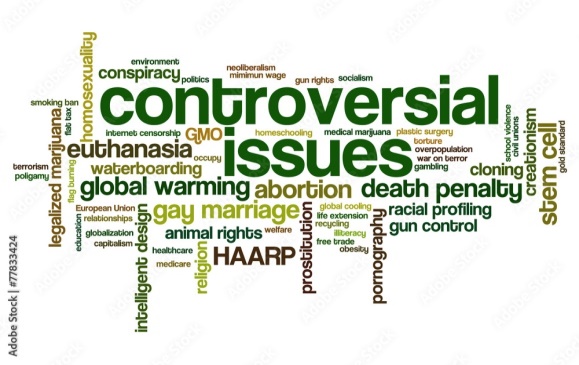
Short term plan
|
Unit 2: Controversial Issues |
lesson 13 |
||
|
Name od School: ALATAU |
|
||
|
Teacher name:Khonturaeva G |
|
||
|
Date:03.10.2025 |
|||
|
Grade: 10V |
Number present: |
absent: |
|
|
Lesson title |
Gateway to America |
||
|
Learning objectives |
10.2.1.1 - understand the main points in unsupported extended talk on a wide range of general and curricular topics, including talk on a limited range of unfamiliar topics; 10.4.7.1 - recognize patterns of development in lengthy texts [inter-paragraph level] on a range of general and curricular topics; |
||
|
Lesson objectives (assessment criteria) |
Learners will be able to: - Understand the concept of “Gateway to America” (Ellis Island, Statue of Liberty, immigration history). - Read and extract key information from a text about immigration to the USA. - Discuss reasons why people moved to America in the past and present. - Express personal opinions in speaking and writing. |
||
|
Instilling values of the program “Birtutas tarbiye” |
Independence and Patriotism Unity and Solidarity Justice and Responsibility |
||
|
Stages/ Time |
Teachers actions |
Students actions |
Assessment |
Resources |
|
Beginning 5 min |
Greeting. T tells the class to make groups of 2. Warm up: -
Show a picture of
the Statue of
Liberty and
ask: - Lead into the idea: Gateway to America = entry point for immigrants.
Pre-Reading Vocabulary (5 min) Present key words: immigrant, liberty, hope, journey, opportunity. Quick matching activity: Students match words with definitions. |
Learners read the given sentences on the board and guess the topic and share with their ideas. Remember and recognize the main vocabulary. |
Teacher evaluate pupils with phrases like: “Good job! Well done!” Formative Assessment
|
Short text or adapted passage about Ellis Island/Statue of Liberty. Photos of Ellis Island, Statue of Liberty, immigrant families. Word list (immigration, liberty, hope, opportunity, journey, dream). |
|
Middle 12 min |
Ex:1 P: 20 Lead-in Question Show the picture of Ellis Island. Read the question aloud: “What do you know about Ellis Island in the US?” Elicit students’ guesses (history, immigration, America, etc.). Brainstorming Write students’ ideas on the board (correct or not—it’s just prediction). Encourage students to connect it to anything they know about US history, immigration, or famous landmarks. Transition to Reading Tell students: “Now let’s read the text to check if your guesses were correct.” Value Link (Birtutas Tarbiye) Respect for cultural heritage – Learning about another country’s history. |
Students look at the picture of Elis Island in the US. What do you know about it? Answers: Ellis Island is in the sea outside New York City. In the old days, when people travelled to the USA, they had to pass through Ellis Island. Descriptor: - makes a relevant guess about Ellis Island - uses clear sentences and appropriate vocabulary. |
Excellent (3) - Makes a relevant guess about Ellis Island with some detail. Good (2) - Gives a simple guess with little detail. |
Student’s book |
|
10 min
|
Ex:2 P:20 Study Skills Focus (2–3 min) Read the Study Skills box aloud to the class (e.g., how to use a dictionary, how to guess meaning from context). Ask a quick check question: “Why is it useful to look up words in a dictionary?” Word List Task (5 min) Refer students to the Word List at the back of the book. Give them time to look up the meanings of the selected words. Encourage them to note: definition part of speech example sentence (if possible). Feedback (3–4 min) Elicit answers from various students. Write a few definitions and sample sentences on the board to model correct usage. Value Link (Birtutas Tarbiye) Self-learning skills – using dictionaries independently. Respect for knowledge – valuing accurate word meaning. |
Students check the meaning of the phrases in the word list Answers: Students own answer Descriptor: - Finds the correct meaning and part of speech - writes meaning and example sentence neatly. |
Excellent (3) - Finds the correct meaning and part of speech independently. Good (2) - Finds the meaning but needs teacher’s help for details. |
Worksheets |
|
13 |
Ex:3 P:20 Pre-task (3–4 min) Direct students’ attention to the Check these words box. Elicit what they know about the words (meanings, pronunciation, part of speech). Quickly discuss the meaning of any new or difficult words. - Task (7–8 min) Ask students to complete the sentences using the words from the box in the correct form (e.g., verb tense, plural/singular, adjective form). Students work individually, then compare answers in pairs. - Feedback (5 min) Elicit answers from students around the class. Confirm correct forms and discuss why some forms are incorrect. Value Link (Birtutas Tarbiye) Respect for language – Using words correctly shows care for clear communication. |
Students complete the sentences with words from the Check these words box in the correct form Answers: gateway (n): an entrance immigrants (n): people who move permanently to a new country Descriptor: - uses words in the correct form - completes sentences accurately - shares answers and contributes to discussion |
Excellent (4) - Correctly uses all words in the correct form. Good (3) - Uses most words correctly; 1–2 minor mistakes. |
|
|
|
Ex:4 P:21 Pre-task Direct students’ attention to the Check these words box. Read the words aloud and ask: “Do you know any of these words?” Elicit meanings from students. For unfamiliar words, either explain them or ask students to use their dictionaries to find the meanings. Task Encourage students to write the meaning, part of speech, and a sample sentence for each word. Students can work individually or in pairs. Feedback Elicit answers from different students around the class. Write a few key words, meanings, or sample sentences on the board to model correct usage. Value Link (Birtutas Tarbiye) Responsibility & Self-learning – Using dictionaries to consolidate knowledge independently. |
Students read the text and decide if each sentence is T true or F false. Give reasons. Answers: 1F 2F 3T 4T 5F 6F 7T 8F 9T 10T Descriptor: - explains or finds meanings for all words. - give accurate example sentences for each word. |
Excellent (4) - Correctly explains or finds meanings for all words. Good (3) - Explains/finds most words correctly. |
|
|
End 5 min |
Reflection: - Quick activity: Each student says one thing they learned about today’s lesson Homework - Research and prepare a mini-presentation (2–3 minutes) about a symbol of America (Statue of Liberty, White House, Hollywood, Route 66). - Write 8–10 sentences using today’s vocabulary. |
Ss use their stickers to show their knowledge according to the lesson |
Poster |
|

Short term plan
|
Unit 2: Controversial Issues |
lesson 14 |
||
|
Name od School: |
|
||
|
Teacher name: |
|
||
|
Date: |
|||
|
Grade: 10 |
Number present: |
absent: |
|
|
Lesson title |
The environment |
||
|
Learning objectives |
10.5.1.1 - plan, write, edit and proofread work at text level independently on a range of general and curricular topics; 10.6.3.1 - use a variety of compound adjectives, adjectives as participles, comparative structures indicating degree, and intensifying adjectives on a wide range of familiar general and curricular topics; |
||
|
Lesson objectives (assessment criteria) |
Learners will be able to: - Understand key environmental issues (pollution, climate change, deforestation, conservation). - Use environment-related vocabulary in context. - Discuss ways to protect the environment. - Write a short paragraph about an environmental problem and its solution. |
||
|
Instilling values of the program “Birtutas tarbiye” |
Independence and Patriotism Unity and Solidarity Justice and Responsibility |
||
|
Stages/ Time |
Teachers actions |
Students actions |
Assessment |
Resources |
|
Beginning 5 min |
Greeting. T tells the class to make groups of 2. Warm up: - Show images of polluted areas and forests. - Ask: “What is happening here? How does it affect people, animals, and plants?” - Brainstorm examples of environmental problems.
Vocabulary Introduction Teach/review key words: pollution, climate change, deforestation, recycling, conservation. Quick activity: match words to pictures or definitions. |
Learners read the given sentences on the board and guess the topic and share with their ideas. Remember and recognize the main vocabulary. |
Teacher evaluate pupils with phrases like: “Good job! Well done!” Formative Assessment
|
Short text about environmental problems and solutions. Vocabulary list: pollution, deforestation, recycling, climate change, conservation, endangered species, global warming. Pictures of polluted areas, forests, wildlife. Worksheet with comprehension questions, gap-fill, and discussion prompts. |
|
Middle 10 min |
Ex:1 P: 22 Pre-task Explain the task clearly: “You will complete the activity to practise vocabulary from the text. After finishing, you can check your answers in the Word List at the back of your books.” Task Completion Give students time to complete the vocabulary task individually. Encourage careful reading and attention to context. Checking Answers Ask students to check their answers using the Word List. Elicit answers from various students around the class. Clarify any misunderstandings or spelling errors. Value Link (Birtutas Tarbiye) Responsibility – Students take initiative to check and verify their work. |
Students choose the correct words. Check in the World List in the back of the book. Answers: 1 Required 2 Immigrants 3 Disability 4 Pier 5 Ancestors 6 Proof 7 Process 8 obvious Descriptor: - words completed correctly and appropriately - checks answers effectively - shares answers and contributes to discussion. |
Excellent (3) - Checks answers effectively and learns from it. Good (2) - Checks some answers; limited learning. |
Student’s book |
|
8 min
|
Ex:2 a P:22 Introduction Explain the task clearly: “You will consolidate the vocabulary you learned from the text by completing this activity.” Task Completion Give students time to complete the task individually. Encourage them to think about the meaning and correct form of each word based on context. Feedback / Checking Elicit answers from different students around the class. Correct mistakes and clarify any difficult words. Reinforce understanding by giving examples in context. Value Link (Birtutas Tarbiye) Responsibility – Students take ownership of learning vocabulary. Self-learning – Practising independently helps students become more confident in using new words. |
Students fill the gaps. Answers: 1.medical 2.family 3.government 4.money 5.whole 6.main 7.train 8.first 9. foreign 10. next Descriptor: - completes words correctly in context - applies words accurately based on the text. |
Excellent (2) - Completes all words correctly in context. Good (1) - Completes most words correctly; minor errors. |
Worksheets |
|
10 min |
Ex:3 P:22 Introduction Present the topic-related vocabulary from the news headlines. Quickly elicit meanings or explanations from students. Highlight pronunciation and correct word forms if necessary. Task Completion Ask students to read the news headlines and complete them using words from the provided list. Encourage students to think about context to choose the correct word form. Class Feedback Elicit answers from various students around the class. Correct errors and discuss why certain words fit the context better than others. Encourage students to use the new vocabulary in their own sentences. Value Link (Birtutas Tarbiye) Responsibility – Checking answers independently in the Word List. |
Students fill in the headlines with words. Answers: 1.LAYER 2.WARMING 3.FUELS 4.SMOG 5.SPILL 6.GASES 7.CONSERVATION Descriptor: - completes all headlines correctly - applies words accurately based on headline meaning. |
Excellent (3) - Completes all headlines correctly with context-appropriate words. Good (2) - Completes most headlines correctly; minor errors. |
|
|
|
Ex:3b P:22 Pre-listening Explain the task: “You will listen to four speakers talking about ways to help solve environmental problems. Your task is to match each solution to the correct speaker.” Quickly elicit some ideas about environmental problems and possible solutions. While-listening Play the recording once while students listen and take notes. Students try to match each solution to the correct speaker individually. Play the recording a second time for verification if needed. Post-listening Check answers around the class. Ask students to explain why they matched each solution to each speaker. Discuss briefly which solutions they think are most effective or feasible. Value Link (Birtutas Tarbiye) Responsibility & Environmental Awareness – Learning about ways to protect the environment. |
Students listen to four speakers talking about ways to help solve environmental problems. Match the solution. Answers: 1.save 2.fine 3.reduce 4.prevent 5.ban 6.invest 7.raise Descriptor: - matches 4 solutions to the correct speakers. - explains reasoning clearly using information |
Excellent (4) - Correctly matches all 4 solutions to the correct speakers. Good (3) - Correctly matches 2–3 solutions. |
|
|
End 5 min |
Reflection: Quick class discussion: “What is one thing you can do this week to help the environment?” Value link: Responsibility, care for nature, teamwork in community projects. Homework Research an environmental problem (local or global) and write 8–10 sentences about it. Include at least 5 vocabulary words from today’s lesson. |
Ss use their stickers to show their knowledge according to the lesson |
Poster |
|

Short term plan
|
Unit 2: Controversial Issues |
lesson 15 |
||
|
Name of School: Alatau |
|
||
|
Teacher name: Khonturaeva G |
|
||
|
Date:07.10.2025 |
|||
|
Grade: 10V |
Number present: |
absent: |
|
|
Lesson title |
International organizations |
||
|
Learning objectives |
10.3.7.1 - use appropriate subject-specific vocabulary and syntax to talk about a range of general and curricular topics; 10.4.3.1 - skim a range of lengthy texts with speed to identify content meriting closer reading on a range of general and curricular topics; 10.6.14.1 - use a variety of prepositional phrases before nouns and adjectives use a number of dependent prepositions following nouns and adjectives and a variety of prepositions following verbs on a wide range of familiar general and curricular topics; |
||
|
Lesson objectives (assessment criteria) |
Learners will be able to: - Recognize and describe the role of international organizations (e.g., UN, UNICEF, WHO, UNESCO, Red Cross). - Understand and use vocabulary related to international cooperation. - Read and extract key information from a short text. - Discuss the importance of global cooperation. |
||
|
Instilling values of the program “Birtutas tarbiye” |
Independence and Patriotism Unity and Solidarity Justice and Responsibility |
||
|
Stages/ Time |
Teachers actions |
Students actions |
Assessment |
Resources |
|
Beginning 5 min |
Greeting. T tells the class to make groups of 2. Warm up: - Show students several logos (UN, UNESCO, WHO, Red Cross). - Ask: “Do you recognize these symbols? What do these organizations do?”
Vocabulary Introduce and explain key words: international, cooperation, humanitarian aid, peacekeeping, human rights, development, disaster relief. Matching activity: students connect terms with definitions/examples. |
Learners read the given sentences on the board and guess the topic and share with their ideas. Remember and recognize the main vocabulary. |
Teacher evaluate pupils with phrases like: “Good job! Well done!” Formative Assessment
|
Short reading text about the United Nations and other organizations. Pictures/logos of international organizations (UN flag, Red Cross symbol, etc.). Worksheet with comprehension tasks and vocabulary. |
|
Middle 7 min |
Ex:6a P: 23 Introduction Present the new vocabulary to the class. Briefly explain meanings, part of speech, and pronunciation. Elicit any prior knowledge or examples from students. Task Completion Give students time to complete the task individually (e.g., matching, gap-fill, or sentence completion). Encourage students to think about the meaning and correct form of each word. Checking Answers Elicit answers from different students around the class. Confirm correct answers and clarify mistakes if necessary. Model correct usage of vocabulary in context. Value Link (Birtutas Tarbiye) Responsibility – Paying attention and completing the task accurately. |
Students complete the sentences. Use these words. Answers: 1.destruction 2.risk 3.commuties 4.healthcare 5. peace Descriptor: - Uses all new words correctly - shares answers and contributes to discussion. - use new words in additional sentences or examples. |
Excellent (2) - Uses all new words correctly in context. Good (1) - Uses most words correctly; minor errors. |
Student’s book |
|
10 min
|
Ex:6 b P:23 Introduction Direct students’ attention to the new vocabulary related to organisations and social issues. Quickly recap meanings and examples if needed. Task Ask the question: “Which of these organisations work on social issues?” Students answer individually or in pairs. Encourage students to justify their answers using the vocabulary learned. Class Feedback Elicit answers from various students around the class. Correct misunderstandings and model correct usage of the vocabulary in context. Discuss briefly the role of such organisations in society. Value Link (Birtutas Tarbiye) Responsibility & Social Awareness – Understanding the role of organisations that solve social problems. |
Students answer the question. Which of these organisations work on social issues? Answers: WWF works on environmental issues. Save the Children, Oxfam, the World Health Organisation and the United Nations work on social issues. Descriptor: - uses all key words when identifying organisations. - identifies all correct organisations working on social issues. |
Excellent (3) - Correctly uses all key words when identifying organisations. Good (2) - Uses most key words correctly; minor mistakes. |
Worksheets |
|
8 min |
Ex:7 P:23 Introduction Explain the task clearly: “You will complete sentences using the correct prepositional phrases.” Quickly recap any prepositional phrases students have learned. Task Completion Give students time to complete the activity individually. Encourage them to think about meaning and sentence structure. Checking Answers Ask students to check their answers using the answer key or “Check Ss’ answers” section. Elicit answers from different students around the class. Clarify mistakes and model correct usage in context. Value Link (Birtutas Tarbiye) Responsibility – Completing tasks accurately and checking work independently. Respect for Language – Practising correct grammar and sentence structure. |
Students fill the gaps. Answer: 1.on 2.from 3.in 4.in 5.at Descriptor: - completes all sentences with appropriate prepositional phrases. -chooses prepositional phrases accurately |
Excellent (2) - Correctly completes all sentences with appropriate prepositional phrases. Good (1) - Completes most sentences correctly; minor errors. |
|
|
10 min |
Ex:8 P:23 Introduction Read the theory box aloud to students. Explain how to form adjectives from nouns or verbs (e.g., beauty → beautiful, care → careful). Provide extra examples and check understanding. Task Completion Give students time to complete the word formation task individually. Remind them that correct spelling is important. Checking Answers Elicit answers from various students around the class. Correct mistakes and model correct forms in context. Remind students to add these words to their vocabulary lists/notebooks for future reference. Value Link (Birtutas Tarbiye) Responsibility – Keeping an organized vocabulary notebook. |
Students read the theory then from adjectives from the words in bold complete the gaps. Answer: 1.national 2.famous 3.understandable 4.colourful 5. natural 6.sunny Descriptor: - forms all adjectives correctly from nouns/verbs. - adds all new words to notebook accurately. |
Excellent (3) - Forms all adjectives correctly from nouns/verbs. Good (2) - Forms most adjectives correctly; minor spelling errors. |
|
|
End 5 min |
Reflection: - Class reflection: “How do international organizations make the world safer and better?” - Value link: Cooperation, peace, and responsibility as global citizens. Homework Research one international organization (e.g., UNESCO, WHO, UNICEF, Red Cross, WWF). Prepare 8–10 sentences OR a mini-presentation about its role and importance. |
Ss use their stickers to show their knowledge according to the lesson |
Poster |
|

Short term plan
|
Unit 2: Controversial Issues |
lesson 16 |
||
|
Name od School: Alatau |
|
||
|
Teacher name: Khonturaeva G |
|
||
|
Date: 09.10.2025 |
|||
|
Grade: 10V |
Number present: |
absent: |
|
|
Lesson title |
Infinitive/-ing forms |
||
|
Learning objectives |
10.5.1.1 - plan, write, edit and proofread work at text level independently on a range of general and curricular topics; 10.6.15.1 - use infinitive forms after an increased number of verbs and adjectives use gerund forms after a variety of verbs and prepositions use a variety of prepositional and phrasal verb on a wide range of familiar general and curricular topics; |
||
|
Lesson objectives (assessment criteria) |
Learners will be able to: - Distinguish between the infinitive (to + verb) and -ing (verb + ing) forms. - Recognize verbs that are followed by infinitive, -ing, or both (with a change in meaning). - Use correct verb patterns in speaking and writing. |
||
|
Instilling values of the program “Birtutas tarbiye” |
Independence and Patriotism Unity and Solidarity Justice and Responsibility |
||
|
Stages/ Time |
Teachers actions |
Students actions |
Assessment |
Resources |
|
Beginning 5 min |
Greeting. T tells the class to make groups of 2. Warm up: - Quick question: What do you like doing after school? (Ss: I like playing football). - Teacher highlights: like + -ing. - Contrast: I want to play football → want + to + verb. Presentation (10 min) On the board, write 3 groups of verbs: Group 1: +
Infinitive → want, hope, need, decide,
plan Give examples and elicit more from students. Explain difference with examples: I stopped smoking (quit). I stopped to smoke (took a break to smoke). |
Learners read the given sentences on the board and guess the topic and share with their ideas. Remember and recognize the main vocabulary. |
Teacher evaluate pupils with phrases like: “Good job! Well done!” Formative Assessment
|
Handout/board examples: Verbs + infinitive: decide to go, plan to visit, promise to help Verbs + -ing: enjoy reading, avoid smoking, suggest going Verbs + both (different meaning): remember doing vs. remember to do, stop doing vs. stop to do |
|
Middle 10 min |
Ex:1 P: 24 Introduction Read the text in the box aloud to the students. Draw their attention to examples of infinitive and -ing forms in context (e.g., I like to read / I enjoy reading). Highlight the difference in meaning and use. Grammar Reference Task Refer students to the Grammar Reference section. Give students time to complete the rules for using infinitives and -ing forms. Encourage them to check for key points: verbs followed by infinitive, verbs followed by -ing, and exceptions. Checking Answers Elicit answers from students around the class. Clarify mistakes and model correct usage in context. Encourage students to make additional sentences using both forms. Value Link (Birtutas Tarbiye) Responsibility – Keeping grammar notes updated. Accuracy & Diligence – Using infinitive / -ing forms correctly. |
Students look at the grammar reference section and complete the rules with infinitive or – ing form. Find exaamples in the text above Answers: 1 -ing e.g. to making 2 infinitive with to e.g. fortunate enough to get 3 infinitive without to e.g. might mean 4 -ing form e.g. moving to a new country... 5 infinitive with to e. g. Do you want to immigrate... 6 -ing e.g. get used to living ... 7 infinitive with to e.g. would you like to immigrate? 8 infinitive with to e.g. feel lucky to ... |
Excellent (3) - Correctly completes all rules and examples in the Grammar Reference. Good (2) - Completes most rules correctly; minor mistakes. Descriptor: - Correctly completes all rules and examples - Uses infinitive and -ing forms accurately in example |
Student’s book |
|
7 min
|
Ex:2 P:24 Introduction Explain the task clearly: “You will complete the sentences using either the infinitive or the -ing form of the verbs in brackets.” Briefly recap the rules: which verbs are followed by infinitive, which by -ing, and any common exceptions. Task Completion Give students time to complete the sentences individually. Encourage them to think about the meaning and context to choose the correct form. Checking Answers Elicit answers from students around the class. Correct mistakes and explain why the alternative form is incorrect. Optionally, ask students to create an extra sentence with one of the verbs using the correct form. Value Link (Birtutas Tarbiye) Responsibility – Paying attention to detail and completing tasks carefully. Accuracy & Diligence – Using verbs in the correct grammatical form. |
Students fill the gaps with the verbs in brackets in the correct form Answers: 1.decide, to m 2.travelling, visiting 3.sponsor, to do 4 to watch, entering 5 to live, To tell Descriptor: - completes sentences correctly using infinitive or -ing forms. - demonstrates clear understanding of verb patterns |
Excellent (2) - Completes all sentences correctly using infinitive or -ing forms. Good (1) - Completes most sentences correctly; minor errors. |
Worksheets |
|
10 min |
Ex:3 P:24 Introduction Explain the difference in meaning: Infinitive (to + verb) – often expresses purpose, intention, or future action (I went to the store to buy bread). -ing form – often expresses an action in general, enjoyment, or experience (I enjoy buying bread). Provide 2–3 simple examples and clarify any doubts. Task Completion Give students sentences with blanks and ask them to complete using either the to-infinitive or -ing form based on the intended meaning. Encourage students to think about whether the sentence expresses purpose/intention or general action/enjoyment. Checking Answers Elicit answers from students around the class. Ask students to explain why they chose the infinitive or -ing form for each sentence. Correct mistakes and provide additional examples to reinforce understanding. Value Link (Birtutas Tarbiye) Critical Thinking – Understanding subtle differences in meaning. |
Students put the verbs in brackets into the infinitive or the – ing form. Explain the difference in meaning. Answers: 1 giving (they finished giving them) 2 to buy (they stopped temporarily) 3 to submit (don't forget) 4 visiting (do you recall) 5 to take (she attempted) 6 immigrating (he will do it as an experiment) Descriptor: - completes sentences with appropriate form. - explains the difference in meaning in context. - create additional sentences demonstrating the difference. |
Excellent (3) - Correctly completes all sentences with appropriate form. Good (2) - Completes most sentences correctly; minor errors |
|
|
8 min |
Ex:4 P:24 Introduction Explain the task clearly: “You will complete the sentences by choosing the correct form of the verb in brackets. Pay attention to tense, agreement, and context.” Give a quick example on the board to model how to choose the correct form. Task Completion Give students time to complete the sentences individually. Encourage students to think about subject-verb agreement, tense, and meaning to select the correct form. Checking Answers Elicit answers from students around the class. Correct mistakes and explain why certain forms are incorrect. Ask students to create one additional sentence using one of the verbs in the correct form. Value Link (Birtutas Tarbiye) Responsibility – Carefully completing the task and checking answers. Accuracy & Diligence – Using verbs correctly in context. |
Students choose the correct the verb in brackets into the correct form Answers: 1 to move 2 to achieve 3 to do 4 to improve 5 to take 6 to practise 7 learning 8 attending 9 speak 10 know Descriptor: - chooses the correct form for verbs accurately. - demonstrates clear understanding of tense and subject-verb agreement. |
Excellent (2) - Chooses the correct form for all verbs accurately. Good (1) - Chooses most verbs correctly; minor errors. |
|
|
End 5 min |
Reflection: - Quick quiz: Teacher says a verb → students shout to + verb or verb + ing. - Value link: Emphasize careful word choice and clear communication. Homework Write a short paragraph (8–10 sentences) about hobbies and future plans using at least 5 verbs with infinitive and 5 with -ing. |
Ss use their stickers to show their knowledge according to the lesson |
Poster |
|
Short term plan
|
Unit 2: Controversial Issues |
lesson 17 |
||
|
Name od School: |
|
||
|
Teacher name: |
|
||
|
Date: |
|||
|
Grade: 10 |
Number present: |
absent: |
|
|
Lesson title |
Conditionals |
||
|
Learning objectives |
10.5.6.1 - write coherently at text level using a variety of connectors on a range of familiar general and curricular topics; 10.6.17.1 - use if / if only in third conditional structures use a variety of relative clauses including with which [whole previous clause reference] on a wide range of familiar general and curricular topics |
||
|
Lesson objectives (assessment criteria) |
Learners will be able to: - Identify and use conditional sentences (Zero, First, Second, Third). - Understand the difference between real and unreal conditions. - Apply conditionals in speaking and writing about real-life and imaginary situations. |
||
|
Instilling values of the program “Birtutas tarbiye” |
Independence and Patriotism Unity and Solidarity Justice and Responsibility |
||
|
Stages/ Time |
Teachers actions |
Students actions |
Assessment |
Resources |
|
Beginning 5 min |
Greeting. T tells the class to make groups of 2. Warm up: Write on board: If I study hard, I will… and If I were a bird, I would… Ask students to complete the sentences aloud. Elicit: real vs imaginary situations.
Presentation Present the 4 conditionals with examples (from chart). Highlight key differences (time reference, reality/unreality). Elicit some examples from students. |
Learners read the given sentences on the board and guess the topic and share with their ideas. Remember and recognize the main vocabulary. |
Teacher evaluate pupils with phrases like: “Good job! Well done!” Formative Assessment
|
|
|
Middle 13 min |
Ex:6 P: 25 Introduction (3–4 min) Read the information in the box aloud to the class. Explain the rules for forming comparative and superlative adjectives. Read the example aloud and demonstrate how to form the comparative/superlative correctly. Task Completion (7–10 min) Ask students to work in pairs to complete the task. Encourage students to pay attention to spelling changes (e.g., big → bigger, happy → happier). Monitor the activity, helping pairs who need guidance. Feedback (5–7 min) Elicit answers from different pairs around the class. Correct mistakes and provide additional examples if necessary. Highlight patterns and common errors to reinforce learning. Value Link (Birtutas Tarbiye) Collaboration & Respect – Working effectively in pairs and helping peers. |
Students compare these VS points of entry for immigrants in as many ways as possible. Answers: The New York point of entry was by far the busiest in 2015. The Boston point of entry is the least busy of the three. The San Francisco point of entry is not as old as the other two. The New York point of entry has a slightly higher percentage of immigrants in the population today than the San Francisco one. |
Excellent (4) - Forms all comparatives and superlatives correctly. Good (3) - Forms most correctly; minor errors. Descriptor: - forms comparatives and superlatives - applies correct spelling rules in cases. |
Student’s book |
|
10 min
|
Ex: 7 P:25 Introduction Read the theory box aloud to the class. Highlight the key points of conditional sentences (e.g., zero, first, second, third conditionals) and provide simple examples. Clarify any doubts about usage or structure. Task Explanation Ask students to work in pairs. Explain the task: complete sentences or answer questions using the correct conditional form. Direct students to the Grammar Reference section for guidance if needed. Feedback Elicit answers from pairs around the class. Correct mistakes and explain why the alternative forms are incorrect. Optionally, ask students to create their own conditional sentences using real-life situations. Value Link (Birtutas Tarbiye) Collaboration & Respect – Working together and helping peers understand grammar rules. |
Students work in pairs how do these sentences differ in meaning Answers: Fist sentence: (if = might) The economy might improve, and if it does, unemployment will decrease. Second sentence: (unless = if not) Unemployment can never decrease unless the economy improves first. Descriptor: - uses correct conditional forms - shows clear understanding of meaning - works with partner and shares answers confidently. |
Excellent (3) - Uses correct conditional forms for all sentences. Good (2) - Uses most conditionals correctly; minor mistakes. |
Worksheets |
|
12 min |
Ex:8 P:25 Introduction Explain the task clearly: “You will complete the sentences using the correct form of conditionals. Pay attention to the meaning of each sentence to choose the appropriate type: zero, first, second, or third conditional.” Give a quick example on the board. Task Completion Give students time to complete the task individually or in pairs. Encourage students to consider context and meaning to identify which conditional form fits. Checking Answers Elicit answers from students around the class. Ask students to identify the type of conditional used in each sentence. Correct mistakes and provide examples for clarification. Value Link (Birtutas Tarbiye) Critical Thinking – Understanding cause and effect in real or hypothetical situations. |
Students complete the sentences. Which type of conditional is used in each one. Answers: 1 wouldn’t have become (type3) 2 won’t spend (type1) 3 wouldn’t have missed (type 3) 4 make (type0) 5 would stay (type2) Students complete the sentences. Descriptor: - completes all sentences with appropriate conditional forms. - identifies the type of conditional for all sentences. |
Excellent (3) - Correctly completes all sentences with appropriate conditional forms. Good (2) - Completes most sentences correctly; minor errors. |
|
|
End 5 min |
Reflection: - Teacher says a situation,
students identify which conditional fits. - Value link: Decisions have consequences; think before you act. Homework Write a short story using at least two different types of conditionals. Example topic: “If I had been born 100 years ago…” |
Ss use their stickers to show their knowledge according to the lesson |
Poster |
|
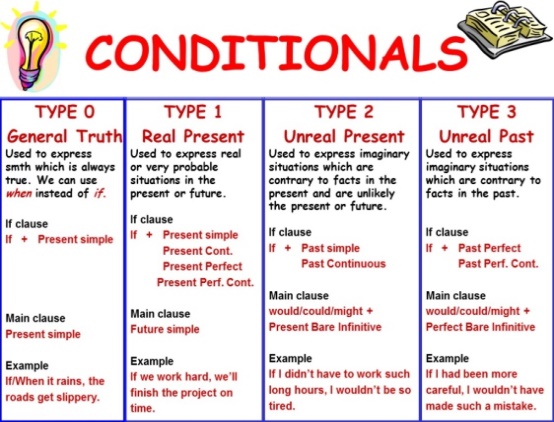
Short term plan
|
Unit 2: Controversial Issues |
lesson 18 |
||
|
Name od School: |
|
||
|
Teacher name: |
|
||
|
Date: |
|||
|
Grade: 10 |
Number present: |
absent: |
|
|
Lesson title |
Reading skills: Woman in the workplace |
||
|
Learning objectives |
10.2.1.1 - understand the main points in unsupported extended talk on a wide range of general and curricular topics, including talk on a limited range of unfamiliar topics; 10.4.4.1 - read a wide range of extended fiction and non-fiction texts on familiar and unfamiliar general and curricular topics; |
||
|
Lesson objectives (assessment criteria) |
Learners will be able to: - Develop reading skills: skimming, scanning, reading for gist and details. - Understand and discuss key issues related to women in the workplace. - Express personal opinions and compare with peers. |
||
|
Instilling values of the program “Birtutas tarbiye” |
Independence and Patriotism Unity and Solidarity Justice and Responsibility |
||
|
Stages/ Time |
Teachers actions |
Students actions |
Assessment |
Resources |
|
Beginning 5 min |
Greeting. T tells the class to make groups of 2. Warm up: - Ask students: “What jobs do you think are most common for women today?” - Brainstorm: write answers on the board. - Quick discussion: “Do you think men and women have equal opportunities at work?”
Pre-reading Pre-teach key vocabulary (e.g., career, promotion, gender equality, challenges, discrimination, opportunity). Matching activity: words → definitions / examples. Predicting: “What do you expect to read about in an article called ‘Woman in the Workplace’?” |
Learners read the given sentences on the board and guess the topic and share with their ideas. Remember and recognize the main vocabulary. |
Teacher evaluate pupils with phrases like: “Good job! Well done!” Formative Assessment
|
Reading text: short article/interview about women in the workplace (e.g., challenges, success stories, statistics). Worksheets: pre-reading vocabulary, comprehension questions, discussion prompts. |
|
Middle 8 min |
Ex:1a P: 26 Introduction Read out the question clearly to the class. Explain that students will skim the text to find the specific information, not read every word. Give a tip: look for keywords in the question and scan the text for them. Task Completion Allow students time to skim the text individually or in pairs. Encourage them to underline or highlight the part of the text that answers the question. Checking Answers Elicit answers from different students around the class. Discuss how keywords helped locate the answer. Reinforce the skimming technique for future reading tasks. Value Link (Birtutas Tarbiye) Responsibility & Self-Learning – Using effective reading strategies independently. |
Students read the text quickly the term “gender equality” means. Answers: I think the term ‘gender equality' means women and men doing the same things at work. Descriptor: - finds the correct answer quickly and accurately - demonstrates effective skimming using keywords. |
Excellent (3) - Finds the correct answer quickly and accurately. Good (2) - Finds most of the information; minor mistakes. |
Student’s book |
|
10 min
|
Ex: 1b P:26 Introduction Show students the picture related to the text. Ask guiding questions: “What do you see in the picture?” or “What do you think this text might be about?” Elicit guesses from students, encouraging them to use vocabulary they already know. Write some of the key ideas on the board to create a visual connection with the text. Connecting to Text Briefly explain how the picture relates to the text without giving away all details. Set the purpose: “Now, read the text to see if your guesses were correct.” Value Link (Birtutas Tarbiye) Critical Thinking – Making predictions based on visual clues. Curiosity & Engagement – Encouraging interest in reading and discussion. |
Students look at the picture. How is it related to the text? Answers: I think the picture is related to the text because it shows a woman working in a factory, and the text is about women at work. Descriptor: - matches sentences to the gaps - uses surrounding sentences to determine correct answer. - shares answers and reasoning with class. |
Excellent (2) - Correctly matches all sentences to the gaps. Good (1) - Correctly matches most sentences; minor mistakes. |
Worksheets |
|
10 min |
Ex:2 P:26 Introduction Ask students to read the sentences A–F carefully. Remind them to underline key words in each sentence to help match it to the correct gap. Task Completion Explain that they should look at the sentences before and after each gap to understand the context. Give students time to read the text again and choose the correct answers for each gap. Checking Answers Elicit answers from students around the class. Ask students to justify why they chose each sentence for a specific gap. Play the recording to allow students to check and confirm their answers. Value Link (Birtutas Tarbiye) Critical Thinking – Matching sentences to context and justifying choices. Responsibility & Accuracy – Checking answers independently with the recording. |
Students read the text again and fill in the gaps. One sentence is extra. Answers: E (International Women's Day, on this day - But it’s also a day... notice how much has changed for women) D (Queen Victoria - agreed with her opinion) A (Labour unions started allowing women workers ... strikes in order to earn women more rights ... women in Britain took the right to vote...) F (the women were expected ... refused to accept this... fought to keep...) В (improved significantly... come a long wav) |
Excellent (3) - Correctly completes all sentences with appropriate conditional forms. Good (2) - Completes most sentences correctly; minor errors. Descriptor: - completes all sentences with appropriate conditional forms. - identifies the type of conditional for all sentences. |
|
|
10 min |
Ex:3 P:26 Introduction (3–4 min) Read the words/phrases in the list aloud to the class. Explain that students will look for synonyms in the text to reinforce understanding. Remind them to pay attention to context and part of speech. Task Completion (7–10 min) Give students time to find synonymous words/phrases in the text individually or in pairs. Encourage students to underline the word in the text and note its part of speech. Class Feedback (5–7 min) Elicit answers from various students around the class. Confirm the correct synonyms and discuss their meaning and usage. Ask students to identify the part of speech for each synonym and explain why. Value Link (Birtutas Tarbiye) Critical Thinking – Comparing words and understanding nuances in meaning. Responsibility – Completing the task accurately and independently. |
Students find words / phrases in the text Answers: businesses = para 3: companies (n) point of view = para 1: opinion (n) a small amount = para 1: handful (n) law-makers = para 2: government (n) being paid = para 2: earning (v) improve = para 3: come a long way Descriptor: - finds all correct synonyms accurately. - identifies the part of speech for all synonyms. - shares answers and reasoning with class. |
Excellent (2) - Finds all correct synonyms accurately. Good (1) - Finds most synonyms correctly; minor errors. |
|
|
End 5 min |
Reflection: - Recap main points from the article. - Value link: emphasize equality, mutual respect, and the importance of education for opportunities. Homework
Write a short
article (120–150 words) on: |
Ss use their stickers to show their knowledge according to the lesson |
Poster |
|

Short term plan
|
Unit 2: Controversial Issues |
lesson 19 |
||
|
Name od School: |
|
||
|
Teacher name: |
|
||
|
Date: |
|||
|
Grade: 10 |
Number present: |
absent: |
|
|
Lesson title |
Speaking: Reacting to news |
||
|
Learning objectives |
10.2.1.1 - understand the main points in unsupported extended talk on a wide range of general and curricular topics, including talk on a limited range of unfamiliar topics; 10.3.7.1 - use appropriate subject-specific vocabulary and syntax to talk about a range of general and curricular topics; 10.5.1.1 - plan, write, edit and proofread work at text level independently on a range of general and curricular topics; |
||
|
Lesson objectives (assessment criteria) |
Learners will be able to: - Use appropriate phrases for reacting to good and bad news. - Practice intonation and expressions to sound natural. - Communicate effectively in role-play situations involving sharing news. |
||
|
Instilling values of the program “Birtutas tarbiye” |
Independence and Patriotism Unity and Solidarity Justice and Responsibility |
||
|
Stages/ Time |
Teachers actions |
Students actions |
Assessment |
Resources |
|
Beginning 5 min |
Greeting. T tells the class to make groups of 2. Warm up: - Teacher shares a piece of news (real or made-up), e.g., “I just won a free trip to Paris!” - Students react spontaneously. Teacher highlights natural vs. unnatural reactions.
Presentation Present reaction phrases on the board (grouped by type: good, bad, surprising). Model pronunciation and intonation. Students repeat chorally and individually. |
Learners read the given sentences on the board and guess the topic and share with their ideas. Remember and recognize the main vocabulary. |
Teacher evaluate pupils with phrases like: “Good job! Well done!” Formative Assessment
|
List of reaction expressions (handout or on board). Short dialogue samples (teacher-prepared). Role-play cards with different “news situations.” |
|
Middle 13 min |
Ex:6a P: 27 Introduction Refer students to the Word List at the back of their books. Ask them to look up the meanings of the words/phrases individually or in pairs. Encourage students to note the part of speech and an example sentence for each word. Preparation for Listening Explain that the vocabulary will appear in the upcoming listening task, so understanding the words will help them comprehend the recording more easily. Optionally, give a few quick oral examples or elicit examples from students to reinforce understanding. Checking Understanding Elicit definitions or example sentences from various students around the class. Correct any misunderstandings and clarify pronunciation if needed. Value Link (Birtutas Tarbiye) Responsibility – Looking up words independently and preparing for the task. |
Students will hear four people talking about gender equality. Before you listen, check these words / phrases in the Word List. Answers: prejudice (n): an opinion not based on fact equal society (phr): a state of living where everyone is treated the same same rights and opportunities (phr): the same basic things that people deserve and the same chances in life gender roles (n): the way people expect sb to behave, based on whether they are male or female fight inequality (phr): to try and change a situation where people are treated unfairly |
Excellent (4) - Correctly finds meanings and part of speech for all words. Good (3) - Finds meanings for most words; minor errors. Descriptor: - finds meanings and part of speech for all words. - pronounce and use all words in example sentences |
Student’s book |
|
10 min
|
Ex: 6b P:27 Introduction Explain the task clearly: “You will listen to a recording and match the information you hear to the statements A–E.” Ask students to read the statements carefully and underline keywords that will help them identify the correct information in the recording. Listening Task Play the recording once (or twice if necessary). Students listen and match each statement to the corresponding information in the recording. Encourage them to focus on specific details rather than the entire text. Checking Answers Elicit answers from different students around the class. Discuss any differences and clarify why a particular answer is correct. Optionally, replay short sections of the recording to reinforce understanding. Value Link (Birtutas Tarbiye) Critical Listening – Focusing attention on key details and information. Responsibility – Completing tasks carefully and checking answers. |
Students listen and choose from the list what each speaker says about gender equality. Answers: Speaker 1: A Speaker 2: C Speaker 3: В Speaker 4: E Descriptor: - matches all statements to the information in the recording - identifies and uses keywords to find answers. |
Excellent 3) - Correctly matches all statements to the information in the recording. Good (2) - Matches most statements correctly; minor errors. |
Worksheets |
|
12 min |
Ex:7 P:27 Introduction Explain the task clearly: “You will act out a dialogue in pairs using the prompts provided, following the structure of the model dialogue.” Read the example dialogue aloud to the class, highlighting the useful language and expressions. Task Completion Give students time to complete the dialogue in pairs. Encourage them to: Use the prompts as guidance. Include their own ideas to make the dialogue more natural. Refer to the useful language section for vocabulary and sentence structures. Presentation and Feedback Ask several pairs to perform their dialogues in front of the class. Give positive feedback, focusing on fluency, pronunciation, and correct use of language. Highlight any creative additions or effective communication strategies. Value Link (Birtutas Tarbiye) Collaboration & Respect – Working in pairs and listening to each other. Confidence & Expression – Speaking clearly and confidently in front of peers. |
Students work in pairs. Use the phrases in the language box and the headlines to act out exchanges as in the example. Answers: Suggested Answer Key 2 A: Have you heard about the new immigration law? It's preventing people from entering the country. B: That's unbelievable! What a nightmare! 3 A: Listen to this! A woman has just set a new world record in a race! B: That's fantastic! 4 A: Guess what? The government has just bought some land to make a new nature reserve. B: That's great! |
Excellent (3) - Uses useful language and expressions correctly throughout the dialogue. Good (2) - Uses most language correctly; minor errors. Descriptor: - uses useful language and expressions - speaks confidently and clearly with good pronunciation. |
|
|
End 5 min |
Reflection: - Reflect: “Which reaction phrases did you use the most today?” - Emphasize importance of showing empathy and encouragement. Homework Write a short dialogue (8–10 lines) where two friends share news (one good, one bad). Use at least 6 reaction expressions. |
Ss use their stickers to show their knowledge according to the lesson |
Poster |
|
Short term plan
|
Unit 2: Controversial Issues |
lesson 20 |
||
|
Name od School: |
|
||
|
Teacher name: |
|
||
|
Date: |
|||
|
Grade: 10 |
Number present: |
absent: |
|
|
Lesson title |
Writing an opinion essay |
||
|
Learning objectives |
10.3.7.1 - use appropriate subject-specific vocabulary and syntax to talk about a range of general and curricular topics; 10.4.1.1 - understand main points in extended texts on a wide range of familiar and some unfamiliar general and curricular topics; 10.5.2.1 - use a growing range of vocabulary, which is appropriate to topic and genre, and which is spelt accurately; |
||
|
Lesson objectives (assessment criteria) |
Learners will be able to: - Understand the structure of an opinion essay (introduction, body, conclusion). - Use linking words and phrases to connect ideas. - Write and organize their own short opinion essay on a given topic. |
||
|
Instilling values of the program “Birtutas tarbiye” |
Independence and Patriotism Unity and Solidarity Justice and Responsibility |
||
|
Stages/ Time |
Teachers actions |
Students actions |
Assessment |
Resources |
|
Beginning 5 min |
Greeting. T tells the class to make groups of 2. Warm up: Write on the board: “Mobile phones should be banned in schools.” Ask students: Do you agree or disagree? Why? (Quick oral discussion.) Presentation Show students a short model opinion essay on a familiar topic. Highlight the structure: Introduction (state your opinion clearly) Body paragraphs (reasons + examples) Conclusion (summarize and restate opinion) Present useful linking words: Firstly, In addition, On the other hand, Personally, To conclude. |
Learners read the given sentences on the board and guess the topic and share with their ideas. Remember and recognize the main vocabulary. |
Teacher evaluate pupils with phrases like: “Good job! Well done!” Formative Assessment
|
Model opinion essay (short text). Linking words handout. Essay outline template. |
|
Middle 12 min |
Ex: 1 P: 28 Introduction Ask students to read the rubric carefully. Draw attention to underlined words or key phrases, explaining that these often indicate important criteria or expectations. Task Completion Give students time to answer the questions based on their understanding of the rubric. Encourage students to underline or highlight supporting words/phrases in the rubric that help justify their answers. Checking Answers Elicit answers from students around the class. Discuss why the underlined words are important and how they guide performance expectations. Clarify any misunderstandings. Value Link (Birtutas Tarbiye) Responsibility & Self-Learning – Understanding assessment criteria and expectations. |
Students read the rubric, look at the underlined words and answer the question Answers: 1 an essay for my teacher on working mothers 2 A) formal B) longer sentences, formal linking words/phrases Descriptor: - identifies and explains key points - uses rubric words/phrases accurately to justify answers |
Excellent (3) - Clearly identifies and explains all key points and underlined words. Good (2) - Identifies most key points; minor omissions. . |
Student’s book |
|
10 min
|
Ex: 2 P:28 Introduction Explain the task: “You will read a model essay and match each paragraph to its content. This will help you understand the structure and organisation of a good essay.” Briefly highlight that each paragraph has a main idea, which may be summarised in one sentence or phrase. Task Completion Give students time to read the model essay carefully. Ask them to match the contents (main ideas) to each paragraph. Encourage students to underline keywords in the paragraphs that support their matching. Checking Answers Elicit answers from various students around the class. Discuss why each paragraph matches its content and clarify any misunderstandings. Emphasise how this helps in planning and organising their own writing. Value Link (Birtutas Tarbiye) Critical Thinking – Analysing structure and main ideas in texts. |
Students read the model essay. Which paragraphs contains Answers: 1B 2A 3C 4E 5D Descriptor: - matches paragraphs to the correct content - Identifies key words or phrases - shares answers and reasoning with the class. |
Excellent 3) - Matches all paragraphs to the correct content accurately. Good (2) - Matches most paragraphs correctly; minor errors. |
Worksheets |
|
13 min |
Ex:3 P:28 Task Completion Ask students to read a model essay. Instruct them to: Highlight the topic sentence in each paragraph. Underline the supporting sentences. Identify linking words that connect ideas within and between paragraphs. Class Discussion Elicit answers from various students. Discuss why the sentences are topic or supporting sentences. Highlight effective use of linking words and explain their function. Value Link (Birtutas Tarbiye) Critical Thinking – Analysing structure and purpose of sentences. Responsibility & Diligence – Carefully reading and identifying key elements in a text. |
Students find the topic sentences in the main body paragraphs Answers: Para B: To begin with, going to work means that mothers can provide more income for the family. - Yes example For example, they can buy better food and clothing for their children. (For example) Para C: Secondly, working mothers are excellent role models for children. Yes example For instance, they demonstrate how to take care of children, the house and pursue a career. (For instance) Para D: On the other hand, working long hours means that mothers spend a lot of time away from home. - Yes - results - Therefore, they may miss out on quality time with their children. (Therefore) |
Excellent (4) - Uses useful language and expressions correctly throughout the dialogue. Good (3) - Uses most language correctly; minor errors. Descriptor: - uses useful language and expressions - speaks confidently and clearly with good pronunciation. |
|
|
End 5 min |
Reflection: - Quick reflection: “What is the most difficult part of writing an opinion essay?” - Encourage peer support and respect for different ideas. Homework Write a full opinion essay (120–150 words) on one of the following topics: Online learning is better than traditional classroom learning. Every teenager should have a part-time job. Fast food should be banned. |
Ss use their stickers to show their knowledge according to the lesson |
Poster |
|
Short term plan
|
Unit 2: Controversial Issues |
lesson 21 |
||
|
Name od School: |
|
||
|
Teacher name: |
|
||
|
Date: |
|||
|
Grade: 10 |
Number present: |
absent: |
|
|
Lesson title |
Expressing opinion Summative assessment for the unit “Controversial Issues” |
||
|
Learning objectives |
10.3.2.1 - ask and respond to complex questions to get information about a wide range of general and curricular topics; 10.4.1.1 - understand main points in extended texts on a wide range of familiar and some unfamiliar general and curricular topics; 10.5.5.1 - develop with support coherent arguments supported when necessary by examples and reasons for a wide range of written genres in familiar general and curricular topics; |
||
|
Lesson objectives (assessment criteria) |
Learners will be able to: - Use a range of phrases to express and justify opinions. - Interact in pair/group discussions, giving reasons for their ideas. - Listen and respond respectfully to others’ points of view. |
||
|
Instilling values of the program “Birtutas tarbiye” |
Independence and Patriotism Unity and Solidarity Justice and Responsibility |
||
|
Stages/ Time |
Teachers actions |
Students actions |
Assessment |
Resources |
|
Beginning 5 min |
Greeting. T tells the class to make groups of 2. Warm up: - Teacher writes on board: “Money can buy happiness.” - Ask: Do you agree or disagree? (Students give quick yes/no answers.) - Introduce today’s topic: How to express opinions clearly and politely.
Presentation Present opinion phrases (stating, agreeing, disagreeing). Model pronunciation and intonation. Students repeat. Give short examples in dialogues. |
Learners read the given sentences on the board and guess the topic and share with their ideas. Remember and recognize the main vocabulary. |
Teacher evaluate pupils with phrases like: “Good job! Well done!” Formative Assessment
|
Handout or board with opinion phrases. Short controversial/interesting discussion topics. Role-play/discussion cards. |
|
Middle 5 min |
Ex: 6 P: 29 Introduction Explain the task: “You will complete sentences or answer questions using phrases to express your opinion.” Give a few examples of opinion phrases (e.g., I think…, In my opinion…, I believe…). Task Completion Give students time to complete the task individually or in pairs. Encourage students to use different phrases rather than repeating the same one. Remind them to match the phrase appropriately to the context of the sentence or question. Checking Answers Elicit answers from various students around the class. Correct mistakes and highlight effective use of opinion phrases. Encourage students to justify their answers using the phrases in full sentences. Value Link (Birtutas Tarbiye) Confidence & Expression – Sharing personal ideas clearly and politely. |
Students find the phrases the writer uses to express his opinion in the model. Answers: I strongly feel that = In my opinion I believe that =to my mind
Descriptor: - uses a variety of opinion phrases in context. - shares opinions with the class - ustifies opinions using appropriate phrases. |
Excellent (3) - Correctly uses a variety of opinion phrases in context. Good (2) - Uses some phrases correctly; limited variety. . |
Student’s book |
|
5 min
|
Ex: 7 P:29 Introduction Explain the task: “You will expand the prompts to express your opinion using the phrases from the Useful Language box.” Give an example: Prompt: Recycling is important → Expanded: In my opinion, recycling is important because it helps protect the environment. Highlight that students should use complete sentences and integrate the phrases naturally. Task Completion Give students time to complete the task individually or in pairs. Encourage them to use different expressions from the Useful Language box for variety. Monitor the classroom, providing support if students struggle with phrasing or vocabulary. Checking Answers Elicit answers from different students around the class. Correct mistakes, emphasising natural use of expressions. Highlight creative or particularly clear examples. Value Link (Birtutas Tarbiye) Confidence & Expression – Encouraging students to express their opinions clearly. |
Students use expressions from the useful language box to expand the prompts to express opinions. Answers: 2 I believe that it is better for children to grow up in the countryside. 3 I strongly believe that eye contact is very important in a conversation. 3 As far as I am concerned, everyone needs a close friend. Descriptor: - uses a variety of expressions from the Useful Language box. - sentences are grammatically correct and coherent. |
Excellent (4) - Correctly uses a variety of expressions from the Useful Language box. Good (3) - Uses some expressions correctly; limited variety. |
Worksheets |
|
5 min
20 min |
Ex:8 P:29 Introduction Ask students to read the rubric carefully. Explain that key words or phrases indicate important criteria, expectations, or what the task requires. Task Completion Ask students to underline the key words in the rubric. Elicit suggestions from different students and discuss why each word is important. Encourage students to link these key words to how they will complete the task. Class Discussion Compare answers around the class and clarify any misunderstandings. Discuss how identifying key words can help in planning, answering questions, or completing assignments effectively. Value Link (Birtutas Tarbiye) Responsibility & Diligence – Carefully analysing instructions and understanding expectations. Summative assessment for the unit “Controversial Issues” |
Students read the rubric and underline the key words. Answers: Key words: teacher, essay, ‘It is good to be part of an extended family! opinion with reasons to support your point of view, 120-180 words Descriptor: - identifies all key words in the rubric. - explains the importance of each key word. |
Excellent (3) - Correctly identifies all key words in the rubric. Good (2) - Identifies most key words; minor omissions. |
|
|
End 5 min |
Reflection: - eflection: “Which expressions did you use the most today?” - Highlight importance of respecting others’ views. Homework Write 8–10 sentences giving your opinion on one topic (e.g., “Online learning is better than classroom learning”). Use at least 4 opinion phrases from the lesson. |
Ss use their stickers to show their knowledge according to the lesson |
Poster |
|
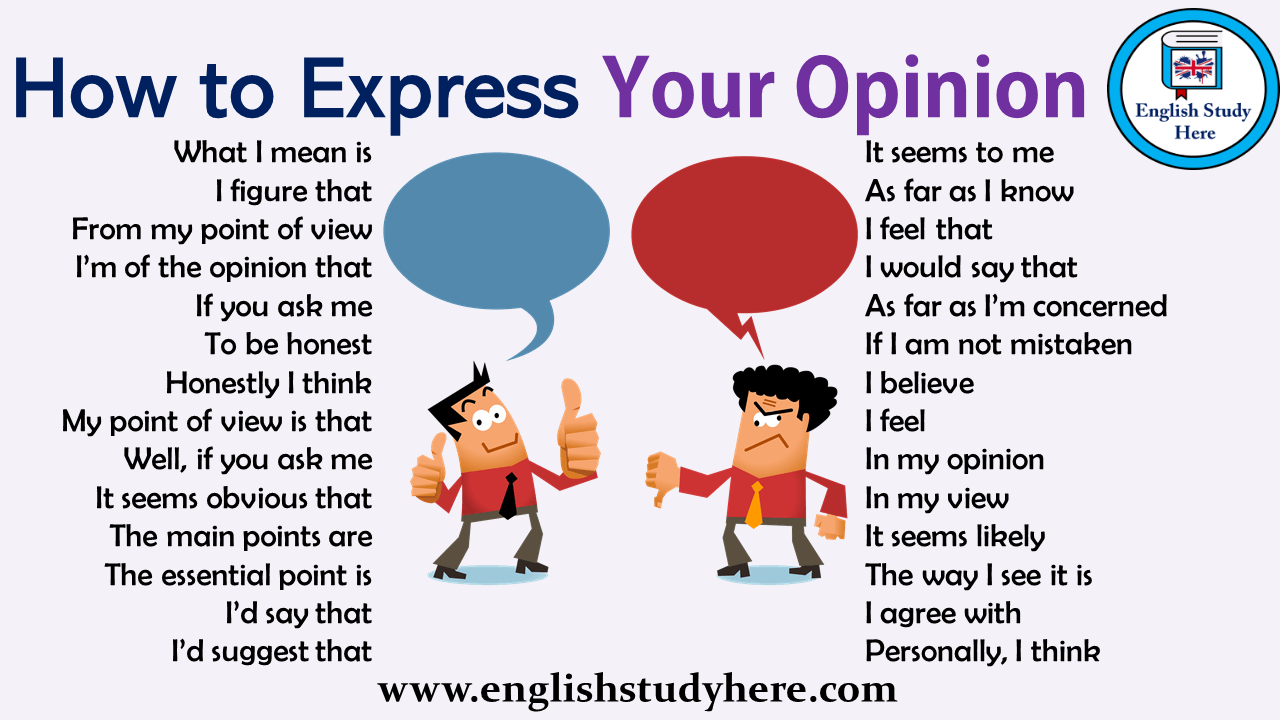
Short term plan
|
Unit 2: Controversial Issues |
lesson 22 |
||
|
Name od School: |
|
||
|
Teacher name: |
|
||
|
Date: |
|||
|
Grade: 10 |
Number present: |
absent: |
|
|
Lesson title |
CLIL. Personal, Social and Health Education |
||
|
Learning objectives |
10.3.4.1 - evaluate and comment on the views of others in a growing variety of talk contexts on a growing range of general and curricular topics; 10.4.2.1 - understand specific information and detail in extended texts on a range of familiar general and curricular topics, and some unfamiliar topics; |
||
|
Lesson objectives (assessment criteria) |
Learners will be able to: - Understand key concepts of health and wellbeing (physical, emotional, social). - Use English vocabulary related to healthy habits, lifestyle choices, and mental health. - Express personal views and suggest solutions to health-related issues. |
||
|
Instilling values of the program “Birtutas tarbiye” |
Independence and Patriotism Unity and Solidarity Justice and Responsibility |
||
|
Stages/ Time |
Teachers actions |
Students actions |
Assessment |
Resources |
|
Beginning 5 min |
Greeting. T tells the class to make groups of 2. Warm up: - Teacher shows two contrasting pictures: a healthy lifestyle vs an unhealthy one. - Students brainstorm: What do you see? Which lifestyle is better? Why?
Presentation Introduce key vocabulary (diet, exercise, stress, wellbeing, etc.). Teacher presents a short reading text: “Top 5 Healthy Lifestyle Tips”. Students read and highlight useful advice. |
Learners read the given sentences on the board and guess the topic and share with their ideas. Remember and recognize the main vocabulary. |
Teacher evaluate pupils with phrases like: “Good job! Well done!” Formative Assessment
|
Flashcards/pictures of healthy/unhealthy activities. Short text/article on healthy lifestyle tips. Scenario cards (case studies: e.g., stress at school, lack of sleep, too much fast food). |
|
Middle 15 min |
Ex: 1 P: 30 Introduction Direct students’ attention to the picture related to the text. Ask guiding questions: “What do you see in this picture?”, “What do you think this text might be about?” Elicit predictions to activate prior knowledge. Reading for Gist Give students time to read the text quickly to get the main idea. Explain that they should focus on overall meaning rather than understanding every word. Ask students to answer the questions in the rubric based on their reading. Class Discussion Elicit answers from various students around the class. Discuss differences in predictions and what students found in the text. Highlight how looking at pictures and headings can help predict content. Value Link (Birtutas Tarbiye) Critical Thinking – Making predictions and summarising main ideas. Responsibility & Diligence – Completing tasks attentively. |
Students read the text find out Answers:
Descriptor: - identifies the main idea of the text. - makes insightful predictions based on the picture and text. |
Excellent (5) - Accurately identifies the main idea of the text. Good (4) - Identifies most of the main idea; minor errors. . |
Student’s book |
|
20 min
|
Ex: 2 P:30 Introduction Explain the task: “You will read the text again and complete the sentence stubs using specific information from the text.” Remind students to look for keywords in the sentence stubs and match them with details in the text. Task Completion Give students time to read the text carefully and complete the sentence stubs individually or in pairs. Encourage students to write full sentences and copy information accurately from the text. Checking Answers Elicit answers from students around the class. Discuss why each answer is correct and clarify any mistakes. Highlight how focusing on keywords helps locate specific information efficiently. Value Link (Birtutas Tarbiye) Responsibility & Accuracy – Completing tasks carefully and accurately. |
Students read again and complete the sentences Answers:
7... a child fights back. |
Excellent (5) - Completes all sentence stubs correctly using information from the text. Good (3) - Completes most stubs correctly; minor errors. Descriptor: - completes all sentence stubs correctly using information - uses keywords to locate information in the text. |
Worksheets |
|
End 5 min |
Reflection: - Reflection circle: Each student shares one healthy habit they already do or would like to start. - Teacher highlights importance of small daily choices for long-term wellbeing. Homework Write a short paragraph (100–120 words): “3 things I do to stay healthy and why they are important.” Optional: Keep a wellbeing diary for one week (sleep, food, exercise, mood) |
Ss use their stickers to show their knowledge according to the lesson |
Poster |
|
Short term plan: term 1
|
Unit 2: Controversial Issues |
lesson 23 |
||
|
Teacher name: Khonturaeva G |
|||
|
Date: 23.10.2025 |
|||
|
Grade: 10V |
Number present: |
absent: |
|
|
Lesson title |
Summative Assessment for the term 1. |
||
|
Learning objectives |
10.2.2.1 Understand specific information in unsupported extended talk on a wide range of general and curricular topics, including talk on a limited range of unfamiliar topics 10.4.1.1 Understand main points in extended texts on a wide range of unfamiliar general and curricular topics 10.5.2.1 Use a growing range of vocabulary, which is appropriate to topic and genre, and which is spelt accurately 10.3.1.1 Use formal and informal language registers in talk on a wide range of general and curricular topics |
||
|
Lesson objectives |
Learners will be able to: - use context clues to identify specific information - provide a wide range of solutions for discussed issues |
||
|
Plan |
|||
|
Stages / Time |
Teachers’ actions |
Students’ actions |
Assessment criteria |
Resources |
|
Start 5 min Main part 35 min |
Organization moment 1.Greeting. Ask about the weather. The teacher sets the lesson objectives, letting students know what to anticipate from the lesson. Warm-up Creating a positive psychological environment. Lead – In LISTENING Task. Listen to the tape and write if the information is True (T) or False (F). Follow the link below to listen the audio (listen until 2.06) http://b779011024006a6071c1- 5c160b94f727c0d27cbeccc854542bc6.r78.cf1.rackcdn.com/B1_amazing_facts.mp3 READING Read the article about scientific researches about volcanoes and complete the task below. WRITING Task. Choose ONE topic and write an article. SPEAKING |
Students' attention is drawn to the lesson. Students discuss the pictures in pairs. Determines the topic and aim of the lesson Students work individually |
Formative Assessment Good job! Assessment criteria - use a growing range of vocabulary and linking words Descriptor: - work individually Total: 6 point |
Pictures Student’s book |
|
End 5 min |
FEEDBACK Learners provide feedback on what they have learned at the lesson. |
Students evaluate each other and encourage classmate with phrases like: Well done! Brilliant! Good job! I like it! |
Poster |
|
Short term plan
|
Unit 2: Controversial Issues |
lesson 24 |
||
|
Name od School: |
|
||
|
Teacher name: |
|
||
|
Date: |
|||
|
Grade: 10 |
Number present: |
absent: |
|
|
Lesson title |
Saving the Sea turtles |
||
|
Learning objectives |
10.3.7.1 - use appropriate subject-specific vocabulary and syntax to talk about a range of general and curricular topics; 10.4.5.1- deduce meaning from context in extended texts on a wide range of familiar general and curricular topics, and some unfamiliar topics; |
||
|
Lesson objectives (assessment criteria) |
Learners will be able to: - Understand key facts about sea turtles and threats they face. - Use environmental vocabulary in context. - Express opinions and suggest solutions to protect endangered animals. - Develop awareness of responsibility for the environment. |
||
|
Instilling values of the program “Birtutas tarbiye” |
Independence and Patriotism Unity and Solidarity Justice and Responsibility |
||
|
Stages/ Time |
Teachers actions |
Students actions |
Assessment |
Resources |
|
Beginning 5 min |
Greeting. T tells the class to make groups of 2. Warm up: - Show a picture of a sea
turtle. Ask: - Elicit quick ideas.
Pre-Reading Introduce key vocabulary (endangered, pollution, conservation, etc.). Students repeat, give examples, or match words to pictures. |
Learners read the given sentences on the board and guess the topic and share with their ideas. Remember and recognize the main vocabulary. |
Teacher evaluate pupils with phrases like: “Good job! Well done!” Formative Assessment
|
Short reading text/article: “Why Sea Turtles Are Endangered” Pictures/flashcards of sea turtles and threats (nets, pollution, plastic bags). Video clip (optional) about sea turtle rescue. |
|
Middle 10 min |
Ex: 1 P: 31 Introduction Explain the task: “You will read the text and choose the correct answer for each question (1–5) from the given options.” Remind students to underline keywords in both the questions and the options to help them locate answers. Task Completion Give students time to read the text carefully and select the correct answers individually or in pairs. Encourage students to justify their choices by referring to the relevant part of the text. Checking Answers Elicit answers from various students around the class. Ask students to explain why they chose a particular answer, encouraging critical thinking and comprehension. Clarify any misunderstandings and discuss strategies for finding specific information efficiently. Value Link (Birtutas Tarbiye) Critical Thinking – Evaluating options and selecting the correct answer based on evidence from the text. |
Students read the text and decide which answer is correct Answers: 1В 2C 3В 4A C Descriptor: - answers all questions with proper justification. - identifies and uses keywords from text to support answers. |
Excellent (3) - Correctly answers all questions with proper justification. Good (2) - Correctly answers most questions; minor errors in justification. . |
Student’s book |
|
12 min
|
Ex: 3 P:32 Introduction Explain the task: “You will complete sentences or short dialogues by choosing the correct response from the given options. This will help you practise everyday English expressions.” Give a quick example to ensure students understand the instructions. Task Completion Students complete the task individually or in pairs. Encourage students to think about context and which response sounds natural in everyday conversation. Checking Answers Elicit answers from different students around the class. Discuss why each answer is correct or incorrect. Highlight common mistakes and reinforce natural usage of expressions. Value Link (Birtutas Tarbiye) Practical Communication – Using English in everyday situations confidently. Responsibility – Completing tasks carefully and thoughtfully. |
Students choose the correct response. Answers: 1 a 2 b 3 b 4 a Descriptor: - chooses responses appropriate for context. - demonstrates clear understanding of expressions and their use. |
Excellent (3) - Correctly chooses all responses appropriate for context. Good (2) - Correctly chooses most responses; minor errors. |
Worksheets |
|
13 min |
Ex: 4 P:32 Introduction Explain the task: “You will complete exercises to practise vocabulary from this module. This will help you remember and use the words correctly.” Remind students to think about meanings, spelling, and context while completing the task. Task Completion Students complete the task individually or in pairs. Encourage them to use dictionaries or the Word List if needed. Checking Answers Elicit answers from different students around the class. Discuss any mistakes and reinforce correct usage and pronunciation of words. Value Link (Birtutas Tarbiye) Responsibility & Diligence – Taking care to complete vocabulary tasks accurately. |
Students fill in: species, power, campaign, fossil, habitats, packaging, smog, solar, energy, volunteers. Answers: 1 habitats 2 power 3 fossil 4 volunteers 5 packaging 6 species 7 energy 8 solar 9 smog 10 campaign Descriptor: - completes vocabulary tasks correctly - Ccorrect spelling and appropriate use in context. - shares answers and helps peers. |
Excellent (4) - Completes all vocabulary tasks correctly. Good (3) - Completes most tasks correctly; minor errors |
|
|
End 5 min |
Reflection: - Teacher asks: “What will YOU personally do to help the environment?” - Students share one action (e.g., recycle, use less plastic, spread awareness). Homework Write a short article (120–150 words): “Why We Should Save the Sea Turtles.” Use at least 5 new vocabulary words. Optional: Create a poster or infographic about protecting sea turtles |
Ss use their stickers to show their knowledge according to the lesson |
Poster |
|
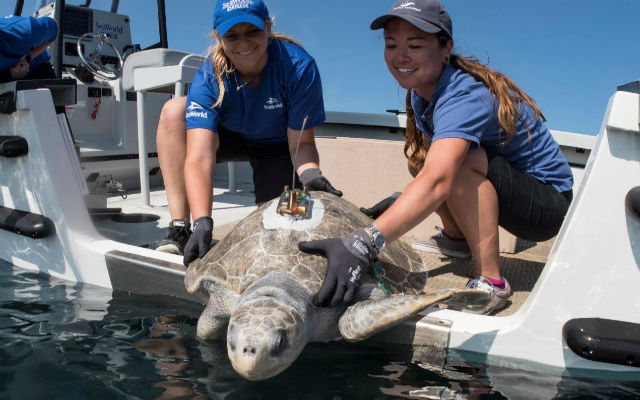









 Бұл курс Қазақстан Республикасы Оқу-ағарту министрлігімен келісілген










