ЖИ көмекші


жүктеу мүмкіндігіне ие боласыз
Бұл материал сайт қолданушысы жариялаған. Материалдың ішінде жазылған барлық ақпаратқа жауапкершілікті жариялаған қолданушы жауап береді. Ұстаз тілегі тек ақпаратты таратуға қолдау көрсетеді. Егер материал сіздің авторлық құқығыңызды бұзған болса немесе басқа да себептермен сайттан өшіру керек деп ойласаңыз осында жазыңыз
 02 Желтоқсан 2025
 33
33
LP Aspect 11 grade
Short term plan: term 2
|
Unit: 3 Interviews and instructions |
Lesson 25 |
||
|
School |
|
||
|
Teacher name: |
|
||
|
Date: |
|
||
|
Grade: 11 |
Number present: |
absent: |
|
|
Lesson title |
What’s your communication style? |
||
|
Learning objectives |
11.1.7.1 - develop and sustain a consistent argument when speaking or writing 11.3.2.1 - ask and respond with appropriate syntax and vocabulary to open-ended higher-order thinking questions on a range of general and curricular topics, including some unfamiliar topics |
||
|
Lesson objectives |
Learners will be able to: - introduce the topic and new vocabulary - activate new vocabulary through personalisation |
||
|
Value links |
The value based on the integrated educational program is to educate students for justice and responsibility One of the most effective ways to help students take responsibility for their learning is through goal setting |
||
|
Plan |
|||
|
Stages / Time |
Teachers actions |
Students actions |
Assessment criteria |
Resources |
|
Beginning of the lesson Warming-up 5 min. |
Organization moment : 1.Greeting. Ask about the weather. The teacher sets the lesson objectives, letting students know what to anticipate from the lesson. Warming up Ex:1 P:35 Direct Ss' attention to the diagram showing four different communication styles. Explain the task and give Ss time to complete it. Check Ss' answers. Explain/Elicit the meanings of any unknown words or phrases. |
Students of the class are listed. Students' attention is drawn to the lesson. Students say different words from the picture •Learners remember previous lesson vocabulary Learners answer the questions Learners in pairs decide which style of communicator ANSWERS a-C amiable b-A analytical c-B expressive d-D driver (although in some groups C would be a more |
The teacher to assess learners for their ability. “Good job! Well done!” Formative Assessment Descriptor: - remembers the lesson passed Point 1 Style Descriptor: - in pairs decide which style of communicator Total: 3 point |
|
|
Middle of the lesson Presentation part. 35 min |
Ex: 2 P: 35 match quotes with a communication style Explain the task and give Ss time to complete it. Check Ss' answers. Ex: 2 P: 35 To activate new vocabulary through personalisation
Read out the rubric and elicit from various Ss which communication style most closely resembles their own. Encourage Ss to justify their opinions.
Ask the other Ss if they agree and why/why not. Alternatively, give Ss time to complete the task in pairs. |
Learners read what four people said when faces with a problem ANSWERS 1 B 2 D 3 A 4 C Learners answer the question. ANSWERS : I think the communication style that most closely resembles my own is probably the amiable communication style, because I really dislike confrontation. Instead, I prefer collaboration and explanation so that everyone can understand for themselves and agree how things should be. I didn't choose analytical or expressive communication styles because I think I am somewhere in between H the two, depending on the task. What do you think? Do you agree with me? |
Descriptor: - read what four people said when faces with a problem Total: 3 point Descriptor: - answer the question. Total: 3 point -Make CCQ questions Yes / No |
|
|
End of the lesson 5 min |
FEEDBACK Learners provide feedback on what they have learned at the lesson. Ex: Home task: |
What worked well for you in today’s class? What could we have done differently to make today’s class better for you? What are you wondering about after today’s lesson? What did you find difficult about today’s lesson? |
Poster Success
|
|




Short term plan: term 2
|
Unit 3 Interviews and instructions |
Lesson 26 |
||
|
Teacher name: |
|
||
|
Date: |
|
||
|
Grade: 11 |
Number present: |
absent: |
|
|
Lesson title |
How to be successful in an interview |
||
|
Learning objectives |
11.2.4.1 - implied meaning in unsupported extended talk on a wide range of general and curricular topics, including talk on a growing range of unfamiliar topics 11.4.8.1 - select and evaluate paper and digital reference resources to check meaning and extend understanding 11.5.2.1 - use a wide range of vocabulary, which is appropriate to topic and genre, and which is spelt accurately |
||
|
Lesson objectives |
Learners will be able to: - introduce the topic - consolidate new vocabulary from a text/to use new vocabulary in context - listen and read for specific information |
||
|
Value links |
The value based on the integrated educational program is to educate students for justice and responsibility To help others and to be fair, kind and willingness to take responsibility. |
||
|
Plan |
|||
|
Stages / Time |
Teachers actions |
Students actions |
Assessment criteria |
Resources |
|
Beginning of the lesson Warming-up 5min |
Organization moment : 1.Greeting. Ask about the weather. The teacher sets the lesson objectives, letting students know what to anticipate from the lesson. Warm up Ask a few pupils to stand up and stand in a row. Ask the rest of the class questions to revise the ordinals. |
Students of the class are listed. Students' attention is drawn to the lesson. Determines the topic and purpose of the lesson •Learners remember previous lesson vocabulary Students say different words from the picture Answer the question. |
The teacher to assess learners for their ability. “Good job! Well done!” Formative Assessment |
|
|
Middle of the lesson Presentation part. 35 min |
Ex:1 P:36 • Direct Ss' attention to the article's title, subheadings and picture. Ask Ss what they think the article is about and elicit answers around the class Ex: 2 P: 36 A • Refer Ss to the Word List at the back of their books and give them time to look up the meanings of the words. Alternatively, Ss can check the meanings of the words in their dictionaries. Check Ss' comprehension around the class and explain/elicit the meaning of any unfamiliar words. B • Explain the task and give Ss enough time to complete the sentences. Check Ss' answers around the class Ex: 3 P: 36 • Explain the task and ask Ss to read the sentences from Ex. 2b again. Play the recording. Ss listen and read the article before answering the questions. Check Ss' answers around the class. Ex: 4 P: 36 Explain the task and give Ss time to complete it. Remind Ss to justify their answers with evidence from the text. Check Ss' answers. |
• Pupils look at the title of the article, the subheadings and the photo. Answer the questions ANSWERS I think the article is about how to do well in a job interview. Pupils these words appear in the test. Use the words to complete the sentences ANSWERS 1 traits 2 courtesy 3 impulse 4 attire 5 posture 6 practices • Pupils according to the article, which of the sentences are true about interviews ANSWERS According to the article, sentences 1, 3 and 5 are true. • Pupils read text again. ANSWERS 1 A (lines 11-13:"Let's look at the three key stages... and find out how we can maximise our potential ...") 2 D (lines 8-10:"... almost every great interviewee is following a plan; a recipe for success which dramatically increases their employability.") 3 B (lines 19-22:"experts suggest ... reading up on the company, becoming familiar with its philosophy and being aware of the specific traits they find desirable.") 4 D (lines 47-48: "A first impression can only be made once, so body language is important.") |
Descriptor: - look at the title of the article - answer the question. Total: 2 point Descriptor: - Use the words to complete the sentences Total: 1 point Descriptor: - according to the article, which of the sentences are true about interviews Total: 2 point -Make CCQ questions Yes / No Total: 10 point |
|
|
End of the lesson 5 min |
FEEDBACK Learners provide feedback on what they have learned at the lesson. Ex: Home task: |
What worked well for you in today’s class? What could we have done differently to make today’s class better for you? What are you wondering about after today’s lesson? What did you find difficult about today’s lesson? |
Poster Success
|
|


Short term plan: term 2
|
Unit 3 Interviews and instructions |
Lesson 27 |
||
|
Teacher name: |
|
||
|
Date: |
|
||
|
Grade: 11 |
Number present: |
absent: |
|
|
Lesson title |
Vocabulary: non-verbal communication |
||
|
Learning objectives |
11.5.2.1 - use a wide range of vocabulary, which is appropriate to topic and genre, and which is spelt accurately 11.6.13.1 - use a variety of dependent prepositions with less common nouns, adjectives and verbs on a wide range of general and curricular topics |
||
|
Lesson objectives |
Learners will be able to: - consolidate vocabulary from a text - consolidate vocabulary from a text - introduce vocabulary related to non-verbal communication |
||
|
Value links |
The value based on the integrated educational program is to educate students for justice and responsibility In front of the class team for the assigned general case feel responsible |
||
|
Plan |
|||
|
Stages / Time |
Teachers actions |
Students actions |
Assessment criteria |
Resources |
|
Beginning of the lesson Warming-up 5 min |
Organization moment : 1.Greeting. Ask about the weather. The teacher sets the lesson objectives, letting students know what to anticipate from the lesson. Warming up revise the vocabulary from the previous Ex: 1 P: 38 • Explain the task and give Ss enough time to fill the gaps. Check Ss' answers. Ex:2 P: 38 • Explain the task and give Ss enough time to underline the correct words. Check Ss' answers
|
Students of the class are listed. Students' attention is drawn to the lesson. Learners remember previous lesson vocabulary Determines the topic and purpose of the lesson Pupils fill in the gaps ANSWERS 1 mindset 2 courtesy 3 conjunction 5 realm 4 perception Pupils underline the correct item ANSWERS 1 potential 2 constructive 3 thorough 4 overstated
|
The teacher to assess learners for their ability. “Good job! Well done!” Formative Assessment Descriptor: - fill in the gaps Total: 1 point
Descriptor: - underline the correct item Total: 1 point |
|
|
Middle of the lesson Presentation part. 35 min
|
.Ex: 3 P: 38 • Explain the task. Refer Ss to the Word List or their dictionaries to check any unknown vocabulary. Give Ss time to complete the task. Check Ss' answers. Ex: 4 P: 38 Explain the task and give Ss time to complete the sentences. Remind Ss to use the verbs in their correct form. Check Ss' answers. |
Pupils fill the gaps. ANSWERS 1 pout 2 grimace 3 gape 4 shrug 5 smirk 6 sneer Pupils label the photos. ANSWERS 1pouting 2 shrugged 3 smirked 4 grimaced 5 gaped 6 sneer |
Descriptor: - choose the correct preposition Total: 1 point Descriptor: - fill the gaps. - label the photos Total: 1 point -Make CCQ questions Yes / No |
|
|
End of the lesson 5 min |
FEEDBACK Learners provide feedback on what they have learned at the lesson. Ex: Home task: |
What worked well for you in today’s class? What could we have done differently to make today’s class better for you? What are you wondering about after today’s lesson? What did you find difficult about today’s lesson? |
Poster Success
|
|
Short term plan: term 2
|
Unit 3: Interviews and instructions |
Lesson 28 |
||
|
Teacher name: |
|
||
|
Date: |
|
||
|
Grade: 11 |
Number present: |
absent: |
|
|
Lesson title |
Personal qualities |
||
|
Learning objectives |
11.5.2.1 - use a wide range of vocabulary, which is appropriate to topic and genre, and which is spelt accurately 11.6.13.1 - use a variety of dependent prepositions with less common nouns, adjectives and verbs on a wide range of general and curricular topics |
||
|
Lesson objectives |
Learners will be able to: - introduce vocabulary related to personal qualities - practise using vocabulary related to personal qualities - present vocabulary related to personal qualities |
||
|
Value links |
The value based on the integrated educational program is to educate students for justice and responsibility Learning when to say sorry Part of learning about responsibility is knowing when to apologize for the negative consequences of our actions. |
||
|
Plan |
|||
|
Stages / Time |
Teachers actions |
Students actions |
Assessment criteria |
Resources |
|
Beginning of the lesson Warming-up 5 min |
Organization moment : 1.Greeting. Ask about the weather. The teacher sets the lesson objectives, letting students know what to anticipate from the lesson. Warming up revise the language from the previous lesson Lead – In
Ex:6 P:39 • Explain the task. Refer Ss to the Word List or their dictionaries to check any unknown vocabulary. Write the headings Positive, Neutral and Negative on the board and write the vocabulary under the correct heading as you elicit Ss' answers around the class. |
Students of the class are listed. Students' attention is drawn to the lesson. Learners talk about daily routines previous lesson vocabulary Determines the topic and purpose of the lesson Students say different words from the picture •Pupils put the personal qualities in the correct bubble. ANSWERS Positive: committed, cooperative, eloquent, farsighted, ingenious, tolerant Neutral: conservative, sentimental, laid-back, strong- willed Negative: big-headed, cynical, disrespectful, pessimistic |
The teacher to assess learners for their ability. “Good job! Well done!” Formative Assessment
Descriptor: - put the personal qualities in the correct bubble. Total: 2 point |
|
|
Middle of the lesson Presentation part. 35 min |
Ex: 6b P: 38 • Explain the task and give Ss time to write sentences using the vocabulary from Ex. 6a. Check Ss' answers. Alternatively, assign the task as HW and check Ss' answers in the next lesson. Ex: 3 P: 38 • practise will and be going to Explain the task and then give Ss time to complete the task. Check Ss' answers.\ |
•Pupils use vocabulary from ex 6a to write sentences ANSWERS My brother is so big-headed he thinks he's the best! The mayor is really committed to making our city a cleaner, safer place to live. My grandmother is rather conservative; she is a bit suspicious of change. I'm a very cooperative person and like to work with others to solve problems. My grandfather is becoming so cynical in his old age; he never trusts anyone! It's disrespectful not to acknowledge other people's •Pupils choose the correct item ANSWERS 1 centre 2 tendency 3 Outgoing 4 reserved |
Descriptor: - use vocabulary from ex 6a to write sentences Total: 2 point Descriptor: - choose the correct item Total: 3 point -Make CCQ questions Yes / No Total: 10 point |
|
|
End of the lesson 5 min |
FEEDBACK Learners provide feedback on what they have learned at the lesson. Ex: Home task: |
What worked well for you in today’s class? What could we have done differently to make today’s class better for you? What are you wondering about after today’s lesson? What did you find difficult about today’s lesson? |
Poster Success
|
|
Short term plan: term 2
|
Unit 3: Interviews and instructions |
Lesson 29 |
||
|
Teacher name: |
|
||
|
Date: |
|
||
|
Grade: 11 |
Number present: |
absent: |
|
|
Lesson title |
Use of English: modals |
||
|
Learning objectives |
11.5.2.1 - use a wide range of vocabulary, which is appropriate to topic and genre, and which is spelt accurately 11.6.12.1 - use a wide variety of past modal forms to express appropriate functions ; use a variety of near modal structures including supposed to, bound to, due, willing to on a wide range of general and curricular topics |
||
|
Lesson objectives |
Learners will be able to: - identify and present comparing and contrasting ideas and cause/effect patterns - use digital and paper resources to enrich vocabulary |
||
|
Value links |
The value based on the integrated educational program is to educate students for justice and responsibility To help others and to be fair, kind and willingness to take responsibility |
||
|
Plan |
|||
|
Stages / Time |
Teachers actions |
Students actions |
Assessment criteria |
Resources |
|
Beginning of the lesson Warming-up 5 min |
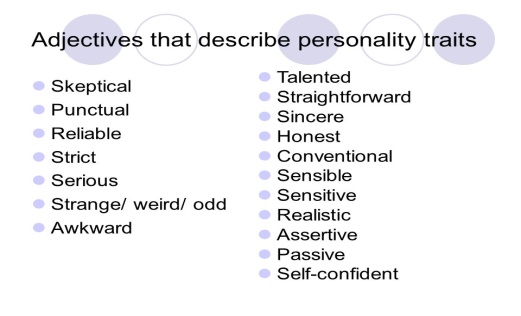
Organization moment : 1.Greeting. Ask about the weather. The teacher sets the lesson objectives, letting students know what to anticipate from the lesson. Warm-Up Revise the language from the previous lesson Ex:1 P:40 Write the following sentences on the board: Sezim is stressed about her exams. She told me./Sezim must be stressed about her examsShe looks unhappy Nurlan usually comes with us./OK, Nurlan can come with usElicit from Ss what the difference between the sentences in each pair is. (e.g. the first sentences in each pair are facts while the second contain a modal and express opinion or attitude). Point out that modals do not have tenses in the normal sense and are followed by the infinitive without to. |
Students of the class are listed. Students' attention is drawn to the lesson. Learners talk about daily routines previous lesson vocabulary Determines the topic and purpose of the lesson Students say different words from the picture Pupils read the forum entries about Kim’s interview. Answer the question ANSWERS might: possibility may: possibility can't: logical assumption shouldn't: criticism would: logical assumption should: advice have: necessity |
The teacher to assess learners for their ability. “Good job! Well done!” Formative Assessment
Descriptor: - read the forum - answer the question Total: 2 point |
|
|
Middle of the lesson Presentation part. 35 min |
Ex: 2 P: 40 • Explain the task and give Ss time to complete it Check Ss answers. Ex: 3 P: 40 Refer Ss to the Grammar Reference section and give them time to complete the task in pairs Check Ss' answers around the class |
Pupils read the sentences and match them to their synonymous phrases. ANSWERS A: 1 d 2 c 3 b 4 a These phrases express possibility in a variety of tenses. B: 1 d 2 a 3 b 4 e 5 c These phrases express necessity in a variety of tenses. C: 1 e 2 b 3 d 4 a 5 c These phrases express obligation in a variety of tenses Pupils read the sentences and in pairs decide how they differ in meaning ANSWERS 1 a Criticism of a particular actionNursultan stayed up too late last Sunday. b General advice. It would be a good idea if Nursultan went to bed earlier on Sundays. 2 a Possibility. I believe that it was possible for me to beat my record, but I didn't. b Ability in a specific situation in the past. I have managed to beat my record. 3 a ObligationIt is necessary for me to work overtime because my boss says so b ObligationIt is necessary for me to work overtime because I really want to finish the report on time. 4 a Absence of necessity. It is not necessary for |
Descriptor: - read the sentences - match them to their synonymous phrases Total: 2 point Descriptor: - work in pairs - read the sentences Total: 3 point -Make CCQ questions Yes / No Total: 10 point |
|
|
End of the lesson 5 min |
FEEDBACK Learners provide feedback on what they have learned at the lesson. Ex: Home task: |
What worked well for you in today’s class? What could we have done differently to make today’s class better for you? What are you wondering about after today’s lesson? What did you find difficult about today’s lesson? |
Poster Success
|
|


Short term plan: term 2
|
Unit 3: Interviews and instructions |
Lesson 30 |
||
|
Teacher name: |
|
||
|
Date: |
|
||
|
Grade: 11 |
Number present: |
absent: |
|
|
Lesson title |
Skills: Interview Analysis |
||
|
Learning objectives |
11.3.3.1 - explain and justify own and others’ point of view on a range of general and curricular topics, including some unfamiliar topics 11.4.1.1 - understand complex and abstract main points in extended texts on a wide range of familiar and unfamiliar general and curricular topics |
||
|
Lesson objectives |
Learners will be able to: - perform a persuasive discourse based on cause-effect pattern - identify the difference between main idea and supporting points |
||
|
Value links |
The value based on the integrated educational program is to educate students for justice and responsibility In front of the class team for the assigned general case feel responsible |
||
|
Plan |
|||
|
Stages / Time |
Teachers actions |
Students actions |
Assessment criteria |
Resources |
|
Beginning of the lesson Warming-up 5 min |
Organization moment : 1.Greeting. Ask about the weather. The teacher sets the lesson objectives, letting students know what to anticipate from the lesson. Warm-Up revise the language from the previous lesson Lead – In
Ex:1 P:42 Direct Ss attention to the article's title and subheadings. Ask Ss what they think the article is about and elicit answers around the class |
Students of the class are listed. Students' attention is drawn to the lesson. Learners talk about daily routines previous lesson vocabulary Determines the topic and purpose of the lesson Students say different words from the picture Pupils look at the title of the article and subheadings. Read to find out ANSWERS I think the article is about what a job interview consists of and the specific skills the candidates need to display |
The teacher to assess learners for their ability. “Good job! Well done!” Formative Assessment Descriptor: - talk about daily routines Point 1 Descriptor: - look at the title - answer the question Total: 2 point |
|
|
Middle of the lesson Presentation part. 35 min |
Ex: 2 P: 42 •Ask Ss to read the text again and fill the gaps 1-5 with the correct sentence Remind Ss to pay attention to discourse markers as well as general meaning, and to read through the whole text again when they have completed the task to check that it makes sense Play the recording Ss listen and check. Ex: 3 P: 42 • Explain the task and give Ss enough time to complete it. • Check Ss answers Ex: 4 P: 42 Read the question and ask Ss to discuss it in pairs Remind Ss to justify their opinion. Monitor the activity around the classAsk various Ss to tell the class |
Pupils read the article again and fill the gaps with a correct sentence. ANSWERS 1 E 2 C 3 F 4 A 5 D •Pupils write an antonym for these words. ANSWERS 1 succeed 2 nervous 3 common 4 specific 5 benefit •Pupils work in pairs. Identify of the five characters in the text. ANSWERS A: I think poise is the most difficult characteristic for an interviewee to master because when a person is nervous, they're more likely to speak quickly and move around a lot. It can be tricky to control your nerves, especially when you're trying to concentrate on what the interviewer is saying while also trying to think of a good answer. I'm sure most people don't even realise that they're fidgeting so much, but it can be really distracting for the interviewer |
Descriptor: - read the article - fill the gaps with a correct sentence Total: 2 point Descriptor: - write an antonym for these words Total: 2 point Descriptor: - work in pairs - identify of the five characters Total: 3 point -Make CCQ questions Yes / No Total: 10 point |
|
|
End of the lesson 5 min |
FEEDBACK Learners provide feedback on what they have learned at the lesson. Ex: Home task: |
What worked well for you in today’s class? What could we have done differently to make today’s class better for you? What are you wondering about after today’s lesson? What did you find difficult about today’s lesson? |
Poster Success
|
|




Short term plan: term 2
|
Unit 3: Interviews and instructions |
Lesson 31 |
||
|
Teacher name: Khonturaeva G |
|
||
|
Date: 13.11.2025 |
|
||
|
Grade: 11A |
Number present: |
absent: |
|
|
Lesson title |
Listen and speaking (A job interview) |
||
|
Learning objectives |
11.2.2.1 - understand specific information in unsupported extended talk on a wide range of general and curricular topics, including talk on a growing range of unfamiliar topics 11.3.5.1 - interact with peers to make hypotheses and evaluate alternative proposals on a range of familiar and some unfamiliar general and curricular topics |
||
|
Lesson objectives |
Learners will be able to: - recognize and evaluate certain points that will help comprehend the main points effectively - generate constructive ways to find solutions to a wide range of issues |
||
|
Value links |
The value based on the integrated educational program is to educate students for justice and responsibility Apologizing can also show that you regret your mistake, that you are willing to take responsibility for it and that you're using it as an opportunity to improve yourself. |
||
|
Plan |
|||
|
Stages / Time |
Teachers actions |
Students actions |
Assessment criteria |
Resources |
|
Beginning of the lesson Warming-up 5 min |
Organization moment : 1.Greeting. Ask about the weather. The teacher sets the lesson objectives, letting students know what to anticipate from the lesson. Warm-Up revise the language from the previous lesson Ex:6 P:43 Explain the task and give Ss time to read the phrases and complete the dialogue. Remind Ss to pay attention to the words before after each gap as they will help them decide on the missing sentences. |
Students of the class are listed. Students' attention is drawn to the lesson. Learners talk about daily routines previous lesson vocabulary Determines the topic and purpose of the lesson Students say different words from the picture Pupils complete the dialogue between an interviewer and a candidate ANSWERS 1 Thanks for coming in 2 Tell me about yourself 3 Why should I consider you for the job 4 Do you have any relevant work experience 5 when can you start |
The teacher to assess learners for their ability. “Good job! Well done!” Formative Assessment Descriptor: - talk about daily routines Point 1 |
|
|
Middle of the lesson Presentation part. 35 min |
Ex: 7 P: 43 •Explain the task and ask pairs of Ss to take roles and act out a dialogue similar to the one H in Ex. 6 using their own ideas and the useful language in the box. Write this diagram on the board for Ss to follow. Monitor the activity around the class offering help if necessary. Ask some pairs to act out their dialogue in front of the class. Justice and Responsibility Willingness to accept and correct mistakes, if to be responsible for the results of his work if they are done Willingness to accept and correct mistakes, if to be responsible for the results of his work if they are done When you make a mistake, try to admit it as soon as you can, and apologize if necessary. Making an effort to apologize for a mistake can show that you respect the people who have been affected by the mistake. Apologizing can also show that you regret your mistake, that you are willing to take responsibility for it and that Ex: 8 P: 43 • Explain the task and give Ss enough time to complete it. • Check Ss answers |
•Pupils work in pairs. Use the language in the box to act out a job interview. ANSWERS A: Good afternoon, you must be Damira KarimovaI'm Jonathan Snow. B: Good afternoon Mr Snow. Nice to meet you. A: Nice to meet you tooThanks for coming in. B: Thanks for the opportunity. A: OK, let's startTell me about your educational background. B: Well, I'm a university student at Nazarbayev UniversityI study Engineering. I'm really interested in this part-time position to help with my living expenses. A: I see. Why should we hire you? B: Well, I'm sensible, committed and I'm a strong swimmer. I've also completed a course in life- saving. •Pupils work in group. Collect more information about the types of questions interviewers might ask to evaluate a candidate. ANSWERS Groups own answer |
Descriptor: - complete the dialogue Total: 2 point
Descriptor: - work in pairs - use the language in the box - act out a job interview Total: 2 point Descriptor: - work in group - collect more information Total: 2 point -Make CCQ questions Yes / No Total: 10 point |
|
|
End of the lesson 5 min |
FEEDBACK Learners provide feedback on what they have learned at the lesson. Ex: Home task: |
What worked well for you in today’s class? What could we have done differently to make today’s class better for you? What are you wondering about after today’s lesson? What did you find difficult about today’s lesson? |
Poster Success
|
|


Short term plan: term 2
|
Unit 3: Interviews and instructions |
Lesson 32 |
||
|
Teacher name: |
|
||
|
Date: |
|
||
|
Grade: 11 |
Number present: |
absent: |
|
|
Lesson title |
Writing: An instructional text |
||
|
Learning objectives |
11.4.2.1 - understand specific information and detail in extended texts on a wide range of familiar and unfamiliar general and curricular topics 11.5.2.1 - use a wide range of vocabulary, which is appropriate to topic and genre, and which is spelt accurately |
||
|
Lesson objectives |
Learners will be able to: - recognize and evaluate certain points that will help comprehend the main points effectively - develop and present ideas according to a given role and suggested situation - express themselves effectively and creatively in a range of situations |
||
|
Value links |
The value based on the integrated educational program is to educate students for justice and responsibility Ability to finish what you started Being able to follow through and finish the things you start is a valuable life skill |
||
|
Plan |
|||
|
Stages / Time |
Teachers actions |
Students actions |
Assessment criteria |
Resources |
|
Beginning of the lesson Warming-up 5 min |
Organization moment : 1.Greeting. Ask about the weather. The teacher sets the lesson objectives, letting students know what to anticipate from the lesson. Warm-Up revise the language from the previous lesson Lead – In
Ex:1 P:44 Read the theory box on instructional texts aloud Give Ss time to read the rubric and answer th questions. Check Ss' answers around the class. |
Students of the class are listed. Students' attention is drawn to the lesson. Learners talk about daily routines previous lesson vocabulary Determines the topic and purpose of the lesson Students say different words from the picture Ex:1 P:44 Read the theory box on instructional texts aloud Give Ss time to read the rubric and answer th questions. Check Ss' answers around the class. |
The teacher to assess learners for their ability. “Good job! Well done!” Formative Assessment
Descriptor: - read the rubric - answer the question Total: 2 point |
|
|
Middle of the lesson Presentation part. 35 min |
Ex: 2 P: 44 •Explain the task and give Ss enough time to read the model. Read the questions aloud and elicit answers around the class. Ex: 3 P: 44 • Explain the task and give Ss enough time to read the text again and put the instructions in the correct order. Check Ss answers around the class. Ex: 4 P: 44 Explain the task and give Ss enough time to complete it. Check Ss answers around the class. Conclusion during the lesson some tasks differentiated by outcomes of the tudents and by their abilities. |
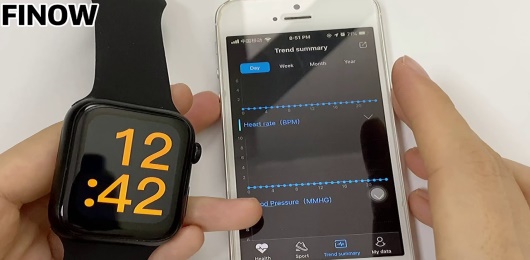
2 My instructional text should be written in direct and simple language, not too formal or informal. 3 The main stylistic features that I should use are: the present tense to give information, the imperative to give instructions, direct and simple language and a photograph or diagram to illustrate the instructions. •Pupils read the model text. Answer the question. ANSWERS The purpose of the text is to give instructions on how to pair your smart watch with your phone. The writer has used active, imperative verbs to give clear, step-by-step instructions to the reader. •Pupils read the text again and put the instructions in the correct order. ANSWERS A 2 B 1 C 6 D 5 E 3 F 4 •Pupils fill the gaps ANSWERS 1 Turn 2 Connect 3 Open 4 Click 5 Select 6 Copy 7 disconnect |
Descriptor: - read the model - answer the question Total: 2 point Descriptor: - read the text - put the instructions in the correct order Total: 2 point Descriptor: - fill the gaps Total: 2 point -Make CCQ questions Yes / No Total: 10 point |
|
|
End of the lesson 5 min |
FEEDBACK Learners provide feedback on what they have learned at the lesson. Ex: Home task: |
What worked well for you in today’s class? What could we have done differently to make today’s class better for you? What are you wondering about after today’s lesson? What did you find difficult about today’s lesson? |
Poster Success
|
|

Short term plan: term 2
|
Unit 3: Interviews and instructions |
Lesson 33 |
||
|
Teacher name: Khonturaeva G |
|
||
|
Date: 17.11.2025 |
|
||
|
Grade: 11A |
Number present: |
absent: |
|
|
Lesson title |
Words. Phrases. |
||
|
Learning objectives |
11.2.1.1 - understand the main points in unsupported extended talk on a wide range of general and curricular topics, including talk on a growing range of unfamiliar topic 11.5.5.1 - develop with minimal support coherent arguments supported when necessary by examples and reasons for a wide range of written genres in familiar general and curricular topics |
||
|
Lesson objectives |
Learners will be able to: - discuss\debate on a range of local, national and global issues - trace the development of information via the use of linking words to identify relevance, accuracy and flow |
||
|
Value links |
The value based on the integrated educational program is to educate students for justice and responsibility By showing justice, kindness and responsibility willingness to help others |
||
|
Plan |
|||
|
Stages / Time |
Teachers actions |
Students actions |
Assessment criteria |
Resources |
|
Beginning of the lesson Warming-up 3 min |
Organization moment : 1.Greeting. Ask about the weather. The teacher sets the lesson objectives, letting students know what to anticipate from the lesson. Warm-Up revise the language from the previous lesson Lead – In
Ex:5 P:45 • Ask Ss to look at phrases in the Useful Language box. In pairs Ss write down possible ideas of what may have gone wrong (possible problems) Ss can also use ideas from the information in the model text. Elicit answers from various Ss around the class. |
Students of the class are listed. Students' attention is drawn to the lesson. Learners talk about daily routines previous lesson vocabulary Determines the topic and purpose of the lesson Students say different words from the picture •Pupils use the phrases in the Useful Language ANSWERS Possible problems: left it on airplane mode, not getting any signal from the watch, not having switched on/enabled Bluetooth on the |
The teacher to assess learners for their ability. “Good job! Well done!” Formative Assessment
Descriptor: - use the phrases - write possible ideas Total: 2 point |
|
|
Middle of the lesson Presentation part. 35 min |
Ss work in pairs and act out a dialogue using their notes on what may have gone wrong and the phrases in the Useful language box. Monitor the activity around the class. Ask various pairs of Ss to act out their dialogues in front of the class. Ex:6 P: 45 Direct Ss' attention to the theory box and read the theory and examples. Explain the task and give Ss enough time to complete itRefer Ss to the Grammar Reference section for more information. Check Ss' answers Ex: 7 P: 45 Give Ss time to read the rubric and answer the questions. Check Ss' answers around the class Ex: 8 P: 45 Give Ss time to complete the task using the Useful Language box, their answers from Ex7 and the prompts from Ex. 8 to help them. Ask Ss to check their piece of writing against the Checklist before they hand it in. Check Ssanswers Alternatively, assign the task as HW and check Ss' answers in the next lesson. |
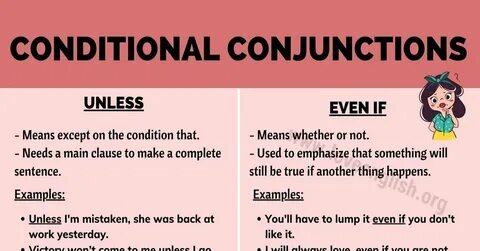
Pupils join the sentences. Use the conjunctions in brackets. ANSWERS 1 Don't download anything, even if it seems safe. 2 You can pair your phone to your TV, provided that your TV has a screen mirroring feature. 3 You won't be able to log in unless you know the password. 4 Write down the instructions other wise you will forget them. Pupils read the rubric and answer the question. ANSWERS 1 I will write an instructional text to a forum reader who has an IT problem. 2 I should use present tenses and imperative verb forms. 3 At the beginning of the instructional textI should include a title or a main heading indicating the subject matter Pupils write the instructional text. Use the prompts below. ANSWERS How to save battery power on your tablet PC It's very easy to save power on your tablet PC. All that is required is to change a few basic settings: First, open the Start Menu, and then go to the Control Panel page. From there, you can open the Display file. Click on Screen Brightness and adjust the setting to mediumThis will reduce the screen's power |
Descriptor: - write down possible ideas - use the conjunctions Total: 2 point Descriptor: - read the rubric - answer the question Total: 2 point Descriptor: - write the instructional text - use the prompts Total: 2 point -Make CCQ questions Yes / No Total: 10 point |
|
|
End of the lesson 5 min |
FEEDBACK Learners provide feedback on what they have learned at the lesson. Ex: Home task: |
What worked well for you in today’s class? What could we have done differently to make today’s class better for you? What are you wondering about after today’s lesson? What did you find difficult about today’s lesson? |
Poster Success
|
|


Short term plan: term 2
|
Unit 3: Interviews and instructions |
Lesson 34 |
||
|
Teacher name: Khonturaeva G |
|
||
|
Date: 26.11.2025 |
|
||
|
Grade: 11A |
Number present: |
absent: |
|
|
Lesson title |
CLIL: Using memory technics. |
||
|
Learning objectives |
11.3.7.1 - use appropriate subject-specific vocabulary and syntax to talk about a range of familiar and some unfamiliar general and curricular topics 11.4.5.1 - deduce meaning from context in extended texts on a wide range of familiar and unfamiliar general and curricular topics |
||
|
Lesson objectives |
Learners will be able to: - recognize logical fallacies, assertions and assumptions - demonstrate the skills of using figurative language, word relationships, and nuances in word meanings - identify the meaning of words using contextual clues |
||
|
Value links |
The value based on the integrated educational program is to educate students for justice and responsibility For any type of service or activity take responsibility |
||
|
Plan |
|||
|
Stages / Time |
Teachers actions |
Students actions |
Assessment criteria |
Resources |
|
Beginning of the lesson Warming-up 5 min |
Organization moment : 1.Greeting. Ask about the weather. The teacher sets the lesson objectives, letting students know what to anticipate from the lesson. Warm-Up Revise the language from the previous lesson Ex:1 P:46 Introduce the topic; to listen and read for specific information Read the rubric aloud and ask Ss to read the title of the text. Elicit ideas from Ss about what they think the word "mnemonic" means. Ask Ss if they know of any types of mnemonic devices. Play the recording. Ss listen and read to find out |
Students of the class are listed. Students' attention is drawn to the lesson. Learners talk about daily routines previous lesson vocabulary Determines the topic and purpose of the lesson Students say different words from the picture Pupils read and listen to the text to find out. Answer the question ANSWERS A mnemonic is a pattem that helps you remember things. There are many types of mnemonic devices. The main types are connection image and music |
The teacher to assess learners for their ability. “Good job! Well done!” Formative Assessment
Descriptor: - read and listen to the text to find out. - answer the question Total: 2 point |
|
|
Middle of the lesson Presentation part. 35 min |
.Ex:2 P: 46 Read for specific information (T/F statements) Ask Ss to read the sentences and underline the key words. Explain that this will help them to do the task. Ask Ss to read the text again and mark the sentences as T (true), F (false) or DS (doesn't say). Check Ss' answer Ex: 3 P: 46 • Personalise and expand on the topic Ask Ss to discuss in pairs which mnemonic device they think could help them remember things best. Monitor activity around the class. Ask various Ss to tell the class. Ex: 1 P: 46 Read the rubric aloud and elicit from Ss what they know (if anything) about the Mind Palace memory technique. Ss read and listen to the text to answer the question. Check Ss answers, |
Pupils read the text again and mark the sentences. ANSWERS 1 F ("we dramatically increase our ability to remember them") 2 T 3 F ("There are many different types of mnemonics") 4 F ("...forms a link in the mind between something new and something we already know") 5 DS 6 T •Pupils answer the question ANSWERS A: I think that using images would best help me to remember things. As a visual leamer it's easier for me to remember a piece of information if I can associate it with a picture. B: For me, connection works best. When I study. I try to connect something I already know with the new thing I want to memorise. I find it especially helpful when I have to remember names of people or places: I just create a mental connection with a person I already know and places I've visited. •Pupils listen and read to find out ANSWERS The Mind Palace technique is a memory technique which uses location and imagery to help us remember |
Descriptor: - read the text - mark the sentences Total: 2 point Descriptor: - answer the question Total: 2 point Descriptor: - listen and read to find out Total: 2 point -Make CCQ questions Yes / No Total: 10 point |
|
|
End of the lesson 5 min |
FEEDBACK Learners provide feedback on what they have learned at the lesson. Ex: Home task: |
What worked well for you in today’s class? What could we have done differently to make today’s class better for you? What are you wondering about after today’s lesson? What did you find difficult about today’s lesson? |
Poster Success
|
|

Short term plan: term 2
|
Unit 3: Interviews and instructions |
Lesson 35 |
||
|
Teacher name: Khonturaeva G |
|
||
|
Date: 27.11.2025 |
|
||
|
Grade: 11A |
Number present: |
absent: |
|
|
Lesson title |
Progress check Summative assessment for the unit «Human brain» |
||
|
Learning objectives |
11.3.2.1 - ask and respond with appropriate syntax and vocabulary to open-ended higher-order thinking questions on a range of general and curricular topics, including some unfamiliar topics 11.4.8.1 - select and evaluate paper and digital reference resources to check meaning and extend understanding |
||
|
Lesson objectives |
Learners will be able to: - identify the main idea ignoring minor details - identify and interpret the suggested written information - formulate higherorder thinking questions at higher order thinking level |
||
|
Value links |
The value based on the integrated educational program is to educate students for justice and responsibility Ability to work in a team, opinions of others to respect their positions and achieve common goals aspire to |
||
|
Plan |
|||
|
Stages / Time |
Teachers actions |
Students actions |
Assessment criteria |
Resources |
|
Beginning of the lesson Warming-up 5 min |
Organization moment : 1.Greeting. Ask about the weather. The teacher sets the lesson objectives, letting students know what to anticipate from the lesson. Warm-Up revise the language from the previous lesson Ex:1 P:47 • read for specific information (multiple choice) Ask Ss to quickly read the text and the questions. Give Ss time to read the text again and underline the parts that answer the questions. Tell Ss to choose which option best answers each question. Remind them to support their choice with material from the text. Check Ss answers |
Students of the class are listed. Students' attention is drawn to the lesson. Learners talk about daily routines previous lesson vocabulary Determines the topic and purpose of the lesson Students say different words from the picture Pupils read the text and for question choose the correct answer. ANSWERS 1 A (efficient retaining information 2 D the workplace can hecticit can often feel like you're being bombarded with an infinite tasks to complete) 3 B not everything works everyone so you can pick and choose which ones best suit your individual learning style) |
The teacher to assess learners for their ability. “Good job! Well done!” Formative Assessment
Descriptor: - read and the text to find out. - answer the question Total: 2 point |
|
|
Middle of the lesson Presentation part. 35 min |
Justice and Responsibility Ability to work in a team, opinions of others to respect their positions and achieve common goals aspire to ability to work in a team, opinions of others to respect their positions and achieve common goals aspire to the best leaders do more than just plan projects and assign tasks - they inspire their team to do great work by taking the time Ex:2 P: 47 explain the task and give Ss time to complete it. Check Ss answers Summative assessment for the unit «Human brain» Conclusion during the lesson some tasks differentiated by outcomes of the tudents and by their abilities. |
4 B ("By turning seven pieces of information into two, we can maximise the usefulness of the brain's short-term memory.") 5 A ("These days, when attempting to juggle responsibilities at work, a good old-fashioned to-do list simply doesn't cut it.") Pupils read the text again and mark the sentences. ANSWERS 1 F ("we dramatically increase our ability to remember them") 2 T 3 F ("There are many different types of mnemonics") 4 F ("...forms a link in the mind between something new and something we already know") 5 DS 6 T |
Descriptor: - read the text - mark the sentences Total: 2 point -Make CCQ questions Yes / No Total: 10 point |
|
|
End of the lesson 5 min |
FEEDBACK Learners provide feedback on what they have learned at the lesson. Ex: Home task: |
What worked well for you in today’s class? What could we have done differently to make today’s class better for you? What are you wondering about after today’s lesson? What did you find difficult about today’s lesson? |
Poster Success
|
|

Short term plan: term 2
|
Unit 3: Interviews and instructions |
Lesson 36 |
||
|
Teacher name: |
|
||
|
Date: |
|
||
|
Grade: 11 |
Number present: |
absent: |
|
|
Lesson title |
Progress check |
||
|
Learning objectives |
11.2.2.1 - understand specific information in unsupported extended talk on a wide range of general and curricular topics, including talk on a growing range of unfamiliar topics 11.5.2.1 - use a wide range of vocabulary, which is appropriate to topic and genre, and which is spelt accurately |
||
|
Lesson objectives |
Learners will be able to: - identify the main idea ignoring minor details - identify and interpret the suggested written information - formulate higherorder thinking questions at higher order thinking level |
||
|
Value links |
The value based on the integrated educational program is to educate students for unity and solidarity Ability to build positive relationships with others and contribute to public life |
||
|
Plan |
|||
|
Stages / Time |
Teachers actions |
Students actions |
Assessment criteria |
Resources |
|
Beginning of the lesson Warming-up 3 min |
Organization moment : 1.Greeting. Ask about the weather The teacher sets the lesson objectives, letting students know what to anticipate from the lesson. Warm-Up revise the language from the previous lesson Ex:3 P:48 • Listen for specific information (T/F statements) Ask Ss to read the sentences and underline the key words. Explain that this will help them to do the task. Play the recording twice and remind Ss to pay attention to the underlined words as they listen. Ss listen and complete the task. Check Ss' answers. |
Students of the class are listed. Students' attention is drawn to the lesson. Learners talk about daily routines previous lesson vocabulary Determines the topic and purpose of the lesson Students say different words from the picture Pupils listen to the job interview and decide if the sentences are true or false. ANSWERS 1 T 2 F ("I had to stop as they started touring all over the country. I couldn't go with them.") 3 F ("I deal with customers phoning in with enquiries.") |
The teacher to assess learners for their ability. “Good job! Well done!” Formative Assessment
Descriptor: - listen to the job interview - decide if the sentences are true or false Total: 2 point |
|
|
Middle of the lesson Presentation part. 35 min |
Ex:4 P: 48 Revise vocabulary from the module Explain the task and give Ss time to choose the correct words. Check Ss' answers. Ex:5 P: 48 consolidate grammar from the module Explain the task and give Ss time to rewrite the sentences. Check Ss' answers. Justice and Responsibility For the preservation and prosperity of the state feel responsible The Republic of Kazakhstan is a unitary state with the presidential system of government. Under the Constitution, Kazakhstan is a democratic, secular, legal and social state which recognizes the man, his life, rights and freedoms as the supreme values of the country. Ex:6 P: 48 Consolidate grammar from the module Explain the task and give Ss time to underline the correct items Conclusion during the lesson some tasks differentiated by outcomes of the tudents and by their abilities. |
4 F ("I'm good at water sports, too, if that would be a help!" "Very possibly") 5 T •Pupils underline the correct item ANSWERS 1 constructive 2 raised 3 poise 4 articulate 5 centre 6 quaking 7 farsighted 8 against •Pupils rewrite the sentences using the word in bold ANSWERS 1 Nurlan may have quit his job because it was too stressful. 2 She needn't have come so early yesterday. 3 They must have informed the boss about the problem. 4 You should have paid attention. 5 They can't have prepared the documents •Pupils underline the correct item ANSWERS 1 Despite 2 Even though 3 but 4 in case |
Descriptor: - underline the correct item Total: 2 point Descriptor: - rewrite the sentences using the word in bold Total: 2 point Descriptor: - underline the correct item Total: 2 point -Make CCQ questions Yes / No Total: 10 point |
|
|
End of the lesson 5 min |
FEEDBACK Learners provide feedback on what they have learned at the lesson. Ex: Home task: |
What worked well for you in today’s class? What could we have done differently to make today’s class better for you? What are you wondering about after today’s lesson? What did you find difficult about today’s lesson? |
Poster Success
|
|
Short term plan: term 2
|
Unit 4: Investigate and report on timekeeping devices/Science video |
Lesson 37 |
||
|
Teacher name: Sattybaeva U |
|
||
|
Date: 03.12.2025 |
|
||
|
Grade: 11A |
Number present: |
absent: |
|
|
Lesson title |
The history of timekeeping devices |
||
|
Learning objectives |
11.1.8.1 - develop intercultural awareness through reading and discussion 11.2.2.1 - understand specific information in unsupported extended talk on a wide range of general and curricular topics, including talk on a growing range of unfamiliar topics 11.3.1.1 - use formal and informal language registers in talk on a range of general and curricular topics, including some unfamiliar topics |
||
|
Lesson objectives |
Learners will be able to: - identify the main idea ignoring minor details - identify and interpret the suggested written information - formulate higherorder thinking questions at higher order thinking level |
||
|
Value links |
the value based on the integrated educational program is to educate students for unity and solidarity Build trusting relationships and enjoy working in a team being able to maintain the situation |
||
|
Plan |
|||
|
Stages / Time |
Teachers actions |
Students actions |
Assessment criteria |
Resources |
|
Beginning of the lesson Warming-up 5 min |
Organization moment : 1.Greeting. Ask about the weather The teacher sets the lesson objectives, letting students know what to anticipate from the lesson. Warm-Up revise the language from the previous lesson |
Students of the class are listed. Students' attention is drawn to the lesson. Learners talk about daily routines previous lesson vocabulary Determines the topic and purpose of the lesson Students say different words from the picture |
The teacher to assess learners for their ability. “Good job! Well done!” Formative Assessment Descriptor: - talk about daily routines Point 1 |
|
|
Middle of the lesson Presentation part. 35 min |
Ex:1 P:49 • Direct Ss' attention to the texts and the words in the list and give Ss time to read the texts and complete the gaps with the appropriate word. Check Ss' answers around the class and explain/ elicit the meaning of any unknown words. Ex:2 P: 49 • Ask Ss to discuss in pairs which of the timekeeping devices they find most interesting. Remind Ss to justify their answers. Monitor the activity around the class. Ask various Ss to tell the class Ex:3 P: 49 Explain the task and give Ss time to use the Internet (if available) to find out more about other types of timekeeping devices. Ask Ss to give a presentation to the class about one timekeeping device. Alternatively, assign the task as HW and ask Ss to give their presentations in the next lesson. Differentiation:Support; learners are arranged to interact in mixed groups. Topic vocabulary is used while responding to the given questions |
•Pupils use the word in the list to complete the text. Match the pictures to the texts ANSWERS 1 ancient 2 vertical 3 track 4 flow 5 seconds 6 precise 7 mechanics 8 predetermined 9 principles 10 structures •Pupils answer the question. Discuss with your partner giving reasons for your choice. ANSWERS A: I find the sundial to be the most interesting because it was one of the first timekeeping devices ever created. It's amazing to think how this relatively simple thing completely changed the way people perceive time. B: I know what you mean, but I find the atomic clock to be much more interesting because it's extremely accurate and it uses subatomic particles! •Pupils collect information about another timekeeping device and write a short paragraph ANSWERS A candle clock was a candle with markings along its side which help measure time. As the candle was burning, the markings disappeared with the melting wax, indicating the passage of a specific period of time. Candle clocks were used indoors or when it was dark or cloudy, so people couldn't use sundials to tell time. |
Descriptor: - use the word in the list - to complete the text Total: 2 point
Descriptor: - answer the question Total: 2 point
Descriptor: - collect information Total: 2 point -Make CCQ questions Yes / No Total: 10 point |
|
|
End of the lesson 5 min |
FEEDBACK Learners provide feedback on what they have learned at the lesson. Ex: Home task: |
What worked well for you in today’s class? What could we have done differently to make today’s class better for you? What are you wondering about after today’s lesson? What did you find difficult about today’s lesson? |
Poster Success
|
|
Short term plan: term 2
|
Unit 4: Investigate and report on timekeeping devices/Science |
Lesson 38 |
||
|
Teacher name:Khonturaeva G |
|
||
|
Date: 03.12.2025 |
|
||
|
Grade: 11ARenewable energy sources. |
Number present: |
absent: |
|
|
Lesson title |
The history of timekeeping devices |
||
|
Learning objectives |
11.3.6.1 - navigate talk and modify language through paraphrase and correction in talk on a wide range of familiar and some unfamiliar general and curricular topics 11.4.5.1 - deduce meaning from context in extended texts on a wide range of familiar and unfamiliar general and curricular topics |
||
|
Lesson objectives |
Learners will be able to: - recognize speaker’s intention conveyed in a listening task - identify and present comparing and contrasting ideas and cause/effect patterns |
||
|
Value links |
The value based on the integrated educational program is to educate students for unity and solidarity Supportive and loving relationships are more likely to make you feel happy and satisfied |
||
|
Plan |
|||
|
Stages / Time |
Teachers actions |
Students actions |
Assessment criteria |
Resources |
|
Beginning of the lesson Warming-up 5 min |
Organization moment : 1.Greeting. Ask about the weather The teacher sets the lesson objectives, letting students know what to anticipate from the lesson. Warm-Up revise the language from the previous lesson Ex:1 P:50 • Introduce key vocabulary from a text Refer Ss to the Word List or their dictionaries and give them time to look up the meanings of the words. Check Ss' comprehension around the class and explain/elicit the meaning of any unfamiliar words. |
Students of the class are listed. Students' attention is drawn to the lesson. Learners talk about daily routines previous lesson vocabulary Determines the topic and purpose of the lesson Students say different words from the picture Pupils check these words in the word list or in your dictionary ANSWERS millennia (n): plural of millennium, 1000 years milestone (n): a significant event align (v): to bring sth into a line with sth else |
The teacher to assess learners for their ability. “Good job! Well done!” Formative Assessment Descriptor: - talk about daily routines Point 1
Descriptor: - check these words Total: 2 point |
|
|
Middle of the lesson Presentation part. 35 min |
Ex:2 P: 50 • Prepare for a reading task Read out the Study Skills box and explain the task. Give Ss time to complete it in pairs. Elicit what the Ss know (if anything) about how people kept track of time at night in ancient times. Ask Ss to think of and write down three questions about what they would like to know about the topic. Ex:3 a P: 50 read for cohesion and coherence (missing sentences) Ask Ss to read the text and fill the gaps 1-6 with the correct sentence. Remind Ss to pay attention to discourse markers as well as general meaning and to read through the whole text again when they have completed the task to check that it makes sense. Check Ss answers around the class. Ex:3 b P: 50 Explain the task and play the recording. Ss read the text and listen. Ask Ss around the class if the text answered their questions from Ex. 2 |
Pupils work in pairs. Write down three questions ANSWERS 1 Did people have a device for telling the time at night in ancient times? 2 What special knowledge did people need to tell the time at night in ancient times? 3 Is it possible to see any ancient timekeeping devices? •Pupils read the text and complete the gaps. ANSWERS 1 C 2F 3E 4 A 5 D 6 B •Pupils listen and check. Answer the question. ANSWERS 1 There were a few devices for telling the time at night, such as the water clock and the merkhet. 2 People needed some knowledge of astronomy to use the merkhet. 3 Yes, people can see an authentic merkhet in the Science Museum in London. |
Descriptor: - work in pairs - write down three questions Total: 2 point Descriptor: - read the text and complete the gaps Total: 2 point Descriptor: - listen and check. Answer the question. Total: 2 point -Make CCQ questions Yes / No Total: 10 point |
|
|
End of the lesson 5 min |
FEEDBACK Learners provide feedback on what they have learned at the lesson. Ex: Home task: |
What worked well for you in today’s class? What could we have done differently to make today’s class better for you? What are you wondering about after today’s lesson? What did you find difficult about today’s lesson? |
Poster Success
|
|
Short term plan: term 2
|
Unit 4: Investigate and report on timekeeping devices/Science video |
Lesson 39 |
||
|
Teacher name: |
|
||
|
Date: |
|
||
|
Grade: 11 |
Number present: |
absent: |
|
|
Lesson title |
Vocabulary: Units of time |
||
|
Learning objectives |
11.5.2.1 - use a wide range of vocabulary, which is appropriate to topic and genre, and which is spelt accurately 11.6.13.1 - use a variety of dependent prepositions with less common nouns, adjectives and verbs on a wide range of general and curricular topics |
||
|
Lesson objectives |
Learners will be able to: -deduce the relationships, opinions and arguments through analyzing the content - identify and present comparing and contrasting ideas and cause/effect patterns |
||
|
Value links |
The value based on the integrated educational program is to educate students for unity and solidarity To know the norms of behavior and to observe them understand the meaning |
||
|
Plan |
|||
|
Stages / Time |
Teachers actions |
Students actions |
Assessment criteria |
Resources |
|
Beginning of the lesson Warming-up 5 min |
Organization moment : 1.Greeting. Ask about the weather The teacher sets the lesson objectives, letting students know what to anticipate from the lesson. Warm-Up revise the language from the previous lesson Ex:1 P:52 •Consolidate vocabulary from a text Explain the task and give Ss enough time to complete the sentences. Check Ss' answers around the class. . Ex:2 P: 52 • Consolidate vocabulary from a text Explain the task and give Ss enough time to complete the sentences. Check Ss' answers around the class |
Students of the class are listed. Students' attention is drawn to the lesson. Learners talk about daily routines previous lesson vocabulary Determines the topic and purpose of the lesson Students say different words from the picture •Pupils fill the gaps. ANSWERS 1 quest 2 leap 3 context 4 milestone 5 rotation •Pupils fill the gaps. ANSWERS 1 accurate 2 pinpoint 3 precise |
The teacher to assess learners for their ability. “Good job! Well done!” Formative Assessment Descriptor: - fill the gaps Total: 2 point
Descriptor: - fill the gaps Total: 2 point |
|
|
Middle of the lesson Presentation part. 35 min |
Differentiation: «Verbal support» method is used to help Students use new words in the text. Ex:4 P: 52 Present and practise topic-related vocabulary Explain the task and give Ss enough time to complete the sentences. Direct Ss' attention to the table for reference. Explain/elicit the meaning of any unknown words. Check Ss' answers around the class. Ex:5 P: 52 Present and practise vocabulary related to timekeeping devices Explain the task and give Ss enough time to label the pictures. Explain/elicit the meaning of any unknown words. Check Ss' answers around the class. Ex:6 P: 52 Present and practise topic-related vocabulary Explain the task and give Ss enough time to complete the sentences. Ask Ss to check their answers by looking up the words in the dictionaries. Conclusion during the lesson some tasks differentiated by outcomes of the tudents and by their abilities. |
•Pupils study the table and fill the gaps with the words. ANSWERS 1 century 2 decade 3 fortnight 4 leap year 5 millennium •Pupils label the pictures. ANSWERS 1 digital clock 2 analogue clock 3 pendulum 4 minute hand 6 calendar 5 chronometer •Pupils fill in the appropriate adjective ANSWERS 1 bicentennial 3 Biennial 5 decennial 2 annual 4 momentary |
Descriptor: - study the table - fill the gaps with the words Total: 2 point Descriptor: - label the pictures. - fill in the appropriate adjective Total: 2 point -Make CCQ questions Yes / No Total: 10 point |
|
|
End of the lesson 5 min |
FEEDBACK Learners provide feedback on what they have learned at the lesson. Ex: Home task: |
What worked well for you in today’s class? What could we have done differently to make today’s class better for you? What are you wondering about after today’s lesson? What did you find difficult about today’s lesson? |
Poster Success
|
|

Short term plan: term 2
|
Unit 4: Investigate and report on timekeeping devices/Science |
Lesson 40 |
||
|
Teacher name: |
|
||
|
Date: |
|
||
|
Grade: 11 |
Number present: |
absent: |
|
|
Lesson title |
Collocations |
||
|
Learning objectives |
11.3.2.1 - ask and respond with appropriate syntax and vocabulary to open -ended higher -order thinking questions on a range of general and curricular topics, including some unfamiliar topics 11.5.2.1 - use a wide range of vocabulary, which is appropriate to topic and genre, and which is spelt accurately 11.6.13.1 - use a variety of dependent prepositions with less common nouns, adjectives and verbs on a wide range of general and curricular topics |
||
|
Lesson objectives |
Learners will be able to: - trace the development of information via the use of linking words to identify relevance, accuracy and flow - check their own and others’ writing to ensure that it communicates what they intended and improve the writing if needed |
||
|
Value links |
The value based on the integrated educational program is to educate students for unity and solidarity A learner is responsible not only for himself, but also for the entire team to be ready to be |
||
|
Plan |
|||
|
Stages / Time |
Teachers actions |
Students actions |
Assessment criteria |
Resources |
|
Beginning of the lesson Warming-up 5 min |
Organization moment : 1.Greeting. Ask about the weather The teacher sets the lesson objectives, letting students know what to anticipate from the lesson. Warm-Up revise the language from the previous lesson Ex:9 P:53 • Present and practise collocations related to time Explain the task and give Ss enough time to complete the gaps. Check Ss' answers. |
Students of the class are listed. Students' attention is drawn to the lesson. Learners talk about daily routines previous lesson vocabulary Determines the topic and purpose of the lesson Students say different words from the picture •Pupils fill in the correct word. ANSWERS 1 waste 2 spend 3 pass 4 lose |
The teacher to assess learners for their ability. “Good job! Well done!” Formative Assessment Descriptor: - talk about daily routines Point 1
Descriptor: - fill the correct word. Total: 2 point |
|
|
Middle of the lesson Presentation part. 35 min |
Ex:10 P: 53 • Present and practise idioms related to time Explain the task and give Ss enough time to complete the gaps with the correct idiom. Check Ss' answers Ex:11 P: 53 • Present and practise phrasal verbs Explain the task and give Ss enough time to complete the sentences. Remind Ss that they can check their answers in Appendix I. Check Ss' answers. Ex:12 P: 53 • Practise using prepositions Explain the task and give Ss enough time to fill in the correct prepositions. Remind Ss that they can check their answers in Appendix II.
Check Ss' answers Conclusion during the lesson some tasks differentiated by outcomes of the tudents and by their abilities. |
Pupils fill the gaps. Explain the meaning of the idioms ANSWERS 1 call it a day 2 eleventh hour 3 matter of time 4 better late than never 5 time flies 6 in good time •Pupils fill the gaps, check in Appendix. ANSWERS 1 into 2 aside 3 behind 4 in, out •Pupils fill in the appropriate preposition. ANSWERS 1 for 2 in 3 on |
Descriptor: - fill the gaps - explain the meaning of the idioms Total: 2 point
Descriptor: - fill the gaps, check in Appendix Total: 2 point Descriptor: - fill in the appropriate preposition Total: 2 point -Make CCQ questions Yes / No Total: 10 point |
|
|
End of the lesson 5 min |
FEEDBACK Learners provide feedback on what they have learned at the lesson. Ex: Home task: |
What worked well for you in today’s class? What could we have done differently to make today’s class better for you? What are you wondering about after today’s lesson? What did you find difficult about today’s lesson? |
Poster Success
|
|
Short term plan: term 2
|
Unit 4: Investigate and report on timekeeping devices/Science |
Lesson 41 |
||
|
Teacher name: |
|
||
|
Date: |
|
||
|
Grade: 11 |
Number present: |
absent: |
|
|
Lesson title |
Use of English: The passive |
||
|
Learning objectives |
11.5.2.1 - use a wide range of vocabulary, which is appropriate to topic and genre, and which is spelt accurately 11.6.7.1 use perfect continuous forms and a variety of simple perfect active and passive forms including time adverbials so far, lately, all my life, on a wide range of familiar general and curricular topics |
||
|
Lesson objectives |
Learners will be able to: -interact in conversations, develop ideas, make hypotheses, debate, analyze, evaluate, give feedback and react to it using relevant vocabulary - evaluate the use of facts and details in paragraphs and extended texts |
||
|
Value links |
The value based on the integrated educational program is to educate students for unity and solidarity Effective communication with other people, mutual achieving goals based on help and support |
||
|
Plan |
|||
|
Stages / Time |
Teachers actions |
Students actions |
Assessment criteria |
Resources |
|
Beginning of the lesson Warming-up min |
Organization moment : 1.Greeting. Ask about the weather The teacher sets the lesson objectives, letting students know what to anticipate from the lesson. Warm-Up revise the language from the previous lesson Lead – In Answer the question |
Students of the class are listed. Students' attention is drawn to the lesson. Learners talk about daily routines previous lesson vocabulary Determines the topic and purpose of the lesson Students say different words from the picture |
The teacher to assess learners for their ability. “Good job! Well done!” Formative Assessment Descriptor: - talk about daily routines Point 1 |
|
|
Middle of the lesson Presentation part. 35 min |
Ex:1 P:54 Present and practise the passive form Explain the task and give Ss enough time to read the text and identify the passive forms in bold. Refer Ss to the Grammar Reference section for more information. Once Ss have identified all of the passive forms, ask them to work in pairs to identify the tense of each and to explain how they're formed. Monitor activity around the class and provide help if necessary. Check Ss' answers. Ex:2 P: 54 • Practise the passive form Explain the task and give Ss enough time to fill in the correct passive forms of the verbs. Check Ss' answers. Ask Ss to read the completed sentences again, paying attention to which sentences have an agent and which Ex:3 P: 54 • Practise the passive with by/with Write the following sentences on the board: The trees were planted by the students. The trees were planted with a shovel. Elicit from Ss what the difference in meaning is between by and with when using the passive (i.e. by + agent shows who did an action while with + instrument/material/ ingredient shows what the agent used). Explain the task and give Ss time to complete it. Check Ss' answers around the class. Ex:4 P: 54 • Practise using the passive form Explain the task and give Ss enough time to put the verbs in the correct passive form. Check Ss' answers. Conclusion during the lesson some tasks differentiated by outcomes of the tudents and by their abilities. |
•Pupils read the article and identify the passive forms. ANSWERS are based - present simple passive were being used - past continuous passive had been fascinated - past perfect passive is regulated - present simple passive - present simple passive •Pupils fill in the correct passive forms of the verbs ANSWERS 1 was broken into (no agent) 2 was constructed (agent: by Saudi and international companies) 3 were recovered (no agent) 4 are displayed (no agent) 5 was designed (agent: John L. Franklin) •Pupils fill in by or with ANSWERS 1 by 2 with 3 by 4 with •Pupils put the verbs in the correct passive forms ANSWERS 1 was built 2 is made 3 was designed 4 is located 5 to be stopped 6 was finished 7 has been regarded 8 is visited |
Descriptor: - read the article and identify the passive forms. Total: 2 point Descriptor: - fill in the correct passive forms of the verbs Total: 2 point
Descriptor: - fill in by or with Total: 2 point Descriptor: - put the verbs in the correct passive Total: 2 point -Make CCQ questions Yes / No Total: 10 point |
|
|
End of the lesson 5 min |
FEEDBACK Learners provide feedback on what they have learned at the lesson. Ex: Home task: |
What worked well for you in today’s class? What could we have done differently to make today’s class better for you? What are you wondering about after today’s lesson? What did you find difficult about today’s lesson? |
Poster Success
|
|
Short term plan: term 2
|
Unit 4: Investigate and report on timekeeping devices/Science |
Lesson 42 |
||
|
Teacher name: |
|
||
|
Date: |
|
||
|
Grade: 11 |
Number present: |
absent: |
|
|
Lesson title |
Personal / Impersonal constructions Summative assessment for the unit «Investigate and report on timekeeping devices/Science video» |
||
|
Learning objectives |
11.3.5.1 - interact with peers to make hypotheses and evaluate alternative proposals on a range of familiar and some unfamiliar general and curricular topics 11.5.2.1 - use a wide range of vocabulary, which is appropriate to topic and genre, and which is spelt accurately 11.6.6.1 - use a growing variety of impersonal and cleft structures on a wide range of general and curricular topics |
||
|
Lesson objectives |
Learners will be able to: -interact in conversations, develop ideas, make hypotheses, debate, analyze, evaluate, give feedback and react to it using relevant vocabulary - evaluate the use of facts and details in paragraphs and extended texts |
||
|
Value links |
The value based on the integrated educational program is to educate students for unity and solidarity Contributing to the achievement of common goals, ability to work effectively in a team |
||
|
Plan |
|||
|
Stages / Time |
Teachers actions |
Students actions |
Assessment criteria |
Resources |
|
Beginning of the lesson Warming-up 5 min |
Organization moment : 1.Greeting. Ask about the weather The teacher sets the lesson objectives, letting students know what to anticipate from the lesson. Warm-Up revise the language from the previous lesson Lead – In Answer thequestion |
Students of the class are listed. Students' attention is drawn to the lesson. Learners talk about daily routines previous lesson vocabulary Determines the topic and purpose of the lesson Students say different words from the picture |
The teacher to assess learners for their ability. “Good job! Well done!” Formative Assessment |
|
|
Middle of the lesson Presentation part. 35 min |
Ex:5 P:55 Practise using the passive form with verbs which take two objects Write on the board: Ulan gave Gulnara some books. The verb gave has two objects: Gulnara and books. This means that we can turn this sentence into the passive form in two different ways. Gulnara was given some books by Ulan. Some books were given to Gulnara by Ulan. Ex:6 P: 55 • Present personal and impersonal constructions Direct Ss' attention to the theory box and read the examples. Elicit from Ss how personal and impersonal constructions differ. Explain that verbs such as think, believe, say, report, know, expect, consider, understand, etc. are used in personal and impersonal constructions. Refer Ss to the Grammar Reference section for more information. Ex:7 P: 55 • Practise personal and impersonal constructions Explain the task and give Ss enough time to complete it. Check Ss' answers Summative assessment for the unit «Investigate and report on timekeeping devices/Science video» |
•Pupils rewrite the sentences in the passive voice. ANSWERS 1 was… awarded to him for his competition entry. was awarded a prize for his competition entry. 2 has….. been offered by the museum to the university. has been offered the collection of ancient clepsydrae by the museum. will be given to them by the Society of Watch 3….and Clock Makers for the grandfather clock. will be given £500 by the Society of Watch and Clock Makers for the grandfather clock. 4… was granted to Serik by the college. was granted a scholarship to study watchmaking in Switzerland by the college •Pupils read the examples. Answer the questions. ANSWERS The two structures differ in form. Impersonal structures: it + passive verb + that-clause Personal structures: subject + passive verb + to-infinitive •Pupils write the sentences using personal and impersonal constructions. ANSWERS is expected to have been renovated by the end of the year. that the clock tower will have been renovated by the end of the year |
Descriptor: - rewrite the sentences in the passive Total: 2 point Descriptor: - read the examples - answer the questions. Total: 2 point Descriptor: - write the sentences using personal and impersonal Total: 2 point -Make CCQ questions Yes / No Total: 10 point |
|
|
End of the lesson 5 min |
FEEDBACK Learners provide feedback on what they have learned at the lesson. Ex: Home task: |
What worked well for you in today’s class? What could we have done differently to make today’s class better for you? What are you wondering about after today’s lesson? What did you find difficult about today’s lesson? |
Poster Success
|
|
Short term plan: term 2
|
Unit 4: Investigate and report on timekeeping devices/Science |
Lesson 43 |
||
|
Teacher name: |
|
||
|
Date: |
|
||
|
Grade: 11 |
Number present: |
absent: |
|
|
Lesson title |
Skills: Presenting the information through the PPT |
||
|
Learning objectives |
11.2.6.1 - deduce meaning from context in unsupported extended talk on a wide range of general and curricular topics, including talk on a growing range of unfamiliar topics. 11.4.2.1 - understand specific information and detail in extended texts on a wide range of familiar and unfamiliar general and curricular topics. |
||
|
Lesson objectives |
Learners will be able to: -interact in conversations, develop ideas, make hypotheses, debate, analyze, evaluate, give feedback and react to it using relevant vocabulary - evaluate the use of facts and details in paragraphs and extended texts |
||
|
Value links |
The value based on the integrated educational program is to educate students for unity and solidarity Teamwork skills are essential to your success at work, no matter your industry or job title. |
||
|
Plan |
|||
|
Stages / Time |
Teachers actions |
Students actions |
Assessment criteria |
Resources |
|
Beginning of the lesson Warming-up 5 min
|
Organization moment : 1.Greeting. Ask about the weather The teacher sets the lesson objectives, letting students know what to anticipate from the lesson. Warm-Up revise the language from the previous lesson |
Students of the class are listed. Students' attention is drawn to the lesson. Learners talk about daily routines previous lesson vocabulary Determines the topic and purpose of the lesson Students say different words from the picture |
The teacher to assess learners for their ability. “Good job! Well done!” Formative Assessment Descriptor: - talk about daily routines Point 1 |
|
|
Middle of the lesson Presentation part. 35 min |
Ex:1 P:56 Introduce the topic Explain the task and ask the Ss to tick the characteristics that they find important and compare their answers with a partner. Ask various Ss to tell the class. Ex:2 P: 56 • Read for specific information (T/F statements) Explain the task and give Ss enough time to read the text again and mark the statements as T (true), F (false) or DS (doesn't say). Check Ss' answers. Ex:3 P: 56 • Evaluate PPT slides Explain the task and give Ss enough time to evaluate the PPT slides in pairs. Monitor activity around the class, offering help if necessary. Ask various Ss to tell the class. |
•Pupils tick√ the characteristics that you find important. Compare with your partner. ANSWERS A: I think it's important to use visuals sparingly because if you use too many, they might distract from what you're saying. B: That's a good point. I think it's important to keep things simple, otherwise your audience might become confused. A: I agree. I didn't tick 'use a range of fonts and colours for variety' as I think it's best to stick to black and white on most occasions. B: Yes, it looks more professional •Pupils read the text again. Mark the statements, ANSWERS 1 F ("Only include information that is essential!")) 2 T 3 DS 4 DS 5 T 6 F ("Ask friends for honest feedback •Pupils in pairs evaluate the following PPt. ANSWERS A: I think that slide A is too busy. There's a large block of text and three pictures of the same thing. Also, it has no title or heading so the audience won't be able to understand what the speaker is talking about. Another thing that is confusing is the font type of the text. I don't think that people at the back of the room would be able to read it. B: Slide B has a heading, so it's really clear what it's about. It also includes one photo which is high- resolution and relevant to the topic. The template is simple but clear the information is concise and presented in bullet points. Overall it looks much more professional than slide A |
Descriptor: - tick√ the characteristics - compare with your partner. Total: 2 point Descriptor: - read the text again. - mark the statements, Total: 2 point
Descriptor: - in pairs evaluate the following PPt Total: 2 point -Make CCQ questions Yes / No Total: 10 point |
|
|
End of the lesson 5 min |
FEEDBACK Learners provide feedback on what they have learned at the lesson. Ex: Home task: |
What worked well for you in today’s class? What could we have done differently to make today’s class better for you? What are you wondering about after today’s lesson? What did you find difficult about today’s lesson? |
Poster Success
|
|
Short term plan: term 2
|
Unit 4: Investigate and report on timekeeping devices/Science |
Lesson 44 |
||
|
Teacher name: |
|
||
|
Date: |
|
||
|
Grade: 11 |
Number present: |
absent: |
|
|
Lesson title |
Listening |
||
|
Learning objectives |
11.4.6.1 - recognise the attitude, opinion or tone of the writer in extended texts on a range of more complex and abstract general and curricular topics 11.5.7.1 - use independently appropriate layout at text level on a wide range of general and curricular topics. |
||
|
Lesson objectives |
Learners will be able to: -interact in conversations, develop ideas, make hypotheses, debate, analyze, evaluate, give feedback and react to it using relevant vocabulary - evaluate the use of facts and details in paragraphs and extended texts |
||
|
Value links |
The value based on the integrated educational program is to educate students for unity and solidarity Teamwork skills are essential to your success at work, no matter your industry or job title. |
||
|
Plan |
|||
|
Stages / Time |
Teachers actions |
Students actions |
Assessment criteria |
Resources |
|
Beginning of the lesson Warming-up 5 min |
Organization moment : 1.Greeting. Ask about the weather The teacher sets the lesson objectives, letting students know what to anticipate from the lesson. Warm-Up revise the language from the previous lesson Ex:4 a P:57 • Introduce a listening activity Explain the task and give Ss enough time to check the words in the Word List or a dictionary. Elicit Ss ideas about what they think the speaker will talk about. Play the recording. Ss listen and check their answers. |
Students of the class are listed. Students' attention is drawn to the lesson. Learners talk about daily routines previous lesson vocabulary Determines the topic and purpose of the lesson Students say different words from the picture •Pupils check these words in the Word List ANSWERS I think the speaker will talk about how to master the art of PowerPoint presentations |
The teacher to assess learners for their ability. “Good job! Well done!” Formative Assessment Descriptor: - talk about daily routines Point 1 Descriptor: - check these words Total: 2 point |
|
|
Middle of the lesson Presentation part. 35 min |
Ex:4 b P: 57 Listen for specific information (note taking) Explain the task and play the recording. Ss listen and complete the gaps. Play the recording again if necessary. Check Ss' answers around the class. Ex:5 P: 57 • Practise using cleft sentences and impersonal constructions Explain the task and give Ss time to rewrite the sentences. Check Ss' answers. Ex:6 a P: 57 • Prepare for a speaking task Explain the task and give Ss time to read the dialogue and replace the underlined phrases with other appropriate ones form the language Check Ss answers around the class |
•Pupils answer the question ANSWERS 1 captured 2 five-by-five 3 bombard 4 whole presentation 5 large enough 6 relevant 7 right order •Pupils rewrite the professor’s advice using a cleft sentence ANSWERS ….easy to create a PPT presentation. …..do is keep your PPT simple. …..is believed that a high-resolution picture can have a great impact on the audience. ..... you all need to do is practise it as much as possible. •Pupils read the dialogue between two students about a PPT. ANSWERS 1 What's your opinion about ...? 2 What do you think about...? 3 I feel that... 4 What do you mean exactly? 5 It seems to me that 6 I suppose that's true. |
Descriptor: - answer the question Total: 2 point
Descriptor: - rewrite the professor’s advice Total: 2 point Descriptor: -read the dialogue Total: 2 point -Make CCQ questions Yes / No Total: 10 point |
|
|
End of the lesson 5 min |
FEEDBACK Learners provide feedback on what they have learned at the lesson. Ex: Home task: |
What worked well for you in today’s class? What could we have done differently to make today’s class better for you? What are you wondering about after today’s lesson? What did you find difficult about today’s lesson? |
Poster Success
|
|
Short term plan: term 2
|
Unit 4: Investigate and report on timekeeping devices/Science |
Lesson 45 |
||
|
Teacher name: |
|
||
|
Date: |
|
||
|
Grade: 11 |
Number present: |
absent: |
|
|
Lesson title |
Writing: A for and against essay |
||
|
Learning objectives |
11.2.2.1 - understand specific information in unsupported extended talk on a wide range of general and curricular topics, including talk on a growing range of unfamiliar topics 11.4.7.1 - recognize patterns of development in lengthy texts [inter-paragraph level] on a range of more complex and abstract general and curricular topics |
||
|
Lesson objectives |
Learners will be able to: -interact in conversations, develop ideas, make hypotheses, debate, analyze, evaluate, give feedback and react to it using relevant vocabulary - evaluate the use of facts and details in paragraphs and extended texts |
||
|
Value links |
the value based on the integrated educational program is to educate students for unity and solidarity Critically evaluate and correct your own behavior when interacting with other people |
||
|
Plan |
|||
|
Stages / Time |
Teachers actions |
Students actions |
Assessment criteria |
Resources |
|
Beginning of the lesson Warming-up 5 min |
Organization moment : 1.Greeting. Ask about the weather The teacher sets the lesson objectives, letting students know what to anticipate from the lesson. Warm-Up revise the language from the previous lesson |
Students of the class are listed. Students' attention is drawn to the lesson. Learners talk about daily routines previous lesson vocabulary Determines the topic and purpose of the lesson Students say different words from the picture |
The teacher to assess learners for their ability. “Good job! Well done!” Formative Assessment Descriptor: - talk about daily routines Point 1 |
|
|
Middle of the lesson Presentation part. 35 min |
Ex:1 P:58 Analyse a rubric Give Ss time to read the rubric, underline the key words and answer the questions. Check Ss' answers around the class. Ex:2 a P: 58 Analyse a model text Give Ss enough time to read the model and answer the questions. Check Ss' answers around the class. Ex:2b P: 58 Analyse a model text Elicit from Ss whether they think the writer is in favour of or against the topic. Ask Ss to justify their answers. Ex:3 P: 58 Practise using linkers Explain the task and give Ss time to complete it. Check Ss' answers around the class Ex:4 P: 58 Practise using words/phrases Explain the task and give Ss time to choose correct words/phrases Check Ss answers around the Conclusion during the lesson some tasks differentiated by outcomes of the tudents and by their abilities. |
Pupils read the rubric and underline the key words. Answer the question. ANSWERS 1 I have to write an essay discussing the advantages and disadvantages of observing Daylight Saving Time for my teacher. 2 The essay should be written in a formal style. 3 The advantages and disadvantages of the topic should be discussed in separate paragraphs. 4 Each argument should be supported with justifications and examples. 5 The writer's opinion should appear in the final paragraph. •Pupils read the model. Identify which paragraph. ANSWERS 1 C 2 D 3 B 4 A •Pupils answer the question. ANSWERS The writer is against the topic because in the final paragraph he says that he thinks the economic benefits of DST fail to outweigh the health and environmental concerns that are associated with it. •Pupils replace the words in bold in the model with phrases from the list. ANSWERS 1 however 2 Although 3 Despite 4 As 5 This means 6 This due the fact |
Descriptor: - read the rubric - underline the key words. Total: 2 point Descriptor: - read the model - identify which paragraph Total: 2 point
Descriptor: - answer the question. Total: 2 point Descriptor: - replace the words in bold Total: 2 point -Make CCQ questions Yes / No Total: 10 point |
|
|
End of the lesson 5 min |
FEEDBACK Learners provide feedback on what they have learned at the lesson. Ex: Home task: |
What worked well for you in today’s class? What could we have done differently to make today’s class better for you? What are you wondering about after today’s lesson? What did you find difficult about today’s lesson? |
Poster Success
|
|
Short term plan: term 2
|
Unit 4: Investigate and report on timekeeping devices/Science |
Lesson 46 |
||
|
Teacher name: |
|
||
|
Date: |
|
||
|
Grade: 11 |
Number present: |
absent: |
|
|
Lesson title |
CLIL: History |
||
|
Learning objectives |
11.2.4.1 - understand implied meaning in unsupported extended talk on a wide range of general and curricular topics, including talk on a growing range of unfamiliar topics; 11.3.7.1 - use appropriate subject-specific vocabulary and syntax to talk about a range of familiar and some unfamiliar general and curricular topics ; 11.4.7.1 - recognize patterns of development in lengthy texts [inter-paragraph level] on a range of more complex and abstract general and curricular topics |
||
|
Lesson objectives |
Learners will be able to: - identify and present comparing and contrasting ideas and cause/effect patterns - trace the development of information via the use of linking words to identify relevance, accuracy and flow |
||
|
Value links |
The value based on the integrated educational program is to educate students for unity and solidarity Ability to build positive relationships with others and contribute to public life |
||
|
Plan |
|||
|
Stages / Time |
Teachers actions |
Students actions |
Assessment criteria |
Resources |
|
Beginning of the lesson Warming-up 5 min |
Organization moment : 1.Greeting. Ask about the weather The teacher sets the lesson objectives, letting students know what to anticipate from the lesson. Warm-Up revise the language from the previous lesson Ex:1 a P:60 Introduce the topic Explain the task and give Ss time to discuss the statements in pairs and decide whether they think the sentences are true or false. Monitor the activity around the class. |
Students of the class are listed. Students' attention is drawn to the lesson. Learners talk about daily routines previous lesson vocabulary Determines the topic and purpose of the lesson Students say different words from the picture Pupils decide in pairs. Answer the question. ANSWERS A: I know that sentence 5 isn't true because I saw the Tower of the Winds when I was on holiday in Greece. B: I think that sentence 3 is true because I read about sundials and water-clocks online. |
The teacher to assess learners for their ability. “Good job! Well done!” Formative Assessment Descriptor: - talk about daily routines Point 1 |
|
|
Middle of the lesson Presentation part. 35 min |
Ex:1 b P: 60 Read and listen for specific information (T/F statements) Explain the task and give Ss time to read the statements again. Play the recording. Ss listen and read to check their answers from Ex. 1a. Check Ss' answers around the class. Ex:2 P: 60 Consolidate information from the text Ask Ss what three things they have learned from the text. Elicit answers around the class. Ex:3 P: 60 Expand on the topic and conduct further research; to develop presentation skills Explain the task and give Ss time to use the Internet (if available) or other sources to find out about timekeeping in ancient Greece. Ask Ss to give a presentation to the class. Alternatively, assign the task as HW and ask Ss to give their presentations in the next lesson. Conclusion during the lesson some tasks differentiated by outcomes of the tudents and by their abilities. |
Pupils read and listen to the text to find out. ANSWERS 1 F (because of the fact that the time between sunrise and sunset changed depending on the season, the length of an hour changed accordingly) 2 T 3 T 4 T 5 F (...Andronicus' Tower in Athens, Greece... Known as the Tower of the Winds •Pupils say three things you have learnt from the text. ANSWERS Before reading the text, I didn't know that the length of an hour changed according to the season in ancient Rome. I've learned that the Roman army used water-clocks to divide the night into organised night watches. I've also learned that there is a famous ancient clock in Athens, Greece called Andronicus' Tower or the Tower of the Winds Pupils in groups, collect information about timekeeping in ancient Greece and present it to the class. ANSWERS Timekeeping in Ancient Greece was quite approximate. As with most ancient civilisations, they primarily used sundials to tell the time during the day and later, they developed more sophisticated water clocks which helped them to keep the time without the sun. |
Descriptor: - decide in pairs - answer the question. Total: 2 point Descriptor: - read and listen to the text to find out Total: 2 point
Descriptor: - Tota say three things you have learnt from the text. Total: 2 point Descriptor: - in groups, collect information about timekeeping Total: 2 point -Make CCQ questions Yes / No Total: 10 point |
|
|
End of the lesson 5 min |
FEEDBACK Learners provide feedback on what they have learned at the lesson. Ex: Home task: |
What worked well for you in today’s class? What could we have done differently to make today’s class better for you? What are you wondering about after today’s lesson? What did you find difficult about today’s lesson? |
Poster Success
|
|
Short term plan: term 2
|
Unit 4: Investigate and report on timekeeping devices/Science |
Lesson 47 |
||
|
Teacher name: |
|
||
|
Date: |
|
||
|
Grade: 11 |
Number present: |
absent: |
|
|
Lesson title |
Summative control work for the 2nd term |
||
|
Learning objectives |
11.2.2.1 - understand specific information in unsupported extended talk on a wide range of general and curricular topics, including talk on a growing range of unfamiliar topics 11.3.5.1 - interact with peers to make hypotheses and evaluate alternative proposals on a range of familiar and some unfamiliar general and curricular topics 11.4.7.1 - recognize patterns of development in lengthy texts [inter-paragraph level] on a range of more complex and abstract general and curricular topics 11.5.7.1 - use independently appropriate layout at text level on a wide range of general and curricular topics. |
||
|
Lesson objectives |
Learners will be able to: - identify and present comparing and contrasting ideas and cause/effect patterns - trace the development of information via the use of linking words to identify relevance, accuracy and flow |
||
|
|
|
||
|
Plan |
|||
|
Stages / Time |
Teachers actions |
Students actions |
Assessment criteria |
Resources |
|
Beginning of the lesson Warming-up 5 min |
Organization moment : 1.Greeting. Ask about the weather The teacher sets the lesson objectives, letting students know what to anticipate from the lesson. Warm-Up revise the language from the previous lesson |
Students of the class are listed. Students' attention is drawn to the lesson. Learners talk about daily routines previous lesson vocabulary Determines the topic and purpose of the lesson Students say different words from the picture |
The teacher to assess learners for their ability. “Good job! Well done!” Formative Assessment Descriptor: - talk about daily routines Point 1 |
|
|
Middle of the lesson Presentation part. 30 min |
LISTENING Task. Listen to different job applicants answering the same interview questions and complete the tasks below.CD3. Tapescript 2. Task. Which applicant do you think gives the better answer to each question and why? Put tick opposite the name of the applicant who presents better answer and explain why their answers are better. READING Task. Read the passage. WRITING Task. Choose ONE of the topics and write SPEAKING Task. You will work in pairs. Discuss the questions provided in the cardsduring3-4 minutes. Conclusion during the lesson some tasks differentiated by outcomes of the tudents and by their abilities. |
•Pupils listen to different job applicants. Complete the tasks below ANSWERS • Pupils read the text. ANSWERS •Pupils choose ONE of the topics and write ANSWERS •Pupils work in pairs. Discuss the questions provided in the cardsduring ANSWERS |
Descriptor: - listen to different - complete the tasks below Total: 6 point
Descriptor: - read the text Total: 6 point Descriptor: - choose ONE of the topics and write Total: 6 point Descriptor: - work in pairs - discuss the questions Total: 6 point Total: 24 point |
Card Worksheet Students book |
|
End of the lesson 5 min |
FEEDBACK Learners provide feedback on what they have learned at the lesson. Ex: Home task: |
What worked well for you in today’s class? What could we have done differently to make today’s class better for you? What are you wondering about after today’s lesson? What did you find difficult about today’s lesson? |
Poster Success
|
|

Short term plan: term 2
|
Unit 4: Investigate and report on timekeeping devices/Science |
Lesson 48 |
||
|
Teacher name: |
|
||
|
Date: |
|
||
|
Grade: 11 |
Number present: |
absent: |
|
|
Lesson title |
Progress check |
||
|
Learning objectives |
11.5.2.1 - use a wide range of vocabulary, which is appropriate to topic and genre, and which is spelt accurately 11.6.7.1 use perfect continuous forms and a variety of simple perfect active and passive forms including time adverbials so far, lately, all my life, on a wide range of familiar general and curricular topics |
||
|
Lesson objectives |
Learners will be able to: - identify and present comparing and contrasting ideas and cause/effect patterns - trace the development of information via the use of linking words to identify relevance, accuracy and flow |
||
|
Plan |
|||
|
Stages / Time |
Teachers actions |
Students actions |
Assessment criteria |
Resources |
|
Beginning of the lesson Warming-up 5 min |
Organization moment : 1.Greeting. Ask about the weather The teacher sets the lesson objectives, letting students know what to anticipate from the lesson. Warm-Up revise the language from the previous lesson Ex:1 P:61 Explain the the text and match the headings paragraphs Check Ssanswers around class. Ex:2 P: 61 Revise everyday English expressions Explain the task and give Ss time to complete it. Check Ss' answers. |
Students of the class are listed. Students' attention is drawn to the lesson. Learners talk about daily routines previous lesson vocabulary Determines the topic and purpose of the lesson Students say different words from the picture Pupils read the text and match the heading to the paragraphs. ANSWERS .1 D 2 A 3 F 4 C 5 E Pupils choose the correct response ANSWERS 1 a 2 b 3 a |
The teacher to assess learners for their ability. “Good job! Well done!” Formative Assessment Descriptor: - read the text - match the heading to the paragraphs. Total: 2 point Descriptor: - choose the correct response Total: 2 point |
|
|
Middle of the lesson Presentation part. 30 min |
Ex:3 P: 61 Listen for specific information (T/F statements) Ask Ss to read the sentences and underline the key words. Explain that this will help them to do the task. Play the recording twice and remind Ss to pay attention to the underlined words as they listen. Ss listen and complete the task. Check Ss' answers. Ex:4 P: 62 Revise vocabulary from the module Explain the task and give Ss time to choose the. correct words. Check Ss' answers Ex:5 P: 62 Consolidate grammar from the module Explain the task and give Ss time to put the verbs into the correct passive form. Check Ss answers. Conclusion during the lesson some tasks differentiated by outcomes of the students and by their abilities. |
Pupils listen to a person describing Rathaus and mark the sentences ANSWERS 1 F 2T 3 T 4 T 5 F •Pupils underline the correct item ANSWERS 1 pinpoint 2 principles 3 era 4 quest 5 into 6 features 7 wasted 8 estimate •Pupils put the verbs in brackets into the correct passive form ANSWERS 1 is located 2 is being given 3 will be sent 4 was painted 5 has not been repaired 6 had been checked 7 will have been found 8 be handed |
Descriptor: - listen to a person - mark the sentences Total: 2 point Descriptor: - underline the correct item Total: 2 point Descriptor: - put the verbs in brackets into the correct passive form -Make CCQ questions Yes / No Total: 10 point |
Card Worksheet Students book |
|
End of the lesson 5 min |
FEEDBACK Learners provide feedback on what they have learned at the lesson. Ex: Home task: |
What worked well for you in today’s class? What could we have done differently to make today’s class better for you? What are you wondering about after today’s lesson? What did you find difficult about today’s lesson? |
Poster Success
|
|

 Жүктеу


 Жүктеу
шағым қалдыра аласыз