
 ЖИ көмекші

 Көп таңдалатын


 Ең тиімді
15 890₸ үнемдейсіз


жүктеу мүмкіндігіне ие боласыз
Бұл материал сайт қолданушысы жариялаған. Материалдың ішінде жазылған барлық ақпаратқа жауапкершілікті жариялаған қолданушы жауап береді. Ұстаз тілегі тек ақпаратты таратуға қолдау көрсетеді. Егер материал сіздің авторлық құқығыңызды бұзған болса немесе басқа да себептермен сайттан өшіру керек деп ойласаңыз осында жазыңыз
 02 Желтоқсан 2025
 61
61
LP English Plus 8 grade
Short term plan
|
Unit: 3 Entertainment and Media |
Lesson25 |
||
|
School: Alatau |
|
||
|
Teacher name:Khonturaeva G |
|
||
|
Date: 04.11.2025 |
|
||
|
Grade: 8v |
Number present: |
absent: |
|
|
Lesson title |
Television |
||
|
Learning objectives |
8. 2. 6. 1 infer meaning from context in long conversations on most general and academic topics with little support 8. 5. 5. 1 teacher-supported use of arguments in familiar general and educational topics with examples and justifications; |
||
|
Lesson objectives |
Learners will be able to: - Learn vocabulary to do with television. - Do a quiz on TV. - Learn key phrases for comparing opinions. |
||
|
Value links |
The value based on the integrated educational program is to educate students for justice and responsibility One of the most effective ways to help students take responsibility for their learning is through goal setting |
||
|
Plan |
|||
|
Stages / Time |
Teachers’ actions |
Students’ actions |
Assessment criteria |
Resources |
|
Start 5 min |
Organization moment 1.Greeting. Ask about the weather. Warm-up • With books closed, ask students what they watched on TV last night. What are their favourite programmes? Lead - In Television, sometimes shortened to TV, is a telecommunication medium for transmitting moving images and sound. The term can refer to a television set, or the medium of television transmission. Television is a mass medium for advertising, entertainment, news, and sports. Ex: 1 p:32 Focus students on the quiz across the bottom of pages 8 and 9. Look at the title and the photos, and ask students what they think it will be about (the history of TV, facts about TV today) |
Learners read the given sentences on the board and guess the topic and share with their ideas. Students study the words in blue and put them in the correct list. ANSWERS : 1 camera 2 remote control 3 character 4 participant 5 viewer 6 presenter 7 programme 8 show 9 channel \ 10 broadcast 11 advert 12 series |
Teacher controles the process, gives feedback and asks additional questions if it’s nessasery. Teacher evaluate pupils with phrases like: “Good job! Well done!” Descriptor: - study the words in blue and put them in the correct list Point: 2 |
|
|
Main part 35 min |
Ex: 2 p:32 • After students have done the quiz in pairs, play the CD so they can listen to two other students talking about the quiz. This dialogue introduces the key phrases in exercise 3. • Provide students with the answers to the quiz and ask what fact they found most surprising. Model and drill the pronunciation of audience, broadcast and participant
Ex: 3 p:32 • Read the key phrases with the class. • Check answers by pausing the CD after each phrase. When students have listened to the whole recording, model and drill pronunciation of the phrases
Ex: 4 p:32 In a weaker class, read the first opinion and ask a volunteer to read the second speech bubble. Ask students to read through the topics silently then check any they do not understand with you. In a stronger class, model the activity by asking a confident student about one of the topics 1–8. Put students in pairs to continue comparing their opinions. Go round and listen as students are working. Ask them to try to give reasons for their answers if they can |
Students do the TV Quiz with a partner, listen and check the answers. ANSWERS : 1 a 2 c 3 c 4 b 5 c 6 c 7 a 8 c Students complete the key phrases with the words in the box. ANSWERS: 1 my 2 with 3 don’t 4 think 5 sure 6 so Students work in pairs. Compare opinions about 1-8. Use the key phrases in exercise 3. ANSWERS: Student’s own answer |
Descriptor: -do the TV Quiz -complete the key phrases with the words in the box. Point: 2 Descriptor: - complete the key phrases - use words in the box. Point: 2 Descriptor: - work in pairs - use the key phrases Point: 2 |
|
|
End 5 min
|
Ss use their stickers to show their knowledge according to the lesson Green- I understood Yellow-I have some questions Red-I need a help. Home task: |
Ss evaluate each other and encourage classmate with phrases like: Well done! Brilliant! Good job! I like it! |
Poster |
|




Short term plan
|
Unit: 3 Entertainment and Media |
Lesson26 |
||
|
School: Alatau |
|
||
|
Teacher name:Khonturaeva G |
|
||
|
Date: 04.11.2025 |
|
||
|
Grade: 8g |
Number present: |
absent: |
|
|
Lesson title |
Television |
||
|
Learning objectives |
8. 3. 3. 1 express opinions with reasoning within the framework of any general and educational topics; 8. 5. 3. 1 write various familiar general and academic topics with uniform grammatical competence; 8. 6. 2. 1 use countable nouns with the words "several, plenty, a large/small number/amount" for countable and uncountable nouns on familiar, general and educational topics; |
||
|
Lesson objectives |
Learners will be able to: - Practise comparing opinions. - Revise was, were, there was, there were. |
||
|
Value links |
The value based on the integrated educational program is to educate students for justice and responsibility To help others and to be fair, kind and willingness to take responsibility. |
||
|
Plan |
|||
|
Stages / Time |
Teachers’ actions |
Students’ actions |
Assessment criteria |
Resources |
|
Start 5 min |
Organization moment 1.Greeting. Ask about the weather. Warm-up • With books closed, ask students what they watched on TV last night. What are their favourite programmes? Ex: 5 p:33 Allow students time to find the sentences in the quiz and complete them. In a stronger class, you could encourage them to cover the quiz and try to write the correct answers without support. They can check back in the text afterwards |
Learners read the given sentences on the board and guess the topic and share with their ideas.
Students complete the sentences from the quiz. ANSWERS : 1 was 2 wasn’t 3 weren’t 4Was 5 was 6 were 7 was |
Teacher controles the process, gives feedback and asks additional questions if it’s nessasery. Teacher evaluate pupils with phrases like: “Good job! Well done!” Formative Assessment Descriptor: - find the sentences in the quiz -complete the sentences Point 2 |
|
|
Main part 35 min |
Ex: 6 p:33 • Encourage students to read through the whole dialogue quickly to ensure they understand the context. • Ask students to compare their ideas with a partner before you check answers as a class. You could ask students to read out individual sentences and questions with the gaps completed.
Ex: 6 p:33 After students have completed the questions with the words in the box, check answers. Then put students into pairs to ask and answer the questions. Ask some students to report back on what they learnt about their partner. |
Students complete the dialogue with was / wasn’t and were / weren’t ANSWERS: 1 was 2 was 3 was 4 Was 5 wasn’t 6 was 7 Were 8 weren’t 9 were 10 weren’t 11 wasn’t 12 was Students complete the question with the words in the box. Then ask and answer with a partner. ANSWERS: 1 What was 2 What were 3 Who were 4 How was 5 Were there |
Descriptor: - complete the dialogue -use was / wasn’t Point 2 Descriptor: - complete the question - ask and answer Point 2 |
|
|
End 5 min |
Ss use their stickers to show their knowledge according to the lesson Green- I understood Yellow-I have some questions Red-I need a help. Home task: |
Ss evaluate each other and encourage classmate with phrases like: Well done! Brilliant! Good job! I like it! |
Poster |
|

Short term plan
|
Unit: 3 Entertainment and Media |
Lesson27 |
||
|
School |
|
||
|
Teacher name: |
|
||
|
Date: |
|
||
|
Grade: 8 |
Number present: |
absent: |
|
|
Lesson title |
Reality TV |
||
|
Learning objectives |
8. 2. 2. 1 understand some specific information on a wide range of general and academic topics in an extended conversation with little support from the teacher or independently; 8. 3. 7. 1 use subject-specific vocabulary and syntax within the framework of general and a number of educational topics; 8. 4. 8. 1 use some unfamiliar digital or print resources to check meaning and expand understanding |
||
|
Lesson objectives |
Learners will be able to: - Read about reality shows. - Read for general meaning and specific information. - Learn about regular and irregular verbs. |
||
|
Value links |
The value based on the integrated educational program is to educate students for justice and responsibility In front of the class team for the assigned general case feel responsible |
||
|
Plan |
|||
|
Stages / Time |
Teachers’ actions |
Students’ actions |
Assessment criteria |
Resources |
|
Start 5 min |
Organization moment 1.Greeting. Ask about the weather. Warm-up • With books closed, write the word reality show on the board. • Elicit the meaning, and ask students what reality shows they watch. • Ask if they know any reality shows that are about teenagers. Ask if they would like to go on a reality show Lead - In From animation to survival epics to superheroes, teen dramas are as unique and varied as real teenagers. To honor the triumphant return of "Never Have I Ever," Indie Wire considers the top of the TV class. |
Learners read the given sentences on the board and guess the topic and share with their ideas. Students introduce themselves Students say different words from the picture |
Teacher controles the process, gives feedback and asks additional questions if it’s nessasery. Teacher evaluate pupils with phrases like: “Good job! Well done!” Formative Assessment
|
|
|
Main part 35 min |
Ex: 1 p:34 Discuss the photos with the class. For each photo, ask: What can you see? What do you think is happening? Focus on the title of the text and elicit a translation if necessary. You may need to explain the term Hard reality in L1 – explain that it is an idiomatic expression for a tough or difficult life. It is being used here to suggest that reality shows can be difficult for teenagers. Students predict which option they think is correct. When students have listened and read, ask how many answered correctly Differentiation: «Verbal support» method is used to help Students use new words in the text. Ex: 2 p:34 Encourage students to find the correct place in the text which contains the information they need, then to read this section carefully. They should then read all the options to see if any can be eliminated straight away. Remind them to think of different ways of expressing ideas, for example with the phrase early reality shows, they should focus on the words first reality show and the dates 1948 and 1950. In a stronger class, ask students to explain how they arrived at their answers Ex: 3 p:34 Look at the examples with students and remind them that regular verbs end in -ed in the past simple form, and irregular verbs do not end in -ed. Encourage students to write their answers before checking in the text. When they have finished, they can check the text and correct any mistakes they made. Ex: 4 p:34 Explain that students should use different verbs from those in exercise 3. They can use a mixture of regular and irregular, but at least half of them should be irregular. • Go round and listen as students are working and check they are answering correctly |
Students look at the photos and the title of the text. What do you think the text is about? Choose the correct answer. Then read, listen and check your answer. ANSWERS : c Students read the text again and choose the correct answers. ANSWERS : 1 b 2 c 3 b 4 c 5 a Students write the past forms of the verbs in the box. Then read the text again and check. Which past forms are regular and which are irregular? ANSWERS: Regular verbs: live – lived, show – showed, love – loved, try – tried, attract – attracted, solve – solved, receive – received, follow – followed Irregular verbs: make – made, choose – chose, leave – left, win – won, broadcast – broadcasted, become – became, do – did Students make a list of ten verbs and write the past forms. Check in the irregular verbs list in the Workbook. Then test your partner. ANSWERS: Student’s own answer |
Descriptor: - look at the photos - choose the correct answer Point 2 Descriptor: - read the text - choose the correct answers Point 2 Descriptor: - write the past forms - use past form Point 2 Descriptor: - make a list of ten verbs - write the past forms. Point 2 |
|
|
End 5 min |
Ss use their stickers to show their knowledge according to the lesson Green- I understood Yellow-I have some questions Red-I need a help. Home task: |
Ss evaluate each other and encourage classmate with phrases like: Well done! Brilliant! Good job! I like it! |
Poster |
|



Short term plan
|
Unit: 3 Entertainment and Media |
Lesson28 |
||
|
School |
|
||
|
Teacher name: |
|
||
|
Date: |
|
||
|
Grade: 8 |
Number present: |
absent: |
|
|
Lesson title |
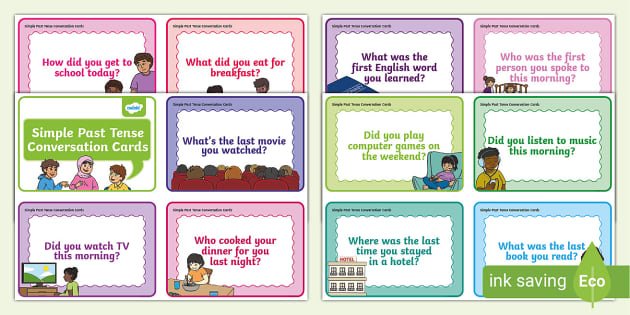
Language focus: Past simple |
||
|
Learning objectives |
8. 3. 6. 1 in pair, group and whole class work to explain what others said with a sentence or reasoning with some flexibility; 8. 5. 4. 1 to use appropriate style and language form in written genre for general and educational topics; 8.6.10.1 use present continuous forms for present and future meaning and past continuous, including some passive forms, on a range of familiar general and curricular topics; |
||
|
Lesson objectives |
Learners will be able to: - Learn the negative and question forms of the past simple. - Practise making negative sentences with the past simple. - Practise asking and answering questions using the past simple. |
||
|
Value links |
The value based on the integrated educational program is to educate students for justice and responsibility Learning when to say sorry Part of learning about responsibility is knowing when to apologize for the negative consequences of our actions. |
||
|
Plan |
|||
|
Stages / Time |
Teachers’ actions |
Students’ actions |
Assessment criteria |
Resources |
|
Start 5 min |
Organization moment 1.Greeting. Ask about the weather. Warm-up • Refer students back to the text on pages 10–11 and ask them questions to check comprehension. Ask: Were the first reality shows popular? (Yes, they were.) Were there any adults in Kid Nation? (No, there weren’t.) Were some participants unhappy in Kid Nation? (Yes, they were.) • Write some regular and irregular verbs on the board and elicit the past simple forms, for example choose, leave, attract, follow. Lead - In |
Learners read the given sentences on the board and guess the topic and share with their ideas. Students introduce themselves Students say about past events. |
Teacher controles the process, gives feedback and asks additional questions if it’s nessasery. Teacher evaluate pupils with phrases like: “Good job! Well done!” Formative Assessment |
|
|
Main part 35 min |
Ex: 1 p:35 In a weaker class, allow students to complete the sentences in pairs. As a class discussion, ask students to identify the words used to form the negative and question forms (didn’t, did). Ask what happens to the main verb in this case (it stays in the infinitive form). Differentiation: «Verbal support» method is used to help Students use new words in the text. Ex: 2 p:35 • Explain that this exercise covers affirmative and negative sentences, and that students are given the verb to use in brackets. In a stronger class, tell students to write each sentence in both the affirmative and negative form.
Ex: 3 p:35 Look at the photo and the title with the class, and ask students what they think the text might be about. Ask them to scan the text quickly to see if they can confirm or amend their ideas. (The text is about a reality TV show featuring cats.)
|
Students complete the sentences from the text. ANSWERS : 1 followed 2 attracted 3 didn’t make 4 Did, enjoy Students complete the sentences with the past simple form of the verbs in brackets. ANSWERS: 1 broadcast 2 didn’t see 3 won 4 didn’t like 5 made Students complete the text with the past simple form of the verbs in the box. ANSWERS : 1 put 5 eliminated 2 recorded 6 didn’t play 3 didn’t complain 7 didn’t win 4 had 8 became |
Descriptor: - complete the sentences from the text Descriptor: - complete the sentences with the past simple form of the verbs in brackets. Descriptor: - complete the sentences with the past simple form of the verbs in brackets. -Make CCQ questions Yes / No |
|
|
End 5 min |
Ss use their stickers to show their knowledge according to the lesson Green- I understood Yellow-I have some questions Red-I need a help. Home task: |
Ss evaluate each other and encourage classmate with phrases like: Well done! Brilliant! Good job! I like it! |
Poster KWL chart |
|
Short term plan
|
Unit: 3 Entertainment and Media |
Lesson29 |
||
|
School |
|
||
|
Teacher name: |
|
||
|
Date: |
|
||
|
Grade: 8 |
Number present: |
absent: |
|
|
Lesson title |
On TV; Past tenses |
||
|
Learning objectives |
8.C1 use speaking and listening skills to solve problems creatively and cooperatively in groups 8.S7 use appropriate subject-specific vocabulary and syntax to talk about a range of general topics, and some curricular topics 8.L2 understand with little or no support most specific information in extended talk on a wide range of general and curricular topics |
||
|
Lesson objectives |
Learners will be able to: -Learn vocabulary for television programmes. - Listen for general meaning and specific details. |
||
|
Value links |
The value based on the integrated educational program is to educate students for justice and responsibility To help others and to be fair, kind and willingness to take responsibility |
||
|
Plan |
|||
|
Stages / Time |
Teachers’ actions |
Students’ actions |
Assessment criteria |
Resources |
|
Start 5 min |
Organization moment 1.Greeting. Ask about the weather. Warm-up • With books closed, write the word reality show on the board and elicit that it is a type of TV programme. • Put students into pairs and give them one minute to write down as many other types of TV programme as they can. • When time is up, elicit other types of TV programme and write them on the board. • Ask students what their favourite type of programme is Lead - In
|
The aim: To develop Ss speaking skills and create friendly atmosphere Efficiency: By telling the wishes they show their appreciations . Students introduce themselves Students say different words from the picture |
Teacher controles the process, gives feedback and asks additional questions if it’s nessasery. Teacher evaluate pupils with phrases like: “Good job! Well done!” Formative Assessment |
|
|
Main part 35 min |
Ex: 1 p:36 Students copy and complete the table individually, then compare their answers in pairs. Explain that the words in the box are to be used in the first column, and they should use their own ideas for columns two and three. They can use their dictionaries to check the meaning of new words if necessary. Differentiation: «Verbal support» method is used to help Students use new words in the text. Ex: 2 p:36 • Tell students that they are going to hear extracts from six TV programmes. They should listen and identify the programme types. • Remind students to listen to the whole recording to get an idea of context the first time they hear it. The second time they hear it, ask them to identify the words that helped them choose their answers. Ex: 3 p:36 • Discuss the photos with the class. Explain that they are all from different news stories. Ask students what they can see and what they think the stories might be about. • Help with new vocabulary and make a note of students’ ideas on the board before they listen.
Ex: 4 p:36 Explain that in this listening task, students should try to focus on the specific information that is required before they listen. Reading the questions and underlining the key information will help them focus on the listening task |
Students complete the table with the words in the box and your own answers ANSWERS : Students own answers. Students listen what types of television programme do you hear? ANSWERS : medical drama, chat show, the news, talent show, documentary, sports programme Students look at the photos. What do you think the news story are about ANSWERS: A The Queen has opened a new hospital. B Snow has disrupted traffic. C A lion has escaped from a zoo and has been returned. D The woman stopped a bank robber escaping with some money Students read the questions and underline important word for meaning. ANSWERS: 1 Who was wearing a green hat? 2 People were driving home when it started snowing. 3 Were the police doing anything? 4 The robber was running to the door when Mrs Banks stopped him. 5 What was the man doing in the park? |
Descriptor: - complete the table - use words in the box Point 2 Descriptor: - listen six TV programmes -answer the question -Make CCQ questions Yes / No Descriptor: - look at the photos -answer the question Descriptor: - read the questions - underline important word Point 2 |
|
|
End 5 min |
Ss use their stickers to show their knowledge according to the lesson Green- I understood Yellow-I have some questions Red-I need a help. Home task: |
Ss evaluate each other and encourage classmate with phrases like: Well done! Brilliant! Good job! I like it! |
Poster KWL chart |
|
Short term plan
|
Unit: 3 Entertainment and Media |
Lesson30 |
||
|
School: Alatau |
|
||
|
Teacher name: Khonturaeva G |
|
||
|
Date: 13.11.2025 |
|
||
|
Grade: 8V |
Number present: |
absent: |
|
|
Lesson title |
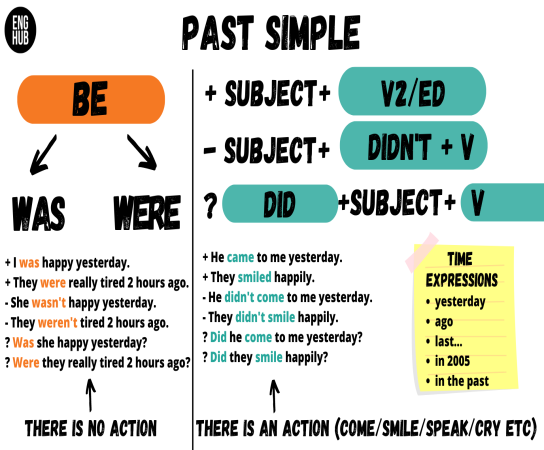
Past tenses What people were doing? |
||
|
Learning objectives |
8. 5. 4. 1 to use appropriate style and language form in written genre for general and educational topics; 8.6.10.1 use present continuous forms for present and future meaning and past continuous, including some passive forms, on a range of familiar general and curricular topics; |
||
|
Lesson objectives |
Learners will be able to: -Learn the form and use of the past continuous. - Learn the difference between the past simple and the past continuous. - Use the past simple and past continuous together. |
||
|
Value links |
The value based on the integrated educational program is to educate students for justice and responsibility In front of the class team for the assigned general case feel responsible |
||
|
Plan |
|||
|
Stages / Time |
Teachers’ actions |
Students’ actions |
Assessment criteria |
Resources |
|
Start 5 min |
Organization moment 1.Greeting. Ask about the weather. Warm-up Refer students back to the questions in exercise 5 page 12. Ask them to identify the verbs in the sentences. Elicit that the verbs are in the past continuous because they are describing an action in progress in the past. Lead - In
|
Learners read the given sentences on the board and guess the topic and share with their ideas. Students introduce themselves Students say different words from the picture |
Teacher controles the process, gives feedback and asks additional questions if it’s nessasery. Teacher evaluate pupils with phrases like: “Good job! Well done!” Formative Assessment |
|
|
Main part 35 min |
Ex: 1 p:37 Encourage students to complete the sentences from memory, then check their answers on page 12. Ask a few yes / no questions using the past continuous to elicit short answers Ex: 2 p:37 Discuss the picture with the class. Ask students to identify the family members and say what they are doing. They can answer in the present continuous at this stage. Students write the sentences individually using the past continuous before checking answers in pairs. Ask two students to model the example exchange. Then let students continue the activity in pairs. Ex: 3 p:37 Check that students have formed the questions correctly before playing the recording for them to listen and write answers. Ex: 4 p:37 In pairs, students match the examples with the descriptions, and identify the tenses in each example Ex: 5 p:37 Look at the example with the class. In a weaker class, remind students that when is used before the past simple and while is used before the past continuous. In a stronger class, elicit this rule from the students |
Students complete the sentences from exercise 5 on page 36 with the words in the box. Then choose the correct words in the rule. ANSWERS : 1 were 2 was 3 Were 4 weren’t 5 doing Rule actions in progress Students look at the picture. What were the people doing at 2 p.m. yesterday? Write sentences. Then ask and answer with a partner. ANSWERS : 1 Grandma wasn’t listening to music. She was chatting on the phone. 2 Mary was watching a film on TV. 3 The dog was eating under the table. 4 Tom and Jen were fighting for the remote control. 5 Mum wasn’t reading the newspaper. Dad was reading the newspaper. 6 Grandad and the cat were sleeping. Students’ own answers. Students write questions using the past continuous. Then listen to part of a film and answer the questions. ANSWERS: 1 Was Dave joking? No, he wasn’t. 2 Where was Jane going? She was going to Mexico. 3 What was she carrying? She was carrying a bag. 4 How much money was she carrying in it? She was carrying 10,000 dollars. 5 How many people were working in the gang? Three people were working in the gang. 6 Where was Pete standing? Pete was standing behind Dave Students match examples 1–3 with descriptions a-c. Which tenses do we use in each sentence? ANSWERS: 1 c (past continuous, past simple) 2 a (past continuous) 3 b (past simple) Students write sentences with when / while and the prompts. ANSWERS: 1 My friend arrived while I was doing my homework. 2 The teacher was talking to us when the bell rang. 3 Dad turned off the TV while we were watching House. 4 Our friends were playing chess when we arrived. 5 I was listening to music when my brother phoned. |
Descriptor: - complete the sentences - choose the correct words Point 2 Descriptor: - look at the picture - ask and answer Point 2 Descriptor: - write questions - use the past continuous Point 2 Descriptor: - match examples - identify the tenses in each example Point 2 Descriptor: - write sentences - complete the task Point 2 -Make CCQ questions Yes / No |
|
|
End 5 min |
Ss use their stickers to show their knowledge according to the lesson Green- I understood Yellow-I have some questions Red-I need a help. Home task: |
Ss evaluate each other and encourage classmate with phrases like: Well done! Brilliant! Good job! I like it! |
Poster |
|
Short term plan
|
Unit: 3 Entertainment and Media |
Lesson31 |
||
|
School |
|
||
|
Teacher name: |
|
||
|
Date: |
|
||
|
Grade: 8 |
Number present: |
absent: |
|
|
Lesson title |
My news |
||
|
Learning objectives |
8. 2. 5. 1 determine the speaker's point in a long conversation on most general and educational topics with little support; 8. 3. 7. 1 use subject-specific vocabulary and syntax within the framework of general and a number of educational topics; 8. 5. 6. 1 to logically connect a sentence to a paragraph on its own, using the main connectives of common topics; |
||
|
Lesson objectives |
Learners will be able to: - Listen to a dialogue in which someone talks about their news. - Learn key phrases for talking about your news. |
||
|
Value links |
The value based on the integrated educational program is to educate students for justice and responsibility Apologizing can also show that you regret your mistake, that you are willing to take responsibility for it and that you're using it as an opportunity to improve yourself. |
||
|
Plan |
|||
|
Stages / Time |
Teachers’ actions |
Students’ actions |
Assessment criteria |
Resources |
|
Start 5 min |
Organization moment 1.Greeting. Ask about the weather. Warm-up • With books closed, ask students to imagine that they meet a friend that they haven’t seen for a few weeks. Ask: What would you say? What would you talk about? • Elicit that they would talk about things they have done recently, or things that have happened to them. • Write your news on the board and explain that this means things that have happened to you recently Ex: 1 p:38 • Look at the photo and elicit ideas about Caitlin’s news. Tell students to look for clues in the photo about her hobby (She’s carrying a guitar, so it is probably about music.). |
Learners read the given sentences on the board and guess the topic and share with their ideas. Students introduce themselves Students say different words from the picture Students look at the photo. Answer the question ANSWERS : Students own answer |
Teacher controles the process, gives feedback and asks additional questions if it’s nessasery. Teacher evaluate pupils with phrases like: “Good job! Well done!” Formative Assessment Descriptor: - look at the photo -answer the question Point 2 |
|
|
Main part 35 min |
Ex: 2 p:38 • Students follow the dialogue in their books as they listen the first time. • Ask students why Caitlin is happy. • In a weaker class, ask students if they want to hear the recording again.
Ex: 3 p:38 • Ask students to try to complete the key phrases and identify the speaker from memory, before checking their answers in the dialogue. • Check answers, then allow time for students to practise the dialogue in pairs.
Ex: 4 p:38 • Explain that students are going to hear a statement, and they should choose the best response to it from the options. Remind them to read through all the options first and try to predict the kind of thing they might hear for each one. In a weaker class, go through item 1 as an example: a would be for bad news, b would be if someone is going to do something, and c would be for good news. • Allow students time to read the options before they listen. • Play the CD twice. Students can make notes the first time they listen, then confirm their answers the second time
Ex: 5 p:38 Students can follow the mini-dialogues in their books as they listen. Ask confident students to perform the two dialogues for the class. Go through the situations 1–5. In a weaker class, check understanding by giving or eliciting translations. In pairs, students prepare and perform mini-dialogues for the situations. In a weaker class, tell students to choose three out of the five to cover. Remind students to use the appropriate key phrases for talking about news. Go round and listen as students are working. |
Students listen to the dialogue. Answer the question ANSWERS : Caitlin is happy because she sent a CD of her songs to a TV channel and they asked her in to audition Students complete the key phrases from the dialogue. ANSWERS: 1 look (Tom) 2 ’ve got (Caitlin) 3 all about (Tom) 4 kidding (Tom) 5 go (Tom) 6 news (Tom) 7 your (Caitlin) Students listen and choose the correct answer. ANSWERS: 1 c 2 b 3 a 4 a 5 a Students read and listen to the dialogue. Then practice mini- dialogue for situations. ANSWERS: Student’s own answer. |
Descriptor: - listen to the dialogue. - answer the question Point 2 Descriptor: - complete the key phrases - identify the speaker from memory Point 2 Descriptor: - listen a staatements -choose the correct answer. -Make CCQ questions Yes / No Descriptor: - read the dialogue - practice mini- dialogue Point 2 |
|
|
End 5 min |
Ss use their stickers to show their knowledge according to the lesson Green- I understood Yellow-I have some questions Red-I need a help. Home task: |
Ss evaluate each other and encourage classmate with phrases like: Well done! Brilliant! Good job! I like it! |
Poster |
|

Short term plan: term 2
|
Unit 3: Entertainment and media |
Lesson 32 |
||
|
School: Alatau |
|
||
|
Teacher name: Khonturaeva G |
|
||
|
Date: 17.11.2025 |
|
||
|
Grade: 8G |
Number present: |
absent: |
|
|
Lesson title |
A news article |
||
|
Learning objectives |
8. 4. 6. 1 identify the author's opinion or point of view in short texts on various unfamiliar general and academic topics, including long texts; 8. 5. 3. 1 write various familiar general and academic topics with uniform grammatical competence; |
||
|
Lesson objectives |
Learners will be able to: - use lexis/syntax norms in appropriate situations or context - write a coherent paragraph/short text stating and explaining an idea/argument |
||
|
Value links |
The value based on the integrated educational program is to educate students for justice and responsibility Ability to finish what you started Being able to follow through and finish the things you start is a valuable life skill |
||
|
Plan |
|||
|
Stages / Time |
Teachers actions |
Students actions |
Assessment criteria |
Resources |
|
Beginning of the lesson Warming-up 3 min Pre-learning «Brainstorming» method 7 min. |
Organization moment : 1.Greeting. Ask about the weather. The teacher sets the lesson objectives, letting students know what to anticipate from the lesson. Warm –up Ask students if they read newspapers, or whether they prefer to find out the news from websites, the TV news, or other sources. Discuss as a class, and find out the most popular method Lead – In
|
Learners read the given sentences on the board and guess the topic and share with their ideas. • Learners write the numbers from previous lesson Determines the topic and purpose of the lesson Students say different words from the picture |
Teacher controles the process, gives feedback and asks additional questions if it’s nessasery. Teacher evaluate pupils with phrases like: “Good job! Well done!” Formative Assessment Good job! |
|
|
Middle of the lesson Presentation part. 30 min |
Ex:1 P:39 Look at the title and the photo with the class. Ask if students can guess what the text might be about. Prompt them with questions such as Do the people look happy or bored? Encourage students to read the model text quickly and identify the topic of the news story. (A train was stuck in the Channel Tunnel between England and France.) Then allow time for them to read the text again more closely and answer the questions. Ex: 2 P: 39 Read through the key phrases with the class. Students can work individually or in pairs to order the phrases. Encourage them to check their answers carefully in the text and correct any mistakes. Ex: 3 P: 39 Read the task with the class, then look at the words in the box. In a stronger class, ask students to find the words and say what they are used for. In a weaker class, explain that these kinds of words and phrases are used to join events in a narrative, and ask students to find each word or phrase in the text. When students have chosen the correct words, they can compare answers in pairs. Check answers by asking students to read out the completed sentences. |
Pupils read the model text and answer the question ANSWERS 1 c 2 The incident happened late yesterday afternoon / last night on a train in the Channel Tunnel between France and England. 3 The conditions on the train were bad. There was no food or water and there weren’t enough toilets. 4 The rescue services transferred people onto another train as soon as they could. 5 At first, the passengers reacted calmly, but after several hours the situation became difficult. People were sleeping on the floor and children were crying. Pupils study the key phrases. Put them in the order of the text. ANSWERS a 2 b 5 c 3 d 1 e 4 Pupils find these words in the model text ANSWERS 1 later 2 as soon as 3 finally 4 then 5 When 6 After |
Descriptor: - read the model text - answer the question Total: 2 point
Descriptor: - study the key phrases. - Put them in the order of the text Total: 3 point Descriptor: - find these words in the model text Total: 2 point -Make CCQ questions Yes / No |
|
|
End of the lesson 5 min |
Ss use their stickers to show their knowledge according to the lesson Green- I understood Yellow-I have some questions Red-I need a help. Home task: |
Ss evaluate each other and encourage classmate with phrases like: Well done! Brilliant! Good job! I like it! |
Poster Success
|
|


Short term plan: term 2
|
Unit 3: Entertainment and media |
Lesson 33 |
||
|
School |
|
||
|
Teacher name: |
|
||
|
Date: |
|
||
|
Grade: 8 |
Number present: |
absent: |
|
|
Lesson title |
My country: Entertainment and media |
||
|
Learning objectives |
8. 2. 6. 1 infer meaning from context in long conversations on most general and academic topics with little support 8. 3. 6. 1 in pair, group and whole class work to explain what others said with a sentence or reasoning with some flexibility; 8. 4. 2. 1 understand specific information in texts on a variety of familiar general and reading topics, including some longer texts; |
||
|
Lesson objectives |
Learners will be able to: - jot down some key words and phrases - identify and interpret the author’s tone/opinion at basic level |
||
|
Value links |
The value based on the integrated educational program is to educate students for justice and responsibility By showing justice, kindness and responsibility willingness to help others |
||
|
Plan |
|||
|
Stages / Time |
Teachers actions |
Students actions |
Assessment criteria |
Resources |
|
Beginning of the lesson Warming-up 3 min Pre-learning «Brainstorming» method 7 min. |
Organization moment : 1.Greeting. Ask about the weather. The teacher sets the lesson objectives, letting students know what to anticipate from the lesson. Warming up Hot Potato Students stand in a circle and pass an object around. When the timer goes off, or the music stops, the student holding the hot potato has to do something. Lead – In
|
Students' attention is drawn to the lesson. • Learners talk about favourite day previous lesson vocabulary Determines the topic and purpose of the lesson Students say different words from the picture |
Teacher controles the process, gives feedback and asks additional questions if it’s nessasery. Teacher evaluate pupils with phrases like: “Good job! Well done!” Formative Assessment |
|
|
Middle of the lesson Presentation part. 30 min |
Ex:1 P:40 • Ask students to read the texts and choose the correct preposition to complete the sentences. This is a good opportunity to practise using a bilingual dictionary to check verb phrases. • In weaker classes, ask students to work in pairs to do this exercise. In stronger classes, students can work individually. • Play the CD so that students can check their answers Ex: 2 P: 40 • Ask students to read the statements which are direct quotes of what Gulnara, Kuanysh and Dunmukhamed say. Students can try to remember or guess who said what. • Play the CD again so that students can check their answers Ex: 3 P: 40 • Ask students to find the sentences in texts 1 and 3. • Ask students to complete the rules using the example sentences and checking the meaning in the complete text Ex: 4 P: 40 • Point out to students that the sentences may be positive, negative or questions and the form of used to must match the meaning of the sentence in each case. • Get students to check in pairs before checking with the whole class |
Pupils choose the correct words to complete the text. ANSWERS 1 off 2 off 3 on 4 across 5 up 6 over 7 up Pupils listen again. Match the people with the statements. ANSWERS 1 D 2 G 3 K 4 D 5 G Pupils study the sentences from the text. Then complete the rules ANSWERS 1 past 2 didn’t Pupils complete the sentences with the correct form of used to and the verbs in brackets. ANSWERS 1 didn’t use to have 2 Did you use to watch 3 used to play 4 didn’t use to like 5 used to be |
Descriptor: - choose the correct words - complete the text. Total: 2 point Descriptor: - listen again. - match the people with the statements Total: 3 point Descriptor: - study the sentences - complete the rules Total: 3 point Descriptor: - complete the sentences Total: 2 point -Make CCQ questions Yes / No Total: 10 point |
|
|
End of the lesson 5 min |
Ss use their stickers to show their knowledge according to the lesson Green- I understood Yellow-I have some questions Red-I need a help. Home task: |
Ss evaluate each other and encourage classmate with phrases like: Well done! Brilliant! Good job! I like it! |
Poster Success
|
|

Short term plan: term 2
|
Unit 3 Entertainment and media |
Lesson 34 |
||
|
School: Alatau |
|
||
|
Teacher name: Khonturaeva G |
|
||
|
Date: 25.11.2025 |
|
||
|
Grade: 8V |
Number present: |
absent: |
|
|
Lesson title |
CLIL Technology: Television |
||
|
Learning objectives |
8. 2. 2. 1 understand some specific information on a wide range of general and academic topics in an extended conversation with little support from the teacher or independently; 8. 3. 7. 1 use subject-specific vocabulary and syntax within the framework of general and a number of educational topics; 8. 4. 1. 1 understand the main idea of texts on a variety of unfamiliar general and academic topics, including some longer texts; |
||
|
Lesson objectives |
Learners will be able to:y - demonstrate reflection and deep thinking on acquired information / knowledge - explain the topical word by giving definition/synonym |
||
|
Value links |
The value based on the integrated educational program is to educate students for justice and responsibility For any type of service or activity take responsibility |
||
|
Plan |
|||
|
Stages / Time |
Teachers actions |
Students actions |
Assessment criteria |
Resources |
|
Beginning of the lesson 5 min
|
Organization moment : 1.Greeting. Ask about the weather. The teacher sets the lesson objectives, letting students know what to anticipate from the lesson. Warm – up With books closed, ask students what type of television they have got at home. Elicit words such as digital and satellite and write them on the board. Ask students if they know how television works. Elicit some ideas, but do not confirm or reject any at this stage. Write some of the words from the previous lesson Lead – In
|
Students' attention is drawn to the lesson. Learners talk about rooms previous lesson vocabulary Determines the topic and purpose of the lesson Students say different words from the picture |
Teacher controles the process, gives feedback and asks additional questions if it’s nessasery. Teacher evaluate pupils with phrases like: “Good job! Well done!” Formative Assessment |
|
|
Middle of the lesson Presentation part. 30 min |
Ex:1 P:41 After students have checked the meaning of the words in their dictionaries and matched them with the photos, check answers by reading out the letters of the photos randomly and asking for the words. Ex: 2 P: 41 Allow students time to read the words and phrases before you play the CD. In a weaker class, remind students to refer back to exercise 1 for help with difficult vocabulary. Ex: 3 P: 41 After students have answered the questions, they can compare their answers in pairs before you check with the class. Ex: 4 P: 41 Allow time for students to prepare their ideas individually. In a weaker class, you could brainstorm some ideas first. Put students into pairs to discuss past and present technology. Ask some students to report back on their discussions. In a stronger class, encourage students to comment on these technologies. Ask them if technological developments are always positive. Are there any disadvantages? |
Learners check the meaning of the words in the box. Then match them with photos ANSWERS A satellite dish B interference C aerial D decoder E radio waves F binary code Learners read and listen to the text. Answer the question ANSWERS 1 A 2 D 3 D 4 A 5 A 6 D Learners read the text again and answer the question ANSWERS 1 Analogue broadcasting uses radio waves. 2 The problems with this system were that it could not transmit many channels and the picture quality was sometimes poor because of interference. 3 Binary code is a computer language which only consists of zeros and ones and broadcasters can use it to send a lot of information very quickly. 4 TVs can receive digital information via an aerial, a cable, a satellite dish or broadband. 5 No, a decoder can either be inside a TV or computer, or in a separate box which is connected to it. 6 A high definition TV (HDTV) has better picture quality than a standard TV. Learners read the activities. Compare the technology. ANSWERS Students own answer |
Descriptor: - check the meaning of the words - match them with photos Total: 2 point Descriptor: - read and listen to the text - answer the question Total: 2 point Descriptor: - read the text again and answer the question Total: 2 point Descriptor: - read the activities. - compare the technology. Total: 2 point -Make CCQ questions Yes / No Total: 10 point |
|
|
End of the lesson 5 min |
Ss use their stickers to show their knowledge according to the lesson Green- I understood Yellow-I have some questions Red-I need a help. Home task: |
Ss evaluate each other and encourage classmate with phrases like: Well done! Brilliant! Good job! I like it! |
Poster Success
|
|

Short term plan: term 2
|
Unit 3 Entertainment and media |
Lesson 35 |
||
|
School: Alatau |
|
||
|
Teacher name: Khonturaeva G |
|
||
|
Date: 26.11.2025 |
|
||
|
Grade: 8V |
Number present: |
absent: |
|
|
Lesson title |
Unit Review 3 Summative Assessment “Entertainment and media” |
||
|
Learning objectives |
8. 2. 2. 1 understand some specific information on a wide range of general and academic topics in an extended conversation with little support from the teacher or independently; 8. 3. 7. 1 use subject-specific vocabulary and syntax within the framework of general and a number of educational topics; 8. 5. 5. 1 teacher-supported use of arguments in familiar general and educational topics with examples and justifications; |
||
|
Lesson objectives |
Learners will be able to: - explain the topical word by giving definition/synonym - write a narrative text (e.g. a short story (horror story, love story, sci-fi story, western), an email to a friend) about past events, activities and experiences |
||
|
Value links |
The value based on the integrated educational program is to educate students for justice and responsibility Ability to work in a team, opinions of others to respect their positions and achieve common goals aspire to |
||
|
Plan |
|||
|
Stages / Time |
Teachers actions |
Students actions |
Assessment criteria |
Resources |
|
Beginning of the lesson Warming-up 3 min Pre-learning «Brainstorming» method 7 min. |
Organization moment : 1.Greeting. Ask about the weather. The teacher sets the lesson objectives, letting students know what to anticipate from the lesson. Warming up Hot Potato Students stand in a circle and pass an object around. When the timer goes off, or the music stops, the student holding the hot potato has to do something. Write some of the words from the previous lesson Lead – In
|
Learners read the given sentences on the board and guess the topic and share with their ideas. Students' attention is drawn to the lesson. • Learners talk about rooms previous lesson vocabulary Determines the topic and purpose of the lesson Students say different words from the picture |
Teacher controles the process, gives feedback and asks additional questions if it’s nessasery. Teacher evaluate pupils with phrases like: “Good job! Well done!” Formative Assessment |
|
|
Middle of the lesson Presentation part. 30 min |
Ex:1 P:42 Encourage students to read through the text quickly and pick out the words. They can complete the table individually, then compare with a partner After students have completed the dialogue with the words in the box, check answers. Then put students into pairs to ask and answer the questions. Ask some students to report back on what they learnt about their partner. Ex: 2 P: 42 • Allow students time to complete the words and reorder the letters to make TV programme • In a weaker class, remind students to refer back to exercise 1 for help with difficult vocabulary. Ex: 3 P: 42 • Students can complete the sentences using the past simple form of the verbs in brackets, then compare with a partner before you check with the whole class • After students have answered the questions, they can compare their answers in pairs before you check with the class. Ex: 4 P: 42 • Allow time for students to write questions and short answers for the sentences. In a weaker class, you could brainstorm some ideas first. • Put students into pairs to discuss past and present technology. |
Learners complete the dialogue with the words in the box ANSWERS 1 channels 2 adverts 3 programme 4 show 5 participants 6 episode 7 remote control Learners reorder the letters to make TV programme ANSWERS 1 documentary 2 talent show 3 cartoon 4 drama series 5 the news 6 sitcom 7 film 8 sports programme Learners complete the sentences using the past simple form of the verbs in brackets. ANSWERS 1 was 2 weren’t 3 didn’t watch 4 met 5 took 6 didn’t complain, changed Learners write questions and short answers for the sentences. ANSWERS 2 In the 1980s, were TV programmes in black and white? No, they weren’t. 3 Did we watch TV yesterday? No, we didn’t. 4 Did I meet my friends after school? Yes, I did. 5 Did my mother take part in a reality show? Yes, she did. 6 Did he complain when I changed channels? No, he didn’t. |
Descriptor: - complete the dialogue with the words in the box Total: 2 point Descriptor: - reorder the letters to make TV programme Total: 2 point Descriptor: - complete the sentences using the past simple Total: 2 point Descriptor: - write questions and short answers for the sentences Total: 2 point -Make CCQ questions Yes / No Total: 10 point |
|
|
End of the lesson 5 min |
Ss use their stickers to show their knowledge according to the lesson Green- I understood Yellow-I have some questions Red-I need a help. Home task: |
Ss evaluate each other and encourage classmate with phrases like: Well done! Brilliant! Good job! I like it! |
Poster Success
|
|

Short term plan: term 2
|
Unit 3 Entertainment and media |
Lesson 36 |
||
|
School: Alatau |
|
||
|
Teacher name: Khonturaeva G |
|
||
|
Date: 27.11.2025 |
|
||
|
Grade: 8V |
Number present: |
absent: |
|
|
Lesson title |
Project: A TV programme |
||
|
Learning objectives |
8. 2. 2. 1 understand some specific information on a wide range of general and academic topics in an extended conversation with little support from the teacher or independently; 8. 3. 7. 1 use subject-specific vocabulary and syntax within the framework of general and a number of educational topics; 8.4.1.1 understand the main points in texts on a growing range of unfamiliar general and curricular topics, including some extended texts |
||
|
Lesson objectives |
Learners will be able to: - identify the central idea, the intended audience and the author’s purpose - identify specific information in a variety of situations and contexts |
||
|
Value links |
The value based on the integrated educational program is to educate students for justice and responsibility The Republic of Kazakhstan is a unitary state with the presidential system of government |
||
|
Plan |
|||
|
Stages / Time |
Teachers actions |
Students actions |
Assessment criteria |
Resources |
|
Beginning of the lesson Warming-up
3 min Pre-learning «Brainstorming» method 7 min. |
Organization moment : 1.Greeting. Ask about the weather. The teacher sets the lesson objectives, letting students know what to anticipate from the lesson. Warm- up With books closed, ask students to name a few of their favourite TV programmes. Revise the language of the unit by eliciting the types of programme from students. Write some of the words from the previous lesson Lead – In
|
Learners read the given sentences on the board and guess the topic and share with their ideas. Students' attention is drawn to the lesson. Learners talk about rooms previous lesson vocabulary Determines the topic and purpose of the lesson Students say different words from the picture |
Teacher controles the process, gives feedback and asks additional questions if it’s nessasery. Teacher evaluate pupils with phrases like: “Good job! Well done!” Formative Assessment ! |
|
|
Middle of the lesson Presentation part. 30 min |
Ex:1 P:43 Read the task with the class and check understanding. Ask students to look at the photos and try to predict what kinds of TV programme they show. Discuss their ideas, but don’t confirm or deny anything at this stage. Students read through the scripts individually, then look at the words in the box. They can discuss their ideas with a partner before you check answers with the class Ex:2 P: 43 Put students into groups and ask them to read through the project checklist. In a stronger class, encourage students to think of a different type of programme from those shown in exercise 1, so that they think of new ideas. Go round and help as students are working. If they find it hard to agree on a name for the programme, tell them to write all their ideas down and explain what they like and dislike about each one Ex: 3 P: 43 Set aside time in class for all the groups to perform their TV programmes. Encourage students to evaluate their work. See page 32 in this Teacher’s Book for ideas on how students can assess their work. Conclusion during the lesson some tasks differentiated by outcomes of the students and by their abilities. |
Pupils read the scripts of three TV programmes and match them with the types of programme in the box. ANSWERS A cooking show B chat show C weather forecast Pupils work in groups. Write the script for the TV programme. Follow the steps in the project ANSWERS Students own answer Pupils present your TV programme to the rest of the class. Answer the question ANSWERS Students own answer |
Descriptor: - read the scripts - match them with the types of programme Total: 2 point Descriptor: - work in groups - write the script for the TV programme Total: 2 point Descriptor: - present your TV programme - ask and answer the question Total: 2 point -Make CCQ questions Yes / No Total: 10 point |
|
|
End of the lesson 5 min |
Ss use their stickers to show their knowledge according to the lesson Green- I understood Yellow-I have some questions Red-I need a help. Home task: |
Ss evaluate each other and encourage classmate with phrases like: Well done! Brilliant! Good job! I like it! |
Poster Success
|
|


Short term plan: term 2
|
Unit 4 Sport, health and exercise |
Lesson 37 |
||
|
School: Alatau |
|
||
|
Teacher name: Khonturaeva G |
|
||
|
Date: 28.11.2025 |
|
||
|
Grade: 8G |
Number present: |
absent: |
|
|
Lesson title |
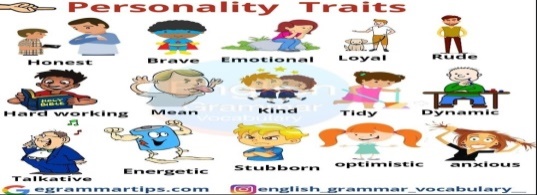
Adjectives: personality |
||
|
Learning objectives |
8. 2. 2. 1 understand some specific information on a wide range of general and academic topics in an extended conversation with little support from the teacher or independently; 8. 3. 7. 1 use subject-specific vocabulary and syntax within the framework of general and a number of educational topics; |
||
|
Lesson objectives |
Learners will be able to: - identify the central idea, the intended audience and the author’s purpose - identify specific information in a variety of situations and contexts |
||
|
Value links |
the value based on the integrated educational program is to educate students for justice and responsibility Classroom rules can help establish a sense of community when they’re built on collective classroom values. |
||
|
Plan |
|||
|
Stages / Time |
Teachers actions |
Students actions |
Assessment criteria |
Resources |
|
Beginning of the lesson Warming-up 3 min Pre-learning «Brainstorming» method 7 min. |
Organization moment : 1.Greeting. Ask about the weather. The teacher sets the lesson objectives, letting students know what to anticipate from the lesson. Warm- up With books closed, ask students to name someone everybody knows, such as a TV or pop star, and write their name on the board. Elicit words to describe them. Point out that some adjectives describe people’s physical appearance and some describe their personality. Elicit the meaning of personality. Write some of the words from the previous lesson Lead – In
Ex:1 P:44 After students have checked the words, model and drill pronunciation of any words which are unfamiliar. |
. Learners read the given sentences on the board and guess the topic and share with their ideas. Students' attention is drawn to the lesson. Learners talk about rooms previous lesson vocabulary Determines the topic and purpose of the lesson Students say different words from the picture Pupils check the meaning of the words in blue. Then complete the sentences with adjectives. ANSWERS 1 curious 2 active 3 shy 4 ambitious 5 innocent 6 mean 7 intolerant 8 sensitive |
Teacher controles the process, gives feedback and asks additional questions if it’s nessasery. Teacher evaluate pupils with phrases like: “Good job! Well done!” Formative Assessment Descriptor: - check the meaning of the words - complete the sentences with adjectives. Total: 2 point |
|
|
Middle of the lesson Presentation part. 30 min |
Ex:2 P: 44 Ask students to identify any words in their language which are similar. Ask them to translate the words and say whether the meanings are similar or different. Encourage students to write these words in their own sentences and to record them and other examples of cognates and false friends in their note books. Ex: 3 P: 44 Focus on the face reading charts. Make sure that students understand the adjectives used to describe shape, e.g. triangular, wide, oval. Ask some students to report back to the class on their answers. If there are disagreements, ask students to justify their answers. Ex: 4 P: 45 Read the first sentence with the class and elicit where the adverb is in the sentence. (The adverbs are positioned in front of the adjectives.) Before students choose the correct adverbs, remind them to read the sentence carefully to make sure they understand the context. In a weaker class, allow them to work in pairs. In a stronger class, you could ask students to think of alternative sentences using the alternative adjectives |
Pupils study the words in the box and answer the question ANSWERS 1 Students’ own answers. 2 Students’ own answers. Pupils look at the description ANSWERS 1 friendly 2 curious 3 intelligent 4 generous 5 determined 6 confident 7 serious 8 active 9 intelligent Pupils choose the correct adverbs ANSWERS 1 incredibly 2 not very 3 was really 4 very 5 is a bit 6 is incredibly |
Descriptor: - study the words - answer the question Total: 2 point Descriptor: - look at the description Total: 2 point Descriptor: - choose the correct adverbs Total: 2 point -Make CCQ questions Yes / No Total: 10 point |
|
|
End of the lesson 5 min |
Ss use their stickers to show their knowledge according to the lesson Green- I understood Yellow-I have some questions Red-I need a help. Home task: |
Ss evaluate each other and encourage classmate with phrases like: Well done! Brilliant! Good job! I like it! |
Poster Success
|
|

Short term plan: term 2
|
Unit 4 Sport, health and exercise |
Lesson 38 |
||
|
School: Alatau |
|
||
|
Teacher name:Khonturaeva G |
|
||
|
Date: 01.12.2025 |
|
||
|
Grade: 8G |
Number present: |
absent: |
|
|
Lesson title |
Sports superstars |
||
|
Learning objectives |
8. 2. 1. 1 understanding of general and main ideas of study topics with long conversations without practical support; 8. 3. 7. 1 use subject-specific vocabulary and syntax within the framework of general and a number of educational topics; 8. 4. 2. 1 understand specific information in texts on a variety of familiar general and reading topics, including some longer texts; |
||
|
Lesson objectives |
Learners will be able to: - identify the central idea, the intended audience and the author’s purpose - formulate a simple summary or character outline |
||
|
Value links |
The value based on the integrated educational program is to educate students for unity and solidarity Ability to build positive relationships with others and contribute to public life |
||
|
Plan |
|||
|
Stages / Time |
Teachers actions |
Students actions |
Assessment criteria |
Resources |
|
Beginning of the lesson Warming-up
3 min Pre-learning «Brainstorming» method 7 min. |
Organization moment : 1.Greeting. Ask about the weather. The teacher sets the lesson objectives, letting students know what to anticipate from the lesson. Warming up Hot Potato Students stand in a circle and pass an object around. When the timer goes off, or the music stops, the student holding the hot potato has to do something. Write some of the words from the previous lesson Lead – In
|
“The wish lamp” method helps to start the lesson with good wishes to each other. The aim: To develop pupils speaking skills and create friendly atmosphere Efficiency: By wishing each other they feel better and feel the support of others Students of the class are listed. Students' attention is drawn to the lesson. • Learners talk about rooms previous lesson vocabulary Determines the topic and purpose of the lesson Students say different words from the picture |
The teacher to assess learners for their ability. “Good job! Well done!” Formative Assessment Good job! Descriptor: -know key phrases - can make sentence - know vocabulary of previous lesson Total: 1 point Assessment criteria - Learners have met the learning objectives if they can: Talk about sport superstars |
|
|
Middle of the lesson Presentation part. 30 min |
Ex:1 P:46 • After students have checked the words, model and drill pronunciation of any words which are unfamiliar. Ex:2 P: 46 • After students read and listen of the words in the box in pairs, play the CD This dialogue introduces the key phrases in exercise 1. Ex: 3 P: 46 • Ask some students to read the again and choose the correct answer back to the class on their answers. If there are disagreements, ask students to justify their answers. Ex: 4 P: 46 • Allow students to study the prefixes and suffixes in blue.. • In a weaker class, remind students to refer back to exercise 1 for help with difficult vocabulary. |
Pupils check the meaning of the words in blue.
Answer the question Students own answer Pupils read and listen of the words in the box in pairs ANSWERS Students own answer Pupils read the again and choose the correct answer. ANSWERS 1 c 2 c 3 b 4 a 5 c Pupils study the prefixes and suffixes in blue. ANSWERS Students own answer |
Descriptor: - check the meaning of the words - answer the question Total: 2 point Descriptor: - read and listen of the words Total: 2 point Descriptor: - read the again and choose the correct answer. Total: 2 point Descriptor: - study the prefixes and suffixes in blue. Total: 2 point -Make CCQ questions Yes / No Total: 10 point |
|
|
End of the lesson 5 min |
Ss use their stickers to show their knowledge according to the lesson Green- I understood Yellow-I have some questions Red-I need a help. Home task: |
Ss evaluate each other and encourage classmate with phrases like: Well done! Brilliant! Good job! I like it! |
Poster Success
|
|

Short term plan: term 2
|
Unit 4 Sport, health and exercise |
Lesson 39 |
||
|
School: Alatau |
|
||
|
Teacher name:Khonturaeva G |
|
||
|
Date: 02.12.2025 |
|
||
|
Grade: 8g |
Number present: |
absent: |
|
|
Lesson title |
Language focus: Present perfect + still, yet, just and already Language focus: Present perfect and past simple |
||
|
Learning objectives |
8. 2. 2. 1 understand some specific information on a wide range of general and academic topics in an extended conversation with little support from the teacher or independently; 8. 3. 5. 1 communicate with classmates to plan and create priorities, partner, discuss, and agree on educational tasks; 8. 5. 3. 1 write various familiar general and academic topics with uniform grammatical competence; |
||
|
Lesson objectives |
Learners will be able to: - identify the central idea, the intended audience and the author’s purpose - formulate a simple summary or character outline - identify specific information in a variety of situations and contexts |
||
|
Value links |
the value based on the integrated educational program is to educate students for unity and solidarity Build trusting relationships and enjoy working in a team being able to maintain the situation |
||
|
Plan |
|||
|
Stages / Time |
Teachers actions |
Students actions |
Assessment criteria |
Resources |
|
Beginning of the lesson Warming-up
3 min Pre-learning «Brainstorming» method 7 min. |
Organization moment : 1.Greeting. Ask about the weather. The teacher sets the lesson objectives, letting students know what to anticipate from the lesson. Warm - up With books closed, revise the content of the Instant fame text. Ask: Was Craig outside the building at 9 a.m.? (Yes, he was.) Was Craig inside the building at 11 a.m.? (No, he wasn’t.) Has Craig auditioned for talent shows before? (Yes, he has.) Has he ever been successful in getting on them? (No, he hasn’t.) Discuss ideas and find out how much students have remembered correctly about the text. Write some of the words from the previous lesson Lead – In |
Learners read the given sentences on the board and guess the topic and share with their ideas. Students' attention is drawn to the lesson. Learners talk about rooms previous lesson vocabulary Determines the topic and purpose of the lesson Students say different words from the picture |
Teacher controles the process, gives feedback and asks additional questions if it’s nessasery. Teacher evaluate pupils with phrases like: “Good job! Well done!” Formative Assessment |
|
|
Middle of the lesson Presentation part. 30 min |
Ex:1 P:47 In pairs, students complete the sentences then match them with explanations a or b. Students check their answers in the text. Ex:2 P: 47 Students read through the rules and complete them with reference to the sentences in exercise 1. In a weaker class, ask students to do this in pairs. Ex: 3 P: 47 • Tell students to use the rules and the examples in exercise 1 to help them order the words. Ex: 4 P: 47 Read the example with the class and explain that students should use their own ideas to answer each question. In a stronger class, students write their answers individually. In a weaker class, ask them to write in pairs. • Ask all students to compare their answers in pairs and correct any mistakes. Tell them to pay particular attention to the meaning and position of still, yet, just and already Ex: 5 P: 47 Allow students time to read the words in the box and the prompts. Pause the CD after each dialogue for students to write their sentences individually. Ask students to prepare questions and answers, then compare their answers in pairs and help their partner correct any mistakes. Students then practise asking and answering their questions with their partner while you monitor the accuracy |
Pupils complete the sentences from the text. Then match sentences with a or b ANSWERS 1 just, b 2 still, a 3 already, b 4 yet, a Pupils complete the rules with still, just, yet and already. ANSWERS 2 just, already 3 yet Pupils order the words to make sentences. ANSWERS 1 They still haven’t made the video. 2 We have already seen the talent show. 3 They’ve already had two hits. 4 She has just won a talent show. 5 Have you signed a contract yet? 6 I’ve just seen a really good film. 7 The actor still hasn’t found a job. Pupils write answers for the questions with still, yet, just and already ANSWERS Students’ own answers. Pupils listen to six dialogues and write sentences with the verbs in the box. Use still, yet, just and already ANSWERS 1 Tom still hasn’t made dinner. 2 Simon has just arrived at school. 3 Polly hasn’t written her essay yet. 4 Jonny still hasn’t finished the test. 5 Jane has already seen the film. 6 Joe hasn’t got a job yet. Students’ own answers. |
Descriptor: - complete the sentences from the text - match sentences with a or b Total: 2 point Descriptor: - complete the rules with still, just, yet and already. Total: 2 point Descriptor: - order the words to make sentences Total: 2 point Descriptor: - write answers for the questions with still, yet, just and already Total: 2 point -Make CCQ questions Yes / No Total: 10 point Descriptor: - listen to six dialogues - use still, yet, just and already Total: 2 point |
|
|
End of the lesson 5 min |
Ss use their stickers to show their knowledge according to the lesson Green- I understood Yellow-I have some questions Red-I need a help. Home task: |
Ss evaluate each other and encourage classmate with phrases like: Well done! Brilliant! Good job! I like it! |
Poster Success
|
|
Short term plan: term 2
|
Unit 4 Sport, health and exercise |
Lesson 40 |
||
|
School: Alatau |
|
||
|
Teacher name:Khonturaeva G |
|
||
|
Date: 03.12.2025 |
|
||
|
Grade: 8v |
Number present: |
absent: |
|
|
Lesson title |
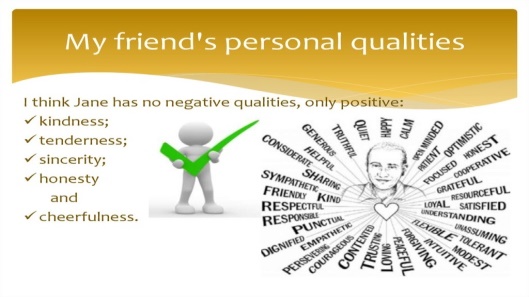
Nouns and adjectives: personal qualities |
||
|
Learning objectives |
8. 2. 2. 1 understand some specific information on a wide range of general and academic topics in an extended conversation with little support from the teacher or independently; 8. 3. 5. 1 communicate with classmates to plan and create priorities, partner, discuss, and agree on educational tasks; 8.4.6.1 recognise the attitude or opinion of the writer on a growing range of unfamiliar general and curricular topics, including some extended texts |
||
|
Lesson objectives |
Learners will be able to: - identify the central idea, the intended audience and the author’s purpose - formulate a simple summary or character outline - identify specific information in a variety of situations and contexts |
||
|
Value links |
The value based on the integrated educational program is to educate students for unity and solidarity Supportive and loving relationships are more likely to make you feel happy and satisfied |
||
|
Plan |
|||
|
Stages / Time |
Teachers actions |
Students actions |
Assessment criteria |
Resources |
|
Beginning of the lesson Warming-up
3 min Pre-learning «Brainstorming» method 7 min. |
Organization moment : 1.Greeting. Ask about the weather. The teacher sets the lesson objectives, letting students know what to anticipate from the lesson. Warming up Hot Potato Students stand in a circle and pass an object around. When the timer goes off, or the music stops, the student holding the hot potato has to do something. Write some of the words from the previous lesson Lead – In
|
Learners read the given sentences on the board and guess the topic and share with their ideas. Students' attention is drawn to the lesson. Learners talk about rooms previous lesson vocabulary Determines the topic and purpose of the lesson Students say different words from the picture |
Teacher controles the process, gives feedback and asks additional questions if it’s nessasery. Teacher evaluate pupils with phrases like: “Good job! Well done!” Formative Assessment Good job! |
|
|
Middle of the lesson Presentation part. 30 min |
Ex:1 P:48 Students use their dictionaries to check the meaning of the words. Model and drill pronunciation of any words that you think students will find difficult. Ex:2 P: 48 Once students have completed the table, they listen and check their answers. Check answers with the class. In a weaker class, check students understand the words by asking for translations. In a stronger class, ask students to define the new words Ex: 3 P: 48 Allow students time to read the sentences before they listen again. Remind them to correct false statements. Ex: 4 P: 48 Read the example with the class and explain that students should use their own ideas to answer each question. In a stronger class, students write their answers individually. In a weaker class, ask them to write in pairs. Ask all students to compare their answers in pairs and correct any mistakes. Tell them to pay particular attention to the meaning and position of still, yet, just and already |
Pupils read the text and choose the correct answer. ANSWERS 1 creative 2 talent 3 fame 4 skilful 5 independent 6 egos 7 lucky Pupils complete the table with words in ex 1 ANSWERS 1 talent 2 style 3 creative 4 good looks 5 intelligent 6 fame 7 lucky 8 egotistical 9 skilful 10 independent 11 strength 12 courageous Pupils listen to an interview. Answer the question. ANSWERS Students own answer Pupils write answers for the questions with still, yet, just and already ANSWERS 1 True. 2 True. 3 False. 4 False. Emma has been at the school for a year. 5 True. 6 True. |
Descriptor: - read the text and choose the correct answer. Total: 2 point Descriptor: - complete the table with words in ex 1 Total: 2 point Descriptor: - listen to an interview - answer the question. Total: 2 point Descriptor: - write answers for the questions with still, yet, just and already Total: 2 point -Make CCQ questions Yes / No Total: 10 point |
|
|
End of the lesson 5 min |
Ss use their stickers to show their knowledge according to the lesson Green- I understood Yellow-I have some questions Red-I need a help. Home task: |
Ss evaluate each other and encourage classmate with phrases like: Well done! Brilliant! Good job! I like it! |
Poster Success
|
|
Short term plan: term 2
|
Unit 4 Sport, health and exercise |
Lesson 41 |
||
|
School |
|
||
|
Teacher name: |
|
||
|
Date: |
|
||
|
Grade: 8 |
Number present: |
absent: |
|
|
Lesson title |
For and since. Present perfect and past simple |
||
|
Learning objectives |
8. 3. 7. 1 use subject-specific vocabulary and syntax within the framework of general and a number of educational topics; 8. 4. 2. 1 understand specific information in texts on a variety of familiar general and reading topics, including some longer texts; 8.6.16.1 use a growing variety of conjunctions including since, as to explain reasons and the structures so ... that, such a ... that in giving explanations on a range of familiar general and curricular topics |
||
|
Lesson objectives |
Learners will be able to: -recount and interpret the main points of the listening - explain the topical word by giving definition/synonym |
||
|
Value links |
The value based on the integrated educational program is to educate students for unity and solidarity To know the norms of behavior and to observe them understand the meaning |
||
|
Plan |
|||
|
Stages / Time |
Teachers actions |
Students actions |
Assessment criteria |
Resources |
|
Beginning of the lesson Warming-up
3 min Pre-learning «Brainstorming» method 7 min. |
Organization moment : 1.Greeting. Ask about the weather. The teacher sets the lesson objectives, letting students know what to anticipate from the lesson. Warm - up With books closed, revise the information from the listening exercises about the BRIT School in the previous lesson. Ask students how long Troy and Stacey have been at the school and elicit the sentences: I’ve been here since 2008 and I’ve been here for a year. Write some of the words from the previous lesson Lead – In
|
Learners read the given sentences on the board and guess the topic and share with their ideas. Students' attention is drawn to the lesson. Learners talk about rooms previous lesson vocabulary Determines the topic and purpose of the lesson Students say different words from the picture |
Teacher controles the process, gives feedback and asks additional questions if it’s nessasery. Teacher evaluate pupils with phrases like: “Good job! Well done!” Formative Assessment |
|
|
Middle of the lesson Presentation part. 30 min |
Ex:1 P:49 • After students have chosen the correct words in the sentences, check answers. Then read through the rules and check understanding. Students match the examples with the descriptions. • Ask students to translate the sentences into their own language, and ask what they notice about the tense that is used in English and their own language. Ex:2 P: 49 • Students work in pairs and apply what they have covered in the rules to match the time expressions to for or since Ex: 3 P: 49 • Tell students to read the sentences all the way through and identify the time expression in each one, before choosing which word to complete it with. In a weaker class, do the first item as an example. • Ask students to compare their answers in pairs and correct any mistakes before you check with the class. Ex: 4 P: 49 After students have completed the sentences, ask individual students to read some of their sentences to the class. Correct any mistakes before they ask and answer. Go round the class monitoring for accuracy Ex: 5 P: 49 To introduce this language point, refer students back to exercise 4 on page 42. Ask students to find verbs in the past simple and present perfect. Ask students why they think the past simple is used in some questions and the present perfect in others. Elicit ideas, but do not accept or reject any at this stage. Conclusion during the lesson some tasks differentiated by outcomes of the students and by their abilities. |
Pupils choose the correct words in sentences. Then march the sentences with descriptions a and b in the rules ANSWERS 1 since, a 2 since, a 3 for, b Pupils work in pairs decide which time expressions go with for and which do with since. ANSWERS for: two years, an hour, a long time, a month, two days since: last Saturday, March, Christmas, I met him, 2009 Pupils complete the sentences using the present perfect form of the verbs in brackets for or since. ANSWERS 1 haven’t seen, for 4 haven’t heard, for 2 has been, since 5 haven’t released, for 3 has had, since 6 ’ve had, for Pupils complete the sentences with or since and your own ideas. ANSWERS Students own answer. Pupils study the examples and answer the questions ANSWERS 1 Sentences a, c and e are in the present perfect. Sentences b, d and f are in the past simple. 2 Sentences b, d and f. 3 Sentences a, c and e |
Descriptor: - choose the correct words - march the sentences with descriptions Total: 2 point Descriptor: - work in pairs - identify the time Total: 2 point Descriptor: - complete the sentences using the present perfect Total: 2 point Descriptor: - complete the sentences with or since and your own ideas Total: 2 point Descriptor: - study the examples Total: 2 point -Make CCQ questions Yes / No Total: 10 point |
|
|
End of the lesson 5 min |
Ss use their stickers to show their knowledge according to the lesson Green- I understood Yellow-I have some questions Red-I need a help. Home task: |
Ss evaluate each other and encourage classmate with phrases like: Well done! Brilliant! Good job! I like it! |
Poster Success
|
|
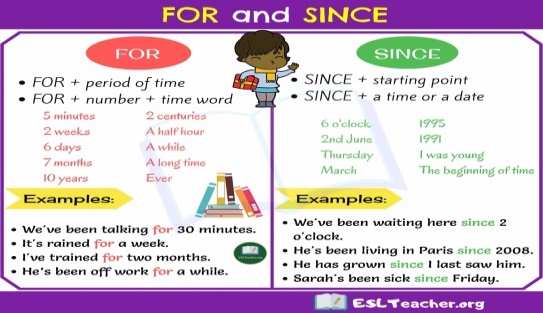
Short term plan: term 2
|
Unit 4 Sport, health and exercise |
Lesson 42 |
||
|
School |
|
||
|
Teacher name: |
|
||
|
Date: |
|
||
|
Grade: 8 |
Number present: |
absent: |
|
|
Lesson title |
Identifying and describing people |
||
|
Learning objectives |
8. 2. 1. 1 understanding of general and main ideas of study topics with long conversations without practical support; 8. 3. 7. 1 use subject-specific vocabulary and syntax within the framework of general and a number of educational topics; 8. 5. 2. 1 write past experiences or real events, activities on familiar general and educational topics with little support; |
||
|
Lesson objectives |
Learners will be able to: -recount and interpret the main points of the listening - explain the topical word by giving definition/synonym |
||
|
Value links |
The value based on the integrated educational program is to educate students for unity and solidarity A lesrner is responsible not only for himself, but also for the entire team to be ready to be |
||
|
Plan |
|||
|
Stages / Time |
Teachers actions |
Students actions |
Assessment criteria |
Resources |
|
Beginning of the lesson Warming-up
3 min Pre-learning «Brainstorming» method 7 min. |
Organization moment : 1.Greeting. Ask about the weather. The teacher sets the lesson objectives, letting students know what to anticipate from the lesson. Warming up Hot Potato Students stand in a circle and pass an object around. When the timer goes off, or the music stops, the student holding the hot potato has to do something. Write some of the words from the previous lesson Lead – In
|
Learners read the given sentences on the board and guess the topic and share with their ideas. Students' attention is drawn to the lesson. Learners talk about rooms previous lesson vocabulary Determines the topic and purpose of the lesson Students say different words from the picture |
Teacher controles the process, gives feedback and asks additional questions if it’s nessasery. Teacher evaluate pupils with phrases like: “Good job! Well done!” Formative Assessment |
|
|
Middle of the lesson Presentation part. 30 min |
Ex:1 P:50 Look at the photo with the class and encourage students to give descriptions. If they find this difficult, give them sentences to start with, such as The girl at the front has got long blonde hair. She’s wearing a pink top and black trousers Ex:2 P: 50 • Read the task with the class and clarify that at this stage, the students only need to identify who Adam is looking at. • When students have listened to the CD, ask them for their ideas Ex: 3 P: 50 •In a weaker class, encourage students to work in pairs to discuss the answers. • In a stronger class, encourage students to try to complete the phrases and identify the speaker from memory. • Play the CD for students to check their answers. • Go round and listen as students practise the dialogue in pairs Ex: 4 P: 50 Focus students on the photo of Jess, Nick, Millie and Dan. Ask students to read through the words in the box and complete each sentence with the word or words that fit. • Students complete the sentences individually, then compare their answers in pairs. Conclusion during the lesson some tasks differentiated by outcomes of the students and by their abilities. |
Pupils describe the people in the photo. Answer the question. ANSWERS Students own answer , Pupils listen to the dialogue. Answer the question. ANSWERS Adam is looking at Joanna Mills. Pupils complete the key phrases from the dialogue. The practise the dialogue with a partner. ANSWERS 1 over (Adam) 2 before (Adam) 3 long hair (Lucy) 4 about (Lucy) 5 know (Adam) 6 like (Adam) 7 an interesting face (Adam) Pupils imagine that you and a friend are looking at the people in the photo. Complete the sentences with the words in the box. ANSWERS 1 blue T-shirt 2 fair 3 smiling 4 interesting 5 seen 6 hair 7 shy |
Descriptor: - describe the people in the photo Total: 2 point Descriptor: - listen to the dialogue - answer the question. Total: 2 point Descriptor: - complete the key phrases from the dialogue. Total: 2 point Descriptor: - imagine that you and a friend are looking at the people in the photo. Total: 2 point -Make CCQ questions Yes / No Total: 10 point |
|
|
End of the lesson 5 min |
Ss use their stickers to show their knowledge according to the lesson Green- I understood Yellow-I have some questions Red-I need a help. Home task: |
Ss evaluate each other and encourage classmate with phrases like: Well done! Brilliant! Good job! I like it! |
Poster Success
|
|
Short term plan: term 2
|
Unit 4 Sport, health and exercise |
Lesson 43 |
||
|
School |
|
||
|
Teacher name: |
|
||
|
Date: |
|
||
|
Grade: 8 |
Number present: |
absent: |
|
|
Lesson title |
A biography |
||
|
Learning objectives |
8. 3. 7. 1 use subject-specific vocabulary and syntax within the framework of general and a number of educational topics; 8. 4. 2. 1 understand specific information in texts on a variety of familiar general and reading topics, including some longer texts; 8. 5. 1. 1 planning, writing, revising and checking text-level work on general and academic topics with minor support; |
||
|
Lesson objectives |
Learners will be able to: - recount and interpret the main points of the listening - explain the topical word by giving definition/synonym |
||
|
Value links |
The value based on the integrated educational program is to educate students for unity and solidarity Effective communication with other people, mutual achieving goals based on help and support |
||
|
Plan |
|||
|
Stages / Time |
Teachers actions |
Students actions |
Assessment criteria |
Resources |
|
Beginning of the lesson Warming-up
3 min Pre-learning «Brainstorming» method 7 min. |
Organization moment : 1.Greeting. Ask about the weather. The teacher sets the lesson objectives, letting students know what to anticipate from the lesson. Warming up Hot Potato Students stand in a circle and pass an object around. When the timer goes off, or the music stops, the student holding the hot potato has to do something. Write some of the words from the previous lesson Lead – In
|
Learners read the given sentences on the board and guess the topic and share with their ideas. Students' attention is drawn to the lesson. Learners talk about rooms previous lesson vocabulary Determines the topic and purpose of the lesson Students say different words from the picture |
Teacher controles the process, gives feedback and asks additional questions if it’s nessasery. Teacher evaluate pupils with phrases like: “Good job! Well done!” Formative Assessment |
|
|
Middle of the lesson Presentation part. 30 min |
Ex:1 P:51 Look at the photo and ask students if they know this person. Elicit information that they already know about her. After students have read the model text and answered the questions, ask them whether the information they gave before they read the text was correct. Ex:2 P: 51 Read through the key phrases with the class. Ask students to try to order them from memory, then check their answers in the text. Ex: 3 P: 51 Look at the table with the class. Explain that the headings give the correct order for adjectives. Students complete the green sections with the correct information, then use the table as a reference to help them order the adjectives. In a stronger class, ask students to write five sentences describing people they know. Encourage them to use adjectives introduced throughout the unit. |
Pupils read the text and answer the question ANSWERS 1 Paragraph 1 describes Elizabet’s family. 2 She studied in Moscow and Canada. 3 Her big break was when she won a silver medal in 2013. 4 She didn’t have a coach. 5 In 2017, she came third in the Asian Winter Games Pupils study the key phrases ANSWERS 1 … was born in … 2 She’s got … and … 3 She’s been involved in … since … 4 Her big break came in … 5 In the years that followed, … 6 Since then, she has … Pupils complete the table with adjectives from the model text. ANSWERS 1 long 2 dark 3 lovely 4 big 5 brown 1 shy little child 2 big new flat 3 long blonde hair 4 beautiful big blue eyes 5 warm-hearted young girl 6 lovely long red dress |
Descriptor: - read the text - answer the question Total: 2 point Descriptor: - study the key phrases Total: 2 point Descriptor: - complete the table with adjectives Total: 2 point -Make CCQ questions Yes / No Total: 10 point |
|
|
End of the lesson 5 min |
Ss use their stickers to show their knowledge according to the lesson Green- I understood Yellow-I have some questions Red-I need a help. Home task: |
Ss evaluate each other and encourage classmate with phrases like: Well done! Brilliant! Good job! I like it! |
Poster Success
|
|


Short term plan: term 2
|
Unit 4 Sport, health and exercise |
Lesson 44 |
||
|
School |
|
||
|
Teacher name: |
|
||
|
Date: |
|
||
|
Grade: 8 |
Number present: |
absent: |
|
|
Lesson title |
My country: Sport, health and exercise Summative Assessment “Sport, health and exercise” |
||
|
Learning objectives |
8. 4. 3. 1 understand evidence within familiar general and reading topics, including some longer texts; 8. 5. 6. 1 to logically connect a sentence to a paragraph on its own, using the main connectives, familiar topics |
||
|
Lesson objectives |
Learners will be able to: - recount and interpret the main points of the listening - explain the topical word by giving definition/synonym |
||
|
Value links |
The value based on the integrated educational program is to educate students for unity and solidarity Contributing to the achievement of common goals, ability to work effectively in a team |
||
|
Plan |
|||
|
Stages / Time |
Teachers actions |
Students actions |
Assessment criteria |
Resources |
|
Beginning of the lesson Warming-up
3 min Pre-learning «Brainstorming» method 7 min. |
Organization moment : 1.Greeting. Ask about the weather. The teacher sets the lesson objectives, letting students know what to anticipate from the lesson. Warming up Hot Potato Students stand in a circle and pass an object around. When the timer goes off, or the music stops, the student holding the hot potato has to do something. Write some of the words from the previous lesson Lead – In
Ex:1 P:52 Put students into pairs to do the exercise. If students are struggling, write some sportspeople’s names on the board for them to match with the sports. |
Learners read the given sentences on the board and guess the topic and share with their ideas. Students' attention is drawn to the lesson. Learners talk about rooms previous lesson vocabulary Determines the topic and purpose of the lesson Students say different words from the picture Pupils work in pairs. Write the name of a famous Kazakh sportsmen. ANSWERS Students own answer |
Teacher controles the process, gives feedback and asks additional questions if it’s nessasery. Teacher evaluate pupils with phrases like: “Good job! Well done!” Formative Assessment Descriptor: - work in pairs - write the name Total: 2 point |
|
|
Middle of the lesson Presentation part. 30 min |
Ex:2 P: 52 Read through the questions with students. Check they understand the meaning of domesticate. Ask students to listen and follow the text at the same time. Play the CD. In a weaker class, pause regularly so that the students can check the questions and find the answers. In a stronger class, play the recording without pausing. Give students a few minutes to answer the questions and check in pairs. Ex: 3 P: 52 Write old-fashioned on the board and ask students to say what type of word old and fashioned are (adjective and past participle). Ask students to find all the words highlighted in blue in the text. Give them a few minutes to find the compound adjective that fits each category. Go through the answers, making sure that students can pronounce the words correctly using the appropriate stress, for example, deep-rooted (compound adjectives tend to have equal stress on each word). Ex: 4 P: 52 Explain to students that they need to find the correct compound adjective to fit the meaning of the sentence. Get students to check in pairs before checking with the whole class. Summative Assessment “Sport, health and exercise” |
Pupils read and listen to the text. Answer the questions ANSWERS 1 The people from the Botai settlements in the Akmola Province of Kazakhstan. 2 Because they helped to train people for war and hunting. 3 You have to be between seven and fourteen years old. 4 Both men and women can take part in kyz kuu. 5 It was in Astana in 2017. Pupils read the rule and the examples ANSWERS 1 deep-rooted, well-known, well-trained 2 fast-running 3 high-speed, long-distance 4 world-famous Pupils complete the sentences with compound adjectives. ANSWERS 1 world-famous / well-known 2 ten-minute 3 man-made 4 long-distance 5 sugar-free |
Descriptor: - read and listen to the text - answer the questions Total: 2 point Descriptor: - read the rule and the examples Total: 2 point Descriptor: - read the rule and the examples Total: 2 point -Make CCQ questions Yes / No Total: 10 point |
|
|
End of the lesson 5 min |
Ss use their stickers to show their knowledge according to the lesson Green- I understood Yellow-I have some questions Red-I need a help. Home task: |
Ss evaluate each other and encourage classmate with phrases like: Well done! Brilliant! Good job! I like it! |
Poster Success
|
|

Short term plan: term 2
|
Unit 4 Sport, health and exercise |
Lesson 45 |
||
|
School |
|
||
|
Teacher name: |
|
||
|
Date: |
|
||
|
Grade: 8 |
Number present: |
absent: |
|
|
Lesson title |
CLIL Language and literature: Newspapers |
||
|
Learning objectives |
8. 2. 1. 1 understanding of general and main ideas of study topics with long conversations without practical support; 8. 3. 7. 1 use subject-specific vocabulary and syntax within the framework of general and a number of educational topics 8. 4. 3. 1 understand evidence within familiar general and reading topics, including some longer texts; |
||
|
Lesson objectives |
Learners will be able to: - integrate information on different issues from a wide range of perspectives - explain the topical word by giving definition/synonym - identify the central idea, the intended audience and the author’s purpose |
||
|
Value links |
The value based on the integrated educational program is to educate students for unity and solidarity Teamwork skills are essential to your success at work, no matter your industry or job title. |
||
|
Plan |
|||
|
Stages / Time |
Teachers actions |
Students actions |
Assessment criteria |
Resources |
|
Beginning of the lesson Warming-up 3 min Pre-learning «Brainstorming» method 7 min. |
Organization moment : 1.Greeting. Ask about the weather. The teacher sets the lesson objectives, letting students know what to anticipate from the lesson. Warm - up Hot Potato Students stand in a circle and pass an object around. When the timer goes off, or the music stops, the student holding the hot potato has to do something. Write some of the words from the previous lesson Lead – In
Ex:1 P:53 After students have checked the meaning of the words, focus on the photos and ask students what they think is in each newspaper. Elicit a few ideas. In pairs, students match the words to the photos. |
Learners read the given sentences on the board and guess the topic and share with their ideas. Students' attention is drawn to the lesson. Learners talk about rooms previous lesson vocabulary Determines the topic and purpose of the lesson Students say different words from the picture Pupils check the meaning of the words in blue. Then look at the newspapers in the photos. ANSWERS Students own answer |
Teacher controles the process, gives feedback and asks additional questions if it’s nessasery. Teacher evaluate pupils with phrases like: “Good job! Well done!” Formative Assessment Descriptor: - check the mean - look at the newspapers in the photos. Total: 2 point |
|
|
Middle of the lesson Presentation part. 30 min |
Ex:2 P: 53 • Students read and listen, and check their answers to exercise 1. Ex: 3 P: 53 • Students read the text again and decide if the sentences are true or false. Tell them they should write a question mark if the point is not mentioned. • Ask students to compare answers in pairs, then check answers with the class. Ex: 4 P: 53 Allow students time to prepare their answers individually, then put them in pairs to ask and answer the questions. Monitor and help round the class. • Ask one or two students to read one of their answers to the class |
Pupils read and listen to the text. ANSWERS Photo A: 2, 5, 6, 7, 9 Photo B: 1, 3, 4, 8, 9, 10 9 appears in both types of newspaper Pupils read the text again and write true, false and don’t 2 ANSWERS 1 False. A lot of people still prefer to get the news in a more traditional way, by reading a newspaper. 2 Don’t know. 3 True. 4 False. Quality newspapers use a formal style of language with longer sentences and technical vocabulary. Sensationalist newspapers use shorter words and sentences, with colloquial words and expressions. 5 True. 6 False. Both types of newspaper contain articles about sport Pupils read the text again and write true, false and don’t 2 ANSWERS Student’s own answer |
Descriptor: - read and listen to the text. - answer the questions Total: 2 point Descriptor: - read the text again - write true, false and don’t Total: 2 point Descriptor: - read the text again - write true, false and don’t Total: 2 point -Make CCQ questions Yes / No Total: 10 point |
|
|
End of the lesson 5 min |
Ss use their stickers to show their knowledge according to the lesson Green- I understood Yellow-I have some questions Red-I need a help. Home task: |
Ss evaluate each other and encourage classmate with phrases like: Well done! Brilliant! Good job! I like it! |
Poster Success
|
|

Short term plan: term 2
|
Unit 4 Sport, health and exercise |
Lesson 46 |
||
|
Teacher name: |
|
||
|
Date: |
|
||
|
Grade: 8 |
Number present: |
absent: |
|
|
Lesson title |
Unit Review 4. |
||
|
Learning objectives |
8. 3. 7. 1 use subject-specific vocabulary and syntax within the framework of general and a number of educational topics 8. 4. 3. 1 understand evidence within familiar general and reading topics, including some longer texts; 8. 5. 1. 1 planning, writing, revising and checking text-level work on general and academic topics with minor support; |
||
|
Lesson objectives |
Learners will be able to: - check their own and others’ writing to ensure that it communicates what they intended and improve the writing if needed - identify the central idea, the intended audience and the author’s purpose |
||
|
Value links |
The value based on the integrated educational program is to educate students for unity and solidarity Teamwork skills are essential to your success at work, no matter your industry or job title. |
||
|
Plan |
|||
|
Stages / Time |
Teachers actions |
Students actions |
Assessment criteria |
Resources |
|
Beginning of the lesson Warming-up 3 min Pre-learning «Brainstorming» method 7 min. |
Organization moment : 1.Greeting. Ask about the weather. The teacher sets the lesson objectives, letting students know what to anticipate from the lesson. Warming up Hot Potato Students stand in a circle and pass an object around. When the timer goes off, or the music stops, the student holding the hot potato has to do something. Ex:1 P: 54 • Put students into pairs to match the words in the box. Point out that there is an element of guesswork in this exercise as only small parts of the activities are shown in the photos. Students may struggle in particular with photos b and c. |
The aim: To develop pupils speaking skills and create friendly atmosphere Efficiency: By wishing each other they feel better and feel the support of others Students of the class are listed. Students' attention is drawn to the lesson. Pupils match the words in the box. ANSWERS 1 generous 2 ambitious 3 serious 4 mean 5 sensitive 6 cheerful 7 tolerant 8 curious |
The teacher to assess learners for their ability. “Good job! Well done!” Formative Assessment Descriptor: - match the words in the box. Total: 3 point |
|
|
Middle of the lesson Presentation part. 30 min |
Ex: 2 P: 52 • put students into pairs and ask them to make adjectives from these nouns sentences. Ex: 3 P: 52 • Put students into pairs and ask them to complete the dialogue with the words in the box. Check answers. |
Pupils make adjectives from these nouns sentence ANSWERS 1 stylish 2 skilful 3 lucky 4 talented 5 famous 6 creative 7 independent 8 strongy Pupils complete the dialogue with the words in the box ANSWERS 1 yet 2 since 3 still 4 yet 5 just / already 6 still 7 already / just 8 for |
Descriptor: - make adjectives from these nouns Total: 3 point Descriptor: - complete the dialogue with the words Total: 3 point -Make CCQ questions Yes / No Total: 10 point |
|
|
End of the lesson 5 min |
Ss use their stickers to show their knowledge according to the lesson Green- I understood Yellow-I have some questions Red-I need a help. Home task: |
Ss evaluate each other and encourage classmate with phrases like: Well done! Brilliant! Good job! I like it! |
Poster Success
|
|
Short term plan: term 2
|
Unit 4 Sport, health and exercise |
Lesson 47 |
||
|
Teacher name: |
|
||
|
Date: |
|
||
|
Grade: 8 |
Number present: |
absent: |
|
|
Lesson title |
Summative assessment term 2 |
||
|
Learning objectives |
8.5.1.1 plan, write, edit and proofread work at text level with little support on a range of general and curricular topics 8.3.3.1 give an opinion at discourse level on a wide range of general and curricular topics 8.2.1.1 understand with little or no support the main points in extended talk on a wide range of general and curricular topics |
||
|
Lesson objectives |
Learners will be able to: - check their own and others’ writing to ensure that it communicates what they intended and improve the writing if needed - identify the central idea, the intended audience and the author’s purpose |
||
|
Value links |
the value based on the integrated educational program is to educate students for unity and solidarity Critically evaluate and correct your own behavior when interacting with other people |
||
|
Plan |
|||
|
Stages / Time |
Teachers actions |
Students actions |
Assessment criteria |
Resources |
|
Beginning of the lesson Warming-up 3 min Pre-learning «Brainstorming» method 7 min. |
Organization moment : 1.Greeting. Ask about the weather. The teacher sets the lesson objectives, letting students know what to anticipate from the lesson. Warming up Hot Potato Students stand in a circle and pass an object around. When the timer goes off, or the music stops, the student holding the hot potato has to do something. Listening Task. Listen to the recording about Schumacher’s career. Write to what people and events these numbers and dates refer to. Ttranscript for listening task can be found after the mark scheme. |
Students' attention is drawn to the lesson. Determines the topic and purpose of the lesson Students say different words from the picture Pupils listen to the recording about Schumacher’s career ANSWERS write their answers using their own words with the correct information from the monologue |
The teacher to assess learners for their ability. “Good job! Well done!” Formative Assessment Descriptor: - listen to the recording about Schumacher’s career Total: 6 point |
|
|
Middle of the lesson Presentation part. 30 min |
Example: 1977 car accident with Jacques Villeneuve at Grand Prix 1. 4 March ___________________ 2. £1.3 million _________________ 3. 1994 ____________________ 4. 1999 ______________________ 5. over 1.5 seconds ____________ 6. 18 March _________________ Reading Task. Read the statements, decide if they are TRUE or FALSE and explain your choice. Read the article and write the answers from the text. Writing Task. Choose ONE of the topics to write Speaking Task. Work in pairs. Choose one of the cards and answer the questions. You have 1 minute to prepare and 3 minutes to speak. While speaking do not forget to use topic related vocabulary. Show interaction asking and answering questions. |
Pupils read the statements, decide if they are TRUE or FALSE ANSWERS True. Explanation: Advertising influences children’s choice of toys. False. Explanation: Another influence advertising has had is on the clothes children want to wear. False. Explanation: Companies use cartoon characters to influence on children. Pupils choose ONE of the topics to write ANSWERS Students own answer Pupils work in pairs. Choose one of the cards and answer the questions ANSWERS Students own answer |
Descriptor: - read the statements Total: 6 point Descriptor: - choose ONE of the topics Total: 6 point Descriptor: - work in pairs. - choose one of the cards and answer the questions Total: 6 point |
|
|
End of the lesson 5 min |
Ss use their stickers to show their knowledge according to the lesson Green- I understood Yellow-I have some questions Red-I need a help. Home task: |
Ss evaluate each other and encourage classmate with phrases like: Well done! Brilliant! Good job! I like it! |
Poster Success
|
|
Short term plan: term 2
|
Unit 4 Sport, health and exercise |
Lesson 48 |
||
|
Teacher name: |
|
||
|
Date: |
|
||
|
Grade: 8 |
Number present: |
absent: |
|
|
Lesson title |
Skills round-up: Welcome - Unit 4 |
||
|
Learning objectives |
8. 2. 1. 1 understanding of general and main ideas of study topics with long conversations without practical support; 8. 3. 5. 1 communicate with classmates to plan and create priorities, partner, discuss, and agree on educational tasks; 8. 5. 1. 1 planning, writing, revising and checking text-level work on general and academic topics with minor support; |
||
|
Lesson objectives |
Learners will be able to: - check their own and others’ writing to ensure that it communicates what they intended and improve the writing if needed - the value based on the integrated educational program is to educate students for unity and solidarity |
||
|
Plan |
|||
|
Stages / Time |
Teachers actions |
Students actions |
Assessment criteria |
Resources |
|
Beginning of the lesson Warming-up 3 min Pre-learning «Brainstorming» method 7 min. |
Organization moment : 1.Greeting. Ask about the weather. The teacher sets the lesson objectives, letting students know what to anticipate from the lesson. Warming up Hot Potato Students stand in a circle and pass an object around. When the timer goes off, or the music stops, the student holding the hot potato has to do something. Ex:1 P: 55 • Focus students on the photos and ask them to discuss who the people are. They can work in pairs at first, then discuss as a class. |
Students' attention is drawn to the lesson. Determines the topic and purpose of the lesson Students say different words from the picture Pupils look at the photos and answer the question. ANSWERS 1 Running, cycling, skiing. 2 For running you need the right clothes and a pair of trainers, for cycling you need a bike, for skiing you need the right clothes, a helmet, skis and poles and ski boots. 3 Students’ own answers |
Teacher controles the process, gives feedback and asks additional questions if it’s nessasery. Teacher evaluate pupils with phrases like: “Good job! Well done!” Formative Assessment
Good job! Descriptor: - match the words in the box. Total: 3 point |
Pictures worksheet Student’s book |
|
Middle of the lesson Presentation part. 30 min |
Ex: 2 P: 52 • Explain that students are going to listen to a conversation about a celebrity. Read the task carefully and ensure students understand what information they need to answer. Ex: 3 P: 52 • Students listen again for more specific details. Allow students time to read through the sentences carefully before you play the CD again. • Students could try to complete some gaps from memory if possible. • Let students listen to the CD twice before checking answers. Ex: 4 P: 52 In pairs, students agree on a celebrity to discuss. Encourage students to refer back to the photos to give them ideas if they find this difficult. Read through the questions and check understanding. • Go round and listen as students are working. Monitor for correct use of the present perfect and past simple when students are answering questions 1 and 3. Check that students are using adjectives as much as they can |
Pupils listen to the conversation. Answer the question ANSWERS Joe and Liza do not mention Robert Pattinson. Pupils listen again and complete the sentences ANSWERS 1 film 2 adores, beautiful 3 poor people 4 Angelina Jolie 5 Joe’s, young 6 bad 7 environmental 8 good-looking Pupils work in pairs and prepare a conversation about a sports star you like. ANSWERS |
Descriptor: - make adjectives from these nouns Total: 3 point Descriptor: - complete the dialogue with the words Total: 3 point Descriptor: - work in pairs - prepare a conversation Total: 3 point -Make CCQ questions Yes / No Total: 10 point |
Card Worksheet Students book |
|
End of the lesson 5 min |
Ss use their stickers to show their knowledge according to the lesson Green- I understood Yellow-I have some questions Red-I need a help. Home task: |
Ss evaluate each other and encourage classmate with phrases like: Well done! Brilliant! Good job! I like it! |
Poster Success
|
|


|
Additional information |
|
||
|
Differentiation – how do you plan to give more support? How do you plan to challenge fast finishers? Fast finishers: Ask students to note down what the exact name of each subject is. Answers baking technology management |
Assessment – how are you planning to check students’ learning? Oral feedback Positive reinforcement |
||
|
Reflection Were the lesson objectives/learning objectives realistic? Did all the learners achieve lesson objectives/learning objectives? If not, why? Did my planned differentiation work well? Did I stick to timings? What changes did I make from my plan and why? |
Use the space below to reflect on your lesson. Answer the most relevant questions from the box on the left about your lesson? |
||
|
Summary evaluation What two things went really well? Consider both teaching and learning. 1. 2. What two things would have improved the lesson? Consider both teaching and learning. 1. 2. What have I learned from this lesson about the class or an individual student that will inform my next lesson? |
|||









 Бұл курс Қазақстан Республикасы Оқу-ағарту министрлігімен келісілген










