
 ЖИ көмекші


 Қауіпсіз төлем

жүктеу мүмкіндігіне ие боласыз
Бұл материал сайт қолданушысы жариялаған. Материалдың ішінде жазылған барлық ақпаратқа жауапкершілікті жариялаған қолданушы жауап береді. Ұстаз тілегі тек ақпаратты таратуға қолдау көрсетеді. Егер материал сіздің авторлық құқығыңызды бұзған болса немесе басқа да себептермен сайттан өшіру керек деп ойласаңыз осында жазыңыз
 02 Мамыр 2025
 310
310
1 жыл бойы шексіз жүктеңіз
module 1. Hello, Englsh! (lesson plans)
|
Module 1 Lesson 1 |
|
||||||
|
Teacher’s name: |
|
||||||
|
Date: |
|
||||||
|
Grade: 3 |
Number of people present |
Number of people absent |
|||||
|
The Theme of the lesson |
Greetings and names |
||||||
|
Objectives according to the Curriculum |
3.1.2.1 recognise familiar words with visual support; 3.1.4.1 understand basic personal questions. 3.2.3.1 respond to basic questions with single words or short responses. 3.2.2.1 use isolated words and basic expressions to provide personal information |
||||||
|
Objectives of the lesson |
All learners will be able to:
Most learners will be able to:
Some learners will be able to:
|
||||||
|
Evaluation criteria |
Demonstrate respect to people’s answers using lexical units of topic vocabulary; Form questions and give constructive answers to feedback; Be involved in the lesson actively. |
||||||
|
Level of thinking skills |
|
||||||
|
During the lesson: |
|||||||
|
The stage of the lesson/timing |
Actions of the teacher: |
Actions of the pupils: |
Student actions with special educational needs |
Assessment |
Resourses |
||
|
The beginning of the lesson/ 5 min |
1.Organisational moment – 1 min The teacher greets students; 2.Launching a new topic (4 min) · Wave to the class and say Hello. Encourage students to wave back and say Hello. Repeat, but this time say Hi. · Greet a student with Hello, (name). Prompt the rest of the class to wave at him/her and say Hello, (name). Repeat with different students, alternating between Hello and Hi. · Students practise saying Hello to one another in pairs. · Do a mingling activity. Ask students to stand up and walk around. Play some music. When you pause the music, students stop walking and say Hello! To their nearest classmate. |
Students respond to greeting and take their places. Students close their books and in groups brainstorm the word “hello and hi”.
|
Students respond to greeting |
|
|
||
|
T |
Introduction (5 min) Students look at the picture in their Student’s Books. Point to the name labels. Ask the students why they start with capital letters. Elicit that they are names. Class work (10 min) • Ex1 · Play the recording. Students point to the character names when they hear them. · Play the second part of the recording. Students repeat the names. · Point to the character names/ pictures in turn or show the character flashcards. Students say the names. · Students practise pointing and naming in pairs. Pair work (10 min) • Ex 2. Ask students to work in pairs. They ask and answer the questions to each other. Class work (5 min) • Ex3 Play the recording. Students listen and say the greetings. Checking (5 min) • Ex4 Listening. Students check the words by listening and practicing the words. |
Students work in pairs and respond to the task.
S Students fill in the gaps and make a dialogue Students give information about themselves (My name is…) Students say the greetings. They then may say greetings by heart. Students work in pairs and follow the instructions. |
Students work in pairs with motivated students, and with their help answer the questions. S Students practice the prompts by repeating after teacher Students repeat the words after teacher. Students listen to the audio and do the exercise. |
Self-check 6 points:
Students evaluate each other. |
Audio, slide. Student’s book Audio |
||
|
The end of the lesson – 5 min |
Reflexion “Reflexion Target”
Describe the hometask and give examples. |
The students analyse their activities in the lesson by filling in the corresponding circle. Students get the hometask and give examples according to the tasks. They are able to ask questions if needed. |
The students analyse their activities in the lesson by filling in the corresponding circle. Students get the hometask and give examples according to the tasks. They are able to ask questions if needed. |
The teacher provides feedback to students on class activities. T |
To learn new vocabulary. |
||

 he middle of the
lesson – 35 min
he middle of the
lesson – 35 min tudents work in
pairs and point to the
pictures
tudents work in
pairs and point to the
pictures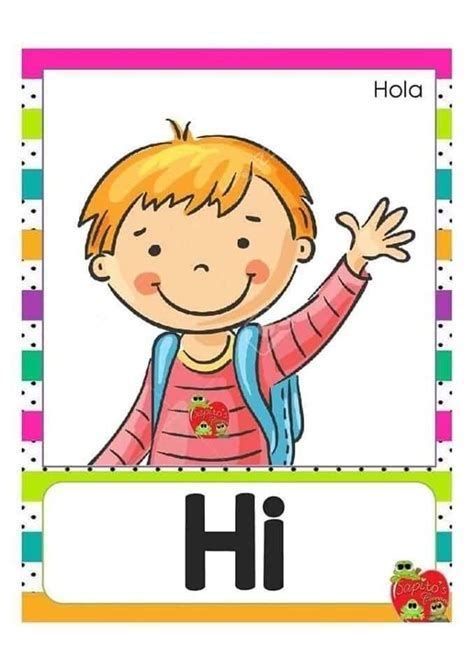 tudents work in
pairs and repeat the names.
tudents work in
pairs and repeat the names.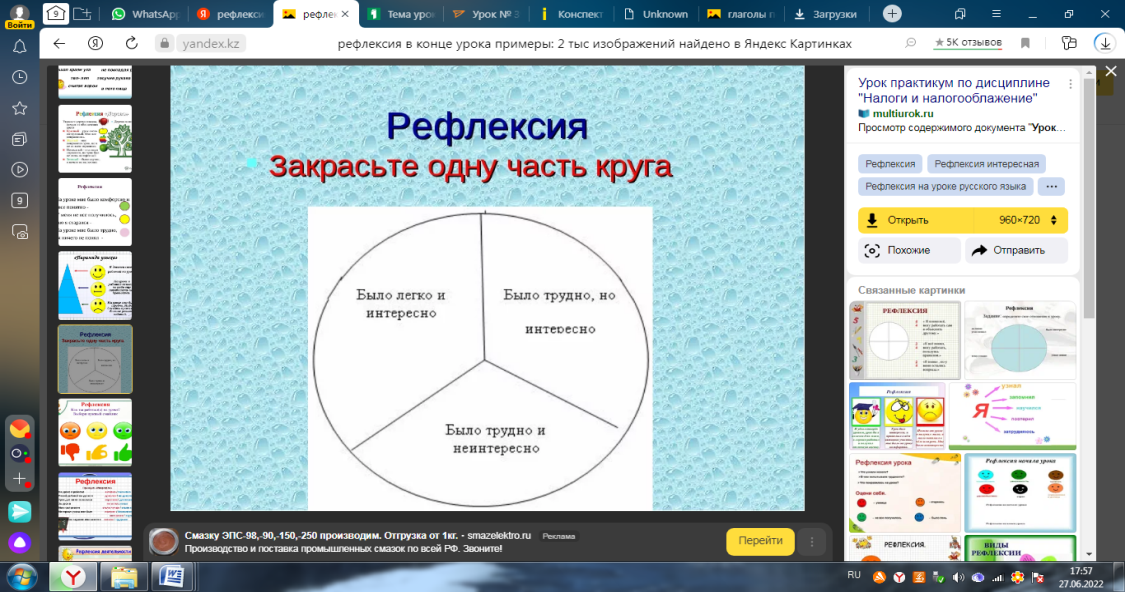
 he teacher gives
points for the lesson from
1-10
he teacher gives
points for the lesson from
1-10
|
Module 1 Lesson 2 |
|
||||||
|
Teacher’s name: |
|
||||||
|
Date: |
|
||||||
|
Grade: 3 |
Number of people present |
Number of people absent |
|||||
|
The Theme of the lesson |
We are friends! |
||||||
|
Objectives according to the Curriculum |
3.5.1.2 use the verb to be for presenting personal information and describe people and things on a limited range of familiar topics; 3.5.1.8 use personal subject and object pronouns in a limited range of familiar topics. 3.3.1.1 recognise sounds and name the letters of the alphabet; 3.3.1.2 identify and read separate sounds (phonemes) within words, which may be represented by more than one letter. |
||||||
|
Objectives of the lesson |
All learners will be able to:
Most learners will be able to:
Some learners will be able to:
|
||||||
|
Evaluation criteria |
Demonstrate respect to people’s answers; Form questions and give constructive answers to feedback; Participate actively in the lesson |
||||||
|
Level of thinking skills |
Critical thinking: Solves simple puzzles (e.g. word puzzles) Cognitive control functions (WB): Working memory |
||||||
|
During the lesson: |
|||||||
|
The stage of the lesson/timing |
Actions of the teacher: |
Actions of the pupils: |
Student actions with special educational needs |
Assessment |
Resourses |
||
|
The beginning of the lesson/ 5 min |
1.Organisational moment – 1 min The teacher greets students; 2.Introduction (4 min) · Call to the front four students whose names start with the first four letters of the alphabet. If this sequence is not possible, any four-letter sequence in the alphabet will do, e.g. D, E, F, G. · Stand the students in alphabetical order according to the first letters of their names. Say their names, repeating the first letter, e.g. Anna, A; Ben, B. · Tell students the lesson is about the alphabet |
S
Students stand in alphabetical order according to the first letters of their names.
|
Students respond to greeting
|
|
|
||
|
The middle of the lesson – 35 min |
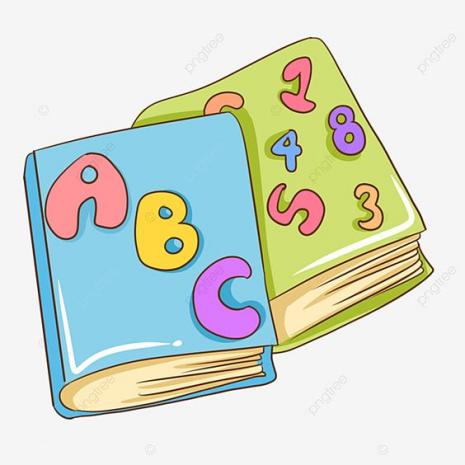
Launching a new topic. Listen and read. (10 min) · Teacher has to present personal pronouns. The teacher enunciates clearly the pronoun. Ask the students to repeat them. · Teacher explains grammar: singular (I, you, he, she, it) and plural (we, you, they) personal pronouns. Class work (10 min) • Ex1. Listen and sing. ·Teach the letter names in English, using the alphabet cards or writing letters on the board. · Point to each letter in turn, saying the name for students to repeat. Repeat two or three times, focusing on vowels and unusual letters such as J, K, Q and Y. · Play the audio. Students follow the song in their Student’s Books. For song lyrics see SB p.8 · Play the audio again, in sections. Students repeat. · Play the song video, pausing for students to repeat. · Use the karaoke version of the audio or video for students to sing in groups. Play the alphabet game. (5 min) · Stick the alphabet cards (capital letters) on the board or write the alphabet from start to finish. Point to letters and say, e.g. B is after A. C is after B. D is after C. Ask What’s after D? Ask similar questions about different letters. Present before and What’s before …? in the same way. Work in pairs (7 min) · · Monitor to check pronunciation. Also ask What’s after/before …? · Ask volunteers to come to the board and write the lower case letters next to / below the capitals. |
Students look at the picture in their Student’s book. Students repeat after a teacher and practice personal pronouns Students read and remember grammar. Students pronounce the letters. Students follow the song in their Student’s Books and then sing it together/ in groups. Students answer the teacher’s questions. S Volunteer writes the lower case letters on the board. Students copy out the alphabet (capitals and lower case) in their notebooks. |
S Students read and remember grammar Students pronounce the letters Students listen to the audio and repeat. Students answer the teacher’s questions. Students work in pairs with motivated students, and with their help answer the questions. Students copy out the alphabet (capitals and lower case) in their notebooks. |
Students evaluate each other. 6 points:
|
Student’s book The alphabet cards Audio
Alphabet cards Student’s book |
||
|
The end of the lesson – 8 min |
Reflexion “Reflexion Target”
Review the letters of the alphabet · Hand out the alphabet cards at random to a number of students. For smaller classes, use only some of the cards, but make sure they are sequential (e.g. A to M, or N to_Z). · Invite the students with cards to arrange themselves in alphabetical order at the front. Prompt by asking, e.g. What’s before ‘F’? What’s after ‘F’? Encourage students to use the same questions (in English) to complete the task (the activity can be done with the lower case or with the capital letters). Describe the hometask and give examples. |
The students analyse their activities in the lesson by filling in the corresponding circle.
Students with cards arrange themselves in alphabetical order at the front. They can prompt each other by asking, e.g. What’s before ‘F’? What’s after ‘F’? Students get the hometask and give examples according to the tasks. They are able to ask questions if needed. |
The students analyse their activities in the lesson by filling in the corresponding circle.
Students ask questions in order to help classmates to complete the activity by asking, e.g. What’s before ‘F’? What’s after ‘F’? Students get the hometask and give examples according to the tasks. They are able to ask questions if needed. |
The teacher provides feedback to students on class activities. The teacher gives points for the lesson from 1-10 |
|
||
 tudents respond
to greeting and take their places.
tudents respond
to greeting and take their places.

 tudents ask each
other about the letters in their SB, then answer
questions.
tudents ask each
other about the letters in their SB, then answer
questions.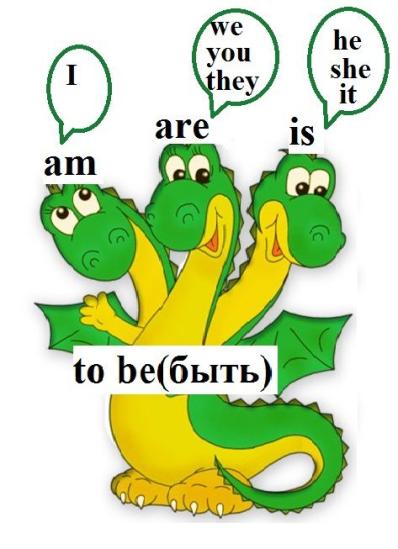 tudents look at the picture in
their Student’s book and repeat after a teacher personal
pronouns
tudents look at the picture in
their Student’s book and repeat after a teacher personal
pronouns

|
Module 1 Lesson 3 |
|
||||||
|
Teacher’s name: |
|
||||||
|
Date: |
|
||||||
|
Grade: 3 |
Number of people present |
Number of people absent |
|||||
|
The Theme of the lesson |
About me |
||||||
|
Objectives according to the Curriculum |
3.1.4.1 understand basic personal questions; 3.1.4.2 understand simple descriptions of people, actions, and objects with visual support; 3.5.1.3 use cardinal numbers 1-10; 11 - 20; 21 – 100 to count. |
||||||
|
Objectives of the lesson |
All learners will be able to:
|
||||||
|
Evaluation criteria |
Demonstrate respect to people’s answers using lexical units of topic vocabulary; Form questions and give constructive answers to feedback. |
||||||
|
Level of thinking skills |
|
||||||
|
During the lesson: |
|||||||
|
The stage of the lesson/timing |
Actions of the teacher: |
Actions of the pupils: |
Student actions with special educational needs |
Assessment |
Resourses |
||
|
The beginning of the lesson/ 5 min |
1.Organisational moment (1 min) The teacher greets students; To warm-up (4 min) Encourage the student to mutual greetings. |
Students respond to greeting and take their places. the student to ask his/her neighbour What’s your name? and the second student to reply I’m … |
Students respond to greeting |
|
|
||
|
The middle of the lesson – 35 min |
Practise numbers - one to ten (10 min) · Play the recording. · Say one of the numbers. Repeat several times. · Say a series of numbers between one and ten. . · Write the answers on the board for students to check. Class work (10 min) Ex1. How old are the Super Friends? Listen and write. Practice the written form of numbers one to ten Revise the characters’ names using the picture. Check students understand how the speech bubbles work (i.e. that each character is saying his/her age). · Play the recording. Give students thinking and writing time. Checking (5 min) ·
Ex 2. Ask and answer. How old are you? I’m… (5 min) · Ask different students How old are you? and prompt them to respond I’m (age). Practise pronunciation of the question. · Make a conversation based on the Student’s Book. Demonstrate the conversation, with real names and ages, with the student. Pair/group work (5 min) Ask students to work in pairs or groups of four. They ask and answer the questions to each other giving their real names and ages. Change pairings/groups several times. |
Students look at the picture in their SB, listen and point to the numbers.
Students point to the correct child in the picture.
Students write the figures in their notebooks Students have to write the number they hear, or the number word Students work in pairs and follow the instructions. Students practice the pronunciation and respond questions. The student read the role partipating in the communication.
Students give information
about t
|
Students listen and point to the numbers/ to the correct child in the picture. Write the figures in their notebooks S Students work in pairs and follow the instructions. Students practice the question and answer in open pairs. The student read the role partipating in the communication.
Students give information about themselves (My name is…) working in pairs/ groups. |
Self-check Self-check Students evaluate each other. |
Flashcards, Audio Student’s book, Audio Student’s Book. |
||
|
The end of the lesson – 5 min |
Invite ten students to the front and hand out the flashcards at random. Reflexion
Describe the hometask and give examples. |
Students quickly arrange themselves in order (one to ten). The students analyse their activities in the lesson by choosing the appropriate emoji. Students get the hometask and give examples according to the tasks. They are able to ask questions if needed. |
Students check the order by calling out the numbers together. The students analyse their activities in the lesson by choosing the appropriate emoji. Students get the HW. They can ask questions if needed. |
The teacher provides feedback to students on class activities. T |
Flashcards |
||
 Students check
 hemselves (My name is…) working in pairs/
groups.
hemselves (My name is…) working in pairs/
groups. tudents have to write the
number they hear, or the number
word
tudents have to write the
number they hear, or the number
word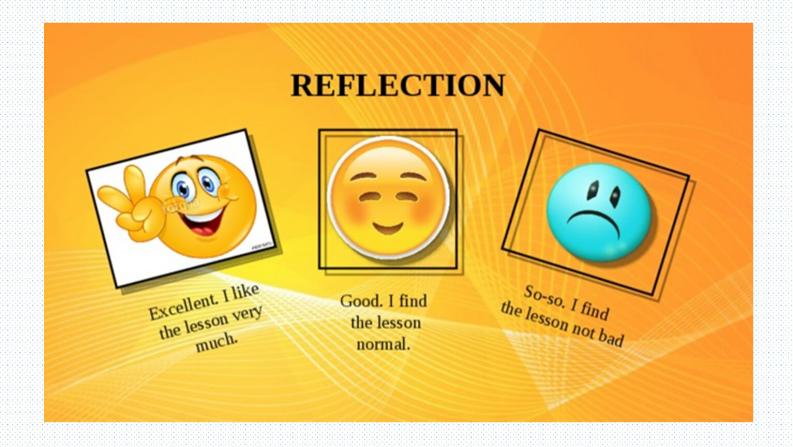
 he teacher gives points
for the lesson from 1-10
he teacher gives points
for the lesson from 1-10
|
|
Module 1 Lesson 4 |
|
||||||||||||||
|
|
Teacher’s name: |
|
||||||||||||||
|
|
Date: |
|
||||||||||||||
|
|
Grade: 3 |
Number of people present |
Number of people absent |
|||||||||||||
|
|
The Theme of the lesson |
Meet the Super Friends. |
||||||||||||||
|
|
Objectives according to the Curriculum |
3.1.4.2 understand simple descriptions of people, actions, and objects with visual support. 3.3.2.1 identify some familiar words and signs on illustrations /pictures in common everyday situations. |
||||||||||||||
|
|
Objectives of the lesson |
All learners will be able to:
Most learners will be able to:
|
||||||||||||||
|
|
Evaluation criteria |
Demonstrate respect to people’s answers using lexical units of topic vocabulary; Form questions and give constructive answers to feedback; Participate actively in the class. |
||||||||||||||
|
|
Level of thinking skills |
|
||||||||||||||
|
|
During the lesson: |
|||||||||||||||
|
|
The stage of the lesson/timing |
Actions of the teacher: |
Actions of the pupils: |
Student actions with special educational needs |
Assessment |
Resourses |
||||||||||
|
|
The beginning of the lesson/ 5 min |
1.Organisational moment – 1 min The teacher greets students; 2.Launching a new topic (4 min) · Say, e.g. Hello, Jim to a student, not using his/her real name. · When the student looks confused, ask, e.g. Are you Jim? No? What’s your name? · Repeat with other students, each time using the wrong name. · Do the same with How old are you?, guessing the wrong ages, and encouraging students to reply, e.g. I’m seven. |
Students respond to greeting and take their places. Students taking part in conversation. |
Students respond to greeting Students respond the questions. |
|
|
||||||||||
|
|
T |
Introduction (5 min) What is the cat’s name? · Review the names of the four Super Friends and teach cat using the pictures in the Student’s Book. · Read the title of the story and elicit the meaning of the question. · Point to the captions of the story and make sure students realize that the words in bold are the names of the speakers and the words after the colon are what they say. Class work (10 min) Ex.1.· Play the audio (For script see SB p10-11). · Play the Super Friends video. Then play the video again, pausing to check comprehension. Point to Flash running and ask Who’s this? · Repeat for the other Super Friends. Teach the word (super) power.Ask relevant questions (How old is the cat? (Four)) Pair work (10 min) • Ex2. Practice phrases from the story and discuss the value of making friends · Play the recording of the story with Student’s Books closed. · Check answers with the class. Focus on the parts of the story where the characters ask each other (and the cat) questions. · Elicit why we ask a new person we meet about themselves (to get to know them). Ask students why friends are important. Note: This discussion will probably need to take place in L1. Key: 2, 5, 1, 4, 3 Work in groups (10 min) Ex.3. Practise the story · Put students into groups of five, give everyone a role. The student playing the cat could wear a cat mask, and the student playing Misty could use a blanket to act disappearing. · Play the recording. Students repeat in role. Volunteer groups role play for the class. Encourage them to try to emulate the expression and intonation from the recording. |
Students recollect the heroes’ names and read the title of the story
Students listen and read to find the name of the cat (Tabby) S Answer the questions. Students try to do the activity in pairs. Pairs check with other pairs Students say the names of the characters as a response. Students tell how they met their friends, what they have in common. Students participate in conversation. ·Students each take a role of one of the characters (including the cat). ·Students can mime the powers in the story, i.e. lifting s |
Students recollect the heroes’ names and read the title of the story. Students try to find out the cat’s name. Students mime and/or explain the superpower of each Super Friend. Answer the questions. Students say the names of the characters as a response. Students tell how they met their friends, what they have in common. Everyone actively takes part in discussion. ·Students work in groups and follow the instructions. ·Students practice the role play in their groups. |
Self-check Students evaluate each other. 6 points:
|
Student’s Book. slide. Student’s book, Audio, Video Student’s book Audio |
||||||||||
|
|
The end of the lesson – 5 min |
Reflexion - answer 3 questions:
Describe the hometask and give examples. |
The students analyse their activities in the lesson and answer 3 questions. Students get the hometask and give examples according to the tasks. They are able to ask questions if needed. |
The students analyse their activities in the lesson and answer 3 questions. Students get the h |
The teacher provides feedback to students on class activities. The teacher gives points for the lesson from 1-10 |
To learn new vocabulary. |
||||||||||
|
Module 1 Lesson 5 |
|
|
||||||||||||||
|
Teacher’s name: |
|
|
||||||||||||||
|
Date: |
|
|
||||||||||||||
|
Grade: 3 |
Number of people present |
Number of people absent |
|
|||||||||||||
|
The Theme of the lesson |
Meet Nick and Dina |
|
||||||||||||||
|
Objectives according to the Curriculum |
3.2.2.1 use isolated words and basic expressions to provide personal information; 3.2.3.1 respond to basic questions with single words or short responses; 3.3.2.2 deduce the meaning of a word in a picture or icon on a limited range of topics; 3.4.2.2 use words and short simple phrases to complete a written text at a sentence level. |
|
||||||||||||||
|
Objectives of the lesson |
All learners will be able to:
Most learners will be able to:
Some learners will be able to:
|
|
||||||||||||||
|
Evaluation criteria |
Demonstrate respect to people’s answers using lexical units of topic vocabulary; Form questions and give constructive answers to feedback |
|
||||||||||||||
|
Level of thinking skills |
|
|
||||||||||||||
|
During the lesson: |
|
|||||||||||||||
|
The stage of the lesson/timing |
Actions of the teacher: |
Actions of the pupils: |
Student actions with special educational needs |
Assessment |
Resourses |
|
||||||||||
|
The beginning of the lesson/ 5 min |
1.Organisational moment – 1 min The teacher greets students; 2.Launching a new topic (4 min)
·
Show
flags of Kazakhstan and England and ask students to guess what
countries are they. E |
Students respond to greeting and take their places. Students guess and tell their ideas. |
Students respond to greeting Students guess and tell their ideas. |
|
|
|
||||||||||
|
The middle of the lesson – 35 min |
Class work (5 min) Ex.1. To present new language: where are you from? I’m from… · Present students new phrases, check pronunciation. Pair work (20 min) Ex.2. Practice reading and listening. · Play the recording, ask students to listen the dialogue and discuss it together. Ex.3. Read and match Suggest pupils to use words and short simple phrases to complete a written text at a sentence level. Key: 1 – b, 2 – c, 3 – a Ex.4. Act out a dialogue. Practice reading and speaking skills. Give students time to prepare for a dialogue, respond to basic questions with single words or short responses Checking (10 min) •Ask students questions about Nick and Dina: - Where is Dina from? Where is Nick from? - Who travels around the world? - What does Nick do? • Elicit answers, check students’ understandings. |
Students repeat after teacher, ask and answer the question Where are you from?
S Students read and match the sentences. Students work in pairs and act out a dialogue.
Students respond the questions.
|
Students repeat after teacher, ask and answer the question Where are you from? Students work in pairs and read the dialogue and then discuss it. Students read and work with the sentences. Students work in pairs and act out a dialogue. S |
Self-check Self-check Self-check 6 points:
|
SB, slide. Audio, SB SB, slide. |
|
||||||||||
|
T |
Reflexion “Reflexion Target”
Describe the hometask and give examples. |
The students analyse their activities in the lesson by filling in the corresponding circle. Students get the hometask and give examples according to the tasks. They are able to ask questions if needed. |
The students analyse their activities in the lesson by filling in the corresponding circle. Students get the hometask and give examples according to the tasks. They are able to ask questions if needed. |
The teacher provides feedback to students on class activities. The teacher gives points for the lesson from 1-10 |
To learn new vocabulary. |
|
||||||||||
 he middle of the lesson
– 35 min
he middle of the lesson
– 35 min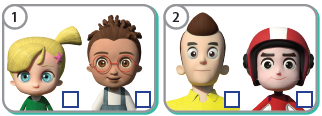
 tudents mime and/or
explain the superpower of each Super
Friend.
tudents mime and/or
explain the superpower of each Super
Friend. omething heavy, running very fast, becoming
invisible, and reading the cat’s
mind.
omething heavy, running very fast, becoming
invisible, and reading the cat’s
mind.
 ometask and give examples
according to the tasks. They are able to ask questions if
needed.
ometask and give examples
according to the tasks. They are able to ask questions if
needed.
 licit
answers.
licit
answers. tudents work in pairs
and
tudents work in pairs
and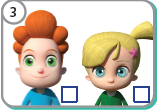
 tudents respond the
questions.
tudents respond the
questions. he end of the lesson –
5 min
he end of the lesson –
5 min
|
Module 1 Lesson 6 |
|
||||||
|
Teacher’s name: |
|
||||||
|
Date: |
|
||||||
|
Grade: 3 |
Number of people present |
Number of people absent |
|||||
|
The Theme of the lesson |
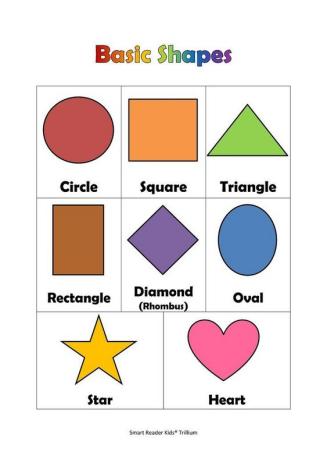
2D shapes |
||||||
|
Objectives according to the Curriculum |
3.1.2.1 recognise familiar words with visual support; 3.2.3.1 respond to basic questions with single words or short responses; 3.2.4.1 provide simple descriptions of people, and objects. 3.3.2.1 identify some familiar words and signs on illustrations /pictures in common everyday situations; 3.4.2.2 use words and short simple phrases to complete a written text at a sentence level. |
||||||
|
Objectives of the lesson |
All learners will be able to:
Most learners will be able to:
Some learners will be able to:
|
||||||
|
Evaluation criteria |
Demonstrate respect to people’s answers using lexical units of topic vocabulary; Form questions and give constructive answers to feedback. |
||||||
|
Level of thinking skills |
Critical thinking: Draws conclusions from given information |
||||||
|
During the lesson: |
|||||||
|
The stage of the lesson/timing |
Actions of the teacher: |
Actions of the pupils: |
Student actions with special educational needs |
Assessment |
Resourses |
||
|
The beginning of the lesson/ 5 min |
1.Organisational moment – 1 min The teacher greets students; 2.Launching a new topic (4 min) · Wave to the class and say Hello. Encourage
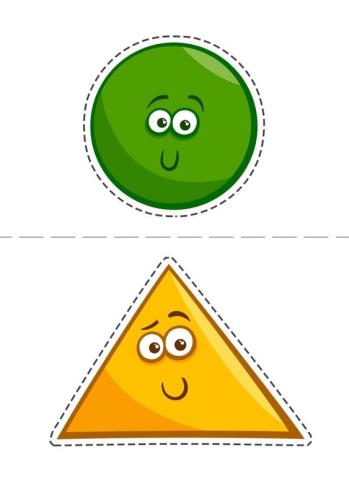
· Ask students what other shapes they know. · Draw a triangle, a kite shape and a rectangle. · Teach the names of the shapes and write them below the pictures. |
Students respond to greeting and take their places. S |
Students respond to greeting Students draw figures. |
|
|
||
|
The middle of the lesson – 35 min |
Introduction (5 min) What toys do you know? · With Student’s Books closed, ask What toys do you see? Play the video. · Write the toys in the video on the board: bricks, bike, go-kart, kite, plane, car, computer. · Students watch again to see which shapes are in each toy. · Play the video again and pause to elicit answers. Key: bricks – squares, bike – triangles, go-kart – circles, kite – kite, plane/car/computer – rectangle Class work (30 min) Ex. 1. Listen and point. Practise identifying shapes (5 min) · Play the recording. For script see SB p.15 Ex. 2. Read and match. Practice reading and identifying shapes and colours (7 min) · Teach brown using items in the classroom. · Read item 1 aloud and elicit the answer. · Check answers with the class. Key: 1 e, 2 c, 3 b, 4 d, 5 a Ex. 3. Look and draw the next shapes. Then describe the shapes. (8 min) Teacher encourages students to identify repeating patterns · Read the instruction aloud. Check understanding of next, e.g. by counting and asking 1, 2, 3, 4 … What’s next? · Talk about the first repeating pattern as an example, eliciting a phrase for each picture, e.g. A small blue circle, a big red circle. Extra support: Elicit answers before students draw and colour. · Monitor and encourage students to talk about the shapes in English. · Check with the class and elicit the answers, using the speech bubble as a model. K Ex. 4. Ask and answer. Practice identifying and talking about shapes in toys (5 min) Suggest pupils to respond to basic questions with single words or short responses; • Read question 1 and look at the example speech bubbles. Elicit the name of each toy. Choose pairs to share their ideas with the class. • Read question 2. Ask a volunteer to stand up and point to a shape in the classroom (e.g. Look! A square.) • Say Stand up and find shapes! Set a time limit of two minutes. Then ask different students to make a phrase about their item. Key:
b The
plane. Two triangles, ten squares and two circles. c The bike.
Three circles, four t Pair work Ex. 5. Design a toy and write. (10 min) Suggest students to use words and short simple phrases to complete a written text at a sentence level. • • Pairs look at the example. Ask them to think about what shapes their chosen toy might have. • Students begin to create their toys. Encourage students to talk about their designs as they work • The final designs can be displayed around the classroom. Alternatively, take photos of their work and save it in students’ digital portfolios |
Students answer (they may use L1 for some words, e.g. robot, bricks). Students listen and point to the shapes. Students repeat the words Students complete the matching task individually, looking at the shapes in Activity 1. Students work on the rest of the shape sequences in pairs, drawing and colouring the missing shapes. Students check each other. Students talk about each toy in pairs. Students walk around and stop when they have found an item with a shape. Students choose a toy to design (for extra ideas it’s available to look back through the unit. Students try to engage their imagination and creativity. Students draw and colour their toys. They label each of the different shapes that they can see in the toy. |
Students answer the question (robot, bricks).
Students listen and point to the shapes. Students repeat the words Students complete the matching task individually, looking at the shapes in Activity 1. Students work in pairs and follow the instructions. Students check each other.
Students discuss toys in pairs. Students stay in their seats, look around the classroom and raise their hands when they have thought of a phrase. S In motivated pairs they draw and colour their toys. They label each of the different shapes that they can see in the toy. |
Self-check 6 points:
For each correct answer the student receives a card, at the end of the lesson they are counted together. All cards will turn into points. |
Video Audio, Student’s book Student’s book , slides Slides Student’s book, Slides Student’s books |
||
|
The end of the lesson – 5 min |
Lesson review • Write the following prompt on the board: Today I’ve … • Elicit what students did today, e.g. talked about shapes in toys, and designed a toy. Write it on the board. Describe the hometask and give examples. |
Students copy all the information from the board into their notebooks Students get the hometask and give examples according to the tasks. They are able to ask questions if needed. |
Students write down all the information from the board into their notebooks Students get the hometask and give examples according to the tasks. They are able to ask questions if needed. |
The teacher provides feedback to students on class activities. The teacher gives points for the lesson from 1-10
|
To learn new vocabulary. |
||

 ome students come and
draw figures they know
ome students come and
draw figures they know ey:
ey: riangles and a
rectangle. d The kite. A kite or four triangles, and 14
triangles.
riangles and a
rectangle. d The kite. A kite or four triangles, and 14
triangles.
 tudents choose a toy to
design, trying to engage their imagination and
creativity.
tudents choose a toy to
design, trying to engage their imagination and
creativity.
|
Module 1 Lesson 7 |
|
||||||
|
Teacher’s name: |
|
||||||
|
Date: |
|
||||||
|
Grade: 3 |
Number of people present |
Number of people absent |
|||||
|
The Theme of the lesson |
What colour is it? |
||||||
|
Objectives according to the Curriculum |
3.1.2.1 recognise familiar words with visual support; 3.5.1.2 use the verb to be for presenting personal information and describe people and things on a limited range of familiar topics. |
||||||
|
Objectives of the lesson |
All learners will be able to:
Most learners will be able to:
Some learners will be able to:
|
||||||
|
Evaluation criteria |
Demonstrate respect to people’s answers using lexical units of topic vocabulary; Form questions and give constructive answers to feedback; Participate actively in the lesson. |
||||||
|
Level of thinking skills |
|
||||||
|
During the lesson: |
|||||||
|
The stage of the lesson/timing |
Actions of the teacher: |
Actions of the pupils: |
Student actions with special educational needs |
Assessment |
Resourses |
||
|
The beginning of the lesson/ 5 min |
1.Organisational moment – 1 min The teacher greets students;
Review the letters of the alphabet: · turn on the alphabet song again. |
Students respond to greeting and take their places. Students sing the alphabet song. |
Students respond to greeting Students sing the alphabet song. |
|
Audio |
||
|
The middle of the lesson – 35 min |
Class work (25 min) Ex.1. Listen and point to the balloons. · Use the pictures in the Student’s Book to present the colours. · Play the recording. Point to each balloon in turn and say the colour.(For script see SB p14) · In pairs, students take turns to point to the balloons and say the colours. Ex. 2. Listen and match. Recognise familiar words with visual support; · Revise the characters’ names and teach bag, using the pictures. · Say, e.g. Point to the green bag. Repeat for the different colours. · Play the recording. · Play the recording again for students to check. · Ask, e.g. What colour is Flash’s bag? Students reply in chorus, e.g. Green. Write an example sentence, e.g. Flash’s bag is green, on the board and point out the way ’s is used to say that something belongs to someone. Key: 1 c, 2 a, 3 d, 4 b Ex. 3. Make sentences. Practise talking about possession. use the verb to be for presenting personal information and describe people and things on a limited range of familiar topics. · Make sentences about the students’ bags, e.g. Carlo’s bag is yellow. · Point to the first character in Activity 2 and the prompt in the speech bubble in Activity 3. Elicit the complete sentence. ·Monitor. Encourage students to talk about the colour of their classmates’ bags in the same way. Key: Flash’s bag is green. Thunder’s bag is blue. Misty’s bag is purple. Whisper’s bag is red. Ending the lesson. Review spelling of the colours. (10 min)
· |
Students repeat the colours.
Students listen and point.
Students draw a line from each character to their bag. Compare answers in pairs. S · Students work in pairs to unjumble words, then put the colours in alphabetical order: blue, green, orange, purple, red, yellow. |
Students repeat the colours. Students listen and point.
Students draw a line from each character to their bag. Compare answers in pairs. Students practice making sentences about the bags in pairs.
Students work in pairs to unjumble words, then put the colours in alphabetical order: blue, green, orange, purple, red, yellow. |
Self-check 6 points:
Students evaluate each other. |
Student’s Book, Audio Student’s book, Audio, Slides Student’s book, Slides Flashcards |
||
|
The end of the lesson – 5 min |
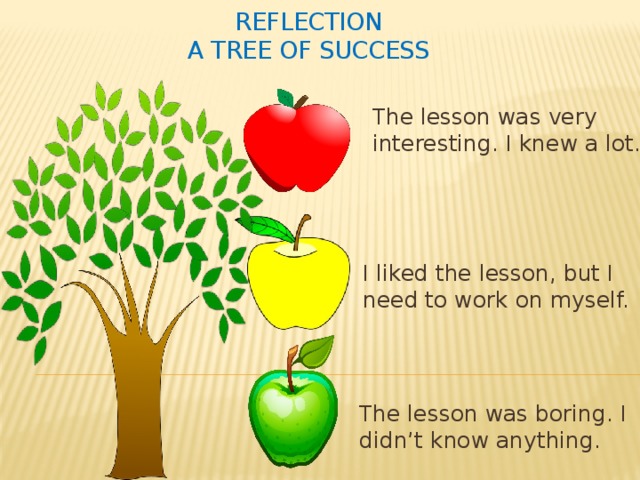
Reflexion “choose the acceptable variant”
Describe the hometask and give examples. |
The students analyse their activities in the lesson by choosing the sentence characterising them. Students get the hometask and give examples according to the tasks. They are able to ask questions if needed. |
The students analyse their activities in the lesson by choosing the sentence describing them. Students get the hometask and give examples according to the tasks. They are able to ask questions if needed. |
The teacher provides feedback to students on class activities. The teacher gives points for the lesson from 1-10 |
To learn new vocabulary. |
||
 Write the six colours
in jumbled letter order on the
board.
Write the six colours
in jumbled letter order on the
board. tudents practice
making sentences about the bags in
pairs.
tudents practice
making sentences about the bags in
pairs.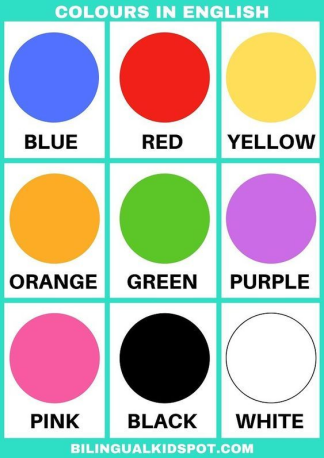
|
Module 1 Lesson 8 |
|
||||||
|
Teacher’s name: |
|
||||||
|
Date: |
|
||||||
|
Grade: 3 |
Number of people present |
Number of people absent |
|||||
|
The Theme of the lesson |
My favourite hero! |
||||||
|
Objectives according to the Curriculum |
3.1.3.1 understand a range of short classroom instructions; 3.2.3.3 make introductions and requests in basic interaction with others; 3.3.2.1 identify some familiar words and signs on illustrations /pictures in common everyday situations. |
||||||
|
Objectives of the lesson |
All learners will be able to:
Most learners will be able to:
Some learners will be able to:
|
||||||
|
Evaluation criteria |
Demonstrate respect to people’s answers using lexical units of topic vocabulary; Form questions and give constructive answers to feedback. |
||||||
|
Level of thinking skills |
Creative thinking: Chooses options to create something new Creative thinking (WB): Uses different media to make and describe his/her own designs. |
||||||
|
During the lesson: |
|||||||
|
The stage of the lesson/timing |
Actions of the teacher: |
Actions of the pupils: |
Student actions with special educational needs |
Assessment |
Resourses |
||
|
The beginning of the lesson/ 5 min |
1.Organisational moment – 1 min The teacher greets students;
· Put the class into two teams, numbered 1 and 2 or named after colours. · Give the teams instructions in turn, e.g. Team 1, stand up. Team 2, open your pencil case. Team 1, sit down. Team 2, take out your pencil. Team 1, close your eyes. Students mime or do the correct action. Once they have got the idea, make it more difficult by varying the groups (e.g. give two instructions to Team 1, one to Team 2, and so on) · Stronger students: Play with more than two teams to make it even more challenging. |
Students respond to greeting and take their places. Students have to listen very
carefully a |
Students respond to greeting Students have to listen very carefully and follow instructions. |
|
|
||
|
The middle of the lesson – 35 min |
Introduction. Review colours (3 min) · Revise pronunciation of the alphabet, if necessary (e.g. play the alphabet song from Student’s Book). Pair work (7 min) · Write the colours (yellow, red, orange, green, blue, purple, black) in jumbled letter order on the board. · Choose pairs to spell out each colour word and ask them to find an item of that colour in the classroom. Class work (5 min) • Ex1. Listen and imagine. Then draw your picture. · Explain the activity. Make sure students have coloured pens or pencils and that they know the meaning of imagine and draw. · Play the recording for students to follow instructions. · Play the recording again before students draw, if necessary. · Circulate as they draw their pictures, asking What colour is your bag? What’s in your bag? Praise students for using their imagination and for their originality. Pair work. Compare your pictures. Practise speaking skills (10 min) · Draw a picture of a hero on the board. Use colours if possible. Talk about the picture using It’s … (e.g. It’s a hero. It’s green. What’s this?) Encourage them to say as much as they can. Class work. Read and circle.(5 min) Review language from the unit by doing a quiz. · Make sure students know how to answer by circling one option for each sentence, using the picture clues. Do the first item as an example, if necessary. The first time, they do it without looking back through the unit. Checking (5 min) · Students then look back to check questions they did not know. · Check answers with the class. Key: 1 a, 2 c, 3 b, 4 a, 5 a, 6 b, 7 c, 8 b |
Students pronounce the alphabet correctly/ sing a song
· Students work in pairs and write each colour correctly.
Students practice in listening and following instructions. Students work in pairs. They show each other their pictures and describe. Students identify some familiar words and signs on illustrations /pictures in common everyday situations Pairs check their work with other pairs. |
Students pronounce the alphabet correctly/ sing a song
Students work in motivated pairs and write each colour correctly. Students practice in listening and drawing. Answer the questions. Students work in pairs. They show each other their pictures and describe.
Students do the quiz in pairs. Pairs check their work with other pairs. |
For each correct answer the student receives a card, at the end of the lesson they are counted together. All cards will turn into points. |
Audio SB Slides Audio SB, Slides SB |
||
|
T |
Ending the lesson enable students to express their preferences · Ask students what their favourite activity is from the unit (e.g. the song, chant or one of the games) and have a class vote. · Repeat the most popular activity with the class. Describe the hometask and give examples. |
The students choose their favourite activity from the unit and have a class vote. Students get the hometask and give examples according to the tasks. They are able to ask questions if needed. |
The students choose their favourite activity from the unit and have a class vote. Students get the hometask and give examples according to the tasks. They are able to ask questions if needed. |
The teacher provides feedback to students on class activities. T |
To learn new vocabulary. |
||
 You can make the game
competitive by telling students they are ‘out’ if they do the wrong
action. The team with the most students left ‘in’ at the end
wins.
You can make the game
competitive by telling students they are ‘out’ if they do the wrong
action. The team with the most students left ‘in’ at the end
wins. nd follow
instructions.
nd follow
instructions.

 he end of the lesson – 5
min
he end of the lesson – 5
min he teacher gives points
for the lesson from 1-10
he teacher gives points
for the lesson from 1-10









 Бұл курс Қазақстан Республикасы Оқу-ағарту министрлігімен келісілген










