ЖИ көмекші


жүктеу мүмкіндігіне ие боласыз
Бұл материал сайт қолданушысы жариялаған. Материалдың ішінде жазылған барлық ақпаратқа жауапкершілікті жариялаған қолданушы жауап береді. Ұстаз тілегі тек ақпаратты таратуға қолдау көрсетеді. Егер материал сіздің авторлық құқығыңызды бұзған болса немесе басқа да себептермен сайттан өшіру керек деп ойласаңыз осында жазыңыз
 16 Ақпан 2025
 322
322
'My favourite food' 3 grade
Short term plan
School № ___
Lesson 47
|
Term: 3 |
Unit 6. Health |
|
|
Teacher’s name: |
|
|
|
Date: |
|
|
|
Grade: 3 |
Number present: |
Number absent: |
|
Theme of the lesson: |
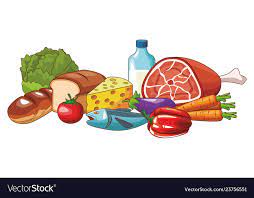
My favourite food |
|
|
Learning objectives(s) that this lesson is contributing to |
3.1.4.1 understand basic personal questions; 3.2.3.1 respond to basic questions with single words or short responses; 3.3.5.1 read short, illustrated fiction and non-fiction stories written in very simple language using a dictionary; 3.4.4.1 link ideas with and, but; 3.5.1.10 use common present simple forms and contractions on a limited range of familiar topics. |
|
|
Lesson objectives |
By the end of the lesson the students will be able to: identify types of food and explain the preferences; apply topic related vocabulary in speech and use linking words as but and and; create and act out their own dialogues on the topic; express personal attitude toward a topic discussing a topic. |
|
Lesson procedure:
|
Stages of the lesson/ Time |
Teacher’s activity |
Student’s activity |
Assessment |
Resources/ materials |
|
Greeting. Organisation moment. 2 min. |
Good morning, dear pupils. I’m very glad to see you. How are you today? Thanks. Take your seats. |
The students greet the teacher. Good morning, good morning to you, Good morning dear, teacher We are glad to see you too.
|
|
Whiteboard
|
|
Warm up: 3 min. |
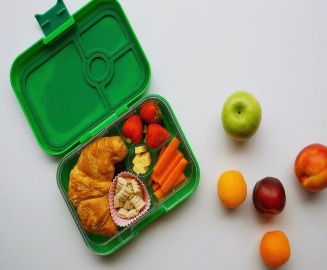
The teacher sets the lesson objectives, letting students know what to anticipate from the lesson. Look at the picture. What do you think we are going to study?
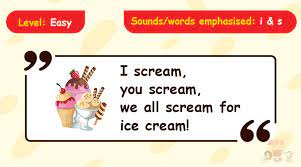
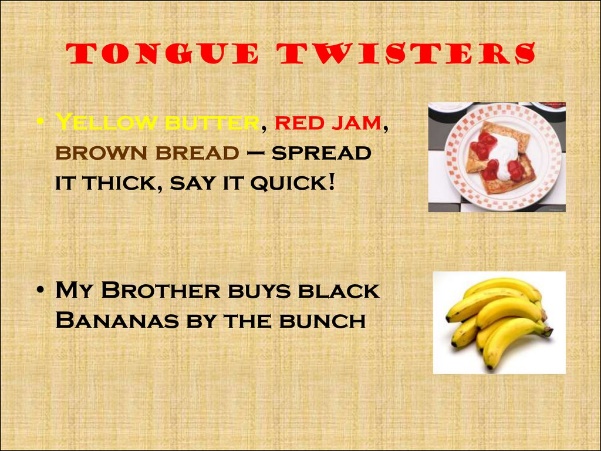
Warm up. Phonetic Drill Exercises. Repeat: Meat, rice, fish, apple, bread. Name words on the topic “Food” with a sound: [m], [p], [f]: Meat, food, fish Egg, apple Juice, water, hot chocolate, milk, tea. |
Sts. give their suggestions: Food?
Sts. listen to the teacher and repeat a tongue twister. Sts. repeat the words after the teacher and name the words.
|
Self – Assessment Descriptor: 3.3.1.2 identify and read separate sounds (phonemes) within words, which may be represented by more than one letter. |
Worksheet Worksheet |
|
Main activities: 19 min. |
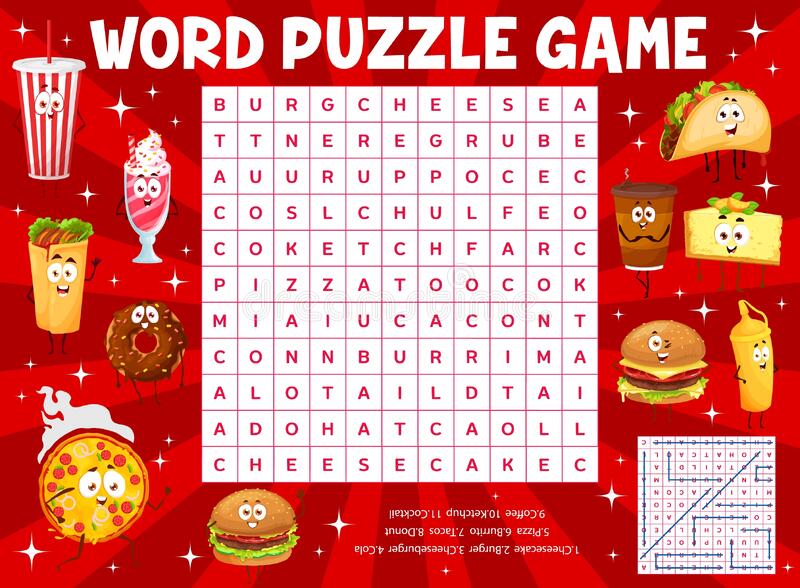
A teacher asks Sts. if they go to the café. What do you eat at the café? Do you like? A teacher shows flashcards to Sts. and ask questions. Listen and point. What is in the menu? Use linking words: But - And A Game: Food I like I dont like - Учебные ресурсы Wordwall https://wordwall.net › ru-by › community › i-like-i-dont-... Ex.2 p.50 Say which foods on the menu you like. Ex.3 p.50 A teacher shows cards with food to Sts. Is it a tomato? Yes, it is. No, it isn’t. A teacher asks Sts. to do the competition task in groups. Find as many words as you can. A winner team get a prize.
|
Sts. give different answers. I and my family go to the café. We usually eat: salad, meat or fish, pizza. I like…. (+) I don’t like (-). I like meat but I don’t like fish.
Sts. spin the wheel and say if I like/ don’t like
My favourite food is meat. I like meat and fish.
Sts/ ask questions to each other showing a flashcard.
Sts. do the puzzle game in teams.
|
Self - Assessment Assessment Criteria: Use and follow with considerable support simple words, phrases, sentences as a support in reading familiar topics; Apply basic words, phrases and short sentences in a talk or writing about objects.
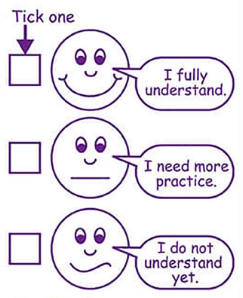
Each child is given a card with self – assessment. Sts. put a mark to themselves.
|
CD.68 Worksheet Flashcards St. B p.50 Student’s Book “Family and friends 3. Kazakhstan edition”. (Oxford University Press) Worksheet |
|
Physical training exercise – 3 min. |
A break for physical activity. Teacher plays the video with physical exercises. |
Students watch and do physical exercises. |
|
Music |
|
Main activities: 15 min. |
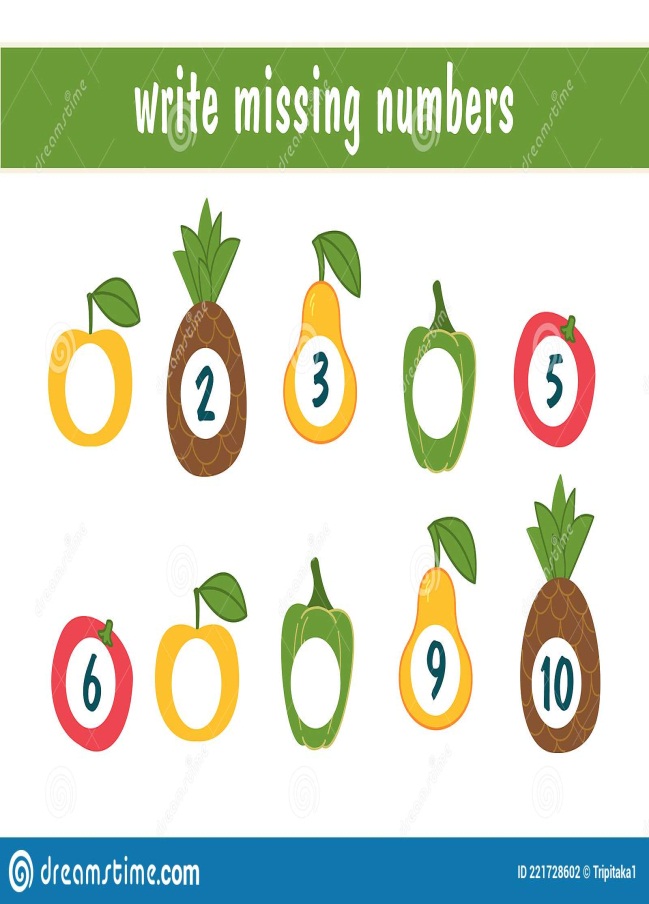
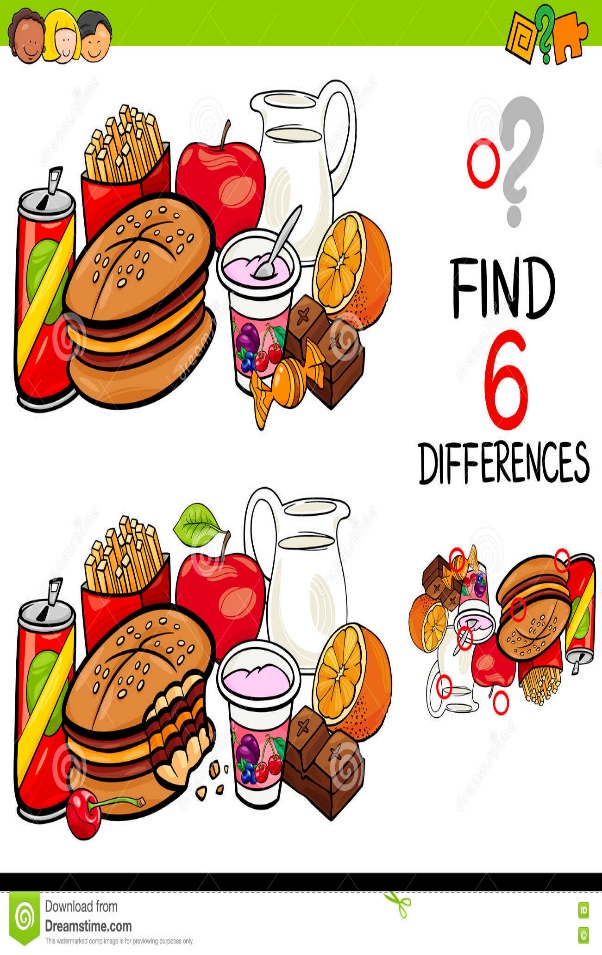
A teacher asks St. to put missing numbers and read a word.
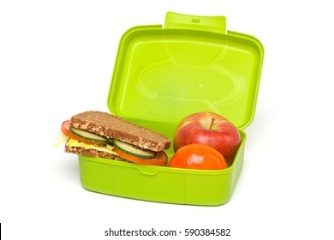
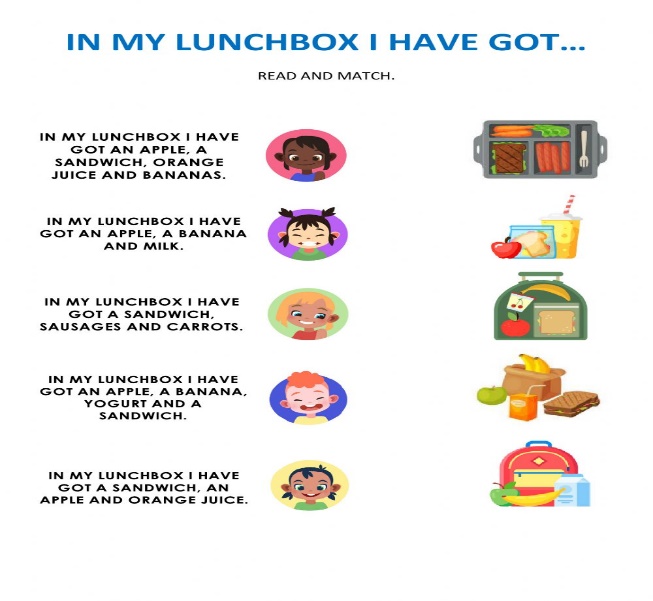
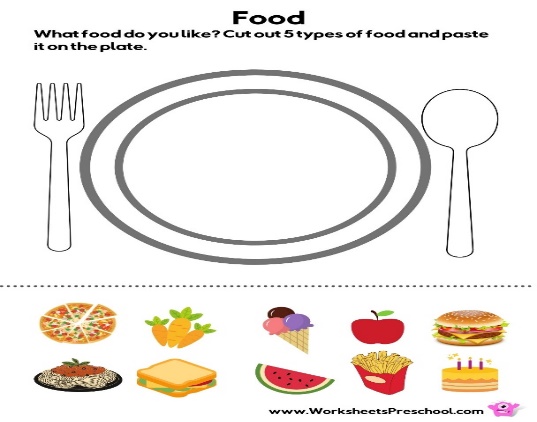
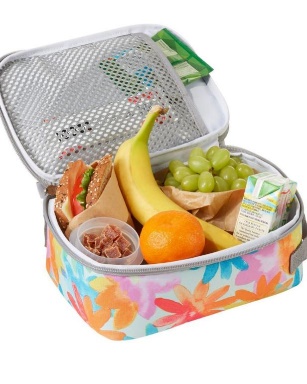
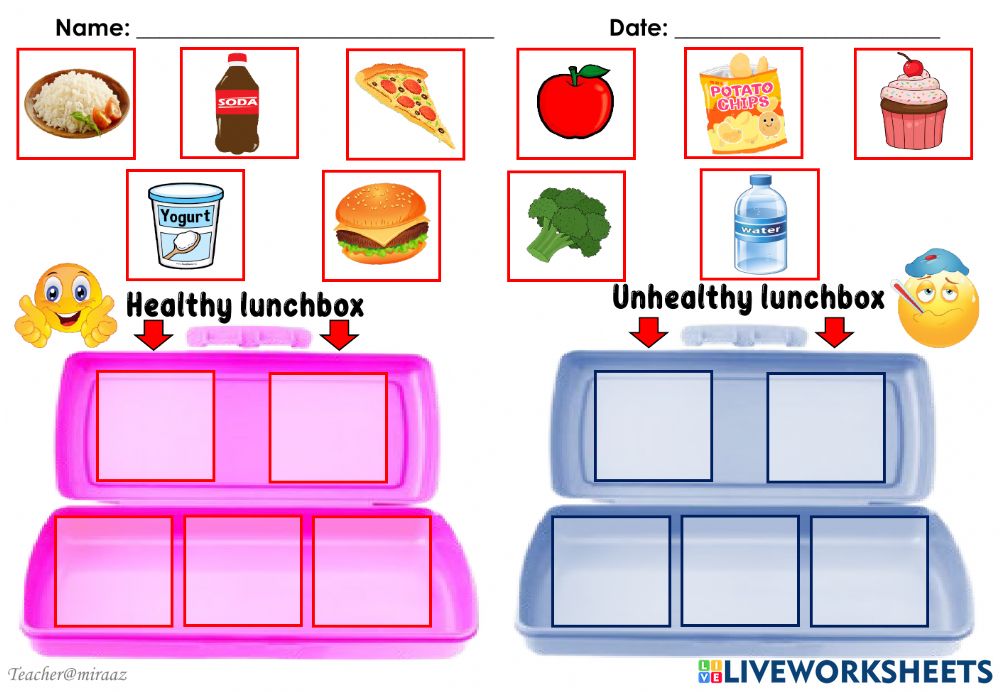
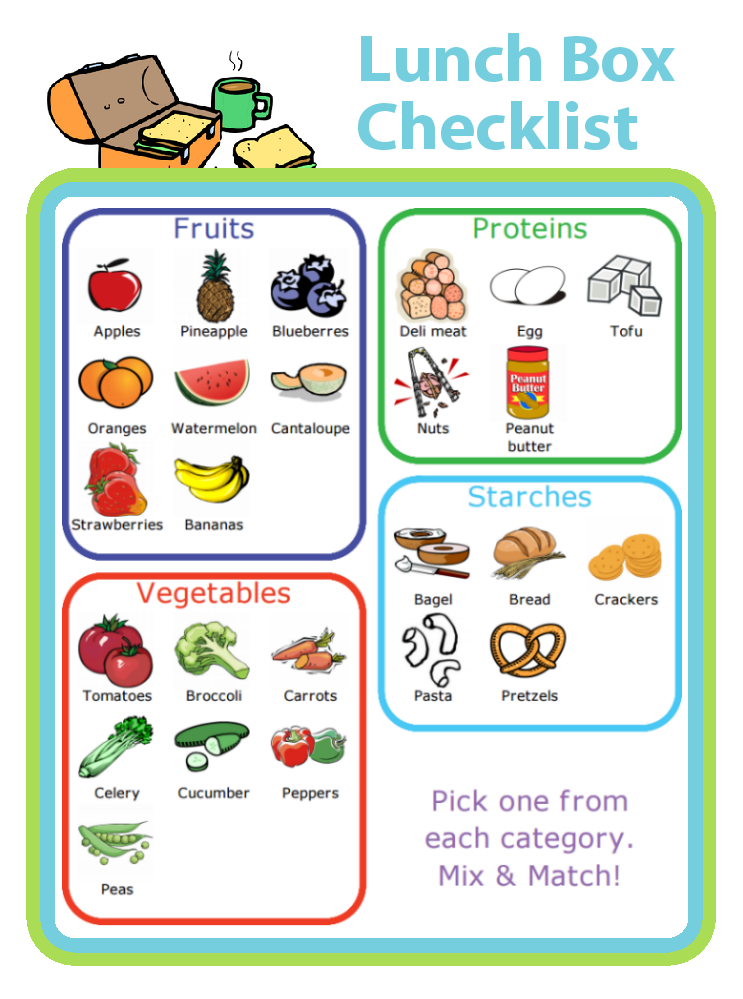
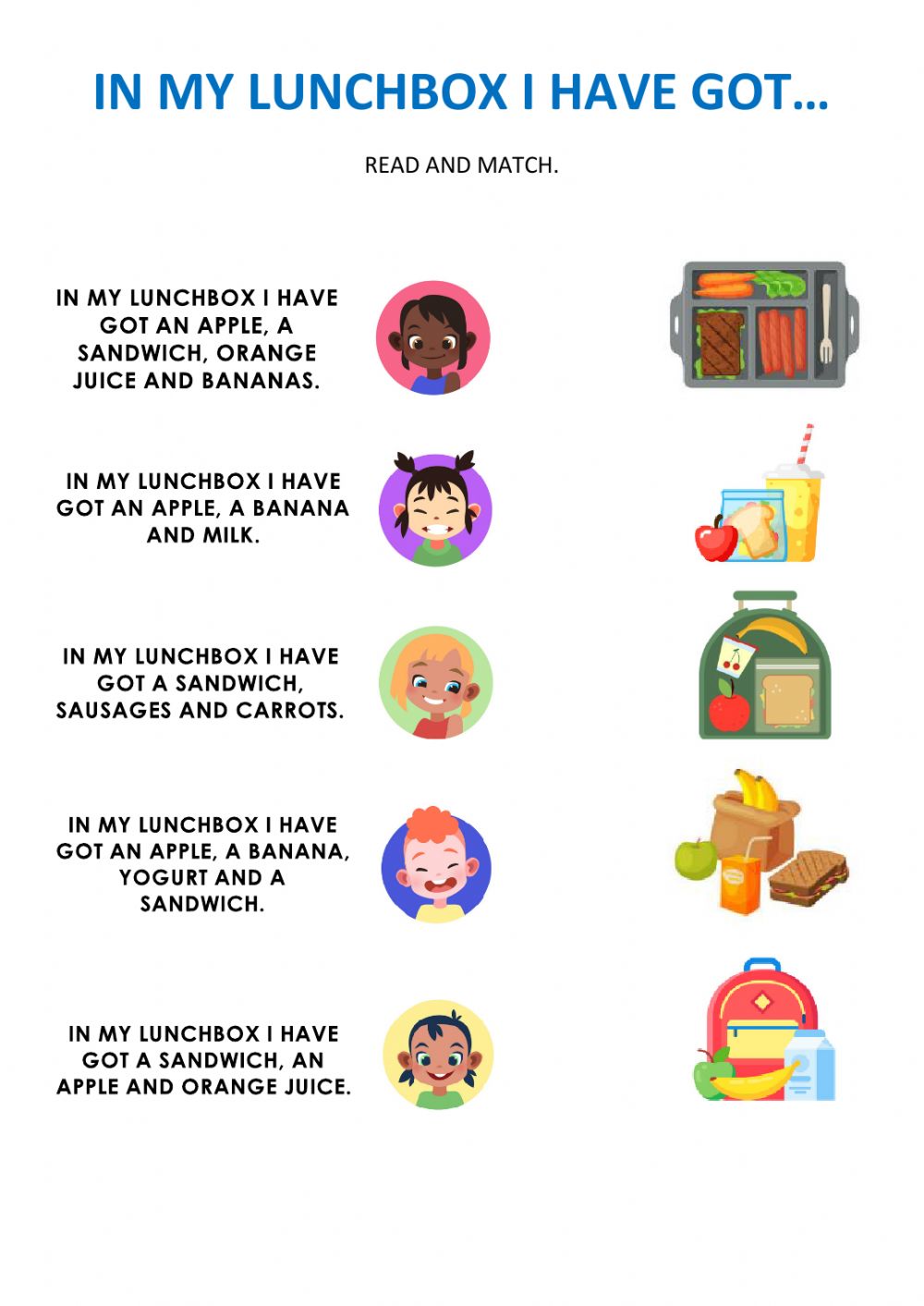
A teacher asks Sts. to look at the pictures and words. Fill in your Food Plate: A teacher asks Sts. to fill in their lunch boxes.
|
Sts. do the task in pairs. St. do this task in pairs.
Sts. name food in lunch boxes and organise theirs.
Some Sts. want to put:
|
Descriptor: Assessment criteria: Apply basic words, phrases and short sentences in a talk or writing about objects. Use and follow with considerable support simple words, phrases, sentences as a support in reading familiar topics. Descriptor: Assessment criteria: Apply basic words, phrases and short sentences in a talk or writing about objects. Use and follow with considerable support simple words, phrases, sentences as a support in reading familiar topics; Pair- Assessment Assessment Criteria: Use and follow with considerable support simple words, phrases, sentences as a support in reading familiar topics; Apply
basic words, phrases and short sentences in a talk or writing about
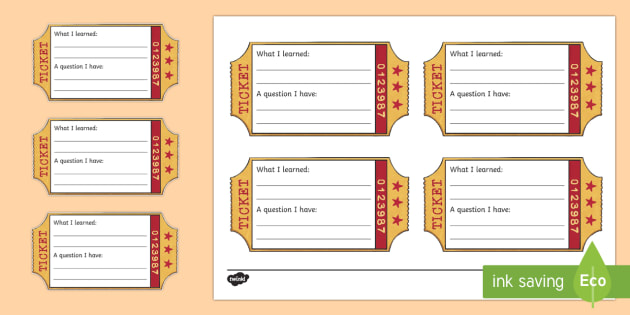
objects Self – Assessment Pair share At the end of a lesson learners share with their partner: • Three new things they have learnt • What they found easy • What they found difficult Something they would like to learn in the future. |
Worksheet Whiteboard Worksheet Worksheets |
|
The end of the lesson 3 min. |
Teacher gives a homework and comment the work of Sts. Home Assignment: PB p.50. Ex.4(w). a poster.
|
SS write their homework for the next lesson. Sts. give a mark to themselves for working at the lesson. Students think critically, exploring, developing, evaluating and making choices about their own and others’ ideas. |
Pupils evaluate themselves using evaluation lists. Reflection. Self- Assessment.
|




 Жүктеу


 Жүктеу
шағым қалдыра аласыз

 Бұл курс Қазақстан Республикасы Оқу-ағарту министрлігімен келісілген