ЖИ көмекші


жүктеу мүмкіндігіне ие боласыз
Бұл материал сайт қолданушысы жариялаған. Материалдың ішінде жазылған барлық ақпаратқа жауапкершілікті жариялаған қолданушы жауап береді. Ұстаз тілегі тек ақпаратты таратуға қолдау көрсетеді. Егер материал сіздің авторлық құқығыңызды бұзған болса немесе басқа да себептермен сайттан өшіру керек деп ойласаңыз осында жазыңыз
 19 Ақпан 2025
 122
122
My free time
Short term plan
|
Unit: Unit 5. My free time |
Lesson 33 |
||
|
School: |
|
||
|
Teacher’s name: |
|
||
|
Date: |
|
||
|
Grade: 3 |
Number present: |
absent: |
|
|
Lesson title |
A story with action words. |
||
|
Learning objectives |
3.1.2.1 recognise familiar words with visual support; 3.2.2.1 use isolated words and basic expressions to provide personal information; 3.2.3.1 respond to basic questions with single words or short responses; 3.3.1.2 identify and read separate sounds (phonemes) within words, which may be represented by more than one letter; |
||
|
Lesson objectives (assessment criteria) |
Learners will be able to: - learn how to ask questions with can using action verbs; make short dialogues on the topic; express personal attitude toward a topic discussing a topic. |
||
|
Values and its purpose: |
"Law and Order" Know the basics of the legal system and human rights |
||
|
Stages/ Time |
Teachers actions |
Students actions |
Assessment |
Resources |
|
Beginning of the lesson 5 min |
Organization moment : 1.Greeting. . (Whale class, Individually) Warm-up Phonetic Drill Exercise. A teacher asks Sts. to listen to the song and guess the theme of the lesson. What verb can you hear? A teacher shows Sts. a flashcard and asks a question: Can you run? A teacher can use a mime to help children to understand. Active words: run, fly, walk, talk, ride a bike, ride a scooter. Lead – In
|
Greet the teacher and classmates. Introduce themselves in pairs. Sts. listen to the song and name a topic of the lesson. https://youtu.be/YywiAe4kWJ4 Sts. name a verb and make up sentences with a modal verb can. Sts. answer: Yes/ No and give a full sentence. |
Teacher controles the process, gives feedback and asks additional questions if it’s nessasery. Teacher evaluate pupils with phrases like: “Good job! Well done!” Formative Assessment
|
|
|
Middle of the lesson Presentation part. 35 min |
Task. I Ex:1 P:32 Ask children to look at the pictures of the actions. Play the first part of the recording for children to listen and point to the pictures. Play the second part for children to repeat the words Play the recording all the way through again for children to listen and point and then repeat the words. Hold up flashcards 91-96 for individual children to say the words. |
Learners look at the pictures of the actions and listen and point to the pictures. Transcript run, fly, walk, talk, ride a bike, ride a scooter walk, run, ride a scooter, talk, ride a bike, fly Listen and repeat. run, fly, walk, talk, ride a bike, ride a scooter |
T’s feedback Descriptor: - look at the family members - match descriptions to pictures Point 2
|
Free time activity flashcards
|
|
|
Task. II Ex: 2 P: 32 Play the recording for children to listen to the chant. Play it a second time for children to say the words. Repeat. Play Simon says... (see Teacher's Book page 88). Give the instructions (Simon says) run/fly/walk/talk/ride a bike/ ride a scooter for children to mime the actions. |
Learners listen to the chant and say the words. Transcript run, run, run fly, fly, fly walk, walk, walk talk, talk, talk ride a bike, ride a bike, ride a bike ride a scooter, ride a scooter, ride a scoote |
Self -assessment Descriptor: - listen to the chant. - add actions for each family Point 2 |
https://wordwall.net/ru/resource/1624332 |
|
|
Task. III Ex: 3 P: 32 Use Story poster 5 to present the story. Ask questions, e.g. What has Billy got? Focus attention on each frame. Ask children to name as many things as they can. Ask Who's in the living room? Where's Tim/Rosy? What's he/she doing? What's happening? Ask children to look at the poster while you play the recording. Point to each speech bubble as you hear the text. Ask comprehension questions, e.g. Can Action Boy run/ fly/walk/talk? Ask children to open their Pupil's Books and follow the story as you play the recording again. Ask children to find and point to the words from Exercise 1 that appear in the story |
Learners look at the poster while you play the recording. Point to each speech bubble as you hear the text
|
Descriptor: - listen to the recording - answer the question |
Worksheet
|
|
|
||||
|
End of the lesson 5 min |
Briefly ask students what they learned today (greetings, names of characters, introducing themselves). Ex: P: Home task: |
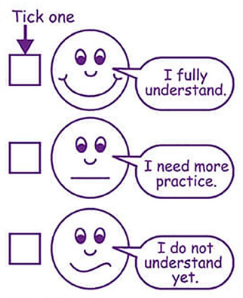
Pupils evaluate themselves using evaluation lists. Reflection. Self- Assessment.
|
Poster Success
|
|
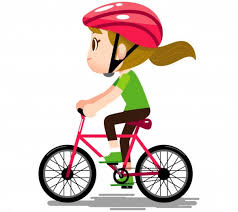
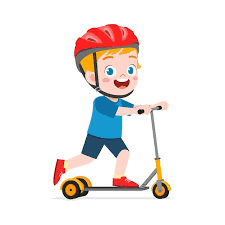

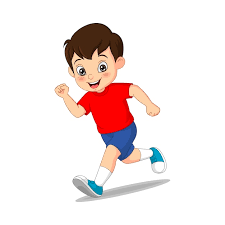
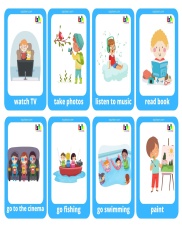

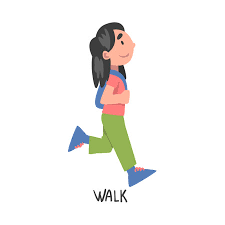
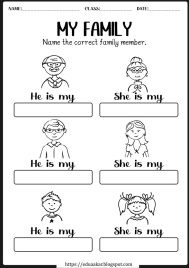


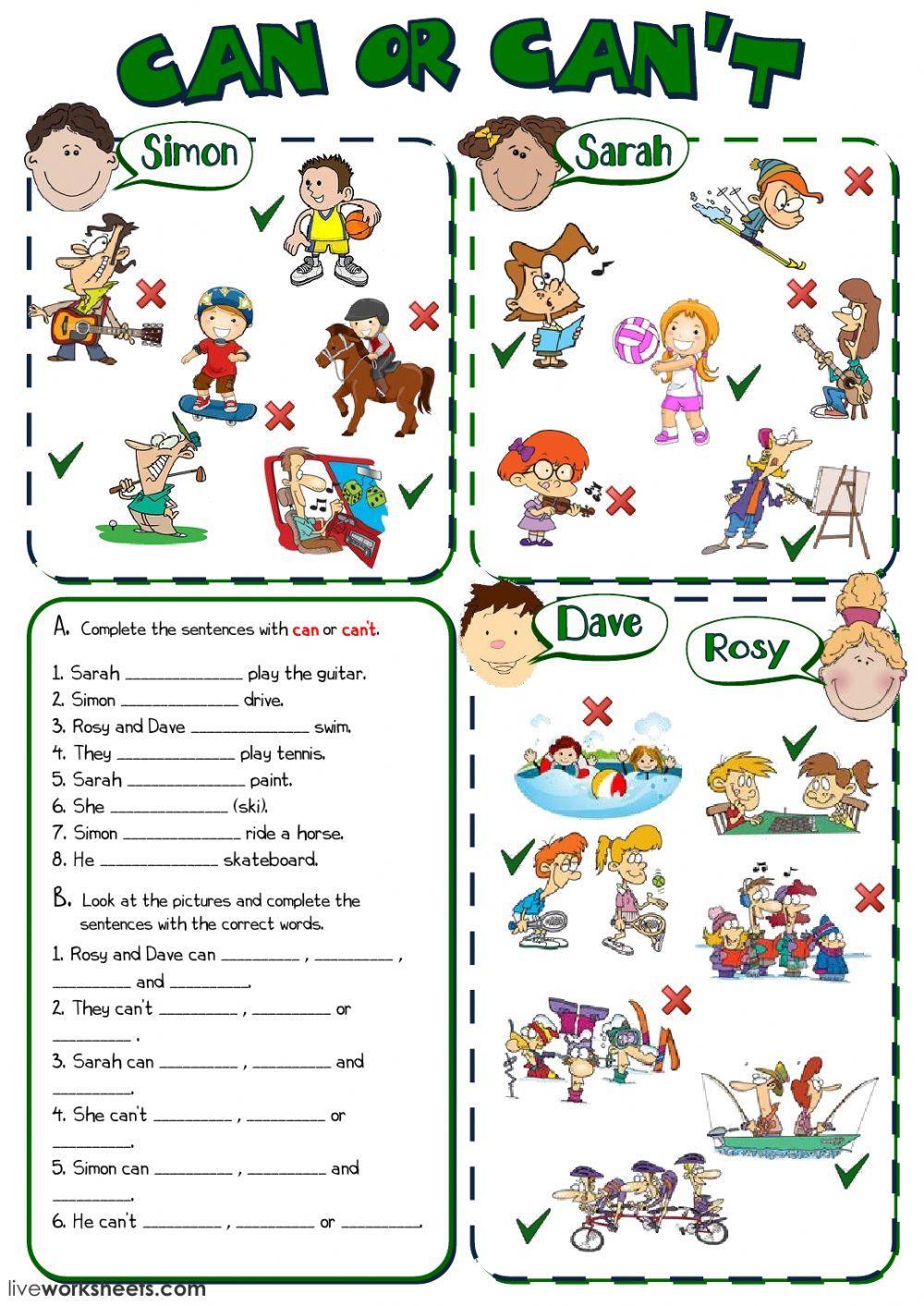
Show a right activity: I can ride a bike, can skate, can play the guitar
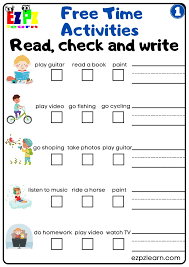
Short term plan
|
Unit: 5. My free time |
Lesson 34 |
||
|
School: |
|
||
|
Teacher’s name: |
|
||
|
Date: |
|
||
|
Grade: 3 |
Number present: |
absent: |
|
|
Lesson title |
Talking about ability |
||
|
Learning objectives |
3.1.4.1 understand basic personal questions; 3.2.3.1 respond to basic questions with single words or short responses; 3.3.3.2 find out the main points in short simple descriptions with visual support; 3.5.1.13 use can/ can’t to describe ability. |
||
|
Lesson objectives (assessment criteria) |
Learners will be able to: to learn how to talk about ability; to make short dialogues on the topic; to write familiar words correctly and make sentences with them; to express personal attitude toward a topic discussing a topic. |
||
|
Values and its purpose: |
"Law and Order" Observance of norms and rules of order and justice understand the need |
||
|
Stages/ Time |
Teachers actions |
Students actions |
Assessment |
Resources |
|
Beginning of the lesson 5 min |
Organization moment : 1.Greeting. . (Whale class, Individually) Warm-up Phonetic Drill Exercise. She sells seashells at the seashore. Repeat: sh, she, short, shirt; S, skirt, small, sea. Name words with a sound: sh/ ch Lead – In Hold up Story poster 5 and ask children what happened in the story. Put down the poster and ask children which actions Billy talked about in the story.
|
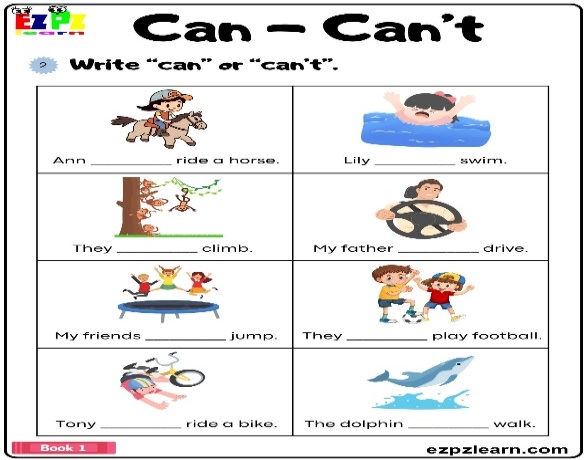
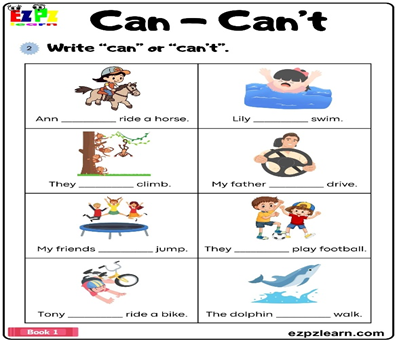
Learners identify characters and potentially share details from the previous lesson. Sts. do the task in pairs. Answers: Ann can ride a horse. Lily can’t swim. They can climb a tree. My father can drive. My friends can jump. The boys can play football. Tony can’t ride a bike. The dolphins can’t walk. |
Teacher controles the process, gives feedback and asks additional questions if it’s nessasery. Teacher evaluate pupils with phrases like: “Good job! Well done!” Formative Assessment
|
Flashcards
|
|
Middle of the lesson Presentation part. 35 min |
Task. I Ex:1 P: 33 Ask children to look at the story on Pupil's Book page 38. They check how many of the actions they remembered in the lead-in activity. Play the recording, pausing for children to repeat. Divide the class into groups of four to play Billy, Uncle, Tim, and Rosy. Ask children actions for the story (see suggestions the parts of to decide on the below). Children act out the story |
Learners look at the story and check how many of the actions they remembered in the lead-in activity Picture 1: Billy moves Action (Use a pencil or a pencil case for Action Boy.) Uncle waves hello at Action Boy. Picture 2: Billy throws Action Boy in the air. Tim kicks a footpall. Picture 3: Billy moves Action Boy from side to side to make НЕ him walk. Rosy writes with a pen. Picture 4: Rosy talks to Action Boy. Billy laughs. |
Descriptor: - look at the story - check how many of the actions they remembered
|
|
|
|
Task II Ex: 2 P: 33 Look at each picture in the Let's learn! box and ask children what they can see. Copy the sentences and questions from the box onto the board, leaving spaces where the action words are. Put flashcards in the spaces to elicit sentences and questions with the same pattern, e.g. He can swim. He can't fly. Can he climb? Children repeat the sentences chorally. Ask children to look at the pictures in their Pupil's Books. Ask different children to say each sentence. |
Pupils look at each picture in the Let's learn! Copy the sentences and questions from the box onto the board. ANSWERS |
T’s feedback Descriptor: - look at each picture - copy the sentences and questions Total: 1 point
|
|
|
|
Task. III Ex: 3 P: 33 Draw children's attention to the pictures. Read each word aloud for children to repeat chorally. Pair up children. Ask them to close their books. Explain that they will take turns to mime each word for their partner to guess. Do an example with the class e.g. mime putting on knee pads for children to call out the word. |
Learners read each word aloud for children to repeat chorally. |
Self -assessment Descriptor: - read each word aloud - repeat chorally. Point 2 |
https://wordwall.net/ru/resource/3443166 |
|
|
Task. IV Ex: 4 P: 33 Draw children's attention to the Let's learn! box and read the sentences aloud for children to repeat. Write them on the board and underline the verbs wear and don't use. Explain that when we express rules we start the sentence with a verb in the affirmative or negative form to tell us what to do or not to do. Provide more examples, e.g sit down, listen to the teacher, don't talk, don't run. |
Learners read the sentences aloud for children to repeat. Write them on the board and underline the verbs wear and don't use ANSWERS 1 He can ride a bike. 2 He can't fly. 3 He can ride a scooter. 4 She can't talk on the cellphone. |
Descriptor: - read the sentences - underline the verbs wear and don't use Point 2 |
|
|
|
||||
|
End of the lesson 5 min |
Encourage students to practice writing their names and greeting their families in English. |
Pupils evaluate themselves using evaluation lists. Reflection. Self- Assessment.
|
Poster Success
|
|

Short term plan
|
Unit 5. My free time |
Lesson 35 |
||
|
School: |
|
||
|
Teacher’s name: |
|
||
|
Date: |
|
||
|
Grade: 3 |
Number present: |
absent: |
|
|
Lesson title |
Things I can do |
||
|
Learning objectives |
3.1.4.2 understand simple descriptions of people, actions, and objects with visual support; 3.2.2.1 use isolated words and basic expressions to provide personal information; 3.3.3.2 find out the main points in short simple descriptions with visual support; 3.5.1.13 use can/ can’t to describe ability. |
||
|
Lesson objectives (assessment criteria) |
Learners will be able to: to learn how to ask and answer questions with can; to use verbs in the context of a song; to write familiar words correctly and make sentences with them; to express personal attitude toward a topic discussing a topic. |
||
|
Values and its purpose: |
"Law and Order" Ensuring the protection and safety of society understand the importance of law and order as |
||
|
Stages/ Time |
Teachers actions |
Students actions |
Assessment |
Resources |
|
Beginning of the lesson 5 min |
Organization moment : 1.Greeting. . (Whale class, Individually) Warm-up Phonetic Drill Exercise. Repeat: they, the, this, that, there, there is, there are. Read the words: this, that, three, mother Name words with a sound: [d], [f], [ei]. Lead – In
|
Learners work in pairs. One pupil thinks of a free time activity and the other pupil tries to guess the activity. Watch the video and remember and recognize the main vocabulary. |
Teacher controles the process, gives feedback and asks additional questions if it’s nessasery. Teacher evaluate pupils with phrases like: “Good job! Well done!” Formative Assessment |
|
|
Middle of the lesson Presentation part. 35 min |
Task. I Ex: 1 P: 34 Ask children to look at the actions. Play the first recording for children to point to the pictures. part of the Play the second part for children to repeat the words. Play the recording all the way through again for children to listen and point and then repeat. |
Learners look at the actions. Listen and point and then repeat. Transcript Listen and point. write, draw, sing, dance, cook dance, sing, cook, write, draw Listen and repeat. write, draw, sing, dance, cook |
T’s feedback Descriptor: - look at the actions - listen, point, and repeat Total: 1 point |
Flashcards
|
|
|
Task II Ex: 2 P: 34 Ask children to look at the pictures. Point to the different actions for them to name them. Play the song for children to point to the pictures when they hear the new words. Then play it again as they follow the words in their Pupil's Books. Recite the words of the song with the class, without the recording. Say each line and ask children to repeat. Play the song again for children to sing. |
Learners look at the pictures. Point to the different actions for them to name them.
|
T’s feedback Self assessment Descriptor: - look at the pictures - name the actions Total: 1 point
|
|
|
|
Task. III Ex:3 P:34 Ask children to look at the pictures and decide what the actions are (see suggestions below). Practise the actions with the class. Play the song for children to sing and do the actions. Write these lines from the song on the board: I can write... I can draw... I can sing Ask children to think of different endings for these lines. Play the song again. Children sing their new version of the song. |
Pupils look at the pictures and decide what the actions are Song actions I can write: Write the letter 'a' in the air. I can draw an elephant: Draw an elephant's trunk. I can sing this song: Point to mouth. I can do anything: Outstretch arms |
Self -assessment Descriptor: - look at the pictures - sing and do the actions. Total: 1 point
|
Worksheets
|
|
|
||||
|
End of the lesson 5 min |
Briefly ask students what they learned about emotions today. |
Pupils evaluate themselves using evaluation lists. Reflection. Self- Assessment.
|
Poster Success
|
|
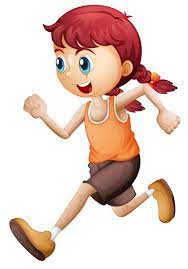
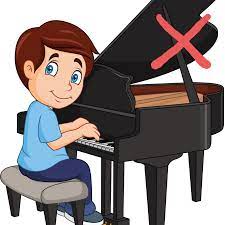
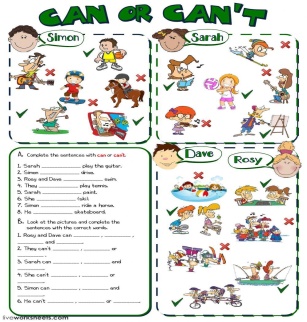
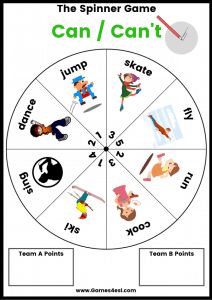
Short term plan
|
Unit: 5. My free time |
Lesson 36 |
||
|
School: |
|
||
|
Teacher’s name: |
|
||
|
Date: |
|
||
|
Grade: 3 |
Number present: |
absent: |
|
|
Lesson title |
Phonics |
||
|
Learning objectives |
3.1.1.1 recognise the sounds of phonemes and phoneme blends in words; 3.2.3.3 make introductions and requests in basic interaction with others; 3.3.2.1 identify some familiar words and signs on illustrations /pictures in common everyday situations; 3.4.2.1. follow word order rules in short statements. |
||
|
Lesson objectives (assessment criteria) |
Learners will be able to: to learn how to pronounce the words correctly; to make short dialogues on the topic; to write familiar words correctly and make sentences with them; to express personal attitude toward a topic discussing a topic. |
||
|
Values and its purpose: |
"Law and Order" Know the basics of the legal system and human rights |
||
|
Stages/ Time |
Teachers actions |
Students actions |
Assessment |
Resources |
|
Beginning of the lesson 5 min |
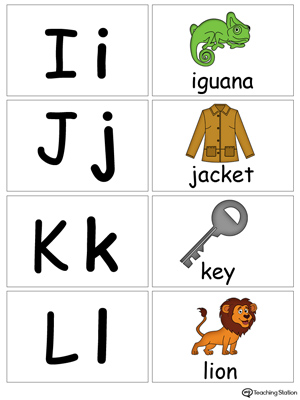
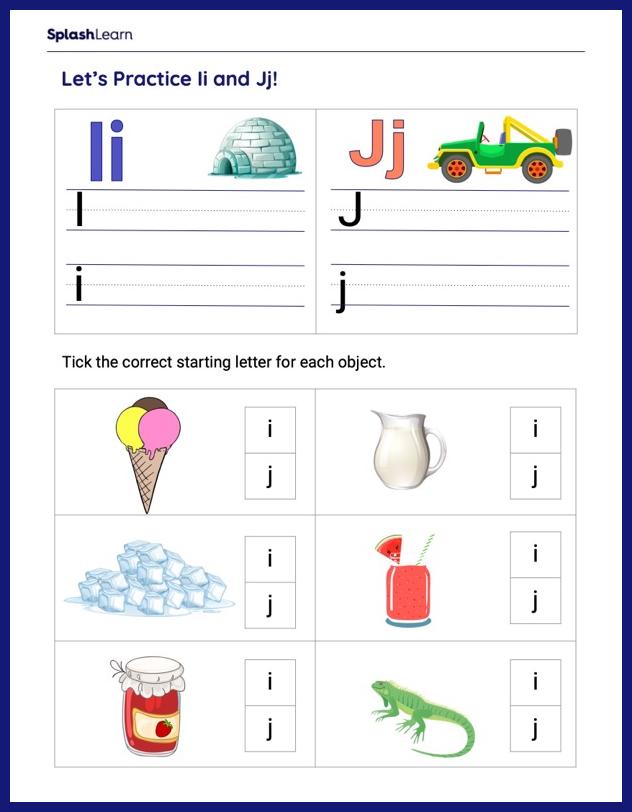
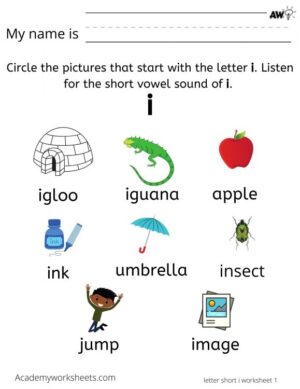
Organization moment : 1.Greeting. . (Whale class, Individually) Warm-up Start to write the letters of the alphabet on the board and ask children to continue (up to h). Ask them to say words from the previous phonics lessons that begin with the letters e to h (egg, fig, goat, hat). Lead – In Write li, Jj, Kk, LI on the board. Point to each one and say the letter name and the sound for both upper- and lower-case letters for children to repeat and draw the letters in the air. Below the letters, write the corresponding words ink, jam, kite, lion. Circle the first letter of each word. Point to the words and say the beginning sound for children to repeat.
|
Students repeat letter names, sounds, and words after the teacher. Students draw letters in the air. Students repeat words on phonics cards. Students identify the beginning sound of each word. |
Teacher controles the process, gives feedback and asks additional questions if it’s nessasery. Teacher evaluate pupils with phrases like: “Good job! Well done!” Formative Assessment
|
|
|
Middle of the lesson Presentation part. 35 min |
Task. I Ex:1 P:35 Ask children to look at the letters. Play the first part of the recording for children to listen and point to the letters. Play the second part for children to repeat the letter names, sounds, and words. Play the recording a final time for individual children to say the sounds and words for the class. |
Learners listen and point to the letters. Students listen and repeat letter names, sounds, and words. Transcript Listen and point. Letter 1/1/ink, Letter J/dz/jam, Letter K/k/ kite, Letter L/1/lion Listen and repeat. Letter 1/1/ink, Letter J/d3/jam, Letter K/k/kite, Letter L.//lion |
T’s feedback Descriptor: - look at the letters - listen and repeat letter names Total: 2 point
|
|
|
|
Task II Ex: 2 P: 35 Play the recording for children to listen to the chant. Put phonics cards 9-12 around the room. Play the chant again for children to point to the cards as they hear the words. Play the chant once more, pausing for children to repeat. Repeat, and ask children to follow in their Pupil's Books. |
Learners listen, point to cards, and repeat the chant. |
T’s feedback Descriptor: - listen to the chant. - use a and an Total: 2 point
|
Worksheet
|
|
|
Task. III Ex:3 P:35 Elicit the three images (lion, jam, ink). Ask What has the lion got? Tell children they can find out the answer by listening. Play the recording for children to join the letters. Repeat. Ask What has the lion got? (jam). Then elicit the sounds children heard, and write them on the board. |
|
T’s feedback Descriptor: - listen, follow the sounds - discuss the answer Total: 2 point |
https://wordwall.net/ru/resource/23348579 |
|
|
Task. IV Ex: 4 P: 35 Ask children to look at the pictures and tell you what they can see. Read the text aloud for children to follow. Write the first line on the board. Check that children understand the meaning of The lion's got ... (remind them of the phrase I've got...). Explain the meaning of some, and tell children that it is used instead of a before 'uncountable' items such as liquids (e.g. ink and jam). |
Learners listen, follow the reading, and circle letters. ANSWERS The Dion's got some jam. The lion's got someink. Look! Here is akite. Oops! The Dion is a mess. |
Descriptor: - find and circle letters - listen, follow the reading Total: 2 point |
|
|
End of the lesson 5 min |
Ask students what they learned today. Briefly review greetings and numbers 1-20. |
|
Poster Success
|
|
Short term plan
|
Unit: 5. My free time |
Lesson 37 |
||
|
School: |
|
||
|
Teacher’s name: |
|
||
|
Date: |
|
||
|
Grade: 3 |
Number present: |
absent: |
|
|
Lesson title |
Everyday activities |
||
|
Learning objectives |
3.1.4.2 understand simple descriptions of people, actions, and objects with visual support; 3.2.3.1 respond to basic questions with single words or short responses; 3.3.5.1 read short, illustrated fiction and non-fiction stories written in very simple language using a dictionary; 3.5.1.10 use common present simple forms contractions on a limited range of familiar topics. |
||
|
Lesson objectives (assessment criteria) |
Learners will be able to: to learn how to ask questions about activities and speak about them; write familiar words correctly and make sentences with them; to make short dialogues on the topic; to express personal attitude toward a topic discussing a topic. |
||
|
Values and its purpose: |
"Law and Order" Observance of norms and rules of order and justice understand the need |
||
|
Stages/ Time |
Teachers actions |
Students actions |
Assessment |
Resources |
|
Beginning of the lesson 5 min |
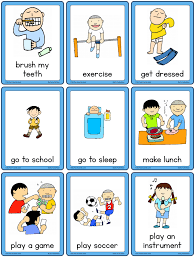
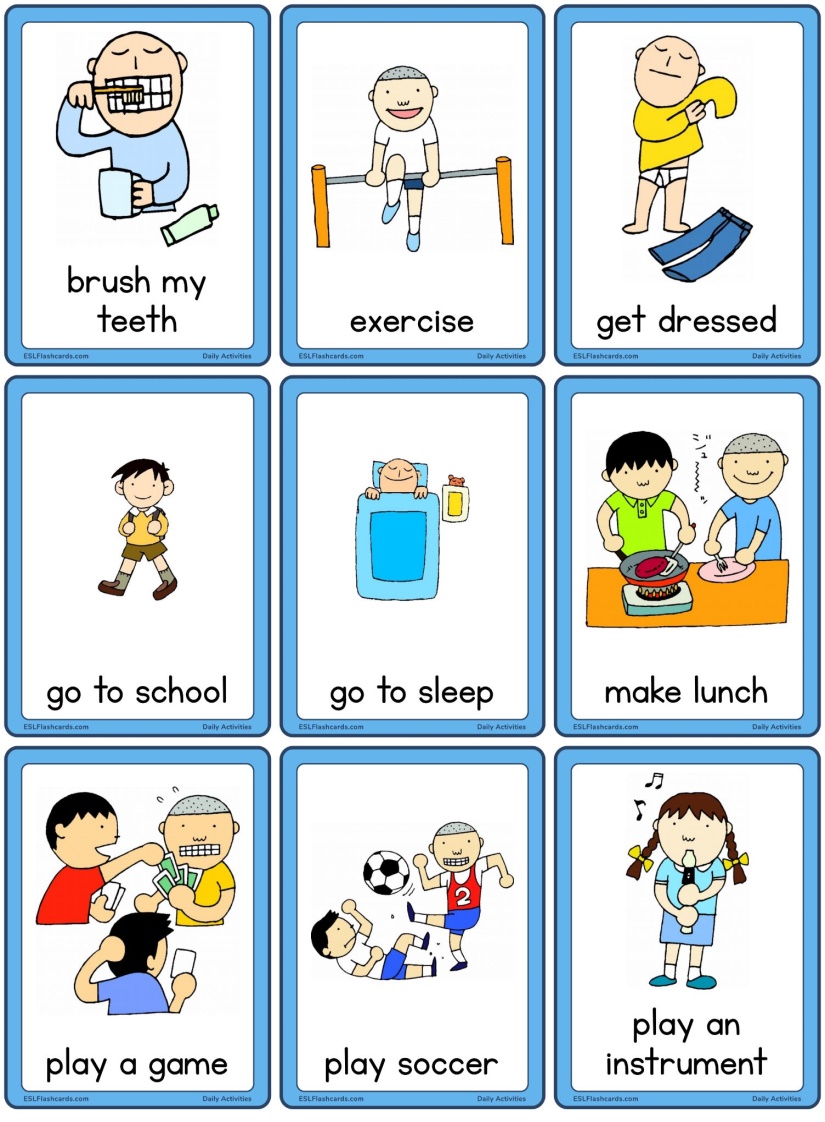
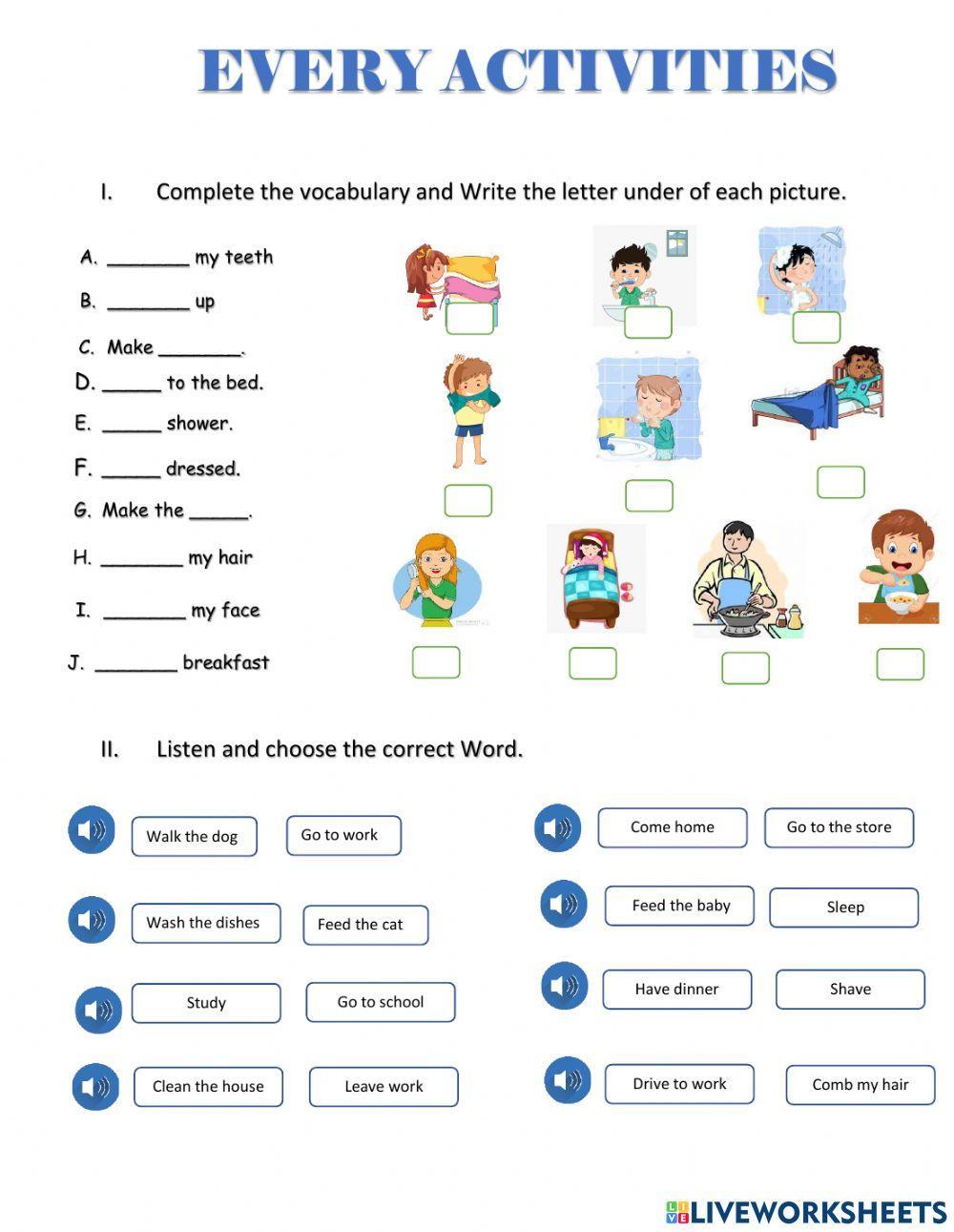
Organization moment : 1.Greeting. . (Whale class, Individually) Warm-up Start to write the letters of the alphabet on the board and ask children to continue (up to h). Ask them to say words from the previous phonics lessons that begin with the letters e to h (egg, fig, goat, hat). Lead – In Ask children what words for travel and movement they have learnt so far in this unit. Write their answers on the board (run, fly, walk, ride a bike, ride a scooter). Ask children which of these actions they do every day (probably walk and run) and which actions they do sometimes (perhaps ride a bike, ride a scooter, and maybe - if they have been in an aeroplane - fly). Task. I Ex:1 P:36 Ask children to look at the after-school activities pictures. Play the first part of the recording for children to listen and point to the pictures. Play the second part for children to repeat the phrases. Play the recording all the way through for children to listen and point and then repeat the phrases. |
Learners listen, repeat, and participate in placing flashcards. Learners look at the after-school activities pictures Answers Listen and point. help my mum, do my homework, visit my grandma, go swimming, have a music lesson, watch TV have a music lesson, do my homework, watch TV, go swimming, visit my grandma, watch TV Listen and chant. help my mum, do my homework, visit my grandma, go swimming, have a music lesson, watch TV |
Teacher controles the process, gives feedback and asks additional questions if it’s nessasery. Teacher evaluate pupils with phrases like: “Good job! Well done!” Formative Assessment
Descriptor: - look at pictures - listen and point Total: 2 point
|
|
|
Middle of the lesson Presentation part. 35 min |
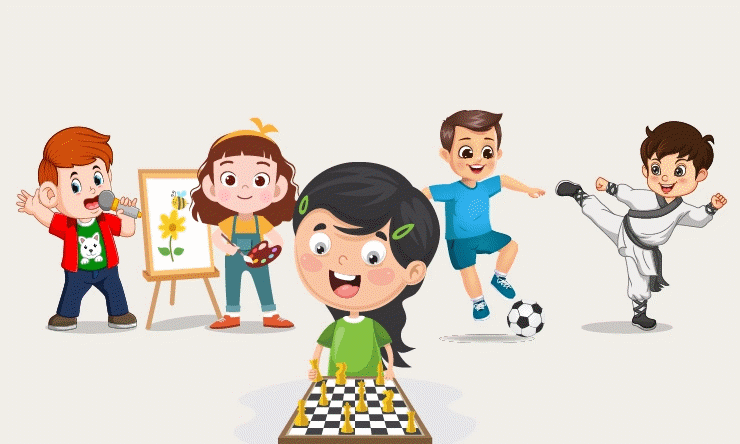
Task II Ex: 2 P: 36 Ask children to look at the pictures again. Ask them which after-school activities they can see in the pictures. If you wish, ask children to work in pairs, taking turns to point to the pictures and name the after-school activities. |
Leaners listen to the poem. Answer play football, have a music lesson, visit my grandma, draw, skate |
T’s feedback Descriptor: - listen and point - answer questions about the girl's feelings Total: 2 point |
|
|
|
Task III Ex: 3 P: 36 Tell children that they are going to hear a recording of the text. Play the recording for children to listen and follow silently in their books. Play the recording a second time. Answer any questions they have, then ask comprehension questions, e.g. Does Adil go to the park? Does Alina play tennis? |
Learners listen and follow silently in their books |
T’s feedback Descriptor: - listen a recording of the text - answer the question Total: 2 point |
Worksheet
|
|
|
Task. IV Ex:4 P:36 Write help- helps and do - does on the board. Circle the final -s in helps and -es in does. Explain to children that the verb changes when we refer to he, she or it. Provide and example: He helps his dad on Saturdays. She always does her homework. Underline the verbs in each sentence. |
Learners write help- helps and do - does on the board. Circle the final -s in helps and -es in does. Answer 1 does 2 helps 3 has 4 goes |
T’s feedback Descriptor: - write help- helps and do - does - underline the verbs in each sentence. Total: 2 point |
|
|
End of the lesson 5 min |
Briefly review the colors learned. Ask students: What was your favorite color activity today? Why? |
|
Poster Success
|
|
Short term plan
|
Unit: 5. My free time |
Lesson 38 |
||
|
School: |
Ramadan school |
||
|
Teacher’s name: |
Bekei Mereygul |
||
|
Date: |
28.01.2025 |
||
|
Grade: 3 |
Number present:1 |
absent:0 |
|
|
Lesson title |
What I can do and like…….. |
||
|
Learning objectives |
3.1.4.2 understand simple descriptions of people, actions, and objects with visual support; 3.2.3.1 respond to basic questions with single words or short responses; 3.3.3.1 understand short, simple instructions used in familiar everyday contexts; 3.5.1.10 use common present simple forms contractions on a limited range of familiar topics. |
||
|
Lesson objectives (assessment criteria) |
Learners will be able to: - describe the activities they do and can do; - use Present Simple to make up sentences correctly; - make short dialogues on the topic; - express personal attitude toward a topic discussing a topic. |
||
|
Values and its purpose: |
"Law and Order" Observance of norms and rules of order and justice understand the need |
||
|
Stages/ Time |
Teachers actions |
Students actions |
Assessment |
Resources |
|
Beginning of the lesson 5 min |
Organization moment : 1.Greeting. . (Whale class, Individually) Warm-up Give flashcards 102-107 to six children around the class. Ask other children What do you do after school? The children with the flashcards listen carefully. When they hear their activity mentioned, they hold their flashcard up. Lead – In Ask children to look at the pictures in exercise 1 and identify the after-school activities in each one. Use the pictures to teach two new activities: read a book and listen to music. Write the new phrases on the board and say them for children to repeat.
|
Learners listen, repeat, and participate in placing flashcards. |
Teacher controles the process, gives feedback and asks additional questions if it’s nessasery. Teacher evaluate pupils with phrases like: “Good job! Well done!” Formative Assessment
|
|
|
Middle of the lesson Presentation part. 35 min |
Ex:1 P:37 Tell children that they are going to hear a different children talking about what they recording of do after school. Explain any vocabulary as necessary, e.g. skateboard. Play the recording the whole way listen and point to the through for them to activities as they are mentioned.
|
Learners listen and tick or cross. Answers 1 I like books. After school, I read. I don't ride a bike. I can't ride a bike! 2 After school, I don't play football. I don't like football. I go swimming. I can swim well. 3 After school, I don't have a music lesson. I always do my homework. I've got English homework today. 4 I don't skateboard. I haven't got a skateboard. I listen to music. I love music. 1 story book (✔) bike (X) 2 football (X) swimming pool (✔) 3 violin (X) school books (✔) 4 skateboard (X) listen to music (✔) |
T’s feedback Descriptor: - listen and point Total: 2 point |
|
|
|
Task II Ex: 2 P: 37 Ask children to look at the pictures in Exercise 1 again. Point to the first one and say Read a book. Point to each picture and elicit the activity from children. Then point to them again in random order and have volunteers say the action. |
Learners look at the pictures and answer the question. Answers Student’s own answer |
Descriptor: - look at the pictures - answer the question Total: 2 point |
https://wordwall.net/ru/resource/28209711
|
|
|
Task III Ex: 3 P: 37 Draw children's attention to the speech bubbles. Read the question and answer aloud for the class to repeat chorally. Then choose a confident pupil and ask him/her the question using another activity, e.g. When do you ride a bike? for the child to answer I ride a bike on (day of the week). |
Learners make a clendar with your free time activities. |
T’s feedback Descriptor: - listen a recording of the text - answer the question Total: 2 point |
|
|
End of the lesson 5 min |
Briefly review the colors learned. Ask students: What was your favorite color activity today? Why? |
|
Poster Success |
|
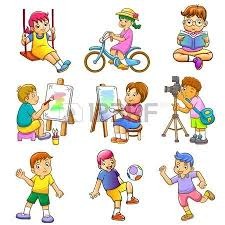
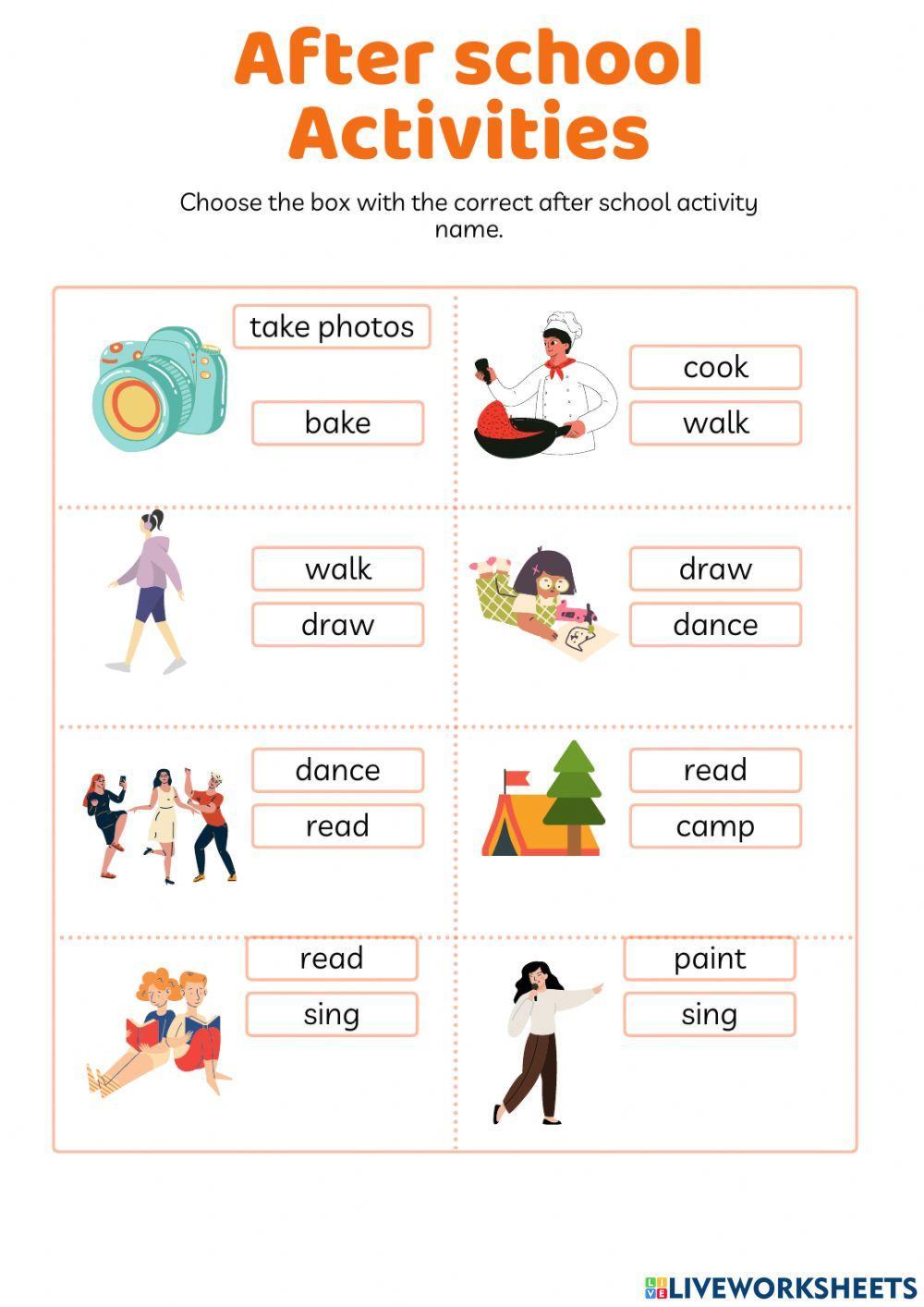
Short term plan
|
Unit: 5. My free time |
Lesson 39 |
||
|
School: |
|
||
|
Teacher’s name: |
|
||
|
Date: |
|
||
|
Grade: 3 |
Number present: |
absent: |
|
|
Lesson title |
Making a calendar |
||
|
Learning objectives |
3.1.4.2 understand simple descriptions of people, actions, and objects with visual support; 3.2.3.2 make basic requests related to immediate personal needs; 3.3.2.1 identify some familiar words and signs on illustrations /pictures in common everyday situations; 3.4.2.2 use words and short simple phrases to complete a written text at a sentence level. |
||
|
Lesson objectives (assessment criteria) |
Learners will be able to: - learn how make a calendar and speak about free time activities; - write familiar words correctly and make sentences with them; - practice Present Simple in speech; - express personal attitude toward a topic discussing a topic. |
||
|
Values and its purpose: |
"Law and Order" Observance of norms and rules of order and justice understand the need |
||
|
Stages/ Time |
Teachers actions |
Students actions |
Assessment |
Resources |
|
Beginning of the lesson 5 min |
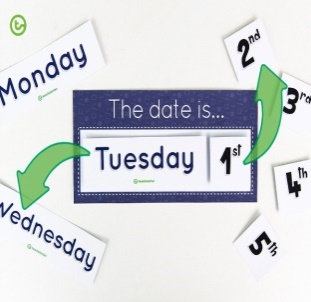
Organization moment : 1.Greeting. . (Whale class, Individually) Warm-up The teacher sets the lesson objectives, letting students know what to anticipate from the lesson. Look: A Calendar Lead – In Explain to children that they will make a calendar with information about the after-school activities they do on each day of the week. Ask some children What do you do on Tuesday after school? Elicit different answers.
|
Sts. guess the theme of the lesson: Calendar! Activities! Sts. listen to the teacher and repeat a tongue twister. Sts. repeat the words after the teacher and name the words. |
Teacher controles the process, gives feedback and asks additional questions if it’s nessasery. Teacher evaluate pupils with phrases like: “Good job! Well done!” Formative Assessment
|
|
|
Middle of the lesson Presentation part. 35 min |
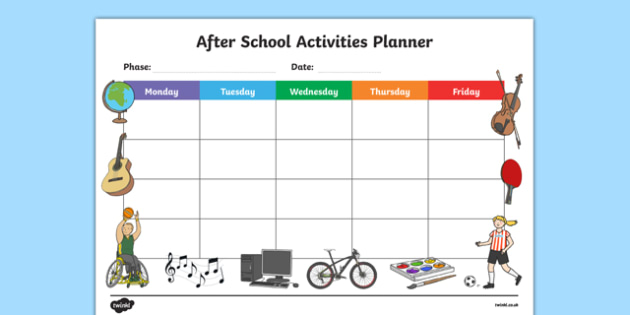
A teacher asks Sts. to name the day of the week. What day is it today? Name the days with a letter: M, N, S, T, W. Name the words with sounds: [m], [s], [i], [w], [f], [n], [d]. Each person knows a calendar. You can see days and figures (1 – 31). What do you do on Monday? What do you like doing/ to do? You see the activities and days of the week. Make a calendar. Connect the words to make a sentence. |
Learners name the days of the week. Today is Monday. On Monday I go to the swimming pool.
|
T’s feedback Descriptor: - name the days of the week Total: 2 point |
|
|
Physical training exercise – 3 min. |
A break for physical activity. Teacher plays the video with physical exercises. A song” If you are happy and you know” |
Students watch and do physical exercises and sing a song.
|
|
Music |
|
|
Make a calendar with a week after school activities. At the lesson show the example of 2 days.
|
Sts. do the task individually or in pairs. On Monday I have Music lesson. On Tuesday I go to my grandparents. |
T’s feedback Descriptor: - make a calendar Total: 2 point |
|
|
End of the lesson 5 min |
Briefly review the colors learned. Ask students: What was your favorite color activity today? Why? |
|
Poster Success |
|


Short term plan
|
Unit: 5. My free time |
Lesson 40 |
||
|
School: |
|
||
|
Teacher’s name: |
|
||
|
Date: |
|
||
|
Grade: 3 |
Number present: |
absent: |
|
|
Lesson title |
Culture. My toys |
||
|
Learning objectives |
3.1.2.1 recognise familiar words with visual support; 3.2.3.3 make introductions and requests in basic interaction with others; 3.3.2.2 deduce the meaning of a word in a picture or icon on a limited range of topics; 3.5.1.4 use common adjectives in descriptions of people and things and simple feelings with support. |
||
|
Lesson objectives (assessment criteria) |
Learners will be able to: - learn how to describe a toy using active words; - write familiar words correctly and make sentences with them; - make and respond to suggestions; |
||
|
Values and its purpose: |
"Law and Order" Observance of norms and rules of order and justice understand the need |
||
|
Stages/ Time |
Teachers actions |
Students actions |
Assessment |
Resources |
|
Beginning of the lesson 5 min |
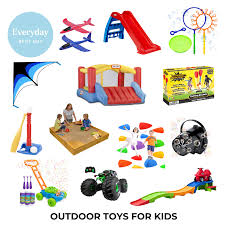
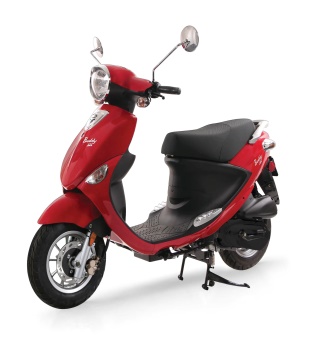
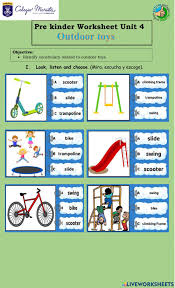
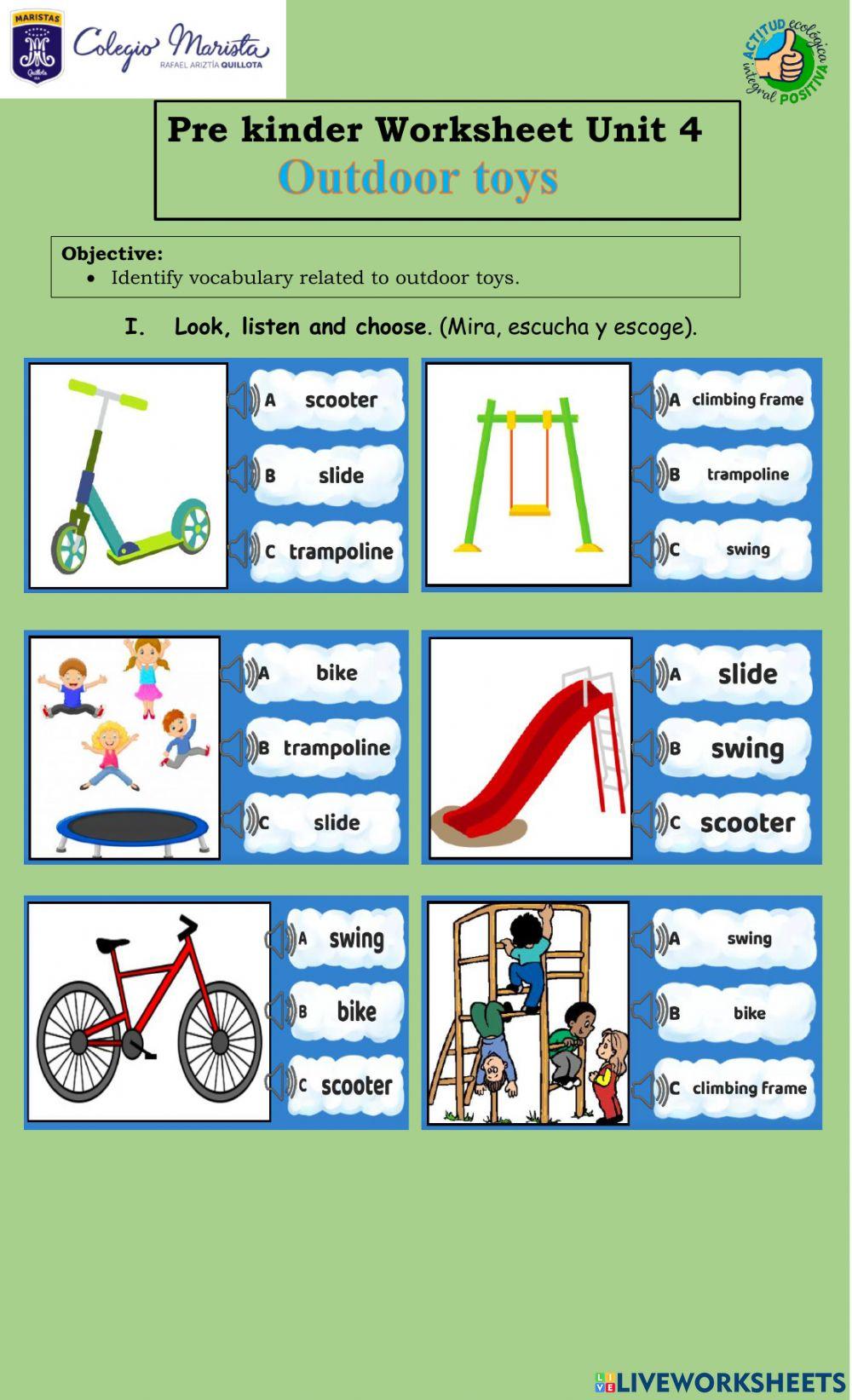
Organization moment : 1.Greeting. . (Whale class, Individually) Warm-up The teacher sets the lesson objectives, letting students know what to anticipate from the lesson. Look at the pictures of: a bike, a scooter, a teddy bear, roller skates, a ball, skateboard. Name outdoor toys. Lead – In Tell children to look at the pictures. Ask What can you see? Have children name as many outdoor toys as they can. Help with unfamiliar words. Ask children which of the items in the pictures they have got.
|
Learners listen, repeat, and participate in placing flashcards. |
Teacher controles the process, gives feedback and asks additional questions if it’s nessasery. Teacher evaluate pupils with phrases like: “Good job! Well done!” Formative Assessment
|
|
|
Middle of the lesson Presentation part. 35 min |
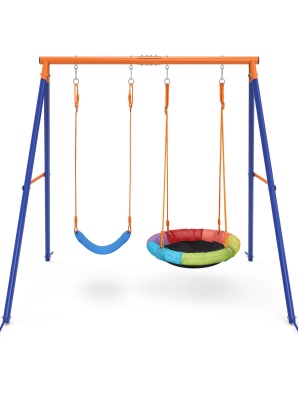
Ex:1 P:38 Ask children what kind of text they think this is (a webpage showing a set of adverts for things to play with outdoors). Play the recording a second time. Ask comprehension questions, e.g. How many wheels has the scooter got? What colour are the swings? Draw children's attention to the Let's Learn! box and read both sentences aloud. Remind children of the use of the demonstrative this. Ask them whether we use the word this for singular or plural objects (singular) and whether the object is close to or far from us (close to us). |
Learners look at the pictures. Answer the question Answers
|
T’s feedback Descriptor: - look at the pictures. - answer the question Total: 2 point |
|
|
|
Task II Ex: 2 P: 38 Tell children to close their books and to remember the color of the toys in Exercise 1. Ask What color is the bike? Elicit red. Repeat for the rest of the toys. Play the recording and ask children to read the speech bubbles as they listen. Make sure they understand that the boy is making a suggestion, and the other boy is agreeing. Repeat the suggestions again and this time encourage children to respond, in chorus, with Good idea |
Learners listen and read.
|
Descriptor: - listen and read. Total: 2 point |
|
|
|
Task III Ex: 3 P: 38 Read out the dialogue on the page. Ask children to point to the picture that shows the activity the girl is making a suggestion about. Teach / elicit all the activities in the pictures. Model the activity with a child at the front of the class. Tell the child to point to one of the pictures in the book and say the model sentence, Let's... Respond to his/her suggestion by saying Good idea! |
Learners read the dialogue. Circle the correct word. |
Descriptor: - read the dialogue. - circle the correct word. Total: 2 point |
https://wordwall.net/ru/resource/18913199
|
|
End of the lesson 5 min |
Briefly review the colors learned. Ask students: What was your favorite color activity today? Why? |
|
Poster Success |
|
Short term plan
|
Unit: 5. My free time |
Lesson 41 |
||
|
School: |
|
||
|
Teacher’s name: |
|
||
|
Date: |
|
||
|
Grade: 3 |
Number present: |
absent: |
|
|
Lesson title |
Describe a toy. Unit assessment 5 |
||
|
Learning objectives |
3.1.4.2 understand simple descriptions of people, actions, and objects with visual support; 3.2.3.3 make introductions and requests in basic interaction with others; 3.2.3.1 respond to basic questions with single words or short responses; 3.4.2.2 use words and short simple phrases to complete a written text at a sentence level. |
||
|
Lesson objectives (assessment criteria) |
Learners will be able to: - to learn how to talk about outdoor toys; - o make short dialogues on the topic; - to show all taught skills of the unit. |
||
|
Values and its purpose: |
"Law and Order" Observance of norms and rules of order and justice understand the need |
||
|
Stages/ Time |
Teachers actions |
Students actions |
Assessment |
Resources |
|
Beginning of the lesson 5 min |
Organization moment : 1.Greeting. . (Whale class, Individually) Warm-up The teacher sets the lesson objectives, letting students know what to anticipate from the lesson. Phonetic Drill Exercise. Repeat: Father, mother, sister, brother Hand in hand With one another. Lead – In
|
Learners listen, repeat, and participate in placing flashcards. |
Teacher controles the process, gives feedback and asks additional questions if it’s nessasery. Teacher evaluate pupils with phrases like: “Good job! Well done!” Formative Assessment
|
|
|
Middle of the lesson Presentation part. 35 min |
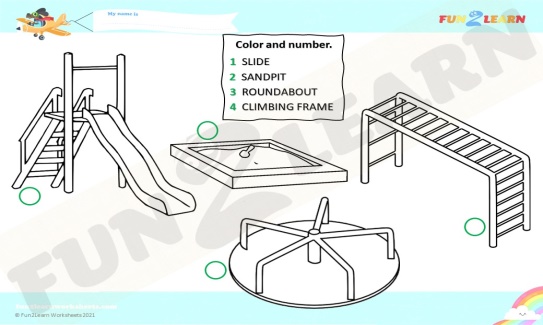
A teacher asks Sts. to color in the slide, sandpit, climbing frame and roundabout. Read or listen to the teacher and write in the numbers! Look at the pictures and describe one of them.
|
Learners look at the pictures. Describe the picture Answers |
T’s feedback Descriptor: - look at the pictures. - color the picture Total: 2 point |
|
|
|
Unit assessment 5. |
|
|
|
|
End of the lesson 5 min |
Briefly review the colors learned. Ask students: What was your favorite color activity today? Why? |
|
Poster Success |
|
Short term plan
|
Unit: 5. My free time |
Lesson 42 |
||
|
School: |
Ramadan school |
||
|
Teacher’s name: |
Bekei Mereygul |
||
|
Date: |
28.01.2025 |
||
|
Grade: 3 |
Number present:1 |
absent:0 |
|
|
Lesson title |
Project work: What can I do. |
||
|
Learning objectives |
3.2.3.1 respond to basic questions with single words or short responses; 3.2.3.2 make basic requests related to immediate personal needs; 3.3.5.1 read short, illustrated fiction and non-fiction stories written in very simple language using a dictionary; 3.5.1.4 use common adjectives in descriptions of people and things and simple feelings with support. |
||
|
Lesson objectives (assessment criteria) |
Learners will be able to: - learn how to make a project; - make short dialogues or stories on the topic; - express personal attitude toward a topic discussing a topic. |
||
|
Values and its purpose: |
"Law and Order" Observance of norms and rules of order and justice understand the need |
||
|
Stages/ Time |
Teachers actions |
Students actions |
Assessment |
Resources |
|
Beginning of the lesson 5 min Middle of the lesson Presentation part. 35 min |
Organization moment : 1.Greeting. . (Whale class, Individually) Warm-up The teacher sets the lesson objectives, letting students know what to anticipate from the lesson. Phonetic Drill Exercise. Repeat: Father, mother, sister, brother Hand in hand With one another. Look at the pictures and say: What can I do?
|
Learners listen, repeat, and participate in placing flashcards. Learners look at the pictures. Describe the picture Answers |
Teacher controles the process, gives feedback and asks additional questions if it’s nessasery. Teacher evaluate pupils with phrases like: “Good job! Well done!” Formative Assessment
Descriptor: - demonstrate an ability to organize and express ideas clearly; Total: 2 point
|
|
|
|
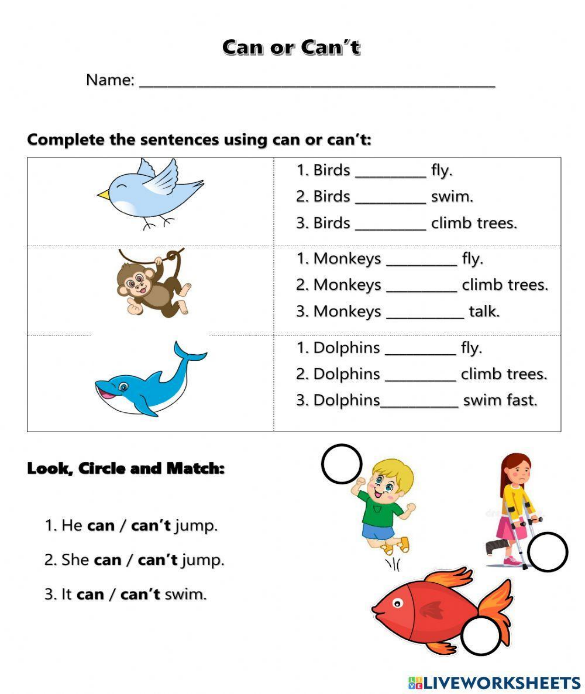
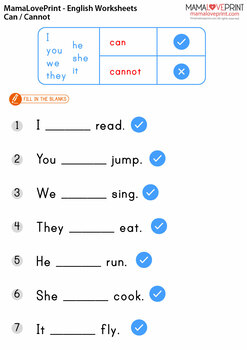
Students do the activities with can – can’t. Can you run? Can you play football?
|
Learners do the activities with can – can’t. |
Descriptor: - use can – can’t. T |
https://wordwall.net/ru/resource/13971774
|
|
End of the lesson 5 min |
Briefly review the colors learned. Ask students: What was your favorite color activity today? Why? |
|
Poster Success |
|
Short term plan
|
|
Lesson 43 |
||
|
School: |
|
||
|
Teacher’s name: |
|
||
|
Date: |
|
||
|
Grade: 3 |
Number present: |
absent: |
|
|
Lesson title |
Parts of the body. |
||
|
Learning objectives |
3.1.2.1 recognise familiar words with visual support; 3.2.3.1 respond to basic questions with single words or short responses; 3.3.4.1 find specific information in different types of texts (postcards, posters, flyers, messages, and notices: places, time, and prices); 3.4.1.1 spell accurately a few high-frequency words. |
||
|
Lesson objectives (assessment criteria) |
Learners will be able to: - learn the words on the theme and speak about parts of the body; - make short dialogues on the topic using possessive and demonstrative pronouns; -express personal attitude toward a topic discussing a topic. |
||
|
Values and its purpose: |
"Law and Order" Observance of norms and rules of order and justice understand the need |
||
|
Stages/ Time |
Teachers actions |
Students actions |
Assessment |
Resources |
|
Beginning of the lesson 5 min |
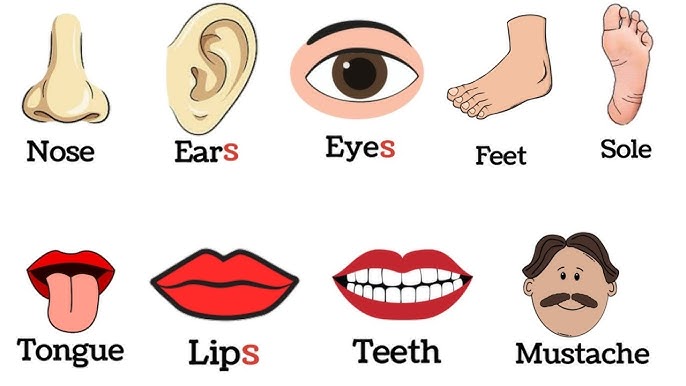
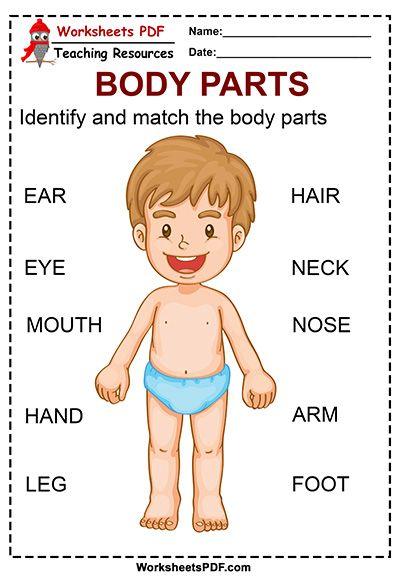
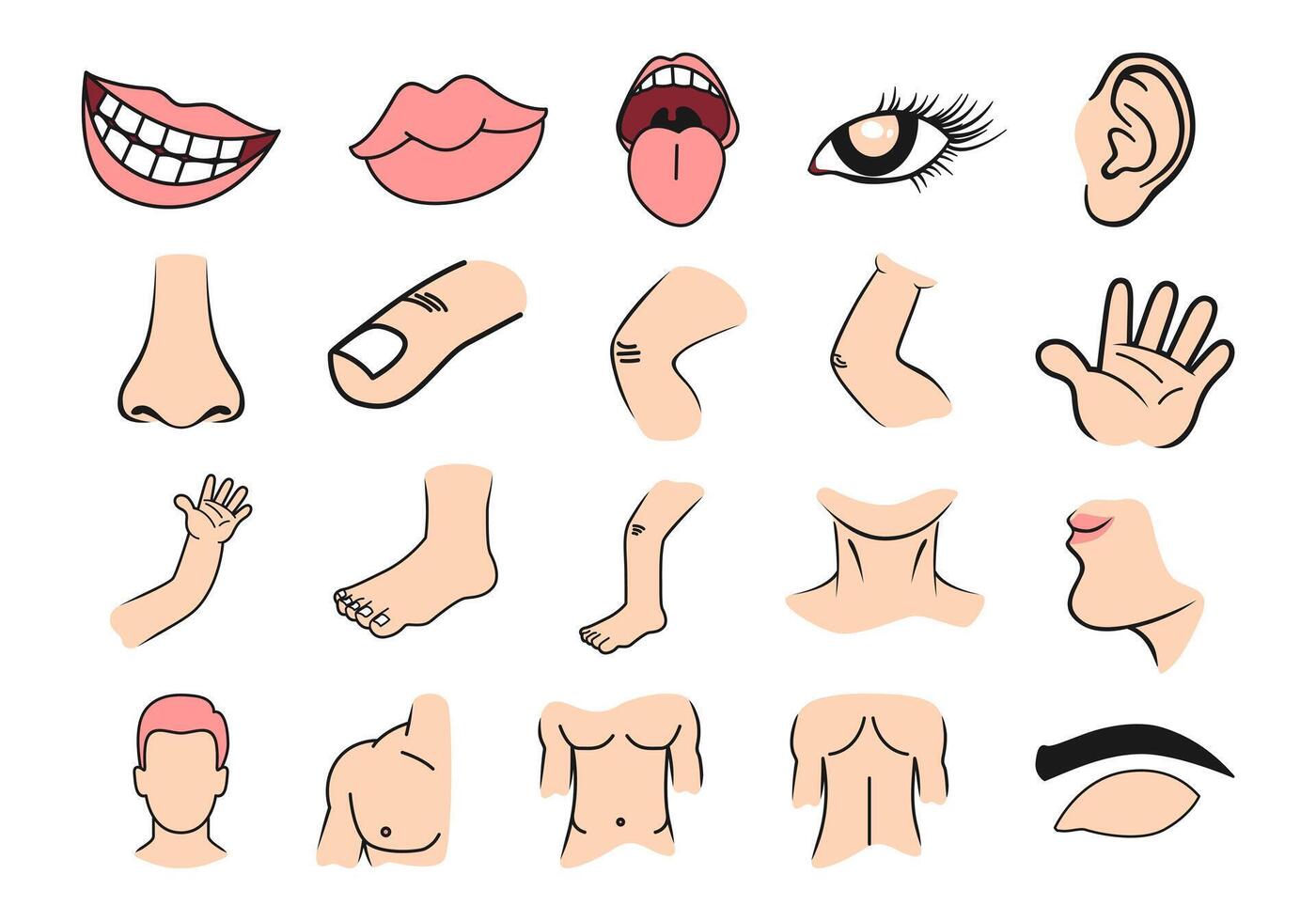
Organization moment : 1.Greeting. . (Whale class, Individually) Warm-up Model some instructions, e.g. stand up, sit down, turn around as children respond. Lead – In Point to your arms, ears, nose, face, legs and mouth and say the words in English. Point to them one at a time and ask What's this? Ask a child to point to his / her own nose and say the word. Repeat with other children and other words. Say the word ears, then model the sentence Point to your ears. (Make sure children are pointing to both ears for the plural word.) Repeat with the rest of the new words
|
Learners listen, repeat, and participate in placing flashcards. |
Teacher controles the process, gives feedback and asks additional questions if it’s nessasery. Teacher evaluate pupils with phrases like: “Good job! Well done!” Formative Assessment
|
https://images.app.goo.gl/8ihR8wBkwEU5JLnw8 |
|
Middle of the lesson Presentation part. 35 min |
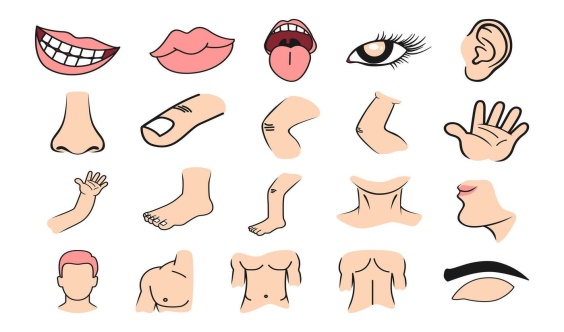
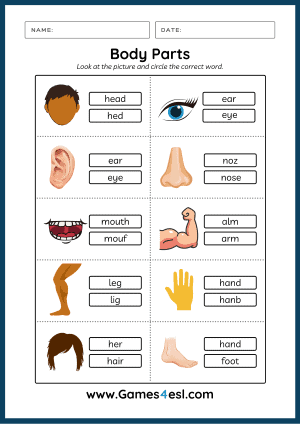
Ex:1 P:40 Ask children to look at the different parts of the body. Play the first part of the recording for children to listen and point to the pictures. Play the second part for children to repeat the words. Play the recording all the way through again for children to listen and point and then repeat the words.
|
Learners look at the different parts of the body. listen and point and then repeat the words Answers Transcript Listen and point. arms, nose, face, legs ears, mouth, fingers, hands, eyes, eyebrows, shoulders ears, shoulders, nose, eyebrows, legs, mouth, eyes, arms, face, hands, fingers Listen and repeat. arms, nose, face, legs, ears, mouth, fingers, hands, eyes, eyebrows, shoulders |
T’s feedback Descriptor: - look at the pictures. - listen and point and then repeat Total: 2 point |
|
|
|
Task II Ex: 2 P: 40 Play the recording for children to listen to the chant. Play the chant a second time for children to point to the correct part of their own body when they hear it. Play the chant again for them to say the words. Repeat.
|
Learners listen and read then point the part of body. Transcript arms, arms, arms nose, nose, nose face, face, face legs, legs, legs ears, ears, ears mouth, mouth, mouth fingers, fingers, fingers hands, hands, hands eyes, eyes, eyes eyebrows, eyebrows, eyebrows shoulders, shoulders, shoulders |
Descriptor: - listen and read. - point the part of body Total: 2 point |
https://wordwall.net/ru/resource/1441931
|
|
|
Task III Ex: 3 P: 40 Use Story poster 6 to present the s present the story. Ask some questions about the story, e.g. Who can you see? Focus attention on the first picture. Point to the parts of the body (Rosy's arms/legs/mouth / nose, Billy's face / legs/arms) and elicit the words. Talk about each frame. What's happening? Encourage. Ask comprehension questions, e.g. Does Rosy put sun cream on her arms? Where does Billy put sun cream? |
Learners use Story poster. Point to the parts of the body (Rosy's arms/legs/mouth / nose, Billy's face / legs/arms) and elicit the words |
Descriptor: - use Story poster. - point to the parts of the body Total: 2 point |
|
|
End of the lesson 5 min |
Briefly review the colors learned. Ask students: What was your favorite color activity today? Why? |
|
Poster Success |
|
Short term plan
|
Unit: 6. Health (10 hours) |
Lesson 44 |
||
|
School: |
|
||
|
Teacher’s name: |
|
||
|
Date: |
|
||
|
Grade: 3 |
Number present: |
absent: |
|
|
Lesson title |
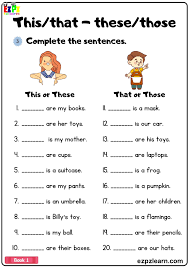
This – that, these – those (demonstrative pronounces) |
||
|
Learning objectives |
3.1.4.2 understand simple descriptions of people, actions, and objects with visual support; 3.2.3.1 respond to basic questions with single words or short responses; 3.3.5.1 read short, illustrated fiction and non-fiction stories written in very simple language using a dictionary; 3.5.1.7 use demonstrative pronouns this, these, that, and those to indicate things in closed questions with support; |
||
|
Lesson objectives (assessment criteria) |
Learners will be able to: - To say sentences with this, these, that and those -To recognise the difference between singular and plural forms of nouns - To say sentences with I've got - To act out a story |
||
|
Values and its purpose: |
"Law and Order" Observance of norms and rules of order and justice understand the need |
||
|
Stages/ Time |
Teachers actions |
Students actions |
Assessment |
Resources |
|
Beginning of the lesson 5 min |
Organization moment : 1.Greeting. . (Whale class, Individually) Warm-up Play Simon says... (see Teacher's Book page 88) to revise vocabulary from the previous lesson and stand up, sit down, turn around, point to your... and the body words. Lead – In Hold up Story poster 6. Ask children what happened in the story. Prompt with questions, e.g. What does Rosy put on her arms? (sun cream). Children check by looking at the poster. Ex:1 P:41 Ask children to look at the story. Play the recording, pausing for children to repeat each line. Divide the class into pairs. One child is Rosy and the other is Billy. Ask children to look at the pictures. As a class, decide on |
Learners listen, repeat, and participate in placing flashcards.
Learners look at the story and repeat each line Answers Picture 1: Rosy puts the sun cream on her arms. Billy holds out his arms. Picture 2: Rosy puts some sun cream on her nose. Billy points to his nose. Picture 3: Rosy passes the sun cream to Billy without looking at him. Picture 4: Billy covers himself in sun cream. Rosy looks shocked |
Teacher controles the process, gives feedback and asks additional questions if it’s nessasery. Teacher evaluate pupils with phrases like: “Good job! Well done!” Formative Assessment
Descriptor: - look at the stiry - repeat each line Total: 2 point |
|
|
Middle of the lesson Presentation part. 35 min |
Ex:2 P:41 Look at the pictures and ask children what they can see. Copy the phrases onto the board. Read them aloud, waving first one arm then and both of your arms to reinforce meaning. The class repeats chorally. Ask individual pupils to say the phrases, and check that they are sounding the plural 's' at the end of arms. Write I have got two arms and I've got two arms on the board. Underline have got and I've got. Read out both sentences emphasising the sound of the contraction and have children repeat them chorally. Explain the second is a shorter form that we usually use when speaking. Elicit more examples from children. |
Learners look at the pictures and ask children what they can see Answers 1 ears 2 arms 3 leg 4 hand |
Descriptor: - look at the pictures. - circle the correct word. Total: 2 point |
|
|
|
Task II Ex: 3 P: 41 Copy the sentences onto the board. Ask a child to come and stand approximately 2 metres away from you, and hold their arms up like the clown. Read the sentences aloud, pointing to your arms and nose, and to the child's arms and nose to reinforce your meaning. Rub out the body words in the sentences. Put different flashcards in the spaces to elicit sentences with the same pattern, e.g. This is my face. These are my legs. That's his mouth. Those are his arms. Children repeat chorally. Stick up the body flashcards in two groups and write This is /That's next to the single nouns and These are/Those are next to the plural nouns. |
Learners look at the picture and say |
Descriptor: - look at the picture and say Total: 2 point |
|
|
End of the lesson 5 min |
Briefly review the colors learned. Ask students: What was your favorite color activity today? Why? |
|
Poster Success |
|
Short term plan
|
Unit: 6. Health (10 hours) |
Lesson 45 |
||
|
School: |
|
||
|
Teacher’s name: |
|
||
|
Date: |
|
||
|
Grade: 3 |
Number present: |
absent: |
|
|
Lesson title |
Food and drink |
||
|
Learning objectives |
3.1.2.1 recognise familiar words with visual support; 3.2.3.1 respond to basic questions with single words or short responses; 3.3.3.2 find out the main points in short simple descriptions with visual support; 3.5.1.1 use singular and plural nouns, including some common irregular plural forms and high-frequency uncountable nouns; 3.4.2.2 use words and short simple phrases to complete a written text at a sentence level. |
||
|
Lesson objectives (assessment criteria) |
Learners will be able to: - To identify food and drinks - To use food and drink words in the context of a song - To ask and answer about food |
||
|
Values and its purpose: |
"Law and Order" Observance of norms and rules of order and justice understand the need |
||
|
Stages/ Time |
Teachers actions |
Students actions |
Assessment |
Resources |
|
Beginning of the lesson 5 min |
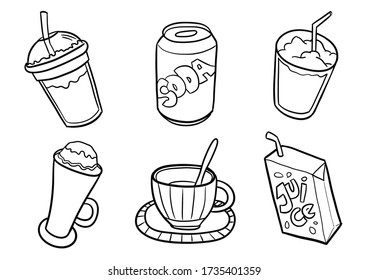
Organization moment : 1.Greeting. . (Whale class, Individually) Warm-up The teacher sets the lesson objectives, letting students know what to anticipate from the lesson. Look at the picture. What do you think we are going to study? The theme of the lesson is Food and drink. Lead – In Hold up flashcards 119-129 and say the words for children to repeat. Play Slow reveal (see Teacher's Book page 88). Children call out the name of the drink they see. Ex:1 P:42 Ask children to look at the pictures. Play the first part of the recording for children to point to the pictures. Play the second part for children to repeat the words. Play the recording all the way through again for children to listen and point and then repeat. Put the flashcards on the board. Point to each one for individual children to say the words. |
Learners listen, repeat, and participate in placing flashcards.
Learners look at the pictures. Listen and point and then repeat. Answers Transcript Listen and point. rice, meat, carrots, yogurt, fish, bread, milk, juice, water, hot chocolate, tea meat, water, rice, carrots, tea juice, milk, bread, fish, hot chocolate, yogur |
Teacher controles the process, gives feedback and asks additional questions if it’s nessasery. Teacher evaluate pupils with phrases like: “Good job! Well done!” Formative Assessment
Descriptor: - look at the pictures. - listen and repeat Total: 2 point |
|
|
Middle of the lesson Presentation part. 35 min |
Ex:2 P:42 Ask children to look at the pictures. Point to the different types of food and drink in the pictures one at a time and ask children What's this?/What are these? Play the song for children to point to the pictures when they hear the food and drink words. Then play it again as they follow the words in their Pupil's Books. Recite the words of the song with the class, without the recording. Say each line and ask children to repeat. Play the song again for children to sing. |
Learners look at the pictures. Point to the different types of food and drink in the pictures Answers |
Descriptor: - look at the pictures. - point to the pictures Total: 2 point |
|
|
|
Task II Ex: 3 P: 42 Ask children to look at the pictures and decide on what the actions are (see suggestions below). Practise the actions with the class. Play the recording for children to sing and do the actions. |
Learners look at the picture and decide on what the actions are Song actions Eat your figs / bread: Eat the different types of food. Drink your milk/juice: Drink from a glass. Don't be late for school: Point to a watch. Here's your water, here's your bag. Give the objects out. |
Descriptor: - look at the picture - sing and do the actions. Total: 2 point |
|
|
End of the lesson 5 min |
Briefly review the colors learned. Ask students: What was your favorite color activity today? Why? |
|
Poster Success |
|

Short term plan
|
Unit: 6. Health (10 hours) |
Lesson 46 |
||
|
School: |
|
||
|
Teacher’s name: |
|
||
|
Date: |
|
||
|
Grade: 3 |
Number present: |
absent: |
|
|
Lesson title |
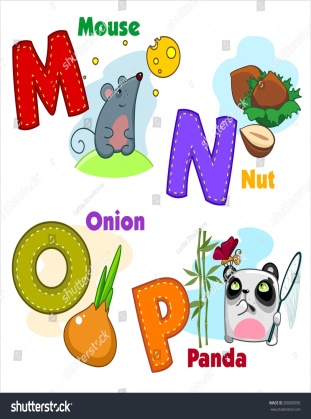
Phonics. The letters: m, n, o, p. |
||
|
Learning objectives |
3.1.2.1 recognise familiar words with visual support; 3.2.3.1 respond to basic questions with single words or short responses; 3.3.1.2 identify and read separate sounds (phonemes) within words, which may be represented by more than one letter; 3.3.3.1 understand short, simple instructions used in familiar everyday contexts; 3.4.1.1 spell accurately a few high-frequency words. |
||
|
Lesson objectives (assessment criteria) |
Learners will be able to: - To recognise the upper--and lower-case forms of the letters m, n, o, p and associate them with their corresponding sounds - To pronounce the sounds /m/, /n/, /p/, /p/ on their own and at the beginning of words - To learn the names of the letters m, n, o, p |
||
|
Values and its purpose: |
"Law and Order" Observance of norms and rules of order and justice understand the need |
||
|
Stages/ Time |
Teachers actions |
Students actions |
Assessment |
Resources |
|
Beginning of the lesson 5 min |
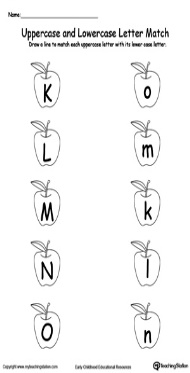
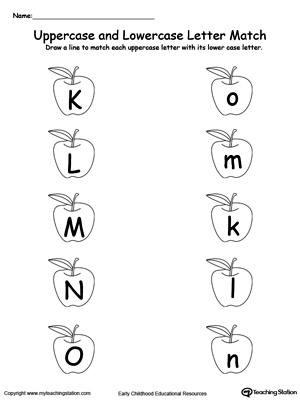
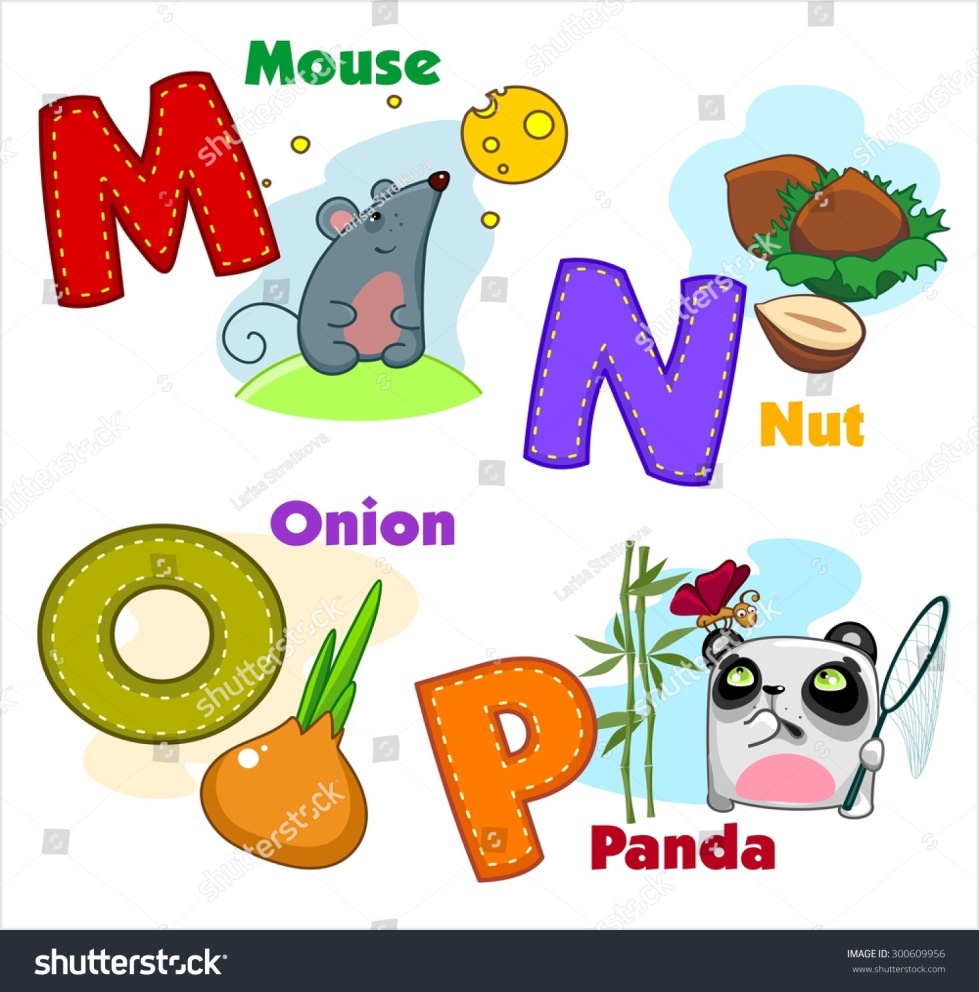
Organization moment : 1.Greeting. . (Whale class, Individually) Warm-up Put phonics cards 9-12 on the board and ask if children can remember the words which go with them. Say the chant from Pupil's Book page 41. Lead – In Write Mm, Nn, Oo, Pp on the board. Point to each one and say the letter name and the sound for children to repeat Say the sounds again as children draw the letters in the air. Below the letters, write the words mum, nurse, orange, pen. Circle the first letter of each word. Point to the words and I say the beginning sound for children to repeat. Hold up phonics cards 13-16 and say the words for children to repeat. Hold up the cards and show the sounds. Say the sounds for children to repeat |
Learners listen, repeat, and participate in placing flashcards.
|
Teacher controles the process, gives feedback and asks additional questions if it’s nessasery. Teacher evaluate pupils with phrases like: “Good job! Well done!” Formative Assessment
|
|
|
Middle of the lesson Presentation part. 35 min |
Ex:1 P:43 Ask children to look at the letters. Play the first part of the recording for children to listen and point to the letters. Play the second part for children to repeat the letter names, sounds, and words. Play the recording a final time for individual children the sounds and words for the class. НЕ to say |
Learners look at the letters and listen, point and repeat. Answers Transcript Listen and point. Letter M/m/mum, Letter N/n/ nurse, Letter O /D/, orange, Letter P/p/pen Listen and repeat. Letter M/m/mum, Letter N/n/ nurse, Letter O/D/, orange, Letter P/p/pen |
Descriptor: - look at the letters - listen, point and repeat. Total: 2 point |
|
|
|
Task II Ex: 2 P: 43 Play the recording for children to listen to the chant. Put phonics cards 13-16 around the room. Play the chant again for children to point to the cards as they hear the words. Play the chant once more, pausing for children to repeat. Repeat, and ask children to follow the chant in their Pupil's Books. |
Learners listen and chant. |
Descriptor: - listen and chant. Total: 2 point |
|
|
|
Task III Ex: 3 P: 43 Elicit the three images (nurse, pen, orange). Ask What has the nurse got? Play the recording for children to listen and join the letters. Repeat. Ask What has the nurse got? (an orange). Then elicit the sounds children heard and write them on the board. |
Learners listen to the sounds and join the letters. Transcript m/mum/n/nurse/D/orange/m/mum/p/pen/p/pen/p/orange |
Descriptor: - listen to the sounds - join the letters. Total: 2 point |
|
|
|
Task IV Ex: 4 P: 43 Ask children to look at the pictures and say what they can see. Read the text for children to follow in their Pupil's Books. Write the first line on the board. Ask children to look at the circled m at the beginning of My. Draw a circle around the M on My on the board. Ask them to find and circle other examples of m, n, o, p at the Children circle the starting letters in their Pupil's Books. Write the rest of the chant on the board. Check answers. |
Learners look and circle the letters m, n, o, p at the start of the words. ANSWERS My mum is a nurse. She can eat the orange. She's got an orange and a pen. She can write with the pen. |
Descriptor: - look at the picture - circle the letters m, n, o, p Total: 2 point |
|
|
End of the lesson 5 min |
Briefly review the colors learned. Ask students: What was your favorite color activity today? Why? |
|
Poster Success |
|
Short term plan
|
Unit: 6. Health (10 hours) |
Lesson 47 |
||
|
School: |
|
||
|
Teacher’s name: |
|
||
|
Date: |
|
||
|
Grade: 3 |
Number present: |
absent: |
|
|
Lesson title |
My favourite food |
||
|
Learning objectives |
3.1.4.1 understand basic personal questions; 3.2.3.1 respond to basic questions with single words or short responses; 3.3.5.1 read short, illustrated fiction and non-fiction stories written in very simple language using a dictionary; 3.4.4.1 link ideas with and, but; 3.5.1.10 use common present simple forms and contractions on a limited range of familiar topics. |
||
|
Lesson objectives (assessment criteria) |
Learners will be able to: - identify types of food and explain the preferences; - apply topic related vocabulary in speech and use linking words as but and and; - create and act out their own dialogues on the topic; - express personal attitude toward a topic discussing a topic. |
||
|
Values and its purpose: |
"Law and Order" Observance of norms and rules of order and justice understand the need |
||
|
Stages/ Time |
Teachers actions |
Students actions |
Assessment |
Resources |
|
Beginning of the lesson 5 min |
Organization moment : 1.Greeting. . (Whale class, Individually) Warm-up Talk about cafés. Ask Do you go to cafés? What kind of food can you eat in a café? Tell children to imagine they are in a café. Ask what kind of food they would order. Lead – In Use the Food and Drinks flashcards to revise the different types of food. Hold up the flashcards for the class to name them. Then ask individual children Do you like carrots/tea/ apples/bread? Ask them to look at the text on the black background and tell you what they think it is. Teach the word menu in English. |
Learners listen, repeat, and participate in placing flashcards. |
Teacher controles the process, gives feedback and asks additional questions if it’s nessasery. Teacher evaluate pupils with phrases like: “Good job! Well done!” Formative Assessment
|
|
|
Middle of the lesson Presentation part. 35 min |
Ex:1 P:44 Ask children to look at the menu. Check that children understand the different categories: Food and Drinks. Ask whether they can think of anything else to add to each category. Ask children to look at the photos of the two girls. Tell the class that their names are Sabina and Zara. Ask what they are looking at (menus). Elicit that they are talking about the food they like on the menu. Play the recording a second time. Ask the class questions about the recording to check comprehension, e.g. Does Sabina like rice? Does Zara like fish? Who likes meat - Zara or Sabina? Ask some children in the class What do you like? What's your favourite food? |
Learners listen and point.
|
Descriptor: - look at the menu - listen and point. Total: 2 point |
|
|
|
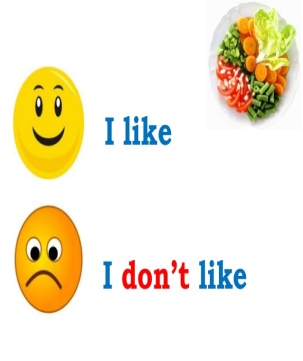
Task II Ex: 2 P: 44 Children look at the menu and, in pairs (or as a whole class activity), say which foods they like e.g. I like (rice), eggs, yogurt, juice and hot chocolate. Encourage children to share which foods they like. Ask children if they can also say a sentence about a food they don't like, e.g. I don't like (rice). Explain that when we mention two things we like we use the word and. When we mention two things and we don't like one of them we use but. Provide some examples: I like hot chocolate and milk. Mime yummy. Then say I like fish (yummy face), but I don't like meat (mime yuck). Point to a child and say e.g. carrots and yogurt. Elicit I like carrots and yogurt or I like..., but I don't like... Repeat the procedure pointing to more children and saying two items of food for them to produce sentences with and and but. |
Learners say which foods on the menu you like.
|
Descriptor: - look at the menu - say which foods you like Total: 2 point |
|
|
|
Task III Ex: 3 P: 44 Have children look at the incomplete sentences. Explain that we can start a sentence by saying what we don't like instead of what we like. Write the following on the board: I like hot chocolate, but I don't like juice = I don't like juice, but I like hot chocolate. Leave the sentences on the board for reference. Tell children to compare their answers in pairs before checking them with the class. Go over the answers asking different children to read the complete sentences. |
Learners complete the sentences with and or but. Transcript 1 I like carrots and eggs. 2 I don't like juice, but I like hot chocolate. 3 I don't like milk and tea. 4 I like meat, but I'don't like fish. |
Descriptor: - complete the sentences - use and or but Total: 2 point |
|
|
|
Task IV Ex: 4 P: 44 Put children into small groups and have them look at the speech bubbles. Explain they will exchange information about their favourite food and the ones they like and don't like. Provide an example before children start interacting e.g. My favourite food is fish. I like apples. I don't like yogurt. Monitor the activity and pay attention to children's correct oral production. Help if necessary. |
Learners discuss which foods on the menu you like and don't like. ANSWERS |
Descriptor: - - circle the letters m, n, o, p Total: 2 point |
|
|
End of the lesson 5 min |
Briefly review the colors learned. Ask students: What was your favorite color activity today? Why? |
|
Poster Success |
|
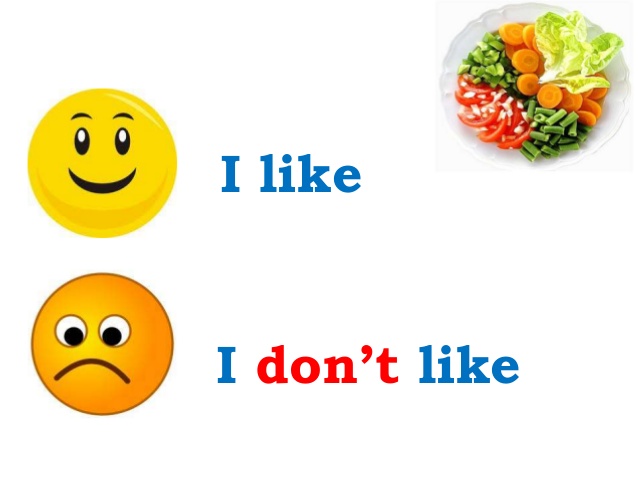
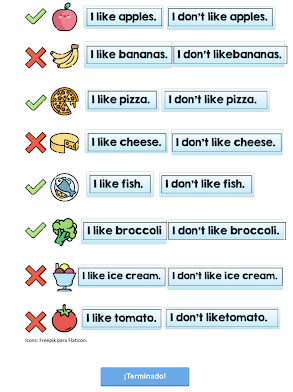
Short term plan
|
Unit: 6. Health (10 hours) |
Lesson 48 |
||
|
School: |
|
||
|
Teacher’s name: |
|
||
|
Date: |
|
||
|
Grade: 3 |
Number present: |
absent: |
|
|
Lesson title |
Specific information about favourite food. Unit assessment 6 |
||
|
Learning objectives |
3.1.4.2 understand simple descriptions of people, actions, and objects with visual support; 3.2.4.1 provide simple descriptions of people, and objects; 3.3.4.1 find specific information in different types of texts (postcards, posters, flyers, messages, and notices: places, time, and prices); 3.4.2.2 use words and short simple phrases to complete a written text at a sentence level; 3.5.1.10 use common present simple forms and contractions on a limited range of familiar topics. |
||
|
Lesson objectives (assessment criteria) |
Learners will be able to: - apply basic words, phrases and short sentences in a talk or writing about foods to show all taught skills of the unit. |
||
|
Values and its purpose: |
"Law and Order" Observance of norms and rules of order and justice understand the need |
||
|
Stages/ Time |
Teachers actions |
Students actions |
Assessment |
Resources |
|
Beginning of the lesson 5 min |
Organization moment : 1.Greeting. . (Whale class, Individually) Warm-up Play Jump or Snap! (see Teacher's Book page 88) with flashcards 119-130 to revise all the foods and drinks children have learnt so far. Lead – In Ask children if they remember Zara and Sabina from the last lesson. What foods did they like and dislike? Revise Do you like...? Yes, I do. / No, I don't by asking some children Do you like yogurt/carrots/fish/meat/rice/tea? What's your favourite food? I Tell children that in this lesson they are going to learn some more words for foods, and talk some more about foods and drinks they like or dislike. |
Learners listen, repeat, and participate in placing flashcards. |
Teacher controles the process, gives feedback and asks additional questions if it’s nessasery. Teacher evaluate pupils with phrases like: “Good job! Well done!” Formative Assessment
|
|
|
Middle of the lesson Presentation part. 35 min |
Ex:1 P:45 Ask children to look at the photos of the food items. Play the first part of the recording for children to point to the photos. Play the second part of the recording for children to repeat the words. Hold up flashcards 131-134 one at a time and ask children to say the words. |
Learners look, listen and point. Transcript Listen and point. sandwich, grapes, ice cream, cherries ice cream, grapes, sandwich, cherries Listen and repeat. sandwich, grapes, ice cream, cherries |
Descriptor: - look at the photos - listen and point. Total: 2 point |
|
|
|
Task II Ex: 2 P: 45 Point to the food photos and ask children to name them. Play the recording for children to point to the foods as they hear them. Explain that children must listen and draw a smiley face if the girl likes the food and a sad face if she doesn't. Play the recording again, pausing to show the example. Play the recording again for children to complete their answers. Repeat. Check the answers with the class |
Learners listen and draw ANSWERS Dad Are you hungry, Kamila? Girl Yes, I am. Dad Well, let's look at the menu. What do you want? Girl Well, I like yogurt, but I don't like ice cream. I like bread because I like sandwiches Dad So, you can have a sandwich. And some fruit, too. What fruit do you like? Girl Mmm, I don't like grapes. Un, I want some cherries, please. I like cheries |
Descriptor: - point to the food photos - draw a smiley face Total: 2 point |
|
|
|
Task III Ex: 3 P: 45 Ask children to look at the question and answer in the speech bubbles. Read the speech bubbles aloud for children to repeat. Ask a pair of children to act the dialogue out for the class. Ask children to look at the menu on Pupil's Book page 50 and the photos on this page. |
Learners ask and answer. |
Descriptor: - look at the question - answer in the speech bubbles Total: 2 point |
|
|
End of the lesson 5 min |
Briefly review the colors learned. Ask students: What was your favorite color activity today? Why? |
|
Poster Success |
|
Short term plan
|
Unit: 6. Health (10 hours) |
Lesson 49 |
||
|
School: |
|
||
|
Teacher’s name: |
|
||
|
Date: |
|
||
|
Grade: 3 |
Number present: |
absent: |
|
|
Lesson title |
Project: A funny character. |
||
|
Learning objectives |
3.1.4.2 understand simple descriptions of people, actions, and objects with visual support; 3.2.4.1 provide simple descriptions of people, and objects; 3.3.5.1 read short, illustrated fiction and non-fiction stories written in very simple language using a dictionary; 3.4.3.1 create a poster or a postcard, using words and simple phrases. |
||
|
Lesson objectives (assessment criteria) |
Learners will be able to: |
||
|
Values and its purpose: |
"Law and Order" Observance of norms and rules of order and justice understand the need |
||
|
Stages/ Time |
Teachers actions |
Students actions |
Assessment |
Resources |
|
Beginning of the lesson 5 min |
Organization moment : 1.Greeting. . (Whale class, Individually) Warm-up The teacher sets the lesson objectives, letting students know what to anticipate from the lesson. Look at the picture. What do you think we are going to study? Lead – In Ask children What funny character(s) do you like? Explain they can be from a film, a comic, a TV programme or a book. Elicit different names and write them on the board. Ask children why they like that character and why it is funny. Explain to children that they will make a poster of a funny character.
|
Learners listen, repeat, and participate in placing flashcards. |
Teacher controles the process, gives feedback and asks additional questions if it’s nessasery. Teacher evaluate pupils with phrases like: “Good job! Well done!” Formative Assessment
|
|
|
Middle of the lesson Presentation part. 35 min |
Ex:1 P:46 Tell children that they will create a funny character and they have to decide which parts of the body are especially funny or curious. Ask, Has it got a nose? Is its nose very big or very small? Are its arms very long, or very short? etc. Have them tick the corresponding boxes. Then ask them whether their character is big or small and tick the appropriate box. Ask children what colour(s) is their character and write them on the lines |
L |
Descriptor: - create a funny character - answer the question Total: 2 point |
|
|
|
Task II Ex: 2 P: 46 Hand out a sheet of paper to each child and tell them to take out their coloured pens and pencils. Explain that they will draw and colour the characters they created. Encourage children to be creative and original to come up with a really funny picture Walk around the class looking at children's work and asking them questions, e.g. Is this its head? Is it green? Has it got four arms? etc. |
Learners make a poster of a funny character. Use your imagination. ANSWERS
|
Descriptor: - make a poster of a funny character. - use your imagination. Total: 2 point |
|
|
|
Task III Ex: 3 P: 45 Ask children to look at the question and answer in the speech bubbles. Read the speech bubbles aloud for children to repeat. Ask a pair of children to act the dialogue out for the class. Ask children to look at the menu on Pupil's Book page 50 and the photos on this page. |
Learners share your poster. Take turns. |
Descriptor: - look at the question - act the dialogue Total: 2 point |
|
|
End of the lesson 5 min |
Briefly review the colors learned. Ask students: What was your favorite color activity today? Why? |
|
Poster Success |
|
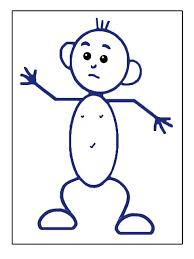 earners think
about a funny character. What does it look
like?
earners think
about a funny character. What does it look
like?
Short term plan
|
Unit: 6. Health (10 hours) |
Lesson 50 |
||
|
School: |
|
||
|
Teacher’s name: |
|
||
|
Date: |
|
||
|
Grade: 3 |
Number present: |
absent: |
|
|
Lesson title |
SAT № 3 |
||
|
Learning objectives |
3.1.4.2 understand simple descriptions of people, actions, and objects with visual support 3.3.3.2 find out the main points in short simple descriptions with visual support 3.4.2.2 use words and short simple phrases to complete a written text at a sentence level 3.2.3.1 respond to basic questions with single words or short responses |
||
|
Lesson objectives (assessment criteria) |
Learners will be able to: Lesson Objectives will be determined in accordance with the chosen Learning Objectives before. The teacher creates the tasks reflecting the Lesson Objectives and describes the test procedure in Specification of the Summative Assessment for the Term. |
||
|
Values and its purpose: |
"Law and Order" Know the basics of the legal system and human rights |
||
|
Stages/ Time |
Teachers actions |
Students actions |
Assessment |
Resources |
|
Beginning of the lesson 5 min Middle of the lesson Presentation part. 35 min |
Organization moment : 1.Greeting. . (Whale class, Individually) Warm-up Welcomes the pupils and introduce the topic of the lesson. Creates a positive psychological environment. LISTENING Task. 1 READING Task 2 WRITING Task 3
Speaking Task 4 |
Teacher: (pointing to the picture of a robot) Is it soft or hard? Class: It’s hard. Teacher: Is it metal or plastic |
Teacher controles the process, gives feedback and asks additional questions if it’s nessasery. Teacher evaluate pupils with phrases like: “Good job! Well done!” |
|
|
End of the lesson 5 min |
Ask students what they learned today. Briefly review greetings and numbers 1-20. |
|
Poster Success
|
|
Short term plan
|
Unit: 6. Health (10 hours) |
Lesson 51 |
||
|
School: |
|
||
|
Teacher’s name: |
|
||
|
Date: |
|
||
|
Grade: 3 |
Number present: |
absent: |
|
|
Lesson title |
Values |
||
|
Learning objectives |
3.1.4.1 understand basic personal questions; 3.2.3.1 respond to basic questions with single words or short responses; 3.3.5.1 read short, illustrated fiction and non-fiction stories written in very simple language using a dictionary; 3.4.5.1 apply basic rules of punctuation (use capital letters, full stops, and question marks). |
||
|
Lesson objectives (assessment criteria) |
Learners will be able to: - To learn about keeping fit and staying healthy - To complete a calendar with children's ideas on hov keep fit. |
||
|
Values and its purpose: |
"Law and Order" Observance of norms and rules of order and justice understand the need |
||
|
Stages/ Time |
Teachers actions |
Students actions |
Assessment |
Resources |
|
Beginning of the lesson 5 min |
Organization moment : 1.Greeting. . (Whale class, Individually) Warm-up The teacher sets the lesson objectives, letting students know what to anticipate from the lesson Watch a video and write down food in it. Stop at the first few seconds: What does the man like? Name all the foods he likes. Lead – In Ask children what physical activities they do. Write children's answers on the board. Then ask why it is important to do some physical activity every day. Elicit several answers. Write the words keep fit on the board and explain its meaning. Then say that doing some kind of physical activity is good for our health and our minds too. Point out that our bodies need to move to stay healthy and keep fit. |
Learners listen, repeat, and participate in placing flashcards. |
Teacher controles the process, gives feedback and asks additional questions if it’s nessasery. Teacher evaluate pupils with phrases like: “Good job! Well done!” Formative Assessment
|
|
|
Middle of the lesson Presentation part. 35 min |
Task I Focus attention on the pictures, read each and have children repeat them chorally. activity aloud Remind children that in order to be fit you need to move your body. Have children tick the boxes and then check their answers in pairs before going through them with the whole class. |
Learners tick (✔) what you can do to be fit. ANSWERS (✔) ride a bike, ride a scooter, dance, go swimming
|
Descriptor: - - answer the question Total: 2 point |
|
|
|
Task II Read the days of the week aloud and explain to children they will think about physical activities they can do to keep fit, besides the ones in Exercise 1, for each day of the week. Encourage them to think of all kinds of things they can do besides going to a sports club that can help them keep fit, e.g. helping their parents wash the car, helping with the cleaning of the house, walking the dog, etc. Elicit some more examples from children and write them on the board, e.g. run, play outdoor games, etc. |
Learners complete the calendar with ideas on how to keep fit. ANSWERS |
Descriptor: - complete the calendar Total: 2 point |
|
|
End of the lesson 5 min |
Briefly review the colors learned. Ask students: What was your favorite color activity today? Why? |
|
Poster Success |
|
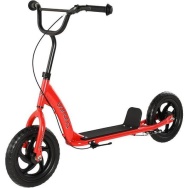
Short term plan
|
Unit: 6. Health (10 hours) |
Lesson 52 |
||
|
School: |
|
||
|
Teacher’s name: |
|
||
|
Date: |
|
||
|
Grade: 3 |
Number present: |
absent: |
|
|
Lesson title |
Review |
||
|
Learning objectives |
3.1.4.2 understand simple descriptions of people, actions, and objects with visual support; 3.2.4.1 provide simple descriptions of people, and objects; 3.3.4.1 find specific information in different types of texts (postcards, posters, flyers, messages, and notices: places, time, and prices); 3.4.2.2 use words and short simple phrases to complete a written text at a sentence level; 3.4.3.1 create a poster or a postcard, using words and simple phrases. |
||
|
Lesson objectives (assessment criteria) |
Learners will be able to: - make a poster of a healthy weekend or keeping fit; - apply topic related vocabulary in speech; - create and act out their own dialogues on the topic; |
||
|
Values and its purpose: |
"Law and Order" Observance of norms and rules of order and justice understand the need |
||
|
Stages/ Time |
Teachers actions |
Students actions |
Assessment |
Resources |
|
Beginning of the lesson 5 min |
Organization moment : 1.Greeting. . (Whale class, Individually) Warm-up The teacher sets the lesson objectives, letting students know what to anticipate from the lesson. Look at the picture. What do you think we are going to revise? Lead – In
Repeat: knife, pan, folk, spoon, cup, mug. Name words on the topic: Health, healthy, watch TV, eat carrots, meat, fish. |
Learners listen, repeat, and participate in placing flashcards. |
Teacher controles the process, gives feedback and asks additional questions if it’s nessasery. Teacher evaluate pupils with phrases like: “Good job! Well done!” Formative Assessment
|
|
|
Middle of the lesson Presentation part. 35 min |
Task I A teacher asks Sts. to make a food plate for breakfast or lunch: Food For breakfast - Учебные ресурсы Wordwall https://wordwall.net › ru-ru › community › for-breakfast |
Learners choose the plastic toys of foods to cook. A |
Descriptor: - - answer the question Total: 2 point |
|
|
|
Task II
|
Learners do the tasks in workbooks |
Descriptor: - complete the tasks in workbooks Total: 2 point |
|
|
End of the lesson 5 min |
Briefly review the colors learned. Ask students: What was your favorite color activity today? Why? |
|
Poster Success |
|
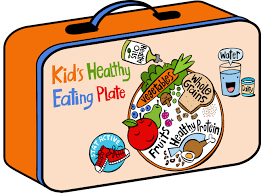
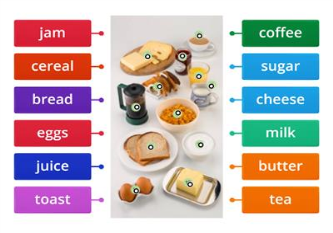 NSWERS
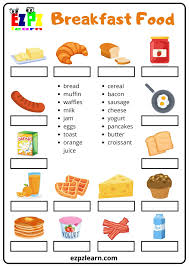

 Жүктеу


 Жүктеу
шағым қалдыра аласыз

 Бұл курс Қазақстан Республикасы Оқу-ағарту министрлігімен келісілген