
 ЖИ көмекші


 Қауіпсіз төлем

жүктеу мүмкіндігіне ие боласыз
Бұл материал сайт қолданушысы жариялаған. Материалдың ішінде жазылған барлық ақпаратқа жауапкершілікті жариялаған қолданушы жауап береді. Ұстаз тілегі тек ақпаратты таратуға қолдау көрсетеді. Егер материал сіздің авторлық құқығыңызды бұзған болса немесе басқа да себептермен сайттан өшіру керек деп ойласаңыз осында жазыңыз
 09 Ақпан 2025
 209
209
1 жыл бойы шексіз жүктеңіз
Қмж 2 сынып ағылшын 3 тоқсандыкы
Short term plan
School № ___
|
Term: 1 Unit 1 Lesson 1. |
All about me. |
|
|
Teacher’s name: |
|
|
|
Date: |
|
|
|
Grade: 2 |
Number present: |
Number absent: |
|
Theme of the lesson: |
Greetings and family words. |
|
|
Learning objectives(s) that this lesson is contributing to |
2.1.2.1 recognise with considerable support an increasing range of common personal questions 2.1.9.1 recognise the spoken form of familiar words and expressions 2.2.2.1 ask questions in order to satisfy basic needs and find information on familiar topics and classroom routines 2.2.6.1 use short answers appropriately in short, basic exchanges and take turns when speaking with others in a limited range of short, basic exchanges 2.3.4.1 begin to use with support a simple picture dictionary |
|
|
Lesson objectives |
By the end of the lesson the students will be able to:
|
|
Lesson procedure:
|
Stages of the lesson/ Time |
Teacher’s activity |
Student’s activity |
Assessment |
Resources/ materials |
|
Greeting. Organisation moment. |
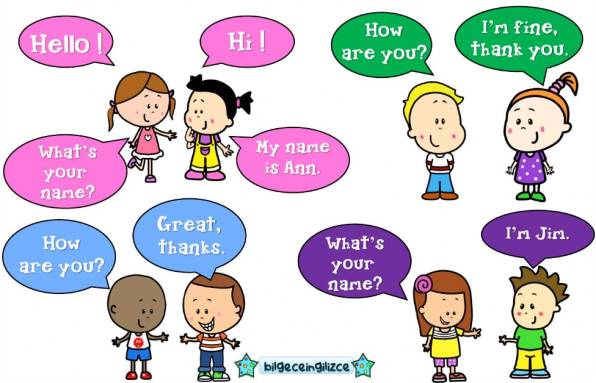
Begin the lesson with some greetings. Ask and answer How are you? and What's your name? with individual children. |
The students greet the teacher and answer the questions. |
|
|
|
Warm up: |
Warm up.
|
Pupils try to guess the age of Saken and Marzhan. |
|
|
|
Main activities: |
Ex.1 p.4.
Ex.2 p.4. CD 01. • Ask children to look at the pictures of the children in Exercise 2. Point to each one in turn to elicit their names. (If it is the first time the class have seen these characters, point in turn and say their names for children to repeat - Rosy, Billy, and Tim. Explain that they will see these characters throughout the course.)
|
A pair of pupils read the dialogue in front of the class. Then the rest of the class repeat phrases after each line. Further pupils role-play the conversation.
Pupils listen to and repeat the names of the course characters. Then listen to the Welcome song, repeat the lines and sing it. |
Role-play
|
Student’s Book “Family and friends 2. Kazakhstan edition”. (Oxford University Press) Worksheets CD 01. |
|
Physical training exercise |
A break for physical activity. Teacher plays the video with physical exercises. |
Pupils watch and do physical exercises. |
|
|
|
Main activities: |
Ex.3 p.4. CD 01.
Welcome back to all our friends - wave Fun and learning never end! - punch the air Welcome back, it's a happy day - wave and smile A day for learning - mime opening a book A day for play! -jump in the air Ex.4 p.4. CD 02.
|
Pupils sing the song and do the actions.
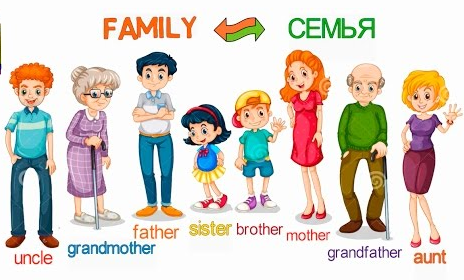
Pupils revise the meaning of the family words. Then listen to the description of the picture to identify the family members and write the corresponding numbers. Answers: (clockwise from left) 8,9,1,2,6,3,7,5,4
|
Song-based task.
Choose the word that describes what you hear |
CD 01. CD 02. |
|
The end of the lesson |
• At the end of the lesson, wave goodbye to the class and say Bye! Goodbye! Write the words on the board and remind children of the meaning. Encourage the children to wave and say Bye! or Goodbye! to you. Giving the homework. |
SS write their homework for the next lesson. |
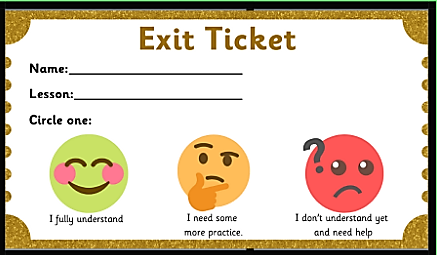
Pupils evaluate themselves using evaluation lists. |
|
Short term plan
School № ___
|
Term: 1 Unit 1 Lesson 2. |
All about me. |
|
|
Teacher’s name: |
|
|
|
Date: |
|
|
|
Grade: 2 |
Number present: |
Number absent: |
|
Theme of the lesson: |
Colours, numbers, days of the week. |
|
|
Learning objectives(s) that this lesson is contributing to |
2.1.3.1 understand the main points of short, slow and carefully articulated talk on routine and familiar topics features such as colour and number 2.2.2.1 ask questions in order to satisfy basic needs and find information on familiar topics and classroom routines 2.2.6.1 use short answers appropriately in short, basic exchanges and take turns when speaking with others in a limited range of short, basic exchanges 2.3.4.1 begin to use with support a simple picture dictionary 2.4.5.1 write letters and familiar high frequency words when read aloud or spelt out for learners 2.5.2.1 use cardinal numbers 1 – 50 to count |
|
|
Lesson objectives |
By the end of the lesson the students will be able to:
|
|
Lesson procedure:
|
Stages of the lesson/ Time |
Teacher’s activity |
Student’s activity |
Assessment |
Resources/ materials |
|
Greeting. Organisation moment. |
Teacher greets pupils and asks “How are you today?” to find out their mood at the beginning of the lesson. |
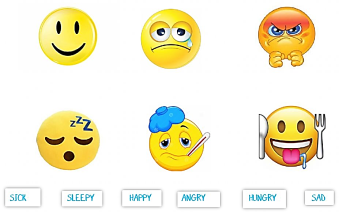
Childrens’ greetings. Students watch a video and sing a greeting song. Then pupils choose one of the smiles they see on the slide, saying “I am happy/sad….etc.”
|
|
|
|
Warm up |
Warm up.
|
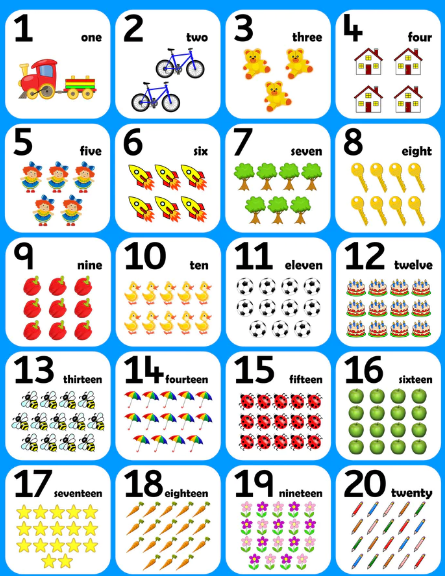
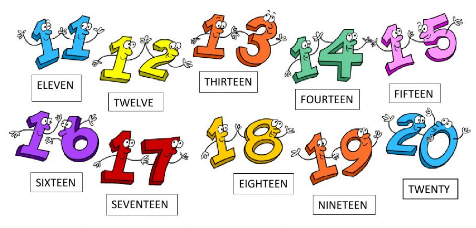
Pupils have practice in using numbers 1-20.
|
Open comprehension questions |
Student’s Book “Family and friends 2. Kazakhstan edition”. (Oxford University Press) Worksheets |
|
Main activities |
Ex.1 p.5.
ten, eleven, twelve, thirteen, fourteen, fifteen, sixteen, seventeen, eighteen; nineteen, twenty Ex.2 p.5.
|
Pupils should point to the cars with this or that number while listening. Then they pronounce the colour words aloud and say the number. After that, pupils have practice in asking and answering questions.
Pupils have practice in writing the digits 10-20 in the air. Answers: ten 10, thirteen 13, seventeen 17, twenty 20, fifteen 15, fourteen 14, eleven 11, twelve 12, sixteen 16, eighteen 18, nineteen 19
Individual pupils write on the board the words next to each number and vice versa.
|
Interview
Gap-filling |
CD 03. |
|
Physical training exercise |
A break for physical activity. Teacher plays the video with physical exercises. |
Pupils watch and do physical exercises. |
|
|
|
Main activities |
Ex.3 p.5.
Ex.4 p.5.
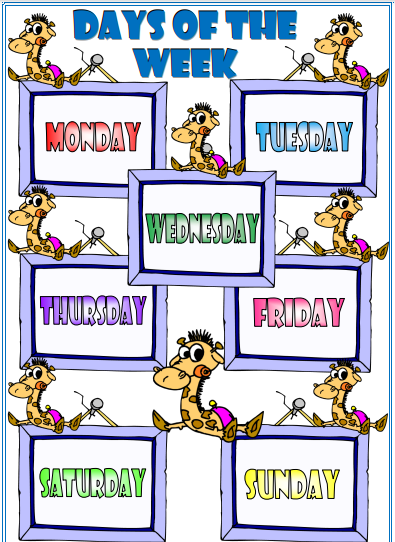
Monday, Tuesday, Wednesday, jump! - jump in the air Thursday, Friday, down with a bump!-sit down on chairs Saturday, Sunday, let's say 'Hi!'-wave hello Days of the week, let's say 'Goodbye!'-turn around and wave
Thursday, Friday, Touch your head...
|
Pupils name the childrens’ actions depicted on the picture. Then pupils listen to the song, repeat the lines and sing it.
Pupils sing the song and do the actions.
Pupils invent new actions for the song, then sing and perform it.
|
Song-based tasks |
CD 04. https://elt.oup.com/student/familyandfriends/level02/songs?cc=kz&selLanguage=en#tracktitle CD 04. |
|
The end of the lesson |
Teacher asks pupils “How are you?” to find out their mood at the end of the lesson, compares it to the initial mood pupils had and makes conclusion how the lesson influenced students and why. Giving the homework. |
SS write their homework for the next lesson. |
Pupils evaluate themselves using evaluation lists.
|
|
Short term plan
School № ___
|
Term: 1 Unit 1 Lesson 3. |
All about me. |
|
|
Teacher’s name: |
|
|
|
Date: |
|
|
|
Grade: 2 |
Number present: |
Number absent: |
|
Theme of the lesson: |
Outdoor activities. |
|
|
Learning objectives(s) that this lesson is contributing to |
2.1.8.1 understand short narratives spoken slowly and distinctly on routine and familiar topics 2.1.9.1 recognise the spoken form of familiar words and expressions 2.3.6.1 understand with considerable and particularly visual support, some specific information in short, simple texts on familiar topics |
|
|
Lesson objectives |
By the end of the lesson the students will be able to:
|
|
Lesson procedure:
|
Stages of the lesson/ Time |
Teacher’s activity |
Student’s activity |
Assessment |
Resources/ materials |
|
Greeting. Organisation moment. |
Teacher greets pupils and asks “How are you today?” to find out their mood at the beginning of the lesson. |
Childrens’ greetings. Students watch a video and sing a greeting song. Then pupils choose one of the smiles they see on the slide, saying “I am happy/sad….etc.”
|
|
|
|
Warm up |
Warm up.
|
Pupils find out the meaning of the new words.
|
|
Student’s Book “Family and friends 2. Kazakhstan edition”. (Oxford University Press) Worksheets |
|
Main activities |
Ex.1 p.6.
Ex.2 p.6.
|
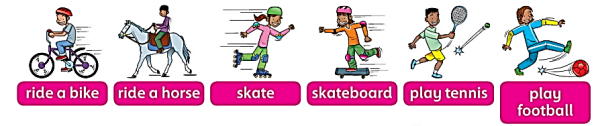
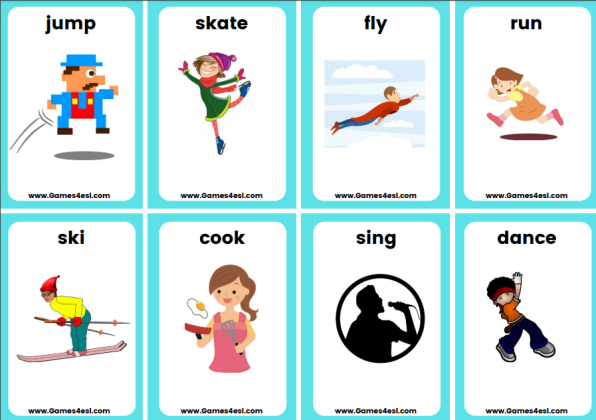
Pupils listen to the recording and point to the pictures, then repeat the words and phrases.
Pupils have practice in pronunciation of the new words and phrases.
Pupils mime the outdoor activities they hear.
|
Choose the word that describes what you hear |
CD 05. CD 06. https://wordwall.net/resource/6607525/outdoor-activities/outdoor-activities |
|
Physical training exercise |
A break for physical activity. Teacher plays the video with physical exercises. |
Pupils watch and do physical exercises. |
|
|
|
Main activities |
Ex.3 p.6.
|
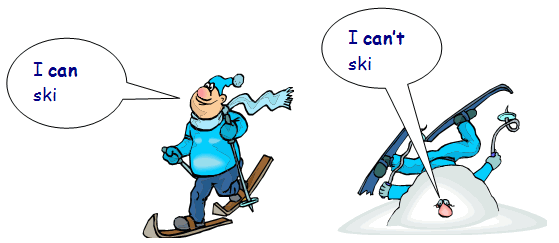
Pupils have a look at the pictures and guess what we can see in them, trying to predict what the story is about. Then pupils listen to the recording. After that pupils find and point to the words from ex.1. Further pupils drill the phrase Yes, I can/No, I can’t.
|
Picture description
Yes/No questions |
CD 07. https://elt.oup.com/student/familyandfriends/level02/stories?cc=kz&selLanguage=en#tracktitle https://wordwall.net/ru/resource/30149372/can-you-can-he |
|
The end of the lesson |
Teacher asks pupils “How are you?” to find out their mood at the end of the lesson, compares it to the initial mood pupils had and makes conclusion how the lesson influenced students and why. Giving the homework. |
SS write their homework for the next lesson. |
Pupils evaluate themselves using evaluation lists.
|
|


Short term plan
School № ___
|
Term: 1 Unit 1 Lesson 4. |
All about me. |
|
|
Teacher’s name: |
|
|
|
Date: |
|
|
|
Grade: 2 |
Number present: |
Number absent: |
|
Theme of the lesson: |
Can/can’t. |
|
|
Learning objectives(s) that this lesson is contributing to |
2.1.8.1 understand short narratives spoken slowly and distinctly on routine and familiar topics 2.2.1.1 make basic statements related to personal information, people and objects on familiar topics and classroom routines 2.2.2.1 ask questions in order to satisfy basic needs and find information on familiar topics and classroom routines 2.2.6.1 use short answers appropriately in short, basic exchanges and take turns when speaking with others in a limited range of short, basic exchanges 2.4.3.1 write short phrases to identify people, places and objects 2.5.13.1 use can to talk about ability and to make requests and offers, use can/can’t to talk about permission |
|
|
Lesson objectives |
By the end of the lesson the students will be able to:
|
|
Lesson procedure:
|
Stages of the lesson/ Time |
Teacher’s activity |
Student’s activity |
Assessment |
Resources/ materials |
|
Greeting. Organisation moment. |
Teacher greets pupils and asks “How are you today?” to find out their mood at the beginning of the lesson. |
Childrens’ greetings. Students watch a video and sing a greeting song. Then pupils choose one of the smiles they see on the slide, saying “I am happy/sad….etc.”
|
|
|
|
Warm up |
Warm up.
|
Pupils refresh their memory and name outdoor activities from the previous lesson.
|
|
Student’s Book “Family and friends 2. Kazakhstan edition”. (Oxford University Press) Worksheets |
|
Main activities |
Ex.1 p.7.
Picture 1: Tim points to the pictures on the wall, smiling. Picture 2: Tim points to his bike, frowning. Picture 3: Tim gets onto his bike. Grandpa is behind him. Picture 4: Tim pedals his bike, looking scared. Grandpa holds the back of the bike. Picture 5: Tim pedals away, still scared. Grandpa runs after him. Picture 6: Tim rides his bike by himself, smiling now. Grandpa smiles and waves. Ex.2 p.7.
|
Pupils listen to the recording and mime the actions, then act out the story.
Pupils listen to the pronunciation of the phrases, repeat, and then replace the patterns with other activities.
|
Role-play
Information transfer
|
CD 07 https://elt.oup.com/student/familyandfriends/level02/stories?cc=kz&selLanguage=en#tracktitle |
|
Physical training exercise |
A break for physical activity. Teacher plays the video with physical exercises. |
Pupils watch and do physical exercises. |
|
|
|
Main activities |
Ex.3 p.7.
Ex.4 p.7.
|
Pupils name the outdoor activities depicted in the pictures. Then pupils complete the sentences. Answers: 1 He can ride a bike. 2 He can't ride a horse. 3 They can't play football. 4 She can skate. 5 They can play tennis. 6 She can't skateboard.
Pupils work in pairs ask and answer the questions with reference to ex.3.
Pupils have more practice in using can/can’t to talk about ability.
|
Sentence completion
Interview
Interview |
https://wordwall.net/ru/resource/5514762/family-and-friends-2-unit-3-can-cant |
|
The end of the lesson |
Teacher asks pupils “How are you?” to find out their mood at the end of the lesson, compares it to the initial mood pupils had and makes conclusion how the lesson influenced students and why. Giving the homework. |
SS write their homework for the next lesson. |
Pupils evaluate themselves using evaluation lists.
|
|
Short term plan
School № ___
|
Term: 1 Unit 1 Lesson 5. |
All about me. |
|
|
Teacher’s name: |
|
|
|
Date: |
|
|
|
Grade: 2 |
Number present: |
Number absent: |
|
Theme of the lesson: |
Clothes. |
|
|
Learning objectives(s) that this lesson is contributing to |
2.1.6.1 understand some specific information in short, slow, carefully articulated talk on routine and familiar topics 2.1.9.1 recognise the spoken form of familiar words and expressions 2.2.1.1 make basic statements related to personal information, people and objects on familiar topics and classroom routines 2.3.4.1 begin to use with support a simple picture dictionary 2.5.1.1 use singular nouns, plural nouns – including some common irregular plural forms in giving simple descriptions 2.5.14.1 use basic prepositions of location and position: at, behind, between, in, in front of, near, next to, on, to to describe where people and things are, use prepositions of time: on, in, at to talk about days and times |
|
|
Lesson objectives |
By the end of the lesson the students will be able to identify clothes and common prepositions. |
|
Lesson procedure:
|
Stages of the lesson/ Time |
Teacher’s activity |
Student’s activity |
Assessment |
Resources/ materials |
|
Greeting. Organisation moment. |
Teacher greets pupils and asks “How are you today?” to find out their mood at the beginning of the lesson. |
Childrens’ greetings. Students watch a video and sing a greeting song. Then pupils choose one of the smiles they see on the slide, saying “I am happy/sad….etc.”
|
|
|
|
Warm up min. |
Warm up.
|
Pupils help the teacher to find the teddy bear.
|
|
Student’s Book “Family and friends 2. Kazakhstan edition”. (Oxford University Press) Worksheets |
|
Main activities |
Ex.1 p.8.
Ex.2 p.8.
|
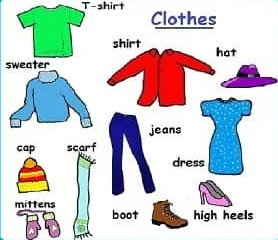
Pupils listen to the pronunciation of the new words, point to the pictures and repeat the words.
Pupils have a look at the pictures and try to predict what the song is about. Then listen to the recording, following in their books. After that, pupils sing the song.
|
Choose the word that describes what you hear
Picture description
|
CD 08 CD 09 https://elt.oup.com/student/familyandfriends/level02/songs?cc=kz&selLanguage=en#tracktitle |
|
Physical training exercise |
A break for physical activity. Teacher plays the video with physical exercises. |
Pupils watch and do physical exercises. |
|
|
|
Main activities |
Ex.3 p.8.
Where is my teddybear? - look around for teddy bear / can't find him anywhere - shake head Look behind the bedroom door - open door Look in front of the sofa - stand with hands on hips, looking Look between the bed and the chair - bend down and look from side to side Look next to the big toy box - kneel on the floor Yes, my teddy's hiding there - give the teddy a hug Optional activity
Ex.4 p.8.
Where is it? Where is my (shirt)? I can't find it anywhere! Look (behind the bedroom door). Is it hiding there? Look (behind the bedroom door). I can't find it anywhere!
Play the karaoke version of the song (track 10) for children to sing the new version. |
Pupils sing the song and do the actions.
Pupils role-play the song.
Pupils invent new version of the song and sing it.
|
Song-based task |
CD 09 CD 10 |
|
The end of the lesson |
Teacher asks pupils “How are you?” to find out their mood at the end of the lesson, compares it to the initial mood pupils had and makes conclusion how the lesson influenced students and why. Giving the homework. |
SS write their homework for the next lesson. |
Pupils evaluate themselves using evaluation lists.
|
|


Short term plan
School № ___
|
Term: 1 Unit 1 Lesson 7. |
All about me. |
|
|
Teacher’s name: |
|
|
|
Date: |
|
|
|
Grade: 2 |
Number present: |
Number absent: |
|
Theme of the lesson: |
Phonics. |
|
|
Learning objectives(s) that this lesson is contributing to |
2.1.1.1 understand a range of short basic supported classroom instructions 2.2.5.1 begin to articulate clearly the difference between various sounds 2.3.1.1 read and spell out words for others 2.3.2.1 identify, remember and sound out high-frequency sound and letter patterns |
|
|
Lesson objectives |
By the end of the lesson the students will be able to:
|
|
Lesson procedure:
|
Stages of the lesson/ Time |
Teacher’s activity |
Student’s activity |
Assessment |
Resources/ materials |
|
Greeting. Organisation moment. |
Teacher greets pupils and asks “How are you today?” to find out their mood at the beginning of the lesson. |
Childrens’ greetings. Students watch a video and sing a greeting song. Then pupils choose one of the smiles they see on the slide, saying “I am happy/sad….etc.”
|
|
https://www.youtube.com/watch?v=gghDRJVxFxU Student’s Book “Family and friends 2. Kazakhstan edition”. (Oxford University Press) |
|
Warm up |
Warm up.
|
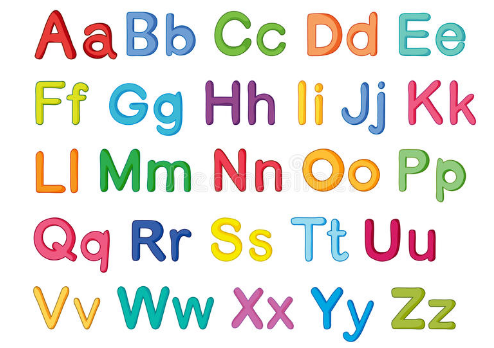
Pupils revise the alphabet with the alphabet song, as well as upper- and lower-case forms of letters and sounds the letters make at the start of words.
|
|
https://www.youtube.com/watch?v=B5csN8gQY4E |
|
Main activities |
Ex.1 p.9.
Ex.2 p.9.
• Play the recording all the way through for children to point and then repeat. |
Pupils find out the meaning of the new words describing pictures and then practice doing the actions.
Pupils do the actions as they chant.
Pupils play a game “Simon says”.
Pupils listen and point to the letters, then repeat the sounds. |
Song-based task
|
CD 11 CD 12 |
|
Physical training exercise |
A break for physical activity. Teacher plays the video with physical exercises. |
Pupils watch and do physical exercises. |
|
|
|
Main activities |
Ex.3 p.9.
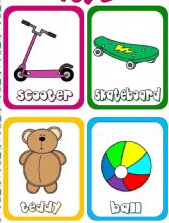
Put Outdoor activities and Prepositions of place flashcards 1-11 on the board. Point to the flashcards one at a time for children to say the sound that the word (or phrase) begins with in chorus. For more variety, point to some of the items shown in the flashcards, such as horse, bike, teddy, box, T-shirt, trousers, and repeat the activity. Repeat, asking individual children to say the sounds. Ex.4 p.9. Ask children to look at the letters. Say the letters for children to repeat. |
Pupils name the animals and objects they see at the pictures. Then listen to the words and circle the correct sound. Answers: 1 p 2 l 3 d 4 g 5 a 6 s
Pupils look at the flashcards and say the sound the word begins with.
Pupils say the letters of our country.
|
Multiple-choice questions |
CD 13 |
|
The end of the lesson |
Teacher asks pupils “How are you?” to find out their mood at the end of the lesson, compares it to the initial mood pupils had and makes conclusion how the lesson influenced students and why. Giving the homework. |
SS write their homework for the next lesson. |
Pupils evaluate themselves using evaluation lists.
|
|

Short term plan
School № ___
|
Term: 1 Unit 1 Lesson 8. |
All about me. |
|
|
Teacher’s name: |
|
|
|
Date: |
|
|
|
Grade: 2 |
Number present: |
Number absent: |
|
Theme of the lesson: |
Description of toys. |
|
|
Learning objectives(s) that this lesson is contributing to |
2.1.6.1 understand some specific information in short, slow, carefully articulated talk on routine and familiar topics 2.2.3.1 use a limited range of basic words, phrases and short sentences to describe objects, activities and classroom routines 2.3.5.1 understand the main points of simple sentences on familiar topics by using contextual clues |
|
|
Lesson objectives |
By the end of the lesson the students will be able to:
|
|
Lesson procedure:
|
Stages of the lesson/ Time |
Teacher’s activity |
Student’s activity |
Assessment |
Resources/ materials |
|
Greeting. Organisation moment. |
Teacher greets pupils and asks “How are you today?” to find out their mood at the beginning of the lesson. |
Childrens’ greetings. Students watch a video and sing a greeting song. Then pupils choose one of the smiles they see on the slide, saying “I am happy/sad….etc.”
|
|
https://www.youtube.com/watch?v=gghDRJVxFxU Student’s Book “Family and friends 2. Kazakhstan edition”. (Oxford University Press) |
|
Warm up |
Warm up.
Can you skate? No, I can't. Can you ride a bike? Yes, I can. |
Pupils revise outdoor activities and Yes, I can/No, I can’t through asking and answering the questions.
|
Interview |
|
|
Main activities |
Ex.1 p.10.
Ex.2 p.10.
|
Pupils identify the objects on the pictures, saying which of them they have got. Answers: a bike, a scooter, some skates, a swing
Pupils have practice in listening and reading the adverts. |
Comprehension questions |
CD 14 |
|
Physical training exercise |
A break for physical activity. Teacher plays the video with physical exercises. |
Pupils watch and do physical exercises. |
|
|
|
Main activities |
Ex.3 p.10.
|
Pupils look through the text and circle the correct answer. Answers: 1 two 2 small 3 two 4 skates 5 yellow
Pupils draw their favourite toy and describe it.
|
Multiple-choice questions
Drawing and describing a picture.
|
|
|
The end of the lesson |
Teacher asks pupils “How are you?” to find out their mood at the end of the lesson, compares it to the initial mood pupils had and makes conclusion how the lesson influenced students and why. Giving the homework. |
SS write their homework for the next lesson. |
Pupils evaluate themselves using evaluation lists.
|
|
Short term plan
School № ___
|
Term: 1 Unit 1 Lesson 9. |
All about me. |
|
|
Teacher’s name: |
|
|
|
Date: |
|
|
|
Grade: 2 |
Number present: |
Number absent: |
|
Theme of the lesson: |
There is/there are. Unit assessment 1. |
|
|
Learning objectives(s) that this lesson is contributing to |
2.1.9.1 recognise the spoken form of familiar words and expressions 2.2.2.1 ask questions in order to satisfy basic needs and find information on familiar topics and classroom routines 2.2.6.1 use short answers appropriately in short, basic exchanges and take turns when speaking with others in a limited range of short, basic exchanges 2.5.14.1 use basic prepositions of location and position: at, behind, between, in, in front of, near, next to, on, to to describe where people and things are, use prepositions of time: on, in, at to talk about days and times; 2.1.2.1 recognise with considerable support an increasing range of common personal questions; 2.1.3.1 understand the main points of short, slow and carefully articulated talk on routine and familiar topics features such as colour and number; 2.2.1.1 make basic statements related to personal information, people and objects on familiar topics and classroom routines. |
|
|
Lesson objectives |
By the end of the lesson the students will be able to:
|
|
Lesson procedure:
|
Stages of the lesson/ Time |
Teacher’s activity |
Student’s activity |
Assessment |
Resources/ materials |
|
Greeting. Organisation moment. |
Teacher greets pupils and asks “How are you today?” to find out their mood at the beginning of the lesson. |
Childrens’ greetings. Students watch a video and sing a greeting song. Then pupils choose one of the smiles they see on the slide, saying “I am happy/sad….etc.”
|
|
https://www.youtube.com/watch?v=gghDRJVxFxU Student’s Book “Family and friends 2. Kazakhstan edition”. (Oxford University Press) |
|
Warm up |
Warm up.
|
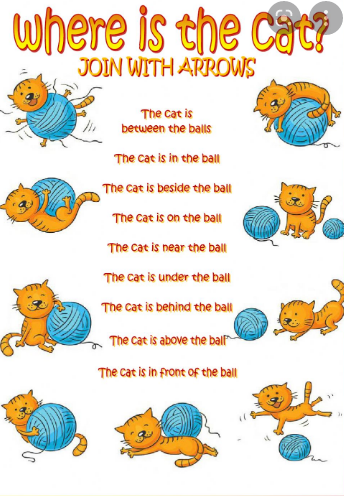
Pupils answer the questions using the prepositions studied.
Pupils revise the information from the previous lesson as well as basic clothes words. Then looking at ex.1 pupils try to predict what they might hear.
|
Interview
Comprehension questions |
|
|
Main activities |
Ex.1 p.11.
Ex.2 p.11.
|
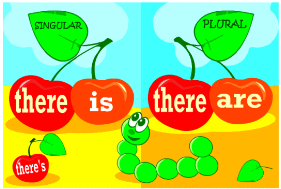
Pupils listen to the recording and number the objects. Answers: shoes 3,6; skateboard 1,5; hat 2,7; bike 4,8 Pupils name the object looking at the picture. Then pupils create their sentences with the structure There’s/There are.
|
Choose the word that describes what you hear
Picture description
|
CD 15 https://wordwall.net/resource/17419733/my-classroom |
|
Physical training exercise |
A break for physical activity. Teacher plays the video with physical exercises. |
Pupils watch and do physical exercises. |
|
|
|
Main activities |
Ex.3 p.11.
|
Pupils ask and answer questions about where the things are.
|
Interview |
|
|
The end of the lesson |
Teacher asks pupils “How are you?” to find out their mood at the end of the lesson, compares it to the initial mood pupils had and makes conclusion how the lesson influenced students and why. Giving the homework. |
SS write their homework for the next lesson. |
Pupils evaluate themselves using evaluation lists.
|
|
Short term plan
School № ___
|
Term: 1 Unit 2 Lesson 10. |
My family and friends. |
|
|
Teacher’s name: |
|
|
|
Date: |
|
|
|
Grade: 2 |
Number present: |
Number absent: |
|
Theme of the lesson: |
Friends. |
|
|
Learning objectives(s) that this lesson is contributing to |
2.1.6.1 understand some specific information in short, slow, carefully articulated talk on routine and familiar topics 2.2.1.1 make basic statements related to personal information, people and objects on familiar topics and classroom routines 2.3.1.1 read and spell out words for others 2.3.6.1 understand with considerable and particularly visual support, some specific information in short, simple texts on familiar topics |
|
|
Lesson objectives |
By the end of the lesson the students will be able to:
|
|
Lesson procedure:
|
Stages of the lesson/ Time |
Teacher’s activity |
Student’s activity |
Assessment |
Resources/ materials |
|
Greeting. Organisation moment. |
Teacher greets pupils and asks “How are you today?” to find out their mood at the beginning of the lesson. |
Childrens’ greetings. Students watch a video and sing a greeting song. Then pupils choose one of the smiles they see on the slide, saying “I am happy/sad….etc.”
|
|
https://www.youtube.com/watch?v=gghDRJVxFxU Student’s Book “Family and friends 2. Kazakhstan edition”. (Oxford University Press) |
|
Warm up |
Warm up.
|
Pupils prepare a short talk about their friends.
|
|
|
|
Main activities |
Ex.1 p.12.
Optional activity • In pairs, ask children to each make two or three sentences about the photos using There's a... and There are... and He/She can/can't... .For example, There's a ball. / There's a bike. / There are skates. / There are two boys./He can play football. /She can ride a bike. /He can skate./He can't skate. Have the children alternate saying a sentence for their partner to point to the correct picture.
|
Pupils name the activities and clothes from the pictures. Then listen to the recording, following in their books. Further pupils answer some comprehension questions.
Pupils describe the photos, using the grammar items studied.
|
Comprehension questions
Describing pictures
|
CD 16 |
|
Physical training exercise |
A break for physical activity. Teacher plays the video with physical exercises. |
Pupils watch and do physical exercises. |
|
|
|
Main activities |
Ex.2 p.12.
|
Pupils look at the pictures and identify what is happening and complete the introduction. Then pupils introduce each other according to the model. |
Role-play |
|
|
|
Ex.3 p.12.
Optional activity • If children are having difficulties with the letter names, write the alphabet on the board and chant or sing it several times with the class. |
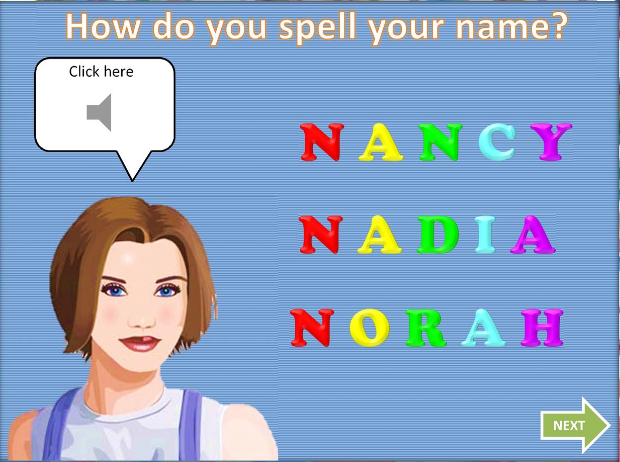
Pupils spell the names and words in groups.
|
|
|
|
The end of the lesson |
Teacher asks pupils “How are you?” to find out their mood at the end of the lesson, compares it to the initial mood pupils had and makes conclusion how the lesson influenced students and why. Giving the homework. |
SS write their homework for the next lesson. |
Pupils evaluate themselves using evaluation lists.
|
|
Short term plan
School № ___
|
Term: 1 Unit 2 Lesson 11. |
My family and friends. |
|
|
Teacher’s name: |
|
|
|
Date: |
|
|
|
Grade: 2 |
Number present: |
Number absent: |
|
Theme of the lesson: |
Helping hands, demonstrative pronouns. |
|
|
Learning objectives(s) that this lesson is contributing to |
2.1.6.1 understand some specific information in short, slow, carefully articulated talk on routine and familiar topics 2.2.2.1 ask questions in order to satisfy basic needs and find information on familiar topics and classroom routines 2.3.5.1 understand the main points of simple sentences on familiar topics by using contextual clues 2.4.7.1 spell some familiar high-frequency words accurately during guided writing activities 2.5.6.1 use demonstrative pronouns this, these, that, those to make and respond to requests for information 2.5.13.1 use can to talk about ability and to make requests and offers, use can/can’t to talk about permission |
|
|
Lesson objectives |
By the end of the lesson the students will be able to:
|
|
Lesson procedure:
|
Stages of the lesson/ Time |
Teacher’s activity |
Student’s activity |
Assessment |
Resources/ materials |
|
Greeting. Organisation moment. |
Teacher greets pupils and asks “How are you today?” to find out their mood at the beginning of the lesson. |
Childrens’ greetings. Students watch a video and sing a greeting song. Then pupils choose one of the smiles they see on the slide, saying “I am happy/sad….etc.”
|
|
https://www.youtube.com/watch?v=gghDRJVxFxU Student’s Book “Family and friends 2. Kazakhstan edition”. (Oxford University Press) |
|
Warm up |
Warm up.
|
Pupils discuss the questions. |
|
|
|
Main activities |
Ex.1 p.13.
Ex.2 p.13.
|
Pupils try to identify what is happening in the photos. Then they listen and read the phrases. Further pupils role-play the situations. Pupils fill in the gaps in the dialogue. Answers: Here you are. Thank you. Can you help me, please? Yes, OK. |
Role-play
Gap filling |
CD 17 |
|
Physical training exercise |
A break for physical activity. Teacher plays the video with physical exercises. |
Pupils watch and do physical exercises. |
|
|
|
Main activities |
Ex.3 p.13.
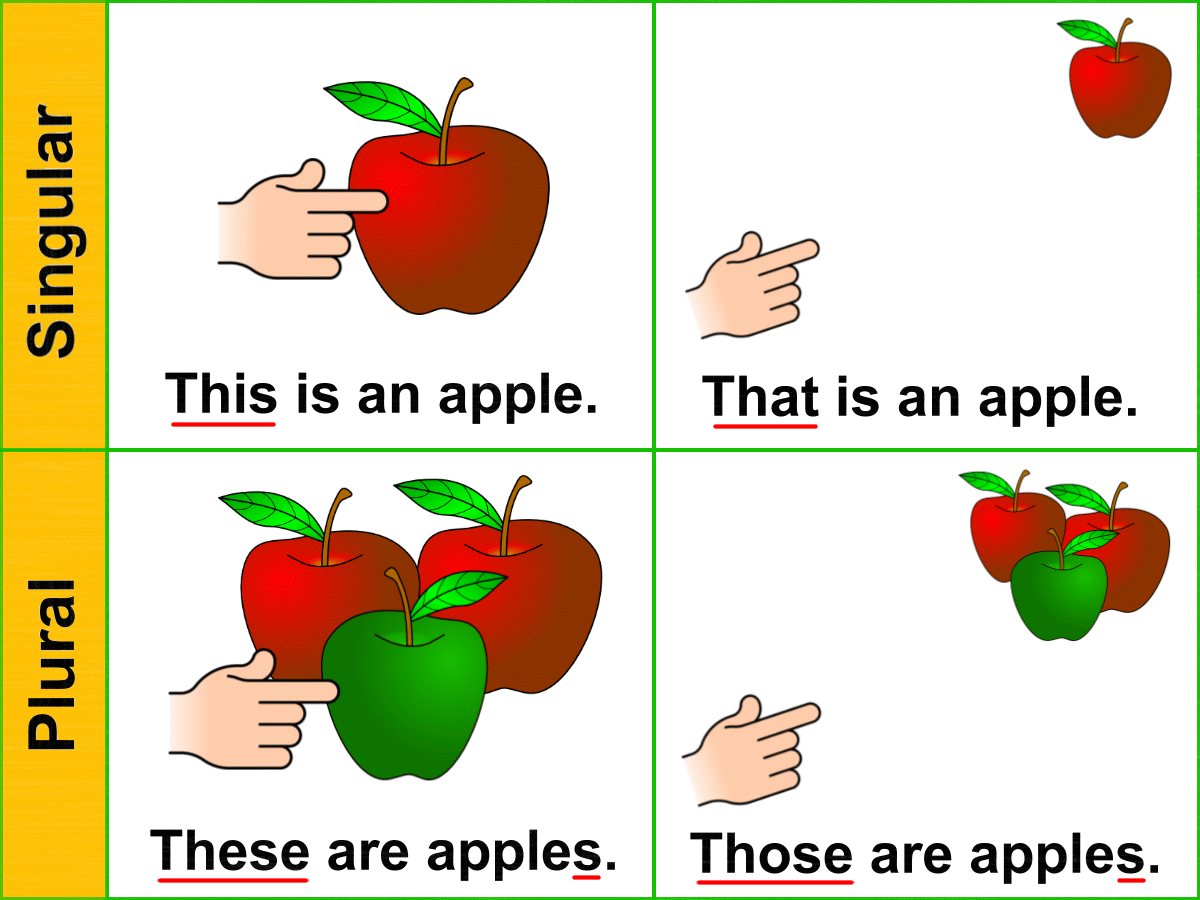
Hand out paper and divide the class into groups of four to make a poster to illustrate the demonstrative pronouns. Each child in the group should draw a picture to illustrate one of the four demonstrative pronouns, and write the pronoun underneath. Remind them to use arrows and draw their pictures smaller to indicate distance for that and those. When they have finished, hand out one large piece of paper and some glue to each group and ask the children to stick their pictures onto the paper to make a poster. Display the posters in class and refer to them in future lessons. |
Pupils have practice in using demonstrative pronouns.
Pupils make a poster with demonstative pronouns.
|
Interview |
|
|
The end of the lesson |
Teacher asks pupils “How are you?” to find out their mood at the end of the lesson, compares it to the initial mood pupils had and makes conclusion how the lesson influenced students and why. Giving the homework. |
SS write their homework for the next lesson. |
Pupils evaluate themselves using evaluation lists.
|
|
Short term plan
School № ___
|
Term: 1 Unit 2 Lesson 12. |
My family and friends. |
|
|
Teacher’s name: |
|
|
|
Date: |
|
|
|
Grade: 2 |
Number present: |
Number absent: |
|
Theme of the lesson: |
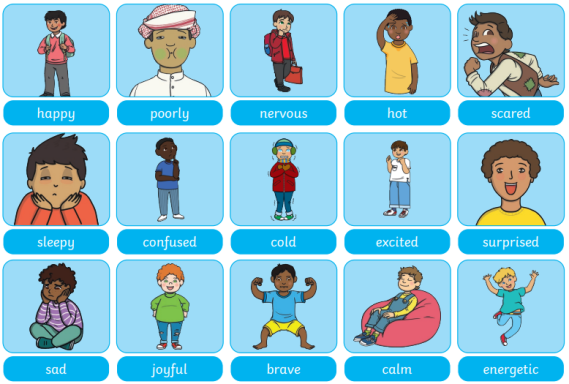
Feelings and emotions 1. |
|
|
Learning objectives(s) that this lesson is contributing to |
2.1.8.1 understand short narratives spoken slowly and distinctly on routine and familiar topics 2.1.9.1 recognise the spoken form of familiar words and expressions 2.3.6.1 understand with considerable and particularly visual support, some specific information in short, simple texts on familiar topics |
|
|
Lesson objectives |
By the end of the lesson the students will be able to:
|
|
Lesson procedure:
|
Stages of the lesson/ Time |
Teacher’s activity |
Student’s activity |
Assessment |
Resources/ materials |
|
Greeting. Organisation moment. |
Teacher greets pupils and asks “How are you today?” to find out their mood at the beginning of the lesson. |
Childrens’ greetings. Students watch a video and sing a greeting song. Then pupils choose one of the smiles they see on the slide, saying “I am happy/sad….etc.”
|
|
https://www.youtube.com/watch?v=gghDRJVxFxU Student’s Book “Family and friends 2. Kazakhstan edition”. (Oxford University Press) |
|
Warm up |
Warm up.
|
Pupils revise the material studided in the 1st unit. |
Comprehension questions |
CD 01 |
|
Main activities |
Ex.1 p.14.
Optional activity
Ex.2 p.14.
Optional activity
|
Pupils find out the meaning of new words describing feelings.
Pupils listen to the recording and point to the pictures, then repeat the words.
Pupils dramatize the words.
Pupils have practice in pronunciation of the new words.
Pupils mime the feelings.
|
Choose the word that describes what you hear |
CD 18 CD 19 |
|
Physical training exercise |
A break for physical activity. Teacher plays the video with physical exercises. |
Pupils watch and do physical exercises. |
|
|
|
Main activities |
Ex.3 p.14.
|
Pupils have a look at the pictures and guess what the story is about. Then pupils listen to the recording. After that pupils find and point to the words from ex.1. Further pupils drill the phrase Are you happy?
|
Picture description
Yes/No questions |
CD 20 https://elt.oup.com/student/familyandfriends/level02/stories?cc=kz&selLanguage=en#tracktitle |
|
The end of the lesson |
Teacher asks pupils “How are you?” to find out their mood at the end of the lesson, compares it to the initial mood pupils had and makes conclusion how the lesson influenced students and why. Giving the homework. |
SS write their homework for the next lesson. |
Pupils evaluate themselves using evaluation lists.
|
|


Short term plan
School № ___
|
Term: 1 Unit 2 Lesson 13. |
My family and friends. |
|
|
Teacher’s name: |
|
|
|
Date: |
|
|
|
Grade: 2 |
Number present: |
Number absent: |
|
Theme of the lesson: |
People’s feelings. |
|
|
Learning objectives(s) that this lesson is contributing to |
2.1.8.1 understand short narratives spoken slowly and distinctly on routine and familiar topics 2.2.1.1 make basic statements related to personal information, people and objects on familiar topics and classroom routines 2.2.2.1 ask questions in order to satisfy basic needs and find information on familiar topics and classroom routines 2.2.6.1 use short answers appropriately in short, basic exchanges and take turns when speaking with others in a limited range of short, basic exchanges 2.4.1.1 write with support short responses at phrase level to questions and other prompts 2.5.7.1 use personal subject and object pronouns to describe people and things |
|
|
Lesson objectives |
By the end of the lesson the students will be able to:
|
|
Lesson procedure:
|
Stages of the lesson/ Time |
Teacher’s activity |
Student’s activity |
Assessment |
Resources/ materials |
|
Greeting. Organisation moment. |
Teacher greets pupils and asks “How are you today?” to find out their mood at the beginning of the lesson. |
Childrens’ greetings. Students watch a video and sing a greeting song. Then pupils choose one of the smiles they see on the slide, saying “I am happy/sad….etc.”
|
|
https://www.youtube.com/watch?v=gghDRJVxFxU Student’s Book “Family and friends 2. Kazakhstan edition”. (Oxford University Press) |
|
Warm up |
Warm up.
|
Pupils refresh their memory, name feelings from the previous lesson and recall the story.
|
|
|
|
Main activities |
Ex.1 p.15.
Picture 1: Rosy and Tim wave at the twins. Their mother waves back. Picture 2: The twins start crying. The mother takes off their hats and fans them. Picture 3: The twins are still crying and kick off their blanket. Picture 4: Rosy offers apples. The babies reach out for them. Picture 5: The twins stop crying and eat the apples. Picture 6: The twins smile. Rosy and Tim wave goodbye. Ex.2 p.15.
|
Pupils listen to the recording and mime the actions, then act out the story.
Pupils listen to the pronunciation of the phrases, repeat, and then replace the patterns with other feelings.
|
Role-play
Information transfer
|
CD 20 https://elt.oup.com/student/familyandfriends/level02/stories?cc=kz&selLanguage=en#tracktitle |
|
Physical training exercise |
A break for physical activity. Teacher plays the video with physical exercises. |
Pupils watch and do physical exercises. |
|
|
|
Main activities |
Ex.3 p.15.
Ex.4 p.15.
|
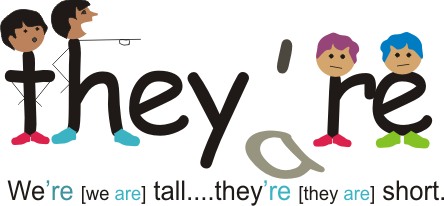
Pupils have practice in using the verb “to be”. Answers: 1 They're 2 We're 3 We're 4 They're
Pupils match questions with the answers. Answers: 1 Yes, they are. 2 No, we aren't. 3 No, they aren't. 4 Yes, we are.
|
Multiple choice task Matching task |
|
|
The end of the lesson |
Teacher asks pupils “How are you?” to find out their mood at the end of the lesson, compares it to the initial mood pupils had and makes conclusion how the lesson influenced students and why. Giving the homework. |
SS write their homework for the next lesson. |
Pupils evaluate themselves using evaluation lists.
|
|
Short term plan
School № ___
|
Term: 1 Unit 2 Lesson 14. |
My family and friends. |
|
|
Teacher’s name: |
|
|
|
Date: |
|
|
|
Grade: 2 |
Number present: |
Number absent: |
|
Theme of the lesson: |
Feelings and emotions 2. |
|
|
Learning objectives(s) that this lesson is contributing to |
2.1.6.1 understand some specific information in short, slow, carefully articulated talk on routine and familiar topics 2.1.9.1 recognise the spoken form of familiar words and expressions 2.2.1.1 make basic statements related to personal information, people and objects on familiar topics and classroom routines 2.3.4.1 begin to use with support a simple picture dictionary |
|
|
Lesson objectives |
By the end of the lesson the students will be able to use more words for feelings and emotions. |
|
Lesson procedure:
|
Stages of the lesson/ Time |
Teacher’s activity |
Student’s activity |
Assessment |
Resources/ materials |
|
Greeting. Organisation moment. |
Teacher greets pupils and asks “How are you today?” to find out their mood at the beginning of the lesson. |
Childrens’ greetings. Students watch a video and sing a greeting song. Then pupils choose one of the smiles they see on the slide, saying “I am happy/sad….etc.”
|
|
https://www.youtube.com/watch?v=gghDRJVxFxU Student’s Book “Family and friends 2. Kazakhstan edition”. (Oxford University Press) |
|
Warm up |
Warm up.
|
Pupils find out the meaning of new words and repeat them.
|
|
|
|
Main activities |
Ex.1 p.16.
Optional activity
Ex.2 p.16.
|
Pupils listen to the pronunciation of the new words, point to the pictures and repeat the words.
Pupils mime different feeling and emotions studied.
Pupils try to describe childrens’ feelings, looking at the pictures. Then listen to the recording, following in their books. After that, pupils sing the song.
|
Choose the word that describes what you hear
Picture description |
CD 21 CD 22 https://elt.oup.com/student/familyandfriends/level02/songs?cc=kz&selLanguage=en#tracktitle |
|
Physical training exercise |
A break for physical activity. Teacher plays the video with physical exercises. |
Pupils watch and do physical exercises. |
|
|
|
Main activities |
Ex.3 p.16.
tired- put head on hands and close eyes scared - cross arms and hug yourself angry - clench teeth and fists and stamp feet brave - smile and hold hands in fist shape Optional activity
Ex.4 p.16.
|
Pupils sing the song and do the actions. Pupils try to sing the song from their memory. Pupils talk about their friend and family members.
|
Song-based task Photo description |
CD 22 https://quizlet.com/ru/436654280/family-and-friends-2-feelings-flash-cards/ |
|
The end of the lesson |
Teacher asks pupils “How are you?” to find out their mood at the end of the lesson, compares it to the initial mood pupils had and makes conclusion how the lesson influenced students and why. Giving the homework. |
SS write their homework for the next lesson. |
Pupils evaluate themselves using evaluation lists.
|
|

Short term plan
School № ___
|
Term: 1 Unit 2 Lesson 15. |
My family and friends. |
|
|
Teacher’s name: |
|
|
|
Date: |
|
|
|
Grade: 2 |
Number present: |
Number absent: |
|
Theme of the lesson: |
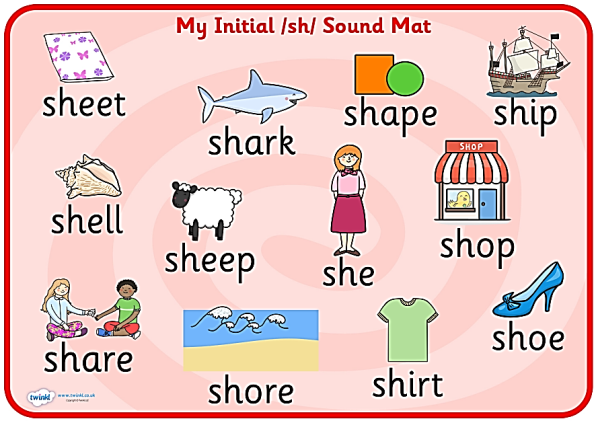
Phonics. Sound ‘sh’. Unit assessment 2 |
|
|
Learning objectives(s) that this lesson is contributing to |
2.1.6.1 understand some specific information in short, slow, carefully articulated talk on routine and familiar topics 2.1.9.1 recognise the spoken form of familiar words and expressions 2.2.5.1 begin to articulate clearly the difference between various sounds 2.3.2.1 identify, remember and sound out high-frequency sound and letter patterns 2.3.1.1 read and spell out words for others; 2.5.3.1 use common adjectives in descriptions and to talk about simple feelings; 2.4.7.1 spell some familiar high- frequency words accurately during guided writing activities; 2.5.7.1 use personal subject and object pronouns to describe people and things. |
|
|
Lesson objectives |
By the end of the lesson the students will be able to:
|
|
Lesson procedure:
|
Stages of the lesson/ Time |
Teacher’s activity |
Student’s activity |
Assessment |
Resources/ materials |
|
Greeting. Organisation moment. |
Teacher greets pupils and asks “How are you today?” to find out their mood at the beginning of the lesson. |
Childrens’ greetings. Students watch a video and sing a greeting song. Then pupils choose one of the smiles they see on the slide, saying “I am happy/sad….etc.”
|
|
https://www.youtube.com/watch?v=gghDRJVxFxU Student’s Book “Family and friends 2. Kazakhstan edition”. (Oxford University Press) |
|
Warm up |
Warm up. Say the alphabet around the class.
|
Pupils revise the alphabet. Then they get acquanted with sound ꭍ. |
|
|
|
Main activities |
Ex.1 p.17.
Ex.2 p.17.
|
Pupils listen to the recording, point to the pictures and repeat the words.
Pupils identify the object on the picture. Listen to the recording, repeat after each line.
|
Choose the word that describes what you hear |
CD 23 CD 24 |
|
Physical training exercise |
A break for physical activity. Teacher plays the video with physical exercises. |
Pupils watch and do physical exercises. |
|
|
|
Main activities |
Ex.3 p.17.
Optional activity
• Play the chant. The groups do their actions when they hear the sound /ꭍ/. Swap actions and repeat. Ex.4 p.17.
|
Pupils find and circle examples of sh in ex.2. Pupils work in groups doing certain actions while hearing the sound /ꭍ/. Pupils look at the picture and circle the correct sound. Answers: 1 sh 2 s 3 h 4 sh
|
Chant-based task Multiple choice task |
|
|
The end of the lesson |
Teacher asks pupils “How are you?” to find out their mood at the end of the lesson, compares it to the initial mood pupils had and makes conclusion how the lesson influenced students and why. Giving the homework. |
SS write their homework for the next lesson. |
Pupils evaluate themselves using evaluation lists.
|
|
Short term plan
School № ___
|
Term: 1 Unit 2 Lesson 16. |
My family and friends. |
|
|
Teacher’s name: |
|
|
|
Date: |
|
|
|
Grade: 2 |
Number present: |
Number absent: |
|
Theme of the lesson: |
Feelings 3. |
|
|
Learning objectives(s) that this lesson is contributing to |
2.1.6.1 understand some specific information in short, slow, carefully articulated talk on routine and familiar topics 2.2.4.1 respond to basic supported questions giving personal and factual information 2.3.6.1 understand with considerable and particularly visual support, some specific information in short, simple texts on familiar topics |
|
|
Lesson objectives |
By the end of the lesson the students will be able to:
|
|
Lesson procedure:
|
Stages of the lesson/ Time |
Teacher’s activity |
Student’s activity |
Assessment |
Resources/ materials |
|
Greeting. Organisation moment. |
Teacher greets pupils and asks “How are you today?” to find out their mood at the beginning of the lesson. |
Childrens’ greetings. Students watch a video and sing a greeting song. Then pupils choose one of the smiles they see on the slide, saying “I am happy/sad….etc.”
|
|
https://www.youtube.com/watch?v=gghDRJVxFxU Student’s Book “Family and friends 2. Kazakhstan edition”. (Oxford University Press) |
|
Warm up |
Warm up.
• Ask the children if they have ever written a poem and what their poem was about. |
Pupils discuss the questions on the basis of the pictures. |
Open comprehension questions |
|
|
Main activities |
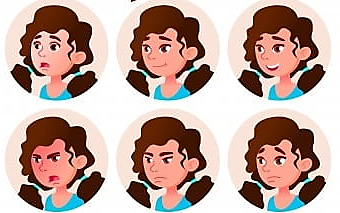
Ex.1 p.18. • Ask children to look at the pictures and say how the girl feels in each picture. Ask children how we know (e.g. her actions, her facial expressions). Ex.2 p.18.
|
Pupils describe the girl’s feelings. Answers: Picture 1: happy; Picture 2: sad
Pupils listen to, follow, then read the poem. |
Picture description
Comprehension questions |
CD 25 |
|
Physical training exercise |
A break for physical activity. Teacher plays the video with physical exercises. |
Pupils watch and do physical exercises. |
|
|
|
Main activities |
Ex.3 p.18.
Optional activity
|
Pupils call out the feelings and action words from the poem, then make sentences with them. Further pupils match the columns. Answers: 1,5 a 2,3,4 b
Pupils draw pictures of themselves showing a feeling and an action, then write a sentence about themselves under their picture.
|
Discussion Matching task Drawing and describing a picture |
|
|
The end of the lesson |
Teacher asks pupils “How are you?” to find out their mood at the end of the lesson, compares it to the initial mood pupils had and makes conclusion how the lesson influenced students and why. Giving the homework. |
SS write their homework for the next lesson. |
Pupils evaluate themselves using evaluation lists.
|
|

Short term plan
School № ___
|
Term: 1 Unit 2 Lesson 18. |
My family and friends. |
|
|
Teacher’s name: |
|
|
|
Date: |
|
|
|
Grade: 2 |
Number present: |
Number absent: |
|
Theme of the lesson: |
Feelings 4. |
|
|
Learning objectives(s) that this lesson is contributing to |
2.1.1.1 understand a range of short basic supported classroom instructions 2.1.7.1 use contextual clues to predict content in short, supported talk on routine and familiar topics 2.1.8.1 understand short narratives spoken slowly and distinctly on routine and familiar topics 2.2.1.1 make basic statements related to personal information, people and objects on familiar topics and classroom routines 2.2.8.1 give simple instructions for others to follow |
|
|
Lesson objectives |
By the end of the lesson the students will be able to:
|
|
Lesson procedure:
|
Stages of the lesson/ Time |
Teacher’s activity |
Student’s activity |
Assessment |
Resources/ materials |
|
Greeting. Organisation moment. |
Teacher greets pupils and asks “How are you today?” to find out their mood at the beginning of the lesson. |
Childrens’ greetings. Students watch a video and sing a greeting song. Then pupils choose one of the smiles they see on the slide, saying “I am happy/sad….etc.”
|
|
https://www.youtube.com/watch?v=gghDRJVxFxU Student’s Book “Family and friends 2. Kazakhstan edition”. (Oxford University Press) |
|
Warm up |
Warm up.
|
Pupils mime the emotions named by the teacher.
|
|
|
|
Main activities |
Encourage them to recite any parts of the poem they can remember and let them check on Pupil's Book page 18. Ex.1 p.19.
|
Pupils revise the material from the previous lesson.
Pupils look at the picture and identify the childrens’ feelings, then try to predict the content of the recording.
Pupils listen to the recording and point to the people mentioned, then number the pictures. |
Picture descriptions
Matching task |
CD 26 |
|
Physical training exercise |
A break for physical activity. Teacher plays the video with physical exercises. |
Pupils watch and do physical exercises. |
|
|
|
Main activities |
Ex.2 p.19.
Ex.3 p.19.
|
On the basis of ex.1 pupils make the statements using the words provided. Pupils play a game “Simon says…”.
|
Describing pictures. |
|
|
The end of the lesson |
Teacher asks pupils “How are you?” to find out their mood at the end of the lesson, compares it to the initial mood pupils had and makes conclusion how the lesson influenced students and why. Giving the homework. |
SS write their homework for the next lesson. |
Pupils evaluate themselves using evaluation lists.
|
|

Short term plan
School № ___
|
Term: 2 Unit 3 Lesson 19. |
My school. |
|
|
Teacher’s name: |
|
|
|
Date: |
|
|
|
Grade: 2 |
Number present: |
Number absent: |
|
Theme of the lesson: |
School subjects. |
|
|
Learning objectives(s) that this lesson is contributing to |
2.1.8.1 understand short narratives spoken slowly and distinctly on routine and familiar topics 2.1.9.1 recognise the spoken form of familiar words and expressions 2.3.6.1 understand with considerable and particularly visual support, some specific information in short, simple texts on familiar topics |
|
|
Lesson objectives |
By the end of the lesson the students will be able to:
|
|
Lesson procedure:
|
Stages of the lesson/ Time |
Teacher’s activity |
Student’s activity |
Assessment |
Resources/ materials |
|
Greeting. Organisation moment. |
Teacher greets pupils and asks “How are you today?” to find out their mood at the beginning of the lesson. |
Childrens’ greetings. Then pupils choose one of the smiles they see on the slide, saying “I am happy/sad….etc.”
|
|
Student’s Book “Family and friends 2. Kazakhstan edition”. (Oxford University Press) |
|
Warm up |
Warm up.
|
Pupils find out the meaning of new words.
|
|
|
|
Main activities |
Ex.1 p.20.
Ex.2 p.20.
|
Pupils listen and point and then repeat the words.
Pupils have practice in pronunciation of the new words.
Pupils dramatize the words.
|
Choose the word that describes what you hear |
CD 27 CD 28 |
|
Physical training exercise |
A break for physical activity. Teacher plays the video with physical exercises. |
Pupils watch and do physical exercises. |
|
|
|
Main activities |
Ex.3 p.20.
|
Pupils have a look at the pictures and guess what the story is about. Then pupils listen to the recording. After that pupils find and point to the words from ex.1. Further pupils drill the phrase I’ve got English and maths.
|
Picture description Comprehension questions. |
CD 29 https://elt.oup.com/student/familyandfriends/level02/stories?cc=kz&selLanguage=en#tracktitle |
|
The end of the lesson |
Teacher asks pupils “How are you?” to find out their mood at the end of the lesson, compares it to the initial mood pupils had and makes conclusion how the lesson influenced students and why. Giving the homework. |
SS write their homework for the next lesson. |
Pupils evaluate themselves using evaluation lists.
|
|


Short term plan
School № ___
|
Term: 2 Unit 3 Lesson 20. |
My school. |
|
|
Teacher’s name: |
|
|
|
Date: |
|
|
|
Grade: 2 |
Number present: |
Number absent: |
|
Theme of the lesson: |
We’ve got English. How many. |
|
|
Learning objectives(s) that this lesson is contributing to |
2.1.8.1 understand short narratives spoken slowly and distinctly on routine and familiar topics 2.2.2.1 ask questions in order to satisfy basic needs and find information on familiar topics and classroom routines 2.2.3.1 use a limited range of basic words, phrases and short sentences to describe objects, activities and classroom routines 2.5.2.1 use cardinal numbers 1 – 50 to count 2.5.14.1 use basic prepositions of location and position: at, behind, between, in, in front of, near, next to, on, to to describe where people and things are, use prepositions of time: on, in, at to talk about days and times |
|
|
Lesson objectives |
By the end of the lesson the students will be able to:
|
|
Lesson procedure:
|
Stages of the lesson/ Time |
Teacher’s activity |
Student’s activity |
Assessment |
Resources/ materials |
|
Greeting. Organisation moment. |
Teacher greets pupils and asks “How are you today?” to find out their mood at the beginning of the lesson. |
Childrens’ greetings. Then pupils choose one of the smiles they see on the slide, saying “I am happy/sad….etc.”
|
|
Student’s Book “Family and friends 2. Kazakhstan edition”. (Oxford University Press) |
|
Warm up |
Warm up.
|
Pupils revise the story from the previous lesson. |
|
|
|
Main activities |
Ex.1 p.20.
Picture 1: Rosy points to the timetable on the wall. Picture 2: Tim punches the air with excitement. Picture 3: Grandma gives Rosy and Tim their PE bags as they leave to catch the bus. Picture 4: The PE teacher holds up a football. Tim looks for his kit in his bag. Picture 5: Tim holds up the T-shirt he finds and frowns. Picture 6: Two boys give Tim their shorts and T-shirts. Ex.2 p.20.
|
Pupils listen to the recording and mime the actions, then act out the story.
Pupils listen to the pronunciation of the phrases, repeat, and then replace the patterns with new items.
|
Role-play
Information transfer
|
CD 29 https://elt.oup.com/student/familyandfriends/level02/stories?cc=kz&selLanguage=en#tracktitle |
|
Physical training exercise |
A break for physical activity. Teacher plays the video with physical exercises. |
Pupils watch and do physical exercises. |
|
|
|
Main activities |
Ex.3 p.20.
Counting practice
Ex.4 p.20.
Ex.5 p.20.
|
Pupils fill in the gaps to complete the sentences. Answers: 1 our 2 their 3. our 4 their Pupils revise numbers 1-20. Pupils listen, point and repeat. Pupils work in pairs ask and answer the questions.
|
Fap filling Interview |
CD 30 |
|
The end of the lesson |
Teacher asks pupils “How are you?” to find out their mood at the end of the lesson, compares it to the initial mood pupils had and makes conclusion how the lesson influenced students and why. Giving the homework. |
SS write their homework for the next lesson. |
Pupils evaluate themselves using evaluation lists.
|
|

Short term plan
School № ___
|
Term: 2 Unit 3 Lesson 21. |
My school. |
|
|
Teacher’s name: |
|
|
|
Date: |
|
|
|
Grade: 2 |
Number present: |
Number absent: |
|
Theme of the lesson: |
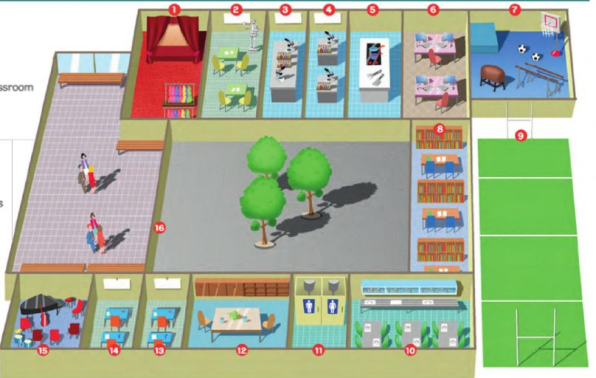
Places around school. |
|
|
Learning objectives(s) that this lesson is contributing to |
2.1.6.1 understand some specific information in short, slow, carefully articulated talk on routine and familiar topics 2.1.9.1 recognise the spoken form of familiar words and expressions 2.2.1.1 make basic statements related to personal information, people and objects on familiar topics and classroom routines 2.3.4.1 begin to use with support a simple picture dictionary 2.5.14.1 use basic prepositions of location and position: at, behind, between, in, in front of, near, next to, on, to to describe where people and things are, use prepositions of time: on, in, at to talk about days and times |
|
|
Lesson objectives |
By the end of the lesson the students will be able to identify rooms and areas in a school. |
|
Lesson procedure:
|
Stages of the lesson/ Time |
Teacher’s activity |
Student’s activity |
Assessment |
Resources/ materials |
|
Greeting. Organisation moment. |
Teacher greets pupils and asks “How are you today?” to find out their mood at the beginning of the lesson. |
Childrens’ greetings. Then pupils choose one of the smiles they see on the slide, saying “I am happy/sad….etc.”
|
|
Student’s Book “Family and friends 2. Kazakhstan edition”. (Oxford University Press) |
|
Warm up |
Warm up.
|
Pupils answer the teacher’s questions.
Pupils find out the meaning of new words and repeat them.
|
|
|
|
Main activities |
Ex.1 p.22.
Ex.2 p.22.
|
Pupils listen to the pronunciation of the new words, point to the pictures and repeat the words.
Pupils name the school subjects and places, looking at the pictures. Then listen to the recording, following in their books. After that, pupils sing the song.
|
Choose the word that describes what you hear
Picture description |
CD 31 CD 32 https://elt.oup.com/student/familyandfriends/level02/songs?cc=kz&selLanguage=en#tracktitle |
|
Physical training exercise |
A break for physical activity. Teacher plays the video with physical exercises. |
Pupils watch and do physical exercises. |
|
|
|
Main activities |
Ex.3 p.22.
Song actions Verse 1: In the playground... jump and run on the spot Verse 2: On the sports field... kick a football Verse 3: In the art room... draw in the air Verse 4: In the computer room... put on headphones and move a mouse
Optional activity
|
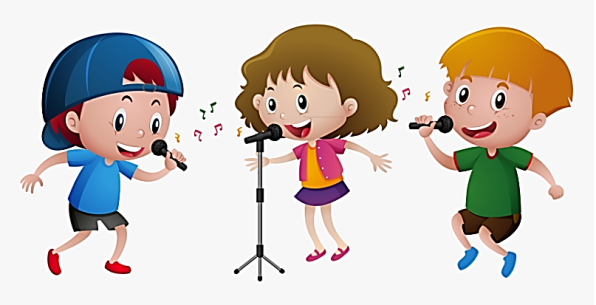
Pupils sing the song and do the actions. Pupils sing the song from memory.
|
Song-based task |
CD 32 |
|
The end of the lesson |
Teacher asks pupils “How are you?” to find out their mood at the end of the lesson, compares it to the initial mood pupils had and makes conclusion how the lesson influenced students and why. Giving the homework. |
SS write their homework for the next lesson. |
Pupils evaluate themselves using evaluation lists.
|
|

Short term plan
School № ___
|
Term: 2 Unit 3 Lesson 22. |
My school. |
|
|
Teacher’s name: |
|
|
|
Date: |
|
|
|
Grade: 2 |
Number present: |
Number absent: |
|
Theme of the lesson: |
Phonics. Sound ‘ch’. |
|
|
Learning objectives(s) that this lesson is contributing to |
2.1.6.1 understand some specific information in short, slow, carefully articulated talk on routine and familiar topics 2.1.9.1 recognise the spoken form of familiar words and expressions 2.2.5.1 begin to articulate clearly the difference between various sounds 2.3.2.1 identify, remember and sound out high-frequency sound and letter patterns |
|
|
Lesson objectives |
By the end of the lesson the students will be able to:
|
|
Lesson procedure:
|
Stages of the lesson/ Time |
Teacher’s activity |
Student’s activity |
Assessment |
Resources/ materials |
|
Greeting. Organisation moment. |
Teacher greets pupils and asks “How are you today?” to find out their mood at the beginning of the lesson. |
Childrens’ greetings. Then pupils choose one of the smiles they see on the slide, saying “I am happy/sad….etc.”
|
|
Student’s Book “Family and friends 2. Kazakhstan edition”. (Oxford University Press) |
|
Warm up |
Warm up.
|
Pupils revise sound /ꭍ/ and get acquanted with sound /tꭍ/. |
|
|
|
Main activities |
Ex.1 p.23.
Ex.2 p.23.
|
Pupils listen to the recording, point to the pictures and repeat the words.
Pupils identify the object on the picture. Listen to the recording, point to the cards as they hear the words, then repeat after each line.
|
Choose the word that describes what you hear |
CD 33 CD 34 |
|
Physical training exercise |
A break for physical activity. Teacher plays the video with physical exercises. |
Pupils watch and do physical exercises. |
|
|
|
Main activities |
Ex.3 p.23.
Optional activity
Ex.4 p.23.
|
Pupils find and circle examples of ch in ex.2. Pupils have practice in using sound /tꭍ/. Pupils look at the picture and circle the correct sound. Answers: 1 ch 2 c 3 h 4 ch
|
Chant-based task Multiple-choice task |
|
|
The end of the lesson |
Teacher asks pupils “How are you?” to find out their mood at the end of the lesson, compares it to the initial mood pupils had and makes conclusion how the lesson influenced students and why. Giving the homework. |
SS write their homework for the next lesson. |
Pupils evaluate themselves using evaluation lists.
|
|

Short term plan
School № ___
|
Term: 2 Unit 3 Lesson 23. |
My school. |
|
|
Teacher’s name: |
|
|
|
Date: |
|
|
|
Grade: 2 |
Number present: |
Number absent: |
|
Theme of the lesson: |
Our school. |
|
|
Learning objectives(s) that this lesson is contributing to |
2.1.8.1 understand short narratives spoken slowly and distinctly on routine and familiar topics 2.2.1.1 make basic statements related to personal information, people and objects on familiar topics and classroom routines 2.3.5.1 understand the main points of simple sentences on familiar topics by using contextual clues |
|
|
Lesson objectives |
By the end of the lesson the students will be able to:
|
|
Lesson procedure:
|
Stages of the lesson/ Time |
Teacher’s activity |
Student’s activity |
Assessment |
Resources/ materials |
|
Greeting. Organisation moment. |
Teacher greets pupils and asks “How are you today?” to find out their mood at the beginning of the lesson. |
Childrens’ greetings. Then pupils choose one of the smiles they see on the slide, saying “I am happy/sad….etc.”
|
|
Student’s Book “Family and friends 2. Kazakhstan edition”. (Oxford University Press) |
|
Warm up |
Warm up.
|
Pupils sing a song and answer some questions.
Pupils try to predict what they are going to read about.
|
|
CD 32 |
|
Main activities |
Ex.1 p.24.
Ex.2 p.24.
|
Pupils name the subjects they know.
Pupils listen to the recording, following in their books, then answer comprehension questions.
|
Comprehension questions. |
CD 35 |
|
Physical training exercise |
A break for physical activity. Teacher plays the video with physical exercises. |
Pupils watch and do physical exercises. |
|
|
|
Main activities |
Ex.3 p.24.
Invite a child to come up and write F next to the sentence.
Ex.4 p.24.
|
Pupils look through the statements and identify if they are True or False. Answers:
Pupils prepare a project “What's your favourite place at school?”. After drawing the picture they should present it to the class.
|
True/False statements Presentation |
|
|
The end of the lesson |
Teacher asks pupils “How are you?” to find out their mood at the end of the lesson, compares it to the initial mood pupils had and makes conclusion how the lesson influenced students and why. Giving the homework. |
SS write their homework for the next lesson. |
Pupils evaluate themselves using evaluation lists.
|
|


Short term plan
School № ___
|
Term: 2 Unit 3 Lesson 24. |
My school. |
|
|
Teacher’s name: |
|
|
|
Date: |
|
|
|
Grade: 2 |
Number present: |
Number absent: |
|
Theme of the lesson: |
My class. Unit assessment 3. |
|
|
Learning objectives(s) that this lesson is contributing to |
2.1.6.1 understand some specific information in short, slow, carefully articulated talk on routine and familiar topics 2.2.2.1 ask questions in order to satisfy basic needs and find information on familiar topics and classroom routines 2.2.6.1 use short answers appropriately in short, basic exchanges and take turns when speaking with others in a limited range of short, basic exchanges 2.2.3.1 use a limited range of basic words, phrases and short sentences to describe objects, activities and classroom routines. |
|
|
Lesson objectives |
By the end of the lesson the students will be able to:
|
|
Lesson procedure:
|
Stages of the lesson/ Time |
Teacher’s activity |
Student’s activity |
Assessment |
Resources/ materials |
|
Greeting. Organisation moment. |
Teacher greets pupils and asks “How are you today?” to find out their mood at the beginning of the lesson. |
Childrens’ greetings. Then pupils choose one of the smiles they see on the slide, saying “I am happy/sad….etc.”
|
|
Student’s Book “Family and friends 2. Kazakhstan edition”. (Oxford University Press) |
|
Warm up |
Warm up.
Allow children to check the webpage on page 24 of their Pupil's Books to see how much they remembered correctly. |
Pupils refresh their memory answering some comprehension questions.
|
|
|
|
Main activities |
Ex.1 p.25.
Ex.2 p.25.
|
Pupils listen to the recording, point to the pictures as they hear their description. Answers: (top row) 4,2 (bottom row) 1,3
Pupils say a sentence about one of the pictures from ex.2 for their partner to point to the correct picture.
|
Matching task
Picture description |
CD 36 |
|
Physical training exercise |
A break for physical activity. Teacher plays the video with physical exercises. |
Pupils watch and do physical exercises. |
|
|
|
Main activities |
Ex.3 p.25.
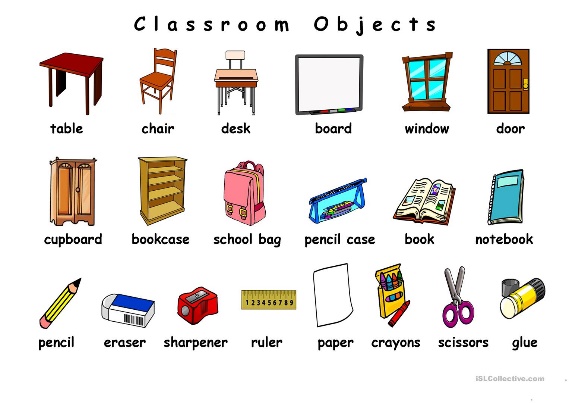
a Ask children to look at the word pool and suggest some other questions about the classroom using the words in the word pool. Write their suggestions on the board, e.g. How many girls are there? How many windows are there? How many doors are there?
|
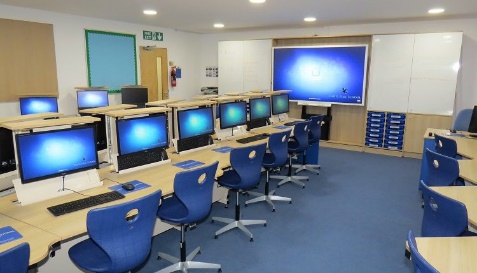
Pupils ask and answer questions about their class and classroom.
|
Interview |
|
|
The end of the lesson |
Teacher asks pupils “How are you?” to find out their mood at the end of the lesson, compares it to the initial mood pupils had and makes conclusion how the lesson influenced students and why. Giving the homework. |
SS write their homework for the next lesson. |
Pupils evaluate themselves using evaluation lists.
|
|

Short term plan
School № ___
|
Term: 2 Unit 4 Lesson 25. |
The world around us. |
|
|
Teacher’s name: |
|
|
|
Date: |
|
|
|
Grade: 2 |
Number present: |
Number absent: |
|
Theme of the lesson: |
Different places. |
|
|
Learning objectives(s) that this lesson is contributing to |
2.1.6.1 understand some specific information in short, slow, carefully articulated talk on routine and familiar topics 2.2.1.1 make basic statements related to personal information, people and objects on familiar topics and classroom routines 2.3.6.1 understand with considerable and particularly visual support, some specific information in short, simple texts on familiar topics |
|
|
Lesson objectives |
By the end of the lesson the students will be able to:
|
|
Lesson procedure:
|
Stages of the lesson/ Time |
Teacher’s activity |
Student’s activity |
Assessment |
Resources/ materials |
|
Greeting. Organisation moment. |
Teacher greets pupils and asks “How are you today?” to find out their mood at the beginning of the lesson. |
Childrens’ greetings. Then pupils choose one of the smiles they see on the slide, saying “I am happy/sad….etc.”
|
|
Student’s Book “Family and friends 2. Kazakhstan edition”. (Oxford University Press) |
|
Warm up |
|
Pupils answer the teacher’s questions. |
|
|
|
Main activities |
Ex.1 p.26.
|
Pupils look at the photos in the book, say a few words about the photos and try to guess where the children from. Then pupils listen to the recording, paying attention to new words. Further pupils answer some comprehension questions.
Pupils practise the question “Where do you live?” and answer in pairs.
|
Comprehension questions
Interview (role play) |
CD 37 |
|
Physical training exercise |
A break for physical activity. Teacher plays the video with physical exercises. |
Pupils watch and do physical exercises. |
|
|
|
Main activities |
Optional activity
Ex.2 p.26.
|
Pupils call out the names of children and match them with the correct place name. Pupils match the country and its flag. Answers: (Flags from top to bottom) India, the UK, Kazakhstan, Russia. Then pupils choose the flat they like the most and explain their choice.
|
Matching task |
|
|
The end of the lesson |
Teacher asks pupils “How are you?” to find out their mood at the end of the lesson, compares it to the initial mood pupils had and makes conclusion how the lesson influenced students and why. Giving the homework. |
SS write their homework for the next lesson. |
Pupils evaluate themselves using evaluation lists.
|
|


Short term plan
School № ___
|
Term: 2 Unit 4 Lesson 26. |
The world around us. |
|
|
Teacher’s name: |
|
|
|
Date: |
|
|
|
Grade: 2 |
Number present: |
Number absent: |
|
Theme of the lesson: |
Reading Signs. Where’s it from? |
|
|
Learning objectives(s) that this lesson is contributing to |
2.1.9.1 recognise the spoken form of familiar words and expressions 2.2.2.1 ask questions in order to satisfy basic needs and find information on familiar topics and classroom routines 2.2.6.1 use short answers appropriately in short, basic exchanges and take turns when speaking with others in a limited range of short, basic exchanges |
|
|
Lesson objectives |
By the end of the lesson the students will be able to:
|
|
Lesson procedure:
|
Stages of the lesson/ Time |
Teacher’s activity |
Student’s activity |
Assessment |
Resources/ materials |
|
Greeting. Organisation moment. |
Teacher greets pupils and asks “How are you today?” to find out their mood at the beginning of the lesson. |
Childrens’ greetings. Then pupils choose one of the smiles they see on the slide, saying “I am happy/sad….etc.”
|
|
Student’s Book “Family and friends 2. Kazakhstan edition”. (Oxford University Press) |
|
Warm up |
|
Pupils sing a song.
Pupils answer the teacher’s questions.
|
|
CD 09 |
|
Main activities |
Ex.1 p.27.
Ex.2 p.27.
|
Pupils at the signs and try to guess its meaning. Then pupils listen to the recording and point at the appropriate sign, then repeat the instructions.
Pupils mime the situations and identify the correct instruction for each case. Pupils match the pictures with the signs. Answers: (top row) 4,1 (bottom row) 2,3
|
Choose the word that describes what you hear
Matching task
|
CD 38 |
|
Physical training exercise |
A break for physical activity. Teacher plays the video with physical exercises. |
Pupils watch and do physical exercises. |
|
|
|
Main activities |
Ex.3 p.27.
Ex.4 p.27.
|
Working in groups, pupils make a sign for where they live.
Pupils match the countries with the animals and write the correct country name for each animal. Answers: Horse - Kazakhstan; Seal - Russia; Lamb - the UK; Elephant - India Pupils ask and answer the questions according to the pictures. |
Poster Matching task Interview |
|
|
The end of the lesson |
Teacher asks pupils “How are you?” to find out their mood at the end of the lesson, compares it to the initial mood pupils had and makes conclusion how the lesson influenced students and why. Giving the homework. |
SS write their homework for the next lesson. |
Pupils evaluate themselves using evaluation lists.
|
|
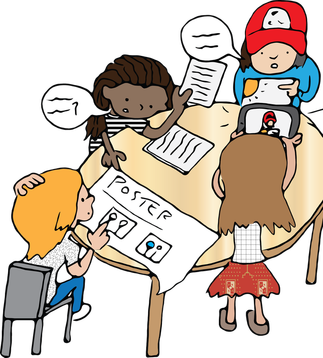
Short term plan
School № ___
|
Term: 2 Unit 4 Lesson 27. |
The world around us. |
|
|
Teacher’s name: |
|
|
|
Date: |
|
|
|
Grade: 2 |
Number present: |
Number absent: |
|
Theme of the lesson: |
After-school activities. |
|
|
Learning objectives(s) that this lesson is contributing to |
2.1.8.1 understand short narratives spoken slowly and distinctly on routine and familiar topics 2.1.9.1 recognise the spoken form of familiar words and expressions 2.3.6.1 understand with considerable and particularly visual support, some specific information in short, simple texts on familiar topics |
|
|
Lesson objectives |
By the end of the lesson the students will be able to:
|
|
Lesson procedure:
|
Stages of the lesson/ Time |
Teacher’s activity |
Student’s activity |
Assessment |
Resources/ materials |
|
Greeting. Organisation moment. |
Teacher greets pupils and asks “How are you today?” to find out their mood at the beginning of the lesson. |
Childrens’ greetings. Then pupils choose one of the smiles they see on the slide, saying “I am happy/sad….etc.”
|
|
Student’s Book “Family and friends 2. Kazakhstan edition”. (Oxford University Press) |
|
Warm up |
|
Pupils sing a song and revise the story #3, answering some questions.
Pupils find out the meaning of new words and mention after-shool activities they like.
|
|
CD 32 |
|
Main activities |
Ex.1 p.28.
Ex.2 p.28.
|
Pupils listen and point, then repeat the words.
Pupils have practice in pronunciation of the new words. |
Choose the word that describes what you hear
|
CD 39 CD 40 |
|
Physical training exercise |
A break for physical activity. Teacher plays the video with physical exercises. |
Pupils watch and do physical exercises. |
|
|
|
Main activities |
Ex.3 p.28.
Optional activity
|
Pupils have a look at the pictures and guess what the story is about. Then pupils listen to the recording. After that pupils find and point to the words from ex.1. Further pupils drill the phrase What do you do?
Pupils play a memory game.
|
Picture description Comprehension questions. |
CD 41 https://elt.oup.com/student/familyandfriends/level02/stories?cc=kz&selLanguage=en#tracktitle |
|
The end of the lesson |
Teacher asks pupils “How are you?” to find out their mood at the end of the lesson, compares it to the initial mood pupils had and makes conclusion how the lesson influenced students and why. Giving the homework. |
SS write their homework for the next lesson. |
Pupils evaluate themselves using evaluation lists.
|
|


Short term plan
School № ___
|
Term: 2 Unit 4 Lesson 28. |
The world around us. |
|
|
Teacher’s name: |
|
|
|
Date: |
|
|
|
Grade: 2 |
Number present: |
Number absent: |
|
Theme of the lesson: |
I do/I don’t do. |
|
|
Learning objectives(s) that this lesson is contributing to |
2.1.8.1 understand short narratives spoken slowly and distinctly on routine and familiar topics 2.2.3.1 use a limited range of basic words, phrases and short sentences to describe objects, activities and classroom routines 2.4.7.1 spell some familiar high-frequency words accurately during guided writing activities |
|
|
Lesson objectives |
By the end of the lesson the students will be able to:
|
|
Lesson procedure:
|
Stages of the lesson/ Time |
Teacher’s activity |
Student’s activity |
Assessment |
Resources/ materials |
|
Greeting. Organisation moment. |
Teacher greets pupils and asks “How are you today?” to find out their mood at the beginning of the lesson. |
Childrens’ greetings. Then pupils choose one of the smiles they see on the slide, saying “I am happy/sad….etc.”
|
|
Student’s Book “Family and friends 2. Kazakhstan edition”. (Oxford University Press) |
|
Warm up |
|
Pupils revise the story from the previous lesson. |
|
|
|
Main activities |
Ex.1 p.29.
Picture 1: Rosy and Alice sit down on the bus and fasten their seat belts. Picture 2: Alice shakes her head and mimes playing the piano. Picture 3: Rosy shakes her head and mimes greeting her grandma. Picture 4: Alice shakes her head and mimes laying the table. Picture 5: Rosy and Alice get off the bus. Mum waves. Picture 6: Rosy and Alice walk with Mum, smiling, and mime swimming.
Ex.2 p.29. Focus on the Let's learn! box. Ask What can you see? Children identify the different after-school activities.
|
Pupils listen to the recording and mime the actions, then act out the story.
Pupils listen to the pronunciation of the phrases, repeat, and then replace the patterns with new items.
|
Role-play
Information transfer
|
CD 41 https://elt.oup.com/student/familyandfriends/level02/stories?cc=kz&selLanguage=en#tracktitle |
|
Physical training exercise |
A break for physical activity. Teacher plays the video with physical exercises. |
Pupils watch and do physical exercises. |
|
|
|
Main activities |
Ex.3 p.29.
Ex.4 p.29.
|
Pupils complete the sentences with the words provided. Answers: 1 I have a music lesson. 2 I do my homework. 3 I go swimming. 4 I watch TV. 5 I help my dad. 6 I visit my grandma. Pupils identify the after-school activities and tell each other what they do or don’t do in a particular day of the week.
|
Sentence completion |
|
|
The end of the lesson |
Teacher asks pupils “How are you?” to find out their mood at the end of the lesson, compares it to the initial mood pupils had and makes conclusion how the lesson influenced students and why. Giving the homework. |
SS write their homework for the next lesson. |
Pupils evaluate themselves using evaluation lists.
|
|

Short term plan
School № ___
|
Term: 2 Unit 4 Lesson 29. |
The world around us. |
|
|
Teacher’s name: |
|
|
|
Date: |
|
|
|
Grade: 2 |
Number present: |
Number absent: |
|
Theme of the lesson: |
Places to go. Unit assessment 4. |
|
|
Learning objectives(s) that this lesson is contributing to |
2.1.6.1 understand some specific information in short, slow, carefully articulated talk on routine and familiar topics 2.1.9.1 recognise the spoken form of familiar words and expressions 2.2.1.1 make basic statements related to personal information, people and objects on familiar topics and classroom routines 2.3.4.1 begin to use with support a simple picture dictionary 2.5.4.1 use determiners a, an, the, some, any, this, these, that, those to identify things 2.3.6.1 understand with considerable and particularly visual support, some specific information in short, simple texts on familiar topics; 2.2.6.1 use short answers appropriately in short, basic exchanges and take turns when speaking with others in a limited range of short, basic exchanges. |
|
|
Lesson objectives |
By the end of the lesson the students will be able to dentify more words for places. |
|
Lesson procedure:
|
Stages of the lesson/ Time |
Teacher’s activity |
Student’s activity |
Assessment |
Resources/ materials |
|
Greeting. Organisation moment. |
Teacher greets pupils and asks “How are you today?” to find out their mood at the beginning of the lesson. |
Childrens’ greetings. Then pupils choose one of the smiles they see on the slide, saying “I am happy/sad….etc.”
|
|
Student’s Book “Family and friends 2. Kazakhstan edition”. (Oxford University Press) |
|
Warm up |
|
Pupils answer the teacher’s questions.
Pupils find out the meaning of new words and repeat them.
|
|
|
|
Main activities |
Ex.1 p.30.
Ex.2 p.30.
|
Pupils listen to the pronunciation of the new words, point to the pictures and repeat the words.
Pupils name the places at the pictures, trying to predict what the song is about. After that, children listen to the recording, following in their books. Further, sing the song.
|
Choose the word that describes what you hear
Picture description |
CD 42 CD 43 https://elt.oup.com/student/familyandfriends/level02/songs?cc=kz&selLanguage=en#tracktitle |
|
Physical training exercise |
A break for physical activity. Teacher plays the video with physical exercises. |
Pupils watch and do physical exercises. |
|
|
|
Main activities |
Ex.3 p.30.
Song actions Two children can come up to be the boy and his mum and do the following actions for each chorus: Places to go -walk Things to see - shade eyes as if looking Out and about, my mum and me - hold out arms towards each other The rest of the children do the following actions: И/e go to the bank - count money И/е go to the park - mime sitting on a swing We go to the zoo-wave arm in front of face, like a trunk We go to the shops /Or a supermarket - take objects off a shelf We put our shopping /In a basket - put objects in a basket We go to the airport / We see some planes -hold out arms like wings We go to the station/And see some trains - move arms in a circular motion at sides to imitate train's wheels. |
Pupils sing the song and do the actions.
|
Song-based task |
CD 43 |
|
The end of the lesson |
Teacher asks pupils “How are you?” to find out their mood at the end of the lesson, compares it to the initial mood pupils had and makes conclusion how the lesson influenced students and why. Giving the homework. |
SS write their homework for the next lesson. |
Pupils evaluate themselves using evaluation lists.
|
|

Short term plan
School № ___
|
Term: 2 Unit 4 Lesson 30. |
The world around us. |
|
|
Teacher’s name: |
|
|
|
Date: |
|
|
|
Grade: 2 |
Number present: |
Number absent: |
|
Theme of the lesson: |
Phonics. Sound ‘th’. |
|
|
Learning objectives(s) that this lesson is contributing to |
2.1.6.1 understand some specific information in short, slow, carefully articulated talk on routine and familiar topics 2.1.9.1 recognise the spoken form of familiar words and expressions 2.2.5.1 begin to articulate clearly the difference between various sounds 2.3.2.1 identify, remember and sound out high-frequency sound and letter patterns |
|
|
Lesson objectives |
By the end of the lesson the students will be able to:
|
|
Lesson procedure:
|
Stages of the lesson/ Time |
Teacher’s activity |
Student’s activity |
Assessment |
Resources/ materials |
|
Greeting. Organisation moment. |
Teacher greets pupils and asks “How are you today?” to find out their mood at the beginning of the lesson. |
Childrens’ greetings. Then pupils choose one of the smiles they see on the slide, saying “I am happy/sad….etc.”
|
|
Student’s Book “Family and friends 2. Kazakhstan edition”. (Oxford University Press) |
|
Warm up |
|
Pupils revise sound /tꭍ/ and get acquanted with sound /θ/.
|
|
|
|
Main activities |
Ex.1 p.31.
Optional activity
Ex.2 p.31.
|
Pupils listen to the recording, point to the pictures and repeat the words.
Children listen to the pronunciation of the words and point to the correct picture.
Pupils identify the object on the picture. Listen to the recording, point to the cards as they hear the words, then repeat after each line.
|
Choose the word that describes what you hear |
CD 44 CD 45 |
|
Physical training exercise |
A break for physical activity. Teacher plays the video with physical exercises. |
Pupils watch and do physical exercises. |
|
|
|
Main activities |
Ex.3 p.31.
Ex.4 p.31.
|
Pupils find and circle examples of th in ex.2. Pupils look at the picture and circle the correct sound. Answers: 1 th 2 t 3 th 4 s
|
Chant-based task Multiple-choice task |
|
|
The end of the lesson |
Teacher asks pupils “How are you?” to find out their mood at the end of the lesson, compares it to the initial mood pupils had and makes conclusion how the lesson influenced students and why. Giving the homework. |
SS write their homework for the next lesson. |
Pupils evaluate themselves using evaluation lists.
|
|
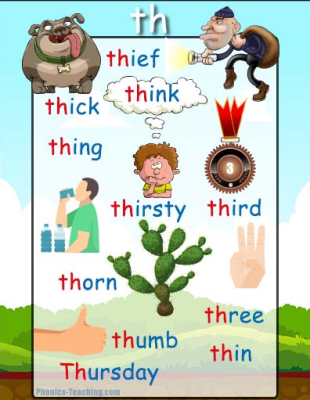
Short term plan
School № ___
|
Term: 2 Unit 4 Lesson 32. |
The world around us. |
|
|
Teacher’s name: |
|
|
|
Date: |
|
|
|
Grade: 2 |
Number present: |
Number absent: |
|
Theme of the lesson: |
What do they do? |
|
|
Learning objectives(s) that this lesson is contributing to |
2.1.6.1 understand some specific information in short, slow, carefully articulated talk on routine and familiar topics 2.2.3.1 use a limited range of basic words, phrases and short sentences to describe objects, activities and classroom routines 2.3.5.1 understand the main points of simple sentences on familiar topics by using contextual clues 2.5.6.1 use demonstrative pronouns this, these, that, those to make and respond to requests for information |
|
|
Lesson objectives |
By the end of the lesson the students will be able to:
|
|
Lesson procedure:
|
Stages of the lesson/ Time |
Teacher’s activity |
Student’s activity |
Assessment |
Resources/ materials |
|
Greeting. Organisation moment. |
Teacher greets pupils and asks “How are you today?” to find out their mood at the beginning of the lesson. |
Childrens’ greetings. Then pupils choose one of the smiles they see on the slide, saying “I am happy/sad….etc.”
|
|
Student’s Book “Family and friends 2. Kazakhstan edition”. (Oxford University Press) |
|
Warm up |
|
Pupils revise after-school activities, then make predictions about the text. |
|
CD 43 |
|
Main activities |
Ex.1 p.32.
Ex.2 p.32.
Presentation: like + -ing
|
Pupils look at the pictures and say what the children do. Answers: play football, have a music lesson, visit my grandma, draw, skate
Pupils have practice in listening and reading the recording.
Pupils have practice in using sentences with I like/don't like about the activities.
|
Comprehension questions |
CD 46 |
|
Physical training exercise |
A break for physical activity. Teacher plays the video with physical exercises. |
Pupils watch and do physical exercises. |
|
|
|
Main activities |
Ex.3 p.32.
Optional activity
|
Pupils look through the text again, matching questions with answers. Answers: 1 At home 2 In the art room 3 in the supermarket 4 In the park 5 At the station Pupils play a memory game.
Pupils draw a picture of their favourite after-school activity, then present it to others. |
Matching task Drawing and describing a picture. |
|
|
The end of the lesson |
Teacher asks pupils “How are you?” to find out their mood at the end of the lesson, compares it to the initial mood pupils had and makes conclusion how the lesson influenced students and why. Giving the homework. |
SS write their homework for the next lesson. |
Pupils evaluate themselves using evaluation lists.
|
|










 Бұл курс Қазақстан Республикасы Оқу-ағарту министрлігімен келісілген










