
 ЖИ көмекші


 Қауіпсіз төлем

жүктеу мүмкіндігіне ие боласыз
Бұл материал сайт қолданушысы жариялаған. Материалдың ішінде жазылған барлық ақпаратқа жауапкершілікті жариялаған қолданушы жауап береді. Ұстаз тілегі тек ақпаратты таратуға қолдау көрсетеді. Егер материал сіздің авторлық құқығыңызды бұзған болса немесе басқа да себептермен сайттан өшіру керек деп ойласаңыз осында жазыңыз
 01 Сәуір 2025
 146
146
1 жыл бойы шексіз жүктеңіз
ҚМЖ Aspect 11 term 4
Short term plan: term 4
|
Unit 8: Making statements and providing information |
Lesson 81 |
||
|
Teacher name: |
|
||
|
Date: |
|
||
|
Grade: 11 |
Number present: |
absent: |
|
|
Lesson title |
Different ways of self - expression |
||
|
Learning objectives |
11.2.2.1 - understand specific information in unsupported extended talk on a wide range of general and curricular topics, including talk on a growing range of unfamiliar topics 11.3.2.1 -ask and respond with appropriate syntax and vocabulary to open - ended higher -order thinking questions on a range of general and curricular topics, including some unfamiliar topics |
||
|
Lesson objectives |
Learners will be able to: - introduce the topic - introduce new vocabulary, practise new vocabulary in context - expand on the topic through discussion |
||
|
Value links |
Hospitality: Traditionally a nomadic culture, hospitality has always been an important part of Kazakh culture. |
||
|
Plan |
|||
|
Stages / Time |
Teachers actions |
Students actions |
Assessment criteria |
Resources |
|
Beginning of the lesson Warming-up
3 min. Pre-learning «Brainstorming» method 7 min. |
Organization moment : 1.Greeting. Ask about the weather. The teacher sets the lesson objectives, letting students know what to anticipate from the lesson.
Lead – In |
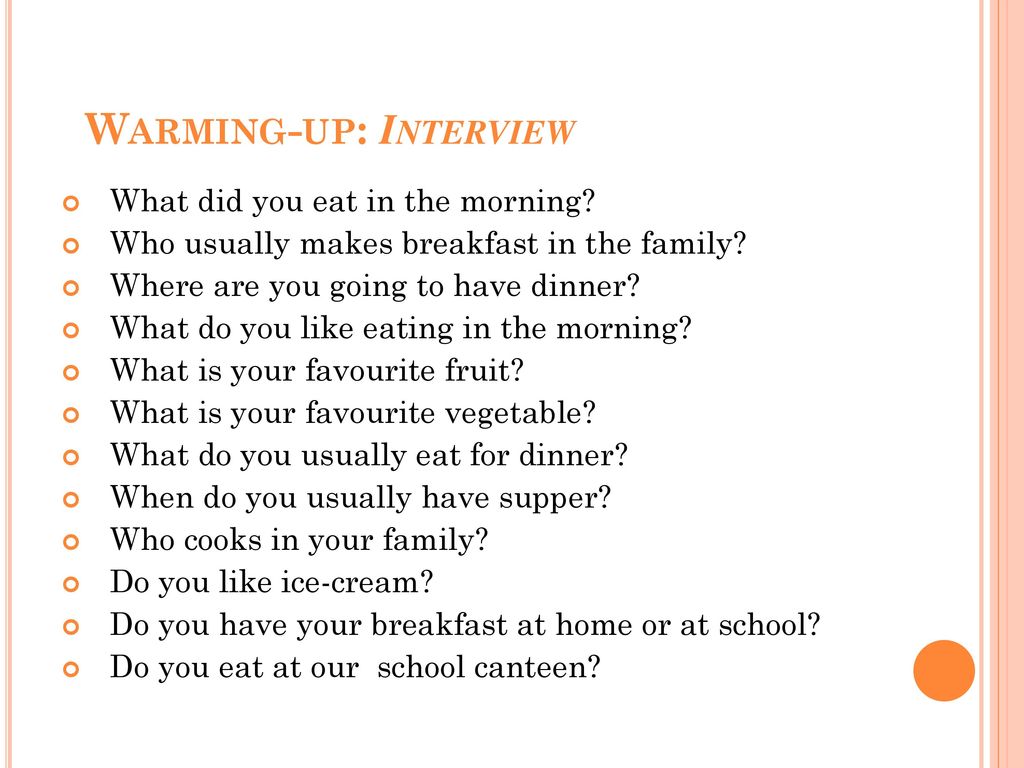
The aim: To develop pupils speaking skills and create friendly atmosphere Efficiency: By wishing each other they feel better and feel the support of others Students of the class are listed. Students' attention is drawn to the lesson. Students say different words from the picture •Learners remember previous lesson vocabulary •Learners answer the questions |
The teacher to assess learners for their ability. “Good job! Well done!” Formative Assessment
Good job! Descriptor: - remembers the lesson passed Point 1 Assessment criteria make basic statements related to communication style |
Pictures worksheet Picture |
|
Middle of the lesson Presentation part. 30 min |
Ex:1 P:97 • Direct Ss' attention to the picture. Read out the questions and elicit answers to the questions from Ss around the class. Differentiation: «Verbal support» method is used to help Ss use new words in the sentences. Ex: 2a P: 97 • Explain the task and give Ss time to match the definitions to the art forms. Check Ss' answers. Ex:2b P:97 •Explain the task and give Ss time to complete it. Elicit answers from Ss around the class. Ss should say what words helped them decide Ex:3 P:97 Explain the task and give Ss time to discuss the different ways of self-expression in pairs. Monitor the activity around the class, then ask various Ss to tell the class. Conclusion during the lesson some tasks differentiated by outcomes of the students and by their abilities. |
• Learners read the posters. Answer the question. Discuss with your partner. ANSWERS Poster A is about an exhibition in a museum, which is showing ceramics (probably vases, bowls, plates, mugs) Poster B is advertising a comedy show in a club, featuring two comedians. Poster C is about a poetry festival that is being held in a bookshop. The festival probably involves readings of poetry • Learners read the definitions below and match them to the relevant art form. ANSWERS 1 b 2 c 3 a • Learners answer the question. ANSWERS Poster A visual arts, words that helped me decide: decorative, ceramic Poster B performing arts, words that helped me decide: stand-up comedy, show Poster C literary arts, words that helped me decide: poetry, bookshop, language • Learners which of the following are ways of self – expression in your opinion? Decide in pairs. ANSWERS A: In my opinion, all of the activities in the list are a form of self-expression B: I agree. After all, everyone's different and we all find different ways of expressing ourselves. A: Exactly. Some people are more visual and like painting or photography, while others prefer physical things such as dancing or playing sports. |
Descriptor: - read the posters. - answer the question Total: 3 point
Self assessment Descriptor: - read the definitions below - match them to the relevant art form Total: 3 point Descriptor: - answer the question. - decide in pairs Total: 1 point -Make CCQ questions Yes / No Total: 1 point |
Card Worksheet Students book |
|
End of the lesson 5 min |
FEEDBACK Learners provide feedback on what they have learned at the lesson. Ex: P: Home task: Write the days |
|
Poster Success
|
|




Short term plan: term 4
|
Unit 8: Making statements and providing information |
Lesson 82 |
||
|
Teacher name: |
|
||
|
Date: |
|
||
|
Grade: 11 |
Number present: |
absent: |
|
|
Lesson title |
Self – expression |
||
|
Learning objectives |
11.2.2.1 - understand specific information in unsupported extended talk on a wide range of general and curricular topics, including talk on a growing range of unfamiliar topics 11.3.6.1 - navigate talk and modify language through paraphrase and correction in talk on a wide range of familiar and some unfamiliar general and curricular topics 11.4.3.1 - skim a range of lengthy texts with speed to identify content meriting closer reading on a range of more complex and abstract, general and curricular topics |
||
|
Lesson objectives |
Learners will be able to: - talk about emotions expressed by smiling - introduce the topic and prepare Ss to read the article |
||
|
Value links |
Tradition: Kazakh traditions and culture have been passed on from one generation to another through oral histories told by traditional Kazakh tribal leaders and elders. |
||
|
Plan |
|||
|
Stages / Time |
Teachers actions |
Students actions |
Assessment criteria |
Resources |
|
Beginning of the lesson Warming-up
3 min. Pre-learning «Brainstorming» method 7 min. |
Organization moment : 1.Greeting. Ask about the weather. The teacher sets the lesson objectives, letting students know what to anticipate from the lesson.
Lead – In
|
The aim: To develop pupils speaking skills and create friendly atmosphere Efficiency: By wishing each other they feel better and feel the support of others Students of the class are listed. Students' attention is drawn to the lesson. Students say different words from the picture •Learners remember previous lesson vocabulary •Learners answer the questions |
The teacher to assess learners for their ability. “Good job! Well done!” Formative Assessment
Good job! Descriptor: - remembers the lesson passed Point 1 Assessment criteria make basic statements related to communication style |
Pictures worksheet Picture |
|
Middle of the lesson Presentation part. 30 min |
Ex:1 P:98 • Direct Ss' attention to the picture. Read out the questions and elicit answers to the questions from Ss around the class. Differentiation: «Verbal support» method is used to help Ss use new words in the sentences. Ex: 2 P: 98 • Read the rubric aloud and ask Ss to discuss it in pairs. Elicit answers from various Ss around the class. Ex:3 P:98 Read out the questions and elicit answers from Ss around the class. Then give Ss time to read the article for the first time Ex:4 P:98 Read out the Study Skills box and remind Ss how to approach T/F/DS statements. Ask Ss to read the statements and underline the key words. Give Ss time to read the text again and tick the correct boxes and find the synonyms/antonyms in the text. Check Ss' answers. Ss should justify their answers with information from the text. Conclusion during the lesson some tasks differentiated by outcomes of the students and by their abilities. |
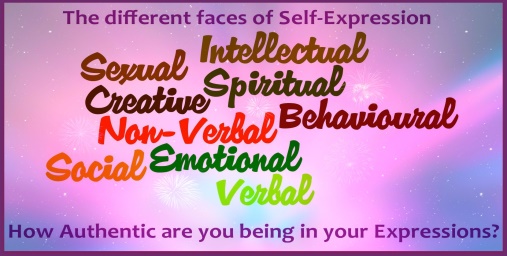
• Learners look at the picture. Answer the question. ANSWERS The painting is called the 'Mona Lisa! It was painted by Leonardo da Vinci • Learners the woman is smiling. Discuss in pairs. ANSWERS would say that the woman has a mischievous smirk on her face. It's just a small smile, which makes you wonder what she's thinking • Learners read the article to find out. Answer the question. ANSWERS We smile for different reasons. To help with social interaction and also to display our emotional state and wellbeing. Smiling can have a strong impact on us and has many therapeutic health benefits. It can be pleasure inducing and can lower blood pressure • Learners read the text again. For questions tick the correct box. ANSWERS 1 F 2 DS 3 DS 4 T 5 F 6 C 7 C 8 A. |
Descriptor: - look at the picture. - answer the question Total: 3 point
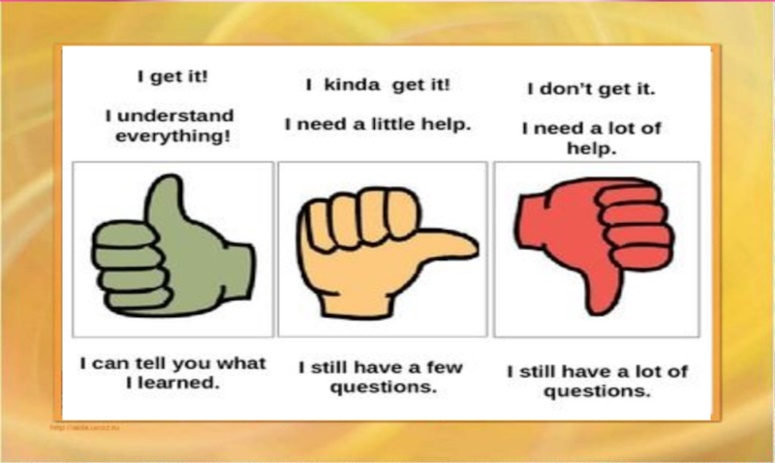
Self assessment Descriptor: - read the rubric aloud - discuss in pairs Total: 3 point Descriptor: - read the article - answer the question Total: 1 point -Make CCQ questions Yes / No Total: 1 point |
Card Worksheet Students book |
|
End of the lesson 5 min |
FEEDBACK Learners provide feedback on what they have learned at the lesson. Ex: P: Home task: Write the days |
|
Poster Success
|
|
Short term plan: term 4
|
Stages / Time |
Teachers actions |
Students actions |
Assessment criteria |
Resources |
|
Beginning of the lesson Warming-up
3 min. Pre-learning «Brainstorming» method 7 min. |
Organization moment : 1.Greeting. Ask about the weather. The teacher sets the lesson objectives, letting students know what to anticipate from the lesson.
Lead – In
|
The aim: To develop pupils speaking skills and create friendly atmosphere Efficiency: By wishing each other they feel better and feel the support of others Students of the class are listed. Students' attention is drawn to the lesson. Students say different words from the picture •Learners remember previous lesson vocabulary •Learners answer the questions |
The teacher to assess learners for their ability. “Good job! Well done!” Formative Assessment
Good job! Descriptor: - remembers the lesson passed Point 1 Assessment criteria make basic statements related to communication style |
Pictures worksheet Picture |
|
Middle of the lesson Presentation part. 30 min |
Ex:1 P:100 • Explain the task and give Ss time to complete it. Check Ss' answers. . Differentiation: «Verbal support» method is used to help Ss use new words in the sentences. Ex: 2 P: 100 • Give Ss time to fill the gaps with the correct form of the verbs. Check Ss' answers. Ex:3 P:100 Explain the task and give Ss time to complete it. Check Ss' answers. Ex:4 P:100 Give Ss time to read the extracts then elicit/ explain the meanings of the words in bold. Ask Ss to copy the table in their notebooks and put the words under the appropriate headings. Remind Ss that some words fit under more than one heading. Check Ss' answers. Conclusion during the lesson some tasks differentiated by outcomes of the students and by their abilities. |
• Learners fill the gaps. Complete the task. ANSWERS 1 infectious 2 mysterious 3 mischievous 4 transformative 5 therapeutic • Learners fill the gaps. Complete the task. ANSWERS 1 has captured 2 are displayed 3 lifts 4 revealing • Learners fill the gaps. Complete the task. ANSWERS 1 on 2 for 3 to 4 at 5 on • Learners read the extract. Put them under the correct headings. ANSWERS audition (n): a performance by an actor, singer, etc to be judged in order to take part in a play, film, etc rehearsal (n): a practice of a play, piece of music, etc before the performanc . act (n): each of the main parts of a play or musical commentary (n): the description of an event remake (n): a modern version of an existing film subtitles (pl n): the text that shows a translation of what actors are saying in a foreign film |
Descriptor: - fill the gaps - complete the task Total: 2 point
Self assessment Descriptor: - fill the gaps - complete the task Total: 2 point Descriptor: - fill the gaps - complete the task Total: 2 point Descriptor: - read the extract -Put them under the correct headings Total: 2 point -Make CCQ questions Yes / No Total: 1 point |
Card Worksheet Students book |
|
End of the lesson 5 min |
FEEDBACK Learners provide feedback on what they have learned at the lesson. Ex: P: Home task: Write the days |
|
Poster Success
|
|










 Бұл курс Қазақстан Республикасы Оқу-ағарту министрлігімен келісілген










