
 ЖИ көмекші


 Қауіпсіз төлем

жүктеу мүмкіндігіне ие боласыз
Бұл материал сайт қолданушысы жариялаған. Материалдың ішінде жазылған барлық ақпаратқа жауапкершілікті жариялаған қолданушы жауап береді. Ұстаз тілегі тек ақпаратты таратуға қолдау көрсетеді. Егер материал сіздің авторлық құқығыңызды бұзған болса немесе басқа да себептермен сайттан өшіру керек деп ойласаңыз осында жазыңыз
 02 Мамыр 2025
 256
256
1 жыл бойы шексіз жүктеңіз
ҚМЖ Eng Plus gr 9 term 3
Short term plan: Term 3
|
Unit 5 Reading for pleasure
|
Lesson 49 |
||
|
Teacher name: |
|
||
|
Date: |
|
||
|
Grade: 9 |
Number present: |
absent: |
|
|
Lesson title |
Vocabulary and language Focus. Literary genres. |
||
|
Learning objectives |
9.1.9.1 use imagination to express thoughts, ideas, experiences and feelings 9.2.1.1 understand the main points in unsupported extended talk on a wide range of general and curricular topics, including talk on a limited range of unfamiliar topics 9.3.1.1 use formal and informal language registers in their talk on a range of general and curricular topic |
||
|
Lesson objectives |
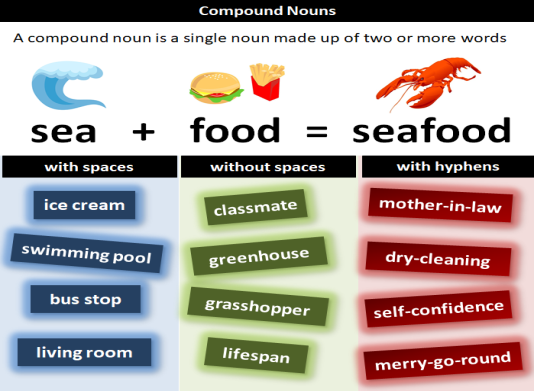
Learners will be able to: • Learn how to make compound nouns to describe literary genres. • Practice using complex compound nouns to describe books. • Do a quiz on recognizing literary genres. |
||
|
Value links |
Family – Family values are moral and ethical principles of typical family life, including sacrificing for loved ones, putting your loved ones first, and keeping your loved ones at the centre of your thoughts and actions. |
||
|
Plan |
|||
|
Stages / Time |
Teachers’ actions |
Students’ actions |
Assessment criteria |
Resources |
|
Beginning of the lesson 5 min |
1.Greeting. Ask about the weather. Warm-up • With books closed, write literature on the board. Ask students what they think it means. Ask: Are all novels literature? • Encourage them to come to a conclusion by themselves. You might want to tell them literature often refers to books in which the writing is considered superior. • In pairs, students make a list of all the genres of books they can remember. Set a time limit. • Ask a pair to read their list out and ask other students to add to it Lead – In
|
The wish flower” method helps to start the lesson with good wishes to each other. The aim: To develop Ss speaking skills and create friendly atmosphere Efficiency: By telling the wishes they show their appreciations . Students express their ideas |
At the organization moment T tries to award active Ss. «The praise» method is used to evaluate Ss with phrases like: “Good job! Well done!”
Good job! |
Pictures
PPT |
|
Middle of the lesson Presentation part. 35 min |
Ex:1 P:56 • In pairs, students make a list of all the genres of books they can remember. Set a time limit. • Ask a pair to read their list out and ask other students to add to it Differentiation: «Verbal support» method is used to help Students use new words in the text. Ex: 2 P:56 • Ask a few students about the books they like to read. Ask: What genre is it? Then ask for more details. When was it written? If students say it was written a few years ago, tell them it is a contemporary novel. Ask: Who tells the story? Does the writer use I (the first person) or do they talk about the main character as he / she (the third person)? • Continue to ask questions about the theme, building up a description of the book, until you can produce a description such as It’s a contemporary novel about teenagers, written in the first person Ex: 3 P:56 • Draw students’ attention to the book covers in the quiz. In pairs and without reading the texts, students decide what the genres are from the cover photos. • Invite students to give their answers to the class and explain why they came up with their description. |
Students in pairs, make a list of all the genres of books you know. ANSWERS: adventure story, romance, horror, science-fiction, mystery, crime, humorous, thriller, poetry, drama Students put the words in order to make complex noun phrases to describe books ANSWERS: 1 nineteenth century romantic poetry 2 historical drama about social injustice 3 romantic novel told in the third person 4 twentieth century adventure story from an animal’s point of view 5 nineteenth century gothic novel told in the first person Students read the literary extracts . Then match them with the descriptions in exercise 2 ANSWERS: A nineteenth century romantic poetry B historical drama about social injustice C romantic novel told in the third person D twentieth century adventure story from an animal’s point of view E nineteenth century gothic novel narrated in the first person |
Assessment criteria - Learn how to make compound nouns to describe literary genres. Descriptor: - make a list of all the genres of books you know.
Assessment criteria: - Practice using complex compound nouns to describe books. Descriptor: - put the words in order to make complex noun phrases to describe books -Make CCQ questions Yes / No |
Cards Student’s book Worksheet Student’s book |
|
End of the lesson 5 min |
Giving the hometask. Ex: 1 P:38 wb Self-reflection |
Peer-assessment. Two stars and a wish.
Maybe you could ... |
Students use their stickers to show their knowledge according to the lesson. |
Poster Success
|





Short term plan: Term 3
|
Unit 5 Reading for pleasure
|
Lesson 50 |
||
|
Teacher name: |
|
||
|
Date: |
|
||
|
Grade: 9 |
Number present: |
absent: |
|
|
Lesson title |
Reading. Fiction. Discussing a text about the benefits of reading. |
||
|
Learning objectives |
9.4.4.1 read a wide range of extended fiction and non-fiction texts on familiar and unfamiliar general and curricular topics 9.2.4.1 understand the main points of supported extended talk on a range of general and curricular topics 9.5.1.1 plan, write, edit and proofread work at text level with support on a limited range of general and curricular topics |
||
|
Lesson objectives |
Learners will be able to: • Read a text about how someone benefited from reading. • Learn compound nouns related to learning. • Discuss the benefits of reading and what you can learn from books |
||
|
Value links |
Loyalty – Loyalty might be a core personal value to you if you highly prize friends that are reliable and trustworthy. You might put your friends or chosen family first, always being there for them when they need you. |
||
|
Plan |
|||
|
Stages / Time |
Teachers’ actions |
Students’ actions |
Assessment criteria |
Resources |
|
Beginning of the lesson 5 min |
1.Greeting. Ask about the weather. Warm-up • Draw students’ attention to the photo. Ask students what sort of book they think the boy is reading. • Ask why they think he is reading rather than playing beach games with others or swimming in the sea. Accept all answers. Lead – In
The team here at Basmo is not only dedicated to pushing you beyond your current limits in terms of reading performance, but also to keeping you informed. That is why we prepared a complete list of benefits of reading fiction books that I am sure you are going to find useful and quite informative |
The wish flower” method helps to start the lesson with good wishes to each other. The aim: To develop Ss speaking skills and create friendly atmosphere Efficiency: By telling the wishes they show their appreciations . Students express their ideas |
At the organization moment T tries to award active Ss. «The praise» method is used to evaluate Ss with phrases like: “Good job! Well done!”
Good job! |
Pictures
PPT |
|
Middle of the lesson Presentation part. 35 min |
Ex:1 P:58 • Students look at the list and decide which of the benefits come from reading. • Allow students to discuss in pairs before getting feedback. • Ask a few pairs to give their opinions and try to get a consensus on the points with the rest of the class. Don’t confirm any answers at this point Differentiation: «Verbal support» method is used to help Students use new words in the text. Ex: 2 P:58 • Tell students that they are going to check their answers by listening to and reading the text. • In a stronger class, you might want to play the recording with books closed to see how much students can understand. • Play the recording (again) while the students read to check their answers Ex: 3 P:58 Focus students’ attention on the possible titles for the text. • In pairs, they discuss the titles and why they would or wouldn’t be a good choice. • Ask students to vote on each one. • Point out that although there are about ten benefits mentioned, they are things which will probably lead to improved grades, not actions you can take to improve your grades directly Ex: 4 P:58 • Students search the text for the compound nouns. • In pairs, ask them to make new sentences using the words |
Students look at the list. What do you think are the benefits of reading? What other activities help you relax in a similar way to reading? ANSWERS: Students’ own answers Students read and listen to the text and check your answers. ANSWERS: The text mentions all the points except 6 Students what would be a good title for the text? ANSWERS: Reasons to read Students match words with words to make compound nouns. ANSWERS: 1 d 2 f 3 a 4 e 5 c 6 b |
Assessment criteria - Read a text about how someone benefited from reading. Descriptor: - read and listen to the text and check your answers.
Assessment criteria: - Discuss the benefits of reading and what you can learn from books Descriptor: - match words with words to make compound nouns. -Make CCQ questions Yes / No |
Cards Student’s book Worksheet Student’s book |
|
End of the lesson 5 min |
Giving the hometask. Ex:2 P:38 wb Self-reflection |
Peer-assessment. Two stars and a wish.
Maybe you could ... |
Students use their stickers to show their knowledge according to the lesson. |
Poster Success
|

Short term plan: Term 3
|
Unit 5 Reading for pleasure
|
Lesson 51 |
||
|
Teacher name: |
|
||
|
Date: |
|
||
|
Grade: 9 |
Number present: |
absent: |
|
|
Lesson title |
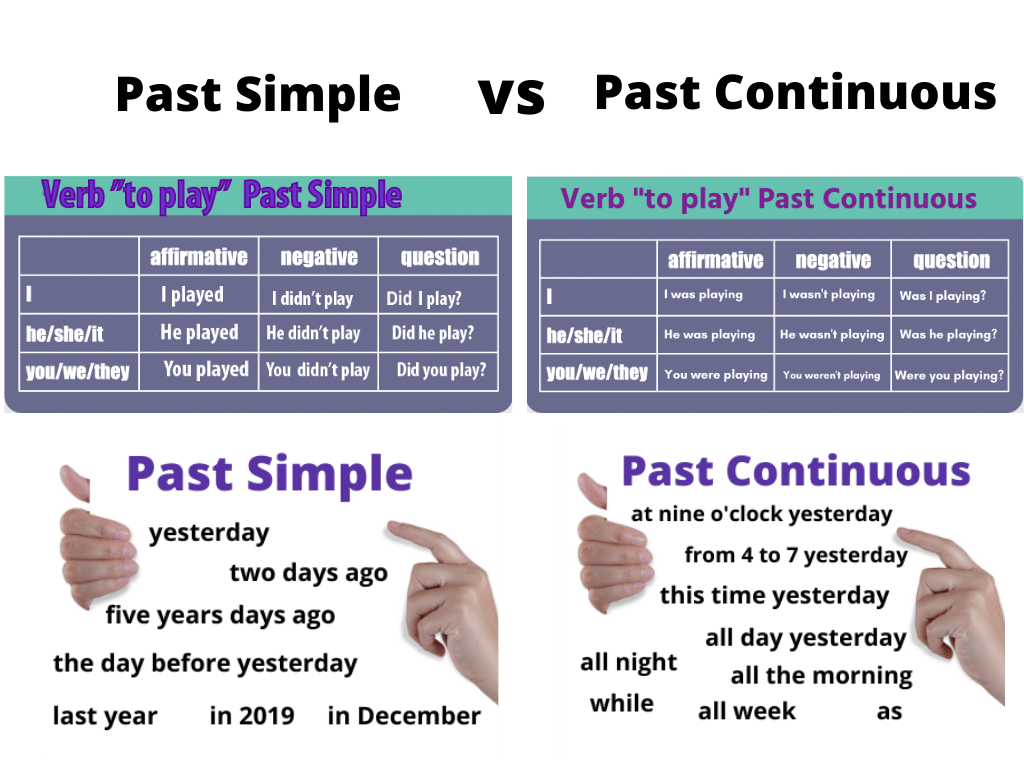
Language Focus. Past Simple or Past Continuous |
||
|
Learning objectives |
9.6.10.1 use present continuous forms and past continuous, including a growing variety of passive forms, on a range of familiar general and curricular topics 9.6.5.1 use a wide variety of question types on a wide range of familiar general and curricular topics 9.5.8.1 spell most high-frequency vocabulary accurately for a wide range of familiar general and curricular topics |
||
|
Lesson objectives |
Learners will be able to: • Learn when we use the past simple versus the past continuous. • Practise using the past simple and past continuous in the opening paragraph of a story. |
||
|
Value links |
Loyalty – Loyalty might be a core personal value to you if you highly prize friends that are reliable and trustworthy. You might put your friends or chosen family first, always being there for them when they need you. |
||
|
Plan |
|||
|
Stages / Time |
Teachers’ actions |
Students’ actions |
Assessment criteria |
Resources |
|
Beginning of the lesson 5 min |
1.Greeting. Ask about the weather. Warm-up • Ask students if they can remember the characters in the books they read about on pages 56–57, for example What was the name of the dog in Call of the Wild? • Allow students to come up with a list in pairs Lead – In
|
The wish flower” method helps to start the lesson with good wishes to each other. The aim: To develop Ss speaking skills and create friendly atmosphere Efficiency: By telling the wishes they show their appreciations . Students express their ideas |
At the organization moment T tries to award active Ss. «The praise» method is used to evaluate Ss with phrases like: “Good job! Well done!”
Good job! |
Pictures
PPT |
|
Middle of the lesson Presentation part. 35 min |
Ex:1 P:59 • Students look back at the texts about books on pages 56–57 and the text on page 58 to find the sentences. • Students complete them individually, then choose the correct words for the rules in pairs. • Point out to students that we don’t use the present continuous for main actions in the past Differentiation: «Verbal support» method is used to help Students use new words in the text. Ex: 2 P:59 • Focus students’ attention on the sentences and say they are the sort of sentences you would find in books. • Tell them to refer to the rules and complete the sentences individually. • Students check in pairs. • Go through the answers as a class. • Ask students to refer to the rules to explain why they have chosen their answers Ex: 3 P:59 • Students use the answers to exercise 2 to correct the sentences. • Students work in individually before checking in pairs. • Ask students why you can’t use the continuous form with love. Revise which other words don’t take continuous forms (think, believe, know, like, hate, etc.) |
Students complete the sentences from the text. Then choose the correct words in the rules. ANSWERS: 1 saw, wasn’t looking 2 broke, stretched, closed 3 realized, was learning 4 picked up, wasn’t trying Rules: 1 past simple 2 past continuous 3 past simple 4 past continuous Students complete the sentences with the correct past form of the verbs in brackets ANSWERS: 1 was blowing, knock 2 closed, fell 3 climbed, sat, were watching 4 loved, heard 5 said, were, talking 6 had, weren’t speaking, invited Students use the sentences in exercise 2 to correct the questions ANSWERS: 1 Who did the men see on the beach? 2 What did Nancy love to watch? 3 Who often had arguments? 4 Why did James fall? 5 Why did someone knock three times? 6 Who did Alex invite to go on holiday? |
Assessment criteria - Learn when we use the past simple versus the past continuous. Descriptor: - complete the sentences from the text. Then choose the correct words in the rules.
Assessment criteria: - Practise using the past simple and past continuous in the opening paragraph of a story. Descriptor: - complete the sentences with the correct past form of the verbs in brackets -Make CCQ questions Yes / No |
Cards Student’s book Worksheet Student’s book |
|
End of the lesson 5 min |
Giving the hometask. Ex: 1 P:39 wb Self-reflection |
Peer-assessment. Two stars and a wish.
Maybe you could ... |
Students use their stickers to show their knowledge according to the lesson. |
Poster Success
|
Short term plan: Term 3
|
Unit 5 Reading for pleasure
|
Lesson 52 |
||
|
Date: |
Teacher name: |
||
|
Grade: 9 |
Number present: |
absent: |
|
|
Lesson title |
Writing. Talking about writing a story. |
||
|
Learning objectives |
9.3.8.1 recount extended stories and events on a wide range of general and curricular topics 9.4.5.1 deduce meaning from context in short texts on a limited range of familiar general and curricular topics 9.5.1.1 plan, write, edit and proofread work at text level with support on a limited range of general and curricular topics |
||
|
Lesson objectives |
Learners will be able to: • Read a text to learn about the writing process. • Learn new vocabulary to describe the process. • Listen to a discussion between a writer and a writing course organizer. • Talk about what you would like to be really good at. |
||
|
Value links |
Fairness – If you value fairness, you might be highly sensitive to situations at school or in the workplace where a teacher or a peer has exhibited favoritism or allowed someone to get away with living by a different set of rules to everyone else. |
||
|
Plan |
|||
|
Stages / Time |
Teachers’ actions |
Students’ actions |
Assessment criteria |
Resources |
|
Beginning of the lesson 5 min |
1.Greeting. Ask about the weather. Warm-up • With books closed, ask students how they would go about writing a novel. Allow students to give answers in their own language but ask questions to encourage them to think about the process Lead – In
These free story worksheets with colourful illustrations are perfect for encouraging children to create their stories and write them down. It is a brilliant way to help children develop expression in their writing and check their spelling, punctuation and grammar! |
The wish flower” method helps to start the lesson with good wishes to each other. The aim: To develop Ss speaking skills and create friendly atmosphere Efficiency: By telling the wishes they show their appreciations . Students express their ideas |
At the organization moment T tries to award active Ss. «The praise» method is used to evaluate Ss with phrases like: “Good job! Well done!”
Good job! |
Pictures
PPT |
|
Middle of the lesson Presentation part. 35 min |
Ex:1 P:60 • Draw students’ attention to the two lists. Ask students to match the words to make collocations. • Students check their answers in pairs. • Go through the answers one by one and check that students understand the meaning. • Explain that in some cases there, is more than one possible answer Differentiation: «Verbal support» method is used to help Students use new words in the text. Ex: 2 P:60 • Focus students’ attention on the title of the text. • Ask students what they think the key to writing a novel is. • Students read the text through for general meaning. • Ask a few comprehension questions to check they understand the text. • The students choose which of the bold words are the correct answers in each case. Ex: 3 P:60 • Ask students if they would like to go on a creative writing course. What do they think they would learn on one? • Tell students they are going to listen to a writer who is going to teach on a course. • With books closed, students listen for when the author will be giving lessons |
Students match verbs with noun phrases to create collocations about writing. ANSWERS: 1 f / g 2 g 3 j 4 e 5 c 6 i 7 b 8 d / h 9 a 10 d / h Students Read Key to Successful Writing. Choose the correct words in the text ANSWERS: 1 follow 2 create 3 create 4 look 5 draw on 6 develop 7 sketch out 8 get feedback 9 write 10 edit Students listen to an author make arrangements to teach on a creative writing course. When will the author be giving lessons to the students? ANSWERS: In the afternoons except on Thursday |
Assessment criteria - Read a text to learn about the writing process. Descriptor: - match verbs with noun phrases to create collocations about writing.
Assessment criteria: - Learn new vocabulary to describe the process. Descriptor: - Choose the correct words in the text -Make CCQ questions Yes / No |
Cards Student’s book Worksheet Student’s book |
|
End of the lesson 5 min |
Giving the hometask. Ex: 1 P:40 wb Self-reflection |
Peer-assessment. Two stars and a wish.
Maybe you could ... |
Students use their stickers to show their knowledge according to the lesson. |
Poster Success
|

Short term plan: Term 3
|
Unit 5 Reading for pleasure
|
Lesson 53 |
||
|
Teacher name: |
|
||
|
Date: |
|
||
|
Grade: 9 |
Number present: |
absent: |
|
|
Lesson title |
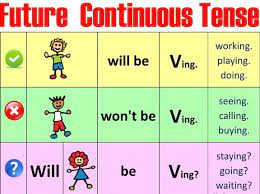
Language Focus. Future Continuous. |
||
|
Learning objectives |
9.6.7.1 use perfect continuous forms and a variety of simple perfect active and passive forms including time adverbials … so far, lately, all my life , on a wide; use a variety of relative clauses including with which [whole previous clause reference] 9.3.7.1 use appropriate subject-specific vocabulary and syntax to talk about an increased range of general and curricular topics 9.3.8.1 recount extended stories and events on a wide range of general |
||
|
Lesson objectives |
Learners will be able to: • Learn about using the future continuous. • Use the future continuous to talk about what you’re doing in the future. |
||
|
Value links |
Fairness – If you value fairness, you might be highly sensitive to situations at school or in the workplace where a teacher or a peer has exhibited favoritism or allowed someone to get away with living by a different set of rules to everyone else. |
||
|
Plan |
|||
|
Stages / Time |
Teachers’ actions |
Students’ actions |
Assessment criteria |
Resources |
|
Beginning of the lesson 5 min |
1.Greeting. Ask about the weather. Warm-up • In pairs, students think of things they are going to do next week and when they will be doing them. • Ask students to tell you some of the things they will be doing and write the activities and who is doing them on one side of the board. • Make sentences with one or two activities. e.g. Eva will be seeing her cousins on Wednesday afternoon. • Underline the verb and elicit the form (will + be + -ing) Lead – In
|
The wish flower” method helps to start the lesson with good wishes to each other. The aim: To develop Ss speaking skills and create friendly atmosphere Efficiency: By telling the wishes they show their appreciations . Students express their ideas |
At the organization moment T tries to award active Ss. «The praise» method is used to evaluate Ss with phrases like: “Good job! Well done!”
Good job! |
Pictures
PPT |
|
Middle of the lesson Presentation part. 35 min |
Ex:1 P:61 • Read the sentences with the class and ask students what the verbs are. • Students work individually to complete the rules Differentiation: «Verbal support» method is used to help Students use new words in the text. Ex: 2 P:61 • Students now put the rules into practice by completing the text. • In a weaker class, allow students to do this in pairs. • Check answers with the class. Ex: 3 P:61 • Read the instructions with the students. Remind them that there are three parts to the verb. • In a weaker class, students do this exercise in pairs. • Check the answers with the class and go through any common problems |
Students look at the sentences from the text on page 60 and the listening and complete the rules ANSWERS: 1 is in progress 2 will, be 3 won’t Students complete the sentences with will / won’t or be ANSWERS: 1 will 2 be 3 will 4 be 5 be 6 will Students put the words in order to make sentences and questions. ANSWERS: 1 What will you be doing at 6 p.m. tomorrow? 2 The author will be visiting the bookshop on Friday to sign books. 3 We won’t be leaving early tomorrow morning. It’s the weekend. 4 Where will you be staying while you’re in London? 5 I won’t be staying at my grandparents’ house this summer. |
Assessment criteria - Learn about using the future continuous. Descriptor: - look at the sentences from the text on page 60 and the listening and complete the rules
Assessment criteria: - Use the future continuous to talk about what you’re doing in the future. Descriptor: - put the words in order to make sentences and questions. -Make CCQ questions Yes / No |
Cards Student’s book Worksheet Student’s book |
|
End of the lesson 5 min |
Giving the hometask. Ex: 1 P:41 wb Self-reflection |
Peer-assessment. Two stars and a wish.
Maybe you could ... |
Students use their stickers to show their knowledge according to the lesson. |
Poster Success
|
Short term plan: Term 3
|
Unit 5 Reading for pleasure
|
Lesson 54 |
||
|
Teacher name: |
|
||
|
Date: |
|
||
|
Grade: 9 |
Number present: |
absent: |
|
|
Lesson title |
Planning a project. Talking about how to plan an event |
||
|
Learning objectives |
9.3.1.1 provide basic information about themselves and others at sentence level on an increasing range of general topics 9.4.5.1 deduce meaning from context in extended texts on a wide range of familiar general and curricular topics, and some unfamiliar topics 9.2.7.1 recognize typical features at word, sentence and text level of a range of spoken genres |
||
|
Lesson objectives |
Learners will be able to: • Listen to a conversation about planning a book club. • Learn key phrases for making and responding to plans. • Learn expressions to talk about quantities. |
||
|
Value links |
Honesty – You may highly value telling people the truth. This one gets tricky when being honest can be hurtful to others. So, a person who really puts honesty first might be the sort of person who will tell the truth even if it hurts to do so. |
||
|
Plan |
|||
|
Stages / Time |
Teachers’ actions |
Students’ actions |
Assessment criteria |
Resources |
|
Beginning of the lesson 5 min |
1.Greeting. Ask about the weather. Warm-up • Ask students what sort of clubs they like to join. Would they prefer to do something active or something that involves learning something or developing an intellectual skill? Encourage them to elaborate on their choice Lead – In
When a company decides to embark on a project, one of the first things team leaders must do is create a project plan. Sounds simple, right? |
The wish flower” method helps to start the lesson with good wishes to each other. The aim: To develop Ss speaking skills and create friendly atmosphere Efficiency: By telling the wishes they show their appreciations . Students express their ideas |
At the organization moment T tries to award active Ss. «The praise» method is used to evaluate Ss with phrases like: “Good job! Well done!”
Good job! |
Pictures
PPT |
|
Middle of the lesson Presentation part. 35 min |
Ex:1 P:62 • Draw students’ attention to the photo. • Ask students what they think the students are doing and where they think the people are. • Ask students why they are doing this to elicit they are in a book club Differentiation: «Verbal support» method is used to help Students use new words in the text. Ex: 2 P:62 • Ask students what things people have to think about when setting up a club. • Accept all suggestions and put them on the board. • Tell students to listen for how many people will be going to the first meeting of the book club and if possible to listen to which of their suggestions on the board they hear. • Check answers with the class Ex: 3 P:62 • Play the recording again for students to listen for the phrases. • Check the answers with the class. Then play the recording again so students can listen to exactly what the phrases refer to. |
Students look at the picture. What do you think the people are discussing? ANSWERS: They are discussing a book in a library. Students listen to the dialogue. How will book club members decide which books to read? ANSWERS: They will all suggest books and vote on which ones look the most interesting Students study the key phrases. Which expressions are used to introduce plans and which are used to respond to them? ANSWERS: Making plans: I’ve had a few ideas about …; When we know…, we can …; So moving on, the (second) question is … Responding: There are (two) problems with that …; That’s true, but …; But we still need … |
Assessment criteria - Listen to a conversation about planning a book club. Descriptor: - look at the picture. What do you think the people are discussing?
Assessment criteria: - Learn key phrases for making and responding to plans. Descriptor: - study the key phrases. Which expressions are used to introduce plans and which are used to respond to them? -Make CCQ questions Yes / No |
Cards Student’s book Worksheet Student’s book |
|
End of the lesson 5 min |
Giving the hometask. Ex: 4 P:36 wb Self-reflection |
Peer-assessment. Two stars and a wish.
Maybe you could ... |
Students use their stickers to show their knowledge according to the lesson. |
Poster Success
|

.
Short term plan: Term 3
|
Unit 5 Reading for pleasure
|
Lesson 55 |
||
|
Teacher name: |
|
||
|
Date: |
|
||
|
Grade: 9 |
Number present: |
absent: |
|
|
Lesson title |
A book blurb. p.63 |
||
|
Learning objectives |
9.4.5.1 deduce meaning from context in extended texts on a wide range of familiar general and curricular topics, and some unfamiliar topics. 9.5.1.1 plan, write, edit and proofread work at text level with support on a limited range of general and curricular topics |
||
|
Lesson objectives |
Learners will be able to: • Study a model book blurb. • Lean compound adjectives for writing descriptions. • Learn about structuring a description. • Write a description of a book |
||
|
Value links |
Generosity – This may be a core value of yours if you cherish people who will give their time and resources to people in need. You may consider yourself to be a generous person if you find joy and meaning in giving to others. |
||
|
Plan |
|||
|
Stages / Time |
Teachers’ actions |
Students’ actions |
Assessment criteria |
Resources |
|
Beginning of the lesson 5 min |
1.Greeting. Ask about the weather. Warm-up • If you have some Oxford Readers, read out the blurb on the back cover and ask students what sort of book they think it comes from. • If you don’t, put students in pairs to discuss how they choose books Lead – In
How to write a blurb 101: You put your main character in, you don’t need that secondary character. Hook with a last sentence that drives them panting to open the book and start reading. |
The wish flower” method helps to start the lesson with good wishes to each other. The aim: To develop Ss speaking skills and create friendly atmosphere Efficiency: By telling the wishes they show their appreciations . Students express their ideas |
At the organization moment T tries to award active Ss. «The praise» method is used to evaluate Ss with phrases like: “Good job! Well done!”
Good job! |
Pictures
PPT |
|
Middle of the lesson Presentation part. 35 min |
Ex:1 P:63 • Draw students’ attention to the model blurb for The Lost World. • Tell them to use the questions to identify the elements that make up a blurb. • Students spend a minute reading the questions, then work in pairs. • Check the answers as a class. • Ask students if they would like to read the book. Which element of the blurb helped them make the decision that they’d like to read it or that they wouldn’t like to read it? Differentiation: «Verbal support» method is used to help Students use new words in the text. Ex: 2 P:63 • Identify the phrases with the class. • Students identify which individual words are nouns, which are participles and which adjectives. • Ask students where else we see participles, so they realise that they regularly see these words in perfect and continuous tenses. • Check the answers with the class Ex: 3 P:63 • Students work individually to match the compound adjectives to their meanings. • Students check in pairs. • Check answers as a class. • You could give students practice in using dictionaries and ask them to look up the elements they don’t know, e.g. awe, spine, wrack. |
Students read the blurb of The Lost World and answer the questions. ANSWERS: 1 On the back of books 2 The first paragraph 3 The second paragraph 4 They are in a lost world with dinosaurs 5 Will they return alive? 6 No. 7 From reviews. Students study the words in blue in the model text. Which compound adjectives are made from a noun + the participle of a verb and which one is made from an adjective + the participle? ANSWERS: Noun + participle: spine-chilling, awe-inspiring, nervewracking, meat-eating, mind-boggling Adjective + participle: strange-looking Students find the adjectives in the text with the following meaning. ANSWERS: 1 meat-eating 2 nerve-wracking 3 awe-inspiring 4 mind-boggling 5 spine-chilling 6 strange-looking |
Assessment criteria - Study a model book blurb Descriptor: - read the blurb of The Lost World and answer the questions.
Assessment criteria: - Lean compound adjectives for writing descriptions. Descriptor: - find the adjectives in the text with the following meaning. -Make CCQ questions Yes / No |
Cards Student’s book Worksheet Student’s book |
|
End of the lesson 5 min |
Giving the hometask. Ex: 1 P:39 wb Self-reflection |
Peer-assessment. Two stars and a wish.
Maybe you could ... |
Students use their stickers to show their knowledge according to the lesson. |
Poster Success
|

Short term plan:
|
Term 3 Unit 5 Reading for pleasure
|
Lesson 56 |
||
|
Teacher name: |
|
||
|
Date: |
|
||
|
Grade: 9 |
Number present: |
absent: |
|
|
Lesson title |
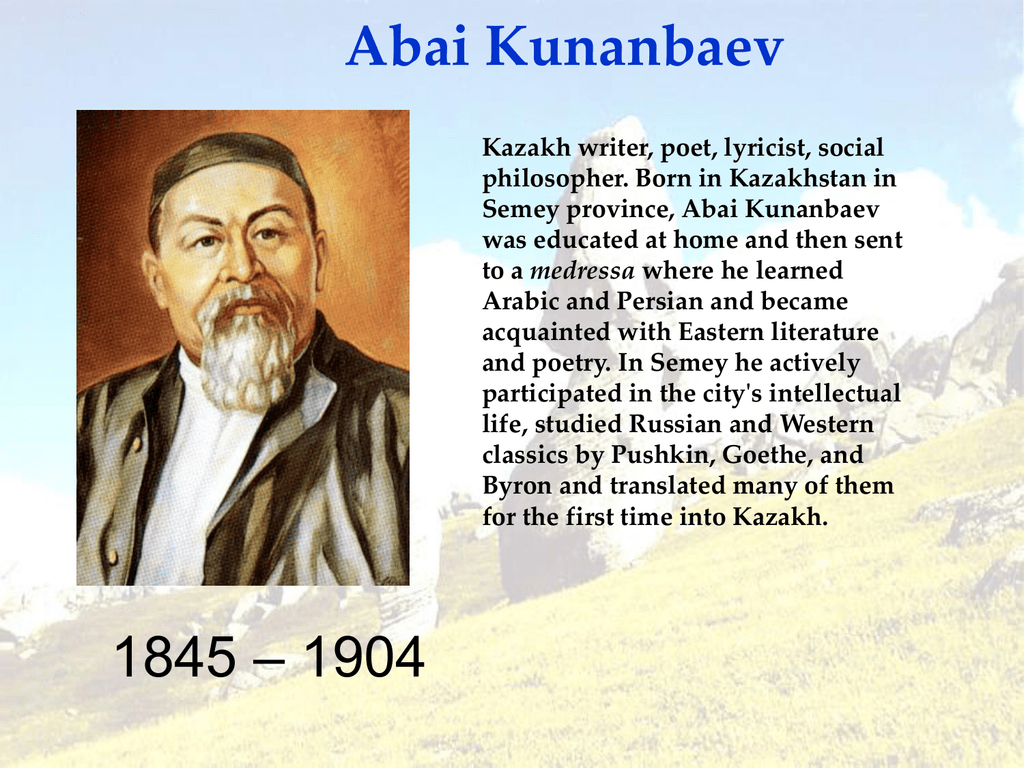
My Country. Abay Qunanbayuli. |
||
|
Learning objectives |
9.5.1.1 plan, write, edit and proofread work at text level with support on a limited range of general and curricular topics 9.6.3.1 use a variety of compound adjectives, adjectives as participles, comparative structures indicating degree, and intensifying adjectives on a wide range of familiar general and curricular topics 9.2.7.1 recognize typical features at word, sentence and text level of a range of spoken genres |
||
|
Lesson objectives |
Learners will be able to: • Read a text about Abai Qunanbaiuli. • Learn compound nouns. • Write a paragraph about a Kazakh writer. |
||
|
Value links |
Integrity – Integrity is the quality of having strong moral principles. So, a person with integrity will always act with honesty and adhere to their own moral code regardless of what others do. |
||
|
Plan |
|||
|
Stages / Time |
Teachers’ actions |
Students’ actions |
Assessment criteria |
Resources |
|
Beginning of the lesson 5 min |
1.Greeting. Ask about the weather. Warm-up • Closed books. Ask students to brainstorm Kazakh writers both contemporary and from the past. • Tell students to add the genre of writing they are famous for Lead – In
Abay Kunanbaev (1845-1904). Abay was born in 1845 at the bottom of the Chingiz Mountain in the today's Abai district (former Karkaraly) located in Eastern Kazakhstan region (formerly, the Semipalatinsk region). |
The wish flower” method helps to start the lesson with good wishes to each other. The aim: To develop Ss speaking skills and create friendly atmosphere Efficiency: By telling the wishes they show their appreciations . Students express their ideas |
At the organization moment T tries to award active Ss. «The praise» method is used to evaluate Ss with phrases like: “Good job! Well done!”
Good job! |
Pictures
PPT |
|
Middle of the lesson Presentation part. 35 min |
Ex:1 P:64 • Draw students’ attention to the photo. • Ask who the statue is of to elicit Abai Qunanbaiuli. • Put students in small groups to discuss what they know about him and what his most famous book is. • Ask students if they have ever read any of the book or if they know what it is about Differentiation: «Verbal support» method is used to help Students use new words in the text. Ex: 2 P:64 • Students read the questions individually. • In a stronger class, you may want to play the recording without students reading the text at the same time to gauge how much they understand. • Students answer the questions while listening or listening and reading. • Allow them a few minutes at the end to go back and reread the text to find any answers they missed. • In a stronger class, you might want students to give corrected answers to false questions Ex: 3 P:64 • Students read all the questions before rereading. • In a stronger class, you might want to see how much they can remember before they reread. • Students check their answers in pairs. • Check answers as a class. • Ask students if there is anything they find remarkable or surprising about the information. Ex:4 P:64 • Draw students’ attention to the words. • Ask them what other compounds they have seen in the unit. • Students work individually to find the compounds in the text |
Students discuss about Kazakh great poet. What do you know about Abai Kunanbaiuli? What is his most famous book called? ANSWERS: Students’
own answers. The Book of Words Students read and listen to the text. Are the sentences true or false? ANSWERS: 1 False. He studied them at secondary school. 2 True. 3 True. 4 False. He was thirty-one when he wrote Summer. 5 False. He translated fifty books from Russian into Kazakh. 6 True Students read the text again and answer the questions. ANSWERS: 1 He studied Oriental classical literature and read Russian literature. 2 He wanted to study literature. 3 When he was twelve. 4 He translated Tolstoy, Dostoyevsky, Puskin and Turgenev. 5 It’s a non-fiction book on his philosophical thoughts Students look at the text to find the other half of the compound nouns ANSWERS: 1 school 2 literature 3 community 4 the family 5 man 6 leader |
Assessment criteria - Read a text about Abai Qunanbaiuli. Descriptor: - read and listen to the text. Are the sentences true or false?
Assessment criteria: - Learn compound nouns. Descriptor: - look at the text to find the other half of the compound nouns -Make CCQ questions Yes / No |
Cards Student’s book Worksheet Student’s book |
|
End of the lesson 5 min |
Giving the hometask. Ex: 4 P:36 wb Self-reflection |
Peer-assessment. Two stars and a wish.
Maybe you could ... |
Students use their stickers to show their knowledge according to the lesson. |
Poster Success
|
Short term plan: Term 3
|
Unit 5 Reading for pleasure
|
Lesson 57 |
||
|
Teacher name: |
|
||
|
Date: |
|
||
|
Grade: 9 |
Number present: |
absent: |
|
|
Lesson title |
CLIL. Language and literature: The realist novel. |
||
|
Learning objectives |
9.2.4.1 understand the main points of supported extended talk on a range of general and curricular topics 9.4.5.1 deduce meaning from context in short texts on a limited range of familiar general and curricular topics 9.5.1.1 plan, write, edit and proofread work at text level with support on a limited range of general and curricular topics |
||
|
Lesson objectives |
Learners will be able to: • Read about realist novels. • Read the beginning of Pride and Prejudice by Jane Austen. • Talk about famous novelists from your country |
||
|
Value links |
Integrity – Integrity is the quality of having strong moral principles. So, a person with integrity will always act with honesty and adhere to their own moral code regardless of what others do. |
||
|
Plan |
|||
|
Stages / Time |
Teachers’ actions |
Students’ actions |
Assessment criteria |
Resources |
|
Beginning of the lesson 5 min |
1.Greeting. Ask about the weather. Warm-up • Ask students what type of novels they like reading and what their favourite novel is. Elicit some ideas, and try to elicit words for types of novel, e.g. adventure novel, science fiction novel, romantic novel. • Write realist novel on the board and ask students what they think it means. Elicit some ideas, but don’t confirm or reject anything at this stage Lead – In The Realistic Novel and its
Formation |
The wish flower” method helps to start the lesson with good wishes to each other. The aim: To develop Ss speaking skills and create friendly atmosphere Efficiency: By telling the wishes they show their appreciations . Students express their ideas |
At the organization moment T tries to award active Ss. «The praise» method is used to evaluate Ss with phrases like: “Good job! Well done!”
Good job! |
Pictures
PPT |
|
Middle of the lesson Presentation part. 35 min |
Ex:1 P:65 • Teach or elicit the word century, and practise saying some dates. Focus students on the photo and elicit guesses about the era in which the novel is set. Encourage students to talk about the things they can see in the photo, e.g. the clothes, the hairstyles, the carriage in the background. • Tell students to read the paragraph, and check their guesses. Find out if anyone has heard of Jane Austen, read any of her books, or seen any of the TV or film adaptations Differentiation: «Verbal support» method is used to help Students use new words in the text. Ex: 2 P:65 • Tell students they are going to read the first few paragraphs of Pride and Prejudice. • Students listen and read. Encourage them to listen for general understanding, and to find the answer to the question. Play the CD twice if necessary. • Ask students to discuss the answer to the question in pairs and then check their answers Ex: 3 P:65 • Students read the text again and decide if the sentences are true or false. Remind them to correct the false sentences. • Ask students to compare their answers in pairs before you check with the class |
Students look at the photo from a film adaptation of an English novel. In which period of history do you think the novel is set? Why? Then read the paragraph below and check ANSWERS: It is set in the 19th century Students read and listen to the text. What is Mrs Bennet’s news? ANSWERS: She has news that a very rich young man who is single will be renting Netherfield Park (an expensive house in the neighbourhood) Students read the text again and write true or false. Correct the false sentences ANSWERS: 1 True. 2 True. 3 False. Netherfield Park is the finest house in the area. 4 False. His servants will be arriving by the end of the week and Bingley will arrive soon afterwards. 5 True. 6 False. Mrs Bennet hopes that Bingley will marry one of their daughters. |
Assessment criteria - Read about realist novels. Descriptor: - read and listen to the text. What is Mrs Bennet’s news?
Assessment criteria: - Read the beginning of Pride and Prejudice by Jane Austen. Descriptor: - read the text again and write true or false. -Make CCQ questions Yes / No |
Cards Student’s book Worksheet Student’s book |
|
End of the lesson 5 min |
Giving the hometask. Ex: 4 P:36 wb Self-reflection |
Peer-assessment. Two stars and a wish.
Maybe you could ... |
Students use their stickers to show their knowledge according to the lesson. |
Poster Success
|
Short term plan: Term 3
|
Unit 5 Reading for pleasure
|
Lesson 58 |
||
|
Teacher name: |
|
||
|
Date: |
|
||
|
Grade: 9 |
Number present: |
absent: |
|
|
Lesson title |
Review of Unit 5 |
||
|
Learning objectives |
9.5.2.1 write independently about factual and imaginary past events, activities and experiences on a range of familiar general and curricular topics 9.6.8.1 use a variety of future active and passive and future continuous forms on a wide range of familiar general and curricular topics |
||
|
Lesson objectives |
Learners will be able to: • write sentences using complex compound nouns • write sentences using compound nouns • put the adjectives for describing literature |
||
|
Value links |
Perseverance – People who value perseverance will work through adversity and be determined to get a result. This is a great treat for employees and entrepreneurs alike. |
||
|
Plan |
|||
|
Stages / Time |
Teachers’ actions |
Students’ actions |
Assessment criteria |
Resources |
|
Beginning of the lesson 5 min |
1.Greeting. Ask about the weather. Warm-up • With books closed, write literature on the board. Ask students what they think it means. Ask: Are all novels literature? • Encourage them to come to a conclusion by themselves. You might want to tell them literature often refers to books in which the writing is considered superior Lead – In
|
The wish flower” method helps to start the lesson with good wishes to each other. The aim: To develop Ss speaking skills and create friendly atmosphere Efficiency: By telling the wishes they show their appreciations . Students express their ideas |
At the organization moment T tries to award active Ss. «The praise» method is used to evaluate Ss with phrases like: “Good job! Well done!”
Good job! |
Pictures
PPT |
|
Middle of the lesson Presentation part. 35 min |
Ex:1 P:65 Students complete the exercise individually and then check in pairs Differentiation: «Verbal support» method is used to help Students use new words in the text. Ex: 2 P:65 • Students complete them individually, then choose the correct words for the rules in pairs Ex: 3 P:65 • Students now put the adjectives into practice by completing the text. • In a weaker class, allow students to do this in pairs. • Check answers with the class |
Students put the words in the correct order to describe types of books. ANSWERS: 1 a contemporary literary novel from a child’s point of view 2 a nineteenth century short story about spies 3 a Victoria horror story set in Wales 4 a modern romantic poem about nature 5 contemporary detective fiction with a Kazakh narrator Students choose the correct words. ANSWERS: 1 point 2 general 3 world 4 power 5 analytica Students complete the sentences with the correct adjective. ANSWERS: 1 creative 2 thought-provoking 3 mindless 4 fast-paced 5 gripping |
Assessment criteria - write sentences using complex compound nouns Descriptor: - put the words in the correct order to describe types of books.
Assessment criteria: - write sentences using compound nouns Descriptor: - choose the correct words. -Make CCQ questions Yes / No |
Cards Student’s book Worksheet Student’s book |
|
End of the lesson 5 min |
Giving the hometask. Ex: 4 P:36 wb Self-reflection |
Peer-assessment. Two stars and a wish.
Maybe you could ... |
Students use their stickers to show their knowledge according to the lesson. |
Poster Success
|
Short term plan: Term 3
|
Unit 5 Reading for pleasure
|
Lesson 59 |
||
|
Teacher name: |
|
||
|
Date: |
|
||
|
Grade: 9 |
Number present: |
absent: |
|
|
Lesson title |
Project: A poem |
||
|
Learning objectives |
9.3.2.1 ask complex questions to get information about a wide range of general and curricular topics 9.4.5.1 deduce meaning from context in short texts on a limited range of familiar general and curricular topics |
||
|
Lesson objectives |
Learners will be able to: • Read two poems in English. • Understand rhyming patterns in poems. • Write a poem |
||
|
Plan |
|||
|
Stages / Time |
Teachers’ actions |
Students’ actions |
Assessment criteria |
Resources |
|
Beginning of the lesson 5 min |
1.Greeting. Ask about the weather. Warm-up • Ask students if they like poems, who their favourite poets are and which poems they can remember lines from. • Students can work in pairs before sharing their views with the class Lead – In
|
The wish flower” method helps to start the lesson with good wishes to each other. The aim: To develop Ss speaking skills and create friendly atmosphere Efficiency: By telling the wishes they show their appreciations . Students express their ideas |
At the organization moment T tries to award active Ss. «The praise» method is used to evaluate Ss with phrases like: “Good job! Well done!”
Good job! |
Pictures
PPT |
|
Middle of the lesson Presentation part. 35 min |
Ex:1 P:67 • Focus students’ attention on the two poems. Explain, or elicit, the meaning of the titles and the meaning of verses. • Explain that these are not complete poems but parts of two well-known English poems written by a man called Robert Louis Stevenson. • Students look at the poems in pairs and say them aloud to each other so they can hear the sound of the words. • Tell them to find the words which have the same sound as other words Differentiation: «Verbal support» method is used to help Students use new words in the text. Background Robert Louis Stevenson was a Scottish writer who was born in the mid-nineteenth century. He is best known for his books The Strange Case of Dr Jekyll and Mr Hyde and Treasure Island. He also wrote a book of children’s poems called A Child’s Garden of Verses. The poems in this collection create strong images and are still enjoyed by children today Ex: 2 P:67 • Ask students how the patterns of rhyming words differ. • Tell students that when you look at a poem’s rhyming pattern you label the first rhyme A (e.g. white and might or witches and ditches) and the second set of words that rhyme B, and so on. Ex: 3 P:67 • Students look for other patterns and repetitions in the poems. Point out this could be phrases in sentences, ideas or individual words. |
Students look at the two poems by Robert Louis Stevenson, and for each one, find the following: ANSWERS: The Cow is about a cow that the writer has seen. From a railway carriage is about how we see the world when we are looking out of a train window. Words that rhyme The Cow: white – might; heart – tart; there – air; stray – day; pass – grass; showers - flowers From a railway carriage: witches – ditches; battle – cattle; plain – rain; eye – by The Cow has three verses and From a railway carriage has one Students What are the rhyming patterns in the poems? ANSWERS: The rhyming pattern for the Cow is ABAB CDCD EFEF The pattern for From a railway carriage is AABBCCDD. Students what other repetitions are there in the poems? ANSWERS: The Cow 2nd verse: pleasant is repeated Light repeats the rhyme in 1st verse. 3rd verse: She walks echoes She gives in 1st verse; eats echoes eat in the 1st verse; meadow is repeated; and wet echoes and yet in 2nd verse. |
Assessment criteria - Read two poems in English. Descriptor: - look at the two poems by Robert Louis Stevenson, and for each one, find the following:
Assessment criteria: - Understand rhyming patterns in poems. Descriptor: - What are the rhyming patterns in the poems? -Make CCQ questions Yes / No |
Cards Student’s book Worksheet Student’s book |
|
End of the lesson 5 min |
Giving the hometask. Ex: 4 P:36 wb Self-reflection |
Peer-assessment. Two stars and a wish.
Maybe you could ... |
Students use their stickers to show their knowledge according to the lesson. |
Poster Success
|
Short term plan: Term 3
|
Unit 6 Tradition and language.
|
Lesson 60 |
||
|
Date: |
Teacher name: |
||
|
Grade: 9 |
Number present: |
absent: |
|
|
Lesson title |
Relationships. |
||
|
Learning objectives |
9.1.2.1 use speaking and listening skills to provide sensitive feedback to peers 9.5.8.1 spell most high-frequency words accurately for a limited range of general topics of familiar general topic 9.3.3.1 give an opinion at sentence level on a limited range of general and curricular topics |
||
|
Lesson objectives |
Learners will be able to: • Read a text about traditional stories. • Learn two- and three-part verbs. • Learn the present perfect with ever, never, just, still, already and yet. • Practise using the present perfect with ever, never, just, still, already and yet |
||
|
Plan |
|||
|
Stages / Time |
Teachers’ actions |
Students’ actions |
Assessment criteria |
Resources |
|
Beginning of the lesson 5 min |
1.Greeting. Ask about the weather. Warm-up • With books closed, ask students to think of their favourite traditional story. • In pairs, they tell each other which story it is and why they like it Lead – In
Relationships are an important part of our lives and can play a significant role in our emotional well-being. Relationships can look many different ways, from family relationships to friendships, romantic relationships, and professional relationships such as a professor and student. All relationships take work and effort to build, maintain, and sometimes even end. The tools provided here are designed to help you: |
The wish flower” method helps to start the lesson with good wishes to each other. The aim: To develop Ss speaking skills and create friendly atmosphere Efficiency: By telling the wishes they show their appreciations . Students express their ideas |
At the organization moment T tries to award active Ss. «The praise» method is used to evaluate Ss with phrases like: “Good job! Well done!”
Good job! |
Pictures
PPT |
|
Middle of the lesson Presentation part. 35 min |
Ex:1 P:68 • Students quickly read the texts and decide which countries the people telling the stories come from. • Remind students that traditional stories sometimes travel and that a story that started in one country can also become popular in another. • Are the students familiar with the stories and rhyme in the texts? Differentiation: «Verbal support» method is used to help Students use new words in the text. Ex: 2 P:68 • Give out dictionaries if necessary. • Students look up the words in the text. Remind students that they need to look for the infinitive form, so they should write the infinitive first. They should also be aware that some of these verbs may have more than one meaning, so they need to check the definition against how the verb is used in the text. • Check answers as a class Ex: 3 P:68 • Students now practise using the verbs in sentences. • Remind students that they may have to change the form of the verb to make it fit in some of the sentences. • Students check their answers in pairs. • After checking answers as a class, ask students to make their own sentences in pairs Ex: 4 P:68 • Students work individually to find the sentences in the text and write the adverbs. They can check answers to questions a and b in pairs. • Copy and complete the table together on the board. Discuss the meaning of the adverbs. |
Students read the three texts about traditional stories and rhymes. Which countries do you think the people come from? ANSWERS: Students’ own answers Students look at the words in blue in the text. Check the meaning of the words in a dictionary ANSWERS: make up – create calm down – relax pass down – to give from one generation to the next , find out – learn by studying give orders – order get mad – become very angry come up with – have an idea look into – explore, investigate keep on (working) – continue Students complete the questions with the correct form of the phrases in blue in the text. Then ask and answer with a partner ANSWERS: 1 find out 2 calm down 3 come up with 4 get mad 5 looked into 6 pass down Students complete the sentences and answer questions a and b. Then complete the table with sentences ANSWERS: 1 already 2 still 3 yet 4 just a We use yet and still with negative sentences. b Yet always comes at the end of a phrase or sentence. We know that these things have happened: My family has just moved to a new town. I’ve already joined a sports club. I’ve just had an argument with my friend. We think or hope that these things will happen: I still haven’t made any new friends. I haven’t talked to him about it yet |
Assessment criteria - Read a text about traditional stories. Descriptor: - read the three texts about traditional stories and rhymes. Which countries do you think the people come from?
Assessment criteria: - Learn two- and three-part verbs. Descriptor: - look at the words in blue in the text. Check the meaning of the words in a dictionary -Make CCQ questions Yes / No |
Cards Student’s book Worksheet Student’s book |
|
End of the lesson 5 min |
Giving the hometask. Ex: 4 P:36 wb Self-reflection |
Peer-assessment. Two stars and a wish.
Maybe you could ... |
Students use their stickers to show their knowledge according to the lesson. |
Poster Success
|

Short term plan : term 3
|
Unit of a long term plan: Unit 6 Tradition and language |
Lesson 61 |
||
|
Teacher name: |
|
||
|
Date: |
|
||
|
Grade: 9 |
Number present: |
absent: |
|
|
Lesson title |
Reading: Marriage. |
||
|
Learning objectives |
9.3.3.1 give an opinion at sentence level on a limited range of general and curricular topics 9.4.5.1 deduce meaning from context in short texts on a limited range of familiar general and curricular topics 9.6.14.1 use an increased variety of prepositions before nouns and adjectives use a growing number of dependent prepositions following nouns and adjectives and an increased variety of dependent prepositions following verbs on a range of familiar general and curricular topics |
||
|
Lesson objectives |
Learners will be able to: • Read about arranged marriages. • Read for general meaning and specific information. • Express your own opinions on marriage. • Learn about verbs + prepositions. • Practise using verbs + prepositions |
||
|
Plan |
|||
|
Stages / Time |
Teachers’ actions |
Students’ actions |
Assessment criteria |
Resources |
|
Beginning of the lesson 5 min |
Organization moment 1.Greeting. Ask about the weather. The teacher sets the lesson objectives, letting students know what to anticipate from the lesson. Warm-up
students wish each other by holding a wishes lamp Lead – In • With books closed, write marriage on the board and elicit the meaning. Elicit the words married and get married. • Ask students if they want to get married in the future. Ask: How will you choose your husband / wife? Elicit ideas. |
The aim: To develop pupils speaking skills and create friendly atmosphere Efficiency: By telling the wishes they show their appreciations . Students of the class are listed. Students' attention is drawn to the lesson. Students analyze the given pictures in pairs. Determines the topic and purpose of the lesson Students say different words from the picture |
At the organization moment teacher tries to award active pupils. «The praise» method is used to evaluate pupils with phrases like: “Good job! Well done!” Formative Assessment
Good job! |
Pictures
Student’s book |
|
Middle of the lesson Presentation part. 35 min |
Ex: 1 P: 70 • Read the instructions together and focus on the photo and the title. Elicit students’ predictions about what the text will be about. What does the photo suggest? How do they interpret the title? • Ask students to read the text quickly. Tell them to skim read it to get the general idea, and not to worry about any unknown vocabulary. • Give students time to discuss their summaries in pairs before asking some students to report back on the text Differentiation: «Verbal support» method is used to help Students use new words in the text. Ex: 2 P:70 • Give students time to read the statements before playing the CD. Students can check their answers in pairs and correct the false statements Ex: 3 P:70 • In a weaker class, students can find the words in the text and complete the sentences. In a stronger class, encourage students to complete the sentences from memory Ex: 4 P:70 • Allow students time to compare their answers in pairs. • In pairs students discuss which verbs take a different preposition in their own language. • Point out to students that they should always record collocating prepositions when they are recording verbs, adjectives or nouns |
Students work in pairs. Read a text for the first time.Look at the title and the photo. ANSWERS: Student’s own answers. Students read and listen to the text. Write true or false. Correct the false sentences. ANSWERS: 1 True. 2 True. 3 False. They had nothing in common. 4 False. He doesn’t want to get married to anyone at the moment. 5 False. She used to think this but has changed her mind recently. 6 True. 7 True Students complete each sentence with a preposition. Then check your answer in the text. ANSWERS: 1 with 2 of 3 from 4 to 5 in 6 in Students choose the correct prepositions. Then complete the sentences with your own ideas. ANSWERS: 1 about 2 on 3 for 4 about 5 in 6 to Students’ own answers |
Assessment criteria - Read about arranged marriages Descriptor: - work in pairs. Read a text for the first time. Look at the title and the photo. Assessment criteria: - Learn about verbs + prepositions Descriptor: - choose the correct prepositions. Then complete the sentences with your own ideas. Make CCQ questions Yes / No |
Cards Worksheets |
|
End of the lesson 5 min |
FEEDBACK Learners provide feedback on what they have learned at the lesson. The exit ticket This is a way for students to self-reflect on their progress in the lesson. Home task: Ex: 3 P: 46 WB |
|
Students use their stickers to show their knowledge according to the lesson. |
Poster
|



Short term plan : term 3
|
Unit of a long term plan: Unit 6 Tradition and language |
Lesson 62 |
||
|
Teacher name: |
|
||
|
Date: |
|
||
|
Grade: 9 |
Number present: |
absent: |
|
|
Lesson title |
Language Focus: Present Perfect + for and since |
||
|
Learning objectives |
9.3.3.1 explain and justify their own and others’ point of view on a range of general and curricular topics 9.6.9.1 use appropriately a wide variety of active and passive simple present and past forms and past perfect simple forms in narrative and reported speech on a wide range of familiar general and curricular topics 9.4.8.1 use a wide range of familiar and unfamiliar paper and digital reference resources to check meaning and extend understanding |
||
|
Lesson objectives |
Learners will be able to: • Learn the present perfect with for and since. • Practise using the present perfect with for and since to talk about how long you have done something for. |
||
|
Plan |
|||
|
Stages / Time |
Teachers’ actions |
Students’ actions |
Assessment criteria |
Resources |
|
Beginning of the lesson 5 min |
Organization moment 1.Greeting. Ask about the weather. The teacher sets the lesson objectives, letting students know what to anticipate from the lesson. Warm-up
students wish each other by holding a wishes lamp Lead – In • Write some dates and time frames on the board, e.g. 2009, three years, last Christmas, etc. Elicit sentences in the present perfect. In a weaker class, give several examples and build up more sentences together. In a stronger class, give an example with for, and with since, and encourage students to work out the pattern |
The aim: To develop pupils speaking skills and create friendly atmosphere Efficiency: By telling the wishes they show their appreciations . Students of the class are listed. Students' attention is drawn to the lesson. Students analyze the given pictures in pairs. Determines the topic and purpose of the lesson Students say different words from the picture |
At the organization moment teacher tries to award active pupils. «The praise» method is used to evaluate pupils with phrases like: “Good job! Well done!” Formative Assessment
Good job! |
Pictures
Student’s book |
|
Middle of the lesson Presentation part. 35 min |
Ex: 1 P: 71 • Ask students to look back at the texts about Imran and Samina and find the sentences. • Students study the examples and complete the rules. • Ask students to translate the examples into their own language. Discuss how the idea of something that started in the past and still continues is expressed in the students’ own language. Discuss whether the students’ own language has a similar distinction between for and since Differentiation: «Verbal support» method is used to help Students use new words in the text. Ex: 2 P:71 • Students work in pairs to copy and complete the table Ex: 3 P:71 • Discuss any points students are finding difficult. Add the time expressions to the table on the board Ex: 4 P:71 • Students complete the sentences with their own ideas. • In a weaker class, allow students to compare their answers in pairs before you check with the class. • In a stronger class, ask students to look at the verbs in the sentences and decide whether be, have, know and understand describe states or actions (states). Remind students that these verbs are not usually used with continuous tenses |
Studentscomplete the sentences from the text. Then complete the rules with for or since. ANSWERS: 1 since 2 for Rules: 1 for 2 since Students complete the table with the time expressions in the box. Then think of more examples and add them to the table ANSWERS: since: last Thursday, I was ten, 2009, the start of the lesson, January for: ages, ten years, a few minutes, a week Students complete the text with for or since. Add the time expressions to the table in exercise 2 ANSWERS: 1 for 2 since 3 since 4 for 5 for 6 since Students complete the sentences with information about you. Use for and since ANSWERS: 1 I’ve known my teacher … 2 I’ve been in this class … 3 I’ve had a mobile phone … 4 I’ve lived here …, 5 I’ve understood English … 6 I’ve not had an exam … I haven’t had an exam Students’ own answers |
Assessment criteria - Learn the present perfect with for and since Descriptor: - complete the sentences from the text. Then complete the rules with for or since Assessment criteria: - Practise using the present perfect with for and since to talk about how long you have done something for Descriptor: - complete the sentences with information about you. Use for and since Make CCQ questions Yes / No |
Cards Worksheets |
|
End of the lesson 5 min |
FEEDBACK Learners provide feedback on what they have learned at the lesson. The exit ticket This is a way for students to self-reflect on their progress in the lesson. Home task: Ex: 3 P: 47 WB |
|
Students use their stickers to show their knowledge according to the lesson. |
Poster
|
Short term plan : term 3
|
Unit of a long term plan: Unit 6 Tradition and language |
Lesson 63 |
||
|
Teacher name: |
|
||
|
Date: |
|
||
|
Grade: 9 |
Number present: |
absent: |
|
|
Lesson title |
Extreme adjectives |
||
|
Learning objectives |
9.2.1.1 understand the main points in unsupported extended talk on a wide range of general and curricular topics, including talk on a limited range of unfamiliar topics 9.4.2.1 understand specific information and detail in extended texts on a growing range of familiar general and curricular topics, and some unfamiliar topics 9.6.3.1use a variety of compound adjectives, adjectives as participles, comparative structures indicating degree, and intensifying adjectives on a wide range of familiar general and curricular topics |
||
|
Lesson objectives |
Learners will be able to: • Learn extreme adjectives. • Practise using extreme adjectives. • Listen to three people talking about great ideas for dates. • Listen for general meaning and specific details. |
||
|
Plan |
|||
|
Stages / Time |
Teachers’ actions |
Students’ actions |
Assessment criteria |
Resources |
|
Beginning of the lesson 5 min |
Organization moment 1.Greeting. Ask about the weather. The teacher sets the lesson objectives, letting students know what to anticipate from the lesson. Warm-up
students wish each other by holding a wishes lamp Lead – In • Focus on the photos of great dates and elicit what the people are doing. Ask: What adjectives can you use to describe these things? Elicit some ideas, e.g. frightening, exciting |
The aim: To develop pupils speaking skills and create friendly atmosphere Efficiency: By telling the wishes they show their appreciations . Students of the class are listed. Students' attention is drawn to the lesson. Students analyze the given pictures in pairs. Determines the topic and purpose of the lesson Students say different words from the picture |
At the organization moment teacher tries to award active pupils. «The praise» method is used to evaluate pupils with phrases like: “Good job! Well done!” Formative Assessment
Good job! |
Pictures
Student’s book |
|
Middle of the lesson Presentation part. 35 min |
Ex: 1 P: 70 • Focus on the example and elicit or explain that extreme adjectives have a stronger meaning than normal adjectives. • In a weaker class, students can refer to dictionaries. In a stronger class, encourage students to try to match the pairs using existing knowledge and logic. • Play the CD once for students to listen and check their answers. • Write on the board: awful = very bad, hilarious =
very funny, etc. Explain to students that an extreme adjective
already has a strong meaning and can’t be used with very:
Differentiation: «Verbal support» method is used to help Students use new words in the text. Ex: 2 P:70 • Focus on the first set of prompts. Read the question out: Was the journey tiring? Elicit: Yes, it was exhausting. • Students continue writing the short dialogues in pairs Ex: 3 P:70 • Students talk about the list in pairs. Share ideas as a class. Ex: 5 P:70 • Ask students to study the table carefully and focus on which information they need to listen for. • Play the CD twice for them to listen and complete the table. |
Students match adjectives 1–9 with the extreme adjectives in the box. Then listen and check your answers ANSWERS: 1 exhausting 2 hilarious 3 furious 4 gorgeous 5 terrifying 6 awful 7 unforgettable 8 outstanding 9 revolting Students work in pairs. Ask and answer 1–6 using extreme adjectives ANSWERS: 1 Was the journey tiring? Yes, it was exhausting. 2 Was the lesson boring? No, it was fascinating. 3 Was dad angry? Yes, he was furious. 4 Was the food tasty? No, it was revolting. 5 Was the TV programme funny? Yes, it was hilarious. 5 Were the exam results bad? No, they were outstanding Students read the ideas for great dates. Tell your partner which things you have and have not done. Use adjectives in exercise 1. ANSWERS: Student’s own answers Students listen again. Complete the table. ANSWERS: 1 bungee jumping 2 Sam 3 unforgettable 4 go to the theatre 5 Sunday 6 awful 7 go to a basketball match 8 Tuesday 9 Charlie 10 memorable |
Assessment criteria - Learn extreme adjectives. Descriptor: - match adjectives with the extreme adjectives in the box. Then listen and check your answers Assessment criteria: - Practise using extreme adjectives Descriptor: - Ask and answer using extreme adjectives Make CCQ questions Yes / No |
Cards Worksheets |
|
End of the lesson 5 min |
FEEDBACK Learners provide feedback on what they have learned at the lesson. The exit ticket This is a way for students to self-reflect on their progress in the lesson. Home task: Ex: 1 P: 48 WB |
|
Students use their stickers to show their knowledge according to the lesson. |
Poster
|
Short term plan : term 3
|
Unit of a long term plan: Unit Unit 6 Tradition and language |
Lesson 64 |
||
|
Teacher name: |
|
||
|
Date: |
|
||
|
Grade: 9 |
Number present: |
absent: |
|
|
Lesson title |
Language Focus: Present Perfect and Past Simple. Present Perfect Simple and Continuous. |
||
|
Learning objectives |
9.3.6.1 link comments with flexibility to what others say at sentence and discourse level in pair, group and whole class exchanges 9.5.3.1 write with grammatical accuracy on a range of familiar general and curricular topics 9.6.7.1 use a variety of simple perfect forms including some passive forms including time adverbials on a range of familiar general and curricular topics |
||
|
Lesson objectives |
Learners will be able to: • Revise the difference between the present perfect and past simple. • Practise asking about experiences using the present perfect and past simple. • Learn the difference between present perfect simple and present perfect continuous. • Practise talking about what someone has been doing |
||
|
Plan |
|||
|
Stages / Time |
Teachers’ actions |
Students’ actions |
Assessment criteria |
Resources |
|
Beginning of the lesson 5 min |
Organization moment 1.Greeting. Ask about the weather. The teacher sets the lesson objectives, letting students know what to anticipate from the lesson. Warm-up
students wish each other by holding a wishes lamp Lead – In • With books closed, write Present perfect and Past simple on the board. Ask what students already know about the two tenses, e.g. we use the present perfect with for, since, just, already, yet, still, never and ever. • Elicit that we use the past simple to talk about finished actions in the past, and the present perfect to talk about general experiences, or about actions that started in the past and continue in the present |
The aim: To develop pupils speaking skills and create friendly atmosphere Efficiency: By telling the wishes they show their appreciations . Students of the class are listed. Students' attention is drawn to the lesson. Students analyze the given pictures in pairs. Determines the topic and purpose of the lesson Students say different words from the picture |
At the organization moment teacher tries to award active pupils. «The praise» method is used to evaluate pupils with phrases like: “Good job! Well done!” Formative Assessment
Good job! |
Pictures
Student’s book |
|
Middle of the lesson Presentation part. 35 min |
Ex: 1 P: 73 • Students work in pairs to study the time expressions and check answers with the class. Elicit the answer to the question. (unfinished) LANGUAGE NOTE Students also forget that we must use the
present perfect, not the past simple, when talking about an
experience with no time reference, for the recent past, or when the
period of time is unfinished: I’ve seen that film. and I haven’t
seen him this week. NOT I Ex: 2 P:73 • Focus on the photo and ask: What is happening? (Two people are getting married under water.) • Ask students to read the text through quickly to find out more about the picture. Students complete the text. • Work as a class to add the time expressions to the table Ex: 4 P:73 • This is a simple introduction to the present perfect continuous and students may need more practice with it. You may wish to do the exercises on Workbook page 19 in class. In a weaker class, they could be done orally, and then students can write them up for homework Ex: 5 P:73 • Focus on the first sentence and ask: Is the action complete? (Yes. We know because the second part of the sentence is in the past simple tense.) Elicit that the verb should be in the present perfect simple. • Focus on the second sentence and ask: Is the action complete? (No. The speaker hasn’t managed to speak to Anna, so he / she still needs to phone her. The act of phoning is continuing.) Elicit that the verb should be in the present perfect continuous |
Studentsstudy the sentences. Complete the table with the time expressions in blue. Do we use the present perfect with finished or unfinished time expressions? ANSWERS: Unfinished time period: this week, this month, today Finished time period: a couple of months ago, on Sunday, yesterday Students complete the text with the present perfect or the past simple form of the verbs in brackets. Listen and check. Then add the time expressions in blue to the table in exercise 1 ANSWERS: 1 met 2 have / ’ve been 3 have / ’ve visited 4 decided 5 was 6 had 7 haven’t had 8 have gone Unfinished time period: since then, in the last six years, since we got married, these last few weeks Finished time period: when I was seventeen, last month Students study sentences a–d and match them with descriptions 1–4. When do we use the present perfect simple and when do we use the continuous? ANSWERS: a 4 b 1 c 3 d 2 Students complete the sentences with the present perfect simple or continuous form of the verbs in brackets. |
Assessment criteria - Revise the difference between the present perfect and past simple. Descriptor: - Complete the table with the time expressions in blue Assessment criteria: - Practise asking about experiences using the present perfect and past simple. Descriptor: - complete the text with the present perfect or the past simple form of the verbs in brackets Make CCQ questions Yes / No ANSWERS: 1 ‘ve read 2 ’ve been trying 3 ’ve been driving 4 ’ve finished 5 ’ve already seen 6 ‘ve been looking 7 have you, been learning 8 ‘ve been watching |
Cards Worksheets |
|
End of the lesson 5 min |
FEEDBACK Learners provide feedback on what they have learned at the lesson. The exit ticket This is a way for students to self-reflect on their progress in the lesson. Home task: Ex: 1 P: 49 WB |
|
Students use their stickers to show their knowledge according to the lesson. |
Poster
|
Short term plan : term 3
|
Unit of a long term plan: Unit Unit 6 Tradition and language |
Lesson 65 |
||
|
Teacher name: |
|
||
|
Date: |
|
||
|
Grade: 9 |
Number present: |
absent: |
|
|
Lesson title |
Invitations. |
||
|
Learning objectives |
9.2.2.1 understand specific information in unsupported extended talk on a wide range of general and curricular topics, including talk on a limited range of unfamiliar topics 9.3.1.1 use formal and informal language registers in their talk on a range of general and curricular topics 9.5.2.1 write independently about factual and imaginary past and future events, activities and experiences on a wide range of familiar general and curricular topics |
||
|
Lesson objectives |
Learners will be able to: • Listen to a conversation about inviting someone to a family event. • Learn key phrases for inviting someone to something and responding to an invitation. • Practise inviting and responding to invitations. |
||
|
Plan |
|||
|
Stages / Time |
Teachers’ actions |
Students’ actions |
Assessment criteria |
Resources |
|
Beginning of the lesson 5 min |
Organization moment 1.Greeting. Ask about the weather. The teacher sets the lesson objectives, letting students know what to anticipate from the lesson. Warm-up
students wish each other by holding a wishes lamp Lead – In • With books closed, introduce the topic of invitations. Ask: What is your favourite festival that you celebrate at home? Who does your family invite to join you? • Discuss how the invitations are made. Is it in person, by phone, or email? |
The aim: To develop pupils speaking skills and create friendly atmosphere Efficiency: By telling the wishes they show their appreciations . Students of the class are listed. Students' attention is drawn to the lesson. Students analyze the given pictures in pairs. Determines the topic and purpose of the lesson Students say different words from the picture |
At the organization moment teacher tries to award active pupils. «The praise» method is used to evaluate pupils with phrases like: “Good job! Well done!” Formative Assessment
Good job! |
Pictures
Student’s book |
|
Middle of the lesson Presentation part. 35 min |
Ex: 1 P: 74 • Focus on the photo. Elicit descriptions from the students. • Ask: What do you think the invitation is going to be for? Elicit some ideas. • Accept all the suggestions students make, without confirming them. Differentiation: «Verbal support» method is used to help Students use new words in the text. Ex: 2 P:74 • Read the task and clarify that the first time students listen, they should just identify whether Marie accepts or refuses Dean’s invitation. They do not need to understand every word at this stage Ex: 3 P:74 • In a weaker class, ask students to find the key phrases in the dialogue,complete them and translate them into their own language. • In a stronger class, ask students to try to complete the key phrases and identify the speakers from memory, before checking their answers in the dialogue. • Identify the phrase for refusing politely. (I can’t, I’m afraid.) Allow time for students to practise the dialogue in pairs |
Studentslook at the photo. Why is the room decorated? What do you think Dean is going to invite Marie to do? ANSWERS: Student’s own answers. Students listen to the dialogue. Does Marie accept Dean’s invitation? ANSWERS: Yes, she does Students complete the key phrases from the dialogue. Which phrase is used to refuse an invitation politely? Listen and check. Then practise the dialogue with a partner ANSWERS: 1 time 2 afraid 3 fancy 4 love 5 text 6 would |
Assessment criteria - Listen to a conversation about inviting someone to a family event. Descriptor: - look at the photo. Why is the room decorated? What do you think Dean is going to invite Marie to do? Assessment criteria: - Learn key phrases for inviting someone to something and responding to an invitation. Descriptor: - complete the key phrases from the dialogue. Which phrase is used to refuse an invitation politely? Make CCQ questions Yes / No |
Cards Worksheets |
|
End of the lesson 5 min |
FEEDBACK Learners provide feedback on what they have learned at the lesson. The exit ticket This is a way for students to self-reflect on their progress in the lesson. Home task: Ex: 2 P: 49 WB |
|
Students use their stickers to show their knowledge according to the lesson. |
Poster
|
Short term plan : term 3
|
Unit of a long term plan: Unit 6 Tradition and language |
Lesson 66 |
||
|
Teacher name: |
|
||
|
Date: |
|
||
|
Grade: 9 |
Number present: |
absent: |
|
|
Lesson title |
An email to a friend |
||
|
Learning objectives |
9.3.1.1 use formal and informal language registers in their talk on a range of general and curricular topics 9.5.2.1 write independently about factual and imaginary past and future events, activities and experiences on a wide range of familiar general and curricular topics |
||
|
Lesson objectives |
Learners will be able to: • Study a model email invitation. • Learn key phrases for inviting a friend to do something. • Learn about both and neither. • Write an email invitation to a friend. |
||
|
Plan |
|||
|
Stages / Time |
Teachers’ actions |
Students’ actions |
Assessment criteria |
Resources |
|
Beginning of the lesson 5 min |
Organization moment 1.Greeting. Ask about the weather. The teacher sets the lesson objectives, letting students know what to anticipate from the lesson. Warm-up
students wish each other by holding a wishes lamp Lead – In • With books closed, write keeping in touch on the board and elicit or explain the meaning. Ask: How do you keep in touch with your friends? Elicit different options, e.g. mobile phone (calls and texts), social networking sites, email. • Ask students which one they would choose if they wanted to make holiday plans with a friend |
The aim: To develop pupils speaking skills and create friendly atmosphere Efficiency: By telling the wishes they show their appreciations . Students of the class are listed. Students' attention is drawn to the lesson. Students analyze the given pictures in pairs. Determines the topic and purpose of the lesson Students say different words from the picture |
At the organization moment teacher tries to award active pupils. «The praise» method is used to evaluate pupils with phrases like: “Good job! Well done!” Formative Assessment
Good job! |
Pictures
Student’s book |
|
Middle of the lesson Presentation part. 35 min |
Ex: 1 P: 75 • If you want to practise scanning for specific information, and you have a competitive class, set this as a race. Remind students to read quickly and look out for key words and features that signal the information they are looking for Differentiation: «Verbal support» method is used to help Students use new words in the text. Ex: 2 P:75 • Ask students to find the key phrases in the model text and translate them into their own language. • Identify which phrase is used to make an invitation. (Do you fancy … ?) Ex: 3 P:75 • Explain that neither means ‘not one nor the other of two things or people’. It is usually used with a singular verb. A plural verb is sometimes possible but sounds more informal: Neither of my parents speaks / speak a foreign language. Point out that although neither has a negative meaning, it is always used with a positive verb. • Check answers with the class. Remind students that both and neither can only be used when talking about two people or things, not three or more. In a stronger class, elicit which words we can use when talking about more than two people or things (all, none). Ex: 3 P:75 • Read the task with the class. Students write their emails, or set it for homework. • Tell students to make sure they have used contractions, both and neither, and the past simple and present perfect. |
Studentsread the model text and answer the questions. ANSWERS: 1 He’s writing to Alex to ask him to celebrate Nauryz with his family. 2 Paragraph 2 3 He went to the cinema and had a pizza. 4 Paragraph 3 5 Because he thinks it will be fun and he wants to show Alex his country Students study the key phrases. Which phrase is used to make an invitation? ANSWERS: Student’s own answer Students study the examples. Then write sentences with both or neither. Include the pronouns in brackets ANSWERS: 1 Neither of us can dive. 2 Neither of them eats meat. 3 Both of them are laughing. 4 Neither of them is going. 5 Both of us have been on holiday Students write these sentences on the board, and tell students that each sentence contains one error ANSWERS: 1 Neither of us has a car. 2 I think you’re right. 3 Both of them like rock music. 4 I’ve decided to get a job. 5 He still hasn’t phoned me. / He hasn’t phoned me yet |
Assessment criteria - Study a model email invitation. Descriptor: - read the model text and answer the questions. Assessment criteria: - Learn key phrases for inviting a friend to do something. Descriptor: - study the key phrases. Which phrase is used to make an invitation? Make CCQ questions Yes / No |
Cards Worksheets |
|
End of the lesson 5 min |
FEEDBACK Learners provide feedback on what they have learned at the lesson. The exit ticket This is a way for students to self-reflect on their progress in the lesson. Home task: Ex: 3 P: 49 WB |
|
Students use their stickers to show their knowledge according to the lesson. |
Poster
|
Short term plan: term 3
|
Unit of a long term plan: Unit 6 Tradition and language |
Lesson 67 |
||
|
Teacher name: |
|
||
|
Date: |
|
||
|
Grade: 9 |
Number present: |
absent: |
|
|
Lesson title |
My Country. Traditions and language |
||
|
Learning objectives |
9.2.6.1 deduce meaning from context in unsupported extended talk on a wide range of general and curricular topics, including talk on a limited range of unfamiliar topics 9.3.1.1 use formal and informal language registers in their talk on a range of general and curricular topics 9.4.2.1 understand specific information and detail in extended texts on a growing range of familiar general and curricular topics, and some unfamiliar topics |
||
|
Lesson objectives |
Learners will be able to: • Read a post about Kazakh wedding traditions. • Learn vocabulary for weddings. • Identify the difference in use between the present perfect simple, the present perfect continuous and the past perfect. • Talk about Kazakh wedding traditions |
||
|
Plan |
|||
|
Stages / Time |
Teachers’ actions |
Students’ actions |
Assessment criteria |
Resources |
|
Beginning of the lesson 5 min |
Organization moment 1.Greeting. Ask about the weather. The teacher sets the lesson objectives, letting students know what to anticipate from the lesson. Pre-listening: Warm-up
students wish each other by holding a wishes lamp Lead – In • Bring in pictures of weddings and pin them on the board. Invite students to describe what is happening. • Ask students if they have attended any weddings and what they enjoyed about the celebrations |
The aim: To develop pupils speaking skills and create friendly atmosphere Efficiency: By telling the wishes they show their appreciations . Students of the class are listed. Students' attention is drawn to the lesson. Students analyze the given pictures in pairs. Determines the topic and purpose of the lesson Students say different words from the picture |
At the organization moment teacher tries to award active pupils. «The praise» method is used to evaluate pupils with phrases like: “Good job! Well done!” Formative Assessment
Good job! |
Pictures
Student’s book |
|
Middle of the lesson Presentation part. 35 min |
While-listening: Ex: 1 P: 76 • Give out dictionaries to pairs of students, if necessary. Tell students to find out what the words mean. • If you want to speed this up, give different pairs different words. • If students are only looking up a few words make sure they write down the definitions of the words other students have found. • Students then work individually to complete the text. Differentiation: «Verbal support» method is used to help Students use new words in the text. Ex: 2 P:76 • Students work individually to decide who did what. • Check answers as a class Ex: 3 P:76 • Ask students to identify the tenses in blue • Draw attention to the first tense and ask when we use the present continuous (for temporary activities). Ask if students think Siobhan thinks she’s going to live in Kazakhstan permanently (probably not). • Point out that in the first sentence the activity started in the past and continues to the present as a continuous action. • Make
students aware that when we talk about results or how often we have
done something we always use the simple form: I’ve written ten
blogs this week NOT • Make sure students are clear that the action in the third sentence finished before the wedding Ex: 4 P:76 • Continue to look at the reasons why we use one tense not another. Spent time on this and use questions such as Is the activity finished? Did it happen before another action? to elicit answers and help with understanding post-listening: |
Students check the meaning of these words in a dictionary. Complete the text with the correct form of the words. Then listen and check. ANSWERS: newly-wed – married a few days or weeks ago veil – material which covers the face guest – people invited to something bride – the woman who is getting married ceremony – a formal occasion with a set of actions, often to celebrate a change or achievement eg a wedding, a graduation envelope – something you put letters and cards in reception – the party after a wedding relative – a family member contest – a competition present – something you give someone else Students read and listen to the text. Complete the sentences with the names of the people ANSWERS: 1 Kuanysh 2 Aisulu 3 Zukhra y 4 Aisulu 5 Siobhan 6 Kuanysh Students look at the verbs in blue in sentences. What tenses are these? When do we use them? ANSWERS: Students read the pairs of sentences and explain the difference in meaning. ANSWERS: 1 a He has finished writing the book. 1 b He is still writing the book, and that’s what he’s been spending time doing. 2 a Someone’s eaten all the chocolates. b Someone has eaten some of the chocolates and might eat more. 3 a She has never been to a wedding. 3 b She has been to at least one wedding. We are looking at when she went to her first. 4 a The person has finished trying to call. b The person is continuing to try to call. 5 a At a particular point in the past they were married for 35 years. They may not be married anymore or they may have been married for more than 35 years. b They married 35 years ago |
Assessment criteria - Read a post about Kazakh wedding traditions Descriptor: - check the meaning of these words -complete the text with the correct form of the words Assessment criteria: - Identify the difference in use between the present perfect simple, the present perfect continuous and the past perfect. Descriptor: - look at the verbs in blue in sentences - What tenses are these? When do we use them? Make CCQ questions Yes / No |
Cards Worksheets |
|
End of the lesson 5 min |
FEEDBACK Learners provide feedback on what they have learned at the lesson. The exit ticket This is a way for students to self-reflect on their progress in the lesson. Home task: Ex: 2 P: 52 WB |
|
Poster
|
|
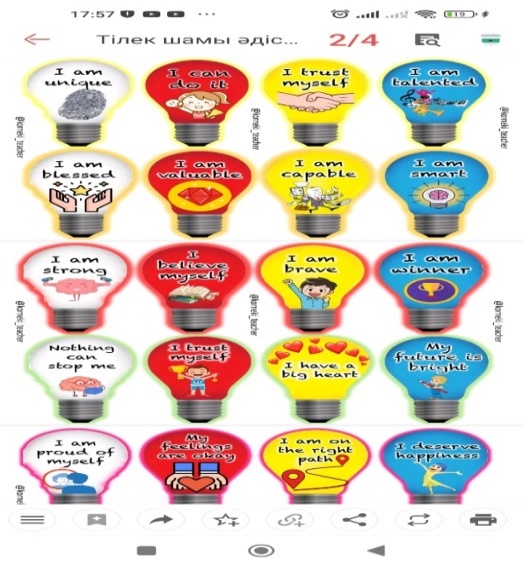

Short term plan: term 3
|
Unit of a long term plan: Unit 6 Tradition and language |
Lesson 68 |
||
|
Teacher name: |
|
||
|
Date: |
|
||
|
Grade: 9 |
Number present: |
absent: |
|
|
Lesson title |
CLIL. Language and literature: Word building: adjectives |
||
|
Learning objectives |
9.2.6.1 deduce meaning from context in unsupported extended talk on a wide range of general and curricular topics, including talk on a limited range of unfamiliar topics 9.5.1.1 plan, write, edit and proofread work at text level with support on a limited range of general and curricular topics 9.3.2.1 ask complex questions to get information about a wide range of general and curricular topics |
||
|
Lesson objectives |
Learners will be able to: • Learn about adjective suffixes. . • Read an extract from Gulliver’s Travels by Jonathan Swift |
||
|
Plan |
|||
|
Stages / Time |
Teachers’ actions |
Students’ actions |
Assessment criteria |
Resources |
|
Beginning of the lesson 5 min |
Organization moment 1.Greeting. Ask about the weather. The teacher sets the lesson objectives, letting students know what to anticipate from the lesson. Pre-listening: Warm-up
students wish each other by holding a wishes lamp Lead – In • Focus on the extract of Gulliver’s Travels. Ask students if they know what the book is about and when it was written. • Focus on the picture and elicit what it shows. Ask: Which person do you think is Gulliver? Where do you think he travels to? Elicit ideas, but don’t confirm or reject anything at this stage |
The aim: To develop pupils speaking skills and create friendly atmosphere Efficiency: By telling the wishes they show their appreciations . Students of the class are listed. Students' attention is drawn to the lesson. Students analyze the given pictures in pairs. Determines the topic and purpose of the lesson Students say different words from the picture |
At the organization momentteacher tries to award active pupils. «The praise» method is used to evaluate pupils with phrases like: “Good job! Well done!” Formative Assessment
Good job! |
Pictures
Student’s book |
|
Middle of the lesson Presentation part. 35 min |
While-listening: Ex: 1 P: 77 • In a weaker class, tell students to look up the meaning, and also take note of the part of speech for each word, as this will help them to complete the text. Remind them that some words can be both nouns and verbs, e.g. judge, murder. • Students read the text and complete it with the missing words. • Don’t check answers at this stage. Differentiation: «Verbal support» method is used to help Students use new words in the text. Ex: 2 P:77 • Ask students to listen, read and check their answers Ex: 3 P:77 • Students read the text again and decide if the sentences are true or false. Remind them to correct the false sentences. Ex: 4 P:76 • Read the instructions and check that students understand what a suffix is. If necessary, explain that it is a letter or group of letters added to a word to make another word.
|
Students check the meaning of the words in the box. Then complete the text ANSWERS: Students read and listen to the text. Check your answers to exercise 1. ANSWERS: 1 customs 2 proudly 3 laws 4 judges 5 army 6 neighbours 7 murder 8 dishonesty Students read the text again and write true or false. Correct the false sentences ANSWERS: 1 True. 2 True. 3 False. In Gulliver’s country, they grow much of their own food. 4 True. 5 False. Gulliver’s country is often at war. 6 False. The King thinks that the recent history of Gulliver’s country displays cruelty, jealousy, dishonesty and madness Students complete the table with adjectives from the text. Then write the adjective suffixes ANSWERS: 1 intelligent 2 -t 3 understanding 4 –ing 5 political 6 –al 7 delightful 8 –ful 9 enjoyable 10 -able 11 peaceful 12 -ful |
Assessment criteria - Learn about adjective suffixes Descriptor: - check the meaning of the words in the box - complete the text Assessment criteria: - Read an extract from Gulliver’s Travels by Jonathan Swift Descriptor: - read the text again - write true or false. Make CCQ questions Yes / No |
Cards Worksheets |
|
End of the lesson 5 min |
FEEDBACK Learners provide feedback on what they have learned at the lesson. The exit ticket This is a way for students to self-reflect on their progress in the lesson. Home task: Ex: 2 P: 52 WB |
|
Poster
|
|
Short term plan: term 3
|
Unit of a long term plan: Unit 6 Tradition and language |
Lesson 69 |
||
|
Teacher name: |
|
||
|
Date: |
|
||
|
Grade: 9 |
Number present: |
absent: |
|
|
Lesson title |
Review. Unit 6 Summative assessment for the units «Reading for Pleasure» and «Traditions and Language» |
||
|
Learning objectives |
9.6.3.1 use a variety of compound adjectives, adjectives as participles, comparative structures indicating degree, and intensifying adjectives on a wide range of familiar general and curricular topics 9.3.3.1 explain and justify their own point of view on a range of general and curricular topics 9.5.3.1 write with grammatical accuracy on a range of familiar general and curricular topics |
||
|
Lesson objectives |
Learners will be able to: • Use the words about traditional stories • Revise the difference between the present perfect and past simple. Identify the meaning from context Deliver effective reply speeches or comment on the partner’s speech without preparation |
||
|
Plan |
|||
|
Stages / Time |
Teachers’ actions |
Students’ actions |
Assessment criteria |
Resources |
|
Beginning of the lesson 5 min |
Organization moment 1.Greeting. Ask about the weather. The teacher sets the lesson objectives, letting students know what to anticipate from the lesson. Pre-listening: Warm-up
students wish each other by holding a wishes lamp Lead – In • Focus on the extract of Gulliver’s Travels. Ask students if they know what the book is about and when it was written. |
The aim: To develop pupils speaking skills and create friendly atmosphere Efficiency: By telling the wishes they show their appreciations . Students of the class are listed. Students' attention is drawn to the lesson. Students analyze the given pictures in pairs. Determines the topic and purpose of the lesson Students say different words from the picture |
At the organization momentteacher tries to award active pupils. «The praise» method is used to evaluate pupils with phrases like: “Good job! Well done!” Formative Assessment
Good job! |
Pictures
Student’s book |
|
Middle of the lesson Presentation part. 35 min |
Ex: 1 P: 78 • Students now practise using the verbs in sentences. • Remind students that they may have to change the form of the verb to make it fit in some of the sentences. Ex: 2 P:78 • With books closed, write Present perfect and Past simple on the board. Ask what students already know about the two tenses, e.g. we use the present perfect with for, since, just, already, yet, still, never and ever. • Elicit that we use the past simple to talk about finished actions in the past, and the present perfect to talk about general experiences, or about actions that started in the past and continue in the present. Summative assessment for the units «Reading for Pleasure» and «Traditions and Language» Reading Task 1. Read the text and circle True (T) or False (F) for the statements 1-6 Task 2. Read the text again and circle the word that can replace the underlined word without changing the meaning Speaking Task 3. In pairs, learners take a card and develop a conversation answering the given questions. They have 1 minute to generate the ideas and they have to speak for 2-3 minutes. |
Students complete the sentences with the words in the box. ANSWERS: 1 come up 2 make up 3 calm down 4 looked into 5 find out 6 get mad 7 passed down Students complete the sentences with the present perfect simple or past simple form of the verbs in brackets. ANSWERS: 1 ‘ve / have been 2 ‘ve / have known 3 had 4 didn’t go 5 did, get 6 hasn’t eaten Students read the text and circle true or false.. ANSWERS: 1 T 2 T 3 T 4 F 5 F 6 F Students In pairs, learners take a card and develop a conversation answering the given questions |
Assessment criteria - Learn about adjective suffixes Descriptor: - check the meaning of the words in the box - complete the text Assessment criteria: - Read an extract from Gulliver’s Travels by Jonathan Swift Descriptor: - read the text again - write true or false. Make CCQ questions Yes / No |
Cards Worksheets |
|
End of the lesson 5 min |
FEEDBACK Learners provide feedback on what they have learned at the lesson. The exit ticket This is a way for students to self-reflect on their progress in the lesson. Home task: Ex: 5 P: 53 WB |
|
Poster
|
|
Short term plan: term 3
|
Unit of a long term plan: Unit 7 Music and films |
Lesson 70 |
||
|
Teacher name: |
|
||
|
Date: |
|
||
|
Grade: 9 |
Number present: |
absent: |
|
|
Lesson title |
Music and film images |
||
|
Learning objectives |
9.3.1.1 explain and justify their own and others’ point of view on a range of general and curricular topics 9.6.6.1 use a wide variety of relative, demonstrative, indefinite, quantitative]of pronouns and reflexive pronoun structures on a wide range of familiar general and curricular topics |
||
|
Lesson objectives |
Learners will be able to: • Learn words for body decoration and appearance. • Do a quiz about music and film images. • Learn how to express likes and dislikes. • Learn how to use reflexive pronouns |
||
|
Plan |
|||
|
Stages / Time |
Teachers’ actions |
Students’ actions |
Assessment criteria |
Resources |
|
Beginning of the lesson 5 min |
Organization moment 1.Greeting. Ask about the weather. The teacher sets the lesson objectives, letting students know what to anticipate from the lesson. Pre-listening: Warm-up
students wish each other by holding a wishes lamp Lead – In • With books closed, write Personal appearance on the board and elicit or teach the meaning. • Ask: What can people do to change their personal appearance? Elicit a few ideas. Ask students Why do you think people like to change their appearance? Elicit ideas and guide students to the idea of image or self-expression. • Brainstorm ideas and write useful vocabulary on the board |
The aim: To develop pupils speaking skills and create friendly atmosphere Efficiency: By telling the wishes they show their appreciations . Students of the class are listed. Students' attention is drawn to the lesson. Students analyze the given pictures in pairs. Determines the topic and purpose of the lesson Students say different words from the picture |
At the organization momentteacher tries to award active pupils. «The praise» method is used to evaluate pupils with phrases like: “Good job! Well done!” Formative Assessment
Good job! |
Pictures
Student’s book |
|
Middle of the lesson Presentation part. 35 min |
Ex: 1 P: 80 • Read through the words in the box together and ask students to find as many as possible in the photos. Check understanding of any words that aren’t in the photos by eliciting translations, examples or explanations • Look at the table and make sure students understand the headings. In a weaker class, copy and complete the table together on the board. Model and drill the pronunciation of difficult words, especially moustache /məˈstɑːʃ/ and dreadlocks /ˈdredlɒks/ Ex: 2 P:80 • Draw attention to the Music and film images quiz. • Check answers as a class. Are there any answers the students didn’t know? Ex: 3 P:80 • Read the key phrases with the class and check that students understand them. Model the pronunciation of suit /suːt/. • Ask two volunteers to read the example. • In a weaker class, allow students time to prepare some notes individually and then put them into pairs to exchange opinions about the things in exercise 1. In a stronger class, elicit a few opinions and then encourage students to discuss spontaneously Ex: 4 P:80 • Allow students time to read the table and the words in the box. In a weaker class, complete the table together on the board. In a stronger class, ask students to do it in pairs |
Students complete the table with the words in the box. Which of the things can you see in the photos? Add more words that you know ANSWERS: Make-up: lipstick Jewellery: earring, piercing, necklace Hair and skin: dreadlocks, sideburns, moustache, tattoo, braids, hair dye Clothes: bowler hat, suit Students Do the Music and Film Images quiz. ANSWERS: 1 a 2 a . 3 b 4 b 5 b 6 a Students study the key phrases. Work in pairs. Talk about the body decoration words in exercise 1. Use the key phrases. ANSWERS: Students’ own answers LANGUAGE NOTE Students often make the mistake of
saying Students complete the table with the reflexive pronouns in the box 1 yourself 2 herself 3 itself 4 yourselves 5 themselves |
Assessment criteria - Learn words for body decoration and appearance. Descriptor: - complete the table with the words in the box. - Add more words that you know Assessment criteria: - Do a quiz about music and film images Descriptor: - Do the Music and Film Images quiz Make CCQ questions Yes / No |
Cards Worksheets |
|
End of the lesson 5 min |
FEEDBACK Learners provide feedback on what they have learned at the lesson. The exit ticket This is a way for students to self-reflect on their progress in the lesson. Home task: Ex: 5 P: 53 WB |
|
Poster
|
|
Short term plan: term 3
|
Unit of a long term plan: Unit 7 Music and films |
Lesson 71 |
||
|
Teacher name: |
|
||
|
Date: |
|
||
|
Grade: 9 |
Number present: |
absent: |
|
|
Lesson title |
Reading. Galymzhan Moldanazar |
||
|
Learning objectives |
9.4.5.1 deduce meaning from context in extended texts on a wide range of familiar general and curricular topics, and some unfamiliar topics 9.2.8.1 understand supported narratives, including some extended talk, on an increasing range of general and curricular topics 9.5.4.1 use style and register to achieve appropriate degree of formality in a growing variety of written genres on a range of general and curricular topics 9.3.1.1 provide basic information about themselves and others at sentence level on an increasing range of general topics |
||
|
Lesson objectives |
Learners will be able to: • Read a text about the Kazakh musician Galymzhan Moldanazar. • Read for general meaning and specific information. • Learn or review seven adjectives. • Use these adjectives to describe a musician. • Express opinions about musicians, music, and being well known |
||
|
Plan |
|||
|
Stages / Time |
Teachers’ actions |
Students’ actions |
Assessment criteria |
Resources |
|
Beginning of the lesson 5 min |
Organization moment 1.Greeting. Ask about the weather. Pre-listening: Warm-up Method speaking box was used to develop speaking skills.
Lead – In With books closed, ask students what sort of music they like. • Put students in pairs or small groups to discuss the music they listen to at home. • Ask students to name some of the musicians they listen to, and write the names on the board. In the same pairs or small groups, students discuss what they know about the musicians on the board |
The aim: To develop pupils speaking skills and create friendly atmosphere Efficiency: By telling the wishes they show their appreciations . Students of the class are listed. Students' attention is drawn to the lesson. Students analyze the given pictures in pairs. Determines the topic and purpose of the lesson Students say different words from the picture |
At the organization momentteacher tries to award active pupils. «The praise» method is used to evaluate pupils with phrases like: “Good job! Well done!” Formative Assessment
Good job! |
Pictures
Student’s book |
|
Middle of the lesson Presentation part. 35 min |
Ex: 1 P: 82 • Ask students to open their books and look at the photo at the top of the article, but not to read. • Ask if anyone in the class knows the musician’s name. If many students know Galymzhan Moldanazar, put them in small groups to discuss what they know about him and to write notes. If only a few students know about him, have a class discussion and write some notes on the board. • Ask students to read and listen to the text and compare it to either their notes or the notes on the board. • Ask students to work individually to read the webpage and match the sections to the section headings. • Put students in pairs to discuss the similarities and differences between the text and their notes or the notes on the board. Ex: 2 P:82 • Read through the sentences as a class to check that students understand the meaning of them all. • Ask students to work individually to read the text again and decide if the sentences are true or false. With a weaker class, put students in pairs to go through the sentences and decide if they are true or false. • Monitor and help as necessary. • Check the answers with the class Ex: 3 P:82 • Read through numbers 1–7 as a class, and ask students to guess the adjectives each one is describing. • Ask students to read through the text and underlines seven adjectives – one for each of 1–7. • Check the answers with the class. |
Students: What do you know about Galymzhan Moldanazar? Make some notes. Read and listen to the text. Compare your notes with the information. ANSWERS: 1 D 2 A 3 C 4 B Students Do the Music and Film Images quiz. ANSWERS: 1 a 2 a . 3 b 4 b 5 b 6 a Students read the text again. Are the sentences true or false? ANSWERS: 1 False. 2 True. 3 False. 4 False. 5 False. 6 False. 7 True Students find adjectives in the text for 1–7 ANSWERS: 1 well-known 2 talented 3 shy 4 challenging 5 popular 6 amazing 7 determined |
Assessment criteria - Read a text about the Kazakh musician Galymzhan Moldanazar Descriptor: - Make some notes. - Read and listen to the text Assessment criteria: - Use these adjectives to describe a musician. Descriptor: - find adjectives in the text Make CCQ questions Yes / No |
Cards Worksheets |
|
End of the lesson 5 min |
FEEDBACK Learners provide feedback on what they have learned at the lesson. The exit ticket This is a way for students to self-reflect on their progress in the lesson. Home task: Ex: 4 P: 54 WB |
|
Poster
|
|
Short term plan: term 3
|
Unit of a long term plan: Unit 7 Music and films |
Lesson 72 |
||
|
Teacher name: |
|
||
|
Date: |
|
||
|
Grade: 9 |
Number present: |
absent: |
|
|
Lesson title |
Language Focus. Present Perfect + for and since. |
||
|
Learning objectives |
9.4.6.1 recognize the attitude or opinion of the writer in extended texts on a wide range of familiar general and curricular topics 9.6.7.1 use perfect continuous forms and a variety of simple perfect active and passive forms including time adverbials … so far, lately, all my life , on a wide; use a variety of relative clauses including with which [whole previous clause reference] |
||
|
Lesson objectives |
Learners will be able to: • Learn the difference between the active and passive. • Learn about by + agent. • Practise recognizing passive sentences. • Practise transforming active sentences to passive. |
||
|
Plan |
|||
|
Stages / Time |
Teachers’ actions |
Students’ actions |
Assessment criteria |
Resources |
|
Beginning of the lesson 5 min |
Organization moment 1.Greeting. Ask about the weather. Pre-teaching: Warm-up Method speaking box was used to develop speaking skills.
Lead – In • Refer students back to the text on page 82. Ask: When was Galymzhan’s band formed? Elicit the answer and write it on the board. The band was formed in 2015. • Focus on the sentence on the board and underline the verb. Elicit that it is in the passive. Ask: Who formed the band? Galymzhan and some musician. Elicit that this information isn’t important in the sentence because we want to focus on the band as the subject. |
The aim: To develop pupils speaking skills and create friendly atmosphere Efficiency: By telling the wishes they show their appreciations . Students of the class are listed. Students' attention is drawn to the lesson. Students analyze the given pictures in pairs. Determines the topic and purpose of the lesson Students say different words from the picture |
At the organization momentteacher tries to award active pupils. «The praise» method is used to evaluate pupils with phrases like: “Good job! Well done!” Formative Assessment
Good job! |
Pictures
Student’s book |
|
Middle of the lesson Presentation part. 35 min |
Ex: 1 P: 83 • Students work in pairs to compare the sentences and decide if the statements are true or false LANGUAGE NOTE Students often forget to include be in
passive sentences: NOT Ex: 2 P:83 • Ask students to read the text on page 83, Clothes Crimes. Ask them to underline the passive sentences in the text. Then do the exercise choosing the passive or active form for the verbs. • In a weaker class, ask students to read the sentences in pairs and decide whether they are active or passive. Ask students which tense they are going to use for each sentence (present simple for sentences 1, 4 and 5; past simple for sentences 2, 3 and 6). In a stronger class, ask students to work individually Ex: 3 P:83 Do the first sentence with the class as an example. • Discuss why by + agent is not necessary in some cases. Explain it is not necessary to mention the agent if it is unknown (e.g. someone) or obvious (e.g. the police). LANGUAGE NOTE Students may not know that we use with, not
by, when we refer to an instrument which is used by the agent to do
the action: He was stabbed (by the mugger / criminal) with a knife.
NOT |
Students compare the active and passive sentences in the tables. Then write true or false for 1–3. Find more examples of passive sentences in the text. ANSWERS: 1 True. 2 True. 3 False. Galymzhan wanted his music to be sung in Kazakh … His music has also been used in films … … one of his songs was performed in Kazakh Students complete the sentences using the correct active or passive form of the verbs in brackets. ANSWERS: 1 buy 2 were worn 3 was invented 4 is made 5 are banned 6 became Students complete the sentences using the correct active or passive form of the verbs in brackets. ANSWERS: 1 The bikini was named after an island in the Pacific Ocean. 2 Kate Middleton’s wedding dress was designed by Sarah Burton. 3 The first fashion house was established in Paris by Charles Worth in 1858. 4 The top US tennis player, Serena Williams, is sponsored by Nike. 5 The first jeans were made in Genoa, Italy. 6 Traditional skirts, or kilts, are often worn by Scottish men |
Assessment criteria - Learn words for body decoration and appearance. Descriptor: - complete the table with the words in the box. - Add more words that you know Assessment criteria: - Do a quiz about music and film images Descriptor: - Do the Music and Film Images quiz Make CCQ questions Yes / No |
Cards Worksheets |
|
End of the lesson 5 min |
FEEDBACK Learners provide feedback on what they have learned at the lesson. The exit ticket This is a way for students to self-reflect on their progress in the lesson. Home task: Ex: 1 P: 55 WB |
|
Poster
|
|
Short term plan: term 3
|
Unit of a long term plan: Unit 7 Music and films |
Lesson 73 |
||
|
Teacher name: |
|
||
|
Date: |
|
||
|
Grade: 9 |
Number present: |
absent: |
|
|
Lesson title |
Discussing music |
||
|
Learning objectives |
9.3.3.1 explain and justify their own and others’ point of view on a range of general and curricular topics 9.4.4.1 read a wide range of extended fiction and non-fiction texts on familiar and unfamiliar general and curricular topics 9.5.8.1 spell most high-frequency vocabulary accurately for a wide range of familiar general and curricular topics |
||
|
Lesson objectives |
Learners will be able to: • Identify the names of music genres. • Learn vocabulary to talk about recording music. • Listen to a text about digital music production. • Put vocabulary into practice in a dialogue. • Discuss their favourite types of music. |
||
|
Plan |
|||
|
Stages / Time |
Teachers’ actions |
Students’ actions |
Assessment criteria |
Resources |
|
Beginning of the lesson 5 min |
Organization moment 1.Greeting. Ask about the weather. The teacher sets the lesson objectives, letting students know what to anticipate from the lesson. Pre-listening: Warm-up Method speaking box was used to develop speaking skills.
Lead – In • Bring in photos from the internet, or show students on a computer, a number of photos of different types of musicians based on the words in the box in exercise 1 and elicit what genre each is |
The aim: To develop pupils speaking skills and create friendly atmosphere Efficiency: By telling the wishes they show their appreciations . Students of the class are listed. Students' attention is drawn to the lesson. Students analyze the given pictures in pairs. Determines the topic and purpose of the lesson Students say different words from the picture |
At the organization momentteacher tries to award active pupils. «The praise» method is used to evaluate pupils with phrases like: “Good job! Well done!” Formative Assessment
Good job! |
Pictures
Student’s book |
|
Middle of the lesson Presentation part. 35 min |
Ex: 1 P: 84 • Students work individually and look at the words in the box to find the words which aren’t types of music Ex: 2 P:84 • In pairs, students read the definitions and match the words in the box to them. • If there are any words they still don’t know tell them to find another pair who has the answer and to check their other answers with them. • Check the answers as a class Ex: 3 P:84 Ask students if they record their own music. How do they do it and where do they do it? • Tell them they are going to listen to someone talking about digital music production. Where do they say music can be recorded? Differentiation: «Verbal support» method is used to help Students use new words in the text. Ex: 4 P:85 • Give students a minute to read through the statements. • Play the recording again for students to listen and decide if they are true or false. • In pairs, students compare their answers. • Check answers as a class. Elicit correct sentences for the ones which are false |
Students which of these are not types of music? ANSWERS: stone dirt Students match the words with their definitions ANSWERS: 1 record 2 track 3 mix 4 engineer 5 producer 6 iTunes 7 Spotify Students listen to someone talking about digital music production. Where can digital music be recorded? ANSWERS: At home or in a professional studio. Students listen again. Are the sentences true or false? Correct the false sentences. ANSWERS: 1 False. A DAW, microphones and cables are also needed. 2 False. It’s short for ‘digital audio workstation’. 3 True. 4 True. 5 True. Two are mentioned in the article. 6 False. They are produced by a producer. |
Assessment criteria - Learn words for body decoration and appearance. Descriptor: - complete the table with the words in the box. - Add more words that you know Assessment criteria: - Do a quiz about music and film images Descriptor: - Do the Music and Film Images quiz Make CCQ questions Yes / No |
Cards Worksheets |
|
End of the lesson 5 min |
FEEDBACK Learners provide feedback on what they have learned at the lesson. The exit ticket This is a way for students to self-reflect on their progress in the lesson. Home task: Ex: 5 P: 53 WB |
|
Poster
|
|
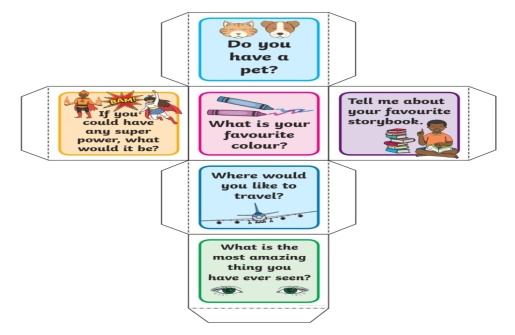
Short term plan: term 3
|
Unit of a long term plan: Unit 7 Music and films |
Lesson 74 |
||
|
Teacher name: |
|
||
|
Date: |
|
||
|
Grade: 9 |
Number present: |
absent: |
|
|
Lesson title |
Language Focus. Passive: past, present and future. Passive: questions Summative assessment for the unit «Music and Film» |
||
|
Learning objectives |
9.3.7.1 use appropriate subject-specific vocabulary and syntax to talk about an increased range of general and curricular topics 9.2.4.1 Understand most of the implied meaning in unsupported extended talks on a wide range of general and curricular topics 9.5.3.1 Write with moderate grammatical accuracy on a wide range of familiar general and curricular topics |
||
|
Lesson objectives |
Learners will be able to: • Learn the use of the passive in the past, present and future. • Learn how to form questions in the passive Identify most of the implied meaning in unsupported extended talks Develop coherent paragraphs with moderate grammatical accuracy |
||
|
Plan |
|||
|
Stages / Time |
Teachers’ actions |
Students’ actions |
Assessment criteria |
Resources |
|
Beginning of the lesson 5 min |
Organization moment 1.Greeting. Ask about the weather. The teacher sets the lesson objectives, letting students know what to anticipate from the lesson. Pre-listening: Warm-up Method speaking box was used to develop speaking skills.
Lead – In • With books closed, ask students to think back to the interview with Stella. Ask: What does Stella think will happen in the future? Write the sentence beginning: She thinks that more clothes … and elicit the sentence end … will be recycled in the future. • Underline the verb will be recycled and elicit that it is passive and that it refers to the future |
The aim: To develop pupils speaking skills and create friendly atmosphere Efficiency: By telling the wishes they show their appreciations . Students of the class are listed. Students' attention is drawn to the lesson. Students analyze the given pictures in pairs. Determines the topic and purpose of the lesson Students say different words from the picture |
At the organization momentteacher tries to award active pupils. «The praise» method is used to evaluate pupils with phrases like: “Good job! Well done!” Formative Assessment
Good job! |
Pictures
Student’s book |
|
Middle of the lesson Presentation part. 35 min |
Ex: 1 P: 85 • Students study the example sentences and identify the tense. Elicit which part of the sentence changes. • Check answers. Make sure students understand how to form negative sentences in the passive (by adding not between be and the past participle of the main verb). Ex: 2 P:85 • Do the first sentence together. Elicit how we know what tense it should be (the time phrase, each year). Remind students to use context and time expressions to help them to decide which tense to use. • In a weaker class, ask students to underline the part of the sentences that give them the ‘clue’. • In a stronger class, ask students to complete the sentences individually Differentiation: «Verbal support» method is used to help Students use new words in the text. Summative assessment for the unit «Music and Film» Listening Task 1. Listen and circle True or False for statements 1-6. CD2. Tapescript 3. Writing Task 2. Write a film review of your favourite movie. In your review you should include the following information: |
Students study the sentences from the listening on page 84. Which of these sentences refers to the past, present and future? Which part of the sentence changes? ANSWERS: present, future, pas Students complete the sentences with the correct passive form of the verbs in brackets. ANSWERS: 1 are thrown away 2 will be imported 3 is used, is not grown 4 were worn, were called 5 wasn’t made, was tied 6 will be developed Students listen and circle True or False ANSWERS: 1 true 2 false 3 true 4 false 5 false Students write a film review of your favourite movie ANSWERS: Students’ own answer |
Assessment criteria - Learn the use of the passive in the past, present and future. Descriptor: - complete the sentences with the correct passive form of the verbs in brackets. Assessment criteria: - listen and circle True or False - write a film review of your favourite movie Descriptor: - circles a correct answers for question - gives relevant content of a film review; - writes its type and/or when it was made; Make CCQ questions Yes / No |
Cards Worksheets |
|
End of the lesson 5 min |
FEEDBACK Learners provide feedback on what they have learned at the lesson. The exit ticket This is a way for students to self-reflect on their progress in the lesson. Home task: Ex: 3 P: 56 WB |
|
Poster
|
|
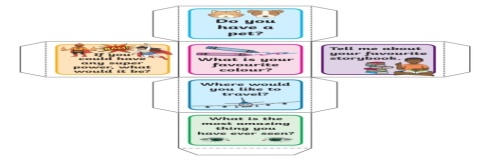
Short term plan: term 3
|
Unit of a long term plan: Unit 7 Music and films |
Lesson 75 |
||
|
Teacher name: |
|
||
|
Date: |
|
||
|
Grade: 9 |
Number present: |
absent: |
|
|
Lesson title |
Changing something in a shop |
||
|
Learning objectives |
9.1.6.1 organize and present information clearly to others 9.4.5.1 deduce meaning from context in extended texts on a wide range of familiar general and curricular topics, and some unfamiliar topics 9.2.1.1 understand the main points in unsupported extended talk on a wide range of general and curricular topics, including talk on a limited range of unfamiliar topics |
||
|
Lesson objectives |
Learners will be able to: • Listen to a conversation in which someone changes something in a shop. • Learn key phrases for changing something in a shop. • Practise changing something in a shop |
||
|
Plan |
|||
|
Stages / Time |
Teachers’ actions |
Students’ actions |
Assessment criteria |
Resources |
|
Beginning of the lesson 5 min |
Organization moment 1.Greeting. Ask about the weather. The teacher sets the lesson objectives, letting students know what to anticipate from the lesson. Pre-listening: Warm-up Method speaking box was used to develop speaking skills.
Lead – In • With books closed, ask students if they enjoy shopping. Find out what they buy with their pocket money (allowance, etc.) and what their parents buy for them. • Ask: What do you do if you buy something or get it as a present and it isn’t right? Elicit you can return it to the shop. • Briefly brainstorm reasons why you might take something back to change it |
The aim: To develop pupils speaking skills and create friendly atmosphere Efficiency: By telling the wishes they show their appreciations . Students of the class are listed. Students' attention is drawn to the lesson. Students analyze the given pictures in pairs. Determines the topic and purpose of the lesson Students say different words from the picture |
At the organization momentteacher tries to award active pupils. «The praise» method is used to evaluate pupils with phrases like: “Good job! Well done!” Formative Assessment
Good job! |
Pictures
Student’s book |
|
Middle of the lesson Presentation part. 35 min |
Ex: 1 P: 86 • Focus on the photo. Ask: Where is the woman? What is she doing? Elicit she is in a shop and wants to change something. • Ask: What do you think she is saying? Elicit some ideas, but don’t confirm or reject any at this stage Ex: 2 P:86 • Read the task and clarify that the first time students listen, they should just identify what the woman wants to change. They do not need to understand every word at this stage Ex: 3 P:86 • Read the key phrases together. In a weaker class, if necessary, play the CD again and ask students to listen carefully to the key phrases and try to mimic the pronunciation and intonation. In a stronger class, ask if students remember who says the phrases before they look back at the dialogue to check Differentiation: «Verbal support» method is used to help Students use new words in the text. Ex: 4 P:86 • Explain that students are going to hear a statement or a question, and they should choose the best response to it from the options. Remind them to read through all the options first and try to predict the kind of thing they might hear for each one. • Play the CD twice. Students can make notes the first time they listen, then confirm their answers the second time. |
Students look at the photo. What is the woman doing? ANSWERS: She’s returning / exchanging some clothes. Students listen to the dialogue. What does the customer want to change? What does she get instead? ANSWERS: She wants to change a record. She gets a new copy of the same record from the shop. Students study the key phrases. Who says the phrases? Practise the dialogue. ANSWERS: Customer: Is it OK if I exchange it for something else? Can I get a refund? When I got home, I found it was damaged. Assistant: I’m afraid we can’t give refunds. What’s wrong with it? Do you have the receipt? We can give you a new copy. Would you like a bag for it? Students listen and choose the correct answers. ANSWERS: 1 b 2 c , 3 a 4 b 5 c |
Assessment criteria - Listen to a conversation in which someone changes something in a shop Descriptor: - look at the photo. What is the woman doing? Assessment criteria: - Learn key phrases for changing something in a shop Descriptor: - study the key phrases. Make CCQ questions Yes / No |
Cards Worksheets
|
|
End of the lesson 5 min |
FEEDBACK Learners provide feedback on what they have learned at the lesson. The exit ticket This is a way for students to self-reflect on their progress in the lesson. Home task: Ex: 1 P: 57 WB |
|
Poster
|
|
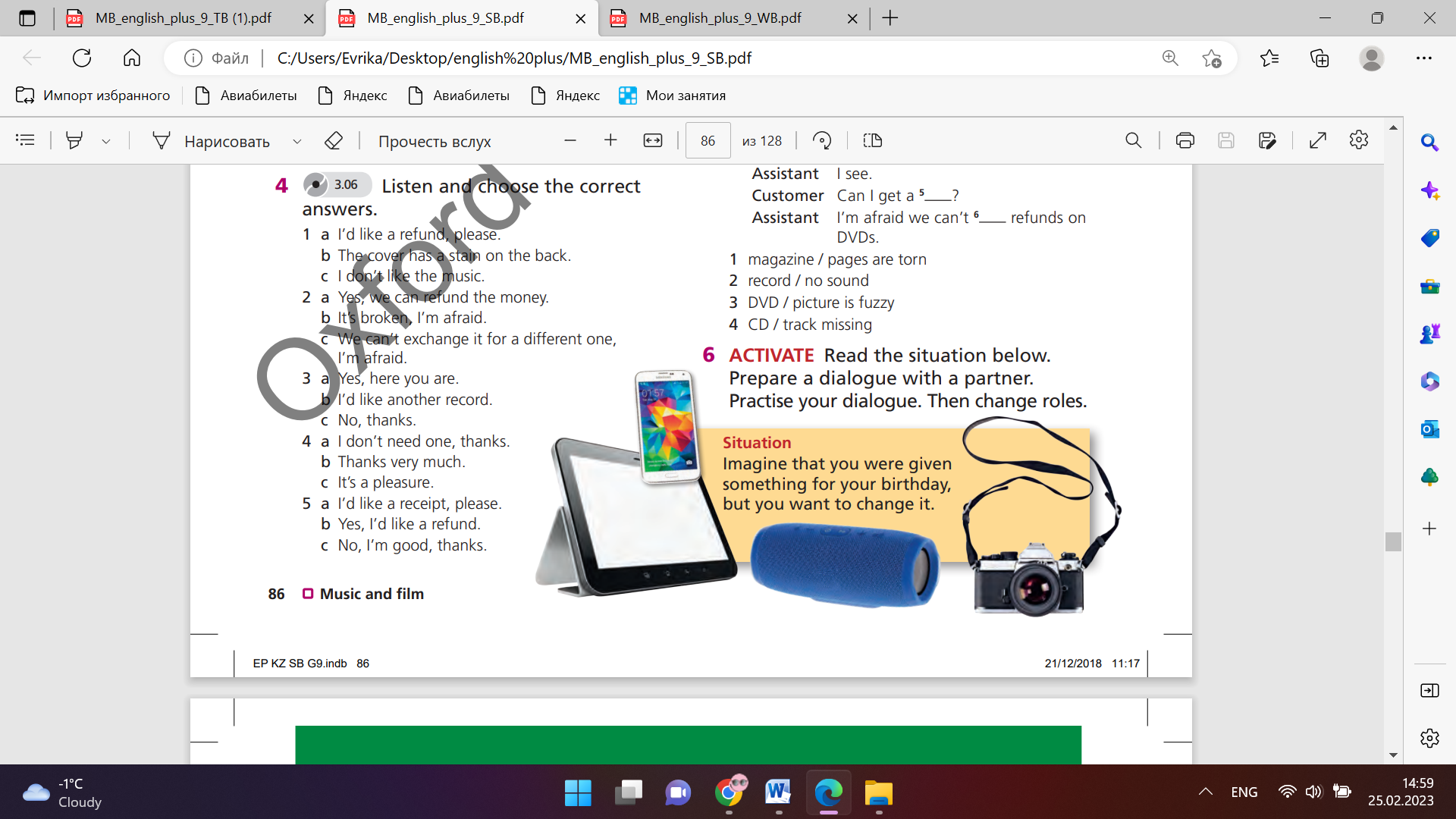
Short term plan: term 3
|
Unit of a long term plan: Unit 7 Music and films |
Lesson 76 |
||
|
Teacher name: |
|
||
|
Date: |
|
||
|
Grade: 9 |
Number present: |
absent: |
|
|
Lesson title |
Discussing music. Talking about how music is recorded. |
||
|
Learning objectives |
9.3.3.1 explain and justify their own and others’ point of view on a range of general and curricular topics 9.4.4.1 read a wide range of extended fiction and non-fiction texts on familiar and unfamiliar general and curricular topics 9.5.8.1 spell most high-frequency vocabulary accurately for a wide range of familiar general and curricular topics |
||
|
Lesson objectives |
Learners will be able to: • Identify the names of music genres. • Learn vocabulary to talk about recording music. • Listen to a text about digital music production. • Put vocabulary into practice in a dialogue. • Discuss their favourite types of music. |
||
|
Plan |
|||
|
Stages / Time |
Teachers’ actions |
Students’ actions |
A student with special educational needs |
Assessment criteria |
Resources |
|
|
Beginning of the lesson 5 min |
Organization moment 1.Greeting. Ask about the weather. The teacher sets the lesson objectives, letting students know what to anticipate from the lesson. Warm-up Method speaking phone was used to develop speaking skills.
Lead – In • Bring in photos from the internet, or show students on a computer, a number of photos of different types of musicians based on the words in the box in exercise 1 and elicit what genre each is |
The aim: To develop pupils speaking skills and create friendly atmosphere Efficiency: By telling the wishes they show their appreciations . Students of the class are listed. Students' attention is drawn to the lesson. Students analyze the given pictures in pairs. Determines the topic and purpose of the lesson Students say different words from the picture |
A pupil greets. |
At the organization moment teacher tries to award active pupils. «The praise» method is used to evaluate pupils with phrases like: “Good job! Well done!” Formative Assessment
Good job! |
Pictures
Student’s book |
|
|
Middle of the lesson Presentation part. 35 min |
Ex: 1 P: 84 • Students work individually and look at the words in the box to find the words which aren’t types of music Differentiation: «Verbal support» method is used to help Students use new words in the text. Ex: 2 P:84 • In pairs, students read the definitions and match the words in the box to them. • If there are any words they still don’t know tell them to find another pair who has the answer and to check their other answers with them. • Check the answers as a class Ex: 4 P:84 • Give students a minute to read through the statements. • Play the recording again for students to listen and decide if they are true or false. • In pairs, students compare their answers.\ • Check answers as a class. Elicit correct sentences for the ones which are false. Ex: 5 P:84 Ask students how often they talk about music with their friends. • Play the recording for them to listen and read the dialogue. • Ask comprehension questions to check their understanding. For example: Who does Shona really like listening to at the moment? Why does she like his music? Which of his albums has she got? • Play the dialogue again for students to listen to the intonation. • Then students practise acting out the dialogue in pairs |
Students answer the question.Which of these are not types of music? ANSWERS: Stone dirt Students match the words with their definitions ANSWERS: 1 record 2 track 3 mix 4 engineer 5 producer 6 iTunes 7 Spotify Students listen again. Are the sentences true or false? Correct the false sentences. ANSWERS: 1 False. A DAW, microphones and cables are also needed. 2 False. It’s short for ‘digital audio workstation’. 3 True. 4 True. 5 True. Two are mentioned in the article. 6 False. They are produced by a producer. Students listen. Then practise the dialogue ANSWERS: Students’ own answers |
• In a weaker class, match the words with their definitions with teacher’s support |
Assessment criteria - Identify the names of music genres. Descriptor: - answer the question. Which of these are not types of music? Assessment criteria: - Learn vocabulary to talk about recording music. Descriptor: - match the words with their definitions Make CCQ questions Yes / No |
Cards Worksheets |
|
|
End of the lesson 5 min |
FEEDBACK Learners provide feedback on what they have learned at the lesson. The exit ticketThis is a way for students to self-reflect on their progress in the lesson. Home task: Ex: 3 P: 56 WB |
|
Poster
|
|
||
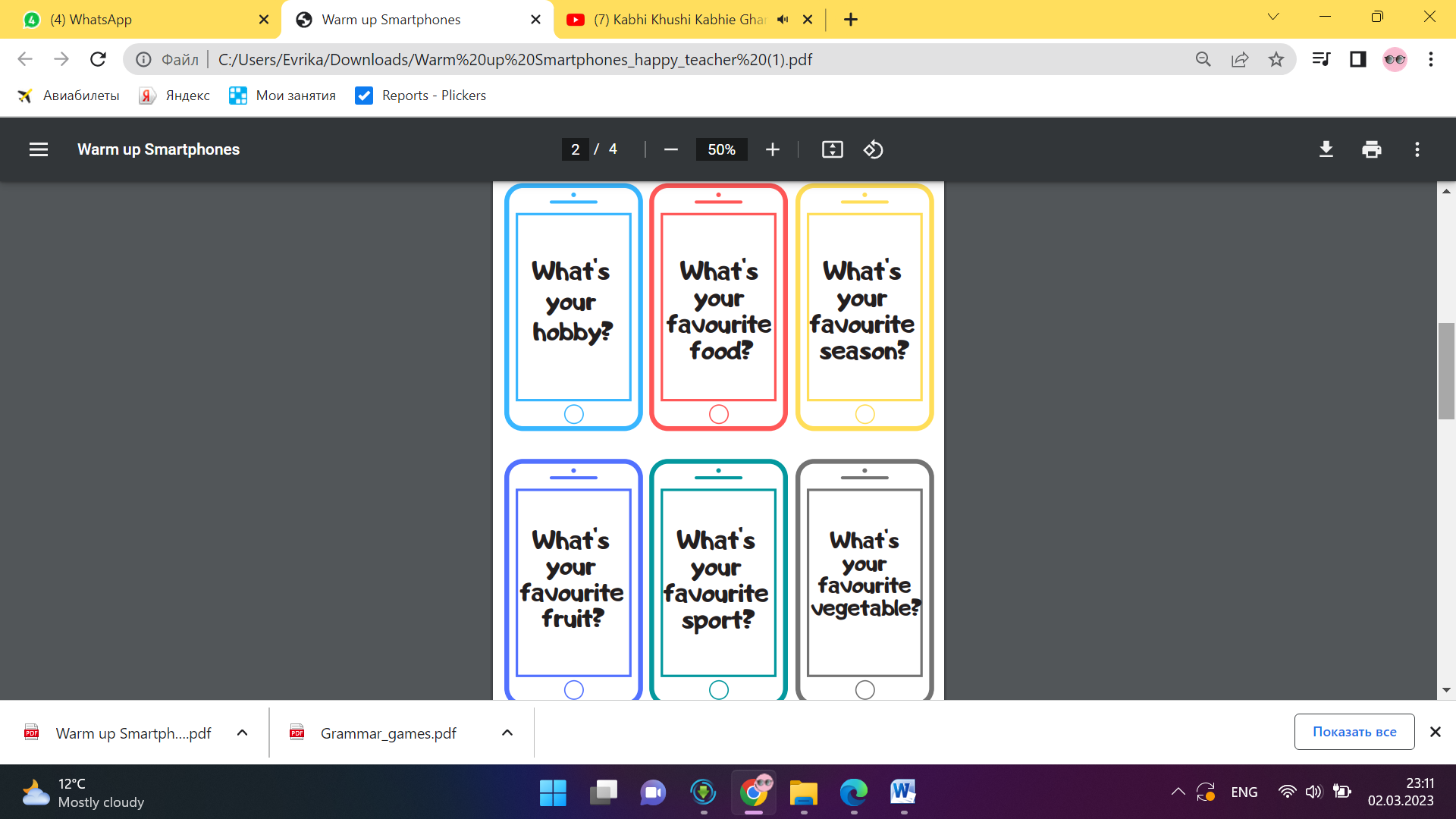
Short term plan: term 3
|
Unit of a long term plan: Unit 7 Music and films |
Lesson 77 |
||
|
Teacher name: |
|
||
|
Date: |
|
||
|
Grade: 9 |
Number present: |
absent: |
|
|
Lesson title |
Language Focus. Passive: past, present and future. Passive: questions |
||
|
Learning objectives |
9.3.7.1 use appropriate subject-specific vocabulary and syntax to talk about an increased range of general and curricular topics 9.4.5.1 deduce meaning from context in extended texts on a wide range of familiar general and curricular topics, and some unfamiliar topics 9.5.3.1 write with grammatical accuracy on a range of familiar general and curricular topics 9.6.1.1 use a variety of abstract compound nouns and complex noun phrases on a range of familiar general and curricular topics, and some unfamiliar general and curricular topics |
||
|
Lesson objectives |
Learners will be able to: • Learn the use of the passive in the past, present and future. • Learn how to form questions in the passive. • Practise using the passive in the past, present and future. |
||
|
Plan |
|||
|
Stages / Time |
Teachers’ actions |
Students’ actions |
A student with special educational needs |
Assessment criteria |
Resources |
|
|
Beginning of the lesson 5 min |
Organization moment 1.Greeting. Ask about the weather. The teacher sets the lesson objectives, letting students know what to anticipate from the lesson. Warm-up Method speaking phone was used to develop speaking skills.
Lead – In • With books closed, ask students to think back to the interview with Stella. Ask: What does Stella think will happen in the future? Write the sentence beginning: She thinks that more clothes … and elicit the sentence end … will be recycled in the future. • Underline the verb will be recycled and elicit that it is passive and that it refers to the future. |
The aim: To develop pupils speaking skills and create friendly atmosphere Efficiency: By telling the wishes they show their appreciations . Students of the class are listed. Students' attention is drawn to the lesson. Students analyze the given pictures in pairs. Determines the topic and purpose of the lesson Students say different words from the picture |
A pupil greets. |
At the organization moment teacher tries to award active pupils. «The praise» method is used to evaluate pupils with phrases like: “Good job! Well done!” Formative Assessment
Good job! |
Pictures
Student’s book |
|
|
Middle of the lesson Presentation part. 35 min |
Ex: 1 P: 85 • Students study the example sentences and identify the tense. Elicit which part of the sentence changes. • Check answers. Make sure students understand how to form negative sentences in the passive (by adding not between be and the past participle of the main verb) LANGUAGE NOTE With the future passive form, students often forget to include the appropriate form of be: More Fair Trade clothes will be sold. NOT More Fair Trade clothes will sold Ex: 2 P:85 • Do the first sentence together. Elicit how we know what tense it should be (the time phrase, each year). Remind students to use context and time expressions to help them to decide which tense to use. • In a stronger class, ask students to complete the sentences individually Ex: 3 P:85 • Ask students to read the text through quickly, ignoring the gaps. Ask: Who wore this jacket? (Johnny Depp) Ex: 4 P:84 • Students work in pairs to study the examples and answer the questions. Check answers with the class. LANGUAGE NOTE As with all
question forms, students often forget that we have to invert the
subject and auxiliary verb: |
Studentsstudy the sentences from the listening on page 84. Which of these sentences refers to the past, present and future? Which part of the sentence changes? ANSWERS: present, future, past Students complete the sentences with the correct passive form of the verbs in brackets. ANSWERS: 1 are thrown away 2 will be imported 3 is used, is not grown 4 were worn, were called 5 wasn’t made, was tied 6 will be developed Students complete the text with past, present and future passive forms. Then listen and check. ANSWERS: 1 are created 2 were worn 3 are worn / have been worn 4 are usually kept 5 are sold 6 was worn 7 was sold 8 will be auctioned 9 are often advertised Students study the sentences and answer questions 1 and 2 ANSWERS: 1 past: b; present: a; future: c 2 be comes between the subject and the past participle of the main verb |
• In a weaker class, ask students to underline the part of the sentences that give them the ‘clue’. • In a weaker class, work in pairs complete the sentences with teacher’s support |
Assessment criteria - Learn the use of the passive in the past, present and future Descriptor: - study the sentences Assessment criteria: - Learn how to form questions in the passive. Descriptor: - complete the text with past, present and future passive forms Make CCQ questions Yes / No |
Cards Worksheets |
|
|
End of the lesson 5 min |
FEEDBACK Learners provide feedback on what they have learned at the lesson.The exit ticket This is a way for students to self-reflect on their progress in the lesson. Home task:Ex: 3 P: 56 WB |
|
Poster
|
|
||
Short term plan: term 3
|
Unit of a long term plan: Holidays |
Lesson 78 |
||
|
Teacher name: |
|
||
|
Date: |
|
||
|
Grade: 9 |
Number present: |
absent: |
|
|
Lesson title |
Changing something in a shop |
||
|
Learning objectives |
9.1.6.1 organize and present information clearly to others 9.4.5.1 deduce meaning from context in extended texts on a wide range of familiar general and curricular topics, and some unfamiliar topics 9.2.1.1 understand the main points in unsupported extended talk on a wide range of general and curricular topics, including talk on a limited range of unfamiliar topics |
||
|
Lesson objectives |
Learners will be able to: • Listen to a conversation in which someone changes something in a shop. • Learn key phrases for changing something in a shop. • Practise changing something in a shop
|
||
|
Plan |
|||
|
Stages / Time |
Teachers’ actions |
Students’ actions |
A student with special educational needs |
Assessment criteria |
Resources |
|
|
Beginning of the lesson 5 min |
Organization moment 1.Greeting. Ask about the weather. The teacher sets the lesson objectives, letting students know what to anticipate from the lesson. Warm-up Method speaking phone was used to develop speaking skills.
Lead – In • With books closed, ask students if they enjoy shopping. Find out what they buy with their pocket money (allowance, etc.) and what their parents buy for them. • Ask: What do you do if you buy something or get it as a present and it isn’t right? Elicit you can return it to the shop. • Briefly brainstorm reasons why you might take something back to change it |
The aim: To develop pupils speaking skills and create friendly atmosphere Efficiency: By telling the wishes they show their appreciations . Students of the class are listed. Students' attention is drawn to the lesson. Students analyze the given pictures in pairs. Determines the topic and purpose of the lesson Students say different words from the picture |
A pupil greets. |
At the organization moment teacher tries to award active pupils. «The praise» method is used to evaluate pupils with phrases like: “Good job! Well done!” Formative Assessment
Good job! |
Pictures
Student’s book |
|
|
Middle of the lesson Presentation part. 35 min |
Ex: 1 P: 86 • Focus on the photo. Ask: Where is the woman? What is she doing? Elicit she is in a shop and wants to change something. • Ask: What do you think she is saying? Elicit some ideas, but don’t confirm or reject any at this stage. Differentiation: «Verbal support» method is used to help Students use new words in the text. Ex: 2 P:86 • Read the task and clarify that the first time students listen, they should just identify what the woman wants to change. They do not need to understand every word at this stage Ex: 3 P:86 • Read the key phrases together. In a stronger class, ask if students remember who says the phrases before they look back at the dialogue to check Ex: 4 P:86 • Explain that students are going to hear a statement or a question, and they should choose the best response to it from the options. Remind them to read through all the options first and try to predict the kind of thing they might hear for each one. • Play the CD twice. Students can make notes the first time they listen, then confirm their answers the second time. |
Studentslook at the photo. What is the woman doing? ANSWERS: She’s returning / exchanging some clothes. Students listen to the dialogue. What does the customer want to change? What does she get instead? ANSWERS: She wants to change a record. She gets a new copy of the same record from the shop. Students study the key phrases. Who says the phrases? Practise the dialogue. ANSWERS: Customer: Is it OK if I exchange it for something else? Can I get a refund? When I got home, I found it was damaged. Assistant: I’m afraid we can’t give refunds. What’s wrong with it? Do you have the receipt? We can give you a new copy. Would you like a bag for it? Students listen and choose the correct answers. ANSWERS: 1 b 2 c 3 a 4 b 5 c |
• In a weaker class, translate words in L1 In a weaker class, if necessary, play the CD again and ask students to listen carefully to the key phrases and try to mimic the pronunciation and intonation. |
Assessment criteria - Listen to a conversation in which someone changes something in a shop Descriptor: - listen to the dialogue. What does the customer want to change? What does she get instead? Assessment criteria: - Learn key phrases for changing something in a shop Descriptor: - study the key phrases. Who says the phrases? Practise the dialogue. Make CCQ questions Yes / No |
Cards Worksheets |
|
|
End of the lesson 5 min |
FEEDBACK Learners provide feedback on what they have learned at the lesson. The exit ticketThis is a way for students to self-reflect on their progress in the lesson. Home task: Ex: 3 P: 56 WB |
|
Poster
|
|
||
Short term plan: term 3
|
Unit of a long term plan: Holidays |
Lesson 79 |
||
|
Teacher name: |
|
||
|
Date: |
|
||
|
Grade: 9 |
Number present: |
absent: |
|
|
Lesson title |
Giving feedback on a product. |
||
|
Learning objectives |
9.4.7.1 recognize typical features at word, sentence and text level in a wide range of written genres, including some which focus on unfamiliar topics 9.3.5.1 keep interaction going in basic exchanges on a growing range of general and curricular topics 9.5.6.1 write coherently at text level using a variety of connectors on a wide range of familiar general and curricular topics |
||
|
Lesson objectives |
Learners will be able to: • Study a model text. • Learn key phrases for writing formal letters. • Learn about adverbs of degree. • Write a formal letter of complaint. |
||
|
Plan |
|||
|
Stages / Time |
Teachers’ actions |
Students’ actions |
Assessment criteria |
Resources |
|
Beginning of the lesson 5 min |
Organization moment 1.Greeting. Ask about the weather. The teacher sets the lesson objectives, letting students know what to anticipate from the lesson. Warm-up
Fasten your seat belts and get ready for the all-round race Lead – In • With books closed, ask students to recall the previous lesson (Speaking, page 86) and elicit what they remember about the scenario. • Ask: Where was the woman? (In a shop.) What was she doing? (Returning a record.) What did she want? (To change it.) Did she get what she wanted? (No, but she got a new copy of the same record.) |
Students' attention is drawn to the lesson. Students discuss the pictures in pairs. Determines the topic and aim of the lesson Students say different words from the picture |
Formative Assessment
Good job! Assessment criteria -Identify detailed information in extended conversation with support |
Pictures
Student’s book |
|
Middle of the lesson Presentation part. 35 min |
Ex: 1 P:87 • In a weaker class, allow students to compare answers in pairs before checking answers as a class Answers: 1 B 2 E 3 D 4 C 5 A Ex: 2 P:87 • Ask students to order the key phrases from memory and then check them in the text Answers: Stating the problem: I bought (product) on your website on (date. On your website the product details said …; I’m afraid I was quite disappointed with the …; Making a request: I would like … / I would like to …; Please …; I would be grateful if … Ex: 3 P:87 • Elicit the function of the adverbs (they modify the strength of the adjective that follows). Ask: Which adverb weakens the adjective that follows? (rather) Which two adverbs have the same effect? (really and very) Which adverb is the strongest modifier? (extremely) • Write the adverb quite on the board. In a weaker class, provide an example sentence. In a stronger class, elicit one. • Elicit the function of the adverb by asking which of the ones in the text has a similar function (rather). You may want to point out that quite is a little bit stronger than rather. Answers: 1 This old record cost 100 euros. it’s very expensive! 2 Wow! This new album is really fantastic. 3 The headphones are a bit big, but they still fit on my head. 4 The assistant wasn’t very helpful. 5 This DVD is quite nice, but I prefer the other one Conclusion during the lesson some tasks differentiated by outcomes of the students and by their abilities. |
Students read texts and match them with the types of problem. Descriptor: - read the text - match them with the types of problem. Differentiation: «Verbal support» method is used to help Students use new words in the text. Students study the key phrases. Which phrases are used to state the problem and which are used to make a request? Descriptor: - make a request using key phrases - -answer the question Differentiation by support Less motivated learners will be given prompts to find the correct location of the text() paragraphs Students study the words in blue in the model texts. Do they come before nouns or adjectives? Rewrite the sentences with the correct adverbs Descriptor: - rewrite the sentences with the correct adverbs Differentiation by support Less motivated learners will be given prompts to find the correct location of the text() paragraphs |
-can match them with the types of problem. Total: 1 point -can make a request using key phrases Total: 1 point -can rewrite the sentences with the correct adverbs Total: 1 point |
Cards Worksheets |
|
End of the lesson 5 min |
FEEDBACK Learners provide feedback on what they have learned at the lesson. |
|
Students evaluate each other and encourage classmate with phrases like: Well done! Brilliant! Good job! I like it! . |
Poster |
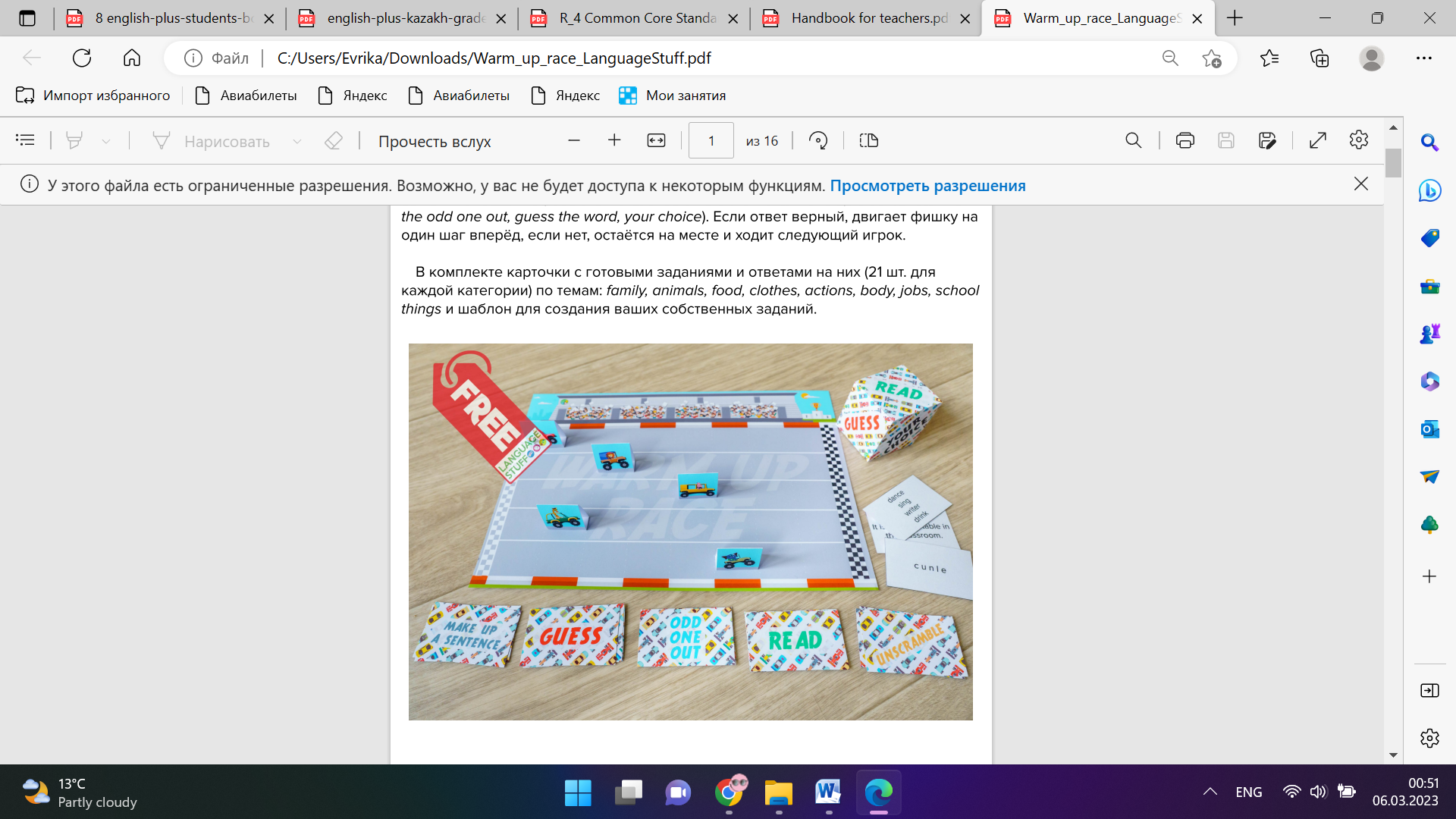
Short term plan: term 3
|
Unit of a long term plan: Holidays |
Lesson 80 |
||
|
Teacher name: |
|
||
|
Date: |
|
||
|
Grade: 9 |
Number present: |
absent: |
|
|
Lesson title |
Summative Assessment for term 3 |
||
|
Learning objectives |
9.2.5.1 Recognise the opinion of the speaker(s) in unsupported extended talk on a wide range of general and curriculur topics 9.4.3.1 Understand the detail of an argument in extended texts on a range of familiar general and curricular topics 9.5.6.1 Write coherently at text level using a variety of connectors on a growing range of familiar general and curricular topics 9.3.7.1 Use appropriate subject-specific vocabulary and syntax to talk about an increased range of general and curricular topics |
||
|
Lesson objectives |
Learners will be able to:
|
||
|
Plan |
|||
|
Stages / Time |
Teachers’ actions |
Students’ actions |
Assessment criteria |
Resources |
|
Beginning of the lesson 5 min |
Organization moment 1.Greeting. Ask about the weather. The teacher sets the lesson objectives, letting students know what to anticipate from the lesson. Warm-up
Fasten your seat belts and get ready for the all-round race Lead – In • With books closed, ask students to recall the previous lesson (Speaking, page 86) and elicit what they remember about the scenario. • Ask: Where was the woman? (In a shop.) What was she doing? (Returning a record.) What did she want? (To change it.) Did she get what she wanted? |
Students' attention is drawn to the lesson. Students discuss the pictures in pairs. Determines the topic and aim of the lesson Students say different words from the picture |
Formative Assessment
Good job! Assessment criteria -Identify detailed information in extended conversation with support |
Pictures
Student’s book |
|
Middle of the lesson Presentation part. 35 min |
LISTENING Task. Listen to five people talking about different celebrations. Match the halves of the sentences (1-4) with the opinions (A-F) to make true sentences. ONE argument is extra. CD3 Tapescript3 Task. Choose and circle the correct answer A, B or C READING Task. Paraphrase the given sentences so it has similar meaning. Use the given beginnings of sentences. Example, No kitchen was needed to prepare popcorn. Preparation _________________________. Answer, Preparation of popcorn did not need any kitchen Task. Answer the questions. 5. Why have cinemas sold popcorn since the 19th century? 6. Why cannot popcorn be dissapperead from cinemas? WRITING Choose ONE of the topics and write. Topic 1. You are a blogger who shares with own experience. Write a story about a concert you have been to. Include the following information in your review:. • The concert; when? / where? • The band: people in the band/ kind of music/ songs played • The audience: how many people / their reaction • Problems: the music/ the sound quality/ the time • Suggestions: different place / different time / different kind of music SPEAKING Task. You are given questions to speak about for 2-3 minutes. Before you speak you have one minute to think about what you are going to say. |
Students Listen to five people talking about different celebrations then match Descriptor: - listen and match Differentiation: «Verbal support» method is used to help Students use new words in the text. Students Descriptor: - Paraphrase the given sentences so it has similar meaning Differentiation by support Less motivated learners will be given prompts to find the correct location of the text() paragraphs Students choose ONE of the topics and write. Descriptor: - Write a story about a concert Differentiation by support Less motivated learners will be given prompts to find the correct location of the text() paragraphs |
-can match the halves of the sentences Total: 1 point -can paraphrase the given sentences Total: 1 point -can write a story about a concert Total: 1 point |
Cards Worksheets |
|
End of the lesson 5 min |
FEEDBACK Learners provide feedback on what they have learned at the lesson. |
|
Students evaluate each other and encourage classmate with phrases like: Well done! Brilliant! Good job! I like it! . |
Poster
|
Short term plan: term 3
|
Unit of a long term plan: Holidays |
Lesson 81 |
||
|
Teacher name: |
|
||
|
Date: |
|
||
|
Grade: 9 |
Number present: |
absent: |
|
|
Lesson title |
CLIL. Culture: Britain in the 1960s |
||
|
Learning objectives |
9.4.5.1 deduce meaning from context in extended texts on a range of familiar general and curricular topics 9.5.2.1 write independently about factual and imaginary past events, activities and experiences on a range of familiar general and curricular topics |
||
|
Lesson objectives |
Learners will be able to: • Read about Britain in the 1960s. • Talk about the 1960s in your country. • Give a presentation about the Noughties |
||
|
Plan |
|||
|
Stages / Time |
Teachers’ actions |
Students’ actions |
Assessment criteria |
Resources |
|
Beginning of the lesson 5 min |
Organization moment 1.Greeting. Ask about the weather. The teacher sets the lesson objectives, letting students know what to anticipate from the lesson. Warm-up
Fasten your seat belts and get ready for the all-round race Lead – In With books closed, write 1960s on the board. Ask: What do you know about the 1960s? What was happening in your country? / in Britain? / in the world? • Put students into pairs to brainstorm ideas and then elicit ideas from the class. |
Students' attention is drawn to the lesson. Students discuss the pictures in pairs. Determines the topic and aim of the lesson Students say different words from the picture |
Formative Assessment
Good job! Assessment criteria -Identify detailed information in extended conversation with support |
Pictures
Student’s book |
|
Middle of the lesson Presentation part. 35 min |
Ex: 1 P:89 • Put students into pairs to look at the photos and answer the questions. Ask some students to report back to the class on their ideas, but don’t check answers at this stage Ex: 2 P:89 • Students listen, read and check their answers to exercise 1. In a stronger class, ask students to find the name of the woman in B and the name for the hysteria in A. Answers: A 1 The people are fans. 2 They are looking at The Beatles. B 1 She is an actor. 2 She was chosen for her acting skills. Ex: 3 P:89 • Give students time to read the questions and try to remember details from the text. • Ask students to compare their answers in pairs before you check with the class. Answers: Conclusion during the lesson some tasks differentiated by outcomes of the students and by their abilities. |
Students look at photos A and B and answer the questions. Descriptor: - read the text - match them with the types of problem. Differentiation: «Verbal support» method is used to help Students use new words in the text. Students read and listen to the text. Check your answers to exercise 1. Descriptor: - make a request using key phrases - -answer the question Differentiation by support Less motivated learners will be given prompts to find the correct location of the text() paragraphs Students study the words in blue in the model texts. Do they come before nouns or adjectives? Rewrite the sentences with the correct adverbs Descriptor: - rewrite the sentences with the correct adverbs Differentiation by support Less motivated learners will be given prompts to find the correct location of the text() paragraphs |
-can match them with the types of problem. Total: 1 point -can make a request using key phrases Total: 1 point -can rewrite the sentences with the correct adverbs Total: 1 point |
Cards Worksheets |
|
End of the lesson 5 min |
FEEDBACK Learners provide feedback on what they have learned at the lesson. |
|
Students evaluate each other and encourage classmate with phrases like: Well done! Brilliant! Good job! I like it! . |
Poster
|









 Бұл курс Қазақстан Республикасы Оқу-ағарту министрлігімен келісілген










