ЖИ көмекші


 Қауіпсіз төлем

жүктеу мүмкіндігіне ие боласыз
Бұл материал сайт қолданушысы жариялаған. Материалдың ішінде жазылған барлық ақпаратқа жауапкершілікті жариялаған қолданушы жауап береді. Ұстаз тілегі тек ақпаратты таратуға қолдау көрсетеді. Егер материал сіздің авторлық құқығыңызды бұзған болса немесе басқа да себептермен сайттан өшіру керек деп ойласаңыз осында жазыңыз
 01 Сәуір 2025
 120
120
1 жыл бойы шексіз жүктеңіз
ҚМЖ Excel 9 term 4
Short term plan: term 4
|
Unit 8: Travel and tourism |
Lesson 81 |
||
|
Teacher name: |
|
||
|
Date: |
|
||
|
Grade: 9 |
Number present: |
absent: |
|
|
Lesson title |
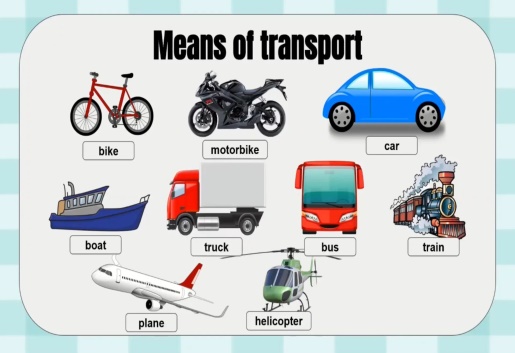
Vocabulary: means of transport |
||
|
Learning objectives |
9.1.4.1 evaluate and respond constructively to feedback from others 9.2.4.1 understand the main points of supported extended talk on a range of general and curricular topics 9.3.3.1 explain and justify their own and others’ point of view on a range of general and curricular topics |
||
|
Lesson objectives |
Learners will be able to: - introduce the topic - read for gist |
||
|
Value links |
Hospitality: Traditionally a nomadic culture, hospitality has always been an important part of Kazakh culture. |
||
|
Plan |
|||
|
Stages / Time |
Teachers actions |
Students actions |
Assessment criteria |
Resources |
|
Beginning of the lesson Warming-up
3 min. Pre-learning «Brainstorming» method 7 min. |
Organization moment : 1.Greeting. Ask about the weather. The teacher sets the lesson objectives, letting students know what to anticipate from the lesson. Warming up Where are you from? How old are you? What color is it? How many students are there in class? What day of the week today? Lead – In
|
The aim: To develop pupils speaking skills and create friendly atmosphere Students of the class are listed. Students' attention is drawn to the lesson. Students say different words from the picture •Learners remember previous lesson vocabulary •Learners answer the questions |
The teacher to assess learners for their ability. “Good job! Well done!” Formative Assessment
Good job! Descriptor: - remembers the lesson passed Point 1 Assessment criteria make basic statements related to personal information, people and objects |
Pictures worksheet Picture |
|
Middle of the lesson Presentation part. 30 min |
Ex:1 P:87 • Brainstorm with the class for as many means of transport as Ss can think of and write them on the board. Ask Ss to copy them down into their notebooks. Then elicit which are various 5s' favourite ones and why. Differentiation: «Verbal support» method is used to help Ss use new words in the sentences. Ex: 2 P: 87 • Ask Ss to read the advert and then make sentences following the example. Elicit answers from Ss around the class. Conclusion during the lesson some tasks differentiated by outcomes of the students and by their abilities. |
• Learners in a minute write in your notebook as many means of transport as you can think of. Compare with your partner. ANSWERS car, plane, taxi, boat, ship, train, bus, coach, bike, motorbike, etc My favourite means of transport is the plane because it is fast and comfortable and you can travel long distances in little time • Learners read the advert and make sentences as in the example. ANSWERS a yak. If you go to Thailand you can ride an elephant. If you go to Kazakhstan, you can ride a camel |
Descriptor: - brainstorm with the class - write in your notebook as many means of transport Total: 2 point
Self assessment Descriptor: - read the advert - make sentences as in the example. Total: 2 point -Make CCQ questions Yes / No |
Card Worksheet Students book |
|
End of the lesson 5 min |
FEEDBACK Learners provide feedback on what they have learned at the lesson. Ex: P: Home task: Write the days |
|
Poster Success
|
|




Short term plan: term 4
|
Unit 8: Travel and tourism |
Lesson 82 |
||
|
Teacher name: |
|
||
|
Date: |
|
||
|
Grade: 9 |
Number present: |
absent: |
|
|
Lesson title |
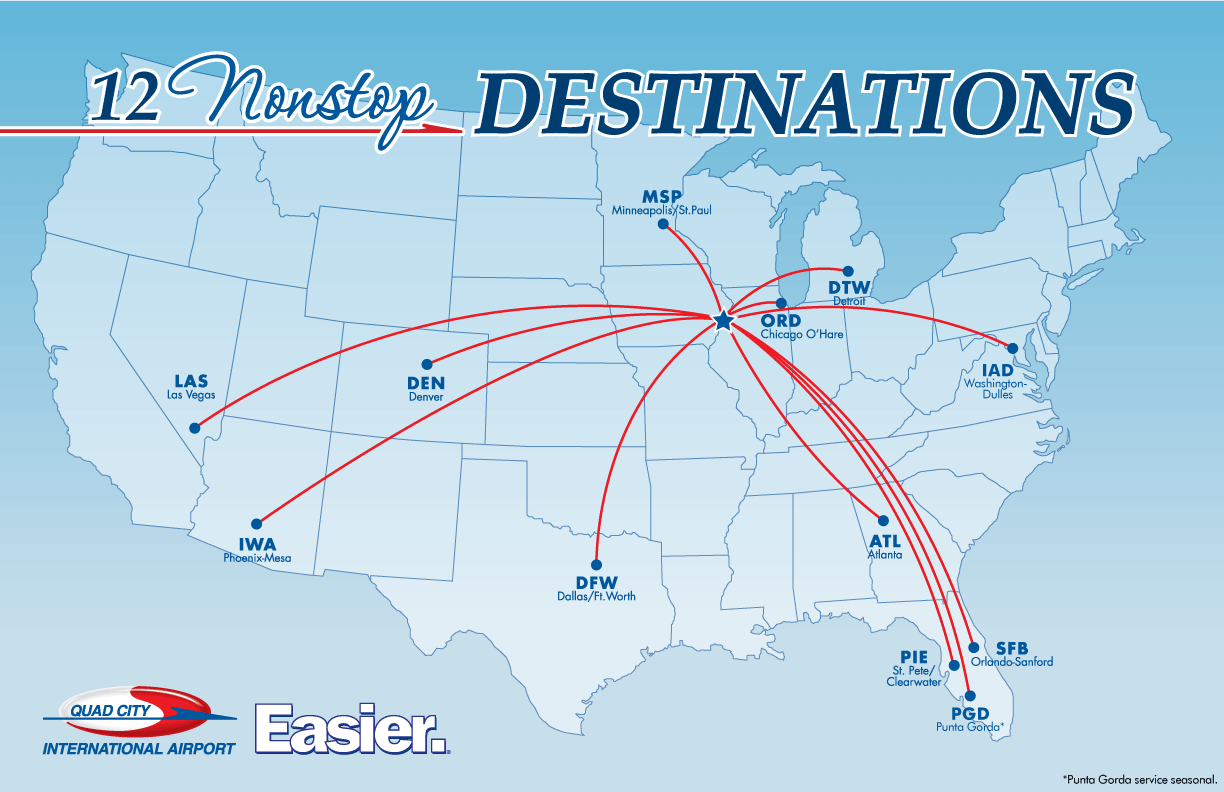
Reading: Destination |
||
|
Learning objectives |
9.3.4.1 respond with flexibility at both sentence and discourse level to unexpected comments on a range of general and curricular topics 9.5.1.1 plan, write, edit and proofread work at text level independently on a range of general and curricular topics |
||
|
Lesson objectives |
Learners will be able to: - present vocabulary for sights and activities - listen and read for gist - read for specific information |
||
|
Value links |
Tradition: Kazakh traditions and culture have been passed on from one generation to another through oral histories told by traditional Kazakh tribal leaders and elders. |
||
|
Plan |
|||
|
Stages / Time |
Teachers actions |
Students actions |
Assessment criteria |
Resources |
|
Beginning of the lesson Warming-up
3 min. Pre-learning «Brainstorming» method 7 min. |
Organization moment : 1.Greeting. Ask about the weather. The teacher sets the lesson objectives, letting students know what to anticipate from the lesson. Warming up Where are you from? How old are you? What color is it? How many students are there in class? What day of the week today? Lead – In
|
The aim: To develop pupils speaking skills and create friendly atmosphere Students of the class are listed. Students' attention is drawn to the lesson. Students say different words from the picture •Learners remember previous lesson vocabulary •Learners answer the questions |
The teacher to assess learners for their ability. “Good job! Well done!” Formative Assessment
Good job! Descriptor: - remembers the lesson passed Point 1 Assessment criteria make basic statements related to personal information, people and objects |
Pictures worksheet Picture |
|
Middle of the lesson Presentation part. 30 min |
Ex:1 P:88 • Ask Ss to look at the pictures. Play the recording with pauses for Ss to repeat chorally and/or individually. • Check Ss' pronunciation and intonation. Then ask Ss to close their books and try to remember as many sights and activities as possible. Elicit answers from Ss around the class. Differentiation: «Verbal support» method is used to help Ss use new words in the sentences. Ex: 2 P: 88 • Read out the question and play the recording. Ss listen and read and find out the answer. Ex: 3a P: 89 • Ask Ss to read the sentence stems 1-6 and give them time to read the text again and then complete them. • Check Ss' answers around the class. Ex: 3b P: 89 • Give 5s time to look up the meanings of the word in bold in their dictionaries and then elicit explanations from Ss around the class. Conclusion during the lesson some tasks differentiated by outcomes of the students and by their abilities. |
• Learners look at the pictures. Listen and repeat ANSWERS Student’s own answer • Learners listen to and read to find out. Answer the question. ANSWERS Astana is an exciting destination because there are lots of amazing sights to see and lots of interesting activities to do. • Learners read again and complete the sentences. ANSWERS 1 all the way down Nurzhol Boulevard and the Presidential Palace 2 Nur Astana Mosque 3 giant tent 4 an indoor pool with a sandy beach and palm trees and trendy shops 5 market with traditional yurts 6 shopping malls and outdoors • Learners explain the words in bold. You can use your dictionary. ANSWERS miss (v): to lose the opportunity to see/do sth spectacular (adj): amazing unforgettable (adj): memorable trendy (adj): fashionable pick up (phr v): to buy |
Descriptor: - look at the pictures - repeat chorally and/or individually Total: 2 point
Self assessment Descriptor: - read out the question - complete the sentences. Total: 2 point -Make CCQ questions Yes / No Descriptor: - explain the words in bold - use your dictionary Total: 2 point |
Card Worksheet Students book |
|
End of the lesson 5 min |
FEEDBACK Learners provide feedback on what they have learned at the lesson. Ex: P: Home task: Write the days |
|
Poster Success
|
|
Short term plan: term 4
|
Unit 8: Travel and tourism |
Lesson 83 |
||
|
Teacher name: |
|
||
|
Date: |
|
||
|
Grade: 9 |
Number present: |
absent: |
|
|
Lesson title |
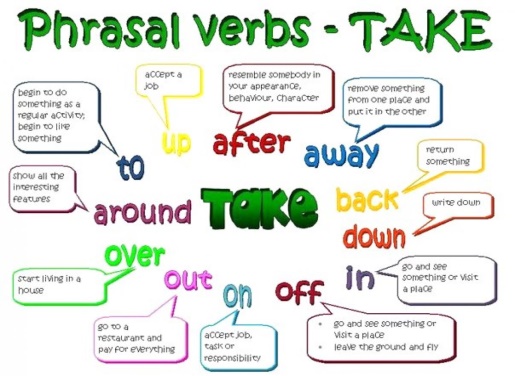
Phrasal verb: take |
||
|
Learning objectives |
9.2.5.1 recognize the attitude or opinion of the speaker(s) in unsupported extended talk on a wide range of general and curricular topics, including talk on a limited range of unfamiliar topics 9.3.2.1 ask complex questions to get information about a wide range of general and curricular topics |
||
|
Lesson objectives |
Learners will be able to: -consolidate new vocabulary - express an opinion - learn phrasal verbs with take |
||
|
Value links |
Tradition: Kazakh traditions and culture have been passed on from one generation to another through oral histories told by traditional Kazakh tribal leaders and elders. |
||
|
Plan |
|||
|
Stages / Time |
Teachers actions |
Students actions |
Assessment criteria |
Resources |
|
Beginning of the lesson Warming-up
3 min. Pre-learning «Brainstorming» method 7 min. |
Organization moment : 1.Greeting. Ask about the weather. The teacher sets the lesson objectives, letting students know what to anticipate from the lesson. Warming up Where are you from? How old are you? What color is it? How many students are there in class? What day of the week today? Lead – In
|
The aim: To develop pupils speaking skills and create friendly atmosphere Students of the class are listed. Students' attention is drawn to the lesson. Students say different words from the picture •Learners remember previous lesson vocabulary •Learners answer the questions |
The teacher to assess learners for their ability. “Good job! Well done!” Formative Assessment
Good job! Descriptor: - remembers the lesson passed Point 1 Assessment criteria make basic statements related to personal information, people and objects |
Pictures worksheet Picture |
|
Middle of the lesson Presentation part. 30 min |
Ex:4 P:89 • Ask Ss to read the words in the list and then use them to complete the phrases 1-10. Check Ss' answers around the class. Differentiation: «Verbal support» method is used to help Ss use new words in the sentences. Ex: 5 P: 89 • Ask Ss to look at the bar chart and then play the recording. Ss listen and fill in the percentages. Then ask various ss to present the information in the chart to the class. Ex: 6 P: 89 • Ask Ss to read the text again if necessary. Give Ss time to consider their answers and then ask various 5s to share their opinions with the class. Ex: 7 P: 89 • Ask Ss to read the box and then give them time to choose the correct particles in the sentences. Check Ss' answers. Conclusion during the lesson some tasks differentiated by outcomes of the students and by their abilities. |
• Learners complete the phrases. ANSWERS 1 capital 2 shopping 3 palm 4 sandy 5 stunning 6 indoor 7 architectural 8 boat 9 holiday 10 trendy • Learners listen and fill in the percentages. Present the information to the class. ANSWERS 1 90 2 65 3 5 4 25 5 15 • Learners answer the question. Give your opinion. ANSWERS I think tourists should definitely visit the Bayterek Tower to get stunning views of the city. I think they should also visit the Khan Shatyr Entertainment Centre to enjoy the facilities and visit trendy shops. I also think they should go on a boat trip on the river to see the sights of the city • Learners read the box, then choose the correct particle. ANSWERS 1 up 2 after 3 off 4 to |
Descriptor: - read the words in the list - complete the phrases. Total: 2 point
Self assessment Descriptor: - listen and fill - present the information Total: 2 point -Make CCQ questions Yes / No Descriptor: - answer the question - give your opinion. Total: 2 point Descriptor: - read the box - choose the correct particle Total: 2 point |
Card Worksheet Students book |
|
End of the lesson 5 min |
FEEDBACK Learners provide feedback on what they have learned at the lesson. Ex: P: Home task: Write the days |
|
Poster Success
|
|
Short term plan: term 4
|
Unit 8: Travel and tourism |
Lesson 84 |
||
|
Teacher name: |
|
||
|
Date: |
|
||
|
Grade: 9 |
Number present: |
absent: |
|
|
Lesson title |
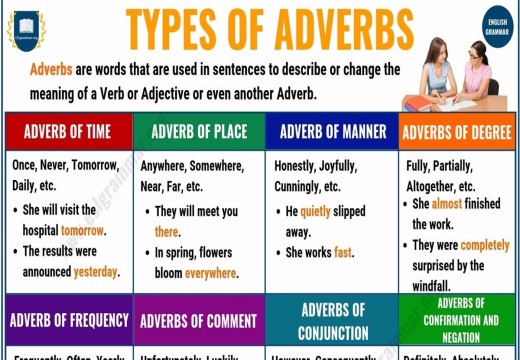
Use of English: Adverbs – order of adverbs |
||
|
Learning objectives |
9.2.6.1 deduce meaning from context in unsupported extended talk on a wide range of general and curricular topics, including talk on a limited range of unfamiliar topics 9.3.4.1 respond with flexibility at both sentence and discourse level to unexpected comments on a range of general and curricular topics |
||
|
Lesson objectives |
Learners will be able to: -revise adverbs - order of adverbs -practise adverbs |
||
|
Value links |
Freedom: Freedom is the major value of the civil society being formed in Kazakhstan. This must provide everyone with the possibility of creative self-realization. |
||
|
Plan |
|||
|
Stages / Time |
Teachers actions |
Students actions |
Assessment criteria |
Resources |
|
Beginning of the lesson Warming-up
3 min. Pre-learning «Brainstorming» method 7 min. |
Organization moment : 1.Greeting. Ask about the weather. The teacher sets the lesson objectives, letting students know what to anticipate from the lesson. Warming up Where are you from? How old are you? What color is it? How many students are there in class? What day of the week today? Lead – In
|
The aim: To develop pupils speaking skills and create friendly atmosphere Students of the class are listed. Students' attention is drawn to the lesson. Students say different words from the picture •Learners remember previous lesson vocabulary •Learners answer the questions |
The teacher to assess learners for their ability. “Good job! Well done!” Formative Assessment
Good job! Descriptor: - remembers the lesson passed Point 1 Assessment criteria make basic statements related to personal information, people and objects |
Pictures worksheet Picture |
|
Middle of the lesson Presentation part. 30 min |
Ex:1 P:90 •Go through the theory and revise adverbs and order of adverbs and explain when and how we use them. Explain any points Ss are unsure of. Then give them time to form correct sentences with the prompts. Check Ss' answers. Differentiation: «Verbal support» method is used to help Ss use new words in the sentences. Ex: 2 P: 90 • Give Ss time to complete the task, and then check Ss' answers around the class. Ex: 3 P: 90 •Explain the task and give Ss time to complete it. • Check Ss' answers. Ex: 4 P: 90 • Explain the task and elicit answers from Ss around the class Conclusion during the lesson some tasks differentiated by outcomes of the students and by their abilities. |
• Learners read the theory. Form correct sentences. Answer the question. ANSWERS 1 The train is never late. (manner) 2 I left my bus pass upstairs. (place) 3 They left quickly. (manner) 4 We were terribly busy yesterday. (degree) 5 She finished work early on Fridays. (time) 6. You can catch the bus to town from here. (place) 7 She drives extremely fast. (degree; manner) 8 He always walks to work. (frequency) 9. The bus is quite slow. (degree) 10 Please ride your bike carefully. (manner) • Learners make sentences. ANSWERS I can speak English well. I never behave badly. I usually walk slowly. I went to school today. I regularly ride my bike at the weekends. It is very hot today. I am never late for school. I feel quite tired. • Learners choose the correct item. ANSWERS 1 very 2 well 3 usually go 4 slightly 5 spoke angrily 6 straight 7 badly 8 happily give you • Learners fill the gaps. ANSWERS 1 tomorrow 2 patiently 3 here 4 fast 5 rather |
Descriptor: - read the theory. - correct sentences. Total: 2 point
Self assessment Descriptor: - make sentences. - complete the task, Total: 2 point -Make CCQ questions Yes / No Descriptor: - choose the correct item. - complete the task Total: 2 point Descriptor: - fill the gaps Total: 2 point |
Card Worksheet Students book |
|
End of the lesson 5 min |
FEEDBACK Learners provide feedback on what they have learned at the lesson. Ex: P: Home task: Write the days |
|
Poster Success
|
|
Short term plan: term 4
|
Unit 8: Travel and tourism |
Lesson 85 |
||
|
Teacher name: |
|
||
|
Date: |
|
||
|
Grade: 9 |
Number present: |
absent: |
|
|
Lesson title |
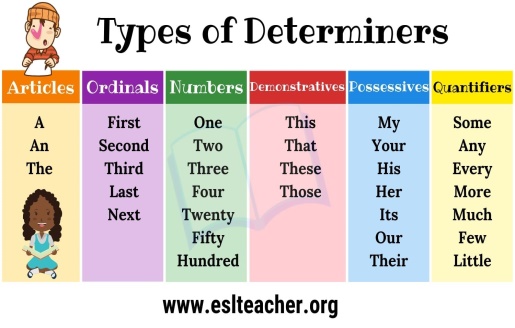
Use of English: Determiners / pre- determiners |
||
|
Learning objectives |
9.2.1.1 understand the main points in unsupported extended talk on a wide range of general and curricular topics, including talk on a limited range of unfamiliar topics 9.3.3.1 explain and justify their own and others’ point of view on a range of general and curricular topics 9.5.3.1 write with support factual descriptions at text level which describe people, places and objects |
||
|
Lesson objectives |
Learners will be able to: - present/practise determiners/pre- determiners - present/practise determiners/ pre-determiners - practise determiners/pre-determiners |
||
|
Value links |
Freedom: Freedom is the major value of the civil society being formed in Kazakhstan. This must provide everyone with the possibility of creative self-realization. |
||
|
Plan |
|||
|
Stages / Time |
Teachers actions |
Students actions |
Assessment criteria |
Resources |
|
Beginning of the lesson Warming-up
3 min. Pre-learning «Brainstorming» method 7 min. |
Organization moment : 1.Greeting. Ask about the weather. The teacher sets the lesson objectives, letting students know what to anticipate from the lesson. Warming up Where are you from? How old are you? What color is it? How many students are there in class? What day of the week today? Lead – In
|
The aim: To develop pupils speaking skills and create friendly atmosphere Students of the class are listed. Students' attention is drawn to the lesson. Students say different words from the picture •Learners remember previous lesson vocabulary •Learners answer the questions |
The teacher to assess learners for their ability. “Good job! Well done!” Formative Assessment
Good job! Descriptor: - remembers the lesson passed Point 1 Assessment criteria make basic statements related to personal information, people and objects |
Pictures worksheet Picture |
|
Middle of the lesson Presentation part. 30 min |
Ex:5 P:91 • Ask Ss to read the theory. Explain any points Ss are unsure of. Explain the task. Give Ss time to complete it and then ask Ss around the class to share their sentences with the rest of the class. Differentiation: «Verbal support» method is used to help Ss use new words in the sentences. Ex: 6 P: 91 • Ask Ss to read the theory box and then ask various Ss to tell the class how we use the determiners. Ex: 7 P: 91 • Explain the task and give 5s time to complete it. Check Ss' answer Ex: 8 P: 91 • Explain the task and give Ss time to complete it. Check Ss' answers. Conclusion during the lesson some tasks differentiated by outcomes of the students and by their abilities. |
• Learners read the theory. Then complete the sentences with the right determiner. ANSWERS 1 Each 2 whole 3 every 4 none 5 all 6 plenty • Learners read the examples. ANSWERS We use both, and to say we mean each one of two things/people. We use neither, nor to say not the one or the other of two things/people. We use either, or/either to say one or the other of two things/people • Learners rewrite the sentences using the words in brackets. ANSWERS 1 The whole (of my) family came to watch me play football. 2 Each of the passengers boarded the plane./ Each passenger boarded the plane. 3 Neither Assel nor Nurlan have got a passport. 4 Either Saule or Dina is going to help me out with my luggage. • Learners choose the correct word. ANSWERS 1 whole 2 Each 3 either 4 plenty 5 None 6 every 7 either 8 every 9 Both 10 nor |
Descriptor: - read the theory. - complete the sentences Total: 2 point
Self assessment Descriptor: - read the theory box - tell the class how we use the determiners. Total: 2 point -Make CCQ questions Yes / No Descriptor: - rewrite the sentences - use the words in brackets Total: 2 point Descriptor: - choose the correct word Total: 2 point |
Card Worksheet Students book |
|
End of the lesson 5 min |
FEEDBACK Learners provide feedback on what they have learned at the lesson. Ex: P: Home task: Write the days |
|
Poster Success
|
|
Short term plan: term 4
|
Stages / Time |
Teachers actions |
Students actions |
Assessment criteria |
Resources |
|
Beginning of the lesson Warming-up
3 min. Pre-learning «Brainstorming» method 7 min. |
Organization moment : 1.Greeting. Ask about the weather. The teacher sets the lesson objectives, letting students know what to anticipate from the lesson. Warming up Where are you from? How old are you? What color is it? How many students are there in class? What day of the week today? Lead – In
|
The aim: To develop pupils speaking skills and create friendly atmosphere Students of the class are listed. Students' attention is drawn to the lesson. Students say different words from the picture •Learners remember previous lesson vocabulary •Learners answer the questions |
The teacher to assess learners for their ability. “Good job! Well done!” Formative Assessment
Good job! Descriptor: - remembers the lesson passed Point 1 Assessment criteria make basic statements related to personal information, people and objects |
Pictures worksheet Picture |
|
Middle of the lesson Presentation part. 30 min |
Ex:1 P:92 • Ask Ss to read the words in the list and explain/elicit the meanings of any unknown ones and then give them time to look at the pictures and fill in the correct words. • Tell Ss they can use their dictionaries to help them. Play the recording, Ss listen and check their answers. Differentiation: «Verbal support» method is used to help Ss use new words in the sentences. Ex: 2 P: 92 • Elicit Ss' guesses in answer to the questions. Play the recording. Ss listen and read to find out. Ex: 3 P: 92 • Explain the task and ask Ss to read the questions and answer choices. Give Ss time to read the text and then complete the task. Check 5s' answers. Conclusion during the lesson some tasks differentiated by outcomes of the students and by their abilities. |
• Learners label the pictures. You can use your dictionary. ANSWERS 1 Loch 2 Falls 3 Causeway 4 Cove 5 Cave 6 Lake • Learners listen to and read to find out. Answer the question. ANSWERS Toraigyr Lake is at the foot of Akbet Mountain in Kazakhstan. The legend associated with it is of a three- headed dragon and seven brothers who killed it • Learners read again and for question choose ANSWERS 1 A 2 C 3 B |
Descriptor: - label the pictures. - use your dictionary. Total: 2 point
Self assessment Descriptor: - listen to and read to find out - answer the question. Total: 2 point -Make CCQ questions Yes / No Descriptor: - read the questions - complete the task Total: 2 point |
Card Worksheet Students book |
|
End of the lesson 5 min |
FEEDBACK Learners provide feedback on what they have learned at the lesson. Ex: P: Home task: Write the days |
|
Poster Success
|
|










 Бұл курс Қазақстан Республикасы Оқу-ағарту министрлігімен келісілген