ЖИ көмекші


 Қауіпсіз төлем

жүктеу мүмкіндігіне ие боласыз
Бұл материал сайт қолданушысы жариялаған. Материалдың ішінде жазылған барлық ақпаратқа жауапкершілікті жариялаған қолданушы жауап береді. Ұстаз тілегі тек ақпаратты таратуға қолдау көрсетеді. Егер материал сіздің авторлық құқығыңызды бұзған болса немесе басқа да себептермен сайттан өшіру керек деп ойласаңыз осында жазыңыз
 02 Мамыр 2025
 262
262
1 жыл бойы шексіз жүктеңіз
қмж Eyes Open-7, 4-тоқс
Short term plan: term 4
|
Unit 8: “HEALTHY HABBITS” |
Lesson 81 |
||
|
Teacher’s name: |
|
||
|
Date: |
|
||
|
Grade: 7 |
Number present: |
absent: |
|
|
Lesson title |
Vocabulary: Priorities |
||
|
Learning objectives |
7.1.1.1 use speaking and listening skills to solve problems creatively and cooperatively in groups 7.3.7.1 use appropriate subject-specific vocabulary and syntax to talk about a growing range of general topics, and some curricular topics |
||
|
Lesson objectives |
Learners will be able to: - earn vocabulary for talking about priorities in life. - talk about what is important to me, what I argue about with my parents, what stresses me and what I enjoy doing. |
||
|
Value links |
Hospitality: Traditionally a nomadic culture, hospitality has always been an important part of Kazakh culture. |
||
|
Plan |
|||
|
Stages / Time |
Teachers actions |
Students actions |
Assessment criteria |
Resources |
|
Beginning of the lesson Warming-up
3 min. Pre-learning «Brainstorming» method 7 min. |
Organization moment : 1.Greeting. Ask about the weather. The teacher sets the lesson objectives, letting students know what to anticipate from the lesson. Warming up Where are you from? How old are you? What color is it? How many students are there in class? What day of the week today? Lead – In
|
The aim: To develop pupils speaking skills and create friendly atmosphere Students of the class are listed. Students' attention is drawn to the lesson. Students say different words from the picture •Learners remember previous lesson vocabulary •Learners answer the questions |
The teacher to assess learners for their ability. “Good job! Well done!” Formative Assessment
Good job! Descriptor: - remembers the lesson passed Point 1 Assessment criteria - make basic statements related to personal information, people and objects with go. |
Pictures worksheet Picture |
|
Middle of the lesson Presentation part. 30 min |
Ex:1 P:87 • Ask students to open their books at page 87. Elicit descriptions of the photographs and give students time to read the phrases. Ask students to work in pairs to match the correct phrases with the photos. Play the recording for students to check their answers. Play the recording again for students to repeat the phrases. Ex: 2 P: 87 • Tell students they are going to listen to teenagers talking about their priorities. Play the recording for students to match the speakers with the activities in Exercise 1. Check answers Ex: 3 P: 87 • Give students a few minutes to write adjectives or phrases to describe the activities in Exercise 1. Put students into pairs to explain their choice of words and phrases. Make sure students understand they will need to use the gerund when talking about the activities in Exercise 1, e.g. they will say getting enough sleep is really important not get t enough sleep is really important. They will also use the gerund with like/love/hate, etc. Ask some students to report back to the class on what their partner said. Conclusion during the lesson some tasks differentiated by outcomes of the students and by their abilities. |
• Learners match the phrases with the photos. Write the letters bellow. Then listen, check and repeat. ANSWERS a shop for clothes b hang out with friends c do sports d have time for yourself e do something creative f help around the house g get enough sleep h chat with friends online • Learners listen to the teenagers. Match the speakers with the activities in Ex 1. ANSWERS 2 shop for clothes 3 help around the house 4 do something creative 5 hang out with friends 6 get enough sleep 7 do sports 8 chat with friends online • Learners think of an adjectives or phrase to describe the activities in Ex 1. ANSWERS Student’s own answer. |
Descriptor: - match the phrases - write the letters Total: 2 point
Self assessment Differentiation: «Verbal support» method is used to help Ss use new words in the sentences. Descriptor: - listen to the teenagers - match the speakers Total: 2point Descriptor: - work in pairs - describe the activities Total: 2 point -Make CCQ questions Yes / No Total: 1 point Total: 10 point |
Card Worksheet Students book |
|
End of the lesson 5 min |
FEEDBACK Learners provide feedback on what they have learned at the lesson. Ex: P: Home task: Write the days |
|
Poster Success
|
|





Short term plan: term 4
|
Unit 8: “HEALTHY HABBITS” |
Lesson 82 |
||
|
Teacher’s name: |
|
||
|
Date: |
|
||
|
Grade: 7 |
Number present: |
absent: |
|
|
Lesson title |
Reading: A magazine article |
||
|
Learning objectives |
7.4.5.1 deduce meaning from context in short texts on a growing range of familiar general and curricular topics 7.1.1.1 use speaking and listening skills to solve problems creatively and cooperatively in groups 7. |
||
|
Lesson objectives |
Learners will be able to: - read an article about teenagers and sleep. - learn verb and noun collocations. - talk about my sleeping habits |
||
|
Value links |
Tradition: Kazakh traditions and culture have been passed on from one generation to another through oral histories told by traditional Kazakh tribal leaders and elders. |
||
|
Plan |
|||
|
Stages / Time |
Teachers actions |
Students actions |
Assessment criteria |
Resources |
|
Beginning of the lesson Warming-up
3 min. Pre-learning «Brainstorming» method 7 min. |
Organization moment : 1.Greeting. Ask about the weather. The teacher sets the lesson objectives, letting students know what to anticipate from the lesson. Warming up Where are you from? How old are you? What color is it? How many students are there in class? What day of the week today? Lead – In Books closed. Write the following question on the board: Why do we need to sleep? Put students into small groups and give them a minute to think of answers to the question. Ask one student from each group to report their answers to the class. |
The aim: To develop pupils speaking skills and create friendly atmosphere Students of the class are listed. Students' attention is drawn to the lesson. Students say different words from the picture •Learners remember previous lesson vocabulary •Learners answer the questions |
The teacher to assess learners for their ability. “Good job! Well done!” Formative Assessment
Good job! Descriptor: - remembers the lesson passed Point 1 Assessment criteria - make basic statements related to personal information, people and objects with go. |
Pictures worksheet Picture |
|
Middle of the lesson Presentation part. 30 min |
Ex:1 P:88 • Ask students to open their books at page 88 and look at the photo. Read out the two questions. Put students into pairs to answer the questions Ex: 2 P: 88 • Check students' understanding of the following vocabulary: complain (verb): to say that something is wrong or that it irritates you, e.g. He complained about the heat in the classroom. advice (noun): suggestions to someone about what you think they should do in a given situation, e.g. She gave me some great advice about how to study for exams. Ask students to first read the article to check their answers to Exercise 1 and then decide the main aim of the article. Check answers and then refer students to the information in the FACT! box. Ask: What would be the best time for lessons to start? Ex: 3 P: 88 • Read out the five questions Ask students to work alone to read the text again and answer the questions. Encourage students to highlight the part of the text that led them to their answers. Students can compare answers in pairs before you check answers with the class Conclusion during the lesson some tasks differentiated by outcomes of the students and by their abilities. |
• Learners work with a partner. Look at the photo and answer the question. ANSWERS Student’s own answer. • Learners read the article and check your answers ANSWERS 1 Between eight and nine hours. 2 It can be difficult to concentrate and learn. Your body gets weak and it's easy to get ill. You eat unhealthy food with more sugar in it • Learners read the article again. Answer the question. ANSWERS 2 Between eight and nine hours. 3 You can't concentrate in your lessons so it's more difficult to learn. 4 Because it has a lot of sugar in it. 5 A big meal and drinks with caffeine or sugar |
Descriptor: - work with a partner - answer the question. Total: 2 point
Self assessment Differentiation: «Verbal support» method is used to help Ss use new words in the sentences. Descriptor: - read the article - check your answers Total: 2point Descriptor: - read the article - answer the question. Total: 2 point -Make CCQ questions Yes / No Total: 1 point Total: 10 point |
Card Worksheet Students book |
|
End of the lesson 5 min |
FEEDBACK Learners provide feedback on what they have learned at the lesson. Ex: P: Home task: Write the days |
|
Poster Success
|
|
Short term plan: term 4
|
Unit 8: “HEALTHY HABBITS” |
Lesson 83 |
||
|
Teacher’s name: |
|
||
|
Date: |
|
||
|
Grade: 7 |
Number present: |
absent: |
|
|
Lesson title |
Language focus; should must |
||
|
Learning objectives |
7.4.8.1 use familiar and some unfamiliar paper and digital reference resources with little support to check meaning and extend understanding 7.2.4.1 understand with little support some of the implied meaning in extended talk on a limited range of general and curricular topics |
||
|
Lesson objectives |
Learners will be able to: - learn should and must. - talk about problems and give advice using should and must |
||
|
Value links |
Tradition: Kazakh traditions and culture have been passed on from one generation to another through oral histories told by traditional Kazakh tribal leaders and elders. |
||
|
Plan |
|||
|
Stages / Time |
Teachers actions |
Students actions |
Assessment criteria |
Resources |
|
Beginning of the lesson Warming-up
3 min. Pre-learning «Brainstorming» method 7 min. |
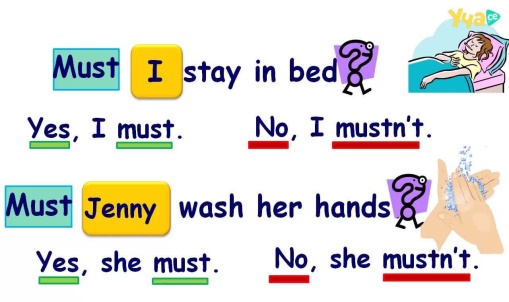
Organization moment : 1.Greeting. Ask about the weather. The teacher sets the lesson objectives, letting students know what to anticipate from the lesson. Warming up Books closed. Write the following sentences on the board: You should get more sleep. You must get more sleep. Ask students to focus on the verbs should and must. Explain or elicit that should is used to give advice and that must is used to express obligation. Lead – In
|
The aim: To develop pupils speaking skills and create friendly atmosphere Students of the class are listed. Students' attention is drawn to the lesson. Students say different words from the picture •Learners remember previous lesson vocabulary •Learners answer the questions |
The teacher to assess learners for their ability. “Good job! Well done!” Formative Assessment
Good job! Descriptor: - remembers the lesson passed Point 1 Assessment criteria - make basic statements related to personal information, people and objects with go. |
Pictures worksheet Picture |
|
Middle of the lesson Presentation part. 30 min |
Ex:1 P:89 • Ask students to open their books at page 89. Tell students that the example sentences are from the text on page 88. Ask students to look back at the text and then copy and complete the sentences. Check answers. Ex: 2 P: 89 • Read out the example sentence. Ask students to work in pairs to complete the remaining sentences using should or shouldn't and a verb in the box. Check answers. Ex: 3 P: 89 • Read out the example sentence. Ask students to work in pairs to complete the remaining sentences using should or shouldn't and a verb in the box. Check answers. Ex: 4 P: 89 • Ask students to read the gapped conversation quickly for general understanding. Ask them to say what the conversation is about (plans for Friday night). Students can then work in pairs to complete the conversation using the phrases in brackets to help them to decide whether to use should/shouldn't or must/mustn't. Pair stronger students with weaker students to do this task. Play the recording for students to listen and check their Conclusion during the lesson some tasks differentiated by outcomes of the students and by their abilities. |
• Learners complete the examples from the text. Then complete the rules in the box. ANSWERS 1 You must get enough sleep. 2 You should get between eight and nine hours of sleep each night. 3 You shouldn't watch TV before you go to bed. We use 'should to say what we think is a good idea and must to say what we think is necessary . • Learners complete the sentences below with should or shouldn’t and the verb in the box ANSWERS 2 should spend 3 shouldn't go to bed 4 should say • Learners complete the sentences with must or mustn’t. ANSWERS 2 mustn't 3 must 4 must • Learners complete the conversation with the correct word. ANSWERS Student’s own answer |
Descriptor: - complete the examples from the text - complete the rules Total: 2 point
Self assessment Differentiation: «Verbal support» method is used to help Ss use new words in the sentences. Descriptor: - complete the sentences below with should or shouldn’t Total: 2point Descriptor: - complete the sentences with must or mustn’t. Total: 2 point -Make CCQ questions Yes / No Total: 1 point Total: 10 point |
Card Worksheet Students book |
|
End of the lesson 5 min |
FEEDBACK Learners provide feedback on what they have learned at the lesson. Ex: P: Home task: Write the days |
|
Poster Success
|
|
Short term plan: term 4
|
Unit 8: “HEALTHY HABBITS” |
Lesson 84 |
||
|
Teacher’s name: |
|
||
|
Date: |
|
||
|
Grade: 7 |
Number present: |
absent: |
|
|
Lesson title |
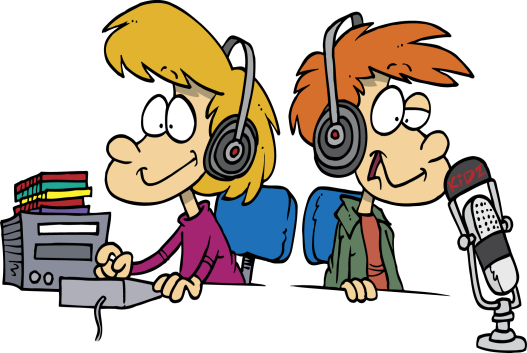
Listening: a radio interview |
||
|
Learning objectives |
7.1.5.1 use feedback to set personal learning objectives 7.6.16.1 use a growing variety of conjunctions including because, since, as to explain reasons on a range of familiar general and curricular topics 7.6.13.1 use a variety of modal forms for different functions on a range of familiar general and curricular topics |
||
|
Lesson objectives |
Learners will be able to: -learn vocabulary to describe healthy habits - listen to advice about healthy habits - talk about your own healthy habits |
||
|
Value links |
Tradition: Kazakh traditions and culture have been passed on from one generation to another through oral histories told by traditional Kazakh tribal leaders and elders. |
||
|
Plan |
|||
|
Stages / Time |
Teachers actions |
Students actions |
Assessment criteria |
Resources |
|
Beginning of the lesson Warming-up
3 min. Pre-learning «Brainstorming» method 7 min. |
Organization moment : 1.Greeting. Ask about the weather. The teacher sets the lesson objectives, letting students know what to anticipate from the lesson. Warming up Books closed. Write the following sentences on the board: You should get more sleep. You must get more sleep. Ask students to focus on the verbs should and must. Explain or elicit that should is used to give advice and that must is used to express obligation. Lead – In
|
The aim: To develop pupils speaking skills and create friendly atmosphere Students of the class are listed. Students' attention is drawn to the lesson. Students say different words from the picture •Learners remember previous lesson vocabulary •Learners answer the questions |
The teacher to assess learners for their ability. “Good job! Well done!” Formative Assessment
Good job! Descriptor: - remembers the lesson passed Point 1 Assessment criteria - make basic statements related to personal information, people and objects with go. |
Pictures worksheet Picture |
|
Middle of the lesson Presentation part. 30 min |
Ex:1 P:90 • Ask students to open their books at page 90. Read out the questions. Put students into pairs to ask and answer them. Ex: 2 P: 90 • Play the recording for students to check their answers to Exercise 1 Ex: 3 P: 90 •Give students time to answer the questions. Play the recording again for students to complete them. Ex: 4 P: 90 • Check students' understanding of healthy habits. ess Read out the example. Put students into pairs to complete the sentences Play the recording for students to check their answers and repeat the phrases. Pre Conclusion during the lesson some tasks differentiated by outcomes of the students and by their abilities. |
• Learners work with a partner. Look at the photo and answer the question. ANSWERS Student’s own answer • Learners listen to an interview with Dr Anne Markham. Check your answers to the questions. ANSWERS 1 They are running/jogging/going for a run. 2 For their health. / To get fit. They might be preparing for a race, e.g. a marathon • Learners listen again and answer the question. ANSWERS 1 three or four 2 in the mornings 3 a friend 4 it's important to take breaks because our brains and bodies get tired and we might feel unwell 5 four or five 6 it's as important as exercising regularly • Learners complete the sentences with the words in the box. Then listen, check and repeat. ANSWERS 2 be organised 3 brush your teeth 4 Drink water 5 have a hobby 6 cook fresh food 7 exercise regularly 8 eat fruit and vegetables |
Descriptor: - work with a partner. - look at the photo - answer the question. Total: 2 point
Self assessment Differentiation: «Verbal support» method is used to help Ss use new words in the sentences. Descriptor: - listen to an interview with Dr Anne - check your answers Total: 2point Descriptor: - listen again - answer the question Total: 2 point Descriptor: - listen again - answer the question Total: 2 point -Make CCQ questions Yes / No Total: 1 point Total: 10 point |
Card Worksheet Students book |
|
End of the lesson 5 min |
FEEDBACK Learners provide feedback on what they have learned at the lesson. Ex: P: Home task: Write the days |
|
Poster Success
|
|
Short term plan: term 4
|
Unit 8: “HEALTHY HABBITS” |
Lesson 85 |
||
|
Teacher’s name: |
|
||
|
Date: |
|
||
|
Grade: 7 |
Number present: |
absent: |
|
|
Lesson title |
Language focus: have to / don’t have to |
||
|
Learning objectives |
7.5.6.1 link with little or no support, sentences into coherent paragraphs using a variety of basic connectors on a range of familiar general topics and some curricular topics 7.6.13.1 use a variety of modal forms for different functions on a range of familiar general and curricular topics |
||
|
Lesson objectives |
Learners will be able to: - learn have to. - learn don't have to and how it differs from mustn't. - talk about what you have to do and don't have to do. |
||
|
Value links |
Tradition: Kazakh traditions and culture have been passed on from one generation to another through oral histories told by traditional Kazakh tribal leaders and elders. |
||
|
Plan |
|||
|
Stages / Time |
Teachers actions |
Students actions |
Assessment criteria |
Resources |
|
Beginning of the lesson Warming-up
3 min. Pre-learning «Brainstorming» method 7 min. |
Organization moment : 1.Greeting. Ask about the weather. The teacher sets the lesson objectives, letting students know what to anticipate from the lesson. Warming up Books closed. Write the following sentences on the board: You should get more sleep. You must get more sleep. Ask students to focus on the verbs should and must. Explain or elicit that should is used to give advice and that must is used to express obligation. Lead – In
|
The aim: To develop pupils speaking skills and create friendly atmosphere Students of the class are listed. Students' attention is drawn to the lesson. Students say different words from the picture •Learners remember previous lesson vocabulary •Learners answer the questions |
The teacher to assess learners for their ability. “Good job! Well done!” Formative Assessment
Good job! Descriptor: - remembers the lesson passed Point 1 Assessment criteria - make basic statements related to personal information, people and objects with go. |
Pictures worksheet Picture |
|
Middle of the lesson Presentation part. 30 min |
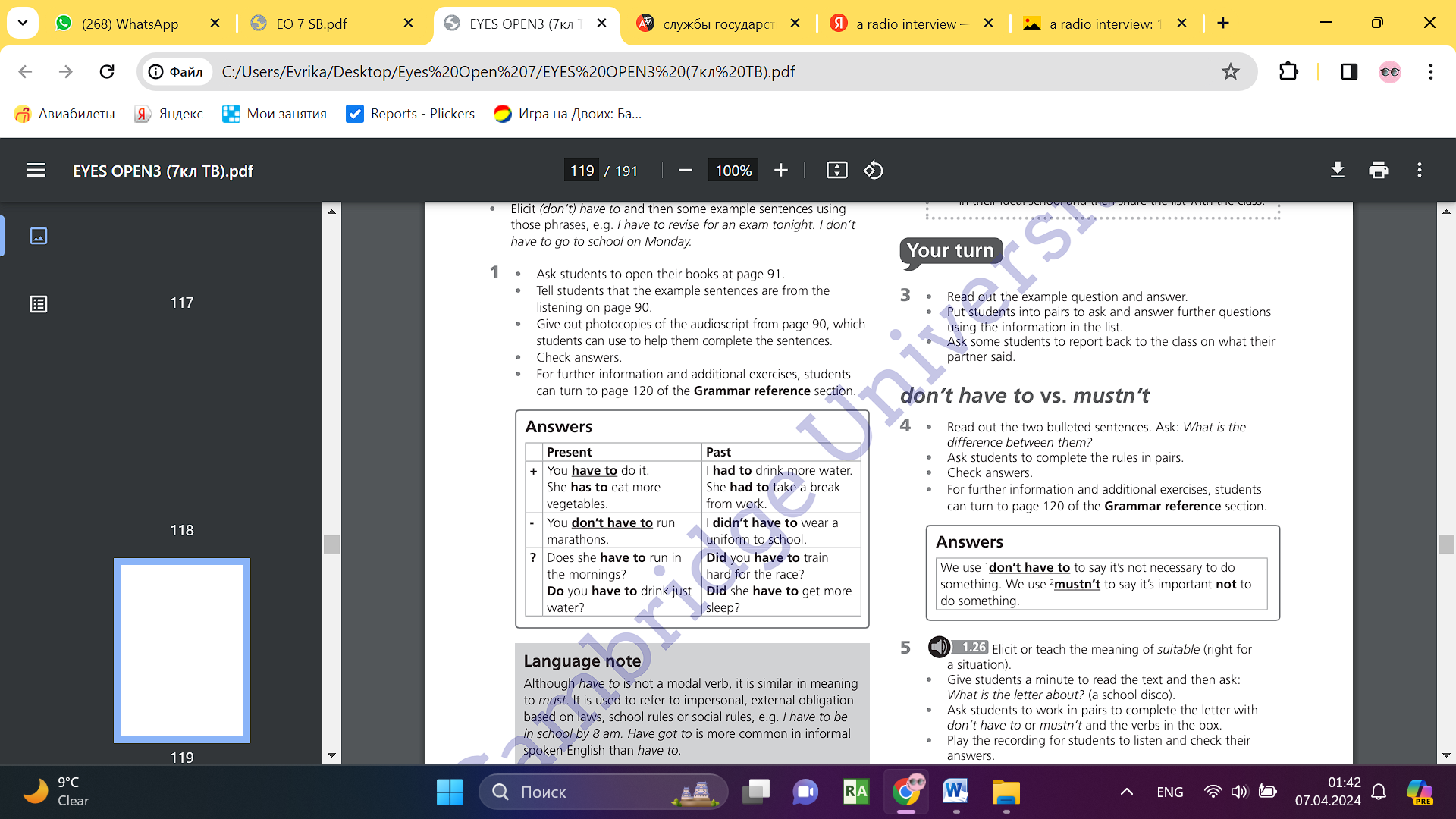
Ex:1 P:91 • Ask students to open their books at page 91. Tell students that the example sentences are from the listening on page 90. Give out photocopies of the audio script from page 90, which students can use to help them complete the sentences. Check answers. Ex: 2 P: 91 • Read out the example. Ask students to work alone to complete the conversation by using the verbs in the box with the correct form of (don't) have to. Guide weaker students to the correct form of (don't) have to by pointing them to the subject in each sentence. Students can compare answers in pairs before you check answers with the class. Ex: 3 P: 91 •Read out the example question and answer. Ask some students to report back to the class on what their partner said Ex: 4 P: 91 •Read out the two bulleted sentences. Ask: What is the difference between them? Ask students to complete the rules in pairs. Check answers. Ex: 5 P: 91 Give students a minute to read the text and then ask: What is the letter about? (a school disco). Ask students to work in pairs to complete the letter with don't have to or mustn't and the verbs in the box. Conclusion during the lesson some tasks differentiated by outcomes of the students and by their abilities. |
• Learners complete the examples from the listening. Then choose the words to complete the rules. ANSWERS
ANSWERS 2 Do... you have to go 3 has to practise 4 have to make 5 don't have to take 6 doesn't have to go • Learners work with a partner. Ask questions using Do you have to….? ANSWERS Student’s own answer • Learners look at the example sentences and complete the rules ANSWERS We use 'don't have to to say it's not necessary to do something. We use 'mustn't to say it's important not to do something • Learners complete the letter with don’t have to or mustn’t and verbs in the box. ANSWERS 1 mustn't forget 2 don't have to speak 3 don't have to wear 4 mustn't bring 5 don't have to dance |
Descriptor: - complete the examples from - choose the words to complete the rules. Total: 2 point
Self assessment Differentiation: «Verbal support» method is used to help Ss use new words in the sentences. Descriptor: - complete the sentences with the correct form Total: 2point Descriptor: - work with a partner - ask questions Total: 2 point Descriptor: - ask questions - complete the rules Total: 2 point -Make CCQ questions Yes / No Total: 1 point Total: 10 point |
Card Worksheet Students book |
|
End of the lesson 5 min |
FEEDBACK Learners provide feedback on what they have learned at the lesson. Ex: P: Home task: Write the days |
|
Poster Success
|
|

 • Learners
complete the sentences with the correct form of (don’t) have to and
the verbs in the box.
• Learners
complete the sentences with the correct form of (don’t) have to and
the verbs in the box.
Short term plan: term 4
|
Unit 8: “HEALTHY HABBITS” |
Lesson 85 |
||
|
Teacher’s name: |
|
||
|
Date: |
|
||
|
Grade: 7 |
Number present: |
absent: |
|
|
Lesson title |
Discovery culture. A life of Broadway |
||
|
Learning objectives |
7.2.5.1 recognise the opinion of the speakers in supported extended talk on a range of general and curricular topics 7.3.7.1 use appropriate subject-specific vocabulary and syntax to talk about a growing range of general topics, and some curricular topics |
||
|
Lesson objectives |
Learners will be able to: -watch a video about child actors on Broadway in New York. - talk about theatre schools and child actors. |
||
|
Value links |
Tradition: Kazakh traditions and culture have been passed on from one generation to another through oral histories told by traditional Kazakh tribal leaders and elders. |
||
|
Plan |
|||
|
Stages / Time |
Teachers actions |
Students actions |
Assessment criteria |
Resources |
|
Beginning of the lesson Warming-up
3 min. Pre-learning «Brainstorming» method 7 min. |
Organization moment : 1.Greeting. Ask about the weather. The teacher sets the lesson objectives, letting students know what to anticipate from the lesson. Warming up If you asked students to research child actors at the end of the last lesson, put students into pairs and ask them to share what they found out. If not, write child stars on the board and ask for examples of actors who became famous when they were children, e.g. Daniel Radcliffe Lead – In
|
The aim: To develop pupils speaking skills and create friendly atmosphere Students of the class are listed. Students' attention is drawn to the lesson. Students say different words from the picture •Learners remember previous lesson vocabulary •Learners answer the questions |
The teacher to assess learners for their ability. “Good job! Well done!” Formative Assessment
Good job! Descriptor: - remembers the lesson passed Point 1 Assessment criteria - make basic statements related to personal information, people and objects with go. |
Pictures worksheet Picture |
|
Middle of the lesson Presentation part. 30 min |
Ex:1 P:92 • Ask students to open their books at page 92 and say what they can see in the photos (children performing, a map of North America, the stars of Harry Potter at the beginning of their time making the popular films). Read out the questions. Check students understand the difference between a musical and a play (a play is a dramatic work for the stage; a musical is a dramatic work for the stage or film in which song and dance are essential components). Put students into pairs to ask and answer the questions Ex: 2 P: 92 • Tell students they are going to watch a video about child actors. Play the video for students to check their answers to Exercise 1. Ex: 3 P: 92 •Read out the list of subjects. Check understanding of earn (to get money in return for providing a service) and judge (a person who decides who or what wins a competition). Play the video again for students to decide which subjects are referred to. Check answers. Ex: 4 P: 92 • Give students time to read sentences 1-7. Play the video again words in each sentence. Check answers. Conclusion during the lesson some tasks differentiated by outcomes of the students and by their abilities. |
• Learners work with a partner. Look at the photos and answer the question. ANSWERS Student’s own answer • Learners watch the video and check your answers. ANSWERS Broadway • Learners watch the video again. Answer the question. ANSWERS Working long hours Living away from home Studying for exams Earning a lot of money • Learners watch the video again and choose the correct words. ANSWERS • Learners complete the letter with don’t have to or mustn’t and verbs in the box. ANSWERS |
Descriptor: - work with a partner - look at the photos - answer the question. Total: 2 point
Self assessment Differentiation: «Verbal support» method is used to help Ss use new words in the sentences. Descriptor: - watch the video - check your answers. Total: 2point Descriptor: - work with a partner - ask questions Total: 2 point -Make CCQ questions Yes / No Total: 1 point Total: 10 point |
Card Worksheet Students book |
|
End of the lesson 5 min |
FEEDBACK Learners provide feedback on what they have learned at the lesson. Ex: P: Home task: Write the days |
|
Poster Success
|
|

Short term plan: term 4
|
Unit 8: “HEALTHY HABBITS” |
Lesson 86 |
||
|
Teacher’s name: |
|
||
|
Date: |
|
||
|
Grade: 7 |
Number present: |
absent: |
|
|
Lesson title |
Reading an article. |
||
|
Learning objectives |
7.4.8.1 use familiar and some unfamiliar paper and digital reference resources with little support to check meaning and extend understanding 7.2.4.1 understand with little support some of the implied meaning in extended talk on a limited range of general and curricular topics |
||
|
Lesson objectives |
Learners will be able to: - read about a football academy in Barcelona and a ballet school in London. - talk about unusual schools in my country. |
||
|
Value links |
Tradition: Kazakh traditions and culture have been passed on from one generation to another through oral histories told by traditional Kazakh tribal leaders and elders. |
||
|
Plan |
|||
|
Stages / Time |
Teachers actions |
Students actions |
Assessment criteria |
Resources |
|
Beginning of the lesson Warming-up
3 min. Pre-learning «Brainstorming» method 7 min. |
Organization moment : 1.Greeting. Ask about the weather. The teacher sets the lesson objectives, letting students know what to anticipate from the lesson. Warming up If you asked students to research child actors at the end of the last lesson, put students into pairs and ask them to share what they found out. If not, write child stars on the board and ask for examples of actors who became famous when they were children, e.g. Daniel Radcliffe Lead – In
|
The aim: To develop pupils speaking skills and create friendly atmosphere Students of the class are listed. Students' attention is drawn to the lesson. Students say different words from the picture •Learners remember previous lesson vocabulary •Learners answer the questions |
The teacher to assess learners for their ability. “Good job! Well done!” Formative Assessment
Good job! Descriptor: - remembers the lesson passed Point 1 Assessment criteria - make basic statements related to personal information, people and objects with go. |
Pictures worksheet Picture |
|
Middle of the lesson Presentation part. 30 min |
Ex:1 P:93 • Ask students to open their books at page 93. Students look at the photos and answer the question. If you have the Presentation Plus software, put the photos on the board and discuss the question with the whole class.. Alternatively, put students in pairs to answer the question. Check answers Ex: 2 P: 93 •Ask students to work alone to read the texts about La Masia and the Royal Ballet School to find three ways in which the schools are similar. Weaker students can use their dictionaries to give them extra support when reading the text. Alternatively, put students into pairs and ask each student in the pair to read one text each. They can then exchange information about the schools they read about and make notes on three ways in which the schools are similar. Ex: 3 P: 93 •Ask students to read the text again. Put students into pairs and ask them to decide whether the sentences describe La Masia, the Royal Ballet School or both. Check answers. Ex: 4 P: 93 • Ask students to work alone to find the words in the box in the texts. Put students into pairs and ask them to complete the sentences with the words in the box. Check answers. Conclusion during the lesson some tasks differentiated by outcomes of the students and by their abilities. |
• Learners work with a partner. Look at the photos and answer the question. ANSWERS Student’s own answer • Learners read about the football academy La Masaia and the Royal Ballet School. Find three ways in which the schools are similar. ANSWERS A lot of famous people studied there. You have to be 11 years old to study there. Students live away from their families. Students study normal subjects too • Learners read the article again. Write LM (La Masia) RB Royal Ballet. ANSWERS 2 B 3 8B 4 RB 5 LM 6 RB • Learners look at the highlighted words in the text. Complete the sentences with the words in the box ANSWERS 1 in front of 2 over 3 of 4 until 5 near between |
Descriptor: - work with a partner - look at the photos - answer the question. Total: 2 point
Self assessment Differentiation: «Verbal support» method is used to help Ss use new words in the sentences. Descriptor: - read about the football academy - . Find three ways Total: 2point Descriptor: - read the article again - write LM (La Masia) RB Royal Ballet. Total: 2 point -Make CCQ questions Yes / No Total: 1 point Total: 10 point |
Card Worksheet Students book |
|
End of the lesson 5 min |
FEEDBACK Learners provide feedback on what they have learned at the lesson. Ex: P: Home task: Write the days |
|
Poster Success
|
|

Short term plan: term 4
|
Unit 8: “HEALTHY HABBITS” |
Lesson 87 |
||
|
Teacher’s name: |
|
||
|
Date: |
|
||
|
Grade: 7 |
Number present: |
absent: |
|
|
Lesson title |
Speaking: offering help |
||
|
Learning objectives |
7.2.6.1 deduce meaning from context with little support in extended talk on a limited range of general and curricular topics 7.4.3.1 understand the detail of an argument on a growing range of familiar general and curricular topics, including some extended texts |
||
|
Lesson objectives |
Learners will be able to: - watch teenagers talking about how to be a good friend. - listen to a girl talking to a new student at her school. - practise asking for help and offering to help. |
||
|
Value links |
Tradition: Kazakh traditions and culture have been passed on from one generation to another through oral histories told by traditional Kazakh tribal leaders and elders. |
||
|
Plan |
|||
|
Stages / Time |
Teachers actions |
Students actions |
Assessment criteria |
Resources |
|
Beginning of the lesson Warming-up
3 min. Pre-learning «Brainstorming» method 7 min. |
Organization moment : 1.Greeting. Ask about the weather. The teacher sets the lesson objectives, letting students know what to anticipate from the lesson. Warming up Books closed. Write the following on the board: Who is your best friend? Why? Put students into pairs to ask and answer the question. Ask some students to report back to the class on what their partner sai Lead – In
|
The aim: To develop pupils speaking skills and create friendly atmosphere Students of the class are listed. Students' attention is drawn to the lesson. Students say different words from the picture •Learners remember previous lesson vocabulary •Learners answer the questions |
The teacher to assess learners for their ability. “Good job! Well done!” Formative Assessment
Good job! Descriptor: - remembers the lesson passed Point 1 Assessment criteria - make basic statements related to personal information, people and objects with go. |
Pictures worksheet Picture |
|
Middle of the lesson Presentation part. 30 min |
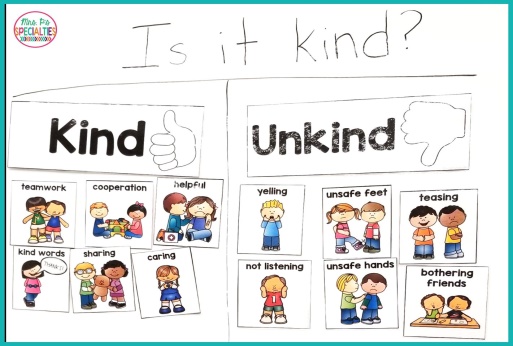
Ex:1 P:94 • Ask students to open their books at page 94. Tell students they are going to watch some teenagers answering the following question: What makes a good friend? Give students some time to read through the list of qualities and then play the video. Students work alone to tick the qualities they hear. Students can compare answers in pairs before you check answers with the class Ex: 2 P: 94 • Put students into pairs to ask and answer the question. Ask some students to report back to the class on what their partner said Ex: 3 P: 94 • Tell students they are going to listen to to Olivia, a new student at her school. Play the recording. Students listen and answer the question. Ex: 4 P: 94 • Tell students they are going to listen to to Olivia, a new student at her school. Play the recording. Students listen and answer the question. Conclusion during the lesson some tasks differentiated by outcomes of the students and by their abilities. |
• Learners watch the teenagers in the video. Answer the question ANSWERS helps with decisions thinks of other people and is helpful has is honest be there helps with homework listens • Learners answer the question ANSWERS Student’s own answer • Learners Laura is talking a new school, answer the question. ANSWERS show her how to get access to the intranet; help her with formatting • Learners complete the conversation with the useful language. ANSWERS 2 not sure how 3 you need 4 me show 5 to do 6 give you |
Descriptor: - watch the teenagers in the video - answer the question. Total: 2 point
Self assessment Differentiation: «Verbal support» method is used to help Ss use new words in the sentences. Descriptor: - work into pairs - answer the question Total: 2point Descriptor: - Laura is talking a new school - complete the conversation Total: 2 point -Make CCQ questions Yes / No Total: 1 point Total: 10 point |
Card Worksheet Students book |
|
End of the lesson 5 min |
FEEDBACK Learners provide feedback on what they have learned at the lesson. Ex: P: Home task: Write the days |
|
Poster Success
|
|
Short term plan: term 4
|
Unit 8: “HEALTHY HABBITS” |
Lesson 88 |
||
|
Teacher’s name: |
|
||
|
Date: |
|
||
|
Grade: 7 |
Number present: |
absent: |
|
|
Lesson title |
Writing: A competition entry |
||
|
Learning objectives |
7.4.1.1 understand the main points in texts on a limited range of unfamiliar general and curricular topics 7.5.7.1 use with minimal support appropriate layout at text level for a growing range of written genres on familiar general and curricular topics 7.2.5.1 recognise the opinion of the speaker(s) in supported extended talk on a range of general and curricular topics |
||
|
Lesson objectives |
Learners will be able to: - read a description of life at a summer camp. - learn about avoiding repetition in my writing. - write a description of a summer camp as an entry in a competition |
||
|
Value links |
Tradition: Kazakh traditions and culture have been passed on from one generation to another through oral histories told by traditional Kazakh tribal leaders and elders. |
||
|
Plan |
|||
|
Stages / Time |
Teachers actions |
Students actions |
Assessment criteria |
Resources |
|
Beginning of the lesson Warming-up
3 min. Pre-learning «Brainstorming» method 7 min. |
Organization moment : 1.Greeting. Ask about the weather. The teacher sets the lesson objectives, letting students know what to anticipate from the lesson. Warming up Books closed. Write the following on the board: Who is your best friend? Why? Put students into pairs to ask and answer the question. Ask some students to report back to the class on what their partner sai Lead – In
|
The aim: To develop pupils speaking skills and create friendly atmosphere Students of the class are listed. Students' attention is drawn to the lesson. Students say different words from the picture •Learners remember previous lesson vocabulary •Learners answer the questions |
The teacher to assess learners for their ability. “Good job! Well done!” Formative Assessment
Good job! Descriptor: - remembers the lesson passed Point 1 Assessment criteria - make basic statements related to personal information, people and objects with go. |
Pictures worksheet Picture |
|
Middle of the lesson Presentation part. 30 min |
Ex:1 P:95 • Ask students to open their books at page 95. Students look at the photos, read Jon's competition entry and say what Jon's favourite thing about the camp was. Check the answer with the class. Ex: 2 P: 95 • Ask students to read Jon's competition entry again. Students can work alone to decide which of the subjects in the list Jon writes about. Students can compare answers in pairs before you check answers with the class. Ex: 3 P: 95 • Go through the information in the Useful language box. Explain that avoiding repetition of words in a text is done to make that text more interesting to read. Ask students to find one other way of referring in Jon's competition entry. to activities Ex: 4 P: 95 • Tell students to rewrite the text by changing the words in bold to avoid repeating the italicised words. This is a challenging activity, so do the first word as an example with the whole class. Students can then work in pairs to complete the exercise. Pair stronger students with weaker students to do this task. Check answers with the class. Conclusion during the lesson some tasks differentiated by outcomes of the students and by their abilities. |
• Learners look at the photos and read Jon’s competition entry. Answer the question. ANSWERS canoeing, volleyball and horse riding • Learners look back at Jon’s competition entry again. What does Jon write about. ANSWERS favourite activities (daytime / at night) the daily routine why he liked it the weather • Learners look at the useful Language Box. Find one other way of avoiding repetition of the word activities in the text. ANSWERS My favorities were canoeing, volleyball and horse riding. • Learners change the phrases in bold in the text so you don’t repeat the words. ANSWERS 1 them 2 they 3 they 4 their |
Descriptor: - look at the photos - read Jon’s competition entry Total: 2 point
Self assessment Differentiation: «Verbal support» method is used to help Ss use new words in the sentences. Descriptor: - look at the useful Language Box - find one other way of avoiding repetition Total: 2point Descriptor: - change the phrases in bold - complete the exercise Total: 2 point -Make CCQ questions Yes / No Total: 1 point Total: 10 point |
Card Worksheet Students book |
|
End of the lesson 5 min |
FEEDBACK Learners provide feedback on what they have learned at the lesson. Ex: P: Home task: Write the days |
|
Poster Success
|
|

Short term plan: term 4
|
Unit 8: “HEALTHY HABBITS” |
Lesson 89 |
||
|
Teacher’s name: |
|
||
|
Date: |
|
||
|
Grade: 7 |
Number present: |
absent: |
|
|
Lesson title |
CLIL: PE Avoiding sports injuries |
||
|
Learning objectives |
7.2.4.1 understand with little support some of the implied meaning in extended talk on a limited range of general and curricular topics 7.1.4.1 evaluate and respond constructively to feedback from others 7.5.5.1 develop with some support coherent arguments supported when necessary by examples and reasons for a limited range of written genres in familiar general and curricular topics |
||
|
Lesson objectives |
Learners will be able to: - listen to and read about dangerous sports and giving first aid. - make a leaflet explaining how to avoid injury in a sport. |
||
|
Value links |
Tradition: Kazakh traditions and culture have been passed on from one generation to another through oral histories told by traditional Kazakh tribal leaders and elders. |
||
|
Plan |
|||
|
Stages / Time |
Teachers actions |
Students actions |
Assessment criteria |
Resources |
|
Beginning of the lesson Warming-up
3 min. Pre-learning «Brainstorming» method 7 min. |
Organization moment : 1.Greeting. Ask about the weather. The teacher sets the lesson objectives, letting students know what to anticipate from the lesson. Warming up Books closed. Write the following on the board: Who is your best friend? Why? Put students into pairs to ask and answer the question. Ask some students to report back to the class on what their partner sai Lead – In
|
The aim: To develop pupils speaking skills and create friendly atmosphere Students of the class are listed. Students' attention is drawn to the lesson. Students say different words from the picture •Learners remember previous lesson vocabulary •Learners answer the questions |
The teacher to assess learners for their ability. “Good job! Well done!” Formative Assessment
Good job! Descriptor: - remembers the lesson passed Point 1 Assessment criteria - make basic statements related to personal information, people and objects with go. |
Pictures worksheet Picture |
|
Middle of the lesson Presentation part. 30 min |
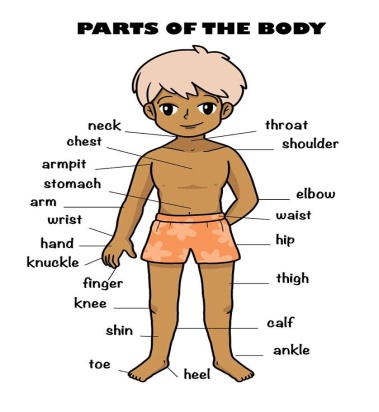
Ex:1 P:96 •Ask students to open their books at page 96. Read out the words in the box and make sure that students are able to pronounce them. Pay particular attention to the pronunciation of muscles /'mas(ə)ls/ and ligaments /'lıgəm(ə)ntz/. Ask students to work in pairs to match the words to the correct places on the diagram. Allow weaker students to use dictionaries so they can check the meanings of the words in the box. Check answers with the class. Ex: 2 P: 96 • Ask students to work alone to complete the introduction using the words from Exercise 1. Students can compare their answers in pairs. Ex: 3 P: 96 • Play the recording for students to check their answers to Exercise 2. Ex: 4 P: 96 • Focus on the text and tell students that it contains advice on how to avoid sports injuries. Ask students to read the text and work alone to match the pieces of advice with the pictures. Allow weaker students to use dictionaries so they can check the meanings of the words in the text. Students can compare answers in pairs before you check answers with the class Conclusion during the lesson some tasks differentiated by outcomes of the students and by their abilities. |
• Learners work with a partner. Match the body parts to the words in the box. ANSWERS 1 shoulder 2 muscles 3 joints 4 ligaments 5 knee 6 ankle • Learners complete the introduction giving advice on avoiding sports injuries with words from Exercise 1 ANSWERS Student’s own answer • Learners listen and check ANSWERS 1 joints 2 ligaments 3 muscles 4 shoulder 5 knees 6 ankles • Learners complete the advice with the words in the box. Then listen and check. ANSWERS 2 muscles 3 stiff 4 equipment 5 injuries 6 pain |
Descriptor: - work with a partner - match the body parts Total: 2 point
Self assessment Differentiation: «Verbal support» method is used to help Ss use new words in the sentences. Descriptor: - complete the introduction giving advice Total: 2point Descriptor: - listen and check Total: 2 point Descriptor: - complete the advice - listen and check. Total: 2 point -Make CCQ questions Yes / No Total: 1 point Total: 10 point |
Card Worksheet Students book |
|
End of the lesson 5 min |
FEEDBACK Learners provide feedback on what they have learned at the lesson. Ex: P: Home task: Write the days |
|
Poster Success
|
|
Short term plan: term 4
|
Unit 8: “HEALTHY HABBITS” |
Lesson 90 |
||
|
Teacher’s name: |
|
||
|
Date: |
|
||
|
Grade: 7 |
Number present: |
absent: |
|
|
Lesson title |
Extra reading Summative Assessment for the Unit “ Healthy Habits” |
||
|
Learning objectives |
7.3.7.1 use appropriate subject-specific vocabulary and syntax to talk about a growing range of general topics, and some curricular topics 7.1.7.1 develop and sustain a consistent argument when speaking or writing 7.2.4.1 understand with little support some of the implied meaning in extended talk on a limited range of general and curricular topics |
||
|
Lesson objectives |
Learners will be able to: - read an article about food and drink in Kazakhstan. - answer comprehension questions about the article. - role-play a dialogue about food between a person from Kazakhstan and a foreign visitor. |
||
|
Value links |
Tradition: Kazakh traditions and culture have been passed on from one generation to another through oral histories told by traditional Kazakh tribal leaders and elders. |
||
|
Plan |
|||
|
Stages / Time |
Teachers actions |
Students actions |
Assessment criteria |
Resources |
|
Beginning of the lesson Warming-up
3 min. Pre-learning «Brainstorming» method 7 min. |
Organization moment : 1.Greeting. Ask about the weather. The teacher sets the lesson objectives, letting students know what to anticipate from the lesson. Warming up Books closed. Write the following on the board: Who is your best friend? Why? Put students into pairs to ask and answer the question. Ask some students to report back to the class on what their partner sai Lead – In
|
The aim: To develop pupils speaking skills and create friendly atmosphere Students of the class are listed. Students' attention is drawn to the lesson. Students say different words from the picture •Learners remember previous lesson vocabulary •Learners answer the questions |
The teacher to assess learners for their ability. “Good job! Well done!” Formative Assessment
Good job! Descriptor: - remembers the lesson passed Point 1 Assessment criteria - make basic statements related to personal information, people and objects with go. |
Pictures worksheet Picture |
|
Middle of the lesson Presentation part. 30 min |
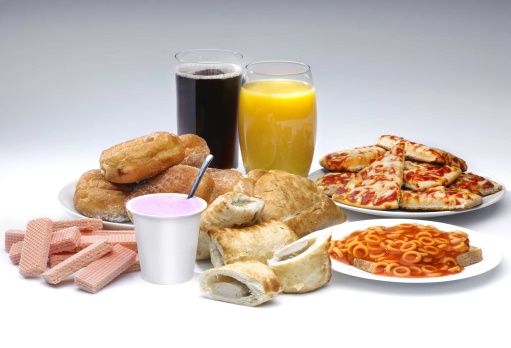
Ex:1 P:97 • Ask students to say which dishes are shown in the photographs, and then elicit food that is served on special occasions in Kazakhstan (for example, at festivals, parties and weddings). Check students' understanding of the following vocabulary: settle in, varied, mutton, host, doughnut. Ask students to work alone to read the text and answer the questions. In pairs, students can compare answers before you check answers with the class. As you go through the answers, elicit additional information (for example, dishes from other countries that are eaten in Kazakhstan, what Beshbarmak is and when it is eaten).. Ex: 2 P: 97 • Ask students to copy the 'healthy habits' questionnaire into their notebooks. Students can add as many questions to their questionnaire as they like, but should aim for at least 6-8. Help weaker students by eliciting questions that could be added to the questionnaire, e.g. How often do you eat chocolate, cakes or biscuits? How many glasses of water do you drink a day? What is your favourite thing to eat? What is your favourite thing to drink? What is your favourite meal of the day? Do you ever miss a meal? Monitor while students write their questionnaires, helping with vocabulary as necessary. . Conclusion during the lesson some tasks differentiated by outcomes of the students and by their abilities. |
• Learners read the text, then answer the questions. ANSWERS 1 Because people from many different countries have settled in Kazakhstan. 2 It's a rice dish. It's usually made with mutton and carrots. 3 Kymyz and shubat. 4 They cover the table with food • Learners make a 'healthy habits' questionnaire for your friends and family. Think about their daily or weekly routine ANSWERS Student’s own answer |
Descriptor: - read the text - answer the questions Total: 2 point
Self assessment Differentiation: «Verbal support» method is used to help Ss use new words in the sentences. Descriptor: - make a 'healthy habits' questionnaire Total: 2point -Make CCQ questions Yes / No Total: 1 point Total: 10 point |
Card Worksheet Students book |
|
End of the lesson 5 min |
FEEDBACK Learners provide feedback on what they have learned at the lesson. Ex: P: Home task: Write the days |
|
Poster Success
|
|
Short term plan: term 4
|
Unit 9: Clothes and fashion |
Lesson 91 |
||
|
Teacher’s name: |
|
||
|
Date: |
|
||
|
Grade: 7 |
Number present: |
absent: |
|
|
Lesson title |
Vocabulary: adjective for clothes, |
||
|
Learning objectives |
7.1.9.1 use imagination to express thoughts, ideas, experiences and feelings 7.3.7.1 use appropriate subject-specific vocabulary and syntax to talk about a growing range of general topics, and some curricular topics |
||
|
Lesson objectives |
Learners will be able to: - learn adjectives to describe clothes - describe the clothes I like wearing |
||
|
Value links |
Tradition: Kazakh traditions and culture have been passed on from one generation to another through oral histories told by traditional Kazakh tribal leaders and elders. |
||
|
Plan |
|||
|
Stages / Time |
Teachers actions |
Students actions |
Assessment criteria |
Resources |
|
Beginning of the lesson Warming-up
3 min. Pre-learning «Brainstorming» method 7 min. |
Organization moment : 1.Greeting. Ask about the weather. The teacher sets the lesson objectives, letting students know what to anticipate from the lesson. Warming up Books closed. Write the following on the board: Who is your best friend? Why? Put students into pairs to ask and answer the question. Ask some students to report back to the class on what their partner sai Lead – In
|
The aim: To develop pupils speaking skills and create friendly atmosphere Students of the class are listed. Students' attention is drawn to the lesson. Students say different words from the picture •Learners remember previous lesson vocabulary •Learners answer the questions |
The teacher to assess learners for their ability. “Good job! Well done!” Formative Assessment
Good job! Descriptor: - remembers the lesson passed Point 1 Assessment criteria - make basic statements related to personal information, people and objects with go. |
Pictures worksheet Picture |
|
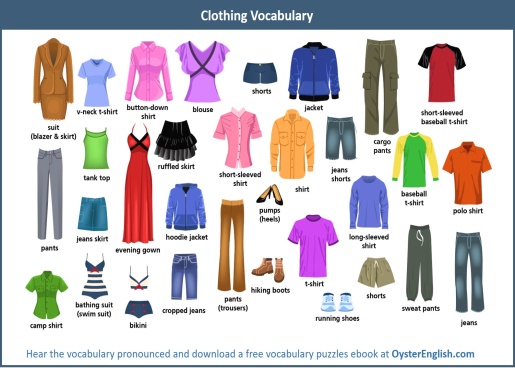
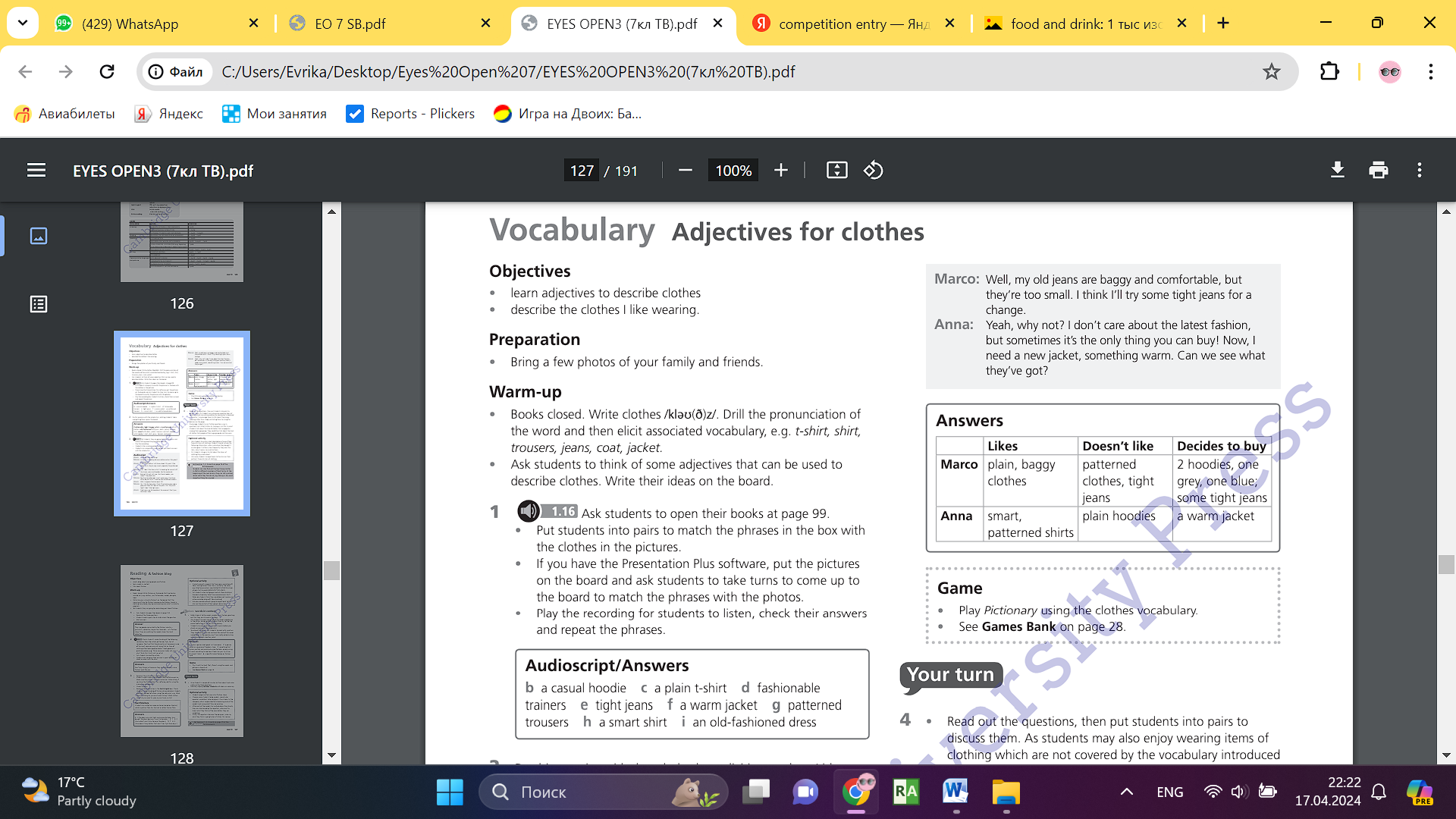
Middle of the lesson Presentation part. 30 min |
Ex:1 P:99 • Ask students to open their books at page 99. Put students into pairs to match the phrases in the box with the clothes in the pictures. If you have the Presentation Plus software, put the pictures on the board and ask students to take turns to come up to the board to match the phrases with the photos. Play the recording for students to listen, check their answers and repeat the phrases. Ex: 2 P: 99 • Do this exercise with the whole class, eliciting students' ideas and putting them up on the board. Ex: 3 P: 99 • Tell students they are going ten to Anna and Marco talking about buying clothes online. Play the recording. Students listen and complete the chart. Students can compare answers with the whole class Ex: 4 P: 99 Encourage students to ask further questions, e.g. In question3 ask: What clothes do teenagers not like to wear? Students talk about the kind of clothes that are popular among their age group. They could then talk about the kind of clothes that people of their age group do not like wea Conclusion during the lesson some tasks differentiated by outcomes of the students and by their abilities. |
• Learners match the phrases in the box with the pictures (a-i). Then listen, check and repeat ANSWERS b a casual hoodie c a plain t-shirt d fashionable trainers e tight jeans f a warm jacket g patterned trousers h a smart shirt i an old-fashioned dress • Learners look again at the adjectives for clothes in Exercise 1. Which of the clothes can you use each adjective with? ANSWERS fashionable, tight, baggy, plain and patterned with all clothes; old-fashioned with jeans, dress, jacket, trousers, shirt; smart with dress, jacket, trousers and shirt; casual with hoodie, t-shirt, shirt, jeans, trousers and jacket Student’s own answer • Learners listen to Anna and Marco buying clothes online. Complete the chart with the styles they like and dislike ANSWERS
• Learners work with a partner. Answer the questions ANSWERS Student’s own answer |
Descriptor: - match the phrases - check and repeat Total: 2 point
Self assessment Differentiation: «Verbal support» method is used to help Ss use new words in the sentences. Descriptor: - look again at the adjectives -answer the question Total: 2point Descriptor: - listen to Anna and Marco - complete the chart Total: 2point Descriptor: - work with a partner - answer the questions Total: 2point -Make CCQ questions Yes / No Total: 1 point Total: 10 point |
Card Worksheet Students book |
|
End of the lesson 5 min |
FEEDBACK Learners provide feedback on what they have learned at the lesson. Ex: P: Home task: Write the days |
|
Poster Success
|
|
Short term plan: term 4
|
Unit 9: Clothes and fashion |
Lesson 92 |
||
|
Teacher’s name: |
|
||
|
Date: |
|
||
|
Grade: 7 |
Number present: |
absent: |
|
|
Lesson title |
Reading: A fashion blog |
||
|
Learning objectives |
7.4.6.1 recognise the attitude or opinion of the writer on a range of unfamiliar general and curricular topics 7.2.5.1 recognise the opinion of the speakers in supported extended talk on a range of general and curricular topics 7.3.5.1 keep interaction with peers to negotiate, agree and organise priorities and plans for completing classroom tasks |
||
|
Lesson objectives |
Learners will be able to: - read a blog about young people and fashion. - learn words in context. - talk about fashion. |
||
|
Value links |
Tradition: Kazakh traditions and culture have been passed on from one generation to another through oral histories told by traditional Kazakh tribal leaders and elders. |
||
|
Plan |
|||
|
Stages / Time |
Teachers actions |
Students actions |
Assessment criteria |
Resources |
|
Beginning of the lesson Warming-up
3 min. Pre-learning «Brainstorming» method 7 min. |
Organization moment : 1.Greeting. Ask about the weather. The teacher sets the lesson objectives, letting students know what to anticipate from the lesson. Warming up Books closed. Write the following on the board: Who is your best friend? Why? Put students into pairs to ask and answer the question. Ask some students to report back to the class on what their partner sai Lead – In
|
The aim: To develop pupils speaking skills and create friendly atmosphere Students of the class are listed. Students' attention is drawn to the lesson. Students say different words from the picture •Learners remember previous lesson vocabulary •Learners answer the questions |
The teacher to assess learners for their ability. “Good job! Well done!” Formative Assessment
Good job! Descriptor: - remembers the lesson passed Point 1 Assessment criteria - make basic statements related to personal information, people and objects with go. |
Pictures worksheet Picture |
|
Middle of the lesson Presentation part. 30 min |
Ex:1 P:100 • Ask students to open their books at page 100. Read out the three questions. Students work in pairs to ask and answer the question. Elicit answers. Ex: 2 P: 100 • Check students' understanding of the following vocabulary from the article: patterned, style, to suit someone. Point out that the phrase to suit someone is one of the most common ways of saying that an item of clothing either looks good or doesn't look good on a particular person, e.g. Those new jeans really suit you. //don't think this t-shirt suits me at all. Ask students to read the article. Students can compare their answers in pairs before you check answers with the class. Ex: 3 P: 100 • Read out the instructions and the example. Students work in pairs to complete the true/false exercise. Make sure they correct the false sentences. Alternatively, if you have the Presentation Plus software, do this using the interactive whiteboard. Check answers. Ex: 4 P: 100 Refer students to the words and phrase in the box, pointing out that they are all used in hrase in the blog. Ask students to work alone to find the words and phrases in the article. Using context, students then try to find the correct definition in 1-6 for this vocabulary. Students can compare their answers in pairs before you check answers with the whole class. Conclusion during the lesson some tasks differentiated by outcomes of the students and by their abilities. |
• Learners work with a partner. Look at the photo and answer the questions ANSWERS They are people connected to the fashion industry - journalists, celebrities, buyers for stores etc. - at a fashion show. They are watching the models show the latest collection. • Learners read Gina's fashion blog. What's the message for young people this week? ANSWERS Don't buy things just because they are fashionable, make fashion work for you. • Learners read the blog again. Are the sentences true (T) or false (F)? Correct the false sentences ANSWERS 2 F (The dress was a bit tight and uncomfortable. Gina bought the dress because it was fashionable.) 3T 4 F (Anna didn't want Gina to wear the dress.) 5T 6 F (Gina doesn't buy clothes that aren't her style these days. • Learners match these words and phrases e from the blog with the definitions (1-6) below ANSWERS 1 make a person look good: suit (someone) 2 a person who has no personal freedom: slave 3 something that makes you feel awkward and uncomfortable: embarrassing 4 wear something to see how it looks on you: try (it) on 5 newest: latest 6 a specific kind of design or fashion: style |
Descriptor: - work with a partner - answer the questions Total: 2 point
Self assessment Differentiation: «Verbal support» method is used to help Ss use new words in the sentences. Descriptor: - read Gina's fashion blog -answer the question Total: 2point Descriptor: - read the blog again. - mark the statements Total: 2point Descriptor: - match these words phrases e from the blog Total: 2point -Make CCQ questions Yes / No Total: 1 point Total: 10 point |
Card Worksheet Students book |
|
End of the lesson 5 min |
FEEDBACK Learners provide feedback on what they have learned at the lesson. Ex: P: Home task: Write the days |
|
Poster Success
|
|

Short term plan: term 4
|
Unit 9: Clothes and fashion |
Lesson 93 |
||
|
Teacher’s name: |
|
||
|
Date: |
|
||
|
Grade: 7 |
Number present: |
absent: |
|
|
Lesson title |
Language focus” second conditional |
||
|
Learning objectives |
7.5.6.1 link with little or no support, sentences into coherent paragraphs using a variety of basic connectors on a range of familiar general topics and some curricular topics 7.6.17.1 use if / unless in first conditional clauses; use defining relative clauses with which who that where on a wide range of familiar general and curricular topics |
||
|
Lesson objectives |
Learners will be able to: -learn the second conditional. - practise using the second conditional by doing a quiz |
||
|
Value links |
Tradition: Kazakh traditions and culture have been passed on from one generation to another through oral histories told by traditional Kazakh tribal leaders and elders. |
||
|
Plan |
|||
|
Stages / Time |
Teachers actions |
Students actions |
Assessment criteria |
Resources |
|
Beginning of the lesson Warming-up
3 min. Pre-learning «Brainstorming» method 7 min. |
Organization moment : 1.Greeting. Ask about the weather. The teacher sets the lesson objectives, letting students know what to anticipate from the lesson. Warming up Books closed. Write the following on the board: Who is your best friend? Why? Put students into pairs to ask and answer the question. Ask some students to report back to the class on what their partner sai Lead – In
|
The aim: To develop pupils speaking skills and create friendly atmosphere Students of the class are listed. Students' attention is drawn to the lesson. Students say different words from the picture •Learners remember previous lesson vocabulary •Learners answer the questions |
The teacher to assess learners for their ability. “Good job! Well done!” Formative Assessment
Good job! Descriptor: - remembers the lesson passed Point 1 Assessment criteria - make basic statements related to personal information, people and objects with go. |
Pictures worksheet Picture |
|
Middle of the lesson Presentation part. 30 min |
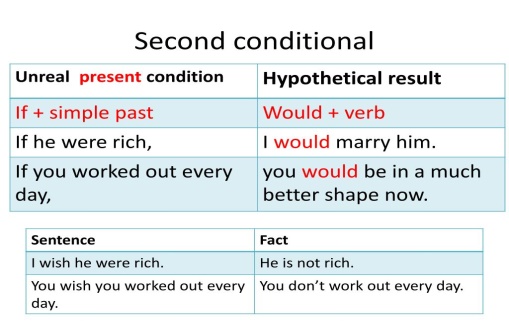
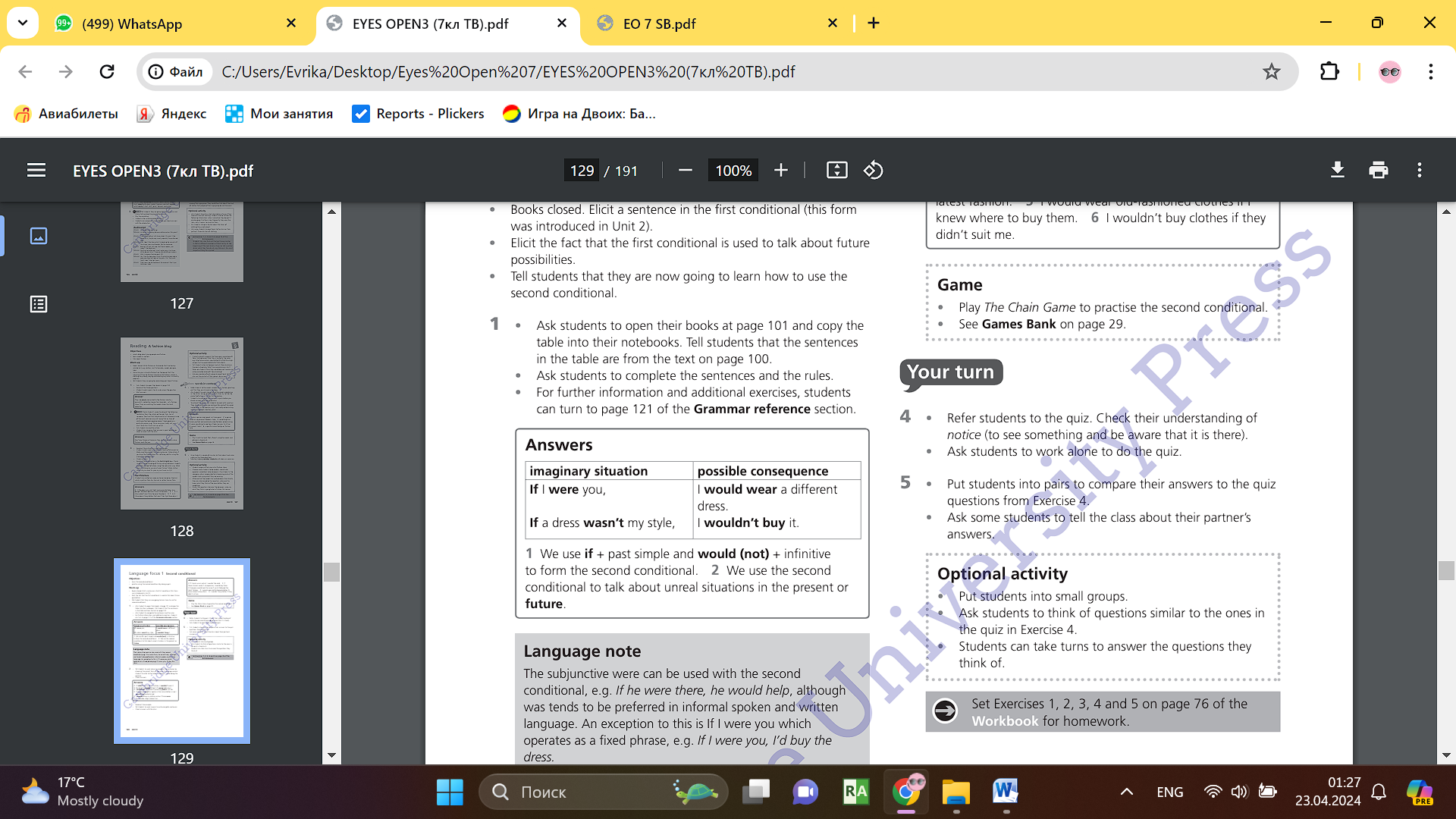
Ex:1 P:101 • Ask students to open their books at page 101 and copy the table into their notebooks. Tell students that the sentences in the table are from the text on page 100. Ask students to complete the sentences and the rules. For further information and additional exercises, students can turn to page 121 of the Grammar reference section Ex: 2 P: 101 • Tell students to work alone to complete the sentences by choosing the correct form of the verbs. Encourage weaker students to refer to the table in Exercise 1 while doing the exercise. Check answers. Ex: 3 P: 101 • Tell students to work in pairs to write complete sentences. Check answers with the class. Conclusion during the lesson some tasks differentiated by outcomes of the students and by their abilities. |
• Learners complete the examples from the text. Complete the rules. ANSWERS
• Learners look at the chart. Choose the correct form of the verbs in the sentences. ANSWERS 2 If I didn't like the latest fashion, I wouldn't wear it. 3 My parents wouldn't like it if I wore tight jeans. 4 I would tell my friend if something didn't suit her. 5 If someone went to a party in the same clothes as me I would feel embarrassed. 6 I wouldn't buy my clothes online if there were fashionable shops where I live. • Learners write complete the sentences. ANSWERS 2 If I had a warm jacket, I wouldn't be cold. 3 If those trainers weren't so expensive, I would buy them. 4 Everyone would look the same if we all followed the latest fashion. 5 I would wear old-fashioned clothes if I knew where to buy them. 6 I wouldn't buy clothes if they didn't suit me. |
Descriptor: - complete the examples - complete the rules Total: 2 point
Self assessment Differentiation: «Verbal support» method is used to help Ss use new words in the sentences. Descriptor: - look at the chart. - choose the correct form of the verbs Total: 2point Descriptor: - write complete the sentences Total: 2point -Make CCQ questions Yes / No Total: 1 point Total: 10 point |
Card Worksheet Students book |
|
End of the lesson 5 min |
FEEDBACK Learners provide feedback on what they have learned at the lesson. Ex: P: Home task: Write the days |
|
Poster Success
|
|
Short term plan: term 4
|
Unit 9: Clothes and fashion |
Lesson 94 |
||
|
Teacher’s name: |
|
||
|
Date: |
|
||
|
Grade: 7 |
Number present: |
absent: |
|
|
Lesson title |
Writing a discussion |
||
|
Learning objectives |
7.6.4.1 use an increased variety of determiners including neither, either on a range of familiar general and curricular topics 7.2.3.1 understand with some support most of the detail of an argument in extended talk on a limited range of general and curricular topics 7.5.6.1 link with little or no support, sentences into coherent paragraphs using a variety of basic connectors on a range of familiar general topics and some curricular topics |
||
|
Lesson objectives |
Learners will be able to:
|
||
|
Value links |
Tradition: Kazakh traditions and culture have been passed on from one generation to another through oral histories told by traditional Kazakh tribal leaders and elders. |
||
|
Plan |
|||
|
Stages / Time |
Teachers actions |
Students actions |
Assessment criteria |
Resources |
|
Beginning of the lesson Warming-up
3 min. Pre-learning «Brainstorming» method 7 min. |
Organization moment : 1.Greeting. Ask about the weather. The teacher sets the lesson objectives, letting students know what to anticipate from the lesson. Warming up Books closed. Write the following on the board: Who is your best friend? Why? Put students into pairs to ask and answer the question. Ask some students to report back to the class on what their partner sai Lead – In
|
The aim: To develop pupils speaking skills and create friendly atmosphere Students of the class are listed. Students' attention is drawn to the lesson. Students say different words from the picture •Learners remember previous lesson vocabulary •Learners answer the questions |
The teacher to assess learners for their ability. “Good job! Well done!” Formative Assessment
Good job! Descriptor: - remembers the lesson passed Point 1 Assessment criteria - make basic statements related to personal information, |
Pictures worksheet Picture |
|
Middle of the lesson Presentation part. 30 min |
Ex:1 P:102 • Ask students to open their books at page 102 and look at the three pictures. Elicit a description of the pictures. Play the recording of Mick and Suzy doing a quiz. Students listen and order the three pictures Ex: 3 P: 102 • Ask students to discuss with a partner what they would do in the three situations that Suzy and Mick talked about. Ask two or three students to report back to the class on what their partner said. Ex: 4 P: 102 • Read out the example sentences underneath the photographs, then ask students what the difference between -ed and -ing adjectives is. Refer students to the information in the Get it right! box. Check that students understand the difference between the two types of adjective. Read out the example sentence, then put students into pairs to complete the exercise. Play the recording for students to check their answers to Exercise Exercise 4 and repeat the sentences Conclusion during the lesson some tasks differentiated by outcomes of the students and by their abilities. |
• Learners listen to the conversation. Put the pictures in the correct order. ANSWERS 1 b 2 b 3 b 4 a • Learners listen again and choose the correct answer. ANSWERS 1 three or four 2 in the mornings 3 a friend 4 it's important to take breaks because our brains and bodies get tired and we might feel unwell 5 four or five important as exercising regularly Press • Learners look at the pictures and example sentences. Circle the correct words. ANSWERS Student’s own answer. |
Descriptor: - listen to the conversation - Put the pictures in the correct order. Total: 2 point
Self assessment Differentiation: «Verbal support» method is used to help Ss use new words in the sentences. Descriptor: - listen again - choose the correct answer. Total: 2point Descriptor: - look at the pictures - circle the correct words Total: 2point -Make CCQ questions Yes / No Total: 1 point Total: 10 point |
Card Worksheet Students book |
|
End of the lesson 5 min |
FEEDBACK Learners provide feedback on what they have learned at the lesson. Ex: P: Home task: Write the days |
|
Poster Success
|
|

Short term plan: term 4
|
Unit 9: Clothes and fashion |
Lesson 95 |
||
|
Teacher’s name: |
|
||
|
Date: |
|
||
|
Grade: 7 |
Number present: |
absent: |
|
|
Lesson title |
Language focus: second conditional |
||
|
Learning objectives |
7.2.6.1 deduce meaning from context with little support in extended talk on a limited range of general and curricular topics 7.4.5.1 deduce meaning from context in short texts on a growing range of familiar general and curricular topics 7.3.6.1 begin to link comments with some flexibility to what others say at sentence and discourse level in pair, group and whole class exchanges |
||
|
Lesson objectives |
Learners will be able to: - earn how to form second conditional questions. - ask and answer questions about some hypothetical situations |
||
|
Value links |
Tradition: Kazakh traditions and culture have been passed on from one generation to another through oral histories told by traditional Kazakh tribal leaders and elders. |
||
|
Plan |
|||
|
Stages / Time |
Teachers actions |
Students actions |
Assessment criteria |
Resources |
|
Beginning of the lesson Warming-up
3 min. Pre-learning «Brainstorming» method 7 min. |
Organization moment : 1.Greeting. Ask about the weather. The teacher sets the lesson objectives, letting students know what to anticipate from the lesson. Warming up Books closed. Write a second conditional sentence on the board, e.g. If I were rich, I would pay for my brother to go to university. Ask students if they can make a question out of the sentence you put on the board, e.g. If you were rich, what would you do? If you were rich, what would you pay for someone to do? Lead – In |
The aim: To develop pupils speaking skills and create friendly atmosphere Students of the class are listed. Students' attention is drawn to the lesson. Students say different words from the picture •Learners remember previous lesson vocabulary •Learners answer the questions |
The teacher to assess learners for their ability. “Good job! Well done!” Formative Assessment
Good job! Descriptor: - remembers the lesson passed Point 1 Assessment criteria - make basic statements related to personal information, |
Pictures worksheet Picture |
|
Middle of the lesson Presentation part. 30 min |
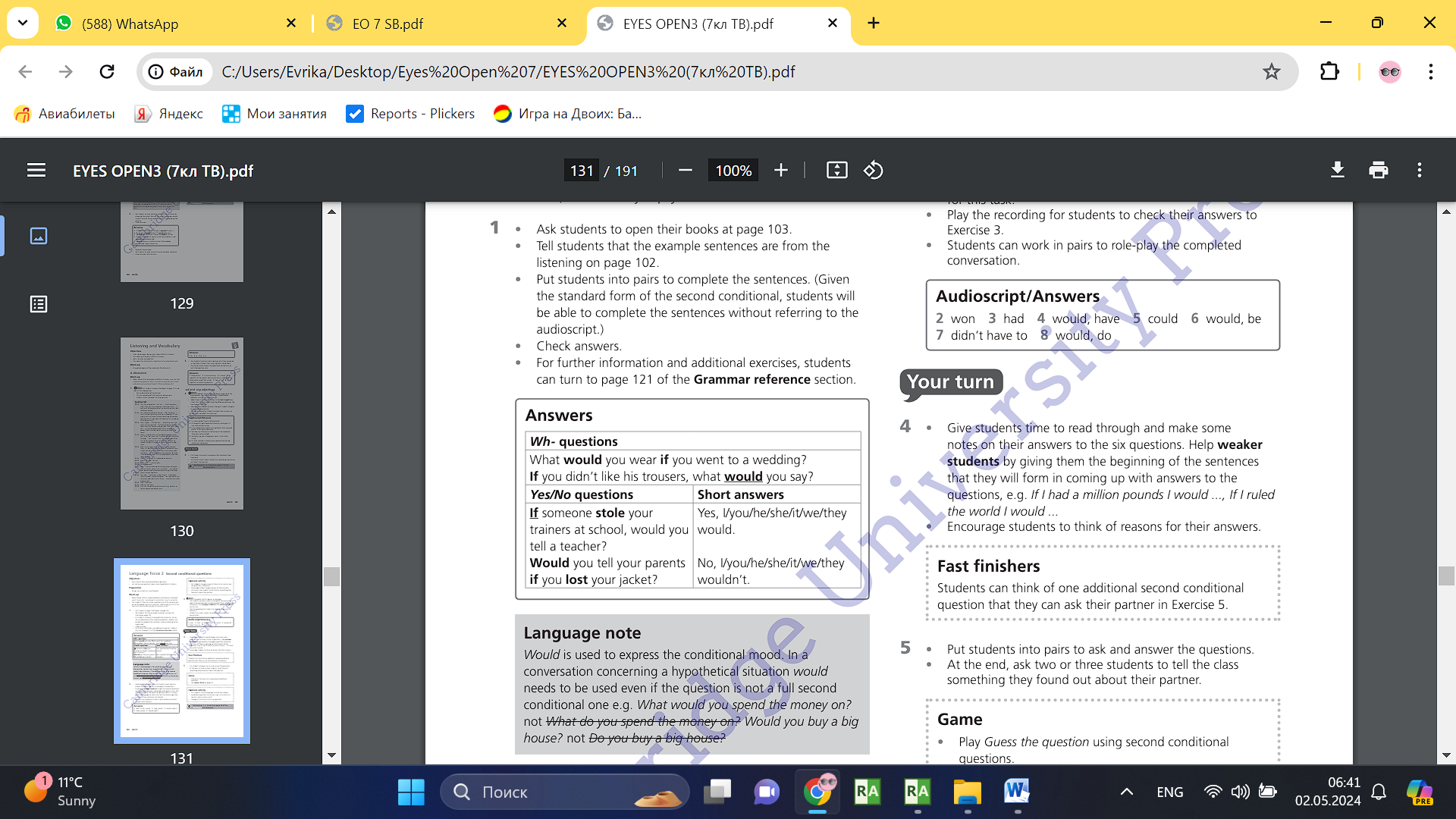
Ex:1 P:103 •Tell students that the example sentences are from the listening on page 102. Put students into pairs to complete the sentences. Check answers Ex: 2 P: 103 • Read out the example, then ask students work alone to choose the correct options to complete the questions. Encourage weaker students to split the second conditional sentences into two parts and to deal with each in turn. This will not only have the benefit of giving students a smaller chunk of language to work with, but also encourage them to think of how sentences are formed. Students can compare answers in pairs before you check answers with the class. Ex: 3 P: 103 • Ask students to work in pairs to complete the remaining gaps in the conversation using the correct forms of the verbs in brackets. Pair stronger students with weaker students for this task. Play the recording for students to check their answers to Exercise 3. Students can work in pairs to role-play the completed conversation. Ex: 4 P: 103 Give students time to read through and make some notes on their answers to the six questions. Help weaker university students by giving them the beginning of the sentences that they will form in coming up with answers to the questions, e.g, If I had a million pounds I would.... If I ruled the world I would... Conclusion during the lesson some tasks differentiated by outcomes of the students and by their abilities. |
• Learners complete the examples from the listening on page 102 ANSWERS
ANSWERS 2 didn't invite, would 3 lived, would 4 would, weren't 5 lived, would 6 Would, didn't • Learners complete the conversation with the correct form of the verbs in brackets. Then listen and check. ANSWERS 2 won 3 had 4 would, have 5 could 6 would, be 7 didn't have to 8 would to • Learners answer the questions. Make notes ANSWERS Student’s own answer. |
Descriptor: - work in pairs - complete the examples Total: 2 point
Self assessment Differentiation: «Verbal support» method is used to help Ss use new words in the sentences. Descriptor: - choose the correct words - complete the questions Total: 2point Descriptor: - complete the conversation with the correct form - listen and check. Total: 2point Descriptor: - answer the questions. - make some notes Total: 2point -Make CCQ questions Yes / No Total: 1 point Total: 10 point |
Card Worksheet Students book |
|
End of the lesson 5 min |
FEEDBACK Learners provide feedback on what they have learned at the lesson. Ex: P: Home task: Write the days |
|
Poster Success
|
|
 • Learners
choose the correct words to complete the
questions
• Learners
choose the correct words to complete the
questions
Short term plan: term 4
|
Unit 9: Clothes and fashion |
Lesson 96 |
||
|
Teacher’s name: |
|
||
|
Date: |
|
||
|
Grade: 7 |
Number present: |
absent: |
|
|
Lesson title |
Discover culture |
||
|
Learning objectives |
7.2.4.1 understand with little support some of the implied meaning in extended talk on a limited range of general and curricular topics 7.4.2.1 understand specific information and detail in texts on a range of familiar general and curricular topics |
||
|
Lesson objectives |
Learners will be able to: -read about a video traditional hats worn in Bolivia and Vietnam. -listen to an explanation of the legend of Vietnamese hats. listen to an explanation of why women wear bowler hats in Bolivia. - talk about hats and traditions where I live. |
||
|
Value links |
Tradition: Kazakh traditions and culture have been passed on from one generation to another through oral histories told by traditional Kazakh tribal leaders and elders. |
||
|
Plan |
|||
|
Stages / Time |
Teachers actions |
Students actions |
Assessment criteria |
Resources |
|
Beginning of the lesson Warming-up
3 min. Pre-learning «Brainstorming» method 7 min. |
Organization moment : 1.Greeting. Ask about the weather. The teacher sets the lesson objectives, letting students know what to anticipate from the lesson. Warming up Books closed. Write a second conditional sentence on the board, e.g. If I were rich, I would pay for my brother to go to university. Ask students if they can make a question out of the sentence you put on the board, e.g. If you were rich, what would you do? If you were rich, what would you pay for someone to do? Lead – In |
The aim: To develop pupils speaking skills and create friendly atmosphere Students of the class are listed. Students' attention is drawn to the lesson. Students say different words from the picture •Learners remember previous lesson vocabulary •Learners answer the questions |
The teacher to assess learners for their ability. “Good job! Well done!” Formative Assessment
Good job! Descriptor: - remembers the lesson passed Point 1 Assessment criteria - make basic statements related to personal information, |
Pictures worksheet Picture |
|
Middle of the lesson Presentation part. 30 min |
Ex:1 P:104 • Ask students to open their books at page 104. Elicit or check students understanding of the word indigenous, which means native to a particular place, e.g. indigenous plants, people, languages. Drill its pronunciation:/In'dıdzınǝs/. Teach the word conical, explaining that it refers to something which has the shape of a cone. Drill its pronunciation: /kontk(ə)V Read the introduction, then ask students to match texts 1-3 with pictures A-C. Check answers. Ex: 2 P: 104 •Read out the three headings. Ask students to work in pairs to match the headings with the texts. bridge Check answers. Ex: 3 P: 104 • Refer Cam students to the gapped text. Tell them they are going to listen to someone talk about the tradition of wearing conical hats in Vietnam. Play the recording, twice if necessary. Students listen and complete the text. Check answers. Ex: 4 P: 104 Refer students to questions 1-6. Tell them they are going to listen to someone talk about how women came to wear bowler hats in Bolivia. Play the recording, twice if necessary. Students listen and answer the questions Students can compare their answers in pairs before you check answers with the whole stress Conclusion during the lesson some tasks differentiated by outcomes of the students and by their abilities. |
• Learners match the pictures (a-c) to the texts about Vietnamese hats ANSWERS 1 b 2 c 3 a • Learners match the headings to the texts about bowler hats ANSWERS 4 How to wear your hat 5 Where they are from 6 What they represent • Learners listen to someone explain the legend of the Vietnamese hats and complete the text ANSWERS 1 tall/giant 2 sky 3 hat 4 rain 5 vegetables 6 remember 7 shape 8 Vietnam • Learners listen to someone explain the origin of bowler hats in Bolivia and answer the questions ANSWERS 1 performing 2 full-time 3 before 4 Some 5 decides 6 create 7 claps |
Descriptor: - work in pairs - match the pictures Total: 2 point
Self assessment Differentiation: «Verbal support» method is used to help Ss use new words in the sentences. Descriptor: - read out the three headings - match the headings to the texts Total: 2point Descriptor: - listen to someone explain the legend - complete the text Total: 2point Descriptor: - listen to someone - answer the questions Total: 2point -Make CCQ questions Yes / No Total: 1 point Total: 10 point |
Card Worksheet Students book |
|
End of the lesson 5 min |
FEEDBACK Learners provide feedback on what they have learned at the lesson. Ex: P: Home task: Write the days |
|
Poster Success
|
|
Short term plan: term 4
|
Unit 9: Clothes and fashion |
Lesson 97 |
||
|
Teacher’s name: |
|
||
|
Date: |
|
||
|
Grade: 7 |
Number present: |
absent: |
|
|
Lesson title |
Reading an article |
||
|
Learning objectives |
7.3.7.1 use appropriate subject-specific vocabulary and syntax to talk about a range of general topics, and some curricular topics 7.4.2.1 understand specific information and detail in texts on a range of familiar general and curricular topics |
||
|
Lesson objectives |
Learners will be able to: -read a text about mobile phones. -learn prepositional phrases. -talk about my mobile phone use. |
||
|
Value links |
Tradition: Kazakh traditions and culture have been passed on from one generation to another through oral histories told by traditional Kazakh tribal leaders and elders. |
||
|
Plan |
|||
|
Stages / Time |
Teachers actions |
Students actions |
Assessment criteria |
Resources |
|
Beginning of the lesson Warming-up
3 min. Pre-learning «Brainstorming» method 7 min. |
Organization moment : 1.Greeting. Ask about the weather. The teacher sets the lesson objectives, letting students know what to anticipate from the lesson. Warming up Books closed. Write a second conditional sentence on the board, e.g. If I were rich, I would pay for my brother to go to university. Ask students if they can make a question out of the sentence you put on the board, e.g. If you were rich, what would you do? If you were rich, what would you pay for someone to do? Lead – In |
The aim: To develop pupils speaking skills and create friendly atmosphere Students of the class are listed. Students' attention is drawn to the lesson. Students say different words from the picture •Learners remember previous lesson vocabulary •Learners answer the questions |
The teacher to assess learners for their ability. “Good job! Well done!” Formative Assessment
Good job! Descriptor: - remembers the lesson passed Point 1 Assessment criteria - make basic statements related to personal information, |
Pictures worksheet Picture |
|
Middle of the lesson Presentation part. 30 min |
Ex:1 P:105 • Ask students to open their books at page 105. Focus attention on the quiz. Ask students to work in pairs to do the quiz Ex: 2 P: 105 • Ask students to read the article to check their answers to the quiz. Check answers with the class. Ask students if they are surprised by any of the answers. Ex: 3 P: 105 • Give students time to read questions 1-7. Check their understanding of accessories, which is the name given to items that are added to the main one to make it more useful or appealing, e.g. a phone charger. Students read the article again, then work in pairs to answer the questions. Check answers. Ex: 4 P: 105 Explain that some phrases require prepositions and that it is a good idea to learn entire phrases rather than focus only on individual words. Complete item 1 as an example. Put the completed phrase on the board: go on sale. Put students into pairs to complete the rest of the phrases using the article to help them. Check answers. Conclusion during the lesson some tasks differentiated by outcomes of the students and by their abilities. |
• Learners work with a partner. Look at the photos and do the quiz ANSWERS Students own answer • Learners read the article and check your answers ANSWERS 1b 2c 3a 4 c • Learners read the article again and answer the questions ANSWERS 1 They were big and heavy 2 The shape and colour 3 Talk to people 4 The Blackberry 5 At least ten 6 You can... share news, upload a video, post a selfie Un 7 the phone cover, headphones • Learners find the phrases in the article and complete them with the correct preposition ANSWERS 1 on 2 at 3 on 4 in 5 at 6 on |
Descriptor: - work in pairs - do the quiz Total: 2 point
Self assessment Differentiation: «Verbal support» method is used to help Ss use new words in the sentences. Descriptor: - read the article - check your answers Total: 2point Descriptor: - read the article again - answer the questions Total: 2point Descriptor: - find the phrases in the article - complete them with the correct preposition Total: 2point -Make CCQ questions Yes / No Total: 1 point Total: 10 point |
Card Worksheet Students book |
|
End of the lesson 5 min |
FEEDBACK Learners provide feedback on what they have learned at the lesson. Ex: P: Home task: Write the days |
|
Poster Success
|
|
Short term plan: term 4
|
Unit 9: Clothes and fashion |
Lesson 98 |
||
|
Teacher’s name: |
|
||
|
Date: |
|
||
|
Grade: 7 |
Number present: |
absent: |
|
|
Lesson title |
Speaking asking for and giving advice |
||
|
Learning objectives |
7.2.4.1 understand with little support some of the implied meaning in extended talk on a limited range of general and curricular topics 7.1.1.1 use speaking and listening skills to solve problems creatively and cooperatively in groups 7.3.7.1 use appropriate subject-specific vocabulary and syntax to talk about a range of general topics, and some curricular topics |
||
|
Lesson objectives |
Learners will be able to: - listen to a conversation in which one teenager gives advice to a friend - practise asking for and giving advice. |
||
|
Value links |
Tradition: Kazakh traditions and culture have been passed on from one generation to another through oral histories told by traditional Kazakh tribal leaders and elders. |
||
|
Plan |
|||
|
Stages / Time |
Teachers actions |
Students actions |
Assessment criteria |
Resources |
|
Beginning of the lesson Warming-up
3 min. Pre-learning «Brainstorming» method 7 min. |
Organization moment : 1.Greeting. Ask about the weather. The teacher sets the lesson objectives, letting students know what to anticipate from the lesson. Warming up Books closed. Tell the class that you have a problem (e.g. you've broken your sister's guitar, you forgot to send your mother a birthday card). Ask students what we ask other people for when we have a problem. Elicit the word advice and write it on the board. Ask students if they know any ways of asking for and giving advice in English. Students will probably come up with the verb should and perhaps the phrase If I were yo Lead – In |
The aim: To develop pupils speaking skills and create friendly atmosphere Students of the class are listed. Students' attention is drawn to the lesson. Students say different words from the picture •Learners remember previous lesson vocabulary •Learners answer the questions |
The teacher to assess learners for their ability. “Good job! Well done!” Formative Assessment
Good job! Descriptor: - remembers the lesson passed Point 1 Assessment criteria - make basic statements related to personal information, |
Pictures worksheet Picture |
|
Middle of the lesson Presentation part. 30 min |
Ex:1 P:106 •Tell students they are going to listen to Hayley talking to her friend James about a problem. Play the recording. Students listen, then say what problem Hayley wants James' help with. Ex: 2 P: 106 • Students can work alone to complete the conversation using the phrases in the Useful language box. Ask stronger students to try to complete the gaps in the conversation without looking at the phrases in box. Ex: 3 P: 106 • Play the recording again for students to check their answers to Exercise 2. Ex: 4 P: 106 Put students into pairs to act out the conversation in Exercise 2. Students can act out the conversation twice, taking a different role each time Conclusion during the lesson some tasks differentiated by outcomes of the students and by their abilities. |
• Learners Hayley is talking to her friend James about a problem. What does Hayley want advice about? ANSWERS She wants a smartphone but her parents have said no. • Learners complete the conversation with the useful language ANSWERS Students own answer • Learners listen again and check your answers. ANSWERS 2 the problem 3 I should 4 wouldn't 5 should 6 a good 7 tried 8 could • Learners work with a partner. Practise the conversation in Exercise 2. ANSWERS Students own answer |
Descriptor: - listen to Hayley talking to her friend James - answer the question Total: 2 point
Self assessment Descriptor: - complete the conversation using the phrases - check your answers Total: 2point Descriptor: - listen again and check - work with a partner. Total: 2point -Make CCQ questions Yes / No Total: 1 point Total: 10 point |
Card Worksheet Students book |
|
End of the lesson 5 min |
FEEDBACK Learners provide feedback on what they have learned at the lesson. Ex: P: Home task: Write the days |
|
Poster Success
|
|
Short term plan: term 4
|
Unit 9: Clothes and fashion |
Lesson 99 |
||
|
Teacher’s name: |
|
||
|
Date: |
|
||
|
Grade: 7 |
Number present: |
absent: |
|
|
Lesson title |
Writing a problem page |
||
|
Learning objectives |
7.2.4.1 understand with little support some of the implied meaning in extended talk on a limited range of general and curricular topics 7.4.2.1 understand specific information and detail in texts on a range of familiar general and curricular topics 7.5.9.1 punctuate written work at text level on a growing |
||
|
Lesson objectives |
Learners will be able to: - read a letter about a problem. - learn how to summarise a problem and give advice in writing. - write a response to a problem |
||
|
Value links |
Tradition: Kazakh traditions and culture have been passed on from one generation to another through oral histories told by traditional Kazakh tribal leaders and elders. |
||
|
Plan |
|||
|
Stages / Time |
Teachers actions |
Students actions |
Assessment criteria |
Resources |
|
Beginning of the lesson Warming-up
3 min. Pre-learning «Brainstorming» method 7 min. |
Organization moment : 1.Greeting. Ask about the weather. The teacher sets the lesson objectives, letting students know what to anticipate from the lesson. Warming up Books closed. Write problem page on the board and check that students know what this is (a column in a newspaper, magazine or on a website featuring readers' problems and responses to these problems). Ask: Do you ever read problem pages? Lead – In |
The aim: To develop pupils speaking skills and create friendly atmosphere Students of the class are listed. Students' attention is drawn to the lesson. Students say different words from the picture •Learners remember previous lesson vocabulary •Learners answer the questions |
The teacher to assess learners for their ability. “Good job! Well done!” Formative Assessment
Good job! Descriptor: - remembers the lesson passed Point 1 Assessment criteria - make basic statements related to personal information, |
Pictures worksheet Picture |
|
Middle of the lesson Presentation part. 30 min |
Ex:1 P:107 • Ask students to open their books at page 107, read the text and say what Paul's problem is Check the answer with the class. Ex: 2 P: 107 • Ask students to read Manchester Lad's response again. Put students into pairs to note which of the things in the list idge Un Manchester Lad does in his answer. Check answers. Ex: 3 P: 107 • Go through the information in the Useful language box. Ask students to work in pairs to identify two further phrases for giving advice in Manchester Lad's answer. Ex: 4 P: 107 • Complete the first sentence as an example. Ask students to work in pairs to complete the remaining sentences. Pair stronger students with weaker students task. for this Check answers. Conclusion during the lesson some tasks differentiated by outcomes of the students and by their abilities. |
• Learners read Paul's letter. What is the problem? How many solutions does Manchester Lad suggest? ANSWERS He doesn't know what to wear to a formal party, and doesn't have any smart clothes. Manchester Lad suggests four things (ask his friend; borrow from friends or family. talk to his parents; hire some clothes) • Learners read the answer from Manchester Lad again. What things does he do in his answer? ANSWERS Say what kind of problem he thinks it is Give reasons for his opinions Offer different ways of looking at the problem Offer several solutions Give reasons for his advice Write a final sentence to make the person feel better • Learners look at the Useful language box. Find two other phrases to give advice in Exercise 1 ANSWERS You should ask... It's possible that (a friend) could You could also.... Perhaps (they) would ...... You could try...-ing • Learners complete the sentences with the words in the box ANSWERS 1 problem 2 Perhaps 3 possible 4 should 5 try 6 also |
Descriptor: - read Paul's letter - answer the question Total: 2 point
Self assessment Descriptor: - read the answer from Manchester Total: 2point Descriptor: - look at the Useful language - find two other phrases Total: 2point Descriptor: - complete the sentences Total: 2point -Make CCQ questions Yes / No Total: 1 point Total: 10 point |
Card Worksheet Students book |
|
End of the lesson 5 min |
FEEDBACK Learners provide feedback on what they have learned at the lesson. Ex: P: Home task: Write the days |
|
Poster Success
|
|
Short term plan: term 4
|
Unit 9: Clothes and fashion |
Lesson 100 |
||
|
Teacher’s name: |
|
||
|
Date: |
|
||
|
Grade: 7 |
Number present: |
absent: |
|
|
Lesson title |
CLIL: Technology Social media |
||
|
Learning objectives |
7.1.1.1 use speaking and listening skills to solve problems creatively and cooperatively in groups 7.1.5.1 use feedback to set personal learning objectives 7.3.7.1 use appropriate subject-specific vocabulary and syntax to talk about a range of general topics, and some curricular topics |
||
|
Lesson objectives |
Learners will be able to: - read about social media websites and networking. - talk about what I like and dislike about social media websites. |
||
|
Value links |
Tradition: Kazakh traditions and culture have been passed on from one generation to another through oral histories told by traditional Kazakh tribal leaders and elders. |
||
|
Plan |
|||
|
Stages / Time |
Teachers actions |
Students actions |
Assessment criteria |
Resources |
|
Beginning of the lesson Warming-up
3 min. Pre-learning «Brainstorming» method 7 min. |
Organization moment : 1.Greeting. Ask about the weather. The teacher sets the lesson objectives, letting students know what to anticipate from the lesson. Warming up Books closed. Write social media on the board. Ask: What does this term mean to you? Give students one minute to write down everything they associate with the term. Put students into small groups to compare their ideas. Ask one member of each group to report back to the class Lead – In |
The aim: To develop pupils speaking skills and create friendly atmosphere Students of the class are listed. Students' attention is drawn to the lesson. Students say different words from the picture •Learners remember previous lesson vocabulary •Learners answer the questions |
The teacher to assess learners for their ability. “Good job! Well done!” Formative Assessment
Good job! Descriptor: - remembers the lesson passed Point 1 Assessment criteria - make basic statements related to personal information, |
Pictures worksheet Picture |
|
Middle of the lesson Presentation part. 30 min |
Ex:1 P:108 • Ask students to open their books at page 108. Read out the questions. Put students into pairs to ask and answer them Ex: 2 P: 108 • Ask students to read the text about teenagers and social media. Ask students if the text mentions any of the ideas they came up with in Exercise 1 Ex: 3 P: 108 • Ask students to read the text again to decide which three benefits of using social media they think are the most important. Students can compare their answers with a partner. You could then discuss the question with the class. Ex: 4 P: 108 • Tell students they are going to listen to three teenagers talking about social media. Play the recording for students to listen and do the matching exercise. Point out that students only need to choose three of the four options a-d to match with the speakers. Check answers with the class. Ask students if their grandparents use any social media websites Conclusion during the lesson some tasks differentiated by outcomes of the students and by their abilities. |
• Learners work with a partner. Answer the questions. ANSWERS Student’s own answer • Learners read the information about teenagers and social media. Check your ideas from Exercise 1. ANSWERS Student’s own answer • Learners read the text again. Which three benefits do you think are the most important? Compare with a partner ANSWERS Student’s own answer • Learners listen to three teenagers on a radio phone-in. Match the speakers to the social media they talk about. ANSWERS Student’s own answer |
Descriptor: - work with a partner - answer the question Total: 2 point
Self assessment Descriptor: - read the information Total: 2point Descriptor: - read the text again. - compare their answers with a partner Total: 2point Descriptor: - listen to three teenagers on a radio - match the speakers to the social media Total: 2point -Make CCQ questions Yes / No Total: 1 point Total: 10 point |
Card Worksheet Students book |
|
End of the lesson 5 min |
FEEDBACK Learners provide feedback on what they have learned at the lesson. Ex: P: Home task: Write the days |
|
Poster Success
|
|
Short term plan: term 4
|
Unit 9: Clothes and fashion |
Lesson 101 |
||
|
Teacher’s name: |
|
||
|
Date: |
|
||
|
Grade: 7 |
Number present: |
absent: |
|
|
Lesson title |
Extra reading Summative Assessment for the Unit “Clothes and fashion” |
||
|
Learning objectives |
7.4.2.1 understand specific information and detail in texts on a range of familiar general and curricular topics 7.5.6.1 link with little or no support, sentences into coherent paragraphs using a variety of basic connectors on a range of familiar general topics and some curricular topics |
||
|
Lesson objectives |
Learners will be able to: - read a text about traditional clothes worn in Kazakhstan. -decide if information about the article is true or false. -talk about the importance of national costumes |
||
|
Value links |
Tradition: Kazakh traditions and culture have been passed on from one generation to another through oral histories told by traditional Kazakh tribal leaders and elders. |
||
|
Plan |
|||
|
Stages / Time |
Teachers actions |
Students actions |
Assessment criteria |
Resources |
|
Beginning of the lesson Warming-up
3 min. Pre-learning «Brainstorming» method 7 min. |
Organization moment : 1.Greeting. Ask about the weather. The teacher sets the lesson objectives, letting students know what to anticipate from the lesson. Warming up Books closed Write Clothes on the board. Elicit or teach materials that clothes are commonly made of, e.g. leather, cotton, nylon, linen, wool, silk, fur. Write traditional Kazakh clothing on the board and elicit anything students know about it. Ask: Do you ever wear the national costume? When do you wear it? Do you enjoy wearing it Lead – In |
The aim: To develop pupils speaking skills and create friendly atmosphere Students of the class are listed. Students' attention is drawn to the lesson. Students say different words from the picture •Learners remember previous lesson vocabulary •Learners answer the questions |
The teacher to assess learners for their ability. “Good job! Well done!” Formative Assessment
Good job! Descriptor: - remembers the lesson passed Point 1 Assessment criteria - make basic statements related to personal information, |
Pictures worksheet Picture |
|
Middle of the lesson Presentation part. 30 min |
Ex:1 P:109 • Students open their books at page 109. Ask students to describe the clothes shown in the photographs. Focus on colour, material and the occasions when the clothing shown might be worn. Check students' understanding of the following vocabulary: a range of different materials, outfits, gold thread, waistcoat, sleeves. Ask students to read the text and then refer them to sentences 1-5, making sure students understand them. Ask students to work in pairs to do the true/false task. Encourage them to read the text carefully to find the answers and remind them to correct the false sentences. After you have checked the answers to the exercise, you can extend the task by asking questions about the specific clothing mentioned to test comprehension. For example: When was a ton worn? (In the winter.) When was a shapan worn? (In the summer.) What is a saukele? (A hat a bride wore at her wedding.) Summative Assessment for the Unit “Clothes and fashion” Conclusion during the lesson some tasks differentiated by outcomes of the students and by their abilities. |
• Learners read the text. Are the sentences true (T) or false (F)? Correct the false sentences ANSWERS 1 F (They were made of natural materials such as furs, wool, cotton and silk.) 2 F (They used other countries.) 3T 4T 5 F (Kazakhs continue to improve the style and fashion of their national costume.) |
Descriptor: - read the text - mark the statwments Total: 2 point
Self assessment -Make CCQ questions Yes / No Total: 1 point Total: 10 point |
Card Worksheet Students book |
|
End of the lesson 5 min |
FEEDBACK Learners provide feedback on what they have learned at the lesson. Ex: P: Home task: Write the days |
|
Poster Success
|
|
Short term plan: term 4
|
Unit 3 Clothes and Fashion |
Lesson 101 |
||
|
Teacher’s name: |
|
||
|
Date: |
|
||
|
Grade: 7 |
Number present: |
absent: |
|
|
Lesson title |
Summative Control work for the term 4 |
||
|
Learning objectives |
7.2.5.1 Recognise the opinion of the speaker(s) in supported extended talk on a range of general and curricular topics 7.4.2.1 Understand specific information and detail in texts on a range of familiar general and curricular topics. 7.5.6.1 Link with little or no support, sentences into coherent paragraphs using a variety of basic connectors on a range of familiar general topics and some curricular 7.3.7.1 Use appropriate subjectspecific vocabulary and syntax to talk about a growing range of general topics, and some curricular topics |
||
|
Lesson objectives |
Learners will be able to: - understand specific details through the keywords, style, intonation and repetition -pronounce words and phrases correctly -formulate a simple character outline |
||
|
Plan |
|||
|
Stages / Time |
Teachers’ actions |
Students’ actions |
Assessment criteria |
Resources |
|
Beginning of the lesson 5 min |
Organization moment 1.Greeting. Ask about the weather. The teacher sets the lesson objectives, letting students know what Warm-up to anticipate from the lesson. Warming up Books closed Write Clothes on the board. Elicit or teach materials that clothes are commonly made of, e.g. leather, cotton, nylon, linen, wool, silk, fur. Write traditional Kazakh clothing on the board and elicit anything students know about it. Ask: Do you ever wear the national costume? When do you wear it? Do you enjoy wearing it Lead – In |
Students' attention is drawn to the lesson. Students discuss the pictures in pairs. Determines the topic and aim of the lesson Students say different words from the picture |
Formative Assessment
Good job! Assessment criteria -Identify detailed information in extended conversation with support |
Pictures
Student’s book |
|
Middle of the lesson Presentation part. 35 min |
Listening Task. Listen and choose between A, B, C or D. CD3. Tapescript 4. Use the link to listen information 1) Continue listening to tape and fill in the gaps with NO MORE THAN TWO WORDS: 2) Choose the correct answer. Reading Task. Read the text and fill in the table below with necessary information. Answer the questions. Writing Task. Topic1. Fill in all the spaces provided. You can write more than one idea. Topic 2. When we talk about fashion we usually mean the popular style in dress or behavior. For most modern people fashion is a method of wearing to express themselves. What do you think about it? Write 80-90 words SPEAKING Task. Choose the card. Work individually. Look at the picture and make up a story for 1-2 minutes. Use the questions from the card. Conclusion during the lesson some tasks differentiated by outcomes of the students and by their abili1ies |
Students Listen and choose between A, B, C or D. Answers: 1 B 2 D 3 expensive 4 brands 5 B 6 D Differentiation: «Verbal support» method is used to help Students use new words in the text. Students read the text and fill in the table below with necessary information. Answers: Student’s own answer Students choose one topic and write more than one idea. Anwers: Student’s own answer Students Choose the card Anwers: Student’s own answer |
Descriptor: - work individually - Use the link to listen information Total: 6 point Descriptor: - read the text - fill in the table Total: 6 point Descriptor: - choose one topic -write the topic Total: 6 point Descriptor: - choose the card -answer the question Total: 6 point |
Cards Worksheets |
|
End of the lesson 5 min |
FEEDBACK Learners provide feedback on what they have learned at the lesson. |
|
Poster
|
|










 Бұл курс Қазақстан Республикасы Оқу-ағарту министрлігімен келісілген