
 ЖИ көмекші


жүктеу мүмкіндігіне ие боласыз
Бұл материал сайт қолданушысы жариялаған. Материалдың ішінде жазылған барлық ақпаратқа жауапкершілікті жариялаған қолданушы жауап береді. Ұстаз тілегі тек ақпаратты таратуға қолдау көрсетеді. Егер материал сіздің авторлық құқығыңызды бұзған болса немесе басқа да себептермен сайттан өшіру керек деп ойласаңыз осында жазыңыз
 02 Қараша 2025
 94
94
Ағылшын тілі қмж 2 тоқсан 7 сынып
Short term plan
|
Unit 2 Holidays and Travel |
lesson 25 |
||
|
School: |
|
||
|
Teacher name: |
|
||
|
Date: |
|
||
|
Grade: 7 |
Number present: |
absent: |
|
|
Lesson title |
Holidays and travel |
||
|
Learning objectives |
7. 2. 3. 1 understand some part of an argument in an extended conversation in a general and learning-restricted environment with little help; 7. 3. 4. 1 respond in sentences with some flexibility to unexpected comments in the context of general and educational topics; |
||
|
Lesson objectives (assessment criteria) |
Learners will be able to: Learn and practise vocabulary for holidays and travel. Learn and practise adjectives to describe places, food and transport. inting Be able to talk about places in Kazakhstan. |
||
|
Instilling values of the program “Adal Azamat” |
Honesty & Responsibility Respect & Cooperation Care for Environment Safety & Fairness |
||
|
Stages/ Time |
Teachers actions |
Students actions |
Assessment |
Resources |
|
Beginning 5 min |
Greeting. T tells the class to make groups of 2. Warm up: Ask quick questions:
“Where do you like to go on
holidays?” Show pictures of different destinations and ask students to name them. Presentation
Introduce and write on board key
vocabulary: Pronunciation practice: students repeat after teacher. Elicit meanings and give examples in sentences. |
Learners read the given sentences on the board and guess the topic and share with their ideas. Remember and recognize the main vocabulary. |
Teacher controles the process, gives feedback and asks additional questions if it’s nessasery. Teacher evaluate pupils with phrases like: “Good job! Well done!” Formative Assessment |
Pictures or flashcards of holiday destinations Map or globe Worksheet with vocabulary and gap-fill exercises Audio recording (optional) Whiteboard, markers |
|
Middle 10 min |
Ex:1 P:32 Elicit from students what we need to think about when we plan a holiday. Write their ideas on the board. Direct students' attention to the four groups and the words in the box. With a lower-level class, explain the task and do the first word 'mountains' together. Ask students which group they think 'mountains' fits in and why. They can continue the task in pairs. Upper-level students can do the task individually. Check the answers with the class. Elicit more ideas for each group. Task for Less Motivated Learners:
Show 3–4 colorful flashcards/pictures
(e.g., mountains, hotel, plane, beach). Ask: - Give each pair a small set of word cards/pictures (8–10 items). - Students sort the cards into 4 groups on their desks (instead of writing). - Invite pairs to stick their cards on the board under the correct category. - The class checks together, teacher confirms. Ask: “Which is your favorite holiday thing? Why?” Students answer with one simple sentence: “I like the beach because it is fun.” Values link (Adal Azamat): Honesty & Responsibility: When we plan a holiday, we must be honest about what we can afford and responsible with money. For example, not wasting money or hiding costs from family. |
Learners put the words in the box into the correct group. ANSWERS 1 hotel 2 guest house 3 sightseeing 4 shopping 5 mountains 6 lakes 7 plane |
Descriptor: - correctly classify given words (e.g., mountains → places) into the appropriate holiday category. - explain their choice with a simple reason Total: 3 point |
Student’s book |
|
10 min |
Ex: 2 P: 32 Explain the task to the students. Students can do the task in pairs. Check the answers with the class. Values link (Adal Azamat): Respect & Cooperation: When working in pairs or groups, students should listen to each other’s ideas respectfully, showing that being an adal azamat means valuing others’ opinions. |
Learners choose the corrct word ANSWERS 1 bus 2 mountains 3 sightseeing 4 hotel 5 planes 6 shopping |
Descriptor: - choose the correct word - Correctly completes the task (puts words/ideas in the right place). Total: 3 point |
Worksheets Stickers |
|
8 min |
Ex: 3 P: 32 Direct the students' attention to the quiz on page 33. Ask students to look at the photos and read the questions with the class. Put students into pairs to do the quiz. Play the recording and check the answers with the class. Ask students to think of other examples of hotels, sightseeing places, food, places to shop, and natural places in Kazakhstan. Values link (Adal Azamat): Care for Environment: Choosing places like mountains, lakes, or cities responsibly, and discussing how an honest citizen protects nature and follows rules when traveling. |
Learners work in pairs. Do the Kazakhstan Holidays and Travel Quiz. Listen and check your answers. ANSWERS 1 Almaty 2 lamb 3 Tien Shan 4 Aktobe 5 bus 6 Kazakh Eli Monument 7 go shopping 8 Kolsai Lakes |
Descriptor: - looks at photos, reads and answers quiz questions correctly. - listens to the recording attentively and checks answers with the class. Total: 2 point |
|
|
7 min |
Ex: 4 P:32 Direct students' attention back to the quiz on page 33 and tell them to look for and make a note of eight adjectives. Check all the students have found the adjectives them on the board. Get students to practise the pronunciation of each adjective, making sure they can produce the correct vowel sounds and word stress. Explain the task to the class, emphasising that they must use seven of the eight adjectives on the board, Check the answers with the class. Values link (Adal Azamat): Safety & Fairness: Thinking about safety rules while traveling, and being fair (e.g., not pushing, respecting queues, following local laws). |
Learners find the adjectives in the quiz. Complete the sentences with an adjective. ANSWERS: 1 beautiful 2 famous 3 snowy 4 popular 5 important 6 natural |
Descriptor: - identifies at least 7–8 adjectives from the quiz and writes them correctly. - pronounces adjectives clearly with correct vowel sounds and word stress after practice. Total: 2 point |
|
|
End 5 min |
FEEDBACK - Invite a few students to share their writing. - Give positive feedback on vocabulary and grammar use. - Ask:
“What new words did
you learn today?” Homework: Write a short paragraph titled “My Dream Holiday” (6–8 sentences). Include: place, activities, companions, and reasons for choosing it. |
Ss show their knowledge according to the lesson Ss evaluate each other and encourage classmate with phrases like: Well done! Brilliant! Good job! I like it! |
Poster |
|


Short term plan
|
Unit 2 Holidays and Travel |
lesson 26 |
||
|
School: |
|
||
|
Teacher name: |
|
||
|
Date: |
|
||
|
Grade: 7 |
Number present: |
absent: |
|
|
Lesson title |
Seeing stars |
||
|
Learning objectives |
7. 4. 2. 1 to understand specific information in texts within the framework of general and educational topics; 7.5.2.1 write with minimal support about real and imaginary past events, activities and experiences on a growing range of familiar general topics and some curricular topics; |
||
|
Lesson objectives (assessment criteria) |
Learners will be able to: - Read an advert and a postcard about a celebrity home. - Read for general meaning and specific information. |
||
|
Instilling values of the program “Adal Azamat” |
Respect and Modesty Honesty Responsibility Respect for Privacy |
||
|
Stages/ Time |
Teachers actions |
Students actions |
Assessment |
Resources |
|
Beginning 5 min |
Greeting. T tells the class to make groups of 2. Warm up: Ask:
“What do you think this means?” Show pictures of famous singers and let students name them. Lead into topic: Today we’re talking about famous singers and why people admire them. Presentation
Vocabulary
presentation Students repeat and use words in short sentences:
“Dimash is a very talented singer.” |
Learners read the given sentences on the board and guess the topic and share with their ideas. Remember and recognize the main vocabulary. |
Teacher controles the process, gives feedback and asks additional questions if it’s nessasery. Teacher evaluate pupils with phrases like: “Good job! Well done!” Formative Assessment |
Pictures of famous singers (e.g., Dimash Kudaibergen, Billie Eilish, Taylor Swift, BTS, etc.) Short text: Seeing Stars – A Famous Singer Worksheet (vocabulary + comprehension + speaking prompts) Whiteboard, markers Optional: short video clip or music sample |
|
Middle 10 min |
Ex:1 P34 Ask the question to the class and elicit ideas. If students find this difficult, brainstorm features which might be found in a famous person’s house, such as swimming pools, cinema rooms, big gardens, etc. Use L1 if necessary, and write suitable ideas on the board. Values Link – Adal Azamat: Respect and Modesty: Teach students that being an Adal Azamat means appreciating success but not showing off or judging others by wealth. |
Learners answer the question. Do you want to visit the home of a famous person? Which person’s home and why? ANSWERS Students own answers |
Descriptor: - uses simple English words or phrases to describe ideas; may use L1 support when needed. - contributes at least one or two suitable ideas about features in a famous person’s house Total: 3 point |
Student’s book |
|
8 min |
Ex:2 P:34 Tell students to look at the advert and the photo to find the answer to the question. Point out that at this stage, they only need to scan the text for the specific information, and they do not need to understand every word Values Link – Adal Azamat: Honesty: Encourage students to share real and thoughtful ideas, not just copy others or make exaggerated statements. |
Students look at the advert. Answer the question. ANSWERS A three-hour tour of celebrities’ homes in Los Angeles in a Cadillac car. |
Descriptor: - scans the advert and photo to find the specific answer correctly - follows the teacher’s instruction to look only for key information (not full comprehension) Total: 2 point |
|
|
10 min |
Ex: 3 P: 34 Focus students on the postcard image and explain that it shows the house of a celebrity. Ask for ideas about who the celebrity might be. Tell students to read the sentences carefully and to think about whether they are true or false as they listen. Task for Less Motivated Learners: “Whose House Is It?”
Show
the postcard
image on the
board. “Is this house big or small?” “Do you think it’s in the city or countryside?”
“Who could live here
— a singer ?, actor
?, or footballer ⚽?” Values Link – Adal Azamat: Responsibility: Remind them that even famous people should use their wealth responsibly — for example, helping others or caring for the environment. |
Learners read and listen to the adverb and the postcard and write true or false. ANSWERS 1 True. 2 False. The tours start from your hotel. 3 False. They give you drinks in the car. 4 False. Jen is on the tour. 5 False. Jen’s dad organized the tour. 6 True |
Descriptor: - looks carefully at the postcard image and suggests reasonable ideas about who the celebrity might be. - reads the sentences carefully and decides correctly whether each statement is true or false / matches or not. Total: 3 point |
|
|
7 min |
Ex: 4 P: 34 Refer students to the blue words in the text and ask them to match these to the definitions. Encourage them to work out the meaning from the context of the text. In a weaker class, allow students to do this in pairs. In a stronger class, once students have finished, ask them to write new sentences containing words 1–5. You can then ask them to read these out, to ensure they have used the words correctly. Values Link – Adal Azamat: Respect for Privacy: Emphasize that an honest citizen respects others’ privacy and doesn’t gossip about people’s private lives. |
Learners match words from the text with their definition ANSWERS 1 c 2 a 3 d 4 b 5 e |
Descriptor: - correctly matches the blue words to their definitions using context clues from the text. - writes clear, correct sentences using words 1–5 in context. Total: 2 point |
|
|
End 5 min |
FEEDBACK - Ask students:
“What new words did
you learn today?” - Give praise and positive feedback. Homework Write a short paragraph (8–10 sentences) about your favourite celebrity. Include: Name Country Profession Achievements Why you like them |
Ss show their knowledge according to the lesson Ss evaluate each other and encourage classmate with phrases like: Well done! Brilliant! Good job! I like it! |
Poster - |
|


Short term plan
|
Unit 2 Holidays and Travel |
lesson 27 |
||
|
School: |
|
||
|
Teacher name: |
|
||
|
Date: |
|
||
|
Grade: 7 |
Number present: |
absent: |
|
|
Lesson title |
Language Focus. Present continuous. |
||
|
Learning objectives |
7. 5. 2. 1 write past experiences or real events, activities on some familiar general and academic topics with little support; 7. 6. 10. 1 use the present tense and future tense forms on familiar general and educational topics; |
||
|
Lesson objectives (assessment criteria) |
Learners will be able to: - Learn the affirmative and negative forms of the present continuous. - Use the present continuous to describe things that are happening now |
||
|
Instilling values of the program “Adal Azamat” |
Honesty Responsibility Respect Fairness |
||
|
Stages/ Time |
Teachers actions |
Students actions |
Assessment |
Resources |
|
Beginning 5 min |
Greeting. T tells the class to make groups of 2. Warm up: - Greet students and ask simple questions:
“What are you doing right now?” - Show a picture (e.g., a family in the park). Ask:
“What is the boy doing?” - Elicit examples in Present Continuous and write them on the board.
|
Learners read the given sentences on the board and guess the topic and share with their ideas. Remember and recognize the main vocabulary. |
Teacher controles the process, gives feedback and asks additional questions if it’s nessasery. Teacher evaluate pupils with phrases like: “Good job! Well done!” Formative Assessment |
Pictures showing people doing different activities Flashcards / projector / textbook Worksheet (gap-fill, matching, speaking prompts) Whiteboard, markers |
|
Middle 10 min |
Ex:1 P:35 Read through the sentences with the class, and ask them to complete the gaps individually. Students then choose the correct words in the rules. Values Link – Adal Azamat Honesty: Encourage students to complete the task on their own, not by copying others — being truthful in their learning shows adal azamat qualities. |
Learners complete the sentences from the text on page 20 with the words in the box. Then choose the correct words in the rules. ANSWERS 1 ’re having 2 ’m sitting 3 isn’t living 4 is looking |
Descriptor: - correctly completes the gaps in the sentences - identifies the correct words in the grammar rules. Total: 3 point |
Student’s book
|
|
7 min |
Ex: 2 P: 35 Students read the texts on page 20 again and find more examples. Ask individual students to read these out. Values Link – Adal Azamat: Responsibility: Remind students that checking their own answers and understanding the grammar rule helps them take responsibility for their progress. |
Learners find three more examples of the present continuous in the reading texts ANSWERS 1 We’re doing a tour of celebrity homes. 2 Britney isn’t sitting outside. |
Descriptor: - reads the text carefully and correctly identifies additional examples as requested. - finds more than one correct example and participates actively when called upon. Total: 2 point |
|
|
10 min |
Ex: 3 P: 35 Ask students to work in pairs to write the -ing forms. Check answers with the class and elicit the rules. Focus on the verbs have and live. Point out that for verbs ending in -e, we delete the -e and add -ing: having NOT haveing. In a stronger class, see if students can deduce this rule by looking at the examples. Values Link – Adal Azamat: Respect: When discussing answers, they should listen to classmates’ explanations and show respect, even if their answers differ. |
Learners write the -ing form of the verbs. Check your answers in the text on page 20. Then complete the spelling rules with words ANSWERS 1 working 2 sitting 3 living 4 having 5 looking 6 putting Rules 1 looking 2 living, having 3 sitting, putting |
Descriptor: - correctly writes verbs in their “-ing” form (e.g., having, living, running). - works actively and respectfully in pairs to complete the task. Total: 3 point |
|
|
8 min |
Ex: 4 P: 35 Explain that students are going to hear people doing different activities, and that they should guess what these are. Tell students to read through the verbs in the box before they listen. Task for Less Motivated Learners: “What Are They Doing?”
Show pictures or flashcards
of people doing activities (e.g., swimming,
cooking, dancing, reading). Values Link – Adal Azamat: Fairness: Highlight that everyone learns at a different pace, and a true adal azamat supports classmates who need help without giving away answers. |
Learners listen to the sounds and complete the sentences using the present continuous form of the verbs in the box. ANSWERS 1 ’s running 4 is calling 2 ’s writing 5 is crying 3 ’re sleeping |
Descriptor: - listens carefully and correctly identifies or guesses the activities people are doing. - uses correct or appropriate verbs when saying or writing answers. Total: 2 point |
Pictures |
|
End 5 min |
FEEDBACK - Ask:
“When do we use the
Present Continuous?” - Students share one example aloud. - Teacher gives feedback on accuracy and pronunciation. Homework Write a short paragraph (6–8 sentences) about what you and your family are doing right now. Example: “I am studying English. My mother is cooking dinner. My father is reading the newspaper.” |
Ss show their knowledge according to the lesson Ss evaluate each other and encourage classmate with phrases like: Well done! Brilliant! Good job! I like it! |
Poster |
|

Short term plan
|
Unit 2 Holidays and Travel |
lesson 28 |
||
|
School: |
|
||
|
Teacher name: |
|
||
|
Date: |
|
||
|
Grade: 7 |
Number present: |
absent: |
|
|
Lesson title |
Travelling |
||
|
Learning objectives |
7. 2. 3. 1 understand some part of an argument in an extended conversation in a general and learning-restricted environment with little help; 7.3.2.1 ask complex questions to get information about a limited range of general topics and some curricular topics; |
||
|
Lesson objectives (assessment criteria) |
Learners will be able to: -Learn expressions related to travelling -Do a questionnaire on being prepared for a trip. -Listening for general meaning and specific details |
||
|
Instilling values of the program “Adal Azamat” |
Honesty Respect Responsibility Perseverance |
||
|
Stages/ Time |
Teachers actions |
Students actions |
Assessment |
Resources |
|
Beginning 5 min |
Greeting. T tells the class to make groups of 2. Warm up: Ask:
“Do you like travelling?”
Show pictures of different vehicles and
elicit names: Write the topic on the board: “Travelling” Presentation Introduce key vocabulary: ticket, suitcase, passport, luggage, airport, station, journey, trip, travel, tour, hotel, sightseeing.
Pronunciation drill and meaning
check.
“I bought a ticket for the train.” |
Learners read the given sentences on the board and guess the topic and share with their ideas. Remember and recognize the main vocabulary. |
Teacher controles the process, gives feedback and asks additional questions if it’s nessasery. Teacher evaluate pupils with phrases like: “Good job! Well done!” Formative Assessment |
Pictures of different transport types (bus, train, plane, car, etc.) Map or globe Short reading text “A Trip to Astana” Worksheet (vocabulary, comprehension, and speaking tasks) Whiteboard, markers |
|
Middle 10 min |
Ex:1 P:36 Read the words in the box out loud and make sure students understand their meaning. If necessary, have them check any unfamiliar words in a dictionary. Once students have classified the words in the table, scan the QR code to play the audio for students to check their answers. Model and drill the pronunciation of any words that are new to students. Values Link – Adal Azamat Honesty: Encourage students to complete the word classification honestly, without simply copying others’ answers before checking with the audio. |
Learners check the meaning of the words in the box and complete the table in your notebook. Then listen and check. ANSWERS Things to take on a trip backpack, camera, clothes, guidebook, luggage, map, passport, sunscreen, suitcase, toiletries Things to do before the trip hotel reservation, check flight times, make a checklist, prepare your itinerary, hotel reservation, exchange currency, tickets Things to do during the trip go sightseeing, follow the itinerary, go to passport control, relax at the hotel, take photos |
Descriptor: - understands the meanings of the words (with or without dictionary help). - correctly classifies the words in the table according to the given categories. Total: 3point |
Student’s book |
|
7 min |
Ex: 2 P: 36 Read the title of the questionnaire and the questions with the class. Allow some minutes for students to read the questions and the optional answers silently to make sure they understand the vocabulary. If necessary, provide help or have them look up the new words in a dictionary. Students can then complete the questionnaire in pairs and compare their scores. Ask students what they learned about their partner. Ask whether they agree with their own scores. In an upper- level class, encourage students to give reasons. Values Link – Adal Azamat: Respect: During pronunciation practice, they should listen quietly, wait their turn, and avoid laughing at others’ pronunciation mistakes. |
Learners work in pairs. Do the questionnaire and compare your scores. Do you agree? ANSWERS Students own answer. |
Descriptor: - reads and understands the questionnaire questions and answer options, using a dictionary when needed. - completes the questionnaire in pairs, shares answers, and discusses scores respectfully. Total: 2 point |
|
|
8 min |
Ex: 3 P: 36 Allow students time to read the question before scanning the QR code to play the audio. Values Link – Adal Azamat: Responsibility: Remind students that checking meanings in a dictionary and practising pronunciation carefully shows responsibility for their own learning. |
Students listen to Sofia talk about how she prepares for a trip. Do you think Sofia is a good traveller? Why? ANSWERS: Possible answer: No, Sofia might not be a very organized traveller. She often leaves things like checking flight times and packing until the last minute and doesn't do much research about her destination. |
Descriptor: - reads and understands the question before listening to the audio. - listens carefully to the audio to find the correct answer. Total: 2 point |
Pictures |
|
10 min |
Ex: 4 P: 36 Let students read the sentences before playing the audio again. Have students compare their answers in pairs before going over them with the class. Values Link – Adal Azamat: Perseverance: Highlight that being an Adal Azamat means trying their best — even if pronunciation is difficult, they should keep practising. |
Learners listen to Sofia again and circle True or False for each statement. ANSWERS 1 False 2 True 3 False 4True |
Descriptor: - reads the sentences carefully before listening to understand what to listen for. - listens attentively and identifies the correct answers or information from the audio. Total: 3 point |
|
|
End 5 min |
FEEDBACK Ask students:
“What new words did
you learn today?” Give feedback on grammar and pronunciation. Homework
Write a short
paragraph titled “My Dream
Trip” (6–8
sentences). Destination Transport Activities Companions Reason for choosing this place |
Ss show their knowledge according to the lesson Ss evaluate each other and encourage classmate with phrases like: Well done! Brilliant! Good job! I like it! |
Poster Success Ladder |
|

Short term plan
|
Unit 2 Holidays and Travel |
lesson 29 |
||
|
School: |
|
||
|
Teacher name: |
|
||
|
Date: |
|
||
|
Grade: 7 |
Number present: |
absent: |
|
|
Lesson title |
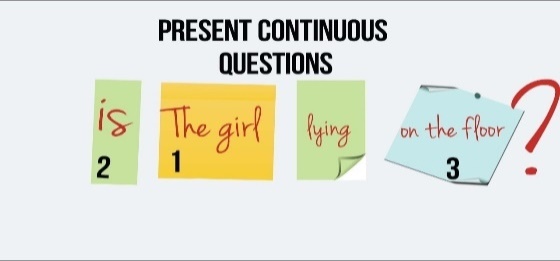
Language Focus Present continuous Questions |
||
|
Learning objectives |
7. 4. 2. 1 to understand specific information in texts within the framework of general and educational topics; 7. 5. 7. 1 use a format appropriate to the text level for a variety of written genres in a range of familiar general and subject areas, with little support; |
||
|
Lesson objectives (assessment criteria) |
Learners will be able to: - Learn the question form of the present continuous. - Write questions using the present continuous. - Learn the rules for using the present simple and present continuous. |
||
|
Instilling values of the program “Adal Azamat” |
Honesty and Responsibility Respect and cooperation Creativity and fairness Critical thinking |
||
|
Stages/ Time |
Teachers actions |
Students actions |
Assessment |
Resources |
|
Beginning 5 min |
Greeting. T tells the class to make groups of 2. Warm up: Ask students to think back to the listening on page 22. Ask if they can remember the first question that Megan asked Jack. (What are you reading?) Elicit that this is the question form of the present continuous Setting the aim of the lesson.
|
Learners read the given sentences on the board and guess the topic and share with their ideas. Remember and recognize the main vocabulary. |
Teacher controles the process, gives feedback and asks additional questions if it’s nessasery. Teacher evaluate pupils with phrases like: “Good job! Well done!” Formative Assessment |
Flashcards or pictures showing people doing various actions Dialogue cards Worksheet (gap-fill and matching) Whiteboard, markers |
|
Middle 8 min |
Ex:1 P:37 Once students have matched the questions and answers, ask them to explain what made them choose each one. Clarify that the subject pronouns should correspond in the question and answer. Using the example questions and answers, students deduce the rules. Values Link – Adal Azamat: Honesty and Responsibility (Adaldyq, Jawapkerşilik) Students are encouraged to give truthful explanations of why they chose each answer instead of copying from others. |
Learners match questions with answers ANSWERS 1 b 2 c 3 a |
Descriptor: - explains clearly why each question matches its answer - uses correct pronouns and grammar forms. Total: 2 point |
Student’s book |
|
10 min |
Ex: 2 P: 37 Clarify that these are all question forms and that students need to put the words in the correct order. In a weaker class, warn students that some of these use question words, and others do not. In a stronger class, allow them to discover this as they do the exercise Task for Less Motivated Learners
Give each pair of
students a set of word
cards (or write mixed-up questions
on the board). you / do / where / live play / you / football / do is / your / what / name going / are / where / you Values Link – Adal Azamat: Respect and cooperation: When working in pairs or groups, students listen to and respect their classmates’ ideas about correct word order. |
Learners order the words to make questions ANSWERS 1 Is the teacher sitting in a chair? 2 Why are you learning English? 3 Are your parents working? 4 What are your parents doing? 5 Are you enjoying the lesson? 6 Who is talking to your teacher? |
Descriptor: - works well with classmates, listens respectfully - helps others find correct answers. Total: 3 point |
|
|
10 min |
Ex: 3 P: 37 When you have checked that students formed the questions correctly in exercise 2, ask them to work in pairs. They ask the questions and supply answers that are true for them, or invent information to fit Values Link – Adal Azamat: Creativity and fairness: If they invent information, they do so respectfully and fairly — ensuring their answers are kind and appropriate. |
Learners work in pairs. Ask and answer the questions. ANSWERS: Student’s own answer |
Descriptor: - work in pairs - ask and answer Total: 3 point |
Pictures |
|
7 min |
Ex: 4 P: 37 Read through the examples with the class and elicit which is in the present simple and which is in the present continuous. In a weaker class, students can complete the rules in pairs Values Link – Adal Azamat: Critical thinking: Students analyse the examples and think independently to decide which sentences show actions happening now or regular habits. |
Learners study the examples and write Present Simple or Present continuous. ANSWERS 1 present simple 2 present continuous |
Descriptor: - forms and asks questions correctly - uses appropriate grammar and speaks clearly. Total: 2 point |
|
|
End 5 min |
FEEDBACK - Ask:
“When do we use the
Present Continuous?” - Students give examples from their activities. - Praise active participation and correct language use. Homework
Write a short
dialogue using Present Continuous questions (6–8
lines).
A: What are you
doing? |
Ss show their knowledge according to the lesson Ss evaluate each other and encourage classmate with phrases like: Well done! Brilliant! Good job! I like it! |
||

Short term plan
|
Unit 2 Holidays and Travel |
lesson 30 |
||
|
School: |
|
||
|
Teacher name: |
|
||
|
Date: |
|
||
|
Grade: 7 |
Number present: |
absent: |
|
|
Lesson title |
Making requests and compromises |
||
|
Learning objectives |
7. 2. 4. 1 understand multiple meanings in long conversations on general and academic topics with little support; 7.3.3.1 give an opinion at discourse level on a growing range of general and curricular topics; |
||
|
Lesson objectives (assessment criteria) |
Learners will be able to: - Listen to a conversation about making requests and compromises. - Learn key phrases for making requests and compromises. - Practise making compromises. |
||
|
Instilling values of the program “Adal Azamat” |
Respect and empathy Honesty Responsibility Cooperation |
||
|
Stages/ Time |
Teachers actions |
Students actions |
Assessment |
Resources |
|
Beginning 5 min |
Greeting. T tells the class to make groups of 2. Warm up: Ask students whether they do what their parents ask them to do right away. Ask what usually happens in this situation: Do your parents or you get angry? Do you have an argument? Do you come to an agreement easily? Elicit as many answers from the class as possible. |
Learners read the given sentences on the board and guess the topic and share with their ideas. |
Teacher controles the process, gives feedback and asks additional questions if it’s nessasery. Teacher evaluate pupils with phrases like: “Good job! Well done!” Formative Assessment |
Flashcards or dialogue strips Worksheet (gap-fill + role-play tasks) Board, markers Optional: short audio/dialogue model |
|
Middle 35 min |
Ex:1 P:28 Students look at the photo and guess what Leah’s doing. Values Link – Adal Azamat: Respect and empathy: Students listen to each other’s guesses respectfully and value everyone’s opinions without criticism or laughter. |
Learners look at the photo. What is Leah’s doing ANSWERS Students’ own answers |
Descriptor: - look at the photo. - guess what Leah is doin Total: 2 point |
Student’s book |
|
|
Ex: 2 P: 28 Tell students to read the dialogue carefully to check their answer to exercise 1 and then answer the two questions. Have students compare their answers in pairs before checking them with the class. Values Link – Adal Azamat: Honesty: Learners give their own genuine ideas rather than copying others’ answers. |
Learners read the dialogue and answer the questions. ANSWERS 1 She needs to pack her suitcase pack her suitcase in ten minutes. 2 She promises that she'll |
Descriptor: - read to the dialogue -answer the question Total: 2 point |
Worksheets |
|
|
Ex: 3 P: 28 Students read the key phrases and then find them in the dialogue to identify who says each one. Make sure students understand the meaning of the phrases. Values Link – Adal Azamat: Responsibility: Students stay focused on the task and participate actively by giving thoughtful answers. |
Learners find the key phrases in the dialogue. Who says them? ANSWERS 1 Mum 2 Leah 3 Leah 4 Leah 5 Mum |
Descriptor: - find the key phrases - identify who says each one Total: 2 point |
|
|
|
Ex: 4 P: 28 Read each of the key phrases out loud and have students repeat them. Make sure you stress the words in bold. Have individual students repeat the phrases with the correct stress and intonation. Ask whether students know why certain words are stressed. Elicit different answers. Values Link – Adal Azamat: Cooperation: During pair or class discussion, students take turns speaking and encourage each other to share. |
Learners read the key phrases aloud. Stress the words in bold. Why do we stress words? ANSWERS We stress words to emphasise the most important information in a sentence, making it easier for the listener to understand the meaning. |
Descriptor: - read the key phrases - complete the rules Total: 2 point |
Student’s book |
|
End 5 min |
FEEDBACK Ask students:
“Which phrases do we
use to make polite requests?” |
Ss show their knowledge according to the lesson Ss evaluate each other and encourage classmate with phrases like: Well done! Brilliant! Good job! I like it! |
Poster |
|

Short term plan
|
Unit 2 Holidays and Travel |
lesson 31 |
||
|
School: |
|
||
|
Teacher name: |
|
||
|
Date: |
|
||
|
Grade: 7 |
Number present: |
absent: |
|
|
Lesson title |
A perfect place to live |
||
|
Learning objectives |
7. 4. 1. 1 to understand the main idea of texts in the context of unfamiliar general and educational topics; 7. 5. 1. 1 planning, writing, correcting and checking text-level works on general and educational topics with the support of the teacher; |
||
|
Lesson objectives (assessment criteria) |
Learners will be able to: - Study a model description of an ideal holiday - Learn how to use and, but and because. - Write a description of an ideal holiday |
||
|
Instilling values of the program “Adal Azamat” |
Responsibility Honesty Respect Cooperation |
||
|
Stages/ Time |
Teachers actions |
Students actions |
Assessment |
Resources |
|
Beginning 5 min |
Greeting. T tells the class to make groups of 2. Warm up: With books closed, write My ideal holiday on the board. Ask students for some ideas about their ideal holiday. Give them a few ideas to start with, by saying: My ideal holiday is in the Caribbean. I love water activities and warm weather. |
Learners read the given sentences on the board and guess the topic and share with their ideas. Remember and recognize the main vocabulary. |
Teacher controles the process, gives feedback and asks additional questions if it’s nessasery. Teacher evaluate pupils with phrases like: “Good job! Well done!” Formative Assessment |
Pictures of different homes and environments Flashcards Worksheet (vocabulary + writing task) Map template / drawing paper Audio or video (optional) |
|
Middle 10 min |
Ex:1 P:39 Draw students' attention to the glossary box. Ask a volunteer to read the meanings out loud. Have students read the text in silence and have them complete the circle the glossary words in the text. Check answers with the class. Values Link – Adal Azamat Responsibility: Students carefully read the text and identify glossary words accurately, showing responsibility for completing the task correctly. |
Learners read the glossary and then the text. |
Descriptor: - identifies and circles all glossary words in the text - reads or listens actively, responds confidently Total: 3 point |
Student’s book |
|
7 min |
Ex: 2 P: 39 Focus students' attention on the text and ask them to read it silently. Make sure they understand the vocabulary. Have students underline the connectors, and, but and because. Draw students' attention to the key phrases when talking about holidays and ask them to read them paying special attention to the connectors in bold. Have some upper-level students complete the phrases orally. Provide an example first, e.g., I usually go to the mountains, because I love the view. Task for Less Motivated Learners “Holiday Picture Talk” (2–3 minutes)
Show or draw simple
pictures on the board — e.g.
the
beach,
the
mountains,
a
city,
a
tent.
Do you like the beach or the
mountains? Why? Values Link – Adal Azamat: Honesty: Learners do their own work, circling glossary words without copying from others, showing integrity in learning. |
Learners read the text again and underline the words and, but, because. ANSWERS underline: and, and, and, because, and |
Descriptor: - identifies and underlines all connectors correctly - clearly understands how they link ideas in sentences. Total: 2 point |
|
|
8 min |
Ex: 3 P: 39 Refer students back to the text and tell them to study the position and meaning of the blue words carefully. In a lower-level class, provide more examples of sentence parts for students to link using and, but and because. In an upper-level class, ask them to give you further examples of sentences using these words. Values Link – Adal Azamat: Respect: When a classmate reads aloud, students listen attentively and show respect for their peer’s effort. |
Learners study your answers in exercise 1. Then complete the rules with and, but or because ANSWERS: 1 but 2 and 3 because |
Descriptor: - explains the meaning and position of and, but, and because - uses them appropriately in sentences Total: 2 point |
|
|
10 min |
Ex: 4 P: 39 Refer students back to the text and tell them to study the position and meaning of the blue words carefully. In a lower-level class, provide more examples of sentence parts for students to link using and, but and because. In an upper-level class, ask them to give you further examples of sentences using these words. Values Link – Adal Azamat: Cooperation: Students help each other understand new vocabulary and discuss meanings politely. |
Learners complete the sentences with and, but or because. ANSWERS 1 because 2 but 3 because, and |
Descriptor: -understands the meaning and position of and, but, and because -explains and uses them accurately in sentences. Total: 3 point |
|
|
End 5 min |
FEEDBACK Ask:
“What makes a place
perfect for you?” Homework
Write a short
paragraph (8–10 sentences): What it looks like What you can do there Why it is perfect for you |
Ss show their knowledge according to the lesson Ss evaluate each other and encourage classmate with phrases like: Well done! Brilliant! Good job! I like it! |
Poster |
|


Short term plan
|
Unit 2 Holidays and Travel |
lesson 32 |
||
|
School: |
|
||
|
Teacher name: |
|
||
|
Date: |
|
||
|
Grade: 7 |
Number present: |
absent: |
|
|
Lesson title |
My country. Adventure holidays |
||
|
Learning objectives |
7. 2. 5. 1 Supportive identification of the speaker(s) in a long conversation on most general and academic topics; 7. 3. 5. 1 attempt to communicate with classmates for the purpose of planning and creating priorities, partnership, discussion, and agreement in order to fulfill educational tasks; |
||
|
Lesson objectives (assessment criteria) |
Learners will be able to: - Read a travel brochure about adventure holidays in Kazakhstan. - Talk about holidays and travel. - Learn and practise using indirect speech |
||
|
Instilling values of the program “Adal Azamat” |
Respect Responsibility Honesty Cooperation |
||
|
Stages/ Time |
Teachers actions |
Students actions |
Assessment |
Resources |
|
Beginning 5 min\ |
Greeting. T tells the class to make groups of 2. Warm up: Ask:
“What do you like doing during
holidays?”
Show pictures (e.g., hiking, rafting,
horse riding). |
Learners read the given sentences on the board and guess the topic and share with their ideas. Remember and recognize the main vocabulary. |
Teacher controles the process, gives feedback and asks additional questions if it’s nessasery. Teacher evaluate pupils with phrases like: “Good job! Well done!” Formative Assessment |
Pictures or slides of adventure activities (mountains, lakes, camping, etc.) Short reading text (provided below) Worksheets (vocabulary + comprehension + speaking prompts) Map of Kazakhstan |
|
Middle 7 min |
Ex:1 P:40 Ask students if they recognise any of the places shown. In a weaker class, pre-teach the following words and phrases: destination, rafting, peak. Ask students to read the text, then play the recording. Check answers as a class. Values Link – Adal Azamat: Respect and curiosity: Students show interest in different destinations and natural places, appreciating Kazakhstan’s beauty and cultural diversity. |
Learners read the travel brochure then listen to the conversation. Which adventure holiday do the people choose? ANSWERS They choose camel riding in the steppe. |
Descriptor: - read the travel brochure - answer the question Total: 2 point |
Student’s book |
|
10 min |
Ex: 2 P: 40 Explain the task. Play the recording again and ask students to write the names of the people Values Link – Adal Azamat: Responsibility: Learners listen carefully and read attentively to understand and answer correctly, showing commitment to their learning. |
Learners listen again. Who said these things? ANSWERS 1 Henry 2 Serik 3 Kate 4 Tanya 5 Serik 6 Tanya |
Descriptor: - listen again -identify the names of the people Total: 3 point |
|
|
10 min |
Ex: 3 P: 40 Draw students’ attention to the words in blue in the sentences in exercise 2. Read the rules and check understanding. Point out that said and told are the past simple forms of say and tell and that both verbs are irregular. Elicit or explain that the two verbs have the same meaning, but are used in different ways Task for Less Motivated Learners Speaking Practice: “Mini Role Play”
Put students
in pairs. “My friend said she loves pizza.” “My mom told me to clean my room.” Let them share one funny or interesting sentence with the class. Values Link – Adal Azamat: Honesty: Students share what they truly know about the places and give genuine answers during class discussion. |
Learners look at the verbs in blue in the sentences in ex 2 ANSWERS 1 tell 2 Say 3 tell |
Descriptor: - look at the verbs in blue -complete the task Total: 3 point |
|
|
8 min |
Ex: 4 P: 40 Explain the task. Students complete the table in pairs. Values Link – Adal Azamat: Cooperation: They help classmates understand new words (e.g., destination, rafting, peak) and work together respectfully during comprehension checking. |
Learners look at the examples of direct and indirect speech and write the names of tenses ANSWERS 1 Present simple 2 Past simple 3 Present continuous 4 Past continuous When we report what someone else said, we change the present simple to the past simple and the present continuous to the past continuous. |
Descriptor: - look at the examples - write the names of tenses Total: 2 point |
|
|
End 5 min |
FEEDBACK Ask:
“Which adventure
holiday would you like to go on?” Praise participation and positive teamwork. Homework
- Write a short paragraph (6–8
sentences): Where you would go What you would do Why you’d like it |
Ss show their knowledge according to the lesson Ss evaluate each other and encourage classmate with phrases like: Well done! Brilliant! Good job! I like it! |
Poster |
|
Short term plan
|
Unit 2 Holidays and Travel |
lesson 33 |
||
|
School: |
|
||
|
Teacher name: |
|
||
|
Date: |
|
||
|
Grade: 7 |
Number present: |
absent: |
|
|
Lesson title |
Pisa. Reading literacy. Poetry |
||
|
Learning objectives |
7. 4. 1. 1 to understand the main idea of texts in the context of unfamiliar general and educational topics; 7. 5. 1. 1 planning, writing, correcting and checking text-level works on general and educational topics with the support of the teacher; |
||
|
Lesson objectives (assessment criteria) |
Learners will be able to: - Understand a poem. - Identify metaphors to describe a home. - Create metaphors. |
||
|
Instilling values of the program “Adal Azamat” |
Love for Home and Family Respect for Language and Culture |
||
|
Stages/ Time |
Teachers actions |
Students actions |
Assessment |
Resources |
|
Beginning 5 min |
Greeting. T tells the class to make groups of 2. Warm up: With the Student's Book closed, ask the students to think about their home. Tell them to think about the different rooms and whether they find them special in any way. Pair up students to describe their homes to each other. Encourage them to tell each other what room they like the most and why. Provide help with the vocabulary that the students need to express themselves, if necessary. |
Learners read the given sentences on the board and guess the topic and share with their ideas. Remember and recognize the main vocabulary. |
Teacher controles the process, gives feedback and asks additional questions if it’s nessasery. Teacher evaluate pupils with phrases like: “Good job! Well done!” Formative Assessment |
|
|
Middle 15 min |
Ex:1 P:41 Draw students' attention to the poem My Home in the Student's Book and ask them to read it. Select some students to read two lines of the poem each. Pay attention to the pronunciation and model some words if needed. Read out loud question 1 from the Student's Book and tell students to go back to the poem to identify the topic. Check the answer with the class. Values Link – Adal Azamat Love for Home and Family By reading and discussing the poem “My Home,” students reflect on the importance of appreciating their homes and families. |
Learners read the text My Home and answer the questions that follow ANSWERS B |
Descriptor: - read two lines of the poem - answer the questions Total: 2 point |
|
|
20 min |
Ex:2 P:41 Read out loud the definition of a metaphor from the Student's Book and encourage students to think of other metaphors. Tell them to complete the following examples: The snow is... The stars are... Before students do the exercise 2 from the Student's Book, read the first metaphor in the poem: "My home is a school... and grow, and elicit why the author nor says their home is a school and what process they're referring to (growing up, becoming more mature). Ask students to identify the feeling or emotion each metaphor describes and choose the option that lists those feelings in the correct order. Values Link – Adal Azamat Respect for Language and Culture Paying attention to pronunciation and reading aloud clearly helps students show respect for their language and pride in learning. |
Learners describe something by comparing it to something else. For example, The clouds are cotton. This comparison might make you think about soft, fluffy ANSWERS C Suggested answer: Life is a book, and every day is a new page. Life is a party, full of excitement and joy. Life is a river, always flowing and changing. Life is a mountain to climb, full of challenges and rewards. |
Descriptor: - read out loud the definition of a metaphor - uses six metaphors to describe her or his home. Total: 2 point |
Worksheets Student’s book |
|
End 5 min |
FEEDBACK Ask:
“What did you learn
from this poem?” Encourage positive comments on classmates’ poems or drawings. Homework - Write a short paragraph: “My favorite line from the poem and what it means to me.”
OR |
Ss show their knowledge according to the lesson Ss evaluate each other and encourage classmate with phrases like: Well done! Brilliant! Good job! I like it! |
Poster Success Ladder |
|
Short term plan
|
Unit 2 Holidays and Travel |
lesson 34 |
||
|
School: |
|
||
|
Teacher name: |
|
||
|
Date: |
|
||
|
Grade: 7 |
Number present: |
absent: |
|
|
Lesson title |
Review unit 3 |
||
|
Learning objectives |
7. 4. 5. 1 determine the main idea from the context of short texts within the framework of general and educational topics familiar to many; 7. 5. 2. 1 write past experiences or real events, activities on some familiar general and academic topics with little support; |
||
|
Lesson objectives (assessment criteria) |
Learners will be able to: -practice present continuous |
||
|
Instilling values of the program “Adal Azamat” |
Honesty and Accuracy Perseverance and Responsibility Respect for Learning Cooperation and Support |
||
|
Stages/ Time |
Teachers actions |
Students actions |
Assessment |
Resources |
|
Beginning 5 min |
Greeting. T tells the class to make groups of 2. Warm up: Ask when they leave phone messages, and who the messages are for. Ask students if they know how to leave a phone message in English. Elicit some phrases, but do not Setting the aim of the lesson. |
Learners read the given sentences on the board and guess the topic and share with their ideas. Remember and recognize the main vocabulary. |
Teacher controles the process, gives feedback and asks additional questions if it’s nessasery. Teacher evaluate pupils with phrases like: “Good job! Well done!” Formative Assessment |
|
|
Middle 7 min |
Ex: 1 P: 42 Students look at the sentences and complete the phrases with the words in the box. Values Link – Adal Azamat: Honesty and Accuracy By completing the phrases correctly using the words in the box, students learn the importance of being careful and truthful in their work. |
Learners choose the odd word out in each group ANSWERS 1 bus 2 shopping 3 sunscreen 4 guidebook 5 check flight time |
Descriptor: - choose the odd word Total: 2 point |
Student’s book
|
|
10 min |
Ex: 2 P: 42 Explain that students choose the correct verbs Values Link – Adal Azamat: Perseverance and Responsibility Completing language exercises with attention and effort promotes responsibility for learning and persistence in solving problems — key traits of an Adal Azamat. |
Learners choose the correct verbs ANSWERS 1 Check 2 Pack 3 Book 4 Check 5 Plan 6 Research |
Descriptor: - choose the correct verbs Total: 3 point |
|
|
8 min |
Ex: 3 P: 42 Explain that students complete the sentences with the present continuous form of the verbs in brackets. Values Link – Adal Azamat: Respect for Learning Following instructions and using the correct vocabulary shows respect for the learning process and for the teacher’s guidance. |
Learners complete the sentences with the present continuous form of the verbs in brackets ANSWERS 1 is making 2 isn't doing 3 aren't standing 4 is cleaning 5 is taking |
Descriptor: - complete the sentences - use verbs in brackets Total: 2 point |
|
|
10 min |
Ex: 4 P: 42 Ask learners to write questions using present continuous. Then look at the pictures and write short answers Values Link – Adal Azamat: Cooperation and Support When students help each other or check answers together, they practice kindness, respect, and teamwork, which build a fair and caring classroom environment. |
Learners write questions using present continuous. Then look at the pictures and write short answers ANSWERS 1 Is Mum wearing a dress? No, she isn’t. 2 Are the cats sleeping? Yes, they are 3 Is the boy watching TV? Yes, he is. 4 Are the children listening to music? No, they aren’t. 5 Is the girl working? Yes, she is. |
Descriptor: - write questions - use present continuous Total: 3 point |
|
|
End 5 min |
FEEDBACK Learners provide feedback on what they have learned at the lesson. Ex: P: Home task: Write the days |
Ss show their knowledge according to the lesson Ss evaluate each other and encourage classmate with phrases like: Well done! Brilliant! Good job! I like it! |
Poster Success Ladder |
|

Short term plan
|
Unit 2 Holidays and Travel |
lesson 35 |
||
|
School: |
|
||
|
Teacher name: |
|
||
|
Date: |
|
||
|
Grade: 7 |
Number present: |
absent: |
|
|
Lesson title |
Review unit 3 |
||
|
Learning objectives |
7. 4. 1. 1 to understand the main idea of texts in the context of unfamiliar general and educational topics; 7. 5. 1. 1 planning, writing, correcting and checking text-level works on general and educational topics with the support of the teacher; |
||
|
Lesson objectives (assessment criteria) |
Learners will be able to: - Read a poem. - Learn vocabulary for talking about poems. |
||
|
Instilling values of the program “Adal Azamat” |
Honesty and Responsibility Respect and Cooperation Empathy and Understanding |
||
|
Stages/ Time |
Teachers actions |
Students actions |
Assessment |
Resources |
|
Beginning 5 min |
Greeting. T tells the class to make groups of 2. Warm up: Ask students if they know any poems in their own language or in English. Ask if they enjoy reading poems and why. Ask what makes a text a poem. Elicit the words rhyme, rhythm and verse. Tell students they are going to read a poem in English
|
Learners read the given sentences on the board and guess the topic and share with their ideas. Remember and recognize the main vocabulary. |
Teacher controles the process, gives feedback and asks additional questions if it’s nessasery. Teacher evaluate pupils with phrases like: “Good job! Well done!” Formative Assessment
|
|
|
Middle 10 min |
Ex: 5 p:42 Students look at the sentences and correct the mistakes Values Link – Adal Azamat: Honesty and Responsibility Students complete the mini-dialogues carefully using the correct words, showing honest effort and responsibility for accurate communication. |
Learners correct the mistakes in the sentences below. ANSWERS 1 makes, doesn't tidy 2 Are you watching, I'm not enjoying 3 help, I'm making 4 are staying, visit |
Descriptor: - correct the mistakes - complete the sentences Total: 3 point |
Student’s book |
|
12 min |
Ex:6 p:42 Students look at the sentences and complete the mini-dialogues with the words in the box. Values Link – Adal Azamat: Respect and Cooperation When students compare answers or practise dialogues in pairs, they show respect for their partners’ ideas and listen politely, reflecting fair and ethical interaction. |
Learners complete the mini-dialogues with the words in the box. ANSWERS 1 Is there 2 there is 3 Where 4 It's 5 Can you 6 I'm 7 Is it 8 I suppos |
Descriptor: - completes the mini-dialogues - uses complete the mini-dialogues Total: 3 point |
Worksheets Student’s book |
|
13 min |
Ex:7 p:42 Students look at the sentences and listen to Ellen and Daisy and look at the sentences. Write true or false. Correct the false sentences. Values Link – Adal Azamat: Empathy and Understanding Through practising real-life mini-dialogues, students learn to listen, respond kindly, and express themselves clearly — qualities that support respectful communication in society. |
Learners listen to Ellen and Daisy and look at the sentences. Write true or false. Correct the false sentences. ANSWERS 1 True 2 False. Ellen's brother is talking to his best friend, Steve printing Dunton. 3 False. Daisy thinks Steve Dunton is really nice. 4 False. Ellen's brother is in the dining room. 5 True 6 False. Steve and Ellen's brother are talking about Daisy |
Descriptor: - listen to Ellen and Daisy - write true or false. Correct Total: 4 point |
|
|
End 5 min |
FEEDBACK Learners provide feedback on what they have learned at the lesson. Ex: P: Home task: Write the days |
Ss show their knowledge according to the lesson Ss evaluate each other and encourage classmate with phrases like: Well done! Brilliant! Good job! I like it! |
Poster |
|



Short term plan
|
Unit 2 Holidays and Travel |
lesson 36 |
||
|
School: |
|
||
|
Teacher name: |
|
||
|
Date: |
|
||
|
Grade: 7 |
Number present: |
absent: |
|
|
Lesson title |
Project. Travel guide. Summative Assessment for the unit “Holidays and Travel” |
||
|
Learning objectives |
7. 2. 5. 1 Supportive identification of the speaker(s) in a long conversation on most general and academic topics; 7. 3. 2. 1 asking complex questions to obtain information within a number of general and educational topics; |
||
|
Lesson objectives (assessment criteria) |
Learners will be able to: - To consolidate the language of the unit in a personalized context. - To create a travel guide. |
||
|
Instilling values of the program “Adal Azamat” |
Patriotism and Cultural Pride Cooperation and Respect |
||
|
Stages/ Time |
Teachers actions |
Students actions |
Assessment |
Resources |
|
Beginning 5 min |
Greeting. T tells the class to make groups of 2. Warm up: With books closed, write the word personality on the board. Ask what words we can use to describe someone’s personality. Elicit some words and write them on the board. Ask some students to describe their own personality, or the personality of a friend or family member. Ask students if they think that someone’s date of birth can have an effect on their personality. Explain that some people believe in numerology, which says that your date of birth does affect your personality |
Learners read the given sentences on the board and guess the topic and share with their ideas. Remember and recognize the main vocabulary. |
Teacher controles the process, gives feedback and asks additional questions if it’s nessasery. Teacher evaluate pupils with phrases like: “Good job! Well done!” Formative Assessment |
|
|
Middle 7 min |
Ex: 1 P: 43 Draw students' attention to the text and ask them to read it. Make sure they understand the vocabulary. If needed, ask them to look up new words in a dictionary. Read the questions out loud and tell students to reread the text and answer them. Check answers with the class. Values Link – Adal Azamat: Patriotism and Cultural Pride By creating a travel guide about how people celebrate holidays in Kazakhstan, students learn to appreciate and respect national customs, traditions, and heritage. |
Learners read the travel guide and answer the questions. ANSWERS: 1 Travel is important because it helps people stay close to their families and keep traditions alive. It also allows people to remember their culture and traditions by being together during holidays. 2 People show hospitality by inviting family and friends into their homes. They offer food and drinks, like kumis (fermented mare's milk), as a symbol of Kazakh hospitality. |
Descriptor: -read the travel guide - answer the questions. Total: 2 point |
Student’s book |
|
8 min 20min |
Ex: 2 P: 43 Tell groups to go over the steps on one by one in the correct order to gather all the information they will need to create their travel guide. Put students in small groups and read through the project checklist with the class. Values Link – Adal Azamat: Cooperation and Respect Working in small groups encourages teamwork, listening, and respect for others’ ideas. Summative Assessment for the unit “Holidays and Travel” |
Students work in small groups. Follow the steps in the project checklist to create a travel guide about how people celebrate holidays in Kazakhstan. |
Descriptor: - work in small groups - create a travel guide about how people celebrate holidays Total: 2 point |
|
|
End 5 min |
FEEDBACK Learners provide feedback on what they have learned at the lesson. Ex: P: Home task: Write the days |
Ss show their knowledge according to the lesson Ss evaluate each other and encourage classmate with phrases like: Well done! Brilliant! Good job! I like it! |
Poster Success Ladder |
|
Short term plan
|
Unit 4 Space and Earth |
lesson 37 |
||
|
School: |
|
||
|
Teacher name: |
|
||
|
Date: |
|
||
|
Grade: 7 |
Number present: |
absent: |
|
|
Lesson title |
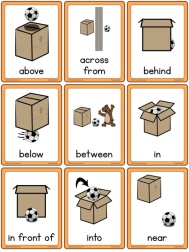
Vocabulary. Prepositions movement |
||
|
Learning objectives |
7. 2. 2. 1 understand some information on general and academic topics in a long conversation in a limited environment with little support from the teacher; 7. 3. 2. 1 asking complex questions to obtain information within a number of general and educational topics; |
||
|
Lesson objectives (assessment criteria) |
Learners will be able to: - Learn verbs and prepositions of movement. - Do a quiz about daredevils. |
||
|
Instilling values of the program “Adal Azamat” |
Responsibility and Independence Honesty and Accuracy Cooperation and Respect Perseverance and Effort |
||
|
Stages/ Time |
Teachers actions |
Students actions |
Assessment |
Resources |
||||||||||||
|
Beginning 5 min |
Greeting. T tells the class to make groups of 2. Warm up: Ask:
“What do you do when you want to plan
something with your friends?”
Write on the board:
“Is this a suggestion?” (Yes) Introduce the topic: Today we’ll learn how to make and respond to suggestions politely. Presentation A. Useful Phrases – Making Suggestions
|
Learners read the given sentences on the board and guess the topic and share with their ideas. Remember and recognize the main vocabulary. |
Teacher controles the process, gives feedback and asks additional questions if it’s nessasery. Teacher evaluate pupils with phrases like: “Good job! Well done!” Formative Assessment |
Dialogue cards / flashcards Handout or worksheet with fill-in-the-blank dialogues Board, markers Optional: short listening dialogue |
||||||||||||
|
Middle 10 min |
Ex:1 P:44 If necessary, students can check the meanings of the verbs in their dictionaries. Students can work in pairs to match the prepositions with the pictures. Check answers with the class, and model and drill pronunciation of the prepositions where necessary. Task for Less Motivated Learners Matching Task – Picture Hunt Give each pair of students a set of pictures (e.g., cat under the chair, apple on the table, man behind the door). Write prepositions on the board or give printed cards: on, under, behind, in front of, next to, between. Ask pairs to match each picture with the correct preposition card. Tip: Allow them to use dictionaries or ask for help if they forget meanings. Values Link – Adal Azamat: Responsibility and Independence By using dictionaries to check meanings, students show responsibility for their own learning and a desire to find correct information independently — traits of an honest and diligent learner. |
Learners match pictures 1-9 with the prepositions in the box ANSWERS 1 up 2 down 3 into 4 across 5 through 6 around , 7 over 8 under 9 off |
Descriptor: - match pictures - use prepositions in the box Total: 3 point |
Flashcards |
||||||||||||
|
8 min |
Ex: 2 P: 44 Students read the quiz and choose the correct prepositions, based on the context. Values Link – Adal Azamat: Honesty and Accuracy Matching prepositions correctly demonstrates attention to detail and truthfulness in work, encouraging students to value accuracy and honesty in all tasks. |
Learners read the Daredevils quiz and choose the correct prepositions. ANSWERS 1 off 2 around 3 across 4 down 5 along 6 across 7 over |
Descriptor: - read the Daredevils quiz - choose the correct prepositions Total: 2 point |
Student’s book
|
||||||||||||
|
7 min |
Ex: 3 P: 44 Students do the quiz in pairs. While checking answers to the quiz, encourage students to explain how they made their choices. In a weaker class, prompt them: 2,200 kilometres isn’t far enough, 5,000 °C is too hot. Values Link – Adal Azamat: Cooperation and Respect Working in pairs promotes team spirit, mutual respect, and kind communication, helping students practise fairness and empathy — qualities of an Adal Azamat. |
Learners do the quiz. Then listen and check your answers. ANSWERS 1 a 2 c 3 b 4 a 5 c 6 b 7 c |
Descriptor: - do the quiz - listen and check Total: 2 point |
|
||||||||||||
|
10 min |
Ex: 4 P: 44 Now refer students back to the pictures in exercise 1 and ask them to describe them using a verb + preposition combination from the quiz. Values Link – Adal Azamat: Perseverance and Effort Drilling pronunciation and repeating until correct fosters discipline, patience, and commitment to improvement, which reflect moral strength and responsibility. |
Learners work in pairs. Describe the pictures in exercise 1 using the verbs in the box and a preposition. ANSWERS : 1 climb up 6 run around 2 climb down 7 jump over 3 jump into 8 walk under 4 swim across 9 fall off 5 cycle through |
Descriptor: - work in pairs. - use the verbs in the box Total: 3 point |
|
||||||||||||
|
End 5 min |
FEEDBACK Ask students:
“Which phrases do you
use to make suggestions?” Praise students who used natural, polite expressions. Homework
- Write a short dialogue (8–10
lines): Example:
A: How about
visiting the zoo? |
Ss show their knowledge according to the lesson Ss evaluate each other and encourage classmate with phrases like: Well done! Brilliant! Good job! I like it! |
Poster Success Ladder |
|||||||||||||
Short term plan
|
Unit 4 Space and Earth |
lesson 38 |
||
|
School: |
|
||
|
Teacher name: |
|
||
|
Date: |
|
||
|
Grade: 7 |
Number present: |
absent: |
|
|
Lesson title |
Daredevils |
||
|
Learning objectives |
7. 4. 2. 1 to understand specific information in texts within the framework of general and educational topics; 7.5.2.1 write with minimal support about real and imaginary past events, activities and experiences on a growing range of familiar general topics and some curricular topics; |
||
|
Lesson objectives (assessment criteria) |
Learners will be able to: - Read about Niagara Falls. - Read for general meaning and specific information. - Talk about people who do dangerous things. |
||
|
Instilling values of the program “Adal Azamat” |
Curiosity and Learning Responsibility Respect and Appreciation Honesty and Accuracy Cooperation and Respect for Peers |
||
|
Stages/ Time |
Teachers actions |
Students actions |
Assessment |
Resources |
|
Beginning 5 min |
Greeting. T tells the class to make groups of 2. Warm up:
Brainstorm /
Discussion:
“What is a daredevil?”
Show pictures of activities: skydiving,
surfing, mountain climbing, motorbike stunt. “A daredevil is someone who loves adventure and danger!” |
Learners read the given sentences on the board and guess the topic and share with their ideas. Remember and recognize the main vocabulary. |
Teacher controles the process, gives feedback and asks additional questions if it’s nessasery. Teacher evaluate pupils with phrases like: “Good job! Well done!” Formative Assessment |
Short reading text (provided below) Vocabulary flashcards or pictures Worksheet (matching, comprehension, speaking prompts) Board, projector, or printed handouts |
|
Middle 7 min |
Ex:1 P:46 Allow students time to read the title and look at the photos before reading and listening. In a stronger class, encourage students to scan the text to find the names of the daredevils, without listening to the CD Values Link – Adal Azamat: Curiosity and Learning Responsibility By reading titles, observing photos, and scanning texts for information, students practise independent learning and show responsibility for understanding before listening. |
Learners read the text. Which daredevils does it mention? ANSWERS The Great Blondin, Signor Farini and Annie Taylor |
Descriptor: - read the text - find the names of the daredevils, Total: 2 point |
Student’s book |
|
8 min |
Ex: 2 P: 46 Clarify that the headings below can all be matched to one of the paragraphs in the text. Students read the text again more carefully and match the headings. Check answers with the class. Ask students to tell you the information that made them choose each answer. Values Link – Adal Azamat: Respect and Appreciation When students learn about “daredevils” — people who take risks or show bravery — they can discuss the difference between courage and recklessness, learning to respect safe and wise choices. |
Learners match headings with paragraphs. Then listen and check. ANSWERS 1 D 2 B 3 E 4 A. |
Descriptor: - match headings with paragraphs - listen and check Total: 2 point |
|
|
10 min |
Ex: 3 P: 46 Ask students to read the text again and decide whether the sentences are true or false. They correct the false ones. Task for Less Motivated Learners Simplified True/False Cards
Prepare sentence
cards (or write them on the
board): “The man climbed the tallest mountain in Kazakhstan.” “He used a parachute.” “She was afraid of heights.” Give students two cards — one green (✅ True) and one red (❌ False). Read each sentence aloud and ask students to raise the correct card. Alternative: Students can show thumbs up for true and thumbs down for false if no cards are available. Values Link – Adal Azamat: Honesty and Accuracy Scanning the text carefully to find correct names helps students value truthfulness and accuracy, which are important traits of an Adal Azamat. |
Learners read the text and write true or false. Correct the false sentences ANSWERS: 1 True. 2 False. Farini watched and copied Blondin. 3 True. 4 False. People weren’t expecting to see Annie alive. 5 False. Stunts are prohibited. |
Descriptor: - read the text - write true or false. Total: 3 point |
|
|
10 min |
Ex: 4 P: 46 Ask students to find the words in the text and work out the meanings. Students complete the sentences. In a weaker class, check understanding of the words by asking students to translate them into their own language. In a stronger class, ask students to put the words into new sentences to show understanding. Values Link – Adal Azamat: Cooperation and Respect for Peers Sharing ideas in class discussions encourages politeness, active listening, and fair participation, helping students become more ethical communicators. |
Learners complete the sentences with words in blue in the text. ANSWERS: 1 heroes, heroines 2 daring 3 daredevils 4 stunts 5 spectacular |
Descriptor: - complete the sentences - use words in blue Total: 3 point |
|
|
End 5 min |
FEEDBACK Ask:
“What new words did
you learn today?” Encourage students to use English while sharing thoughts. Homework
Write a short
paragraph (6–8 sentences): Example:
I think daredevils
are brave, but I don’t want to be one. |
Ss show their knowledge according to the lesson Ss evaluate each other and encourage classmate with phrases like: Well done! Brilliant! Good job! I like it! |
Poster |
|
Short term plan
|
Unit 4 Space and Earth |
lesson 39 |
||
|
School: |
|
||
|
Teacher name: |
|
||
|
Date: |
|
||
|
Grade: 7 |
Number present: |
absent: |
|
|
Lesson title |
Language Focus. Was/were |
||
|
Learning objectives |
7. 5. 4. 1 to use appropriate style and language form in some written genre for general and educational topics; 7. 6. 10. 1 use the present tense and future tense forms on familiar general and educational topics |
||
|
Lesson objectives (assessment criteria) |
Learners will be able to: - Learn was and were to talk about the past. - Talk about the past using was and were. |
||
|
Instilling values of the program “Adal Azamat” |
Responsibility and Diligence Honesty and Accuracy Respect and Cooperation Perseverance and Effort |
||
|
Stages/ Time |
Teachers actions |
Students actions |
Assessment |
Resources |
|
Beginning 5 min |
Greeting. T tells the class to make groups of 2. Warm up:
Activity: Yesterday
Game
“Where were you yesterday
afternoon?”
Elicit short answers. I was at home. It was sunny. We were at the park. Explain: Today we’ll learn to talk about the past using was and were. |
Learners read the given sentences on the board and guess the topic and share with their ideas. |
Teacher controles the process, gives feedback and asks additional questions if it’s nessasery. Teacher evaluate pupils with phrases like: “Good job! Well done!”Formative Assessment |
Board / flashcards Worksheet (gap-fill, matching, Q&A) Pictures of places or past events Audio or short text (optional) |
|
Middle 10 min |
Ex:1 P:47 Explain that students are using sentences in context to deduce the rules. Once students have completed the sentences and the rules, check answers by asking students to read them out. In a lower-level class, ensure students understand that was is for the first and third person, and were is for the rest. In an upper-level class, ask students to find more sentences using was, wasn't, were or weren't in the text. Values Link – Adal Azamat: Responsibility and Diligence When students use examples in context to deduce grammar rules, they take responsibility for their own learning instead of simply memorizing. |
Learners look at the text on page 46 and complete the sentences with the words in the box. Then complete the rules using the correct form of was and were ANSWERS 1 were 2 wasn't 3 was 4 was Rules 1 were 2 wasn't 3 was 4 was |
Descriptor: - deduces and explains the rule for using was and were based on context. - identifies and uses was and were in new sentences. - reads answers aloud confidently and supports peers with explanations. Total: 3 point |
Student’s book |
|
7 min |
Ex:2 P:47 Students complete the sentences. If they are not sure, encourage them to make a guess, although they should be careful to use the correct form of was, were. Task for Less Motivated Learners Show students 5–6 pictures (e.g., a classroom yesterday, a zoo, a park, a family dinner, a birthday party). Give them simple sentence starters under each picture. For example: Yesterday, I ___ at the zoo. My friends ___ happy. It ___ very sunny. - Students fill in the blanks with was or were. - Check answers together by showing the correct sentences on the board. - Optional extension: Ask them to make one extra sentence about where they were yesterday. Values Link – Adal Azamat: Honesty and Accuracy Checking and correcting their own sentences encourages honesty in self-assessment and accuracy in communication. |
Learners complete the sentences sentences using the correct form of was and were. Then listen and check. ANSWERS 1 was 2 wasn't 3 weren't 4 were 5 wasn't/was |
Descriptor: - completes all sentences correctly using was and were - shows clear understanding of subject–verb agreement (e.g., I/he/she – was, you/we/they – were). Total: 2 point |
|
|
10 min |
Ex: 3 P: 47 Students ask and answer in pairs. Refer them back to the rules section if they need help forming the short answers. Ask some students to read some of their questions to the class and report back on their partner. Values Link – Adal Azamat: Respect and Cooperation Working together to compare answers and read them aloud promotes respect for others’ viewpoints and collaborative learning. |
Learners work in pairs. Ask and answer questions about the sentences in exercise 2 using was and were. ANSWERS 1 Was the first person on the moon Neil Armstrong? Yes, it was. 2 Was Elvis Presley a Russian singer? No, he wasn't. 3 Were DVDs popular in 1980? No, they weren't. 4 Were Robert Pattinson and Kristen Stewart in the Twilight films? Yes, they were. 5 Were you at school in 2020? Yes, I was. / No, I wasn't. |
Descriptor: - forms and asks questions correctly using was/were. - gives accurate short answers and reports clearly about their partner using full sentences. Total: 3 point |
|
|
8 min |
Ex: 4 P: 47 Remind students to read all the options before they start to complete the questions. Encourage them to give as much information in their answers as they can. Values Link – Adal Azamat: Perseverance and Effort Understanding grammar rules through discovery requires focus and persistence, which nurtures discipline — another mark of an Adal Azamat. |
Learners complete the questions with the words in the box. Then ask and answer the questions with your partner ANSWERS 1 When was 2 Were you 3 What were 4 What was 5 Where were |
Descriptor: - reads all options carefully before answering. - gives complete and detailed answers using correct grammar and vocabulary. Total: 2 point |
|
|
End 5 min |
FEEDBACK Ask:
“What did you learn
today?”
Students give
examples. Homework
- Write a short paragraph (5–7
sentences): |
Ss show their knowledge according to the lesson Ss evaluate each other and encourage classmate with phrases like: Well done! Brilliant! Good job! I like it! |
Poster |
|
Short term plan
|
Unit 4 Space and Earth |
lesson 40 |
||
|
School: |
|
||
|
Teacher name: |
|
||
|
Date: |
|
||
|
Grade: 7 |
Number present: |
absent: |
|
|
Lesson title |
Geographical features |
||
|
Learning objectives |
7. 2. 4. 1 understand multiple meanings in long conversations on general and academic topics with little support; 7. 3. 2. 1 asking complex questions to obtain information within a number of general and educational topics; |
||
|
Lesson objectives (assessment criteria) |
Learners will be able to: - Learn words for geographical features. - Listen to a conversation about a dangerous journey. - Listen for general meaning and specific details. |
||
|
Instilling values of the program “Adal Azamat” |
Respect for Nature, Responsibility, and Honesty Honesty, Responsibility, and Respect for Nature Responsibility, and Perseverance |
||
|
Stages/ Time |
Teachers actions |
Students actions |
Assessment |
Resources |
|
Beginning 5 min |
Greeting. T tells the class to make groups of 2. Warm up: With books closed, ask students if there are any famous mountains, lakes or rivers in their country Setting the aim of the lesson. Natural geographic features include landforms and ecosystems. Landforms are types of terrain and bodies of water. Different types of terrain include hills, valleys, cliffs, beaches, rivers and canyons. These can be further divided into major landforms and minor landforms. The four major types are mountains, hills, plateaus and plains.
|
Learners read the given sentences on the board and guess the topic and share with their ideas. Remember and recognize the main vocabulary. |
Teacher controles the process, gives feedback and asks additional questions if it’s nessasery. Teacher evaluate pupils with phrases like: “Good job! Well done!” Formative Assessment |
Flashcards or pictures of geographical features Map of the world or Kazakhstan Worksheet (matching, labeling, reading comprehension) Audio or short text “Natural Wonders of the World” |
|
Middle 10 min |
Ex:1 P:48 Students check the meaning of the words in the box if necessary, then use them to complete the place names. Play the CD for students to check their answers. Model and drill the pronunciation of any words that are new to students. Task for Less Motivated Learners Give students a worksheet or flashcards with pictures of geographical features (e.g., a mountain, sea, desert, forest, etc.) and a list of words in the box: mountains desert pole ocean sea river / forest
Ask students
to match each picture with the
correct word. Values Link – Adal Azamat: Respect for Nature, Responsibility, and Honesty. Explain to students that learning about geographical features (mountains, rivers, lakes, valleys, etc.) helps us appreciate the beauty of our country and the world |
Learners complete the names of places with the words in the box. ANSWERS : 2 Lake 3 Pole 4 Mountains 5 Forest 6 River 7 Desert 8 Falls 9 Sea 10 Ocean |
Descriptor: - complete the names of places Total: 3 point |
Flshcards
|
|
10 min |
Ex: 2 P: 48 Do the first sentence with the class as an example. Students work in pairs to complete the sentences. In a weaker class, you could offer support by giving the first letter of the answer each time. In a stronger class, if there are any questions they do not know, refer them to reference material or the internet to find out the answers. Values Link – Adal Azamat: Honesty, Responsibility, and Respect for Nature. Respecting nature and not harming the environment. |
Learners work in pairs. Complete the sentences with the words in exercise 1 ANSWERS : 1 mountains 4 Ocean 2 Desert 5 Sea 3 Pole 6 river / forest |
Descriptor: - work in pairs. - complete the sentences Total: 3 point |
|
|
7 min |
Ex: 3 P: 48 Explain to students that they are going to listen to a conversation between two girls about a daring adventure. Tell students to read all the options before they listen. Values Link – Adal Azamat: Respect, and Responsible. Encourage them to show respect by keeping quiet while others are listening. |
Learners listen to Laura and Emily’s story. Which trip did they make? ANSWERS: C |
Descriptor: - listen to a conversation between two girls - answer the question Total: 2 point |
|
|
8 min |
Ex: 4 P: 48 Explain to students that they are now going to listen again more carefully for more specific details. Allow students time to read through the questions and all the options. In a stronger class, encourage students to choose answers from memory before you play the CD. Values Link – Adal Azamat: Responsibility, and Perseverance. Show perseverance, even if the task is challenging — an honest student keeps trying to improve. |
Learners choose the correct answers. ANSWERS: 1 c. 2 b 3 b 4 c 5 a |
Descriptor: - listen again - choose the correct answers Total: 2 point |
|
|
End 5 min |
FEEDBACK Ask:
“What new words did
you learn today?” Students share answers.
Homework
Write 6–8 sentences
about a natural place in your
country.
The Caspian Sea is
very big. |
Ss show their knowledge according to the lesson Ss evaluate each other and encourage classmate with phrases like: Well done! Brilliant! Good job! I like it! |
Poster Success Ladder |
|
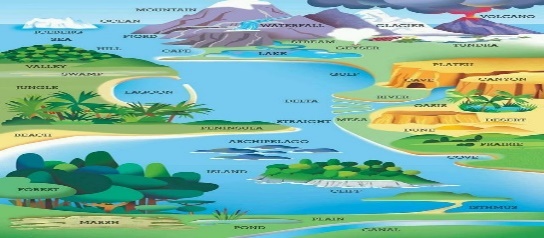
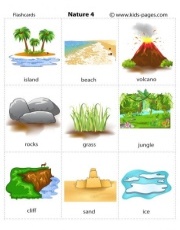
Short term plan
|
Unit 4 Space and Earth |
lesson 41 |
||
|
School: |
|
||
|
Teacher name: |
|
||
|
Date: |
|
||
|
Grade: 7 |
Number present: |
absent: |
|
|
Lesson title |
Language Focus. Past simple |
||
|
Learning objectives |
7. 5. 4. 1 to use appropriate style and language form in some written genre for general and educational topics; 7. 6. 10. 1 use the present tense and future tense forms on familiar general and educational topics |
||
|
Lesson objectives |
Learners will be able to: - Learn the affirmative, negative and question forms of the past simple. I - Use the past simple to talk about past events. |
||
|
Instilling values of the program “Adal Azamat” |
honesty, responsibility, and diligence independently and honestly patiently and honestly |
||
|
Stages/ Time |
Teachers actions |
Students actions |
Assessment |
Resources |
||||||||||||
|
Beginning 5 min |
Greeting. T tells the class to make groups of 2. Warm up: Refer students back to the reading text on page 46 and ask them to find a few examples of affirmative and negative forms of the past simple. Elicit verb forms and write them on the board. Ask students what difference they notice between the affirmative and negative forms. Elicit ideas, but do not give an explanation at this stage. |
Learners read the given sentences on the board and guess the topic and share with their ideas. |
Teacher controles the process, gives feedback and asks additional questions if it’s nessasery. Teacher evaluate pupils with phrases like: “Good job! Well done!” |
Whiteboard and markers Flashcards with verbs (regular/irregular) Worksheet with gap-fill and sentence transformation exercises |
||||||||||||
|
Middle 10 min |
Ex:1 P:49 Once students have copied and completed the table, check answers with the class. Task for Less Motivated Learners Matching Activity Match the verbs to their past simple forms.
Values Link: Adal Azamat: Honesty and Responsibility. Through this grammar activity, encourage honesty, responsibility, and diligence — qualities of an Adal Azamat. |
Learners look at the verbs in the box and find their past simple forms in the text on page 46. Then complete the table. ANSWERS Regular: watch - watched Irregular: become - became, have - had, begin - begun, go - went |
Descriptor: - finds and writes past simple forms correctly. - works independently, honestly, and checks answers carefully. Total: 3 point |
Student’s book |
||||||||||||
|
10 min |
Ex: 2 P: 49 Students complete the sentences individually. In a lower-level class, discuss questions a-c as a whole class activity. In an upper-level class, once students have finished, ask them to think of a new sentence for each of the past simple forms in the box. Check they have formed these correctly. Values Link: Adal Azamat: Work independently and honestly, without copying others’ sentences. |
Learners complete the sentences with the words in the box. Then answer questions a-c ANSWERS 1 went 2 didn't take 3 stayed a 3 b 1 c 2 |
Descriptor: - uses past simple verbs correctly in sentences. - writes clear, meaningful sentences independently. Total: 3 point |
|
||||||||||||
|
7 min |
Ex: 3 P: 49 Remind students to read all the options carefully before they match them. In a lower-level class, revise why questions 1 and 2 need information answers, and why question 3 requires a short answer. Values Link: Adal Azamat: Carefulness and Responsibility. Being responsible means checking their answers and understanding why they are correct. |
Learners match questions 1-3 with answers a-c ANSWERS 1 c 2 a 3 b |
Descriptor: - reads carefully and matches questions correctly. - correctly identifies which questions need information or short answers. Total: 2 point |
|
||||||||||||
|
8 min |
Ex: 4 P: 49 Allow students time to study exercises 2 and 3 before they complete the rules. Values Link: Adal Azamat: Patience, and Responsibility. Working patiently and honestly helps them learn deeply, not just quickly. |
Learners study the examples in exercises 2 and 3. Then choose the correct words in the rules. ANSWERS : 1 same 2 base form 3 base form |
Descriptor: - identifies and writes the grammar rule correctly and clearly. - studies examples carefully and finds the pattern independently. Total: 2 point |
|
||||||||||||
|
End 5 min |
FEEDBACK
Ask students:
Quick quiz or exit
ticket: Teacher gives oral feedback. Homework
Write a short
paragraph (5–6 sentences): “My last
holiday.” |
Ss show their knowledge according to the lesson Ss evaluate each other and encourage classmate with phrases like: Well done! Brilliant! Good job! I like it! |
Poster Success Ladder |
|||||||||||||
Short term plan
|
Unit 4 Space and Earth |
lesson 42 |
||
|
School: |
|
||
|
Teacher name: |
|
||
|
Date: |
|
||
|
Grade: 7 |
Number present: |
absent: |
|
|
Lesson title |
Expressing interest |
||
|
Learning objectives |
7. 2. 5. 1 Supportive identification of the speaker(s) in a long conversation on most general and academic topics; 7. 3. 5. 1 attempt to communicate with classmates for the purpose of planning and creating priorities, partnership, discussion, and agreement in order to fulfill educational tasks; |
||
|
Lesson objectives (assessment criteria) |
Learners will be able to: - Listen to a conversation about an interesting event. - Learn key phrases for expressing interest. - Practise expressing interest. |
||
|
Instilling values of the program “Adal Azamat” |
|
||
|
Stages/ Time |
Teachers actions |
Students actions |
Assessment |
Resources |
|
Beginning 5 min |
Greeting. T tells the class to make groups of 2. Warm up: Ask students to tell you something interesting that they did last summer. Respond with interest, for example, by saying Really? or You’re kidding! Ask the class what you are doing and elicit that you are showing you are interested T: What do you think about today’s theme? |
Learners read the given sentences on the board and guess the topic and share with their ideas. Remember and recognize the main vocabulary. |
Teacher controles the process, gives feedback and asks additional questions if it’s nessasery. Teacher evaluate pupils with phrases like: “Good job! Well done!” Formative Assessment |
Flashcards with expressions of interest Dialogue cards or short scripts Audio or video clip showing a friendly conversation Worksheet for practice |
|
Middle 10 min |
Ex:1 P:50 Look at the photo and ask students for their ideas. Values Link: Adal Azamat: Respect Listening carefully when someone speaks and showing real interest in their ideas. |
Learners what are Shaun and Leah looking at? What do you think they are saying? ANSWERS They are looking at a photo of a skateboarder doing tricks. Students’ own answers. |
Descriptor: -look at the photo - answer the question Total: 3 point |
Student’s book |
|
7 min |
Ex: 2 P: 50 For this activity, the aim is for students to just listen before they read the dialogue. Ask them to cover it with a piece of paper or a book. They can still look at the photo. Tell them to listen carefully to the speakers’ intonation. Values Link: Adal Azamat: Honesty Responding sincerely, not pretending to listen. |
Learners cover the dialogue and listen. Did Shaun try skateboarding? ANSWERS No, he didn’t. |
Descriptor: - read the dialogue - answer the question Total: 2 point |
Student’s book |
|
10 min |
Ex: 3 P: 50 Keep the dialogue covered, and ask students to read through the key phrases and try to complete them from memory. Play the CD and tell students to check their answers. Ask students how intonation is used to express surprise. Students practise the key phrases, using the correct intonation. In a stronger class, tell individual students something for them to react to, for example, I won a prize. Did you run the marathon last year? You worked very well. Values Link: Adal Azamat: Friendliness & empathy. Using kind words and tone to make others feel valued. |
Learners cover the dialogue and complete the key phrases. Listen, read and check ANSWERS 1 amazing 2 kidding 3 Well 4 very kind We stress words to show interest. |
Descriptor: - complete the key phrases - Listen and read Total: 3 point |
|
|
8 min |
Ex: 4 P: 50 Keep the dialogue covered, and ask students to read through the key phrases and try to complete them from memory. Students practise the key phrases, using the correct intonation. In a stronger class, tell individual students something for them to react to, for example, I won a prize. Did you run the marathon last year? You worked very well Values Link: Adal Azamat: Collaboration. Working together, sharing ideas politely in pair/group work. |
Learners invent five amazing experiences. Use the ideas in the box and your own ideas. ANSWERS 1 amazing 2 kidding 3 Well 4 very kind We stress words to show interest. |
Descriptor: - complete the dialogue - use the ideas in the box Total: 2 point |
|
|
End 5 min |
FEEDBACK
- Ask: - Give quick feedback on fluency, pronunciation, and intonation. Homework Write a short dialogue between two friends talking about something exciting (6–8 lines). |
Ss show their knowledge according to the lesson Ss evaluate each other and encourage classmate with phrases like: Well done! Brilliant! Good job! I like it! |
Poster |
|
Short term plan
|
Unit 4 Space and Earth |
lesson 43 |
||
|
School: |
|
||
|
Teacher name: |
|
||
|
Date: |
|
||
|
Grade: 7 |
Number present: |
absent: |
|
|
Lesson title |
A past event |
||
|
Learning objectives |
7. 4. 5. 1 determine the main idea from the context of short texts within the framework of general and educational topics familiar to many; 7. 5. 6. 1 logically
combine sentences into paragraphs using |
||
|
Lesson objectives (assessment criteria) |
Learners will be able to: - Study a model text. - Learn about time linkers. - Write about an event in the past. |
||
|
Instilling values of the program “Adal Azamat” |
honestly respect responsibility |
||
|
Stages/ Time |
Teachers actions |
Students actions |
Assessment |
Resources |
|
Beginning 5 min |
Greeting. T tells the class to make groups of 2. Warm up: With books closed, write the words memorable day on the board and elicit the meaning (an important day that is easy to remember). Ask students to describe any memorable days from the past. Brainstorm ideas and write them on the board. |
Learners read the given sentences on the board and guess the topic and share with their ideas. |
Teacher controles the process, gives feedback and asks additional questions if it’s nessasery. Teacher evaluate pupils with phrases like: “Good job! Well done!” Formative Assessment |
|
|
Middle 35 min |
Ex:1 P:51 Ask students to read the glossary before they read the text. Make sure they understand the few words (wedding, ceremony). Allow students time to read through the text. Check understanding by asking questions, such as When was the wedding? (Six months ago.) How many people were at the wedding? (About a hundred.) Read through the key phrases with the class. Ask students to find the key phrases in the model text and put them in the order they happened in the story. Values Link: Adal Azamat: Honesty. Remind them that an Adal Azamat reads carefully and tries to understand the meaning honestly, not by guessing or copying. |
Learners read the glossary before you read the text. Then order the key phrases. ANSWERS 1 c 2 d 3 a 4 e 5 b |
Descriptor: - read the model text. - answer the question. Total: 2 point |
Student’s book |
|
|
Ex: 2 P: 51 Students read the options then match the sentences, using the text for support if necessary. Check answers with the class by asking out their completed sentence y asking students to read. Values Link: Adal Azamat: Respect. When discussing the wedding and ceremony, highlight the value of respecting family traditions and special events — an important part of being an honest and respectful citizen. |
Learners match 1-4 with a-d. Then translate the sentences. ANSWERS 1 b 2 a 3 d 4 c |
Descriptor: - complete the key phrases - use words in the box Total: 2 point |
|
|
|
Ex: 3 P: 51 Students complete the sentences. In a lower-level class, ask them to do this in in pairs. In an upper-level class, ask students to write each sentence in full in their notebooks, then to write the opposite affirmative or negative sentence for each. Values Link: Adal Azamat: Responsibility. When finding key phrases in the correct order, encourage responsible and thoughtful work — checking information carefully and working cooperatively with others. |
Learners complete the sentences with the affirmative or negative of there was, there were.ANSWERS 1 There was 2 there wasn't 3 There were 4 There weren't |
Descriptor: - find examples of when, while and as soon as - choose the correct words Total: 2 point |
|
|
End 5 min |
FEEDBACK Learners provide feedback on what they have learned at the lesson. Ex: P: Home task: Write the days |
Ss show their knowledge according to the lesson Ss evaluate each other and encourage classmate with phrases like: Well done! Brilliant! Good job! I like it! |
Poster |
|

Short term plan
|
Unit 4 Space and Earth |
lesson 44 |
||
|
School: |
|
||
|
Teacher name: |
|
||
|
Date: |
|
||
|
Grade: 7 |
Number present: |
absent: |
|
|
Lesson title |
Space and Earth |
||
|
Learning objectives |
7. 2. 4. 1 understand multiple meanings in long conversations on general and academic topics with little support; 7. 3. 2. 1 asking complex questions to obtain information within a number of general and educational topics; |
||
|
Lesson objectives (assessment criteria) |
Learners will be able to: - Learn vocabulary for talking about Space and Earth. - Read a text about the Baikonur Cosmodrome. - Learn and practise using the passive voice. |
||
|
Instilling values of the program “Adal Azamat” |
Honest Citizen |
||
|
Stages/ Time |
Teachers actions |
Students actions |
Assessment |
Resources |
|
Beginning 5 min |
Greeting. T tells the class to make groups of 2. Warm up: Activity: Think and Guess Show a photo of the Earth from space.
Ask:
Then show a picture of
planets and
ask: Elicit key words: planet, moon, sun, stars, astronaut, galaxy.
Value
connection: |
Learners read the given sentences on the board and guess the topic and share with their ideas. Remember and recognize the main vocabulary. |
Teacher controles the process, gives feedback and asks additional questions if it’s nessasery. Teacher evaluate pupils with phrases like: “Good job! Well done!” Formative Assessment |
|
|
Middle 8 min |
Ex:1 P:52 Focus students’ attention on the words in the box. In pairs, students check the meaning of the words and complete the sentences with six of the words. Task for less motivated learner. Pair Task Give students this worksheet or write on the board: Complete the sentences using the words in the box. We live on __________. The __________ gives us light and heat. The __________ goes around the Earth. A __________ can fly to space. A __________ is very far away. The Earth is a __________. (Answer key: Earth, Sun, Moon, Rocket, Star, Planet) Values Link: Adal Azamat: Honest Citizen. After students complete the sentences using the correct words, discuss how being honest and responsible helps scientists and citizens care for our planet and explore space truthfully and safely. |
Learners check the meaning of these words in a dictionary. ANSWERS 1 star, galaxy 2 planets 3 satellite 4 Cosmodrome 5 astronaut |
Descriptor: -check the meaning of the verbs -read and listen Total: 2 point |
|
|
10 min |
Ex: 2 P: 52 Focus students' attention on the numbers in the box. Ask: Which numbers might refer to years? (1950s, 2011, 2003, 2015) What might the other numbers refer to? (dates, measurements, amount of something, etc.) Play the recording, students check their answers. Values Link: Adal Azamat: Honest Citizen. After checking answers, discuss with students how being accurate and truthful with numbers and information reflects the qualities of an Adal Azamat. |
Learners complete the text with the numbers in the box. ANSWERS 1 1950s 2 200 3 1 4 13th 5 2001 6 2015 7) 500th 8 2003 9 6 10 2nd |
Descriptor: - find these words - complete the rules. Total: 3 point |
|
|
7 min |
Ex: 3 P: 52 Read through the instructions together and draw students’ attention to the words in blue. Write on the board: My grandfather built this house. This house was built by my grandfather. Values Link: Adal Azamat: Honest Citizen. being an Adal Azamat means giving credit to the right person and being truthful about who did an action |
Learners complete about the text food in space with the correct form of the verbs in brackets. ANSWERS 1 is, are 2 were |
Descriptor: - do it individually - choose the correct words Total: 2 point |
|
|
10 min |
Ex: 4 P: 52 Explain the task and emphasise that students need to use the correct tense (present simple or past simple). In a weaker class, do this together as a class activity. Values Link: Adal Azamat: Honest Citizen. using the correct tense shows accuracy and honesty when we talk about facts and events |
Learners complete the text about food in space with the correct form of the verbs in brackets. ANSWERS 1 was served 2 were designed 3 were invented 4 is dried 5 were used 6 are placed 7 is eaten 8 is kept 9 are opened 10 is drunk |
Descriptor: - complete the text - use correct form of the verbs Total: 3 point |
|
|
End 5 min |
FEEDBACK Ask students: “What new words did you learn today?” “Which planet do you find most interesting?” “How can we take care of our planet?”
Quick
check: Homework Draw and label the solar system with English words. Write 5 sentences about “Why Earth is special.” |
Ss show their knowledge according to the lesson Ss evaluate each other and encourage classmate with phrases like: Well done! Brilliant! Good job! I like it! |
Poster |
|

Short term plan
|
Unit 4 Space and Earth |
lesson 45 |
||
|
School: |
|
||
|
Teacher name: |
|
||
|
Date: |
|
||
|
Grade: 7 |
Number present: |
absent: |
|
|
Lesson title |
Pisa. Science literacy: Natural phenomena Summative assessment for the unit “Space and Earth |
||
|
Learning objectives |
7. 4. 2. 1 to understand specific information in texts within the framework of general and educational topics; 7. 5. 5. 1 use of evidence in some familiar general and academic topics with some support, examples and justification; |
||
|
Lesson objectives (assessment criteria) |
Learners will be able to: -Understand a text about the Amazon rainforest. - Compare the Amazon rainforest and the Congo rainforest in terms of the number of animal and plant species. |
||
|
Instilling values of the program “Adal Azamat” |
Respect, empathy, and communication Collaboration |
||
|
Stages/ Time |
Teachers actions |
Students actions |
Assessment |
Resources |
|
Beginning 5 min |
Greeting. T tells the class to make groups of 2. Warm up: With the Student's Books closed, ask students what a rainforest is. Elicit answers and help students with the vocabulary they need to express themselves. Ask students whether they know which the largest rainforest in the world is and where it is located. Encourage them to share with the class any interesting information they know about the rainforest and write it on the board. |
Learners read the given sentences on the board and guess the topic and share with their ideas. Remember and recognize the main vocabulary. |
Teacher controles the process, gives feedback and asks additional questions if it’s nessasery. Teacher evaluate pupils with phrases like: “Good job! Well done!” Formative Assessment |
|
|
Middle 7 min |
Ex:1 P:53 Ask some questions to check students' comprehension, for example: Why is the Amazon rainforest important? What is its importance in terms of humans' health? Why is it important to preserve it? Read out loud question 1 from the Student's Book and let students work out the maths to answer it. In a lower-level class, pair up students to answer the question. In an up with the correct answer is. Values Link: Adal Azamat: Respect, empathy, and communication — showing genuine interest when others speak. |
Learners read the text The Amazon Rainforest and answer the questions that follow. ANSWERS B |
Pair assessment Descriptor: - match them with the words - listen and check. Total: 2 point |
Student’s book
|
|
8 min 20 min |
Ex: 2 P: 57 Ask some questions to check students understand the information in the table: Which is larger? Which has more plant and animal species? Inform students that only one of the options from exercise 2 of the Student's Book is correct to finish the sentence. Explain that they will have to compare each item in the table to check which option has all three facts correct. Pair up students to do exercise 2 from the Student's Book. Allow enough time to work out the answer. Check the answer with the class. Read the supposition below the options A-D and the question based on the assumption that the Congo rainforest doubled its size, and therefore the amount of flora and fauna in it Ask students to work individually this time. Values Link: Adal Azamat: Collaboration. Working together, sharing ideas politely in pair/group work Summative assessment for the unit “Space and Earth |
Learners refer to the table and choose the right option to complete the sentence. ANSWERS D Suggested answer: If it doubled, the Congo rainforest would have more bird species (2,000), fewer insect species (741,100) and fewer plant species (20,000). |
Descriptor: - look at the photos - match them with the words Total: 2 point |
|
|
End 5 min |
FEEDBACK Learners provide feedback on what they have learned at the lesson. Ex: P: Home task: Write the days |
What worked well for you in today’s class? What could we have done differently to make today’s class better for you? What are you wondering about after today’s lesson? What did you find difficult about today’s lesson? |
Poster Success Ladder |
|
Short term plan
|
Unit 4 Space and Earth |
lesson 46 |
||
|
School: |
|
||
|
Teacher name: |
|
||
|
Date: |
|
||
|
Grade: 7 |
Number present: |
absent: |
|
|
Lesson title |
Review unit 4 |
||
|
Learning objectives |
7. 2. 5. 1 Supportive identification of the speaker(s) in a long conversation on most general and academic topics; 7. 3. 5. 1 attempt to communicate with classmates for the purpose of planning and creating priorities, partnership, discussion, and agreement in order to fulfill educational tasks; |
||
|
Lesson objectives (assessment criteria) |
Learners will be able to: -practice present continuous |
||
|
Instilling values of the program “Adal Azamat” |
Honesty and Accuracy Perseverance and Responsibility Respect for Learning Cooperation and Support |
||
|
Stages/ Time |
Teachers actions |
Students actions |
Assessment |
Resources |
|
Beginning 5 min |
Greeting. T tells the class to make groups of 2. Warm up: Ask when they leave phone messages, and who the messages are for. Ask students if they know how to leave a phone message in English. Elicit some phrases, but do not Setting the aim of the lesson. |
Learners read the given sentences on the board and guess the topic and share with their ideas. Remember and recognize the main vocabulary. |
Teacher controles the process, gives feedback and asks additional questions if it’s nessasery. Teacher evaluate pupils with phrases like: “Good job! Well done!” Formative Assessment |
|
|
Middle 7 min |
Ex: 1 P: 54 Students look at the sentences and choose the correct words Values Link – Adal Azamat: Honesty and Accuracy By completing the phrases correctly using the words in the box, students learn the importance of being careful and truthful in their work. |
Learners choose the correct words. ANSWERS 1 across 2 off 3 through 4 up 5 over 6 down |
Descriptor: - choose the correct words Total: 2 point |
Student’s book |
|
10 min |
Ex: 2 P: 54 Explain that students match descriptions 1-6 with the words in the box. Values Link – Adal Azamat: Perseverance and Responsibility Completing language exercises with attention and effort promotes responsibility for learning and persistence in solving problems — key traits of an Adal Azamat. |
Learners match descriptions 1-6 with the words in the box. ANSWERS 1 pole 2 lake 3 forest 4 valley 5 desert 6 ocean |
Descriptor: - match descriptions -use the words in the box Total: 3 point |
|
|
8 min |
Ex: 3 P: 54 Explain that students complete the sentences and write an affirmative and a negative sentence for each picture using the past simple form of the verbs. Values Link – Adal Azamat: Respect for Learning Following instructions and using the correct vocabulary shows respect for the learning process and for the teacher’s guidance. |
Learners write an affirmative and a negative sentence for each picture using the past simple form of the verbs. ANSWERS 1 He was cycling. He wasn't running. 2 She was reading a magazine. She wasn't listening to music. 3 They weren't cleaning the floor. They were clearing the table. 4 The cat wasn't swimming. It was climbing up a tree. 5 He was making his bed. He wasn't doing his homework. 6 They weren't watching a film. They were playing in a band. |
Descriptor: - write an affirmative and - use the past simple form of the verbs Total: 2 point |
|
|
10 min |
Ex: 4 P: 54 Ask learners to look at the pictures in exercise 3. Write questions and short answers using the past simple. Values Link – Adal Azamat: Cooperation and Support When students help each other or check answers together, they practice kindness, respect, and teamwork, which build a fair and caring classroom environment. |
Learners look at the pictures in exercise 3. Write questions and short answers using the past simple. ANSWERS 1 Was he wearing a helmet? Yes, he was. 2 Was she reading a book? No, she wasn't. 3 Were they helping at home? Yes, they were. 4 Was the cat jumping over a tree? No, it wasn't. 5 Was he listening to music? Yes, he was. 6 Were they singing in a group? No, they weren't. |
Descriptor: - write questions and short answers - use the past simple Total: 3 point |
|
|
End 5 min |
FEEDBACK Learners provide feedback on what they have learned at the lesson. Ex: P: Home task: Write the days |
Ss show their knowledge according to the lesson Ss evaluate each other and encourage classmate with phrases like: Well done! Brilliant! Good job! I like it! |
Poster Success Ladder |
|
Short term plan
|
Unit 4 Space and Earth |
lesson 47 |
||
|
School: |
|
||
|
Teacher name: |
|
||
|
Date: |
|
||
|
Grade: 7 |
Number present: |
absent: |
|
|
Lesson title |
Summative control work for the 1st term |
||
|
Learning objectives |
7.2.3.1 Understand with some support most of the detail of an argument in extended talk on a limited range of general and curricular topics 7.4.3.1 Understand the detail of an argument on a growing range of familiar general and curricular topics, including some extended texts. 7.5.2.1 Write with minimal support about real and imaginary past events, activities and experiences on a growing range of familiar general topics and some curricular topics. 7.3.4.1 Respond with some flexibility at both sentence and discourse level to unexpected comments on a growing range of general |
||
|
Lesson objectives (assessment criteria) |
Learners will be able to: - Understand with some support most of the detail of an argument in extended talk |
||
|
Instilling values of the program “Adal Azamat” |
Honesty and Accuracy Perseverance and Responsibility |
||
|
Stages/ Time |
Teachers actions |
Students actions |
Assessment |
Resources |
|
Beginning 5 min |
Greeting. T tells the class to make groups of 2. Warm up: Task. Do the matching exercise 1 – 5 while you listen to the recording. Complete the table with the correct place from the box above. Write the correct answer to the questions 6.CD3. Tapescript2. |
Learners read the given sentences on the board and guess the topic and share with their ideas. |
Teacher controles the process, gives feedback and asks additional questions if it’s nessasery. Teacher evaluate pupils with phrases like: “Good job! Well done!” Formative Assessment |
|
|
Middle 35 min |
READING Part 1. Read the article again and give answers to the questions. Write no more than THREE WORDS or A NUMBER. Example: When will space be a popular place for holiday? In 2020 1 How many people will be able to stay at the hotel? 2 When will the centre be ready? 3 Where will tourists be able to travel while they are at the centre? 4 Where will most of the hotel on the moon be? Part 2.Read definition of the word from the text. Write it in the given place. |
Learners read the definition and write the word from the text Amswers: |
Descriptor: - read the text - write the word from the text Total: 5 point |
|
|
|
WRITING Task. Choose one of the topics below. Topic 1. Read the beginning of the story and create your continuation.Topic 2. Read the beginning of the story and create your continuation. |
Learners choose one of the topics below. |
Descriptor: - write the words Total: 5 point |
|
|
|
SPEAKING Task. You have to work in pairs. Choose one card and discuss the questions. You have one minute to prepare and 2-3 minutes to talk. |
Learners choose one card and discuss the questions |
Descriptor: - choose one card Total: 2 point |
|
|
End 5 min |
FEEDBACK Learners provide feedback on what they have learned at the lesson. Ex: P: Home task: Write the days |
Ss show their knowledge according to the lesson Ss evaluate each other and encourage classmate with phrases like: Well done! Brilliant! Good job! I like it! |
Poster |
|
Short term plan
|
Unit 4 Space and Earth |
lesson 48 |
||
|
School: |
|
||
|
Teacher name: |
|
||
|
Date: |
|
||
|
Grade: 7 |
Number present: |
absent: |
|
|
Lesson title |
Cumulative review. Welcome unit 4 |
||
|
Learning objectives |
7.2.2.1 understand with little support most specific information in extended talk on a limited range of general and curricular topics; 7. 3. 4. 1 respond in sentences with some flexibility to unexpected comments in the context of general and educational topics; |
||
|
Lesson objectives (assessment criteria) |
Learners will be able to: - recall and use key vocabulary and grammar structures from Units 1–4; - demonstrate understanding through speaking, reading, and writing activities; - work collaboratively to review what they have learned. |
||
|
Instilling values of the program “Adal Azamat” |
Perseverance and Effort Cooperation and Respect Honesty and Accuracy |
||
|
Stages/ Time |
Teachers actions |
Students actions |
Assessment |
Resources |
|
Beginning 5 min |
Greeting. T tells the class to make groups of 2. Warm up: Activity: Memory Chain
In a circle, students say one thing
they learned in Units 1–4. Continue until everyone shares something. Aim: Activate prior knowledge and set a positive tone. Vocabulary Review Activity: Quiz Time – Team Challenge Divide students into 3–4 groups. Ask mixed questions from previous units (e.g., “Name three planets.” / “What do we say when we show interest?”). Teams write their answers on mini boards or paper. Give 1 point for each correct answer. |
Learners read the given sentences on the board and guess the topic and share with their ideas. Remember and recognize the main vocabulary. |
Teacher controles the process, gives feedback and asks additional questions if it’s nessasery. Teacher evaluate pupils with phrases like: “Good job! Well done!” Formative Assessment
|
|
|
Middle 10 min |
Ex:1 P:55 Focus students on the map and the pictures and ask them what they can infer from these. Read the questions and answer them as a class. Explain that there are no right or wrong answers at this stage. The exercise is designed to help students predict the information in the listening. Values Link – Adal Azamat: Perseverance and Effort Understanding grammar rules through discovery requires focus and persistence, which nurtures discipline — another mark of an Adal Azamat. |
Learners look at the pictures and answer the questions. ANSWERS Students’ own answers. |
Descriptor: - look at the pictures - answer the questions. Total: 3 point |
Student’s book |
|
12 min |
Ex: 2 P: 55 Explain that students are going to listen to three friends talking about what they did last weekend. Tell students to look carefully at the pictures and think about what is different in each one. This will help them when they listen. Scan the QR code to play the audio. Students listen and choose the correct picture. Values Link – Adal Azamat: Cooperation and Respect Working in pairs promotes team spirit, mutual respect, and kind communication, helping students practise fairness and empathy — qualities of an Adal Azamat. |
Learners listen to Alan, Bess and Lily talking about last weekend. Which is the correct picture? ANSWERS 1 |
Descriptor: - listen to Alan, Bess and Lily talking about last weekend - answer the questions Total: 3 point |
|
|
13 min |
Ex: 3 P: 55 Tell students that they are now going to listen again for more specific information. Allow them times to read through the sentences. Scan the QR code to play the audio. Students listen and say whether the sentences are true or false, and then supply the information to correct correct the false ones. Values Link – Adal Azamat: Honesty and Accuracy Matching prepositions correctly demonstrates attention to detail and truthfulness in work, encouraging students to value accuracy and honesty in all tasks |
Learners listen again. Write true or false. Correct the false sentences. ANSWERS 1 True. 2 False. Lily and Alan went cycling around the lake. 3 True. 4 True. 5 False. Lily fell off her bike when Alan cycled into the back of her bike. 6 True. 7 False. Lily didn't fall into the lake. 8 False. The dog was jumping on Lily. |
Descriptor: - write true or false. - correct the false sentences Total: 4 point |
|
|
End 5 min |
FEEDBACK Learners provide feedback on what they have learned at the lesson. Ex: P: Home task: Write the days |
Ss show their knowledge according to the lesson Ss evaluate each other and encourage classmate with phrases like: Well done! Brilliant! Good job! I like it! |
Poster |
|

 Жүктеу


 Жүктеу
шағым қалдыра аласыз


 Бұл курс Қазақстан Республикасы Оқу-ағарту министрлігімен келісілген










