
 ЖИ көмекші


 Қауіпсіз төлем

жүктеу мүмкіндігіне ие боласыз
Бұл материал сайт қолданушысы жариялаған. Материалдың ішінде жазылған барлық ақпаратқа жауапкершілікті жариялаған қолданушы жауап береді. Ұстаз тілегі тек ақпаратты таратуға қолдау көрсетеді. Егер материал сіздің авторлық құқығыңызды бұзған болса немесе басқа да себептермен сайттан өшіру керек деп ойласаңыз осында жазыңыз
 22 Қаңтар 2019
 528
528
1 жыл бойы шексіз жүктеңіз
қысқа мерзімді жоспар
Short term plan
|
Unit 5 Creativity |
School: № 59 Y. Esenbekov |
|||||||
|
Date:18.01.2018 |
Teacher name: Bahramova G |
|||||||
|
Class: 6 «Ә» |
Number present: |
Absent: |
||||||
|
Lesson title |
Countable and uncountable noun |
|||||||
|
Learning objectives(s) that this lesson is contributing to (link to the Subject programme) |
6.UE1 use appropriate countable and uncountable nouns, including common noun phrases describing times and location, on a limited range of familiar general and curricular topics 6.S2 ask simple questions to get information about a limited range of general topics 6.W5 link without support sentences using basic coordinating connectors |
|||||||
|
Lesson objectives |
All learners will be able to use appropriate countable and uncountable nouns, ask simple questions Most learners will be able to use appropriate countable and uncountable nouns, ask simple questions complete the sentences with the C/U nouns Some learners will be able to use appropriate countable and uncountable nouns, ask simple questions. Say examples for the C/U nouns |
|||||||
|
Level of thinking skills |
Higher order thinking skills |
|||||||
|
Assessment criteria |
makes up questions in order talk about main points of listening uses vocabulary a limited range of common topics evaluates and proves his mind |
|||||||
|
Value links |
National unity, peace and harmony in our society |
|||||||
|
Cross-curricular links |
Art, biology |
|||||||
|
Previous learning |
Complete the sentences with can / can’t |
|||||||
|
Plan |
||||||||
|
Planned timings |
Planned activities (replaces the notes below with your planned activities) |
Resources |
||||||
|
Start 6.UE1 |
Org. moment: Greeting learners Play “Hands up” Hands up ‘Hello!’ Hands up “Hi!” Hands up “How are you?” Hands up “Right!” Checking home task 1. can can’t 2. can, can’t 3. can’t , can 4. can, can’t 5. can’t , can Leaners ask questions for revision Can you……………….? Descriptor: a learner -Write the correct answers - ask questions with can -answer the questions |
|
||||||
|
Warm-up: Teacher ask some questions about healthy eating and learners will answer them Ask and answer “Healthy eating” Do you eat more…….
|
|
|||||||
|
Middle 6.S2 6.W5 |
Task 1 Group work Ex: 1 Match 1-16 in the photos with words in the box. Then listen and check.
1.soup 2.water in Japan 3.fish 4. rice
5 6.cheese 7.sandwish in France 8. beans
9.ice- cream 10.fizzy drink in USA 11.crisps 12.burger
1 14.juice. in Britain 15. bread 16.chips After listening group check their work and assess it
Descriptor: learners -Match the photos with words - answer the question -write correct form of noun Grammar Rules We use some/ any with countable and uncountable nouns
Negative form There are not any oranges There is not any milk
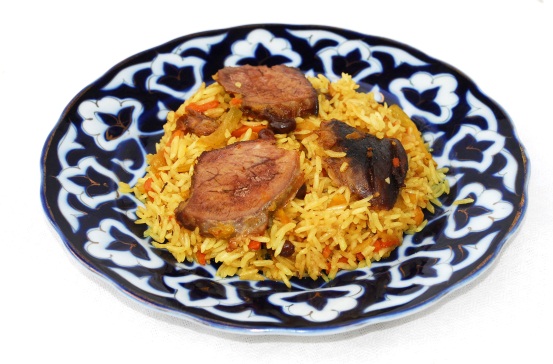
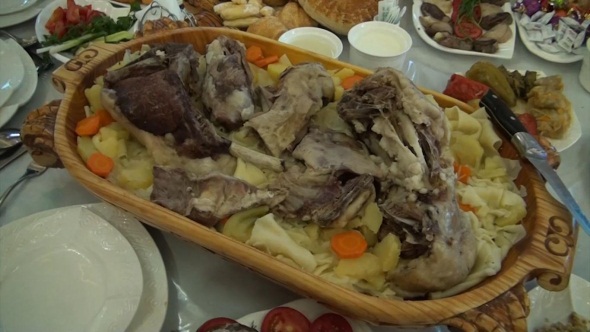
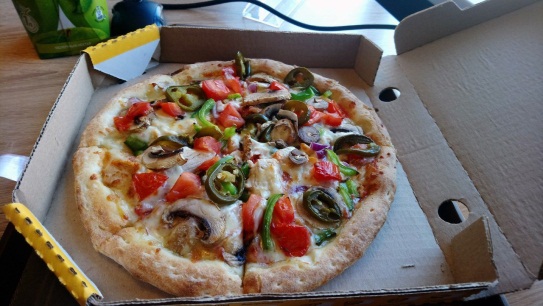
Affirmative form There are some oranges There is some milk Teacher gives these pictures and learners will write its ingredients. Say about it.
.Descriptor: a learner -make up sentences using some / any -make up sentences using there is/ there are -write correctly -say about it |
Student’s book Pictures Sheets of paper
Hand signals Pictures |
||||||
|
End |
Conclusion 1 paper Feedback ‘Traffic light’ Self-assessment: Hand signals |
signals |
||||||
|
Additional information |
||||||||
|
Differentiation-how do you plan to give more support? How do you plan to challenge the more able learners? |
Assessment -how are you planning to check learner’s learning? |
Health and safety check |
||||||
|
The groups will support each other. In the process of group work, there is a joint discussion, an exchange of views, and a dialogue. |
Question and answer (target and random). Evaluation of the response of a classmate. Keep teacher talking time to a minimum |
The class is organized for group work. ICT Skills to watch the video. Ability to work in a group (mutual respect). Answer questions and actively listen to others in the class discussion. An interactive whiteboard was used to display videos, presentations, slides. |
||||||
|
Reflection Were the lesson objectives /learning objectives realistic? What did the learner learn today? What was the learning atmosphere like? Did my planned differentiation work well? |
Use the space below to reflect on your lesson. Answer the most relevant questions from the box on the left about your lesson.
|
|||||||
|
Summery evaluation What two things will go really well (consider both teaching and learning)? 1 -successful, in my opinion, will the stage of the lesson by the method of "poster modeling", all learners will involve in educational activities; 2 -no less successful will the discussion of the listening, learners will develop listening and speaking skills. What two things would have improved the lesson (consider both teaching and learning)? 1 It is necessary to continue working with students on staging open questions. 2 Involve learners in finding additional information for the lesson. What have I learned from the lesson about the class or individuals that will inform my next lesson? |
||||||||












 Бұл курс Қазақстан Республикасы Оқу-ағарту министрлігімен келісілген










