ЖИ көмекші


жүктеу мүмкіндігіне ие боласыз
Бұл материал сайт қолданушысы жариялаған. Материалдың ішінде жазылған барлық ақпаратқа жауапкершілікті жариялаған қолданушы жауап береді. Ұстаз тілегі тек ақпаратты таратуға қолдау көрсетеді. Егер материал сіздің авторлық құқығыңызды бұзған болса немесе басқа да себептермен сайттан өшіру керек деп ойласаңыз осында жазыңыз
 17 Қаңтар 2025
 327
327
Қысқа мерзімді сабақ жоспары. 3-сынып Ағылшын тілі Talking about ability
|
Unit: 5. My free time |
|
||
|
School: |
|
||
|
Teacher’s name: |
|
||
|
Date: |
|
||
|
Grade: 3 |
Number present: |
absent: |
|
|
Lesson title |
Talking about ability |
||
|
Learning objectives |
3.1.4.1 understand basic personal questions; 3.2.3.1 respond to basic questions with single words or short responses; 3.3.3.2 find out the main points in short simple descriptions with visual support; 3.5.1.13 use can/ can’t to describe ability. |
||
|
Lesson objectives (assessment criteria) |
Learners will be able to: to learn how to talk about ability; to make short dialogues on the topic; to write familiar words correctly and make sentences with them; to express personal attitude toward a topic discussing a topic. |
||
|
Values and its purpose: |
"Law and Order" Observance of norms and rules of order and justice understand the need |
||
|
Stages/ Time |
Teachers actions |
Students actions |
Assessment |
Resources |
|
Beginning of the lesson 5 min |
Organization moment : 1.Greeting. . (Whale class, Individually) Warm-up Phonetic Drill Exercise. She sells seashells at the seashore. Repeat: sh, she, short, shirt; S, skirt, small, sea. Name words with a sound: sh/ ch Lead – In Hold up Story poster 5 and ask children what happened in the story. Put down the poster and ask children which actions Billy talked about in the story.
|
Learners identify characters and potentially share details from the previous lesson.
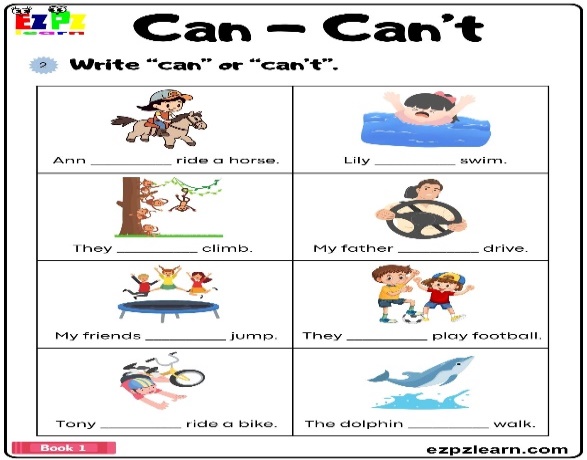
Sts. do the task in pairs. Answers: Ann can ride a horse. Lily can’t swim. They can climb a tree. My father can drive. My friends can jump. The boys can play football. Tony can’t ride a bike. The dolphins can’t walk. |
Teacher controles the process, gives feedback and asks additional questions if it’s nessasery. Teacher evaluate pupils with phrases like: “Good job! Well done!” Formative Assessment
|
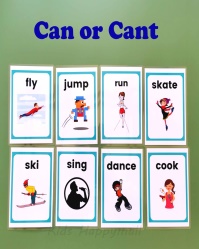
Flashcards
|
|
Middle of the lesson Presentation part. 35 min |
Task. I Ex:1 P: 33 Ask children to look at the story on Pupil's Book page 38. They check how many of the actions they remembered in the lead-in activity. Play the recording, pausing for children to repeat. Divide the class into groups of four to play Billy, Uncle, Tim, and Rosy. Ask children actions for the story (see suggestions the parts of to decide on the below). Children act out the story |
Learners look at the story and check how many of the actions they remembered in the lead-in activity
Picture 1: Billy moves Action (Use a pencil or a pencil case for Action Boy.) Uncle waves hello at Action Boy. Picture 2: Billy throws Action Boy in the air. Tim kicks a footpall. Picture 3: Billy moves Action Boy from side to side to make НЕ him walk. Rosy writes with a pen. Picture 4: Rosy talks to Action Boy. Billy laughs. |
Descriptor: - look at the story - check how many of the actions they remembered
|
|
|
|
Task II Ex: 2 P: 33 Look at each picture in the Let's learn! box and ask children what they can see. Copy the sentences and questions from the box onto the board, leaving spaces where the action words are. Put flashcards in the spaces to elicit sentences and questions with the same pattern, e.g. He can swim. He can't fly. Can he climb? Children repeat the sentences chorally. Ask children to look at the pictures in their Pupil's Books. Ask different children to say each sentence. |
Pupils look at each picture in the Let's learn! Copy the sentences and questions from the box onto the board. ANSWERS |
T’s feedback Descriptor: - look at each picture - copy the sentences and questions Total: 1 point
|
|
|
|
Task. III Ex: 3 P: 33 Draw children's attention to the pictures. Read each word aloud for children to repeat chorally. Pair up children. Ask them to close their books. Explain that they will take turns to mime each word for their partner to guess. Do an example with the class e.g. mime putting on knee pads for children to call out the word. |
Learners read each word aloud for children to repeat chorally. |
Self -assessment
Descriptor: - read each word aloud - repeat chorally. Point 2 |
https://wordwall.net/ru/resource/3443166 |
|
|
Task. IV Ex: 4 P: 33 Draw children's attention to the Let's learn! box and read the sentences aloud for children to repeat. Write them on the board and underline the verbs wear and don't use. Explain that when we express rules we start the sentence with a verb in the affirmative or negative form to tell us what to do or not to do. Provide more examples, e.g sit down, listen to the teacher, don't talk, don't run. |
Learners read the sentences aloud for children to repeat. Write them on the board and underline the verbs wear and don't use ANSWERS 1 He can ride a bike. 2 He can't fly. 3 He can ride a scooter. 4 She can't talk on the cellphone. |
Descriptor: - read the sentences - underline the verbs wear and don't use Point 2 |
|
|
|
||||
|
End of the lesson 5 min |
Encourage students to practice writing their names and greeting their families in English. |
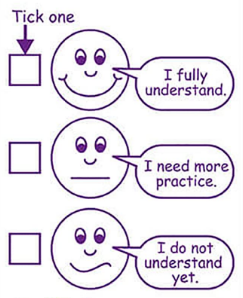
Pupils evaluate themselves using evaluation lists. Reflection. Self- Assessment.
|
Poster Success
|
|





 Жүктеу


 Жүктеу
шағым қалдыра аласыз

 Бұл курс Қазақстан Республикасы Оқу-ағарту министрлігімен келісілген