ЖИ көмекші


жүктеу мүмкіндігіне ие боласыз
Бұл материал сайт қолданушысы жариялаған. Материалдың ішінде жазылған барлық ақпаратқа жауапкершілікті жариялаған қолданушы жауап береді. Ұстаз тілегі тек ақпаратты таратуға қолдау көрсетеді. Егер материал сіздің авторлық құқығыңызды бұзған болса немесе басқа да себептермен сайттан өшіру керек деп ойласаңыз осында жазыңыз
 30 Қараша 2025
 55
55
разработка урока (КСП) "Familiar Words"
Бұйрық No194 (30.07.2024) – «Біртұтас тәрбие» бағдарламасы.
Бұйрық No123 (26.05.2025) – «Адал азамат» жобасы арқылы адалдық пен әділдікке тәрбиелеу. Short term plan
|
Unit 1: Home and away |
lesson 1 |
||
|
School: M.Gorky |
|
||
|
Teacher's name: Sadiyarova M.A. |
|
||
|
Date:3/09/2025 |
|||
|
Grade: 5a |
Number present: |
absent: |
|
|
Lesson title |
Familiar Words |
||
|
Learning objectives |
5.2.3.1 understand an increasing range of unsupported basic questions on general and curricular topics; 5. 3. 2. 1 Ask simple questions for information within a number of general topics; |
||
|
Lesson objectives (assessment criteria) |
Learners will be able to: - Understand vocabulary for everyday objects. - Ask about the meaning of words |
||
|
Instilling values of the program “Birtutas tarbiye” |
Honesty and fairness Unity and solidarity Diligence and professional competence – respect Justice and Responsibility Independence and Patriotism Perseverance and hard work |
||
|
Stages/ Time |
Teachers actions |
Students actions |
Assessment |
Resources |
|
Beginning 5 min |
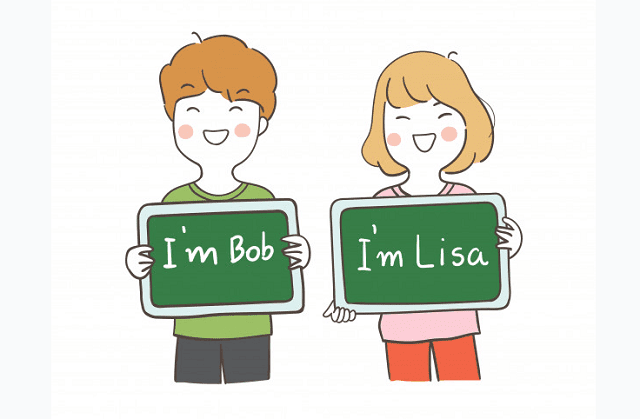
Greeting. T tells the class to make groups of 2. Warm up: Books closed. Say to the class: I’m Liza. Choose a student and repeat: I’m Bob. What’s your name? Elicit the response I’m (student’s name) from the student. Write the short exchange on the board. Then move around the class, asking each student their name. Finally ask the students to mingle and ask each other their names. -What’s your name? - I am Bob - What’s your name? - I am Lisa Setting the aim of the lesson.
|
Learners read the given sentences on the board and guess the topic and share with their ideas. Remember and recognize the main vocabulary. |
Teacher evaluate pupils with phrases like: “Good job! Well done!” Formative Assessment
|
Sheets of peppers Pictures of to be
|
|
Middle 12 min |
Ex: 1 P:4 Methods and Techniques: Visual Q&A – Looking at the pictures, ask “What can you see?” Vocabulary work – Elicit and write the words teacher, student, boy, girl, pencil on the board. Pronunciation modelling – Repeat after the teacher, chorally and individually. Listening and matching – Listen to the dialogues and match them to the people in the pictures. Answer sharing – Students share their answers and add to each other’s responses. Value: Diligence – Students listen carefully, try to pronounce and remember new words correctly. This teaches them to complete the task thoroughly and responsibly. |
Students listen and read the dialogues. Then choose the correct words in 1-3 ANSWERS 1 student 2 friends 3 teacher |
Descriptor: -They correctly name the people in the picture (teacher, student, boy, girl). - Can pronounce new words correctly and clearly (carefully repeats pronunciation). - Participates actively in class and strives to complete the task to the end (demonstrates diligence). Total: 3 point |
Student’s book |
|
11 min
|
Ex: 2 P:4 Activity: Role-play the dialogue (Sally, Tom, Rosa) Role assignment – Choose three stronger students to take the roles of Sally, Tom, and Rosa. Teacher modelling – Act out the dialogue with them, taking the teacher’s role yourself. Second listening – Play the recording again so students can hear correct pronunciation and intonation. Group work – Divide students into groups of four (or close to it) and explain the task clearly. Feedback – Praise effort, highlight good pronunciation, and encourage expressive speaking. Value: Diligence – Rehearses carefully, applies feedback, and improves after correction. |
|
Descriptor: Role Performance – Acts out the role clearly, following the dialogue accurately. Pronunciation – Uses correct stress, intonation, and clear articulation. Collaboration – Works well in the group, listens actively, and responds appropriately. Total: 3 point |
Worksheets Stickers |
|
12 min |
Ex: 3 P:4 Activity: Identifying objects and practising vocabulary (pencil + pictures 1–12) Object elicitation – Hold up a pencil and ask: “What’s this in English?” Elicit: “It’s a pencil”. If students struggle, refer them back to the dialogue in Exercise 1. Task explanation – Direct students’ attention to pictures 1–12 in the book. Explain the task and point out the given example and the first picture. Pair work – Students work in pairs to complete the task by naming the items in English. Monitoring – Walk around to check pronunciation, provide hints if needed, and encourage students to self-correct. Feedback – Ask pairs to share some answers with the class, modelling correct pronunciation where necessary. Differentiation: -Ask each other using full questions and answers: “What’s this?” “It’s a ruler.” -Pair lower-level learners with stronger ones to help model pronunciation and sentence structure. Value: Collaboration – Promotes working together to find answers, listening to and supporting a partner. |
Learners ask and answer questions. What are objects 1-12 in English? Use the words in box. What’s this in English? It is a book ANSWERS 1 book 2 pen 3 bag 4 computer 5 car 6 poster 7 table 8 boy 9 teacher 10 bicycle 11 phone 12 girl |
Descriptor: - Correctly names classroom objects in English. - Pronounces words clearly and accurately. - Works cooperatively with a partner to complete the task. Total: 4 point Success Criteria: 1–2 errors → Excellent understanding. 3–4 errors → Good understanding, needs minor revision. 5+ errors → Needs more practice with be forms. |
Pictures |
|
End 5 min |
Reflection: - Quick quiz: Teacher says a definition (It’s an animal that barks → dog). - Praise effort and encourage students to notice familiar words in their daily life. Homework Draw 5 familiar words from home and write 1 sentence for each. Example: This is my mother. She is kind. |
Learners stand in a circle, they are given a ball to throw it to each other and share their opinions about today’s lesson. |
||


 Жүктеу


 Жүктеу
шағым қалдыра аласыз