ЖИ көмекші


жүктеу мүмкіндігіне ие боласыз
Бұл материал сайт қолданушысы жариялаған. Материалдың ішінде жазылған барлық ақпаратқа жауапкершілікті жариялаған қолданушы жауап береді. Ұстаз тілегі тек ақпаратты таратуға қолдау көрсетеді. Егер материал сіздің авторлық құқығыңызды бұзған болса немесе басқа да себептермен сайттан өшіру керек деп ойласаңыз осында жазыңыз
 11 Қаңтар 2019
 411
411
Room objects
Бекітемін: Биманова Т.________________________
|
Long term plan module: My family and friends. |
School: 11 |
|||||
|
Date:12.02.2018-16.02.2018 |
Teacher’s name: Turganbaeva Zh |
|||||
|
Class: 2и,ж,з,д |
Number of present: |
Absent:- |
||||
|
Learning objective(s) that this lesson is contributing to: |
1.S1 make basic personal statements about people, objects and classroom routines 1.L3 recognize with support common names and names of places; recognize the spoken form of a limited range of everyday and classroom words 1UE10 use have got to make short statements and ask questions 1.UE4 use determiners a, an, some, the, this, these to |
|||||
|
Lesson objectives: |
All learners will be able to: say what toy he/she friend has got. |
|||||
|
Most learners will be able to: makes up3-4 correct sentences about his/her favourite toys; |
||||||
|
Some learners will be able to: demonstrate the project My favourite toys appropriately to the class |
||||||
|
Language objectives: |
Learners can: By the end of the lesson learners will be able to -demonstrate their project: My favourite toys to class; - use have got to make short statements and ask questions |
|||||
|
Key words and phrases: Consolidation My Favourite Toys! I have got three toys. I have got a car, a doll and a ball. The ball is red. …… |
||||||
|
Useful classroom language for dialogue/writing: oral |
||||||
|
Discussion points: |
||||||
|
Can you say why you have favourite toys? |
||||||
|
Writing prompts: |
||||||
|
|
|
|||||
|
Assessment for Teaching |
Criteria based assessment Assessment criteria: Demonstrate the project My favourite toys appropriately to the class Descriptor: A learner makes up3-4 correct sentences about his/her favourite toys; says what toy he/she friend has got. Self-assessment: Traffic lights |
|||||
|
How to overcome barriers in learning English |
-Scaffold learners if necessary -Ask more questions -Smile, create a favorable atmosphere in class |
|||||
|
Previous learning |
Lesson №22 Letters Aa –Bb (activity book) |
|||||
|
Plan |
||||||
|
Planned timing |
Planned activities (replace the notes below with your planned activities) What will the pupils learn? How will they learn it? Suggested Teaching Activities Active Learning activities |
Resources |
||||
|
Start (Beginning of the lesson) |
Greeting: Teacher greets learners; learners respond to greeting and take their places. Dividing into subgroups: Teacher divides the learners into subgroups using colourful classroom objects (books, pens, rulers and pencils) Warming up: Dance and say! Learners dance to music. Teacher stops the music and says in Russian “желтый”. Learners must say the English equivalent of this word and touch the object with this colour as feedback. The teacher plays the music again. Learners dance again. After some time teacher stops the music and say another Russian word or English etc… Revising the previous lesson: Letters Aa –Bb (activity book) Learners sing the Alphabet song together |
|
||||
|
Middle (of the lesson)
|
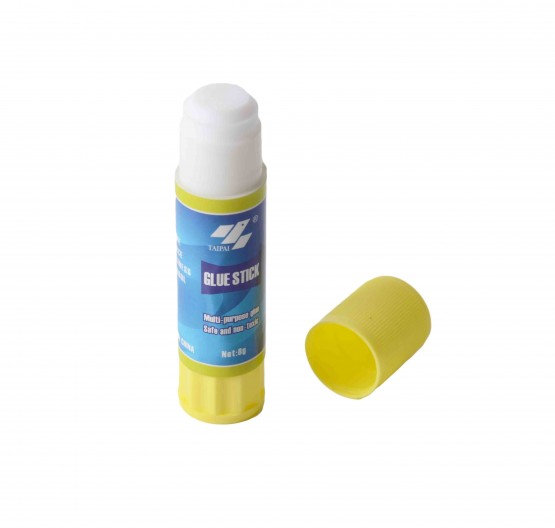
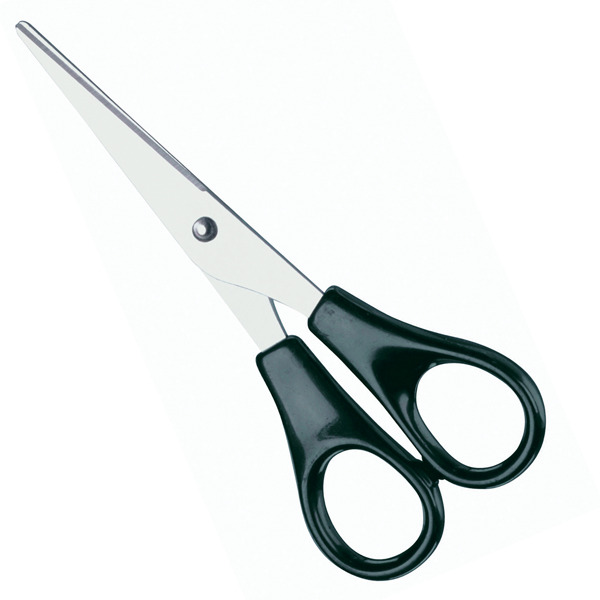
I) f) Two objects (car, doll, train, bike, plane,) from the bags are placed in front of every learner. Every learner stands. Teacher nominates one to begin. Learner says what objects are. If correct, sits down. If not, remains standing and passes object[s] he/she could not describe to next learner. I) Learners listen and make actions according to teacher instructions. G) Learners are given flipcharts and cut-outs of many colourful toys as well as objects not related to the topic ex: doll, ball, rabbit, car ... They have to choose their favourite ones, glue them and make a collage about their favourite toys. They also may draw their own favourite ones. G) D) Groups present their models, ask questions and assess one another. |
picture dictionaries, memory game, school objects, flip charts, posters, room object cutouts, stickers http://www.dreamenglish. com/englishkidsvideo picture book1, Activity Book 1 |
||||
|
End (of the lesson) |
Reflection Peer assessment Learners in groups assess one another using smiles Teacher asks learners to look at lesson objectives they set at the beginning of the lesson and think and say what they did well in the lesson and what needs improvement. |
|
||||
|
Additional information: |
||||||
|
Differentiation - how do you plan to give more support? How do you plan to challenge the more able learners? |
Assessment - how are you planning to check learners’ learning? |
Cross – curricular links health and safety check ICT links Values links |
||||
|
|
|
|
||||
|
Reflection Were the lesson objectives / learning objectives realistic? What did the learners learn today? What was the learning atmosphere like? Did my planned differentiation work well? Did I stick to timings? What changes did I make from my plan and why? |
Use the space below to reflect on your lesson. Answer the most relevant questions from the books on the left about your lesson. |
|||||
|
Summary evaluation What two things went really well (consider both teaching and learning)? 1. 2. What two things would have improved the lessons (consider both teachings and learning)? 1. 2. What have learned from his lesson about this lesson about the class or individuals that will inform my next lesson? |
||||||



 Жүктеу


 Жүктеу
шағым қалдыра аласыз

 Бұл курс Қазақстан Республикасы Оқу-ағарту министрлігімен келісілген