
 ЖИ көмекші


 Қауіпсіз төлем

жүктеу мүмкіндігіне ие боласыз
Бұл материал сайт қолданушысы жариялаған. Материалдың ішінде жазылған барлық ақпаратқа жауапкершілікті жариялаған қолданушы жауап береді. Ұстаз тілегі тек ақпаратты таратуға қолдау көрсетеді. Егер материал сіздің авторлық құқығыңызды бұзған болса немесе басқа да себептермен сайттан өшіру керек деп ойласаңыз осында жазыңыз
 17 Наурыз 2025
 253
253
1 жыл бойы шексіз жүктеңіз
Sherlock Holmes: The Blue Diamond p.120
|
Unit 9: Reading for pleasure |
School: |
||||
|
Date: |
Teacher’s name: |
||||
|
Grade: 7 |
Number present: |
Absent: |
|||
|
Theme of the lesson |
Sherlock Holmes: The Blue Diamond p.120 |
||||
|
Learning objectives(s) that this lesson is contributing to |
7.C9 use imagination to express thoughts, ideas, experiences and feelings 7.R4 read independently a limited range of short simple fiction and non-fiction texts |
||||
|
Lesson objectives |
All learners will be able to: |
||||
|
|||||
|
Most learners will be able to: |
|||||
|
|||||
|
Some learners will be able to: |
|||||
|
|||||
|
Assessment criteria |
Speaking – presenting ideas clearly to others, grammar, vocabulary |
||||
|
Language objective |
Use subject specific vocabulary. |
||||
|
Intercultural awareness |
Reading a work by a foreign author. Learning about other people’s traditions and way of living. Reviewing famous literary works, characters and authors. |
||||
|
Value links |
Responsibility , Global Citizenship, Collaboration |
||||
|
Cross curricular links |
Literature |
||||
|
Use of ICT |
Projector or Smart board for showing a presentation, laptops for online dictionaries |
||||
|
Previous learning |
Simple tenses, vocabulary related to books and reading |
||||
|
Kazakh culture |
Review of some Kazakh works and authors during the group division. |
||||
|
Pastoral Care |
Assure the needs of all learners are met. |
||||
|
Health and Safety |
Make sure to ventilate the room before the lesson and remind the learners to be careful with cords and corners. |
||||
|
Planned timings |
Teacher’s activity |
Student’s activity |
Resources |
||
|
Beginning 5 minutes |
Greetings: W Teacher greets learners and congratulates the class on the beginning of the 3rd term. Then, teacher hands out stickers and asks learners to write a compliment to a peer. To operate principle of the learners: Develop themselves of principle , score the level of themselves |
Learners write wishes and nice words to each other, so learners collaborate and create a friendly atmosphere. Help for learners if they need and check their creative tasks and to learn it themselves.
|
Student`s
book Oxford |
||
|
Warm –up 5 minutes
|
Books closed. Ask students what they know about the Sherlock Holmes stories. Write their ideas on the board |
|
|
||
|
Middle of the lesson Presentation part. 30 minutes |
I. The blog of Information 1. Do you read different stories? 2. Who is the Sherlock Holmes? 3. What writers do you know? 4. Listen and repeat the new words II. The blog of logical tasks What can you see at this pictures? III. The blog of practice and take the note of knowledge. I-level. Pre-Teaching
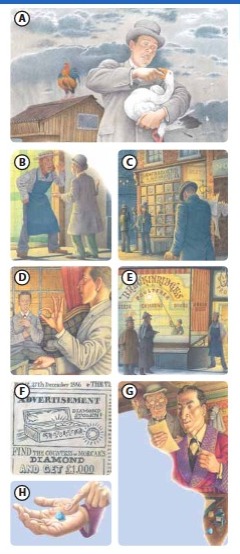
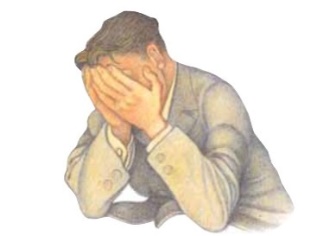
W 1. Holmes and Watson go to The Alpha and talk to Mr Windigate. 2. Mr Peterson finds a blue diamond inside the tall man’s goose. 3. Someone’s steals the countess of Morcar’s blue diamond from her rooms in the Cosmopolitan Hotel. 4. Mr Peterson goes to see Cherlock Holmes 5. A tall man with a hat is walkng with a goose over his shoulder. II-level 1.James Rider tells Homes that he stole the diamond 2. Holmes and Watson talk to the man from Mr Breckinridge’s shop. Ex 2. Look at the story sections again. Which section do you think is the start of the story? Which section do you think is the end of the story? III-level 1. At Mr Breckinridge’s shop , Holmes and Watson see a man there. Ex 3. How do you think the story develops? Read the sections again and put them in order to make the story. Go through the answers. Ask stronger students to explain the order by referring to the story development and use of ‘a’ and ‘the’. Talk about it Ex 4. Think about the story sections again. Use the pictures on page 52 and the words in the boxes to tell the story to your partner. Put students in pairs. Give students time to make a note of who the people are, what happened at each place, and events related to the verbs and nouns. IV. The blog of Intellectual training Where was the blue diamond found? V. The blog of Conclusion If you are Sherlock Holmes what will you do? Ex 5. Look at the picture of James Ryder and answer the question. Ask students what James Ryder did in the story and what stage of the story is shown in the picture. Ex 6. 3.22 Listen to James Ryder talk about his story. Choose the correct words to complete the sentences. Ex 7. Now listen to the end of the story. Do you like the ending? Is it surprising? Discuss the ending with students. Ex 8. Write a different ending to the story. Use one of options below or your own ideas. Give the class five to ten minutes to complete their versions of the ending. Circulate and monitor. Help weaker students where necessary. Talk about it Ex 9. Ask and answer the questions with your partner. Make a note of the students’ comments and use them for a whole class discussion at the end. |
Advertisement Goose/geese Ticket Hat Answers: 1.E 2 H 3.F 4.G 5.C 6.A 7.D 8.B Answers: 1.The start of the story is section 3 – the blue diamond is missing. 2. The end of the story is section 6 – Ryder admits he stole it. Answers: 1.section 3 5.section 1 2.section 5 6.section 8 3.section 2 7.section 7 4.section 4 8.section 6 Possible answer: James Ryder is talking to Sherlock Holmes and looks sad because he regrets that he stole the diamond and then lost it. Answers:
|
Card Worksheet Students book
Students book |
||
|
End of the lesson 5 minutes |
Homework. Ex 8 p 121. Write
a different ending to the story
What have
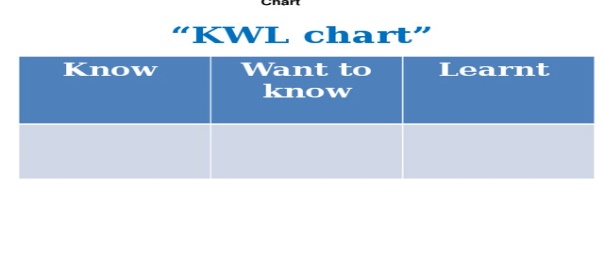
you learnt today? |
|
|||
|
Additional information |
|||||
|
Summary evaluation What two things went really well (consider both teaching and learning)? 1: Class\ pair activities 2: Differentiated task What two things would have improved the lesson (consider both teaching and learning)? 1:Providing scaffolding 2: Working by cards: answering the questions related to the text. What have I learned from the lesson about this class or individuals that will inform my next lesson? Students love reading about teenagers like them and find similarities in their lifestyles. Students love doing creative tasks, especially when they have a choice. Everyone was engaging in doing a creative task with high motivation and excitement. |
|||||
2









 Бұл курс Қазақстан Республикасы Оқу-ағарту министрлігімен келісілген










