Specialised gymnasium №21 named after “Al-Farabi”
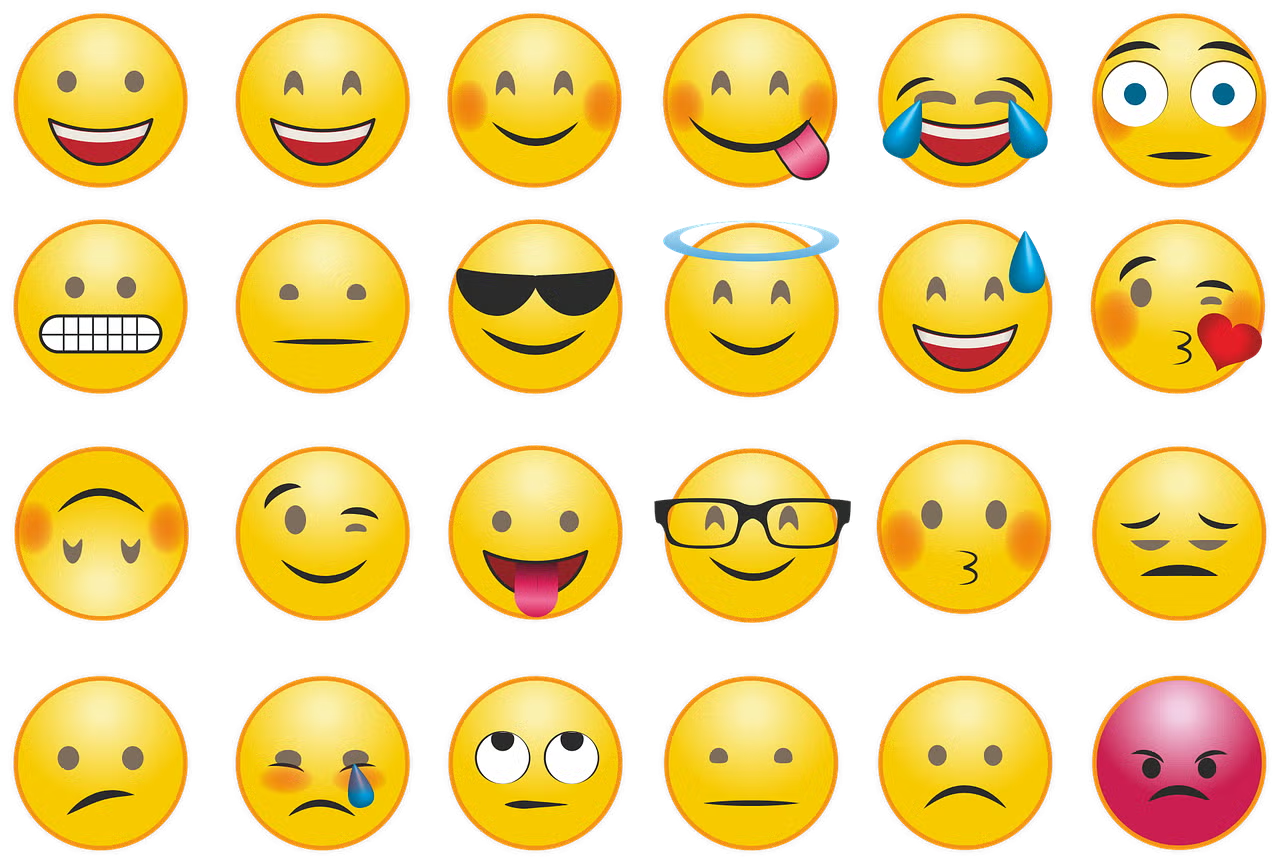
Emoji Story Writing
Teacher:Konarova A.B.
Aktobe-2024y


Extracurricular Plan
The theme: “Emoji Story Writing”
Form: 9
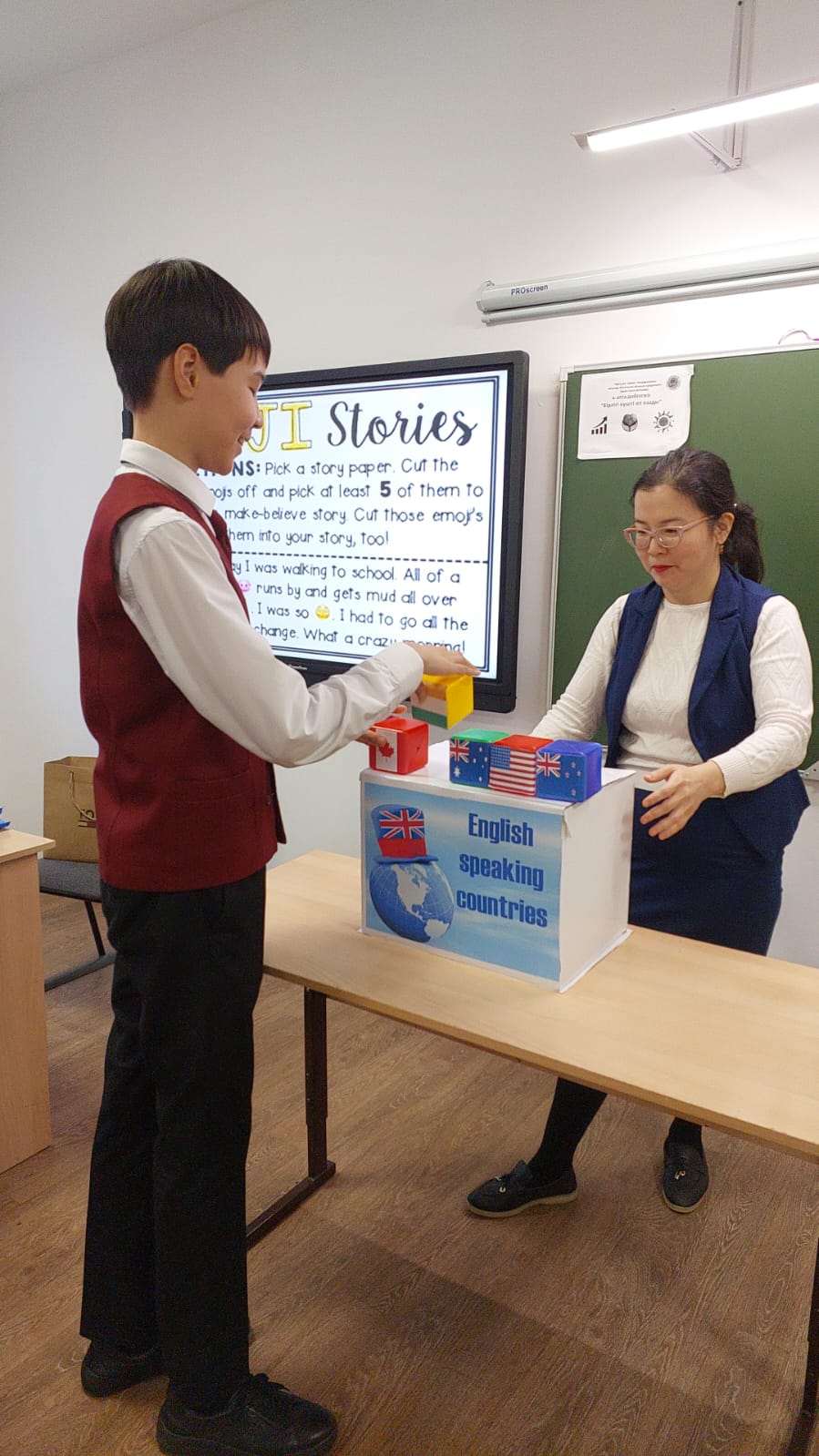
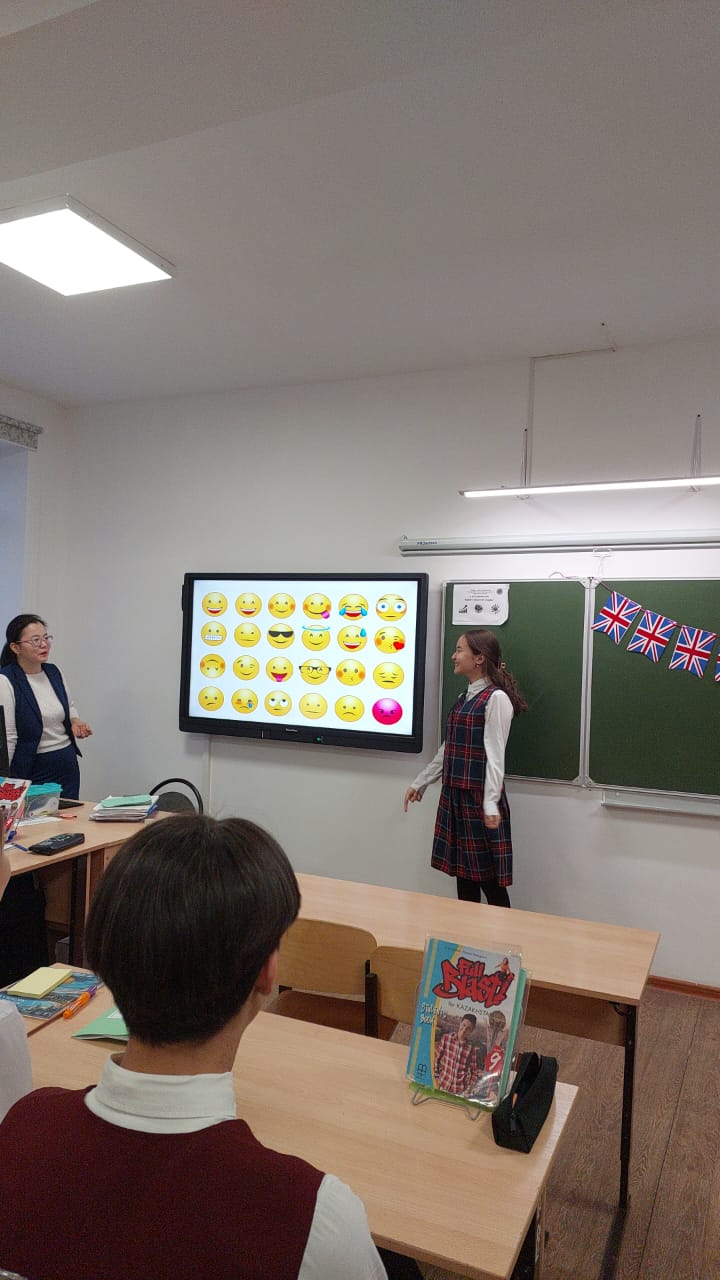
Visual aids: slides, an interactive board, different pictures, cards, balloons.
The aim: improving students' communicative competence in oral speech. creating conditions for students to realize the need for self-expression and self-realization, social recognition, by participating in the Emoji Story Writing.
Duration: 40 minutes – 1 hour
Objective: By the end of the lesson, students will be able to:
-
Create a short story using emojis as key elements.
-
Interpret the meaning behind various emojis to construct a narrative.
-
Develop their writing skills by expanding on a story they started with emojis.
Materials:
-
Printed or digital copies of various emojis (could be printed, or shown on a projector or device).
-
Paper and pencils or digital writing tools (such as Google Docs, if available).
-
Emoji chart or app (optional for reference).
![]()
Introduction (10 minutes)
-
Warm-Up Discussion:
-
Start by discussing what emojis are and why people use them in text messaging, social media, and online communication. Ask students:
-
"What do you think is the purpose of an emoji?"
-
"What are your favorite emojis, and why?"
-
"Can an emoji tell a story by itself?"
-
-
-
Emoji Examples:
-
Show examples of emojis, such as:
-
??? (A happy face, a scared face, and a cat)
-
?️☔? (Rain, umbrella, and rainbow)
-
-
Ask the class to guess what these emoji combinations might represent. This helps students understand that emojis can convey feelings, actions, and settings.
-
![]()
Activity (25-30 minutes)
-
Part 1: Emoji Story Creation (15 minutes)
-
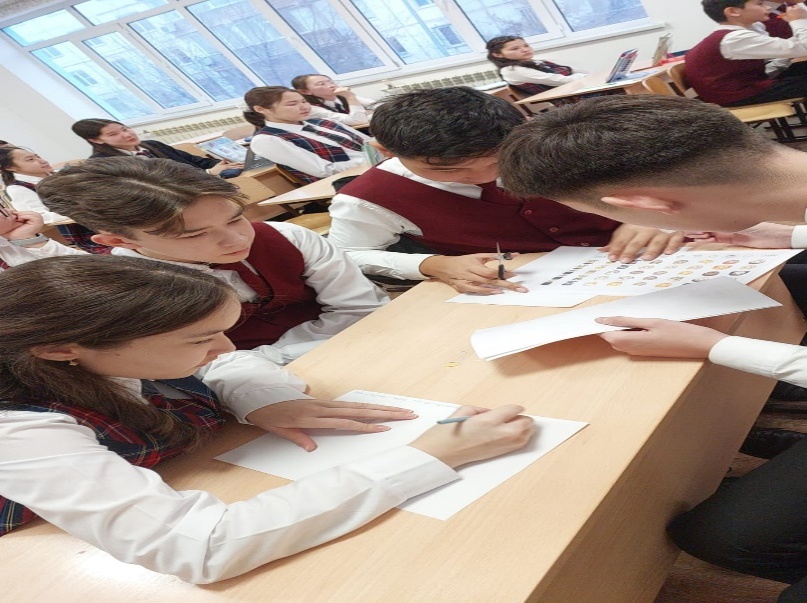
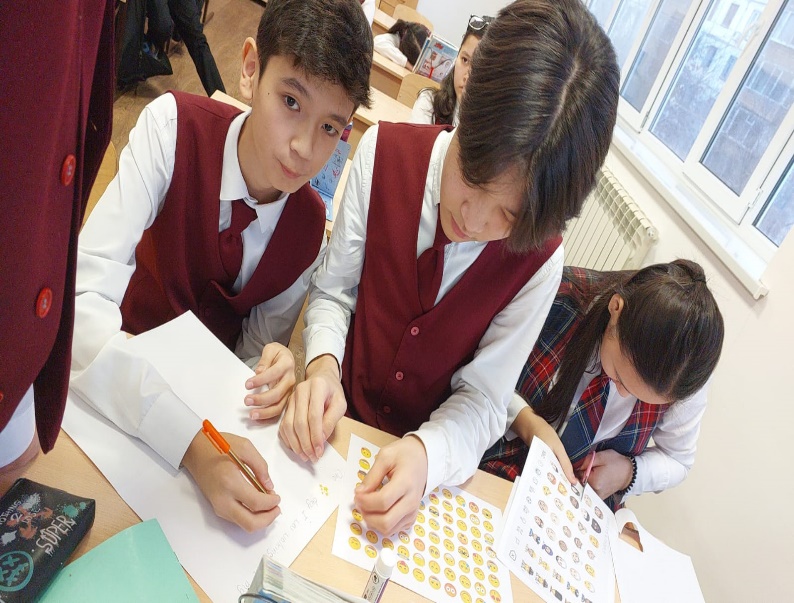
Give each student a set of emojis (either on paper or displayed digitally). These emojis should be random but still have enough variety to allow for creative interpretation (e.g., a mix of animals, weather, emotions, and objects).
-
Example emojis to provide:
-
??? (A lion, a rocket, and a star)
-
?️?? (Beach, seashell, sunglasses)
-
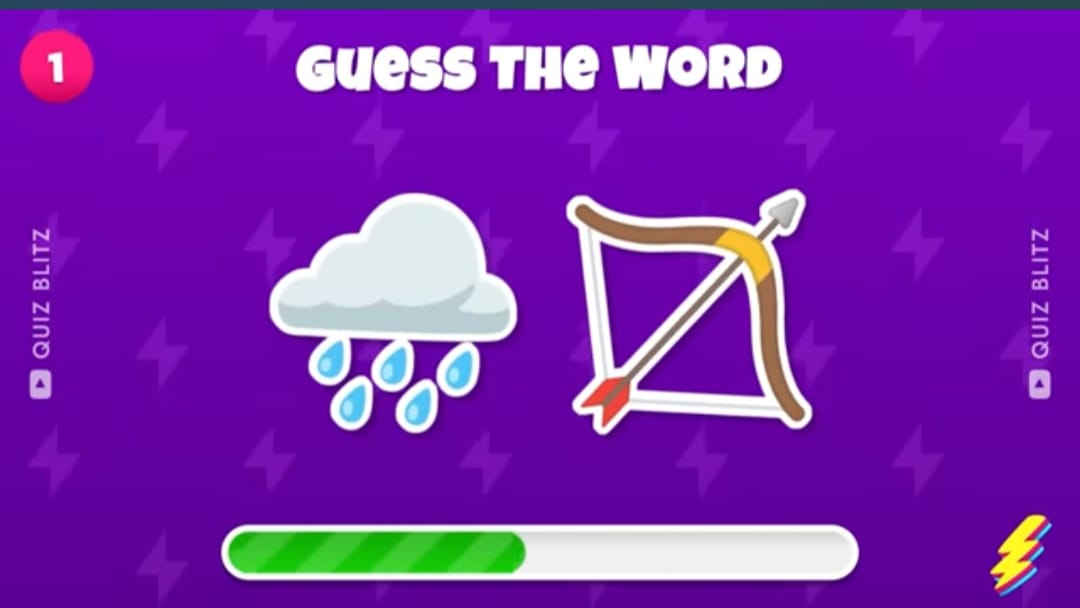
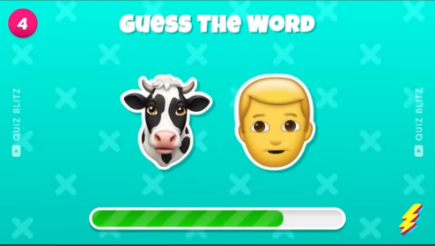
Guess the word:
|
Pictures |
Answers |
|
|
Rainbow |
|
|
Cowboy |
|
|
Sunflower |
|
|
Hotdog |
|
|
Milkshake |
Instructions:
-
Ask students to choose 5–6 emojis from the set (or allow them to use their own).
-
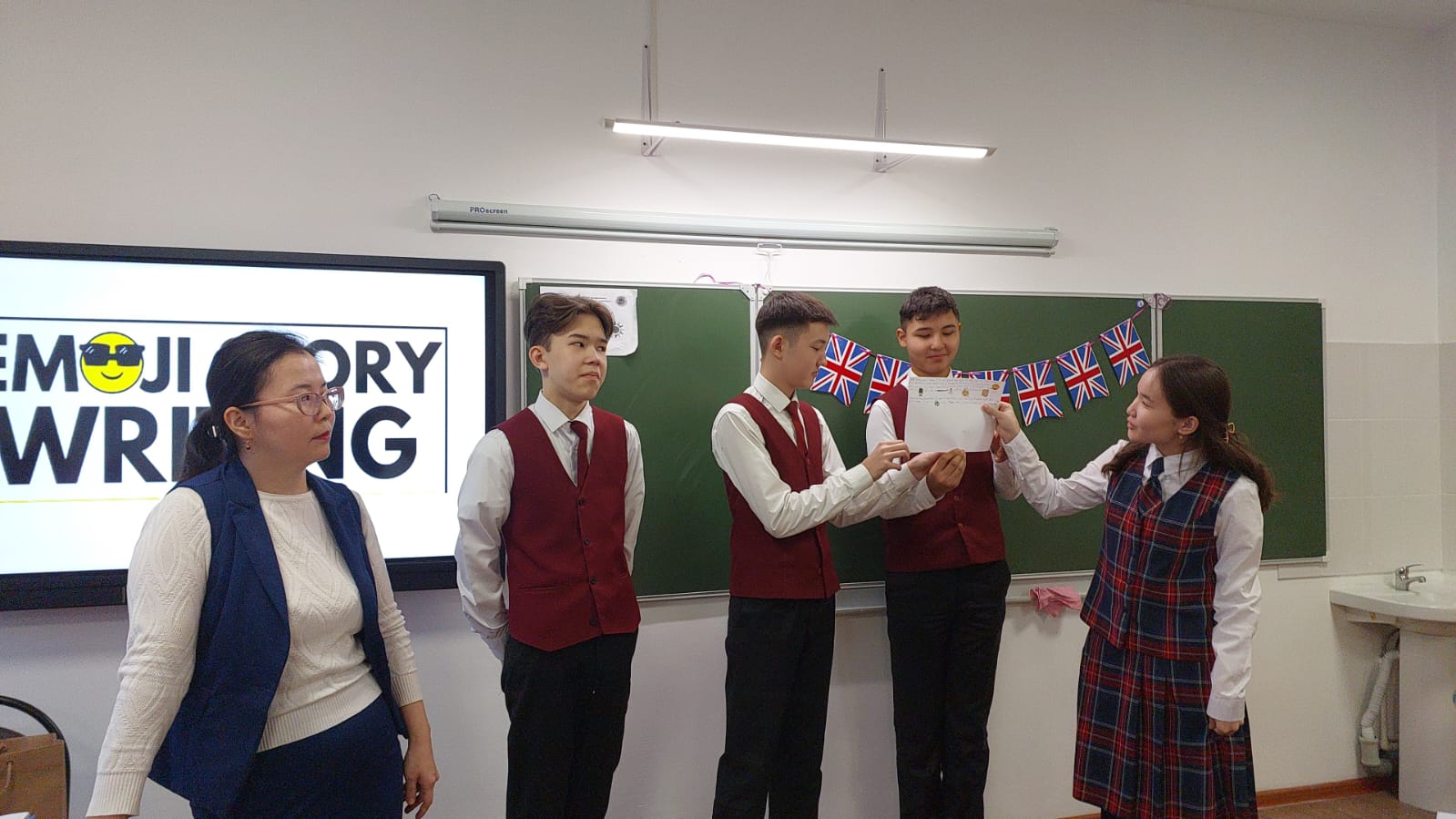
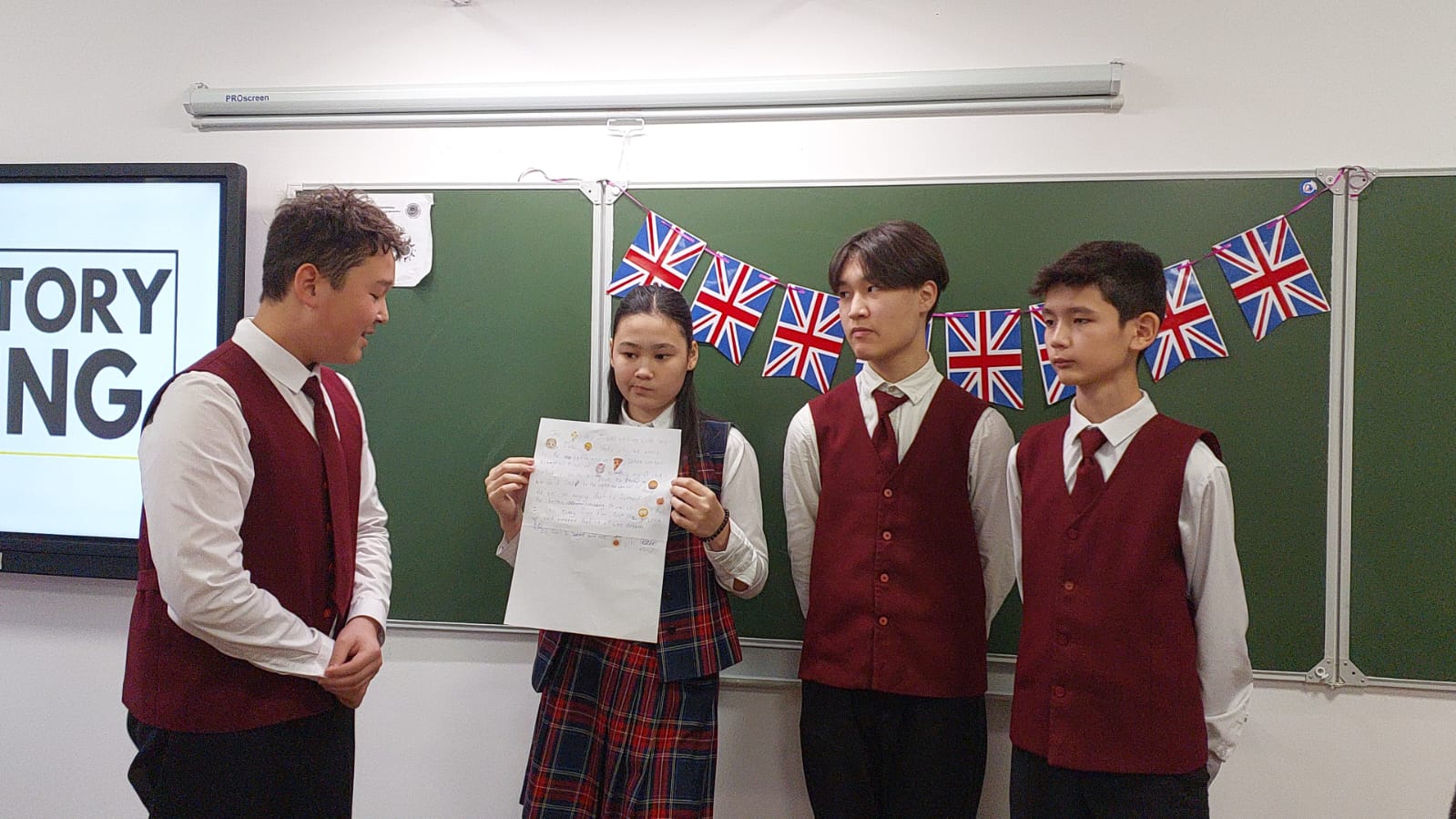
They should write a short story (about 5–7 sentences) that incorporates all the emojis they selected. The emojis should appear in their story, either as part of the action, setting, or characters.
Example: "One day, a ? was walking through the jungle when it saw a ? flying by. Curious, the lion jumped into the rocket and soared into space. The lion saw a ? twinkling in the sky and decided to land on a new planet."
Closure (5-10 minutes)
-
Reflection:
-
Ask the students to reflect on the activity:
-
"What was the most challenging part of using emojis to tell a story?"
-
"Did the emojis help you come up with creative ideas?"
-
-
-
Emoji Story Final Challenge:
-
For homework or a follow-up activity, ask students to write a longer story or create a comic strip that combines both emojis and traditional writing. They can illustrate their stories and include their emojis as characters or plot points.
-
-
Wrap-Up:
-
Emphasize the importance of creativity in storytelling and how emojis can be used to spark new ideas or express feelings in a unique way.
-
![]()
Extension Activities
-
Digital Emoji Story Creation:
-
If students have access to computers, they can create digital stories using emoji apps or programs like Canva or Google Slides, where they can arrange emojis in different scenes and add text to develop a narrative.
-
-
Collaborative Emoji Story:
-
In groups, students can create a story where each student contributes by adding one emoji to the narrative, building on what the previous student wrote.
-
![]()
Assessment
-
Assess students based on:
-
Creativity and originality in their use of emojis.
-
The coherence of their story and how well the emojis are integrated.
-
Participation in group discussions and reflections.
-
This lesson plan allows students to explore visual communication while enhancing their storytelling abilities. It can be adapted for various grade levels by adjusting the complexity of the story expectations or the types of emojis provided


жүктеу мүмкіндігіне ие боласыз
Бұл материал сайт қолданушысы жариялаған. Материалдың ішінде жазылған барлық ақпаратқа жауапкершілікті жариялаған қолданушы жауап береді. Ұстаз тілегі тек ақпаратты таратуға қолдау көрсетеді. Егер материал сіздің авторлық құқығыңызды бұзған болса немесе басқа да себептермен сайттан өшіру керек деп ойласаңыз осында жазыңыз
сыныптан тыс шара "Emoji Stories"
Specialised gymnasium №21 named after “Al-Farabi”
Emoji Story Writing
Teacher:Konarova A.B.
Aktobe-2024y

Extracurricular Plan
The theme: “Emoji Story Writing”
Form: 9
Visual aids: slides, an interactive board, different pictures, cards, balloons.
The aim: improving students' communicative competence in oral speech. creating conditions for students to realize the need for self-expression and self-realization, social recognition, by participating in the Emoji Story Writing.
Duration: 40 minutes – 1 hour
Objective: By the end of the lesson, students will be able to:
-
Create a short story using emojis as key elements.
-
Interpret the meaning behind various emojis to construct a narrative.
-
Develop their writing skills by expanding on a story they started with emojis.
Materials:
-
Printed or digital copies of various emojis (could be printed, or shown on a projector or device).
-
Paper and pencils or digital writing tools (such as Google Docs, if available).
-
Emoji chart or app (optional for reference).
![]()
Introduction (10 minutes)
-
Warm-Up Discussion:
-
Start by discussing what emojis are and why people use them in text messaging, social media, and online communication. Ask students:
-
"What do you think is the purpose of an emoji?"
-
"What are your favorite emojis, and why?"
-
"Can an emoji tell a story by itself?"
-
-
-
Emoji Examples:
-
Show examples of emojis, such as:
-
??? (A happy face, a scared face, and a cat)
-
?️☔? (Rain, umbrella, and rainbow)
-
-
Ask the class to guess what these emoji combinations might represent. This helps students understand that emojis can convey feelings, actions, and settings.
-
![]()
Activity (25-30 minutes)
-
Part 1: Emoji Story Creation (15 minutes)
-
Give each student a set of emojis (either on paper or displayed digitally). These emojis should be random but still have enough variety to allow for creative interpretation (e.g., a mix of animals, weather, emotions, and objects).
-
Example emojis to provide:
-
??? (A lion, a rocket, and a star)
-
?️?? (Beach, seashell, sunglasses)
-
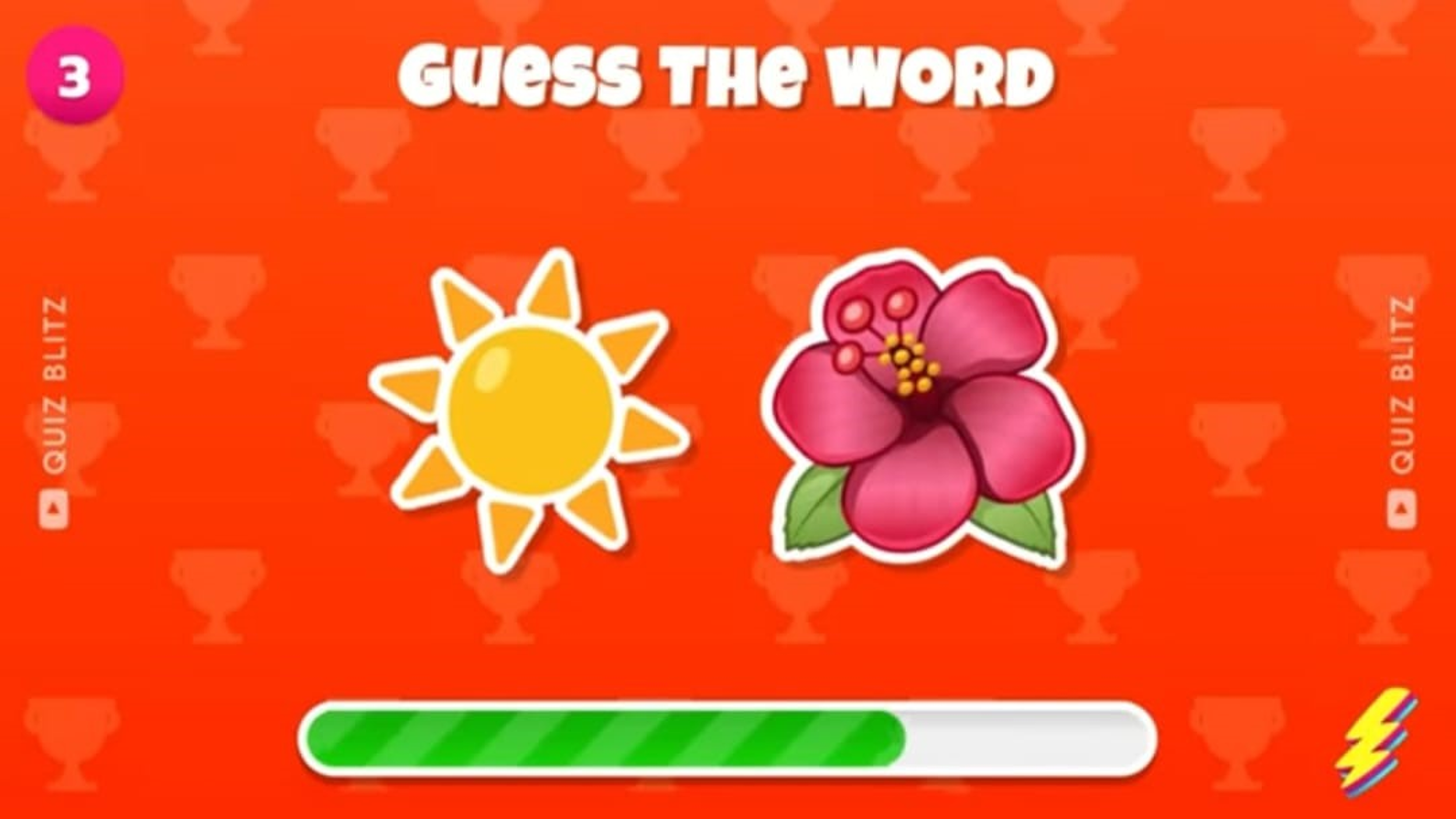
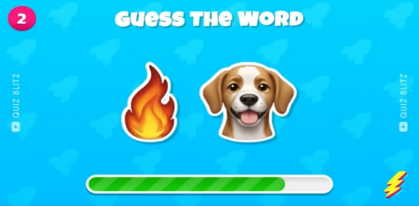
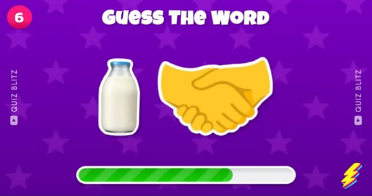
Guess the word:
|
Pictures |
Answers |
|
|
Rainbow |
|
|
Cowboy |
|
|
Sunflower |
|
|
Hotdog |
|
|
Milkshake |
Instructions:
-
Ask students to choose 5–6 emojis from the set (or allow them to use their own).
-
They should write a short story (about 5–7 sentences) that incorporates all the emojis they selected. The emojis should appear in their story, either as part of the action, setting, or characters.
Example: "One day, a ? was walking through the jungle when it saw a ? flying by. Curious, the lion jumped into the rocket and soared into space. The lion saw a ? twinkling in the sky and decided to land on a new planet."
Closure (5-10 minutes)
-
Reflection:
-
Ask the students to reflect on the activity:
-
"What was the most challenging part of using emojis to tell a story?"
-
"Did the emojis help you come up with creative ideas?"
-
-
-
Emoji Story Final Challenge:
-
For homework or a follow-up activity, ask students to write a longer story or create a comic strip that combines both emojis and traditional writing. They can illustrate their stories and include their emojis as characters or plot points.
-
-
Wrap-Up:
-
Emphasize the importance of creativity in storytelling and how emojis can be used to spark new ideas or express feelings in a unique way.
-
![]()
Extension Activities
-
Digital Emoji Story Creation:
-
If students have access to computers, they can create digital stories using emoji apps or programs like Canva or Google Slides, where they can arrange emojis in different scenes and add text to develop a narrative.
-
-
Collaborative Emoji Story:
-
In groups, students can create a story where each student contributes by adding one emoji to the narrative, building on what the previous student wrote.
-
![]()
Assessment
-
Assess students based on:
-
Creativity and originality in their use of emojis.
-
The coherence of their story and how well the emojis are integrated.
-
Participation in group discussions and reflections.
-
This lesson plan allows students to explore visual communication while enhancing their storytelling abilities. It can be adapted for various grade levels by adjusting the complexity of the story expectations or the types of emojis provided


шағым қалдыра аласыз