
 ЖИ көмекші


жүктеу мүмкіндігіне ие боласыз
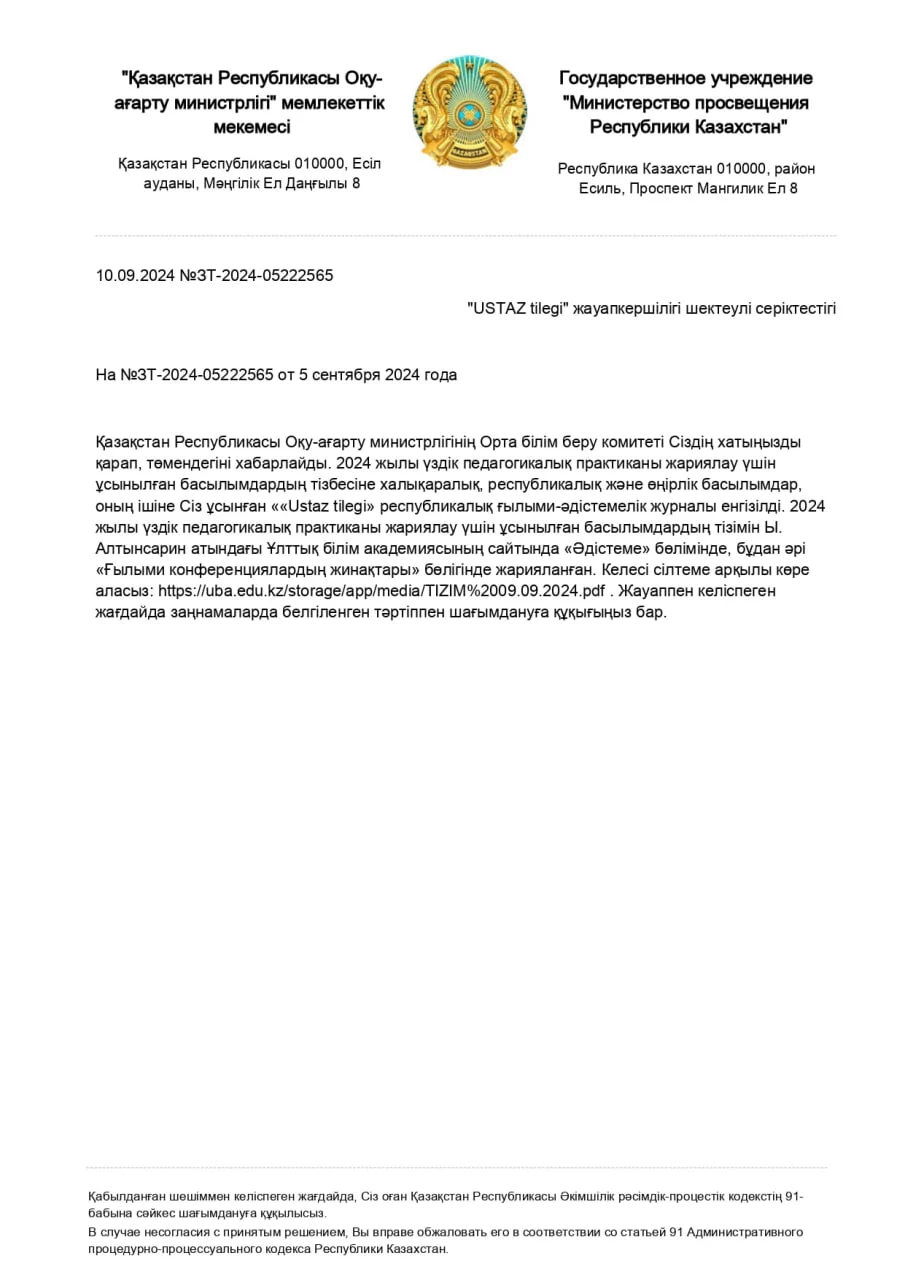
Бұл материал сайт қолданушысы жариялаған. Материалдың ішінде жазылған барлық ақпаратқа жауапкершілікті жариялаған қолданушы жауап береді. Ұстаз тілегі тек ақпаратты таратуға қолдау көрсетеді. Егер материал сіздің авторлық құқығыңызды бұзған болса немесе басқа да себептермен сайттан өшіру керек деп ойласаңыз осында жазыңыз
 09 Қаңтар 2026
 0
0
The impact of social media on the English language
Облыстың, қаланың, ауданның атауы: Шымкент қаласы, Тұран ауданы
Тегі:Ерназарова
Аты: Лаура
Әкесінің аты: Узакбаевна
Білім беру ұйымының атауы: Оңтүстік Қазақстан гуманитарлық-экономикалық колледжі
Лауазымы:Ағылшын тілі пәнінің оқытушысы
Баяндаманың тақырыбы:The Impact of Social Media on the English Language
The Impact of Social Media on the English Language
Methodological Report with Practical Recommendations
Introduction
In the 21st century, social media has become an integral part of communication. Platforms like Instagram, TikTok, Twitter (X), Facebook, and WhatsApp influence not only social life but also the development and evolution of the English language. Social media affects vocabulary, grammar, writing styles, and communication patterns. This report explores these impacts and provides practical recommendations for English teachers.
Influence of Social Media on the English Language
-
Vocabulary: Social media introduces new words and phrases (selfie, hashtag, influencer, viral).
-
Abbreviations and acronyms: Frequent use of LOL, OMG, BTW, TBT, DM.
-
Grammar and style: Shortened sentences, omitted punctuation, non-standard grammar, emoji usage.
-
Code-switching: Mixing English with other languages or local slang.
Impact on students:
Positive: Exposure to real-life English, increased motivation, informal communicative practice.
Negative: Overuse of informal language, weaker formal writing skills, possible misunderstandings in academic contexts.
Methodological Recommendations for Teachers
1. Integrate Social Media Content into Lessons
Analyze real social media posts for vocabulary, grammar, and style.
Compare informal online English with standard academic English.
Encourage students to comment or discuss online posts in English.
2. Teach Digital Literacy
Guide students to distinguish between formal and informal English.
Explain appropriate contexts for slang, abbreviations, and emojis.
Promote responsible online communication.
3. Create Interactive Tasks
Vocabulary Expansion: Identify new words from posts, create sentences, or short dialogues.
Grammar Awareness: Correct mistakes found in real social media examples.
Writing Skills: Compose posts, captions, or tweets using proper grammar while keeping an informal style.
Speaking Practice: Discuss trending topics or viral content in groups or pairs.
4. Encourage Project-Based Learning
Students can maintain a class Instagram/TikTok page or blog in English.
Tasks can include reviews, mini-vlogs, or story writing based on social media trends.
5. Use Social Media for Reading and Listening Comprehension
Assign short videos, stories, or podcasts from social media platforms.
Create comprehension questions or summaries.
Discuss cultural references or slang used in the content.
6. Promote Critical Thinking
Analyze advertising, influencers’ language, and persuasive techniques online.
Debate the accuracy, style, or tone of posts.
Practical Lesson Tasks and Exercises
-
Vocabulary Task
Find 10 new words or abbreviations on social media.
Write definitions and create sentences using each word.
-
Grammar Correction Task
Collect informal sentences from social media posts.
Correct them according to standard English grammar rules.
Discuss why certain forms are incorrect in formal writing.
-
Writing Task: Social Media Post
Write a 50–70 word post about a hobby or interest.
Use correct grammar and spelling, but include informal style elements like emojis or hashtags appropriately.
-
Speaking Task: Discussion
In pairs or groups, discuss a viral post or trending topic.
Use expressions learned from social media vocabulary.
Practice agreeing, disagreeing, and giving opinions.
-
Project Task
Create a “Class Social Media Campaign” in English.
Students make posts, short videos, or infographics related to English learning, school events, or global trends.
-
Critical Analysis Task
Select a popular influencer’s post.
Identify persuasive language, slang, and cultural references.
Present findings and suggest how language could be improved for clarity or correctness.
Conclusion
Social media significantly impacts the English language, offering both opportunities and challenges. By integrating social media into the learning process, teachers can enhance students’ motivation, digital literacy, and language skills. The key is to balance exposure to informal online English with the development of formal academic language and critical awareness.
Lesson Plan
Theme:
The Impact of Social Media on the English
Language
Level: Intermediate /
College Students
Duration: 90
minutes
Lesson
Type: Integrated skills
(reading, writing, speaking, listening)
Lesson Objectives
By the end of the lesson, students will be able to:
-
Identify the influence of social media on English vocabulary, grammar, and style.
-
Analyze informal language used on social media posts.
-
Write short posts or captions using proper grammar and relevant informal elements.
-
Discuss social media content critically, expressing opinions and arguments.
-
Develop digital literacy and awareness of language norms in different contexts.
Lesson Materials
Laptops/tablets or smartphones
Sample social media posts (Instagram, TikTok, Twitter/X)
Projector or screen
Worksheets: vocabulary, grammar, writing, and discussion prompts
Lesson Procedure
1. Warm-up (10 minutes)
Show a trending social media post or viral tweet.
Ask students:
-What words or abbreviations do you notice?
-How is this language different from formal English?
Quick discussion: “Do you use similar language online?”
2. Reading and Vocabulary (15 minutes)
Distribute 3–5 social media posts.
Students:
Highlight new words, slang, or abbreviations.
Match abbreviations with their meanings (LOL, OMG, DM).
Write 1 sentence for each word.
3. Grammar Awareness (15 minutes)
Identify grammar mistakes or informal structures in selected posts.
Correct them using standard English.
Discuss why certain forms are acceptable online but not in formal writing.
4. Writing Practice (20 minutes)
Task: Create a 50–70 word post about a hobby, trend, or personal experience.
Requirements:
Use correct grammar and spelling.
Include 1–2 informal features (emoji, hashtag, abbreviation).
Peer review: Students exchange posts and give feedback.
5. Speaking & Discussion (15 minutes)
In pairs or small groups:
Discuss a trending post or viral video.
Share opinions using social media vocabulary.
Practice agreeing/disagreeing politely: I see your point, but… / I’m not sure I agree…
6. Project / Group Task (15 minutes)
Task: Plan a “Class Social Media Campaign” in English.
Groups choose topics: English learning tips, school events, global trends.
Each group:
Write 2–3 posts/captions
Design a short visual (poster or slide)
Present to class
7. Conclusion & Homework (10 minutes)
Summarize the lesson:
Social media affects vocabulary, grammar, and communication style.
Awareness of informal vs formal English is important.
Homework:
Find 5 posts online and analyze the language used.
Write a short reflection on how social media impacts your English.

 Жүктеу


 Жүктеу
шағым қалдыра аласыз

 Бұл курс Қазақстан Республикасы Оқу-ағарту министрлігімен келісілген










