|
Unit: Our World lesson 4 |
School: S. Erubaev |
||
|
Date: 11.09.2023 |
Teacher name: S. Murataliyeva |
||
|
Grade: 8 |
Number present: |
absent: |
|
|
Lesson title |
The "no impact" family |
||
|
Learning objectives |
8.4.5.1 deduce meaning from context in short texts and some extended texts on a growing range of familiar general and curricular topics 8.2.3.1 understand with little or no support most of the detail of an argument in extended talk on a wide range of general and curricular topics 8.3.3.1 give an opinion at discourse level on a range of general and curricular range of unfamiliar general and curricular topics, including some extended texts |
||
|
Lesson objectives |
Learners will be able to: • Learn how to predict before you read. • Read about a family that wants to reduce its impact on the environment. • Read for general meaning and specific information. • Learn about compound nouns |
||
|
Value links |
Honesty – You may highly value telling people the truth. This one gets tricky when being honest can be hurtful to others. So, a person who really puts honesty first might be the sort of person who will tell the truth even if it hurts to do so. |
||
|
Plan |
|||
|
Stages / Time |
Teachers’ actions |
Students’ actions |
Assessment criteria |
Resources |
|
Start |
Organization moment 1.Greeting. Ask about the weather. Warm-up • With books closed, write the words low impact and high impact on the board. • Explain that your impact on the environment is the effect that you have, through things you do such as travelling and using energy. • Ask students if they think they have a low impact or a high impact on the environment. Ask how they could reduce their impact. Lead - In
|
“The wish flower” method helps to start the lesson with good wishes to each other. The aim: To develop Ss speaking skills and create friendly atmosphere Efficiency: By wishing each other they feel better and feel the support of others. Students introduce themselves Students say different words from the picture |
At the organization moment T tries to award active Ss. «The praise» method is used to evaluate Ss with phrases like: “Good job! Well done!” Formative Assessment

Good job! Assessment criteria - Learn the negative and question forms of the past simple. |
Pictures PPT Student’s book |
|
Main part |
Ex: 1 p:10 • Refer students to the pictures and the title of the text. Explain that trying to predict what the text is about before they read will help them to understand it better. • Students decide which of the sentences they think are true and false. They can discuss their ideas in pairs. , • Encourage students to read the text quickly to check their ideas. Tell them not to worry about the gaps at this stage. Ex: 2 p: 10 • Focus students on the sentences and explain that these complete the gaps in the text. • Explain that students should read each paragraph carefully. When they reach the gap, they should read through all the options to see which one contains information which is correct and relevant. • Students can work individually then compare their ideas in pairs Ex: 3 p:10 • Read through the information and examples with the class. Students find four more compound nouns in the text. Ask them to read silently then put up their hands when they find one, for you to write on the board. There are several more examples in the text, so you can stop at four or carry on with more examples • In a stronger class, ask students if they can think of any more examples that aren’t in the text. Ex: 4 p:10 • Explain that students are going to practise some more compound nouns. • Students complete the sentences individually, then compare with a partner. In a weaker class, do the first item as an example. |
Students look at the photos and the title of the text. Predict which of the sentences are true or false. Then read the text and check your answers. ANSWERS : 1 True. 2 False. 3 True. 4 True. 5 False. 6 True. Students complete the text with sentences. There is one sentence that you don’t need. Then listen and check your answer. ANSWERS: 1 b 2 e 3 c 4 a Students read the information and complete the examples. Then find four more compound nouns in the text. ANSWERS : 1 shopping 2 bed 3 washes More compound nouns in the text: toilet paper, dishwasher, light bulb, bathroom, shampoo bottles, toothpaste, secondhand things, plastic bags, takeaway food, plastic cup, plastic pots, lifestyle Students complete the sentences with the words in the box. ANSWERS : 1 strawberry 4 washing 2 Christmas 5 kitchen 3 shopping 6 chicken |
Descriptor: - read the text Total: 1 point Differentiation: Modelling- teacher gives clear description of the task with examples Descriptor: - complete the text with sentences Total: 1 point -Make CCQ questions Yes / No Descriptor: - read the information and complete the examples Total: 1 point Descriptor: - complete the sentences with the words in the box Total: 1 point |
Cards Worksheets |

|
End |
Home task: Ex: 4 P: 25 WB |
|
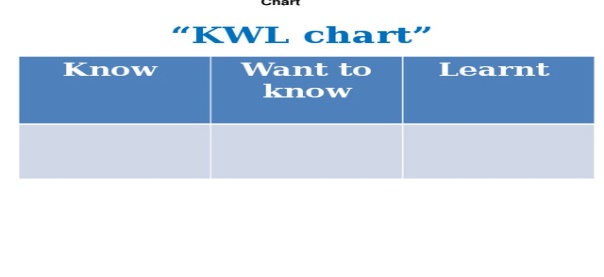
Poster KWL chart |
|
жүктеу мүмкіндігіне ие боласыз
Бұл материал сайт қолданушысы жариялаған. Материалдың ішінде жазылған барлық ақпаратқа жауапкершілікті жариялаған қолданушы жауап береді. Ұстаз тілегі тек ақпаратты таратуға қолдау көрсетеді. Егер материал сіздің авторлық құқығыңызды бұзған болса немесе басқа да себептермен сайттан өшіру керек деп ойласаңыз осында жазыңыз
The "no impact" family
|
Unit: Our World lesson 4 |
School: S. Erubaev |
||
|
Date: 11.09.2023 |
Teacher name: S. Murataliyeva |
||
|
Grade: 8 |
Number present: |
absent: |
|
|
Lesson title |
The "no impact" family |
||
|
Learning objectives |
8.4.5.1 deduce meaning from context in short texts and some extended texts on a growing range of familiar general and curricular topics 8.2.3.1 understand with little or no support most of the detail of an argument in extended talk on a wide range of general and curricular topics 8.3.3.1 give an opinion at discourse level on a range of general and curricular range of unfamiliar general and curricular topics, including some extended texts |
||
|
Lesson objectives |
Learners will be able to: • Learn how to predict before you read. • Read about a family that wants to reduce its impact on the environment. • Read for general meaning and specific information. • Learn about compound nouns |
||
|
Value links |
Honesty – You may highly value telling people the truth. This one gets tricky when being honest can be hurtful to others. So, a person who really puts honesty first might be the sort of person who will tell the truth even if it hurts to do so. |
||
|
Plan |
|||
|
Stages / Time |
Teachers’ actions |
Students’ actions |
Assessment criteria |
Resources |
|
Start |
Organization moment 1.Greeting. Ask about the weather. Warm-up • With books closed, write the words low impact and high impact on the board. • Explain that your impact on the environment is the effect that you have, through things you do such as travelling and using energy. • Ask students if they think they have a low impact or a high impact on the environment. Ask how they could reduce their impact. Lead - In
|
“The wish flower” method helps to start the lesson with good wishes to each other. The aim: To develop Ss speaking skills and create friendly atmosphere Efficiency: By wishing each other they feel better and feel the support of others. Students introduce themselves Students say different words from the picture |
At the organization moment T tries to award active Ss. «The praise» method is used to evaluate Ss with phrases like: “Good job! Well done!” Formative Assessment
Good job! Assessment criteria - Learn the negative and question forms of the past simple. |
Pictures PPT Student’s book |
|
Main part |
Ex: 1 p:10 • Refer students to the pictures and the title of the text. Explain that trying to predict what the text is about before they read will help them to understand it better. • Students decide which of the sentences they think are true and false. They can discuss their ideas in pairs. , • Encourage students to read the text quickly to check their ideas. Tell them not to worry about the gaps at this stage. Ex: 2 p: 10 • Focus students on the sentences and explain that these complete the gaps in the text. • Explain that students should read each paragraph carefully. When they reach the gap, they should read through all the options to see which one contains information which is correct and relevant. • Students can work individually then compare their ideas in pairs Ex: 3 p:10 • Read through the information and examples with the class. Students find four more compound nouns in the text. Ask them to read silently then put up their hands when they find one, for you to write on the board. There are several more examples in the text, so you can stop at four or carry on with more examples • In a stronger class, ask students if they can think of any more examples that aren’t in the text. Ex: 4 p:10 • Explain that students are going to practise some more compound nouns. • Students complete the sentences individually, then compare with a partner. In a weaker class, do the first item as an example. |
Students look at the photos and the title of the text. Predict which of the sentences are true or false. Then read the text and check your answers. ANSWERS : 1 True. 2 False. 3 True. 4 True. 5 False. 6 True. Students complete the text with sentences. There is one sentence that you don’t need. Then listen and check your answer. ANSWERS: 1 b 2 e 3 c 4 a Students read the information and complete the examples. Then find four more compound nouns in the text. ANSWERS : 1 shopping 2 bed 3 washes More compound nouns in the text: toilet paper, dishwasher, light bulb, bathroom, shampoo bottles, toothpaste, secondhand things, plastic bags, takeaway food, plastic cup, plastic pots, lifestyle Students complete the sentences with the words in the box. ANSWERS : 1 strawberry 4 washing 2 Christmas 5 kitchen 3 shopping 6 chicken |
Descriptor: - read the text Total: 1 point Differentiation: Modelling- teacher gives clear description of the task with examples Descriptor: - complete the text with sentences Total: 1 point -Make CCQ questions Yes / No Descriptor: - read the information and complete the examples Total: 1 point Descriptor: - complete the sentences with the words in the box Total: 1 point |
Cards Worksheets |
|
End |
Home task: Ex: 4 P: 25 WB |
|
Poster KWL chart |
|
шағым қалдыра аласыз