ЖИ көмекші


 Қауіпсіз төлем

жүктеу мүмкіндігіне ие боласыз
Бұл материал сайт қолданушысы жариялаған. Материалдың ішінде жазылған барлық ақпаратқа жауапкершілікті жариялаған қолданушы жауап береді. Ұстаз тілегі тек ақпаратты таратуға қолдау көрсетеді. Егер материал сіздің авторлық құқығыңызды бұзған болса немесе басқа да себептермен сайттан өшіру керек деп ойласаңыз осында жазыңыз
 12 Ақпан 2025
 406
406
1 жыл бойы шексіз жүктеңіз
The Power of Kindness and Friendship in Combating Bullying.
Name of the organization where the work was completed: KTL "Auzhan"
Topic of the project work: “The Power of Kindness and Friendship in Combating Bullying”.
Direction: Foreign languages
Executor: Nurali Yasiranur (4th grade student, KTL "Auzhan", Shymkent)
Scientific supervisor: Anarkulova Ulbike Sailaubayevna (English teacher, KTL "Auzhan")
Year of work completion: 2024.
Contents
1. Abstract 3
2. Introduction 4
3. Research part 5
4. Conclusion 8
5. Appendixes
1. Abstract
The abstract delves into the vital role of kindness and friendship in combatting bullying, emphasizing the promotion of empathy, establishment of support networks, cultivation of positive relationships, and empowerment to counter bullying behavior.
• This synopsis underscores the significance of nurturing a culture of kindness, fostering strong friendships, and promoting respect to cultivate a secure and supportive environment that discourages bullying.
• It underscores the influence of small gestures of kindness and meaningful connections in addressing and preventing bullying within communities.
The research employed various methodologies:
• Storytelling: Utilizing personal anecdotes, case studies, visual narratives, community involvement, and interactive storytelling.
• Visual aids, such as posters, videos, photographs, charts, and graphs, are highly effective in conveying the message of kindness, friendship, and the fight against bullying.
• Videos serve as a potent tool to captivate and educate the audience.
• The experimental aspect of the project involves a random acts of kindness experiment, friendship-building activities, and kindness challenges.
The project holds practical significance as the materials developed can be utilized for educational and outreach initiatives. By integrating an experimental element, the project not only raises awareness about the importance of kindness and friendship but also gathers valuable insights on how these factors can impact attitudes and behaviors concerning bullying prevention.
2. Introduction
2.1 Project goal: The primary objective of this initiative is to enhance awareness regarding the significant role of kindness and friendship in effectively addressing bullying. By encouraging acts of kindness, nurturing strong friendships, and advocating for an environment characterized by empathy and support, our aim was to establish a community where individuals are empowered to confront bullying.
2.2 Location
The project was executed within school classrooms, workplaces, and community centers, with a strong focus on engaging students in the development of materials and their dissemination through school presentations, exhibitions, and various social media platforms.
2.3 Practical Significance
This project serves to highlight its importance, achievements, and the positive transformations it aims to instigate in the fight against bullying through the promotion of kindness and friendship.
3. Research
The topic "The Power of Kindness and Friendship in Combating Bullying" conducting research is essential to support our initiatives with evidence – based approaches and insights.
3.1 Research Materials and Methods
3.1.2 Materials:
- Utilize storytelling by sharing personal narratives showcasing the impact of kindness.
- Incorporate visual aids such as slides containing images, quotes, and pictures.
- Use graphic editors like Canva and Adobe Photoshop for creating advertising materials.
3.1.3 Research Methods:
Analytical Method:
- Examine successful instances of social advertising.
- Investigate issues concerning priority setting, intervention strategy development, and effective measures against bullying.
Creative Approach:
- Emphasize the value of creativity in combating bullying.
Experimental Method:
- Test the developed materials in school environments and on social networks, gathering feedback for improvement.
Communicative Method:
- Facilitate discussions and presentations to enhance audience engagement and gather suggestions for enhancement. Communicative methods, including communicative language teaching and learning, aim to engage students in developing skills.
3.2 Project implementation stages:
Stage 1: Preparation
• Defining the goal and objectives.
• Gathering information: reviewing literature, analyzing current issues.
• Establishing a team and assigning roles.
• Creating a project schedule: setting deadlines and allocating resources.
Stage 2: Exploration and Innovation
• Choosing a theme and outlining materials.
• Developing materials: creating posters, worksheets, videos.
Stage 3: Execution
• Delivering presentations at the school.
-
Outcomes:
Following a focused effort on \The Power of Kindness and Friendship in Combating Bullying\ for three weeks, it is crucial to evaluate the outcomes and discuss their implications.
1. Enhanced Awareness:
• An outcome was an increased understanding among participants regarding the importance of kindness and friendship in preventing and addressing bullying.
2. Strengthened Peer Relationships:
• Students have cultivated stronger bonds of friendship and a sense of unity.
3. Improved Communication Abilities:
• Engaging in activities centered on kindness and friendship has boosted participants' communication skills, crucial for resolving conflicts and fostering positive interactions.
4. Feedback and Reflection:
The project has collected feedback from participants regarding their experiences and the efficacy of the conducted activities.
3.4 Discussion Points:
- Evaluation of Activity Effectiveness
- Challenges Encountered
- Sustainability Considerations
- Future Steps to be Taken
4. Conclusions:
- Heightened Awareness: The project has raised awareness regarding the significant role of kindness and friendship in addressing bullying, fostering an environment of empathy and support.
- Positive Behavioral Shifts: Classes have displayed favorable behavioral transformations, indicating a growing tendency towards empathy and the establishment of positive connections.
- Activity Assessment: Findings from the assessment of the project's activities and initiatives on participants have been shared.
4.1. Conclusion
1. Celebrating Successes: Celebrate achievements based on the project’s results and rewards contributors to the project.
2. Learning from Experiences: By reflecting on the project outcomes, successes, and insights gained, lessons can be learned for future project planning.
3. Strategies for the Future: Develop strategies and recommendations for planning more effective and comprehensive projects in similar areas in the future based on project outcomes.
4.2 Recommendations
Comprehensive Training.
Collaboration with Stakeholders.
Awareness Campaigns.
Monitoring and Evaluation.
Peer meditation programs.
Professional development.
4.1 Conclusion:
1. Acknowledging Achievements: Acknowledge and celebrate successes stemming from the project's outcomes, recognizing and rewarding those who contributed to its success.
2. Extracting Insights: Reflect on the project's results, successes, and acquired knowledge to extract valuable lessons for future project planning endeavors.
3. Future Planning Approaches: Formulate strategies and suggestions aimed at enhancing the effectiveness and scope of forthcoming projects in related domains, drawing upon the lessons learned from the current project.
4.2 Recommendations:
1. Extensive Training Programs.
2. Engaging Stakeholders in Collaborative Efforts.
3. Conducting Awareness Campaigns.
4. Implementing Monitoring and Evaluation Mechanisms.
5. Instituting Peer Mediation Initiatives.
6. Investing in Professional Development Opportunities.
5. List of used literature
1. Coloroso, B. (2003). The bully, the bullied and the bystander: Breaking the cycle of violence. Srsd119. Ca.
2. Simmons, R. (2011). Odd girl out: The hidden culture of aggression in girls. Houghton Mifflin Harcourt.
3. Bolton, J., & Graeve, S. (2011). No room for bullies: From the classroom to cyberspace. Boys Town Press.
4. Demir, M. (Ed.). (2015). Friendship and happiness: Across the life-span and cultures. Springer.
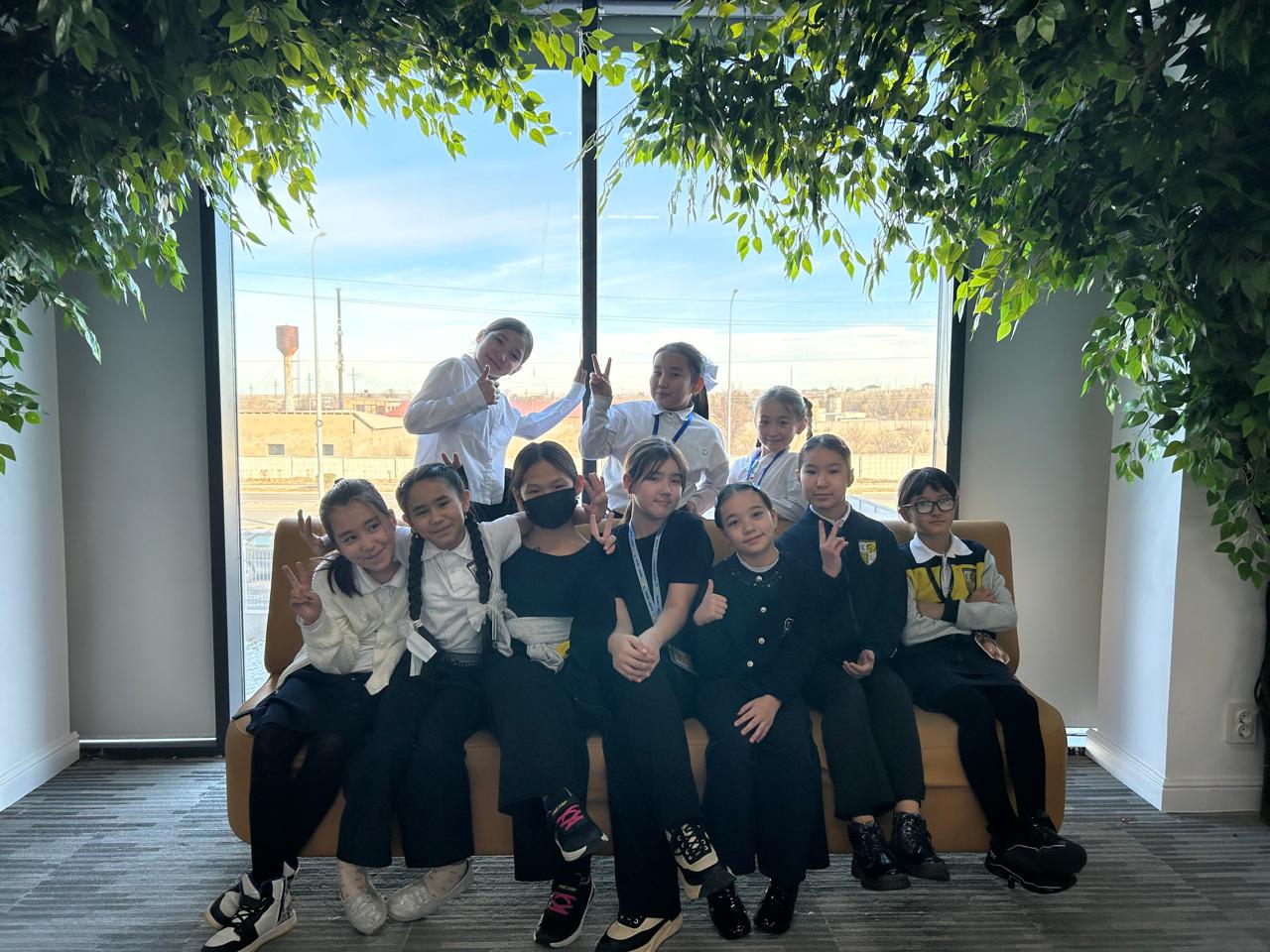
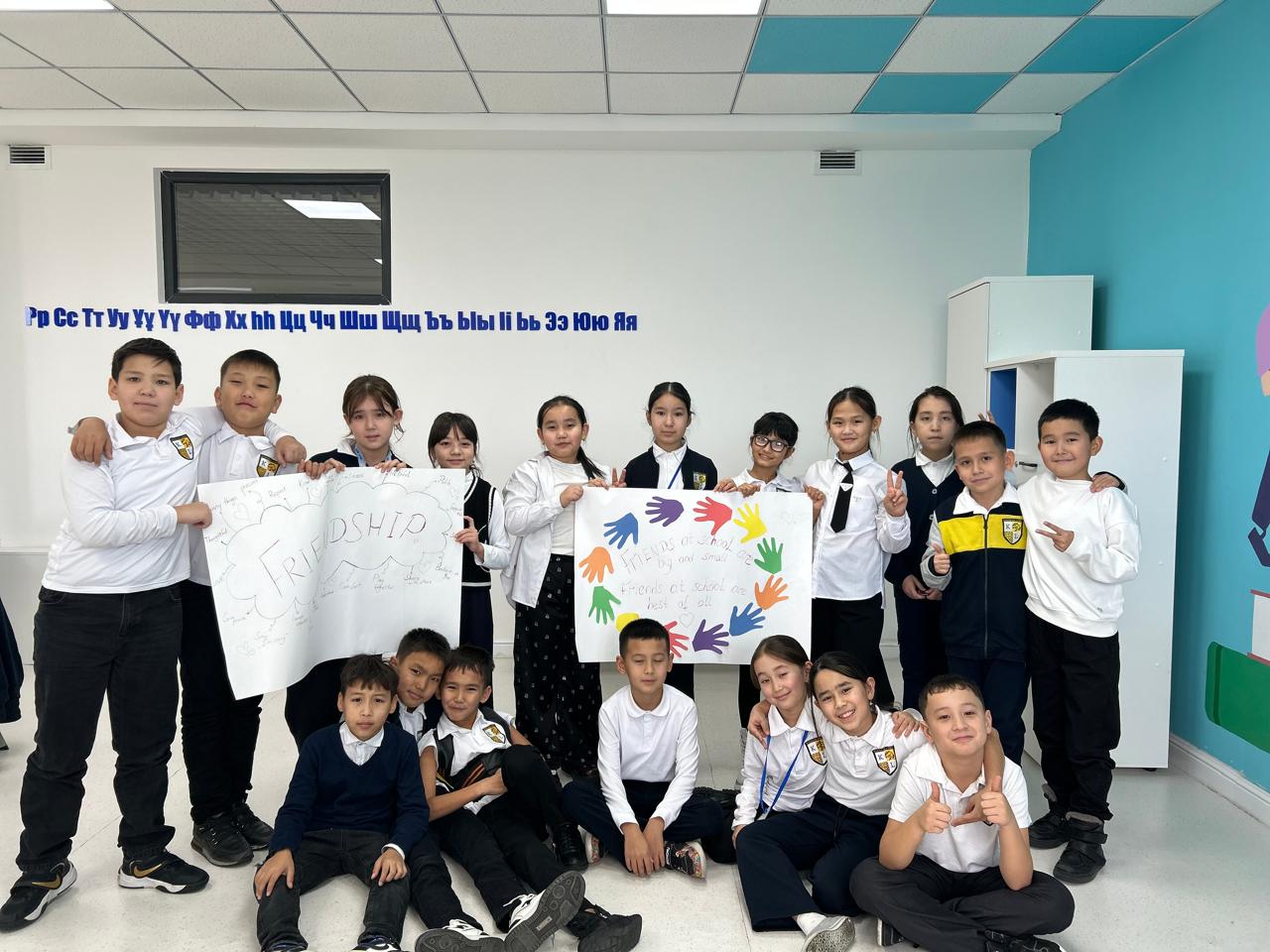
WHEN WE ARE TOGETHER
WE ARE STRONGER…
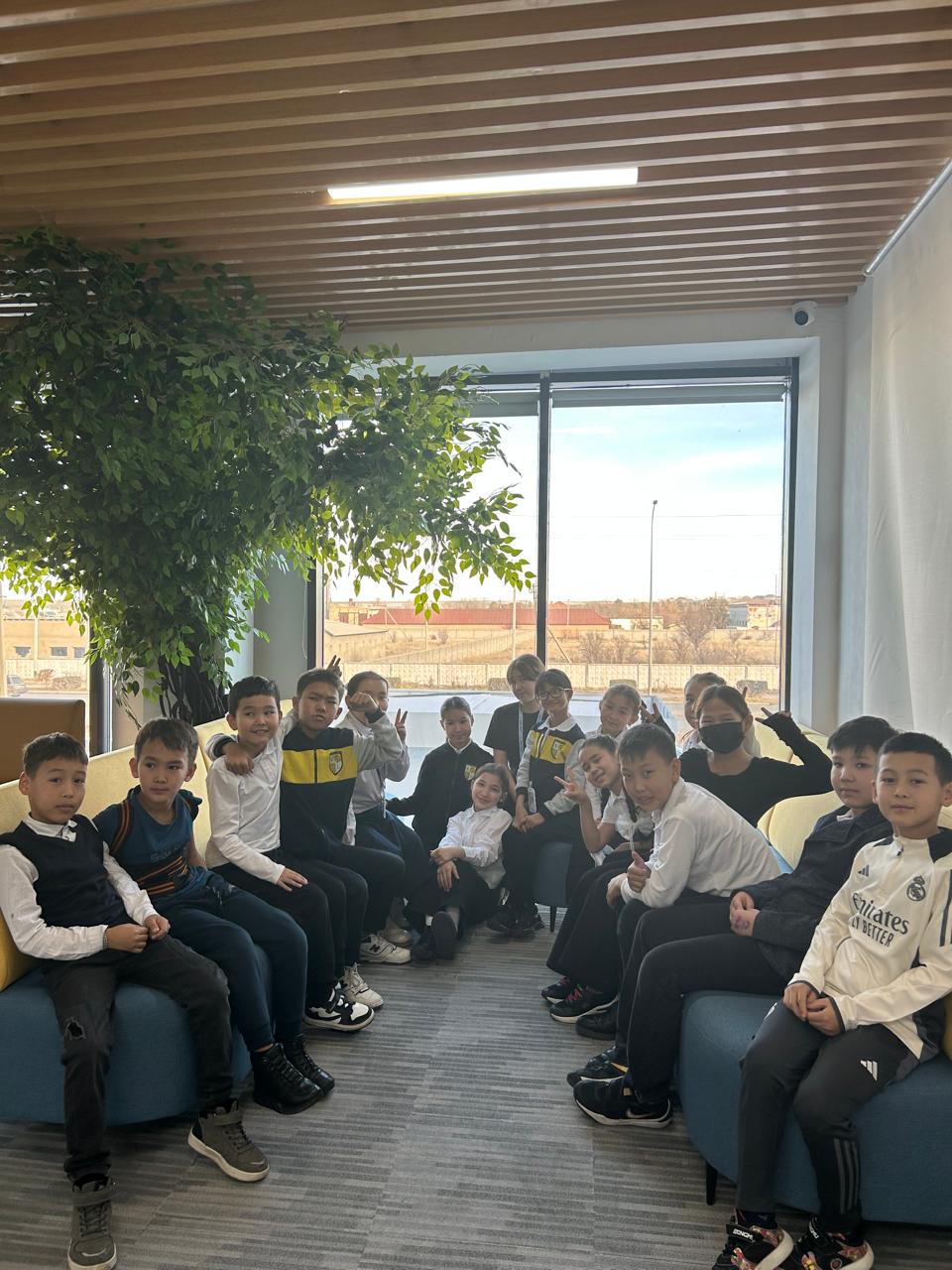
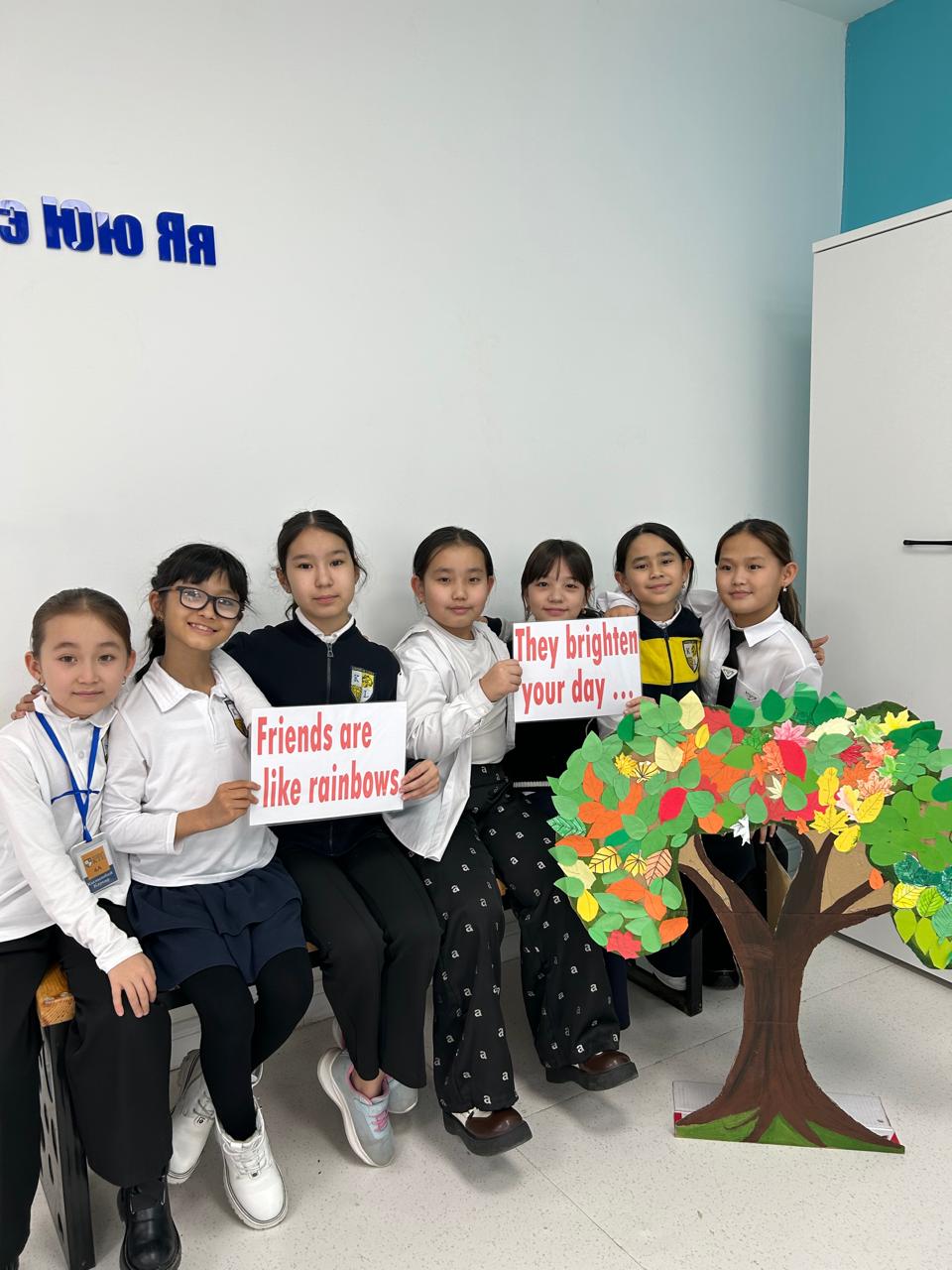
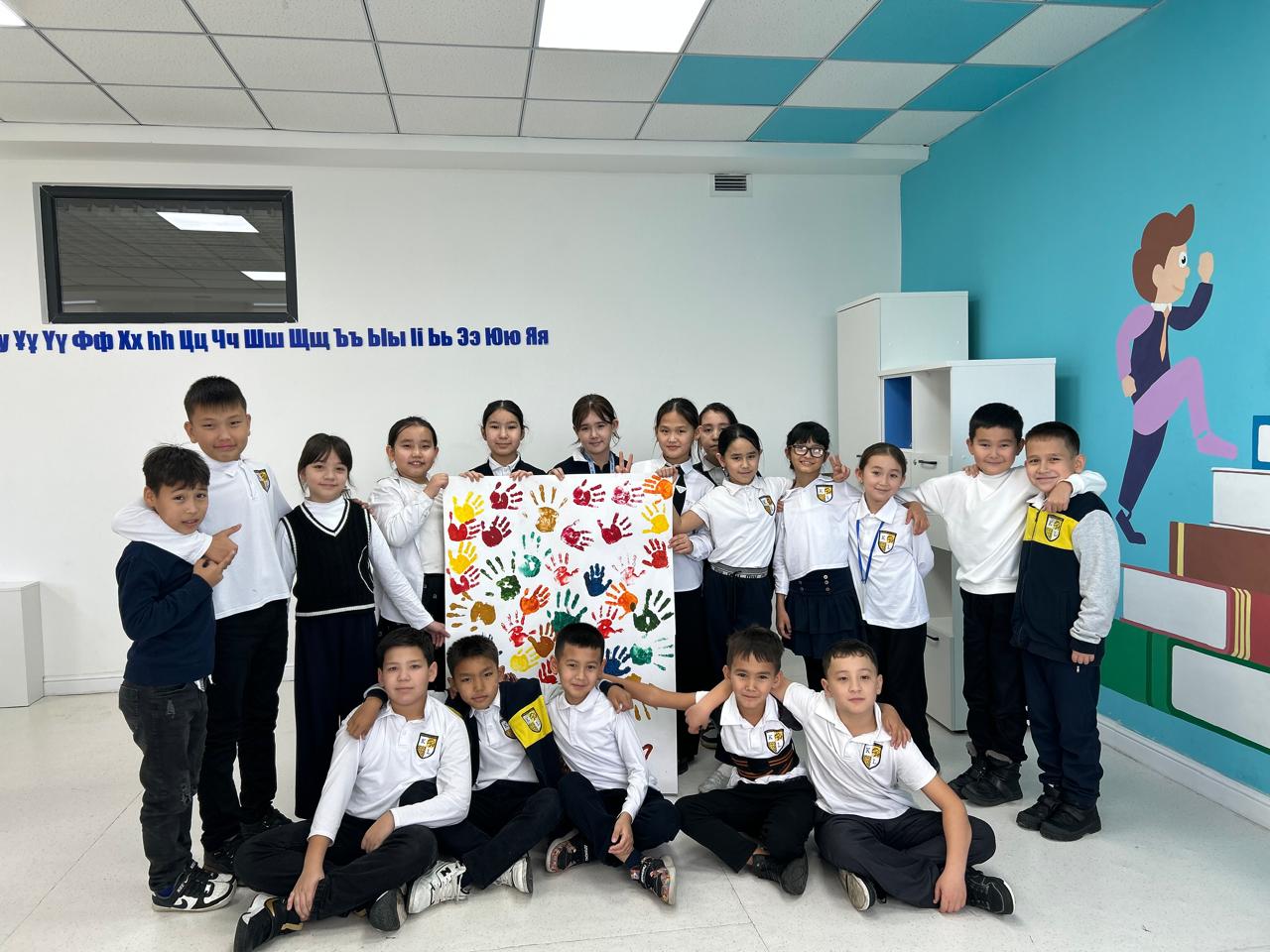
Friendship is not a big thing…
it is a million little things.
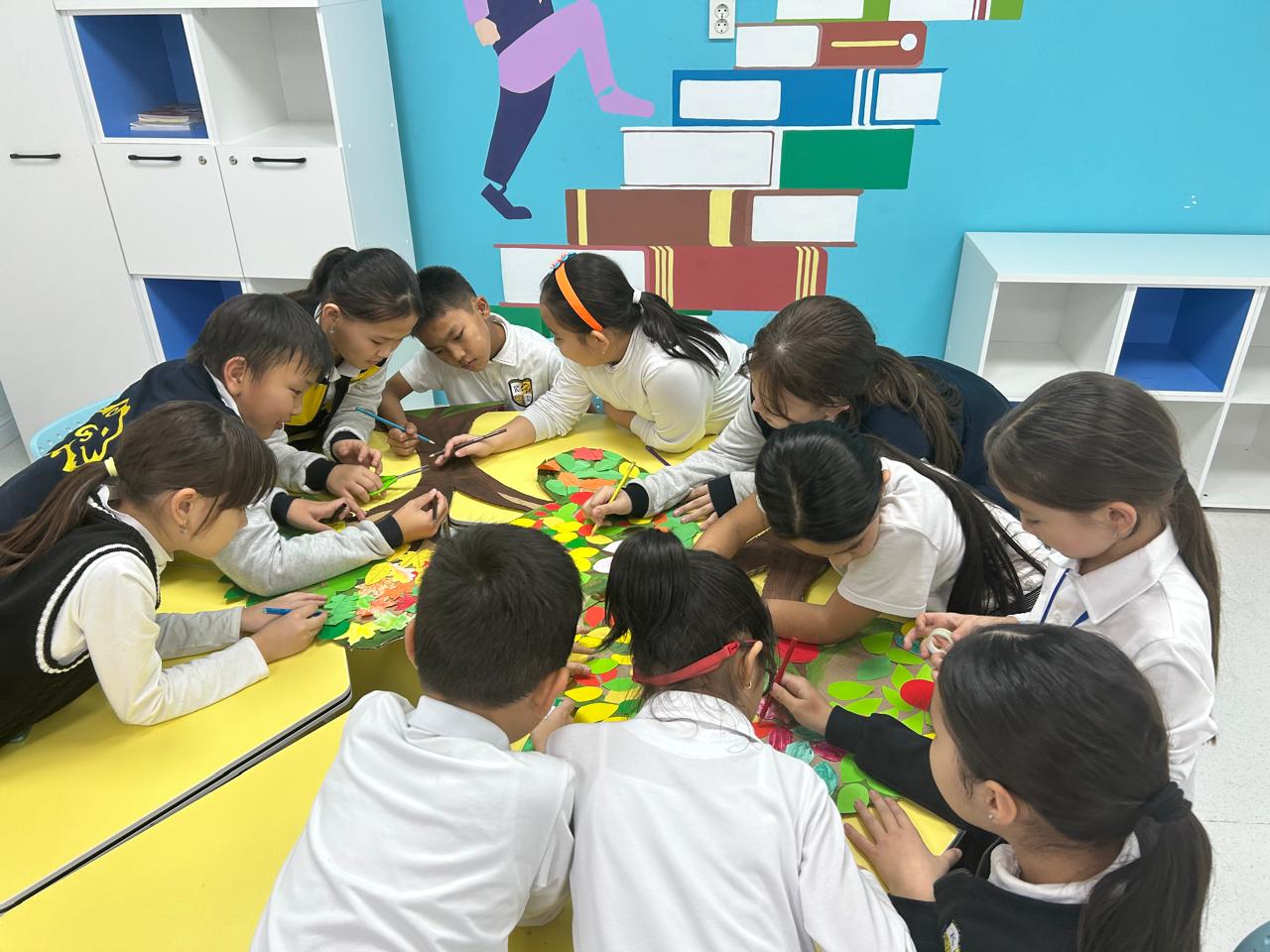
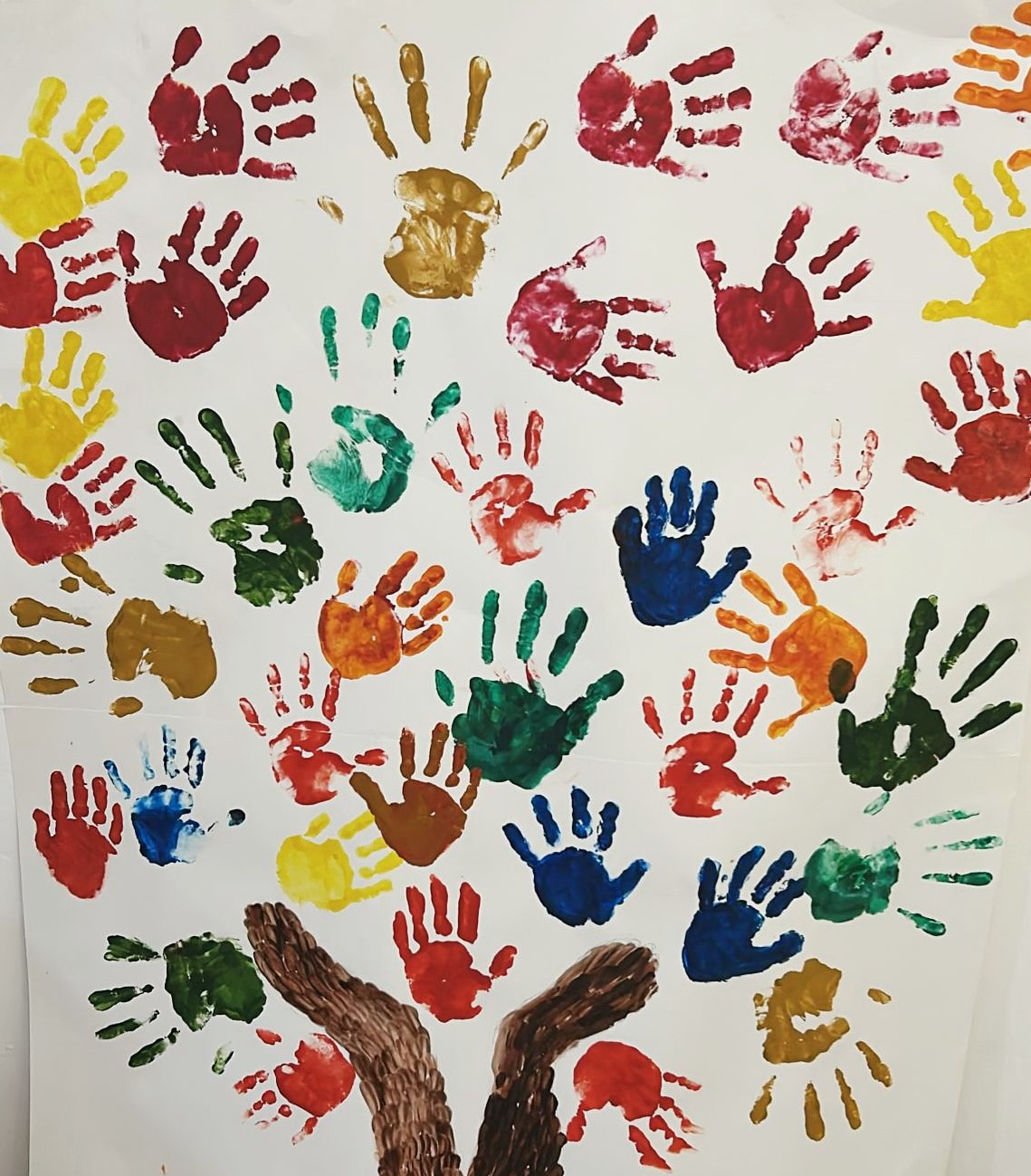
Our Friendship Tree is
as colourful and strong as ourselves.
16









 Бұл курс Қазақстан Республикасы Оқу-ағарту министрлігімен келісілген