
 ЖИ көмекші


жүктеу мүмкіндігіне ие боласыз
Бұл материал сайт қолданушысы жариялаған. Материалдың ішінде жазылған барлық ақпаратқа жауапкершілікті жариялаған қолданушы жауап береді. Ұстаз тілегі тек ақпаратты таратуға қолдау көрсетеді. Егер материал сіздің авторлық құқығыңызды бұзған болса немесе басқа да себептермен сайттан өшіру керек деп ойласаңыз осында жазыңыз
 21 Ақпан 2025
 156
156
The Worth of Wealth
Short term plan: term 3
|
Unit 5: Reading for pleasure |
Lesson |
||
|
Teacher name: |
|
||
|
Date: |
17.01 |
||
|
Grade: 9 A, B |
Number present: |
absent: |
|
|
Lesson title |
The Worth of Wealth |
||
|
Learning objectives |
9.2.6.1 deduce meaning from context in unsupported extended talk on a wide range of general and curricular topics, including talk on a limited range of unfamiliar topics 9.3.8.2 recount extended stories and events on a wide range of general and curricular topics 9.4.5.1 deduce meaning from context in short texts on a limited range of familiar general and curricular topics |
||
|
Lesson objectives |
Learners will be able to: - introduce the topic and key vocabulary -listen and read for gist - read for specific information (multiple choice) |
||
|
Value links |
Honesty – You may highly value telling people the truth. This one gets tricky when being honest can be hurtful to others. So, a person who really puts honesty first might be the sort of person who will tell the truth even if it hurts to do so. |
||
|
Plan |
|||
|
Stages / Time |
Teachers actions |
Students actions |
Assessment criteria |
Resources |
|
Beginning of the lesson Warming-up
3 min Pre-learning «Brainstorming» method 7 min. |
Organization moment : 1.Greeting. Ask about the weather. The teacher sets the lesson objectives, letting students know what to anticipate from the lesson. Warming up Where are you from? How old are you? What color is it? How many students are there in class? What day of the week today? revise the language from the previous lesson Lead – In
|
The aim: To develop pupils speaking skills and create friendly atmosphere Students of the class are listed. Students' attention is drawn to the lesson. • Learners talk about daily routines previous lesson vocabulary Determines the topic and purpose of the lesson Students say different words from the picture |
The teacher to assess learners for their ability. “Good job! Well done!” Formative Assessment
Good job! Descriptor: - talk about daily routines Point 1 Assessment criteria - Learners have met the learning objectives if they can talk about |
Pictures worksheet Student’s book |
|
Middle of the lesson Presentation part. 30 min |
Ex:1 P:58 • Ask Ss to look at the list of the Seven Deadly Sins. Elicit what, if anything, Ss know about them. Allow Ss time to check the words in their dictionaries. Elicit answers from Ss around the class. Ex: 2 P: 58 • Ask Ss to read the title and the first sentence in each paragraph. Elicit Ss' guesses as to what the folk tale is about and which of the Seven Deadly Sins it refers to. Play the recording. Ss listen and read the text to find out the answers Differentiation: «Verbal support» method is used to help Ss use new words in the sentences. Ex: 3 P: 59 • Ask Ss to read the questions (1-4) and answer choices A-C. Give Ss time to read the text and complete the task. Check Ss' answers around the class. Ex: 4 P: 59 •Direct Ss to the words in bold in the text and then give them time to match them to the definitions in the list. Check Ss' answers. Ex: 5 P: 59 •Give Ss time to consider the question. Then ask various Ss around the class to share their answers with the class. Ex: 7 P: 59 •Ask Ss to read the events and put them in the correct order referring back to the text as necessary. Check Ss' answers. Conclusion during the lesson some tasks differentiated by outcomes of the students and by their abilities. |
•Pupils look at the list of the Seven Deadly Sins. Use your dictionary to explain their meaning. ANSWERS Pride = a very high opinion of yourself Envy = jealousy of others Gluttony = being greedy with food Lust a strong desire to have sth Anger = strong negative feelings against sb Greed = having a selfish desire for wealth or power Sloth = being very lazy •Pupils read the title and the first sentence in each paragraph. Answer the question. ANSWERS I think the folk tale is about greed. •Pupils read the folk tale and for question choose the correct answer. ANSWERS 1 C 2 A 3 B 4 A •Pupils match the words in bold to their meaning. Use your dictionary. ANSWERS poverty = the state of not having enough exhausted = very tired starving = extremely hungry abandoned = with no one living there contented = the state of being happy with what you have eternal = lasting forever. •Pupils find the moral in the folk tale. ANSWERS I think the moral of the story is that if you are greedy nothing will ever be enough and you will never be happy •Pupils put the events in the order they happened. ANSWERS a 3 b 6 c 2 d 7 e 5 f 1 g 9 h 8 I 4 |
Descriptor: - look at the list - use your dictionary to explain their meaning. Total: 2 point
Descriptor: - read the title - answer the question. Total: 2 point Descriptor: - match the words - use your dictionary. Total: 2 point Descriptor: - read the folk tale -. choose the correct answer Total: 1 point Descriptor: - find the moral in the folk tale. Total: 1 point -Make CCQ questions Yes / No Total: 1 point Total: 10 point |
Card Worksheet Students book |
|
End of the lesson 5 min |
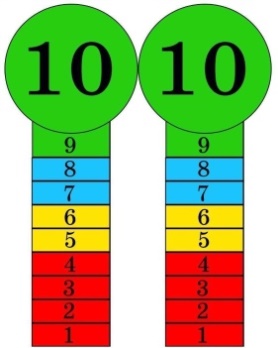
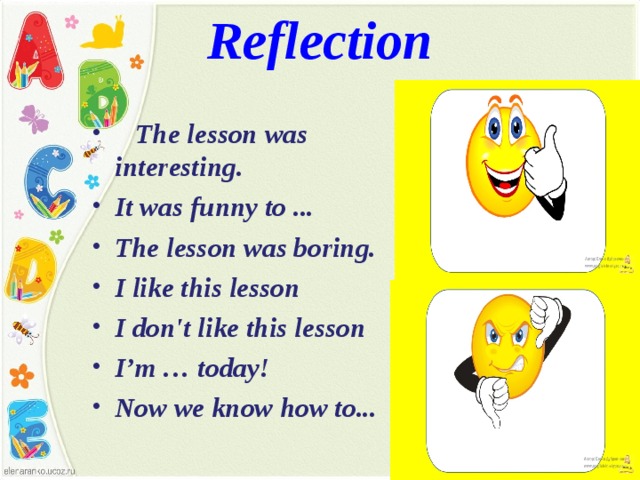
FEEDBACK Learners provide feedback on what they have learned at the lesson. Ex: Home task: |
|
Poster Success
|
|






 Жүктеу


 Жүктеу
шағым қалдыра аласыз

 Бұл курс Қазақстан Республикасы Оқу-ағарту министрлігімен келісілген










