
 ЖИ көмекші


жүктеу мүмкіндігіне ие боласыз
Бұл материал сайт қолданушысы жариялаған. Материалдың ішінде жазылған барлық ақпаратқа жауапкершілікті жариялаған қолданушы жауап береді. Ұстаз тілегі тек ақпаратты таратуға қолдау көрсетеді. Егер материал сіздің авторлық құқығыңызды бұзған болса немесе басқа да себептермен сайттан өшіру керек деп ойласаңыз осында жазыңыз
 13 Қаңтар 2025
 279
279
Think for Kazakhstan 3 тоқсан қмж
Қысқа мерзімді жоспар Lesson plan
|
Unit:5 |
READING FOR PLEASURE |
|||||
|
Teacher name: |
|
|||||
|
Date: |
|
|||||
|
Grade: 9 |
Number present: |
absent: |
||||
|
Theme of the lesson:
|
ELEMENTS OF A STORY |
|||||
|
Learning objectives |
9.4.1.1 - understand the main points in extended texts on a range of unfamiliar general and curricular topics; 9.3.4.1 - respond with growing flexibility at both sentence and discourse level to unexpected comments on a range of general and curricular topics; |
|||||
|
Lesson objectives |
All learners will be able to : talk about their holidays using pictures and write sentences using if clauses; talk about their creativity describing place, objects and write some sentences; |
|||||
|
Lesson structure |
||||||
|
Planned timings |
Teacher activities |
Student activities |
Ass-t |
Resources |
||
|
Beginning the lesson 10min |
Greeting: learners respond to greeting of the teacher and take their places. Warming up: “I know …” activity. - Which artists, musicians and writes do you know? - Do you paint, draw or write? How often do you go to the cinema or theatre? - How do you think what theme have we got for today? Teacher introduces lesson objectives and Assessment Criteria to the learners. |
Sts respond to greeting of the teacher and take their places Answer the following questions. |
|
Student’s book. |
||
|
Main Activities 20 min |
1 Books open. Focus attention on the photos and nominate students to describe them. They could try to match each picture with the things in Exercise 1. Check/clarify: thriller (give an example of a thriller movie); grabbed (caught your interest); anecdote (a short story). To get students started on Exercise 1, give some examples of your own. Allow students three minutes to think of an example of each of the four things. Monitor and help with vocabulary. 2 SIn pairs or small groups, students compare examples. To give the task a communicative aim, ask students to try to convince their partners to see their favourite film/thriller, etc. Alternatively, ask students to describe fairy stories without saying the name for their partner to guess. 3 In pairs, students list as many reasons as they can. Hold a class discussion and write their ideas on the board. This will facilitate feedback on Exercise 4. 4 Students read and compare their ideas from Exercise 3 to those of the author. Tell them not to worry about unknown words, but to focus on getting an overall understanding of the main points of the article and on checking which of their reasons were mentioned. Check answers in open class referring back to the reasons listed on the board. 5 Ask students to read the questions and underline any difficult words or phrases. Clarify these in open class. Ask students to try to answer the questions from memory before looking back at the text to check. Encourage them to underline the key parts of the text that gave them their answers. Students compare in pairs. During feedback, ask students to refer to the text they underlined to justify their answers Suggested answers 1 films, thriller novels, jokes and anecdotes 2 The writer is showing that stories are not just for entertainment. They also have other functions, for example to warn people of dangers. 3 He wasn’t intending to entertain his friends with his story. They shared their stories about remote places enabling people to learn about different places. These stories have been passed down from generation to generation. 5 Story tellers travelled a lot, bought new stories back with them and taught people about distant places. 6 They can be used to pass down wisdom and knowledge from generation to generation, and to reflect the identity of that culture or country. SPEAKING Divide the class into pairs or small groups to discuss the questions. You may like to give some examples of your own and perhaps even tell them a story from your childhood. While monitoring, encourage quieter students to express themselves. For feedback, make new pairs and ask students to tell their new partner the stories they heard from their previous partner. |
Match the words with their definitions
students compare examples
students to read the questions and underline any difficult words or phrases |
10 |
Picture Student’s book.
A table |
||
|
End 10 min
|
Concluding the lesson «60 seconds» Choose a few students and give each 60 seconds to summarize important concepts that they have covered during the lesson Home task : WB p. 68-69 Feedback: Plus/Minus/Delta (+/-/∆) Saying Good bye. |
Sts reflect the lesson
|
oral |
Slips of paper |
||
Қысқа мерзімді жоспар Lesson plan
|
Unit:8 |
Creativity |
|||||
|
Teacher name: |
|
|||||
|
Date: |
|
|||||
|
Grade: 5 |
Number present: |
absent: |
||||
|
Theme of the lesson:
|
Films and stories |
|||||
|
Learning objectives |
5.S3 give an opinion at sentence level on a limited range of general and curricular topics 5.S4 respond with limited flexibility at sentence level to unexpected comments on an increasing range of general and curricular topics 5.UE1 use a structure to be going to express intention and plan on a limited range of familiar general and curricular topics ( Ex.1 - 2 p.99) 5.W3 write with support factual descriptions at text level which describe people, places and objects to visit and activities (Ex.3-4 p.99) 5.W6 link, with some support, sentences into coherent paragraphs using basic connectors on a limited range of familiar general topics (p.100) 5.C9 use imagination to express thoughts , ideas, experiences and feelings describing a film (Film review) |
|||||
|
Lesson objectives |
All learners will be able to: To make simple sentences about films and name the types of films Some learners will be able to express their opinion about films and to make sentences Most of learners will be able to: Understand specific vocabulary and to make the sentences |
|||||
|
Lesson structure |
||||||
|
Planned timings |
Teacher activities |
Student activities |
Ass-t |
Resources |
||
|
Beginning the lesson 5min |
1.Greeting. Organization moment Greetings, Good morning pupils! Who is on duty today? Who is absent? Teacher introduces lesson objectives and Assessment Criteria to the learners. |
Sts warm/greet the teacher |
|
|
||
|
Main Activities 25min |
Task 1. Match the types of films 1-8 with the descriptions a-h 1a fantasy film a) has a lot of fights and car chases 2A horror film b) makes people laugh 3A historical film c) has lots of aliens and spaceship 4an action film d) has a boy and girl falling in love 5a musical e ) is about ghosts and monsters 6 a science fiction f) has lots of knights and sword fights 7a romance g) has lots of dancing and singing 8a comedy h) is about wizards and magic Task 2. Think of examples of each type of film in exercise1 Test your partner with your ideas Task 3 .Do the film Quiz. Then listen and check your answer . What are the names of films? A fish looks for his son and has lots of adventures A) Losing Nemo B) Finding Nemo A young wizard fights a dark wizard A) Harold Porter B) Harry Potter A prince is turned into a beast and a princess helps save him A)The prince and the Beast B) Beauty And the Beast A man from another planet who has special powers to stop lots of criminals A) Batman B) Superman A lonely Kazakh teenager called Aslan is bullied at his new school A)Hard lessons B) Harmony lessons Task 5 you are going to plan a film project at school. Answer the questions with 4 sentences about your plans for the film. What sort of film is it going to be? What is the story going to be? Who is going to be the main actor? Who is going to direct the film? Teacher will say: You are perfect, Good job, Great work, Well done, Excellent, Great improvement, I knew you could it, I am proud of you, You are incredible. |
Sts match the types of films
Answer the questions and check your answer with your partner. |
10 |
S/B |
||
|
Last 10min
|
Open the “Magic box” and take one of the stickers. If you make up the sentences, you’ll have the ticket to the cities. Home task: Film review Saying goodbye |
Sts reflect the lesson |
oral |
Stickers |
||
Қысқа мерзімді жоспар Lesson plan
|
Unit:5 |
READING FOR PLEASURE |
|||||
|
Teacher name: |
|
|||||
|
Date: 9 |
|
|||||
|
Grade: |
Number present: |
absent: |
||||
|
Theme of the lesson:
|
Everybody loves stories The passive (review):Past Cont. Passive |
|||||
|
Learning objectives |
9.4.1.1 - understand the main points in extended texts on a range of unfamiliar general and curricular topics; 9.4.2.1 - understand specific information and detail in texts on a range of familiar general and curricular topics, including some extended texts; |
|||||
|
Lesson objectives |
Some learners will be able to: Identify facts and details in extended talks with little support |
|||||
|
Lesson structure |
||||||
|
Planned timings |
Teacher activities |
Student activities |
Ass-t |
Resources |
||
|
Beginning the lesson 5min |
1.GreetingOrganization moment A)Greeting B)Checking the attendance Warm up activity: we stand around (take your hands) and we wish each other good wishes For example: Be clever, You are nicer, I wish you happy! I want divide you into 2 groups using sweets (green, yellow) Come to me and choose any sweets. Who has green sweets? Who has yellow sweets? Please, sit here. |
Sts warm/greet the teacher Sts work in pairs / groups, talk about these topics or words from the article. |
|
|
||
|
Main Activities 20min |
Books closed. To introduce this topic, do an internet image search on book covers before the class and choose a mix of different ones to display on the board. Ask students to guess the types of story from the images. Try to elicit some of the types of story included in Exercise 1. Books open. Focus attention on the book covers and ask students to match them to numbers 1–9 in pairs. Play the audio for students to check their answers. You could play it again for them to repeat. Pay attention to the /ʧ/sound of the second ‘t’ in literature and the elision of the /t/ on short in short stories. Answers A 3 B 8 C 7 D 5 E 4 F 6 G 1 H 9 I 2 2 Check/clarify: fiction/non-fiction. In pairs, students discuss the question. Check answers. Answers (auto)biography; travel literature SPEAKING 1 Give an example to demonstrate the task. While monitoring, prompt students to use the second conditional in their answers. Elicit some of their choices and encourage reactions from the rest of the class. 2 Tell students they are going to prepare a short talk on reading. They should make notes on the two different points and give examples of the types of things they read. Monitor and help with any vocabulary questions. Before they begin speaking out loud, ask students to rehearse their talks for one minute(silently) in their heads. Mixed-ability Weaker students can write a set of simple sentences . Stronger students should develop their ideas and attempt to present their information in an interesting way (perhaps using rhetorical questions to draw in the listener.) Divide the class into small groups by level. Where possible, make the groups of ‘weaker’ students larger, so that all groups finish the activity at roughly the same time. Students take it in turns to give their talks. To give them a reason to listen, ask students to think of one question to ask each speaker once they’ve finished. LISTENING 1 Books closed. Find out how much students know about Stephen King. Write these questions on the board and elicit answers in open class: Where was he born? What did he do before becoming a writer? What was his first book? How many books has he written? Books open. Students check their answers by reading the fact file. Ask: Do you know any other authors who have written as many books as Stephen King? Have you read any of his books or seen any of the films of his books? Tell students they are going to listen to a conversation about a Stephen King story. Check/clarify: word processor (a computer). Before you play the audio, tell students not to worry about understanding every word but just to focus on answering the question. Allow students to compare answers with a partner before whole-class feedback. Answer Over load |
students to guess the types of story
students to match them to numbers 1–9
SPEAKING
Group work.
Answer the questions. |
10 |
Cards
Picture
Pictures |
||
|
Last 5min
|
Home task: Ex 4 Make questions with be going to Giving Feedback
Saying goodbye |
Sts reflect the lesson
|
oral |
|
||
Қысқа мерзімді жоспар Lesson plan
|
Unit: 5 |
Reading for pleasure
|
|||||
|
Teacher name: |
|
|||||
|
Date: |
|
|||||
|
Grade: 9 |
Number present: |
absent: |
||||
|
Theme of the lesson:
|
HOLLYWOOD FAIRY TALES Grammar Verbs which take gerund and infinitive
|
|||||
|
Learning objectives |
9.4.3.1 - understand the detail of an argument in extended texts on a range of familiar general and curricular topics, including some extended texts; 9.4.4.1 - read a range of extended fiction and non-fiction texts on familiar and unfamiliar general and curricular topics; |
|||||
|
Lesson objectives |
All learners will be able to:
Most learners will be able to:
Some learners will be able to: Interact in a pair, group and a whole class work presenting |
|||||
|
Lesson structure |
||||||
|
Planned timings |
Teacher activities |
Student activities |
Ass |
Resources |
||
|
Beginning the lesson 5min |
1.Greeting. Organization moment Warming up (date, weather, season, month, day of the week, feeling), сhecking absence |
Sts warm/greet the teacher |
|
|
||
|
Main Activities 20 min |
BACKGROUND INFORMATION Red Riding Hood is a 2011 film based on Little Red Riding Hood, produced by Leonardo Di Caprio and starring Amanda Sey fried. Catherine Hardwick (born 1955) is an American film director, whose works include Thirteen and Twilight, the opening weekend of which made it the most financially successful opening of all time for a female director. Twilight is a 2008 vampire romance film starring Kristen Stewart and Robert Pattinson. Hansel and Gretel: Witch Hunters is a 2013 film starring Jeremy Renner and Gemma Arterton. It is a comedy-action tale in which Hansel and Gretel work as paid killers. Jack the Giant Slayer is a 2013 film starring Nicholas Hoult and Eleanor Tomlinson. It is based on Jack and the Beanstalk. Snow White and the Huntsman is a 2012 film starring Charlize Theron and Kristen Stewart. It is based on the Grimm Brothers Snow White tale. The film received two Academy award nominations for Best Visual Effects and Best Costume Design. Brothers Grimm Jacob Grimm (1785–1863) and Wilhelm Grimm (1786–1859) were German authors. They are best known for collecting and publishing folk tales in the 19th century. Their most famous tales are Cinderella, Rapunzel and Snow White. The Hunger Games is a 2012 film starring Jennifer Lawrence. It was the first in a trilogy of films based on the Suzanne Collins Hunger Games novels. The film tells the story of a young girl who takes part in the Hun WRITING A fairy tale This exercise can be set as homework or done as a collaborative activity in class with students writing in pairs. To help students come up with ideas, have a class discussion about the main elements of classic fairy tales (good vs. evil; love; princes saving princesses; people becoming rich by doing good, etc.) Write students’ ideas on the board for them to refer to. You could input the typical fairy tale ending And they all lived happily ever after. Encourage students/pairs to plan before writing. Get them to write down the main points of their story in note form. At this stage they will become aware of any unfamiliar vocabulary they’ll need. They should also think about using a variety of narrative tenses and adjectives and adverbs to make their story more interesting. They could include examples of these in their plans. Monitor to input vocabulary and check that students are writing a plan rather than writing straightaway. If time allows, encourage students to use images to make their stories look interesting. When students have finished, make small groups for students to read each other’s stories and comment on how interesting/easy to follow they were. Ask students to count the number of narrative tenses used in each story – praise those who managed to include more than two. Finally, display the texts on the walls of the classroom for the rest of the class to read. |
Watching a video
Matching and read the text, answer the questions.
Read the text and connect the sentences
|
10 |
Video
Picture
Video S/B |
||
|
Last 5min
|
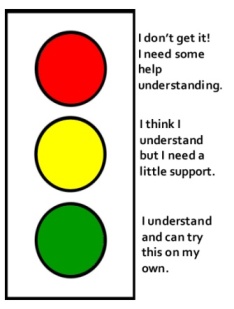
Feedback: Tree of success Green leaf - I totally understand Yellow leaf - I understand the lesson but I need some helps Red leaf - I don't understand Homework: WB p. 72-73 Saying goodbye |
S |
oral |
|
||
 ts reflect the lesson
Қысқа мерзімді жоспар Lesson plan
|
Unit: 5 |
READING FOR PLEASURE |
|||||
|
Teacher name: |
|
|||||
|
Date: |
|
|||||
|
Grade: 9 |
Number present: |
absent: |
||||
|
Theme of the lesson:
|
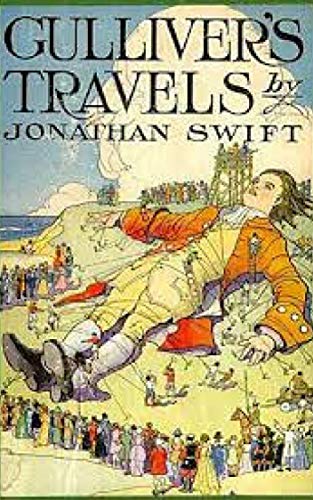
Gulliver’s travels
|
|||||
|
Learning objectives |
9.4.5.1 - deduce meaning from context in extended texts on a range of familiar general and curricular topics; 9.4.7.1 - recognise typical features at word, sentence and text level in a wide range of written genres; |
|||||
|
Lesson objectives |
All learners will be able to: FUNCTIONS encouraging someone Most learners will be able to: GRAMMAR ways of referring to the future (review); future continuous; future perfect; past perfect continuous; past perfect simple vs. past perfect continuous Some learners will be able to: VOCABULARY phrases to talk about the future; phrasal verbs |
|||||
|
Lesson structure |
||||||
|
Planned timings |
Teacher activities |
Student activities |
Ass |
Resources |
||
|
Beginning the lesson 5min |
1.Greeting. Organization moment Teacher greets the children and introduces with the aims of the lesson and rules: Be active! Be friendly and tolerant! Help each other talk English all the time!” |
Sts warm/greet the teacher |
|
|
||
|
Main Activities 20 min |
LITERATURE ABOUT THE AUTHOR
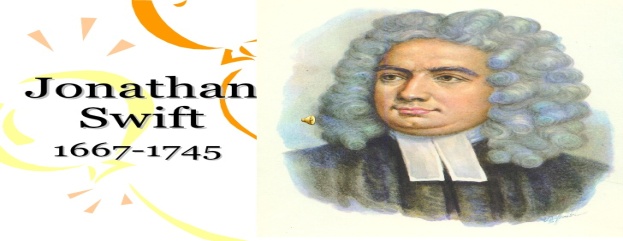
Jonathan Swift (1667–1745) was born in Dublin, Ireland. His works include A Tale of a Tub (1704), The Battle of the Books(1704) and A Modest Proposal (1729).Jonathan Swift grew up in Ireland but moved to England to be the secretary to an English politician. He was deeply religious and trained to become a chaplain of the Church. His novels were popular until the government changed, and then he was criticized. He returned to Ireland and wrote satires criticizing the English, who wanted more and more power over the Irish. His most famous work, Gulliver’s Travels, is a parody (an exaggerated version) of the travel writing genre that was popular at the time. It was also very controversial. When it was first published in 1726, large parts were missing. It didn’t appear as a whole book until ten years later. INTRODUCTION
Ask students if they have heard of Jonathan Swift or Gulliver’s Travels. They may have watched the film version. Write any ideas on the board in note form. Use the information in the About the author box to provide an introduction. Depending on the class, it may beappropriate to use L1 at this stage. Organise the class into pairs. Set a time limit of a few minutes for students to discuss the questions. The nask students for their opinions. Encourage them to back up their answers with examples (e.g., ‘To fit in in a different country, you can try to learn the language, try the local food and talk to people who live there.’). 2 Focus students’ attention on the images. Ask them to describe what they see and what they think the story is about. Draw students’ attention to the text at the top right hand side of the page which ‘sets the scene’ and clarify understanding. Play the audio. 3 When students have read the text once, allow time to match the words in bold to the definitions. Tell them they may need to change the part of speech (form of verb, noun, etc.) to the base form to fit the glossary. Point out that making a glossary of unknown words in a text is a good way to learn vocabulary. Ask individual students for answers. Answers 1 (be) inclined 2 astonishment 3 spy 4 posture 5 vessel 6 happen to 7 perceive 8 reckon 9 struggle 10 manner 4 Students read through the questions. Check for understanding and remind them to refer closely to the text to find the answers. Answers 1 a rock 2 distance 3 died 4 well 5 heard a noise 6 looked S Students read the text again. They choose which sentence cannot be true. Ask them to justify their answer by saying why sentence 1 isn’t true but the others are. Answers 1 the Antelope was in the Northern Hemisphere. (In the Southern Hemisphere it is summer in November, but in the Northern Hemisphere it is winter.) 2 is correct (‘I often let my legs drop, and could feel no bottom …’) 3 is correct (‘I felt something alive moving on my left leg …’) 4 is correct (‘and one of them, who ventured so far as to get a full sight of my face, lifting up his hands and eyes by way of admiration, cried out …’) Student’s Book pages 82–83 6 Read through the sentences one at a time to check comprehension of any unknown vocabulary. Students complete the sentences with the words in the glossary. Ask students for answers. Answers 1 happened to 2 manner 3 vessel 4 astonishment 5 posture 6 spied instruction and check that students understand what they are going to do. Ask two students to read the first part of the conversation. Brainstorm ideas and phrases on the board. Set students a time limit of5–10 minutes to prepare their role plays. Monitor and offer support and encourage students to write their scripts. Encourage as many pairs as possible to perform their role plays. Consider asking groups to perform to each other. The ‘audience’ group can monitor language use and make corrections if necessary. This can also be done as a full-class exercise. WRITING Read through the Writing skills box. Ask students to give examples of phrases used to start and end letters in English (Dear …, Hi …, Love from …, Best wishes).Remind them to choose the phrases carefully as some are formal and some are informal. Ask students to brainstorm ideas for each paragraph and make notes. They could compare their ideas in pairs. Students can then write their letter in class or for homework. Students then swap their letter with a partner. They read each other’s work and highlight any mistakes. They assess whether the student has answered the question fully and whether they have followed the steps. They then return the letter to the original student who looks at the comments and redrafts their work. Ask some students to read their letters out loud to the class. |
Sts find the name of the film.
Listen and repeat the new words.
students have read the text once, allow time to match the words in bold to the definitions. |
10 |
Picture
S/B
Play the audio. |
||
|
Last 5min
|
Feedback: Tree of success Green leaf - I totally understand Yellow leaf - I understand the lesson but I need some helps Red leaf - I don't understand Homework: Make sentences with be going to Saying goodbye |
S |
oral |
|
||
|
Unit:5 |
READING FOR PLEASURE
|
|||||
|
Teacher name: |
|
|||||
|
Date: |
|
|||||
|
Grade: 9 |
Number present: |
|
|
|
||
|
Theme of the lesson:
|
A nation of storytellers |
|||||
|
Learning objectives |
9.4.8.1 - use a range of familiar and unfamiliar paper and digital reference resources to check meaning and extend understanding; 9.4.9.1 - recognise inconsistencies in argument in extended texts on a range of general and curricular topics |
|||||
|
Lesson objectives |
|
|||||
|
Lesson structure |
||||||
|
Planned timings |
Teacher activities |
Student activities |
Ass-t |
Resources |
||
|
Beginning the lesson 10min |
Greeting. Hello, boys and girls! How are you? Let’s begin the lesson. I want you to be more active and show your knowledge of English lesson Today we’ll work on a very interesting theme. “Magic box” Dividing learners into three groups by “Magic box” there will be some cards choose one of them. Who choose Kazakhstan sit to Kazakhstan group and who choose Great Britain sit to Great Britain, who choose USA sit to USA group. |
Sts respond to greeting and take their places |
|
Student’s book. |
||
|
Main Activities 20 min |
CULTURE
1 In open class, ask students what they know about Ireland. Elicit as much information as possible. If you have access to the Internet, you could do a video search for an Ireland tourism video and show a short clip to students to give them a feel for what it is like. After the video, ask students to discuss in pairs which parts of Ireland they would most like to visit and what they’d like to do there. Write these stems for speculating on the board: the person could be/might be …; perhaps he’s … . Focus attention on the photos and ask students to discuss the questions in pairs, prompting them to use the stems. Nominate pairs to share their ideas with the class and write these on the board. 2 Students read the article to check their predictions. Refer to the ideas on the board during feedback. Student’s Book pages 84–85 3 Check/clarify: influences, hospitality. Students read the text again and answer the questions. Ask them to underline key parts of the text which support their answers. Once students have finished, ask them to compare answers in pairs before open class feedback. Answers 1 T 2 F There was no written language tradition. 3 T 4 F In recent years this tradition has been revived. 5 T 4 Speaking. Where possible, put students in similar ability pairings or groups for this activity. Monitor and encourage students to express themselves in English and to use any vocabulary they have learned from the unit to tell their stories. During feedback, ask pairs/groups to report back to the class on what they discussed and then go through any new/problematic language in open class. 5 Vocabulary Students work out the meaning of the highlighted words from the text. Check answers. Mixed-ability Stronger students just use the context provided by the article, without looking at the exercise, to try to work out meaning. They then look at the definitions in the exercise to check their ideas. Weaker students work in pairs to match the definitions to words from the article. You could even give students the first letter of each word to guide them. Answers 1 handed down 2 bend over 3 knew … by heart 4 revive 5 record 6 cast a spell 7 appreciated 8 shelter |
Sts give the title to the text. They answer the questions
Read the text
Write T and F statements
Speaking
Filling the missing words |
10 |
Ireland tourism video https://www.youtube.com/watch?v=rvSdyIhpdrM
Worksheet
Picture
Cards |
||
|
End 10 min
|
Home task : Ex 2. P.85
Saying Good bye. |
Sts reflect the lesson
|
oral |
Slips of paper |
||

Қысқа мерзімді жоспар Lesson plan
Қысқа мерзімді жоспар Lesson plan
|
Unit:5 |
Creativity |
|||||
|
Teacher name: |
|
|||||
|
Date: |
|
|||||
|
Grade: 5 |
Number present: |
absent: |
||||
|
Theme of the lesson:
|
Zheke-Batyr’s search of happiness; Project. A biography of a Kazakhstani author |
|||||
|
Learning objectives |
9.4.3.1 - understand the detail of an argument in extended texts on a range of familiar general and curricular topics, including some extended texts; 9.6.10.1 - use present continuous forms and past continuous, including a growing variety of passive forms, on a range of familiar general and curricular topics; |
|||||
|
Lesson objectives |
Some learners will be able to: Identify the correct form of a word, appropriate sentence structure and text layout |
|||||
|
Lesson structure |
||||||
|
Planned timings |
Teacher activities |
Student activities |
Ass-t |
Resources |
||
|
Beginning the lesson 10min |
Greeting: learners respond to greeting of the teacher and take their places. Warming up: 1 Tell students to look at the pictures of Burabay and see if they can answer the pre-reading questions. They can check their answers by reading the first paragraph of the text. Find out if anyone in the class has been there.
Teacher introduces lesson objectives and Assessment Criteria to the learners. |
Sts respond to greeting of the teacher and take their places Answer the following questions. |
|
Student’s book. |
||
|
|
Main part. “Jigsaw “ Give the students time to read the rest of the text silently and to complete the task. Let them compare answers in pairs and discuss any difficulties. Check answers with the whole class. If time allows, ask them about any similar stories that they may know. Answers 1 No. 2 He was afraid it would be forgotten. 3 They fought against enemies and against each other. 4 Happiness. 5 He thought only about himself and his own happiness. 6 He learned that nobody can find happiness alone. GRAMMAR Narrative tenses (review) 1 Books open. Draw students’ attention to the words in bold (1–5) and ask them to match them to the correct tenses (a–d). Conduct brief whole-class feedback on this before students complete the rule in pairs. Check answers in open class. Use the example sentences to clarify the rules. Answers 1 c 2 a 3 b 4 d 5 c Rule 1 past simple 2 past continuous 3 past continuous 4 past perfect 5 past perfect continuous Alternative approach to the grammar If you need an alternative approach to reviewing narrative tenses, choose one or all of the following ideas for clarifying the differences between tenses. For past continuous vs. past simple, write on the board: I saw a parrot while I was waiting for the bus. To provide a context for the sentence (by getting the students to come up with one) and to check meaning, ask: Where was I? Where was I going on the bus? What did I think when I saw the parrot? Elicit answers in open class, encouraging students to be as inventive as possible and accepting all answers. Next, ask students: Which action began first? (waiting for the bus); Which action interrupted that action? (I saw a parrot.); Which action continued after the interruption? (waiting for the bus). Remind students/elicit that we use the past continuous to give background information and the past simple to describe specific past actions. For past perfect vs. past simple, write on the board: John was very sad because his girlfriend had left him. Ask students to identify which event happened first (his girlfriend left him). Get students to write the two events in the correct order on a time line. 2 Before students begin, check they understand that they need to use either the past simple or past continuous but not the past perfect. Monitor and help any students who are struggling. Also let students compare answers with a partner. During feedback, refer to the rules in Exercise 1 and use timelines to clarify differences between tenses. Answers 1 realised, took, left 2 was riding, met 3 were searching, became 4 was fighting, fell, appeared In this type of gap-fill exercise, it is always a good idea for students to read the whole text first for gist understanding and then to read a second time to complete the spaces. To encourage them to just focus on reading for gist, ask: What was happening in Ian’s house? Students read the text quickly to answer the question. Set a time limit of 30 seconds before brief feedback. (His brother had been doing a science experiment that went wrong.) Next, students complete the spaces. Students compare answers with a partner before a whole-class check. Mixed-ability To provide more staging for weaker students: Once they’ve got the gist of the text, they read a second time to decide which verb goes in each gap before reading again and deciding on tense. Answers 1 was walking 2 saw 3 Was … burning 4 ran 5 opened 6 was sitting 7 had been doing 8 had gone |
Sts read the text
Descriptor A learner read and answer the questions
Match the sentences then complete the rule
Complete the sentences. |
10 |
Picture
|
||
|
End 10 min
|
Home task : Pupils write a short biography of your favourite KZ author. Feedback: Plus/Minus/Delta (+/-/∆) Saying Good bye. |
Sts reflect the lesson |
oral |
Slips of paper |
||

Қысқа мерзімді жоспар Lesson plan
|
Unit:5 |
READING FOR PLEASURE |
|||||
|
Teacher name: |
|
|||||
|
Date: |
|
|||||
|
Grade: 9 |
Number present: |
absent: |
||||
|
Theme of the lesson:
|
Get it right! Unit5 Photostory: episode 2a |
|||||
|
Learning objectives |
9.2.8.1 - begin to recognize inconsistencies in argument in extended talk on a growing range of general and curricular subjects 9.3.7.1- use appropriate subject-specific vocabulary and syntax to talk about an increased range of general and curricular topics; |
|||||
|
Lesson objectives |
Most of learners will be able to: Apply topic related vocabulary in speech appropriately arranging words and phrases into well-formed sentences |
|||||
|
Lesson structure |
||||||
|
Planned timings |
Teacher activities |
Student activities |
Ass-t |
Resources |
||
|
Beginning the lesson 5min |
1.Greeting. Organization moment Greetings, Good morning pupils! Who is on duty today? Who is absent? Teacher introduces lesson objectives and Assessment Criteria to the learners. |
Sts warm/greet the teacher |
|
|
||
|
Main Activities 25min |
The challenge 1 To remind students of the concept of challenges, which they encountered in Unit 4, say I bet you can’t say the alphabet in 15 seconds. Tell students that you are issuing a challenge. You could ask for volunteers to accept the challenge and say the alphabet quickly in open class, to change the pace and add an element of fun to the lesson. Tell students they are going to read and listen to a story about a group of students. Students look at the title and photos and read the questions. Ask them to guess answers to the questions. Write some of their ideas on the board. Answer 2 To not use their phones at all during the whole weekend. Play the audio for students to read, listen and check their answer to Exercise 1. During whole class feedback, refer to students’ ideas on the board. Ask: Who guessed correctly? Ask students what they think happens next. Get them to brainstorm possible endings to the story ,in groups, with one student in each group acting as secretary and taking notes. During whole-class feedback, write students’ ideas on the board to refer back to once they have watched the video. Don’t giveaway answers at this stage. 4 EP2a Play the video for students to watch and check their answers. During whole-class feedback, refer to students’ ideas on the board. Ask: Whoguessed correctly? 5 Divide the class into pairs and ask students tocomplete the exercise. Monitor and help with anydifficulties. Play the video again, pausing as requiredfor clarification. Check answers with the whole class. Answers 1 He thinks she doesn’t want him to overhear what she’s saying. 2 She watched YouTube videos on her phone. 3 He didn’t last one night without using his phone. 4 Three hours. 5 She spoke to her friend Julia on the phone. PHRASES FOR FLUENCY 1 Ask students to locate expressions 1–6 in the story on page 170 and underline them. To encourage speed reading, you could do this as a race and ask students to find the expressions as quickly as possible. Ask students to compare their answers with a partner before whole-class feedback. Answers Nicole says phrases 1–5. They all say phrase 6. 2 Working in pairs, students complete the dialogues. Check answers. Drill the dialogues in open class (for students to repeat together), paying attention to the intonation of sentences and questions. Give students time to practise saying the dialogues with a partner. Answers 1 d 2 c 3 a 4 b 2 Students work individually to complete the sentences. You could also ask them to match each sentence to a–d from Exercise 1. Allow students to compare answers with a partner before a whole-class check. During feedback, point out the frequent use of by with the future perfect. If you’re short on time, set this exercise for homework. Answers 1 by the end of class 2 by the football club 3 by the entrance 4 by selling FUNCTIONS Sympathising 1 Books closed. To introduce this topic, make a sad face and tell students about something bad that has happened to you, for example your pet goldfish has died! Ask students to suggest ways of sympathizing and try to elicit some of the expressions from the exercise. Write any correct answers on the board. Books open. Either encourage students to look back at the photo story to complete the exercise or challenge them to try to complete the exercise from memory then refer back to the photo story to check. Students compare answers in pairs before open class feedback. Answers 1 That’s a shame/What a pity 2 I’m really sorry 3 What a pity/That’s a shame 4 Never mind 5 How awful |
Sts match the types of films
Answer the questions and check your answer with your partner. |
10 |
S/B |
||
|
Last 10min
|
Open the “Magic box” and take one of the stickers. If you make up the sentences, you’ll have the ticket to the cities. Home task: review Saying goodbye |
Sts reflect the lesson |
oral |
Stickers |
||
Қысқа мерзімді жоспар Lesson plan
|
Unit:6 |
TRADITIONS AND LANGUAGE |
|||||
|
Teacher name: |
|
|||||
|
Date: 9 |
|
|||||
|
Grade: |
Number present: |
absent: |
||||
|
Theme of the lesson:
|
A new family tradition |
|||||
|
Learning objectives |
9.1.3.1- respect differing points of view; 9.1.8.1 - develop intercultural awareness through reading and discussion; |
|||||
|
Lesson objectives |
All lеаrners wіll bе ablе tо: identification of levels for later work Most learners will be able to: reinforcement of learning and pupil motivation Some learners will be able to: identification of problem areas |
|||||
|
Lesson structure |
||||||
|
Planned timings |
Teacher activities |
Student activities |
Ass-t |
Resources |
||
|
Beginning the lesson 5min |
1.GreetingOrganization moment A)Greeting B)Checking the attendance Warm up activity: we stand around (take your hands) and we wish each other good wishes For example: Be clever, You are nicer, I wish you happy! I want divide you into 2 groups using sweets (green, yellow) Come to me and choose any sweets. Who has green sweets? Who has yellow sweets? Please, sit here. Ok ,now . As a lead-in, brainstorm traditional celebrations and festivals students have in their area, as well as celebrations and festivals from other parts of Kazakhstan that they know of. Ask students: Have you ever been to these celebrations? What did you enjoy about them? Talk about other celebrations and festivals. What do people do? Students discuss the questions in small groups. Listen to some of their answers in open class as feedback. You could also brainstorm a list of typical fancy dress costumes to gauge how familiar your students are with the vocabulary explored later on in this unit. |
Sts warm/greet the teacher Sts work in pairs / groups, talk about these topics or words from the article. |
|
|
||
|
Main Activities 20min |
Explain new theme. look at the photos and answer the questions in their groups for each photo. Elicit answers from different groups. Answers 1 A Oaxaca, Mexico B Almaty, Kazakhstan C Balmoral, Scotland 2 A They’re wearing costumes and have painted their faces. They are taking part in a parade. B They’re wearing traditional clothes and they’re celebrating national games. C They’re wearing Scottish skirts and kilts. A man’s dancing traditional Scottish dances. Another is playing the bagpipes. 3 Students’ own answers. 2GAsk students to work with a partner to predict what the blog is about. Elicit students’ predictions during open-class feedback, prompting students to expand as much as possible on their ideas, and noting them on the board to refer to after Exercise 3. 3 Students read to check their ideas from Exercise 2.Tell them not to worry about unknown words, but to focus on checking their ideas. The focus here is on gist understanding. Check answers, referring back to the ideas on the board. Ask: Did anyone guess correctly? 4 Ask students to read questions 1–8 and underline any difficult words or phrases. Clarify these in open class before students read the blog in more detail and answer the questions. Tell them not to use dictionaries, but to try to understand difficult vocabulary from its context. Encourage them to underline the parts of the article that helped them find the answers. Students compare answers in pairs before a whole-class check. During this stage ask students to refer to the parts of the article they underlined to justify their answers. Answers 1 They waved from the doorstep. 2 180 days. 3 Rain’s brother and his mum. 4 American football player; pirate. 5 $50 6 He used the family fancy-dress collection, and friends and neighbours helped. 7 He was embarrassed at the beginning, but thought he was pretty cool in the end. 8 He’s going to get more sleep each morning. 5 SPEAKING In pairs, students discuss the questions. Monitor and help with any difficulties, but as this is a fluency activity, do not interrupt to correct errors unless they impede communication. Listen to some of their ideas in open class as feedback, encouraging students to react to and debate with each other. Changing your opinions 1 Ask students to read the introduction and sentences 1–3. Ask them to work with a partner to complete the exercise. Check answers. Answers 1 Rain 2 Rain’s friends 3 Rochelle 2 Point out the use of Initially and with time. Ask students to work in small groups to discuss how the opinions of the other people changed. Encourage them to find evidence in the article to justify their answers. Listen to some of their thoughts in open class as feedback. So pupils we have worked very well. I am pleased with you. You are my good studends! Thank you for your work! You were very active today! |
Group work.
Clarify these sentences.
SPEAKING |
10 |
Pictures
Cards
Pictures |
||
|
Last 5min
|
Home task: Ex 4 Giving Feedback
Saying goodbye |
Sts reflect the lesson
|
oral |
|
||
Қысқа мерзімді жоспар Lesson plan
|
Unit: 6 |
TRADITIONS AND LANGUAGE |
|||||
|
Teacher name: |
|
|||||
|
Date: |
|
|||||
|
Grade: 9 |
Number present: |
absent: |
||||
|
Theme of the lesson:
|
Quantifiers
|
|||||
|
Learning objectives |
9.5.8.1 - spell most high-frequency vocabulary accurately for a wide range of familiar general and curricular topics; 9.3.1.1 - use formal and informal registers in their talk on a range of general and curricular topics; |
|||||
|
Lesson objectives |
All learners will be able to:Demonstrate respect to people’s opinions using lexical units of topic vocabulary Most learners will be able to: Identify facts and details in extended talks with little support Some learners will be able to: Analyze given feedback; Form opinion and give constructive answers to feedback |
|||||
|
Lesson structure |
||||||
|
Planned timings |
Teacher activities |
Student activities |
Ass |
Resources |
||
|
Beginning the lesson 5min |
1.Greeting. Organization moment Warming up (date, weather, season, month, day of the week, feeling), сhecking absence |
Sts warm/greet the teacher |
|
PPT |
||
|
Main Activities 20 min |
Students should have seen most of the quantifiers in these exercises before, but it is still an area in which students make a lot of errors, so certainly worth reviewing. Ask students to try to complete sentences 1–6 before looking back at the article to check their answers. This encourages students to notice language and helps activate their curiosity around the target language. Check answers in open class. Then ask students to work with a partner to complete the rule before checking answers. Use the sentences in Exercise 1 and further examples of your own to clarify. Answers 1 many 2 all 3 loads 4 several 5 Some, most 6 little Rule 1 none 2 a little 3 several 4 loads 5 all Student’s Book pages 92–93 2 Students work with a partner to complete the exercise. Refer them to the rule to help them decide on and check their answers. Check answers in open class. Answers 1 loads 2 a lot of 3 most 4 Most 5 Most 6 hardly any In pairs or small groups, students discuss the sentences. Monitor and encourage them to answer in full sentences. Make a note of any nice expressions in English that students use during the activity. At the end write them on the board for the whole class to copy, and praise the student(s) who used them. Also ask for volunteers to report back to the class on their discussion during feedback. Fast finishers Write the following on the board: Loads of students … , Hardly any students … , Almost all students … , The vast majority of students … Ask students to complete the sentences to describe students in their school. Optional extension Ask students to create a table in their notebook with six columns. Ask them to write hardly any / loads of / not many /a small number of / a lot of / a little at the top of the columns. Call out various categories and a letter for students to race to complete as many columns as they can in, say, one minute. For example: things in the classroom beginning with ‘s’. You could set this up as a competition and get students to do this in groups, awarding points for each correct answer. |
Students should have seen most of the quantifiers in these exercises before, but it is still an area in which students make a lot of errors, so certainly worth reviewing.
Matching and read the text, answer the questions.
|
10 |
Picture
S/B |
||
|
Last 5min
|
Feedback: Tree of success Green leaf - I totally understand Yellow leaf - I understand the lesson but I need some helps Red leaf - I don't understand Homework: What is your favorite film? Write five sentences about the story. Saying goodbye |
S |
oral |
|
||
Қысқа мерзімді жоспар Lesson plan
|
Unit: 6 |
TRADITIONS AND LANGUAGE |
|||||
|
Teacher name: |
|
|||||
|
Date: |
|
|||||
|
Grade: 9 |
Number present: |
absent: |
||||
|
Theme of the lesson:
|
Costumes
|
|||||
|
Learning objectives |
9.3.2.1 - ask complex questions to get information on a range of general and curricular topics; 9.2.5.1 - recognize the opinion of the speaker(s) in unsupported extended talk on a wide range of general and curricular topics; |
|||||
|
Lesson objectives |
All learners will be able to:
Most learners will be able to:
Some learners will be able to: Interact in a pair, group and a whole class work presenting |
|||||
|
Lesson structure |
||||||
|
Planned timings |
Teacher activities |
Student activities |
Ass |
Resources |
||
|
Beginning the lesson 5min |
1.Greeting. Organization moment Teacher greets the children and introduces with the aims of the lesson and rules: Be active! Be friendly and tolerant! Help each other talk English all the time! |
Sts warm/greet the teacher |
|
|
||
|
Main Activities 20 min |
Ask students to look at the photos on pages 90–92 and work with a partner to find the items. Say each item individually and nominate a student to say in which picture the object appears. Say the words for students to repeat and check pronunciation. Answers sword – 3 shield – 5 leather jacket – no picture wig – no picture belt – 8 sunglasses – 4 helmet – 1 cape – 9 mask – 7 apron – 6 football top – 2 Fast finishers Ask students to research and write a list of festivals or other occasions around the world when people traditionally wear costumes, e.g. Halloween, Mardi Gras or other carnivals, the Jewish festival Purim, etc. Are there any countries where it is particularly popular to do so? Give students time to read the question and check understanding. Ask them to work individually for a few minutes to note down their answers. Monitor and make a note of any lexical errors to correct during feedback. Divide the class into pairs or small groups to discuss the questions. Listen to some of their answers in open class. Books closed. As a lead-in, write the following questions on the board: How often do you see your extended family (family members other than your parents and brothers/sisters)? Do you have a fixed bedtime? How many different languages do you speak with your family at home? In pairs, students discuss the questions. Nominate students to report back on their discussions in open class. Books open. Ask students to work in pairs to describe what they can see and to try to explain what the captions refer to. Listen to some of their ideas in open class. Play the audio while students listen and match the countries to the pictures. Students check answers with a partner before whole-class feedback. Answers No time for bedtime – Argentina No baby talk – Samoa Introduce them early – France Keep it in the family – Poland Early to bed – Britain Young chefs – Mexico Point to the book cover and ask: What kind of book do you think this is? Elicit ideas in open class, but do not comment at this stage. Ask students to read the introduction. Tell them not to worry if they do not understand every word, but to focus on getting a general understanding of what the book is about. Check/clarify: the Chinese Way. Allow them to discuss their ideas with a partner before checking answers in open class. Ask: Would you like to read the book? Answer A story about bringing up children the ‘Chinese way’. 2 Tell students they are going to read two different opinions on the book. Students read the two opinions and answer the questions. Ask them to underline any phrases that support their answers. Students compare answers with a partner before whole-class feedback. Encourage students to refer to the texts when giving their answers. Answers Stephanie’s opinion is ‘against’. She believes that children should be able to enjoy their childhoods and watch TV and play computer games. Tim’s opinion is ‘for’. He thinks parents are too soft on their children and let them do what they want. They also don’t have enough time for their children. 3 This exercise requires a deeper understanding of the texts. Give students time to read the sentences and check understanding. Clarify who Amy, Stephanie and Tim are. Working individually, students re-read the texts to complete the exercise. Divide the class into pairs for students to compare their answers and then check answers in open class. Answers 1 Tim 2 Amy 3 Stephanie 4 Tim 5 Amy 6 Stephanie SPEAKING In pairs or small groups, students discuss the questions and make notes on their answers. Monitor and answer any questions about vocabulary, but as this is a fluency practice activity, do not interrupt the conversations to correct students unless inaccuracy hinders comprehension.
|
Sts and work with a partner to find the items.
students to research and write a list of festivals or other occasions around the world when people traditionally wear costumes
Pair work.
Students read the two opinions and answer the questions.
SPEAKING |
10 |
Picture
S/B |
||
|
Last 5min
|
Feedback: Tree of success Green leaf - I totally understand Yellow leaf - I understand the lesson but I need some helps Red leaf - I don't understand Homework: Ex 3 Saying goodbye |
S |
oral |
|
||
|
Unit:6 |
TRADITIONS AND LANGUAGE |
|||||
|
Teacher name: |
|
|||||
|
Date: |
|
|||||
|
Grade: 9 |
Number present: |
absent: |
||||
|
Theme of the lesson:
|
Learning another language |
|||||
|
Learning objectives |
9.4.5.1 - deduce meaning from context in extended texts on a range of familiar general and curricular topics; 9.4.7.1 - recognize typical features at word, sentence and text level in a wide range of written genres; 9.3.3.1 - explain and justify their own point of view on a range of general and curricular topics; |
|||||
|
Lesson objectives |
All learners will be able to: Realise particular facts and parts in reading passage. Most learners will be able to: Raise awareness about cultural diversity through reading and discussion. Write a text keeping layout and format of a given genre with a little support. Write topic related vocabulary correctly. Some learners will be able to: Connect sentences into paragraphs with basic connectors and linking words with some support. |
|||||
|
Lesson structure |
||||||
|
Planned timings |
Teacher activities |
Student activities |
Ass |
Resources |
||
|
Beginning the lesson 5min |
1.Greeting learners. The teacher explains lesson and learning objectives in a simplified form and checks the homework. |
Sts warm/greet the teacher |
|
PPT |
||
|
Main Activities 20 min |
1 Ask students to tick the sentences they agree with(they can choose more than one). 2 SPEAKING Divide the class into groups for students to compare their choices. Monitor and help with vocabulary as necessary. Encourage students to give reasons for their choices. Listen to some of their opinions in open class. 3 Look at the bar chart in open class and nominate individuals to describe what they can see. Working in pairs or in the same small groups as in Exercise 2,students make their own graph or chart to show how their group feels. Ask all students to draw the chart. When they have completed the exercise, re group students to compare their charts. BACKGROUND INFORMATION Amy Chua (born October 26, 1962) is an American lawyer and writer. She is Professor of Law at Yale Law School. She published her parenting book Battle Hymn of the Tiger Mother in 2011. The book explains the strict methods she used to bring up her children. She describes these methods as typical for Chinese immigrant parents. The book was a bestseller in many countries, but the child-rearing methods described received a lot of criticism for being too strict and focussing on academic achievement over self-esteem. Other critics agreed with the sentiments of the book and welcomed a more disciplinary approach to parenting. Chua maintains that her book was ironic and should not be taken too seriously. Point to the book cover and ask: What kind of book do you think this is? Elicit ideas in open class, but do not comment at this stage. Ask students to read the introduction. Tell them not to worry if they do not understand every word, but to focus on getting a general understanding of what the book is about. Check/clarify: the Chinese Way. Allow them to discuss their ideas with a partner before checking answers in open class. Ask: Would you like to read the book? Answer A story about bringing up children the ‘Chinese way’. Tell students they are going to read two different opinions on the book. Students read the two opinions and answer the questions. Ask them to underline any phrases that support their answers. Students compare answers with a partner before whole-class feedback. Encourage students to refer to the texts when giving their answers. Answers Stephanie’s opinion is ‘against’. She believes that children should be able to enjoy their childhoods and watch TV and play computer games. Tim’s opinion is ‘for’. He thinks parents are too soft on their children and let them do what they want. They also don’t have enough time for their children. This exercise requires a deeper understanding of the texts. Give students time to read the sentences and check understanding. Clarify who Amy, Stephanie and Tim are. Working individually, students re-read the texts to complete the exercise. Divide the class into pairs for students to compare their answers and then check answers in open class. Answers 1 Tim 2 Amy 3 Stephanie 4 Tim 5 Amy 6 Stephanie SPEAKING In pairs or small groups, students discuss the questions and make notes on their answers. Monitor and answer any questions about vocabulary, but as this is a fluency practice activity, do not interrupt the conversations to correct students unless inaccuracy hinders comprehension. Listen to some of their ideas in open class. Optional extension This topic is likely to lead to quite a lot of discussion. It will be even more productive if you divide your class into teenagers and strict parents. Ask them to work initially with members of the same group and make notes on their opinions on Amy Chua’s parenting methods. Then re-group into groups of four with two parents and two teenagers for students to discuss their opinions. Assigning roles and giving preparation time in this way often leads quieter students to interact more and voice their opinions. Monitor and encourage all students to speak. Develop the conversation into a whole-group discussion. |
Sts do the tasks. Speaking
|
10 |
|
||
|
Last 5min
|
Plenary: Learners finish the statements: I have learnt …. Now I can … It was interesting … It was difficult … It was unclear … Home task: Ex 7 Saying goodbye |
Sts reflect the lesson |
oral |
|
||
Қысқа мерзімді жоспар Lesson plan
|
Unit:6 |
TRADITIONS AND LANGUAGE |
|||||
|
Teacher name: |
|
|||||
|
Date: |
|
|||||
|
Grade: 9 |
Number present: |
absent: |
||||
|
Theme of the lesson:
|
So and such |
|||||
|
Learning objectives |
9.6.3.1 - use a variety of compound adjectives and adjectives as participles and a variety of comparative structures to indicate degree on a range of familiar general and curricular topics; 9.1.9.1- use imagination to express thoughts, ideas, experiences and feelings |
|||||
|
Lesson objectives |
All learners will be able to Identify facts and details in extended talks with little support Most learners will be able to Recognize the content of an extended conversation using some supporting information Some learners will be able to Apply regular and irregular adverbs and comparative degree structures accurately |
|||||
|
Lesson structure |
||||||
|
Planned timings |
Teacher activities |
Student activities |
Ass |
Resources |
||
|
Beginning the lesson 5min |
1.GreetingOrganization moment Method “Brainstorming” |
Sts warm/greet the teacher |
|
|
||
|
Main Activities 20 min |
Ask students to complete sentences 1–2 before finding the sentences in the text to check their answers. Ask students to work with a partner to complete the rule. Check answers in open class. Refer to the examples in Exercise 1 to clarify and add further examples if necessary. Answers 1 so 2 such Rule 1 such 2 so 2 If you’re short on time, you can set this exercise for homework. Students fill the gaps and complete the sentences with their own ideas. Divide the class into pairs for students to compare answers. Listen to some examples in open class as feedback. do and did for emphasis 3 To promote noticing, ask students to fill the gaps, and then find the sentences in the text to check their answers. Before they look at the rule, you could ask them to consider the effect of do and did in the example sentences. Answers 1 do 2 did 4 Students work individually to complete the exercise, then check their answers with a partner before whole-class feedback. During feedback refer to the rules and Look! box for clarification. Answers 1 did like 2 do think we shouldn’t FUNCTIONS Emphasising 1 Books closed. As a lead-in, ask students: Which words can we use to make sentences more emphatic? Elicit answers in open class and write so/such/do/did on the board. If students have difficulty, write the following on the board and point out where the words should go in each sentence. He is (such) a nice man. I am (so) tired. I (do) like swimming in the sea. I (did) do my homework. Books open. Students work with a partner to complete the exercise. During whole-class feedback, say the sentences for students to repeat and check pronunciation. Encourage them to be emphatic! Answers 1 He’s such a good father. 2 She gets on so well with children. 3 She’s so patient. 4 My dad did try his best. 5 My parents did make some mistakes. 6 She’s so soft on her children. 7 He’s such a strict father. 8 Parents do get it wrong sometimes. 2 In pairs or small groups, students talk about the person they’ve chosen. Monitor to encourage students to use emphatic structures where possible. During feedback, ask for volunteers to share their descriptions with the class. VOCABULARY Bringing up children 1 Before filling the gaps, ask students to read the text to answer the question: Does the text suggest hat parenting is easy or difficult? (The aim of this is to encourage students to read a text first for gist understanding and then only on a second read, to complete the task assigned.) Divide the class into pairs for students to complete the exercise. Check answers. Draw attention to the expressions: do their best; get ahead in life; bring up; grow up; do well and give further examples to clarify meaning as necessary. Answers 1 do 2 get 3 bring 4 childhood 5 grow 6 do7 strict 8 soft |
Sts give the title to the text Sts read the text again , fill in missing words. They check their answers with the partner. |
10 |
|
||
|
Last 5min
Saying goodbye |
Assessment: Teacher assesses learners with colorful leaves;
Home task, Ex 6 |
Sts reflect the lesson |
oral |
|
||


Қысқа мерзімді жоспар Lesson plan
|
Unit:6 |
TRADITIONS AND LANGUAGE |
|||||
|
Teacher name: |
|
|||||
|
Date: |
|
|||||
|
Grade: 9 |
Number present: |
absent: |
||||
|
Theme of the lesson:
|
Nomadic people |
|||||
|
Learning objectives |
9.4.5.1 - deduce meaning from context in extended texts on a range of familiar general and curricular topics; 9.4.7.1 - recognize typical features at word, sentence and text level in a wide range of written genres; 9.3.8.1 - recount extended stories and events on a range of general and curricular topics |
|||||
|
Lesson objectives |
All learners will be able to:
Most learners will be able to:
Some learners will be able to:
Apply regular and irregular adverbs and comparative degree structures accurately |
|||||
|
Lesson structure |
||||||
|
Planned timings |
Teacher activities |
Student activities |
Ass |
Resources |
||
|
Beginning the lesson 10 min |
1.Greeting.Organization moment Teacher greets learners and introduces the lesson objectives. Teacher: Good morning, students! I am very glad to see you and hope that you are ready for the lesson and you are in a good mood . |
Sts warm/greet the teacher |
|
|
||
|
Main Activities 20 min |
CULTURE 1 Draw students’ attention to the photos and nominate individuals to say what they have in common. Answer They all have a nomadic way of life. 2 Students read the article. Tell students not to worry if they don’t understand every word; they should just focus on answering the question. Ask students to check their answer with a partner before feedback in open class. 3 Give students a minute or two to read the sentences and circle the key information that they need to look for. Students read the text again to complete the exercise. Tell them to underline information in the text that helped them answer each question. Students check answers with a partner before whole class feedback. During feedback, ask students to justify their answers by quoting the text they have underlined. Answers 1 The Shahsavan 2 Aborigines 3 Aborigines, the Tuareg4 Aborigines 5 The Tuareg 6 The Tuareg, the Shahsavan 4 VOCABULARY Ask students to cover the definitions. Give them two minutes to find the highlighted words in the article and to try to deduce meaning from context. Get them to discuss what they think each word means with a partner. Students uncover the definitions to check their ideas and complete the exercise. Check answers in open class, giving further explanations to clarify meaning as necessary. Answers 1 national borders 2 destination 3 diet 4 droughts 5 principally 6 possessions 7 annual 8 remain SPEAKING In pairs or small groups, students discuss the questions. Monitor and make a note of any nice expressions in English that students use during the activity. At the end write them on the board for the whole class to copy, and praise the student who used them. For feedback ,ask for volunteers to report back to the class on their discussion. |
Sts read the text, choose correct words and complete.
Group work Sts label the map. |
10 |
Pictures |
||
|
Last 10 min
|
Reflection Teacher invites learners to put sticky notes on the picture that best describes how they felt during the lesson. Feedback: Teacher asks learners what task was difficult to them and which pair worked well. Homework: Saying goodbye |
Sts reflect the lesson
|
oral |
|
||

Қысқа мерзімді жоспар Lesson plan
|
Unit:6 |
TRADITIONS AND LANGUAGE |
|||||
|
Teacher name: |
|
|||||
|
Date: |
|
|||||
|
Grade: 9 |
Number present: |
absent: |
||||
|
Theme of the lesson:
|
An informal email |
|||||
|
Learning objectives |
9.5.2.1- write independently about factual and imaginary past events, activities and experiences on a range of familiar general and curricular topics; 9.5.3.1- write with moderate grammatical accuracy on a wide range of familiar general and curricular topics |
|||||
|
Lesson objectives |
All learners will be able to: Identify facts and details in extended talks with little support Recognize the content of an extended conversation using some supporting information Most learners will be able to: Convey fantasy ideas including emotions and senses Some learners will be able to: Identify the correct form of a word, appropriate sentence structure and text layout |
|||||
|
Lesson structure |
||||||
|
Planned timings |
Teacher activities |
Student activities |
Ass |
Resources |
||
|
Beginning the lesson 10 min |
1.Greeting.Organization moment Teacher greets learners and introduces the lesson objectives. Teacher: Good morning, students! I am very glad to see you and hope that you are ready for the lesson and you are in a good mood . |
Sts warm/greet the teacher |
|
|
||
|
Main Activities 20 min |
An informal email BACKGROUND INFORMATION The Inuit are a group of indigenous people in Greenland, Alaska, Canada and Denmark. There are roughly 135,000 Inuit people in the four countries. Traditionally, Inuit people were nomadic and live on hunted fish, seals, polar bears and whales. They lived in igloos or tents made from animal skins. While hunting is still a part of Inuit life, nearly all Inuit have migrated south to urban areas or live in Inuit communities with access to satellite television and the Internet. Tell students they are going to read an informal email from a girl who is staying with the Inuit people. Check/clarify Inuit. Students read the article to answer the questions. Set a two-minute time limit to encourage them to read quickly for gist and focus on the questions. Allow them to compare answers with a partner before checking in open class. Answers 1 10 days 2 A couple of days ago. 3 She’s learning about patience, because Inuit hunting involves a lot of waiting in the cold. 2 Divide the class into pairs for students to complete the exercise. Monitor and help with any difficulties. Check answers in open class. Answers 1 loads 2 Well, here I am at last 3 said I could go along with them 4 I’m over the moon 5 how I’m getting on with things 6 a couple of days ago 3 Give students a minute to discuss the question in pairs before checking in open class. Answer They are too formal for an email to a friend. 4 Working individually, students make notes in preparation for writing an email. Encourage them to use some of the vocabulary and expressions from the article, adapting larger chunks of language as necessary. Students can either write the email individually or in pairs, as an exercise in collaborative writing in class. On completion, ask students to exchange their emails with another pair. If students have access to the Internet in the classroom, this could be done electronically for added authenticity. Ask them to focus on content (were all points included? How interesting were the ideas?); organization (did each paragraph include a clear and distinct idea like the model answer?); communicative purpose (were you convinced by it?); and language. If you mark the writing yourself, focus on how clear and easy students’ writing is to follow and whether they wrote about relevant details. Avoid focusing too much on accuracy, as a heavily marked piece of writing is more likely to de-motivate learners than to make them try harder next time. |
Sts are going to read an informal email
Students read the article to answer the questions.
Pair work.
|
10 |
Pictures
Student’s book
|
||
|
Last 10 min
|
Reflection Teacher invites learners to put sticky notes on the picture that best describes how they felt during the lesson. Feedback: Teacher asks learners what task was difficult to them and which pair worked well. Homework: Ex 6.p.125 Saying goodbye |
Sts reflect the lesson |
oral |
|
||
Қысқа мерзімді жоспар Lesson plan №34
|
Unit:6 |
TRADITIONS AND LANGUAGE |
|||||
|
Teacher name: |
|
|||||
|
Date: |
|
|||||
|
Grade: 9 |
Number present: |
absent: |
||||
|
Theme of the lesson:
|
Project. Languages in Kazakhstan |
|||||
|
Learning objectives |
9.4.7.1 - recognize typical features at word, sentence and text level in a wide range of written genres; 9.4.8.1 - use a range of familiar and unfamiliar paper and digital reference resources to check meaning and extend understanding |
|||||
|
Lesson objectives |
All learners will be able to: Identify details in a text with little support Identify the correct form of a word, appropriate sentence structure and text layout Most learners will be able to: Clarify the meaning of the word in a dictionary or other digital references Some learners will be able to: Apply topic related vocabulary in speech appropriately arranging words and phrases into well-formed sentences |
|||||
|
Lesson structure |
||||||
|
Planned timings |
Teacher activities |
Student activities |
Ass |
Resources |
||
|
Beginning the lesson 5min |
1.Greeting. Organization moment Good morning everybody! I’m glad to see you at our lesson. |
Sts warm/greet the teacher |
|
|
||
|
Main Activities 25 min |
Embedded and indirect questions 1 Students should be familiar with reported speech and they may have seen indirect questions before, but it is still an area in which students make a lot of errors, so certainly worth reviewing. Ask students to read sentences 1–5 and elicit what the difference between the first two sentences and the rest of the sentences is. This encourages students to think about the different uses of indirect and embedded questions. Check answers in open class. (Sentences 1 and 2 are questions in reported speech– indirect questions. Sentences 3-5 are direct speech but include more polite questions – embedded questions.) Answers 1 I 2 I 3 E 4 E 5 E Ask students to work with a partner to complete the rule. Use the sentences in Exercise 1 and further examples of your own to clarify meaning and use as well as omission of auxiliaries and word order. Also point out the use of if/whether in yes/no questions and the wh- question words in open-ended questions. Answers Rule 1 more 2 don’t use 3 after 3 Students work with a partner to find the extra word in each sentence. Refer them to the rule to help them decide on and check their answers. Check answers in open class. 1 if 2 does 3 do 4 the first ‘is’ 5 do 4 SPEAKING Draw students’ attention to the four different topics and elicit possible subtopics they can discuss. In pairs or on their own, students think of questions to complete the prompts. Monitor and provide help if necessary. Make a note of any relevant problems to address with the whole class at the end of the task. When they are ready students work with a new partner (if they worked in pairs before) and take turns to ask and answer questions. |
Sts suggestions
students to work with a partner to complete the rule.
Pair work.
Speaking |
10 |
|
||
|
Last 10 min
|
Feedback: Tree of success Green leaf - I totally understand Yellow leaf - I understand the lesson but I need some helps Red leaf - I don't understand Homework: Saying goodbye |
S |
oral |
|
||
Қысқа мерзімді жоспар Lesson plan
|
Unit:6 |
TRADITIONS AND LANGUAGE |
|||||
|
Teacher name: |
|
|||||
|
Date: |
|
|||||
|
Grade: 9 |
Number present: |
absent: |
||||
|
Theme of the lesson:
|
Project. Languages in Kazakhstan |
|||||
|
Learning objectives |
9.3.7.1 - use appropriate subject-specific vocabulary and syntax to talk about an increased range of general and curricular topics; 9.3.8.1 - recount extended stories and events on a range of general and curricular topics |
|||||
|
Lesson objectives |
All learners will be able to: Identify facts and details in extended talks with little support Recognize the content of an extended conversation using some supporting information Most learners will be able to: watch teenagers taking about the worst party they have ever been to. listen to teenagers organising a birthday party. practise offering to do something and making requests Some learners will be able to: Apply topic related vocabulary in speech appropriately arranging words and phrases into well-formed sentences |
|||||
|
Lesson structure |
||||||
|
Planned timings |
Teacher activities |
Student activities |
Ass |
Resources |
||
|
Beginning the lesson 5min |
1.Greeting. Organization moment T: Good morning, children! I am glad to see you. How are you? What date is it today? T: Yes. It is winter. What is the weather like today? The psychological approach to the lesson: «A compliment» The name reflects the essence of statements of the pupils is the verbal expression of positive emotions in relation to the partner. Look at your partner and tell him how he looks today, use what adjectives to describe appearance. Begin your statement with a reference name. Use the model of "You look so...!" - “You are so ... today!”students is the verbal expression of positive emotions in relation to the partner
|
Sts warm/greet the teacher |
|
PPT |
||
|
Main Activities 25 min |
1.List the official languages spoken in Kazakhstan on the board. Check which ones students can speak and put a tick next to them. Discuss the questions in the Student’s Book for each language. 2 Explain that students are going to work on a project about one of the languages used in Kazakhstan. Put them in groups and ask them to decide which language they know more about or which they would like to know more about. You could exclude Kazakh from the list. Read out the first two questions and give students a minute to discuss their ideas. Ask students to research further information about the language they chose. They can do this online, in books, and by asking other people at school or at home. Encourage them to make notes of everything they hear and find. Allow them to work individually or in pairs if they prefer, and then bring together the information as a group. 3 Ask students to create a poster using the information they gathered. You can set time aside in a lesson for students to do this in class. Alternatively, assign it for homework. Encourage students to decorate their poster with pictures and drawings. If necessary, help students decide which words/phrases to include and what everyday topics they can cover with their dialogues. They can also prepare a digital presentation if they wish to. In a future lesson, have students present their poster in groups or to the whole class. Provide feedback to each group on their language and performance. |
Discussion
Reading the text and matching.
students to create a poster using the information they gathered. |
10 |
PPT
cards with the text |
||
|
Last 5min
|
Reflection - Put your stickers on the stains of success: Homework: Saying goodbye |
Sts reflect the lesson |
oral |
|
||
Қысқа мерзімді жоспар Lesson plan
|
Unit:6 |
TRADITIONS AND LANGUAGE |
|||||
|
Teacher name: |
|
|||||
|
Date: |
|
|||||
|
Grade: 7 |
Number present: |
absent: |
||||
|
Theme of the lesson:
|
Get it right! Unit 6Photostory: episode 2b
|
|||||
|
Learning objectives |
9.3.3.1 - explain and justify their own point of view on a range of general and curricular topics; 9.3.6.1 - link comments with growing flexibility to what others say at sentence and discourse level in pair, group and whole class exchanges; |
|||||
|
Lesson objectives |
All learners will be able to: Identify facts and details in extended talks with little support Most learners will be able to: watch teenagers taking about the worst party they have ever been to. • listen to teenagers organising a birthday party. • practise offering to do something and making requests. Some learners will be able to: Apply topic related vocabulary in speech appropriately arranging words and phrases into well-formed sentences |
|||||
|
Lesson structure |
||||||
|
Planned timings |
Teacher activities |
Student activities |
Asst |
Resources |
||
|
Beginning the lesson 10 min |
I. Organization moment 1.Greeting. Organization moment T: Good morning, children! I am glad to see you. How are you? What date is it today? T: Yes. It is winter. What is the weather like today? The psychological approach to the lesson: «A compliment» The name reflects the essence of statements of the pupils is the verbal expression of positive emotions in relation to the partner. Look at your partner and tell him how he looks today, use what adjectives to describe appearance. Begin your statement with a reference name. Use the model of "You look so...!" - “You are so ... today!”students is the verbal expression of positive emotions in relation to the partner |
Students’s warm/s answers
to give a picture of the heart
|
|
PPT |
||
|
Main Activities 10 min |
Writer’s block 1 Look at the title and elicit/explain the meaning. Ask students to try to remember the names of the teenagers (Emma, Liam, Justin and Nicole) from episode 1. Students look at the photos and read the questions. Ask them to predict answers to the questions based solely on the photos. Write some of their ideas on the board. 2 1.43 Play the audio for students to listen and check their answers from Exercise 1. During whole class feedback, refer to students’ ideas on the board. Ask: Who guessed correctly? Answers 1 To write a story. 2 She’s anxious about it. 3 No, he isn’t being helpful. 3 Ask students: What do you think happens next? Get them to brainstorm possible endings. Students work in groups, with one student in each group acting as secretary and taking notes. During whole-class feedback, write students’ ideas on the board to refer back to once they have watched the video. Don’t giveaway answers at this stage. 4 EP2b Play the video for students to watch and check their answers. During whole-class feedback, refer to students’ ideas on the board. Who guessed correctly? 5 Ask students to complete the exercise in pairs. Monitor and help with any difficulties. Play the video again, pausing as required for clarification. Check answers with the whole class. Answers 1 c 2 e 3 g 4 a 5 f 6 d 7 b |
Students read the first extract. Mark the statements true or false. Students can also correct the false statements and provide the location in the text for their answers. Students answer the questions. Check answers. |
10 |
W/B |
||
|
15min |
3. Practice. PHRASES FOR FLUENCY 1 Ask students to locate expressions 1–6 in the story on pages 173–174 and underline them. To encourage speed-reading, you could do this as a race and ask students to find the expressions as quickly as possible. Ask students to compare their answers with a partner before whole-class feedback. Answers 1 Emma 2 Justin 3 Nicole 4 Emma 5 Nicole 6 Liam 2 Working in pairs, students complete the dialogues. Check answers. If you’d like to do some pronunciation work with your students, focusing on intonation, drill the dialogues in open class (for students to repeat together). Answers 1 again 2 can’t be serious 3 Calm down 4 give it a rest, out of order 5 That’s just it Optional extension Disappearing sentences: you’ll need to write out the dialogues on the board or project them on the IWB for this one. Make AB pairs so that half of the class are A and half are B. Students practise the conversations from Exercise 2 in their pairs. Cover a small section of the dialogue, beginning from the right-hand side of the screen or board. Students repeat the dialogues in their same AB pairings trying to remember the whole thing, including the parts they can no longer see. Cover more and more of the dialogue, with students practising at each stage, until eventually nothing is left on the board. Ask for volunteers to perform for the class or have all As and all Bs perform in unison. This activity involving lots of repetition is a fun way for students to memorise useful lexical chunks. Word Wise Expressions with good 1 Books closed. To introduce this activity, write good in the centre of the board. Divide the class into pairs and ask students to make a list of as many expressions with good as they can in three minutes. Elicit and write any correct answers on the board. Books open. Ask students which of the expressions on the board appear. Next, ask them to work with a partner and complete the exercise. Check answers in open class. Answers 1 not very good at 2 So far, so good. 3 It’s all good. 4 It’s no good 5 It’s a good thing 2 Students work individually to match the phrases from Exercise 1 with the meanings. During whole class feedback, say the phrases for students to repeat and check pronunciation. Give further examples to outline meaning of the phrases if necessary. Answers 1 for good 2 It’s no good. 3 It’s all good. 4 So far, so good. 5 not very good at 6 It’s a good thing |
students to locate expressions 1–6 in the story on pages 173–174 and underline them.
Pair work
|
8 |
S /B |
||
|
End 5 min
|
Giving home work: Ex 6. Reflection Teacher asks student’s answers and and compare if they have the same or different answers. If other pairs disagree they raise hands and explain their own answers. Teacher monitors and moderates the process. Saying good bye |
|
oral |
|
||

Қысқа мерзімді жоспар Lesson plan
|
Unit: |
|
|||||
|
Teacher name: |
|
|||||
|
Date: |
|
|||||
|
Grade: 7 |
Number present: |
absent: |
||||
|
Theme of the lesson:
|
|
|||||
|
Learning objectives |
|
|||||
|
Lesson objectives |
All learners will be able to: Understand the general writing structure of a book review. Use key phrases to express facts and opinions for a review of a book or film. Most learners will be able to: Write a book review using writing guide. Some learners will be able to: Write a book review without support. |
|||||
|
Lesson structure |
||||||
|
Planned timings |
Teacher activities |
Student activities |
Ass |
Resources |
||
|
Beginning the lesson 5min |
1.Greeting. Organization moment T: Good morning, children! I am glad to see you. How are you? What date is it today? T: Yes. It is winter. What is the weather like today? The psychological approach to the lesson: «A compliment» The name reflects the essence of statements of the pupils is the verbal expression of positive emotions in relation to the partner. Look at your partner and tell him how he looks today, use what adjectives to describe appearance. Begin your statement with a reference name. Use the model of "You look so...!" - “You are so ... today!”students is the verbal expression of positive emotions in relation to the partner
|
Sts warm/greet the teacher to give a picture of the heart
|
|
|
||
|
Main Activities 25 min |
Checking up their homework. To say that he understood with method of continuation Fiction and Non-fiction literature - Robinson Crusoe-Daniel Defoe. The first teacher divided students into groups by choosing one of the stickers from the tree . 1. Romeo and Juliet 2. William Shakespeare Let’s work with the text about Robison Crusoe. The first passage for the first group and the second for the second T: What did Crusoe find on the beach? What did Crusoe have in his pockets? What did Crusoe find some water? Why did Crusoe sleep in a tree? T: Pupils, imagine you are on an island. You will be alone on this island for two years. Discuss these questions. 1.You can take three books onto island. Which books do you choose?Why? T: You have to finish the story
|
Sts guess the theme.
Answer the question.
Reading the text and matching. |
10 |
Video cards with the text |
||
|
Last 5min
|
Reflection - Put your stickers on the stains of success: Homework: WB p.89. Saying goodbye |
Sts reflect the lesson |
oral |
|
||
Қысқа мерзімді жоспар Lesson plan
|
Unit:7 |
MUSIC AND FILM |
|||||
|
Teacher name: |
|
|||||
|
Date: |
|
|||||
|
Grade: 9 |
Number present: |
absent: |
||||
|
Theme of the lesson:
|
Singer songwriter: any advice? |
|||||
|
Learning objectives |
9.2.1.1 - understand the main points in unsupported extended talk on a wide range of general and curricular topics; 9.2.4.1 - understand most of the implied meaning in unsupported extended talk on a wide range of general and curricular topics; 9.4.5.1 - deduce meaning from context in extended texts on a range of familiar general and curricular topics; |
|||||
|
Lesson objectives |
All learners will be able to: identification of levels for later work Most learners will be able to: reinforcement of learning Some learners will be able to: identification of problem areas |
|||||
|
Lesson structure |
||||||
|
Planned timings |
Teacher activities |
Student activities |
Ass-t |
Resources |
||
|
Beginning the lesson 10 min |
1.Greeting. Organization moment Good morning, students! Welcome to our lesson! Warm-up. ( W) Speaking. To wake students up with a physical warmer, ask the whole group to stand up. Nominate an individual to say the name of a musician or group. If a student likes a song by this artist they sit down. You could ask individual students to name which song they like when they have sat down. Keep going until everybody is sitting down. This can then be repeated with students standing up when they own a recording by a named artist. |
Sts warm/greet the teacher Students to name which song they like when they have sat down |
|
|
||
|
Main Activities 20min |
Main part. Books open. Play the audio while students match the types of music to the pictures. Answers 1 rap 2 dance music 3 jazz 4 opera 5 rock 6 pop 2 Write types of music in the center of the board. Divide the class into groups of three and ask them to think of as many different types of music as possible. Tell students they should write their list in the form of a mind map with genres of music leading to other genres e.g. rock leading to punk, heavy metal, rock and roll, glam rock etc. After three minutes, ask students how many they have in their list. Ask a student from the highest scoring group to come to the board and try to draw a mind map of their list. When it is complete, elicit further types from the rest of the group and ask them to add them to the mind map. 3 SPEAKING Divide the class into small groups and ask students to compare their musical tastes. In preparation for their discussion, you might like to write some adjectives on the board for them to use (e.g. brilliant, great, terrible, awful). Monitor to make sure students are getting equal opportunity to speak and that students are attempting to describe the music they like, rather than simply giving lists of artists. Try the ‘silent tick’ – writing a tick on a student’s notebook if they speak well. Students can be quite motivated by this! Ask some of the students to share their opinions with the whole class and encourage open class discussion. 4 Read through the questions with students before they complete the exercise. Check/clarify: busker, talent show, talent scout. Do not check answers at this stage. 5 Students read the text quickly to check their ideas. Remind students they don’t have to understand every word at this point. Check answers. Answers 1 bottom picture 2 top picture (this picture shows who shot to fame after winning the talent show ) 3 (open question) 4 (open question) 6 You could set a homework research task for students to find out about these items before they come up in the text. You could then start off the lesson by asking students to tell the class what they have found out. Students read through questions 1–8. Check/clarify: publicity, contract, label, posted, attention. Students read and answer the questions. Students can compare answers in pairs before a whole-class check. Answers 1 TV talent shows 2 Steve Brookstein 3 Third4 Justin singing in a local competition 5 .136. She posted some of her music online 7 It helps them get a good local following. 8 London |
Pair work. They check their answers with the partner. Sts complete the mind map
Speaking.
Students read the text quickly to check their ideas |
10 |
a mind map |
||
|
Last 10 min
|
Giving home work: WB. Reflection Teacher asks student’s answers and and compare if they have the same or different answers. If other pairs disagree they raise hands and explain their own answers. Teacher monitors and moderates the process. Saying good bye |
Sts reflect the lesson |
oral |
|
||
Қысқа мерзімді жоспар Lesson plan
|
Unit:7 |
MUSIC AND FILM |
|||||
|
Teacher name: |
|
|||||
|
Date: |
|
|||||
|
Grade: 9 |
Number present: |
absent: |
||||
|
Theme of the lesson:
|
Present perfect continuous |
|||||
|
Learning objectives |
9.3.7.1 - use appropriate subject-specific vocabulary and syntax to talk about an increased range of general and curricular topics 9.3.7.1 - use appropriate subject-specific vocabulary and syntax to talk about an increased range of general and curricular topics |
|||||
|
Lesson objectives |
All learners will be able to: -talk about present perfect continuous; Most learners will be able to: Demonstrate respect to people’s opinions using lexical units of topic vocabulary Some learners will be able to: Analyze given feedback; Form opinion and give constructive answers to feedback |
|||||
|
Lesson structure |
||||||
|
Planned timings |
Teacher activities |
Student activities |
Ass-t |
Resources |
||
|
Beginning the lesson 5min |
Organization moment. Pupils go back to the text from previous lesson. Can find the sentences which verb refers ability? If you have found please, read your sentences. |
Sts warm/greet the teacher |
|
Worksheet |
||
|
Main Activities 25 min |
Main part. Time adverbials with present perfect simple and continuous 1 Focus students on the three sentences and elicit which tense is used in each one (1 present perfect simple, 2 and 3 present perfect continuous). Ask them to underline the time adverbials in each sentence. If necessary, explain that time adverbials are words and phrases that indicate time. They could do this individually or in pairs. Check answers in open class before students complete the rule. To clarify meaning, refer them back to the text and ask: How long have bands been using the internet for publicity? (for years now); Has it been successful? (so far/to this day/up to now, yes); Has the author of answer #3 been writing songs for a long time? (yes, all his life); Is he still writing songs now? (Yes); Did they do a lot of busking a long time ago? (no, only lately). Point out that the two tenses can often be used interchangeably with some adverbials without a big change to meaning. To check understanding at this point, ask students to give you an example of their own with different adverbials to make sure they are using them correctly. Answers 1 so far 2 all my life 3 lately Rule 1 lately 2 so far 3 all my life 2 Students read through sentences 1–6. Go through the first sentence as an example, if necessary, making sure students are clear on why the particular adverbials are used. Students complete the exercise. Remind them to check the context of each sentence carefully before they choose the adverbial. Check answers. Answers 1 just 2 so far 3 lately 4 all your life 5 for a long time 6 all day 3 Students read through sentences 1–5 and tick the ones that are true for them. Do an example with the first sentence. Say that it’s true for you and give further details. For example, All my life I’ve wanted to learn to play the drums. I once took a few lessons, but I gave up because I didn’t have a drum set at home. So, I couldn’t practise. Give students time to think about their answers and further details. If they are struggling, encourage them to change the sentences slightly so they are true for them. Put students in pairs or small groups. They take turns to talk about a sentence that’s true for them. Encourage them to ask follow-up questions. Monitor and provide help if necessary. |
Sts elicit which tense is used in each one Read the rule and complete
Pair work. Play a game “Find your similar pair”.
Students complete the exercise then check answers.
|
10 |
P\B
Worksheet
P\B
|
||
|
Last 5min
|
I’ll give you papers you must write in it your opinion about today’s lesson and put them in the box. Was it easy for you? What parts were easy? What parts were difficult for you? Giving home task. Activity 5. About you. Ask and answer the questions |
Sts reflect the lesson |
oral |
Box and papers. |
||
Қысқа мерзімді жоспар Lesson plan
|
Unit: 7 |
MUSIC AND FILM |
|||||
|
Teacher name: |
|
|||||
|
Date: |
|
|||||
|
Grade: 9 |
Number present: |
absent: |
||||
|
Theme of the lesson:
|
Making music |
|||||
|
Learning objectives |
9.2.6.1 - deduce meaning from context in unsupported extended talk on a wide range of general and curricular topics; 9.2.7.1- recognize typical features at word, sentence and text level of a wide range of spoken genres; |
|||||
|
Lesson objectives |
All learners will be able to: organise and present information clearly to others Most learners will be able to: use common participles as adjectives and order adjectives correctly in front of nouns on a growing range of familiar general and curricular topics Some learners will be able to: understand most specific information and detail of supported, extended talk on a range general and curricular topics |
|||||
|
Lesson structure |
||||||
|
Planned timings |
Teacher activities |
Student activities |
Ass-t |
Resources |
||
|
Beginning the lesson 5min |
Organization moment. Greeting. Making circle. Saying compliments. |
Sts warm/greet the teacher |
|
Worksheet |
||
|
Main Activities 25 min |
Making music 1 Ask students to read through the paragraph about the fictional group Dymonde once before they try to fill in the gaps, to get a general idea of the text. Encourage students to guess the meanings of any words they do not know. Students complete the exercise individually. Students check answers in pairs before feedback in open class. Say the words and ask students to repeat them altogether and individually to check pronunciation. Answers 1 composes 2 lyrics 3 a band 4 live 5 enter 6 record 7 released 8 downloading 9 the charts 10 on tour Fast finishers Ask students to write sentences about a musician or group of their choice using the target vocabulary, e.g. They released their first single in November 2001. It immediately entered the charts at number 1. SPEAKING Divide the class into pairs or small groups. Students discuss their favourite band. To maximize speaking, make sure each person in the group has a different favourite. Monitor and help with vocabulary as necessary and to encourage students to use the vocabulary in Exercise 1. Make a note of any students who use the vocabulary and ask them to repeat their sentence during whole class feedback. LISTENING 1 1.25 As a warm up, ask students: Do you know any famous teenage artists? What kind of music do they play? Encourage some students to sing some of their songs. You could do an online search for the lyrics, using the IWB if there is a popular song that students like. Discuss the lyrics. Tell students they are going to listen to an interview. Play the audio while students listen and answer the question. Tell them not to worry about understanding every word at this stage. Check the answer. Answer She became famous by uploading a video on social media. 2 1.25 Students read through sentences 1–6. Check any language problems. Before listening, elicit the key information in each sentence and ask students to underline it. If necessary, play the audio and pause it after the answer to the first question and go through this as an example. Play the audio for students to listen and mark the sentences. Encourage them to quickly note down the correct information for the wrong sentences. Check answers, playing and pausing the audio again to clarify any problems. Answers 1 F – Her parents have a collection of traditional Kazakh instruments. 2 T 3 F – Her grandfather didn’t record his music so Dinara doesn’t know what it sounded like. 4 T 5 F People watched Dinara’s video 40,000 times in a few days. 6 F – Her future plan is to enter a talent show. Put students in pairs and tell them to imagine they are going to meet Dinara this afternoon/evening. Have them brainstorm a few questions or topics they would like to discuss with her. Then ask them to choose the three most interesting questions or topics. Encourage them to imagine what Dinara would say and to make a note of her answers. Set a time limit for students to practise asking and answering the questions in their pairs. Invite students to role-play their interview for the class. |
Sts read and the complete the story.
Listening task
students to listen and mark the sentences true or false. |
by smiles |
P\B
Worksheet
P\B
CD |
||
|
Last 5min
|
I’ll give you papers you must write in it your opinion about today’s lesson and put them in the box. Was it easy for you? What parts were easy? What parts were difficult for you? Giving home task. |
Sts reflect the lesson |
oral |
Box and papers. |
||
Қысқа мерзімді жоспар Lesson plan
|
Unit:7 |
7 MUSIC AND FILM |
|||||
|
Teacher name: |
|
|||||
|
Date: |
|
|||||
|
Grade: 9 |
Number present: |
absent: |
||||
|
Theme of the lesson:
|
Music and me |
|||||
|
Learning objectives |
9.4.5.1 - deduce meaning from context in extended texts on a range of familiar general and curricular topics; 9.4.6.1 - recognise the attitude or opinion of the writer in extended texts on a range of familiar general and curricular topics; |
|||||
|
Lesson objectives |
All learners will be able to:
Most learners will be able to:
Some learners will be able to:
|
|||||
|
Lesson structure |
||||||
|
Planned timings |
Teacher activities |
Student activities |
Ass-t |
Resources |
||
|
Beginning the lesson 5min |
T. Good morning, students! Welcome to our lesson! Warm-up. ( W) Speaking. Pizza. Activity 1 Do you like Pizza? Students choose one piece of pizza and answer the questions: Motivate and praise with thumb.
|
Sts warm/greet the teacher |
|
|
||
|
Main Activities 25 min |
Main part. To introduce this section (and to make your students smile), find some videos of music that was popular when you were their age. Play the videos on the IWB. Ask students: Does the music sound good to you? Tell students they are going to do a quiz to find out how important music is in their lives. Check/clarify: feeling down, depending on, influences, melody. Students do the quiz individually and work out their score. Optional extension Ask students to imagine that they are the managers of one of their favourite artists and that they are at a music conference. Their job is to sell the artist to record companies around the world. Tell students they have enough money to pay for three artists. Students stand up and mingle, trying to convince other students to buy their artist. Students score a point each time they sell their artist. Monitor and make sure students are using English. Listen to some of their arguments in open class as feedback and decide who has been the most persuasive and sold their artist the most times. 1 Books closed. As a lead-in, ask: How many films about space can you think of? Divide the class into small groups and ask them to list as many space films as possible in a three-minute period. When time is up, find out which group came up with the most films and invite them to read out their list to the class while the rest of the class crosses off any of the films they hear that also appear on their lists, just to give them a reason to listen. Books open. Tell students they are going to read a blog about space films. To encourage students to read quickly, set a two-minute time limit for them to read and answer the question. Tell them not to worry about any difficult language at this stage and to ignore the words in italics. Check answer. Answer The Martian 2 Check/clarify: against all the odds (something happened which seemed very unlikely to happen). Students re-read the blog in more detail to answer the questions. Ask them to underline the parts of the text that support their answers. Allow students to check their answers with a partner before feedback in open class. Answers 1 WALL-E 2 Avatar 3 Apollo 13 4 The Martian 5 Avatar 6 WALL-E 7 The Martian 8 Apollo 13 |
Sts do the quiz.
Learners answer the questions
Group work
Students they are going to read a blog about space films.
|
by smiles |
P\B video
Internet resourses
|
||
|
Last 5min
|
Feedback. 321. Activity 6 List 3 things you remember from the lesson. Give 2 examples of what you learned. Write 1 question you have or something you’re confused. Giving home task. Ex 6. |
Sts reflect the lesson
|
oral |
Box and papers. |
||



Қысқа мерзімді жоспар Lesson plan
|
Unit:7 |
MUSIC AND FILM |
|||||
|
Teacher name: |
|
|||||
|
Date: |
|
|||||
|
Grade: 9 |
Number present: |
absent: |
||||
|
Theme of the lesson:
|
Cause and effect linkers
|
|||||
|
Learning objectives |
9.3.3.1 - explain and justify their own point of view on a range of general and curricular topics; 9.3.7.1 - use appropriate subject-specific vocabulary and syntax to talk about an increased range of general and curricular topics |
|||||
|
Lesson objectives |
All learners will be able to: Identify facts and details in extended talks with little support Most learners will be able to: Recognize the content of an extended conversation using some supporting information Some learners will be able to: Apply regular and irregular adverbs and comparative degree structures accurately |
|||||
|
Lesson structure |
||||||
|
Planned timings |
Teacher activities |
Student activities |
Ass-t |
Resources |
||
|
Beginning the lesson 5min |
Organization moment. Greet students; students respond to greeting and take their places. Hello, boys and girls! How are you?. |
Sts warm/greet the teacher |
|
Worksheet |
||
|
Main Activities 25 min |
Main part Cause and effect linkers 1 Ask students to complete sentences 1–4 with possible words that fit before locating the sentences in the blog to compare their answers. Ask students to work with a partner to complete the rule. Check answers in open class. Refer to the examples in Exercise 1 to clarify and add further examples if necessary. Answers 1 Due to 2 as a result of 3 because of 4 consequently Rule 1 because of 2 Consequently If you’re short on time, set this exercise for homework. Ask students to read the instructions and example. Students work individually to complete the exercise and then check their answers with a partner before whole-class feedback. During feedback refer to the rule for clarification. Answers 1 result of eating 2 due to the bad weather 3 because of a 4 as a result of 5 due to (a) VOCABULARY Adjectives commonly used to describe films 1 Ask students to look back at the blog for help in completing the exercise. Allow them to compare answers with a partner before checking with the whole class. Say the words for students to repeat and check pronunciation. Write the words on the board to elicit and mark the stress on each word. Point out the stress on fetch in far-fetched. Answers 1 delightful 2 stunning 3 thrilling 4 sentimental 5 far-fetched 6 breathtaking 7 memorable 8 action-packed 2 If you’re short on time, you can set this exercise for homework. Give students time to read the sentences and deal with any queries. Check/clarify: on the edge of my seat; car chases; dull. Ask students to work with a partner to choose the correct word to complete each sentence. During feedback, ask students to say why the wrong answer is not suitable. Answers 1 thrilling 2 sentimental 3 delightful 4 action-packed 5 far-fetched 6 stunning 7 memorable 8 breathtaking 3 Students work in pairs to come up with examples. Ask them to write them down in their notebooks. Monitor and help with vocabulary and ideas as necessary. For feedback, listen to some of their ideas in open class. Ask: Which adjectives was it easier to think of example films for? Why? SPEAKING Give some examples of your own or elicit some in open class to get students started. Put students into pairs to create their lists. Encourage them to go into detail when giving their reasons for choosing films and challenge them to use all of the adjectives in Exercise 2. When students have completed their lists, put pairs together to make groups of four. Ask them to compare and agree on a list of four for each category. Listen to some example lists in open class and decide on the best films in each category as a class. |
students to complete sentences 1–4 with possible words that fit before locating the sentences in the blog to compare their answers Read the rule and choose words.
Say the words for students to repeat and check pronunciation.
Pair work |
10 |
P\B
P\B
|
||
|
Last 5min
|
I’ll give you papers you must write in it your opinion about today’s lesson and put them in the box. Was it easy for you? What parts were easy? What parts were difficult for you? Giving home task. Ex 5 |
Sts reflect the lesson |
oral |
Box and papers. |
||
Қысқа мерзімді жоспар Lesson plan
|
Unit: 7 |
MUSIC AND FILM |
|||||
|
Teacher name: |
|
|||||
|
Date: |
|
|||||
|
Grade: 9 |
Number present: |
absent: |
||||
|
Theme of the lesson:
|
Culture. The history of film |
|||||
|
Learning objectives |
9.3.3.1 - explain and justify their own point of view on a range of general and curricular topics; 9.3.7.1 - use appropriate subject-specific vocabulary and syntax to talk about an increased range of general and curricular topics |
|||||
|
Lesson objectives |
All learners will be able to - understand the meaning of the topic - know a limited range of vocabulary according to the theme “The history of film” Most learners will be able to - answer questions by topic - use with some support coherent arguments supported when necessary by examples Some learners will be able to - apply the meaning of the topic |
|||||
|
Lesson structure |
||||||
|
Planned timings |
Teacher activities |
Student activities |
Ass-t |
Resources |
||
|
Beginning the lesson 10 min |
1.Greeting. Organization moment Good morning, students! Welcome to our lesson! Who is on duty today? What date is it today? Who is absent today? How are you today? What’s the weather like today? |
Sts warm/greet the teacher
|
|
Picture |
||
|
Main Activities 20min |
Main part. CULTURE 1 SPEAKING Ask students to discuss the questions in pairs. Listen to some of their answers in open class. If you have access to the Internet, you could lead into the topic of cinema by showing a clip from a silent film of your choice. For example, films with the Keystone Cops or Buster Keaton.
Ask: Did you enjoy the clip? How were these films different from films today? 2 Ask students to circle the key information in the questions that they need to look for in the article. Tell them that they need to scan for specific information and they do not need to read every word of the text to complete the exercise. Set a two-minute time limit to encourage students to scan quickly rather than attempt to read in detail. 3 Students read the article to check their answers to Exercise 2. Allow them to compare answers with a partner before feedback in open class. Answers 1 A magic lantern. 2 They invented a camera that took a picture every half a second. 3 The 1930s. 4 Divide the class into three groups (A, B and C). Ask Group A to re-read the first part of the text (Early days: the magic lantern), Group B to read the second part (The invention of film) and Group C to read the third part (Hollywood) and to prepare to give a summary of what they’ve read. Form new ABC groups for students to take it in turns to give their summaries and then to work together to answer the questions. Check answers in open class. Answers 1 Hand-drawn pictures on a reflecting surface, a candle and a simple lens. 2 He projected images of witches, ghosts and other spooky creatures. 3 It could only be watched by one person at a time. 4 They filmed a train coming towards the camera. 5 It developed talkies, documentaries and Westerns, creating over 800 films a year. 5 VOCABULARY Ask students to complete the activity, looking back at the text to find the high lighted words or phrases that match the descriptions. Check answers and during feedback say the words for students to repeat and check pronunciation. SPEAKING Students should discuss the questions in pairs. Encourage them to develop their answers with examples where possible. Monitor and praise those expanding on their answers. Avoid error correction except in cases where errors really hinder comprehension. The focus of this task is on fluency, not on the practice of specific structures or lexis. |
students to discuss the questions in pairs.
Sts read every word of the text to complete the exercise
Group work. |
10 |
Internet
Picture
S/B |
||
|
Last 10 min |
Giving home work: Ex 5 Reflection “Can do ………..” Saying good bye |
Students should fill “Can Do …” worksheet by ticking smiles. |
oral |
|
||
Қысқа мерзімді жоспар Lesson plan
|
Unit:7 |
MUSIC AND FILM |
|||||
|
Teacher name: |
|
|||||
|
Date: |
|
|||||
|
Grade: 9 |
Number present: |
absent: |
||||
|
Theme of the lesson:
|
A film review |
|||||
|
Learning objectives |
9.3.3.1 - explain and justify their own point of view on a range of general and curricular topics; 9.3.7.1 - use appropriate subject-specific vocabulary and syntax to talk about an increased range of general and curricular topics |
|||||
|
Lesson objectives |
All learners will be able to: -understand a text about child prodigies; Most learners will be able to: -build new vocabulary from the text; Some learners will be able to: -ask and answer the questions; |
|||||
|
Lesson structure |
||||||
|
Planned timings |
Teacher activities |
Student activities |
Ass-t |
Resources |
||
|
Beginning the lesson 10 min |
I. Organization moment. Greet students; students respond to greeting and take their places. Hello, boys and girls! How are you? |
Sts warm/greet the teacher |
|
Worksheet |
||
|
Main Activities 25 min |
Main part. WRITING Watching a video about film Home A film review 1 Ask students: Have you ever read a review for a film? Was it a good or bad review? Why? Draw students’ attention to the title of the reviewed film (Home).
Elicit that it’s an animated film and have students brainstorm ideas about the plot. Students read the review to check their answers. Have them work in pairs to discuss each character. Invite students to explain who each character is to the class. Answers 1 a race of aliens from outer space 2 enemies of the Boov 3 the most unpopular Boov on the planet 4 the last free human on Earth 2 Read out the questions and have students read the review once more. Ask them to underline evidence in the review for each of the questions. Allow students to compare answers with a partner before whole-class feedback. Answers 1 the third paragraph 2 the first paragraph 3 the second paragraph 3 Read out the questions and have students refer to the review again. Students write their answers and compare them in pairs. Invite students to answer a question and have other students add to them if necessary. Answers 1 The writer tells us what type of film it is and whose famous voices it features. 2 Suggested answer: The Boov are aliens who come to Earth to make it their home and to hide from their enemies, the Gorg. But when one of them, called Oh, accidentally sends out a house-warming party invitation to the whole universe, he needs the help of Tip, the last free human on Earth, to save the planet. 3 The writer thought the film was enjoyable with plenty of hilarious moments, but that the story wasn’t that memorable. 4 The writer recommends watching this film on a rainy day during the holidays. 4 Tell students they are going to write a similar review of a film, a book or a play. Give them some time to think of which film, book or play they’d like to review. Have them discuss in pairs and brainstorm ideas about what they are going to write. Elicit ideas from a few students. Then ask them to write their review in class / |
Sts watch a video then answer the question. .
Individual work. Build your vocabulary. |
10 |
Video
Picture
P\B |
||
|
Last 5min
|
Pupils must write what did they learn from today’s lesson on the leaves and stick them to the ‘Success tree’. Giving home task. Encourage them to follow the structure of the review in Exercise 1. Saying good bye |
S |
oral |
|
||

Қысқа мерзімді жоспар Lesson plan
|
Unit:7 |
MUSIC AND FILM |
|||||
|
Teacher name: |
|
|||||
|
Date: |
|
|||||
|
Grade: 7 |
Number present: |
absent: |
||||
|
Theme of the lesson:
|
Kazakh movie action hero |
|||||
|
Learning objectives |
9.4.6.1 - recognise the attitude or opinion of the writer in extended texts on a range of familiar general and curricular topics; 9.4.7.1 - recognise typical features at word, sentence and text level in a wide range of written genres |
|||||
|
Lesson objectives |
All learners will be able to:
Most learners will be able to:
Some learners will be able to: Apply topic related vocabulary in speech appropriately arranging words and phrases into well-formed sentences |
|||||
|
Lesson structure |
||||||
|
Planned timings |
Teacher activities |
Student activities |
Ass-t |
Resources |
||
|
Beginning the lesson 5min |
- Good
morning, pupils! - I'm fine, too, thank you. Take your seats, please, Thank you! |
Sts warm/greet the teacher |
|
Worksheet |
||
|
Main Activities 25 min |
Main part. My dream job – Kazakh movie action hero! 1 PRE-READING Find out students’ attitudes to action movies and what they know about this particular genre. For the second question, give them some time to remember the last action movie they saw and details about it. They discuss in small groups. Elicit ideas as a whole class. You can also talk about the last action movie you saw. 2 Give the students time to read the text silently. Go through each paragraph checking the meanings of words or phrases they may not know. Then let them work silently to mark the sentences true or false. Encourage them to correct the false sentences using their own words. They can compare answers in pairs before you check with the whole class. Ask them to say how they got the answers by referring to sentences in the text. Answers 1 T 2 F – He says he’s a daredevil and he wants to beastunt man. 3 F – They are a troupe that’s recognized internationally. 4 F – You nee to be mentally strong. 5 F – He’d like his cousin to teach him. 6 F – He might get a black belt in taekwondo if he carries on learning. 7 T |
Sts read the text and understand
Sts read the text again and mark the sentences true or false. |
by smiles |
P\B
P\B
|
||
|
Last 5min |
I can say about Kazakh movie action hero Giving home task. |
Sts reflect the lesson |
oral |
Box and papers. |
||
Short term plan
|
Term 3 Unit 7 MUSIC AND FILM |
School: |
||||||
|
Date: |
Teacher’s name: |
||||||
|
Grade 9 |
Number present: |
Number absent: |
|||||
|
Theme of the lesson: |
Second conditional (Review) |
||||||
|
Learning objectives(s) that this lesson is contributing to |
9.5.17.1 - use a variety of relative clauses including prepositions from where, to whom on a range of familiar general and curricular topics 9.3.7.1 - use appropriate subject-specific vocabulary and syntax to talk about an increased range of general and curricular topics |
||||||
|
Lesson objectives |
All learners will be able to: |
||||||
|
|||||||
|
Most learners will be able to: |
|||||||
|
|||||||
|
Some learners will be able to: |
|||||||
|
|||||||
|
Plan |
|||||||
|
Planned timings |
Teacher activities |
Student activities |
Ass-t |
Resources |
|||
|
Beginning the lesson |
The lesson greeting. The teacher sets the lesson objectives, letting students know what to anticipate from the lesson.
|
Sts warm/greet the teacher |
|
Student’s book |
|||
|
Main Activities |
Second conditional (review) 1 Students read the example sentence. Ask students: Is this situation real or imagined? (imagined) Elicit/point out the use of the past simple in the if-clause and would in the main clause. Read through the rule in open class and nominate individual students to fill the gaps. Rule 1 an improbable 2 past 3 would At this point students may find it useful to compare the form of the first conditional with a second conditional sentence. You can put a first conditional sentence on the board and ask students to give you an example of a second conditional sentence, e.g. If I win the lottery, I’ll buy a new car. If I had lots of money, I’d buy a new car. If necessary, ask students to look back at page 56 and review the usage of the first conditional. It might be useful to compare the rules for the first conditional with those for the second conditional. Language note 1 Remind students that after if I in the second conditional we can use was or were, e.g. If I were you, I’d … or If I was you, I’d … Explain too that were can also be used with third person singular in the second conditional. 2 Remind them that the if-clause can go at the beginning or at the end of the conditional sentence.
2 This exercise can be set for homework. Students read through sentences 1–5. Check any problems. Go through the example, if necessary. Students work individually to complete the exercise. Remind them to look carefully at the verbs and to see where the if- clause is before they make their choice. Allow them to check answers with a partner before open class feedback. Answers 1 would learn; listened 2 was; would have 3 would lend; asked 4 was; would stay 5 would give; knew Fast finishers: Ask students to write sentences describing what they would do if they had Ј20 million (or a large amount of money in students’ own currency). I wish and if only 3 Students complete the rule using the sentences from the text to help them. Check answers in open class. Point out that the use of the past simple tense in number 1 is similar to the use of a past simple tense in the second conditional. It refers to a hypothetical, in this case a wish, about a present situation. Rule 1 past simple 2 could 3 would(n’t) Language note While we can use If only to replace I wish with the same meaning, if only is more emphatic and can sound rather dramatic – If only he would call me!! We use wish/if only + would (n’t) when we don’t like something that another person does, for example, I wish my dad would stop calling me Choochi, or I wish John wouldn’t say bad things about me. We cannot say I wish I would… We don’t normally use would with stative verbs, for example, *If only I would have an interesting book with me. 4 Students complete the sentences using the the verbs provided. Remind students that they will need to change the form of the verb. Answers 1 wasn’t / weren’t 2 would stop 3 had 4 wouldn’t fight 5 wouldn’t get / didn’t get 6 could see Fast finishers Ask students to write three wishes of their own.
|
Answer the questions Read through the rule in open class and nominate individual students to fill the gaps. Students work individually to complete the exercise. Students complete the rule using the sentences from the text to help them. Check answers in open class. Students complete the sentences using the the verbs provided |
10
|
Worksheet
S/B |
|||
|
Ending the lesson |
Giving the home task. WB Self-assessment. How well do I understand? 4 - I can do this and explain it to someone else. 3 - I understand and can do this by myself. 2 - I need more practice. 1 - I don't understand this yet. |
Sts reflect the lesson |
oral |
|
|||
|
End 1min |
Feedback: Teacher asks students what task was difficult to them and which pair worked well. |
|
|||||
Short term plan
|
Term 3 Unit 7 MUSIC AND FILM |
School: |
|
|
|||||||
|
Date: |
Teacher’s name: |
|
|
|||||||
|
Grade 9__ |
Number present: |
Number absent: |
|
|
||||||
|
Theme of the lesson: |
Project. A Kazakhstani film |
|
|
|||||||
|
Learning objectives(s) that this lesson is contributing to |
9.1.1.1 - use speaking and listening skills to solve problems creatively and cooperatively in groups; 9.1.6.1 organise and present information clearly to others; 9.1.8.1 develop intercultural awareness through reading and discussion; |
|
|
|||||||
|
Lesson objectives |
All learners will be able to: |
|
|
|||||||
|
|
|
||||||||
|
Most learners will be able to: |
|
|
||||||||
|
|
|
||||||||
|
Some learners will be able to: |
|
|
||||||||
|
|
|
||||||||
|
Plan |
|
|
||||||||
|
Planned timings |
Teacher activities |
Student activities |
Ass-t |
Resources |
|
|||||
|
Beginning the lesson |
The lesson greeting. The teacher sets the lesson objectives, letting students know what to anticipate from the lesson. Warm up. Brainstorming. |
Sts warm/greet the teacher |
|
|
|
|||||
|
Main Activities |
PROJECT 1 Ask students to look at the photo and discuss which film it reminds them of and if they have seen it.
If they have, did they like it and why or why not? Give students a few minutes to think about another Kazakhstani film they like. Elicit ideas. Write the film titles on the board and ask students to think about the three questions. Put them in small groups to share their answers. 2 Ask students to choose the Kazakhstani film for their project – recreating their favorite scene or dialogue. They can use the films mentioned in class as well as other ones that come to mind as long as they are suitable for their age. Read out the research questions and have students find further information online, in books, magazines and by asking other people at school or at home. Encourage them to make notes of everything they hear and find. 3 Ask groups to write the script (in English) for their favourite scene/dialogue as they remember it. Point out that it doesn’t need to be 100% accurate and that their creativity is welcome. You can find some widely available film scripts online and show them to students as models if needed. Ensure the scripts you select are age appropriate and straight forward enough to provide the necessary support. You can set time aside in a lesson for students to do this in class. Alternatively, assign it for homework. You can suggest that students bring objects to class to use as props to make their scene more interesting. In a future lesson, have students recreate their favourite scene from their chosen Kazakhstani film for the whole class. Provide individual feedback on their language and performance and encourage the other groups to comment constructively. |
students to look at the photo and discuss which film it reminds students to choose the Kazakhstani film for their project – recreating their favorite scene or dialogue. Group work. |
10 |
Picture Student’s book Cards |
|
|||||
|
Ending the lesson |
Giving the hometask. SB p. Peer-assessment. Two stars and a wish.
|
|
oral |
|
|
|||||



 Жүктеу


 Жүктеу
шағым қалдыра аласыз


 Бұл курс Қазақстан Республикасы Оқу-ағарту министрлігімен келісілген










