|
Term:3
|
Unit 6.
Health
|
|
Teacher’s name:
|
A.Bakiramova
|
|
Date:
|
18.02.2025
|
|
Grade:3
|
Number
present:
|
Number
absent:
|
|
Theme
of the lesson:
|
This – that, these – those (demonstrative
pronounces)
|
|
Learning objectives(s) that this lesson is
contributing to
|
3.1.4.2 understand simple descriptions of people,
actions, and objects with visual
support;
3.2.3.1 respond to basic questions with single
words or short responses;
3.3.5.1 read short, illustrated fiction and
non-fiction stories written in very simple language using a
dictionary;
3.5.1.7 use demonstrative pronouns this, these,
that, and those to indicate things in closed questions with
support;
3.4.3.1 create a poster or a postcard, using
words and simple phrases.
|
|
Lesson
objectives
|
By the
end of the lesson the students will be able
to:
learn how
to write a card on a special day;
make short
dialogues on the topic;
write
familiar words correctly and make sentences with
them;
express personal attitude toward a topic
discussing a topic.
|
|
Stages
of the lesson/ Time
|
Teacher’s
activity
|
Student’s
activity
|
Assessment
|
Resources/
materials
|
|
Greeting.
Organisation
moment.
2
min.
|
Good morning, dear pupils. I’m glad to see you.
How are you today?
Who has got a birthday this month/ season/ week/
today?
|
The students greet the
teacher.
Good morning, good morning to
you,
We are glad to see you
too.
 
How are you?
|
|
Whiteboard

|
|
Warm
up: 3 min.
|
The
teacher sets the lesson objectives, letting students know what to
anticipate from the lesson.
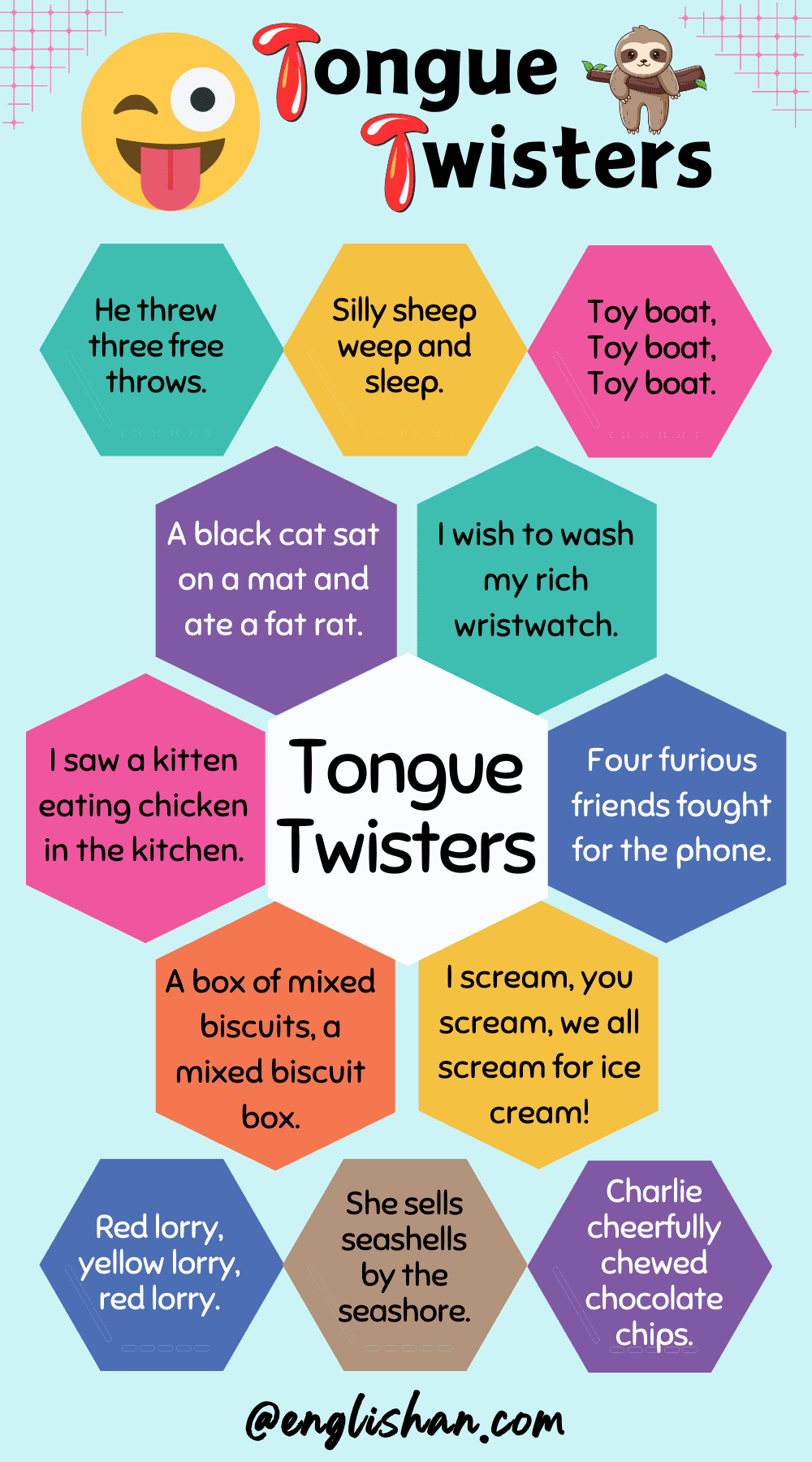
Phonetic Drill
Exercise.
Repeat: they, the, this,
that, there, there is, there
are.
Read the words:
this
that
three
mother
Stand up. Sit down. Point
to your nose. Touch your ears/ shoulder/
eyes.
|
Sts. listen to the teacher and
repeat a tongue
twister.
Sts. repeat the words after
the teacher and name the words with the
sounds.
|
Self –
Assessment
Descriptor:
3.1.2.1 recognise familiar
words with visual support.
|
Worksheet
|
|
Main
activities:
19
min.
|
Listen to the story and
repeat. Act.
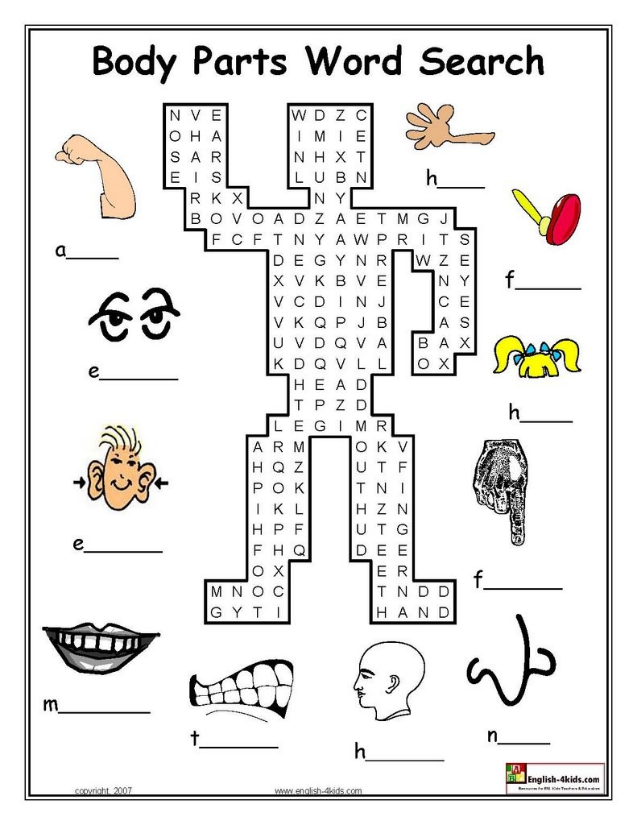
Who can go to the board and
write down as many words as you know about parts of the
body?
Ex.1 – 2 p.47. How do we form
plural form of
nouns?
We form plural form with the
help of the ending: - s or
-es.
How many parts can you
see?
|
Sts. listen and repeat. One by
one they go to the board and write the
words:
Arm, legs,
face…...
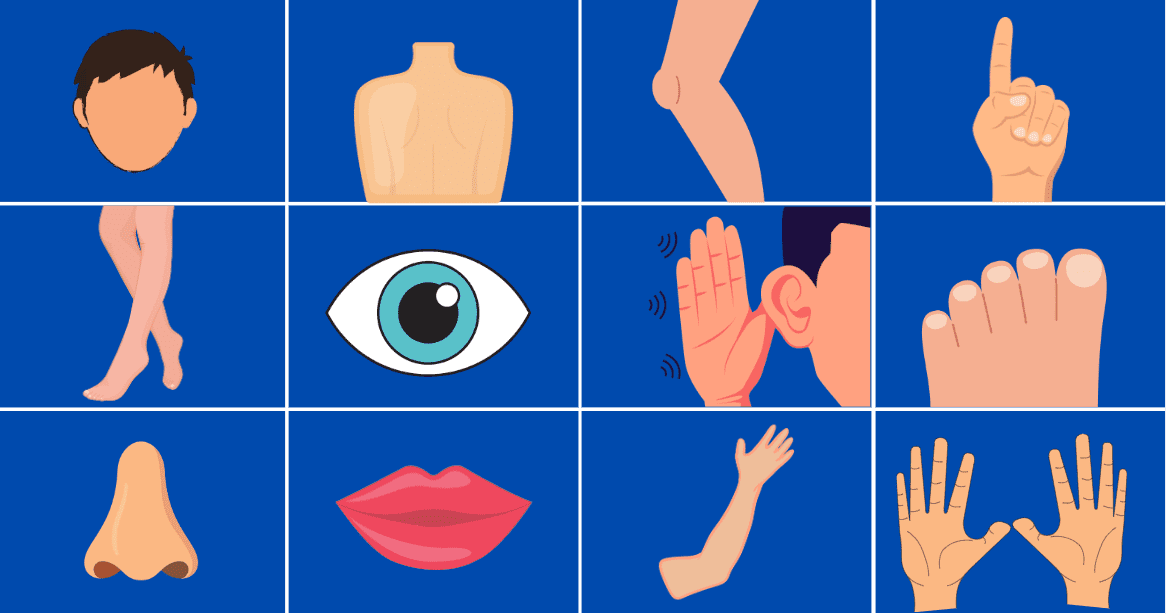
Sts. do the tasks in pairs/
groups.
|
Self –
Assessment
Descriptor:
A
learner:
Self –
Assessment
Descriptor: A
learner
Use and
follow with considerable support simple words,phrases,sentences
inreadingfamiliartopics.
Give a
sticker for a right answer to encourage Sts.
Self –
Assessment (for a home – assignment)
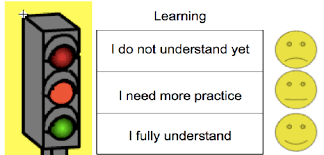
|
CD.
62
Flashcards
Student’s
Book “Family and friends 3. Kazakhstan edition”.(OxfordUniversity
Press)
St. Book
p.47
|
|
Physical training exercise – 3
min.
|
A break
for physical activity.
Teacher
plays the video with physical exercises.
https://youtu.be/M6LoRZsHMSs
A song” If you are happy
and you know”
|
Students watch and do
physical exercises and sing a
song.
|
|
Music
https://youtu.be/M6LoRZsHMSs
|
|
Main
activities:
15
min.
|
A teacher explains the
rule:
this – that, these –
those.
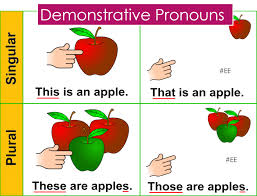
A teacher gives cards to 4
groups and asks them to make up sentences with the
structures.
A teacher shows a video and
asks Sts. to write the sentences. Underline the demonstrative
pronounces.
https://youtu.be/BcxmWhY-zx8
Ex.3 – 4 p.47. A teacher
asks the Sts. to do the tasks orally and
individually.
|
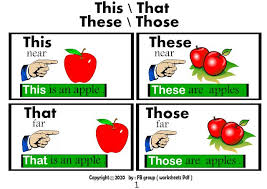
Sts. give examples of the
structures.
The group with more right
sentences wins a
game.
Talk to your friends: point to
your shoulders and ask: What are
these?
(Sts. revise parts of the
body).
|
Pair -
Assessment
Descriptor:
3.5.1.7
use demonstrative pronouns this, these, that, and those to indicate
things in closed questions with support
correctly.
|
worksheet
St. Book
p.47
https://youtu.be/BcxmWhY-zx8
|
|
The end
of the lesson
3
min.
|
Teacher
gives a homework and comment the work of
Sts.
Home
Assignment:
PB p.47.
Ex.4(w).
|
SS write
their homework for the next lesson.
Sts. give
a mark to themselves for working at the
lesson.
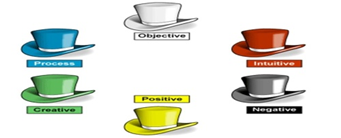
Students
think critically, exploring, developing, evaluating and making
choices about their own and others’ ideas.
|
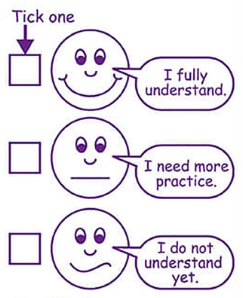
Pupils evaluate themselves using
evaluation
lists.
Reflection.
Self-
Assessment.
|
Whiteboard
|

 ЖИ көмекші


 Қауіпсіз төлем













 Бұл курс Қазақстан Республикасы Оқу-ағарту министрлігімен келісілген










