Checked -------------------
|
Unit: 5. My free time |
|
||
|
School: |
named after T.Shonanuly |
||
|
Teacher’s name: |
Orazova R.I o |
||
|
Date: |
20.01.2025 |
||
|
Grade: 3 |
Number present: |
absent: |
|
|
Lesson title |
Toys Everywhere! |
||
|
Learning objectives |
3.1.2.1 recognise familiar words with visual support; 3.3.3.1 understand short, simple instructions used in familiar everyday contexts; 3.3.4.1 find specific information in different types of texts 3.4.1.1 spell accurately a few high-frequency words 3.3.5.1 read short, illustrated fiction and non-fiction stories written in very simple language using a dictionary. |
||
|
Lesson objectives (assessment criteria) |
Learners will be able to: - listen and read the story about toys of heroes; - finds and writes the names of the toys and matches them; - development of listening comprehension skills through conversation; - understand short, simple instructions used in everyday, familiar contexts; |
||
|
Values and its purpose: |
"Law and Order" Know the basics of the legal system and human rights |
||
|
Stages/ Time |
Teachers actions |
Students actions |
Assessment |
Resources |
|
Beginning of the lesson 5 min Middle of the lesson Presentation part. 35 min |
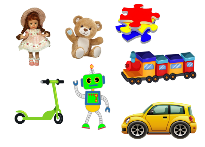
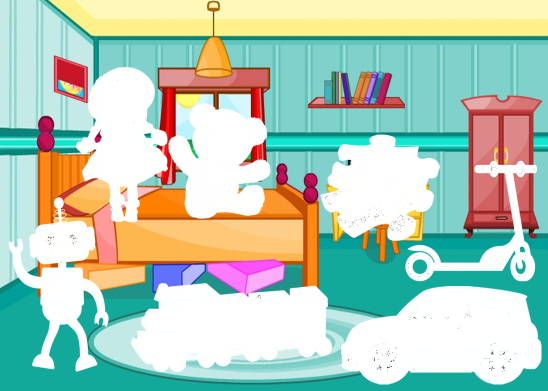
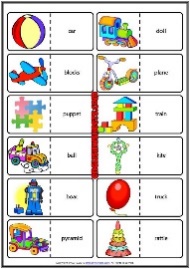
Organization moment : 1.Greeting. . (Whale class, Individually) Divide students into 4 groups with puzzles. Brainstorming Play "Hide and Find" Let's start off with a fun game. Before the class, hide the following toys around the classroom (under chairs, in bookshelves, etc.): teddy bear, doll, robot, train, puzzle, car, ball. Also, make sure you have printed the same flashcards as the toys you have hidden. You will need at least one toy per student Have all of your students sit down. Give each one a toy flashcard and tell them that hidden around the room are some toys which they have to find. Model the activity, by showing one toy flashcard (e.g. a picture of a doll) - wander around the room looking in different places until you have found a toy doll. Now, let everyone get up and search around for their toy and then sit down again in their place with the toy Once all the toys have been found go around the class and have each student hold up the toy they have found.
Vocabulary Listen to the teacher and touch the correct picture of the toys
Speaking
Read classroom reader "Toys Play
Time" Now that the Toys and Colors vocabulary has been covered, we can move on to a fun, simple story that uses the target vocabulary. Point to different toys and ask students to tell what they are and what colors and materials they see, for example: Listening and Reading Ex:1 P:60 Present the Toys Everywhere! story. Read the title and elicit its meaning. Ask: What is the story about? Let’s find out! Go through the pictures and set the scene. Follow the same procedure and present the rest of the story. Play the audio. The pupils listen and follow in their books. Ask: What are the hard toys in the story? Write robot, car, teddy bear on the board. Play the audio again. The pupils listen and answer (robot, car). Time permitting, play the audio a third time with pauses for Check their pronunciation and intonation. If you wish, play the animated video for the pupils to watch |
Students put the puzzle together and tells what kind of picture. For each toy say and chorus the toy word (e.g. Teacher: "a ball"; Students "a ball"). S1: -It’s a teddy bear S2: - It’s a ball S 3: -It’s a train Teacher: Look, what kind of toy is this? Is it soft or hard? Students: A teddy bear! It's a soft bear Teacher: Yes, that's right! What color is it? Students: Brown! Teacher: Yes, a brown teddy bear! Teacher: (pointing to the teddy bear in picture 2) What’s this? Class: (It’s) a car. Teacher: Yes. What colour is it? Class: (It’s) red. Teacher:It’s hard or soft Class:It’s hard car Etc The pupils to listen and repeat, chorally and/or individually. |
Teacher evaluate pupils with phrases like: “Good job! Well done!” Formative Assessment |

|
|
|
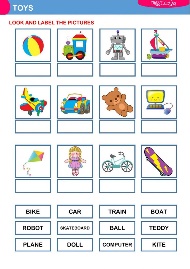
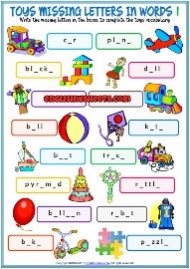
Writing Work in groups. I give the students worksheets and they filling; insert the missing letter, matching picture with words, put in correct order . "Can you find the toy that matches this name?" "What other toys do you see in the picture?" |
students filling worksheets, write words by inserting the correct letters |
|
|
|
End of the lesson 5 min |
Home task: Craftwork. make a Toy Box and hide a picture of your favorite’s toy there Ask students what they learned today. -What did we learning today? -What toys do you know in English ? -What is your favorite toy ? |
Feedback: “I understand” “I need help” “I’m getting there”
|
|
|
жүктеу мүмкіндігіне ие боласыз
Бұл материал сайт қолданушысы жариялаған. Материалдың ішінде жазылған барлық ақпаратқа жауапкершілікті жариялаған қолданушы жауап береді. Ұстаз тілегі тек ақпаратты таратуға қолдау көрсетеді. Егер материал сіздің авторлық құқығыңызды бұзған болса немесе басқа да себептермен сайттан өшіру керек деп ойласаңыз осында жазыңыз
Toys Everywhere!
Toys Everywhere!
Checked -------------------
|
Unit: 5. My free time |
|
||
|
School: |
named after T.Shonanuly |
||
|
Teacher’s name: |
Orazova R.I o |
||
|
Date: |
20.01.2025 |
||
|
Grade: 3 |
Number present: |
absent: |
|
|
Lesson title |
Toys Everywhere! |
||
|
Learning objectives |
3.1.2.1 recognise familiar words with visual support; 3.3.3.1 understand short, simple instructions used in familiar everyday contexts; 3.3.4.1 find specific information in different types of texts 3.4.1.1 spell accurately a few high-frequency words 3.3.5.1 read short, illustrated fiction and non-fiction stories written in very simple language using a dictionary. |
||
|
Lesson objectives (assessment criteria) |
Learners will be able to: - listen and read the story about toys of heroes; - finds and writes the names of the toys and matches them; - development of listening comprehension skills through conversation; - understand short, simple instructions used in everyday, familiar contexts; |
||
|
Values and its purpose: |
"Law and Order" Know the basics of the legal system and human rights |
||
|
Stages/ Time |
Teachers actions |
Students actions |
Assessment |
Resources |
|
Beginning of the lesson 5 min Middle of the lesson Presentation part. 35 min |
Organization moment : 1.Greeting. . (Whale class, Individually) Divide students into 4 groups with puzzles. Brainstorming Play "Hide and Find" Let's start off with a fun game. Before the class, hide the following toys around the classroom (under chairs, in bookshelves, etc.): teddy bear, doll, robot, train, puzzle, car, ball. Also, make sure you have printed the same flashcards as the toys you have hidden. You will need at least one toy per student Have all of your students sit down. Give each one a toy flashcard and tell them that hidden around the room are some toys which they have to find. Model the activity, by showing one toy flashcard (e.g. a picture of a doll) - wander around the room looking in different places until you have found a toy doll. Now, let everyone get up and search around for their toy and then sit down again in their place with the toy Once all the toys have been found go around the class and have each student hold up the toy they have found.
Vocabulary Listen to the teacher and touch the correct picture of the toys
Speaking
Read classroom reader "Toys Play
Time" Now that the Toys and Colors vocabulary has been covered, we can move on to a fun, simple story that uses the target vocabulary. Point to different toys and ask students to tell what they are and what colors and materials they see, for example: Listening and Reading Ex:1 P:60 Present the Toys Everywhere! story. Read the title and elicit its meaning. Ask: What is the story about? Let’s find out! Go through the pictures and set the scene. Follow the same procedure and present the rest of the story. Play the audio. The pupils listen and follow in their books. Ask: What are the hard toys in the story? Write robot, car, teddy bear on the board. Play the audio again. The pupils listen and answer (robot, car). Time permitting, play the audio a third time with pauses for Check their pronunciation and intonation. If you wish, play the animated video for the pupils to watch |
Students put the puzzle together and tells what kind of picture. For each toy say and chorus the toy word (e.g. Teacher: "a ball"; Students "a ball"). S1: -It’s a teddy bear S2: - It’s a ball S 3: -It’s a train Teacher: Look, what kind of toy is this? Is it soft or hard? Students: A teddy bear! It's a soft bear Teacher: Yes, that's right! What color is it? Students: Brown! Teacher: Yes, a brown teddy bear! Teacher: (pointing to the teddy bear in picture 2) What’s this? Class: (It’s) a car. Teacher: Yes. What colour is it? Class: (It’s) red. Teacher:It’s hard or soft Class:It’s hard car Etc The pupils to listen and repeat, chorally and/or individually. |
Teacher evaluate pupils with phrases like: “Good job! Well done!” Formative Assessment |

|

|
|
Writing Work in groups. I give the students worksheets and they filling; insert the missing letter, matching picture with words, put in correct order . "Can you find the toy that matches this name?" "What other toys do you see in the picture?" |
students filling worksheets, write words by inserting the correct letters |
|
|
|
End of the lesson 5 min |
Home task: Craftwork. make a Toy Box and hide a picture of your favorite’s toy there Ask students what they learned today. -What did we learning today? -What toys do you know in English ? -What is your favorite toy ? |
Feedback: “I understand” “I need help” “I’m getting there”
|
|
|
шағым қалдыра аласыз