|
Unit 3 Living things |
lesson 36 |
||
|
School: |
|
||
|
Teacher name: |
|
||
|
Date: |
|
||
|
Grade: 5 |
Number present: |
absent: |
|
|
Lesson title |
|||
|
Learning objectives |
5.5.8.1 spell most high-frequency words accurately for a limited range of general topic 5.1.3.1 respect different points of view; |
||
|
Learning objectives (assessment criteria) |
Learners will be able to: - to listen to and read the text - to answer questions about the text - to talk about wildlife in India |
||
|
Stages/ Time |
Teachers actions |
Students actions |
Assessment |
Resources |
|
Beginning 5 min |
Organization moment: 1.Greeting. Welcome the students to the lesson. Ask familiar questions, such as What's the date? What's the weather like? Happy circle method. The aim: To develop Ss speaking skills and create friendly atmosphere Efficiency: By telling the wishes they show their appreciations .Revision of previous lessons materials with the help of the teacher. Revision of previous lessons materials with the help of the teacher. Warm up: The students take turns to say a sentence about their animal, for example It's got black fur. The rest of the class guesses the animal. It's a panther. Say Today we're going to read a website to find out more about wildlife in India and answer questions about it. We're also going to play a game and give our opinions. |
Ss make a circle and wishes the best wishes to each other Learners read the given sentences on the board and guess the topic and share with their ideas. |
At the organization moment T tries to award active Ss. «The praise» method is used to evaluate Ss with phrases like: “Good job! Well done!” Descriptor: -answer the questions -pronounce words correctly Total: 2points |
Sheets of peppers Pictures of to be |
|
Middle 30 min |
Task. I (Wh, I) (pair dicsussion) Ex: 4 P: 25 Read Sita's post and the website heading. Play the CD. The students listen and read. Clarify the meaning of vocabulary, as necessary; for example 'monsoon', 'freezing' and 'spots'. Read the Reading Tip. Explain that the first sentence of a paragraph is often a 'signpost' that tells you what the paragraph is about and this can help you. understand the text. Play the CD again. Ask What are the three main differences between the two kinds of national parks? (Where they are, the weather, and the animals you can fee.) Draw attention to the thinking skills (Comparing and contrasting) that the students use to tell you their answers. |
Learners say sentences about the members of the Tiger Tracks SLN for the other team to identify. ANSWERS Student’s own answer |
Descriptor: - listen and read. - answer the question Total: 2 point |
Student’s book
|
|
|
Task. II (Wh, I) (Task for location) Ex: 5 P: 25 The students take turns to read and answer the questions. |
Students ask and answer the questions in pairs. ANSWERS 1 There are more than 100 national parks in India. 2 You can see baboons and flamingos in national parks near forests and rivers. 3 You can see eagles and wolves in national parks in the mountains. 4 There's a monsoon season in national parks near forests and rivers. 5 There's lots of snow in national parks in the mountains. |
Descriptor: - read and answer the questions. Total: 2 point |
Worksheets |
|
|
Task. III (Task for understanding) Activity book Ex: 6 P: 25 (Books closed.) Ask questions such as Where can you see baboons? The students respond. (In national parks near rivers and forests!) The students take turns to ask questions and respond in the same way. |
Learners take turns to ask questions and respond in the same way. ANSWERS Student’s own answer |
Descriptor: - ask questions and respond Total: 2 point |
Pictures
Worksheet |
|
End 5 min |
FEEDBACK Learners provide feedback on what they have learned at the lesson. Ex: P: Home task: |
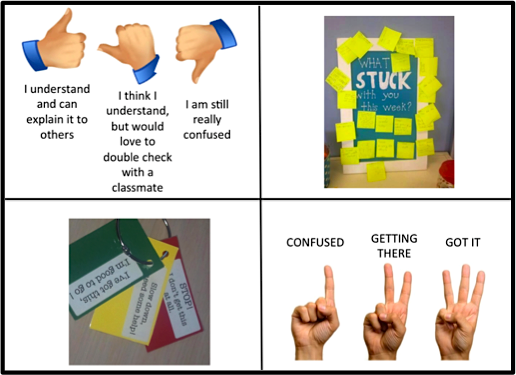
Ss show their knowledge according to the lesson 5 fingers- I understood 4 fingers -I have some questions 2 fingers-I need a help. Aim: To know how many Ss got the theme. Efficiency: Ss can use our fingers to show how much do they remember. Differentiation: «Conclusion» method is used to finish the lesson |
Poster Success Ladder |
|
жүктеу мүмкіндігіне ие боласыз
Бұл материал сайт қолданушысы жариялаған. Материалдың ішінде жазылған барлық ақпаратқа жауапкершілікті жариялаған қолданушы жауап береді. Ұстаз тілегі тек ақпаратты таратуға қолдау көрсетеді. Егер материал сіздің авторлық құқығыңызды бұзған болса немесе басқа да себептермен сайттан өшіру керек деп ойласаңыз осында жазыңыз
Vocabulary: Celebrations
|
Unit 3 Living things |
lesson 36 |
||
|
School: |
|
||
|
Teacher name: |
|
||
|
Date: |
|
||
|
Grade: 5 |
Number present: |
absent: |
|
|
Lesson title |
|||
|
Learning objectives |
5.5.8.1 spell most high-frequency words accurately for a limited range of general topic 5.1.3.1 respect different points of view; |
||
|
Learning objectives (assessment criteria) |
Learners will be able to: - to listen to and read the text - to answer questions about the text - to talk about wildlife in India |
||
|
Stages/ Time |
Teachers actions |
Students actions |
Assessment |
Resources |
|
Beginning 5 min |
Organization moment: 1.Greeting. Welcome the students to the lesson. Ask familiar questions, such as What's the date? What's the weather like? Happy circle method. The aim: To develop Ss speaking skills and create friendly atmosphere Efficiency: By telling the wishes they show their appreciations .Revision of previous lessons materials with the help of the teacher. Revision of previous lessons materials with the help of the teacher. Warm up: The students take turns to say a sentence about their animal, for example It's got black fur. The rest of the class guesses the animal. It's a panther. Say Today we're going to read a website to find out more about wildlife in India and answer questions about it. We're also going to play a game and give our opinions. |
Ss make a circle and wishes the best wishes to each other Learners read the given sentences on the board and guess the topic and share with their ideas. |
At the organization moment T tries to award active Ss. «The praise» method is used to evaluate Ss with phrases like: “Good job! Well done!” Descriptor: -answer the questions -pronounce words correctly Total: 2points |
Sheets of peppers Pictures of to be |
|
Middle 30 min |
Task. I (Wh, I) (pair dicsussion) Ex: 4 P: 25 Read Sita's post and the website heading. Play the CD. The students listen and read. Clarify the meaning of vocabulary, as necessary; for example 'monsoon', 'freezing' and 'spots'. Read the Reading Tip. Explain that the first sentence of a paragraph is often a 'signpost' that tells you what the paragraph is about and this can help you. understand the text. Play the CD again. Ask What are the three main differences between the two kinds of national parks? (Where they are, the weather, and the animals you can fee.) Draw attention to the thinking skills (Comparing and contrasting) that the students use to tell you their answers. |
Learners say sentences about the members of the Tiger Tracks SLN for the other team to identify. ANSWERS Student’s own answer |
Descriptor: - listen and read. - answer the question Total: 2 point |
Student’s book
|
|
|
Task. II (Wh, I) (Task for location) Ex: 5 P: 25 The students take turns to read and answer the questions. |
Students ask and answer the questions in pairs. ANSWERS 1 There are more than 100 national parks in India. 2 You can see baboons and flamingos in national parks near forests and rivers. 3 You can see eagles and wolves in national parks in the mountains. 4 There's a monsoon season in national parks near forests and rivers. 5 There's lots of snow in national parks in the mountains. |
Descriptor: - read and answer the questions. Total: 2 point |
Worksheets |
|
|
Task. III (Task for understanding) Activity book Ex: 6 P: 25 (Books closed.) Ask questions such as Where can you see baboons? The students respond. (In national parks near rivers and forests!) The students take turns to ask questions and respond in the same way. |
Learners take turns to ask questions and respond in the same way. ANSWERS Student’s own answer |
Descriptor: - ask questions and respond Total: 2 point |
Pictures
Worksheet |
|
End 5 min |
FEEDBACK Learners provide feedback on what they have learned at the lesson. Ex: P: Home task: |
Ss show their knowledge according to the lesson 5 fingers- I understood 4 fingers -I have some questions 2 fingers-I need a help. Aim: To know how many Ss got the theme. Efficiency: Ss can use our fingers to show how much do they remember. Differentiation: «Conclusion» method is used to finish the lesson |
Poster Success Ladder |
|
шағым қалдыра аласыз