ЖИ көмекші


жүктеу мүмкіндігіне ие боласыз
Бұл материал сайт қолданушысы жариялаған. Материалдың ішінде жазылған барлық ақпаратқа жауапкершілікті жариялаған қолданушы жауап береді. Ұстаз тілегі тек ақпаратты таратуға қолдау көрсетеді. Егер материал сіздің авторлық құқығыңызды бұзған болса немесе басқа да себептермен сайттан өшіру керек деп ойласаңыз осында жазыңыз
 21 Ақпан 2025
 124
124
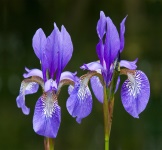
Vocabulary: flowers
Short term plan: term 3
|
Unit 6: The natural world |
Lesson |
||
|
Teacher name: |
|
||
|
Date: |
23.01 |
||
|
Grade: 8 A, B |
Number present: |
absent: |
|
|
Lesson title |
Vocabulary: flowers |
||
|
Learning objectives |
8.1.10.1 use talk or writing as a means of reflecting on and exploring a range of perspectives on the world 8.3.7.1 use appropriate subject-specific vocabulary and syntax to talk about a range of general topics, and some curricular topics 8.5.1.1 plan, write, edit and proofread work at text level with little support on a range of general and curricular topics |
||
|
Lesson objectives |
Learners will be able to: - use lexis/syntax norms in appropriate situations or context - check their own and others’ writing to ensure that it communicates what they intended and improve the writing if needed |
||
|
Value links |
Integrity – Integrity is the quality of having strong moral principles. So, a person with integrity will always act with honesty and adhere to their own moral code regardless of what others do. |
||
|
Plan |
|||
|
Stages / Time |
Teachers actions |
Students actions |
Assessment criteria |
Resources |
|
Beginning of the lesson Warming-up
3 min Pre-learning «Brainstorming» method 7 min. |
Organization moment : 1.Greeting. Ask about the weather. The teacher sets the lesson objectives, letting students know what to anticipate from the lesson. Warming up Where are you from? How old are you? What color is it? How many students are there in class? What day of the week today? Revise the language of the previous lesson. Lead – In
|
The aim: To develop pupils speaking skills and create friendly atmosphere Efficiency: By wishing each other they feel better and feel the support of others Students of the class are listed. Students' attention is drawn to the lesson. • Learners write the numbers from previous lesson Determines the topic and purpose of the lesson Students say different words from the picture |
The teacher to assess learners for their ability. “Good job! Well done!” Formative Assessment
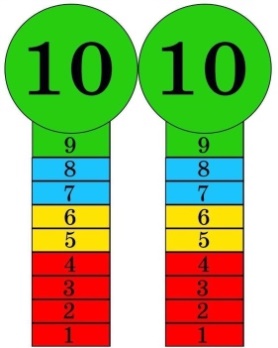
Good job! Descriptor: -know key phrases - can make sentence - know vocabulary of previous lesson Total: 1 point Assessment criteria - Learners have met the learning objectives if they can: To talk about flowers |
Pictures worksheet Student’s book |
|
Middle of the lesson Presentation part. 30 min |
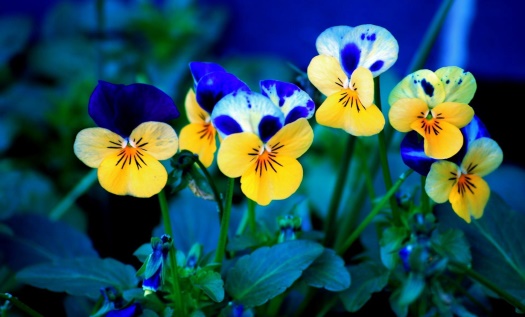
Ex:1 P:63 • To present flowers • Direct Ss to the pictures. • Ask Ss to write the headings into their notebooks and then give them time to list the flowers under the correct headings. • Play the recording. Ss listen and check their answers. Ex: 2 P: 63 • To talk about flowers; to express an opinion Read the questions aloud and then ask various Ss to share their answers with the class. Ex: 3 P: 63 • To personalise the topic Read out the questions and give Ss time to consider their answers and then elicit answers from Ss around the class. Ex: 4 P: 63 • To prepare a poster • Ask Ss to work in small groups and give them time to go online and research and collect photos of garden/wild flowers in Kazakhstan and prepare a poster. • Ask various groups to present their posters to the class. Display the posters around the classroom. Conclusion during the lesson some tasks differentiated by outcomes of the students and by their abilities. |
Pupils look at the pictures. List them under the headings: Garden flowers – Wild flowers – Endangered Flowers. ANSWERS Garden flowers: petunia, rose Wild flowers: thistle, jade vine, petunia, lady’s slipper orchid, rose, poppy Endangered flowers: jade vine, lady slipper orchid Pupils answer the question. Which of these flowers are there in Kazakhstan? Which is your favourite flower? ANSWERS There are thistles and roses in Kazakhstan. My favourite flower is the rose. Pupils answer the question. When was the last time you bought flowers? ANSWERS I bought flowers for my mother on Women’s Day in March. Pupils collect photographs showing garden/wild flowers in Kazakhstan. Prepare a poster. Present it to the class. ANSWERS Here are some garden/wild flowers that you can see in Kazakhstan
|
Descriptor: - look at the pictures - list them under the headings Total: 2 point
Descriptor: - talk about flowers - talk about flowers Total: 2 point Descriptor: - answer the question. Total: 1 point Descriptor: - collect photographs - prepare a poster Total: 2 point -Make CCQ questions Yes / No |
Card Worksheet Students book |
|
End of the lesson 5 min |
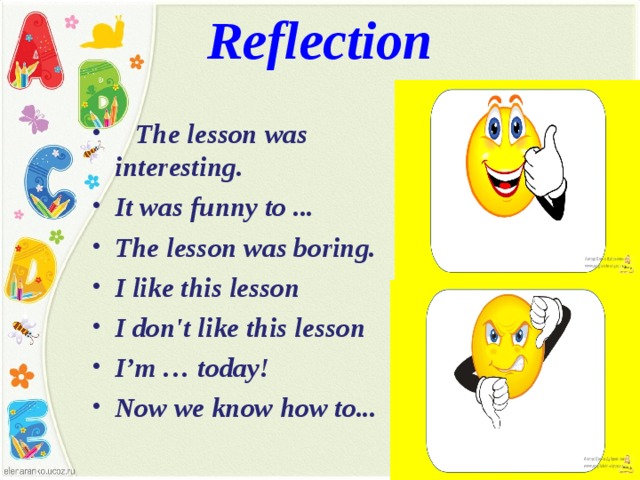
FEEDBACK Learners provide feedback on what they have learned at the lesson. Ex: Home task: |
|
Poster Success
|
|






 Жүктеу


 Жүктеу
шағым қалдыра аласыз

 Бұл курс Қазақстан Республикасы Оқу-ағарту министрлігімен келісілген