Short term plan
|
Unit 1: Our world lesson 1 |
School: 89 – school- lyceum |
||
|
Date:03.09.24 |
Teacher name: Duisenbaeva .A.S |
||
|
Grade: 8 «ӘАБВ» |
Number present: |
absent: |
|
|
Lesson title |
Vocabulary: Global issues |
||
|
Learning objectives |
8.1.9.1 use imagination to express thoughts, ideas, experiences and feelings 8.3.7.1 use appropriate subject-specific vocabulary and syntax to talk about a range of general topics, and some curricular topics |
||
|
Learning objectives (assessment criteria) |
Learners will be able to: - talk about solutions to global issues, - get an overview of the module |
||
|
Levels of thinking skills |
Knowledge and comprehension |
||
|
Stages/ Time |
Teachers actions |
Students actions |
Assessment |
Resources |
|
Beginning 5 min |
Greeting. (Whale class, Individually) T tells the class to make groups of 2. Warm up: With books closed, ask individual students questions such as What’s your favourite TV programme / animal / food? Ask them to describe the item they have chosen. Write any adjectives they use on the board and elicit that they are adjectives. • Elicit and write up other adjectives that students know T: What do you think about today’s theme? Setting the aim of the lesson.

|
Learners read the given sentences on the board and guess the topic and share with their ideas. Remember and recognize the main vocabulary. |
Teacher controles the process, gives feedback and asks additional questions if it’s nessasery. Teacher evaluate pupils with phrases like: “Good job! Well done!” Formative Assessment

|
Sheets of peppers Pictures of to be
https://images.app.goo.gl/sgD8E5vURFsHUqfn6 |
|
Middle 30 min |
Task. I (Wh, I) (pair dicsussion) Ex: 1 P:5 Direct students to the pictures. Play the recording. Students listen and repeat chorally and/or individually |
Learners look at the pictures. Listen and repeat. ANSWERS : Students’ own answer |
T’s feedback
Descriptor: - look at the pictures - listen and repeat Total: 2 point |
Student’s book |
|
|
Task. II (Wh, I) (Task for location) Ex: 2 P:5 • Read the ideas in the list and elicit/explain any unknown words. • Invite one of the students to read out the example. • Ask various students to suggest solutions to the global issues using the ideas in the list as well as ideas of their own. Differentiation: This task differentiated by the learners abilities. More able learners understand and use the ideas from the list |
Learners use the ideas below as well as your own to suggest solutions to some of the problems in the pictures. ANSWERS : A Protecting wildlife habitats helps fight species extinction B Opening more homeless shelters and providing free public housing help fight homelessness. C Walking instead of driving and using public transport help fight air pollution. D Recycling helps fight excess waste. |
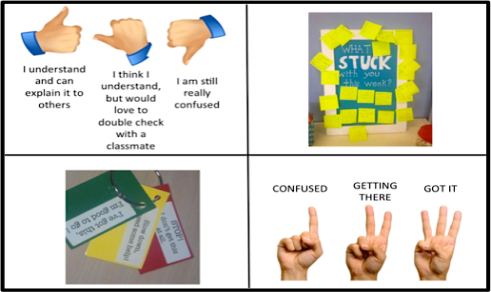
Feedback: “Thumbs up, thumbs down” After correct answer teacher shows thumbs up, if there are some mistakes thumbs down with comments Descriptor: - read the ideas in the list - use the ideas in the list Total: 2 point |
Worksheets Stickers |
|
End 5 min |
“Finger” method is used to find out was the lesson clear or not. 5 fingers- I understood 4 fingers -I have some questions 2 fingers-I need a help Ex: P: ex 2 p 5 SB Home task |
Ss show their knowledge according to the lesson Ss evaluate each other and encourage classmate with phrases like: W |

Poster Success Ladder |
|
жүктеу мүмкіндігіне ие боласыз
Бұл материал сайт қолданушысы жариялаған. Материалдың ішінде жазылған барлық ақпаратқа жауапкершілікті жариялаған қолданушы жауап береді. Ұстаз тілегі тек ақпаратты таратуға қолдау көрсетеді. Егер материал сіздің авторлық құқығыңызды бұзған болса немесе басқа да себептермен сайттан өшіру керек деп ойласаңыз осында жазыңыз
Vocabulary: Global issues
Short term plan
|
Unit 1: Our world lesson 1 |
School: 89 – school- lyceum |
||
|
Date:03.09.24 |
Teacher name: Duisenbaeva .A.S |
||
|
Grade: 8 «ӘАБВ» |
Number present: |
absent: |
|
|
Lesson title |
Vocabulary: Global issues |
||
|
Learning objectives |
8.1.9.1 use imagination to express thoughts, ideas, experiences and feelings 8.3.7.1 use appropriate subject-specific vocabulary and syntax to talk about a range of general topics, and some curricular topics |
||
|
Learning objectives (assessment criteria) |
Learners will be able to: - talk about solutions to global issues, - get an overview of the module |
||
|
Levels of thinking skills |
Knowledge and comprehension |
||
|
Stages/ Time |
Teachers actions |
Students actions |
Assessment |
Resources |
|
Beginning 5 min |
Greeting. (Whale class, Individually) T tells the class to make groups of 2. Warm up: With books closed, ask individual students questions such as What’s your favourite TV programme / animal / food? Ask them to describe the item they have chosen. Write any adjectives they use on the board and elicit that they are adjectives. • Elicit and write up other adjectives that students know T: What do you think about today’s theme? Setting the aim of the lesson.
|
Learners read the given sentences on the board and guess the topic and share with their ideas. Remember and recognize the main vocabulary. |
Teacher controles the process, gives feedback and asks additional questions if it’s nessasery. Teacher evaluate pupils with phrases like: “Good job! Well done!” Formative Assessment
|
Sheets of peppers Pictures of to be
https://images.app.goo.gl/sgD8E5vURFsHUqfn6 |
|
Middle 30 min |
Task. I (Wh, I) (pair dicsussion) Ex: 1 P:5 Direct students to the pictures. Play the recording. Students listen and repeat chorally and/or individually |
Learners look at the pictures. Listen and repeat. ANSWERS : Students’ own answer |
T’s feedback
Descriptor: - look at the pictures - listen and repeat Total: 2 point |
Student’s book |
|
|
Task. II (Wh, I) (Task for location) Ex: 2 P:5 • Read the ideas in the list and elicit/explain any unknown words. • Invite one of the students to read out the example. • Ask various students to suggest solutions to the global issues using the ideas in the list as well as ideas of their own. Differentiation: This task differentiated by the learners abilities. More able learners understand and use the ideas from the list |
Learners use the ideas below as well as your own to suggest solutions to some of the problems in the pictures. ANSWERS : A Protecting wildlife habitats helps fight species extinction B Opening more homeless shelters and providing free public housing help fight homelessness. C Walking instead of driving and using public transport help fight air pollution. D Recycling helps fight excess waste. |
Feedback: “Thumbs up, thumbs down” After correct answer teacher shows thumbs up, if there are some mistakes thumbs down with comments Descriptor: - read the ideas in the list - use the ideas in the list Total: 2 point |
Worksheets Stickers |
|
End 5 min |
“Finger” method is used to find out was the lesson clear or not. 5 fingers- I understood 4 fingers -I have some questions 2 fingers-I need a help Ex: P: ex 2 p 5 SB Home task |
Ss show their knowledge according to the lesson Ss evaluate each other and encourage classmate with phrases like: W |
Poster Success Ladder |
|
шағым қалдыра аласыз


ell done! Brilliant!
Good job! I like it!