ЖИ көмекші


жүктеу мүмкіндігіне ие боласыз
Бұл материал сайт қолданушысы жариялаған. Материалдың ішінде жазылған барлық ақпаратқа жауапкершілікті жариялаған қолданушы жауап береді. Ұстаз тілегі тек ақпаратты таратуға қолдау көрсетеді. Егер материал сіздің авторлық құқығыңызды бұзған болса немесе басқа да себептермен сайттан өшіру керек деп ойласаңыз осында жазыңыз
 24 Қараша 2025
 42
42
Water experiences
Short term plan: term 2
|
Unit: 3 Entertainment and media |
Lesson 25 |
||
|
Teacher name: |
|
||
|
Date: |
|
||
|
Grade: 8 |
Number present: |
absent: |
|
|
Lesson title |
Vocabulary: Entertainment |
||
|
Learning objectives |
8.2.7.1 recognise typical features at word, sentence and text level of a growing range of spoken genre 8.3.2.1 ask more complex questions to get information about a growing range of general topics and some curricular topics |
||
|
Lesson objectives |
Learners will be able to: - present forms of entertainment - express an opinion - talk about a past experience |
||
|
Instilling values of the program “Adal Azamat” |
Respect: appreciating different tastes in entertainment. Creativity: expressing personal opinions and preferences. Teamwork: collaborating in pair and group activities. |
||
|
Plan |
|||
|
Stages / Time |
Teachers actions |
Students actions |
Assessment criteria |
Resources |
|
Beginning of the lesson
5 min. |
Organization moment : 1.Greeting. Ask about the weather. Warm up “Entertainment Brainstorm” ? Write the
word ENTERTAINMENT on the board.
“What comes to your mind when you hear this word?” Students brainstorm
ideas in pairs (e.g., films, concerts, games, theatre, TV
shows). Presentation Vocabulary Introduction ? Introduce and explain new vocabulary using pictures or real examples. |
Learners read the given sentences on the board and guess the topic and share with their ideas.
|
The teacher to assess learners for their ability. “Good job! Well done!” Formative Assessment
Good job! |
Board and markers Flashcards / pictures (TV, cinema, theatre, concert, etc.) Worksheets (matching, gap-fill, and group tasks) Projector (optional for short video clips) |
|
Middle of the lesson 10 min 12 min 13 min |
Ex:1 P:29 Direct Ss to the pictures. Play the recording. Ss listen and repeat chorally and/or individually. Conclude that being an adal azamat means listening attentively, speaking truthfully, and showing respect in communication and learning. Ex: 2 P: 29 Ask Ss to discuss the questions in pairs. Monitor the activity around the class and then ask various Ss to tell the class. Conclude that an adal azamat listens with respect, shares ideas honestly, and works cooperatively with others — values that make both good learners and good members of society. Task for less motivated learner Complete the sentences Use the words from Step 2: TV, film, music, game, reading, sports, dance I like watching ______ in the evening. My brother plays ______ after school. I love listening to ______ every day. She likes ______ books. They go to the hall to ______. Answers: 1 TV, 2 sports, 3 music, 4 reading, 5 dance Ex: 3 P: 29 Read out the questions and the example. Ask Ss to discuss the questions in pairs. Elicit suitable adjectives from Ss around the class (e.g. nice, fun, exciting, amazing, entertaining, etc). Then ask various Ss to tell the class. Conclude that an adal azamat speaks honestly, respects others’ opinions, and uses kind, positive language when expressing feelings or describing experiences. |
Learners look at the pictures ANSWERS Students own answer Learners answer the question. Use the adjectives below. ANSWERS I like attending concerts because I love music and the atmosphere at a concert is fascinating. Learners answer the question. Tell the class. ANSWERS The last time I watched traditional dancing was last summer. It was nice. The last time I went to a water park was two summers ago. It was great fun. The last time I took a guided tour of a museum was two years ago. It was interesting. The last time I attended a concert was last month. It was amazing. The last time I read a classic novel was 3 years ago. It was interesting. The last time I went to the theatre was two weeks ago. It was entertaining |
Descriptor: - look at the pictures. - listen and repeat chorally and/or individually. Total: 3 point
Descriptor: - answer the question. Use the adjectives below Total: 3 point Descriptor: - answer the question. Tell the class Total: 4 point |
|
|
End of the lesson 5 min |
FEEDBACK “Entertainment Quiz” Quick oral quiz:
“Where do people go to watch a play?” (theatre) Finish with a motivational quote: “Reading gives you knowledge, but entertainment gives you joy — together, they make you creative!” |
Ss evaluate each other and encourage classmate with phrases like: Well done! Brilliant! Good job! I like it! |
Poster Success
|
|




Short term plan: term 2
|
Unit 3 Entertainment and media |
Lesson 26 |
||
|
Teacher name: |
|
||
|
Date: |
|
||
|
Grade: 8 |
Number present: |
absent: |
|
|
Lesson title |
Reading: Steve’s travel blog |
||
|
Learning objectives |
8.2.6.1 deduce meaning from context with little or no support in extended talk on a growing range of general and curricular topics 8.3.2.1 ask more complex questions to get information about a growing range of general topics and some curricular topics 8.4.2.1 understand specific information and detail in texts on a growing range of familiar general and curricular topics, including some extended texts; |
||
|
Lesson objectives |
Learners will be able to: - To introduce the topic and topic-related vocabulary - read for specific information - learn about and identify compound nouns and compound adjectives |
||
|
Instilling values of the program “Adal Azamat” |
Curiosity: learning about new places and cultures. Respect: appreciating different traditions and travel experiences. Responsibility: traveling safely and caring for the environment. |
||
|
Plan |
|||
|
Stages / Time |
Teachers actions |
Students actions |
Assessment criteria |
Resources |
||||||||||||
|
Beginning of the lesson
5 min Middle of the lesson 10 min |
Organization moment : 1.Greeting. Ask about the weather. Warm up Ask students:
“Where would you like to travel one day?” Show a few photos (mountains, beaches, cities) and ask: “What kind of places do you prefer — nature or cities?” Write some student ideas on the board. Ex:1 P:30 Ask Ss to look at the pictures and then read out the activities in the list. Ask various Ss to say which activities they can do in each place. Play the recording. Ss listen and read the text and check. |
Learners read the given sentences on the board and guess the topic and share with their ideas. Pupils look at the places in the pictures. Answer the question. ANSWERS You can have a fun water experience in all the places. You can take a dip in a pool and slide down a waterslide at Almaty Aqua Park. |
The teacher to assess learners for their ability. “Good job! Well done!” Formative Assessment
Good job!
Descriptor: - look at the places in the pictures - answer the question. Total: 3 point |
Printed text: “Steve’s Travel Blog” Worksheet (comprehension, vocabulary, writing) Projector or pictures of travel destinations Board and markers |
||||||||||||
|
10 min
7 min
8 min
|
Conclude that an adal azamat is someone who thinks carefully, listens respectfully, and checks facts honestly before giving answers — qualities that apply both in learning and in daily life. Ex: 2 P: 31 Explain the task. Allow Ss time to read the questions and then read the texts again and complete the task. Check Ss’ answers. Conclude that an adal azamat is someone who reads carefully, answers honestly, and respects the source of information, developing integrity in learning and life. Ex: 3 P: 31 Allow Ss time to complete the collocations by referring to the texts or using their dictionaries as necessary. Check Ss’ answers around the class. Conclude that being an adal azamat means working responsibly, being truthful about your answers, and respecting the learning process. Task for less motivated learner Match the words Task: Draw lines to match the words that go together.
Ex: 4 P: 31 Read the table aloud and explain compound nouns and adjectives and elicit further examples from Ss around the class. Give Ss time to find examples in the blog. Check Ss’ answers. Conclude that an adal azamat is someone who learns responsibly, works independently, and respects the work of others, which is valuable both in class and in life. |
You can relax in a mineral spring at Chundzha. You can play on a sandy beach at Khan Shatyr.
Pupils read the text again and answer the question. ANSWERS 1 You can find an indoor beach. 2 It comes from the Maldives. 3 They can swim in the pool and go on the waterslides. 4 There are more than 140. 5 It is a five-hour drive
Pupils complete the collocations. ANSWERS 1 summer 2 entertainment 3 tropical 4 aqua 5 mineral 6 indoor Pupils read the theory. Find compound nouns and compound adjectives. ANSWERS Compound nouns: entertainment centre, indoor beach, aqua park Compound adjectives: two-week holiday, five-hour drive |
Descriptor: - read the text again - answer the question Total: 3 point Descriptor: - complete the collocations. Total: 2 point Descriptor: - read the theory - find compound nouns and compound adjectives Total: 2 point |
|
||||||||||||
|
End of the lesson 5 min |
FEEDBACK Teacher asks: “Why do people like to
travel?” Encourage answers like meeting new people, trying food, learning languages. Homework: |
Ss evaluate each other and encourage classmate with phrases like: Well done! Brilliant! Good job! I like it!
|
Poster Success
|
|||||||||||||
Short term plan: term 2
|
Unit 3 Entertainment and media |
Lesson 27 |
||
|
Teacher name: |
|
||
|
Date: |
|
||
|
Grade: 8 |
Number present: |
absent: |
|
|
Lesson title |
Vocabulary: water experiences |
||
|
Learning objectives |
8.3.7.1 use appropriate subject-specific vocabulary and syntax to talk about a range of general topics, and some curricular topics 8.4.8.1 use familiar and some unfamiliar paper and digital reference 8.5.2.1 write with minimal support about real and imaginary past events, activities and experiences on a range of familiar general topics and some curricular topics |
||
|
Lesson objectives |
Learners will be able to: - present new vocabulary - talk about water attractions |
||
|
Instilling values of the program “Adal Azamat” |
Courage: trying new and challenging activities. Respect: caring for nature and water safety. Responsibility: being safe and protecting the environment. |
||
|
Plan |
|||
|
Stages / Time |
Teachers actions |
Students actions |
Assessment criteria |
Resources |
|
Beginning of the lesson
5 min |
Organization moment : 1.Greeting. Ask about the weather. Warm up Ask students:
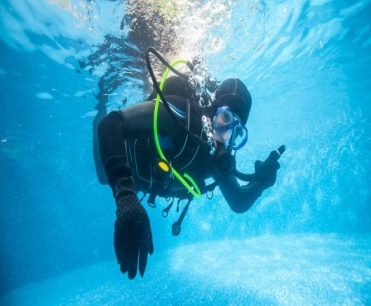
“What can you do in or near water?” Show pictures
(swimming, rafting, surfing, fishing). Ex: 5 P: 31 Read through the list of prepositions and give Ss time to complete the sentences using their dictionaries to check. Check Ss’ answers. Conclude that an adal azamat is someone who learns responsibly, works independently, and respects the learning process, showing honesty in all tasks. |
Learners read the given sentences on the board and guess the topic and share with their ideas.
Pupils complete the sentences. Use for, about or on ANSWERS 1 on 2 on 4 about 3 for 5 on 6 for |
The teacher to assess learners for their ability. “Good job! Well done!” Formative Assessment
Good job!
Descriptor: - complete the sentences -use prepositions Total: 1 point |
Flashcards or pictures of water activities Video or short audio (optional) of people describing water sports Worksheets with matching and writing tasks Whiteboard and marker |
|
Middle of the lesson 10 min |
Ex:6 P: 31 Read out the list of words give Ss time to complete the sentences using their dictionaries if necessary. Check Ss’ answers. Conclude that an adal azamat is someone who works responsibly, checks their work carefully, and values honesty in both learning and life. Ex: 7 P: 31 Give Ss some time to consider their answers and then ask various Ss to tell the class. Conclude that an adal azamat is someone who speaks honestly, listens respectfully, and shows responsibility in both learning and everyday interactions. Ex: 8 P: 31 Ask Ss to read the useful language box and have two Ss model the example dialogue. Then have Ss take turns and practise recommending the places in the blog in pairs. Monitor the activity around the class and then ask some pairs to practise recommending in front of the class using the useful language Conclude that an adal azamat communicates honestly, politely, and responsibly, which helps build trust and respect in class and in life. |
Pupils fill the gaps. ANSWERS 1 sandy 2 dip 3 slide 4 sunbathe 5 sailing Pupils answer the question. Tell the class. ANSWERS Suggested Answer Key Khan Shatyr is special because it has an indoor beach with sand from the Maldives. Almaty Aqua Park is special because it is a fun water park with lots of waterslides for adults and children. Chundzha is special because it has over 140 mineral springs Pupils use the phrases to recommend the places in the text in Ex 1 ANSWERS A: Have you been to the indoor beach at Khan Shatyr? B: Yes, I went there last summer. A: Did you like it? B: It was great. |
Descriptor: - fill the gap Total: 1 point
Descriptor: - answer the question Total: 1 point Descriptor: - use the phrases to recommend the places Total: 1 point |
|
|
End of the lesson 5 min |
FEEDBACK Ask reflective questions:
“Which water experience would you like to try?” |
Ss evaluate each other and encourage classmate with phrases like: Well done! Brilliant! Good job! I like it! |
Poster Success
|
|
Short term plan: term 2
|
Unit 3: Entertainment and media |
Lesson 28 |
||
|
Teacher name: |
|
||
|
Date: |
|
||
|
Grade: 8 |
Number present: |
absent: |
|
|
Lesson title |
Use of English: Past simple, Past continuous |
||
|
Learning objectives |
8.5.2.1 write with minimal support about real and imaginary past events, activities and experiences on a range of familiar general topics and some curricular topics 8.6.7,1 use a variety of simple perfect forms to express recent, indefinite and unfinished past on a range of familiar general and curricular topics |
||
|
Lesson objectives |
Learners will be able to: - revise/present the past simple and the past continuous and identify their uses - practise the past simple/past continuous - practise the past simple/past continuous with time adverbs |
||
|
Instilling values of the program “Adal Azamat” |
Curiosity: asking questions about past experiences. Responsibility: using language carefully and clearly. Respect: listening attentively to others’ stories. |
||
|
Plan |
|||
|
Stages / Time |
Teachers actions |
Students actions |
Assessment criteria |
Resources |
|
Beginning of the lesson
5 min |
Organization moment : 1.Greeting. Ask about the weather. Warm up Ask students:
“What were you doing at 7 p.m. yesterday?” Then ask:
“What did you do after that?” Write examples on the board showing the difference. |
Learners read the given sentences on the board and guess the topic and share with their ideas. |
The teacher to assess learners for their ability. “Good job! Well done!” Formative Assessment
Good job! |
Flashcards or pictures showing actions Worksheet with fill-in and matching activities Short story or listening text Board and markers |
|
Middle of the lesson 10 min |
Ex:1 P:32 Present the past simple. Say then write on the board: I watched TV yesterday. Underline watched and explain that this verb is in the past simple. Point to a S and say: You watched TV yesterday. Then write it on the board. Point to a male S and say: He watched TV yesterday. Then write it on the board. Present the other persons in the same way. Elicit that the verb is the same in all persons. Explain/Elicit the spelling rules. Write the verbs work, love, play, study, travel and their past simple forms on the board: work – worked (most verbs take -ed to form their past simple form), love – loved (verbs ending in -e add -d), study – studied (verbs ending in consonant + -y lose -y and take -ied), play – played (verbs ending in a vowel + -y add -ed), travel – travelled (verbs ending in a vowel + l, p, k, b, etc. double the consonant and add -ed) Conclude that an adal azamat works carefully, responsibly, and honestly, developing good habits in both learning and life. Ex: 2 P: 32 Explain the task and give Ss time to complete it. Then check Ss’ answers around the class. Conclude that an adal azamat is someone who learns responsibly, answers truthfully, and takes pride in their own work, both in class and in life. Task for less motivated learner Complete the sentences I ______ (go) to the park yesterday. She ______ (watch) a film last night. They ______ (eat) pizza for lunch. We ______ (play) football after school. He ______ (see) his friend on Sunday. Answers: 1 went, 2 watched, 3 ate, 4 played, 5 saw Ex: 3 P: 32 Explain the task and read out the example. Give Ss time to complete the task in closed pairs. Monitor the activity around the class. Emphasize the importance of honesty and responsibility when completing tasks. Ss should answer based on their own understanding rather than copying. Ex: 4 b P: 32 Ask Ss to read the theory box and elicit in which sentences we can write would instead of used to. Highlight that being an adal azamat includes working diligently, checking work carefully, and respecting the learning process. |
Pupils read the text. Identify the tenses. ANSWERS 1 past simple 2 past continuous 3 past simple 4 past simple 5 past continuous 6 past continuous 7 past continuous 8 past continuous 9 past simple a past simple e past continuous b past simple f past continuous/ c past continuous past simple d past continuous Pupils put the verbs in brackets into the pasts simple or past continuous ANSWERS 1 were you 2 was watching 3 did you see 4 was waiting 5 did Nurislam do 6 bought 7 went 8 Did you go 9 Was driving 10 got Pupils use the time adverbs to make sentences about yourself and your friends ANSWERS I went to the theatre last month. My friend Gulnar and I went on holiday in 2015. I was studying when you called me. Sezim was reading a book while I was listening to music. I stayed home last Saturday. I went to the cinema with Temir two days ago. Pupils complete with used to or would ANSWERS 1 used to/would 2 used to 3 used to 4 used to/would 5 used to/would 6 used to/would |
Descriptor: - read the text - identify the tenses Total: 2 point
Descriptor: - put the verbs in brackets into the pasts simple or past continuous Total: 2 point Descriptor: - use the time adverbs to make sentences Total: 3 point
Descriptor: - complete with used to or would Total: 3 point
|
|
|
End of the lesson 5 min |
FEEDBACK Ask comprehension check questions: “When do we use Past Continuous?” “When do we use Past Simple?” “Can we use them in the same sentence?” Then play a
quick quiz:
“I was cooking.” → Continuous |
Ss evaluate each other and encourage classmate with phrases like: Well done! Brilliant! Good job! I like it! |
Poster Success
|
|
Short term plan: term 2
|
Unit: 3 Entertainment and media |
Lesson 29 |
||
|
Teacher name: |
|
||
|
Date: |
|
||
|
Grade:8 |
Number present: |
absent: |
|
|
Lesson title |
Use of English: Comparisons |
||
|
Learning objectives |
8.3.7.1 use appropriate subject-specific vocabulary and syntax to talk about a range of general topics, and some curricular topics 8.6.15.1 use infinitive forms after a limited number of verbs and adjectives, use gerund forms after a limited variety of verbs and prepositions, use some prepositional verbs and begin to use common phrasal verbs on a growing range of familiar general and curricular topics; |
||
|
Lesson objectives |
Learners will be able to: - practise used to/would - practise word formation (-ing/-ed participles) - practise making comparisons between films |
||
|
Instilling values of the program “Adal Azamat” |
Respect: valuing differences between people and cultures. Curiosity: exploring and describing the world through comparisons. Responsibility: expressing opinions politely and thoughtfully. |
||
|
Plan |
|||
|
Stages / Time |
Teachers actions |
Students actions |
Assessment criteria |
Resources |
|
Beginning of the lesson
5 min Middle of the lesson 10 min |
Organization moment : 1.Greeting. Ask about the weather. Warm up Show pictures of two
celebrities or classmates (if appropriate).
“Who is taller?” Write on the board: A is taller than
B. Ask students what kind of words are used here (comparative adjectives) Ex:5 P:33 Ask Ss to look at the pictures and the phrases and read out the example. Then ask various Ss around the class to talk about Salima’s past media activities. Conclude that an adal azamat communicates honestly and respectfully, sharing information accurately while listening carefully to others. |
Learners read the given sentences on the board and guess the topic and share with their ideas. Pupils look at the pictures. Answer the question. ANSWERS Salima used to surf the Internet, watch TV and read magazines when she was twelve. She didn’t use to listen to the radio or read newspapers. |
The teacher to assess learners for their ability. “Good job! Well done!” Formative Assessment
Good job!
Descriptor: - answer the question. Total: 3 point |
Flashcards or pictures of people, cities, animals, and objects Worksheet (gap-fill, matching, writing) Board and markers |
|
8 min 7 min 10 min |
Ex: 6 P: 33 Ask Ss to read the theory box and then explain the task. Give Ss time to complete the task and then check their answers. Conclude that an adal azamat learns responsibly and honestly, developing integrity both in class and in everyday life. Ex: 7 P: 33 Go through the theory box with students. Explain the task and then give Ss time to complete the task. Check Ss’ answers. Conclude that an adal azamat is someone who learns responsibly, answers honestly, and takes pride in their own work, both in class and in life. Task for less motivated learner Complete the sentences
✅ Answers: 1 bigger, 2 faster, 3 tallest, 4 hotter, 5 more interesting Ex: 8 P: 33 Ask various Ss around the class to compare two films using the adjectives in the list and following the example. Conclude that an adal azamat communicates honestly, politely, and responsibly, developing both good speaking habits and integrity. |
Pupils read the theory box. Then complete each sentence with the correct adjective from the words in brackets. ANSWERS 1 tiring 2 amazing 3 disappointing 4 confused 5 excited Pupils read the theory and choose the correct item. ANSWERS 1 more 2 less 3 as 4 much 5 as 6 than 7 much Pupils think of two films you have seen recently. Compare them. ANSWERS ‘Guardians of the Galaxy’ is funnier than ‘The Avengers’. ‘Inception’ is more complicated than ‘Shutter Island’. ‘Pitch Perfect’ is more entertaining than ‘High School Musical’. |
Descriptor: - read the examples Total: 2 point
Descriptor: - read the theory box. - complete each sentence with the correct adjective Total: 2 point Descriptor: - read the theory and choose the correct item. Total: 3 point |
|
|
End of the lesson 5 min |
FEEDBACK Teacher asks:
“What’s bigger – the sun or the moon?” Finish with reflection: “Why do we use comparisons?” → To describe differences and similarities. Homework: |
Ss evaluate each other and encourage classmate with phrases like: Well done! Brilliant! Good job! I like it! |
Poster Success
|
|
Short term plan: term 2
|
Unit 3 Entertainment and media |
Lesson 30 |
||
|
Teacher name: |
|
||
|
Date: |
|
||
|
Grade: 8 |
Number present: |
absent: |
|
|
Lesson title |
Vocabulary: TV programs |
||
|
Learning objectives |
8.2.1.1 understand with little or no support the main points in extended talk on a wide range of general and curricular topics 8.3.7.1 use appropriate subject-specific vocabulary and syntax to talk about a range of general topics, and some curricular topics 8.4.8.1 use familiar and some unfamiliar paper and digital reference resources to check meaning and extend understanding |
||
|
Lesson objectives |
Learners will be able to: - present TV programmes - identify items from TV/newspapers - listen and read for specific information |
||
|
Instilling values of the program “Adal Azamat” |
Curiosity: exploring new types of media and programs. Respect: listening to others’ opinions about entertainment. Responsibility: choosing positive and educational media content. |
||
|
Plan |
|||
|
Stages / Time |
Teachers actions |
Students actions |
Assessment criteria |
Resources |
|
Beginning of the lesson
5 min Middle of the lesson 7 min |
Organization moment : 1.Greeting. Ask about the weather. Warm up Ask students:
“What TV programs do you usually watch?” Show pictures of
different programs (cartoon, news, talk show, etc.) Ex:1 P:34 Ask Ss to look at the pictures. Play the recording. Ss listen and repeat chorally and/or individually Conclude that an adal azamat listens attentively, practices responsibly, and takes ownership of their learning, showing integrity in class and beyond. |
Learners read the given sentences on the board and guess the topic and share with their ideas. Pupils listen and repeat. ANSWERS Student’s own answer |
The teacher to assess learners for their ability. “Good job! Well done!” Formative Assessment
Good job! Descriptor: -observe the picture - listen and repeat Total: 2 point |
Flashcards or pictures of TV programs Audio clip or short video (optional) Worksheets (matching, classification, writing tasks) Board and markers |
|
10 min 10 min 8 min |
Ex: 2 P: 34 Ask Ss to read out the list of items from TV & the Media and then ask Ss to talk in pairs about which of the items you can see on TV and which you can read in the newspaper as well as which of them they prefer. Monitor the activity around the class and then ask some pairs to report back to the class Conclude that an adal azamat communicates honestly, listens attentively, and respects the opinions of others, building integrity and trust in both learning and life. Task for less motivated learner Complete the sentencesUse the words from Step 2: cartoon, news, game show, documentary, soap opera, reality show
Answers: 1 cartoon, 2 news, 3 documentary, 4 soap opera, 5 game show Ex: 3 P: 35 Elicit what, if anything, Ss know about the BBC. Then elicit questions from various Ss around the class and write two of them on the board. Play the recording. Ss listen and read the text and check if their questions are answered. Conclude that an adal azamat is someone who thinks independently, asks questions responsibly, and verifies answers honestly, both in class and in life. Ex: 4 P: 35 Ask Ss to read the statements 1-3. Give Ss time to read the text and complete the task. Check Ss’ answers around the class. Conclude that an adal azamat is someone who reads carefully, answers honestly, and takes responsibility for their own learning, developing integrity both in class and in life. |
Pupils look at the TV and media box. Answer the question. ANSWERS TV – documentary, film, cartoon, international news, reality show, political discussion, weather, talent show Newspaper – international news, political discussion, comic strip, weather, horoscope Pupils think of two questions. Answer the questions. ANSWERS When was it founded? (1922) What does it do? (It broadcasts on radio, TV and online and produces a wide range of programmes including dramas, sitcoms and educational documentaries.) Pupils read the text again and mark sentences. ANSWERS 1 T 2 F At the time, many people didn’t think that television would ever become popular! 3 F It also produces an exciting range of dramas, sitcoms and game shows as well as hundreds of educational documentaries. |
Descriptor: - read out the list of items from TV & the Media - answer the question. Total: 3 point Descriptor: - think of two questions - answer the question Total: 3 point Descriptor: - read the text - complete the task Total: 2 point |
|
|
End of the lesson 5 min |
FEEDBACK Ask quick-fire questions:
“Which program gives us the weather?” Then ask: “What’s a good program for learning English?” Homework: |
Ss evaluate each other and encourage classmate with phrases like: Well done! Brilliant! Good job! I like it! |
Poster Success
|
|
Short term plan: term 2
|
Unit 3: Entertainment and media |
Lesson 31 |
||
|
Teacher name: |
|
||
|
Date: |
|
||
|
Grade: 8 |
Number present: |
absent: |
|
|
Lesson title |
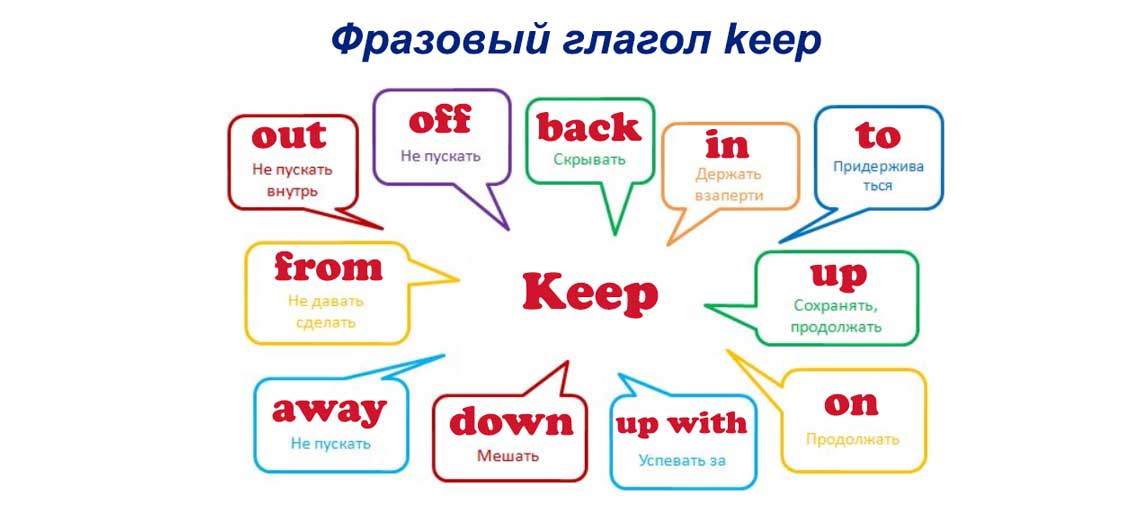
Phrasal verbs (keep) |
||
|
Learning objectives |
8.2.1.1 understand with little or no support the main points in extended talk on a wide range of general and curricular topics 8.3.6.1 link comments with some flexibility to what others say at sentence and discourse level in pair, group and whole class exchanges; 8.6.17.1 use if / unless/ if only in second conditional clauses and wish [that] clauses [present reference]; use a growing variety of relative clauses including why clauses on a range of familiar general and curricular topics |
||
|
Lesson objectives |
Learners will be able to: - use lexis/syntax norms in appropriate situations or context - write a coherent paragraph/short text stating and explaining an idea/argument - identify and understand a wider range of written information |
||
|
Instilling values of the program “Adal Azamat” |
Perseverance: Keep on trying even when it’s hard. Friendship: Keep in touch with friends and family. Responsibility: Keep to your promises and rules. |
||
|
Plan |
|||
|
Stages / Time |
Teachers actions |
Students actions |
Assessment criteria |
Resources |
|
Beginning of the lesson
5 min |
Organization moment : 1.Greeting. Ask about the weather. Warm up Write on the board: clean your room, your promises, going, your secrets, up with your friends, studying, calm Ask: “What can we keep?” Students brainstorm and
say phrases like keep
studying,
keep
calm,
keep your
promises. |
Learners read the given sentences on the board and guess the topic and share with their ideas.
|
The teacher to assess learners for their ability. “Good job! Well done!” Formative Assessment |
Flashcards or slide presentation of phrasal verbs Worksheet (matching, gap-fill, speaking prompts) Board and markers |
|
Middle of the lesson 10 min 7 min 8 min 10 min |
Ex:5 P:35 Consolidate information in a text. Give Ss time to consider their answers to the question and then elicit answers from various Ss around the class. Conclude that an adal azamat consolidates knowledge honestly and responsibly, developing critical thinking and integrity both in class and in life. Ex: 6 P: 35 Present and practise phrasal verbs with keep Read out the box and explain the task. Give Ss time to complete the task. Check Ss’ answers Conclude that an adal azamat learns responsibly and honestly, developing integrity both in class and in everyday life. Ex: 7 P: 35 Listen for specific information Explain the task and ask Ss to read the lists. Play the recording. Ss listen and match the people to the programmes. Check Ss’ answers. Conclude that an adal azamat listens attentively, answers honestly, and takes responsibility for their learning, showing integrity both in class and in life. Ex: 8 P: 35 Decide on a TV programme to watch (expressing likes/dislikes) Explain the task and ask Ss to work in pairs and act out a dialogue using the TV guide and the useful language in the box. Monitor the activity around the class and then ask some pairs to act out their dialogues in front of the class. Conclude that an adal azamat speaks honestly and respectfully, sharing their thoughts clearly while considering others’ viewpoints. |
Pupils answer the question ANSWERS I think the BBC is a symbol of national identity for the British people because everyone knows what it is, everyone watches it and it has produced so many popular programmes that have been part of people’s lives for so long. Pupils read the box, then complete the sentences. ANSWERS 1 away 2 on 3 up with 4 off Pupils listen and match the people to their favourite TV programmes. ANSWERS 1 C 2 H 3 D 4 B 5 E Pupils work in pairs. Use the TV guide and the useful language box to decide what to watch tonight. ANSWERS Suggested Answer Key A: There’s a documentary on tonight. Do you fancy watching it? B: Not really. I’m not keen on documentaries. Is there anything else on? A: There’s a soap opera on Channel 2. B: I like soap operas. What time is it on? A: 6:40. B: OK! Let’s watch it |
Descriptor: - answer the question Total: 3 point
Descriptor: - read the box - complete the sentences Total: 3 point Descriptor: - listen and match Total: 2 point Descriptor: - work in pairs - use the TV guide - decide what to watch tonight Total: 3 point |
|
|
End of the lesson 5 min |
FEEDBACK Learners provide feedback on what they have learned at the lesson. Ex: Home task: |
Ss evaluate each other and encourage classmate with phrases like: Well done! Brilliant! Good job! I like it! |
Poster Success
|
|
Short term plan: term 2
|
Unit 3: Entertainment and media |
Lesson 32 |
||
|
Teacher name: |
|
||
|
Date: |
|
||
|
Grade: 8 |
Number present: |
absent: |
|
|
Lesson title |
Everyday English: Expressing opinions |
||
|
Learning objectives |
8.2.1.1 understand with little or no support the main points in extended talk on a wide range of general and curricular topics 8.3.7.1 use appropriate subject-specific vocabulary and syntax to talk about a range of general topics, and some curricular topics 8.4.6.1 recognise the attitude or opinion of the writer on a growing range of unfamiliar general and curricular topics, including some extended texts |
||
|
Lesson objectives |
Learners will be able to: -jot down some key words and phrases - identify and interpret the author’s tone/opinion at basic level |
||
|
Instilling values of the program “Adal Azamat” |
Respect: Listen to others’ ideas carefully. Tolerance: Accept different viewpoints. Friendship: Discuss without arguing, using kind language. |
||
|
Plan |
|||
|
Stages / Time |
Teachers actions |
Students actions |
Assessment criteria |
Resources |
|
Beginning of the lesson 5 min Middle of the lesson 10 min |
Organization moment : 1.Greeting. Ask about the weather. Warm up Lead – In “Do You Agree?” Game Write two fun statements on the board:
“Dogs are better than cats.” Ask students to move to
the left side of the room if they agree, to the right if
they disagree.
“Why?” Ex:1 P:36 Practise pronunciation of situational language; to identify phrases which express/ask for opinions Play the recording. Ss listen and repeat chorally and/or individually., Pay attention to Ss’ pronunciation and intonation and correct as necessary. |
Learners read the given sentences on the board and guess the topic and share with their ideas. Pupils listen and repeat. Write the correct letter. ANSWERS What was it like? A It was fantastic! B The dancers were amazing! B Did you enjoy it? A Not really. C was nothing special. C |
The teacher to assess learners for their ability. “Good job! Well done!” Formative Assessment
Good job! Descriptor: - listen and repeat - write the correct letter Total: 3 point |
Flashcards or slides with phrases Board and markers Opinion cards or topic prompts Worksheet for matching and speaking |
|
7 min 8 min 10 min |
Then elicit which of the items ask for an opinion or express a positive/negative opinion and ask Ss to mark them accordingly. Check Ss’ answers. When students share their own views sincerely but respectfully, they are practicing what it means to be an adal azamat (honest and fair citizen) Ex: 2 P: 36 Listen and read for specific information Read out the questions. Play the recording. Ss listen and read the text to find out the answers. When students listen attentively and give truthful, accurate answers, they are practicing adal azamat (being honest and responsible citizens). Ex: 3 P: 36 Learn synonymous phrases Read out the phrases. Refer Ss back to the dialogue and elicit the synonymous ones from various Ss around the class Highlight that sharing knowledge and respecting others’ ideas make the class a community of fair and honest learners. Ex: 4 P: 36 Practise role-playing Explain the situation and ask Ss to work in pairs and act out a dialogue. Remind Ss that they can use the dialogue in Ex. 2 as a model as well as any ideas of their own to complete the task. Ss complete the task in pairs. To help Ss, draw the following diagram on the board and elicit appropriate phrases Ss should use. Write them on the board. Ss can refer to the diagram while doing the task. Use respectful expressions such as “Excuse me,” “Please,” “Thank you,” “I think…”. Work cooperatively, helping each other to complete the dialogue. |
Pupils listen and read the dialogue to find out. ANSWERS Jane was at the ballet. Aidar watched a film with his brother at home. Jane enjoyed the ballet. Aidar didn’t enjoy the film. Pupils find sentences in the dialogue which mean ANSWERS Of course! = Sure! What did you think of it? = What was it like? Did you have a good time? = Did you enjoy it? It wasn’t great. = It was nothing special Pupils use the sentences in ex 1 and the dialogue in ex 2 to write or act out your dialogue ANSWERS A: Hi, Mary. It’s Nuro. I tried calling you on Saturday night, but you didn’t answer your phone. B: Oh, hi Nuro! Yes, sorry! I was at the theatre. A: Really? What was it like? B: It was fantastic! The show was amazing! What did you do on Saturday? |
Descriptor: - listen and read the dialogue Total: 2 point Descriptor: - find sentences in the dialogue Total: 2 point Descriptor: - use the sentences - write or act out your dialogue Total: 3point |
|
|
End of the lesson 5 min |
FEEDBACK Learners provide feedback on what they have learned at the lesson. Ex: Home task: |
Ss evaluate each other and encourage classmate with phrases like: Well done! Brilliant! Good job! I like it! |
Poster Success
|
|
Short term plan: term 2
|
Unit 3 Entertainment and media |
Lesson 33 |
||
|
Teacher name: |
|
||
|
Date: |
|
||
|
Grade: 8 |
Number present: |
absent: |
|
|
Lesson title |
Across cultures: Festivals around the world |
||
|
Learning objectives |
8.2.1.1 understand with little or no support the main points in extended talk on a wide range of general and curricular topics 8.3.7.1 use appropriate subject-specific vocabulary and syntax to talk about a range of general topics, and some curricular topics 8.4.1.1 understand the main points in texts on a growing range of unfamiliar general and curricular topics, including some extended texts |
||
|
Lesson objectives |
Learners will be able to:y - demonstrate reflection and deep thinking on acquired information/knowledge - explain the topical word by giving definition/synonym - identify the central idea, the intended audience and the author’s purpose |
||
|
Instilling values of the program “Adal Azamat” |
Respect for cultural diversity. Appreciation of world traditions. Cooperation and sharing ideas respectfully. |
||
|
Plan |
|||
|
Stages / Time |
Teachers actions |
Students actions |
Assessment criteria |
Resources |
|
Beginning of the lesson
5 min |
Organization moment : 1.Greeting. Ask about the weather. Warm up Aim: Engage students and
activate prior knowledge. Show pictures of famous festivals. Ask: What do you see? Where do you think this festival takes place? What do people do there? Write the word FESTIVAL on the board and elicit related words (fireworks, dance, costumes, etc.). Vocabulary Introduction Aim: Teach key words related
to festivals. Present 8–10 new words (with images). Drill pronunciation and provide short definitions. Quick matching activity: students match words to pictures or definitions. |
Learners read the given sentences on the board and guess the topic and share with their ideas.
|
The teacher to assess learners for their ability. “Good job! Well done!” Formative Assessment
Good job! |
Pictures or slides of different festivals (e.g., Carnival in Brazil, Diwali in India, Chinese New Year, Holi). Worksheet with reading text and comprehension questions. Video or short clip (optional). Board, markers, projector. |
|
Middle of the lesson 7 min 10 min 8 min 10 min |
Ex:1 P:37 Introduce the topic; to listen and read for specific information Direct Ss’ attention to the pictures and elicit what festivals they show and what, if anything, they know about them. Play the recording. Ss listen and follow the text in their books to find out. Respecting and learning about cultural diversity helps build understanding and friendship. Listening carefully and giving truthful answers shows responsibility and fairness. Task for less motivated learner Complete the sentences.
Ex: 2 P: 37 Read for specific information Read the questions aloud one at a time and ask Ss to read the texts again and answer them. Check Ss’ answers. Encourage them to give truthful and thoughtful answers, not just guess, which demonstrates the honesty and fairness of an adal azamat (honest and responsible citizen). Ex: 3 P: 37 Complete a table and present two festivals Ask Ss to copy the table into their notebooks. Give Ss time to read the texts again and then complete the table. Ask various Ss to use the table to present the festivals to the class. When they share information truthfully, listen respectfully to their classmates, and speak confidently, they demonstrate the qualities of an adal azamat — an honest, fair, and respectful citizen. Ex: 4 P: 37 Write a short text about a cultural festival Explain the task and ask Ss to work in small groups and collect information from the Internet about a cultural festival in their country and make notes. Then ask Ss to use their notes to write a short text. Ask various Ss to read their text to the class. Alternatively, assign the task as HW and check Ss' answers in the next lesson. Show pride and respect when writing about their country’s traditions. Encourage classmates during presentations with positive comments. |
Pupils look at the pictures. Answer the question ANSWERS The festivals are Shakespeare’s Birthday and the Festival of Nomadic Civilisation. Pupils read the text again and answer the question. ANSWERS 1 He was born in Stratford-upon-Avon. 2 He/She carries ‘the quill’. 3 The mayor puts flowers on Shakespeare’s grave. 4 It is held in Astana. 5 They can try food and traditional crafts and attend music and dance performances Pupils complete the table in your notebook. ANSWERS Students own answer. Pupils use your notes to write a short text. ANSWERS The Navroz Festival takes place on 22nd March in towns and cities across the country. There are polo matches, folk dancing and music performances. It is a celebration of the new year and people cook and eat lamb. |
Descriptor: - look at the pictures. - answer the question Total: 2 point Descriptor: - read the text again and answer the question. Total: 3 point Descriptor: - complete the table in your notebook Total: 2 point Descriptor: - use your notes to write a short text Total: 3 point |
|
|
End of the lesson 5 min |
FEEDBACK Review vocabulary and
ask students to name one new festival they learned
about. Research a new festival and prepare 5 sentences or a mini-poster to share in the next lesson. |
Ss evaluate each other and encourage classmate with phrases like: Well done! Brilliant! Good job! I like it! |
Poster Success
|
|

Short term plan: term 2
|
Unit 3 Entertainment and media |
Lesson 34 |
||
|
Teacher name: |
|
||
|
Date: |
|
||
|
Grade: 8 |
Number present: |
absent: |
|
|
Lesson title |
Across curriculum: Sound and hearing |
||
|
Learning objectives |
8.2.2.1 understand with little or no support most specific information in extended talk on a wide range of general and curricular topics 8.4.1.1 understand the main points in texts on a growing range of unfamiliar general and curricular topics, including some extended texts |
||
|
Lesson objectives |
Learners will be able to: - use lexis/syntax norms in appropriate situations or context -identify specific information in a variety of situations and contexts - support an argument with the relevant evidence |
||
|
Instilling values of the program “Adal Azamat” |
Responsibility for protecting the environment (reducing noise pollution). Respect for others (avoiding loud sounds). Curiosity and scientific thinking. |
||
|
Plan |
|||
|
Stages / Time |
Teachers actions |
Students actions |
Assessment criteria |
Resources |
|
Beginning of the lesson 5 min Middle of the lesson 7 min |
Organization moment : 1.Greeting. Ask about the weather. Warm up Engage students and
activate prior knowledge. Play different sounds (e.g., rain, bell, dog barking, music). Ask: What can you hear? Which sound is loud/quiet? Where do these sounds come from? Write “Sound and Hearing” on the board. Elicit what students already know about sound. Ex:1 P:38 Introduce the topic and listen and read for specific information. Ask Ss to read the statements 1-4. Elicit Ss’ guesses as to which one is incorrect. Play the recording. Ss listen and read the text to check if their guesses were correct. Encourage students to make honest guesses, listen carefully to find the truth, and respect others’ opinions during discussion. |
Learners read the given sentences on the board and guess the topic and share with their ideas.
Pupils read the following statements about sound. ANSWERS 4 is incorrect |
The teacher to assess learners for their ability. “Good job! Well done!” Formative Assessment
Good job! Descriptor: - read the following statements Total: 2 point |
Pictures or diagrams of the human ear A tuning fork or video demonstration of sound vibration Worksheet (reading text + comprehension questions) Board, projector, or flashcards |
|
10 min 8 min 10 min |
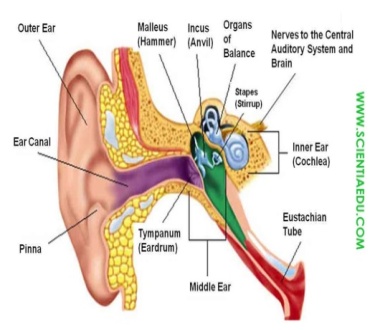
Ex: 2 P: 38 Read for order Ask Ss to read statements 1-5. Give Ss time to read the text again and complete the task. Check Ss’ answers around the class. When students work carefully and share truthful, accurate answers, they practise being adal azamat — honest and responsible citizens. Ex: 3 P: 38 Give Ss time to read the text again and label the diagram writing their answers in the notebook. Check Ss’ answers. Be honest when unsure — guess responsibly instead of copying. Ex: 4 P: 38 Prepare a monologue; to consolidate information from a text Ask Ss to use the diagram to prepare a monologue. Then ask various Ss to give their monologue to the class about how we hear. Record the monologues. Respect others’ answers and listen when checking as a class. |
Pupils read the text and put the sentences in the correct order ANSWERS 3, 5, 1, 2, 4 Pupils use words from the text to label the diagram ANSWERS 1 eardrum 2 stirrup 3 cochlea Pupils look at the diagram above and tell the class how we hear. ANSWERS Sound travels in waves and these are collected in the outer ear. Then they go through the ear canal and hit the eardrum which vibrates. This moves some little bones in our ears called the hammer, the anvil and the stirrup which bump against each other and move the sound along into the cochlea. This is a curved tube that looks like a snail shell. The sound waves move to the nerves here that create signals to tell the brain what we can hear. |
Descriptor: - read the text - put the sentences in the correct order Total: 3 point Descriptor: - use words from the text - label the diagram Total: 2 point Descriptor: - look at the diagram - tell the class how we hear Total:3 point |
|
|
End of the lesson 5 min |
FEEDBACK Quick quiz or oral review: What is vibration? What part of the ear vibrates? What happens when
sound waves reach the ear? Write a short
paragraph: |
Ss evaluate each other and encourage classmate with phrases like: Well done! Brilliant! Good job! I like it! |
Poster Success
|
|
Short term plan: term 2
|
Unit 3 Entertainment and media |
Lesson 35 |
||
|
Teacher name: |
|
||
|
Date: |
|
||
|
Grade:8 |
Number present: |
absent: |
|
|
Lesson title |
Writing: An email reviewing a concert Summative Assessment for the unit 3 |
||
|
Learning objectives |
8.4.1.1 understand the main points in texts on a growing range of unfamiliar general and curricular topics, including some extended texts 8.5.1.1 plan, write, edit and proofread work at text level with little support on a range of general and curricular topics |
||
|
Lesson objectives |
Learners will be able to: - check their own and others’ writing to ensure that it communicates what they intended and improve the writing if needed - respond adequately to personal questions in a variety of situations and contexts (e.g. in interviews and dialogues) |
||
|
Instilling values of the program “Adal Azamat” |
Creativity – expressing personal experiences through writing. Respect and positivity – sharing opinions politely. Appreciation of art and culture – valuing music as a form of expression. |
||
|
Plan |
|||
|
Stages / Time |
Teachers actions |
Students actions |
Assessment criteria |
Resources |
|
Beginning of the lesson 5 min Middle of the lesson 5 min |
Organization moment : 1.Greeting. Ask about the weather. Warm up Engage students and
introduce the topic. Ask: Have you ever been to a concert or seen one on TV? Who was performing? What was it like? Show a photo of a concert (live band, lights, audience). Brainstorm descriptive
words (fun, loud, exciting, amazing). Ex:1 P:39 Read for specific information Ask Ss to read the email and then elicit answers to the questions. Honest reading means focusing on what is written, not guessing or inventing answers. |
Learners read the given sentences on the board and guess the topic and share with their ideas. Pupils look at the email. Answer the question. ANSWERS Nazira is writing it. Nazira and Rustam went to an Ed Sheeran concert. |
The teacher to assess learners for their ability. “Good job! Well done!” Formative Assessment
Good job! Descriptor: - look at the email - answer the question Total: 3 point |
Example email (on worksheet or board) Vocabulary flashcards or projector slides Writing checklist Board, markers, and paper |
|
5 min 5 min 20 min |
Ex: 2 P: 39 Read for cohesion and coherence Explain the task and ask Ss to read the email again. Give Ss time to complete the task. Check Ss' answers. Respectful discussion means listening to others’ ideas without interrupting. Ex: 4 P: 39 Substitute adjectives Ask Ss to read the paragraph and then to substitute the adjectives 1-4 for suitable alternatives from the list. Check Ss' answers Responsibility means completing the task carefully and checking before answering. Summative assessment for the unit « Entertainment and media» |
Pupils read the email again and choose the correct words. ANSWERS 1 amazing 2 interesting 3 excited 4 boring 5 exhausted Pupils replace the adjectives in the sentences . ANSWERS 1 excellent 2 talented 3 lively 4 catchy |
Descriptor: - read the email - choose the correct words Total: 4 point Descriptor: - replace the adjectives Total: 3иpoint |
|
|
End of the lesson 5 min |
FEEDBACK Ask: What words can we use to describe a concert? What makes a good review? Homework: Write a final, improved version of your email neatly on paper or digitally. Optional: find and bring a picture of your favorite singer/band to present next class. |
Ss evaluate each other and encourage classmate with phrases like: Well done! Brilliant! Good job! I like it! |
Poster Success
|
|
Short term plan: term 2
|
Unit 4 Sport, health and exercise |
Lesson 36 |
||
|
Teacher name: |
|
||
|
Date: |
|
||
|
Grade: 8 |
Number present: |
absent: |
|
|
Lesson title |
Vocabulary: Physical activities |
||
|
Learning objectives |
8.3.7.1 use appropriate subject-specific vocabulary and syntax to talk about a range of general topics, and some curricular topics 8.2.2.1 understand with little or no support most specific information in extended talk on a wide range of general and curricular topics |
||
|
Lesson objectives |
Learners will be able to: - use lexis/syntax norms in appropriate situations or context - respond adequately to personal questions in a variety of situations and contexts (e.g. in interviews and dialogues) |
||
|
Instilling values of the program “Adal Azamat” |
Health and well-being: Encouraging active lifestyles. Discipline and teamwork: Sports as a way to develop personal values. Respect: Listening and supporting partners during activities. |
||
|
Plan |
|||
|
Stages / Time |
Teachers actions |
Students actions |
Assessment criteria |
Resources |
|
Beginning of the lesson 5 min Middle of the lesson 10 min |
Organization moment : 1.Greeting. Ask about the weather. Warm up Activate students’
prior knowledge and engage them. Greet students and ask: What do you do to stay healthy? What sports or physical activities do you like? Show pictures of people doing activities (running, swimming, playing football). Elicit names of activities and write them on the board. Transition: Ex:1 P:41 Present physical activities Ask Ss to look at the pictures. Play the recording with pauses for Ss to repeat chorally and/or individually. Listen carefully and repeat respectfully after the recording. |
Learners read the given sentences on the board and guess the topic and share with their ideas.
Pupils look at the pictures. Listen and repeat. ANSWERS Student’s own answer |
The teacher to assess learners for their ability. “Good job! Well done!” Formative Assessment
Good job! Descriptor: - look at the pictures - listen and repeat. Total: 3 point |
Flashcards or pictures of activities Worksheet (matching + sentence completion) Board and markers Projector or interactive slides (optional) |
|
12 min 13 min |
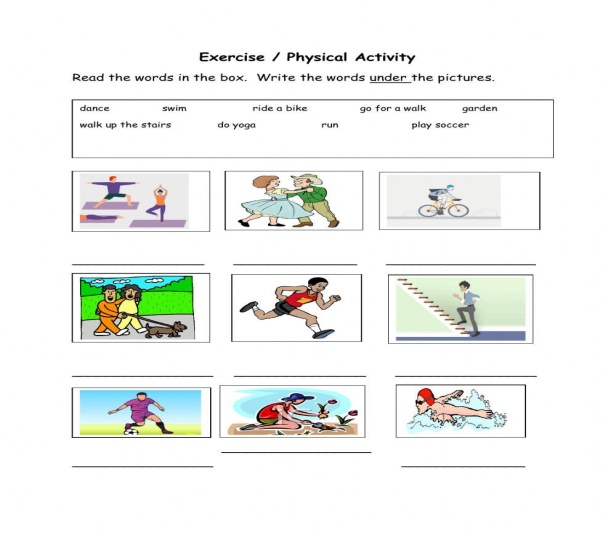
Ex: 2 P: 41 Discuss activities and express an opinion Ask Ss to discuss the questions in pairs. Monitor the activity around the class and then ask various Ss to tell the class Show enthusiasm and effort — signs of self-discipline and a healthy attitude. Task for less motivated learner MatchMatch the words with the pictures (or write the numbers):
Ex: 3 P: 4 Classify activities as group/individual activities Ask Ss to decide in pairs which of the activities in the pictures are group activities and which are individual activities. Elicit answers from Ss around the class. Understand that physical activity promotes cooperation, fairness, and respect for others. |
Pupils answer the question. Which of these activities do you like doing? Which would you like to try? Why? ANSWERS I like swimming. I would like to try aerial yoga and Zumba. I think they would be fun. Pupils answer the question. Which of the above are group activities? Which are individual activities? ANSWERS Group: Pilates, Zumba, rugby, Individual: aerial yoga, aikido, weightlifting, squash, boxing, swimming |
Descriptor: - answer the question. - discuss the questions in pairs. Total: 3 point Descriptor: - answer the question. -identify the activities Total: 4 point |
|
|
End of the lesson 5 min |
FEEDBACK Which physical activities do you like most? Why? Which activities would you like to try in the future? Homework: Write 5–6 sentences
about your favorite physical activity. What it is How often you do it Why you like it |
Ss evaluate each other and encourage classmate with phrases like: Well done! Brilliant! Good job! I like it! |
Poster Success
|
|

Short term plan: term 2
|
Unit 4 Sport, health and exercise |
Lesson 37 |
||
|
Teacher name: |
|
||
|
Date: |
|
||
|
Grade: 8 |
Number present: |
absent: |
|
|
Lesson title |
Reading: Jane’s sports blog |
||
|
Learning objectives |
8.2.1.1 understand with little or no support the main points in extended talk on a wide range of general and curricular topics 8.3.7.1 use appropriate subject-specific vocabulary and syntax to talk about a range of general topics, and some curricular topics 8.4.2.1 understand specific information and detail in texts on a growing range of familiar general and curricular topics, including some extended texts |
||
|
Lesson objectives |
Learners will be able to: - formulate a simple summary or character outline - respond adequately to personal questions in a variety of situations and contexts (e.g. in interviews and dialogues) |
||
|
Instilling values of the program “Adal Azamat” |
Healthy lifestyle: Encouraging physical activity and well-being. Teamwork and motivation: Appreciating practice and cooperation. Self-improvement: Setting goals and working hard to achieve them. |
||
|
Plan |
|||
|
Stages / Time |
Teachers actions |
Students actions |
Assessment criteria |
Resources |
|
Beginning of the lesson 5 min Middle of the lesson 10 min |
Organization moment : 1.Greeting. Ask about the weather. Warm up Engage students and
activate background knowledge. Show pictures of sports (running, tennis, swimming, basketball). Ask: Which of these sports do you play or watch? Why do people like doing sports? Tell students: Today you’ll read a blog by a girl named Jane who loves sports. Ex:1 P:42 Introduce the topic; to listen and read for gist Ask Ss to look at the picture. Elicit what if anything Ss know about Quidditch and Harry Potter. Play the recording. Ss listen and read the text to find out. Elicit answers from Ss around the class. Encourage them to listen and read carefully to understand the main idea — this shows responsibility and focus. |
Learners read the given sentences on the board and guess the topic and share with their ideas.
Pupils look at the picture. Answer the question. ANSWERS Quidditch is a fictional sport from the books about a young wizard called Harry Potter by JK Rowling. It is his favourite sport. |
The teacher to assess learners for their ability. “Good job! Well done!” Formative Assessment
Good job! Descriptor: - look at the jobs - answer the question. Total: 3 point |
Printed blog text “Jane’s Sports Blog” Worksheet (comprehension + vocabulary tasks) Pictures of sports activities Board, projector, markers |
|
12 min 13 min |
Ex: 2 P: 42 Read for specific information Read out the Study Skills box and tell Ss that this tip will help them to complete the task successfully. Give Ss time to read the texts again and read the sentences and then match them to the sports. Check Ss’ answers. When they share their ideas honestly and respectfully, they are practising the qualities of an adal azamat — an honest, fair, and respectful citizen. Ex: 3 P: 42 Read for specific information Explain the task. Allow Ss time to read the questions and answer them referring to the text as necessary. Check Ss’ answers. Understand that being honest in learning helps them grow as good citizens. |
Pupils read the text again and match the sports to the sentences ANSWERS 1 Q 3 Q 5 Q 2 ST 4 ST 6 ST Pupils answer the questions. Use ideas from the texts as well as your own. ANSWERS Suggested Answer Key 1 In the Harry Potter books, the players fly around on broomsticks but in real life they run around a pitch with the broomsticks between their legs. 2 A Quidditch player must be good at teamwork. 3 Sepak Takraw is similar to volleyball. 4 It’s really fast and athletic and good for people who are good at football. |
Descriptor: - read the text - match the sports to the sentences Total: 3 point Descriptor: - answer the questions - use ideas from the texts Total: 4 point |
|
|
End of the lesson 5 min |
FEEDBACK What sport do you think Jane likes most? Why is doing sport good for us? Homework: Write a short paragraph
for your own blog post: |
Ss evaluate each other and encourage classmate with phrases like: Well done! Brilliant! Good job! I like it! |
Poster Success
|
|

Short term plan: term 2
|
Unit 4 Sport, health and exercise |
Lesson 38 |
||
|
Teacher name: |
|
||
|
Date: |
|
||
|
Grade: 8 |
Number present: |
absent: |
|
|
Lesson title |
Sport, health and exercise |
||
|
Learning objectives |
8.3.6.1 link comments with some flexibility to what others say at sentence and discourse level in pair, group and whole class exchanges; 8.5.3.1 write with moderate grammatical accuracy on a growing range of familiar general and curricular topics |
||
|
Lesson objectives |
Learners will be able to: - use most of the preintermediate level grammar correctly - respond adequately to personal questions in a variety of situations and contexts (e.g. in interviews and dialogues) |
||
|
Instilling values of the program “Adal Azamat” |
Self-care and discipline: Building healthy habits. Teamwork: Respecting others in sports. Responsibility: Taking care of one’s body and mind. |
||
|
Plan |
|||
|
Stages / Time |
Teachers actions |
Students actions |
Assessment criteria |
Resources |
|
Beginning of the lesson 5 min |
Organization moment : 1.Greeting. Ask about the weather. Warm up Engage students and
activate background knowledge. Ask: What sports do you like? What do you do to stay healthy? Show pictures of people running, swimming, eating healthy food. Write the topic SPORT, HEALTH & EXERCISE on the board. Elicit ideas and key words students already know. Vocabulary Presentation Aim: Introduce new
vocabulary for talking about sport and health. Present 10–12 target words with pictures or miming. Drill pronunciation. Students match the words to definitions or images. |
Learners read the given sentences on the board and guess the topic and share with their ideas.
|
The teacher to assess learners for their ability. “Good job! Well done!” Formative Assessment
Good job! |
Pictures or flashcards of sports and healthy activities Short reading text (below) Worksheet Board and markers Optional: short video or poster about healthy lifestyles |
|
Middle of the lesson 10 min 7 min 10 min 8 min |
Ex: 4 P: 43 Consolidate new vocabulary Direct Ss to the words in bold in the texts and then give them time to match them to the synonymous words/phrases in the list. Check Ss’ answers. By showing curiosity, sharing ideas, and giving fair feedback, students practise the qualities of an adal azamat — an honest, fair, and responsible citizen. Ex: 5 P: 43 Express an opinion Ask Ss to discuss the questions in pairs. Monitor the activity around the class and then ask various Ss to tell the class. Be honest when they don’t know a word and ask for help respectfully. Understand that expanding their vocabulary helps them express kindness, fairness, and respect in English. Ex: 6 P: 43 Form compound nouns Explain the task and give Ss time to complete it. Check Ss’ answers and then give Ss time to make sentences using them and elicit sentences from Ss around the class. Work carefully and think about word meanings before answering. Discuss politely with classmates if they disagree — showing respect and cooperation. Ex: 7 P: 43 Present and practise verbs related to sports Read through the list of verbs and give Ss time to complete the sentences using their dictionaries to check. Check Ss’ answers. |
Pupils match the words in bold to their synonyms. ANSWERS joined up = became a member talented = gifted strange = weird popular = well-liked by many people fast = quick Pupils answer the question. ANSWERS I want to try Sepak Takraw because it’s athletic Pupils match the words to form compound nouns. Make sentences using them ANSWERS 1 c 2 a 3 d 4 b 1 Quidditch requires a lot of teamwork. 2 Serena Williams is my favourite sportsperson. 3 Sepak Takraw is similar to volleyball. 4 In Quidditch players use broomsticks Pupils complete the sentences. ANSWERS 1 pass 2 beat 3 kick 4 score 5 hit 6 catch |
Descriptor: - match the words in bold to their synonyms Total: 3 point Descriptor: - answer the question. Total: 2 point Descriptor: - match the words to form compound nouns Total: 3 point Descriptor: - complete the sentences Total: 2 point |
|
|
End of the lesson 5 min |
FEEDBACK Review new words: fit, healthy, exercise, rest, training. Ask: What can we do to stay healthy every day? Homework: Make a mini-poster titled “My Healthy Lifestyle” with pictures or sentences about your sports, food, and habits. |
Ss evaluate each other and encourage classmate with phrases like: Well done! Brilliant! Good job! I like it! |
Poster Success
|
|

Short term plan: term 2
|
Unit 4 Sport, health and exercise |
Lesson 39 |
||
|
Teacher name: |
|
||
|
Date: |
|
||
|
Grade: 8 |
Number present: |
absent: |
|
|
Lesson title |
Use of English: will / to be going to |
||
|
Learning objectives |
8.5.1.1 plan, write, edit and proofread work at text level with little support on a range of general and curricular topics 8.6.8.1 use a growing variety of future forms including present continuous and present simple with future meaning on a range of familiar general and curricular topics |
||
|
Lesson objectives |
Learners will be able to: - respond adequately to personal questions in a variety of situations and contexts (e.g. in interviews and dialogues) - identify and interpret the author’s tone/opinion at basic level |
||
|
Instilling values of the program “Adal Azamat” |
Responsibility: Planning for the future Optimism: Making positive predictions Self-discipline: Working towards future goals |
||
|
Plan |
|||
|
Stages / Time |
Teachers actions |
Students actions |
Assessment criteria |
Resources |
|
Beginning of the lesson 5 min Middle of the lesson 7 min |
Organization moment : 1.Greeting. Ask about the weather. Warm up Introduce the topic of
future plans. Ask: What are your plans for the weekend? What do you think will happen tomorrow? Write some student answers on the board. Highlight examples that include will and going to and explain that today’s lesson is about the difference. Ex:1 P:44 Present will/be going to Present the future simple (will). Say then write on the board: I’m thirsty. I will drink some water. and Next week he will buy a new laptop. Underline I will drink and he will buy and explain that these verbs are in the future simple. Explain that we use will + the base form of the main verb to form the affirmative. |
Learners read the given sentences on the board and guess the topic and share with their ideas.
|
The teacher to assess learners for their ability. “Good job! Well done!” Formative Assessment
Good job! |
Board and markers Flashcards or pictures for activities Worksheets (gap-fill, dialogue practice, and speaking prompts) Optional: projector for visuals |
|
10 min 10 min 8 min |
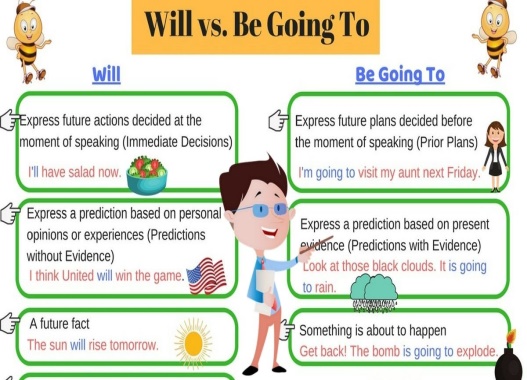
Explain that we use this tense to talk about on-thespot decisions and predictions based on what we think. Explain the task and ask Ss to match the sentences to what they express and then check Ss' answers. When students talk sincerely about their intentions, they show the qualities of an adal azamat — an honest, thoughtful, and responsible citizen. Ex: 2 P: 44 Practise will/be going to Explain the task and give Ss time to complete it. Check Ss’ answers. Encourage them to use the structures to make positive, truthful, and responsible statements about their plans. Task for less motivated learner Complete the sentences
(Answers: am, is, are, are, is) Ex: 3 P: 44 Practise will/be going to Ask Ss to read the decisions 1-6 and ask and answer in pairs using will/be going to and following the example. Monitor the activity around the class and then ask some pairs to ask and answers in front of the rest of the class. By speaking honestly and thinking about ways to help others or improve themselves, students show the character of an adal azamat — an honest and responsible citizen. Ex: 4 P: 44 Elicit when we use the present continuous with a future meaning. (We use the present continuous for fixed future arrangements.) Elicit examples from Ss around the class. (I’m playing football after school. I’m staying in tonight.) When students make honest and realistic examples about their future plans, they are practising the values of an adal azamat — an honest, trustworthy, and responsible citizen. |
Pupils match the sentences to what they express ANSWERS Student’s own answer Pupils complete with will or be going to and the verbs in brackets. ANSWERS 1 is going to kick 2 will become 3 is going to play 4 will gain 5 will win 6 are going to lose 7 am going to go 8 will be 9 is going to score 10 am going to watch 11 is going to enter 12 will come Pupils Daniya has decided to live a healthy life. In pairs, ask and answer as in the example. ANSWERS A: Do you think she will eat a balanced diet? B: Yes, I think she will. Is she going to eat junk food every two weeks? A: No, she isn’t. Is she going to exercise regularly? B: Yes, she is. Do you think she will drink fizzy drinks? A: No, she won’t. Is she going to drink eight glasses of water a day? B: Yes, she is. Pupils answer the question. Give reasons ANSWERS 1 a fixed arrangement in the near future 2 an action happening now 3 a fixed arrangement in the near future 4 an action happening now 5 a fixed arrangement in the near future |
Descriptor: - match the sentences Total: 3 point Descriptor: - complete with will or be going to Total: 3 point Descriptor: - work in pairs - ask and answer as in the example. Total: 3 point Descriptor: - answer the question - Give reasons Total: 2 point |
|
|
End of the lesson 5 min |
FEEDBACK Ask students: When do we use “will”? When do we use “going to”? Elicit examples from the class. Homework: Write a short
paragraph: “My Future Plans and
Predictions.” |
Ss evaluate each other and encourage classmate with phrases like: Well done! Brilliant! Good job! I like it! |
Poster Success
|
|
Short term plan: term 2
|
Unit 4 Sport, health and exercise |
Lesson 40 |
||
|
Teacher name: |
|
||
|
Date: |
|
||
|
Grade: 8 |
Number present: |
absent: |
|
|
Lesson title |
Use of English: conditionals |
||
|
Learning objectives |
8.5.3.1 write with moderate grammatical accuracy on a growing range of familiar general and curricular topics 8.6.17.1 use if / unless/ if only in second conditional clauses and wish [that] clauses [present reference], use a growing variety of relative clauses including why clauses on a range of familiar general and curricular topics |
||
|
Lesson objectives |
Learners will be able to: - To present conditionals with unless/when - identify and interpret the author’s tone/opinion at basic level |
||
|
Instilling values of the program “Adal Azamat” |
Responsibility: Thinking about the consequences of actions (“If I don’t study, I will fail”). Imagination: Dreaming about positive futures. Respect and empathy: Discussing “If I were you…” politely. |
||
|
Plan |
|||
|
Stages / Time |
Teachers actions |
Students actions |
Assessment criteria |
Resources |
|
Beginning of the lesson 5 min Middle of the lesson 10 min |
Organization moment : 1.Greeting. Ask about the weather. Warm up Introduce the topic and
activate prior knowledge. Write on the board: If you don’t eat
breakfast, … Ask students to complete the sentences orally. Elicit that these are conditional sentences — sentences with if. Introduce the lesson topic: Conditionals – “If” Sentences. Ex:6a P:45 Read the cartoon strip aloud and explain how we form conditionals. Explain that we form type 0 conditionals with if/when + present simple +present simple. Explain that we form type 1 conditionals with if/when + present simple +will/can + infinitive without to. Explain that we form type 2 conditionals with if/when + past simple +would+ infinitive without to. Go through the table and explain any points Ss are unsure of. Then ask them to identify the types of conditionals in the cartoon and the tenses used. By creating examples that show honest, fair, and caring behavior, students practise thinking like adal azamat — honest and responsible citizens who understand that their actions have consequences. |
Learners read the given sentences on the board and guess the topic and share with their ideas. Pupils match the sentences to what they express ANSWERS If you aren't back by 9:00, you'll be in trouble. Tenses: present simple, will + bare infinitive Conditional type 1 If you weren't always late, I wouldn't mind so much. Tenses: past simple, wouldn't + bare infinitive Conditional type 2 When you break your promises, I get angry. Tenses: present simple, present simple Conditional type 0 I won't get angry if you break your promise, too! |
The teacher to assess learners for their ability. “Good job! Well done!” Formative Assessment
Good job! Descriptor: - match the sentences Total: 3 point |
Board and markers Flashcards or scenario pictures Worksheets (gap-fill, matching, writing) Optional: interactive PowerPoint or short video |
|
10 min 8 min 7 min |
Ex: 7 P: 45 Read out the sentences. Elicit how the sentences differ in meaning. Explain that we can use unless instead of if ... not in conditional sentences and that the verb is always in the affirmative after unless. Explain that we can use when instead of if to express that the situation is almost certain to happen rather than just likely to happen. By creating examples with positive, honest behavior, students show how an adal azamat (honest citizen) understands the results of choices. Task for less motivated learner Complete the sentences
Students fill in with “will” + verb) Ex: 8 P: 45 Explain the task and read out the example and then give Ss time to complete it. Check Ss' answers. Work quietly and independently (or cooperatively if in pairs) with honesty. Check their answers fairly, without copying. Ex: 9 P: 45 Explain the task and give Ss time to complete it. Check Ss' answers and elicit which type of conditional each sentence is. Thinking about cause and effect helps us make better decisions, like honest and responsible citizens — adal azamat. |
Pupils complete with will or be going to and the verbs in brackets. ANSWERS 1 You'll probably take care of your diet and as a result live a healthier life. 2 It won't be possible for them to go to the gym if it doesn't stop raining. 3 I'll definitely go to the gym and, when I do, I will take you with me. Pupils Daniya has decided to live a healthy life. In pairs, ask and answer as in the example. ANSWERS 2 If you listen to the coach, you'll know what to do./Unless you listen to the coach, you won't know what to do. 3 If we don't hurry, we'll miss the start of the match./Unless we hurry, we'll miss the start of the match./If we hurry, we won't miss the start of the match. Pupils answer the question. Give reasons ANSWERS 1 don't exercise, won't be (type 1) 2 weren't, would go (type 2 3 were, would avoid (type 2) |
Descriptor: - complete with will or be going to Total: 3 point Descriptor: - work in pairs - ask and answer as in the example. Total: 2 point Descriptor: - answer the question - Give reasons Total: 2 point |
|
|
End of the lesson 5 min |
FEEDBACK Ask: When do we use Zero Conditional? When do we use First Conditional? When do we use Second Conditional? Review key forms and meanings. Homework: Write 5 sentences using different types of conditionals. Optional creative task: “If I could change the world…” paragraph. |
Ss evaluate each other and encourage classmate with phrases like: Well done! Brilliant! Good job! I like it! |
Poster Success
|
|
Short term plan: term 2
|
Unit 4 Sport, health and exercise |
Lesson 41 |
||
|
Teacher name: |
|
||
|
Date: |
|
||
|
Grade: 8 |
Number present: |
absent: |
|
|
Lesson title |
Reading: Teens and exercises |
||
|
Learning objectives |
8.3.7.1 use appropriate subject-specific vocabulary and syntax to talk about a range of general topics, and some curricular topics 8.4.2.1 understand specific information and detail in texts on a growing range of familiar general and curricular topics, including some extended texts; |
||
|
Lesson objectives |
Learners will be able to: - respond adequately to personal questions in a variety of situations and contexts (e.g. in interviews and dialogues) - identify and interpret the author’s tone/opinion at basic level |
||
|
Instilling values of the program “Adal Azamat” |
Responsibility: Taking care of your own health. Self-discipline: Building regular exercise habits. Positive attitude: Finding joy in physical activity. |
||
|
Plan |
|||
|
Stages / Time |
Teachers actions |
Students actions |
Assessment criteria |
Resources |
|
Beginning of the lesson 5 min |
Organization moment : 1.Greeting. Ask about the weather. Warm up Activate students’
background knowledge about exercise. Ask: Do you like doing sports? How often do you exercise? What are the benefits of exercise? Show pictures of teens running, swimming, doing yoga, or cycling. Elicit vocabulary (write on the board: fit, strong, exercise, healthy, relax). Introduce the lesson topic: “Teens and Exercise.” Pre-reading (5 min) Aim: Prepare students for
the reading. Teach or review key words from the text. Ask students to
predict: |
Learners read the given sentences on the board and guess the topic and share with their ideas.
|
The teacher to assess learners for their ability. “Good job! Well done!” Formative Assessment
Good job! |
Reading text (below) Worksheets (matching, comprehension, and discussion questions) Board and markers Pictures of teens exercising (optional: short video or infographic) |
|
Middle of the lesson 13 min 12 min 10 min |
Ex:1 P:46 Predict the topic of the text; to read for specific information Read the title of the text aloud and direct Ss' attention to the pictures. Elicit Ss' guesses as to what some of the benefits of exercising may be. Give Ss time to read the text and find out. Being responsible for one’s health and setting a good example for others reflects the qualities of an adal azamat — a responsible and caring citizen. Ex: 2 P: 46 Ask Ss to read the parts of sentences (1-7) and then allow Ss time to read the text again and complete the task. Check Ss' answers. By checking answers truthfully and showing respect for their classmates’ ideas, they demonstrate the qualities of an adal azamat — a fair, honest, and reliable citizen. Task for less motivated learner
Ex: 3 P: 46 Read out the box and explain the task. Give Ss time to use them to complete the sentences. Check Ss' answers and read out the Study Skills box and elicit sentences from Ss around the class (optional). Encouraging students to participate actively and check their work truthfully helps them develop the habits of an adal azamat — an honest and conscientious citizen. |
Pupils read the title of the text. Answer the question. Read through and find out. ANSWERS Benefits of exercise for teens include improving appearance, skin, mood, concentration levels and creativity as well as reducing the risk of illness and stress. Pupils read the text again and complete the gaps with the parts of sentences ANSWERS A 4 B 6 C 2 D 1 E 3 F 7 Pupils read the definitions and then complete the sentences with the correct particle. ANSWERS 1 away 2 on 3 aside 4 up with 5 off |
Descriptor: - read the title of the text. - answer the question Total: 4 point Descriptor: - read the text - complete the gaps Total: 3 point Descriptor: - read the definitions - complete the sentences with the correct particle Total: 3 point |
|
|
End of the lesson 5 min |
FEEDBACK Ask: What did we learn today about exercise? Review: Why is it important for teens to stay active? Homework: Create a short poster or mini-presentation called “My Healthy Lifestyle” |
Ss evaluate each other and encourage classmate with phrases like: Well done! Brilliant! Good job! I like it! |
Poster Success
|
|

Short term plan: term 2
|
Unit 4 Sport, health and exercise |
Lesson 42 |
||
|
Teacher name: |
|
||
|
Date: |
|
||
|
Grade: 8 |
Number present: |
absent: |
|
|
Lesson title |
Phrasal verbs (put) |
||
|
Learning objectives |
8.3.6.1 link comments with some flexibility to what others say at sentence and discourse level in pair, group and whole class exchanges; 8.6.15.1 use infinitive forms after a limited number of verbs and adjectives, use gerund forms after a limited variety of verbs and prepositions, use some prepositional verbs and begin to use common phrasal verbs on a growing range of familiar general and curricular topics; |
||
|
Lesson objectives |
Learners will be able to: - respond adequately to personal questions in a variety of situations and contexts (e.g. in interviews and dialogues) - identify and interpret the author’s tone/opinion at basic level |
||
|
Instilling values of the program “Adal Azamat” |
Responsibility: Don’t put off your duties. Respect and order: Put away things after using them. Patience: Learning to put up with challenges in life. |
||
|
Plan |
|||
|
Stages / Time |
Teachers actions |
Students actions |
Assessment criteria |
Resources |
|
Beginning of the lesson 5 min Middle of the lesson 10 min |
Organization moment : 1.Greeting. Ask about the weather. Warm up Introduce the topic and
engage students. Write “PUT” on the board. Ask: What does “put” mean? Can you think of any phrases with “put”? Write examples students know (put on your coat, put your phone away). Explain: When “put” combines with other words (prepositions), it changes meaning — these are called phrasal verbs. Ex:4 P:47 Present and practise prepositional phrases Explain the task and give Ss some time to complete it then check Ss’ answers. When we check our answers honestly and help each other, we act like adal azamat — responsible and fair citizens who respect others’ ideas. |
Learners read the given sentences on the board and guess the topic and share with their ideas.
Pupils complete with: on, at (x2), to, in. ANSWERS 1 on 2 in 3 at 4 at 5 to |
The teacher to assess learners for their ability. “Good job! Well done!” Formative Assessment
Good job! Descriptor: - complete with preposition Total: 3 point |
Board and markers Flashcards (phrasal verbs + pictures) Worksheet with matching, gap-fill, and speaking tasks Optional: PowerPoint slides or handout |
|
12 min 13 min |
Ex: 5 P: 47 Listen for specific information Explain the task and ask Ss to read the statements 1-7 and underline what they think are the key words that will help them to complete the task. Play the audio and give Ss time to complete the task and then check their answers. When students listen attentively and complete the task honestly, they practise the qualities of an adal azamat — an honest, fair, and respectful citizen. Ex: 6 P: 47 Consolidate information in a text; to express a personal opinion Ask Ss to talk in pairs about how the information in the text can help them personally. Ask various Ss to tell the class. When students share their honest opinions respectfully, they practise the qualities of an adal azamat — an honest, fair, and thoughtful citizen who values both self-improvement and others’ perspectives. |
Pupils will hear a dialogue. Decide which of the statements (1-7) are T (true), F (false) or DS (doesn’t say). ANSWERS 1 DS 3 T 5 T 7 F 2 F 4 F 6 DS Pupils answer the question. Tell your partner. ANSWERS Exercise produces chemicals that can make you feel happy and calm, and help you to concentrate. This would help me because I have a lot of exams to study for this year and I get stressed. |
Descriptor: - read the dialogue - Decide which of the statements Total: 3 point Descriptor: - answer the question - tell your partner. Total: 4 point |
|
|
End of the lesson 5 min |
FEEDBACK Ask: What new phrasal verbs did we learn today? Which ones are most useful in your life? Homework: Write a short paragraph titled “A Busy Day in My Life” using at least 4 put phrasal verbs. Optional: Create flashcards for each phrasal verb (verb on one side, meaning and example on the other). |
Ss evaluate each other and encourage classmate with phrases like: Well done! Brilliant! Good job! I like it! |
Poster Success
|
|
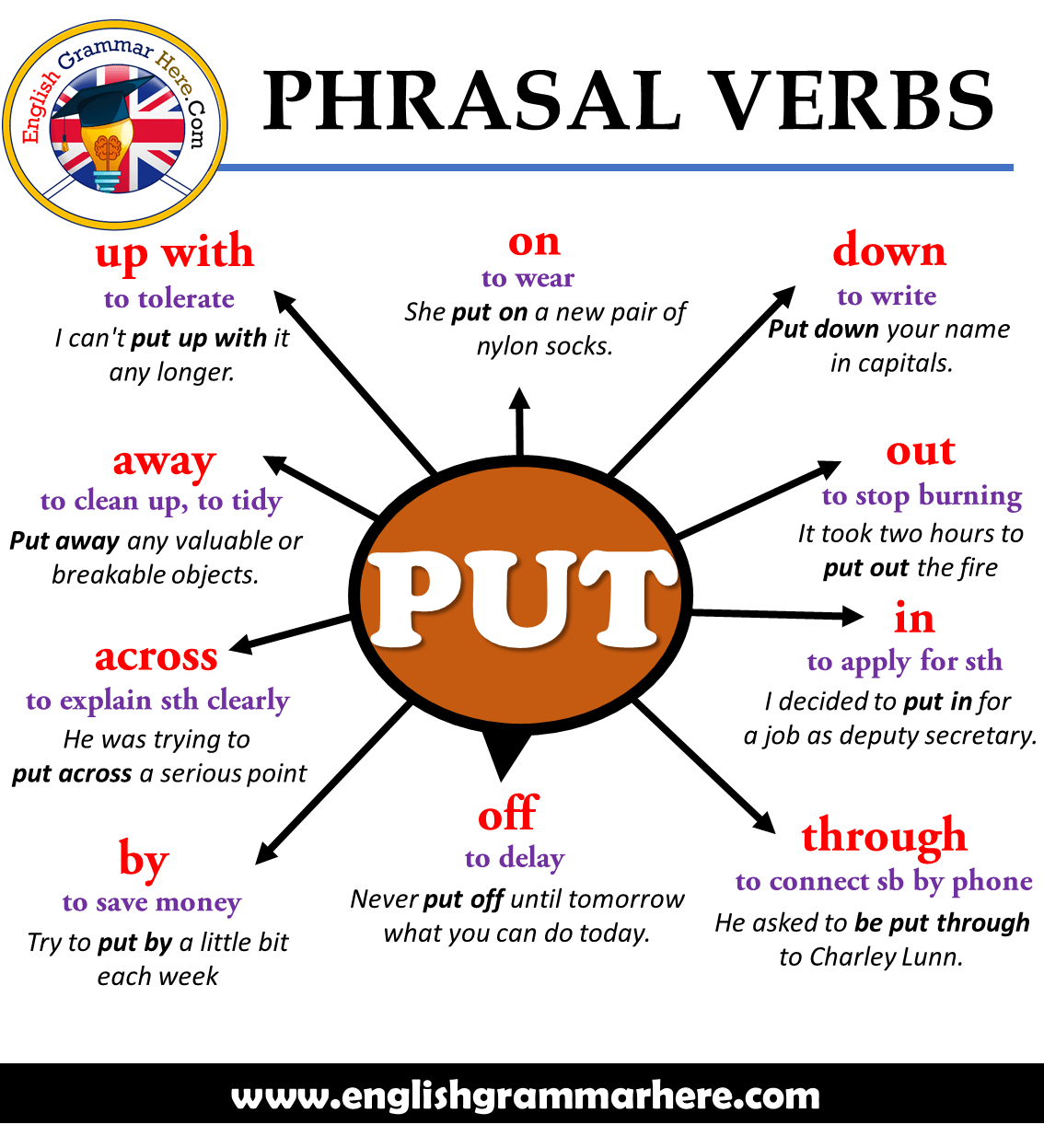
Short term plan: term 2
|
Unit 4 Sport, health and exercise |
Lesson 43 |
||
|
Teacher name: |
|
||
|
Date: |
|
||
|
Grade: 8 |
Number present: |
absent: |
|
|
Lesson title |
Everyday English: Asking for / giving advice |
||
|
Learning objectives |
8.2.2.1 understand with little or no support most specific information in extended talk on a wide range of general and curricular topics; 8.3.7.1 use appropriate subject-specific vocabulary and syntax to talk about a range of general topics, and some curricular topics 8.4.1.1 understand the main points in texts on a growing range of unfamiliar general and curricular topics, including some extended texts |
||
|
Lesson objectives |
Learners will be able to: - respond adequately to personal questions in a variety of situations and contexts (e.g. in interviews and dialogues) - identify and interpret the author’s tone/opinion at basic level |
||
|
Instilling values of the program “Adal Azamat” |
Respect and care: Giving advice politely and kindly. Empathy: Listening to others’ problems and helping them. Responsibility: Acting on good advice to improve oneself. |
||
|
Plan |
|||
|
Stages / Time |
Teachers actions |
Students actions |
Assessment criteria |
Resources |
|
Beginning of the lesson 5 min Middle of the lesson 10 min |
Organization moment : 1.Greeting. Ask about the weather Warm up Engage students and introduce the topic. Procedure: Ask: “Have you ever asked your friend for advice?” Give an example: “My friend is nervous about an exam. What advice can you give?” Let students brainstorm a few ideas (e.g., study more, relax, sleep early). Write on the board: “Asking for and Giving Advice” Ex:1 P:48 Practise pronunciation of situational language Play the recording. Ss listen and repeat chorally and/or individually. Pay attention to Ss’ pronunciation and intonation and correct as necessary. By listening attentively and helping each other without laughing or judging, they demonstrate the values of an adal azamat — a respectful, honest, and supportive citizen. |
Learners read the given sentences on the board and guess the topic and share with their ideas.
Pupils listen and repeat. ANSWERS Students own answer |
The teacher to assess learners for their ability. “Good job! Well done!” Formative Assessment
Good job! Descriptor: - listen and repeat Total: 3 point |
Board and markers Flashcards or dialogue strips Worksheets with role-play situations Optional: short video or comic with advice-giving dialogues |
|
10 min 10 min 10 min |
Ex: 2 P: 48 Listen and read for gist Refer Ss to the sentences in Ex. 1 again and elicit Ss’ guesses as to what the dialogue is about. Play the recording. Ss listen and read the text to find out. By sharing ideas honestly and respectfully, students show the qualities of an adal azamat — a fair, honest, and thoughtful citizen. Ex: 3 P: 48 Read for specific information Give Ss time to read the dialogue again and then elicit answers to the questions. When Ss share answers honestly and listen to others respectfully, they show the values of an adal azamat — a fair and truthful citizen. Ex: 4 P: 48 Learn synonymous phrases Read out the phrases. Refer Ss back to the dialogue and elicit the synonymous ones from various Ss around the class. Encourage Ss to choose kind and respectful words when expressing opinions, like a true adal azamat — an honest, fair citizen who values others’ ideas. |
Pupils read the dialogue between two friends ANSWERS The dialogue is about someone advising a friend who wants to keep fit without spending a lot of money. Pupils read the dialogue. What does Asyl advise Kate to do? What pros and cons of exercising at home do the speakers mention? ANSWERS Asyl advises Kate to exercise at home. The pros are it saves money and time and the cons are that you can’t use a variety of equipment and it’s easier to get an injury without a trainer. Pupils find sentences in the dialogue ANSWERS What do you think I should do? = Any ideas? Have you considered exercising at home? = Have you thought about exercising at home? I don’t think it’s a good idea. = I’m not sure that’s such a good idea. I don’t have enough money at the moment. = I can’t afford it right now. |
Descriptor: - read the dialogue between two friends Total: 3 point Descriptor: - read the dialogue -answer the question Total: 3 point Descriptor: - find sentences in the dialogue Total: 3 point -Make CCQ questions Yes / No Total: 10 point |
|
|
End of the lesson 5 min |
FEEDBACK Ask: Which phrases are polite for giving advice? What’s the difference between “should” and “must”? Homework: Write a short dialogue
(6–8 lines) between two friends. |
Ss evaluate each other and encourage classmate with phrases like: Well done! Brilliant! Good job! I like it! |
Poster Success
|
|
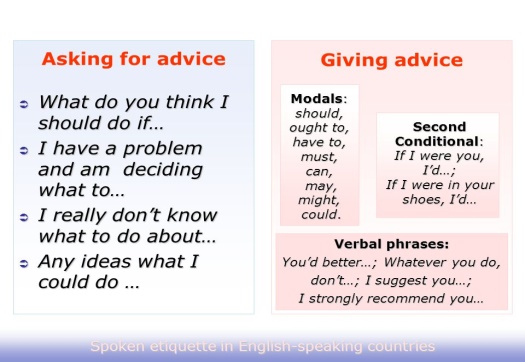
Short term plan: term 2
|
Unit 4 Sport, health and exercise |
Lesson 44 |
||
|
Teacher name: |
|
||
|
Date: |
|
||
|
Grade: 8 |
Number present: |
absent: |
|
|
Lesson title |
Across cultures: Sporting legends |
||
|
Learning objectives |
8.2.2.1 understand with little or no support most specific information in extended talk on a wide range of general and curricular topics; 8.4.6.1 recognise the attitude or opinion of the writer on a growing range of unfamiliar general and curricular topics, including some extended texts; |
||
|
Lesson objectives |
Learners will be able to: - differentiate and use the meaning, parts of speech and word - identify the central idea, the intended audience and the author’s purpose - organise ideas appropriately for both purpose and reader (e.g. captions; headings; bullet points; fonts; chapters; letter formats; paragraphs) |
||
|
Instilling values of the program “Adal Azamat” |
Hard work and perseverance: Success requires continuous effort. Respect and pride: Appreciating athletes who represent their country. Inspiration and motivation: Learning from role models to achieve goals. |
||
|
Plan |
|||
|
Stages / Time |
Teachers actions |
Students actions |
Assessment criteria |
Resources |
|
Beginning of the lesson 5 min |
Organization moment : 1.Greeting. Ask about the weather. Warm up Introduce the topic and engage students. Procedure: Ask: “Who is your favorite sports star?” “What sport do they play?” “Why do people admire sports legends?” Show pictures of famous athletes from different countries (e.g., Cristiano Ronaldo, Serena Williams, Gennady Golovkin, Naomi Osaka). Elicit words like champion, win, train, gold medal, and write them on the board. |
Learners read the given sentences on the board and guess the topic and share with their ideas.
|
The teacher to assess learners for their ability. “Good job! Well done!” Formative Assessment
Good job! |
Pictures or slides of athletes Worksheet (true/false, comprehension, and discussion prompts) Board and markers |
|
Middle of the lesson 10 min 12 min 13 min |
Ex:1 P: 49 Introduce the topic and predict the content of a text Ask Ss to look at the pictures and then ask Ss to discuss the questions in pairs. Elicit answers from Ss around the class. Remind them that sharing ideas honestly and appreciating others’ thoughts reflects the character of an adal azamat — a fair, open-minded, and respectful citizen. Ex: 2 P: 49 Listen and read for specific information Elicit what if anything Ss know about the athletes an then elicit various questions from Ss around the class and write two of them on the board. Play the recording. Ss listen and read to see if they can answer the questions. Listening carefully and responding honestly show the values of an adal azamat — a fair, disciplined, and respectful citizen. Ex: 3 P: 49 Read for specific information Ask Ss to copy the table into their notebooks and then give them time to complete it with information from the text. Ask various Ss to use their completed table to present the athletes to the class. When students listen respectfully and appreciate each other’s presentations, they demonstrate the qualities of an adal azamat — fairness, honesty, and respect for others. |
Pupils look at the title and the pictures. Answer the question ANSWERS A: I think they won Olympic medals in swimming. B: Me too. I think they felt very proud. Pupils listen, read and check if you can answer your questions. Write a few questions. ANSWERS Where are they from? (Dmitriy Balandin is from Kazakhstan and Adam Peaty is from Great Britain.) Where did they win their medals? (Rio) Pupils copy and complete the table with information from the text. Then present the two athletes to the class. ANSWERS
|
Descriptor: - look at the title and the pictures - answer the question Total: 3 point Descriptor: - listen, read and check - answer your questions - write a few questions. Total: 3 point Descriptor: - copy and complete the table with Total: 4 point |
|
|
End of the lesson 5 min |
FEEDBACK Ask: “What makes a person a sporting legend?” “Do you want to be like one of them? Why or why not?” Homework: Write a short paragraph (6–8 sentences) about a sporting legend from your country. |
Ss evaluate each other and encourage classmate with phrases like: Well done! Brilliant! Good job! I like it! |
Poster Success
|
|

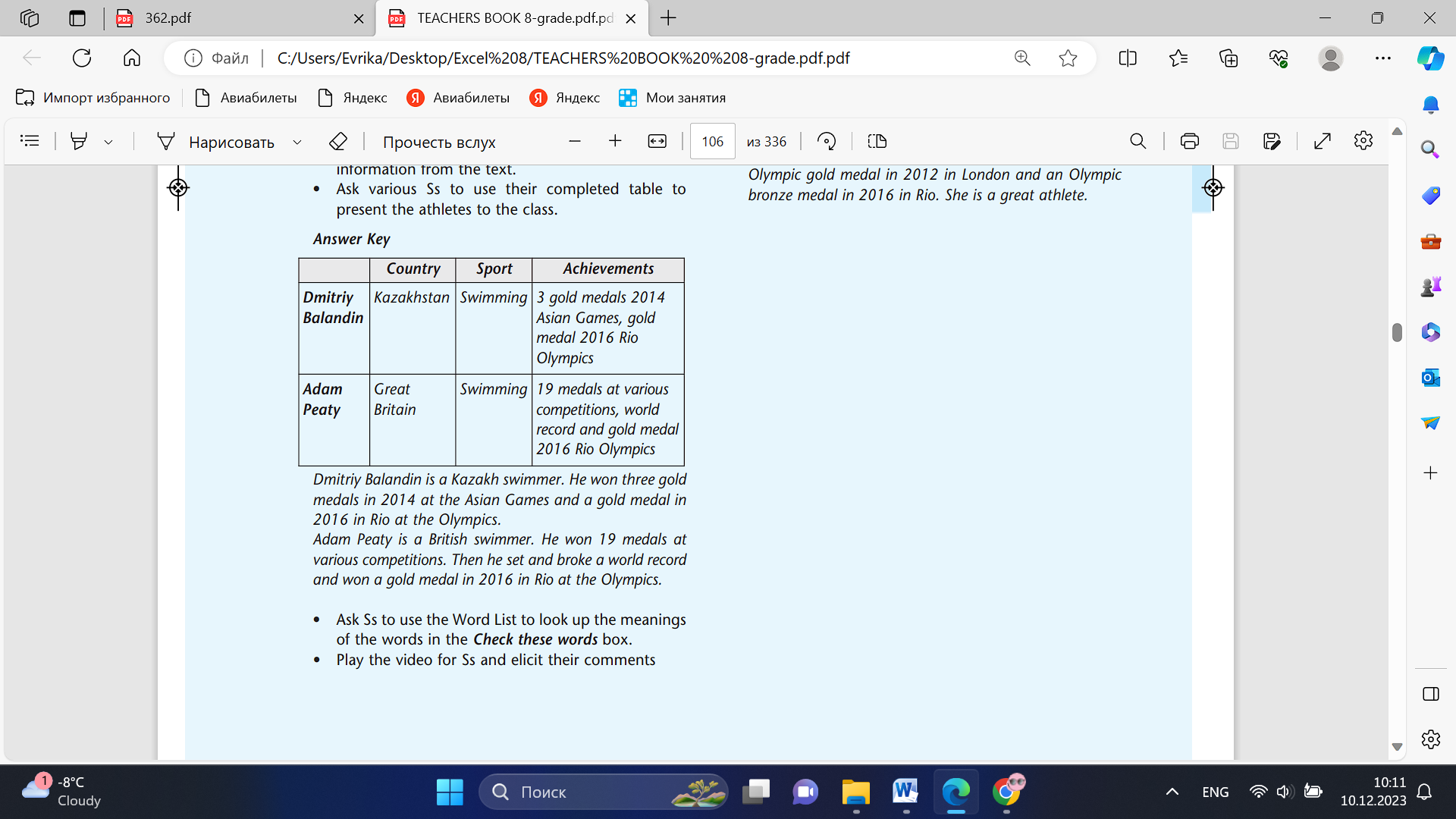
Short term plan: term 2
|
Unit 4 Sport, health and exercise |
Lesson 45 |
||
|
Teacher name: |
|
||
|
Date: |
|
||
|
Grade: 8 |
Number present: |
absent: |
|
|
Lesson title |
Across curriculum: Muscles Summative Assessment for the unit 4 |
||
|
Learning objectives |
8.2.2.1 understand with little or no support most specific information in extended talk on a wide range of general and curricular topics; 8.3.7.1 use appropriate subject-specific vocabulary and syntax to talk about a range of general topics, and some curricular topics 8.4.1.1 understand the main points in texts on a growing range of unfamiliar general and curricular topics, including some extended texts |
||
|
Lesson objectives |
Learners will be able to: - check their own and others’ writing to ensure that it communicates what they intended and improve the writing if needed - identify the central idea, the intended audience and the author’s purpose |
||
|
Instilling values of the program “Adal Azamat” |
Health and well-being: Take care of your body through exercise. Responsibility: Understand how your body works. Respect: Appreciate the strength and complexity of the human body. |
||
|
Plan |
|||
|
Stages / Time |
Teachers actions |
Students actions |
Assessment criteria |
Resources |
|
Beginning of the lesson 5 min |
Organization moment : 1.Greeting. Ask about the weather. Warm up Activate students’ background knowledge and interest. Procedure: Ask students: “What helps us move our body?” “Which part of your body works when you run or lift something?” Show pictures of athletes, a beating heart, and a person running. Elicit: muscles. Write the word MUSCLES on the board and brainstorm what they already know. |
Learners read the given sentences on the board and guess the topic and share with their ideas.
|
The teacher to assess learners for their ability. “Good job! Well done!” Formative Assessment
Good job! |
Flashcards or labels of body muscles Worksheet: labeling, matching, and comprehension tasks Video or short animation (optional) on “How muscles work” |
|
Middle of the lesson 8 min 7 min 10 min 10 min |
Ex:1 P: 50 Introduce the topic; to read for specific information Read the rubric aloud. Give Ss time to read the text and find out about which type of muscles we use for the actions listed. Encourage Ss to respect their bodies and maintain healthy habits, showing the qualities of an adal azamat — a responsible and mindful citizen who values well-being. Ex: 2 P: 50 Read for cohesion and coherence Ask Ss to read the text again and for each gap (1-7) choose from the options (1-4). Allow Ss time to complete the task and then ask them to check their answers with their partner. Listening to a partner’s ideas and accepting correct answers fairly reflects the spirit of an adal azamat — a fair, honest, and respectful citizen. Ex: 3 P: 50 Consolidate vocabulary and information in a text Allow Ss time to look up the meanings of the words in bold in the text using their dictionaries as necessary. Then ask Ss to ask and answer comprehension questions about the information in the text in pairs. When Ss listen carefully, speak kindly, and work together honestly, they show the qualities of an adal azamat — a fair, cooperative, and respectful citizen. Ex: 4 P: 50 Give a presentation on muscles Ask Ss to copy the headings into their notebooks. Play the recording and ask Ss to listen and read the text and make notes under the headings. Then ask individual Ss to come up in front of the class and give a short presentation on muscles using their notes. Listening respectfully and supporting classmates reflects adal azamat — fairness, honesty, and community spirit. |
Pupils read through to find out. Answer the question ANSWERS We can control all of these movements, so we use skeletal muscles, which are also called voluntary muscles. Pupils read the text and, for each gap, choose the correct word (A-D). Compare answers with your partner. ANSWERS 1 D 3 D 5 A 7 B 2 C 4 B 6 C Pupils explain the words in bold. Then, in pairs, ask and answer questions based on the text. ANSWERS digest (v) = when the stomach changes food into substances the body can use nerves (n) = long thin fibres that carry information to and from the brain hormones (n) = chemicals in the blood that control different processes in the body attached (adj) = being fastened/connected to Pupils read and listen to the text. Make notes under the headings: ANSWERS Why we need muscles for everything we do (except thinking) We need them to move in any way; to sit, talk, write, read, breathe, digest food, and for our hearts to beat. what muscles are made of bundles of elastic tissue what types of muscles there are skeletal muscle, smooth muscle and cardiac muscle |
Descriptor: - read through to find out. - answer the question Total: 2 point Descriptor: - read the text - choose the correct word Total: 2 point Descriptor: - explain the words in bold - ask and answer questions based on the text. Total: 3 point Descriptor: - read and listen to the text - make notes under the headings Total: 3 point |
|
|
End of the lesson 5 min |
FEEDBACK Learners provide feedback on what they have learned at the lesson. Home task: |
Ss evaluate each other and encourage classmate with phrases like: Well done! Brilliant! Good job! I like it! |
Poster Success |
|
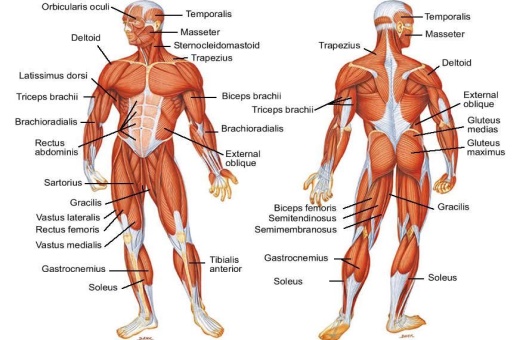
Short term plan: term 2
|
Unit 4 Sport, health and exercise |
Lesson 46 |
||
|
Teacher name: |
|
||
|
Date: |
|
||
|
Grade: 8 |
Number present: |
absent: |
|
|
Lesson title |
Writing: a for and against essay |
||
|
Learning objectives |
8.3.3.1 give an opinion at discourse level on a wide range of general and curricular topics 8.4.2.1 understand specific information and detail in texts on a growing range of familiar general and curricular topics, including some extended texts 8.5.1.1 plan, write, edit and proofread work at text level with little support on a range of general and curricular topics |
||
|
Lesson objectives |
Learners will be able to: - check their own and others’ writing to ensure that it communicates what they intended and improve the writing if needed - identify the central idea, the intended audience and the author’s purpose |
||
|
Instilling values of the program “Adal Azamat” |
Respect for others’ opinions: Listening to both sides of an argument. Critical thinking: Making balanced and fair conclusions. Responsibility: Expressing ideas clearly and respectfully. |
||
|
Plan |
|||
|
Stages / Time |
Teachers actions |
Students actions |
Assessment criteria |
Resources |
|
Beginning of the lesson 5 min Middle of the lesson 10 min |
Organization moment : 1.Greeting. Ask about the weather. Warm up Engage students and introduce the idea of balanced discussion. Procedure: Ask: “Do you think using smartphones in class is a good idea?” Let students share short opinions (some agree, some disagree). Explain: “In a for and against essay, we discuss both sides of an issue before giving a conclusion.” Write the title on the board: “A For and Against Essay” Ex:1 P: 51 Introduce the topic and read for specific information Read out the title of the essay. Ask Ss to think of two reasons for and two against exercising in groups. Give Ss time to read the essay and then check if their reasons are mentioned. |
Learners read the given sentences on the board and guess the topic and share with their ideas.
Pupils read the title of the essay. Think of two reasons for and two reasons against exercising in groups. Read the essay and check if your ideas are mentioned. ANSWERS Reasons for: Make new friends (mentioned) Improve your social life (mentioned) |
The teacher to assess learners for their ability. “Good job! Well done!” Formative Assessment
Good job! Descriptor: - read the title of the essay - read the essay and check if your ideas are mentioned. Total: 3 point |
Board and markers Model essay (short text) Worksheet: sentence ordering, linking words, essay plan Optional: projector or printed handouts |
|
7 min 10 min 8 min |
Understanding both sides of an argument helps Ss think critically and act like adal azamat — fair, thoughtful, and balanced citizens. Ex: 2 P: 51 Read for structure Ask Ss to read the essay and identify the paragraphs that contain the items mentioned. Check Ss’ answers. Working carefully and following logical order reflects adal azamat — discipline, respect for structure, and responsibility in learning. Ex: 3 P: 51 Substitute linking words/phrases for suitable alternatives Ask Ss to read the Study Skills box. Direct Ss to the underlined linking words/phrases in the text and give Ss time to complete the task. Then elicit answers from various Ss. It also shows fairness and respect (adal azamat) — we present ideas clearly so that others can understand our meaning without confusion. Ex: 4 P: 52 Match arguments and justifications/examples and identify pros/cons Ask Ss to read the table and then give them time to match the arguments with the justifications/ examples. Check Ss’ answers and then elicit which ones are pros/cons. Distinguishing pros and cons fairly reflects the qualities of an adal azamat — a fair, thoughtful, and honest person who considers both sides before forming an opinion. |
Reasons against: Get left behind (mentioned) Peer pressure (not mentioned) Pupils answer the question ANSWERS The writer’s opinion – 4 A presentation of the topic – 1 Pupils replace the underlined linking words/phrases in the text with synonyms from the Study Skills box. ANSWERS To begin with = Firstly Also = In addition For example = For instance On the other hand = However Firstly = To start with As a result = Consequently Secondly = Furthermore On the whole = All in all Pupils match the arguments for-and-against exercising at a gym to their justifications/examples. Decide which of the arguments are pros and which are cons. ANSWERS 1 A 2 C 3 B 4 D Pros = 1, 3 Cons = 2, 4 |
Descriptor: - answer the question Total: 2 point Descriptor: - replace the underlined linking words/phrases in the text with synonyms Total: 3 point Descriptor: - match the arguments for-and-against Total: 2 point |
|
|
End of the lesson 5 min |
FEEDBACK Ask: “Why is it important to look at both sides of a topic?” “Which linking words did you use in your essay?” Homework: Edit your essay and write a final clean version. Optional: Write a new essay on “Is it better to do sport indoors or outdoors?” |
Ss evaluate each other and encourage classmate with phrases like: Well done! Brilliant! Good job! I like it! |
Poster Success
|
|
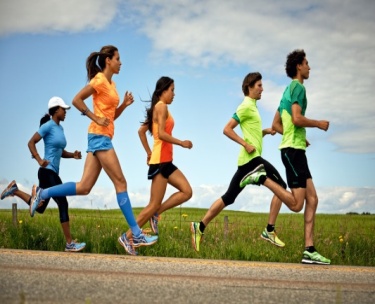
Short term plan: term 2
|
Unit 4 Sport, health and exercise |
Lesson 47 |
||
|
Teacher name: |
|
||
|
Date: |
|
||
|
Grade: 8 |
Number present: |
absent: |
|
|
Lesson title |
Summative assessment term 2 |
||
|
Learning objectives |
8.2.6.1(8.L6) Deduce meaning from context with little or no support in extended talk on a growing range of general and curricular topics. 8.4.5.1(8.R5) Deduce meaning from context in short texts and some extended texts on a growing range of familiar general and curricular topics 8.5.3.1(8.W3) Write with moderate grammatical accuracy on a growing range of familiar general and curricular topics 8.3.5.1(8.S5) Interact with peers to negotiate, agree and organise priorities and plans for completing classroom tasks. |
||
|
Lesson objectives |
Learners will be able to: - check their own and others’ writing to ensure that it communicates what they intended and improve the writing if needed - identify the central idea, the intended audience and the author’s purpose |
||
|
Instilling values of the program “Adal Azamat” |
Respect for others’ opinions: Listening to both sides of an argument. Critical thinking: Making balanced and fair conclusions. Responsibility: Expressing ideas clearly and respectfully. |
||
|
Plan |
|||
|
Stages / Time |
Teachers actions |
Students actions |
Assessment criteria |
Resources |
|
Beginning of the lesson 5 min |
Organization moment : 1.Greeting. Ask about the weather. The teacher sets the lesson objectives, letting students know what to anticipate from the lesson. Listening Task. Listen to the recording about Schumacher’s career. Write to what people and events these numbers and dates refer to. Ttranscript for listening task can be found after the mark scheme. |
Pupils listen to the recording about Schumacher’s career ANSWERS write their answers using their own words with the correct information from the monologue |
The teacher to assess learners for their ability. “Good job! Well done!” Formative Assessment Descriptor: - listen to the recording about Schumacher’s career Total: 6 point |
|
|
Middle of the lesson 35 min |
Example: 1977 car accident with Jacques Villeneuve at Grand Prix 1. 4 March ___________________ 2. £1.3 million _________________ 3. 1994 ____________________ 4. 1999 ______________________ 5. over 1.5 seconds ____________ 6. 18 March _________________ Reading Task. Read the statements, decide if they are TRUE or FALSE and explain your choice. Read the article and write the answers from the text. Writing Task. Choose ONE of the topics to write Speaking Task. Work in pairs. Choose one of the cards and answer the questions. You have 1 minute to prepare and 3 minutes to speak. While speaking do not forget to use topic related vocabulary. Show interaction asking and answering questions. |
Pupils read the statements, decide if they are TRUE or FALSE ANSWERS True. Explanation: Advertising influences children’s choice of toys. False. Explanation: Another influence advertising has had is on the clothes children want to wear. False. Explanation: Companies use cartoon characters to influence on children. Pupils choose ONE of the topics to write ANSWERS Students own answer Pupils work in pairs. Choose one of the cards and answer the questions ANSWERS Students own answer |
Descriptor: - read the statements Total: 6 point Descriptor: - choose ONE of the topics Total: 6 point Descriptor: - work in pairs. - choose one of the cards and answer the questions Total: 6 point |
|
|
End of the lesson 5 min |
Ss use their stickers to show their knowledge according to the lesson Green- I understood Yellow-I have some questions Red-I need a help. Home task: |
Ss evaluate each other and encourage classmate with phrases like: Well done! Brilliant! Good job! I like it! |
Poster Success
|
|
Short term plan: term 2
|
Unit 4 Sport, health and exercise |
Lesson 48 |
||
|
Teacher name: |
|
||
|
Date: |
|
||
|
Grade: 8 |
Number present: |
absent: |
|
|
Lesson title |
Edutainment |
||
|
Learning objectives |
8.5.1.1 plan, write, edit and proofread work at text level with little support on a range of general and curricular topics 8.3.3.1 give an opinion at discourse level on a wide range of general and curricular topics |
||
|
Lesson objectives |
Learners will be able to: - demonstrate understanding of multiple perspectives through reflection and paraphrasing |
||
|
Instilling values of the program “Adal Azamat” |
Health and well-being: Taking care of your body and mind. Discipline and responsibility: Exercising regularly and eating well. Teamwork: Supporting each other in group challenges. |
||
|
Plan |
|||
|
Stages / Time |
Teachers actions |
Students actions |
Assessment criteria |
Resources |
|
Beginning of the lesson 5 min
|
Organization moment : 1.Greeting. Ask about the weather. Warm up Energize students and introduce the topic. Procedure: Play upbeat background music. Teacher acts out simple exercises (e.g., jumping, running, stretching). Students guess: “You’re jogging!”, “You’re doing push-ups!” After a few examples, ask: “What are we doing today?” → Fitness! Transition: “Today we’ll learn English through fun fitness activities!” |
Learners read the given sentences on the board and guess the topic and share with their ideas.
|
The teacher to assess learners for their ability. “Good job! Well done!” Formative Assessment
Good job! |
Flashcards or pictures of exercises Music (for warm-up activity) Worksheets (matching, fill-in, and speaking prompts) Board and markers Projector or printed visuals (optional) |
|
Middle of the lesson 7 min 10 min 8 min 10 min |
Ex:1 a P: 52 Learn about the value of fitness and personalise the topic Ask Ss to read the list of statements about fitness and tick the ones that apply to them. Being honest about one’s habits and respecting others’ differences reflects adal azamat — fairness, integrity, and respect for individuality. Ex: 1 b P: 52 Discuss the value of fitness Ask Ss to discuss the question in pairs and then ask some Ss to share their answers with the rest of the class. Listening and responding honestly to others’ ideas reflects adal azamat — fairness, honesty, and respect for different perspectives. Ex: 2 P: 52 Test knowledge learnt in this module/ to do a quiz Explain the task. Allow Ss some time to read the statements and mark them as true or false. Tell Ss they can review the module and find the relevant information to help them if necessary. Check Ss’ answers. Being truthful in marking answers, even if unsure, reflects adal azamat — honesty, fairness, and integrity. Ex: 3 P: 52 Consolidate vocabulary learnt in the module/to write a quiz Explain the task and allow Ss time to work in pairs and look through the module and think of quiz questions. Tell Ss they can use the quiz in the previous task as a model. Offer an example (e.g. Quidditch comes from the Harry Potter books. [T]) Ss can swap their quiz with another pair and do it and then report back to the class. Marking answers honestly and respecting the work of other pairs demonstrates adal azamat — fairness, honesty, and integrity. |
Pupils read the statements below. Tick (✓) the ones that are true for you. ANSWERS Students own answer Pupils tell the class. Answer the question ANSWERS I think it’s important to exercise because you need to get your body fit and healthy. When you don’t exercise, you are more likely to develop a disease. Pupils do the quiz. Decide if the sentences are T (true) or F (false). ANSWERS 1 F 3 T 5 T 7 T 2 F 4 F 6 F 8 T Pupils go through Module 4 and write a T/F quiz of your own. ANSWERS 1 There are seven players in a Quidditch team. [T] 2 Sepak Takraw comes from Malaysia. [T] 3 Exercise builds up stress. [F] 4 Exercise burns fat and builds muscle. [T] 5 Dmitriy Balandin was born in 1995. [T] 6 Adam Peaty always loved being in the water. [F] 7 Both Dmitriy and Adam won gold medals in Rio. [T] 8 Smooth muscles are voluntary muscles. [F] |
Descriptor: - read the statements - tick (✓) the ones that are true Total: 3 point Descriptor: - tell the class - answer the question Total: 3 point Descriptor: - do the quiz - decide if the sentences Total: 2 point Descriptor: - write a T/F quiz of your own. Total: 3 point |
|
|
End of the lesson 5 min |
FEDBACK “What new words did you learn today?” “Why is fitness important for young people?” “What will you do this week to stay healthy?” Homework: Write 5–6 sentences about your daily fitness routine. |
Ss evaluate each other and encourage classmate with phrases like: Well done! Brilliant! Good job! I like it! |
Poster Success
|
|


 Жүктеу


 Жүктеу
шағым қалдыра аласыз