
 ЖИ көмекші


жүктеу мүмкіндігіне ие боласыз
Бұл материал сайт қолданушысы жариялаған. Материалдың ішінде жазылған барлық ақпаратқа жауапкершілікті жариялаған қолданушы жауап береді. Ұстаз тілегі тек ақпаратты таратуға қолдау көрсетеді. Егер материал сіздің авторлық құқығыңызды бұзған болса немесе басқа да себептермен сайттан өшіру керек деп ойласаңыз осында жазыңыз
 11 Ақпан 2025
 132
132
Whizz-kids. grade 7
Short term plan: term 3
|
Unit of a long term plan: Entertainment and media |
Lesson 55 |
||
|
Teacher name: |
|||
|
Date: |
|
||
|
Grade: 7 |
Number present: |
absent: |
|
|
Lesson title |
Whizz-kids |
||
|
Learning objectives |
7.4.1.1 understand the main points in a growing range of short, simple texts on general and curricular topics 7.4.2.1 understand independently specific information and detail in short, simple texts on a limited range of general and curricular topics 7.3.1.1 provide basic information about themselves and others at discourse level on a range of general topics |
||
|
Lesson objectives |
Learners will be able to: • Read about prodigies. • Read for general meaning and specific information. • Talk about topics raised in the text |
||
|
Value links |
Gratitude – You value gratitude if you find yourself respecting people who say please and thank you. If you’re a religious person who values gratitude, you may always insist on praying before eating your dinner. |
||
|
Plan |
|||
|
Stages / Time |
Teachers actions |
Students actions |
Assessment criteria |
Resources |
|
Beginning of the lesson 5 min |
Organization moment : 1.Greeting. Ask about the weather. Warm-up • Refer students back to the Clever Kids quiz on page 49. Ask students to think about the people in the quiz. Ask what links all the people mentioned (they were all exceptionally talented from a very early age). • Ask students if they know anyone like this, or whether they can name any other famous prodigies. Lead - In
|
“The wish flower” method helps to start the lesson with good wishes to each other. The aim: To develop Ss speaking skills and create fndly atmosphere Efficiency: By wishing each other they feel better and feel the support of others Students say different words from the picture |
At the organization moment T tries to award active Ss. «The praise» method is used to evaluate Ss with phrases like: “Good job! Well done!” Formative Assessment
Good job! |
Pictures worksheet Student’s book |
|
Middle of the lesson Presentation part. 35 min |
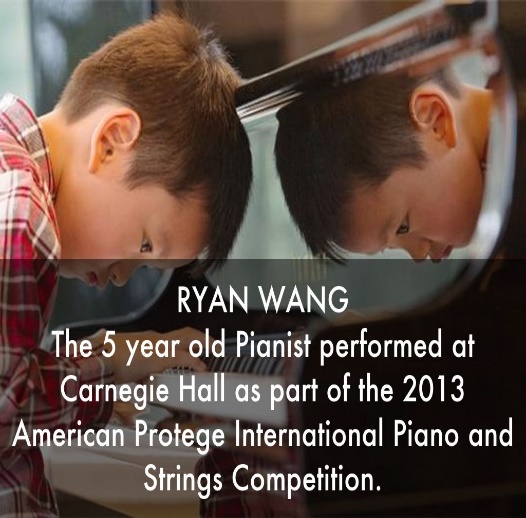
Ex:1 P:66 • Focus on the title of the text and the photo. Elicit or explain the meaning of prodigy. • Ask students what kinds of things prodigies can do. Accept all ideas at this stage Background In British schools, children who are recognized as ‘gifted’ or exceptionally talented are sometimes given extra lessons by their school, or may attend special classes for similarly gifted children after school or during school holidays. Differentiation: «Verbal support» method is used to help Students use new words in the text. Ex: 2 P: 66 • Tell students to read through the summaries. Clarify that only one of these fits the text correctly. • Play the CD. Students, read, listen and choose the correct summary. In a stronger class, ask them to explain their choice in English. Ex: 3 P: 66 • After closely reading the text, students complete the sentences. Ex: 4 P: 66 • Students read the text again and complete the phrases with the correct words. • In a weaker class, check understanding of the words and phrases, for example, by asking students to translate them. In a stronger class, ask students to put the phrases into a sentence to show they have understood. • Explain that these phrases are very common and useful to learn. In a stronger class, elicit or explain some other related phrases, for example, set a record, take a decision |
Students look at photo and discuss about what does prodigy mean ANSWERS A prodigy is a child with incredible talents. Students read and listen to the text. Then choose the correct summary ANSWERS a) Students read the text again and complete the sentences with one, two or three words. ANSWERS 1 of twelve 2 children 3 university at seven 4 they help 5 160 Students find and complete the phrases with the verbs in the box. ANSWERS 1 break 2 take 3 take 4 make 5 make |
Assessment criteria - Read about prodigies. Descriptor: - look at photo and discuss about what does prodigy mean Assessment criteria: - Read for general meaning and specific information Descriptor: - read and listen to the text. Then choose the correct summary -Make CCQ questions Yes / No |
Card Worksheet Students book |
|
End of the lesson 5 min |
Home task: Ex: 3 P: 48 WB |
|
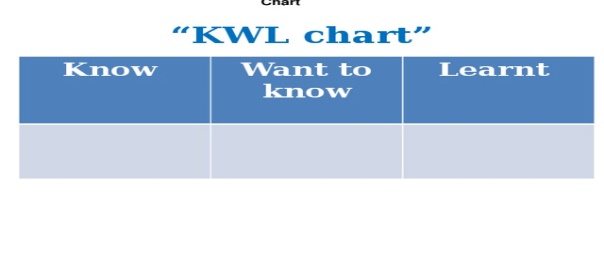
Poster Success KWL chart
|
|




 Жүктеу


 Жүктеу
шағым қалдыра аласыз

 Бұл курс Қазақстан Республикасы Оқу-ағарту министрлігімен келісілген










