ЖИ көмекші


 Қауіпсіз төлем

жүктеу мүмкіндігіне ие боласыз
Бұл материал сайт қолданушысы жариялаған. Материалдың ішінде жазылған барлық ақпаратқа жауапкершілікті жариялаған қолданушы жауап береді. Ұстаз тілегі тек ақпаратты таратуға қолдау көрсетеді. Егер материал сіздің авторлық құқығыңызды бұзған болса немесе басқа да себептермен сайттан өшіру керек деп ойласаңыз осында жазыңыз
 01 Сәуір 2025
 60
60
1 жыл бойы шексіз жүктеңіз
ҚМЖ Action 11 term 4
Short term plan: term 4
|
Unit 8: Different Ways of Living |
Lesson 81 |
||
|
Teacher name: |
|
||
|
Date: |
|
||
|
Grade: 10 |
Number present: |
absent: |
|
|
Lesson title |
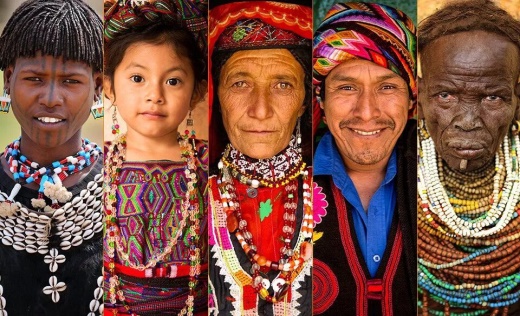
People around the world |
||
|
Learning objectives |
10.3.7.1 - use appropriate subject-specific vocabulary and syntax to talk about a range of general and curricular topics; 10.5.2.1 - use a growing range of vocabulary, which is appropriate to topic and genre, and which is spelt accurately; |
||
|
Lesson objectives |
Learners will be able to: - introduce new vocabulary - listen for specific information - practise new vocabulary by describing people |
||
|
Value links |
Hospitality: Traditionally a nomadic culture, hospitality has always been an important part of Kazakh culture. |
||
|
Plan |
|||
|
Stages / Time |
Teachers actions |
Students actions |
Assessment criteria |
Resources |
|
Beginning of the lesson Warming-up
3 min. Pre-learning «Brainstorming» method 7 min. |
Organization moment : 1.Greeting. Ask about the weather. The teacher sets the lesson objectives, letting students know what to anticipate from the lesson. Warming up Where are you from? How old are you? What color is it? How many students are there in class? What day of the week today? Lead – In
|
The aim: To develop pupils speaking skills and create friendly atmosphere Efficiency: By wishing each other they feel better and feel the support of others Students of the class are listed. Students' attention is drawn to the lesson. Students say different words from the picture •Learners remember previous lesson vocabulary •Learners answer the questions |
The teacher to assess learners for their ability. “Good job! Well done!” Formative Assessment
Good job! Descriptor: - remembers the lesson passed Point 1 Assessment criteria make basic statements related to personal information, people and objects |
Pictures worksheet Picture |
|
Middle of the lesson Presentation part. 30 min |
Ex:1 P:95 • Direct Ss' attention to the texts A-C and the words in the lists above each one and give Ss time to use the words to complete the texts. Check Ss' answers around the class. Explain/Elicit the meaning of any unknown words. Differentiation: «Verbal support» method is used to help Ss use new words in the sentences. Ex: 2 P: 95 • Play the recording. Ss listen and match the descriptions A-C to the pictures 1-3. Check Ss' answers. Ex: 3a P: 95 • Ask Ss to write the headings: appearance and character in their notebooks and then give them time to skim the texts again and write down relevant vocabulary items from the texts under the headings. Ss work in closed pairs. Check Ss' answers on the board. Ex: 3b P: 95 • Ss work in pairs and use the vocabulary from Ex. 3a to describe the people in the pictures. Ask some Ss to describe the people to the class. Conclusion during the lesson some tasks differentiated by outcomes of the students and by their abilities. |
• Learners complete the descriptions ANSWERS A 1 dark 3 friendly 2 rosy 4 happy B 5 nomadic 7 slim 6 colourful 8 polite C 9 pale 11 courageous 10 face 12 peaceful • Learners listen and match the descriptions. ANSWERS 1 B 2C 3A • Learners find the words in the text that describe ANSWERS Appearance: dark hair, rosy cheeks, tall, slim, pale skin, facial tattoos Character: warm, friendly, happy, hardworking, polite, brave, courageous, peaceful • Learners use these describe the people in the photo. ANSWERS Odval has got dark hair and rosy cheeks. She is warm and friendly and happy to have guests. Koyati is tall and slim. He is also hardworking and polite. Pui-Litan has got pale skin. She is brave, courageous and peaceful |
Descriptor: - complete the descriptions Total: 2 point
Self assessment Descriptor: - listen and match the descriptions Total: 2 point Descriptor: - find the words in the text Total: 2 point Descriptor: - use these describe the people in the photo. Total: 2 point -Make CCQ questions Yes / No Total: 1 point Total: 10 point |
Card Worksheet Students book |
|
End of the lesson 5 min |
FEEDBACK Learners provide feedback on what they have learned at the lesson. Ex: P: Home task: Write the days |
|
Poster Success
|
|




Short term plan: term 4
|
Unit 8: Different Ways of Living |
Lesson 82 |
||
|
Teacher name: |
|
||
|
Date: |
|
||
|
Grade: 10 |
Number present: |
absent: |
|
|
Lesson title |
The Hadza the last of the first |
||
|
Learning objectives |
10.2.6.1 - deduce meaning from context in unsupported extended talk on a wide range of general and curricular topics, including talk on a limited range of unfamiliar topics; 10.4.1.1 - understand main points in extended texts on a wide range of familiar and some unfamiliar general and curricular topics; |
||
|
Lesson objectives |
Learners will be able to: -introduce key vocabulary and practise it in context - read for specific information - consolidate information in a text |
||
|
Value links |
Tradition: Kazakh traditions and culture have been passed on from one generation to another through oral histories told by traditional Kazakh tribal leaders and elders. |
||
|
Plan |
|||
|
Stages / Time |
Teachers actions |
Students actions |
Assessment criteria |
Resources |
|
Beginning of the lesson Warming-up
3 min. Pre-learning «Brainstorming» method 7 min. |
Organization moment : 1.Greeting. Ask about the weather. The teacher sets the lesson objectives, letting students know what to anticipate from the lesson. Warming up Where are you from? How old are you? What color is it? How many students are there in class? What day of the week today? Lead – In
|
The aim: To develop pupils speaking skills and create friendly atmosphere Efficiency: By wishing each other they feel better and feel the support of others Students of the class are listed. Students' attention is drawn to the lesson. Students say different words from the picture •Learners remember previous lesson vocabulary •Learners answer the questions |
The teacher to assess learners for their ability. “Good job! Well done!” Formative Assessment
Good job! Descriptor: - remembers the lesson passed Point 1 Assessment criteria make basic statements related to personal information, people and objects |
Pictures worksheet Picture |
|
Middle of the lesson Presentation part. 30 min |
Ex:1 P:96 •Refer Ss to the Word List at the back of their books and give them time to look up the meanings of the words given. Give Ss time to complete the sentences and then check Ss' answers around the class. Ex: 2 P: 96 • Read out the Study Skills box to help Ss do the task. Ask Ss to read question 1 and the answer choices. Give them time to read the text again and choose the correct answer for the question giving reasons. Give Ss time to answer the rest of questions. Check Ss' answers around the class and ask Ss to justify their answers with examples from the text. Ex: 3 P: 97 •Give Ss time to answer the questions. Remind Ss not to copy from the text but to paraphrase the information in their own words. Check Ss' answers around the class. Ex: 4 P: 97 • Read the words/phrases in the list and give Ss time to match them to the words in bold in the text. Ss can work in closed pairs. Elicit answers from various Ss around the class and elicit what part of speech each word/ phrase in bold is. Conclusion during the lesson some tasks differentiated by outcomes of the students and by their abilities. |
• Learners check these words in the word list. Use them to fill in the sentences. ANSWERS 1 lean 2 curly 3 wander, bows 4 crops 5 native 6 generous 7 gather 8 attached • Learners read the text. For each question choose the correct answer. ANSWERS 1 A (whole text) 2 D (I am thrilled to get close to the Hadza people.) 3 B (They wander the land taking food from it whenever they need ...) 4 D (They are generous and easy-going people...) 5 A (They don't seem to have any worries.) • Learners read the text again and answer the question. ANSWERS 1 It is very hot, there is little water and the soil is no good for growing crops. There are also lots of insects. 2 They live day to day and do not have permanent homes. Also, I think that their way of living must be quite dangerous and that is why they don't become attached to people or things. 3 Life is very difficult for them and they may not be able to survive this way for much longer • Learners match the words in bold to their synonymous. ANSWERS Para A: set off = leave (phrasal verb) Para B: quite = fairly (adverb), lean = thin (adjective), fit = healthy (adjective) |
Descriptor: - check these words - complete the sentences Total: 2 point
Self assessment Descriptor: - read the text - choose the correct answer. Total: 2 point Descriptor: - read the text - answer the question. Total: 2 point Descriptor: - match the words in bold Total: 2 point -Make CCQ questions Yes / No Total: 1 point Total: 10 point |
Card Worksheet Students book |
|
End of the lesson 5 min |
FEEDBACK Learners provide feedback on what they have learned at the lesson. Ex: P: Home task: Write the days |
|
Poster Success
|
|

Short term plan: term 4
|
Unit 8: Different Ways of Living |
Lesson 83 |
||
|
Teacher name: |
|
||
|
Date: |
|
||
|
Grade: 10 |
Number present: |
absent: |
|
|
Lesson title |
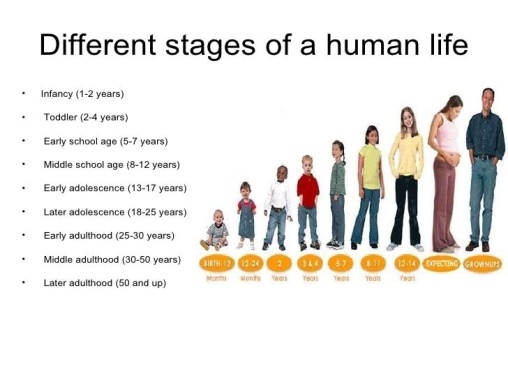
Stages of life |
||
|
Learning objectives |
10.4.7.1 - recognize patterns of development in lengthy texts [inter-paragraph level] on a range of general and curricular topics; 10.5.2.1 - use a growing range of vocabulary, which is appropriate to topic and genre, and which is spelt accurately; |
||
|
Lesson objectives |
Learners will be able to: - consolidate vocabulary from a text - practise prepositional phrases - introduce new vocabulary, practise new vocabulary |
||
|
Value links |
Tradition: Kazakh traditions and culture have been passed on from one generation to another through oral histories told by traditional Kazakh tribal leaders and elders. |
||
|
Plan |
|||
|
Stages / Time |
Teachers actions |
Students actions |
Assessment criteria |
Resources |
|
Beginning of the lesson Warming-up
3 min. Pre-learning «Brainstorming» method 7 min. |
Organization moment : 1.Greeting. Ask about the weather. The teacher sets the lesson objectives, letting students know what to anticipate from the lesson. Warming up Where are you from? How old are you? What color is it? How many students are there in class? What day of the week today? Lead – In
|
The aim: To develop pupils speaking skills and create friendly atmosphere Efficiency: By wishing each other they feel better and feel the support of others Students of the class are listed. Students' attention is drawn to the lesson. Students say different words from the picture •Learners remember previous lesson vocabulary •Learners answer the questions |
The teacher to assess learners for their ability. “Good job! Well done!” Formative Assessment
Good job! Descriptor: - remembers the lesson passed Point 1 Assessment criteria make basic statements related to personal information, people and objects |
Pictures worksheet Picture |
|
Middle of the lesson Presentation part. 30 min |
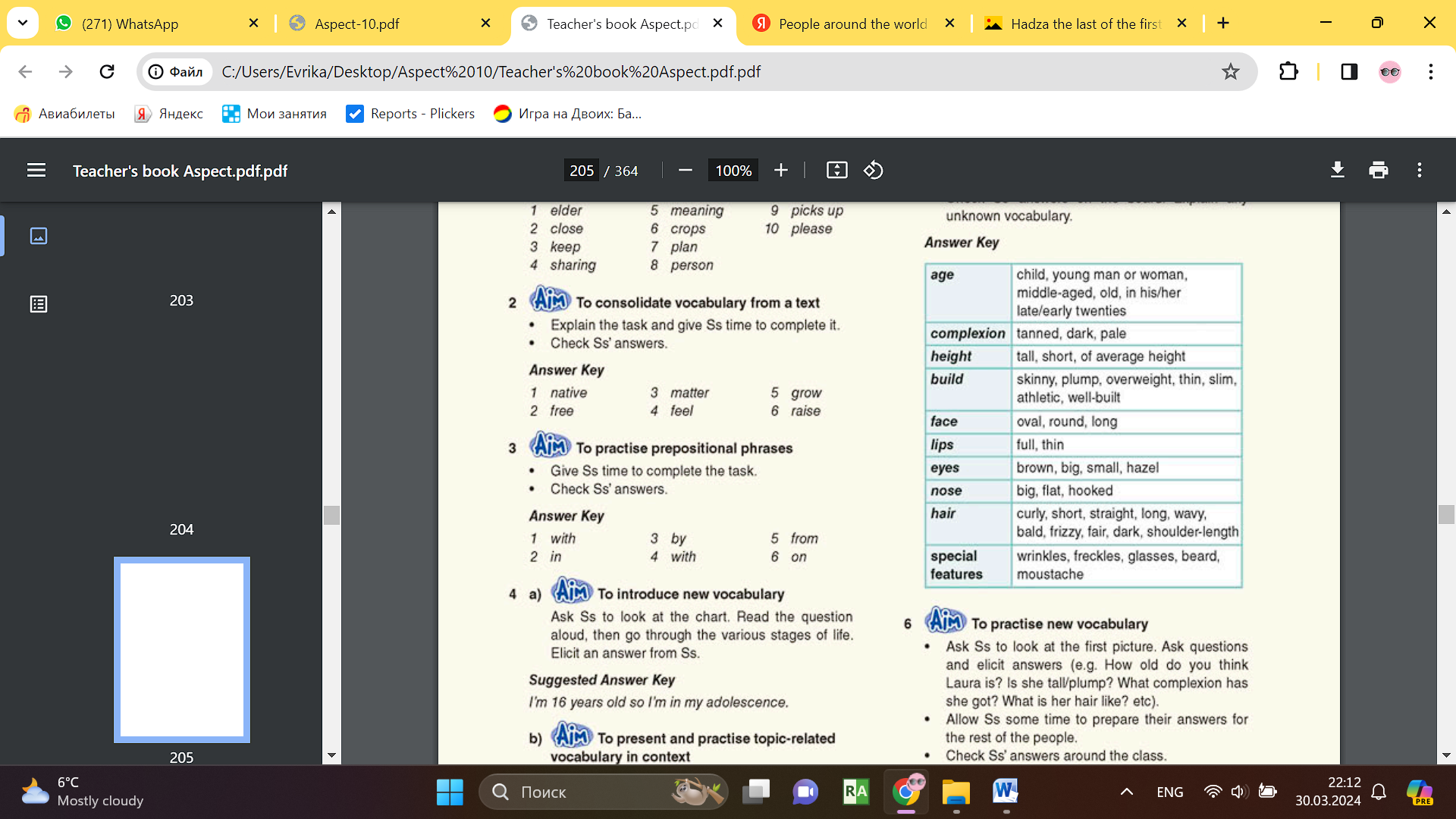
Ex:1 P:98 • Explain the task and give Ss time to complete it. Check Ss' answers. Ex: 2 P: 98 • Explain the task and give Ss time to complete it. Check Ss' answers. Ex: 3 P: 98 • Give Ss time to complete the task. Check Ss' answers. Ex: 4 P: 98 • Ask Ss to look at the chart. Read the question aloud, then go through the various stages of life. Elicit an answer from Ss. Ex: 5 P: 98 • Go through the list of words and explain/elicit meaning. Allow Ss time to do the task in pairs. Check Ss' answers on the board. Explain any unknown vocabulary. Ex: 6 P: 98 • Ask Ss to look at the first picture. Ask questions and elicit answers (e.g. How old do you think Laura is? Is she tall/plump? What complexion has she got? What is her hair like? etc). Allow Ss some time to prepare their answers for the rest of the people. Check Ss' answers around the class. Conclusion during the lesson some tasks differentiated by outcomes of the students and by their abilities. |
• Learners choose the correct word. ANSWERS 1 elder 2 close 3 keep 4 sharing 5 meaning 6 crops 7 plan 8 person 9 picks up 10 please • Learners fill the gaps ANSWERS 1 native 2 free 3 matter 4 feel 5 grow 6 raise • Learners choose the correct preposition. ANSWERS 1 with 2 in 3 by 4 with 5 from 6 on • Learners look at the stages of life. Which one are you in? ANSWERS I'm 16 years old so I'm in my adolescence • Learners complete the table. Use these words. ANSWERS
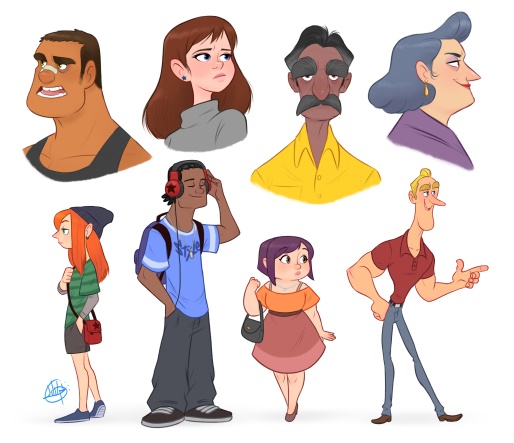
• Learners use words from ex 5 to describe the people in the pictures. ANSWERS 1 Laura is in her early twenties and she is tall and slim. She has got long straight blonde hair and a pale complexion. 2 Lucy is a child. She is short and thin. She has got dark, frizzy, shoulder-length hair. 3 Peter is middle-aged. He is tall and overweight. He is bald with a beard. 4 John is a teenager. He is of average height and well-built. He has got short brown hair. |
Descriptor: - choose the correct word - complete the sentences Total: 2 point
Self assessment Descriptor: - fill the gaps - complete the sentences Total: 2 point Descriptor: - choose the correct preposition - complete the sentences Total: 2 point Descriptor: - complete the table. - complete the table. Total: 2 point -Make CCQ questions Yes / No Total: 1 point Total: 10 point |
Card Worksheet Students book |
|
End of the lesson 5 min |
FEEDBACK Learners provide feedback on what they have learned at the lesson. Ex: P: Home task: Write the days |
|
Poster Success
|
|
Short term plan: term 4
|
Unit 8: Different Ways of Living |
Lesson 84 |
||
|
Teacher name: |
|
||
|
Date: |
|
||
|
Grade: 10 |
Number present: |
absent: |
|
|
Lesson title |
Character |
||
|
Learning objectives |
10.2.7.1 - understand speaker viewpoints and extent of explicit agreement between speakers on a range of general and curricular topics; 10.6.17.1 - use if / if only in third conditional structures use a variety of relative clauses including with which [whole previous clause reference] on a wide range of familiar general and curricular topics |
||
|
Lesson objectives |
Learners will be able to: - present new vocabulary - present/practise new vocabulary - listen for specific information |
||
|
Value links |
Freedom: Freedom is the major value of the civil society being formed in Kazakhstan. This must provide everyone with the possibility of creative self-realization. |
||
|
Plan |
|||
|
Stages / Time |
Teachers actions |
Students actions |
Assessment criteria |
Resources |
|
Beginning of the lesson Warming-up
3 min. Pre-learning «Brainstorming» method 7 min. |
Organization moment : 1.Greeting. Ask about the weather. The teacher sets the lesson objectives, letting students know what to anticipate from the lesson. Warming up Where are you from? How old are you? What color is it? How many students are there in class? What day of the week today? Lead – In
|
The aim: To develop pupils speaking skills and create friendly atmosphere Efficiency: By wishing each other they feel better and feel the support of others Students of the class are listed. Students' attention is drawn to the lesson. Students say different words from the picture •Learners remember previous lesson vocabulary •Learners answer the questions |
The teacher to assess learners for their ability. “Good job! Well done!” Formative Assessment
Good job! Descriptor: - remembers the lesson passed Point 1 Assessment criteria make basic statements related to personal information, people and objects |
Pictures worksheet Picture |
|
Middle of the lesson Presentation part. 30 min |
Ex:8 P:99 •Refer Ss to the Word List at the back of their books and give them time to look up the meanings of the adjectives. Give Ss time to complete the task and then check Ss' answers. Ex: 9 P: 99 • Give Ss time to complete the task, check Ss' answers and then elicit sentences from Ss around the class. Point out that when we describe negative qualities we use mild language (eg. at times, I can be etc.) Ex: 10 P: 99 • Explain the task and ask Ss to read the names 1-5 and the character adjectives a-h. Play the recording. Ss listen and complete the task. Check Ss' answers. Ex: 11 P: 99 • Give Ss time to complete the task. Check Ss answers. Ex: 12 P: 99 • Give Ss time to complete the task. Ask Ss to check their answers in Appendix I. Check Ss' answers. Conclusion during the lesson some tasks differentiated by outcomes of the students and by their abilities. |
• Learners choose the correct adjective. Check in the Word List t the back of the book. ANSWERS 1 responsible 2 messy 3 shy 4 truthful 5 sensible 6 sociable 7 rude 8 arrogant 9 vain 10 polite 11 bossy 12 anxious • Learners match the adjectives to their opposites. ANSWERS 1 a 2 f 3 e 4 d 5 b 6 c • Learners listen to two people talking about their friends. Match the people to the character adjectives. Two adjectives don’t match. ANSWERS 1 a 2 c 3 f 4 h 5 b • Learners form pairs. ANSWERS mum-dad, aunt - uncle sister-brother, daughter - son grandma - grandpa, niece - nephew mother-in-law-father-in-law • Learners choose the correct particle ANSWERS 1 up 2 down 3 out 4 down |
Descriptor: - choose the correct djective - complete the sentences Total: 2 point
Self assessment Descriptor: - match the adjective - complete the sentences Total: 2 point Descriptor: - listen to two people talking about their friends - match the people to the character adjectives Total: 2 point Descriptor: - form pairs - complete the table. Total: 2 point -Make CCQ questions Yes / No Total: 1 point Total: 10 point |
Card Worksheet Students book |
|
End of the lesson 5 min |
FEEDBACK Learners provide feedback on what they have learned at the lesson. Ex: P: Home task: Write the days |
|
Poster Success
|
|
Short term plan: term 4
|
Unit 8: Different Ways of Living |
Lesson 85 |
||
|
Teacher name: |
|
||
|
Date: |
|
||
|
Grade: 10 |
Number present: |
absent: |
|
|
Lesson title |
Use of English: Wishes |
||
|
Learning objectives |
10.5.2.1 - use a growing range of vocabulary, which is appropriate to topic and genre, and which is spelt accurately; 10.4.2.1 - understand specific information and detail in extended texts on a range of familiar general and curricular topics, and some unfamiliar topics; |
||
|
Lesson objectives |
Learners will be able to: - present wishes, practise wishes |
||
|
Value links |
Freedom: Freedom is the major value of the civil society being formed in Kazakhstan. This must provide everyone with the possibility of creative self-realization. |
||
|
Plan |
|||
|
Stages / Time |
Teachers actions |
Students actions |
Assessment criteria |
Resources |
|
Beginning of the lesson Warming-up
3 min. Pre-learning «Brainstorming» method 7 min. |
Organization moment : 1.Greeting. Ask about the weather. The teacher sets the lesson objectives, letting students know what to anticipate from the lesson. Warming up Where are you from? How old are you? What color is it? How many students are there in class? What day of the week today? Lead – In
|
The aim: To develop pupils speaking skills and create friendly atmosphere Efficiency: By wishing each other they feel better and feel the support of others Students of the class are listed. Students' attention is drawn to the lesson. Students say different words from the picture •Learners remember previous lesson vocabulary •Learners answer the questions |
The teacher to assess learners for their ability. “Good job! Well done!” Formative Assessment
Good job! Descriptor: - remembers the lesson passed Point 1 Assessment criteria make basic statements related to personal information, people and objects |
Pictures worksheet Picture |
|
Middle of the lesson Presentation part. 30 min |
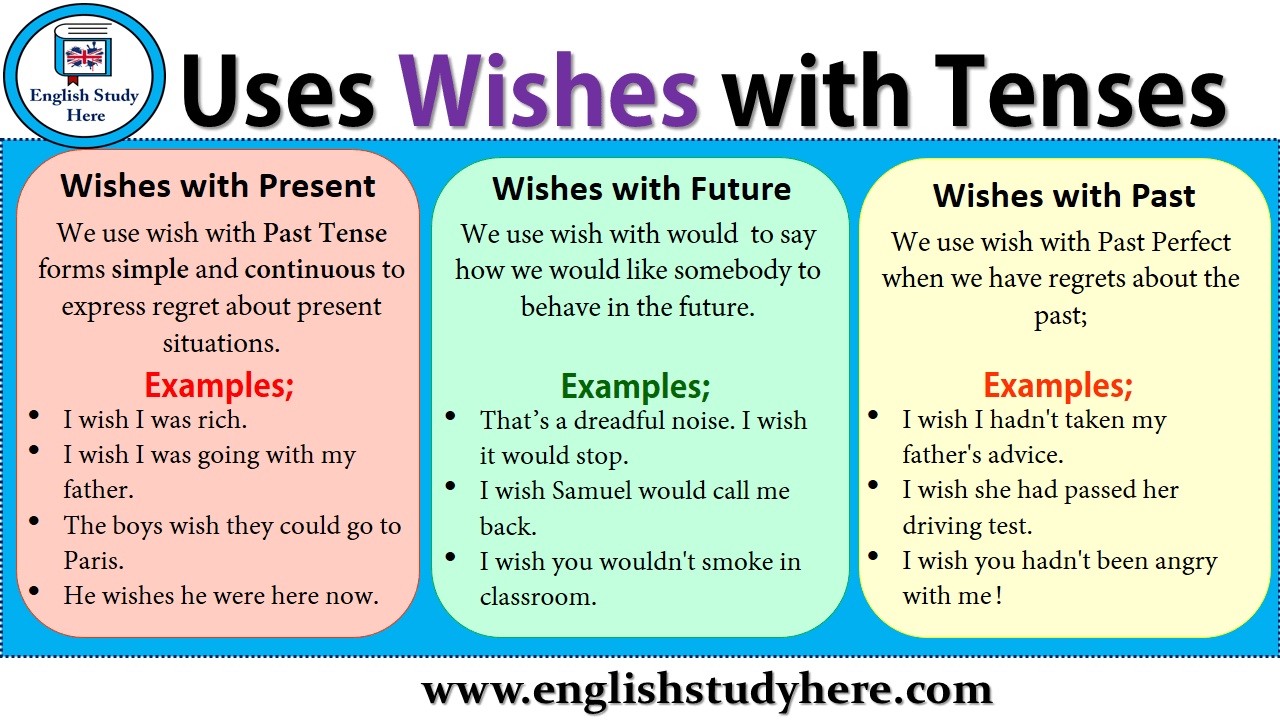
Ex:1 P:100 • Write the examples in the theory box on the board. Underline the verb forms in each sentence. Ask Ss to identify the tenses. (had: past simple; hadn't gone: past perfect; would: past tense of will; could: past tense of can). Elicit which sentence refers to present, future, past, a regret in the present. Elicit answers to the questions in the rubric and examples from the text. Refer Ss to the Grammar Reference section for more information. Ex: 2 P: 100 • Explain the task and then give Ss time to complete it. Ask Ss to check their answers in the Grammar Reference section. Check Ss answers around the class. Ss justify their answers. Ex: 3 P: 100 • Explain the task and read out the example. Give Ss time to complete the task. Check Ss' answers around the class. Conclusion during the lesson some tasks differentiated by outcomes of the students and by their abilities. |
• Learners read the theory box. Answer the question. Find examples of each structure in the text. ANSWERS I wish/lf only past simple = a wish about a present/future situation past perfect = a regret about a past situation modal = request/desire for sb's behaviour (or a situation) to change • Learners put the verbs in brackets into the correct tense. ANSWERS 2 would help (desire for sb's behaviour to change) 3 wouldn't text (desire for sb's behaviour to change) 4 had brought (regret about the past) 5 knew (a wish about the present • Learners write sentences as in the example. ANSWERS 2 I wish/lf only I could cook. I wish/lf only I stopped eating ready-made meals. 3 I wish/ If only I had eaten breakfast. I wish/lf only I weren't starving now. 4 I wish/lf only I had trained more. I wish/lf only I hadn't lost the race. 5 I wish /If only I hadn't drunk coffee after dinner. I wish/lf only I had slept well. 6 I wish/lf only I weren't on a diet. I wish/lf only I could have desserts |
Descriptor: - read the theory box - Find examples of each structure Total: 2 point
Self assessment Descriptor: - put the verbs in brackets - complete the sentences Total: 2 point Descriptor: - write sentences as in the example. Total: 2 point -Make CCQ questions Yes / No Total: 1 point Total: 10 point |
Card Worksheet Students book |
|
End of the lesson 5 min |
FEEDBACK Learners provide feedback on what they have learned at the lesson. Ex: P: Home task: Write the days |
|
Poster Success
|
|
Short term plan: term 4
|
Stages / Time |
Teachers actions |
Students actions |
Assessment criteria |
Resources |
|
Beginning of the lesson Warming-up
3 min. Pre-learning «Brainstorming» method 7 min. |
Organization moment : 1.Greeting. Ask about the weather. The teacher sets the lesson objectives, letting students know what to anticipate from the lesson. Warming up Where are you from? How old are you? What color is it? How many students are there in class? What day of the week today? Lead – In
|
The aim: To develop pupils speaking skills and create friendly atmosphere Efficiency: By wishing each other they feel better and feel the support of others Students of the class are listed. Students' attention is drawn to the lesson. Students say different words from the picture •Learners remember previous lesson vocabulary •Learners answer the questions |
The teacher to assess learners for their ability. “Good job! Well done!” Formative Assessment
Good job! Descriptor: - remembers the lesson passed Point 1 Assessment criteria make basic statements related to personal information, people and objects |
Pictures worksheet Picture |
|
Middle of the lesson Presentation part. 30 min |
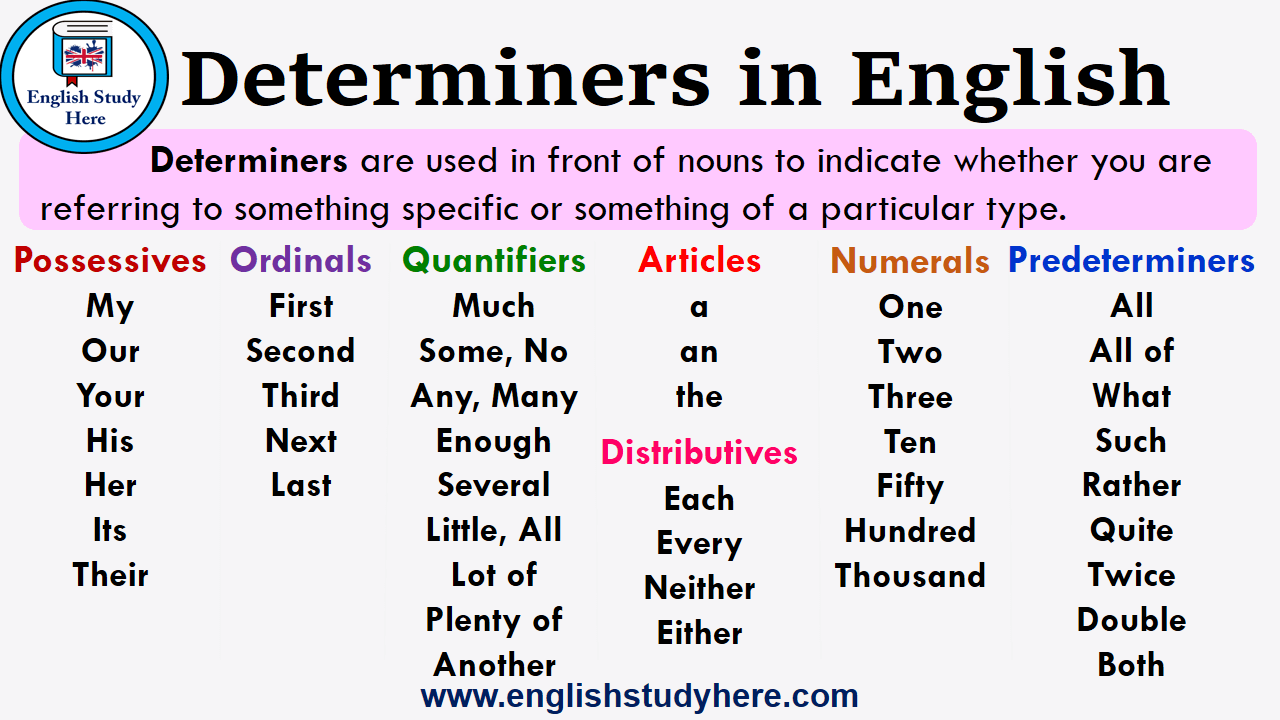
Ex:4 P:101 • Explain the task and read out the example. Give Ss time to complete the task. Check Ss' answers around the class. Ex: 5 P: 101 • Read the theory box and the examples aloud. Refer Ss to the Grammar Reference section for more information. Explain the task and read out the example. Give Ss time to complete the task. Check Ss' answers. Ex: 6 P: 101 • Explain the task and read out the example. Give Ss time to complete the task. Check Ss' answers around the class. Ex: 7 P: 101 • Explain the task and give Ss time to complete it. Check Ss' answers. Ex: 8 P: 101 • Explain the task, read the example, and give Ss time to complete the task. Check Ss' answers. Conclusion during the lesson some tasks differentiated by outcomes of the students and by their abilities. |
• Learners rewrite what the people said, as in the example. ANSWERS 2 I wish/lf only I had downloaded a film to watch. If I had downloaded a film to watch, I wouldn't feel bored. 3 If onlyll wish I had more free time. If I had more free time, I could take up painting. 4 If onlyll wish I had practised more for the performance. If I had practised more for the performance, I could have remembered the dance moves. 5 If only/l wish Brian wouldn't talk during films. If Brian didn't talk during films, I wouldn't get angry. 6 If only/l wish we had arrived earlier. If we had arrived earlier, there would have been seats at the front of the theatre • Learners choose the correct item. ANSWERS 2 quite 3 What 4 such 5 What an 6 What a 7 rather • Learners rephrase the following sentences in as many ways as possible as in the example. ANSWERS 2 How wonderful this house is! Isn't this a wonderful house! This is such a wonderful house!-This house is so wonderful! 3 What nice sisters he has! How nice his sisters are! His sisters are so nice! - He has such nice sisters! 4 How fairly Saule treats people! - Isn't Saule fair! - How fair Saule is! - What a fair person Saule is • Learners choose the correct item. ANSWERS 1 A 2 C 3 B 4 A 5 D 6 B • Learners choose the correct item. ANSWERS 2 по 3 a few 4 so many 5 a little 6 too many 7 very little 8 a few |
Descriptor: - rewrite what the people said - complete the task Total: 2 point
Self assessment Descriptor: - choose the correct item. - complete the sentences Total: 2 point Descriptor: - choose the correct item. - complete the sentences Total: 2 point Descriptor: - choose the correct item. - complete the task Total: 2 point -Make CCQ questions Yes / No Total: 1 point Total: 10 point |
Card Worksheet Students book |
|
End of the lesson 5 min |
FEEDBACK Learners provide feedback on what they have learned at the lesson. |
|
Poster Success
|
|









 Бұл курс Қазақстан Республикасы Оқу-ағарту министрлігімен келісілген