
 ЖИ көмекші


 Қауіпсіз төлем

жүктеу мүмкіндігіне ие боласыз
Бұл материал сайт қолданушысы жариялаған. Материалдың ішінде жазылған барлық ақпаратқа жауапкершілікті жариялаған қолданушы жауап береді. Ұстаз тілегі тек ақпаратты таратуға қолдау көрсетеді. Егер материал сіздің авторлық құқығыңызды бұзған болса немесе басқа да себептермен сайттан өшіру керек деп ойласаңыз осында жазыңыз
 24 Сәуір 2025
 220
220
1 жыл бойы шексіз жүктеңіз
Шегрена синдромы
Sjögren's Syndrome: Its Impact on the Immune System and Current Treatment Options
Saydiganieva Charaskhan Ikramjanovna
Student
Pavlodar Pedagogical University named after «Alkey Margulana»
Pavlodar, Kazakhstan
Address: Kazakhstan, Pavlodar, Olzhabai batyr 60,
Телефон: +7 7071199134
E-mail: charaskhan@mail.ru
Abstract:Sjogren's syndrome is a chronic autoimmune disease that mainly affects the salivary and lacrimal glands. This disease manifests itself with symptoms such as dry mouth, dry eyes and general fatigue. Sjogren's syndrome can occur independently or in combination with other autoimmune diseases (for example, rheumatoid arthritis). Diagnosis requires a comprehensive study, and treatment is aimed at relieving symptoms
Key words:Sjogren's syndrome,аutoimmune disease,damage to the salivary glands,dry eyes,dry mouth,chronic fatigue,rheumatoid arthritis,diagnostics.
Sjögren's Syndrome: Its Impact on the Immune System and Current Treatment Options
Saydiganieva Charaskhan Ikramjanovna
Student
Pavlodar Pedagogical University named after «Alkey Margulana»
Pavlodar, Kazakhstan
Introduction:
Sjögren's syndrome is a chronic autoimmune disease primarily targeting the body's moisture-producing glands, such as the salivary and lacrimal glands. Named after Swedish ophthalmologist Henrik Sjögren, this syndrome is classified among systemic autoimmune disorders, alongside lupus and rheumatoid arthritis. Affecting millions worldwide, particularly middle-aged women, Sjögren's syndrome disrupts basic body functions by causing dryness in the eyes and mouth, alongside a range of systemic effects. This article explores the syndrome’s impact on the immune system and examines current treatment approaches.
Clinical Manifestations
The main symptoms of Sjögren's syndrome include:
1. Xerophthalmia(Dry Eyes): Patients often experience irritation, a gritty sensation, and photosensitivity.
2. Xerostomia(Dry Mouth): Decreased saliva production leads to difficulties in speaking, chewing, swallowing, and increased dental decay risk.
3.Systemic Symptoms: Fatigue, joint pain, and muscle aches are common. In some cases, the syndrome can lead to lung, kidney, or nervous system involvement.
Current Treatment Options
While there is no cure for Sjögren's syndrome, several treatment options focus on managing symptoms and controlling the immune response to prevent further complications. Treatment is typically customized based on symptom severity and systemic involvement.
1.Symptom Management
Artificial Tears and Saliva Substitutes: For dry eyes, over-the-counter artificial tears or prescription options like cyclosporine eye drops (Restasis) are recommended. Similarly, saliva substitutes or stimulants like pilocarpine may alleviate dry mouth symptoms.
Moisturizing Agents: Patients are often advised to use moisturizers and avoid environments that can exacerbate dryness.
Dental Care: Regular dental checkups and treatments like fluoride applications help mitigate the high risk of tooth decay due to reduced saliva.
2.Immunosuppressive Therapies
Corticosteroids: Prednisone and other corticosteroids may be used in low doses to control inflammation, though long-term use is typically avoided due to side effects.
Immunomodulatory Drugs: Hydroxychloroquine, commonly used for lupus, can help reduce fatigue and joint pain in Sjögren's patients.
DMARDs (Disease-Modifying Anti-Rheumatic Drugs): Drugs like methotrexate or leflunomide may be prescribed when there is significant joint involvement or if hydroxychloroquine proves ineffective.
3.Biologic Therapies
Rituximab: A monoclonal antibody targeting CD20 on B-cells, rituximab is used in severe cases where traditional DMARDs are insufficient. Clinical trials have shown its potential to reduce glandular inflammation and systemic symptoms.
Belimumab and Abatacept: These biologics target specific pathways within the immune system, such as B-cell activation, and are currently being studied for their efficacy in Sjögren's syndrome. Early results indicate promise, particularly for patients with extensive systemic involvement.
4.Lifestyle and Supportive Care
Diet and Hydration: A diet rich in anti-inflammatory foods and proper hydration can help manage systemic symptoms and support immune health.
Exercise and Stress Management: Gentle exercises, like walking or yoga, can help alleviate fatigue and improve overall well-being.
Support Groups and Counseling: Mental health support is beneficial as chronic conditions like Sjögren’s often impact emotional well-being.
Future Directions in Treatment
Research into Sjögren’s syndrome has expanded in recent years, exploring new drugs and targeted therapies. New areas of interest include JAK inhibitors, which target the Janus kinase pathway involved in immune cell activation. Personalized medicine approaches, where treatments are tailored to specific immune markers, are also under investigation. Advances in biologic therapies continue to offer hope for more effective treatments that may not only manage symptoms but slow disease progression.
ConclusionSjögren's syndrome poses complex challenges due to its systemic nature and impact on the immune system. While treatment currently focuses on symptom relief and immune regulation, ongoing research may soon lead to more targeted and effective therapies. Patients benefit from a comprehensive, multidisciplinary approach that includes symptom management, immunosuppressive medications, lifestyle changes, and support networks. The future of Sjögren's syndrome treatment lies in therapies that can specifically target the aberrant immune responses, offering improved quality of life for patients with this chronic autoimmune disease
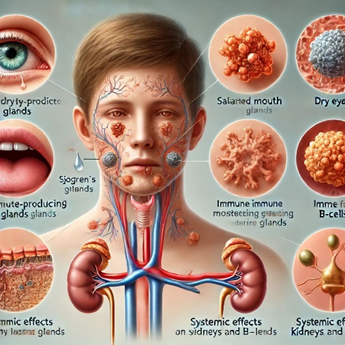
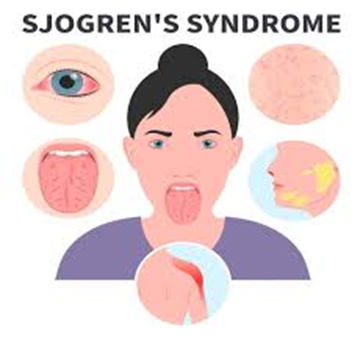
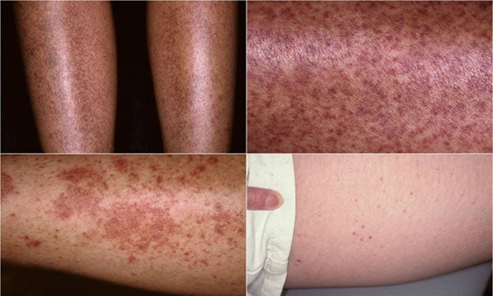
1-picture. Sjögren's Syndrome
List of literature
1."Sjögren's Syndrome: Diagnosis and Therapeutics".2012г.633с.
Authors: Manuel Ramos-Casals, Hendrik Schulze-Koops, Andrea Doria
This book comprehensively explains the methods of diagnosis, pathogenesis and treatment of Sjogren's syndrome.
2."The New Sjögren's Syndrome Handbook".2011г.368с.
Authors: Steven E. Carsons and Sjögren's Syndrome Foundation
A Practical Guide to the disease for patients and medical workers.
3."Sjögren’s Syndrome and Oral Health".2020г.220с.
Author: Seunghee Cha
A book to study damage to the salivary glands and their effects on oral health.
4."Autoimmune Diseases: Pathogenesis, Diagnosis, and Treatment".2014г,460с.
Author: Ian R. Mackay, Noel R. Rose
A classic work on the general aspects and therapy of autoimmune diseases.
5."Rheumatology" (several volumes).2018г.1000с.
Authors: Marc C. Hochberg, Alan J. Silman, Josef S. Smolen, etc.
Detailed data on rheumatological diseases, including Sjogren's syndrome, are included.
Saydiganieva Charaskhan Ikramjanovna
4









 Бұл курс Қазақстан Республикасы Оқу-ағарту министрлігімен келісілген










